Stenciling Tools
Explore a world of creativity with our wide selection of stenciling tools, designed to bring your artistic visions to life with ease and precision. From versatile stencils in various designs and sizes to essential accessories like brushes and sponges, our collection has everything you need to elevate your DIY projects, home decor, and crafts. Whether you're a seasoned crafter or just starting out, these high-quality stenciling tools are sure to inspire your next masterpiece.
Sort
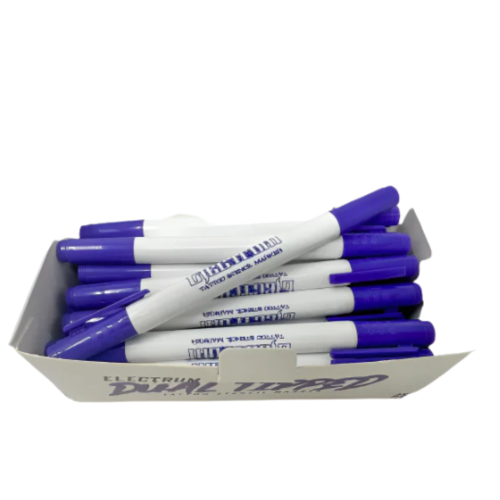
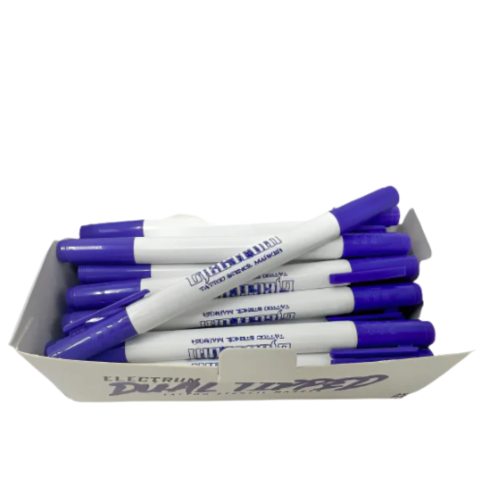


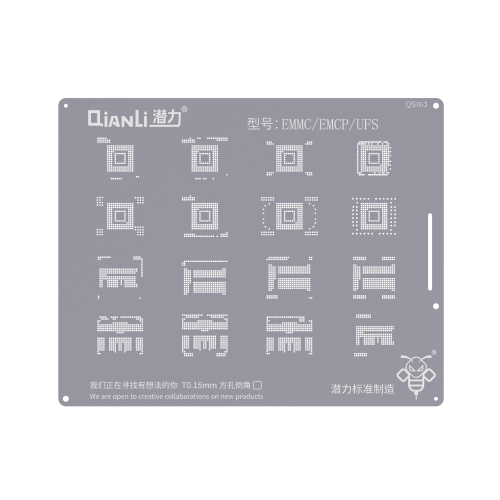

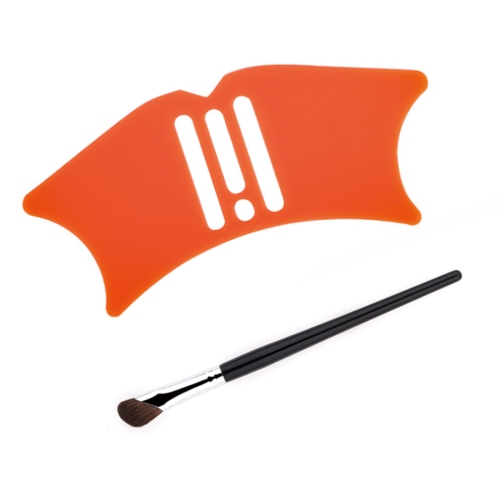
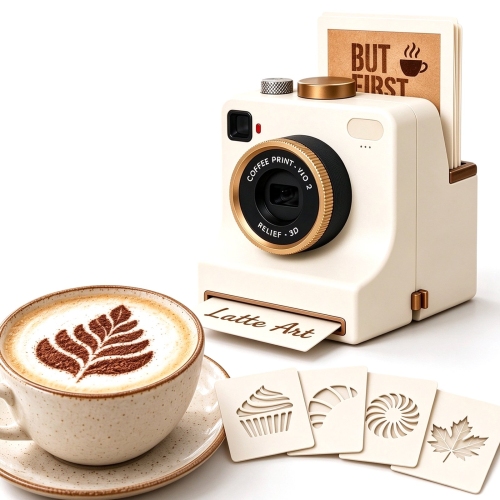
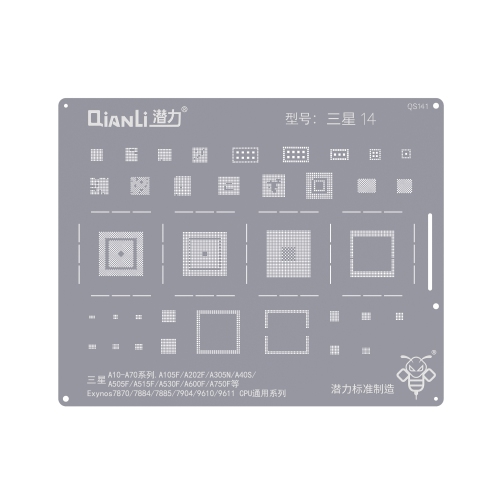
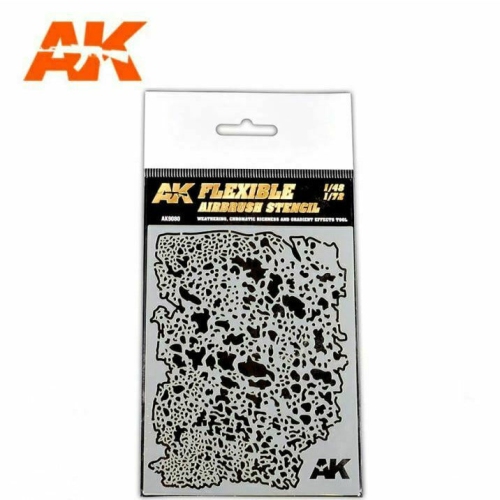
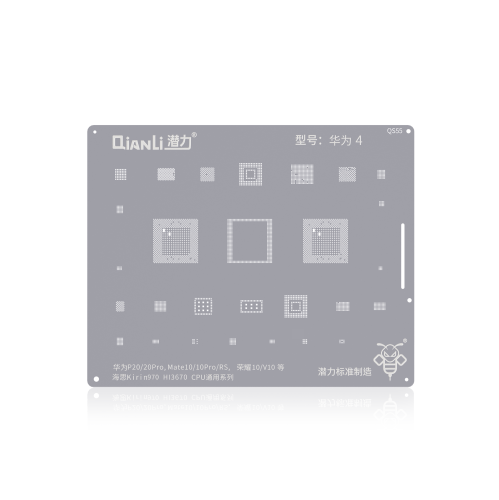
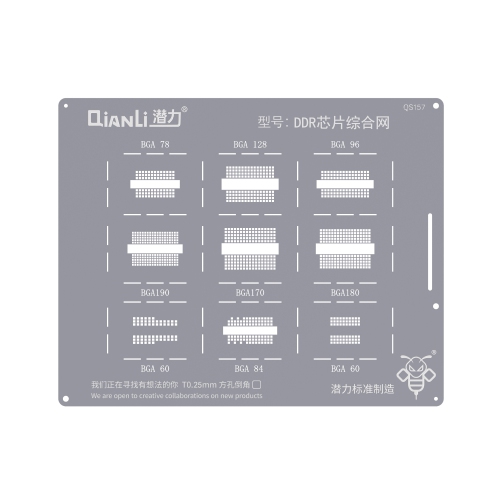
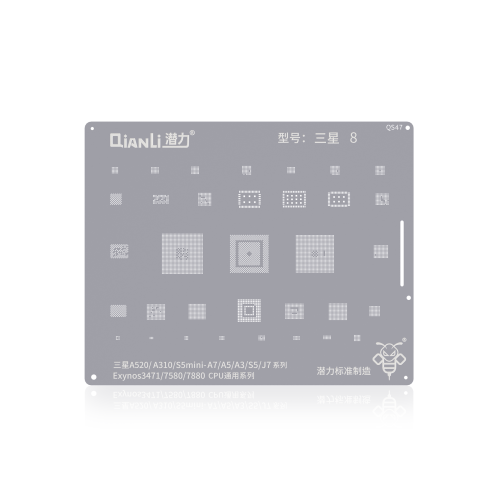
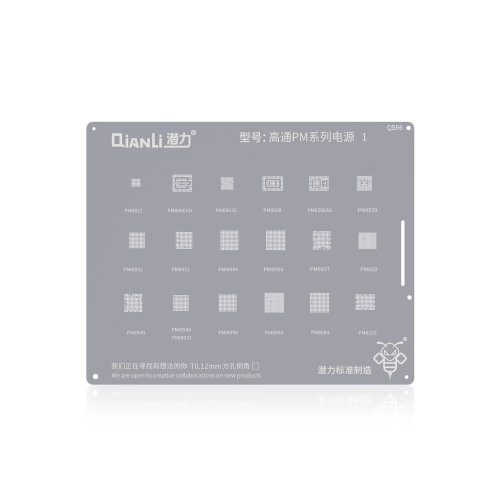
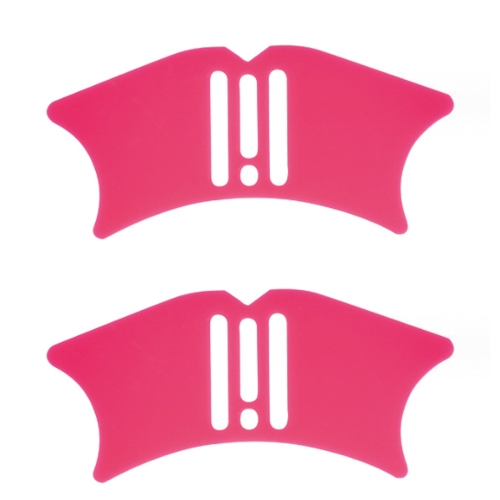

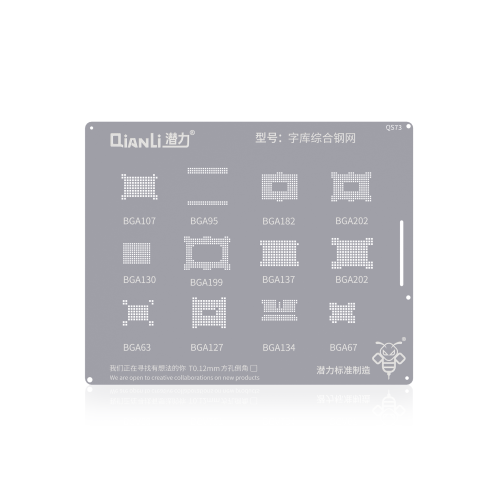
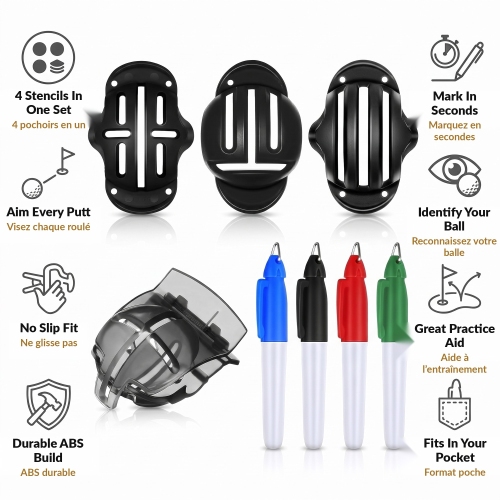
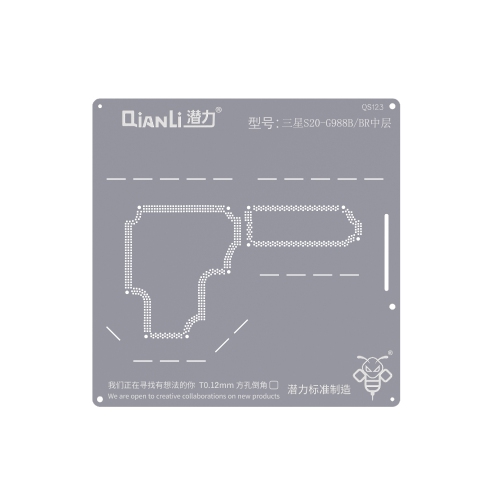
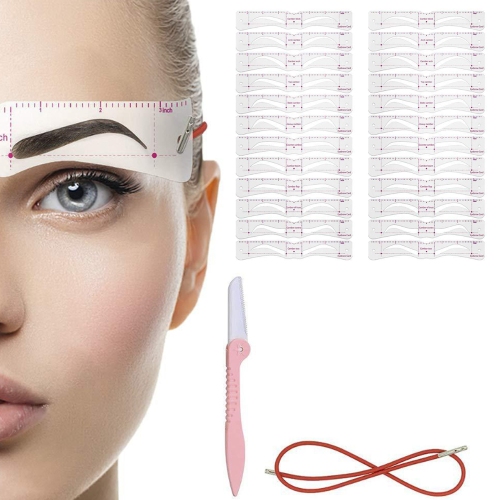
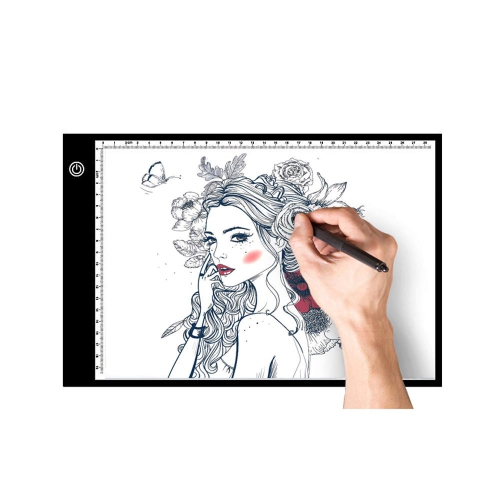
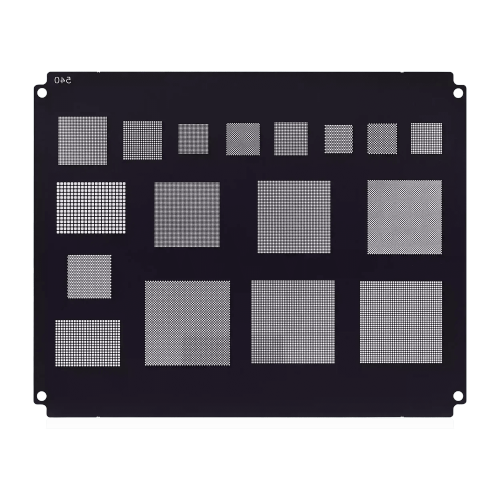
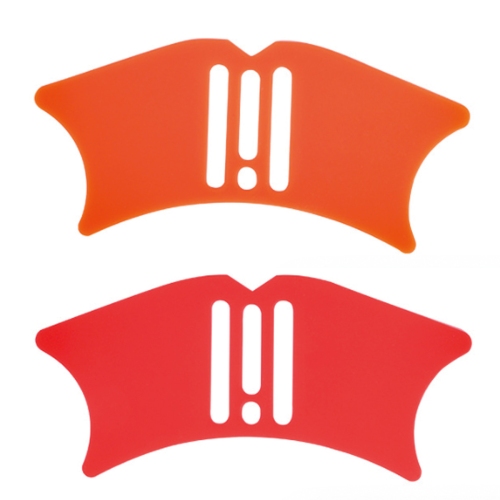
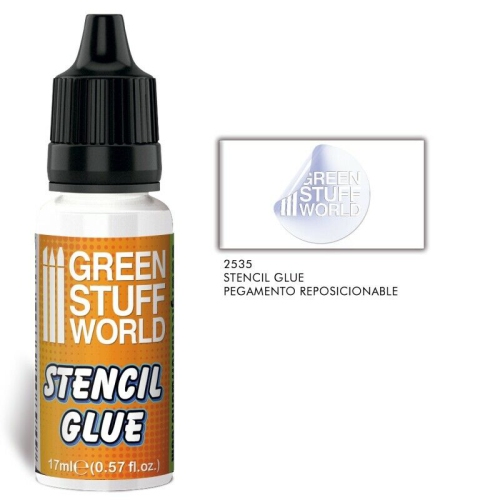

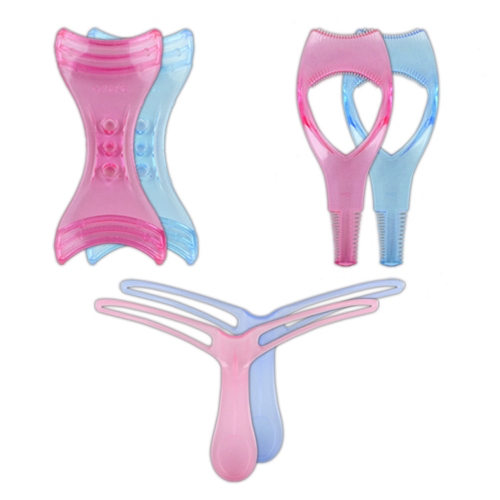
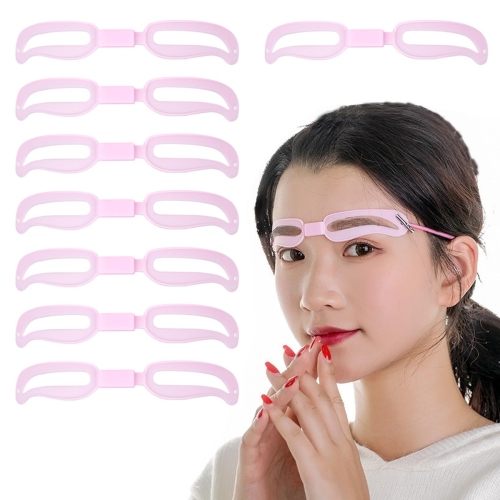
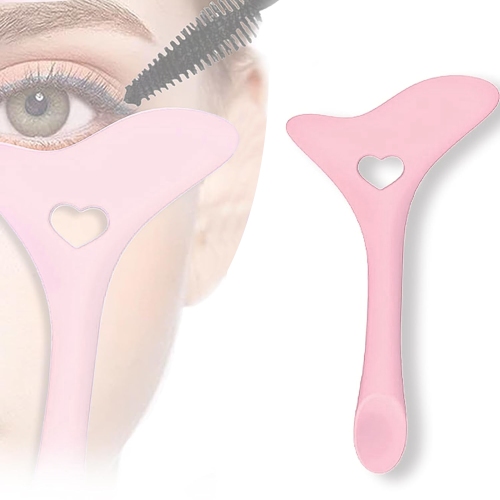
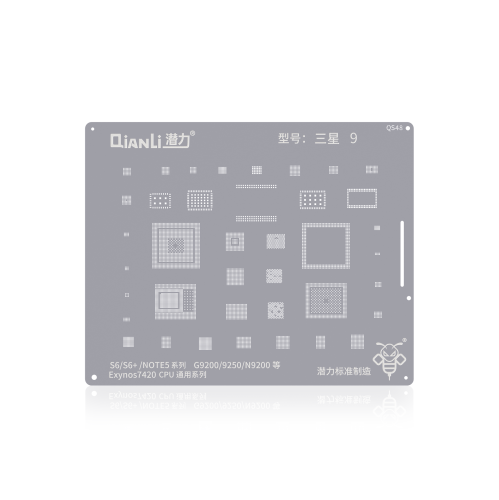
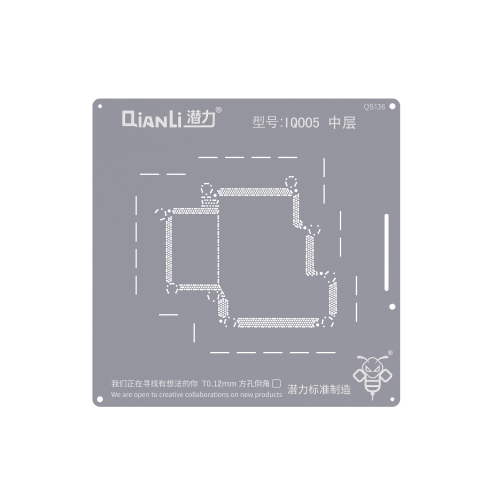
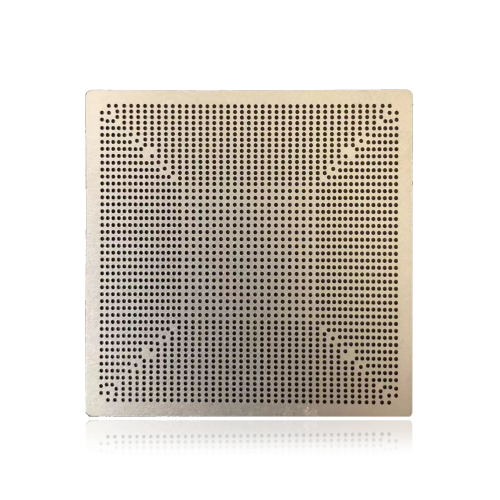



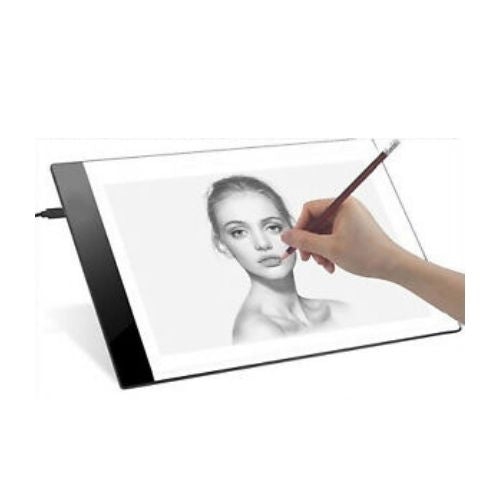
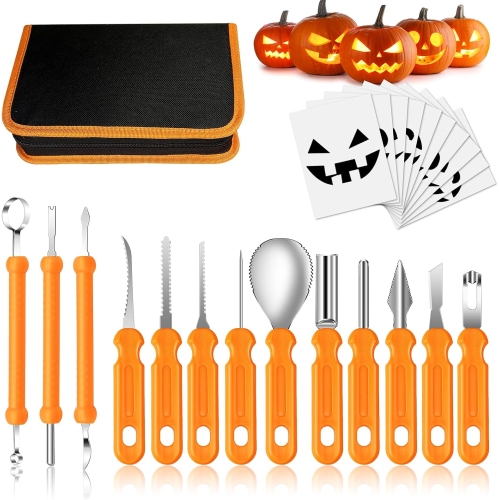
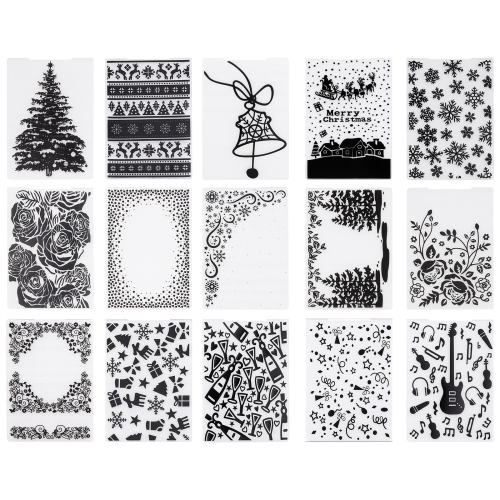
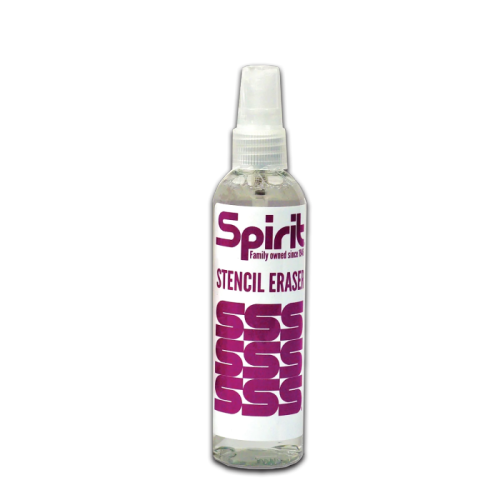
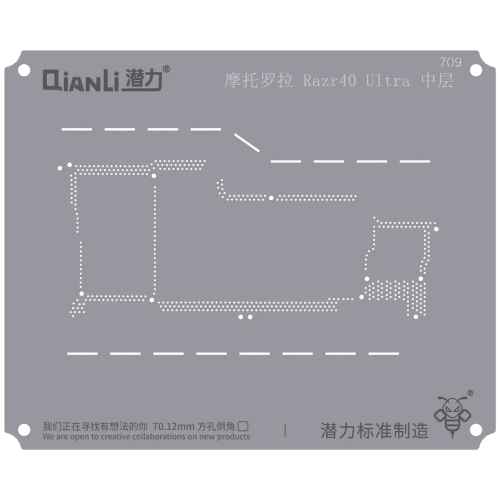
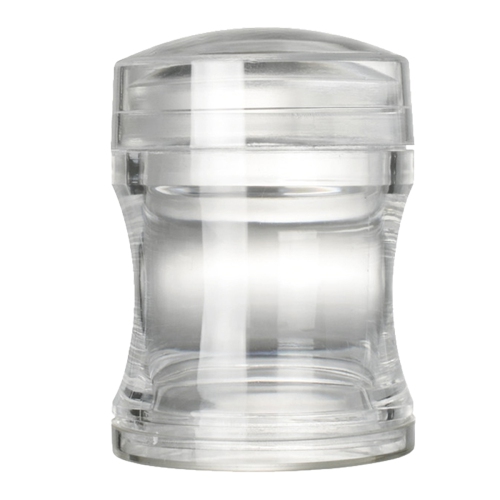
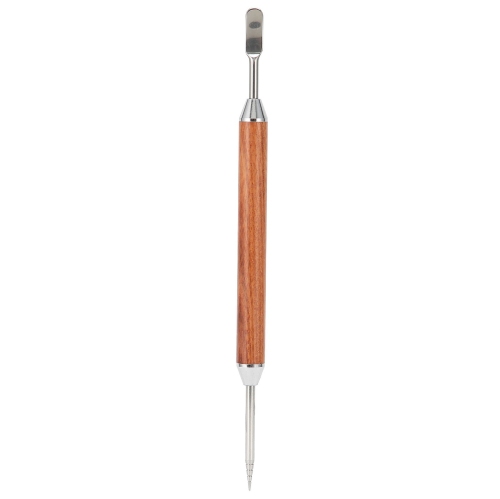
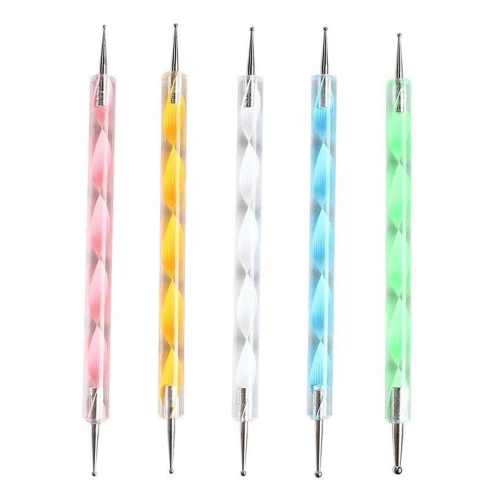
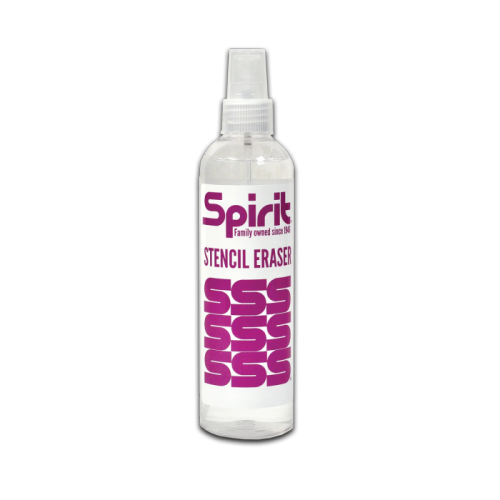
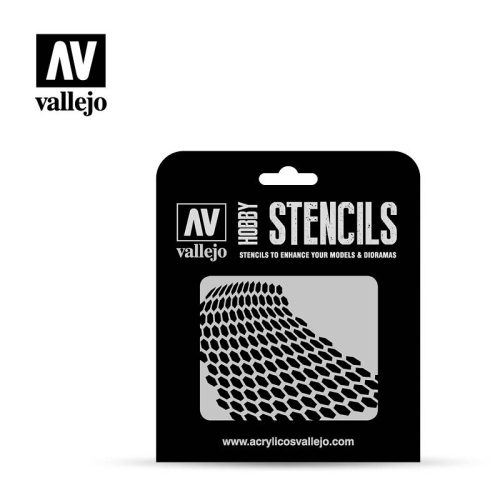
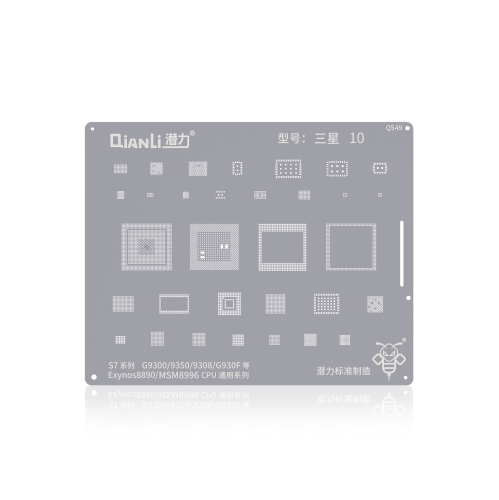
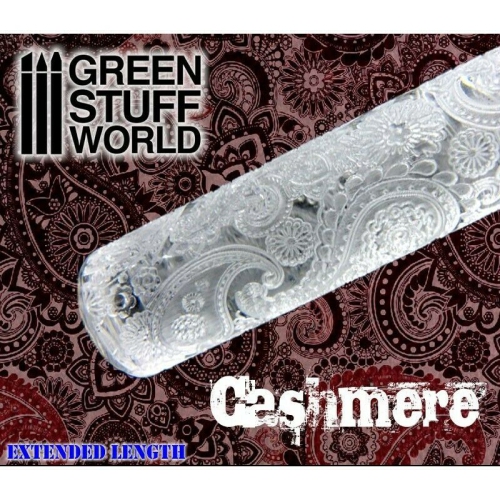
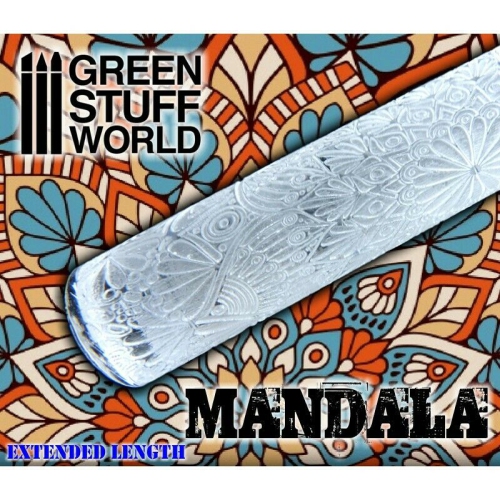
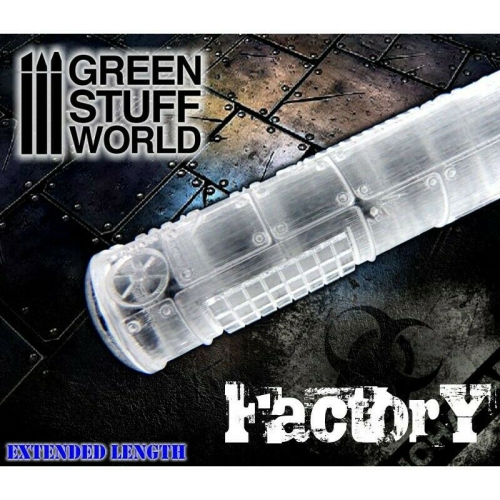
How applicators and alignment shape cleaner stencil patterns
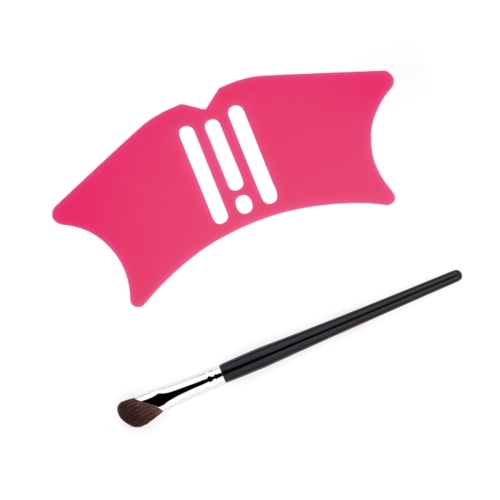
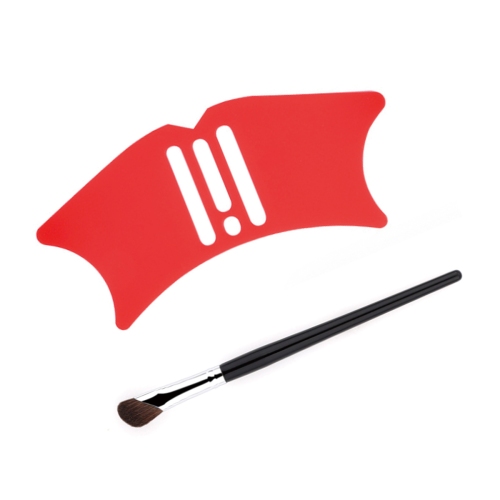
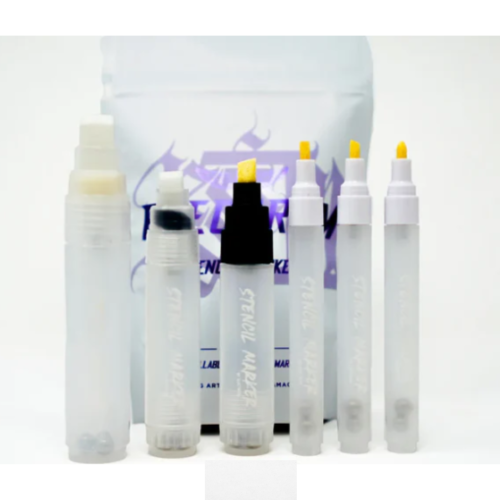
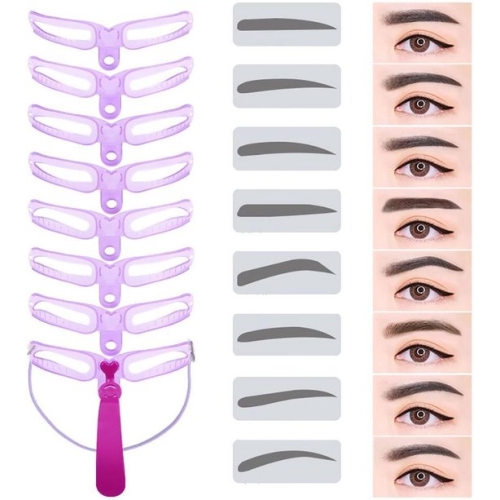
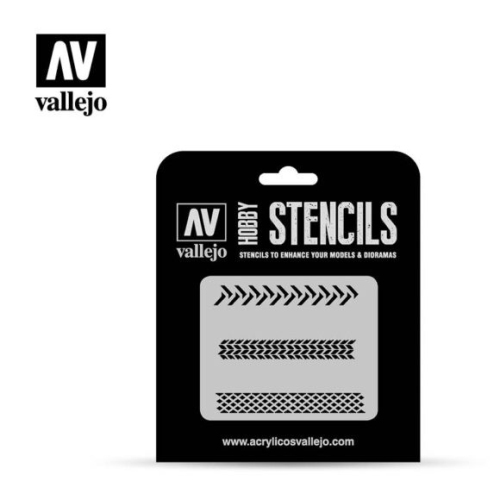
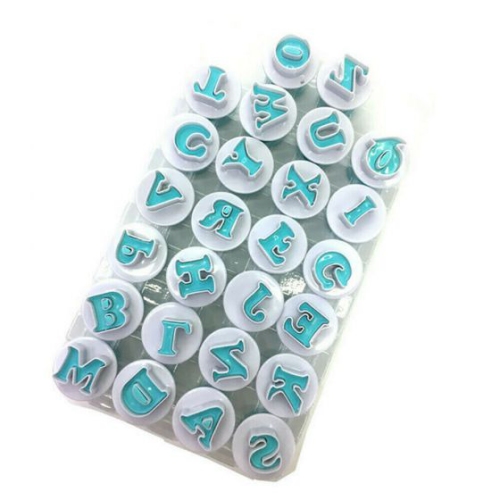
Stencilling tools help transfer a pattern, letter, or image through a cut-out template onto surfaces such as paper, wood, fabric, and painted walls. The main tool types include dense stencil brushes, foam pouncers, high-density foam rollers, positioning aids, and precision cutting tools for making custom templates. Each has a different role: brushes offer control around small openings, pouncers suit repeated shapes and compact designs, and rollers cover broader areas with an even layer of paint. A dense, rounded brush head supports a tapping motion that helps limit paint creeping beneath stencil edges, although paint consistency, brush loading, and contact with the surface also affect the result. For a small monogram on a storage box, a narrow brush makes it easier to work around closely spaced letters; for a repeating wall pattern, a wider roller can reduce visible variations across larger sections. Applicator size matters as much as the overall size of the design, since a broad brush may reach neighbouring openings that need a different colour. Bristle and foam materials are also worth considering. Synthetic bristles are commonly used with water-based paints and inks, while compatibility with other coatings depends on the brush construction and the paint manufacturer’s recommendations. Firm foam supports controlled dabbing, and a fine-textured roller can help produce a smoother appearance on flat surfaces. Comfortable handles, secure brush heads, and a grip that feels steady during repeated movements are useful features for longer craft sessions. Short handles can offer close control at a tabletop, while longer handles may provide more reach for vertical work. People decorating furniture, making cards, labelling storage, or personalizing fabric accessories may need different combinations of these tools rather than one universal set. The most suitable assortment reflects the scale of the work, the detail in the template, and the surface receiving the design. A few well-matched applicators can be more practical than several similar brushes, especially when separate tools are needed for different colours or paint types.
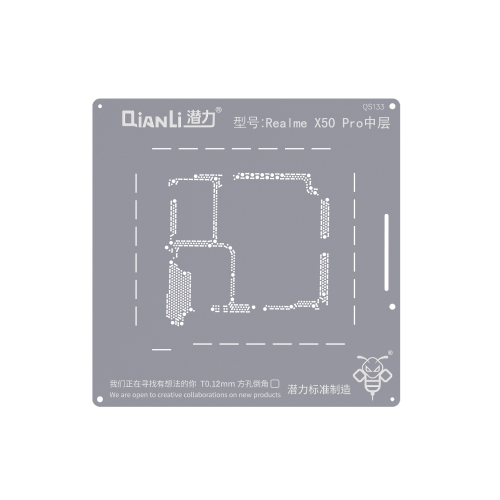
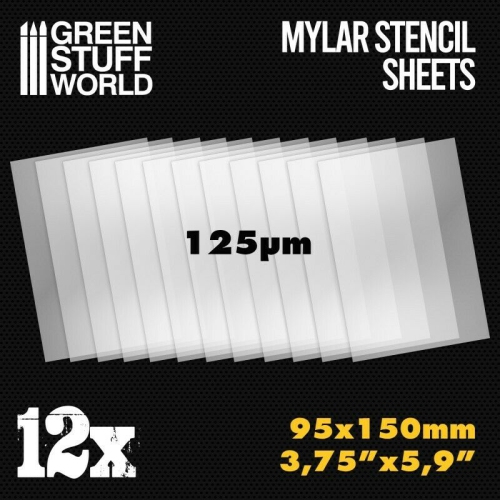
The stencil itself and the accessories that hold it in place have a considerable effect on how cleanly a design transfers. Flexible plastic sheets, including polyester film often called Mylar, are commonly used for reusable templates because they can bend around gentle curves and withstand repeated handling. Acetate and other stencil materials vary in thickness, flexibility, and compatibility with cutting methods, so those details matter when choosing supplies for a custom design. A thin sheet can sit closely against a surface, while a thicker sheet may feel sturdier during repositioning; neither characteristic alone guarantees a crisp outline. Very fine details also need enough supporting material between openings to keep the template intact. Precision craft knives, replacement blades, and cutting mats support custom lettering and shapes, with blade control and a stable work surface being particularly important around tight corners. Self-healing mats protect the work surface during ordinary craft cutting, but their size should accommodate the sheet without forcing awkward hand positions. Cutting tools are intended for controlled craft work and need secure storage, especially in shared spaces or homes with children. For transferring the finished design, low-tack tape and repositionable stencil adhesives help reduce movement without relying on a hand to hold every edge. Adhesive suitability depends on the stencil material and the receiving surface; delicate paper, fresh paint, and fragile finishes may need extra caution and a test in an inconspicuous area. Spray adhesives also require attention to label directions, ventilation, and overspray. A level, ruler, or alignment marks can help keep lettering straight and repeated patterns evenly spaced. These accessories are especially useful when a motif continues across a cabinet front or around the edge of a panel, where a slight shift becomes noticeable over several repeats. Surface texture remains an important consideration: smooth card offers different contact than woven fabric, rough timber, or a textured wall. Tools that hold the stencil flat and apply a light, controlled amount of paint are generally better suited to managing those differences than heavily loaded applicators.
Stencilling supplies suit a broad range of creative interests, from card making and scrapbooking to furniture decoration, classroom art, and small home projects. A beginner working on paper may value easy-to-hold brushes, compact pouncers, and straightforward positioning accessories, while an experienced crafter creating repeated patterns may place more emphasis on durable templates, consistent roller texture, and precise alignment tools. For textile projects, the paint needs to be suitable for the fabric and its intended care, and some formulations require heat setting according to their instructions. Decorative lettering on a wooden tray or box calls for consideration of the finish beneath the stencil and any protective coating applied afterward. Designs on objects that contact food need materials specifically suitable for that use; ordinary craft paint should not be assumed appropriate. For makers interested in combining coloured patterns with raised or textured details, Embossing Tools can complement paper-craft projects, although embossing and stencilling use different techniques and may require different materials. Care and storage also influence how well stencilling supplies perform over time. Dried paint around stencil openings can interfere with sharp edges, while buildup in a brush can stiffen the bristles and reduce control. Prompt cleaning with a method suited to the paint and tool material helps preserve their working shape. Reusable templates benefit from flat storage or suitable protective sleeves, and brushes should dry thoroughly before being enclosed. Foam applicators may need replacing when they tear, lose their shape, or no longer distribute paint evenly. Keeping blades covered, arranging brushes by size, and separating clean templates from wet supplies makes a shared craft area easier to manage. As a gift, stencilling tools can be a thoughtful choice for someone who enjoys handmade cards, decorative lettering, or personalized household accessories. A useful selection takes account of the recipient’s preferred craft, available workspace, and existing materials, so the tools support projects they are likely to enjoy rather than adding unnecessary complexity.
Top selling and popular products
-
 Your price for this item is $34.99
-
 Your price for this item is $59.49
-
 Your price for this item is $1050
-
 Your price for this item is $79.99
-
 Your price for this item is $69.99
-
 Your price for this item is $7.99
-
 Your price for this item is $24.99
-
 Your price for this item is $49.99
Discover more categories related to Stenciling Tools
Top Collections:
Best Black Friday Deals This Year, Best Black Friday Deals On Electronics, Kindle Devices, Pokemon Centers, Best Black Friday Deals On Apple Products, Best Cameras for Sports Photography, Dyson Airwrap, Pokémon 30th Celebration Cards, Apple iPhone 17 Pro, Canon G7X Cameras
Some products may be subject to Environmental Handling Fees
(EHF) depending on your province.
Learn more about EHFs.