Surface Cleaners
If you're looking to keep your surfaces spotless and germ-free, this collection of surface cleaners offers a wide range of options to help you maintain a clean and healthy environment in your home or workspace. From multi-purpose cleaners to specialized formulas for different surfaces, you'll find everything you need to tackle dirt, grime, and bacteria effectively. Whether you prefer natural ingredients, powerful disinfectants, or eco-friendly solutions, we have the perfect surface cleaner for every preference and cleaning need.
Sort




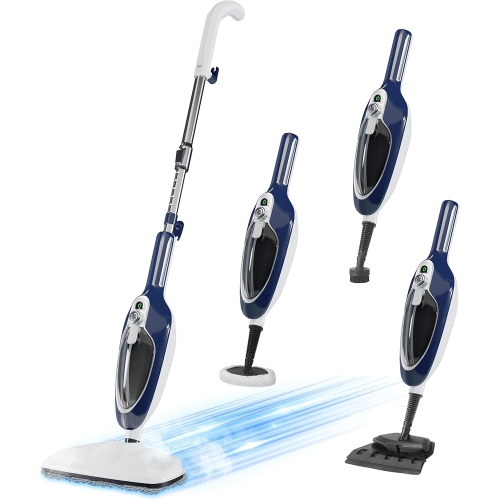
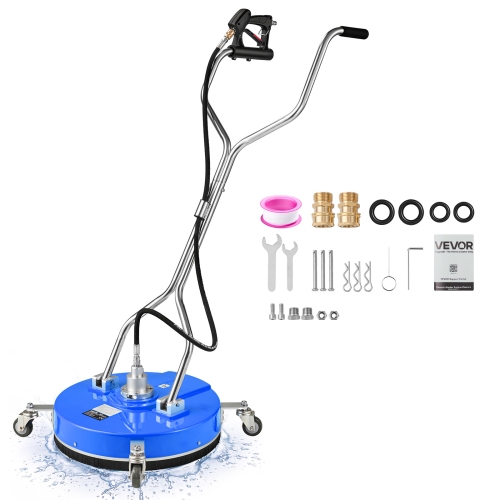
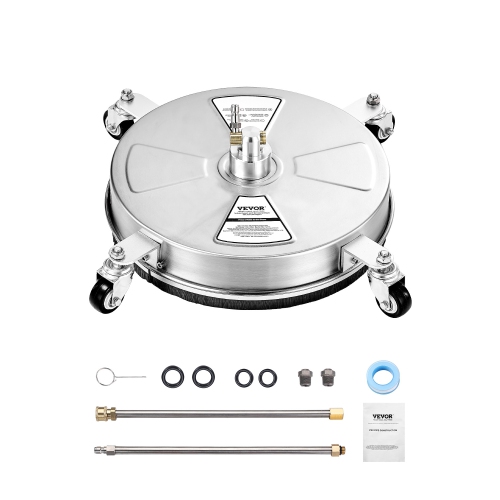
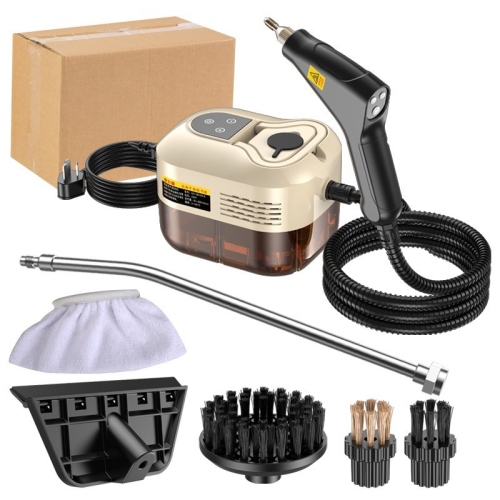


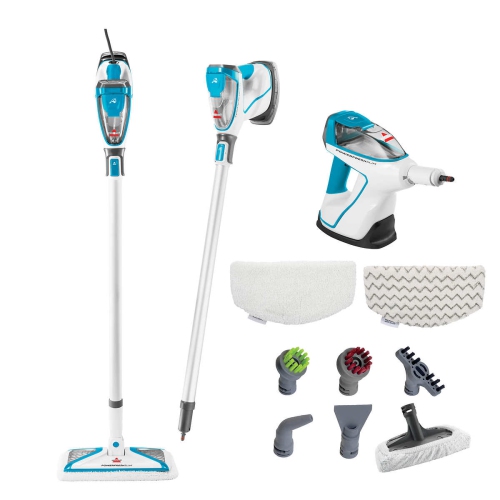
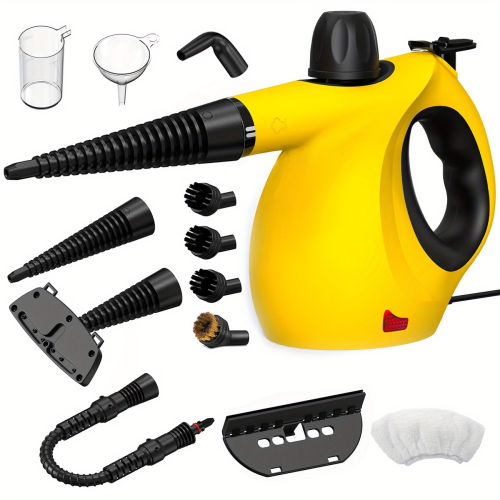
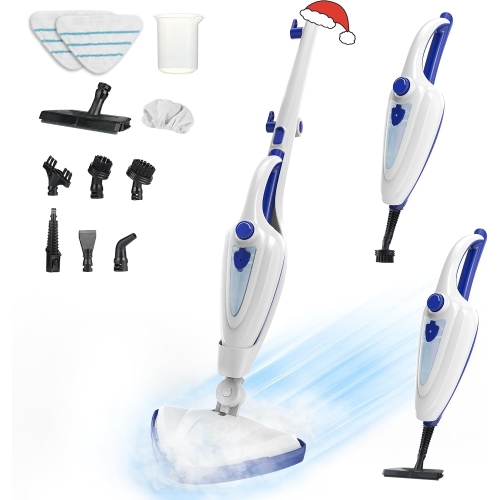







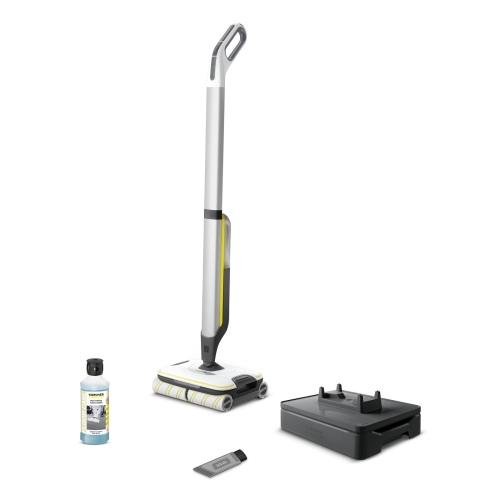
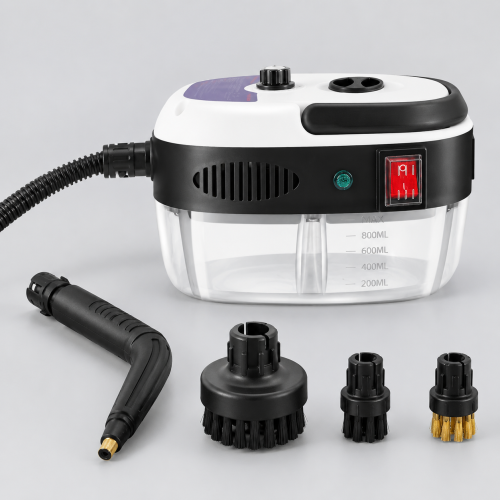

Why countertops and concrete need different cleaning approaches
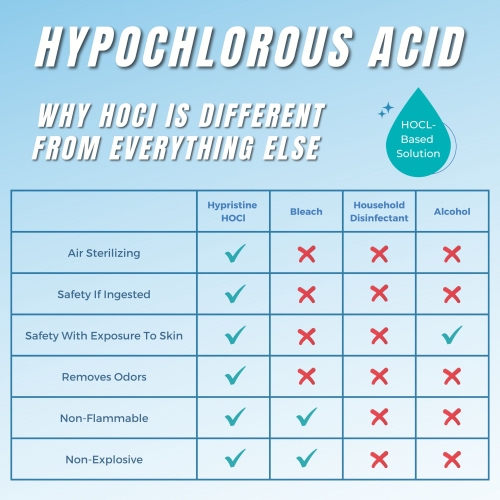
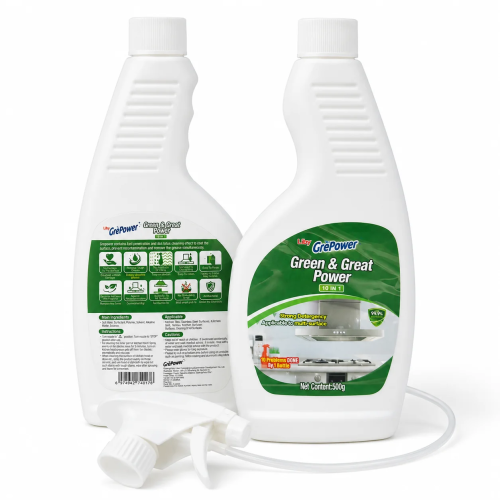
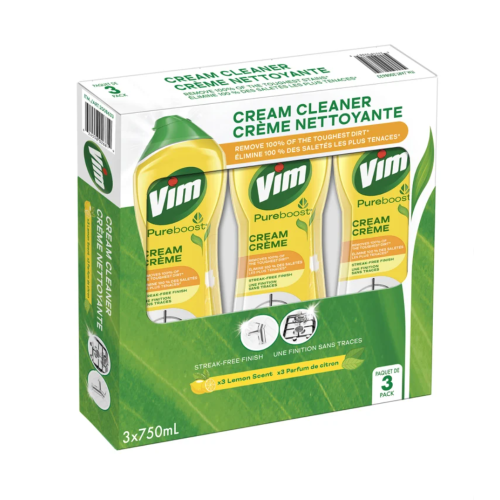
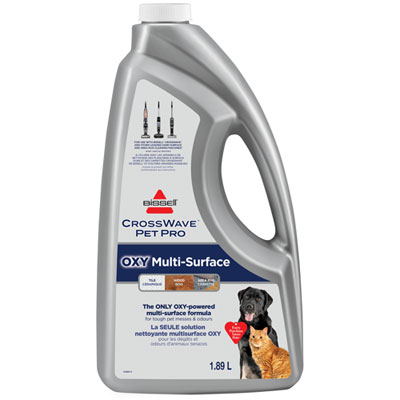
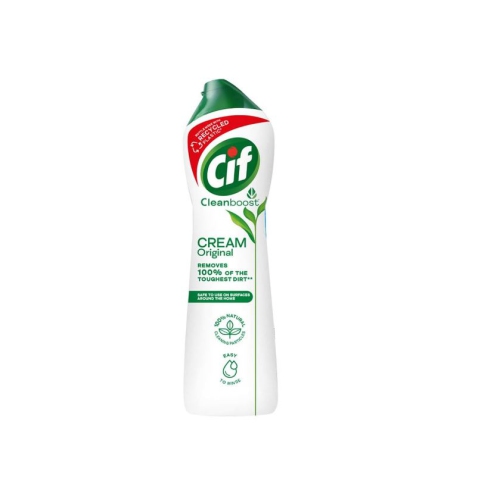
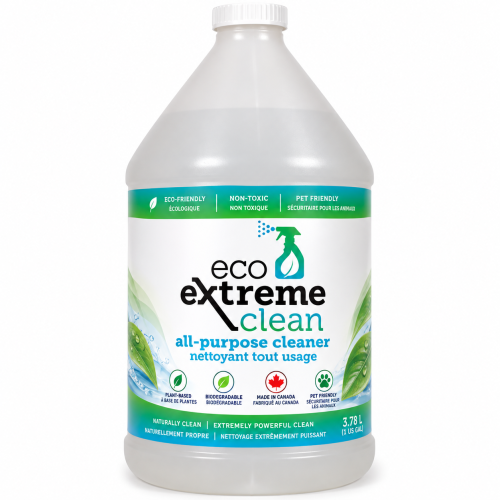
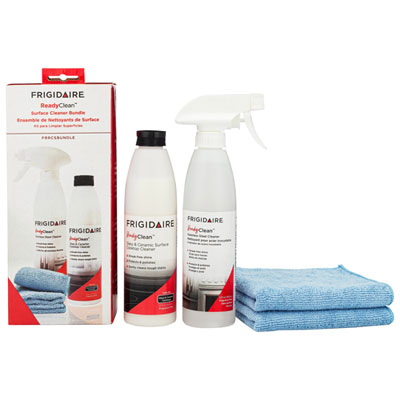
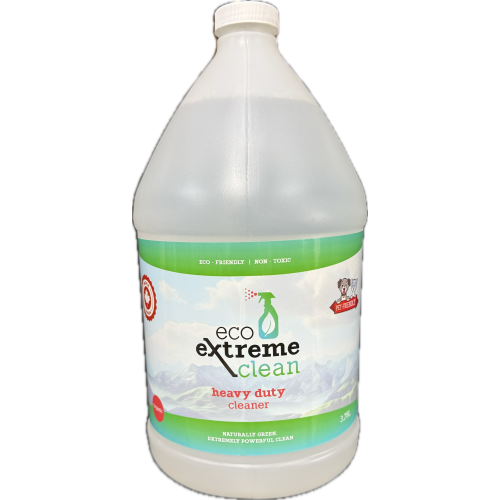
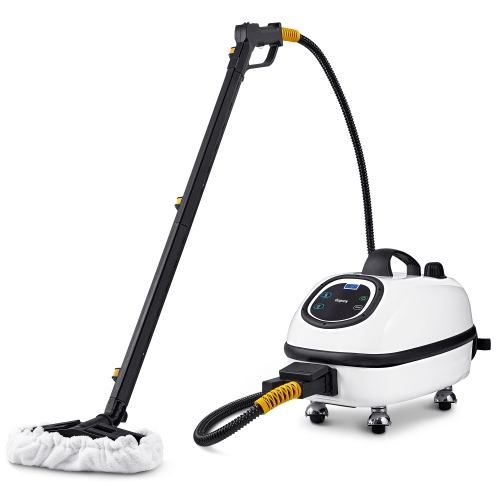
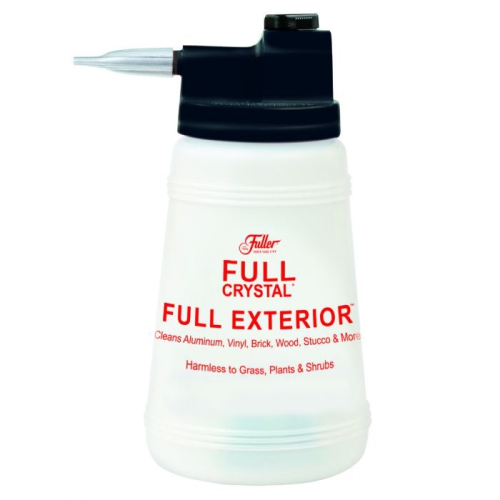
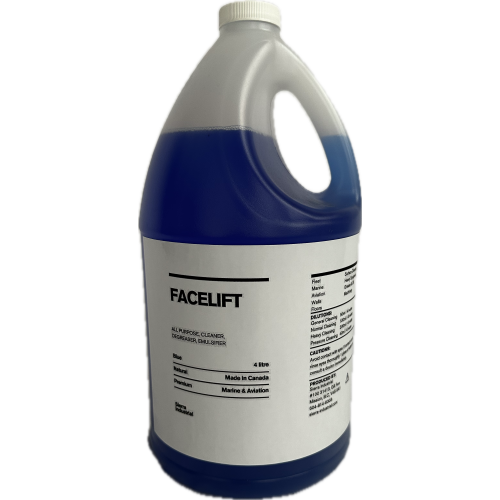
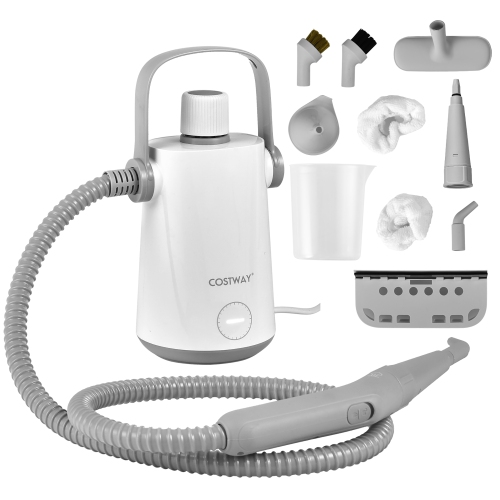
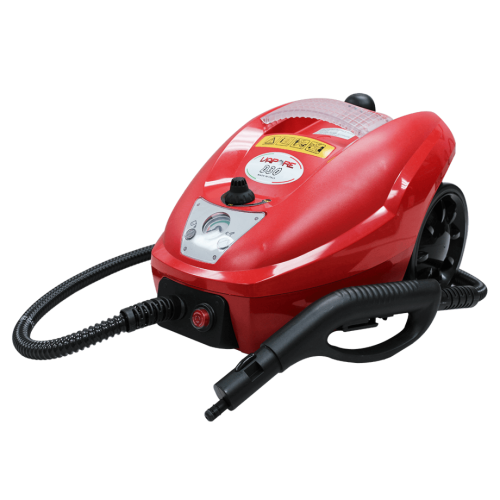
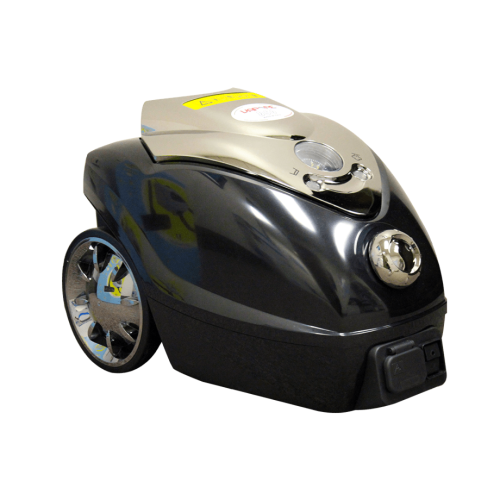
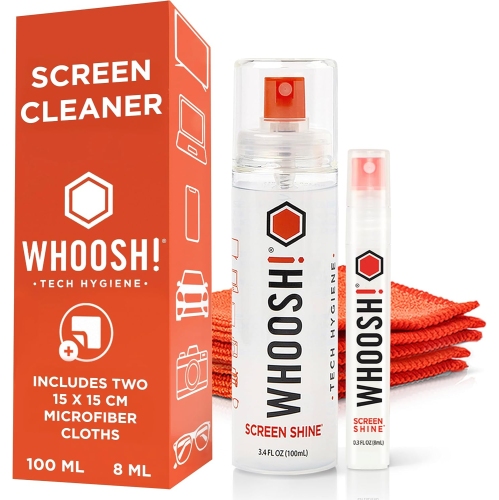
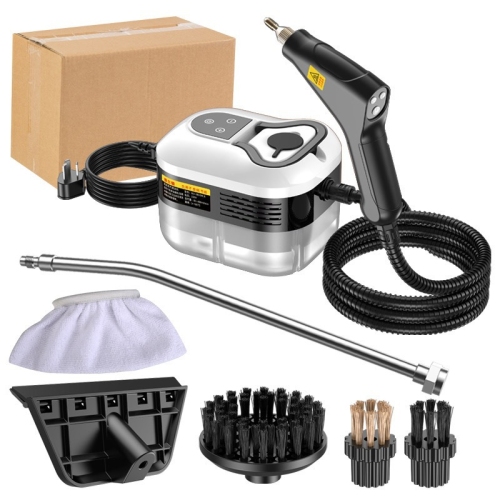
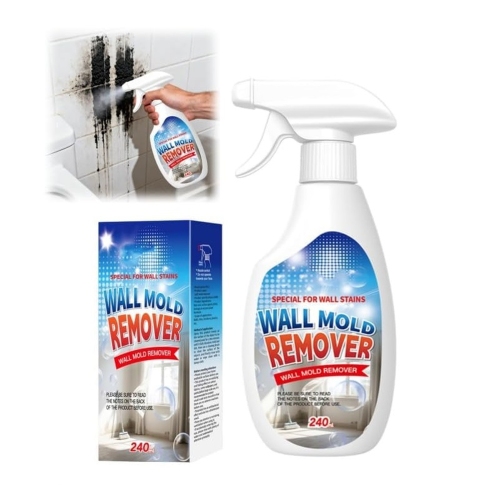
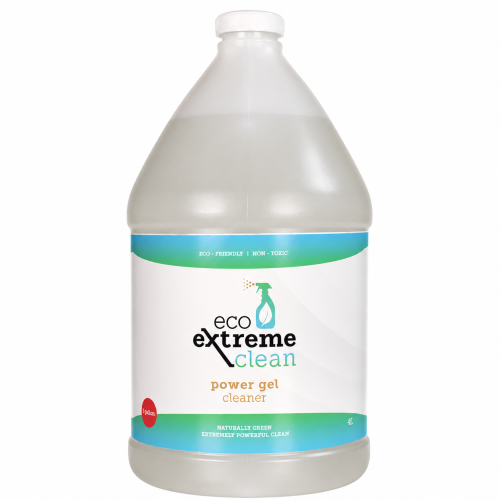
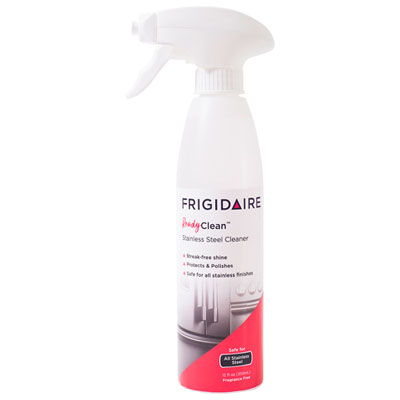
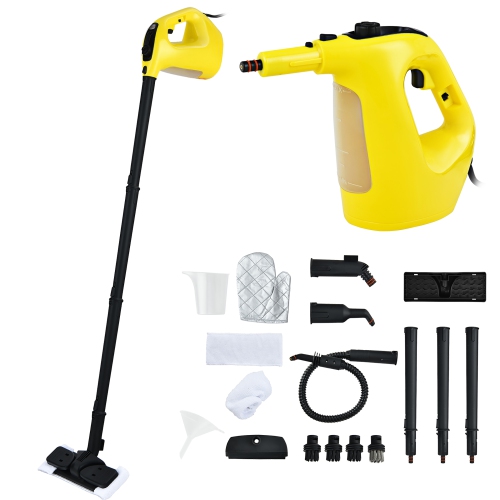
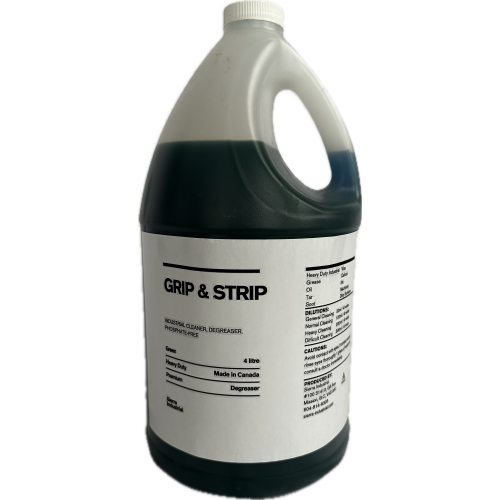
Surface cleaners generally fall into two categories: household cleaning solutions that lift dirt from indoor surfaces, and rotating attachments that connect to pressure washers for cleaning larger outdoor areas. The right type depends on both the mess and the material underneath it. A kitchen counter with dried food splashes needs a different approach from a concrete walkway with ground-in dirt. Indoor surface cleaners include ready-to-use sprays, pourable liquids and concentrates, with formulas intended for anything from everyday wiping to removing grease or soap residue. Multipurpose cleaners can simplify routine cleaning across several compatible surfaces, while formulas designed for glass, stone, wood or bathroom fixtures address more particular needs. Material compatibility matters more than choosing the strongest formula. Acidic cleaners can damage marble and other acid-sensitive stone, and abrasive ingredients may scratch polished finishes, acrylic or some appliance panels. Sealed wood and laminate generally need controlled moisture rather than a soaking wet cloth, especially near seams and edges. A cleaner labelled for a finished surface is a better starting point than assuming every washable material can tolerate the same treatment. Finish also affects the result: a glossy countertop can show streaks that are less noticeable on a textured surface, while a dark cabinet door may reveal dried residue around the handle. Ready-to-use formulas offer straightforward application for quick spills, whereas concentrates require accurate dilution according to their labels. Adding extra concentrate does not necessarily improve cleaning and can leave a film that takes more wiping to remove. Fragrance is another practical consideration, particularly in kitchens, bedrooms and shared spaces where lingering scents may be unwelcome. Cleaning and disinfecting are different tasks, too. A general cleaner removes dirt and residue; a disinfectant must carry the appropriate label claims and be used for the stated contact time. For food-preparation surfaces, any required rinse is part of the process. These distinctions help match a surface cleaner to the actual job, whether that means wiping fingerprints from a cupboard front or lifting cooking splashes from a compatible backsplash.
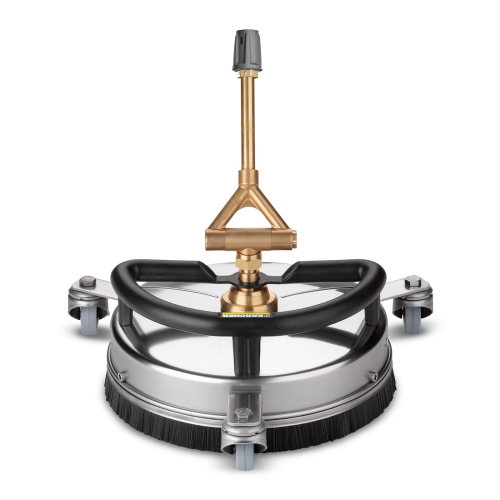
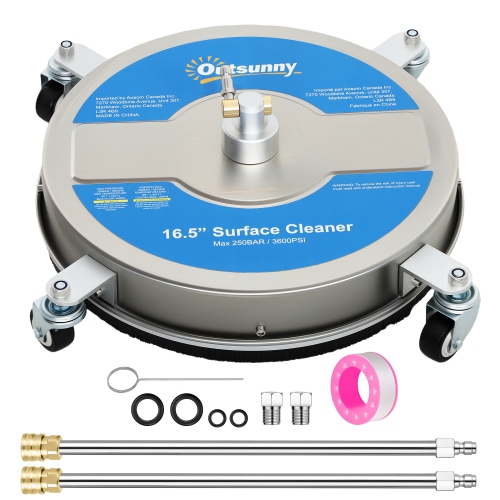
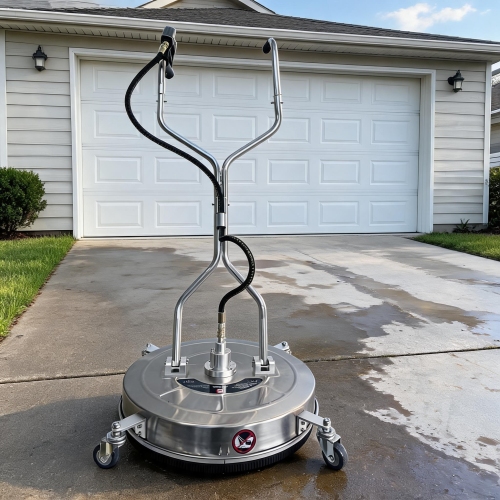
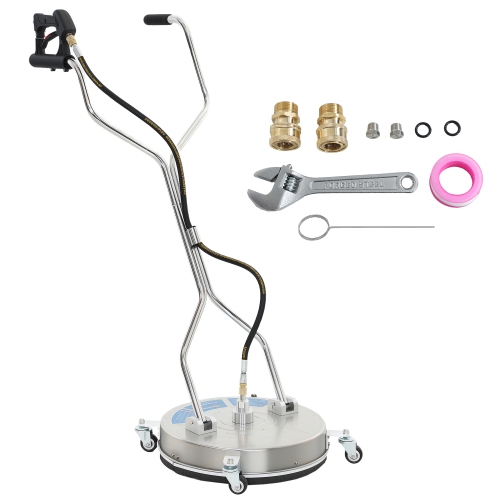
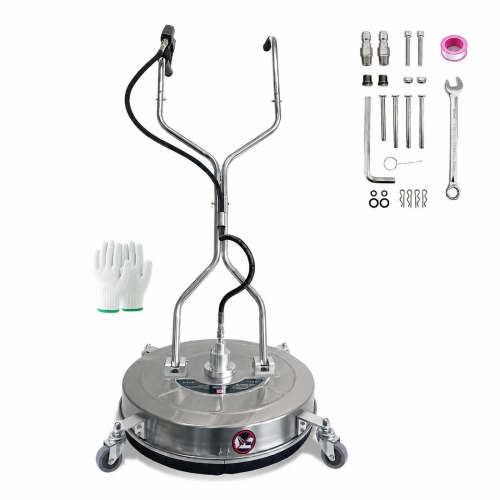
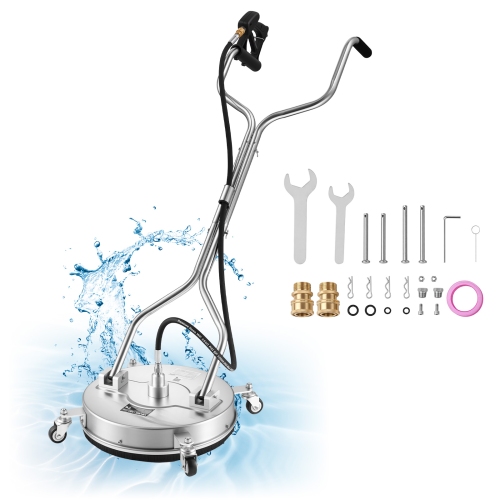
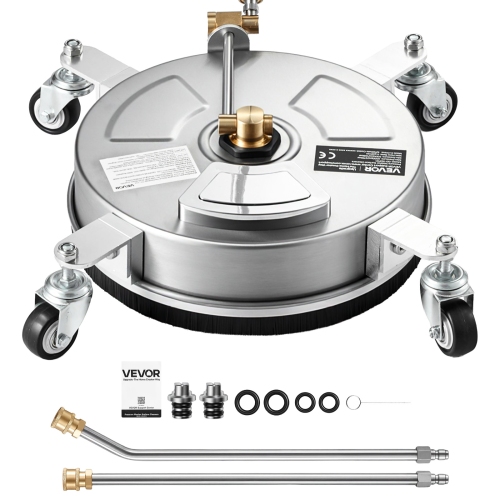
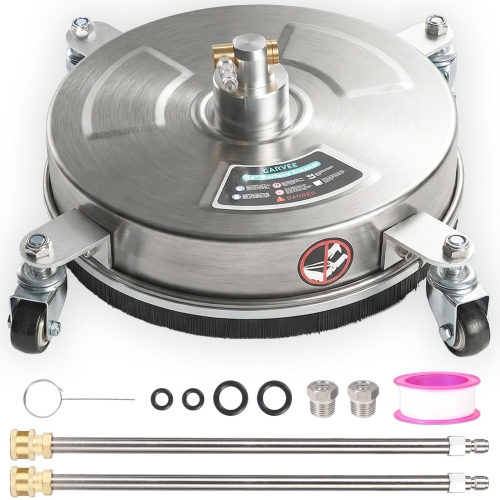
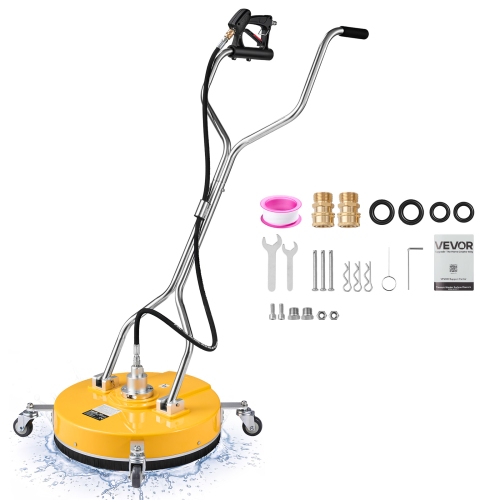
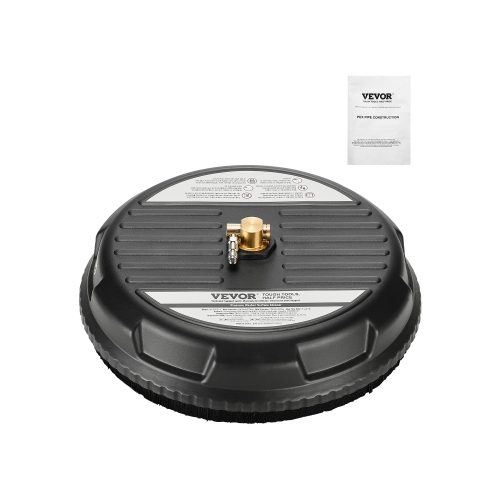
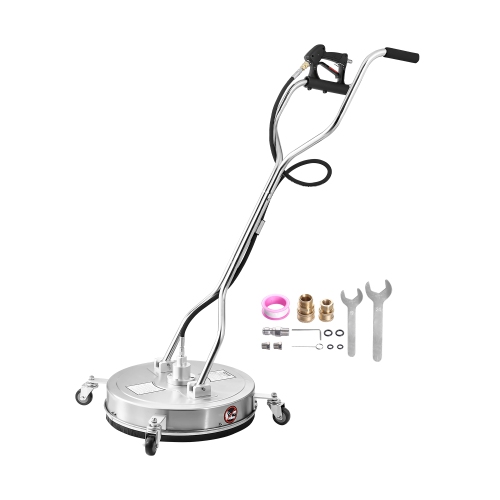
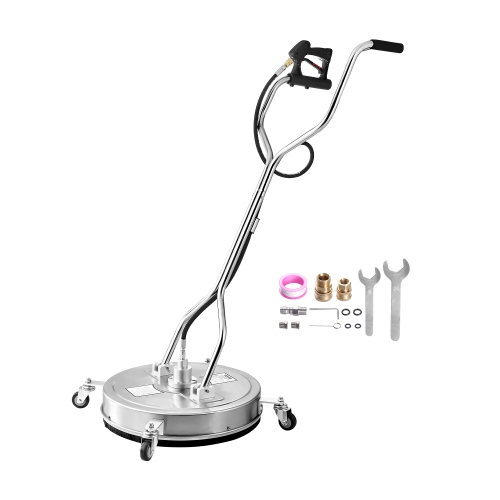
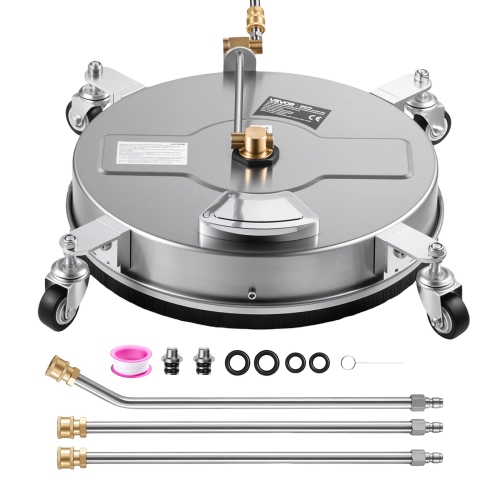
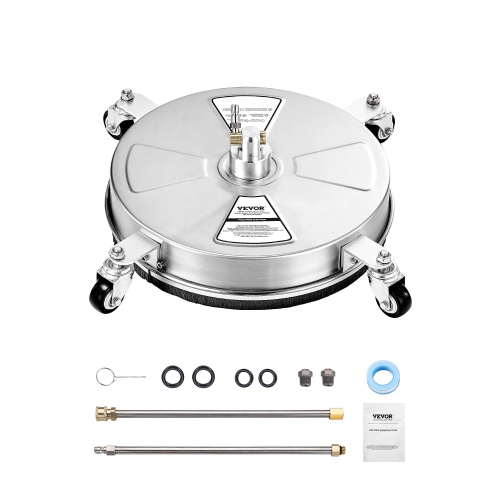
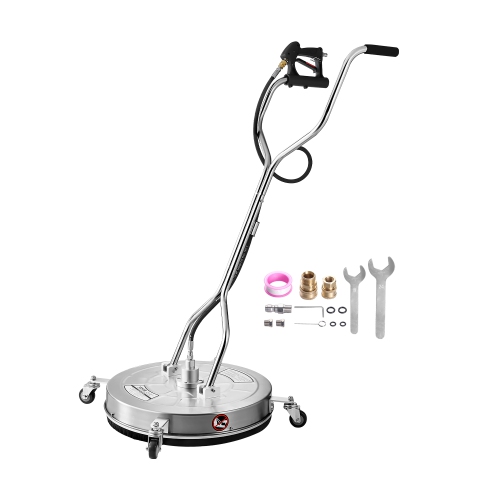
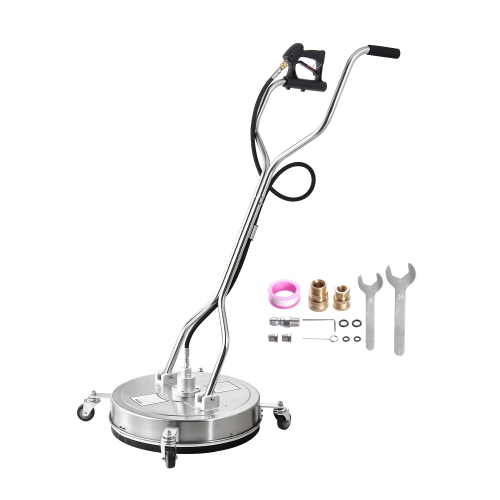
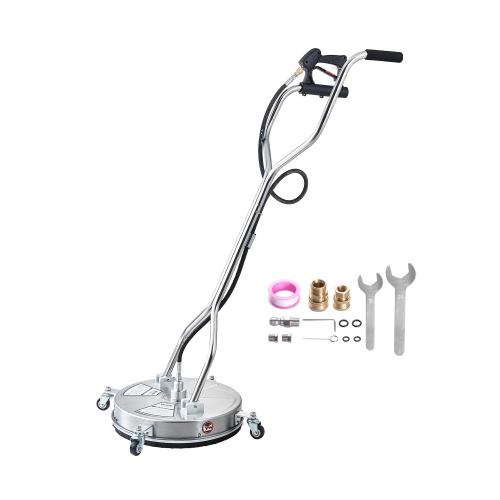
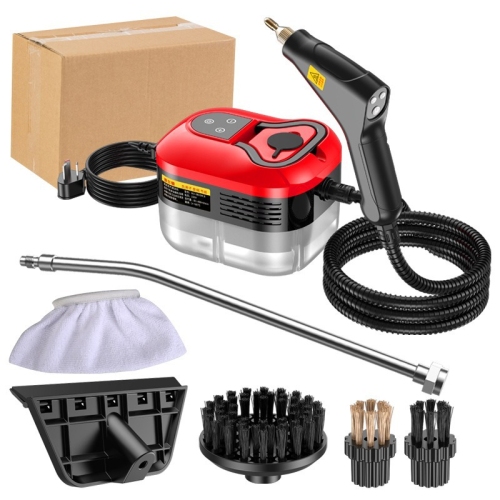
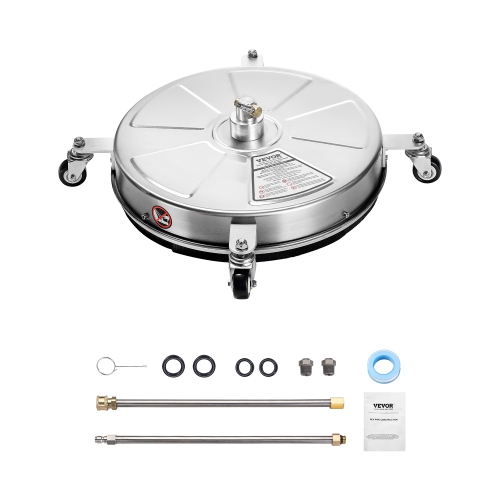
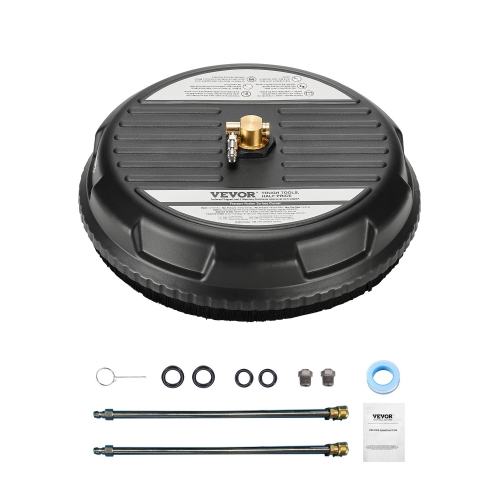
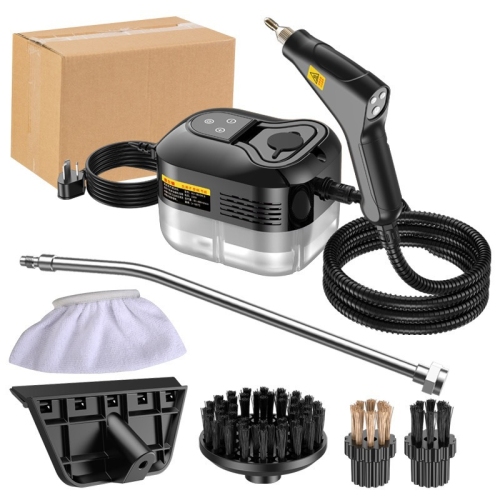
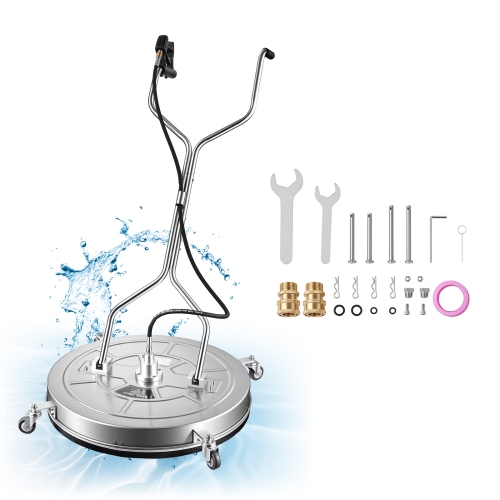
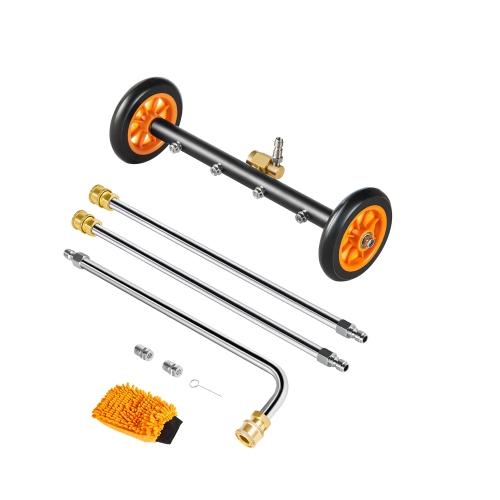
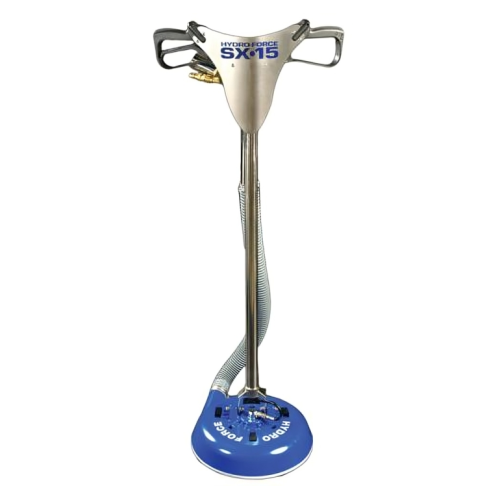
Pressure washer surface cleaners are attachments with a broad housing and rotating spray nozzles underneath. Instead of directing a single narrow jet across the ground, they clean a wider path with overlapping spray patterns. This makes them useful for suitable driveways, patios, walkways and other relatively flat areas where working with a wand alone can leave uneven stripes. The housing helps contain spray, although it does not eliminate splashing or the need to protect nearby people and objects. Compatibility starts with the pressure washer’s specifications. An attachment’s pressure rating, usually expressed in PSI, must suit the machine, but water flow is equally important. Flow requirements may be listed in litres per minute or gallons per minute, and an attachment that needs more water than the washer supplies may not rotate or clean effectively. Connection size and fitting style also need to match; a similar-looking connector is not enough to confirm a secure fit. Cleaning width should suit both the equipment and the space. A wider attachment can cover open areas efficiently when paired with adequate flow, while a smaller housing is easier to manoeuvre along narrow paths and around fixed obstacles. Housing materials commonly include rigid polymers and stainless steel, with differences in weight, handling and resistance to knocks or corrosion. Wheels or casters can help support larger attachments, while handle design influences comfort during longer passes. Concrete condition deserves attention before cleaning begins. Loose aggregate, crumbling edges, damaged coatings and vulnerable joints can be harmed by excessive pressure. Wood decking, painted surfaces and paving materials with loose jointing sand also require particular caution, and an attachment intended for concrete should not automatically be treated as suitable for them. Manufacturer instructions for both the washer and the surface being cleaned take priority. A small test area, steady movement and overlapping passes help establish a workable pace without lingering over one spot. Corners, steps and tight edges may still need a separate, appropriately controlled cleaning method.
Everyday handling and care influence how well either type of surface cleaner fits into a cleaning routine. For indoor use, a comfortable trigger, a secure cap and clearly readable dilution markings can make repeated tasks less awkward. A bottle used for quick countertop wiping should be easy to control without spraying neighbouring food, electrical outlets or unfinished surfaces. Applying a compatible cleaner to a cloth rather than spraying directly can offer more control where the product and surface instructions allow it. Soft, clean cloths help avoid dragging grit across delicate finishes, and separate cloths for bathrooms and food-preparation areas reduce the chance of transferring dirt between spaces. Electronics and screens need their own approved cleaning methods; a general household spray should not be assumed suitable simply because it works on a nearby desk. Store cleaning liquids upright in their original labelled containers, away from children and pets, and never mix formulas. Bleach must not be combined with ammonia, acids or other cleaning products. Pressure washer attachments need a different care routine: check fittings before use, inspect the underside for lodged debris with the machine safely shut down and depressurized, and follow the maintenance instructions for nozzles, swivels and other moving parts. Rinsing away grit and allowing components to drain before storage can help keep the attachment ready for its next job. Closed-toe footwear and eye protection are sensible precautions, and hands and feet must stay clear of pressurized spray. The object being cleaned remains the deciding factor across all these choices. A solution suitable for a garage floor may be inappropriate for automotive paint, interior trim or upholstery; Vehicle Cleaners address those different materials and finishes. For households, renters, property owners and people maintaining shared spaces, a well-matched surface cleaner makes routine upkeep more manageable without treating every room, floor or outdoor area as though it needs the same formula or level of force.
Top selling and popular products
-
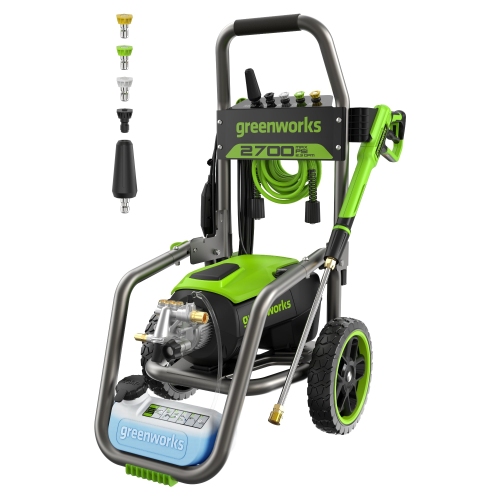 Your price for this item is $649.99
-
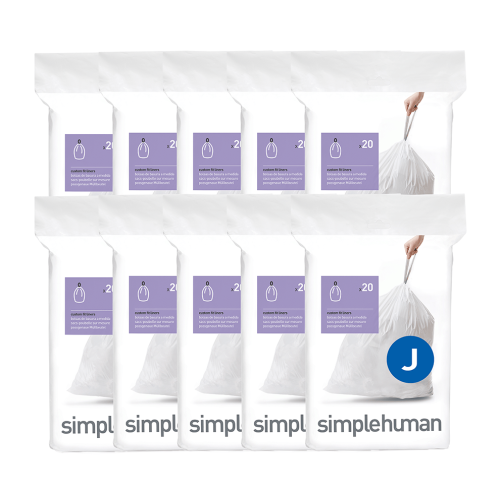 Your price for this item is $70
-
 Your price for this item is $65
-
 Your price for this item is $70
-
 Your price for this item is $90
-
 Your price for this item is $75
-
 Your price for this item is $43.99
-
 Your price for this item is $65
Discover more categories related to Surface Cleaners
Top Collections:
Best Black Friday Deals This Year, Best Black Friday Deals On Electronics, Kindle Devices, Best Black Friday Deals On Apple Products, Best Budget Office Chairs, Best Cameras for Sports Photography, Dyson Airwrap, Canon G7X Cameras, Best Laptops for Writers, Samsung Galaxy Phones
Some products may be subject to Environmental Handling Fees
(EHF) depending on your province.
Learn more about EHFs.