Textured Papers
Elevate your creative projects with textured papers, designed to add depth and character to any artistic or professional endeavour. Whether you're crafting invitations, scrapbooking, or working on a unique DIY masterpiece, textured papers offer endless possibilities for personal expression. Explore a wide selection of colours, finishes, and weights to find the perfect match for your vision. Discover how textured papers can transform ordinary ideas into extraordinary creations.
Sort



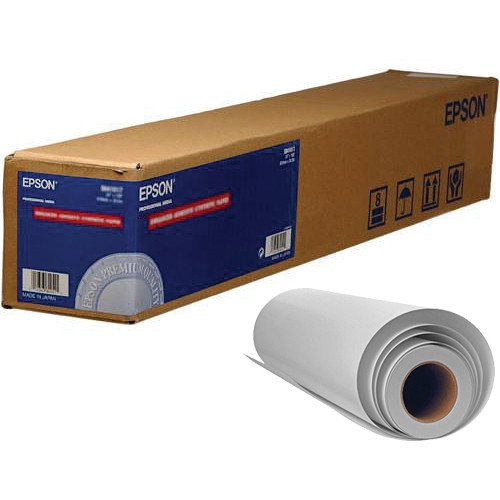
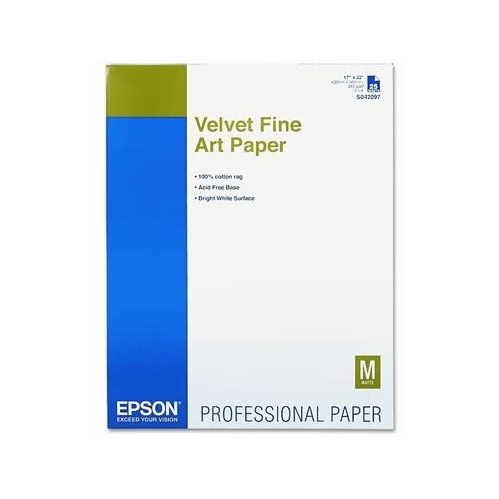
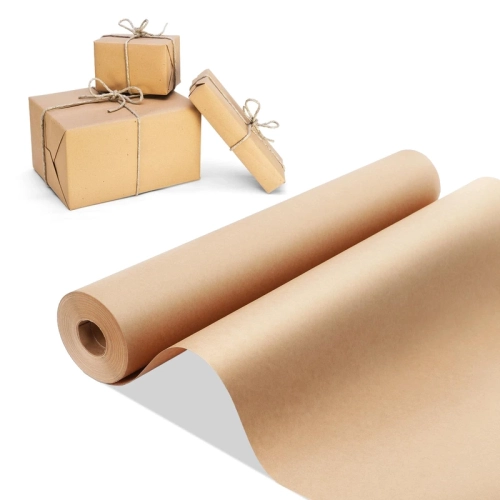
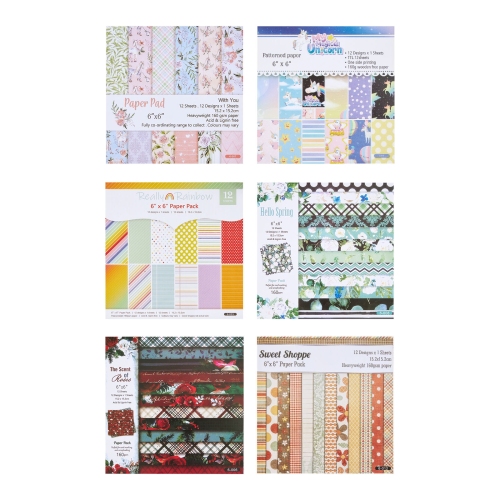
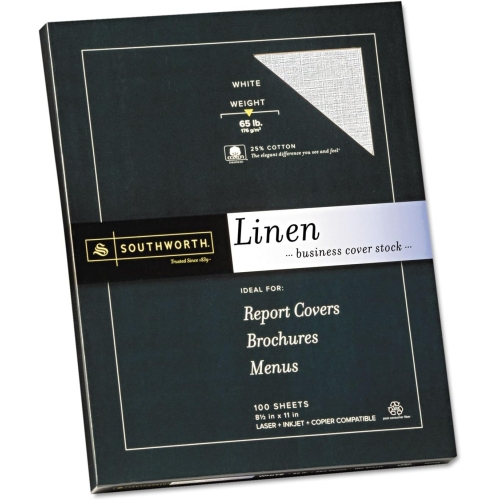
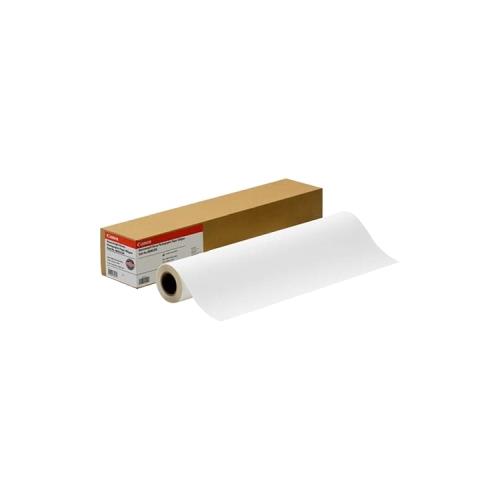
How paper texture affects your prints and projects
Textured papers have a visible surface pattern or tactile grain that gives printed designs, handwritten messages, and creative projects more dimension than a smooth sheet. That texture may come from the fibres and the way the paper is formed, or from a pattern pressed into its surface. Linen finishes resemble the fine crosshatch of woven cloth, while laid papers feature closely spaced lines that lend a traditional character to correspondence and printed stationery. Felt finishes have a softer, irregular surface, and embossed papers can carry anything from a subtle pebble pattern to a more pronounced raised design. A vellum finish generally describes a lightly toothy paper surface; it is not necessarily the same as translucent vellum used for overlays and tracing. These differences affect more than appearance. A fine grain can give a simple invitation a fabric-like feel without competing with its lettering, while a stronger relief can become the main feature of a scrapbook page, presentation cover, or handmade card. Colour also changes how texture reads: white and cream sheets reveal delicate shadows, while deeper colours can make raised details more noticeable under angled light. Paper weight, usually expressed in grams per square metre, or gsm, is a separate consideration from texture. A textured sheet can be light and flexible or substantial enough to hold its shape as a card base. Higher gsm generally means more material per sheet, but it does not guarantee a particular thickness or stiffness, since fibre composition and manufacturing also matter. For projects that combine several layers, the balance between a firm backing and lighter accent papers helps keep the finished piece manageable. Sheet dimensions matter just as much: paper needs to fit the intended printer, cutting tool, envelope, album, or frame, with enough room for trimming, folding, and borders. A pleasing surface is most useful when its weight and format also suit the project.
Printing and writing on textured papers bring the surface into the finished design, sometimes in subtle ways. Large lettering and open layouts can leave room for the grain to show, while tiny type, fine linework, and detailed photographs may lose definition on a deeply patterned sheet. Areas of solid colour can also appear less even when ink or toner does not reach every recess. This can give a print a deliberately handmade character, but it is different from the crisp, uniform result associated with smooth paper. Printer compatibility depends on more than whether a sheet fits in the tray. Supported paper weight and thickness, feed-path limitations, coatings, and the manufacturer's media recommendations all influence how reliably paper moves through a printer and how well the image adheres. Paper intended for inkjet printing is not automatically suitable for laser printing, which uses heat during the printing process. A small test print can reveal patchy coverage, smudging, or a feed issue before a larger project is committed to the same finish. Handwritten work has its own considerations. Fine pen tips may catch on pronounced ridges, and some absorbent surfaces allow ink to spread beyond the intended line. A lightly textured finish can offer a comfortable balance for personal notes, place cards, and lettering, provided the pen and paper work well together. Drawing materials respond differently too: pencil and pastel can catch on the raised portions of the sheet, creating broken marks that would look smoother on a less toothy surface. Wet painting requires paper made to tolerate water; a textured appearance alone does not make a sheet suitable for watercolour. For folded cards and covers, heavier papers often benefit from scoring, and folding parallel to the paper's grain generally produces a cleaner crease. Raised patterns can flatten at a fold, so a bold texture may work particularly well as a front panel mounted on a separate card base. These practical differences help explain why the same finish can be effective for one application and less suited to another.
Materials and care influence how textured papers feel, handle, and hold up over time. Cotton-based sheets can have a supple, substantial feel, while wood-pulp papers span a wide range of firmness, surface character, and intended uses. Fibre content alone does not establish quality or suitability; sizing, coatings, weight, and the finished surface all contribute to performance. For keepsake letters, family photographs, and scrapbook pages, acid-free and lignin-free descriptions are useful considerations, although adhesives, inks, and storage conditions also affect long-term appearance. A textured surface can disguise a small handling mark, but delicate raised details may flatten under pressure, and heavily embossed sheets can be vulnerable to scuffing along their highest points. Flat storage with support beneath the full sheet helps prevent curled corners and unwanted bends. Protection from moisture, direct sunlight, and repeated handling helps preserve both colour and surface detail, while clean, dry hands reduce the chance of transferring marks to pale papers. Finished pieces intended for display may benefit from a mount or spacer that keeps the paper from pressing against the glazing. A framed paper composition can also sit alongside Textured Artwork, connecting tactile details across a wall without requiring every piece to use the same material. Beyond display, textured papers have a place in personal correspondence, gift tags, memory albums, classroom projects, and presentation work where the physical sheet is part of the impression. A handwritten thank-you note on a softly grained surface feels different from a message printed on ordinary office paper, even when the wording is simple. For someone who enjoys lettering, card making, collage, or bookbinding, an assortment of complementary weights and restrained colours can make a thoughtful creative gift. The strongest combinations leave room for the paper itself to contribute: a crisp cut edge, a visible weave, or a softly uneven grain can provide interest without elaborate decoration.
Top selling and popular products
-
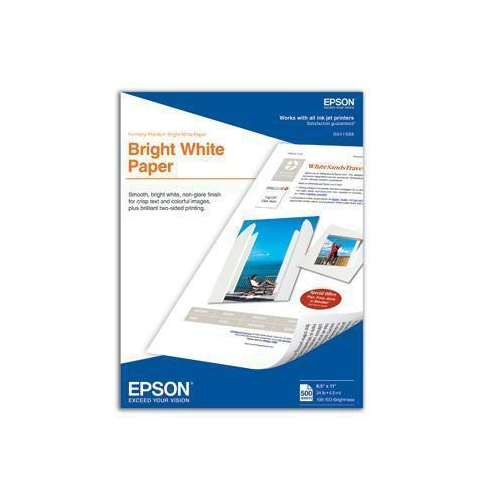 Your price for this item is $33.37
-
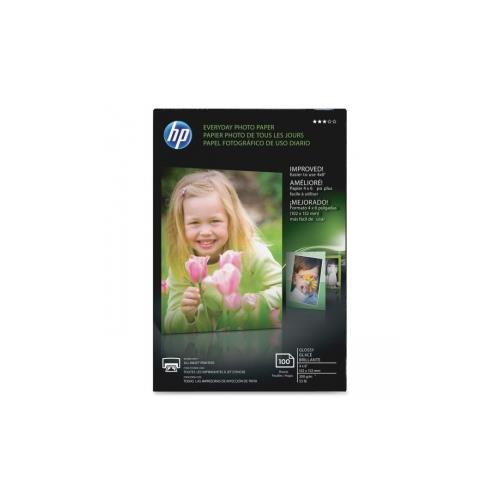 Your price for this item is $24.68
-
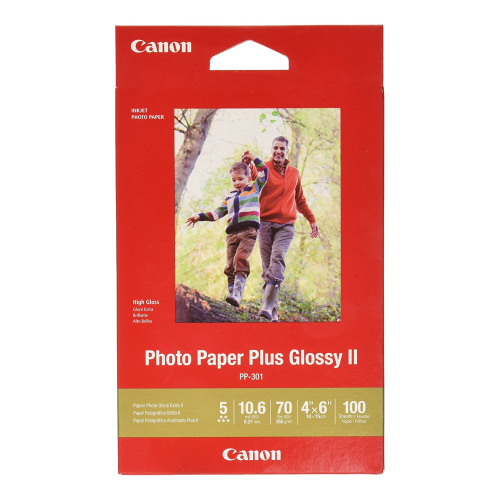 Your price for this item is $43.79
-
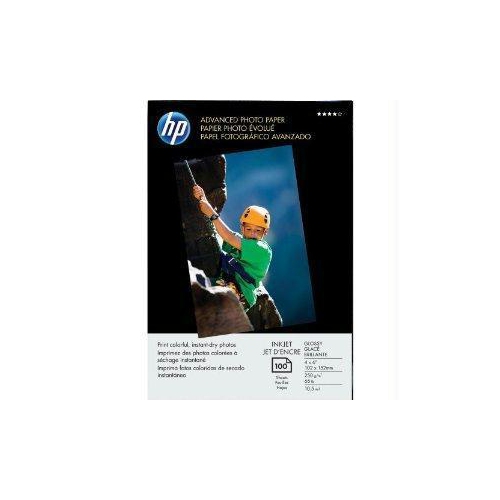 Your price for this item is $31.68
-
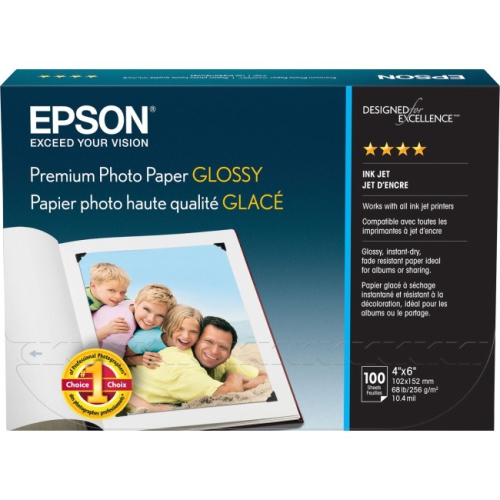 Your price for this item is $24.68
-
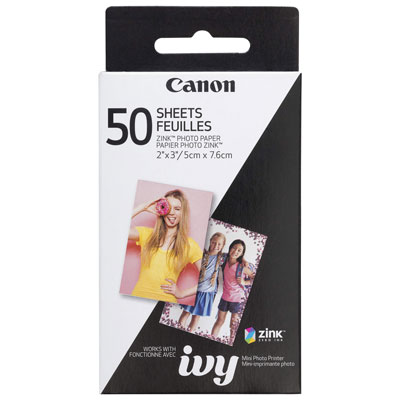 Your price for this item is $39.99
-
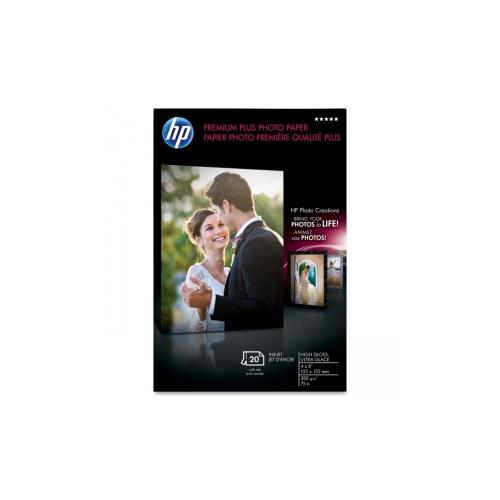 Your price for this item is $28.99
-
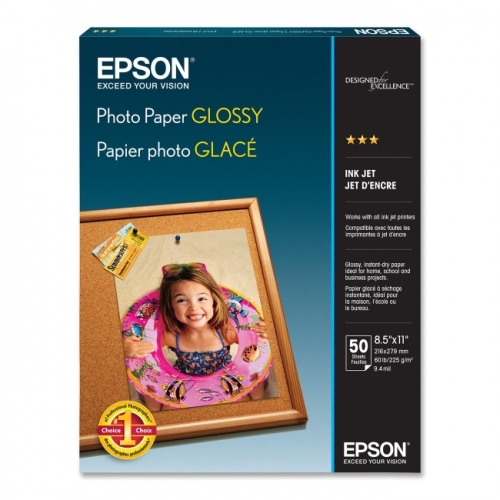 Your price for this item is $65.68
Discover more categories related to Textured Papers


Top Collections:
Best Black Friday Deals This Year, Best Black Friday Deals On Electronics, Kindle Devices, Pokemon Centers, Best Black Friday Deals On Apple Products, Best Cameras for Sports Photography, Dyson Airwrap, Pokémon 30th Celebration Cards, Apple iPhone 17 Pro, Canon G7X Cameras
Some products may be subject to Environmental Handling Fees
(EHF) depending on your province.
Learn more about EHFs.