Trodat Stamps
Discover the convenience and efficiency of Trodat stamps, perfect for streamlining your daily tasks at home or in the office. Known for their durability and precision, these stamps offer a reliable solution for everything from organizing documents to adding a personal touch to your correspondence. With a variety of designs and customizable options, Trodat stamps cater to all your stamping needs, ensuring a seamless experience every time. Whether you're looking for something professional or playful, explore the possibilities with Trodat and find the perfect stamp to enhance your workflow.
Sort













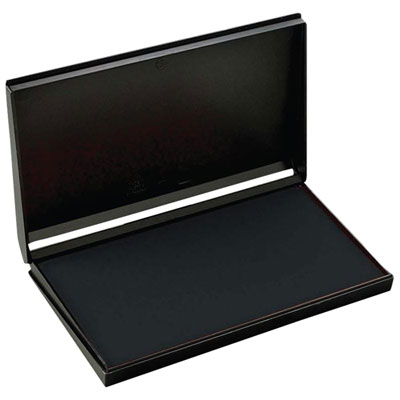
How self-inking stamps simplify everyday office paperwork
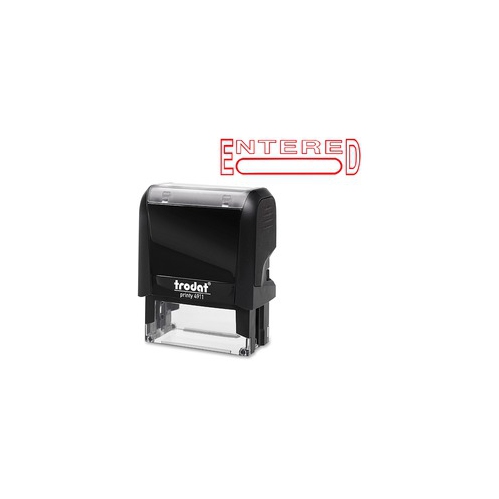
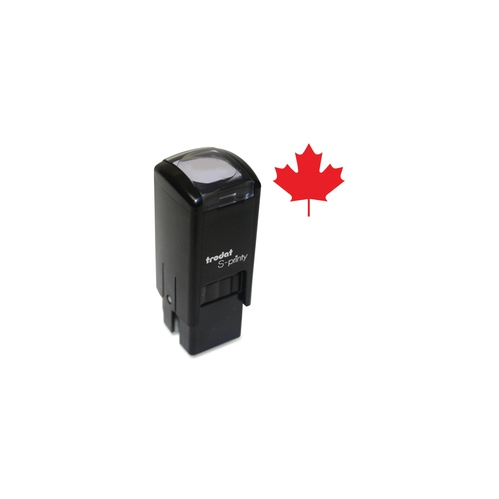
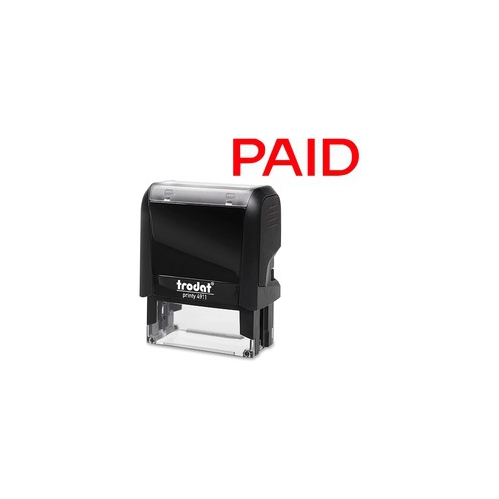
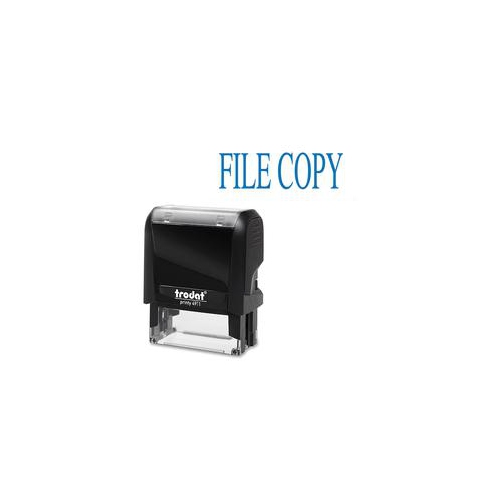
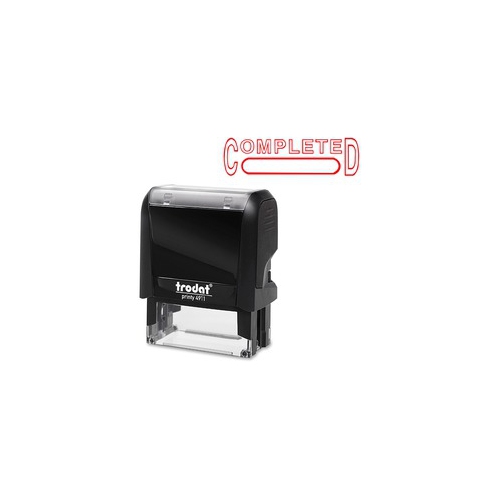
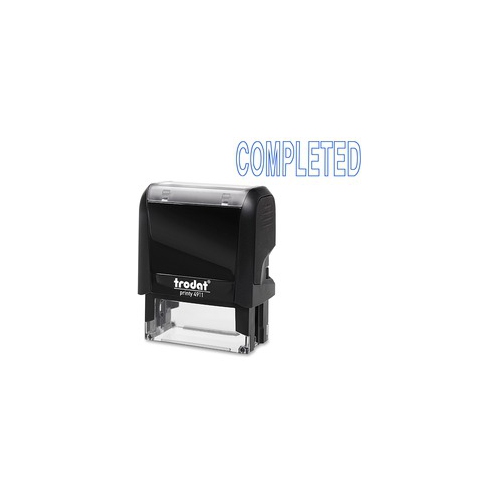
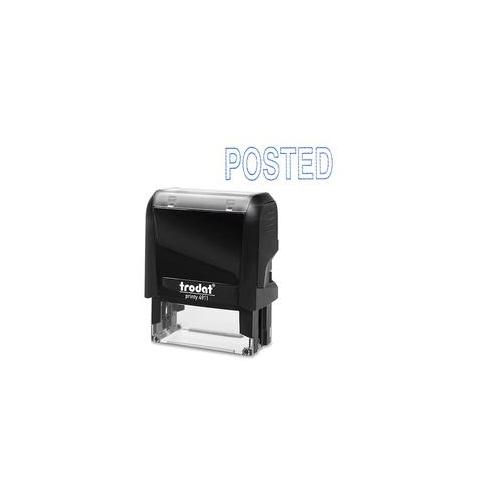
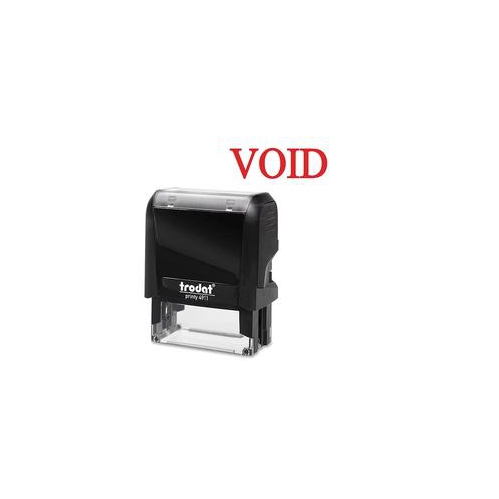
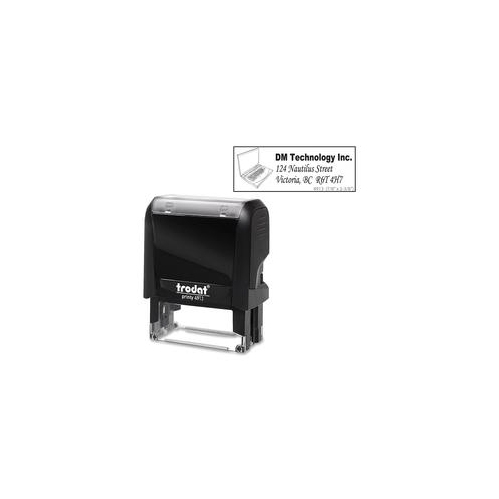
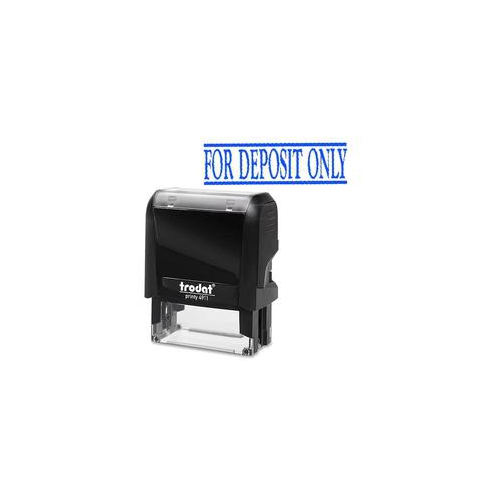
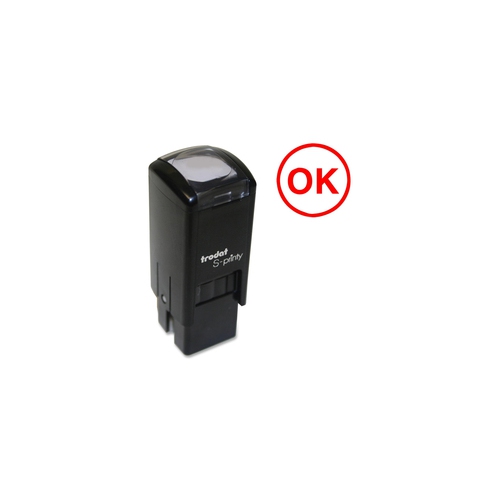
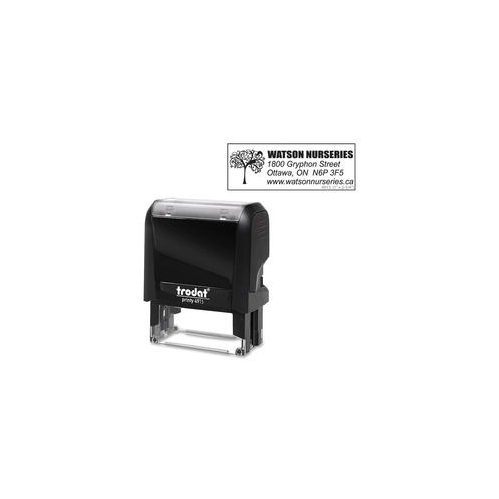
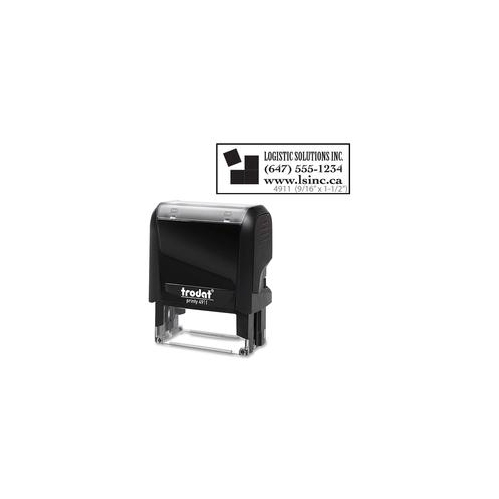
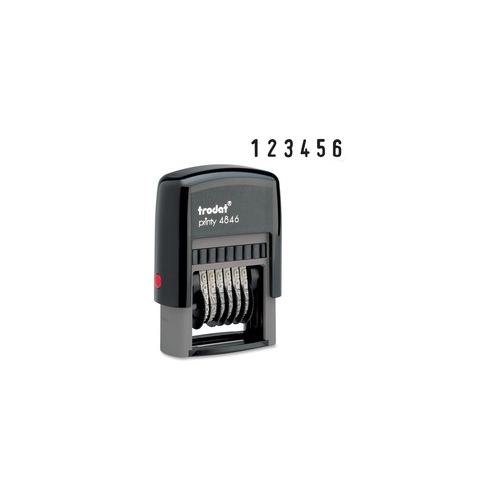
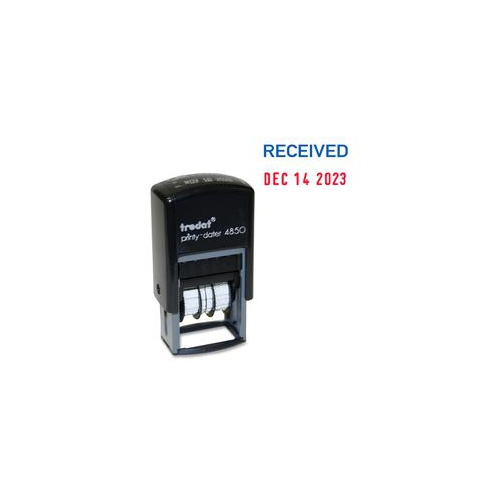
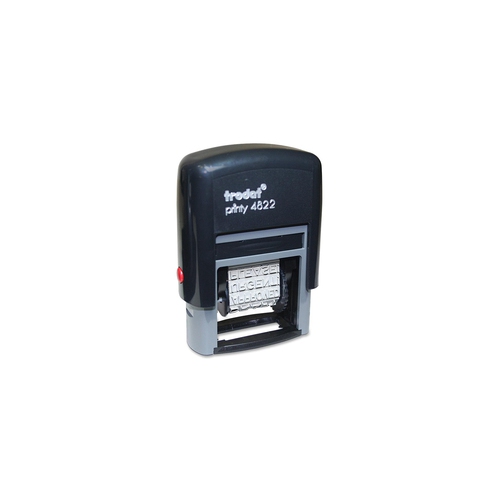
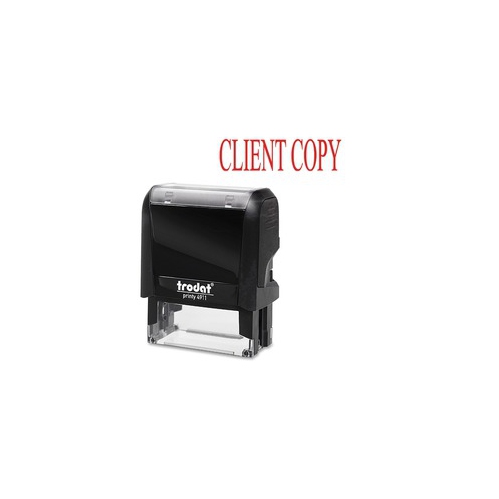
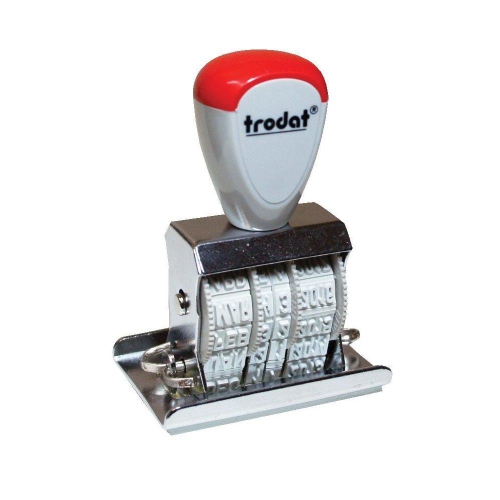
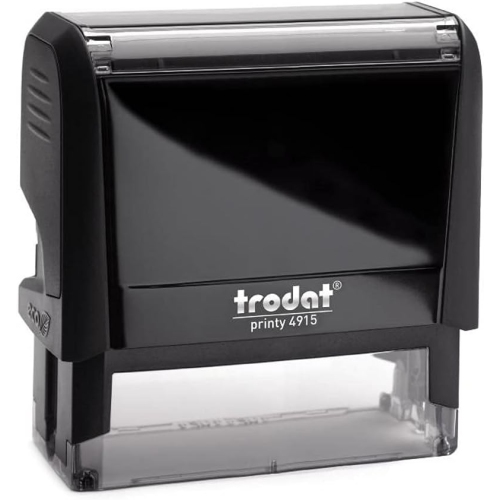
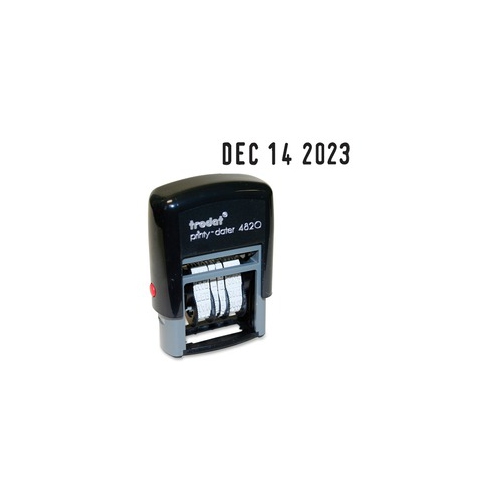
Self-inking stamps create a consistent impression on paper using an ink pad housed inside the stamp body. The printing surface touches the pad between impressions, so a separate pad is not needed for each mark. This makes the format useful for repeated office tasks, from marking invoices as paid to adding a received date to incoming paperwork. Stock-message stamps carry a fixed phrase or symbol, while date stamps use adjustable bands to show a selected date. Customizable formats, where supported, can carry details such as an address, business name, department, or short instruction. These functions serve different purposes: a fixed message communicates a document’s status, a date establishes when something was processed, and a personalized impression repeats information that would otherwise need to be handwritten. Reception desks, bookkeeping offices, school administration teams, and home businesses all have practical uses for a clear, repeatable mark. At a busy reception counter, for example, a dated impression can help distinguish newly received forms from paperwork already passed along to another department. In a small business, a consistent message on an invoice can make a filing system easier to scan without adding a lengthy handwritten note. Self-inking designs belong to the broader Rubber Stamps category, which also includes formats used with separate ink pads. The most relevant distinction is often the job the impression needs to perform rather than the size of the outer casing. A short status message needs different proportions from a multi-line address, and a date surrounded by additional wording needs enough room to remain readable. The impression dimensions describe the marked area, not necessarily the footprint of the stamp itself. For forms with narrow boxes or crowded margins, that difference matters. Text that looks comfortably spaced on a screen may be difficult to read when compressed into a small impression, especially if it includes several lines, fine lettering, or a detailed logo.
Construction affects how a stamp feels in the hand and how well it suits repeated use. Depending on the design, the housing may use moulded plastic, metal components, or a combination of materials, while the impression comes from a rubber or polymer printing plate. Compact bodies fit more easily into a drawer or small desk organizer; larger frames can offer a broader gripping surface and a more substantial feel during frequent stamping. Weight alone does not determine durability. A stable base, smooth return action, securely mounted printing plate, and accessible replacement pad can be more meaningful over time. For someone processing a stack of delivery slips, the difference between occasional and repeated use becomes apparent in the grip and pressing motion. A comfortable top surface and controlled travel help make successive impressions less awkward, although stamping still requires a firm, level surface underneath the paper. Placement features also deserve attention. An index window or visible sample impression can help identify the wording, while markings on the base may make alignment easier. These features are particularly useful when several similar stamps share a counter or when a mark must sit within a designated space. Ink colour has a practical role beyond appearance: a contrasting impression can separate an approval or processing note from the document’s printed text, provided the workplace permits that colour. The paper surface matters just as much. Many everyday office stamp inks are intended for absorbent paper, and their performance can differ on coated labels, glossy card, plastic, or other smooth materials. An ink described for ordinary paperwork should not be assumed suitable for every surface. A quick test on comparable scrap material can reveal whether the impression feathers, smears, or takes longer to dry. Even on plain paper, steady pressure generally produces a more even result than rocking the stamp, which can leave a blurred edge or an unintended second impression.
Ongoing care centres on keeping the printing surface clean and matching replacement supplies to the stamp’s design. A fading impression may indicate that the pad needs attention, but uneven results can also come from debris on the printing plate, an unsuitable surface, or pressure applied at an angle. Paper fibres caught around small letters can interrupt an otherwise clear mark. Gentle cleaning with a soft, lint-free cloth, following the manufacturer’s care directions, helps protect fine details without scraping the printing surface. Solvents, abrasive tools, and soaking are not suitable substitutes for those directions, particularly where adhesives or moving components are involved. Some self-inking designs accept replacement pads, some permit re-inking, and the correct approach depends on the mechanism and ink formulation. A pad that looks similar may still have different dimensions or fittings, and adding an incompatible ink can affect the impression or the pad itself. Where replacement is supported, matching the stated pad reference is more dependable than judging by appearance. Storage also influences everyday reliability. A stamp kept away from direct sunlight, excessive heat, and loose dust is less likely to develop avoidable problems, while any locking mechanism or cover should be used as directed. Date stamps need an additional habit: checking that the bands show the intended date and sit fully in position before paperwork is marked. A clean date impression helps with sorting and internal tracking, but it does not by itself establish that a document has been reviewed, authorized, or legally verified. The surrounding process still matters. For personalized wording, clear spelling, accurate contact details, and restrained formatting support a useful result long after the first impression. A simple address or concise department label is often easier to read than tightly packed decorative text. Whether used at a shared office counter or a single home workstation, a well-matched stamp earns its place by making a recurring paper task more consistent, legible, and straightforward.
Top selling and popular products
-
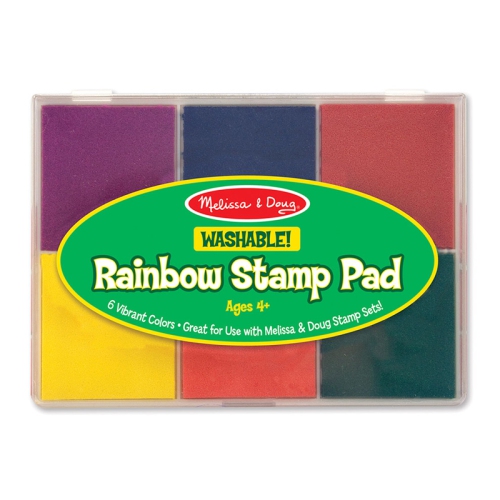 Your price for this item is $26.79
-
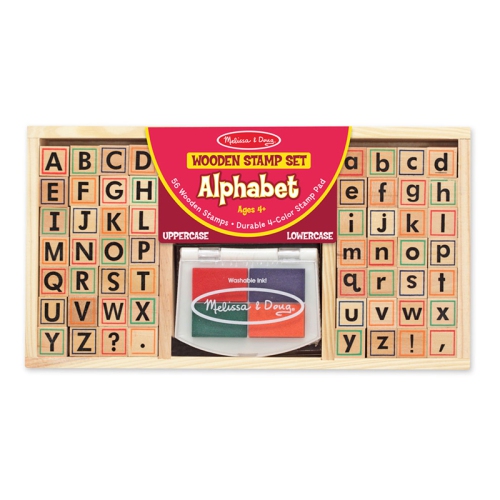 Your price for this item is $38.99
-
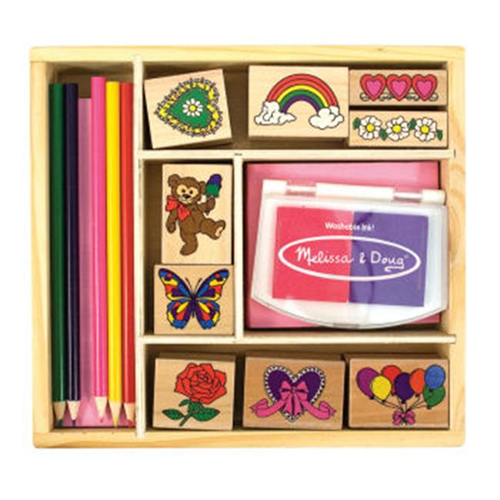 Your price for this item is $28
-
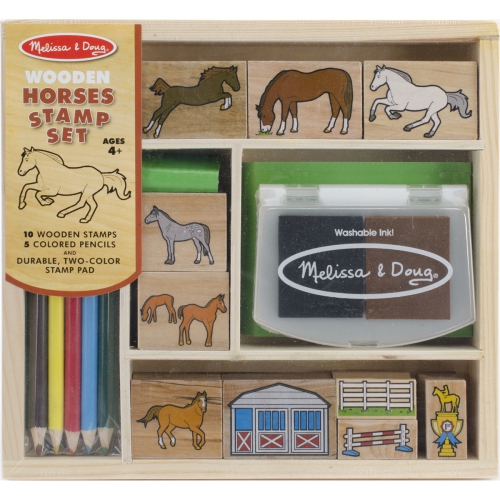 Your price for this item is $41.19
-
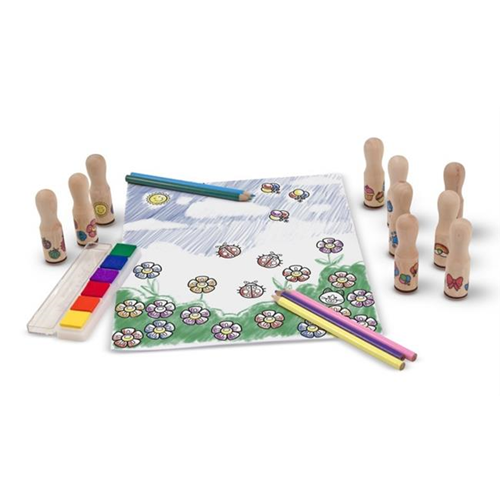 Your price for this item is $38.99
-
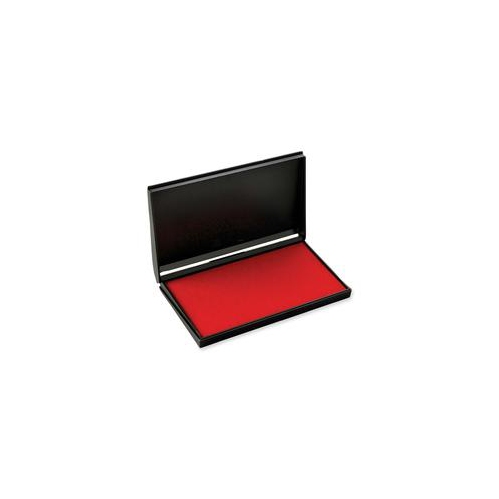 Your price for this item is $6.99
-
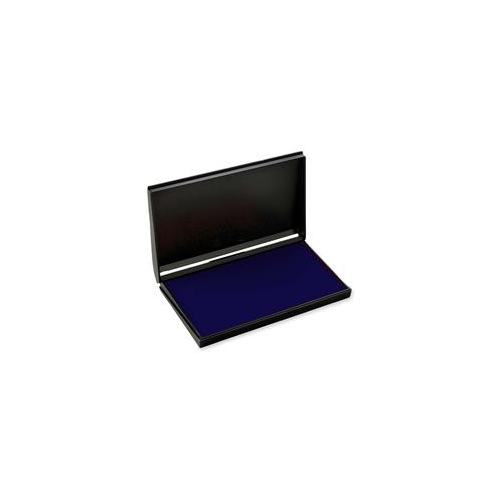 Your price for this item is $6.9
-
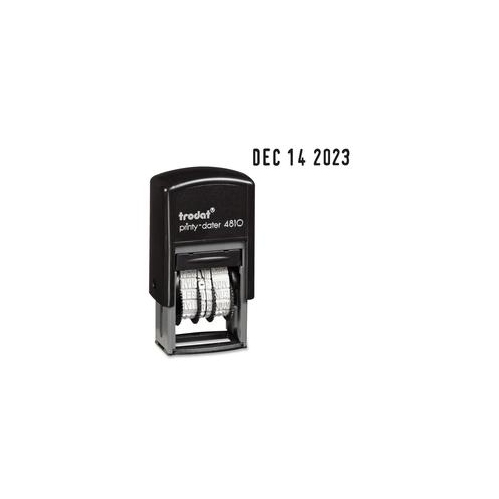 Your price for this item is $9.99
Discover more categories related to Trodat Stamps
Top Collections:
Best Black Friday Deals This Year, Best Black Friday Deals On Electronics, Kindle Devices, Pokemon Centers, Best Black Friday Deals On Apple Products, Best Cameras for Sports Photography, Dyson Airwrap, Pokémon 30th Celebration Cards, Apple iPhone 17 Pro, Canon G7X Cameras
Some products may be subject to Environmental Handling Fees
(EHF) depending on your province.
Learn more about EHFs.