VTech Phones
VTech Phones offer a convenient and reliable way to stay connected at home or in the office. With a variety of models designed to suit different needs, VTech Phones are known for their user-friendly designs and dependable performance. Whether you’re looking for a simple solution for daily calls or an option with advanced capabilities, explore the selection of VTech Phones to find the right fit for your communication needs.
Sort
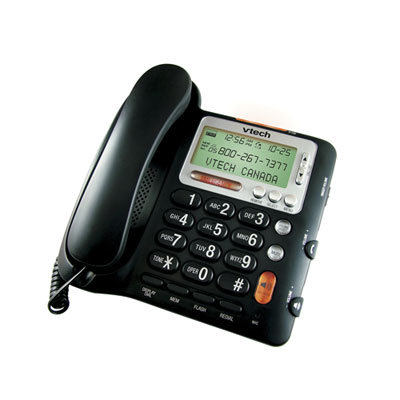
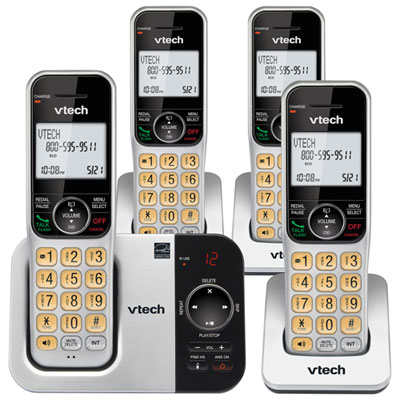
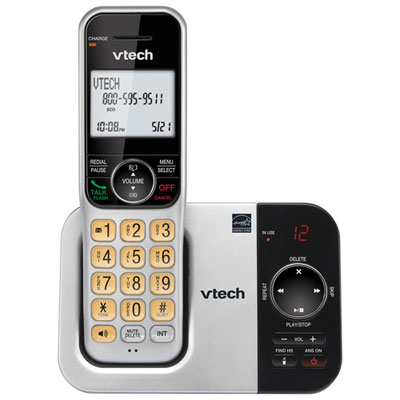
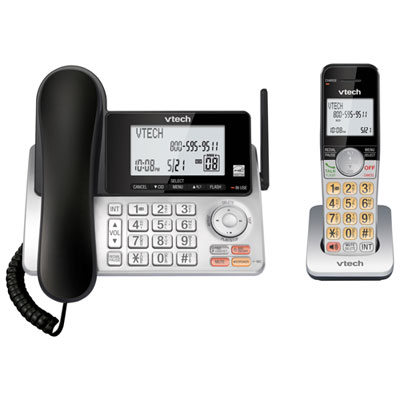
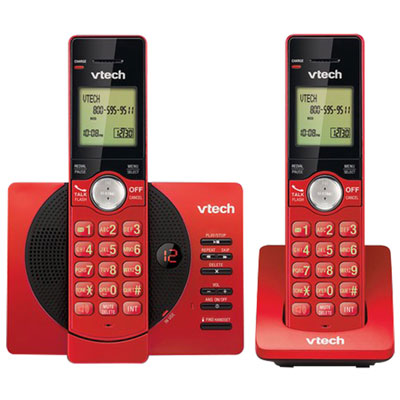

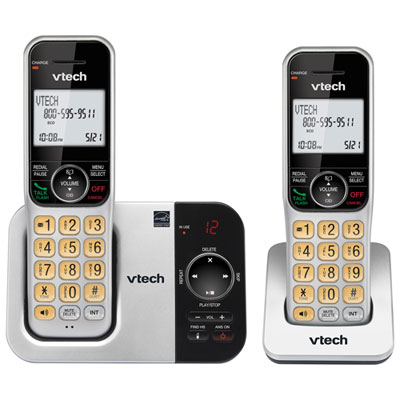


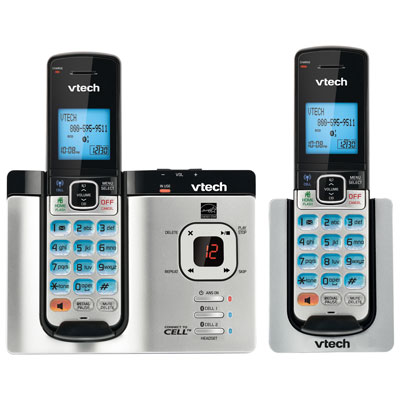
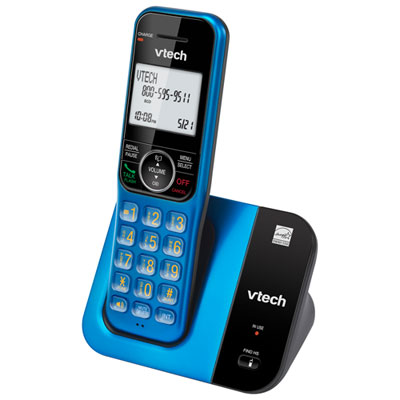

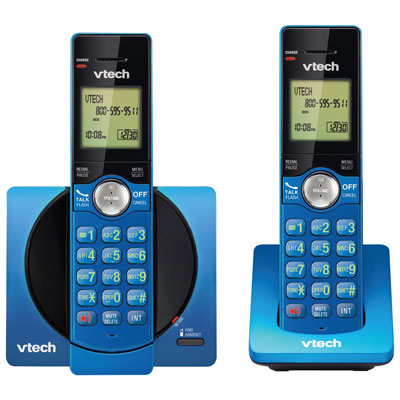

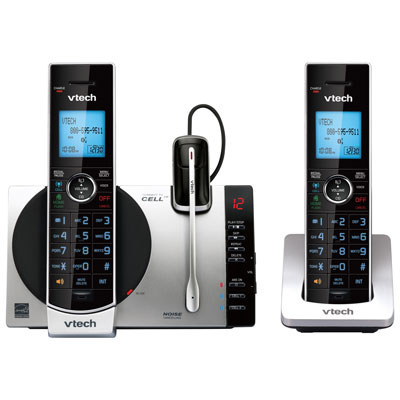
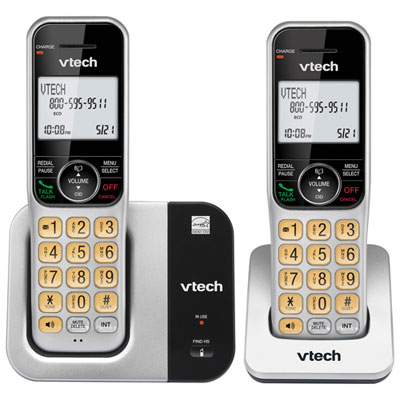
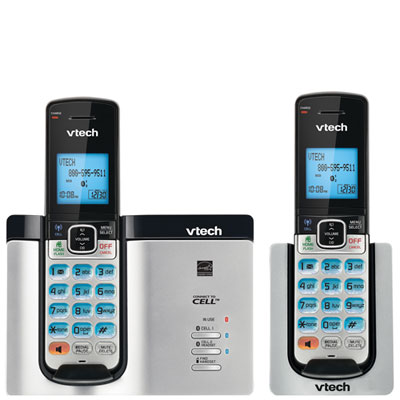

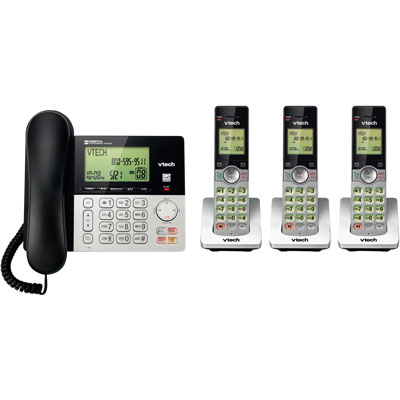

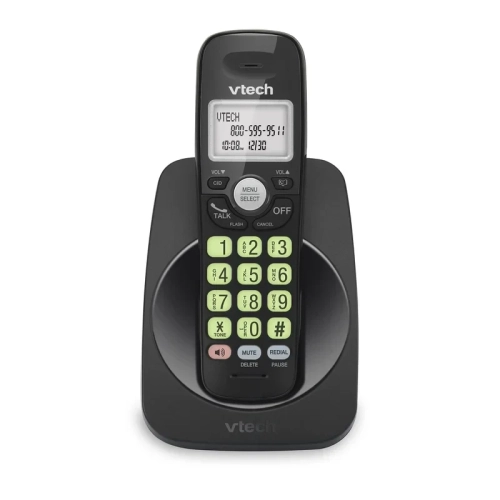

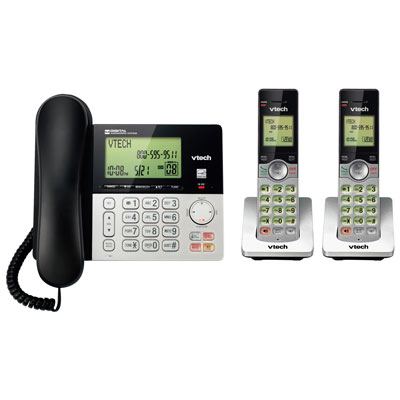
Home phone features that suit your everyday calling habits
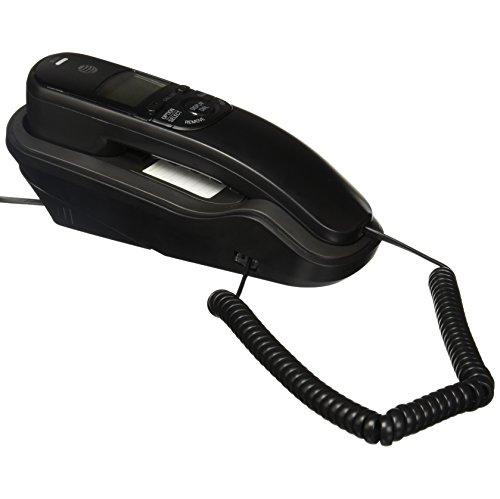
Home phones provide a familiar, dedicated way to stay connected, whether they sit beside a favourite armchair, on a kitchen counter, or within reach of a home office desk. The main types include basic corded telephones, cordless phones with a single handset, expandable cordless systems, and amplified phones designed for easier hearing and operation. A corded phone keeps the receiver attached to its base, making it a practical choice for a fixed calling spot where a handset should always be easy to find. Cordless phones offer more freedom to move between rooms while speaking, with a base connected to the telephone service and a rechargeable handset that returns to a charging cradle between calls. Many cordless systems use DECT 6.0 technology, which operates on a frequency band separate from common Wi-Fi networks and is designed for clear voice communication. Actual reception depends on the building layout, distance from the base, and obstacles such as concrete walls or metal fixtures. A base in a central, open location can serve a household more effectively than one tucked behind equipment in a basement corner. Phones with a built-in digital answering system can record messages when nobody answers, while other phones rely on voicemail supplied by the telephone service provider. These are different arrangements, so the useful choice depends on how household members prefer to retrieve messages. Service compatibility also matters: a phone may connect to a traditional telephone jack or to the telephone port on a compatible modem or voice adapter. Power-outage operation depends on both the phone and the service. Some basic corded phones can draw power from a traditional telephone line, but cordless bases generally require electricity, and phone service delivered through a modem or adapter usually needs backup power to continue working. The handset’s rechargeable battery alone does not keep an unpowered cordless base operating. For a household that wants a dependable everyday calling station, the connection type, placement, and power requirements are just as important as the keypad and screen.
An expandable cordless phone system can make a shared home number easier to use throughout a house. Additional compatible handsets allow a charging cradle upstairs, another near the living room, and one beside a workspace, often without requiring a telephone jack at each location. The supported handset count and pairing requirements vary by system; an extra handset must be compatible with its base rather than simply resemble the original. Intercom and call-transfer functions, where included, can help someone pass a call to another room without walking through the house with the receiver. A handset speakerphone is useful for taking notes, checking an appointment calendar, or letting two people join a conversation. Full-duplex speakerphone operation supports speaking and listening at the same time, although room noise and microphone placement still affect how natural the conversation sounds. Caller display and call waiting can help identify incoming calls, but these functions may require compatible service or a subscription from the telephone provider. Call-blocking features differ too: some store unwanted numbers, while more advanced systems may screen callers before the phone rings. Blocking capacity, screening behaviour, and the handling of private or unidentified numbers are worth considering alongside everyday calling habits. For someone who finds small controls difficult to use, large buttons, a clear backlit display, and well-spaced keys can make dialling more comfortable. Some amplified phones add adjustable receiver volume, tone settings, louder ringers, or a visual incoming-call indicator. Talking digits and photo speed-dial buttons, where offered, can provide additional ways to recognize a number or reach a familiar contact. Hearing aid compatibility should be confirmed in the phone’s specifications rather than assumed from a loud-volume setting. Certain safety-focused systems also support compatible wearable call buttons or other accessories, but their operation depends on the particular system, telephone connection, and power supply. These features can suit older adults, people with hearing or dexterity needs, and anyone who prefers straightforward controls, without requiring every household to choose the same style of phone.
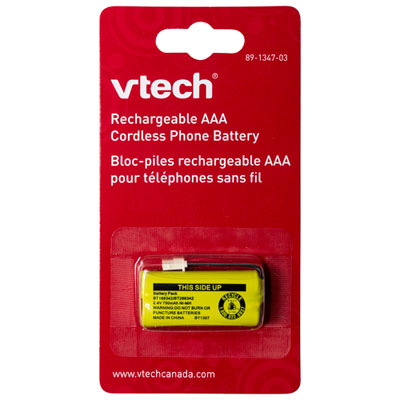
Everyday comfort and upkeep help determine how well a home phone fits into its surroundings. Most handsets and bases have moulded plastic housings that are easy to wipe clean, but button feel, receiver shape, and weight can make a noticeable difference during a long conversation. A handset that rests comfortably against the ear is useful for regular catch-ups, while an easy-to-grip receiver and a stable charging cradle can simplify returning the phone after a call. Desk space matters as well: a compact base suits a bedside table, and a wall-mountable design can free up a counter when the mounting arrangement and nearby connections are suitable. Placement away from sinks, spills, direct heat, and heavily trafficked edges helps protect the phone from avoidable damage. Cleaning generally calls for a soft cloth and the care method specified by the manufacturer, with liquids kept out of charging contacts, microphones, and speaker openings. Cordless handset batteries gradually lose capacity through use, which can lead to shorter conversations between charges or a handset that needs charging more often. The correct replacement depends on the handset’s requirements, including battery chemistry, voltage, connector, and physical dimensions; a similar-looking battery is not necessarily compatible. VTech Cordless Phone Batteries can help narrow the search for a replacement matched to the handset. Charging contacts also need to stay clean and unobstructed so the handset can charge properly in its cradle. For a home office, useful considerations include a readable contact directory, convenient redial, and access to messages without interrupting desk work. For a shared household, clearly labelled controls and familiar speed-dial entries can make the phone approachable for different users. A home phone can also be a thoughtful practical gift for someone setting up a new home or replacing a difficult-to-use telephone, especially when the recipient’s service connection and accessibility needs are known. The best fit is a system whose controls, reach, calling features, and maintenance requirements suit the people who will use it every day.
Top selling and popular products
-
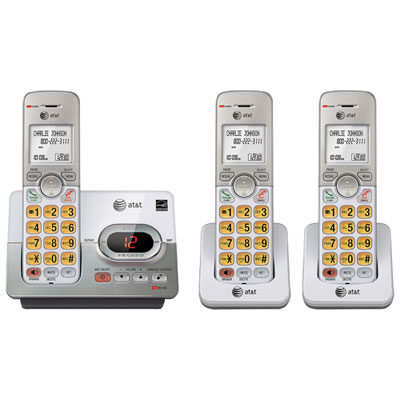 Your price for this item is $79.98
-
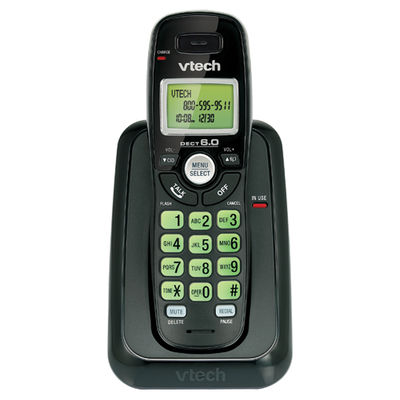 Your price for this item is $19.99
-
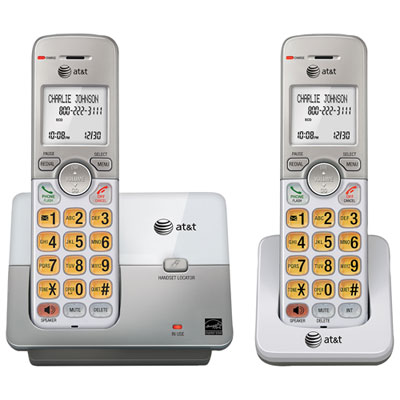 Your price for this item is $43.98
-
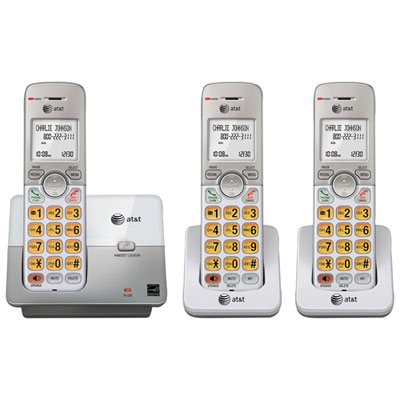 Your price for this item is $69.99
-
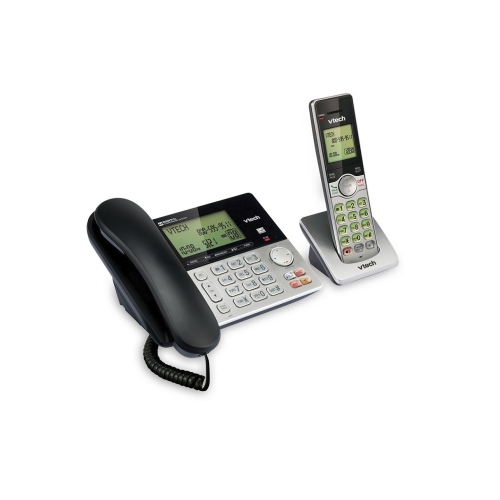 Your price for this item is $59.99
-
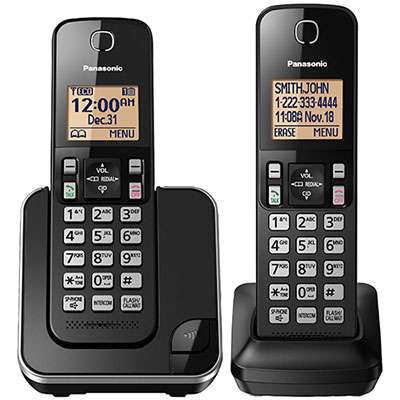 Your price for this item is $99.99
-
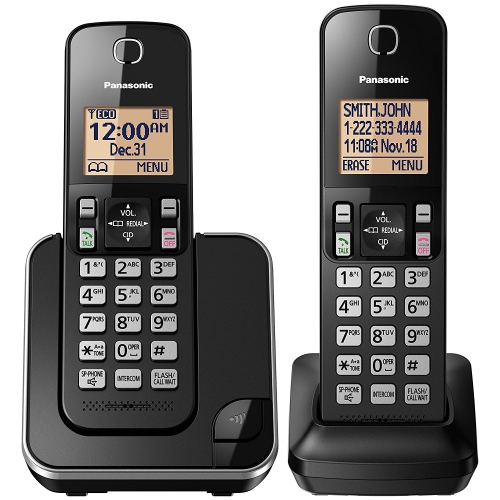 Your price for this item is $99.99
-
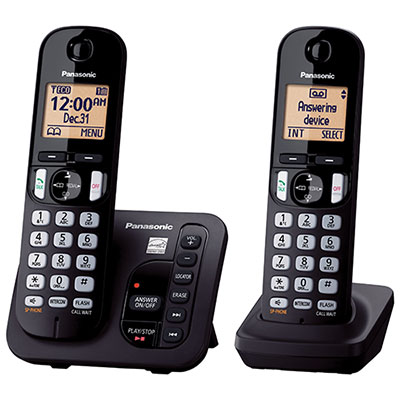 Your price for this item is $79.99
Discover more categories related to VTech Phones
Top Collections:
Pokemon Centers, Kindle Devices, Best Budget Office Chairs, Canon G7X Cameras, Apple iPhones 16, Samsung Galaxy Phones, Refurbished Apple Laptops, Laptops for Students, iPhone 15 Apple, Budget Smartphones
Some products may be subject to Environmental Handling Fees
(EHF) depending on your province.
Learn more about EHFs.