Olympus M.Zuiko Digital Ed

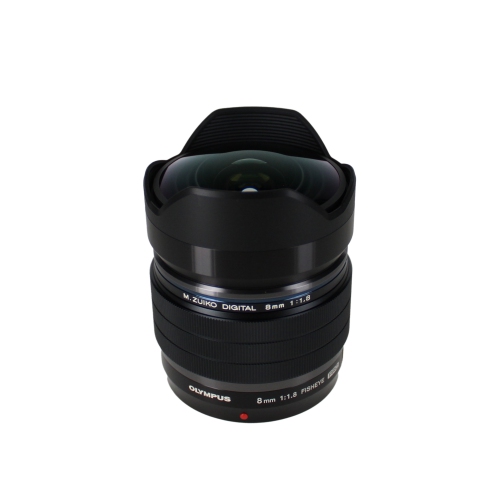
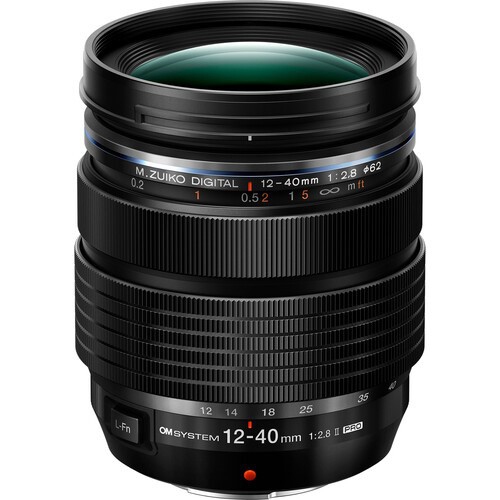
Explore Olympus M.Zuiko Digital ED lenses for compatible Micro Four Thirds cameras. Compare focal lengths, maximum apertures and lens sizes to find a lens suited to your photography, whether you want a wider view or more reach. Check each listing for camera compatibility, specifications and included accessories.
Read More

Sort

How focal length and glass shape your photos

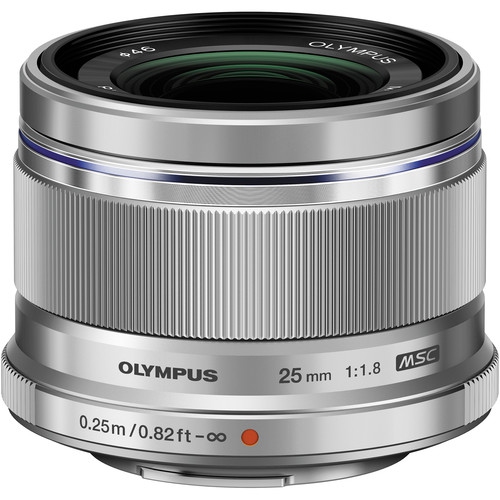
Digital ED lenses for Micro Four Thirds mirrorless cameras bring together a range of focal lengths and optical designs for everyday photography, travel, portraits, close-ups, and distant subjects. ED refers to extra-low dispersion glass, which helps control chromatic aberration: the coloured fringes that can appear along high-contrast edges, such as branches against a bright sky or lettering on a light background. This glass is one part of a lens’s overall optical design, alongside element arrangement and coatings that influence contrast, flare, and image clarity. The range includes prime lenses with a fixed focal length and zoom lenses that cover several framing options without a lens change. A compact prime can keep a camera comfortable to carry through a gallery or along a busy street, while a versatile zoom makes it easier to move from a broad scene to a tighter composition. Focal length is especially useful for understanding how these lenses frame a subject. Micro Four Thirds has a 2× crop factor relative to a full-frame camera, so a 25mm lens provides an angle of view similar to a 50mm lens on full frame, while a 100mm lens frames similarly to a 200mm lens. These comparisons describe the field of view rather than a physical change to the lens’s focal length. Wide-angle designs take in interiors and expansive scenes; standard focal lengths suit everyday subjects; and telephoto designs isolate details farther away. Maximum aperture adds another distinction. A lower f-number allows more light through the lens, supporting faster shutter speeds in dim interiors and greater control over background blur. Some zooms maintain the same maximum aperture throughout their range, while others have a smaller maximum aperture at longer focal lengths. Neither approach suits every photographer equally: portability, framing flexibility, subject movement, and the desired look of an image all affect which characteristics matter most.

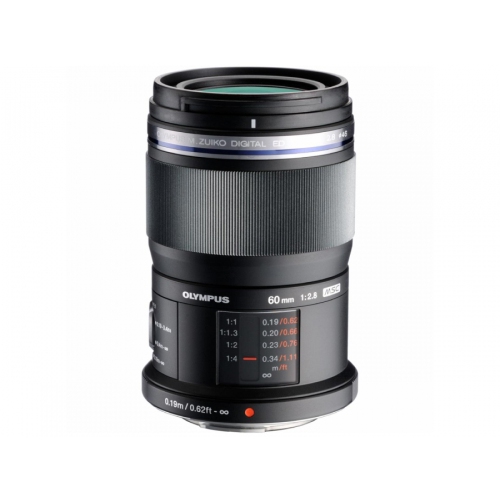
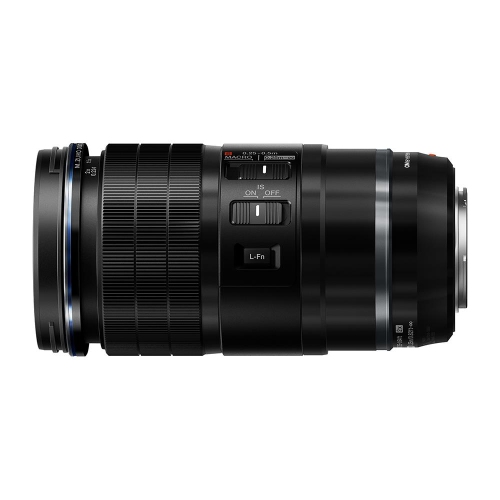
Handling and compatibility are just as important as optical specifications, particularly for a camera that will be carried for hours or used to photograph moving subjects. Micro Four Thirds lenses are designed for the Micro Four Thirds mount and should not be confused with older Four Thirds DSLR lenses, which use a different mount. The camera body’s compatibility information remains important for autofocus behaviour, stabilization support, and other electronic functions. Some lenses include optical image stabilization, while others rely on stabilization in a compatible camera body; coordinated operation between the two depends on the particular combination. Stabilization can reduce blur from camera movement, but it does not freeze a running dog or a dancer crossing a stage. Those situations still depend on a sufficiently fast shutter speed, accurate focus, and suitable camera settings. For portraits, a comfortable working distance and a wide aperture can help separate a face from a distracting background without crowding the person being photographed. For close-ups, minimum focusing distance and maximum magnification reveal more than focal length alone. Minimum focusing distance is measured from the camera’s sensor plane, not the front of the lens, so the space left between the lens and a small subject can be considerably shorter. Dedicated macro designs are useful for recording the texture of jewellery, the fine lines of a leaf, or details in a handmade object. Video users may place greater importance on smooth focusing, unobtrusive autofocus sound, and how much the framing changes as focus shifts, often called focus breathing. Physical construction also shapes the experience. Lightweight composite barrels can reduce carrying weight, while metal components may provide a more substantial feel. Neither material alone determines durability or optical quality. The balance of the lens on the camera, the resistance of the zoom ring, and the placement of any switches can make a noticeable difference during repeated use. A small camera body paired with a long lens may benefit from two-handed support or a compatible lens support when mounted on a tripod.

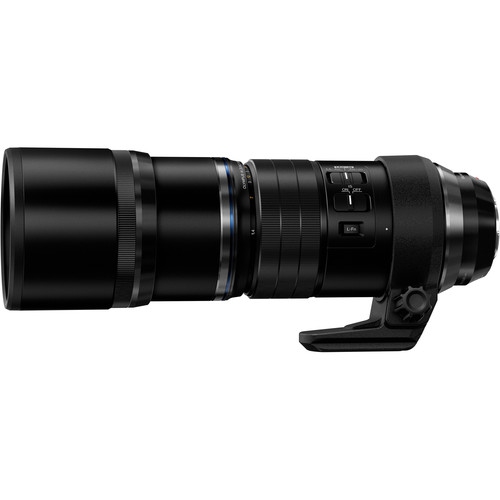
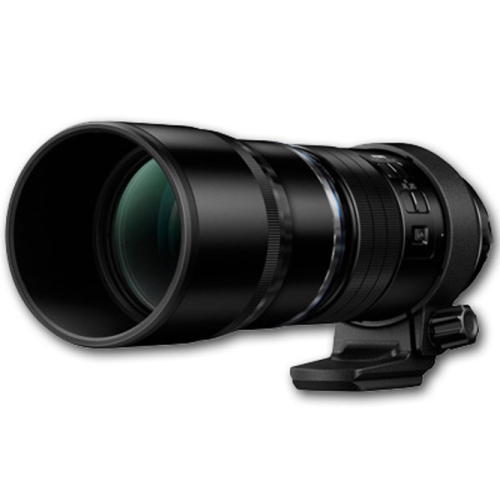
A lens collection can stay compact when each addition serves a clear purpose. Someone photographing family gatherings may value a small standard lens that fits easily into a shoulder bag, while a traveller documenting buildings and street scenes may prefer a zoom that reduces lens changes. A photographer watching birds from a respectful distance has a different priority: enough telephoto reach to frame the subject without moving closer. The Olympus Telephoto Lenses collection is relevant to that longer-reach style of photography, including tightly framed wildlife details and action viewed from the sidelines. Longer focal lengths also narrow the angle of view, making steady technique and accurate subject tracking more important. Size and weight deserve attention alongside reach, particularly when the camera will be carried rather than used from a fixed position. Lens accessories need the same attention to fit: filters match the lens’s stated filter-thread diameter, hoods should suit its optical design, and cases need enough room for the lens without allowing excessive movement. Everyday care is straightforward but worthwhile. Front and rear caps protect exposed surfaces during transport, and a padded compartment helps prevent knocks against other equipment. Loose dust is best removed with a suitable blower before a clean lens cloth or lens-safe tissue touches the glass; rubbing grit across a coating can cause damage. Lens-cleaning fluid should be used according to its directions rather than replaced with household cleaners. Keeping fingers away from the rear element and electrical contacts also helps avoid unnecessary cleaning and connection issues. For gifting, the recipient’s camera mount and existing lenses are more useful starting points than appearance alone. A lens that adds a genuinely different angle of view or close-focusing ability can open up new subjects, whereas an overlapping focal range may offer less practical benefit. For both new and experienced photographers, the most useful combination brings together compatible fit, manageable dimensions, suitable optics, and a clear connection to the pictures they enjoy making.
Read More

FAQ

Some products may be subject to Environmental Handling Fees (EHF) depending on your province. Learn more about EHFs.