Olympus Point And Shoot Cameras
Capture life’s memorable moments with ease using Olympus point and shoot cameras. Designed for convenience and versatility, these cameras are perfect for anyone looking to snap high-quality photos on the go. Whether you’re documenting special occasions or exploring new places, Olympus point and shoot cameras offer a user-friendly experience in a compact package. Discover a range of options to suit your photography needs and enjoy the simplicity of capturing stunning images anytime, anywhere.
Sort


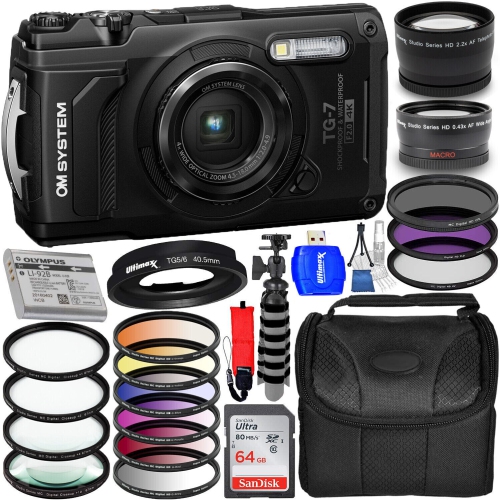
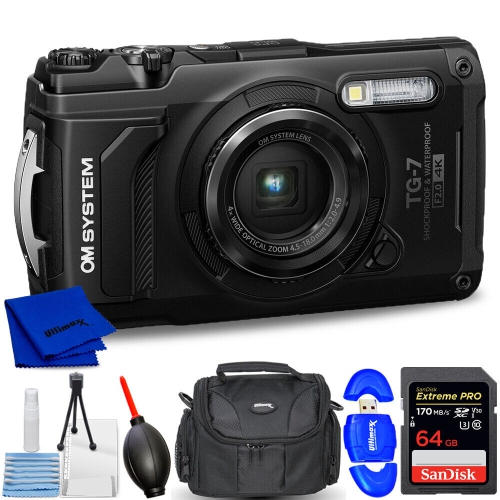


Everyday photography without the hassle of separate lenses
Point-and-shoot cameras put everyday photography into a compact, self-contained format, with a built-in lens and controls designed to make taking a picture straightforward. The category includes both 35mm film cameras and digital compacts, offering different ways to capture family gatherings, travel scenes, portraits, and small details that catch the eye. Many film compacts combine automatic exposure, autofocus, and a built-in flash, while digital versions add an image sensor, a rear screen, and memory card storage. A fixed focal length lens keeps the view consistent and encourages the photographer to move closer or step back to frame a subject. An optical zoom lens offers more framing flexibility from the same position, which can be useful when photographing architectural details across a square or a child on a stage. Optical zoom changes the lens’s focal length; digital zoom generally crops or enlarges the image and can reduce detail. Lens specifications also help explain how a camera behaves. On a 35mm film camera, a 35mm lens provides a moderately wide view suited to street scenes, groups, and everyday snapshots. Digital cameras often describe their angle of view using a 35mm-equivalent focal length, making comparisons easier across different sensor sizes. A maximum aperture such as f/2.8 indicates how much light the lens can admit at that setting, although image quality also depends on focusing accuracy, exposure, sensor or film characteristics, and camera movement. Some compact designs feature a sliding lens cover that protects the front element when closed and makes the camera easy to tuck into a bag. Others use a retracting lens barrel or a more substantial protective housing. These differences affect pocketability and handling as much as appearance. For someone who wants a dedicated camera without carrying separate lenses, a point-and-shoot offers a clear purpose: a familiar set of controls, a manageable size, and a lens that stays with the camera wherever the day takes it.
Film and digital point-and-shoot cameras share that simple approach, but the experience of using them is quite different. A 35mm film compact stores photographs on a roll that must be developed before the results can be viewed. Film speed is chosen with the roll, and cameras with compatible automatic film-speed reading can set it from the cartridge’s coding. Automatic loading, winding, and rewinding vary by design, so the loading procedure and frame counter matter when getting started. Film gives each outing a defined number of exposures, making a birthday dinner or a walk through an unfamiliar neighbourhood feel like a small collection of selected moments. Digital compacts allow immediate review, deletion, and repeated attempts, which is convenient for practising composition or capturing a fleeting expression. Resolution is only one part of their performance: sensor size, lens quality, image processing, and stabilization also influence the finished photograph. Stabilization can help reduce blur from hand movement, but it does not stop a moving subject. Autofocus behaviour is equally important. On many point-and-shoot cameras, pressing the shutter button halfway establishes focus before the picture is taken; whether focus remains locked while reframing depends on the camera and its selected mode. This can be useful for placing a person to one side of the frame rather than directly in the centre. Built-in flash helps illuminate nearby subjects, but its reach is limited, so it cannot light a distant stage or an entire large room. Close-focus capability is useful for flowers, food, and small objects, although the minimum focusing distance differs between cameras. For digital photography, battery type, compatible memory cards, and connection options affect daily convenience. Some cameras support wireless transfer, while others rely on a cable or card reader. Video recording, Wi-Fi connectivity, and manual adjustments are features to verify individually rather than assume across the category. The right fit depends less on a long specification list than on whether the camera’s actual functions match the photographs someone enjoys making.
Compact size is most useful when the camera also feels secure and comfortable in the hand. A slim body may slide easily into a small pouch, while a deeper grip and more widely spaced buttons can be easier to manage during extended use. Plastic shells help keep weight down, metal panels can add a firmer feel, and textured surfaces improve grip, but exterior materials alone do not establish impact resistance. Rugged digital compacts use purpose-built construction and sealed compartments to support specified protection ratings. Water resistance, submersion limits, and drop-test ratings are distinct claims, each with its own conditions; none should be assumed simply because a camera looks sturdy. Seals and compartment doors need particular attention, and older cameras may no longer retain their original protection. With previously owned film or digital equipment, condition can matter as much as the original specifications. Clear lens glass, a clean battery compartment, responsive controls, a working flash, and reliable lens movement all contribute to dependable use. On film cameras, the transport mechanism and light seals also deserve attention, since faults may not become visible until a roll is developed. Everyday care is usually uncomplicated: a wrist strap helps prevent accidental drops, a fitted pouch limits scuffs, and a blower followed by an appropriate lens cloth helps remove dust and fingerprints without grinding particles against the glass. Batteries, chargers, and memory cards need to match the camera’s requirements, and removable batteries are best handled according to the manufacturer’s storage instructions. As gifts, these cameras can suit a student exploring photography, a traveller who prefers a separate picture-taking device, or a family member who enjoys making prints and albums. Film photography brings the additional steps of processing and scanning, while digital photography makes image review and sharing more immediate. Those comparing compact-camera designs can also explore Panasonic Point And Shoot Cameras for another perspective on built-in lenses and portable handling. Across the category, the most satisfying camera is one whose size, controls, and photographic capabilities make it comfortable to carry and natural to use.
Top selling and popular products
-
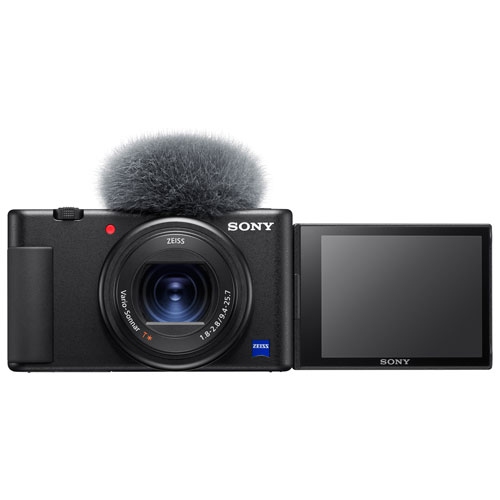 Your price for this item is $804.97
-
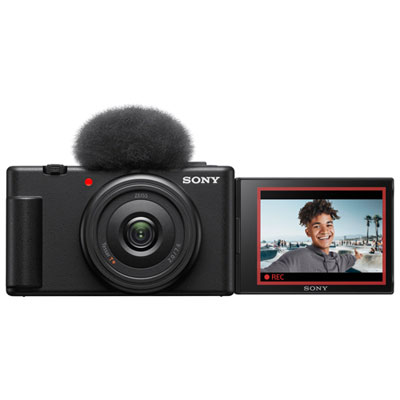 Your price for this item is $649.99
-
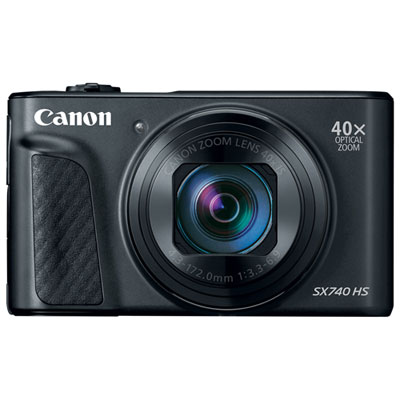 Your price for this item is $749.99
-
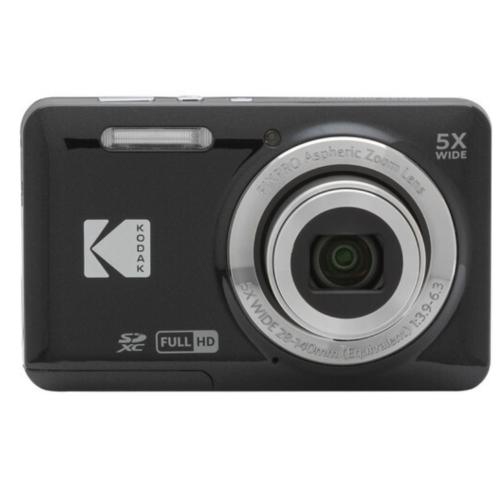 Your price for this item is $253
-
 Your price for this item is $255
-
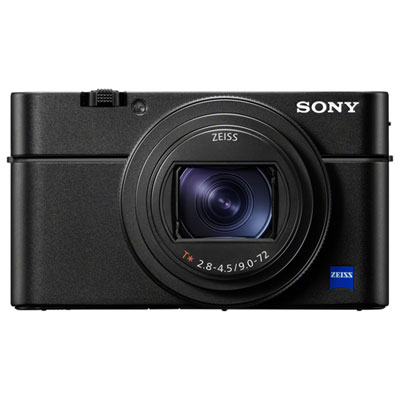 Your price for this item is $1999.99
-
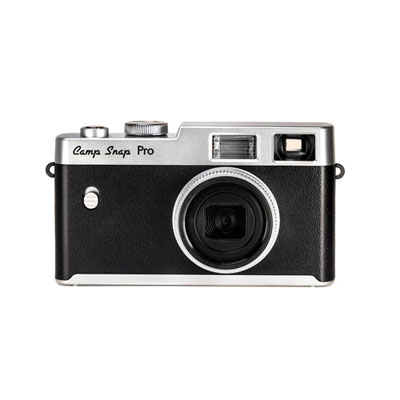 Your price for this item is $99.99
-
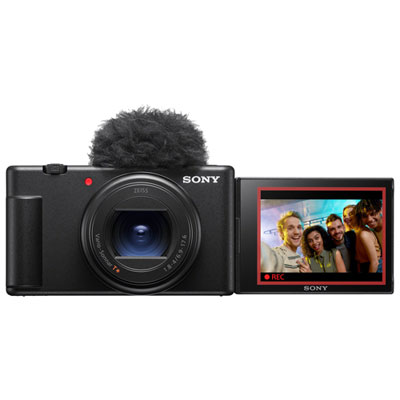 Your price for this item is $1199.99
Discover more categories related to Olympus Point And Shoot Cameras
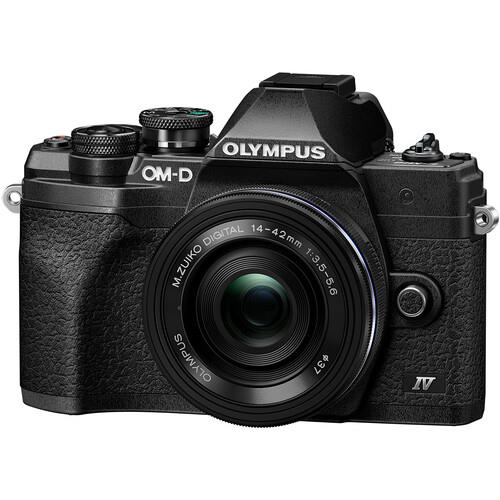
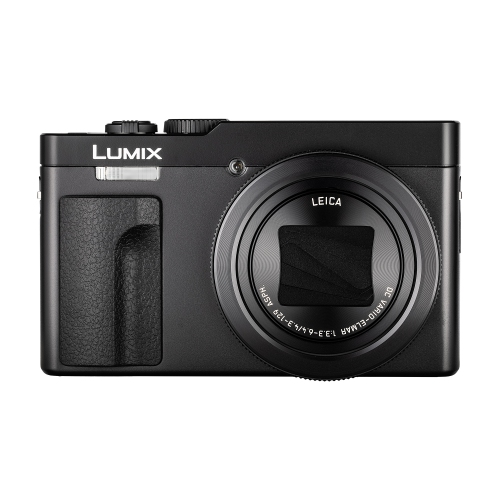
Top Collections:
Pokemon Centers, Best Cameras for Sports Photography, Kindle Devices, Samsung Galaxy Phones, Canon G7X Cameras, Pokémon 30th Celebration Cards, Refurbished Apple Laptops, iPhone 15 Apple, Laptops for Students, Budget Smartphones
Some products may be subject to Environmental Handling Fees
(EHF) depending on your province.
Learn more about EHFs.