Optoma DLP Full 3D
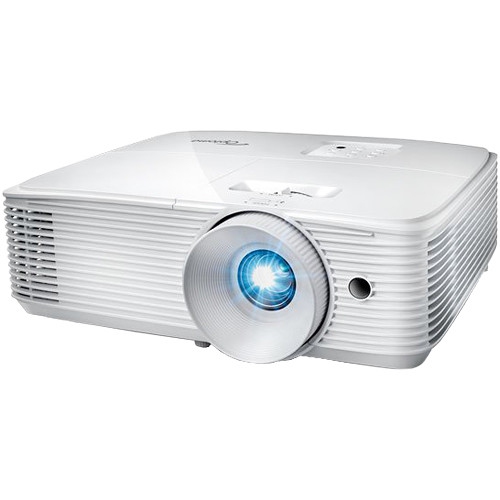
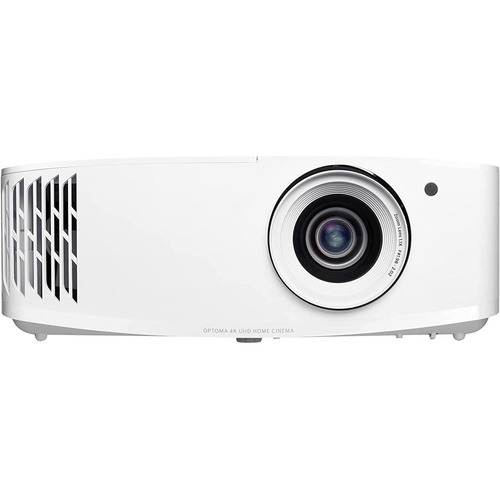
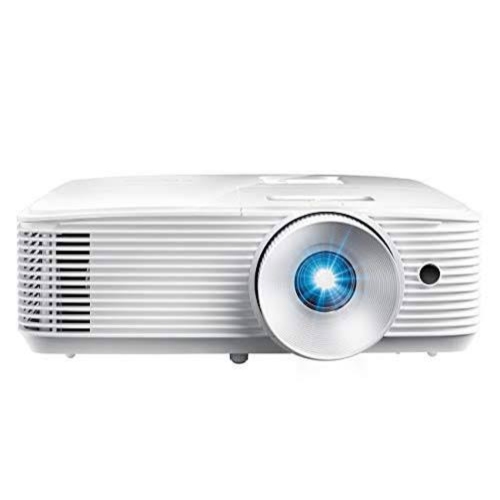
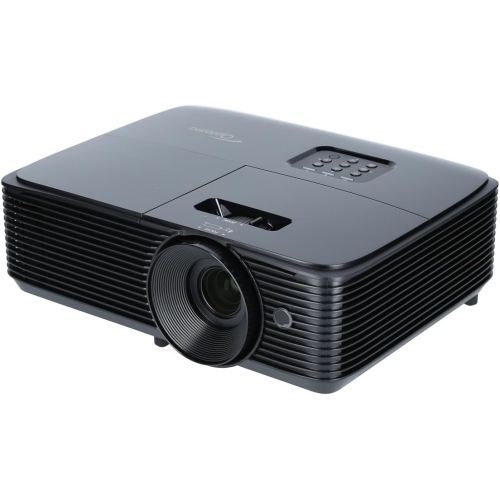
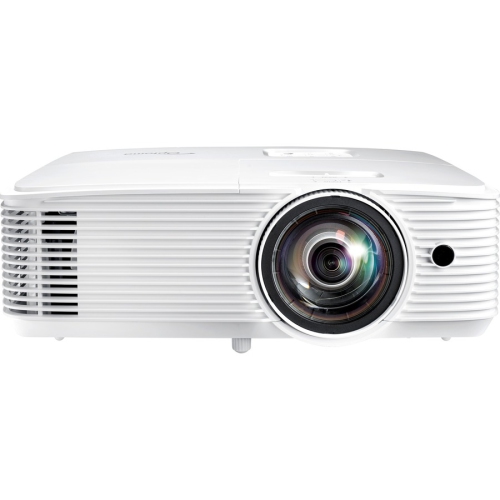
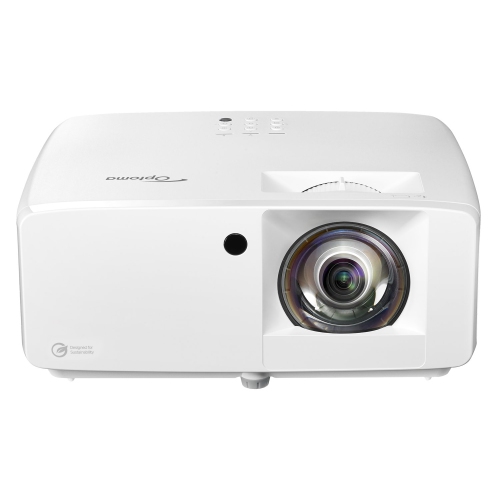
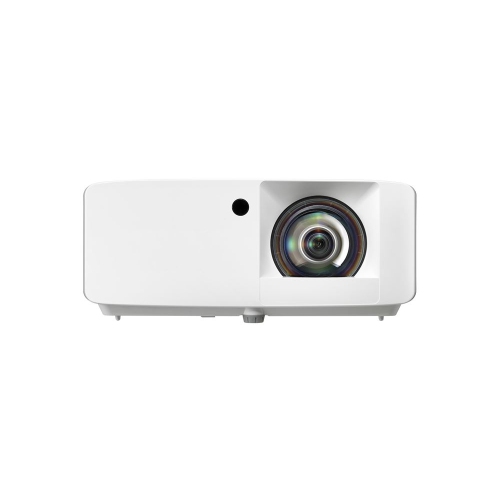
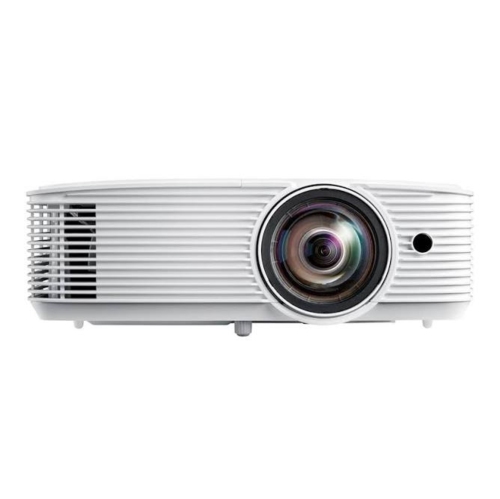
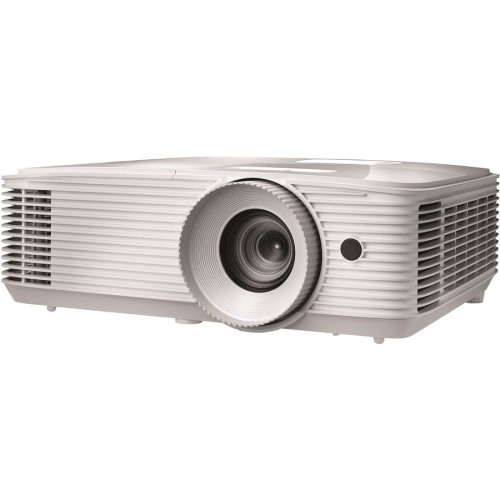
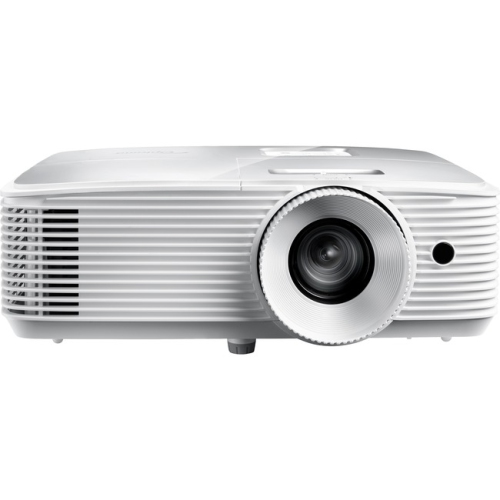
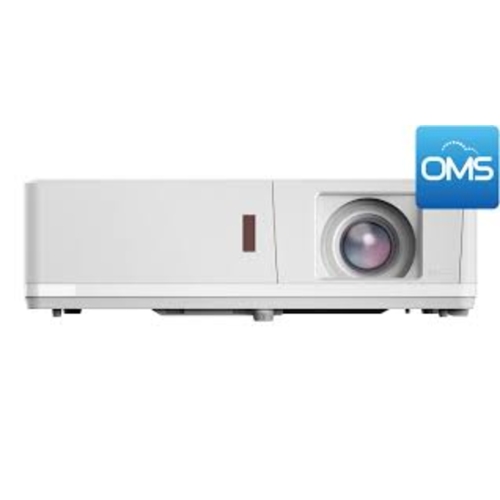
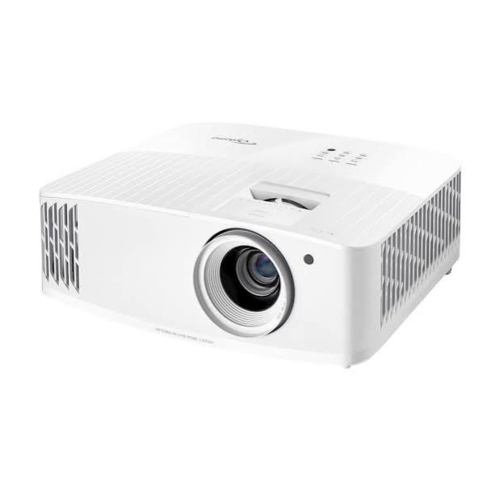
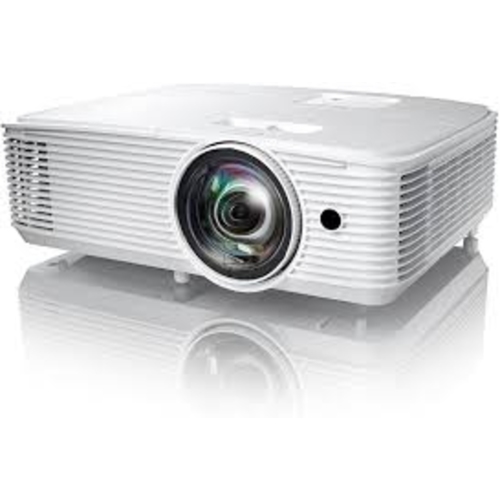
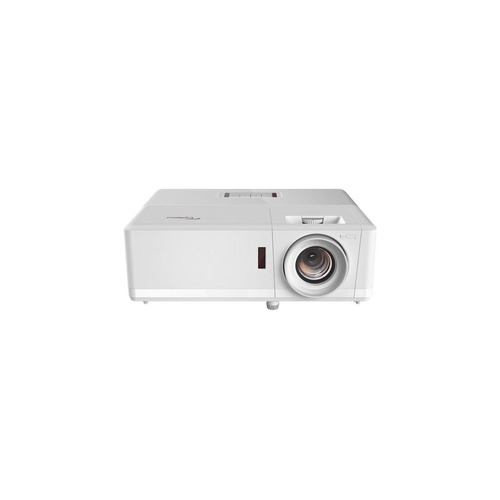
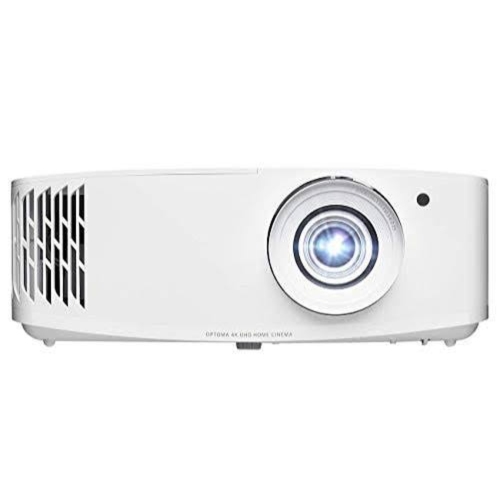
Explore Optoma DLP Full 3D projectors for your home theatre setup. Compare resolution, brightness and connection options to find a model suited to your room and source devices, and check each projector’s supported 3D formats and compatible glasses requirements before you buy.
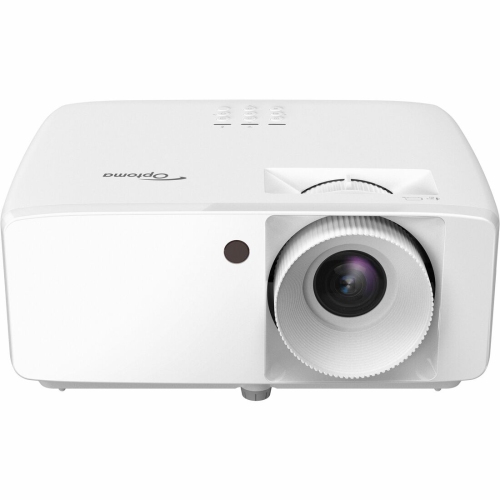
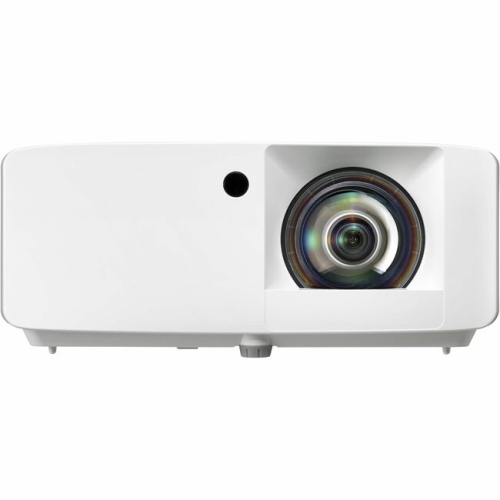
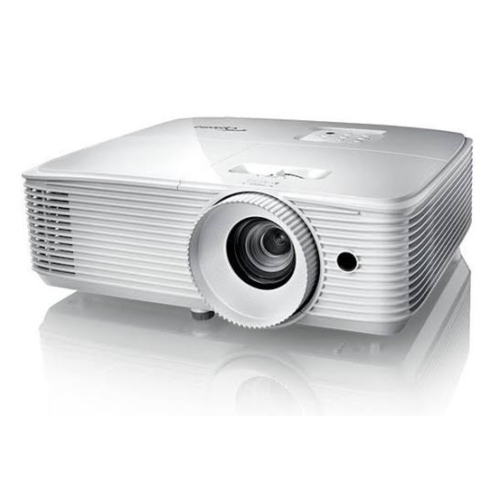
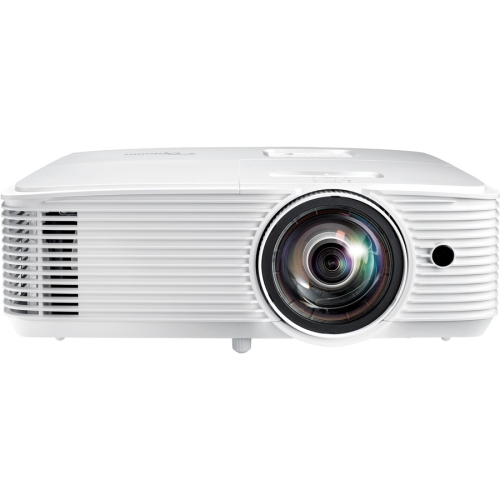
FAQ
Full 3D refers to the ability to accept supported stereoscopic 3D signals for viewing with compatible 3D glasses. It describes a viewing capability, not a resolution such as Full HD. Supported signals and connection requirements vary by model.
Many Optoma DLP 3D projectors use DLP-Link active-shutter glasses, but the required glasses and synchronization method depend on the model. Check the projector’s compatibility information before choosing glasses. Passive cinema glasses are not interchangeable with active-shutter glasses.
Compatible sources may include 3D Blu-ray players, computers and certain game consoles. The source device, content and projector must support compatible 3D formats, and the connection must support the required signal. An HDMI connection alone does not guarantee 3D compatibility.
Yes. Full 3D capability does not limit a projector to 3D content; it can also display supported 2D movies, presentations and games. Standard 2D viewing does not require 3D glasses. Automatic conversion from 2D to 3D should not be assumed unless the model specifically supports it.
Common 3D signal formats include frame packing, side-by-side and top-and-bottom. Support can vary by projector, input resolution and refresh rate. Compare the projector’s listed 3D compatibility with your source device’s output settings and the format of your content.
Top selling and popular products
Discover more categories related to Optoma DLP Full 3D

Some products may be subject to Environmental Handling Fees (EHF) depending on your province. Learn more about EHFs.