Winter Sleeping Bags
Winter sleeping bags are designed to keep you warm in the cold weather while providing enough room to move around comfortably. They're lightweight and packable, so they take up less space in your luggage. And they're made of soft materials that are comfortable against your skin and help you stay warm without overheating. Here are some great options available.
Sort
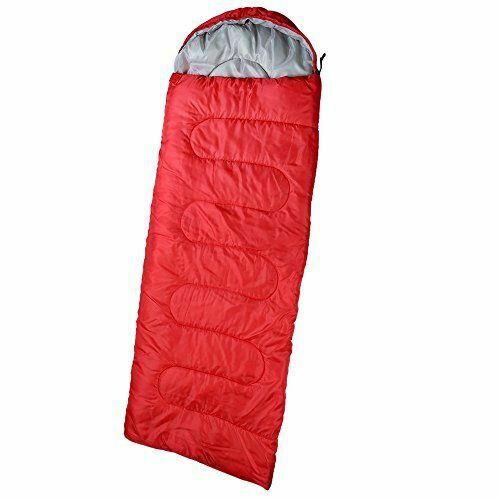
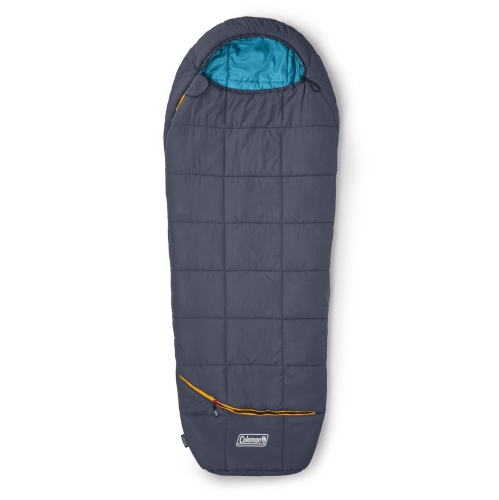
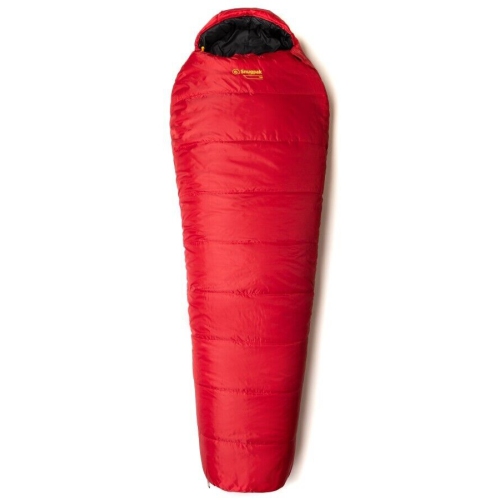
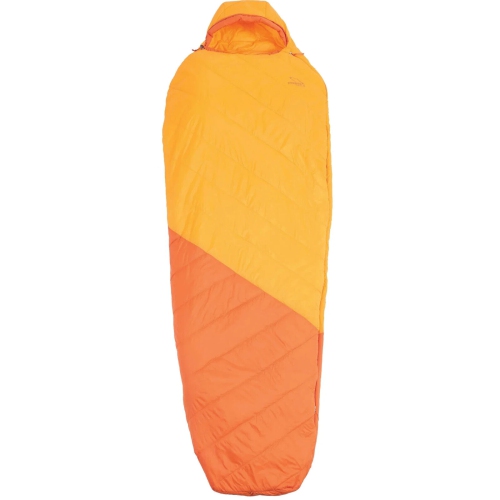
How temperature ratings, insulation and fit affect warmth
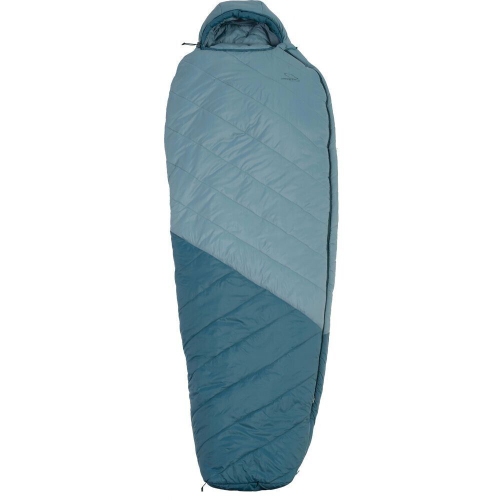
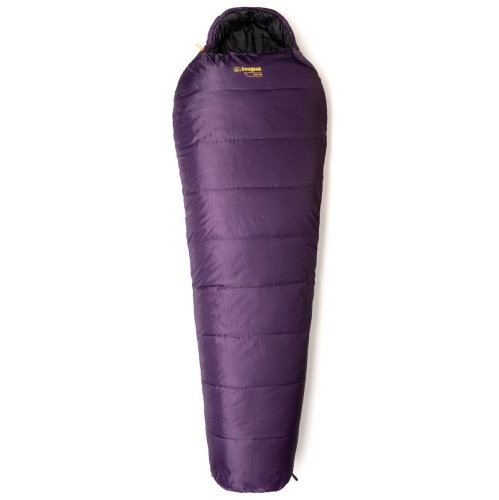
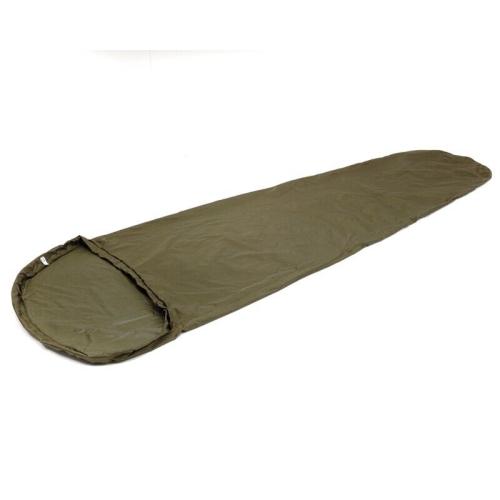
Winter sleeping bags are designed for camping and sleeping outdoors during the cooler months, when ordinary three-season bags may not provide enough insulation. They are a practical choice for winter campers, backcountry travellers, ice-fishing trips, cabin stays, outdoor work, emergency vehicle kits and anyone who enjoys spending nights outside when temperatures drop well below freezing. Many winter-rated bags are built for conditions from approximately -18°C (0°F) to -45°C (-49°F), although the right rating depends on the expected overnight temperature, wind exposure, shelter and personal comfort. When comparing options, pay close attention to the comfort rating rather than relying only on the lower limit or extreme rating. The comfort rating is a better indication of the temperature at which an average sleeper may remain warm, while the limit rating describes conditions in which a warmer sleeper might still be comfortable when wearing appropriate layers. A bag rated for temperatures colder than the forecast provides a useful margin for changing conditions, especially on clear nights when temperatures can fall quickly after sunset. A warm winter sleeping bag should also fit the sleeper properly. A mummy shape is commonly preferred for cold-weather camping because its tapered design reduces the amount of air your body needs to warm, while a close-fitting hood helps retain heat around the head. Look for an insulated draft collar around the shoulders, a draft tube along the zipper and a hood that can be adjusted without leaving the bag. These details may seem small when a bag is displayed indoors, but they become valuable when cold air settles into a campsite and every opening allows warmth to escape. A footbox with enough room for natural movement is helpful, while excessive space can create cold pockets that take longer to warm.
The choice between down and synthetic insulation is another important consideration. Down insulation offers a high warmth-to-weight ratio and compresses efficiently, making it appealing for people who carry their equipment over long distances or have limited storage space. It can feel exceptionally warm and lofty when fully dry, but it requires care in damp conditions. Synthetic insulation is often a practical choice for humid weather, snow-prone campsites and general-purpose use because it continues to provide insulation if exposed to moisture. It may be bulkier than down at a similar temperature rating, so check the packed dimensions and carry weight when planning for a backpack, sled or vehicle. Construction also affects performance. Baffled designs help keep insulation distributed rather than allowing it to settle in cold spots, and a full-length zipper can make it easier to get in and out or regulate warmth when conditions are less severe. Two-way zippers may offer added flexibility around the feet, while snag-resistant zipper guards can make late-night adjustments smoother when wearing gloves. The sleeping bag is only one part of a warm sleep system. Heat can move into the ground even when the air temperature is manageable, so pair a winter bag with an insulated sleeping pad with a suitable R-value for the conditions. A foam layer beneath an insulated pad can add comfort and provide another barrier against cold ground, packed snow or a tent floor. Clothing should be dry, loose enough to allow insulation to loft and appropriate for the forecast; a clean base layer, warm socks and a toque can add comfort without compressing the bag’s insulation. Avoid breathing inside the bag, since moisture can collect within the insulation, and use the hood and draft collar to keep warmth close to the body.
Winter sleeping bags can be useful gifts for campers, students heading on outdoor trips, cottage owners, travellers who keep emergency gear in a vehicle and families preparing for cold-weather adventures. Choosing a bag for someone else requires more than selecting the lowest temperature rating. Consider the sleeper’s height, shoulder and hip room preferences, whether they carry equipment on foot, and whether they usually camp in dry, snowy or damp conditions. A compact option may suit a backpacker, while a roomier design can be more comfortable for a car camper or someone who prefers extra space for clothing layers. Smaller sleepers may benefit from a more proportionate design that limits unused interior volume and helps warmth build more efficiently; shoppers looking for compact options can also browse Small Warm Sleeping Bags. Before heading out, unpack a compressed bag and allow it to loft fully, since insulation needs time to regain its intended shape. At camp, place it on a dry, insulated sleeping surface, keep the zipper closed around the shoulders and use the hood to reduce heat loss. After use, air the bag thoroughly and store it in a roomy storage sack rather than leaving it compressed for long periods, following the care instructions for the insulation and shell fabric. With the right temperature rating, fit, insulation, sleeping pad and cold-weather accessories, a winter sleeping bag can turn a frosty night into a comfortable place to rest, whether the morning brings snow-covered trees, a quiet frozen lake or the first pale light over a campsite.
The choice between down and synthetic insulation is another important consideration. Down insulation offers a high warmth-to-weight ratio and compresses efficiently, making it appealing for people who carry their equipment over long distances or have limited storage space. It can feel exceptionally warm and lofty when fully dry, but it requires care in damp conditions. Synthetic insulation is often a practical choice for humid weather, snow-prone campsites and general-purpose use because it continues to provide insulation if exposed to moisture. It may be bulkier than down at a similar temperature rating, so check the packed dimensions and carry weight when planning for a backpack, sled or vehicle. Construction also affects performance. Baffled designs help keep insulation distributed rather than allowing it to settle in cold spots, and a full-length zipper can make it easier to get in and out or regulate warmth when conditions are less severe. Two-way zippers may offer added flexibility around the feet, while snag-resistant zipper guards can make late-night adjustments smoother when wearing gloves. The sleeping bag is only one part of a warm sleep system. Heat can move into the ground even when the air temperature is manageable, so pair a winter bag with an insulated sleeping pad with a suitable R-value for the conditions. A foam layer beneath an insulated pad can add comfort and provide another barrier against cold ground, packed snow or a tent floor. Clothing should be dry, loose enough to allow insulation to loft and appropriate for the forecast; a clean base layer, warm socks and a toque can add comfort without compressing the bag’s insulation. Avoid breathing inside the bag, since moisture can collect within the insulation, and use the hood and draft collar to keep warmth close to the body.
Winter sleeping bags can be useful gifts for campers, students heading on outdoor trips, cottage owners, travellers who keep emergency gear in a vehicle and families preparing for cold-weather adventures. Choosing a bag for someone else requires more than selecting the lowest temperature rating. Consider the sleeper’s height, shoulder and hip room preferences, whether they carry equipment on foot, and whether they usually camp in dry, snowy or damp conditions. A compact option may suit a backpacker, while a roomier design can be more comfortable for a car camper or someone who prefers extra space for clothing layers. Smaller sleepers may benefit from a more proportionate design that limits unused interior volume and helps warmth build more efficiently; shoppers looking for compact options can also browse Small Warm Sleeping Bags. Before heading out, unpack a compressed bag and allow it to loft fully, since insulation needs time to regain its intended shape. At camp, place it on a dry, insulated sleeping surface, keep the zipper closed around the shoulders and use the hood to reduce heat loss. After use, air the bag thoroughly and store it in a roomy storage sack rather than leaving it compressed for long periods, following the care instructions for the insulation and shell fabric. With the right temperature rating, fit, insulation, sleeping pad and cold-weather accessories, a winter sleeping bag can turn a frosty night into a comfortable place to rest, whether the morning brings snow-covered trees, a quiet frozen lake or the first pale light over a campsite.
Top selling and popular products
-
 Your price for this item is $149.99
 -
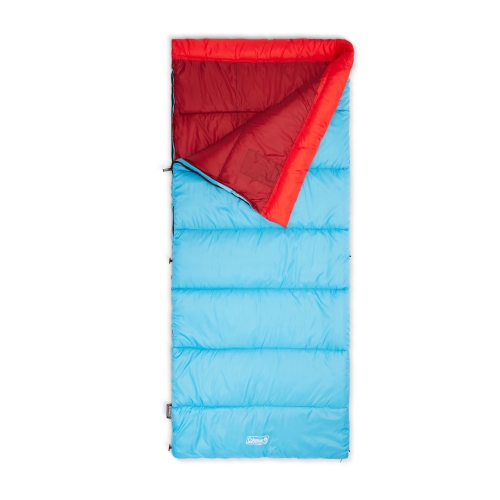 Your price for this item is $134.99
 -
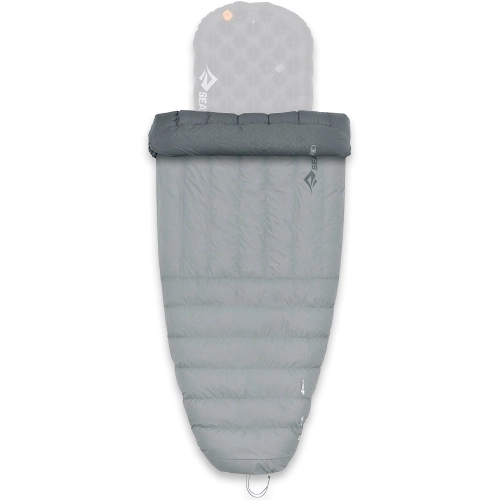 Your price for this item is $378.95
 -
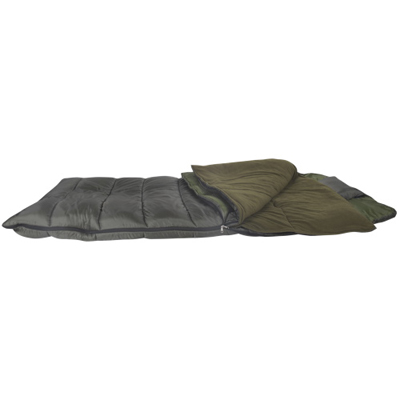 Your price for this item is $219.99
 -
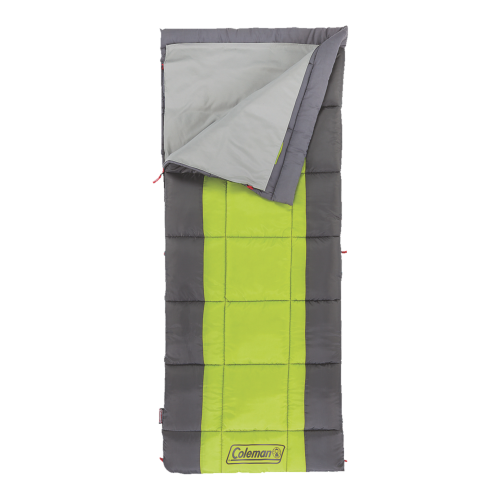 Your price for this item is $90
 -
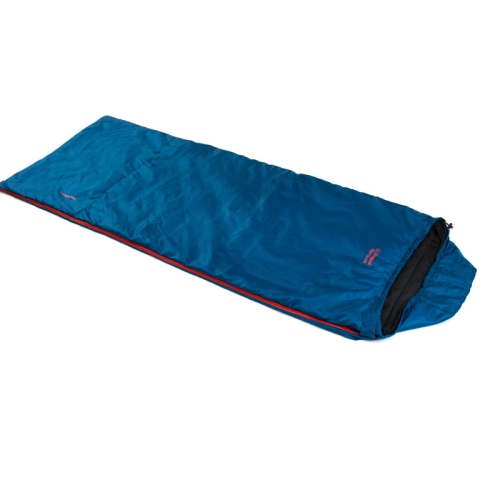 Your price for this item is $124.95
 -
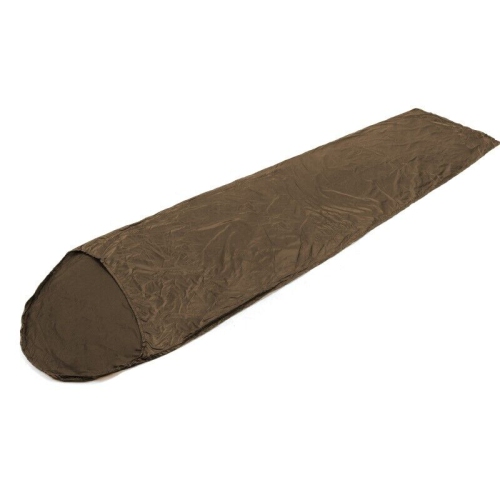 Your price for this item is $99.95
 -
 Your price for this item is $99.95
Discover more categories related to Winter Sleeping Bags
Top Collections:
Pokemon Centers, Kindle Devices, Best Budget Office Chairs, Apple iPhones 16, Canon G7X Cameras, iPhone 15 Apple, Alarm Clock, Refurbished Apple Laptops, Flip Phones, Best Laptops for Writers
Some products may be subject to Environmental Handling Fees
(EHF) depending on your province.
Learn more about EHFs.