Very Warm Sleeping Bags
Explore our collection of very warm sleeping bags, perfect for your next outdoor adventure. Whether you're camping in chilly mountain air or enjoying a cozy night under the stars, these sleeping bags are designed to provide exceptional warmth and comfort. With a variety of styles and sizes available, you'll find the ideal option to suit your needs and ensure a restful night's sleep, no matter where your travels take you. Dive into our selection and discover the perfect companion for your camping trips.
Sort
Why comfort ratings matter more than extreme ratings
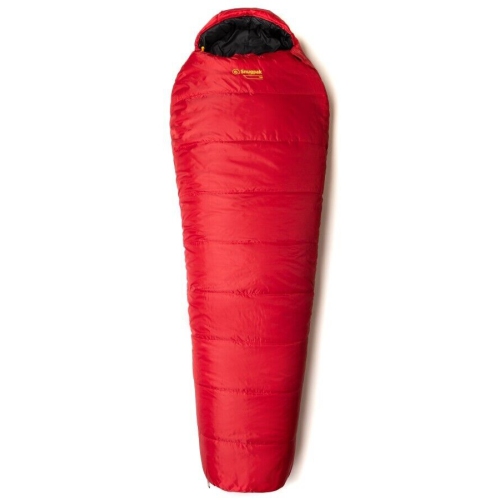
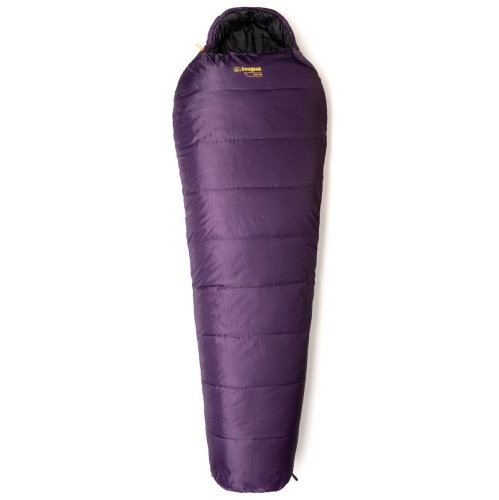
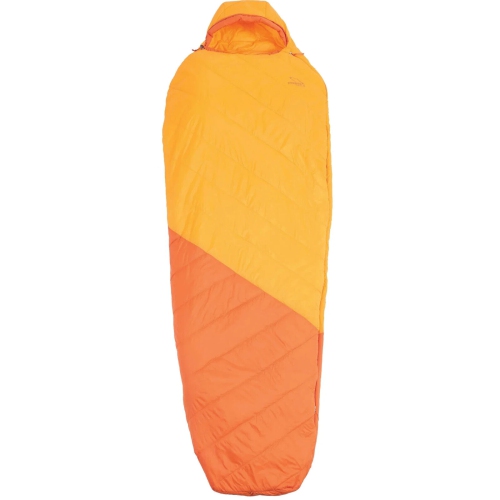
Very warm sleeping bags are designed to retain body heat through cold nights, with substantial insulation, close-fitting shapes, and details that reduce draughts around the shoulders, hood, and zipper. They suit campers sleeping in freezing conditions, backpackers travelling at higher elevations, and anyone who tends to feel cold after settling into a tent. The most useful measure of warmth is a clearly stated temperature rating, interpreted alongside the conditions and sleep system it was tested with. Where standardized ratings are provided, a comfort rating is generally the more relevant reference for someone seeking a comfortable night’s sleep, particularly a colder sleeper. A lower-limit rating describes a different threshold, typically based on a warmer sleeper curled up to conserve heat, while an extreme rating is a survival reference rather than a suitable target for restful sleep. A bag labelled for sub-zero use therefore deserves a closer look at which rating the label represents. Expected overnight lows, exposure to wind, moisture, fatigue, and individual sensitivity to cold all affect how warm a person feels. For a campsite forecast to reach −10°C, a comfort rating below that temperature provides a more useful margin than a bag whose extreme rating alone reaches −10°C, though no rating guarantees comfort for every sleeper. Equally important is the insulation underneath: the fill beneath the body compresses, so a sleeping pad with an R-value appropriate to the conditions is an essential part of a cold-weather setup. A thick-looking air mattress is not necessarily well insulated. Shelter, dry sleepwear, and a properly fitted bag also contribute to overnight comfort. For trips that specifically involve snow-covered campsites or sustained freezing temperatures, Winter Sleeping Bags offer a closely related category to explore. The right level of warmth depends on the whole overnight setup, whether that means a sheltered campground within walking distance of the car or a remote tent site reached after a full day on the trail.
Insulation determines much of a sleeping bag’s weight, packed size, and feel. Down traps warm air within clusters that expand after unpacking, creating the loft that gives a cold-weather bag its cushioning and insulating ability. Higher-fill-power down can deliver more loft for a given weight, making it useful when pack space and carrying weight matter. However, fill power is not a temperature rating: total fill weight, insulation distribution, construction, and fit all influence the warmth of the finished bag. An 800-fill-power designation, for example, describes the down’s lofting ability rather than the lowest temperature at which someone will sleep comfortably. Water-resistant treatments can help down cope with incidental moisture, but treated down still needs protection from wet conditions and thorough drying if it becomes damp. Synthetic insulation generally retains more of its insulating performance when damp and often dries more readily, although a similarly warm synthetic bag may be heavier or bulkier. For camping near a vehicle, that extra packed volume may matter less than straightforward care and dependable performance around condensation. For backpacking, a compact bag can leave more room for food, spare layers, and shelter. Shell and lining fabrics also shape everyday comfort. Lightweight nylon or polyester shells help contain the insulation, while ripstop weaves can limit the spread of small tears. A water-repellent finish can shed light surface moisture, but it does not make the entire bag waterproof. Inside, a smooth lining makes it easier to turn over without pulling sleepwear out of place. Baffled construction helps maintain loft and reduce cold spots, while an insulated zipper tube blocks a common route for heat loss. A well-filled neck collar helps keep warmth around the torso when the hood opening is loosened. These details become noticeable during ordinary campsite moments: reading before sleep, reaching for a headlamp, or rolling onto one side without letting a rush of cold air into the bag.
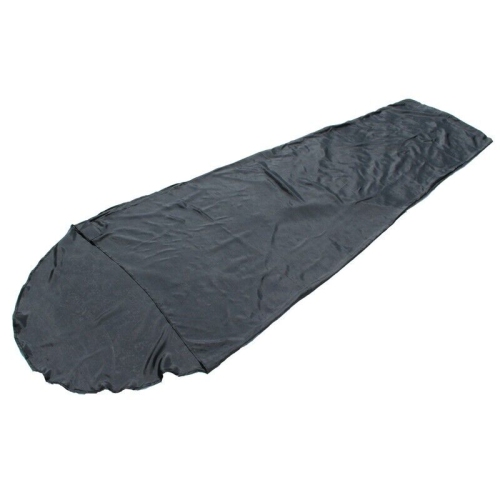
Fit is especially important in very warm sleeping bags because both excess space and excessive tightness can work against comfort. A tapered mummy shape limits the amount of interior air the body needs to warm, while a shaped hood and roomy, insulated footbox help protect areas that often feel cold first. Rectangular and roomier shapes allow more movement, which may appeal to restless sleepers, but they generally require more insulation and material to achieve comparable cold-weather performance. The right length leaves room for feet to rest naturally without pressing hard against the end, and the shoulder and hip measurements should accommodate the sleeper’s usual position. Knees, elbows, or toes pushing tightly against the fabric can compress insulation and create cold spots. Side sleepers may appreciate extra space through the knees, while a contoured footbox can keep toes from feeling pinned down. A two-way zipper offers controlled ventilation when the bag feels too warm, and easy-to-find zipper pulls are helpful in a dark tent. For children, age-appropriate sizing and manufacturer guidance matter more than simply choosing an oversized adult bag for future growth. As a gift for a regular camper, a warm sleeping bag is most useful when the recipient’s height, preferred fit, usual destinations, and carrying needs are known. Lasting performance also depends on care between trips. Airing the bag after use helps release moisture from overnight condensation and perspiration, while spot-cleaning the lining and shell can reduce the need for frequent full washes. Cleaning should follow the care label, with a method and cleaner suited to the insulation; some bags require larger laundry equipment to avoid crowding or damage. Thorough drying is essential, especially for down, which can clump while damp. Between outings, loose storage in a large breathable sack or an appropriate hanging space helps preserve loft better than leaving the bag tightly compressed. Keeping zippers free of grit, repairing small snags promptly, and protecting the packed bag from rain help it remain comfortable and dependable for repeated nights away.
Insulation determines much of a sleeping bag’s weight, packed size, and feel. Down traps warm air within clusters that expand after unpacking, creating the loft that gives a cold-weather bag its cushioning and insulating ability. Higher-fill-power down can deliver more loft for a given weight, making it useful when pack space and carrying weight matter. However, fill power is not a temperature rating: total fill weight, insulation distribution, construction, and fit all influence the warmth of the finished bag. An 800-fill-power designation, for example, describes the down’s lofting ability rather than the lowest temperature at which someone will sleep comfortably. Water-resistant treatments can help down cope with incidental moisture, but treated down still needs protection from wet conditions and thorough drying if it becomes damp. Synthetic insulation generally retains more of its insulating performance when damp and often dries more readily, although a similarly warm synthetic bag may be heavier or bulkier. For camping near a vehicle, that extra packed volume may matter less than straightforward care and dependable performance around condensation. For backpacking, a compact bag can leave more room for food, spare layers, and shelter. Shell and lining fabrics also shape everyday comfort. Lightweight nylon or polyester shells help contain the insulation, while ripstop weaves can limit the spread of small tears. A water-repellent finish can shed light surface moisture, but it does not make the entire bag waterproof. Inside, a smooth lining makes it easier to turn over without pulling sleepwear out of place. Baffled construction helps maintain loft and reduce cold spots, while an insulated zipper tube blocks a common route for heat loss. A well-filled neck collar helps keep warmth around the torso when the hood opening is loosened. These details become noticeable during ordinary campsite moments: reading before sleep, reaching for a headlamp, or rolling onto one side without letting a rush of cold air into the bag.
Fit is especially important in very warm sleeping bags because both excess space and excessive tightness can work against comfort. A tapered mummy shape limits the amount of interior air the body needs to warm, while a shaped hood and roomy, insulated footbox help protect areas that often feel cold first. Rectangular and roomier shapes allow more movement, which may appeal to restless sleepers, but they generally require more insulation and material to achieve comparable cold-weather performance. The right length leaves room for feet to rest naturally without pressing hard against the end, and the shoulder and hip measurements should accommodate the sleeper’s usual position. Knees, elbows, or toes pushing tightly against the fabric can compress insulation and create cold spots. Side sleepers may appreciate extra space through the knees, while a contoured footbox can keep toes from feeling pinned down. A two-way zipper offers controlled ventilation when the bag feels too warm, and easy-to-find zipper pulls are helpful in a dark tent. For children, age-appropriate sizing and manufacturer guidance matter more than simply choosing an oversized adult bag for future growth. As a gift for a regular camper, a warm sleeping bag is most useful when the recipient’s height, preferred fit, usual destinations, and carrying needs are known. Lasting performance also depends on care between trips. Airing the bag after use helps release moisture from overnight condensation and perspiration, while spot-cleaning the lining and shell can reduce the need for frequent full washes. Cleaning should follow the care label, with a method and cleaner suited to the insulation; some bags require larger laundry equipment to avoid crowding or damage. Thorough drying is essential, especially for down, which can clump while damp. Between outings, loose storage in a large breathable sack or an appropriate hanging space helps preserve loft better than leaving the bag tightly compressed. Keeping zippers free of grit, repairing small snags promptly, and protecting the packed bag from rain help it remain comfortable and dependable for repeated nights away.
Top selling and popular products
-
 Your price for this item is $149.99
 -
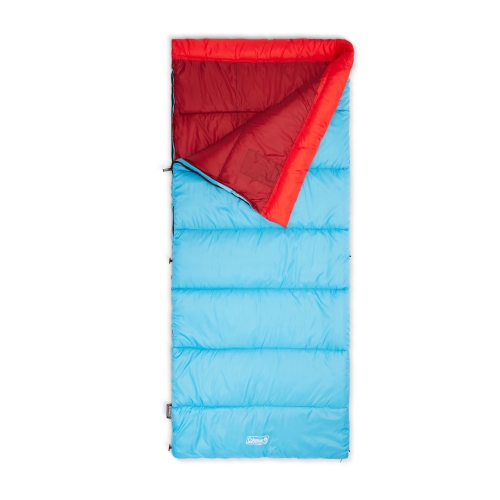 Your price for this item is $134.99
 -
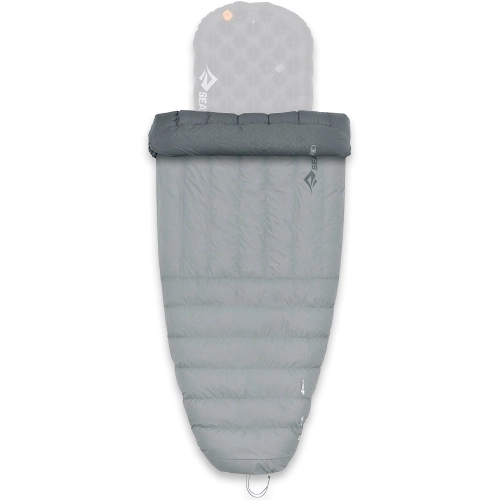 Your price for this item is $378.95
 -
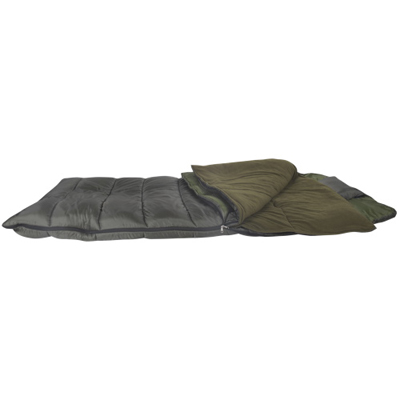 Your price for this item is $219.99
 -
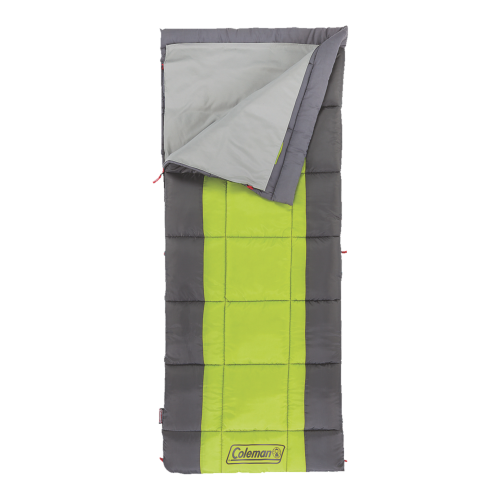 Your price for this item is $90
 -
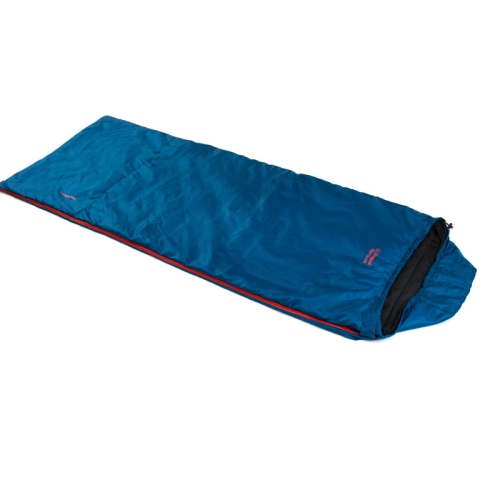 Your price for this item is $124.95
 -
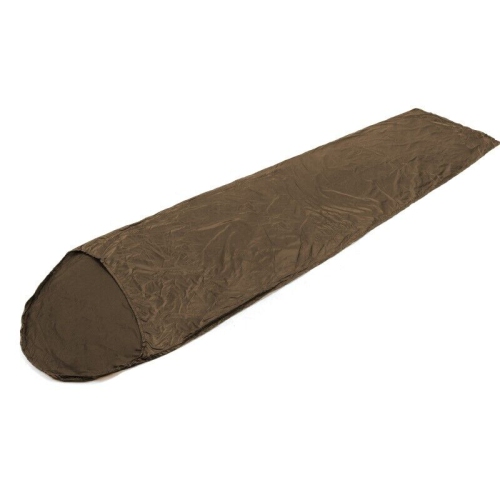 Your price for this item is $99.95
 -
 Your price for this item is $99.95
Discover more categories related to Very Warm Sleeping Bags
Top Collections:
Pokemon Centers, Kindle Devices, Best Budget Office Chairs, Apple iPhones 16, Canon G7X Cameras, iPhone 15 Apple, Alarm Clock, Refurbished Apple Laptops, Flip Phones, Best Laptops for Writers
Some products may be subject to Environmental Handling Fees
(EHF) depending on your province.
Learn more about EHFs.