Blow Dry Brushes
Achieve salon-quality hair styling at home with our selection of blow-dry brushes. This versatile tool combines the power of a hair dryer with the precision of a round brush, making it easier than ever to achieve smooth, voluminous hair with a sleek finish. Whether you're looking to create bouncy curls, straighten unruly locks, or add extra volume to your mane, a blow dry brush is a must-have addition to your hair styling routine. Discover our range of options designed to suit different hair types and lengths, and say goodbye to lengthy styling sessions and hello to effortlessly beautiful hair every day.
Sort

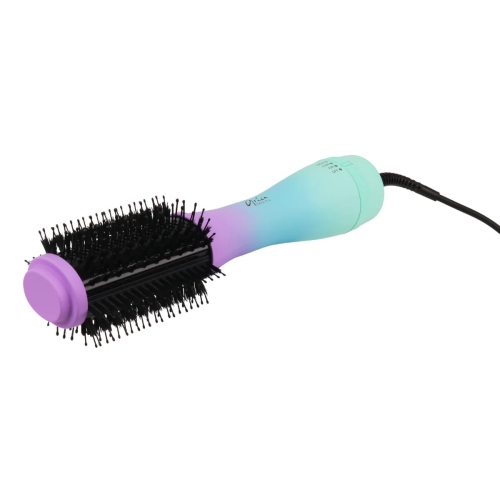
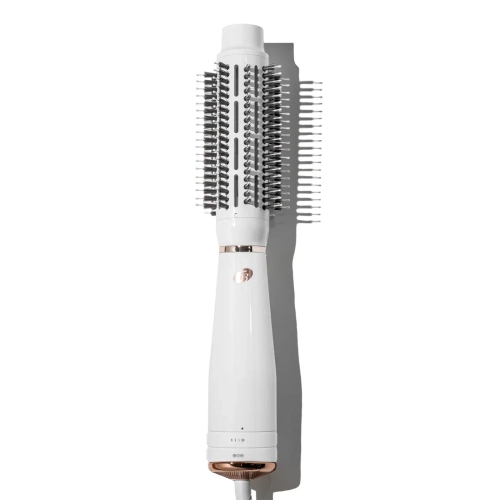
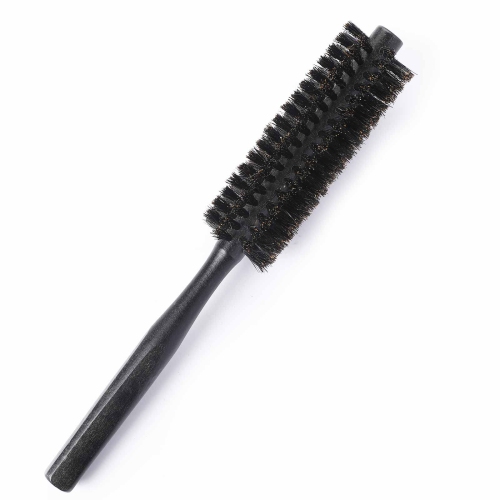
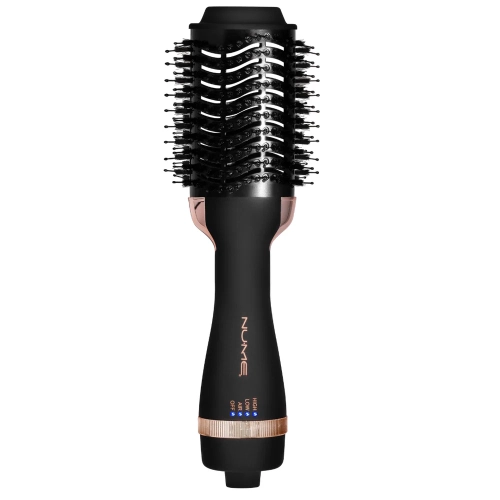
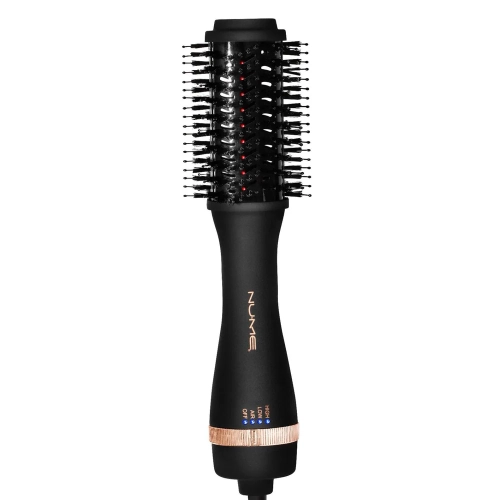

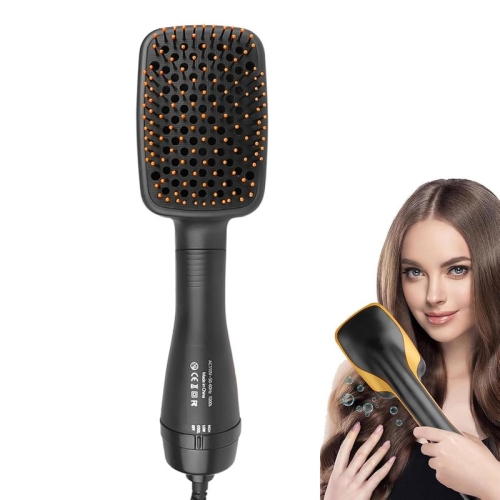
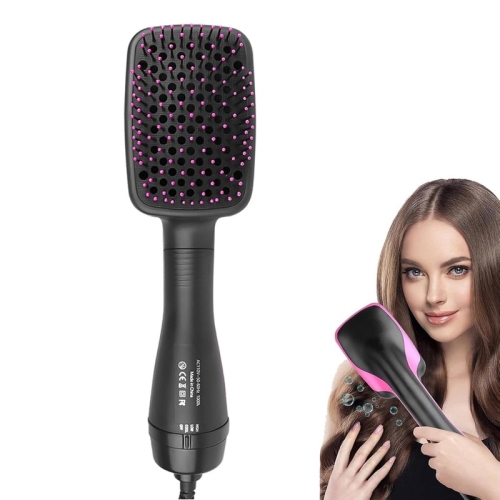
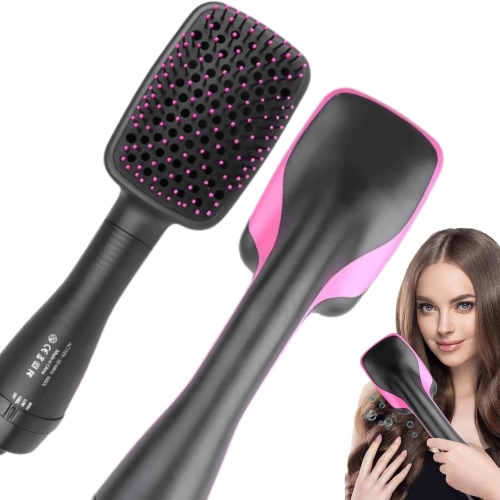
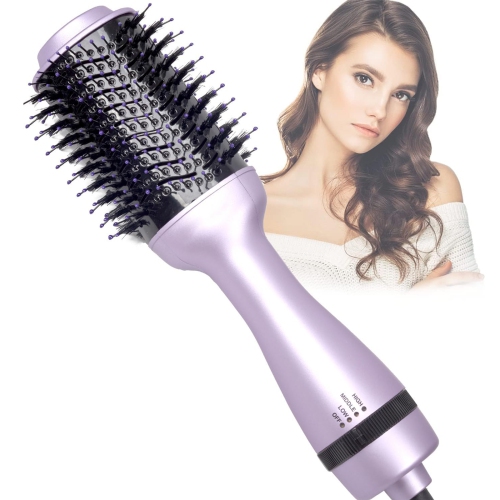
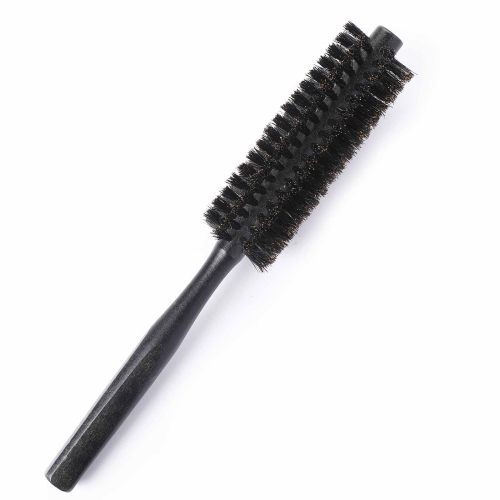
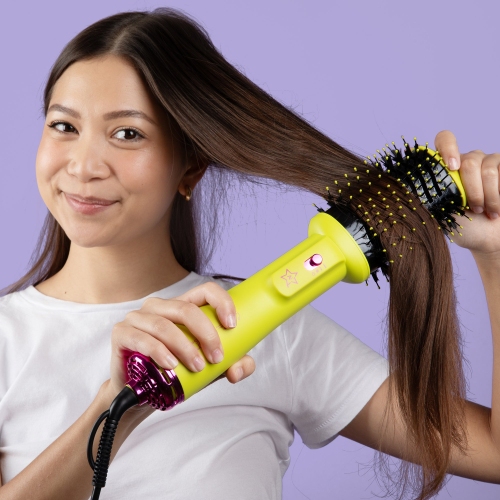
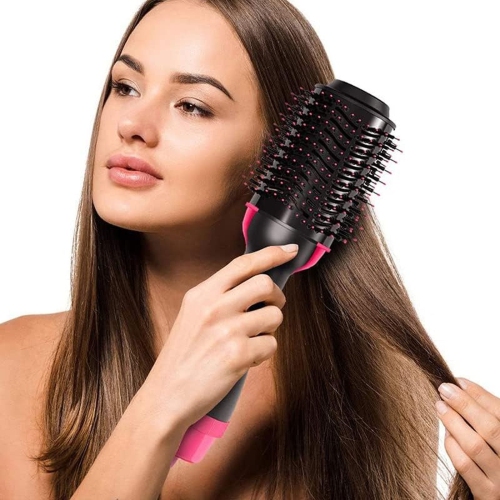
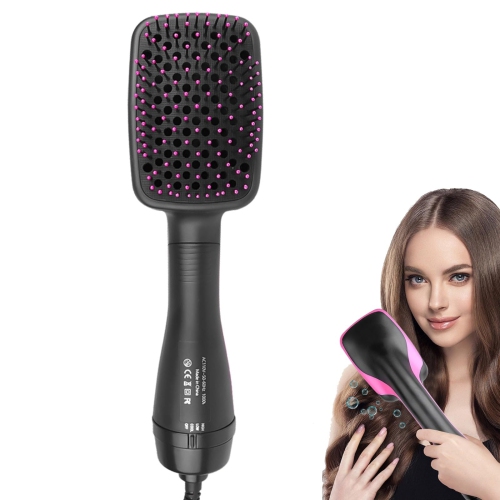
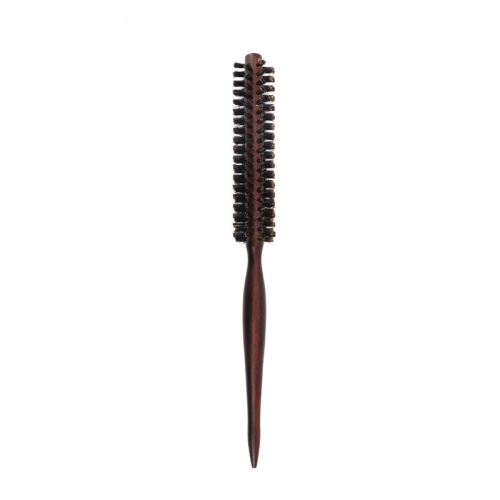
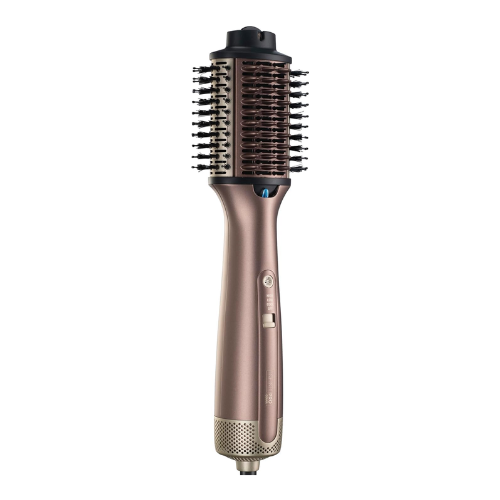
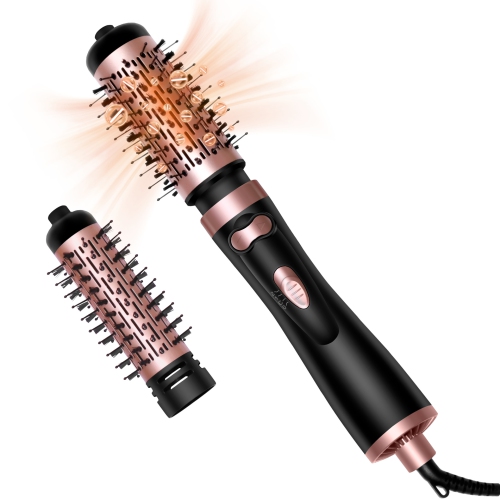
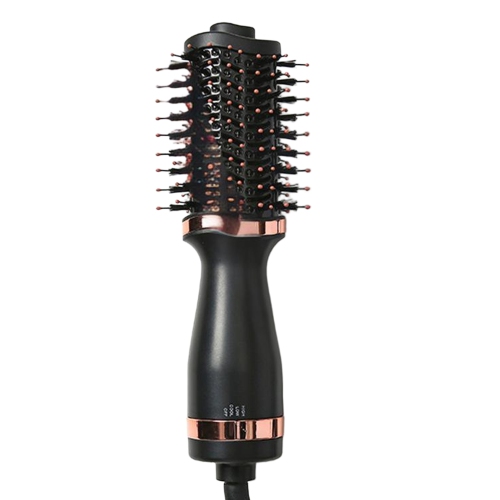
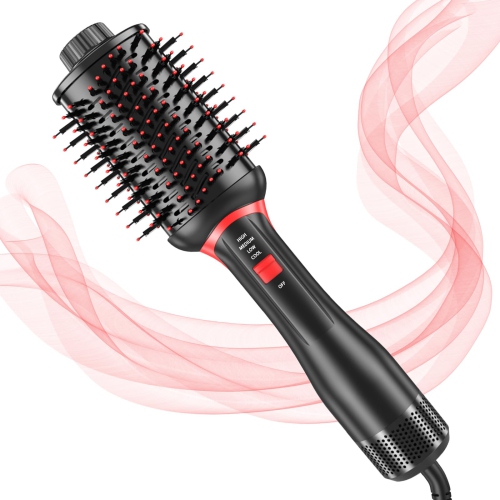
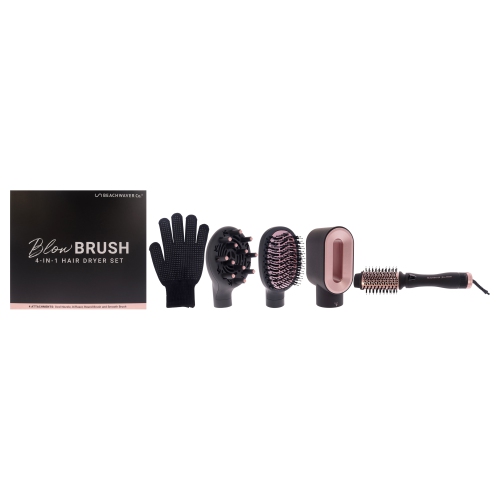
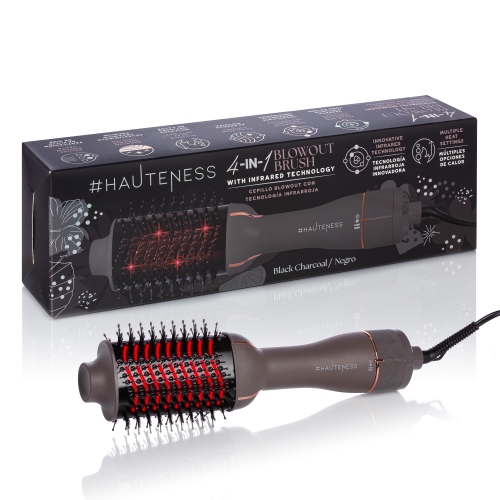
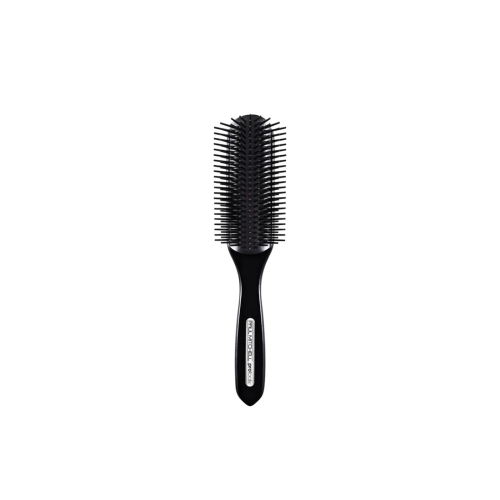
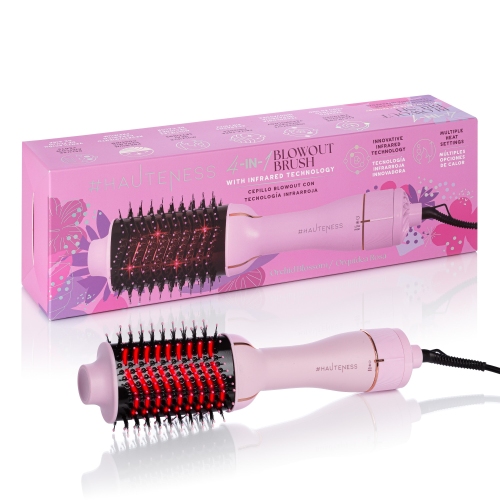

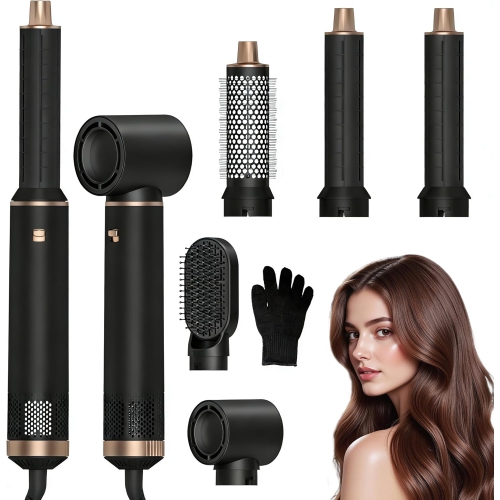
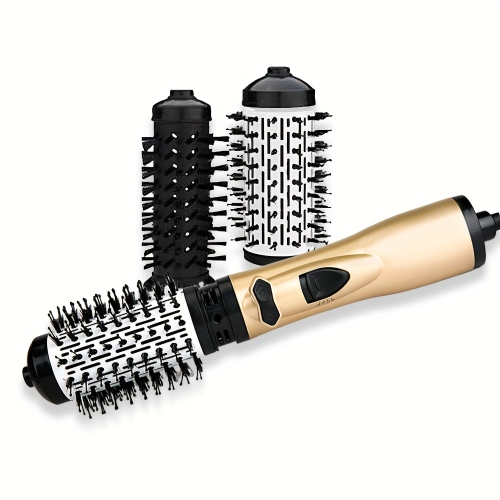
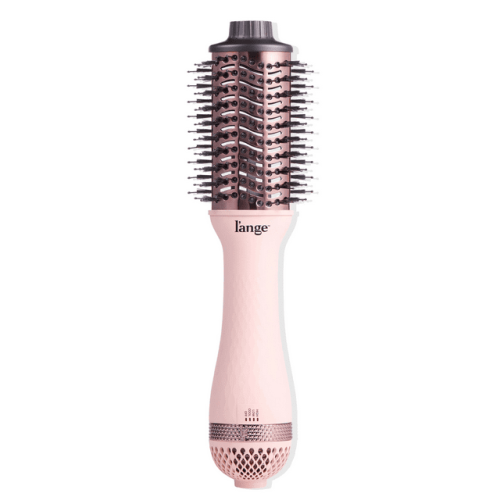
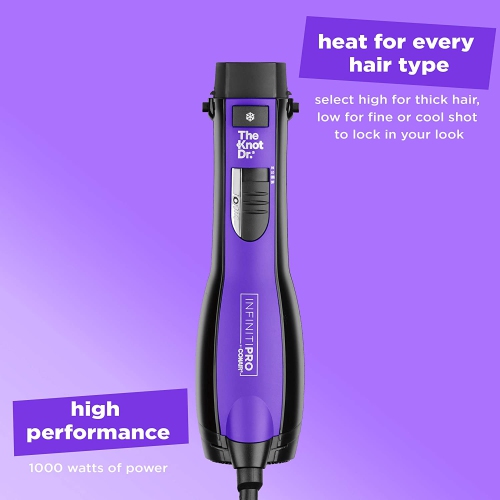
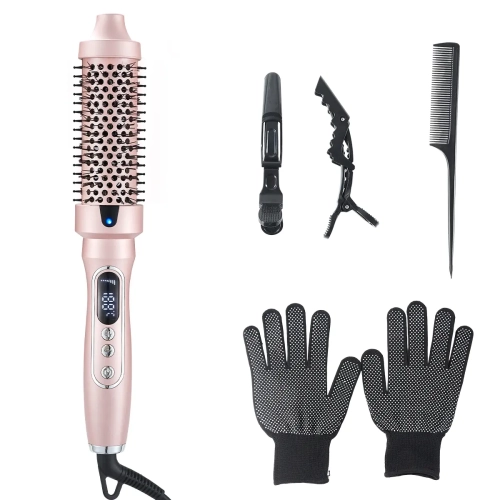
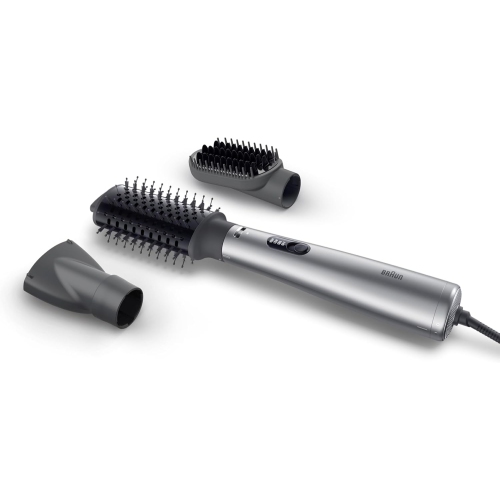
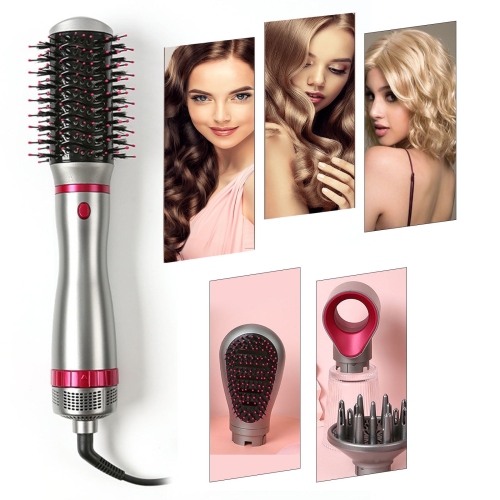
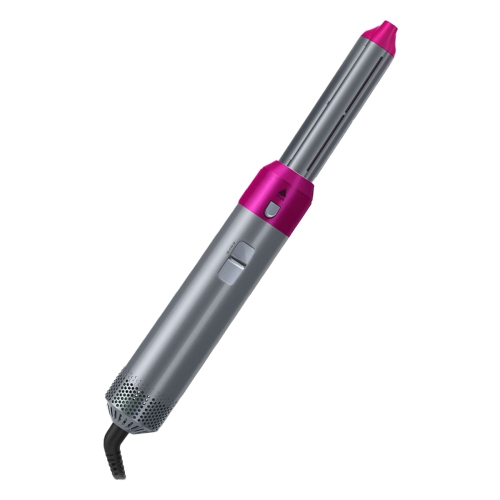
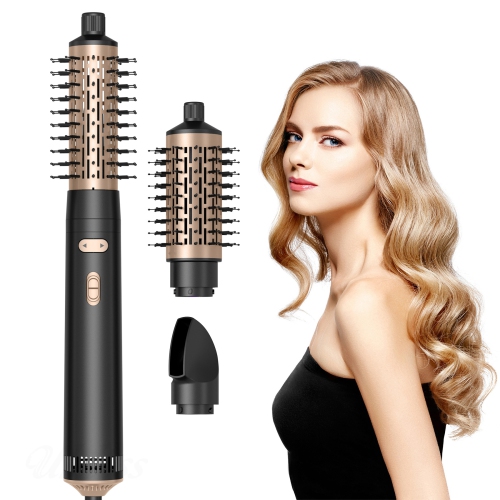

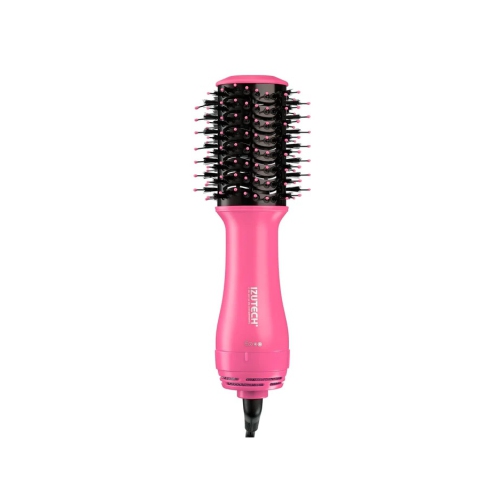

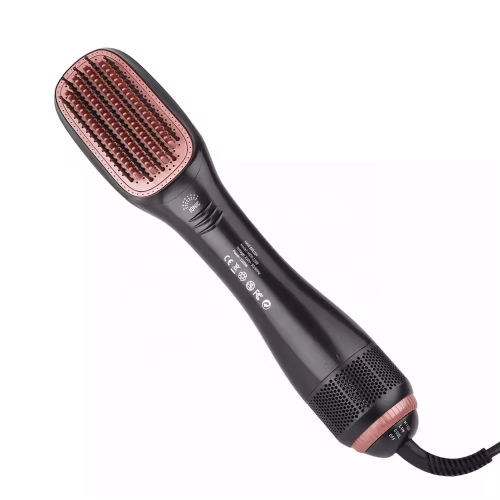
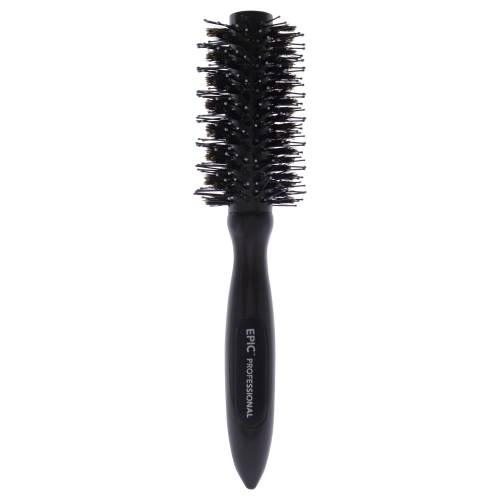
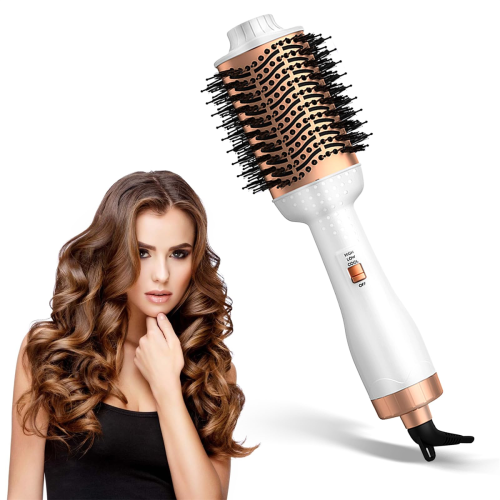
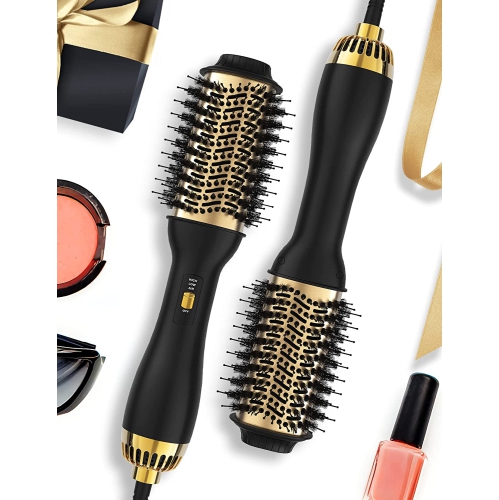
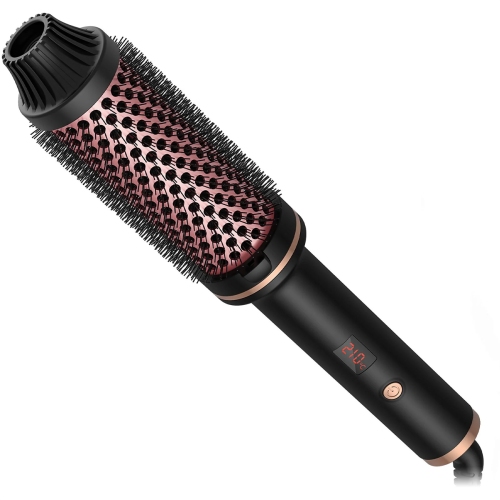
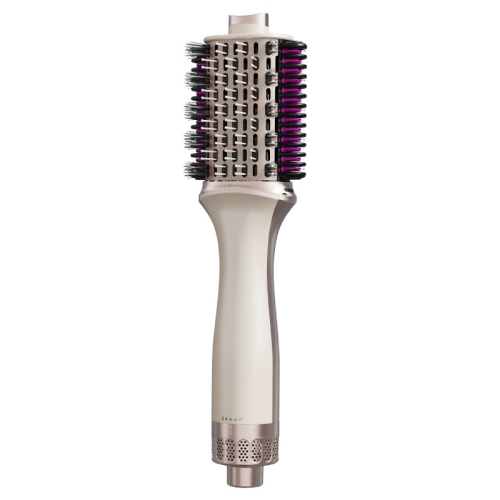
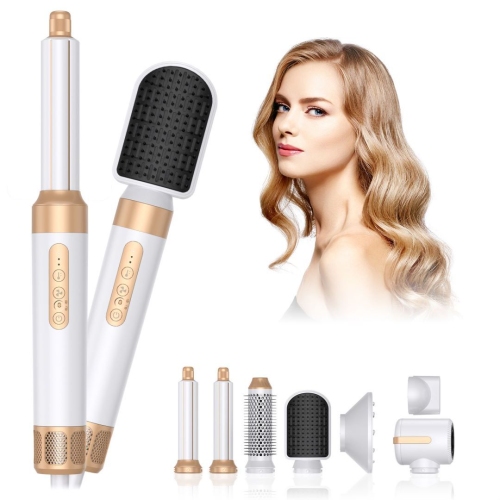
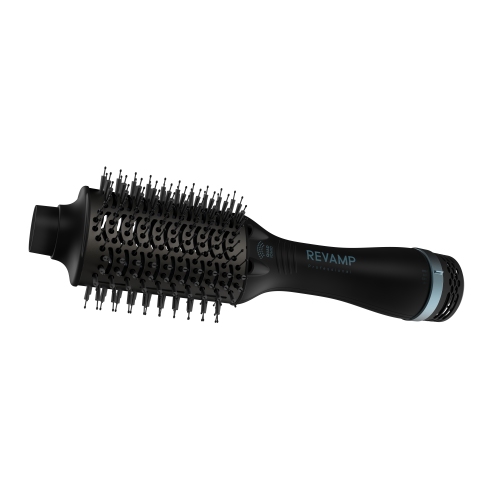

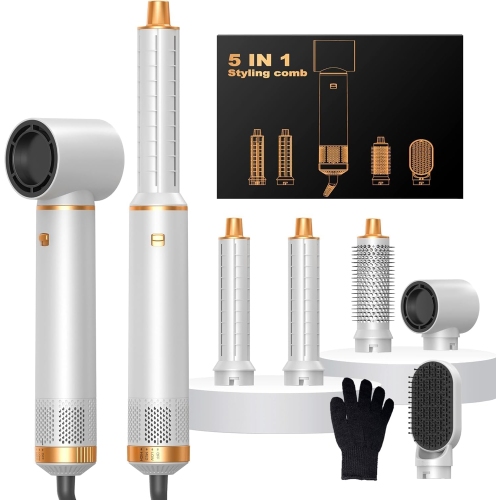
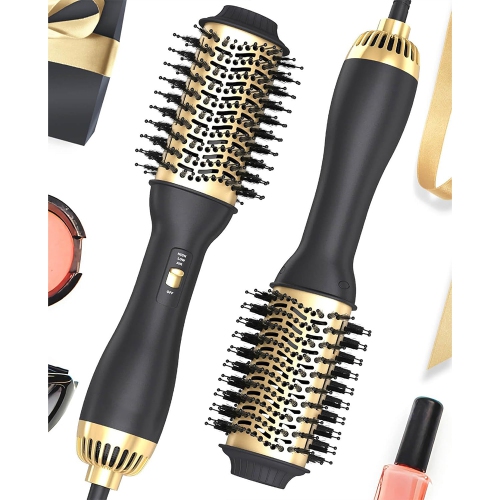
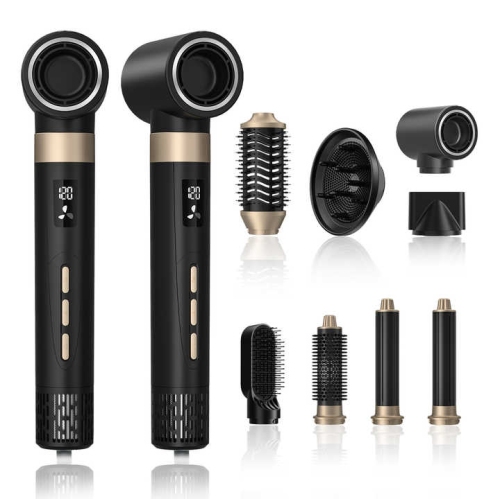
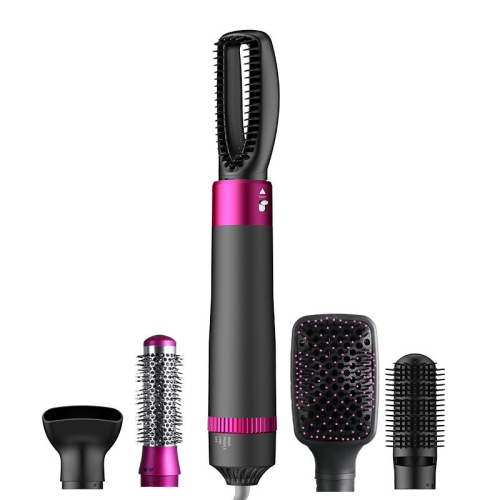
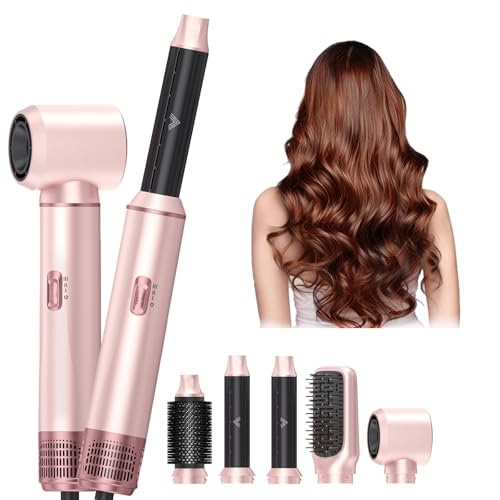
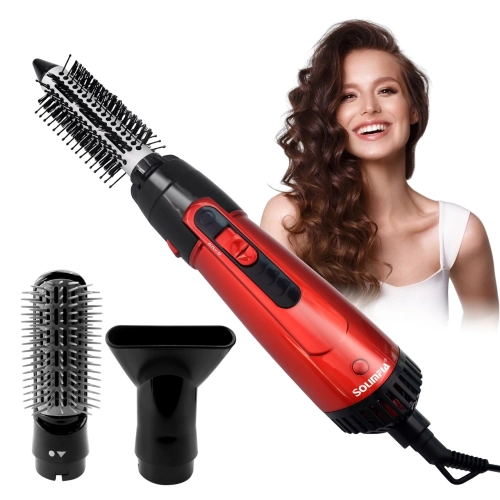
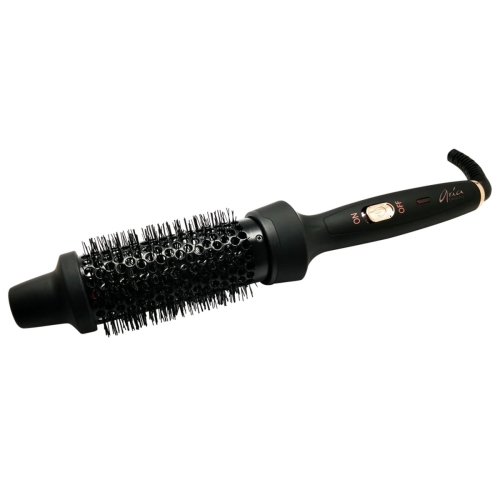
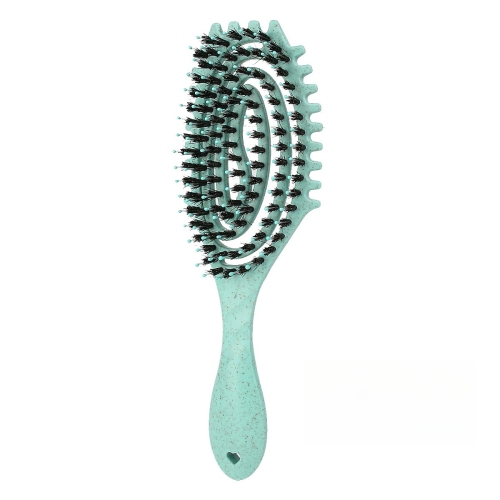
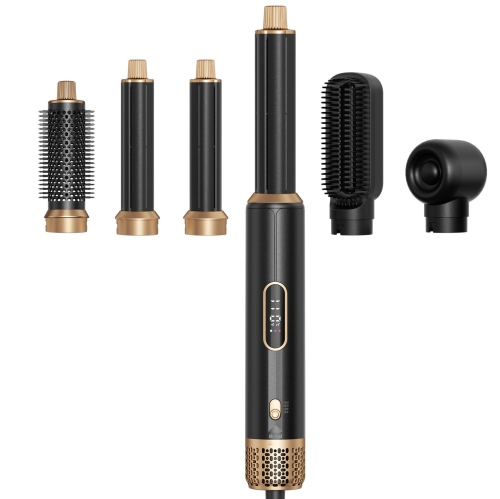
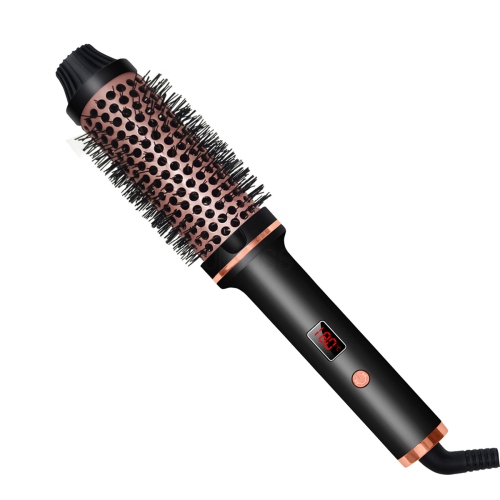
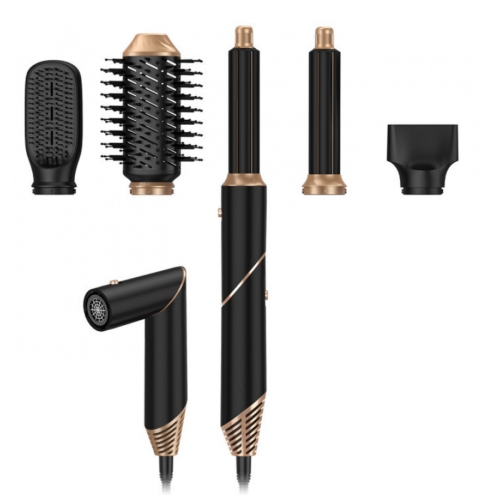
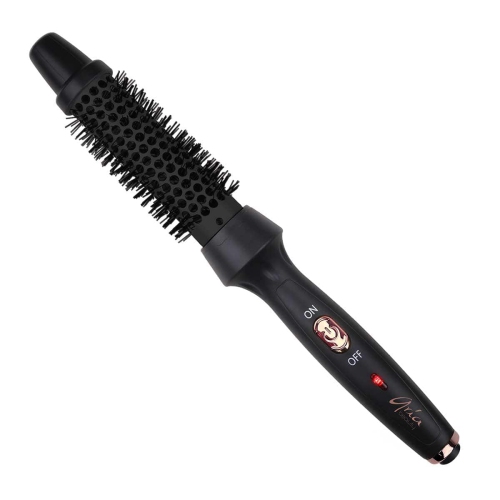
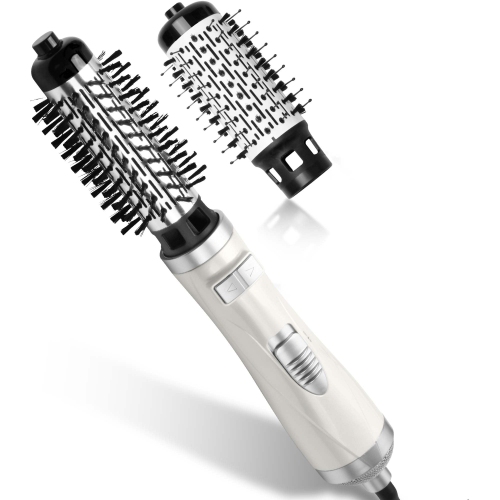
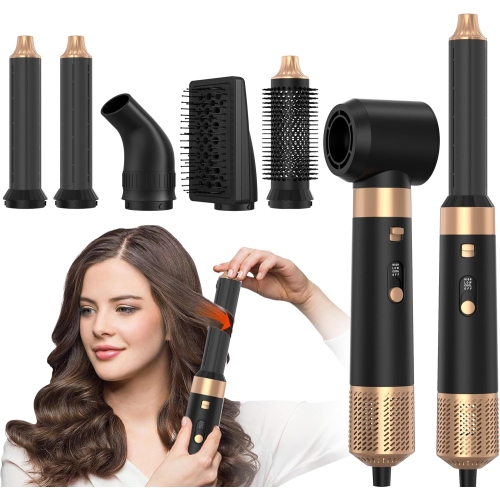
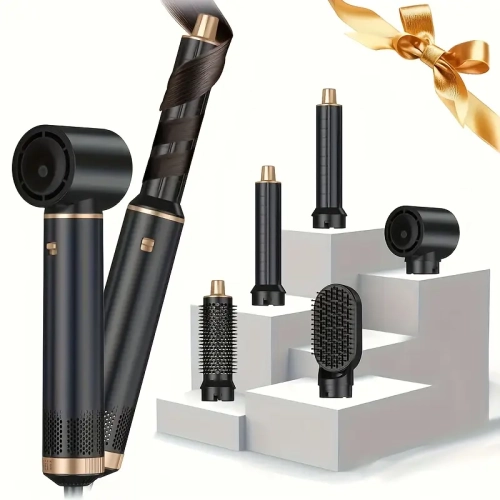
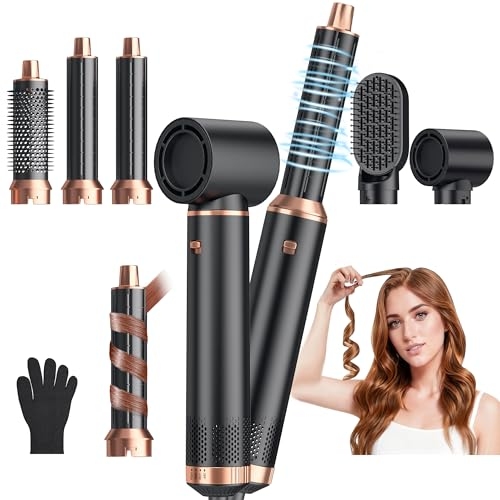
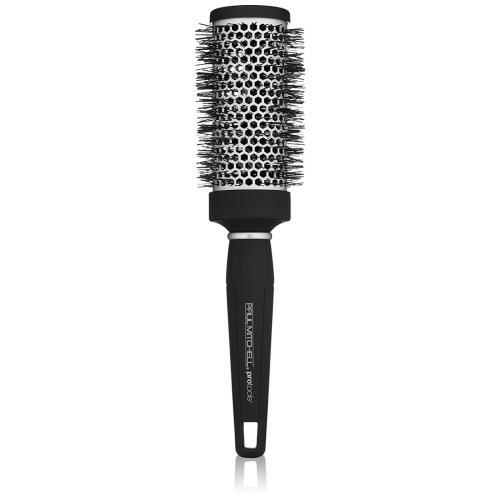
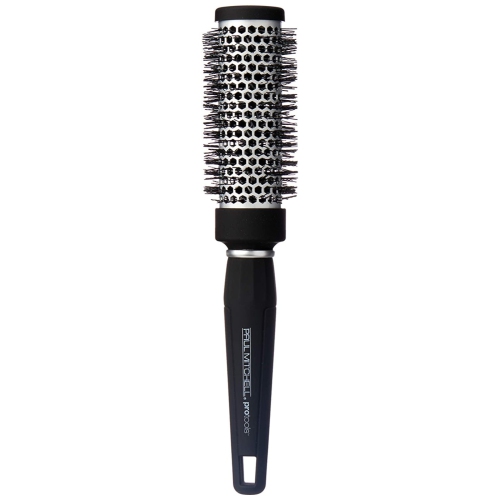

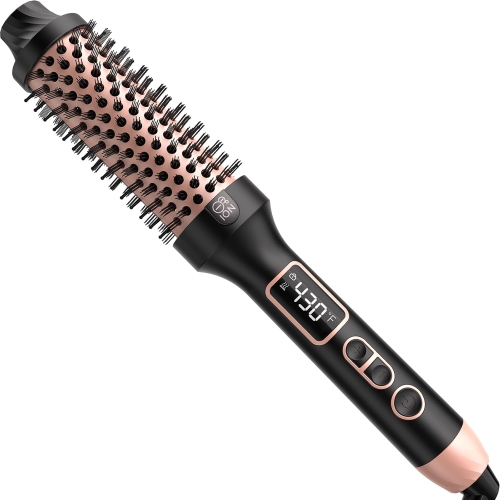
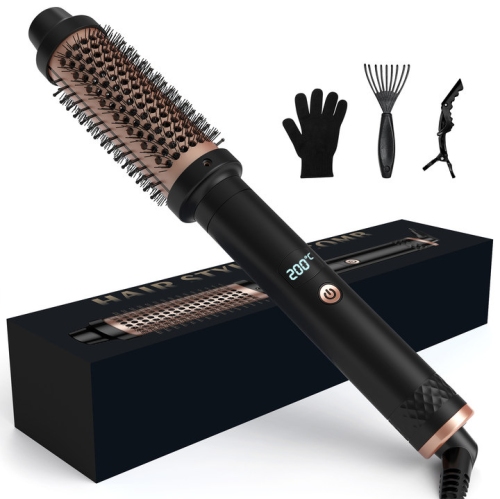
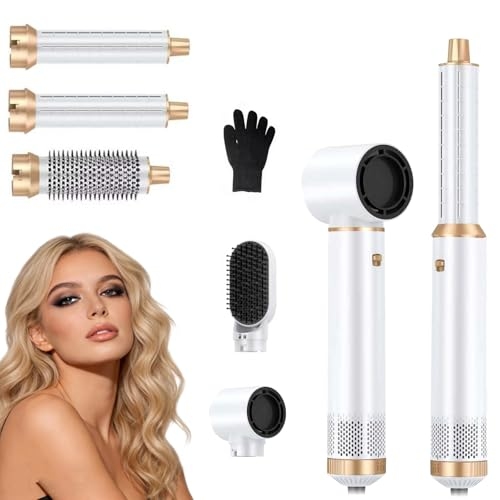
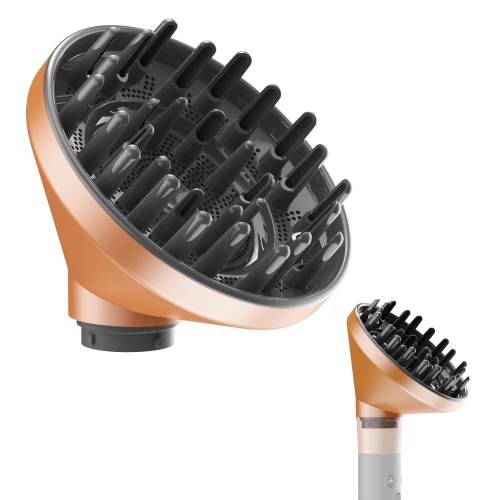
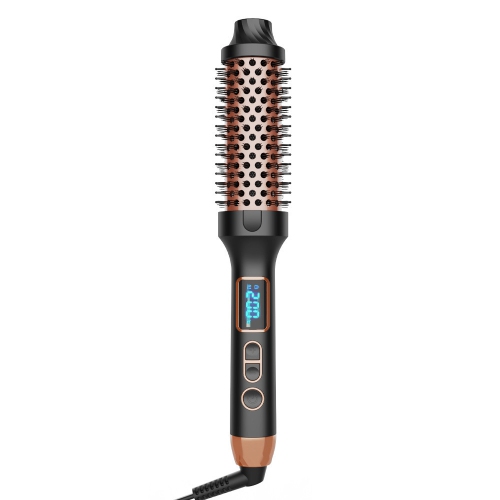
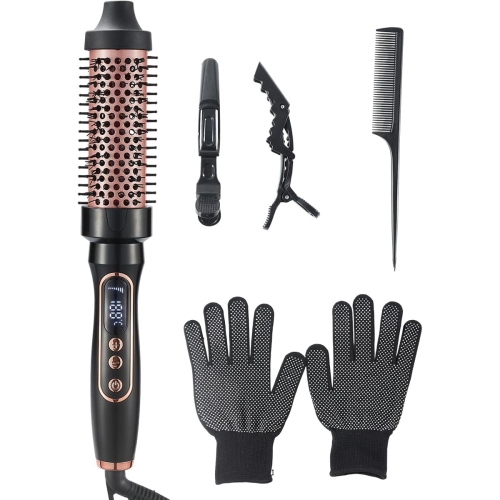
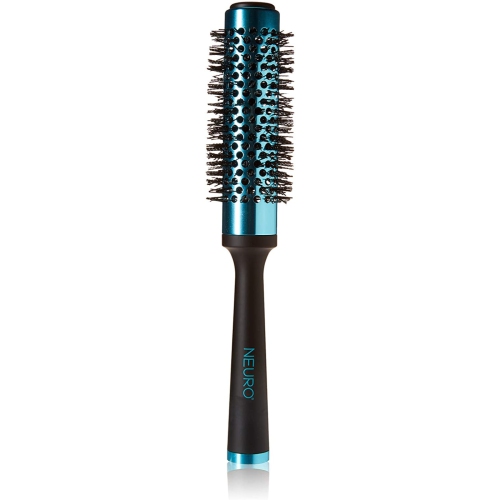
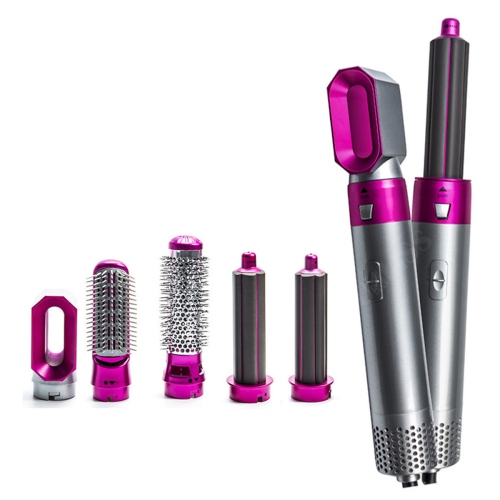
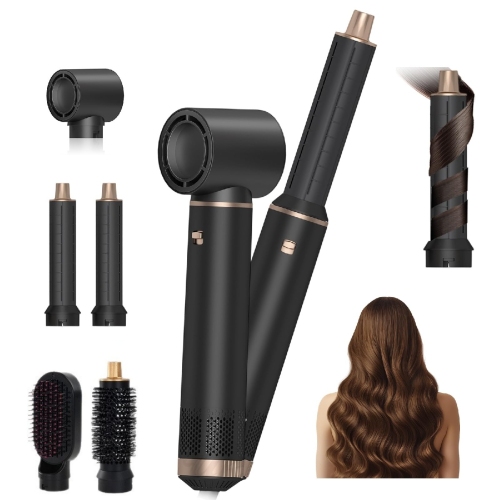
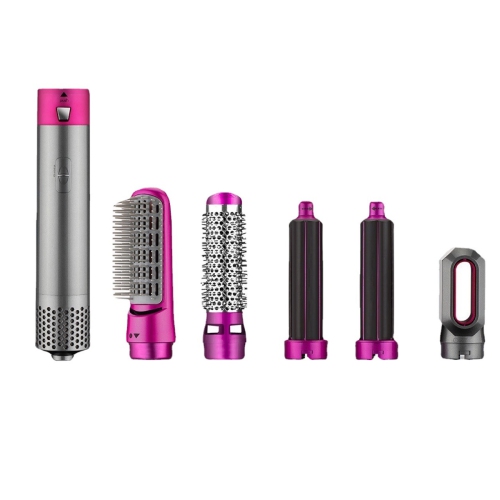
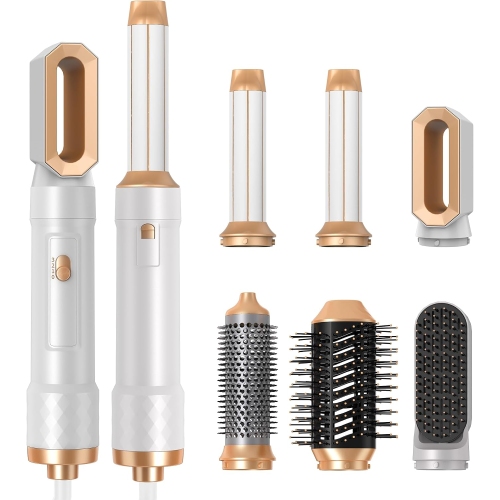
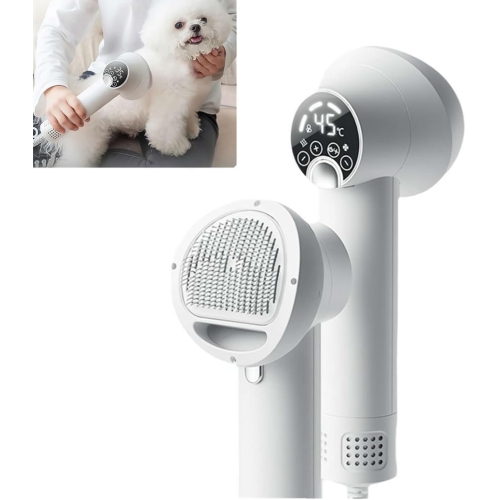
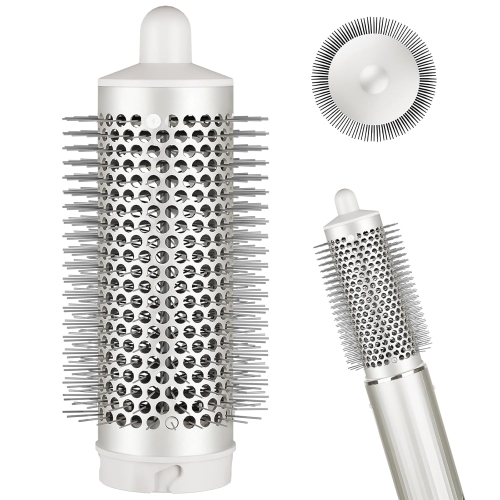
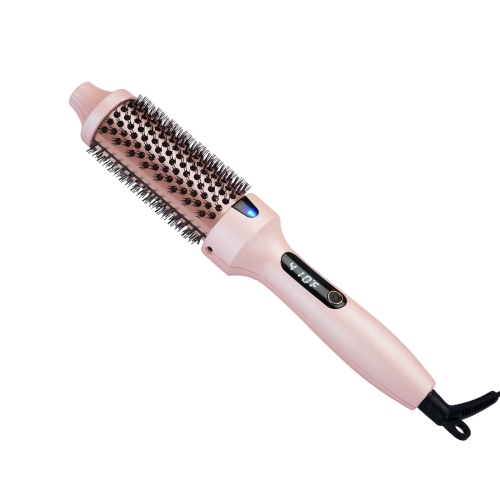
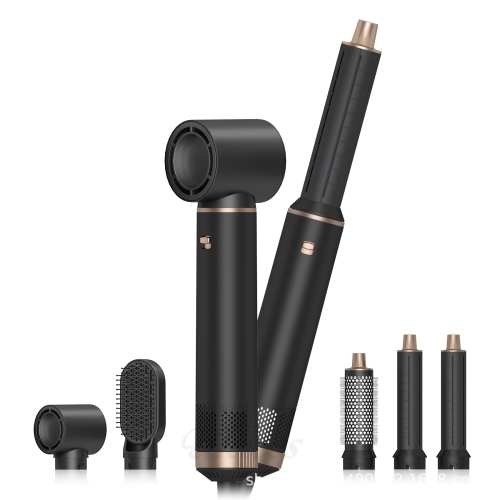
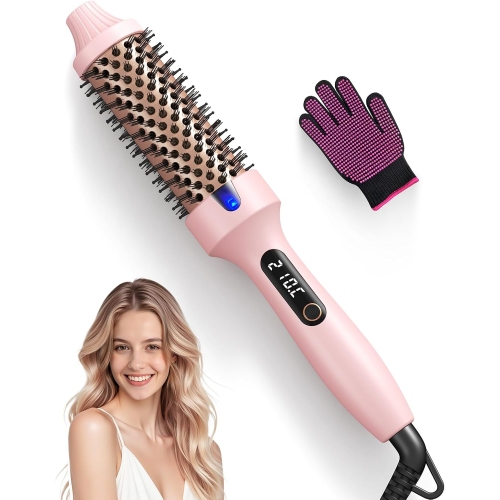
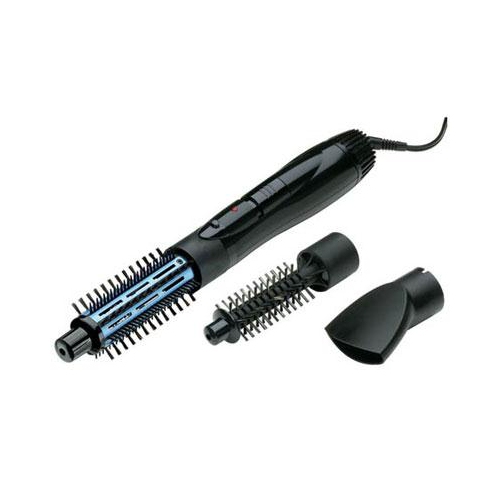
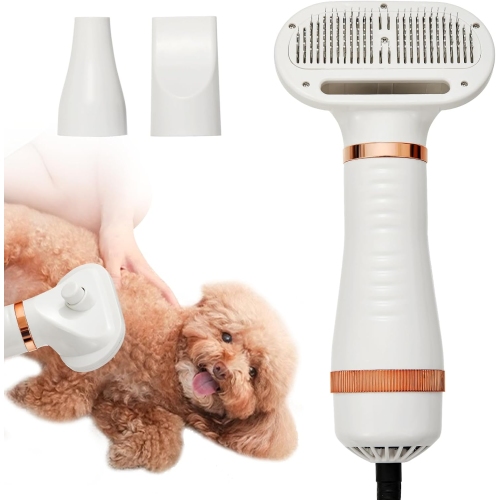
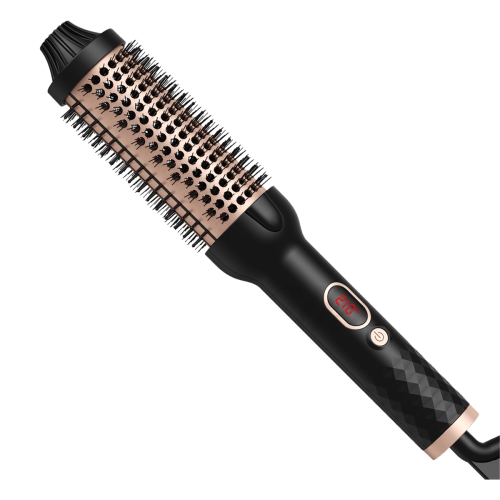
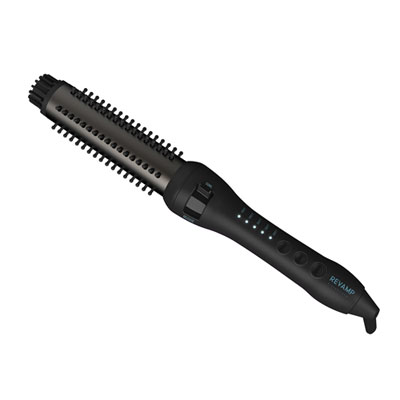

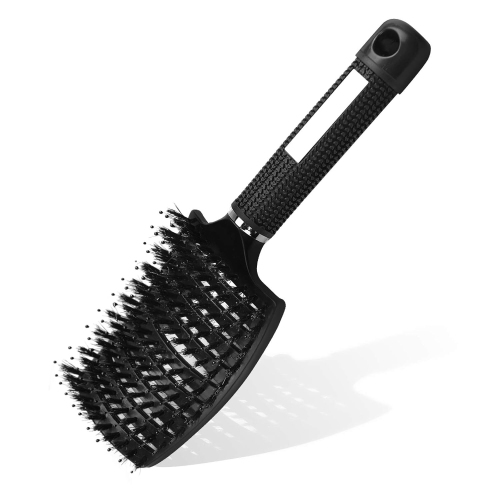
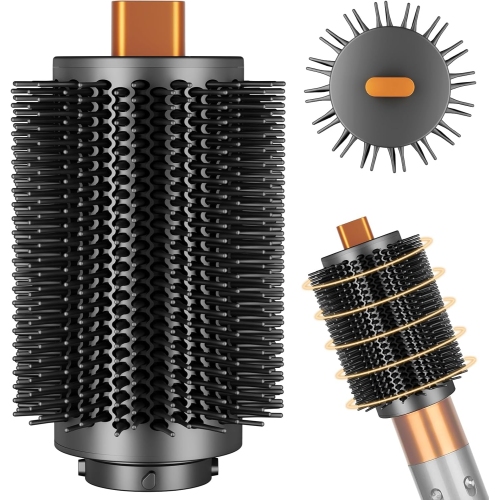
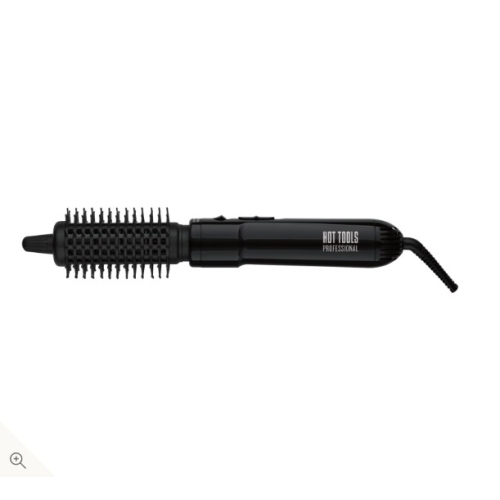
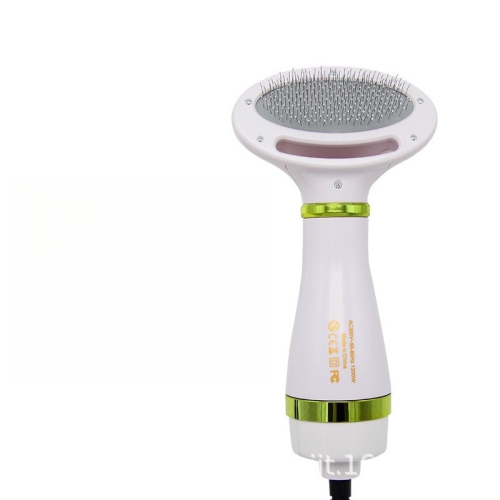
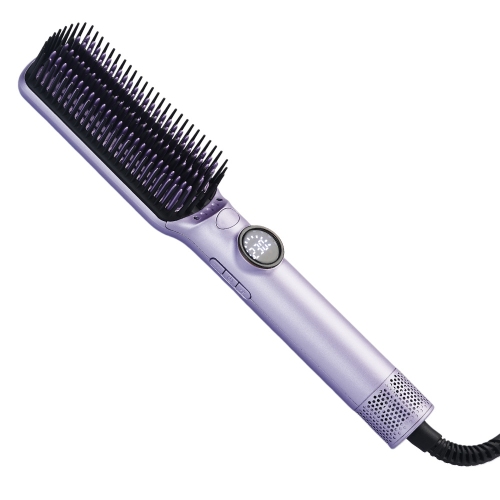

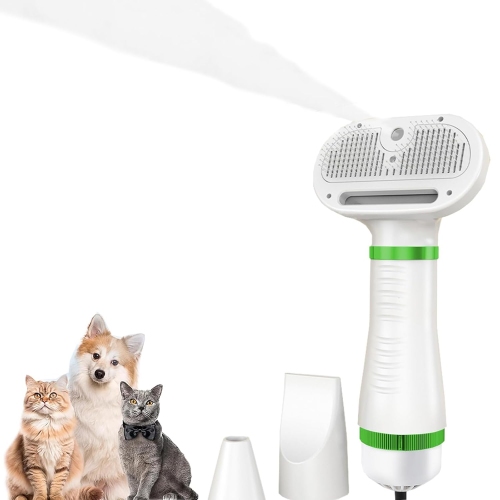
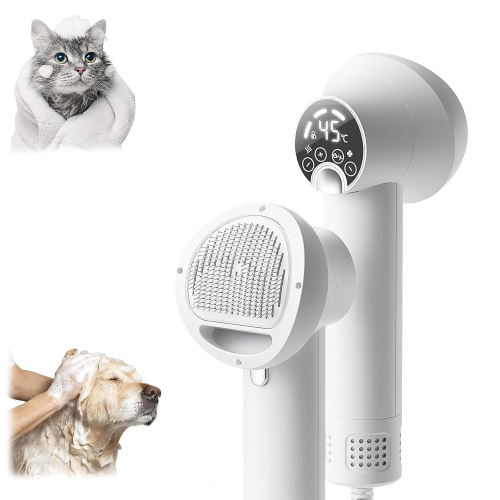
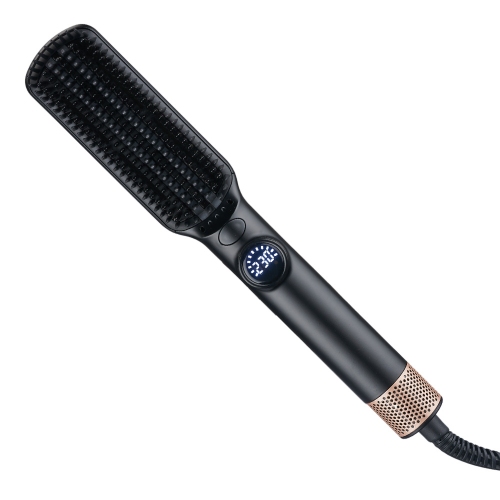
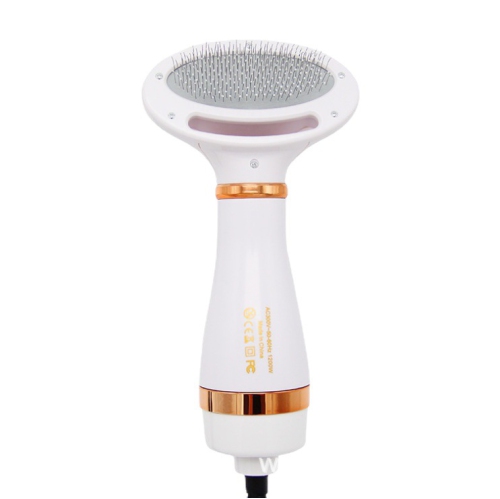
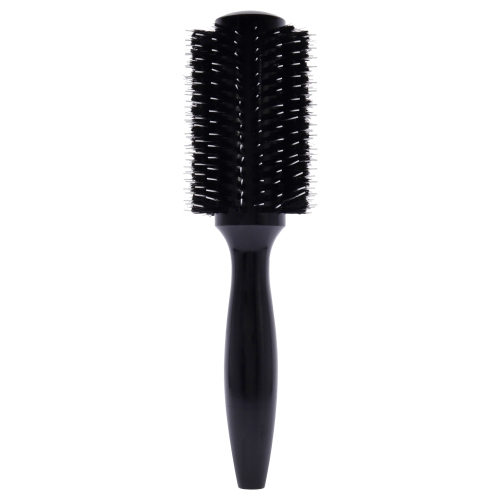
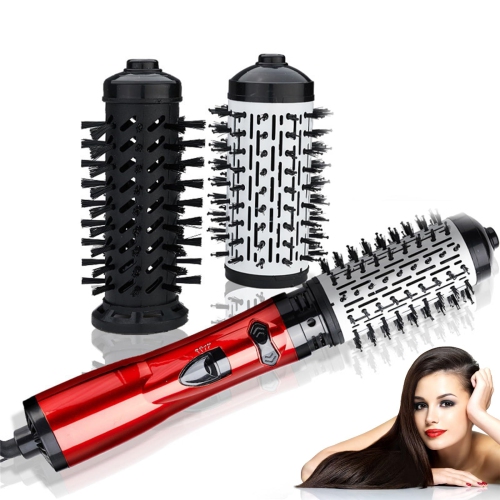
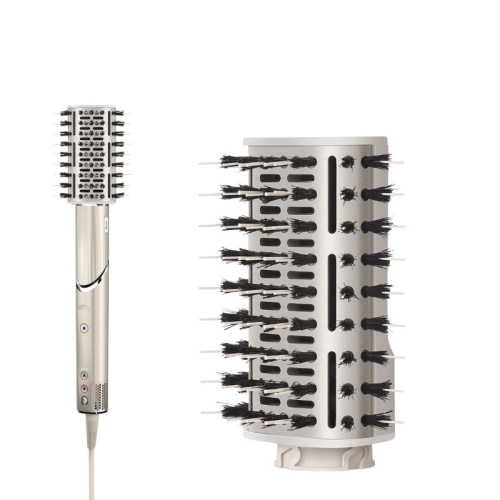
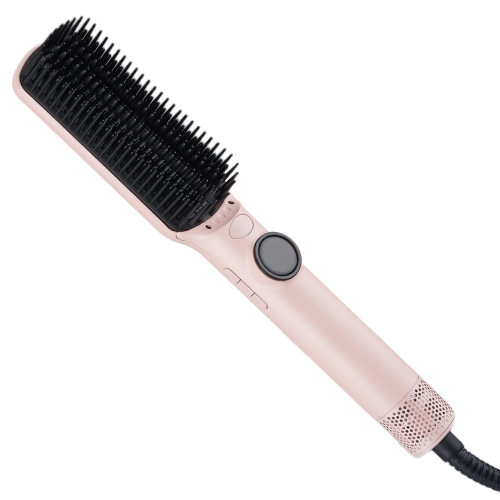
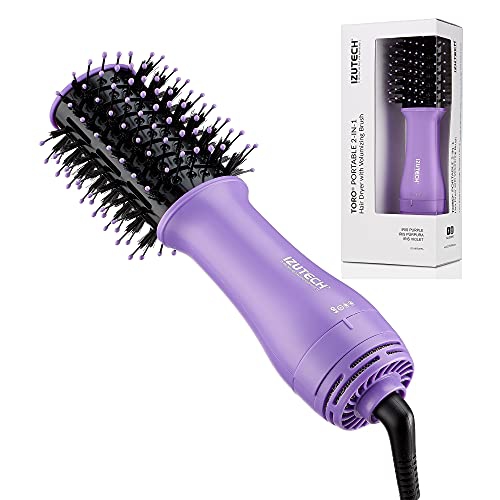
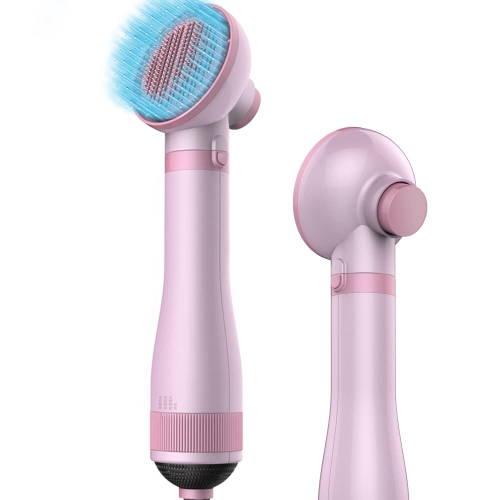
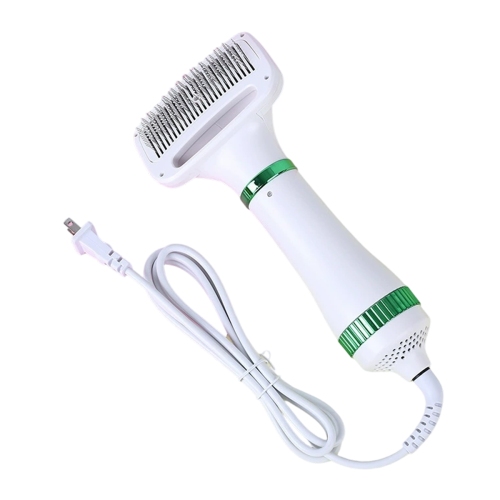
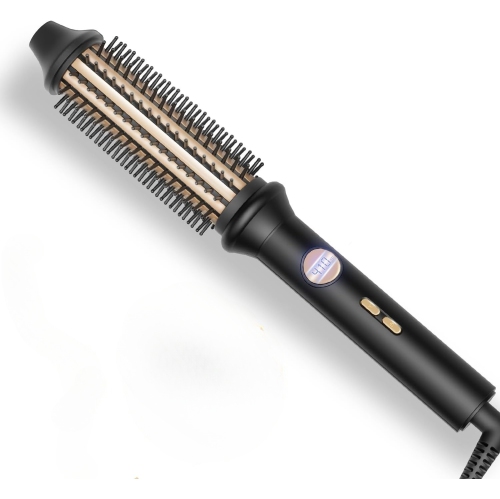
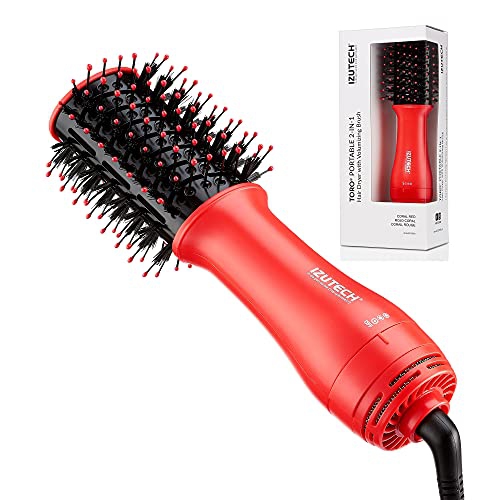
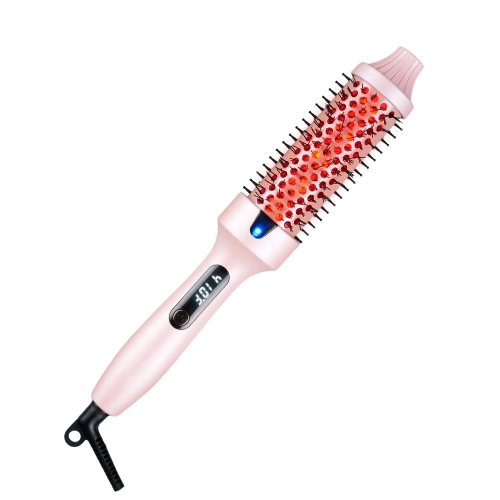
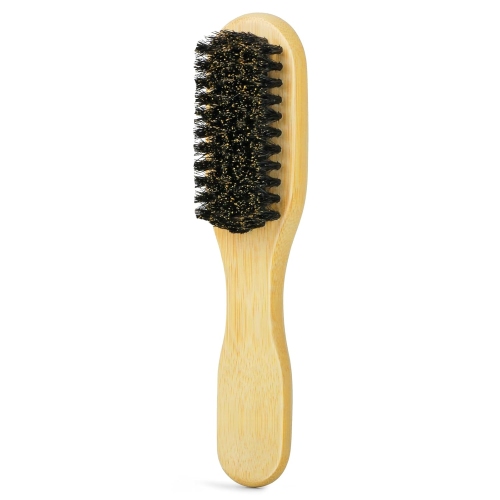
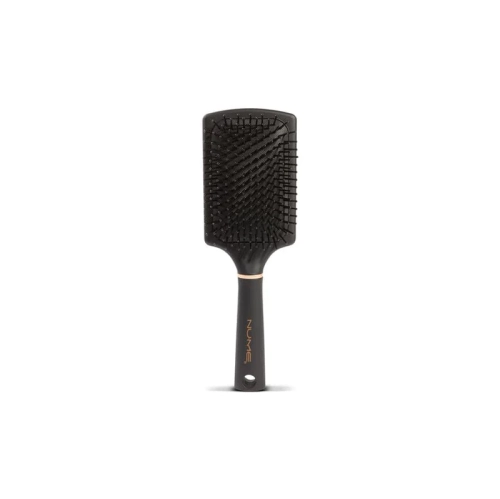
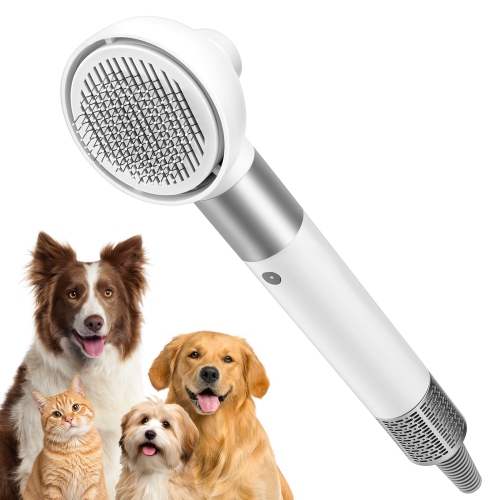

How brush shape and size affect your finish
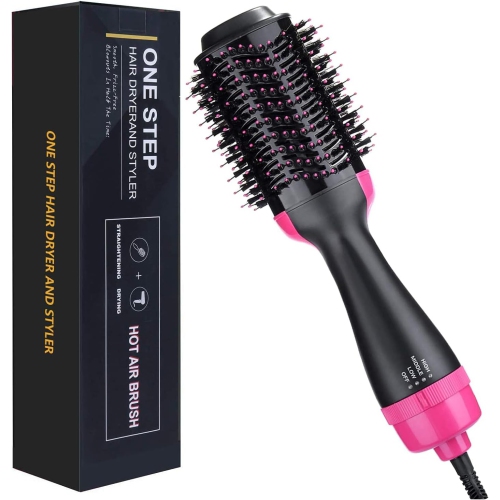
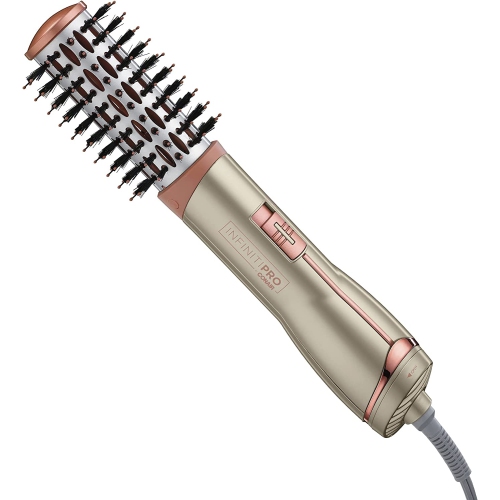
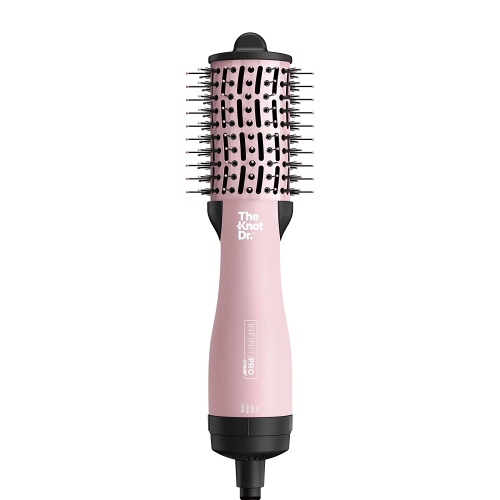
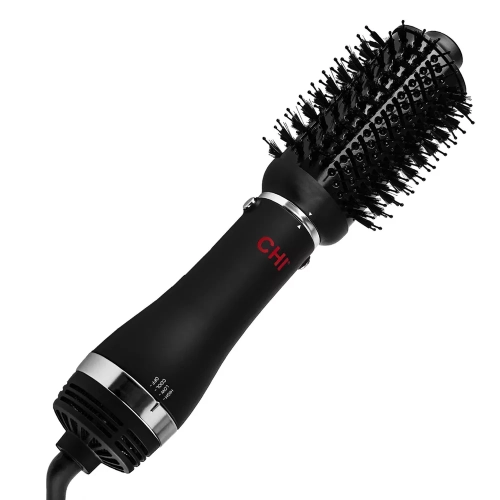
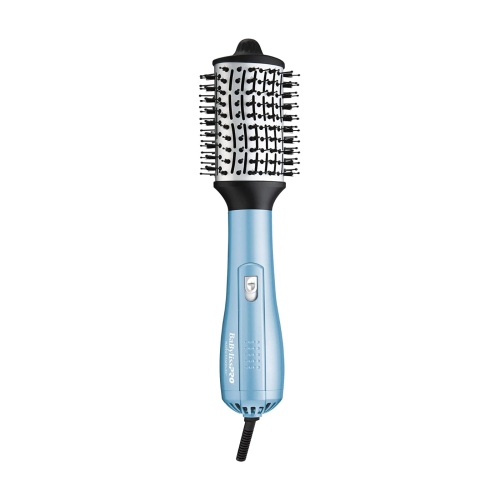
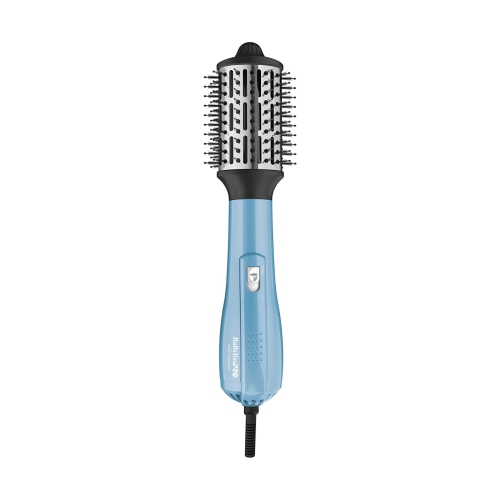
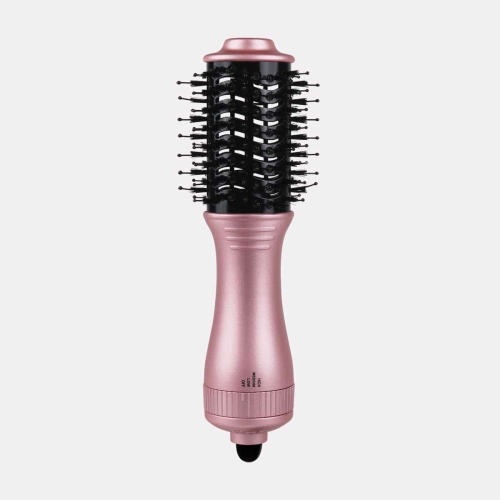
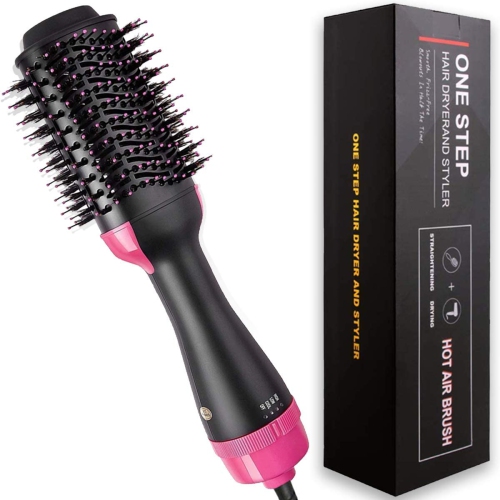
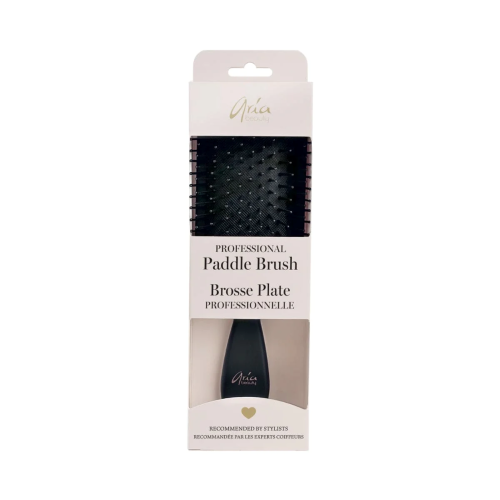
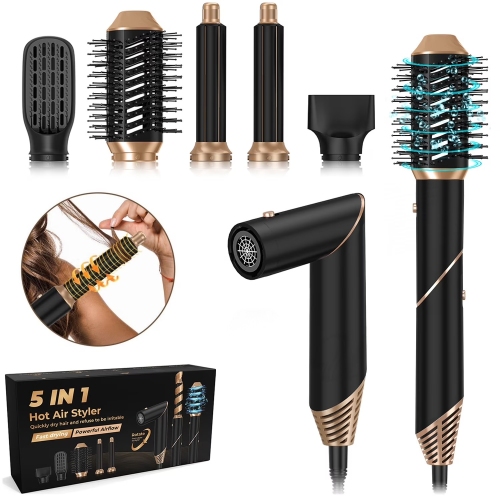
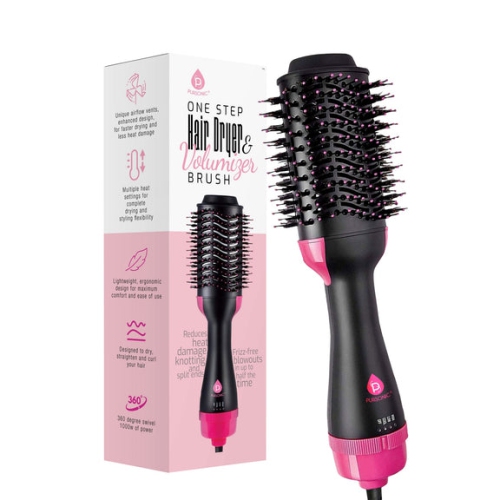
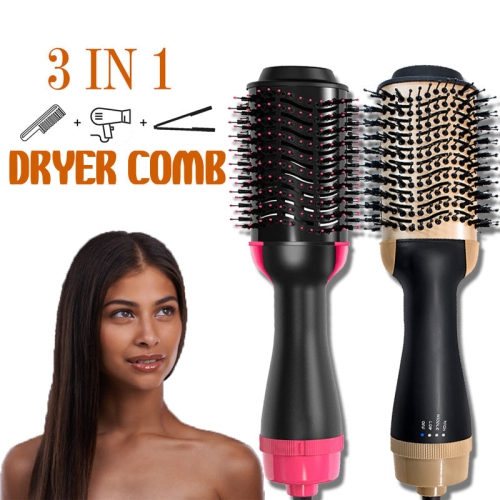
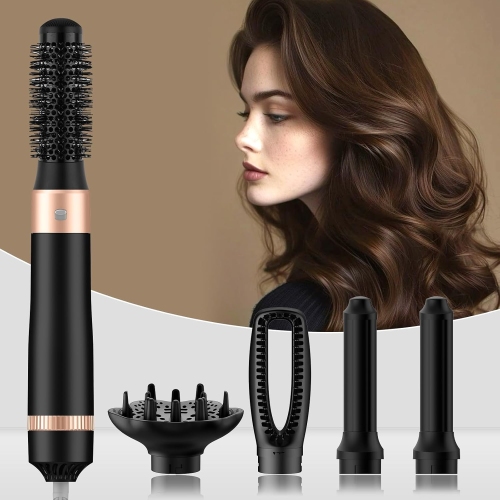
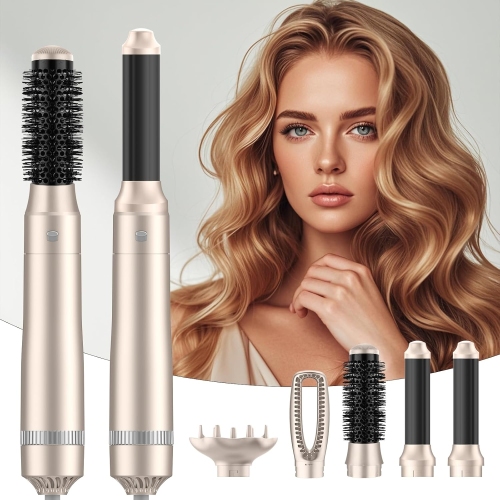
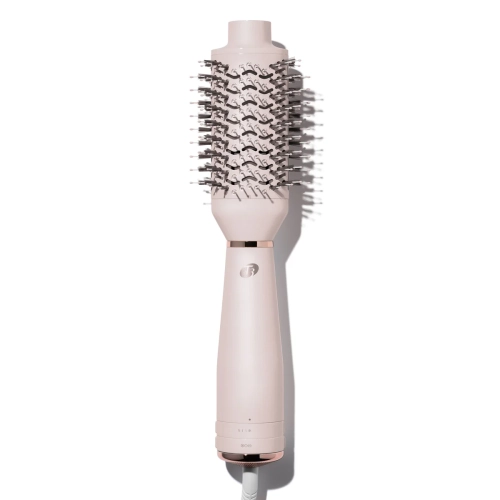
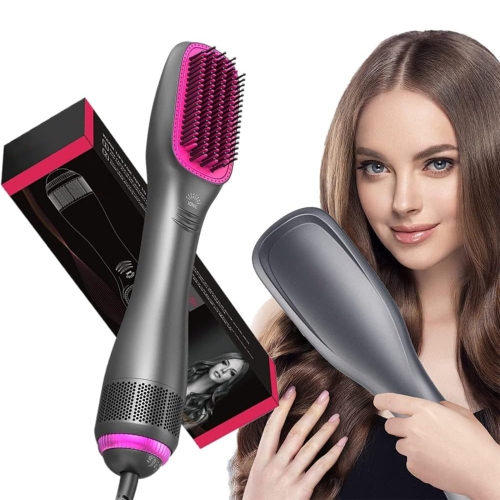
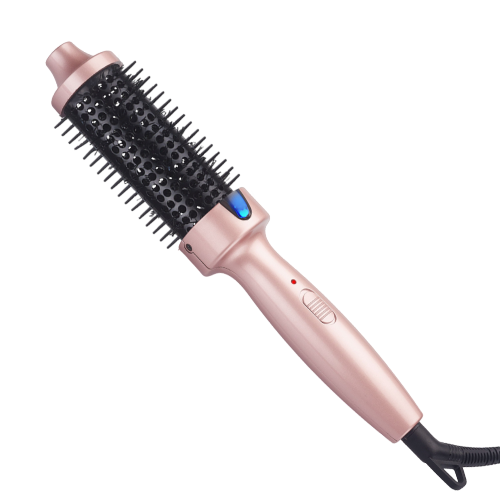
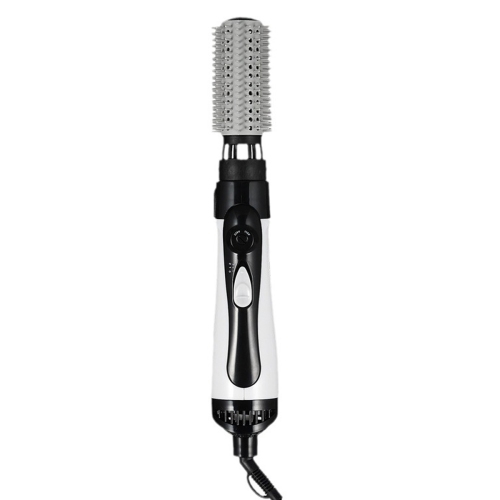
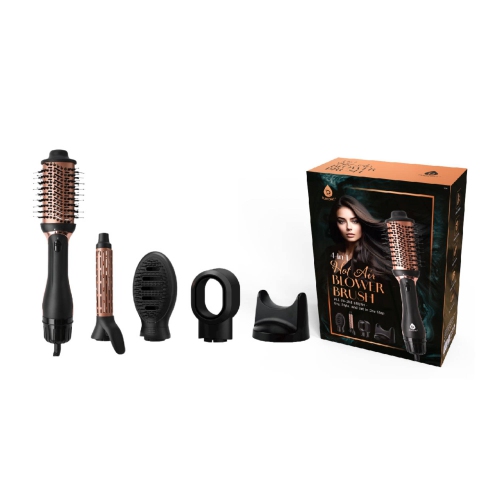
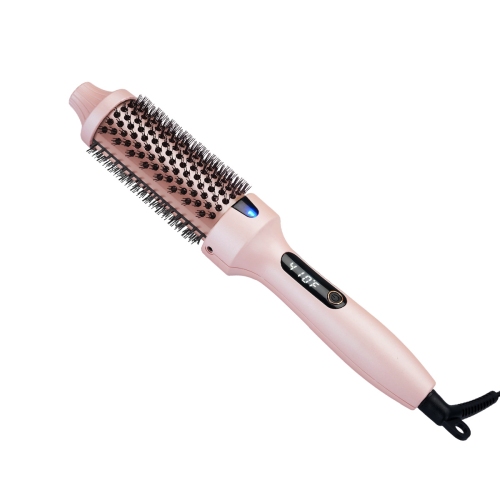
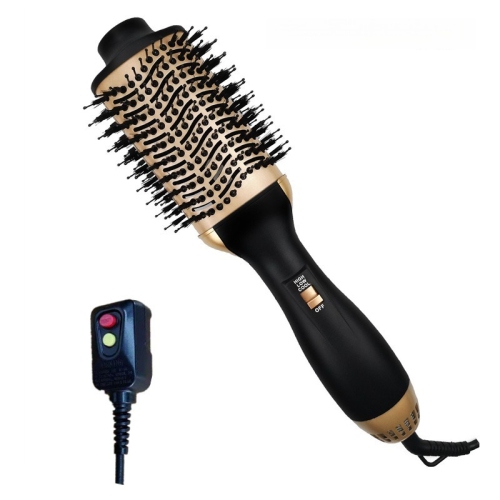
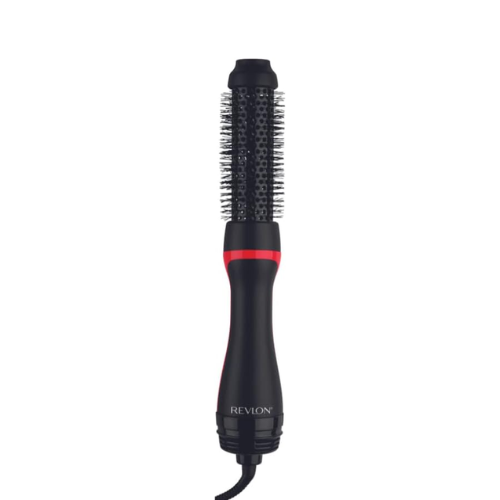
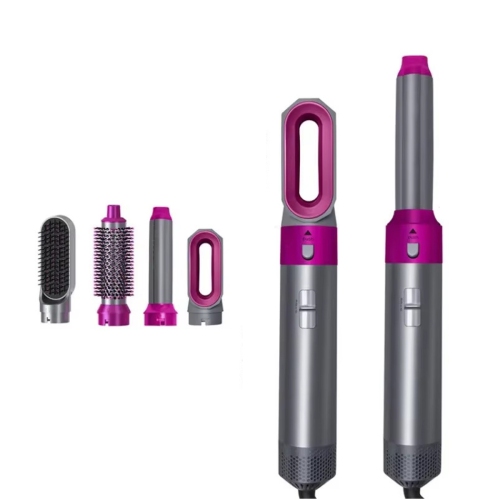
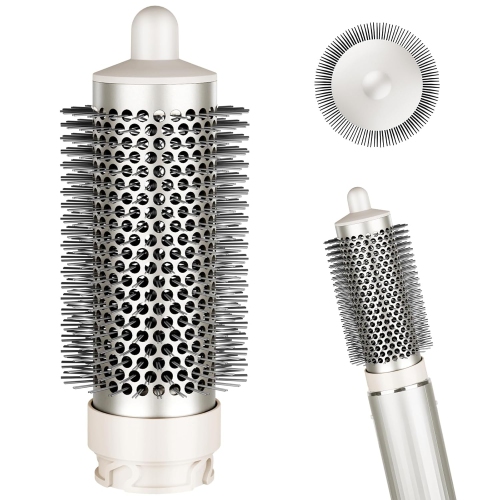
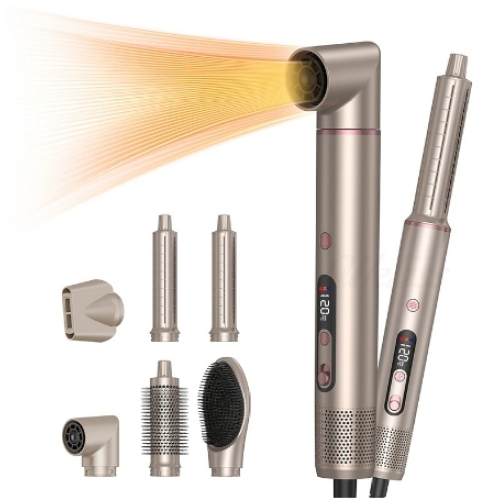
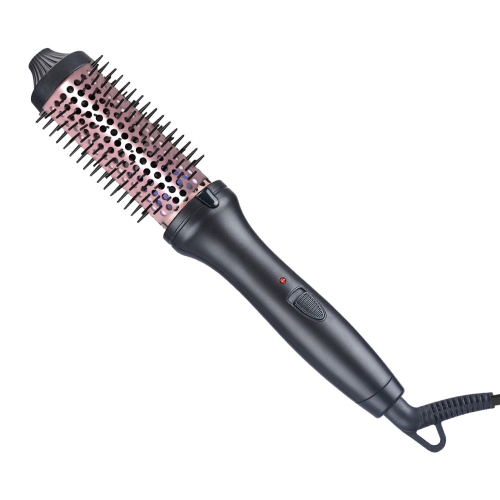
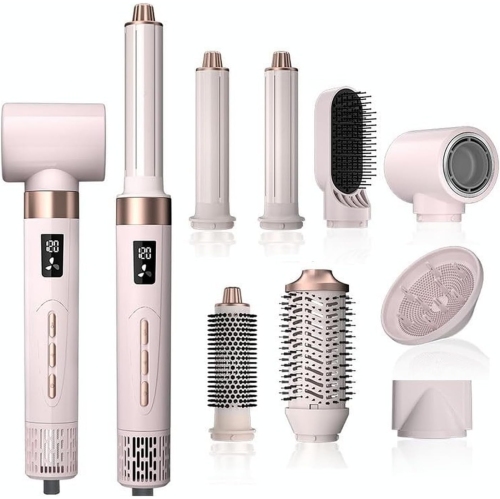
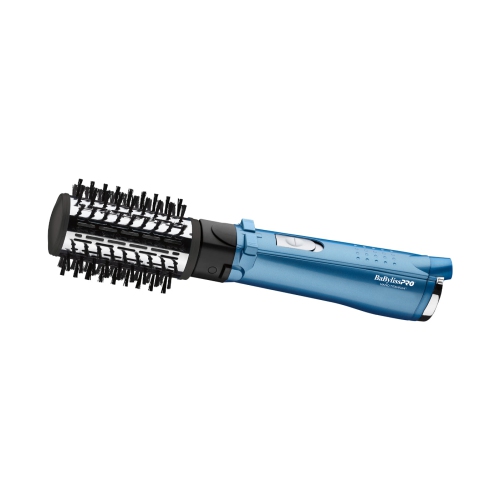
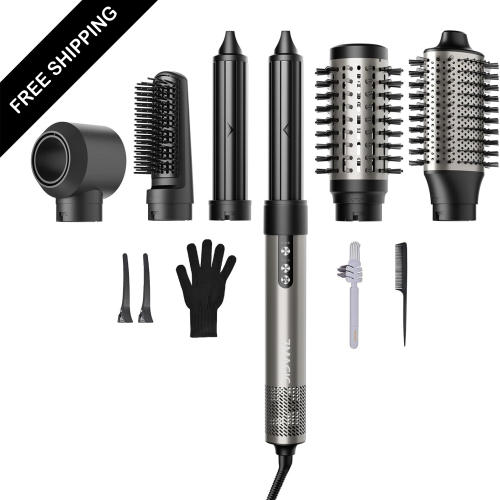
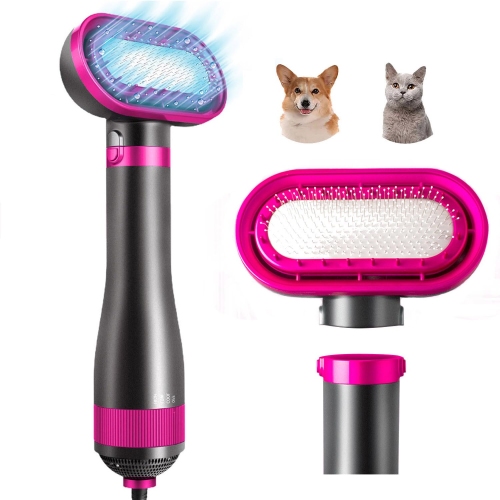
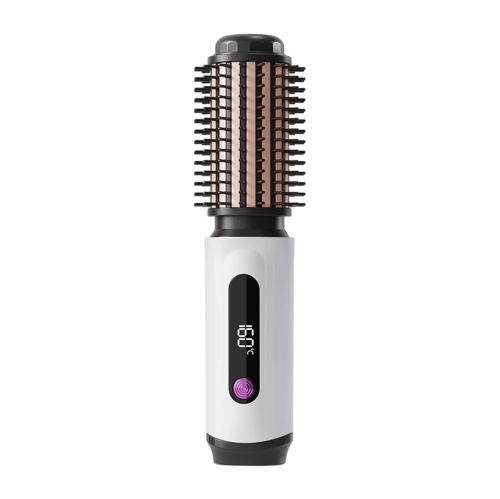
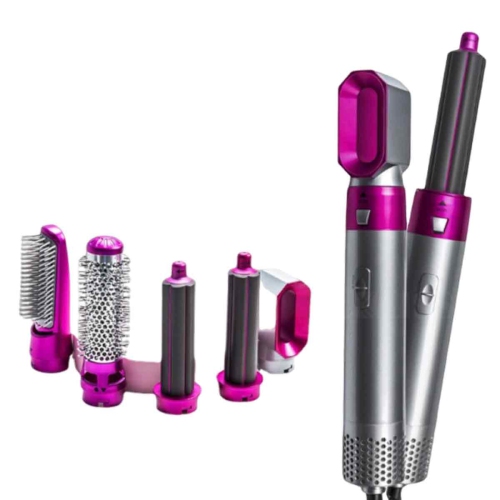
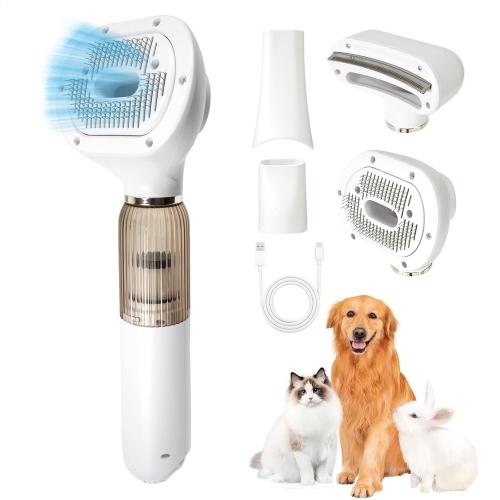
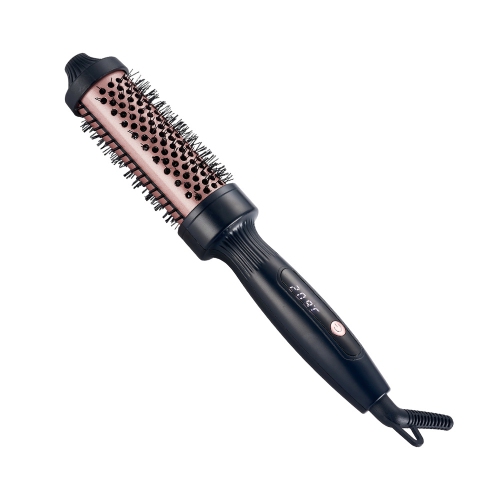
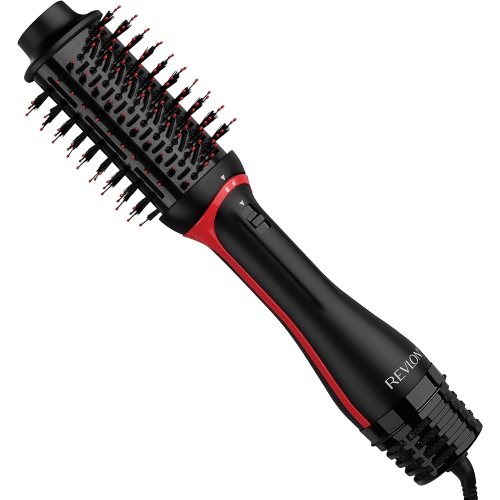
Blow dry brushes combine a brush head with built-in airflow to dry, smooth, and shape hair with one tool. Often called hot air brushes or Dryer Brushes, they bring the functions of a hair dryer and styling brush into a single handle, making it easier to create lift at the roots, rounded ends, or a smoother finish without coordinating two separate tools. They differ from traditional round brushes, which need a separate hair dryer, and from heated straightening brushes, which generally use a heated surface rather than drying airflow and are intended for dry hair. Barrel shape is one of the clearest differences within this category. Oval brushes typically combine a broad surface for smoothing lengths with curved edges that help turn the ends inward or outward. Round barrels offer more control over bends and root lift, with smaller diameters often better suited to shorter layers, fringes, and more defined shaping. Larger barrels can accommodate longer sections and create a softer, fuller finish rather than a tight curl. Paddle-shaped dryer brushes provide a flatter brushing surface for a straighter-looking result and can be useful for working through longer lengths. The size of the brush head matters as much as its shape: a wide barrel may feel comfortable on long hair but awkward around a short fringe or close-cropped layers. Fixed brush heads keep the design straightforward, while interchangeable attachments can support different styling needs within the same routine. Some rotating designs help wrap and release sections, although their controls and direction settings take a little familiarity. Most hot air brushes work best on towel-dried or partially dried hair, but suitable starting conditions vary by tool. A brush designed only for finishing damp hair should not be treated as a substitute for a full drying session on soaking-wet lengths. For everyday styling, the appeal is controlled shaping with airflow, whether the desired finish is a smooth bob, softly curved shoulder-length hair, or fuller-looking layers.
Hair length, density, texture, and condition all influence how a blow dry brush feels in use and the finish it can produce. Fine hair often benefits from a manageable barrel size, flexible bristles, and a lower heat setting that allows shaping without overwhelming delicate sections. Thick or dense hair may take longer to dry and can be easier to work with when the brush has effective airflow, enough space between bristles, and a head size that suits the length. Long hair still needs manageable sections; a larger brush does not necessarily mean that more hair should be wrapped around it at once. On naturally wavy, curly, or coily hair, a dryer brush can help stretch and smooth the lengths, but the result depends on texture, preparation, technique, and the tool’s intended use. These brushes are generally intended for smoothing and blowout-style shaping rather than preserving an existing curl pattern. Detangling beforehand reduces the pulling that can happen when a brush meets a knot, especially at the ends or underneath longer hair. Bristle construction also changes the experience. Flexible nylon pins can help separate strands, while mixed-bristle arrangements may provide additional grip and tension for smoothing. Rounded bristle tips can improve comfort, though excessive pressure against the scalp is unnecessary. Ceramic-coated barrels and other surface finishes are common features, but the material name alone does not establish how evenly a tool heats or how suitable it is for fragile hair. Ionic technology may help reduce static and improve the appearance of flyaways; it does not repair damaged strands or eliminate the effects of repeated heat styling. Adjustable heat and airflow offer useful flexibility for colour-treated, lightened, or otherwise delicate hair. A cool-air setting, where included, can help finish a shaped section without continuing to apply heat. For someone smoothing a chin-length bob before work, control around the face may matter most. For someone styling long layers for a celebration, barrel size and the ability to create soft movement through the ends may be more important. The best match supports the preferred finish without requiring unnecessary heat or repeated passes over the same section.
Comfort and practical details become especially noticeable when a blow dry brush is part of a regular routine. Overall weight, handle thickness, balance, and the position of the controls can affect how easily the tool reaches the back of the head. A handle that feels secure with one hand and buttons that are not easily pressed by accident can make styling less fiddly. A swivel cord allows more freedom of movement, while sufficient cord length helps accommodate the distance between an outlet and a mirror without stretching across a sink. Sound level may also matter in a shared home, although quieter operation should not be assumed from the size of the tool. For travel, electrical compatibility is essential: a plug adapter changes the connection, not the voltage, and a tool should only be used with the electrical supply specified by its manufacturer. Everyday care helps maintain airflow and keeps the brush head pleasant to use. Loose hair and styling residue can collect around bristles, vents, and removable filters, so cleaning should follow the tool’s directions after it has been unplugged and allowed to cool. Electrical handles should never be immersed in water, and detachable parts should only be washed if their care instructions permit it. Bent bristles, blocked air intakes, damaged cords, or loose attachments deserve attention rather than continued use. A heat-resistant resting surface is useful during styling, and allowing the tool to cool fully before storage helps protect nearby belongings. Avoiding tightly wound cords and crushed brush heads also supports everyday durability. Heat protectant suitable for the hair type can complement a styling routine, but it does not make excessive heat harmless. As a gift, a blow dry brush can suit someone who enjoys a polished blowout, wants an alternative to juggling a brush and dryer, or regularly shapes a fringe and face-framing layers. Hair length, preferred styling finish, comfort needs, and existing tools are more useful considerations than choosing solely by appearance. A well-matched brush should fit naturally into the recipient’s routine, whether that means occasional styling for an evening out or a familiar finishing step before the day begins.
Top selling and popular products
-
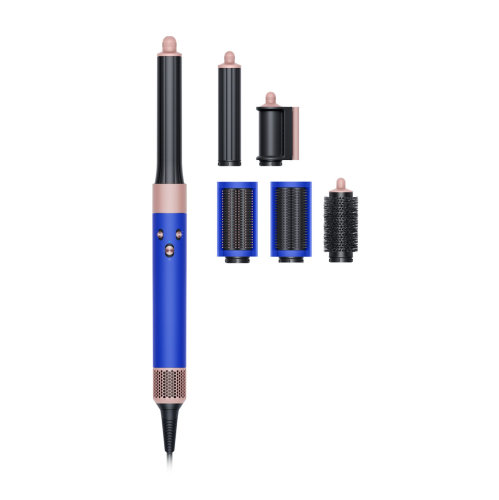 Your price for this item is $319.99
-
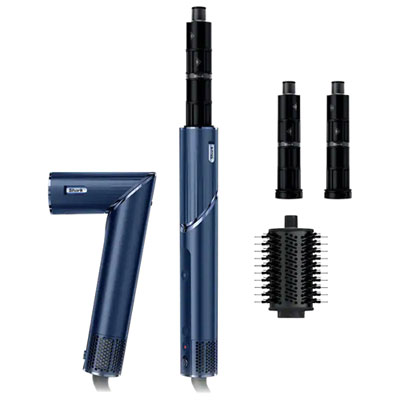 Your price for this item is $329.99
-
 Your price for this item is $108.89
-
 Your price for this item is $104.49
-
 Your price for this item is $599.99
-
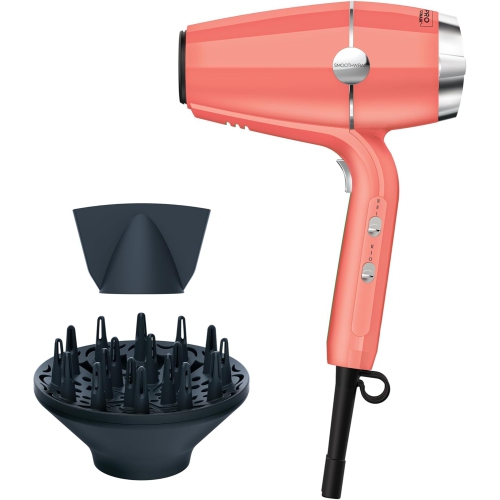 Your price for this item is $120
-
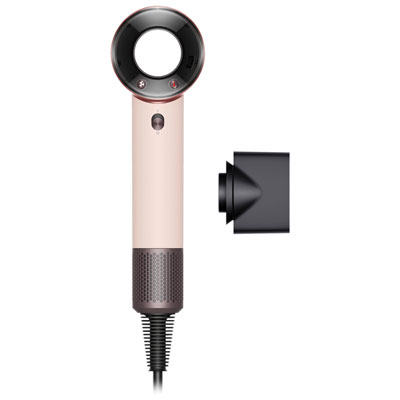 Your price for this item is $399.99
-
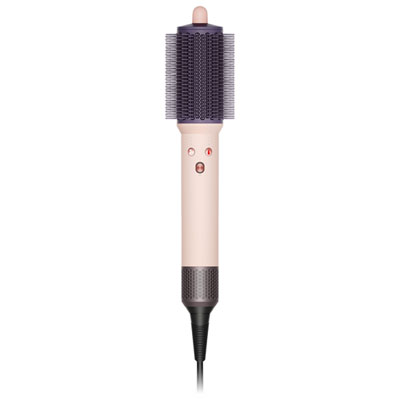 Your price for this item is $349.99
Discover more categories related to Blow Dry Brushes
Top Collections:
Best Black Friday Deals This Year, Best Black Friday Deals On Electronics, Kindle Devices, Pokemon Centers, Best Black Friday Deals On Apple Products, Best Cameras for Sports Photography, Dyson Airwrap, Pokémon 30th Celebration Cards, Apple iPhone 17 Pro, Canon G7X Cameras
Some products may be subject to Environmental Handling Fees
(EHF) depending on your province.
Learn more about EHFs.