Dryer Brushes
Looking to achieve salon-worthy hair at home? Look no further than our collection of dryer brushes. These innovative tools combine the power of a blow dryer with the precision of a brush, making it easier than ever to create sleek and voluminous styles. Whether you're looking to straighten, add waves, or boost your hair's natural shine, our range of dryer brushes has something for everyone. With advanced features and ergonomic designs, these must-have styling tools will revolutionize your hair care routine. Say goodbye to frizz and hello to effortlessly gorgeous locks with our selection of top-quality dryer brushes.
Sort
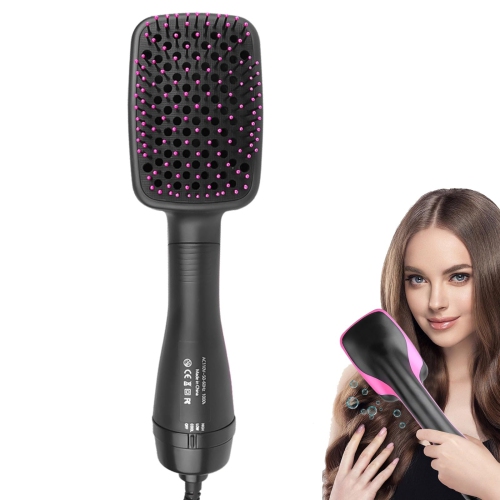
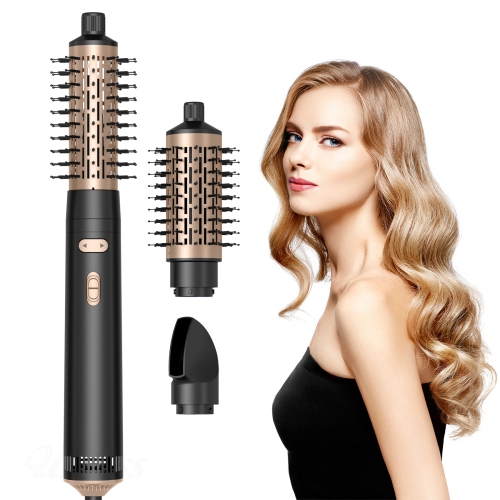
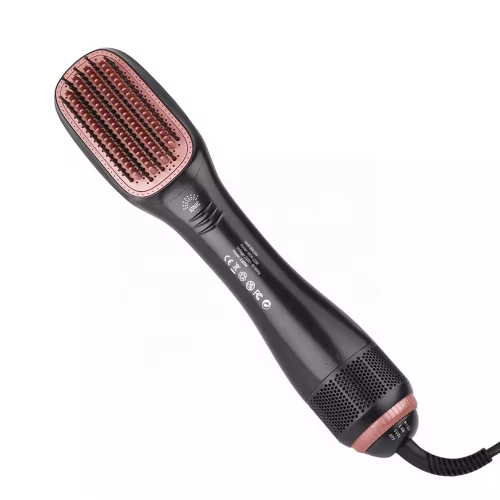
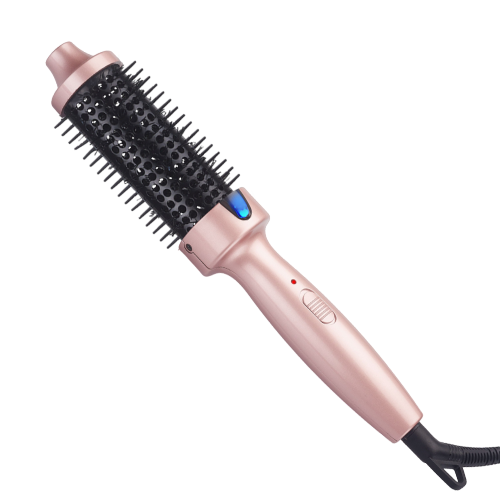
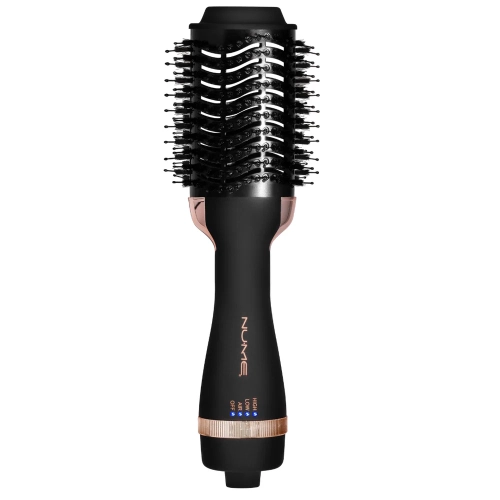
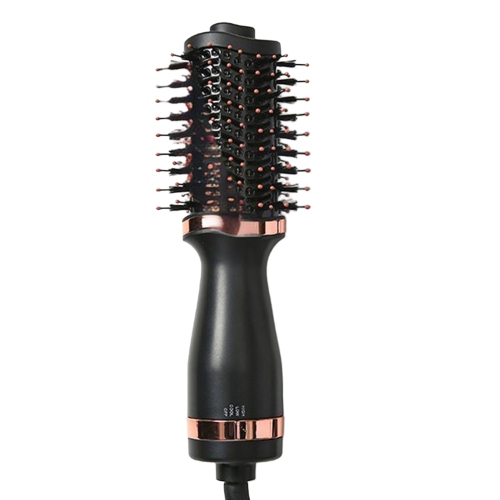
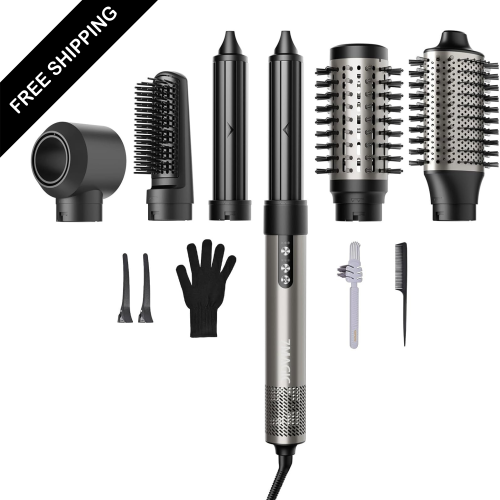
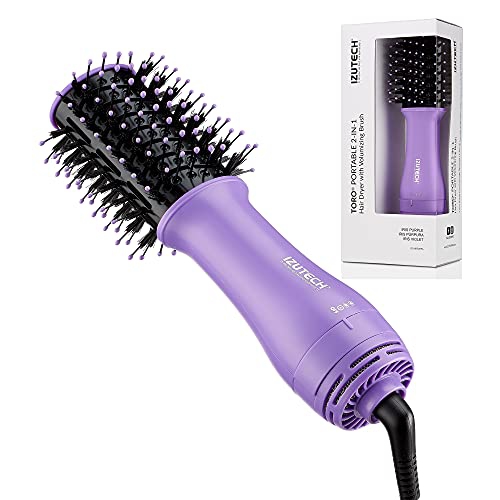
Hair styling and lint removal call for different brushes
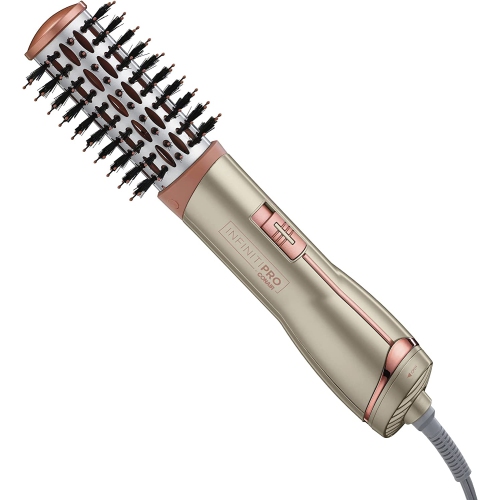
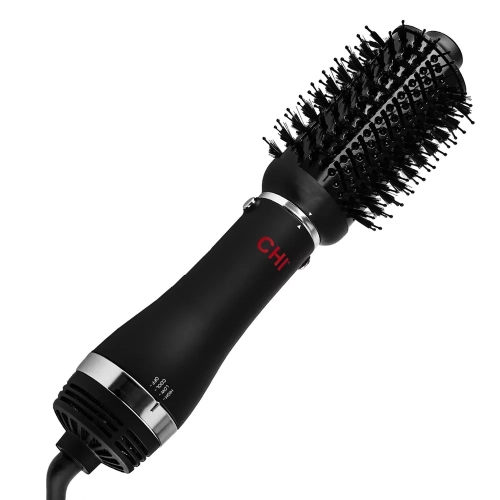
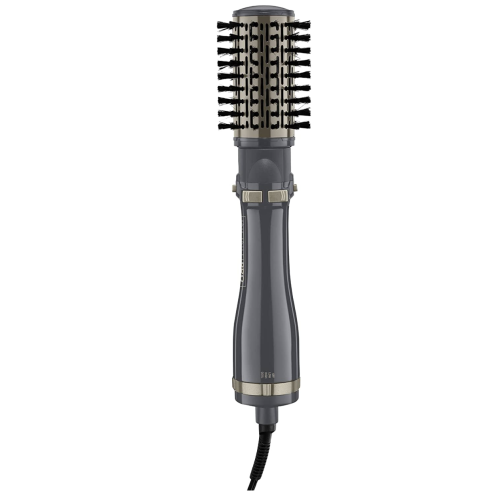
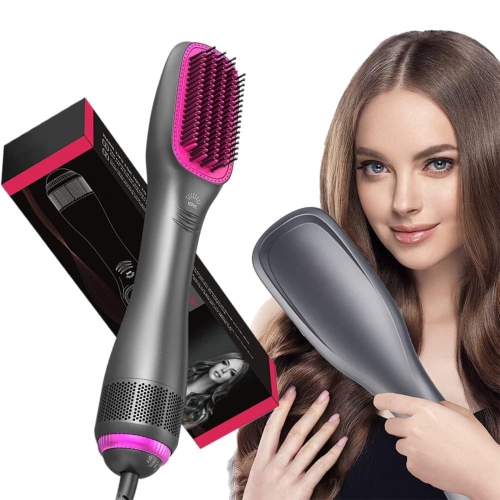
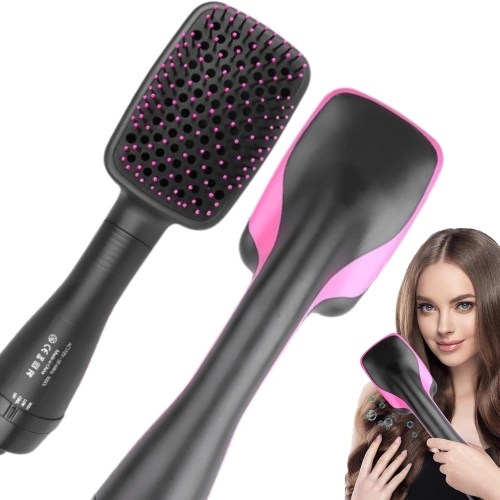
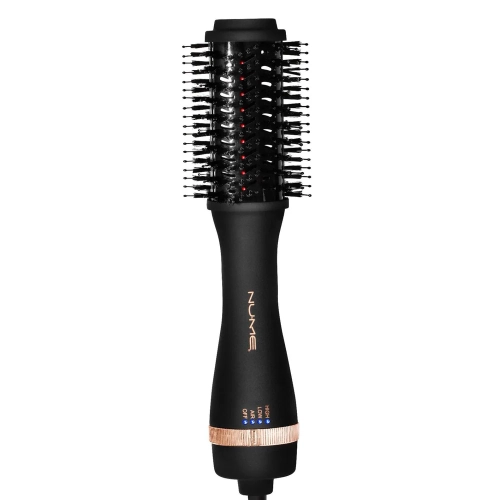
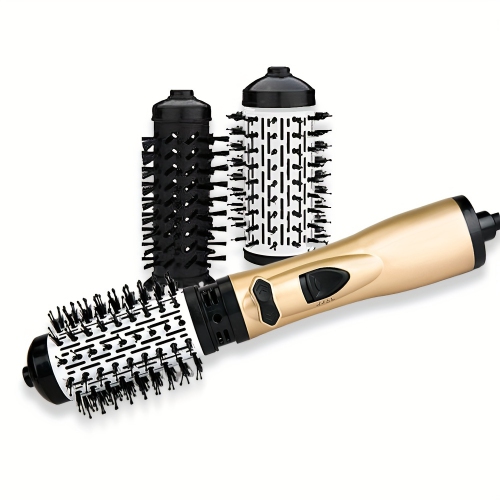
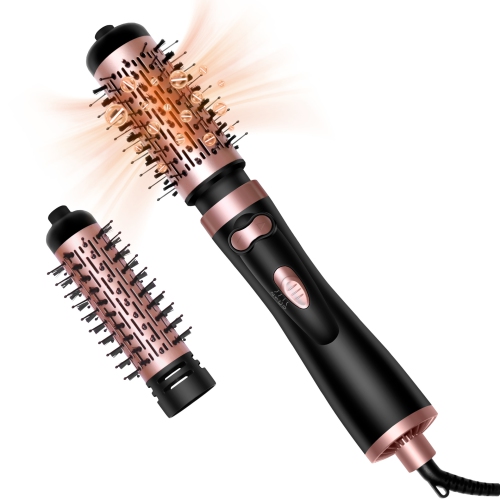
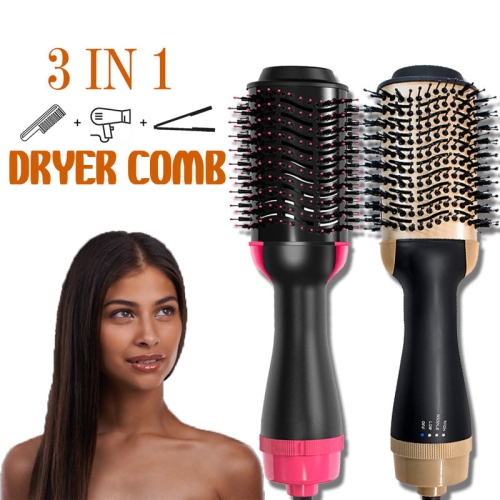
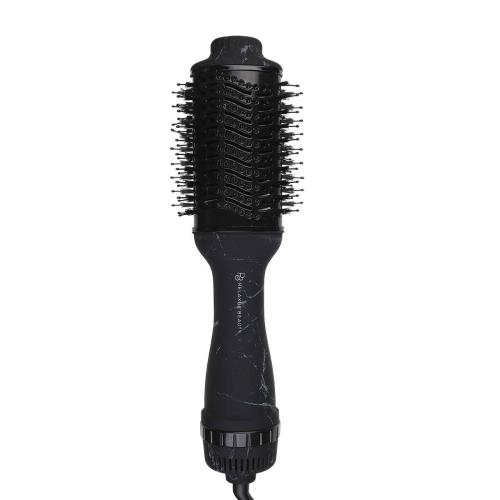
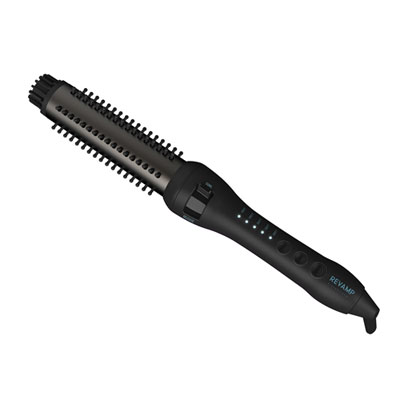
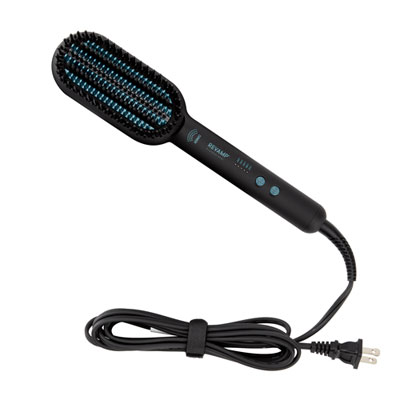
Dryer brushes fall into two distinct product groups: heated hair styling tools that combine a brush with a blow dryer, and cleaning brushes designed to remove lint from clothes dryers and their venting. For hair care, a dryer brush sends air through a vented brush head, letting the bristles guide and shape sections of hair while the airflow dries them. This combination suits people who find it awkward to balance a separate round brush and hair dryer, or who want a familiar brushing motion for an at-home blowout. The category overlaps with Hot Air Brushes, which can include round, oval, paddle-shaped, and interchangeable brush designs. Round barrels help create curved ends, lift around the crown, and softer bends through the lengths. Oval heads offer a broader surface for smoothing, with rounded edges that can add movement rather than leaving the hair completely flat. Paddle-style heads generally suit straighter finishes, while smaller barrels can be easier to position around a fringe or shorter layers. Barrel size matters in relation to hair length: a large head needs enough hair to wrap around it, whereas a narrower one offers more control close to the face. Someone with shoulder-length layers may want to tuck the ends under, while someone with long hair may prefer a wider brush surface for working through the lengths in manageable sections. These tools are primarily for drying and shaping, so a loose blowout finish is a more realistic expectation than the defined curls of a curling iron. Not every heated brush blows air; some are designed only to style dry hair. The distinction between a hot-air dryer brush and a heated straightening brush matters because their intended uses differ. Depending on the model, a dryer brush may work on towel-dried hair or hair that has already been partially dried, with the product’s directions determining the appropriate starting point.
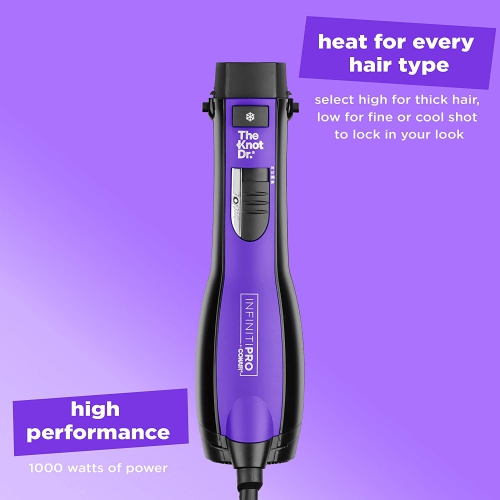
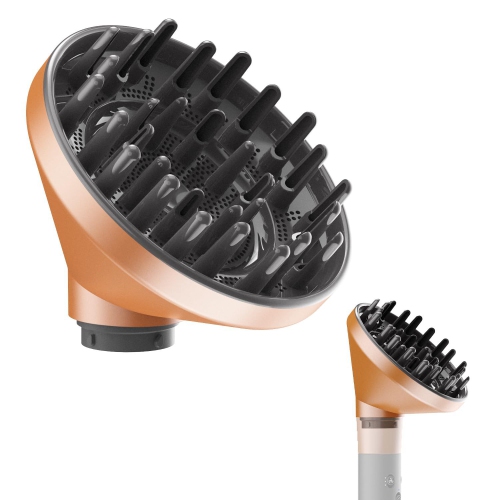
Hair texture, density, and the finish a person enjoys all influence how a hair dryer brush feels in everyday use. Fine or fragile hair often benefits from gentler heat and less tension, while dense hair may take smaller sections and more time to dry evenly. Adjustable heat and airflow settings offer flexibility, especially in a household where more than one person uses the tool. A cool-air setting can help finish a shaped section without continuing to apply heat. Ceramic-coated surfaces are commonly used to distribute heat across the barrel, while metal barrels, including titanium designs, may transfer heat more readily; neither material alone determines whether a tool is suitable for a particular hair type. Airflow, heat control, bristle arrangement, and technique also play a part. Nylon pins can help separate strands, while mixed-bristle designs may provide additional grip for smoothing. That grip should feel controlled rather than pulling painfully at the roots. Curly or tightly textured hair may need thorough detangling and partial drying before styling, and a stretched or smoothed result will vary with the hair’s natural pattern. For colour-treated or damaged hair, lower heat where practical and a suitable heat protectant can help limit added stress, though no heated styling tool is damage-free. Comfort deserves as much attention as the brush head: a balanced handle, accessible controls, and a swivel cord can make a difference when reaching the back of the head or holding a section overhead. A removable attachment may simplify storage and cleaning, provided its locking mechanism stays secure during use. Routine care usually involves unplugging the tool, allowing it to cool, and removing trapped hair and residue as directed. Clear air inlets support proper airflow, while intact bristles and an undamaged cord are important signs of usable condition. A dryer brush can make a thoughtful gift for someone who enjoys blowouts, particularly when its size, weight, and controls match their routine. For travel, voltage compatibility matters more than a compact shape alone; a plug adapter does not convert voltage.
Dryer cleaning brushes serve a separate purpose in the laundry room, helping reach lint that collects beyond the removable screen. A lint-trap brush generally has a narrow head and a long, flexible shaft for accessing the screen housing, while a dryer vent brush is sized for the exhaust duct and may attach to extension rods for greater reach. These are not interchangeable with hair styling tools, and their shape should match the space being cleaned. A slim brush may fit a lint-screen cavity but leave much of a wide duct untouched; an oversized or overly stiff head can be difficult to move through bends and may damage unsuitable ducting. Flexible wire shafts, synthetic bristles, and threaded rod connections are common construction details, with bristle firmness and connection strength affecting handling and durability. Some kits are intended for manual use, while others permit drill operation under specific instructions. Drill compatibility should never be assumed. The appliance and brush manufacturers’ directions determine suitable access points, operating methods, and limitations. Cleaning takes place with the dryer off, unplugged, and cool, and any movement of a gas dryer requires particular care around its connection. A brush can loosen lint, but that lint still needs to be collected and removed rather than pushed farther into the duct. Regular screen cleaning remains necessary even when a longer brush is used for deeper maintenance. Restricted airflow can contribute to longer drying times, and accumulated lint can present a fire hazard, but brushing alone does not establish that an entire vent system is clear or correctly installed. Long runs, concealed sections, roof outlets, or persistent drying problems may call for professional inspection and cleaning. For homeowners or people responsible for appliance upkeep, these brushes are practical maintenance tools whose value lies in appropriate reach, a secure handle, and compatibility with the dryer’s layout. Removing lint from the bristles after use, drying the brush if needed, and checking for loose parts help keep it ready for its next use.
Hair texture, density, and the finish a person enjoys all influence how a hair dryer brush feels in everyday use. Fine or fragile hair often benefits from gentler heat and less tension, while dense hair may take smaller sections and more time to dry evenly. Adjustable heat and airflow settings offer flexibility, especially in a household where more than one person uses the tool. A cool-air setting can help finish a shaped section without continuing to apply heat. Ceramic-coated surfaces are commonly used to distribute heat across the barrel, while metal barrels, including titanium designs, may transfer heat more readily; neither material alone determines whether a tool is suitable for a particular hair type. Airflow, heat control, bristle arrangement, and technique also play a part. Nylon pins can help separate strands, while mixed-bristle designs may provide additional grip for smoothing. That grip should feel controlled rather than pulling painfully at the roots. Curly or tightly textured hair may need thorough detangling and partial drying before styling, and a stretched or smoothed result will vary with the hair’s natural pattern. For colour-treated or damaged hair, lower heat where practical and a suitable heat protectant can help limit added stress, though no heated styling tool is damage-free. Comfort deserves as much attention as the brush head: a balanced handle, accessible controls, and a swivel cord can make a difference when reaching the back of the head or holding a section overhead. A removable attachment may simplify storage and cleaning, provided its locking mechanism stays secure during use. Routine care usually involves unplugging the tool, allowing it to cool, and removing trapped hair and residue as directed. Clear air inlets support proper airflow, while intact bristles and an undamaged cord are important signs of usable condition. A dryer brush can make a thoughtful gift for someone who enjoys blowouts, particularly when its size, weight, and controls match their routine. For travel, voltage compatibility matters more than a compact shape alone; a plug adapter does not convert voltage.
Dryer cleaning brushes serve a separate purpose in the laundry room, helping reach lint that collects beyond the removable screen. A lint-trap brush generally has a narrow head and a long, flexible shaft for accessing the screen housing, while a dryer vent brush is sized for the exhaust duct and may attach to extension rods for greater reach. These are not interchangeable with hair styling tools, and their shape should match the space being cleaned. A slim brush may fit a lint-screen cavity but leave much of a wide duct untouched; an oversized or overly stiff head can be difficult to move through bends and may damage unsuitable ducting. Flexible wire shafts, synthetic bristles, and threaded rod connections are common construction details, with bristle firmness and connection strength affecting handling and durability. Some kits are intended for manual use, while others permit drill operation under specific instructions. Drill compatibility should never be assumed. The appliance and brush manufacturers’ directions determine suitable access points, operating methods, and limitations. Cleaning takes place with the dryer off, unplugged, and cool, and any movement of a gas dryer requires particular care around its connection. A brush can loosen lint, but that lint still needs to be collected and removed rather than pushed farther into the duct. Regular screen cleaning remains necessary even when a longer brush is used for deeper maintenance. Restricted airflow can contribute to longer drying times, and accumulated lint can present a fire hazard, but brushing alone does not establish that an entire vent system is clear or correctly installed. Long runs, concealed sections, roof outlets, or persistent drying problems may call for professional inspection and cleaning. For homeowners or people responsible for appliance upkeep, these brushes are practical maintenance tools whose value lies in appropriate reach, a secure handle, and compatibility with the dryer’s layout. Removing lint from the bristles after use, drying the brush if needed, and checking for loose parts help keep it ready for its next use.
Top selling and popular products
-
 Your price for this item is $219.99
 -
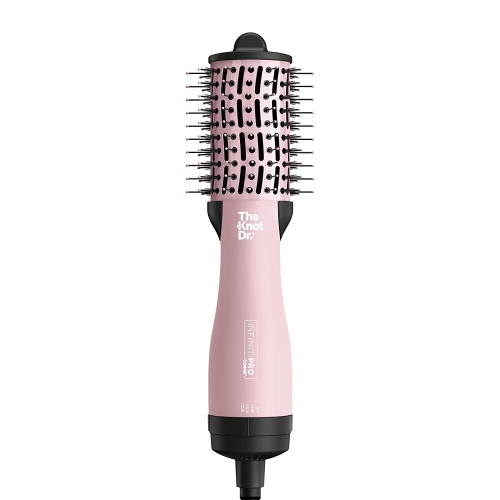 Your price for this item is $120.99
 -
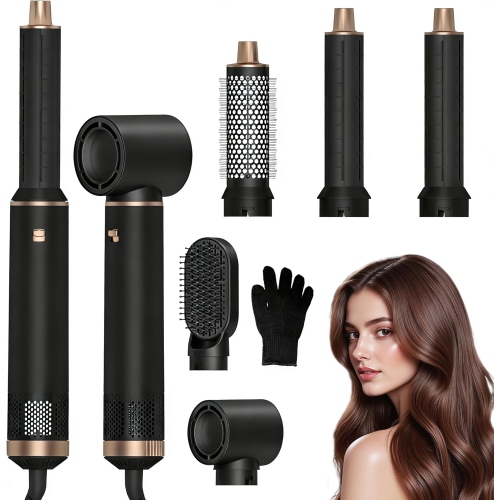 Your price for this item is $80.99
 -
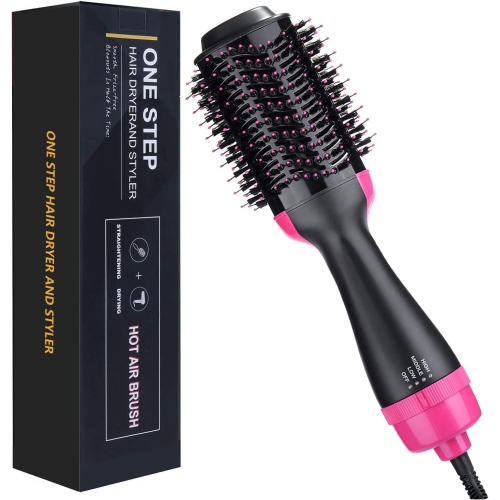 Your price for this item is $63.96
 -
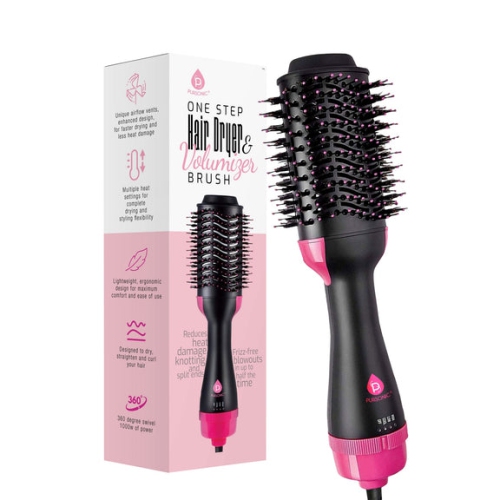 Your price for this item is $49.99
 -
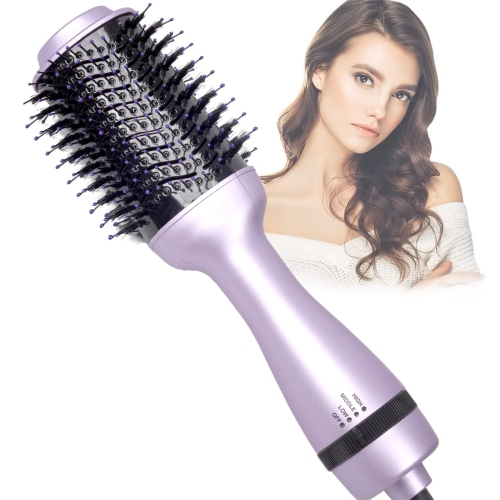 Your price for this item is $52.99
 -
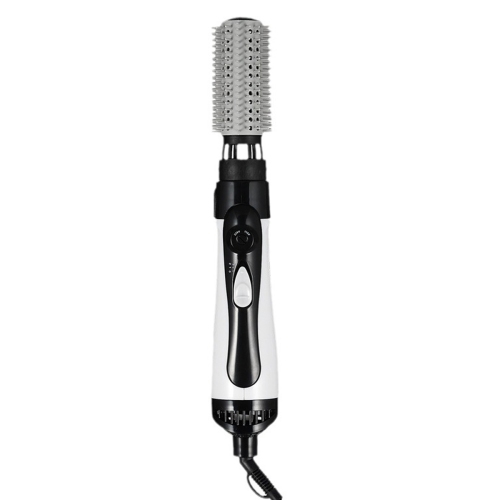 Your price for this item is $36.17
 -
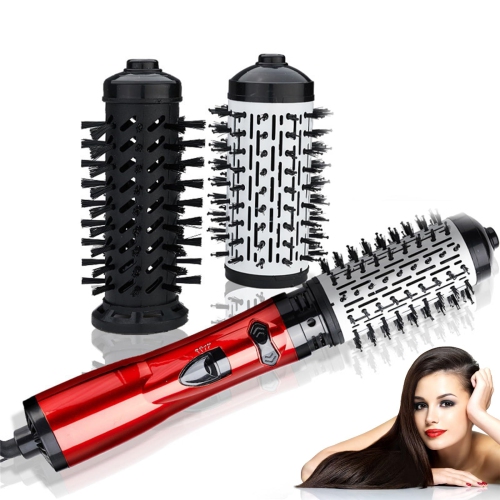 Your price for this item is $54.99
Discover more categories related to Dryer Brushes
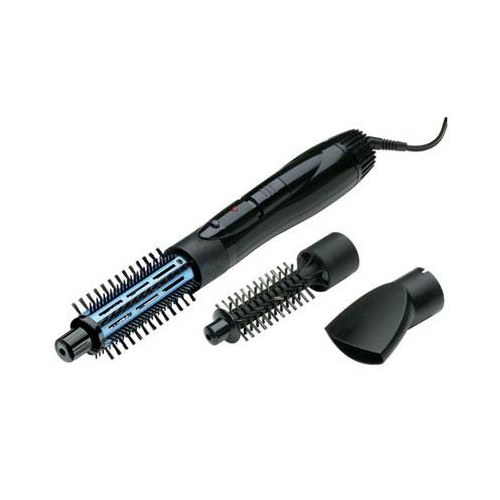
Top Collections:
Pokemon Centers, Kindle Devices, Best Budget Office Chairs, Apple iPhones 16, Best Laptops for Writers, iPhone 15 Apple, Canon G7X Cameras, Refurbished Apple Laptops, Alarm Clock, Motorola Razr Phones
Some products may be subject to Environmental Handling Fees
(EHF) depending on your province.
Learn more about EHFs.