Electric Razors for Beards
If you're looking to achieve a perfectly groomed and stylish beard, look no further! These electric razors for beards are here to revolutionize your shaving routine. Say goodbye to the hassle of traditional razors and say hello to precision, convenience, and effortless grooming. Whether you prefer a clean-shaven look or a well-trimmed beard, these electric razors are designed to cater to every man's unique style and needs. With cutting-edge technology and innovative features, these razors offer an unparalleled shaving experience that will leave you looking sharp and feeling confident.
Sort
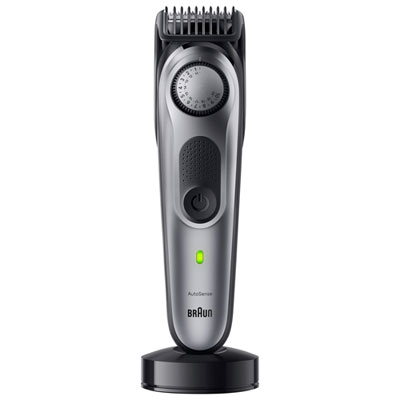
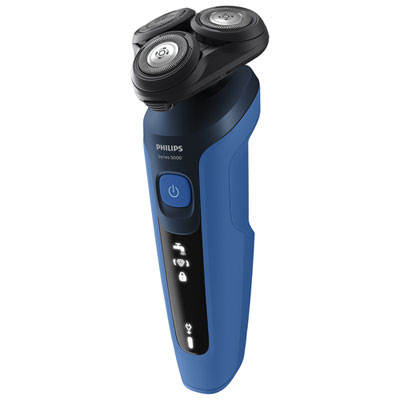
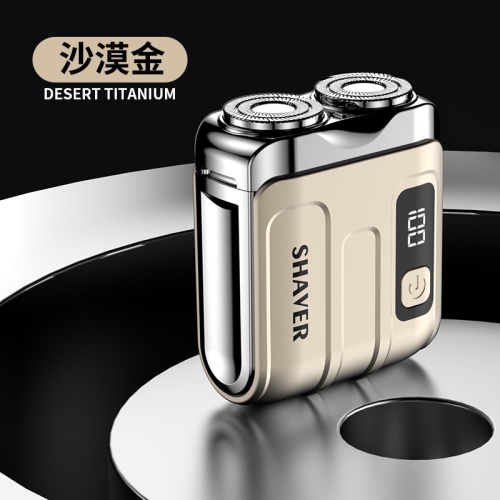
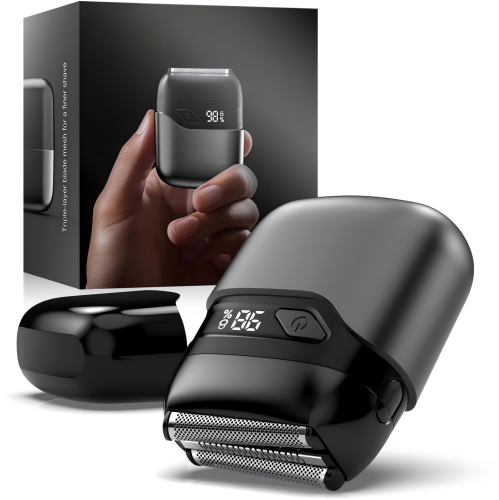

















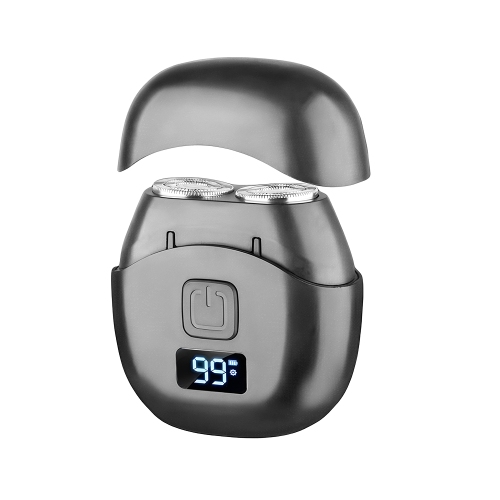


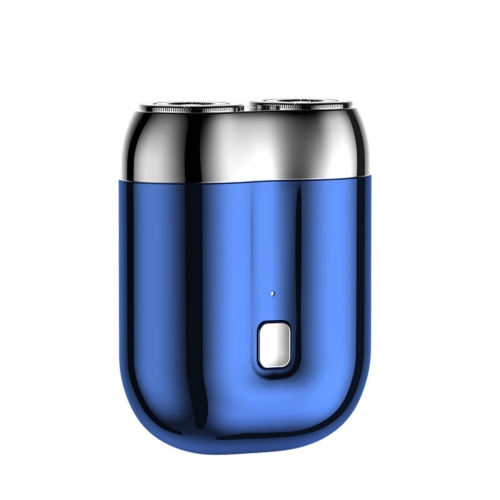

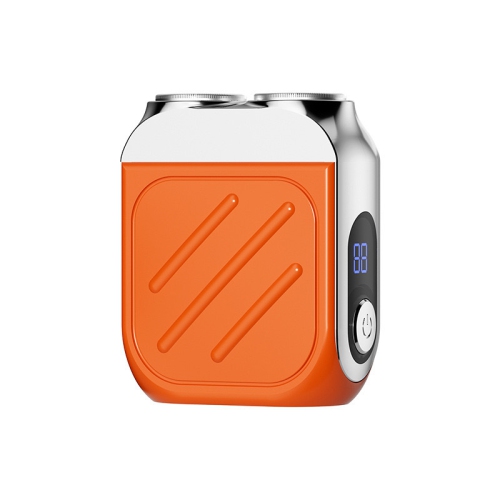

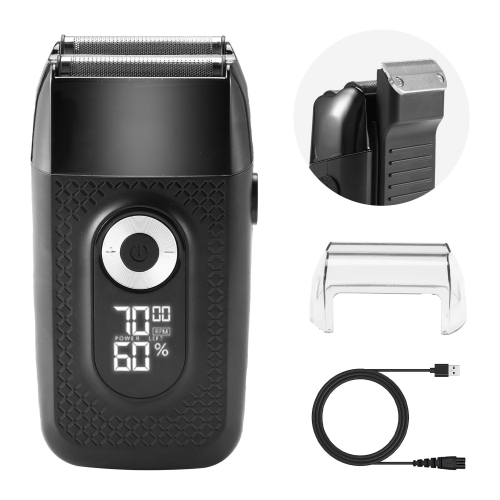
























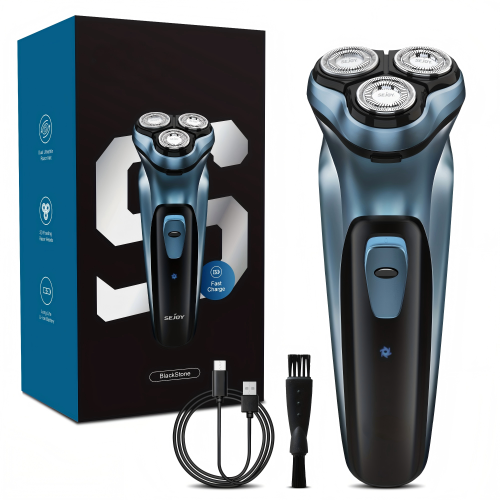
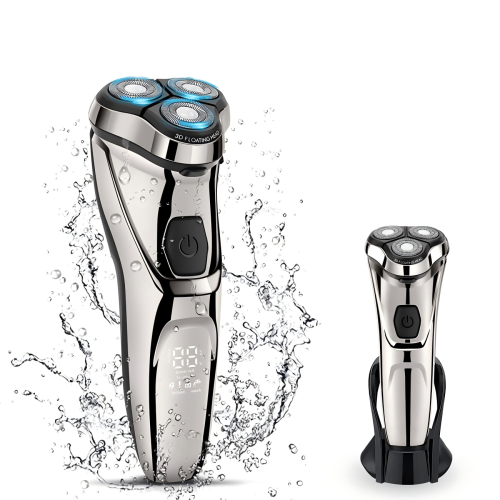
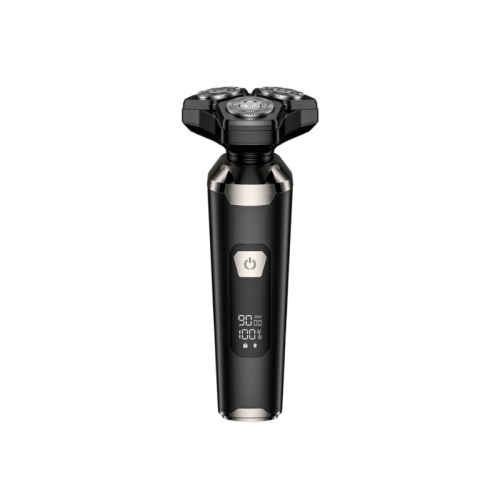
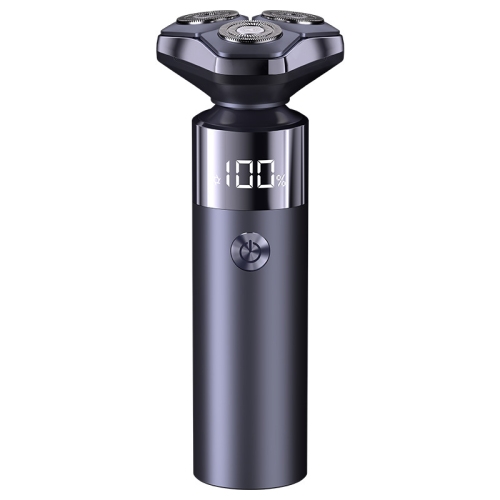























Why shavers and trimmers suit different beard goals
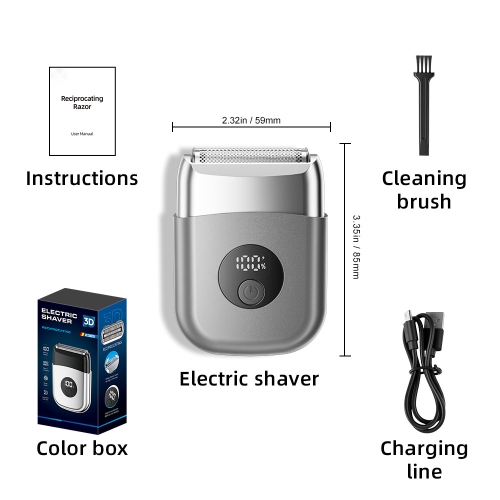
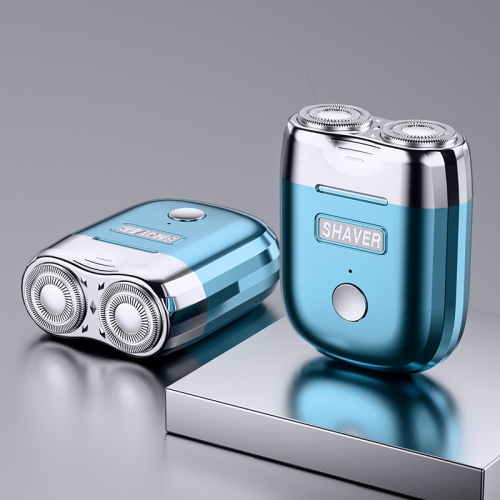
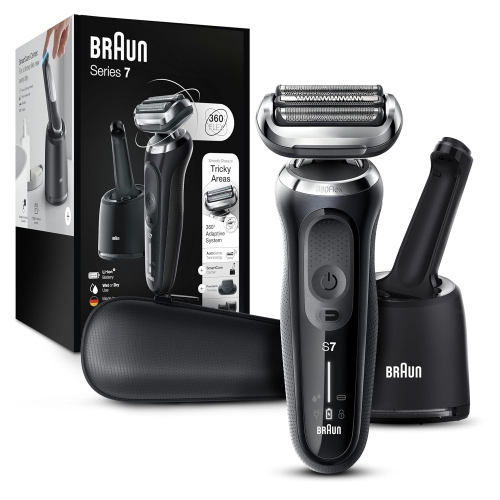
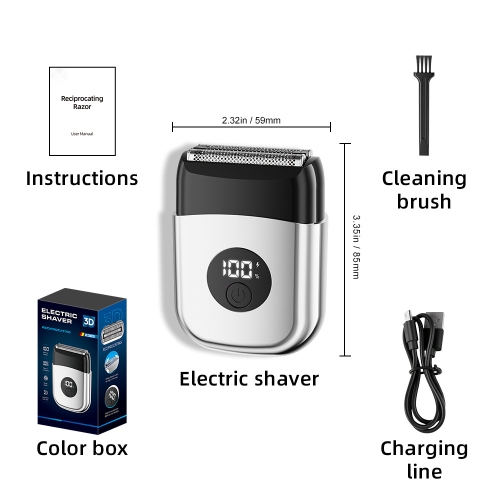
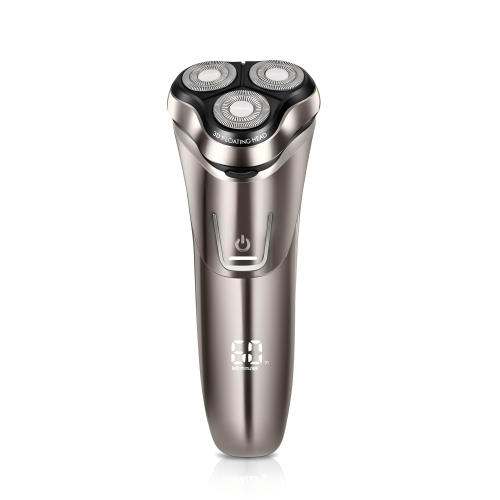
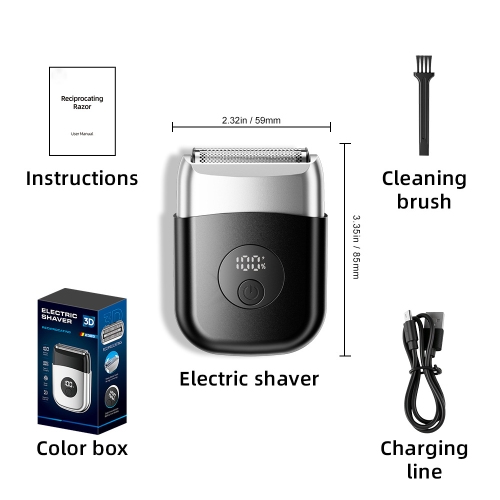
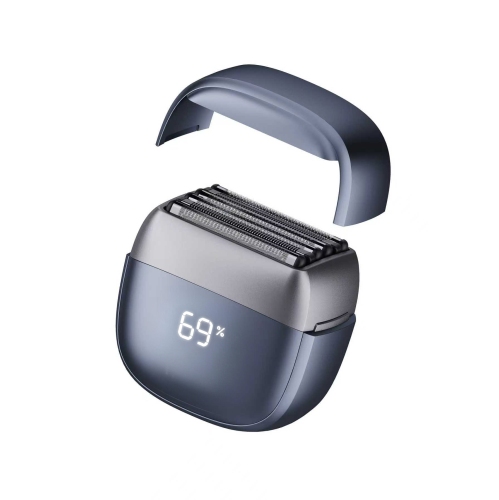
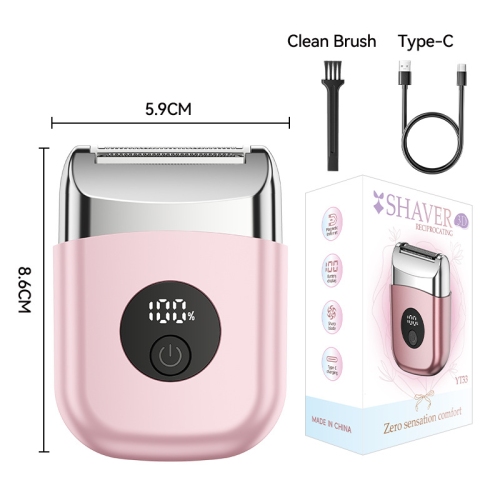
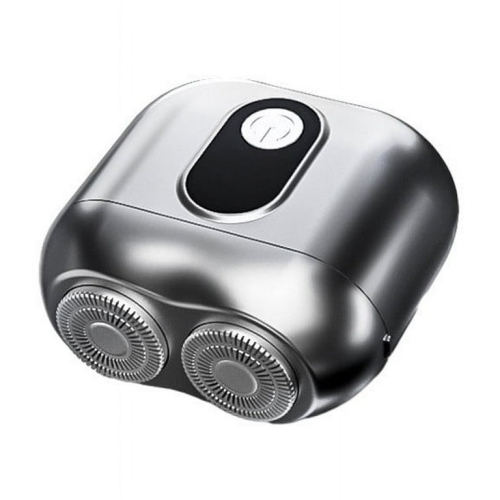
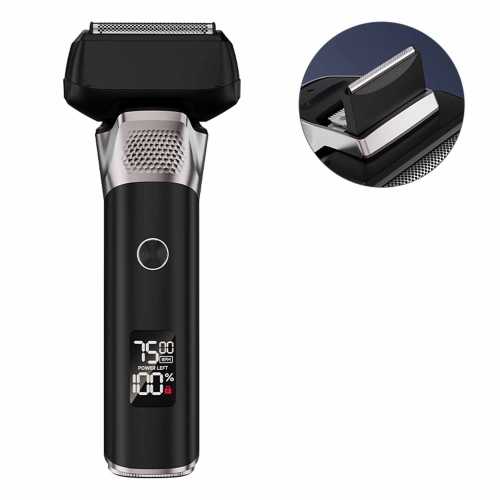
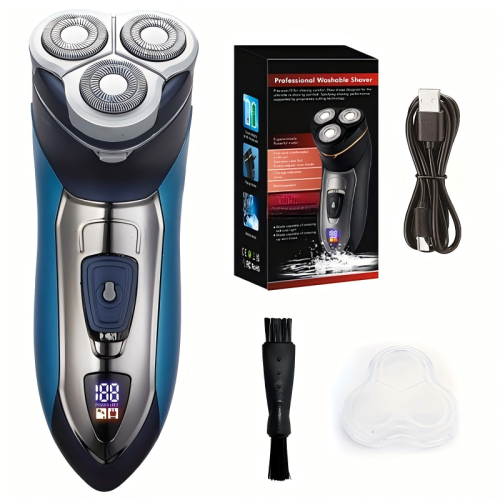
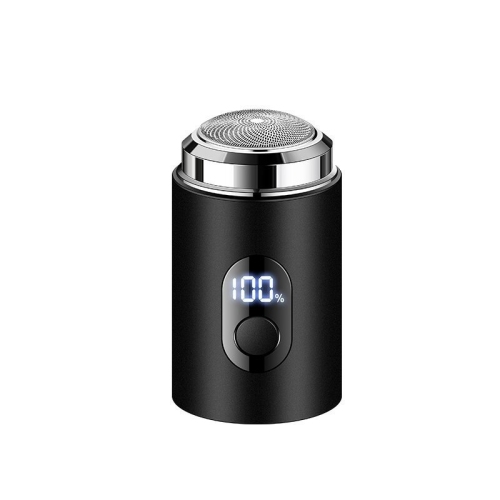
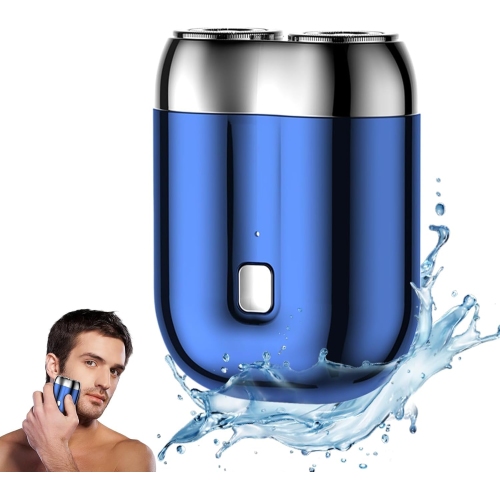
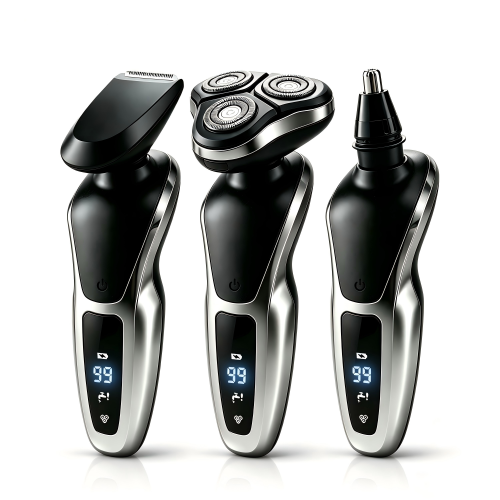
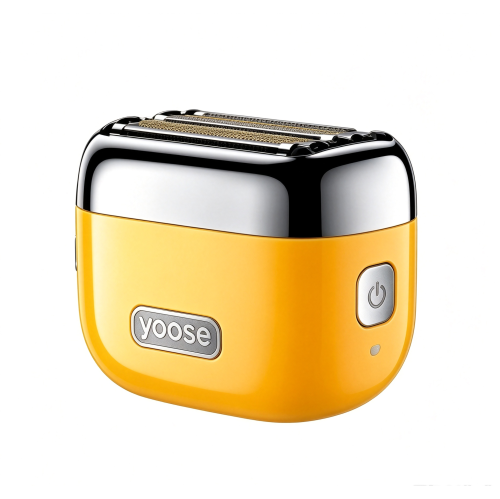
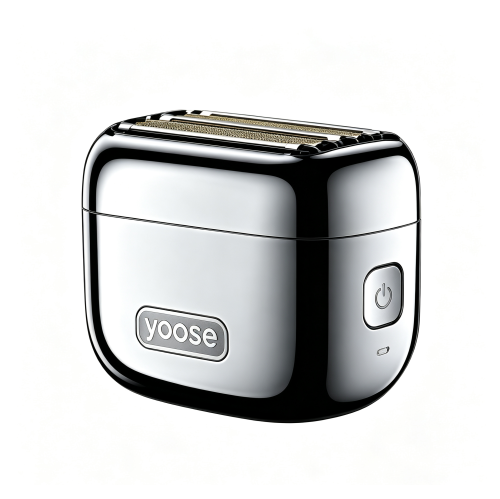
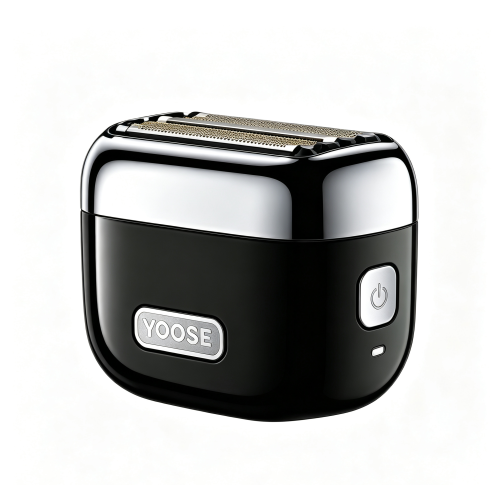
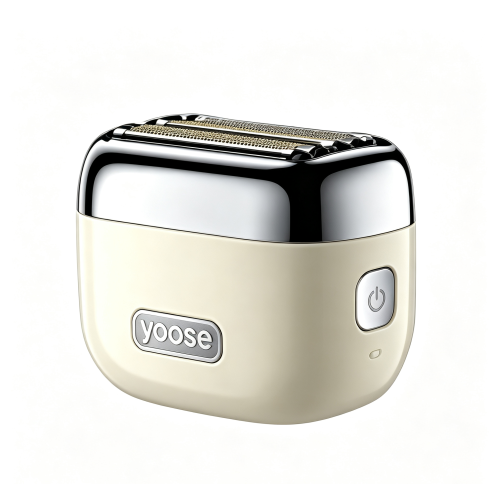
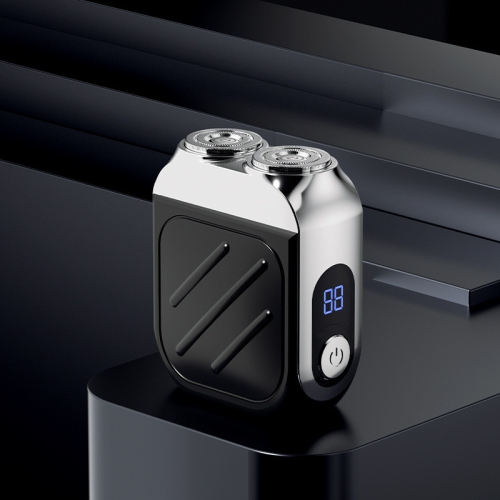
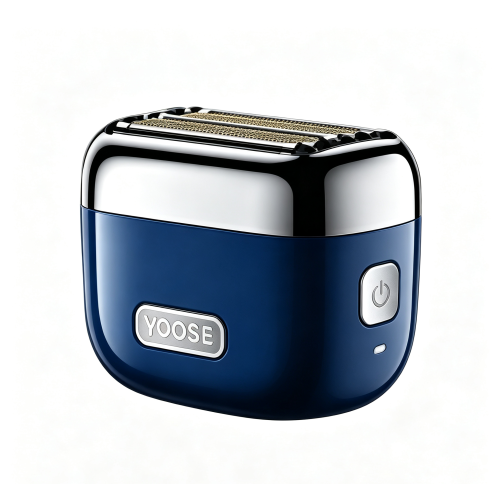
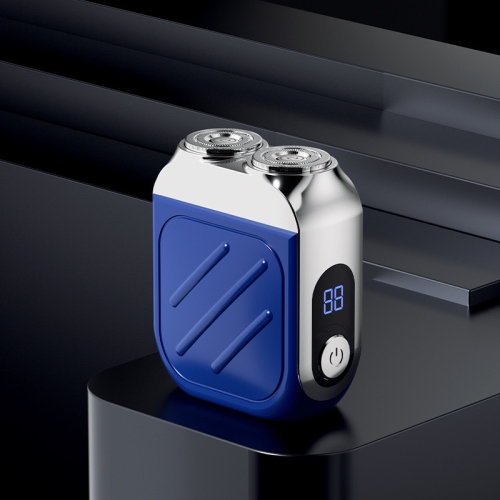
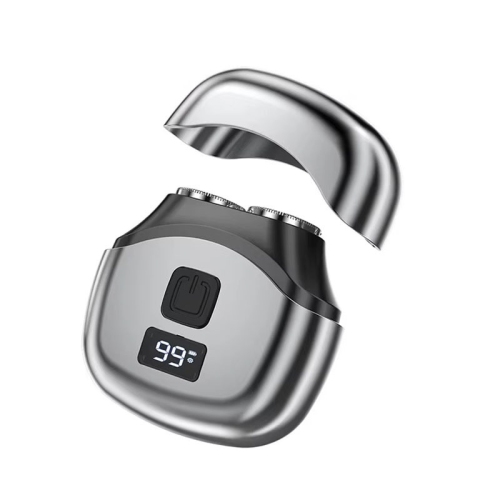
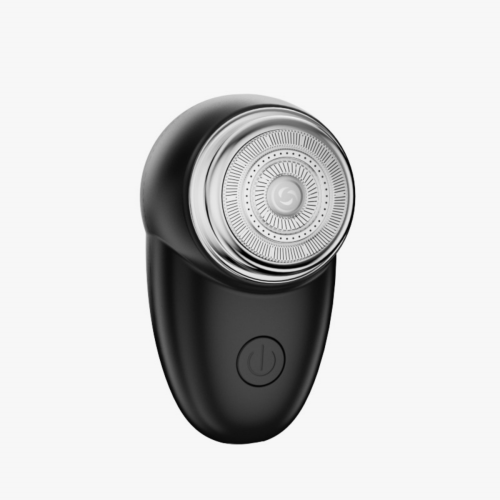
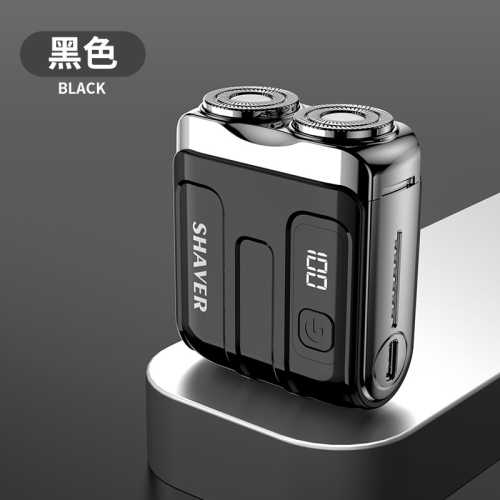
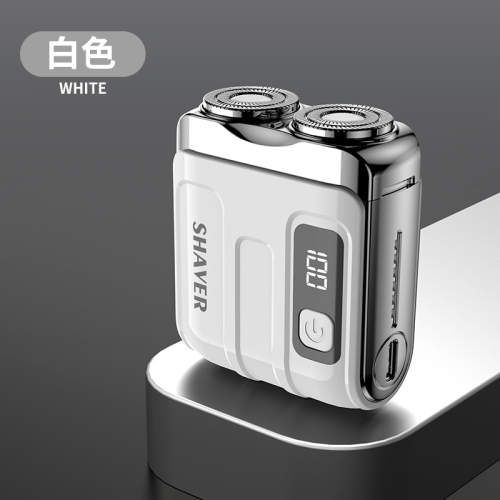
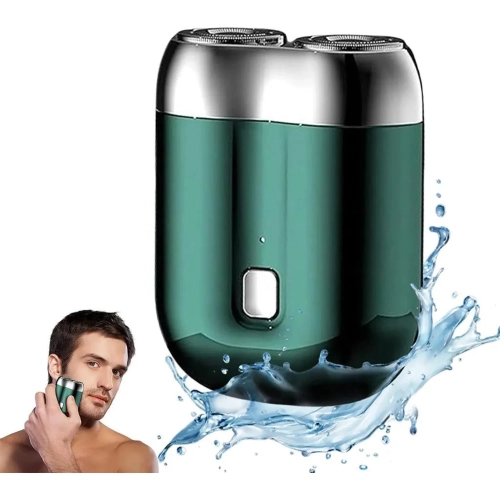
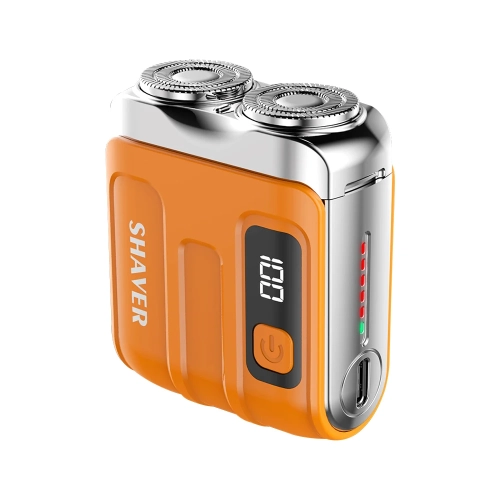
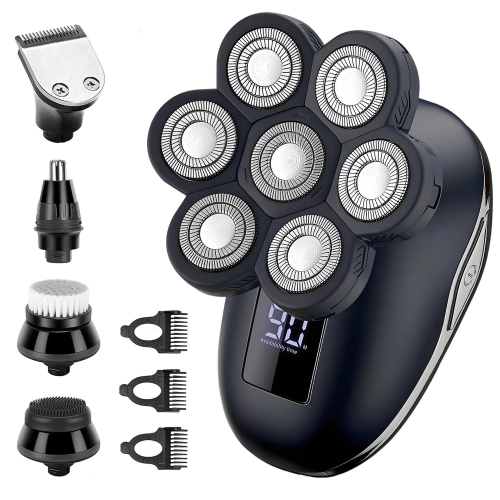
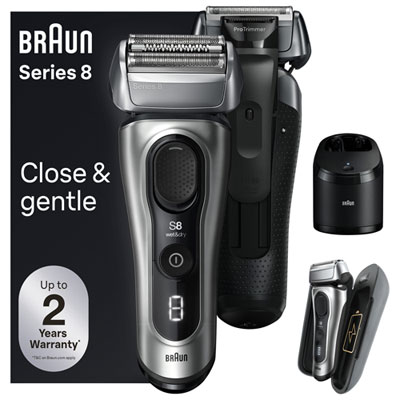
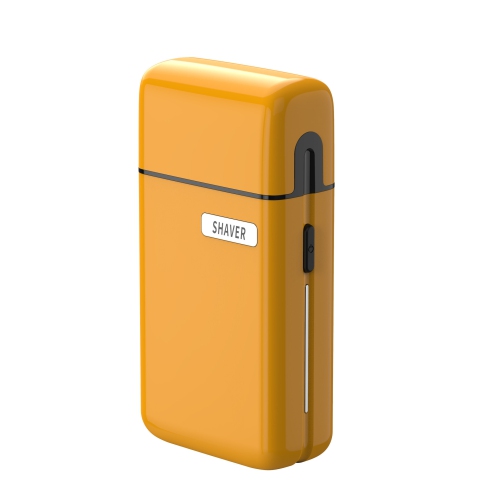
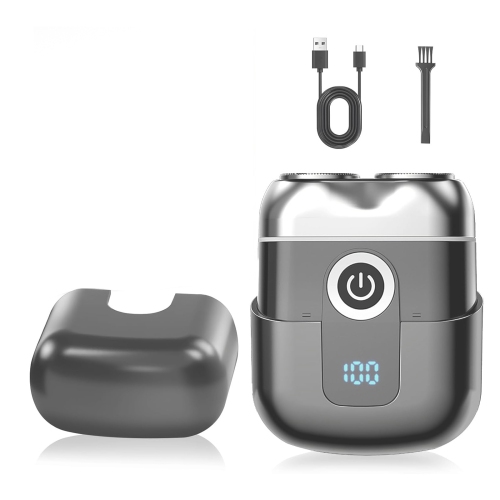
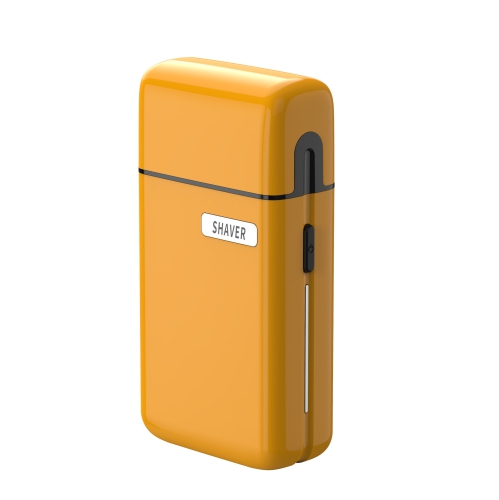
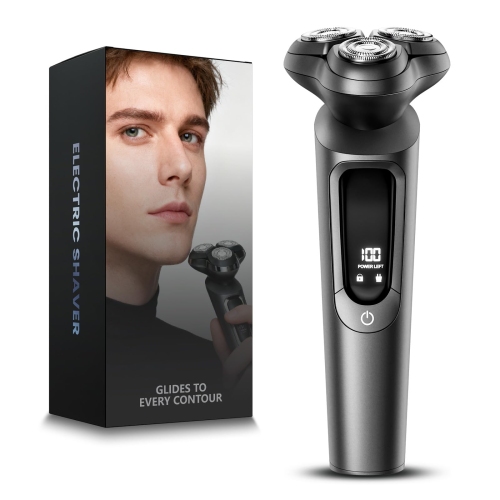
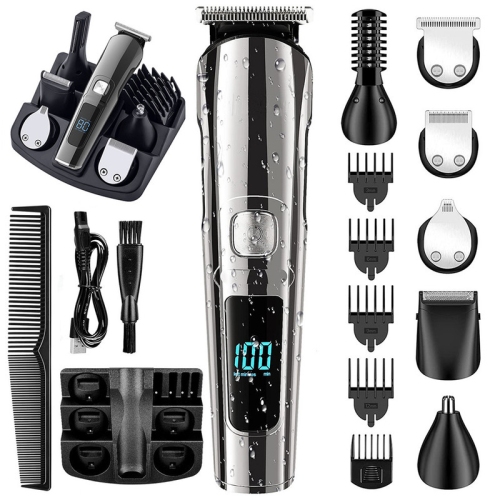
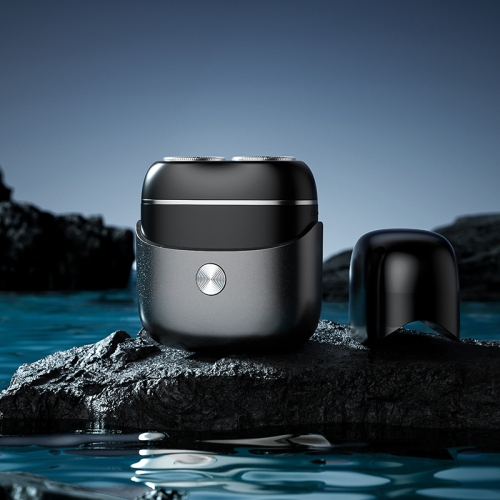
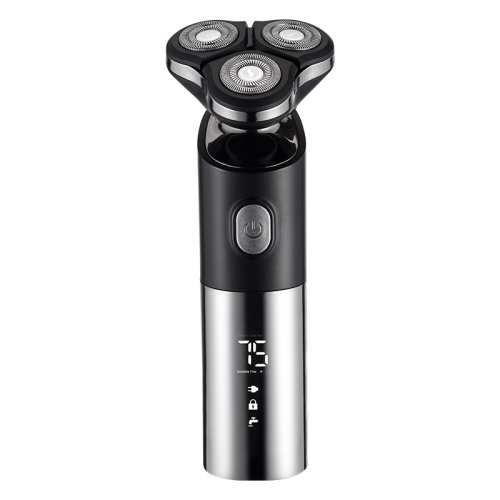
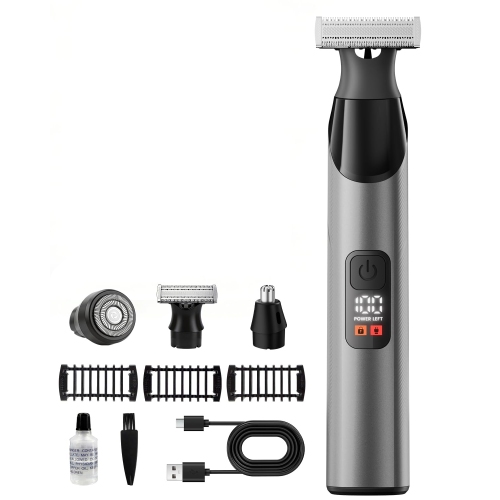
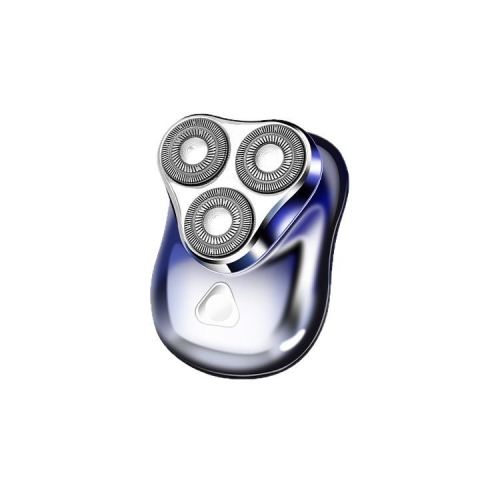
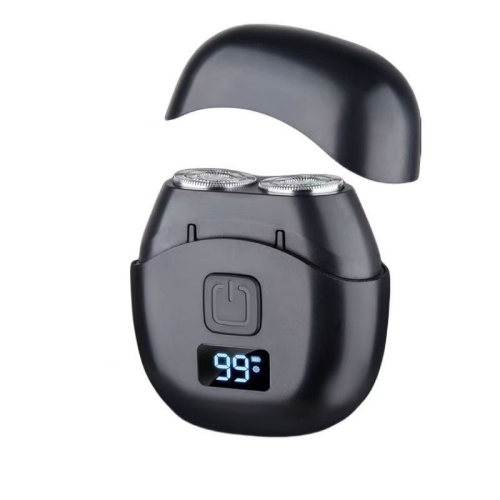
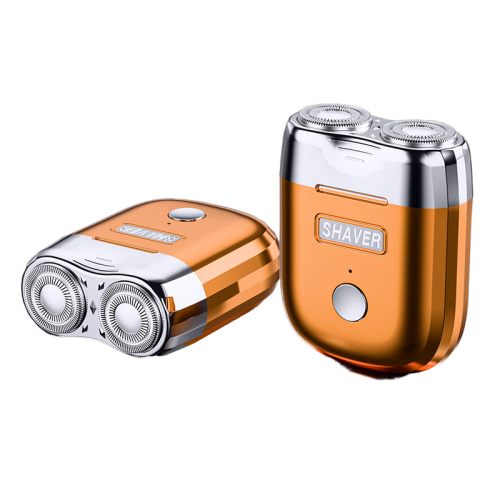
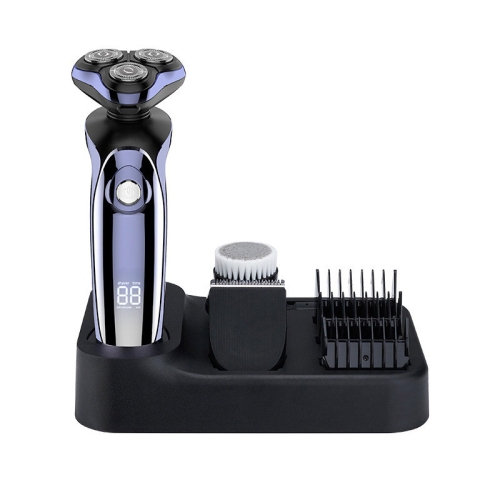
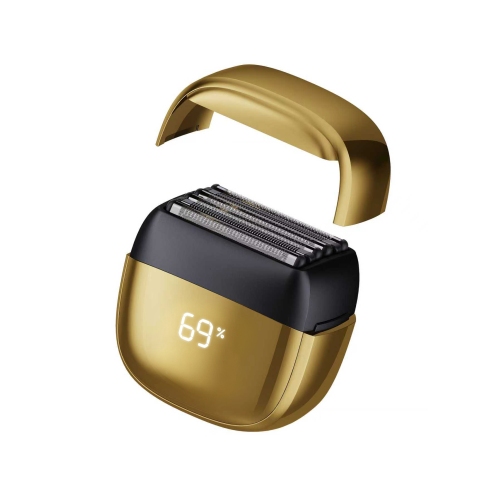
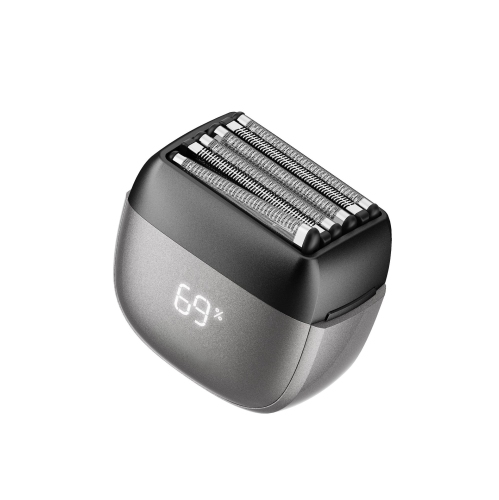
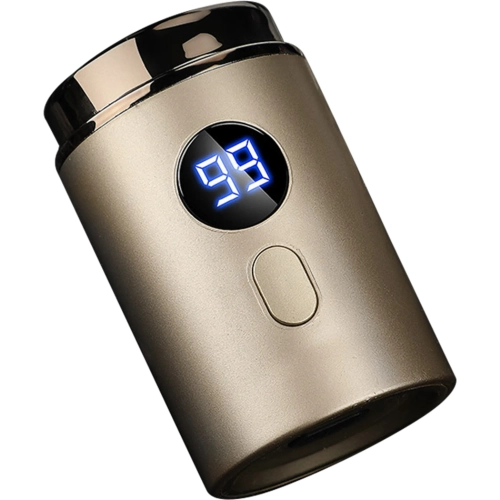
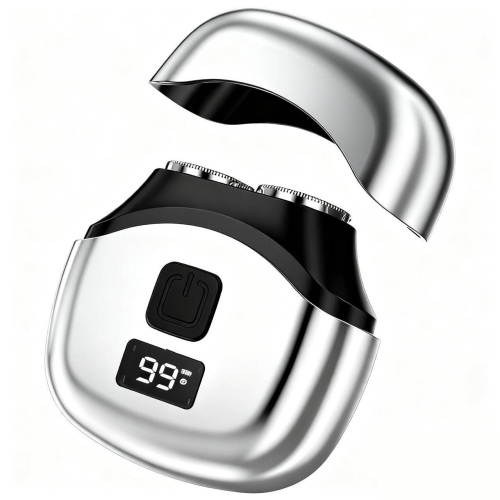
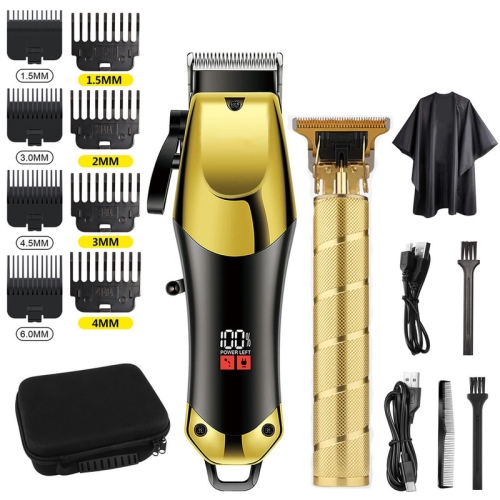
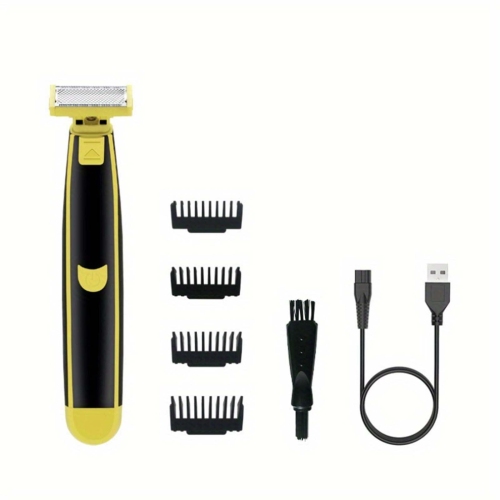
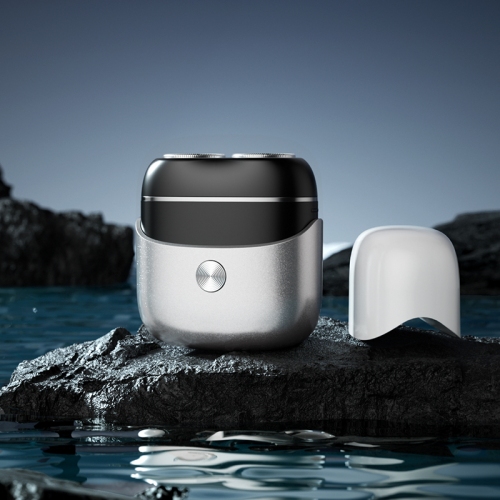
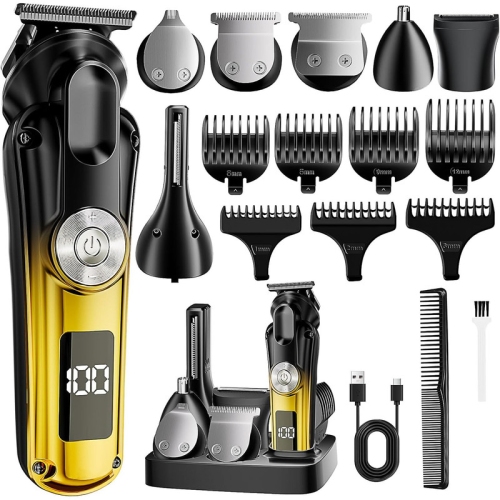
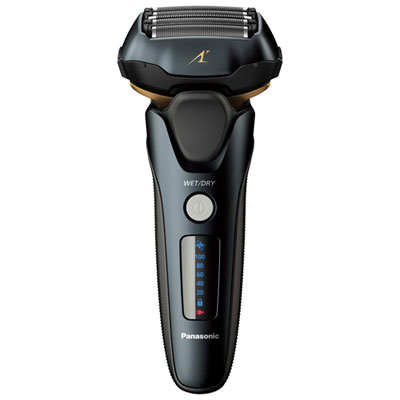
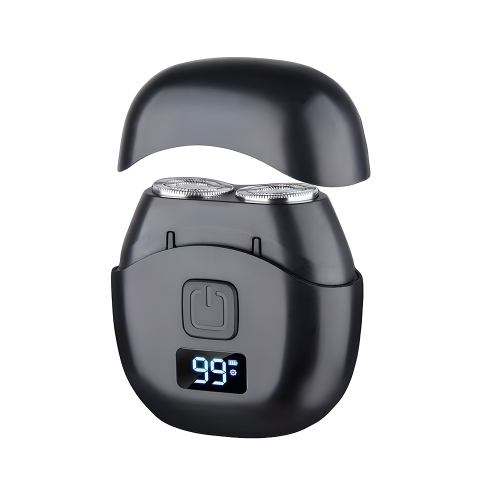
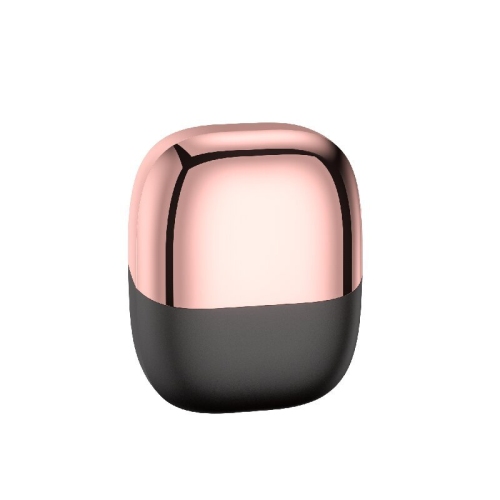
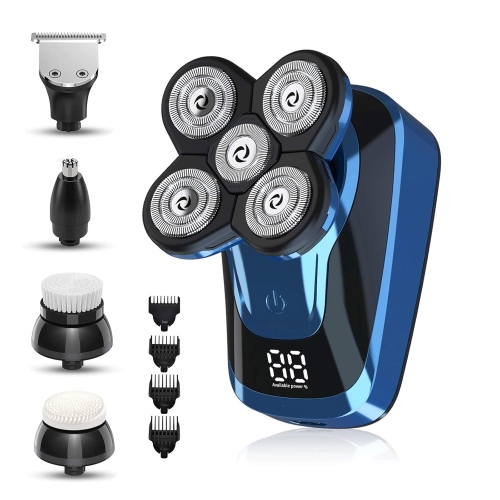
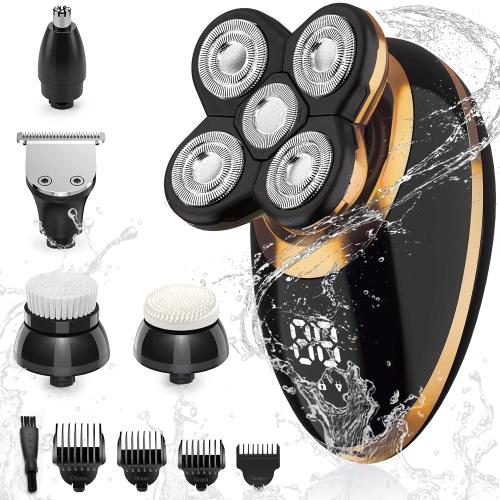
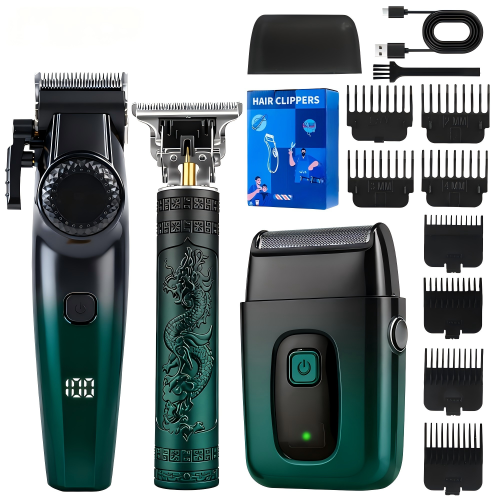
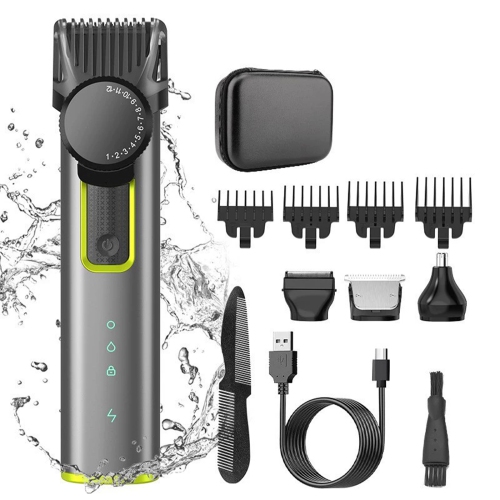
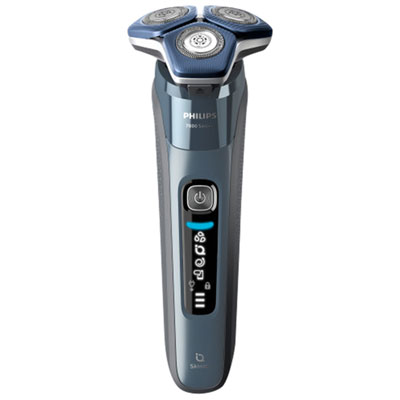
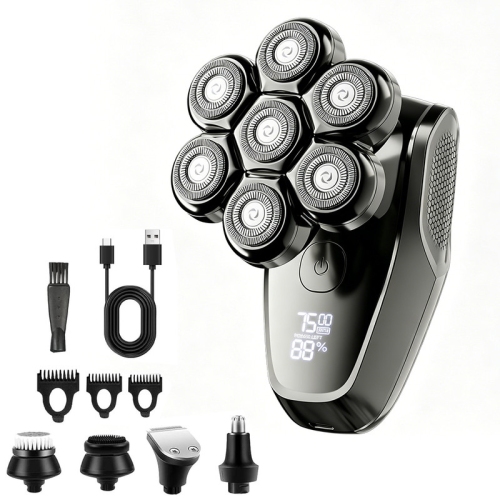
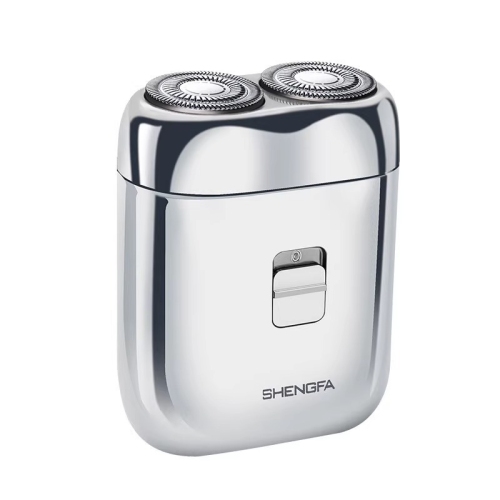
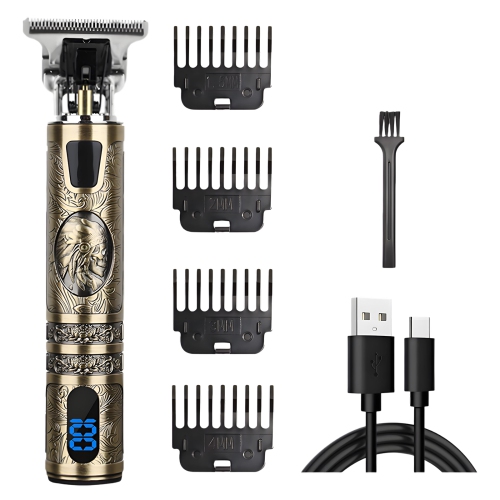
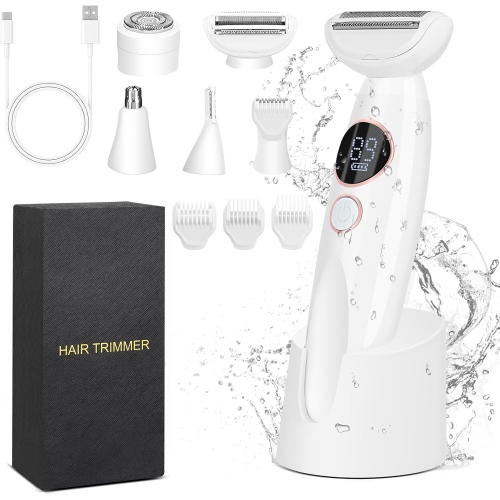
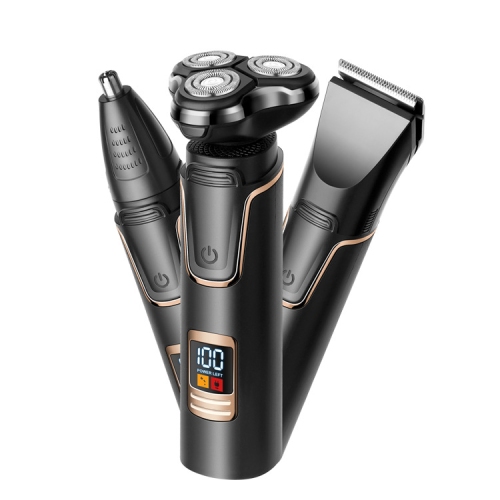
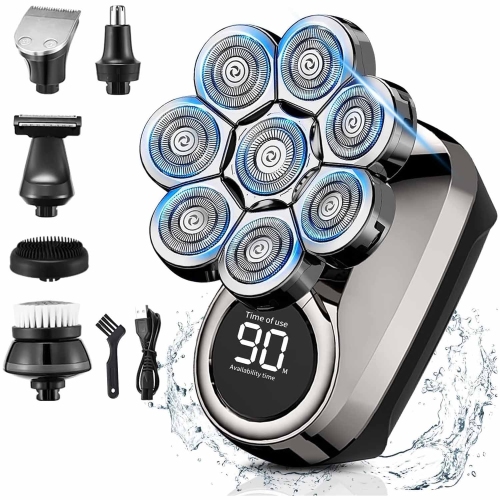
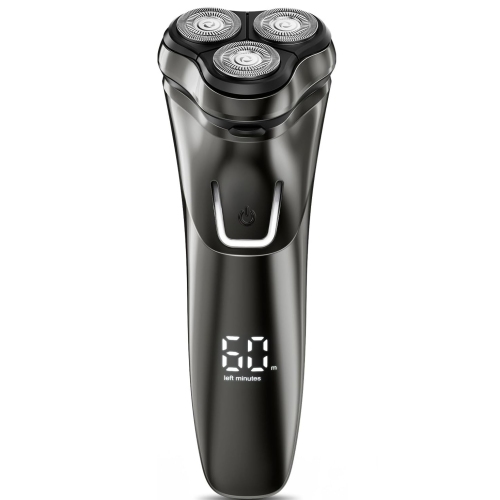
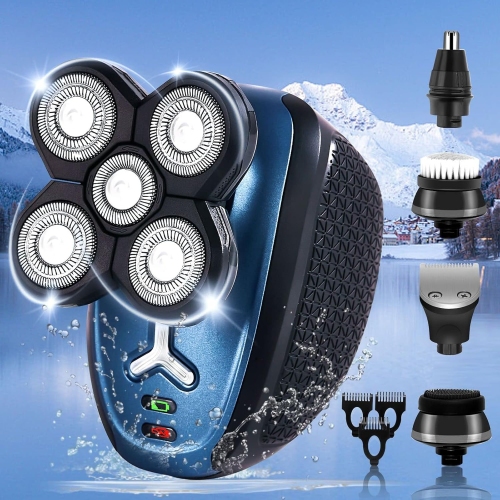
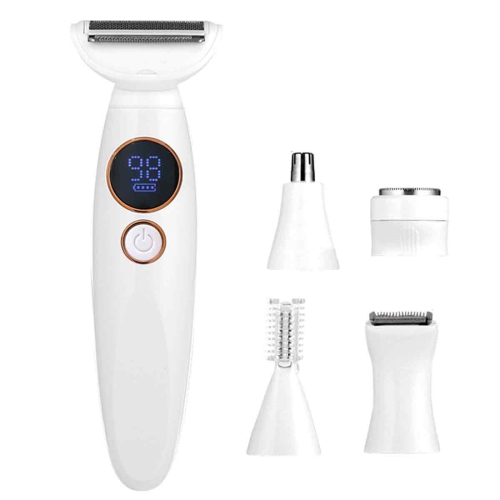
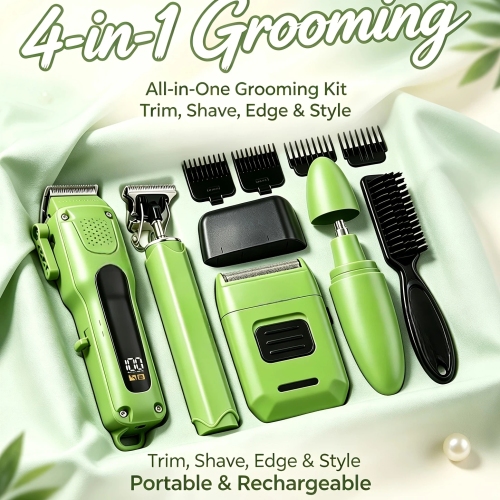
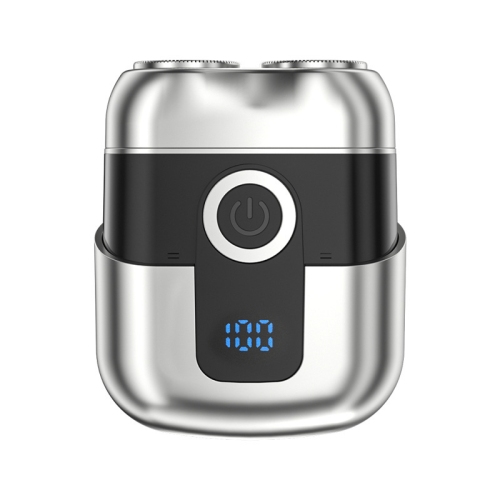
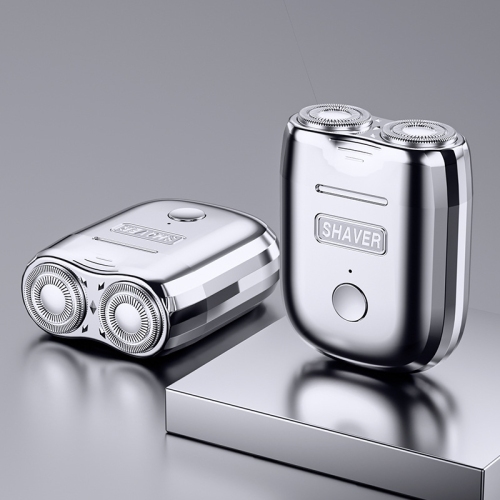
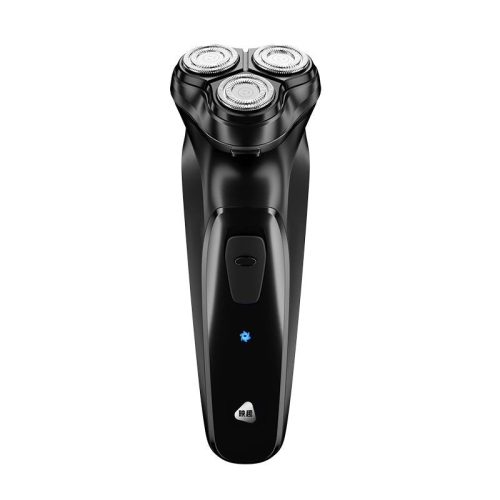
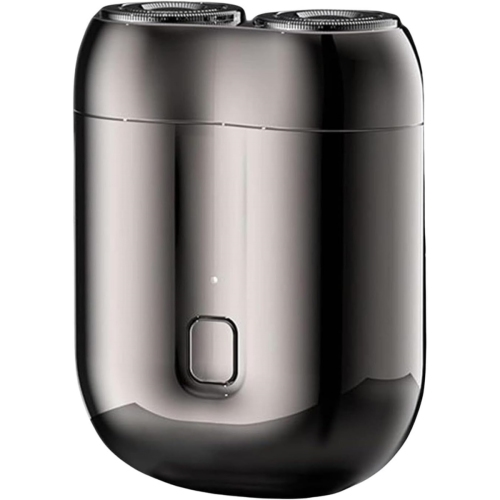
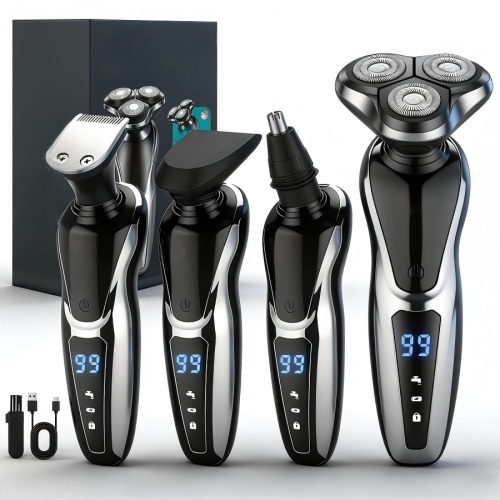
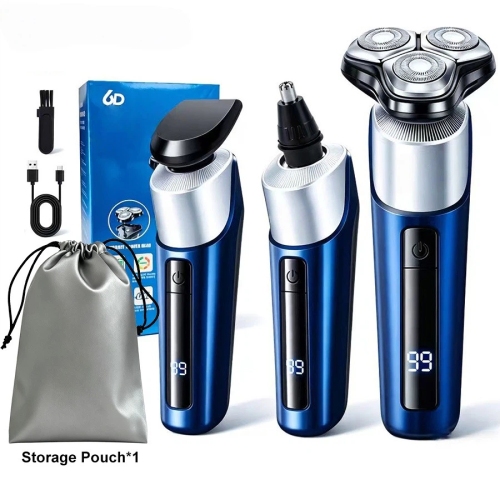
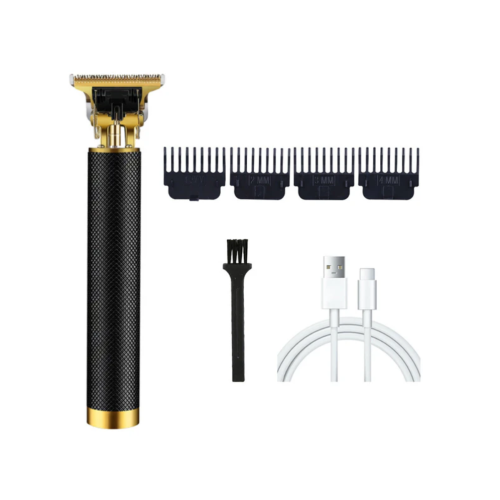
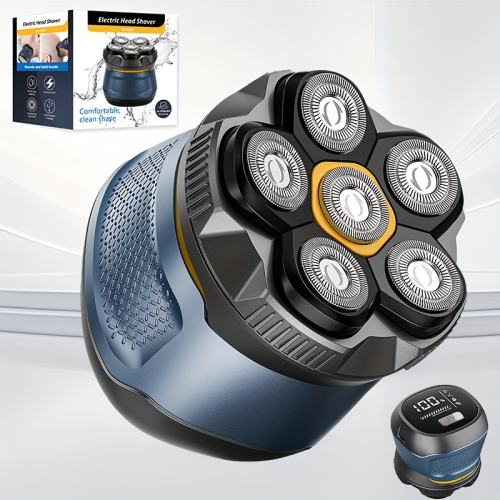
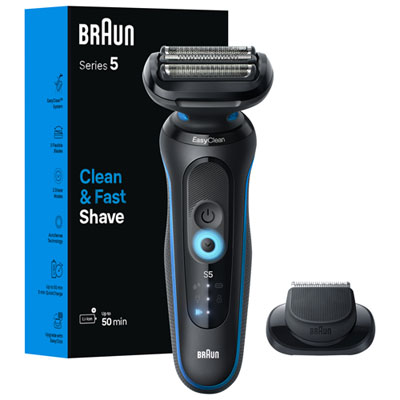
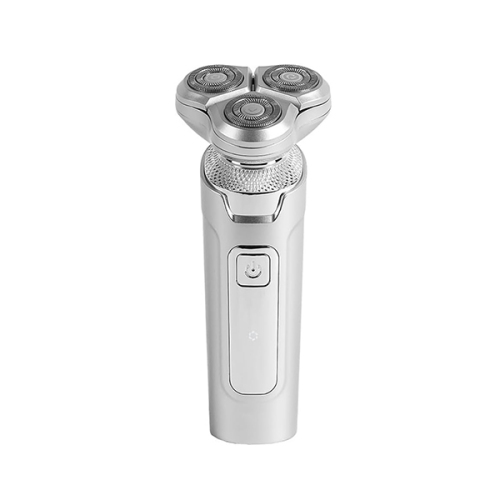
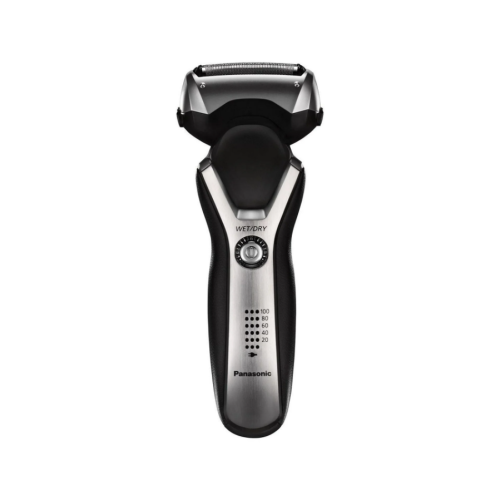
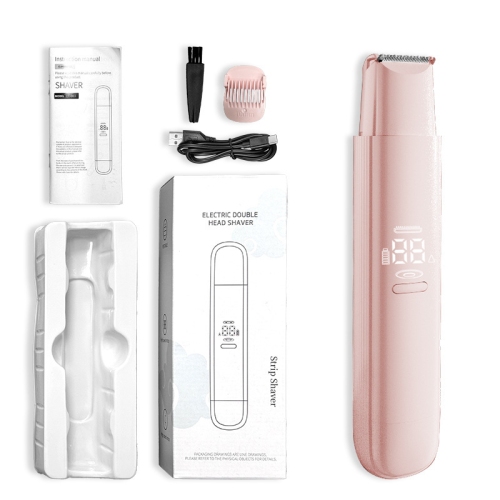
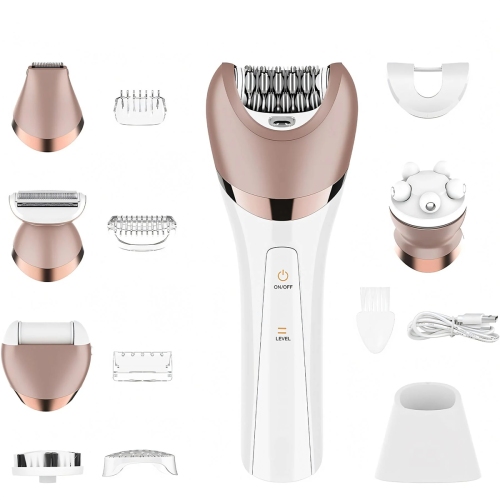
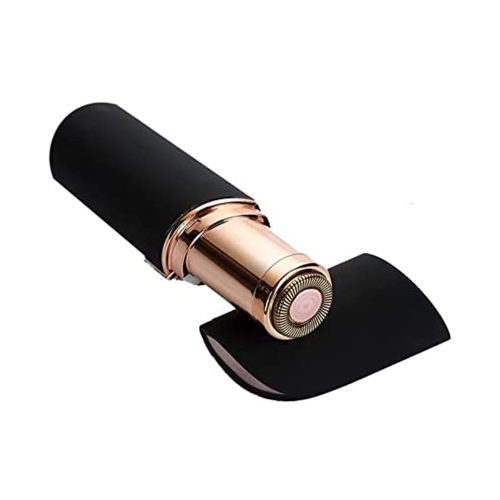
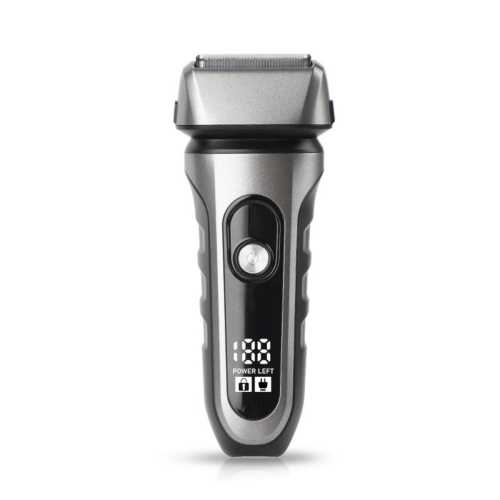
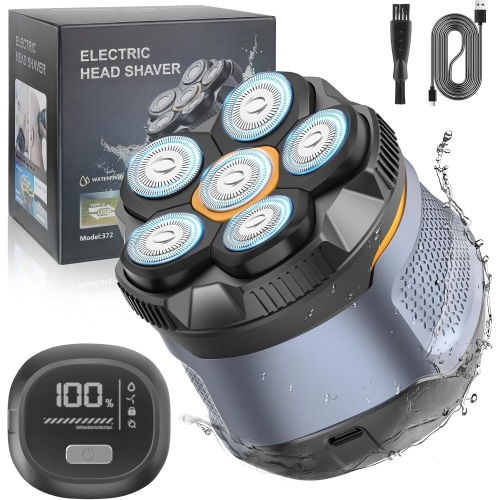
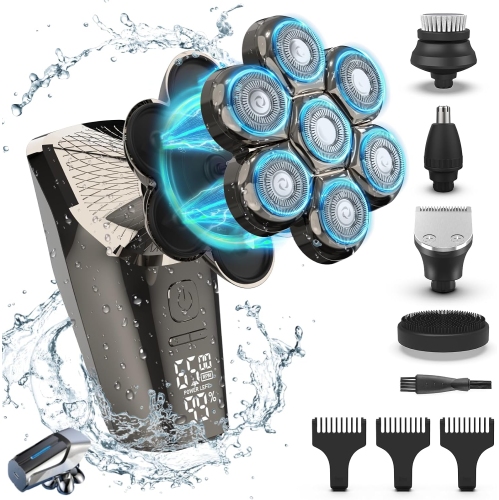
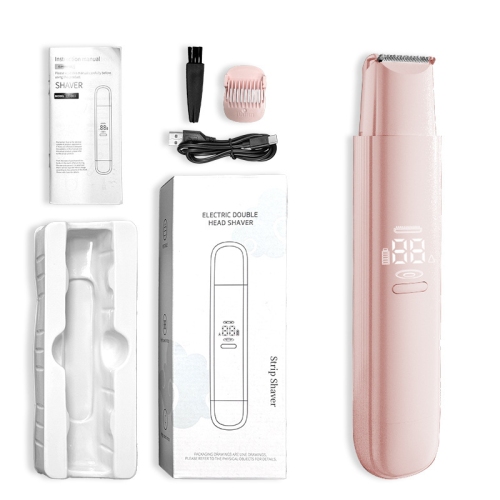
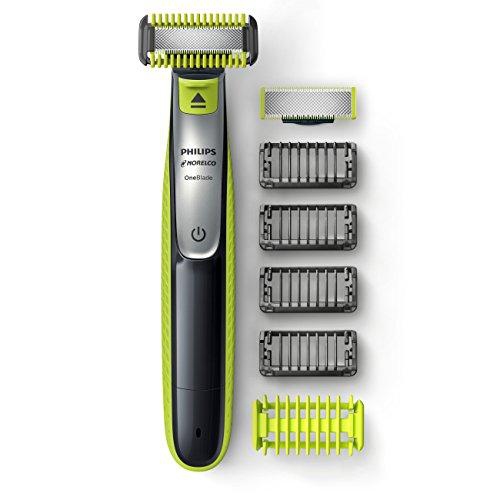
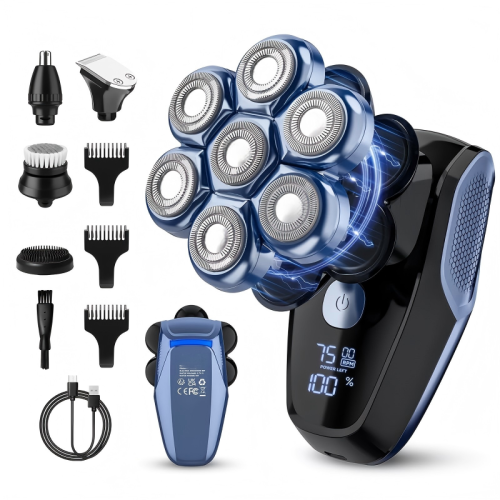
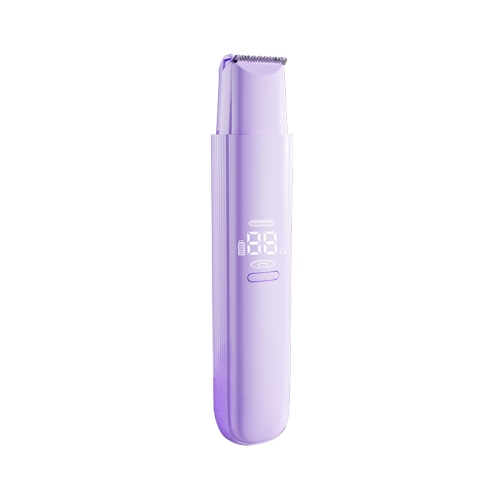
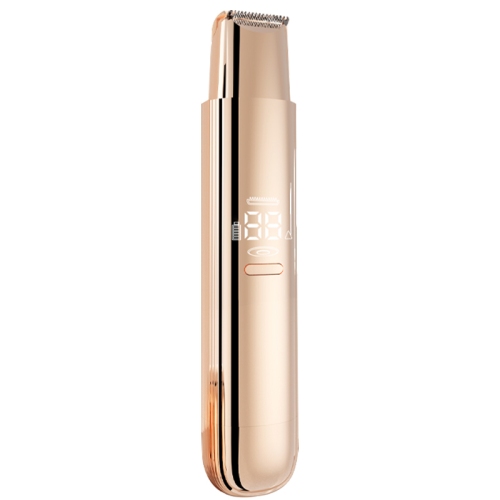
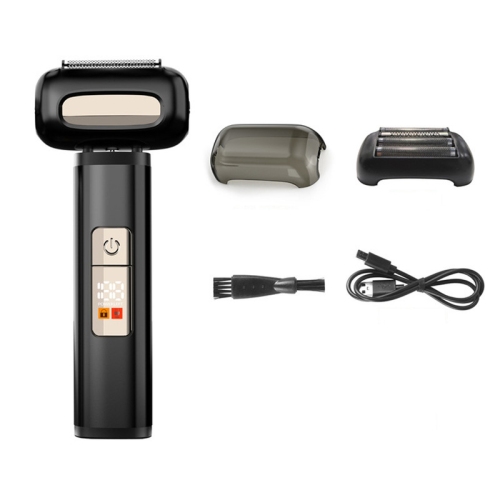
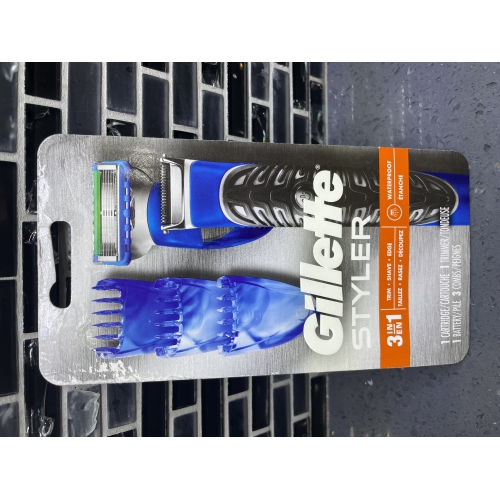
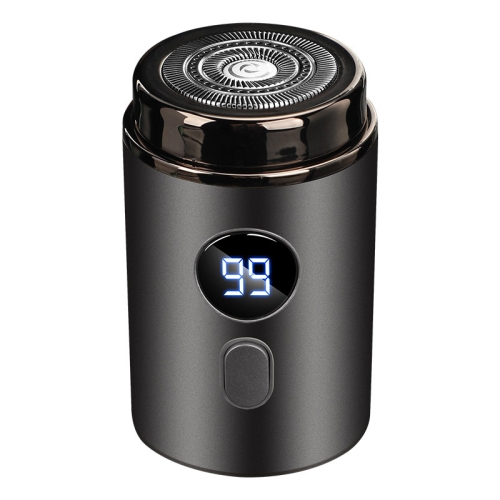
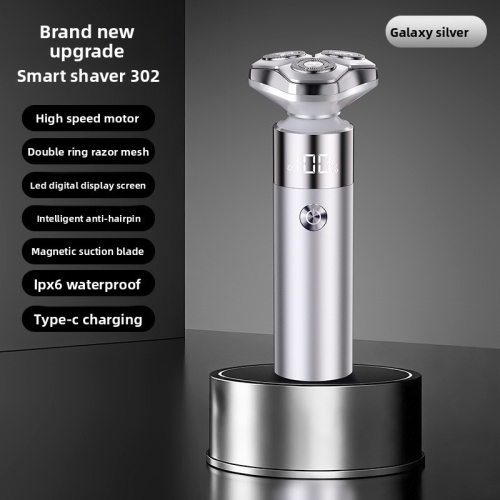
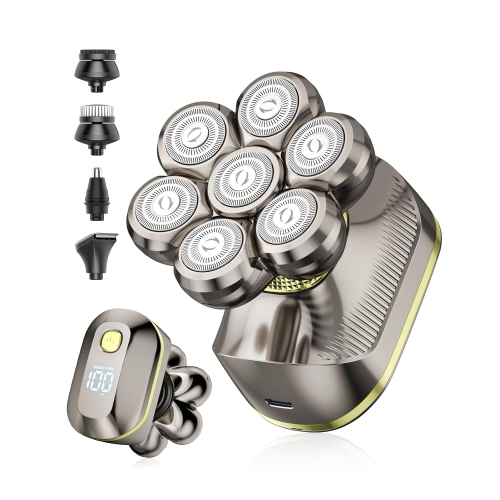
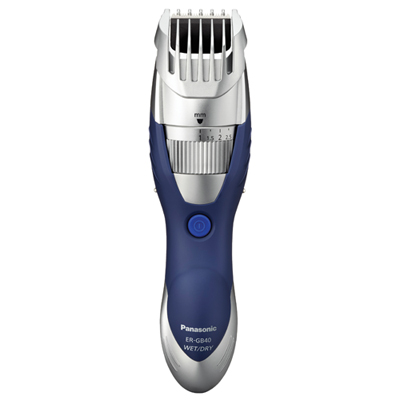
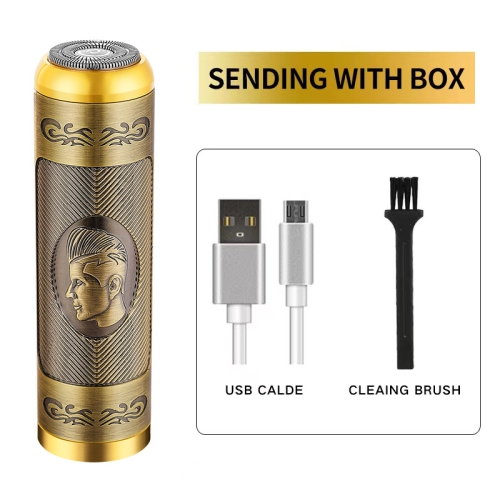
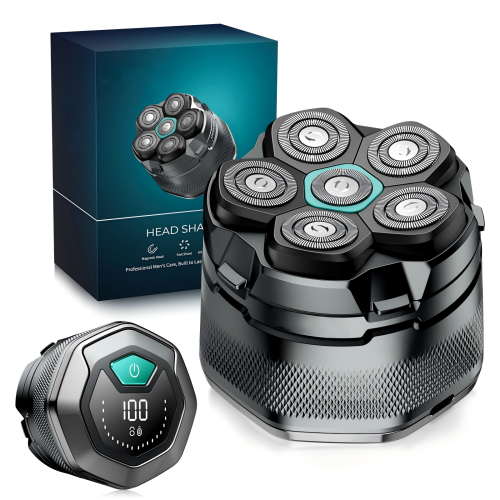
Electric razors for beards serve different purposes depending on how much facial hair you want to keep. An electric shaver is designed to cut hair close to the skin for a clean-shaven finish, while a beard trimmer uses exposed cutting teeth and adjustable combs to maintain a chosen length. Hybrid designs can combine trimming, edging, and shaving functions, although the closeness of the finish varies. That distinction matters for everyday grooming: someone keeping a full beard may need a trimmer for shaping and a shaver for clearing the neck, while someone removing daily stubble may use a shaver alone. Foil shavers have blades that move beneath a thin, perforated metal screen, and their straight shaving surface can be useful for defining the area below a sideburn or beside a moustache. Rotary shavers use circular cutters beneath protective heads, often with movement that helps them follow the jaw and chin. Neither design is automatically the best choice for every beard or skin type; hair density, growth direction, shaving frequency, and technique all affect comfort and results. A close shave on fine daily growth presents a different task from removing several days of dense, wiry hair. Longer growth often needs trimming before shaving so the cutting system can work without repeated passes or excessive pulling. For a short boxed beard or deliberately even stubble, the comb lengths and adjustment increments on a trimmer matter more than how closely a shaver cuts. For a mostly bare face with a retained moustache or goatee, a narrow detail attachment can make the borders easier to manage. The broader Facial Razors for Men category offers another way to explore facial shaving options. Within electric grooming, the most useful distinction remains the intended finish: smooth skin, controlled stubble, or a longer beard with tidy edges. Matching the tool to that finish helps keep the morning routine straightforward, rather than relying on a single cutting head to perform jobs it was not designed to handle.
The feel of an electric razor in the hand can be as important as its cutting system, particularly when working beneath the chin or around the corners of the mouth. A balanced handle, textured grip, and controls positioned away from the natural resting place of the fingers can make careful movements easier. A broad shaving head covers the cheeks efficiently, while a smaller head gives better visibility near a beard line. Flexible heads can help maintain contact along curved areas, but pressure still matters: pressing hard does not necessarily produce a closer shave and can increase irritation. Foil designs are generally used with short, straight strokes, while rotary designs are commonly moved in small circles, following the manufacturer's directions. For skin that becomes uncomfortable with repeated passes, a cutting system that handles the usual beard growth efficiently may be more helpful than adding pressure or shaving the same patch again and again. Wet-and-dry capability allows compatible razors to be used with shaving gel or foam, which some people prefer for glide and comfort. A washable head, however, does not by itself mean that the entire device is suitable for shower use or immersion. Those capabilities depend on the stated water-resistance rating and operating instructions. Beard trimmers bring their own fit considerations: sturdy combs should sit securely against the head, and clearly marked length settings help maintain an even result from one session to the next. Fine adjustment steps are useful for blending short stubble into sideburns, whereas longer combs suit fuller beard shapes. Stainless steel cutting components are common, and some trimmers use ceramic blades; material alone does not determine sharpness, comfort, or service life. Blade alignment, motor performance, head condition, and appropriate maintenance also matter. A dense beard benefits from consistent cutting power, especially around the chin, where hair can gather in several directions. Clear sightlines around the attachment are useful for preserving a cheek line without accidentally taking away more length than intended.
Everyday convenience depends on how an electric razor fits into the spaces and habits around it. Cordless operation allows movement without a cable across the basin, while battery indicators help show whether there is enough charge for a full grooming session. Runtime figures are useful for comparison, but actual use can vary with beard density, operating mode, and battery age. A quick-charge function may provide enough power for a brief shave on compatible models; it should not be assumed to deliver a full charge. Corded operation is a separate feature, and many wet-and-dry shavers cannot be used while plugged in. For travel, a lock helps prevent accidental activation inside a bag, and a protective cap or fitted case shields delicate foils and keeps attachments together. Charging connections also deserve attention, since a familiar-looking port does not guarantee that a cable or power adapter is included. Care requirements influence how pleasant a razor is to own over time. Loose clippings need regular removal, rinseable parts should dry as directed before storage, and cutting components may require lubrication with the type of oil specified by the manufacturer. Thin foils can be damaged by tapping them against the sink or scrubbing them with an unsuitable brush. Automatic cleaning systems can simplify maintenance, though their cleaning fluid and cartridge requirements become part of the routine. Durable ownership also depends on being able to replace worn foils, cutters, blades, and combs rather than continuing to use parts that pull hair or have visible damage. Replacement intervals vary, so the manufacturer's schedule and the condition of the cutting head both matter. Electric beard grooming tools can make practical gifts for someone establishing a shaving routine, maintaining a carefully shaped beard, or wanting a dedicated travel setup. The recipient's usual facial hair style is a better starting point than the number of attachments in a box. A comfortable grip, suitable cutting lengths, manageable cleaning requirements, and the right shaving finish are the details that make an electric razor useful day after day.
Top selling and popular products
-
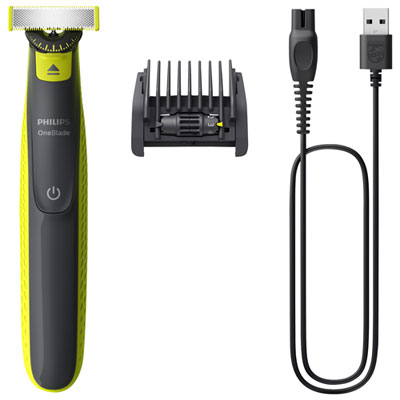 Your price for this item is $49.99
-
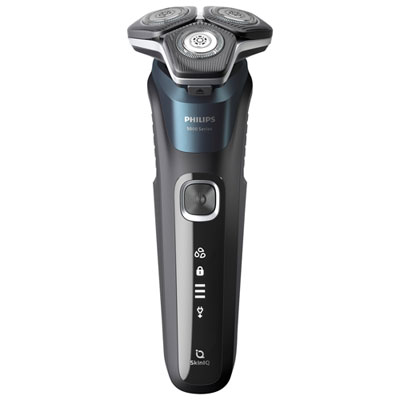 Your price for this item is $149.99
-
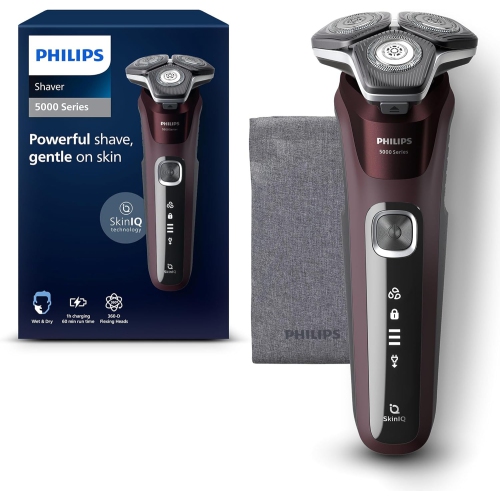 Your price for this item is $99.97
-
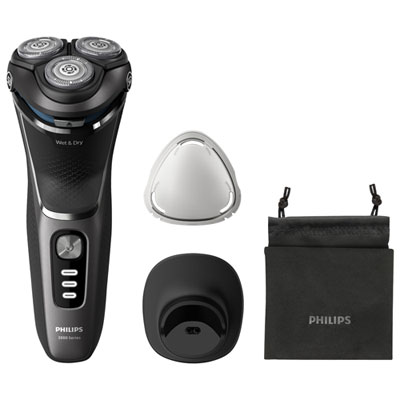 Your price for this item is $89.99
-
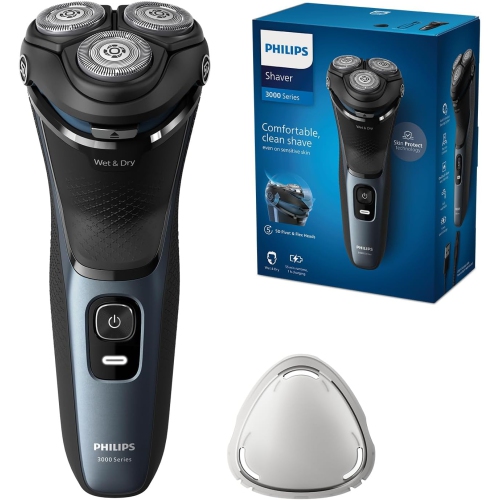 Your price for this item is $99.97
-
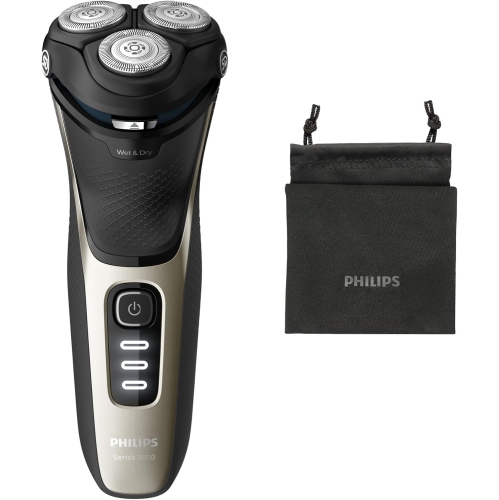 Your price for this item is $47.95
-
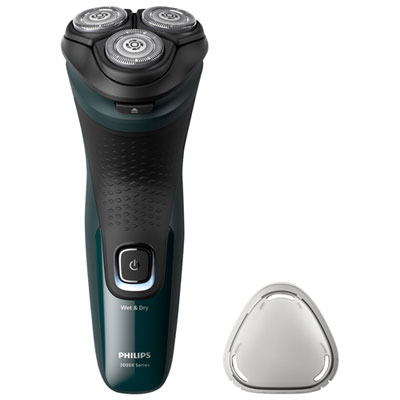 Your price for this item is $39.99
-
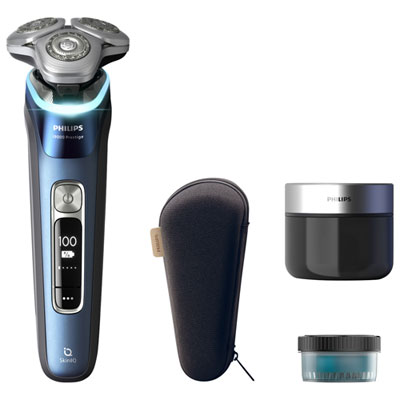 Your price for this item is $299.99
Discover more categories related to Electric Razors for Beards

Top Collections:
Pokemon Centers, Best Cameras for Sports Photography, Kindle Devices, Samsung Galaxy Phones, Canon G7X Cameras, Pokémon 30th Celebration Cards, Refurbished Apple Laptops, iPhone 15 Apple, Laptops for Students, Budget Smartphones
Some products may be subject to Environmental Handling Fees
(EHF) depending on your province.
Learn more about EHFs.