Flossers for Braces
Achieve impeccable oral hygiene with this selection of flossers specially designed for braces. Keeping your teeth and gums healthy while undergoing orthodontic treatment is crucial, and these flossers make the task a breeze. Say goodbye to struggling with traditional floss and embrace the convenience and effectiveness of flossers tailored to meet the unique needs of braces wearers. Shop our assortment today and make caring for your braces easier and more efficient.
Sort
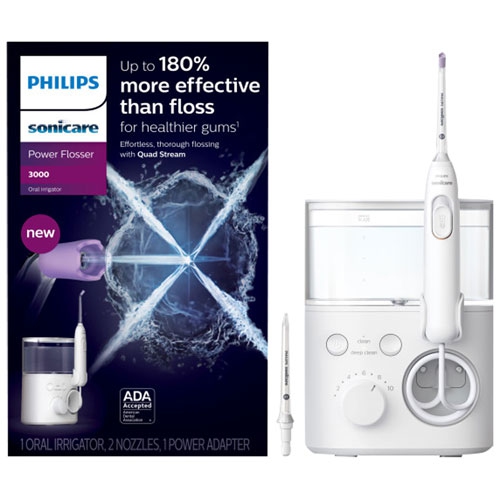
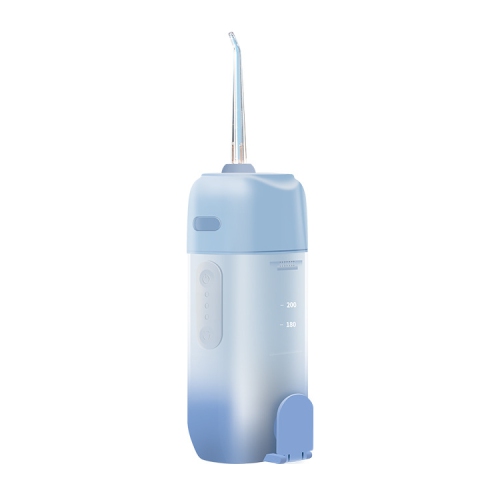
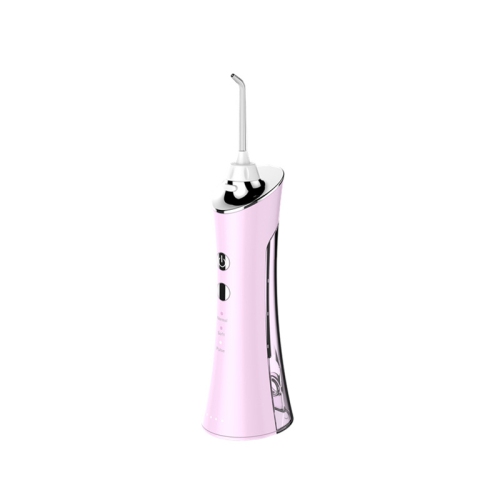
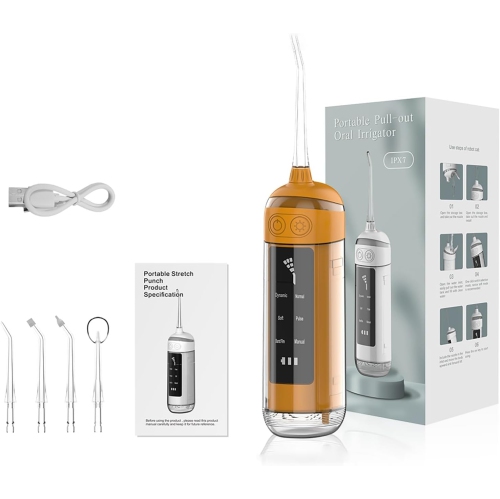
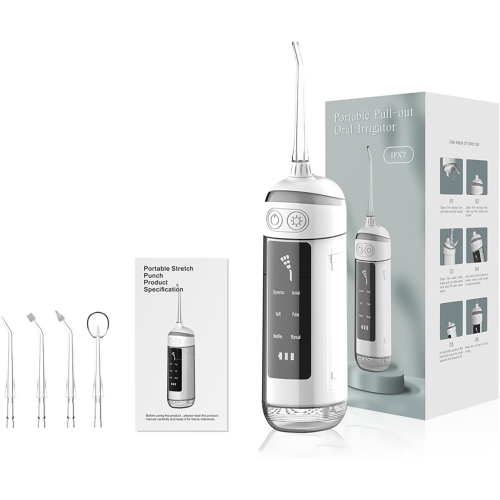
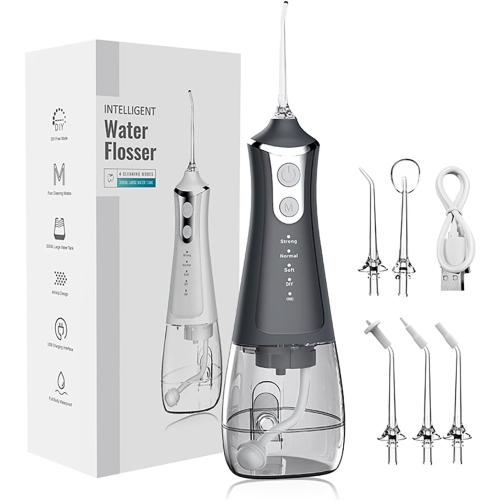
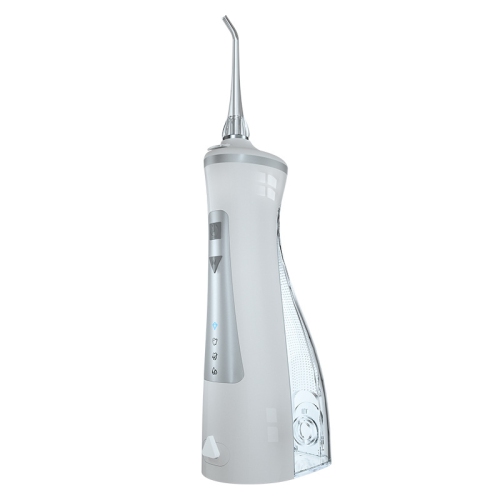
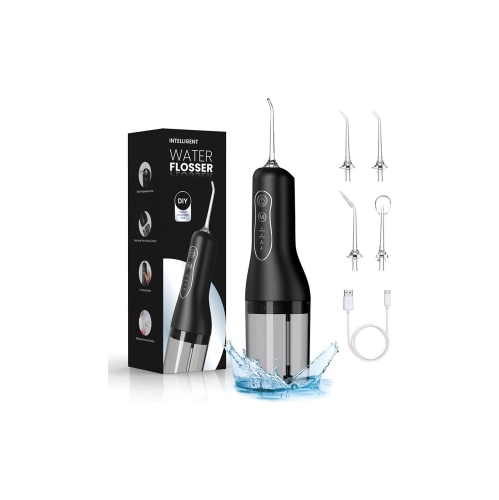
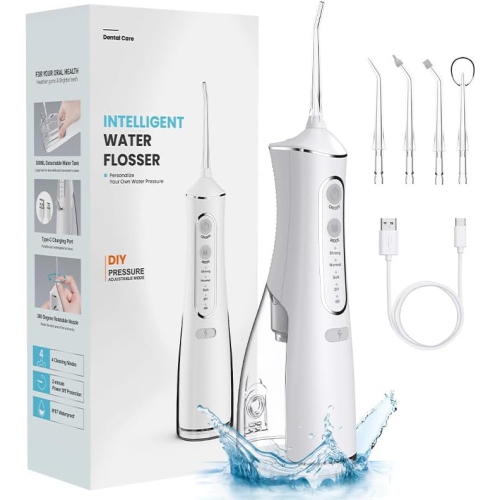
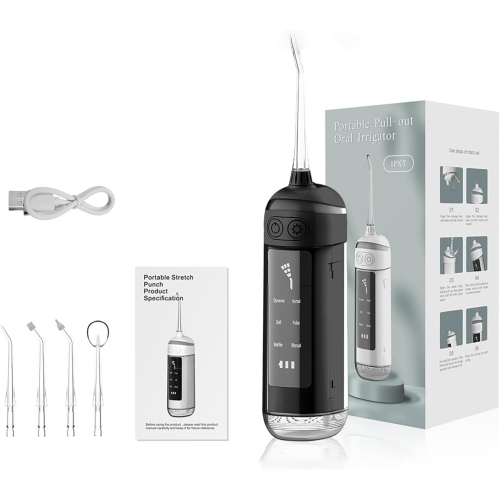
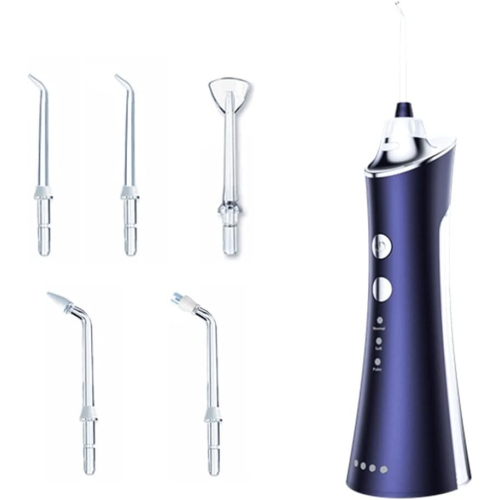
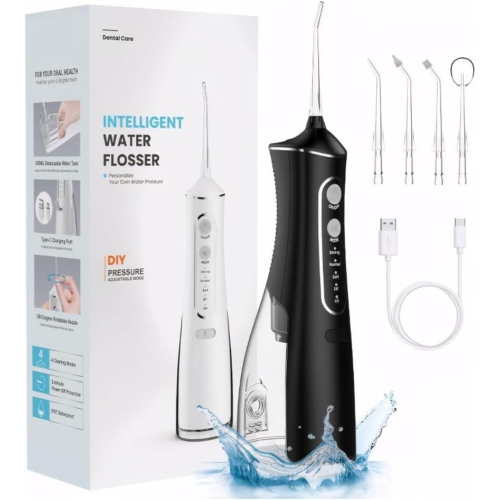
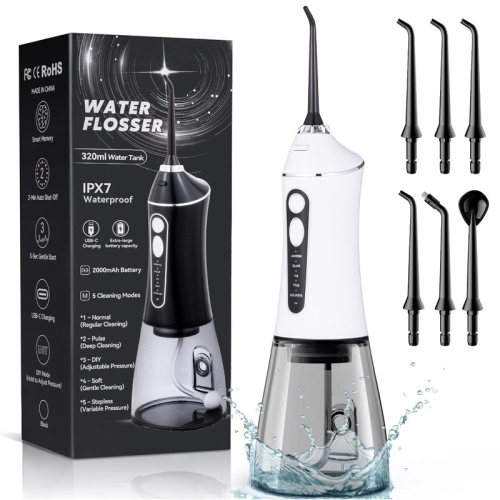
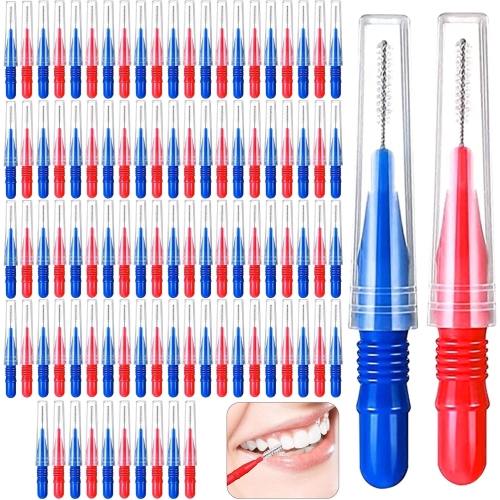
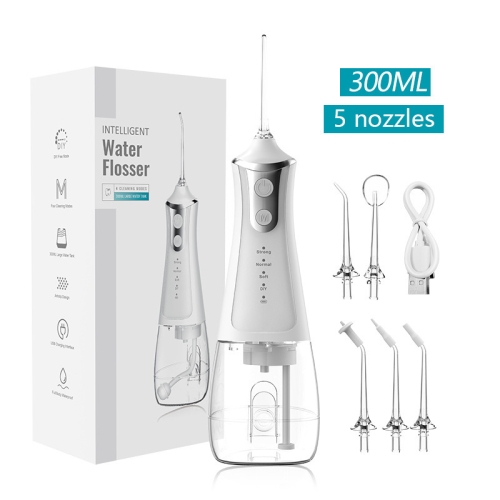
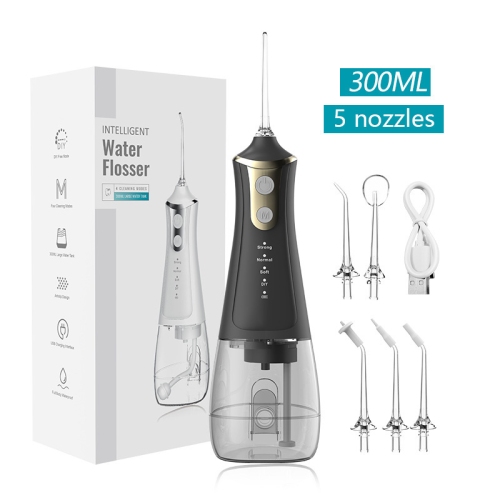

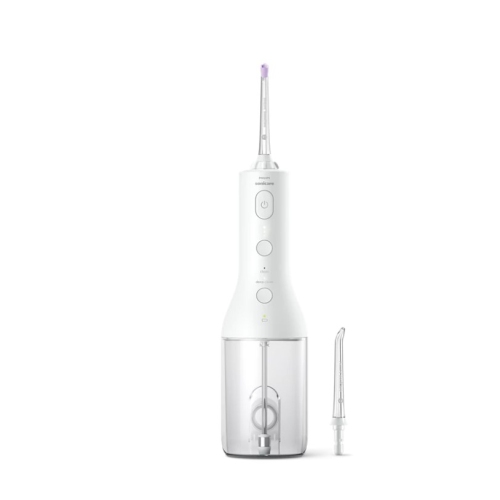
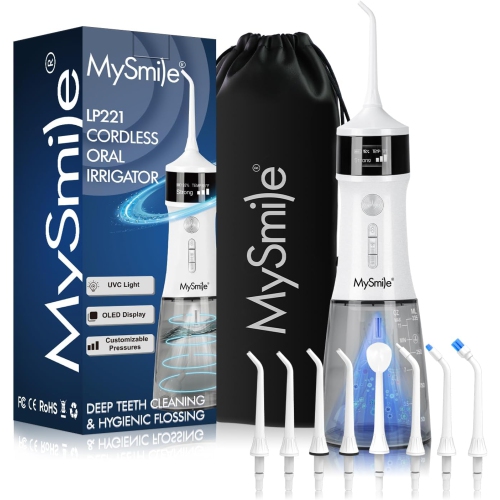
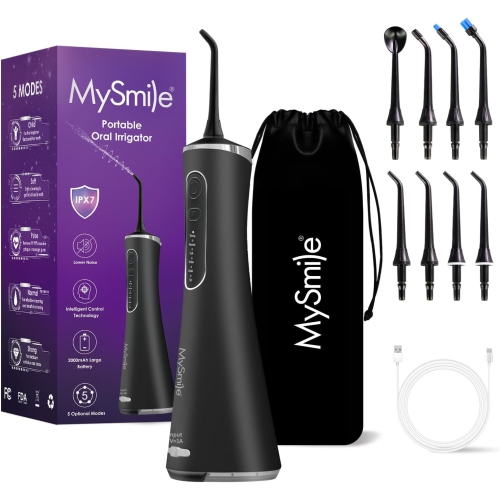
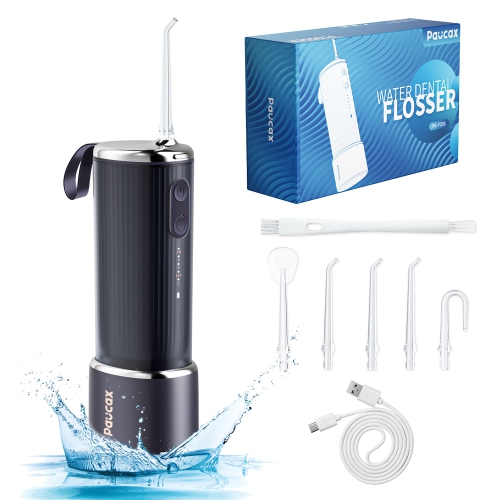
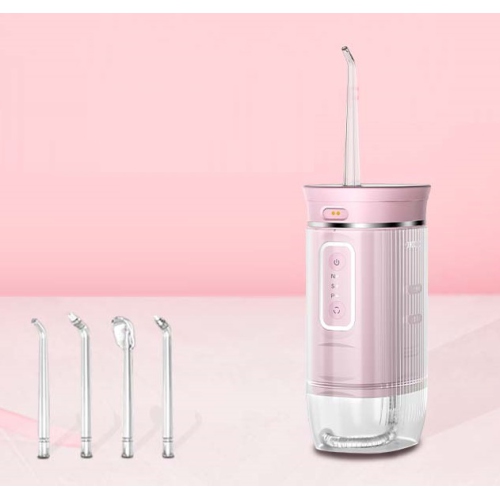
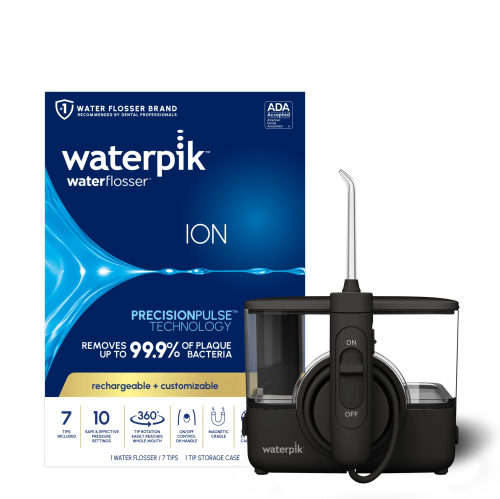
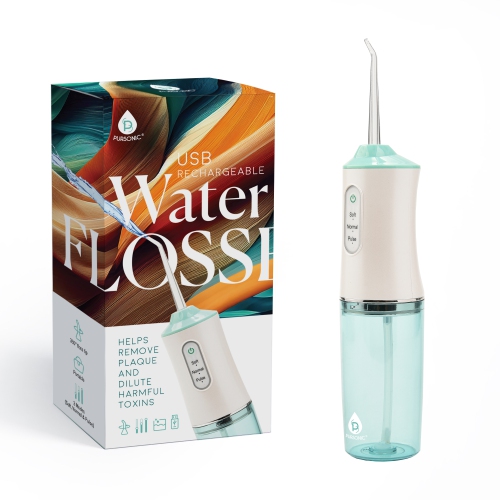
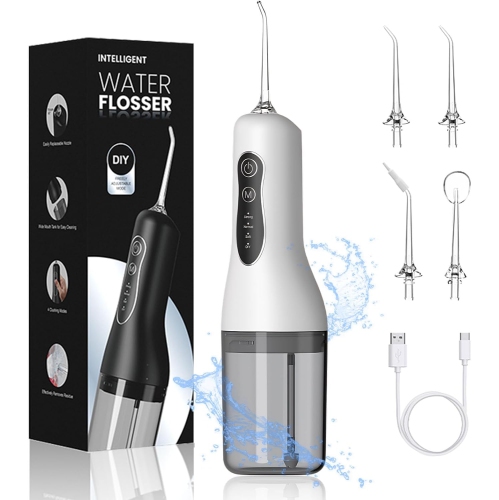
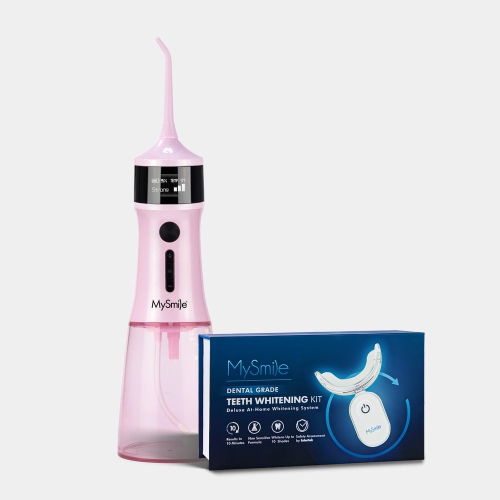
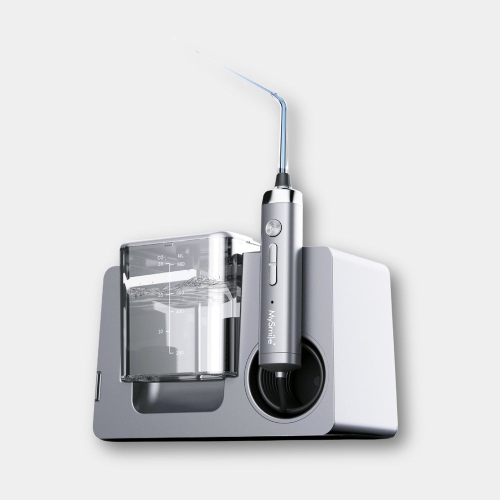
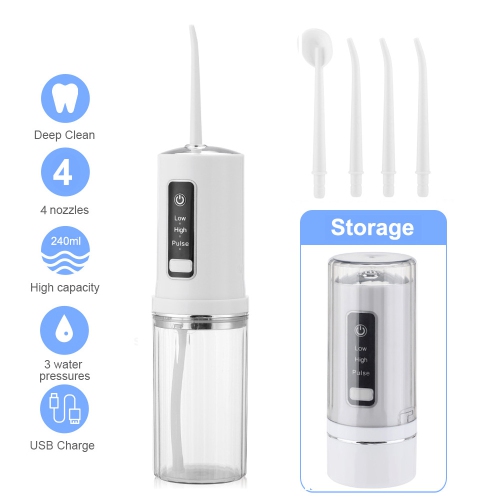
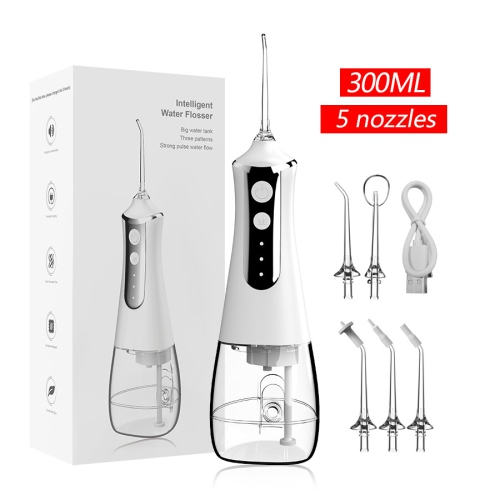
How flossing tools reach beneath wires and around brackets
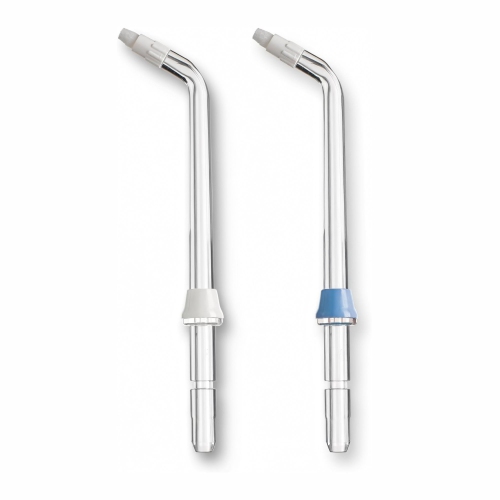
Flossers for braces are oral care tools designed to help clean between teeth and around the wires and brackets that make ordinary floss harder to position. Their main advantage is access: a slim orthodontic floss pick, a threadable length of floss, or a directed stream of water can reach spaces that brushing alone may miss. For someone with fixed braces, that can mean clearing a strand of food caught beside a bracket after lunch or cleaning between closely spaced teeth at the end of the day. Orthodontic floss picks differ from standard picks because some have a thin, flattened arm designed to fit beneath the archwire, allowing the floss to reach between neighbouring teeth without a separate threader. This shape can make the tool easier to position, although clearance varies with bracket size, wire placement, and the spacing between teeth. A pick that fits comfortably near the front teeth may be harder to manoeuvre around the back molars, where a compact head and an angled handle can be useful. Floss threaders offer another approach: their flexible loop carries a separate piece of floss beneath the wire, giving the user more control over the length and type of floss. Pre-cut orthodontic floss may combine a stiffened threading end, a thicker section for cleaning around dental appliances, and a regular floss section for the spaces between teeth. These formats serve related purposes but feel different in the hand and mouth. Teenagers managing braces at school may appreciate a compact manual option, while adults with fixed orthodontic appliances may prefer the flexibility of a threader for reaching awkward spaces. Younger users may need help positioning the floss without pressing against the gums or pulling on the wire. The most suitable format depends on the appliance, hand control, and comfort, rather than a single design being the best choice for everyone.
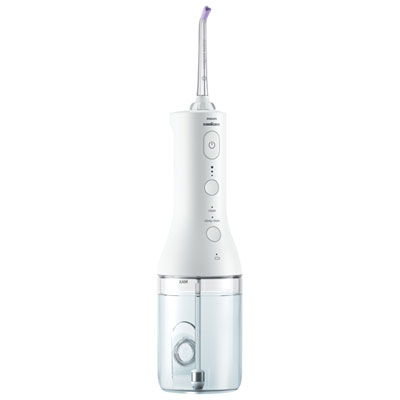
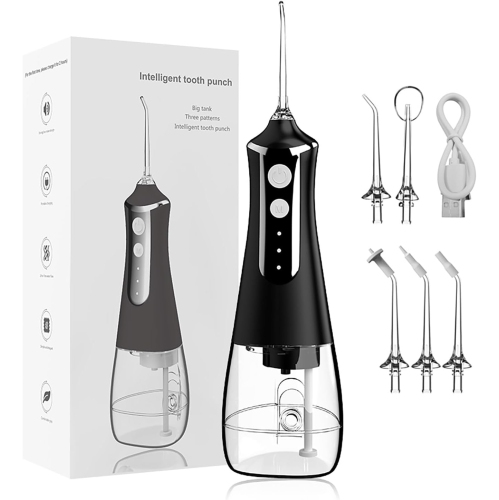
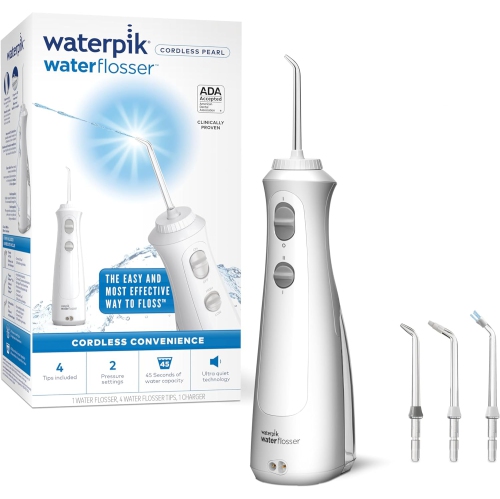
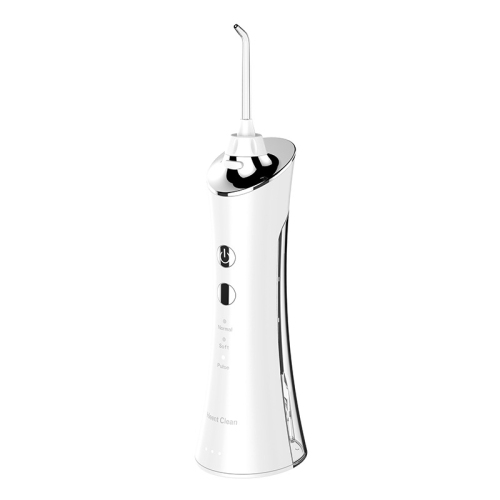
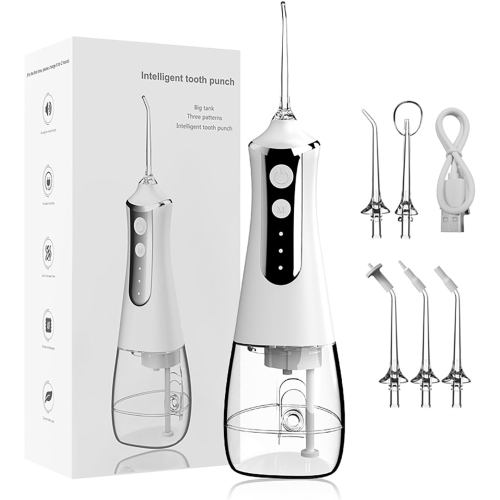
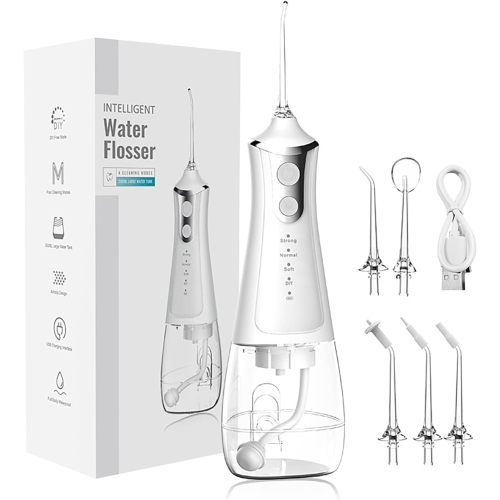
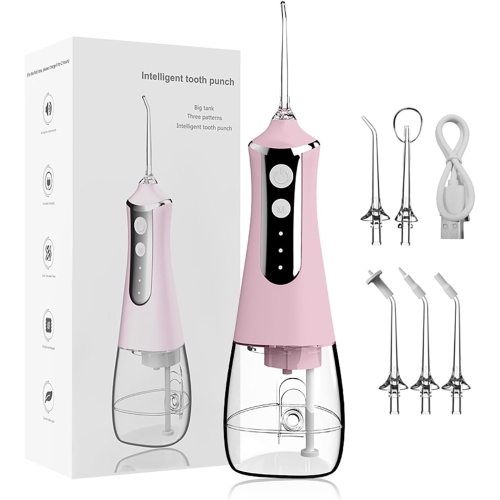
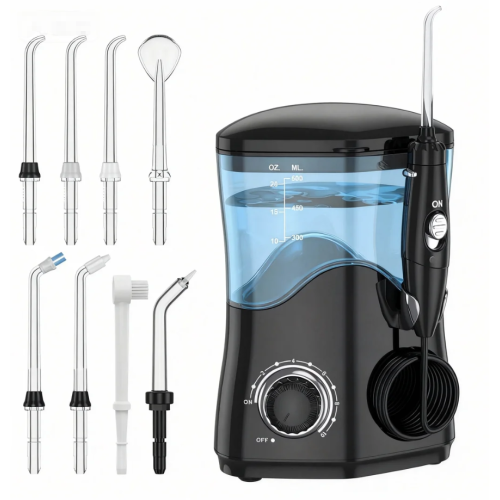
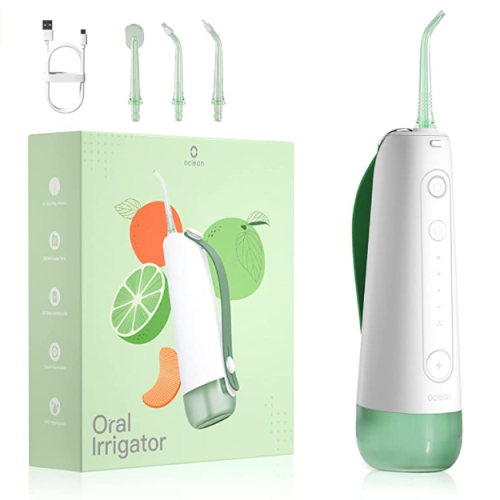
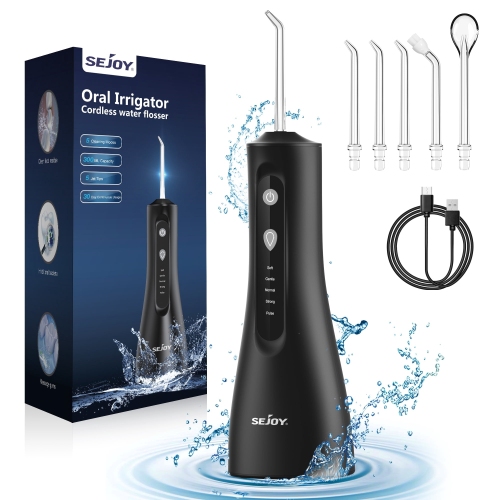
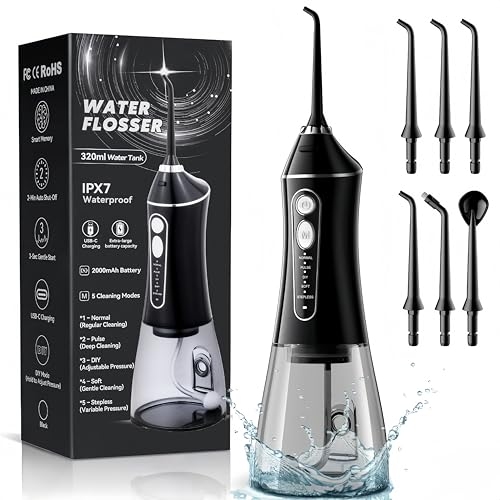
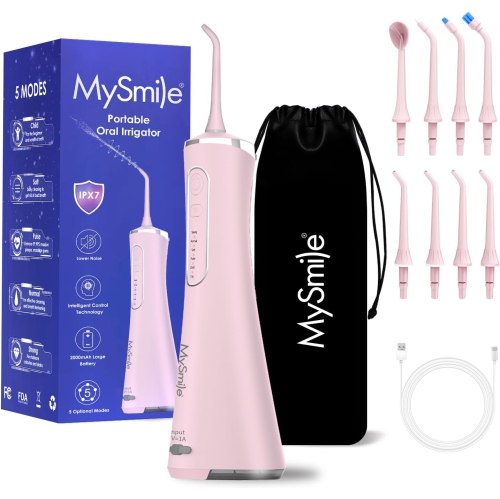
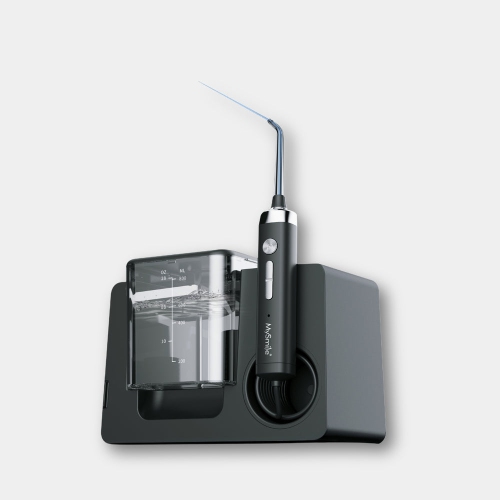
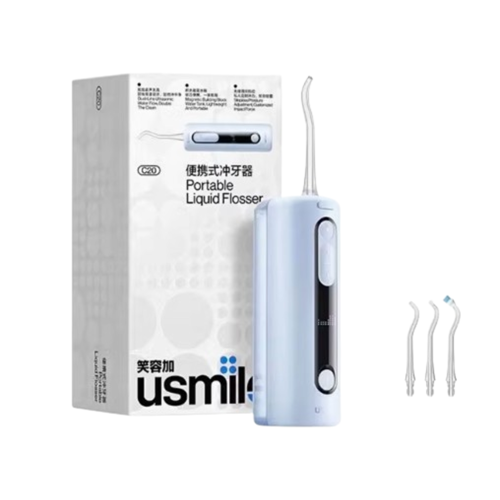
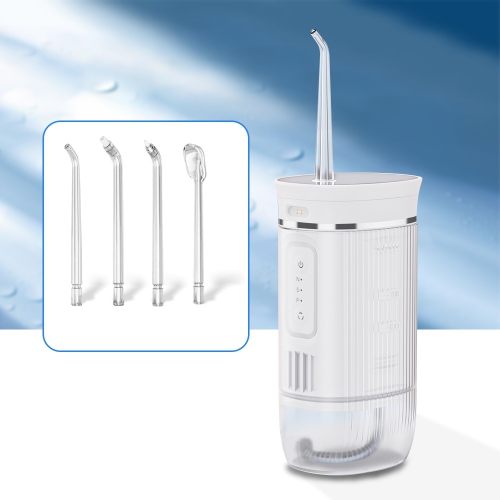
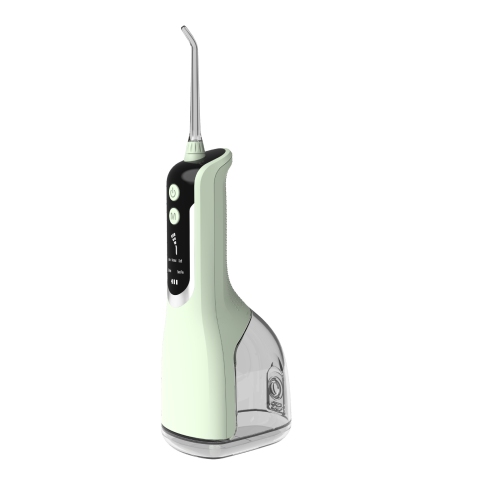
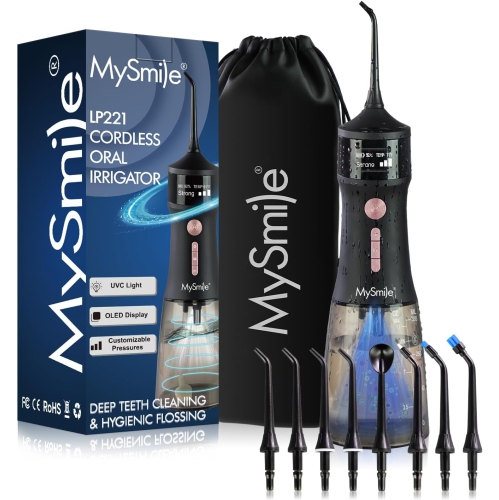
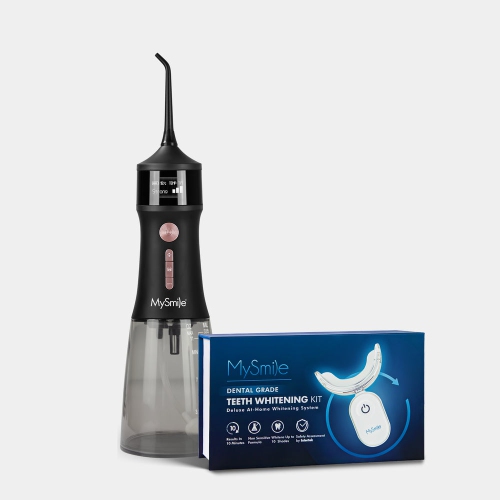
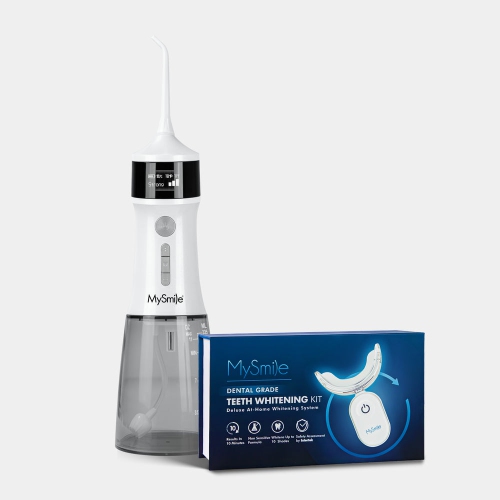
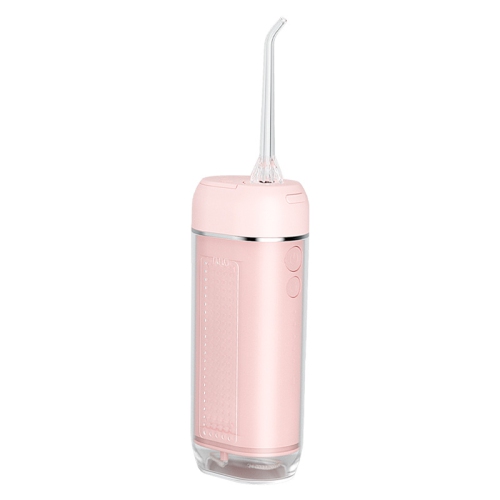
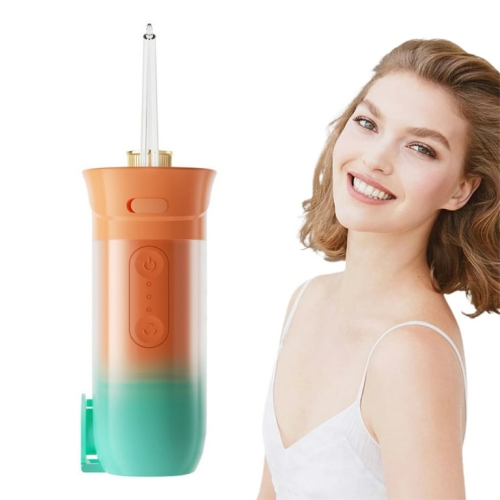
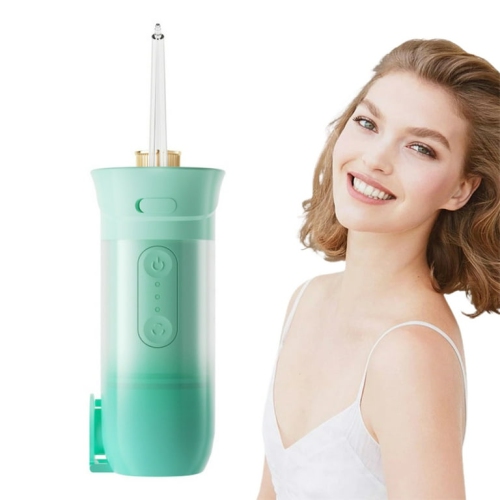
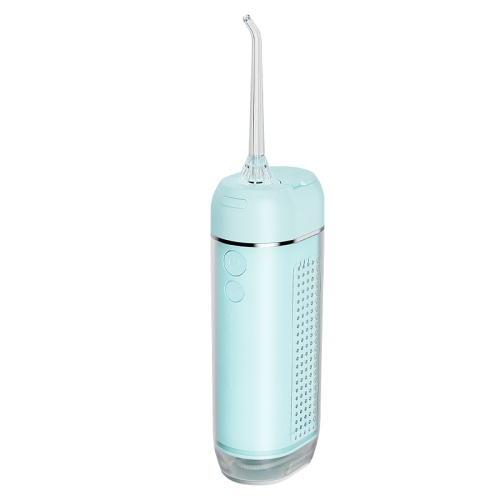
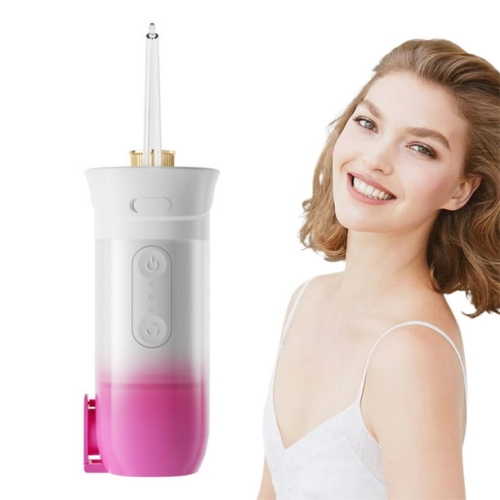
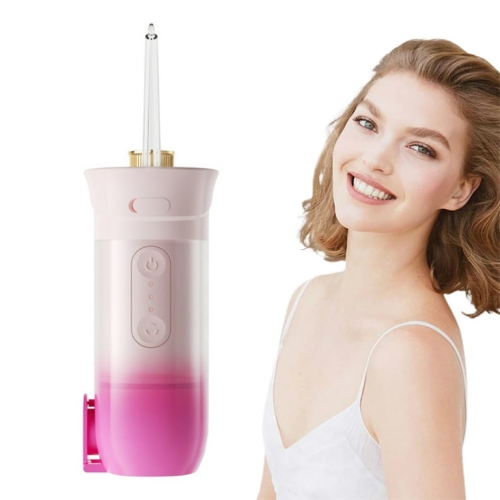
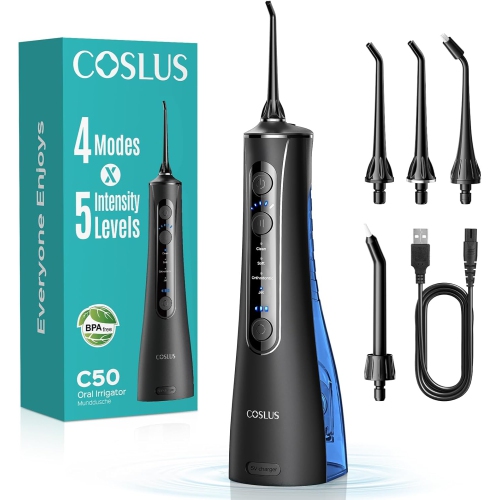
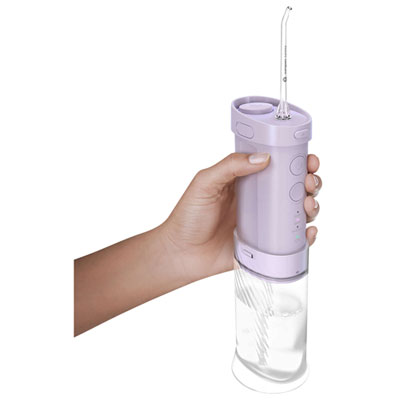
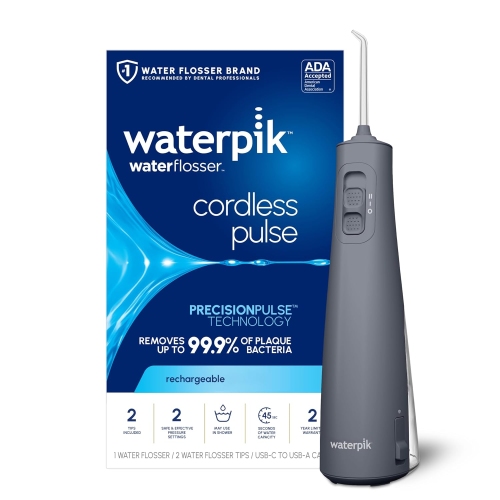
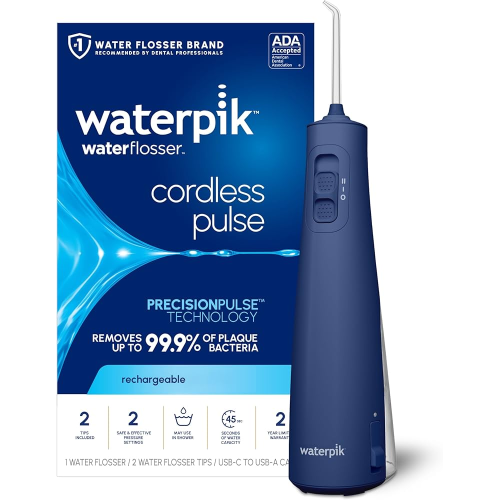
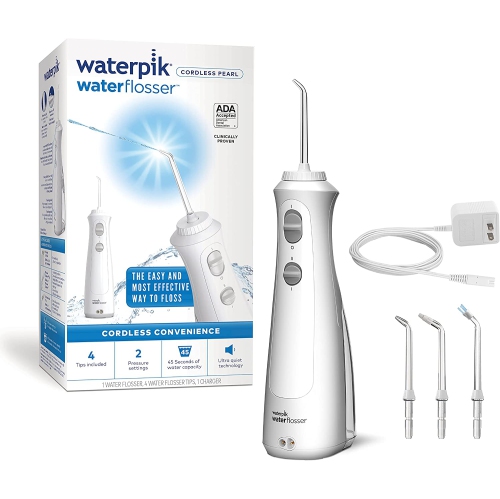
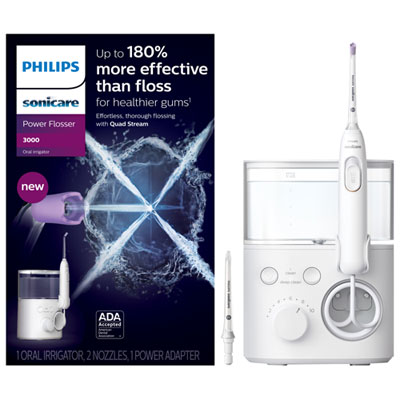
Materials and fit have a noticeable effect on everyday use. Manual orthodontic flossers commonly pair a moulded plastic handle with a short length of floss, while separate floss can vary in thickness, texture, and coating. A smooth or waxed strand may slide more easily through tight contact points; a broader, softer section may be useful around accessible areas beside brackets or other fixed appliances. Shred resistance matters because rough edges and close contacts can catch fibres, but no strand should be forced through a space where it repeatedly snags. Persistent catching is worth mentioning to the orthodontic team, particularly if it occurs beside the same bracket or wire. Handle shape also deserves attention. A small gripping area can be convenient for carrying, while a longer handle or textured surface may be easier to control with wet hands or limited dexterity. A thin arm needs enough clearance to pass beneath the archwire without levering against it, and a bulky standard floss pick may not provide that clearance. For households interested in powered options, Electric Flossers include water-based formats that direct a stream around the gumline and orthodontic hardware. Water flossers can help flush away trapped food and support cleaning around difficult-to-reach areas, but their role alongside brushing and between-teeth cleaning should reflect advice from a dental professional. Countertop designs typically offer a separate reservoir and a handpiece connected by a hose, making them suited to a regular bathroom setup. Cordless designs combine the water supply and handpiece in one unit, which can be convenient for a shared bathroom or an overnight bag. Reservoir capacity affects how often refilling is needed, while the filled weight influences how comfortable the unit feels during use. Adjustable pressure, accessible controls, and a tip that is easy to angle can be especially useful when working around brackets. Some tips are intended for orthodontic appliances, though tip compatibility and permitted uses vary by device.
Care and durability are part of choosing flossers for braces, especially when the tools will be used throughout a course of orthodontic treatment. Single-use floss picks and pre-cut floss are intended to be discarded after use; a strand that has stretched, frayed, or collected debris is not suitable for another cleaning session. Reusable accessories and water flosser components need cleaning and drying according to their care directions. Removable reservoirs, accessible openings, and straightforward tip removal can make that upkeep less fiddly, particularly in a busy household where the bathroom counter is shared. A reservoir that can be emptied easily is practical for travel, and a protective case can help keep a dry device and its accessories together in a bag. For powered units, battery runtime, charging arrangements, and access to a suitable outlet affect where the device fits into daily life. Water resistance also varies, so suitability for use near a sink should not be mistaken for permission to immerse a handle, charger, or base. Replaceable tips and clearly distinguishable attachments can be useful in households where more than one person uses a compatible base, provided each person has a separate tip and the device supports shared use. Comfort is just as important as construction. After an orthodontic adjustment, teeth and gums may feel tender, making gentle handling and an appropriate pressure setting more relevant than extra functions. Floss should move with control rather than snap into the gums, and any tool that requires bending a wire or pressing hard against a bracket is a poor fit for that space. Frequent bleeding, ongoing pain, or difficulty cleaning a particular area should be discussed with a dentist or orthodontist. For students, working adults, and caregivers helping a child with braces, a useful selection may include a compact option away from home and a more substantial setup beside the bathroom sink. The common purpose is consistent, manageable oral care: reaching around fixed hardware while treating teeth, gums, and orthodontic components gently.
Materials and fit have a noticeable effect on everyday use. Manual orthodontic flossers commonly pair a moulded plastic handle with a short length of floss, while separate floss can vary in thickness, texture, and coating. A smooth or waxed strand may slide more easily through tight contact points; a broader, softer section may be useful around accessible areas beside brackets or other fixed appliances. Shred resistance matters because rough edges and close contacts can catch fibres, but no strand should be forced through a space where it repeatedly snags. Persistent catching is worth mentioning to the orthodontic team, particularly if it occurs beside the same bracket or wire. Handle shape also deserves attention. A small gripping area can be convenient for carrying, while a longer handle or textured surface may be easier to control with wet hands or limited dexterity. A thin arm needs enough clearance to pass beneath the archwire without levering against it, and a bulky standard floss pick may not provide that clearance. For households interested in powered options, Electric Flossers include water-based formats that direct a stream around the gumline and orthodontic hardware. Water flossers can help flush away trapped food and support cleaning around difficult-to-reach areas, but their role alongside brushing and between-teeth cleaning should reflect advice from a dental professional. Countertop designs typically offer a separate reservoir and a handpiece connected by a hose, making them suited to a regular bathroom setup. Cordless designs combine the water supply and handpiece in one unit, which can be convenient for a shared bathroom or an overnight bag. Reservoir capacity affects how often refilling is needed, while the filled weight influences how comfortable the unit feels during use. Adjustable pressure, accessible controls, and a tip that is easy to angle can be especially useful when working around brackets. Some tips are intended for orthodontic appliances, though tip compatibility and permitted uses vary by device.
Care and durability are part of choosing flossers for braces, especially when the tools will be used throughout a course of orthodontic treatment. Single-use floss picks and pre-cut floss are intended to be discarded after use; a strand that has stretched, frayed, or collected debris is not suitable for another cleaning session. Reusable accessories and water flosser components need cleaning and drying according to their care directions. Removable reservoirs, accessible openings, and straightforward tip removal can make that upkeep less fiddly, particularly in a busy household where the bathroom counter is shared. A reservoir that can be emptied easily is practical for travel, and a protective case can help keep a dry device and its accessories together in a bag. For powered units, battery runtime, charging arrangements, and access to a suitable outlet affect where the device fits into daily life. Water resistance also varies, so suitability for use near a sink should not be mistaken for permission to immerse a handle, charger, or base. Replaceable tips and clearly distinguishable attachments can be useful in households where more than one person uses a compatible base, provided each person has a separate tip and the device supports shared use. Comfort is just as important as construction. After an orthodontic adjustment, teeth and gums may feel tender, making gentle handling and an appropriate pressure setting more relevant than extra functions. Floss should move with control rather than snap into the gums, and any tool that requires bending a wire or pressing hard against a bracket is a poor fit for that space. Frequent bleeding, ongoing pain, or difficulty cleaning a particular area should be discussed with a dentist or orthodontist. For students, working adults, and caregivers helping a child with braces, a useful selection may include a compact option away from home and a more substantial setup beside the bathroom sink. The common purpose is consistent, manageable oral care: reaching around fixed hardware while treating teeth, gums, and orthodontic components gently.
Top selling and popular products
-
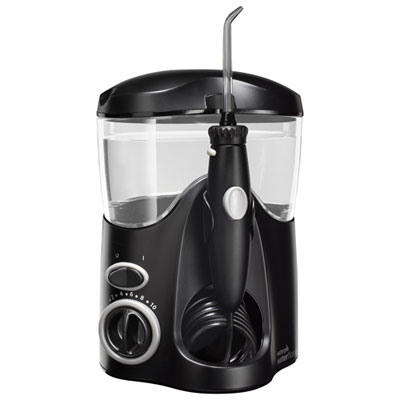 Your price for this item is $84.95
 -
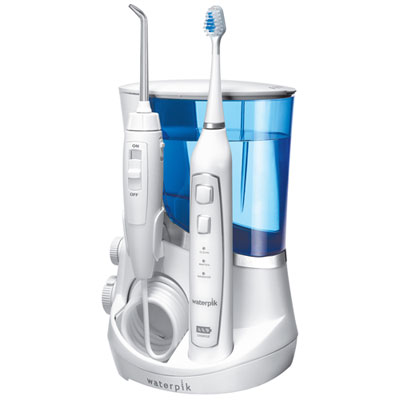 Your price for this item is $139.95
 -
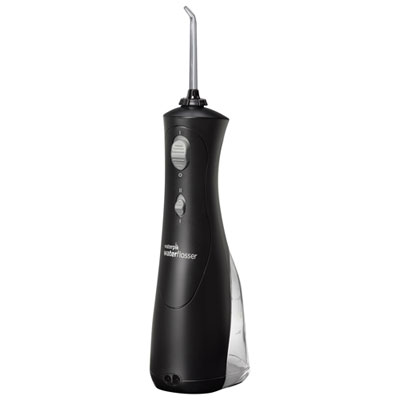 Your price for this item is $74.99
 -
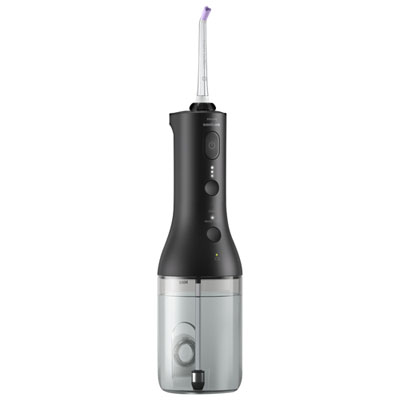 Your price for this item is $99.99
 -
 Your price for this item is $56.99
 -
 Your price for this item is $56.99
 -
 Your price for this item is $73
 -
 Your price for this item is $99.95
Discover more categories related to Flossers for Braces
Top Collections:
Pokemon Centers, Kindle Devices, Best Budget Office Chairs, Apple iPhones 16, Canon G7X Cameras, iPhone 15 Apple, Alarm Clock, Refurbished Apple Laptops, Flip Phones, Best Laptops for Writers
Some products may be subject to Environmental Handling Fees
(EHF) depending on your province.
Learn more about EHFs.