Flossing Electric Toothbrushes
Flossing Electric Toothbrush options are designed to help make your daily oral care routine more convenient and effective. Combining the power of advanced technology with user-friendly features, these toothbrushes offer an enhanced approach to maintaining a clean and healthy smile. Explore a variety of Flossing Electric Toothbrush models to find the perfect addition to your bathroom essentials, making it easy to achieve a fresh feeling every day.
Sort
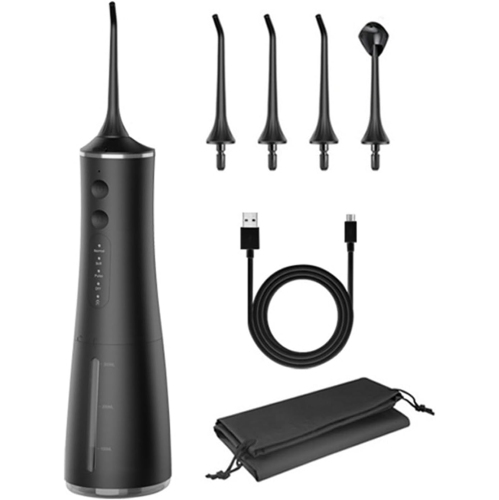
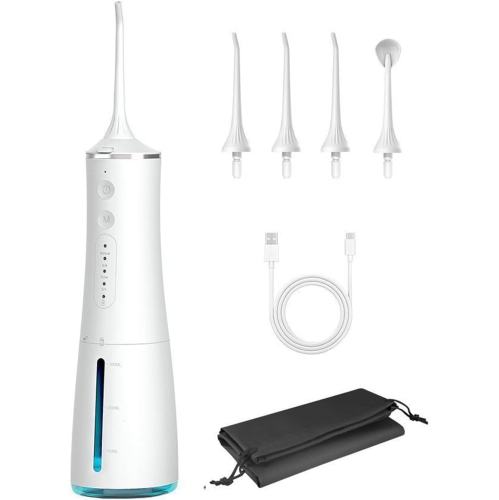
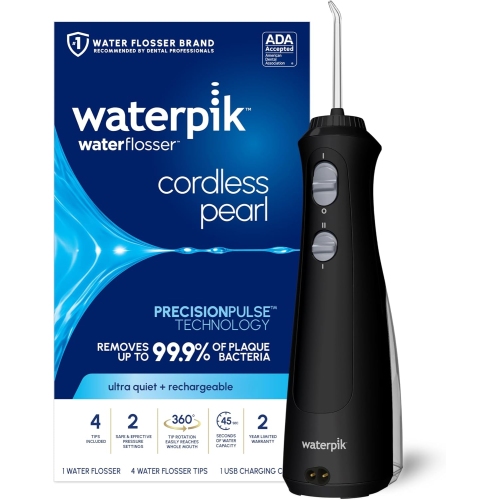
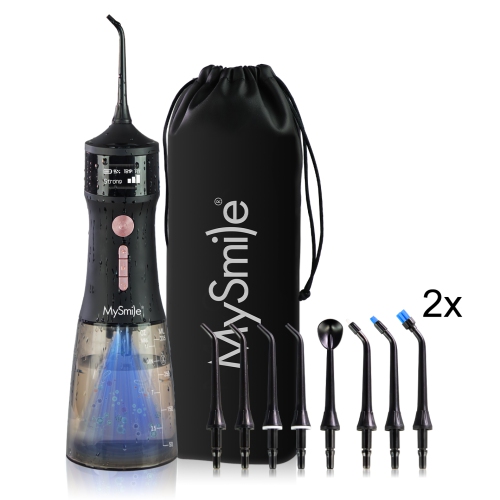
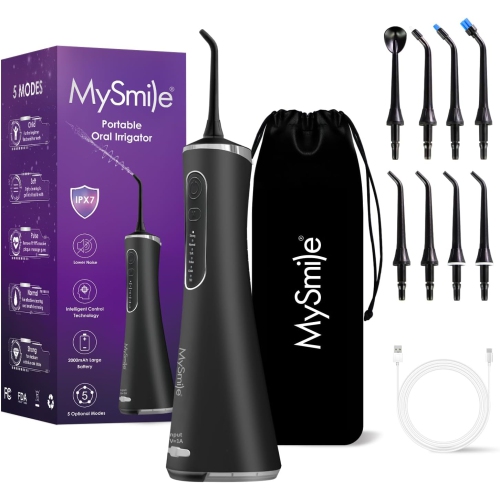
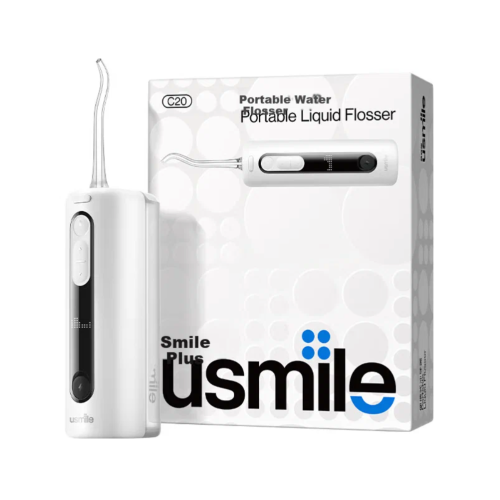
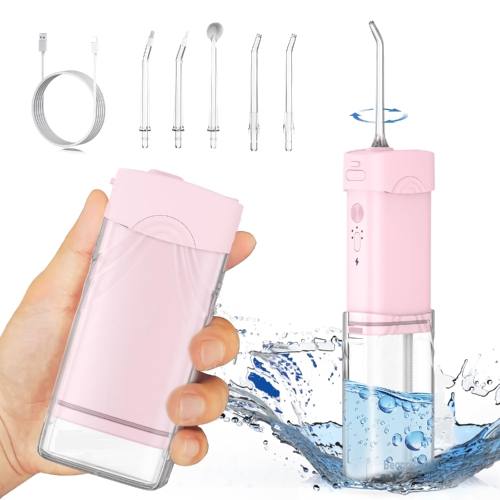
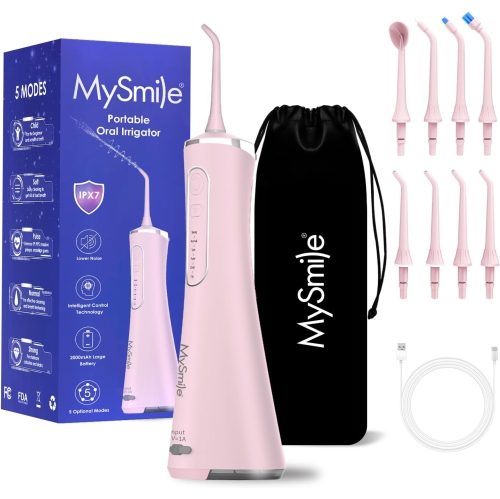
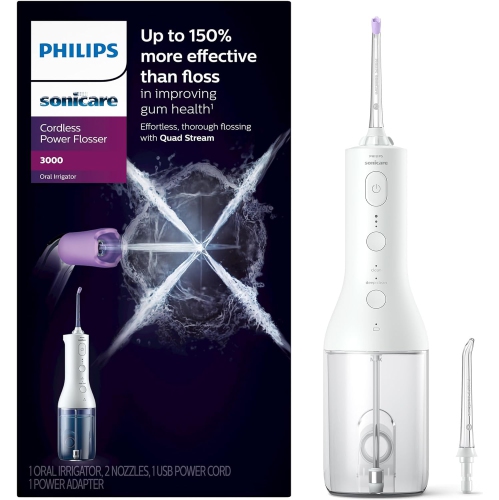
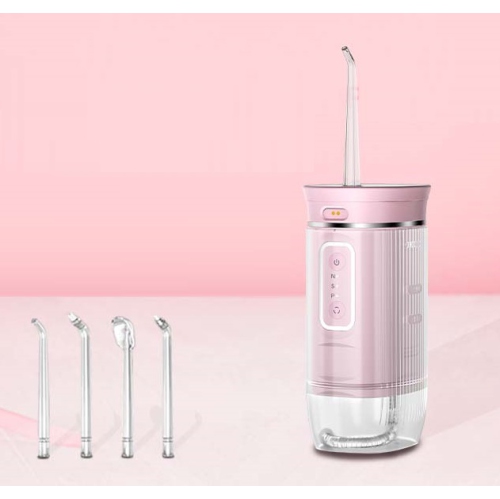
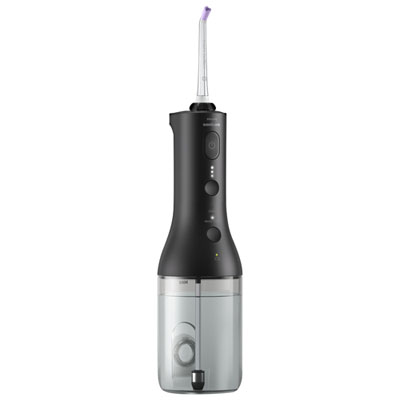
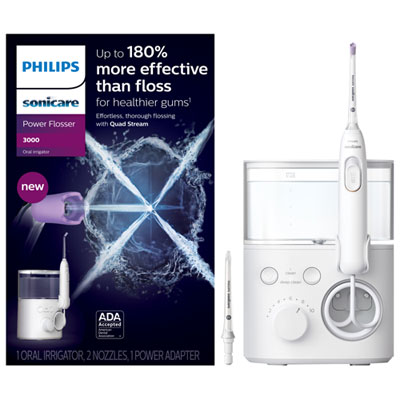
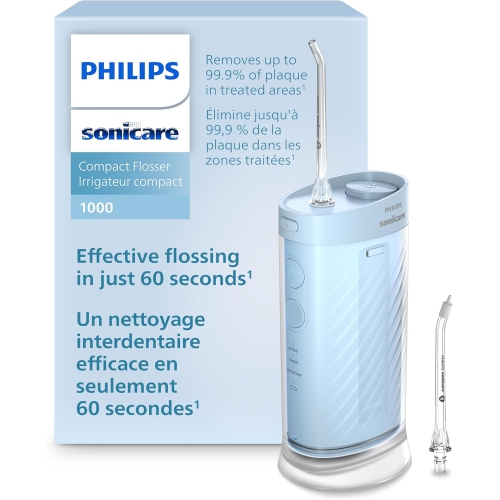
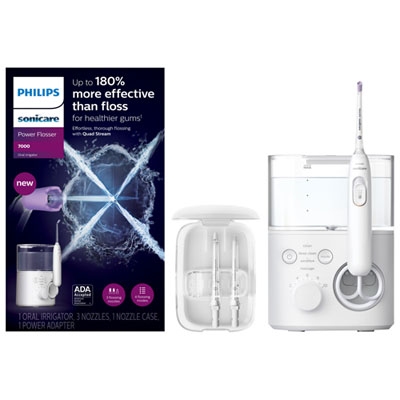
How brushing and water flossing fit together
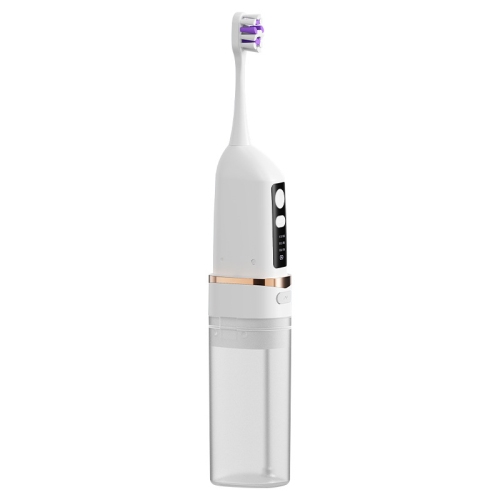
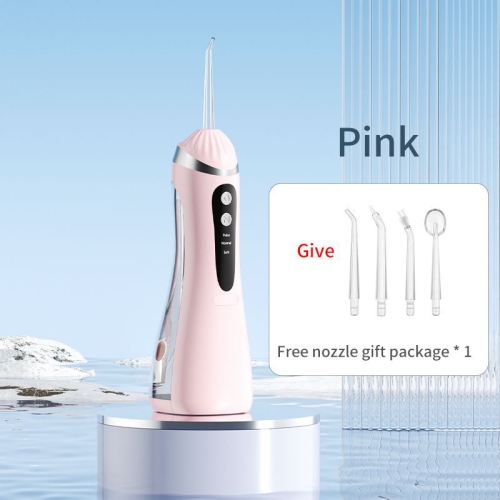
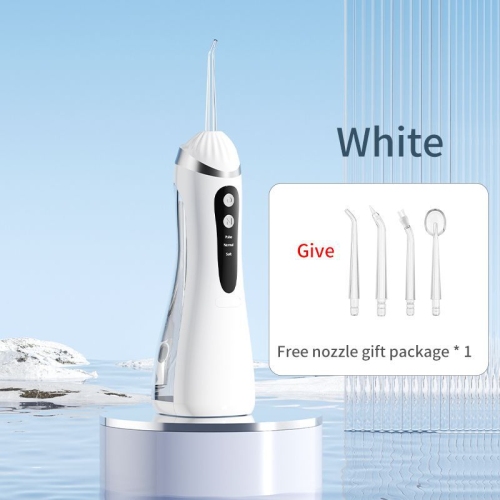
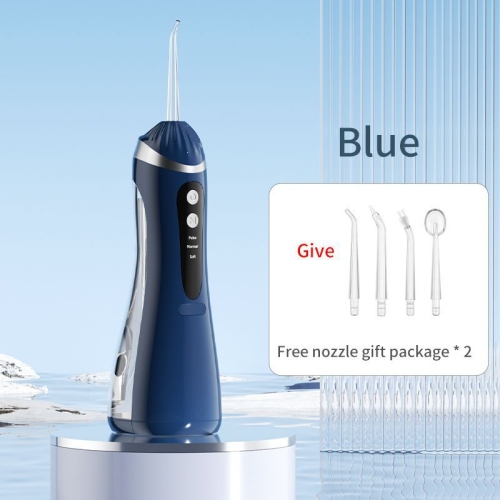
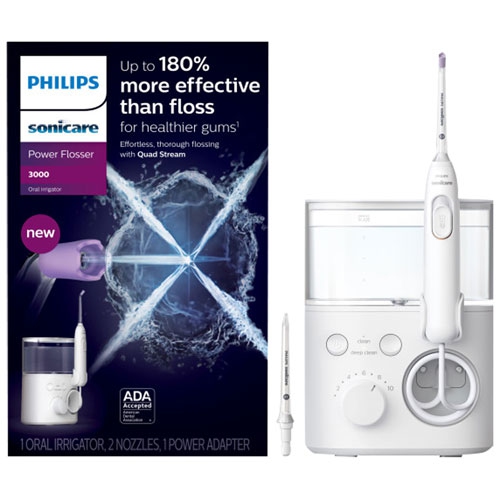
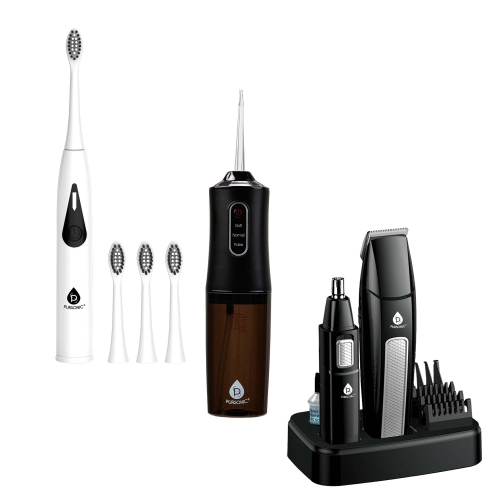
Flossing electric toothbrushes bring powered brushing and between-teeth cleaning into the same daily routine, but the term describes more than one design. A 2-in-1 electric toothbrush with a built-in water flosser sends a stream of water through an opening in the brush head. Depending on the design, it can brush and water-floss at the same time or let each function run on its own. That distinction matters for someone who wants to make a separate pass along the gumline after brushing rather than manage both actions at once. Other combinations share a countertop base but have two handles: an electric toothbrush and a water flosser with a narrow tip that can be aimed independently of the brush. An electric toothbrush with a flossing-style head is different from either of these. It uses bristles of different lengths or shapes to reach into the contours where teeth meet, but it does not send water between the teeth. The distinction is easy to miss when looking at brush heads, especially since a combined head may look much like a conventional electric toothbrush head. Powered bristles sweep plaque from the front, back and chewing surfaces of the teeth, while a water flosser directs a stream along the gumline and into spaces that are harder to reach with a brush alone. Water can help clear trapped food around dental work, but neither a water stream nor a flossing-style brush head does exactly what string floss does when it slides between a tight contact and wraps around the side of a tooth. A dental professional can help determine where string floss, a water flosser or another between-teeth cleaner fits, particularly for someone with braces, a bridge or implants. For a household comparing formats, the practical difference is whether both functions should be in one hand, on separate handles at one station or part of a routine that already includes a separate flossing tool.
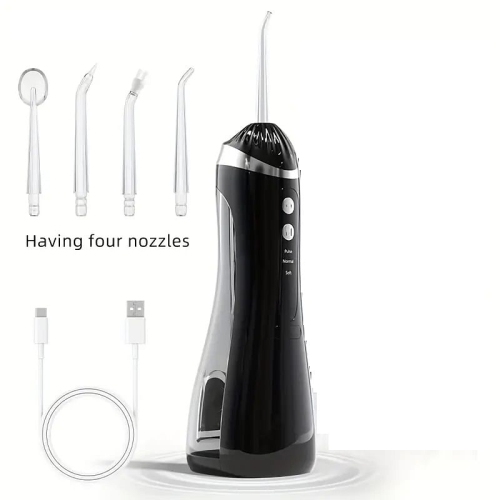
The parts that make contact with the teeth and gums often tell more about day-to-day comfort than the number of modes on the handle. A compact head leaves more room to angle the bristles behind a back molar, while a longer head covers more of the tooth surface in one pass. Soft nylon bristles offer a gentler option, and a handle with a textured grip and easy-to-feel controls can be easier to hold when wet or when hand movement is limited. A brushing pressure sensor and an adjustable water pressure setting solve different problems: the sensor signals when the brush is being pressed too firmly against the teeth, while the water control changes the strength of the stream. Low water pressure can be useful while getting accustomed to the sensation and learning to aim the tip without splashing. A separate nozzle gives more freedom to angle the stream around a bracket or under a wire; with an integrated head, the position of the water opening is tied to the position of the bristles. For someone who regularly finds bits of food caught around brackets after a meal, Flossers for Braces offers another way to compare designs meant to reach around orthodontic hardware. Some water flossers accept orthodontic tips with a small cluster of bristles around the opening, while others use a standard narrow nozzle. The shape of the tip, how easily it turns and whether the controls can be reached without changing grip all affect how manageable cleaning feels at the sink. A built-in timer can help pace brushing, but it is still worth noting whether the water can be paused on its own, particularly when moving the head or tip from one side of the mouth to the other.
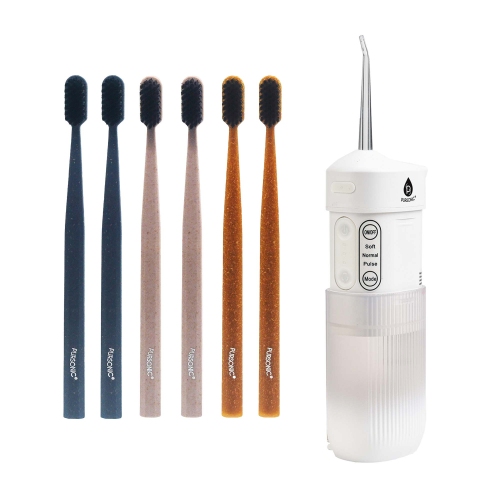
Sink space and everyday care are especially relevant when choosing a toothbrush that also uses water. A countertop unit with a larger reservoir may allow a full flossing session without a refill, but the base, cord and hose all need room within reach of the basin. On a shallow vanity, a tank that lifts straight up may be easier to refill than one with a lid that swings into a shelf or mirror cabinet. A compact cordless combination takes up less counter space and can be easier to pack, though a smaller reservoir can mean stopping to refill it. A removable tank with a wide opening makes it easier to rinse and empty, and a clear tank lets the user see the water level without opening the lid. Brush heads and removable tips can be rinsed after use and left to air-dry separately. Emptying leftover water rather than leaving the tank filled between uses makes it easier to keep the reservoir clean. Mineral deposits can build up in water channels, so the manufacturer’s instructions for cleaning the reservoir, hose and nozzle are useful for keeping the stream steady. It is also worth distinguishing between a handle that can be rinsed and a charging base that needs to stay dry. Over time, bristles splay and tips wear, so compatibility with replacement heads and nozzles matters as much as the feel of the handle on the first day. A station shared by two people can be practical when each person has a clearly marked head and tip and a place to let them dry without touching. As a gift, a combined unit is most likely to suit someone who has already expressed interest in water flossing or wants to consolidate two devices on a crowded vanity. The preferred brush-head size, room beside the sink and choice of a separate or integrated water tip are details that help it fit comfortably into an existing routine.
Top selling and popular products
-
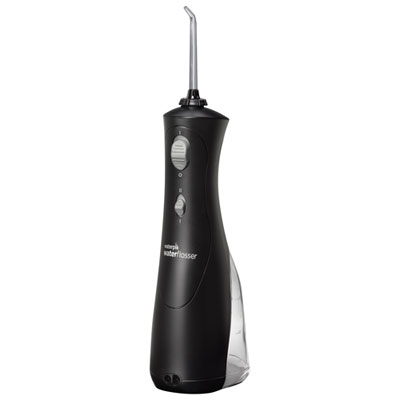 Your price for this item is $74.99
-
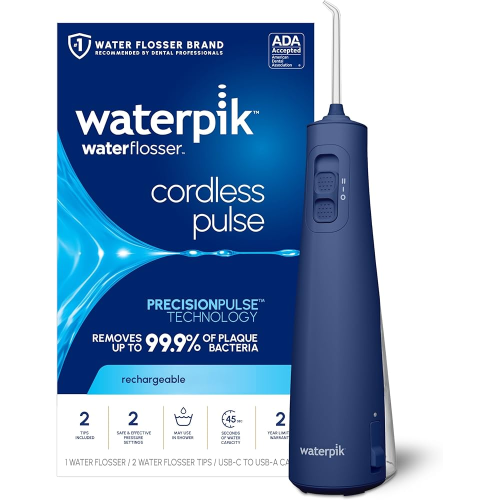 Your price for this item is $56.99
-
 Your price for this item is $99.99
-
 Your price for this item is $89.95
-
 Your price for this item is $69.95
-
 Your price for this item is $86.97
-
 Your price for this item is $179.99
-
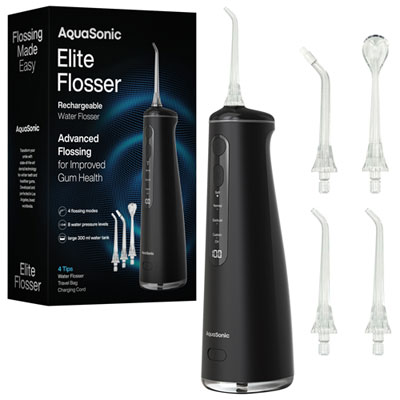 Your price for this item is $52.99
Discover more categories related to Flossing Electric Toothbrushes
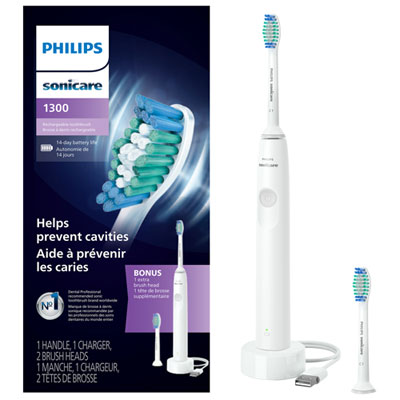
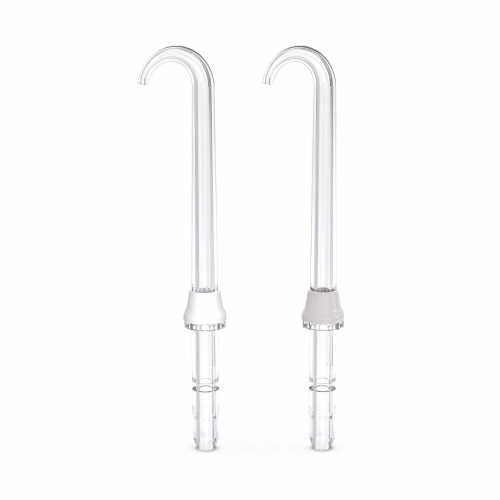
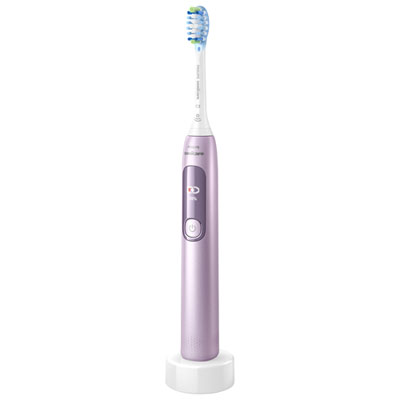
Top Collections:
Best Black Friday Deals This Year, Best Black Friday Deals On Electronics, Kindle Devices, Pokemon Centers, Best Black Friday Deals On Apple Products, Best Cameras for Sports Photography, Dyson Airwrap, Pokémon 30th Celebration Cards, Apple iPhone 17 Pro, Canon G7X Cameras
Some products may be subject to Environmental Handling Fees
(EHF) depending on your province.
Learn more about EHFs.