Hair Strengthening Oils
Discover the transformative power of hair-strengthening oils, designed to nurture and revitalize your locks from root to tip. These nourishing elixirs are perfect for those seeking to enhance their hair's natural resilience and shine. Infused with a blend of natural ingredients, hair-strengthening oils work to fortify strands, reduce breakage, and promote overall hair health. Whether you're dealing with dry, brittle hair or simply looking to boost your hair care routine, these oils offer a luxurious solution that leaves your hair feeling soft, smooth, and full of life. Dive into the world of hair-strengthening oils and unlock the secret to stronger, healthier-looking hair.
Sort
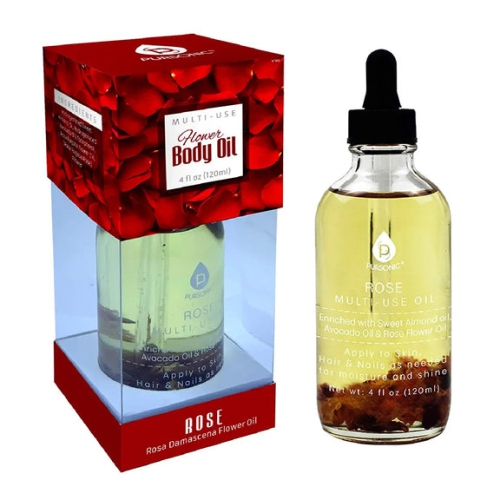
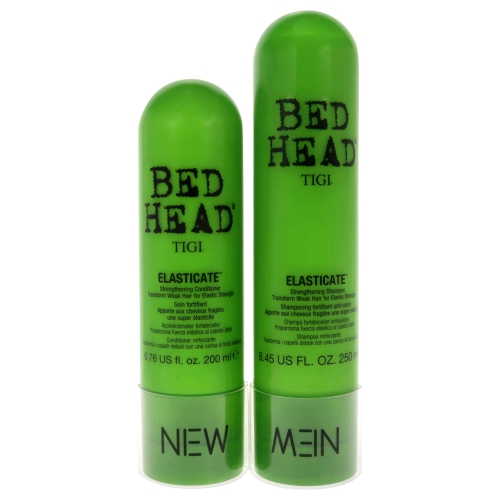
How oils support softer hair and less visible breakage
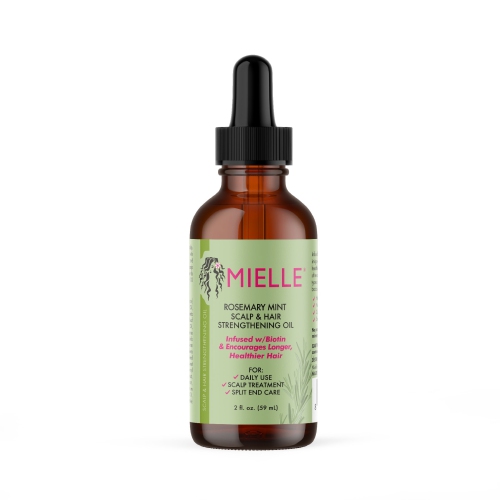
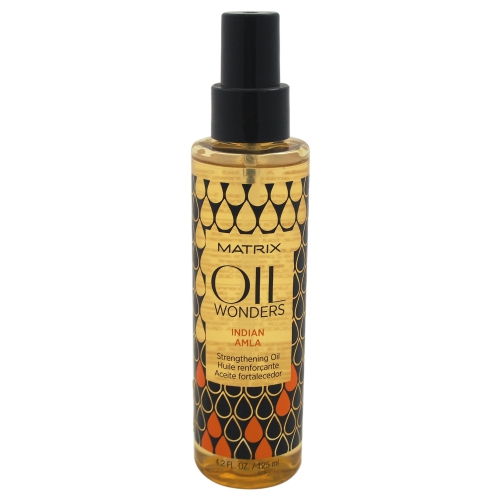
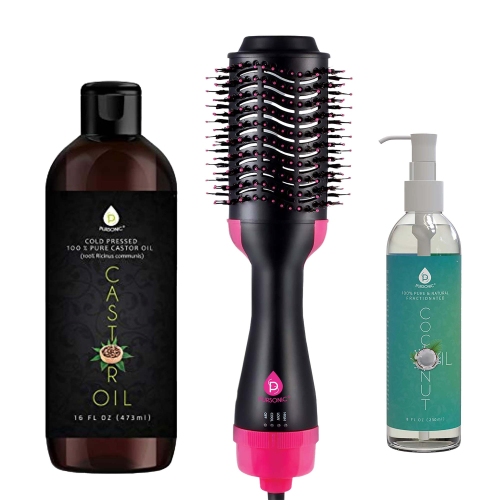
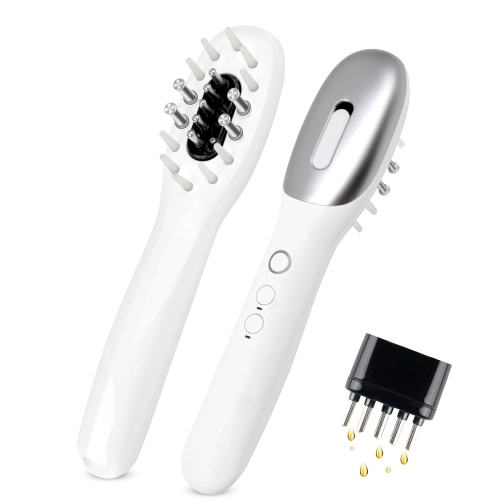
Hair strengthening oils are designed to support hair that feels dry, fragile, rough, or prone to breakage. These formulas commonly combine carrier oils such as argan, castor, coconut, jojoba, avocado, black cumin seed, or grapeseed oil with botanical ingredients such as rosemary, mint, or biotin. Each oil has a different feel and purpose. Lightweight oils can help smooth flyaways, add shine, and improve manageability without leaving fine hair feeling heavy, while richer blends may be useful for thick, curly, coily, or highly textured hair that needs extra moisture and slip. Some products are made primarily for scalp care, others focus on dry ends and split-end appearance, and many are versatile enough to use in both ways. Hair oil cannot permanently repair a split end or change the natural growth cycle, but it can help reduce the friction and dryness that contribute to visible breakage, making it easier to retain length over time. When comparing options in this collection, consider your hair’s texture, porosity, density, and styling routine, along with the area you want to treat. Fine or straight hair may respond best to a light, fast-absorbing formula applied sparingly from mid-length to ends. Thick, curly, coily, or chemically treated hair may benefit from a more nourishing blend worked through sections, particularly after washing or before protective styling. If your main concern is a dry or tight-feeling scalp, look for an oil intended for scalp application and check the ingredient list for potential sensitivities. Essential oils such as rosemary or peppermint can provide a refreshing sensation and are often included in scalp-focused formulas, but concentrated botanical ingredients may irritate some people. Follow the product directions, avoid contact with the eyes, and perform a small patch test when trying a new formula. Anyone with persistent itching, redness, flaking, sudden shedding, or significant hair loss should speak with a health-care professional rather than relying on cosmetic oil alone. For a wider selection of complementary care options, explore Hair Strengthening Products to find items that fit into a complete hair-care routine.
How you use a strengthening oil can be just as important as the ingredients. For a scalp treatment, part clean, dry or damp hair into several sections, place a small amount directly along the scalp, and massage gently with your fingertips rather than scratching with your nails. A few minutes of light massage can help distribute the oil evenly and make the routine feel calming, especially at the end of a long day. Leave the treatment on for the time recommended on the packaging before shampooing thoroughly; richer oils may need a second wash, while lighter formulas may be suitable for leave-in use. For dry ends or the appearance of split ends, warm one or two drops between your palms and smooth them over the last few centimetres of hair, concentrating on the most porous areas. A small amount can also be applied to damp hair before blow-drying or air-drying to improve softness and reduce the look of frizz, while a tiny finish on dry hair can add polish and definition. Avoid saturating the roots unless the product is specifically intended for the scalp, since excess oil can make hair look flat or greasy. If you use hot tools, confirm that the formula is appropriate for heat styling; not every hair oil provides heat protection, and oil alone should not be assumed to replace a dedicated heat protectant. During the cooler months, indoor heating, dry air, hats, and repeated friction from scarves can leave hair feeling coarse or static-prone, so a small amount worked into the ends can help maintain a smoother appearance between washes. Hair strengthening oils can also make thoughtful gifts for someone who enjoys wash-day rituals, protective styles, scalp massage, or experimenting with different curl-care techniques. They are easy to add to a beauty basket alongside a wide-tooth comb, satin accessories, or a nourishing conditioner, and a versatile formula can suit a range of routines when the recipient’s hair texture is known. For everyday use, start with less than you think you need, apply consistently, and adjust the amount according to how your hair feels and responds. With regular, careful application, the right oil can help hair feel softer, look shinier, stay more manageable, and resist the dryness and friction that often lead to breakage.
How you use a strengthening oil can be just as important as the ingredients. For a scalp treatment, part clean, dry or damp hair into several sections, place a small amount directly along the scalp, and massage gently with your fingertips rather than scratching with your nails. A few minutes of light massage can help distribute the oil evenly and make the routine feel calming, especially at the end of a long day. Leave the treatment on for the time recommended on the packaging before shampooing thoroughly; richer oils may need a second wash, while lighter formulas may be suitable for leave-in use. For dry ends or the appearance of split ends, warm one or two drops between your palms and smooth them over the last few centimetres of hair, concentrating on the most porous areas. A small amount can also be applied to damp hair before blow-drying or air-drying to improve softness and reduce the look of frizz, while a tiny finish on dry hair can add polish and definition. Avoid saturating the roots unless the product is specifically intended for the scalp, since excess oil can make hair look flat or greasy. If you use hot tools, confirm that the formula is appropriate for heat styling; not every hair oil provides heat protection, and oil alone should not be assumed to replace a dedicated heat protectant. During the cooler months, indoor heating, dry air, hats, and repeated friction from scarves can leave hair feeling coarse or static-prone, so a small amount worked into the ends can help maintain a smoother appearance between washes. Hair strengthening oils can also make thoughtful gifts for someone who enjoys wash-day rituals, protective styles, scalp massage, or experimenting with different curl-care techniques. They are easy to add to a beauty basket alongside a wide-tooth comb, satin accessories, or a nourishing conditioner, and a versatile formula can suit a range of routines when the recipient’s hair texture is known. For everyday use, start with less than you think you need, apply consistently, and adjust the amount according to how your hair feels and responds. With regular, careful application, the right oil can help hair feel softer, look shinier, stay more manageable, and resist the dryness and friction that often lead to breakage.
Top selling and popular products
-
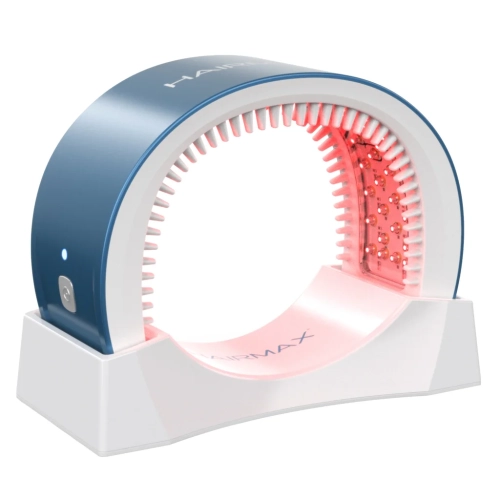 Your price for this item is $1499.99
 -
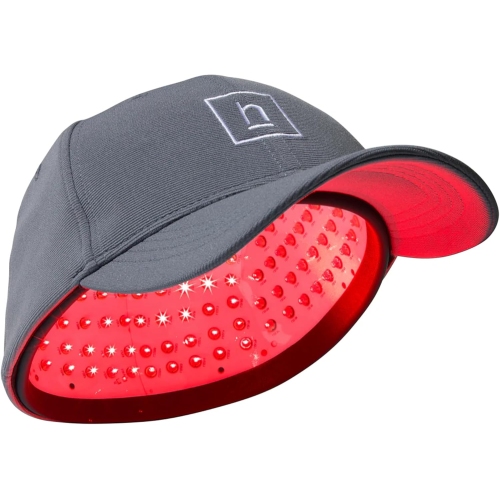 Your price for this item is $1199
 -
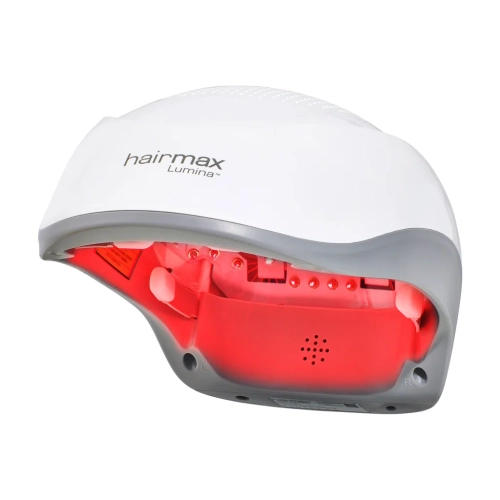 Your price for this item is $2749.97
 -
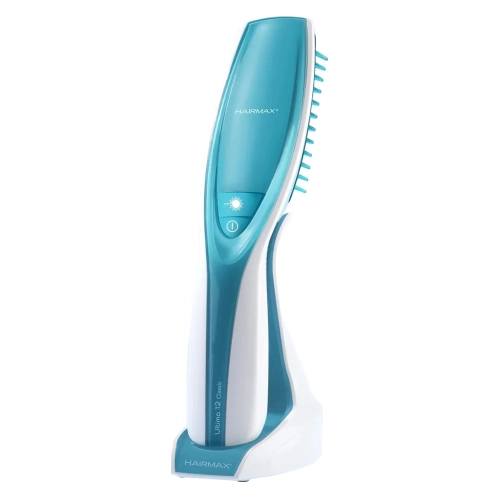 Your price for this item is $399.93
 -
 Your price for this item is $59.99
 -
 Your price for this item is $158.99
 -
 Your price for this item is $58.99
 -
 Your price for this item is $199.99
Discover more categories related to Hair Strengthening Oils
Top Collections:
Pokemon Centers, Budget 4K TVs, Kindle Devices, Canon G7X Cameras, Apple iPhones 16, iPhone 15 Apple, Laptops for Business Work, Flip Phones, Xiaomi Phones, Refurbished Apple Laptops
Some products may be subject to Environmental Handling Fees
(EHF) depending on your province.
Learn more about EHFs.