Hair Moisturizing Oils
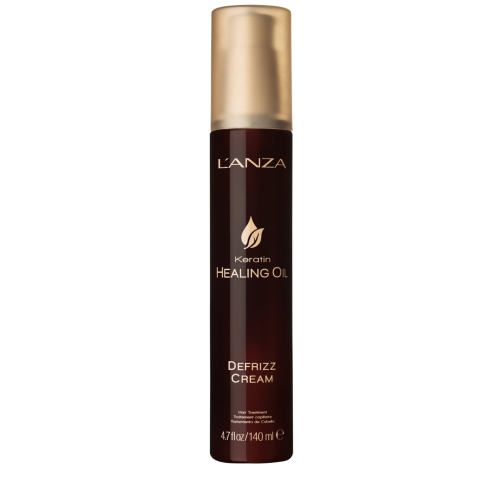
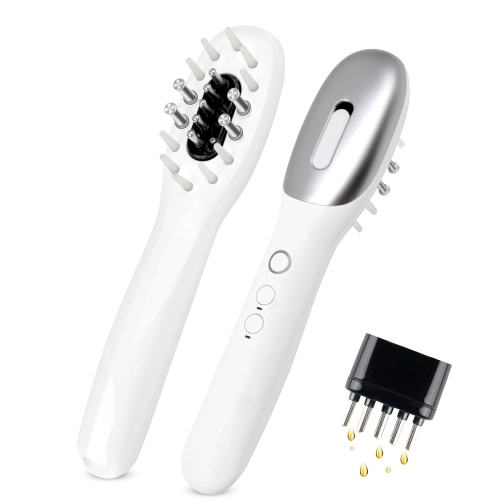
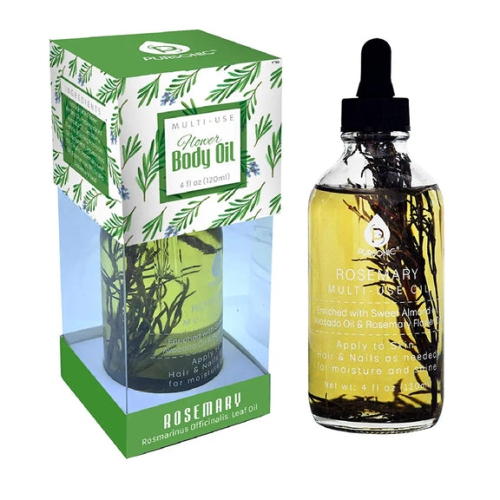
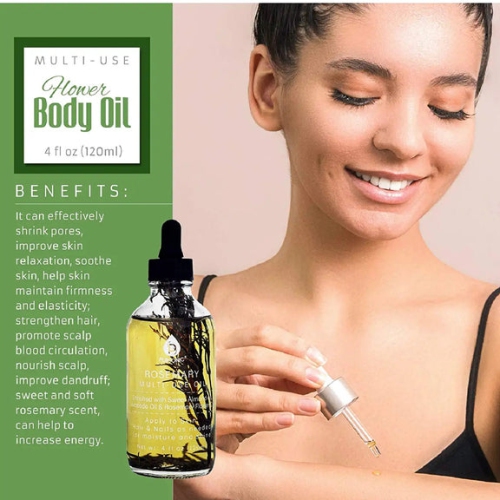
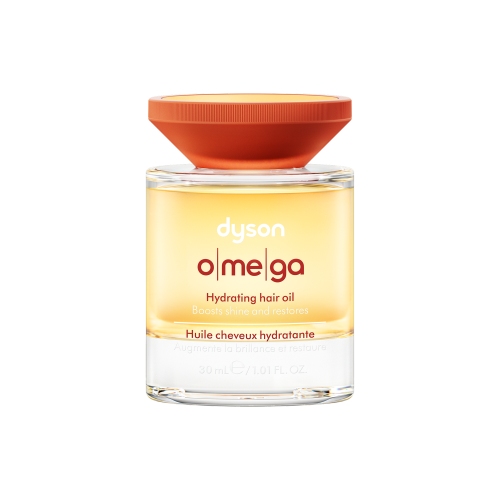
Discover the secret to luscious, hydrated locks with our wide selection of hair moisturizing oils. Whether you have dry, damaged, or frizzy hair, these nourishing oils are designed to replenish moisture and restore your hair's natural shine. From argan oil to coconut oil and everything in between, we have the perfect solution to help you achieve healthy-looking hair that feels soft and manageable. Say goodbye to dullness and hello to beautiful, hydrated strands with our range of hair moisturizing oils.
Sort
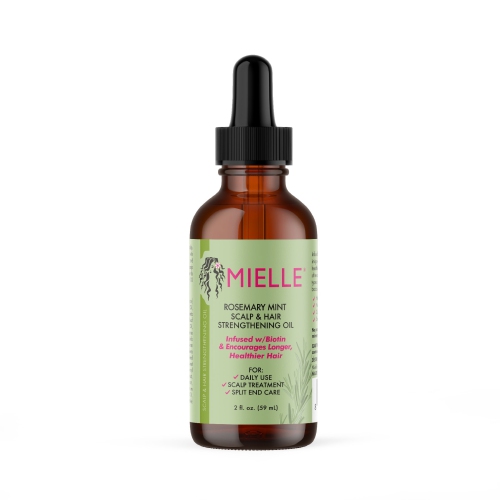
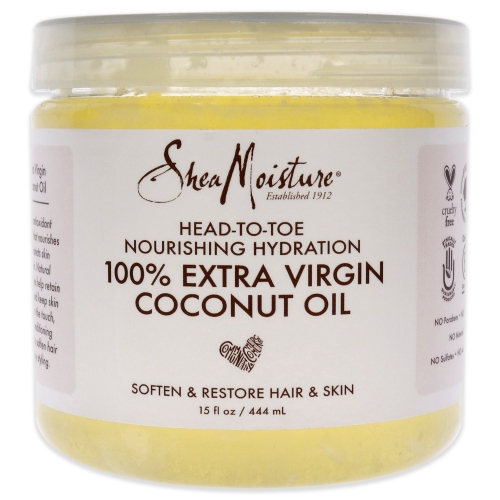
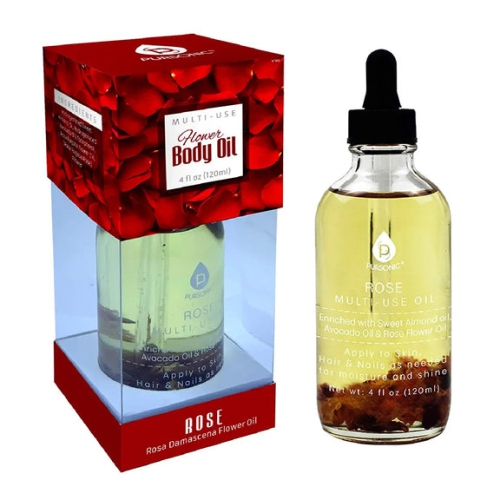
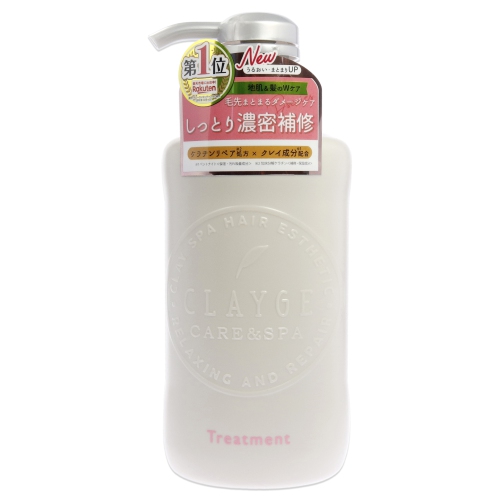
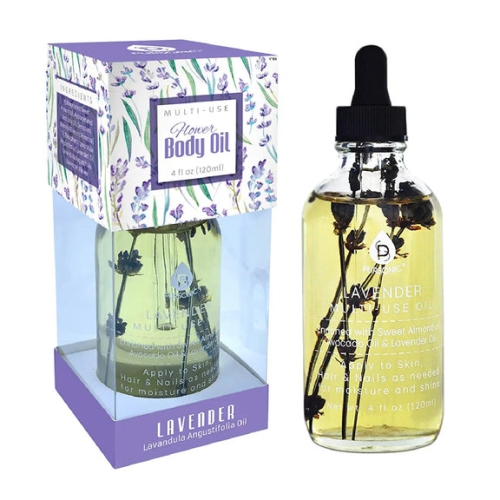
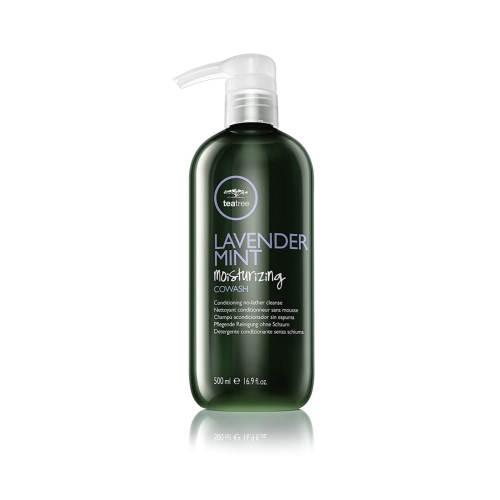
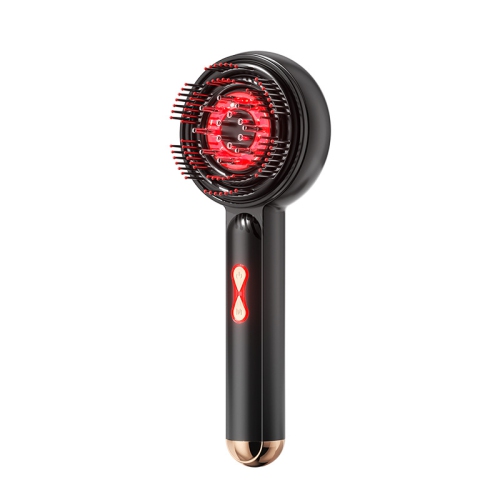
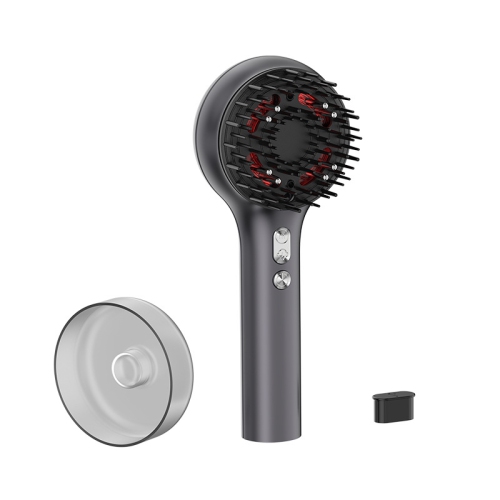
Learn how oils support softer, smoother, more manageable hair
Hair moisturizing oils are designed to help dry, rough, dull or difficult-to-manage hair feel softer, smoother and more supple. Depending on the formula and the oil used, they may condition the hair fibre, improve slip, reduce the look of frizz, add shine and help protect the ends from the drying effects of brushing, heat styling and changing weather. Argan oil is a popular choice for lightweight nourishment, with a smooth finish that can suit many hair textures without leaving the hair feeling coated. Coconut oil is known for its ability to move into parts of the hair structure and may be especially useful for low- to medium-porosity hair, although some people find it too heavy or stiffening when used generously. Olive oil and avocado oil tend to have a richer feel, making them appealing for thick, coarse, curly or very dry hair that benefits from more substantial conditioning. Some products combine several oils, while others focus on one primary ingredient, so reading the ingredient list can help you choose a texture and level of richness that fits your routine. It is also helpful to understand the difference between a moisturizing oil and a sealing oil. A moisturizing oil may condition the hair and, depending on its composition, interact with the hair fibre, while a sealing oil is generally used over a water-based leave-in conditioner or other hydrating product to help slow moisture loss at the surface. In practice, many hair oils offer a blend of conditioning and sealing benefits rather than fitting neatly into only one category.
Your hair’s texture, density, porosity and condition all influence how an oil feels and performs. Fine or low-density hair can quickly look weighed down, so begin with a very small amount of a lightweight oil and apply it from the mid-lengths to the ends, avoiding the roots unless the product is specifically intended for scalp use. Straight hair often benefits from a few drops worked through damp ends, while wavy hair may need only a light coating to smooth flyaways without flattening its natural movement. Curly and coily hair can often handle a richer oil, particularly when applied after a water-based conditioner or leave-in product to help soften and define the pattern. Thick or highly textured hair may be divided into sections so the oil can be spread evenly instead of sitting on the outer layer. Hair porosity is another useful consideration. Low-porosity hair can resist absorbing heavier formulas and may respond best to a small quantity of a lighter oil, applied to warm, damp hair. Medium-porosity hair is generally adaptable and can work well with a range of textures. High-porosity hair, including hair that has been coloured, lightened or frequently heat styled, may benefit from richer oils and layered conditioning that help smooth raised or uneven areas along the cuticle. These guidelines are starting points rather than strict rules, since individual results vary. Try one or two drops first, warm the oil between your palms, then gently press and rake it through the driest sections. If the hair feels greasy, stringy or coated, use less or reserve the oil for pre-shampoo treatments. If the ends still feel rough after styling, a small amount can be added as a finishing step. Oils can also be useful before washing: massage a modest amount through dry lengths, leave it on for a short period, and shampoo thoroughly according to the product directions. Avoid applying a hair oil to the scalp if you are prone to buildup, irritation or an oily scalp unless the label indicates that scalp use is appropriate, and discontinue use if discomfort develops.
Hair moisturizing oils can make a practical addition to routines for people dealing with seasonal dryness, frizz, tangling, split-looking ends or a lack of shine. As the weather warms, lightweight formulas can help refresh hair that has been exposed to sun, frequent washing, humidity or time outdoors. During the cooler months, a richer oil may be useful for hair that feels more brittle from dry indoor air, hats, scarves and heated styling. They can also be convenient for travel, gym bags and overnight routines because a few drops can provide noticeable softness without requiring a complete wash-day routine. When selecting an oil, consider the finish you prefer: a dry-touch formula may suit fine or straight hair, while a richer blend may be better for dense curls, coils or very dry lengths. Look for packaging that allows controlled dispensing, such as a pump, dropper or narrow nozzle, because measured application makes it easier to avoid overuse. Multi-use formulas may be applied to damp hair, dry ends or before shampooing, while styling oils are often formulated to smooth and add shine. Check the directions carefully, especially if you use heat tools, since not every oil provides heat protection. A moisturizing oil can also be a thoughtful gift for someone who enjoys hair care, experiments with protective styles or is building a simple self-care routine; choosing a versatile, non-greasy formula is generally safer than guessing at a highly specific texture. Those focused more on reducing breakage and improving the feel of fragile strands may also wish to explore Hair Strengthening Oils. With consistent, modest application and a formula suited to the hair’s needs, moisturizing oils can help turn dry-feeling lengths into hair that looks polished, feels touchably soft and is easier to detangle and style.
Your hair’s texture, density, porosity and condition all influence how an oil feels and performs. Fine or low-density hair can quickly look weighed down, so begin with a very small amount of a lightweight oil and apply it from the mid-lengths to the ends, avoiding the roots unless the product is specifically intended for scalp use. Straight hair often benefits from a few drops worked through damp ends, while wavy hair may need only a light coating to smooth flyaways without flattening its natural movement. Curly and coily hair can often handle a richer oil, particularly when applied after a water-based conditioner or leave-in product to help soften and define the pattern. Thick or highly textured hair may be divided into sections so the oil can be spread evenly instead of sitting on the outer layer. Hair porosity is another useful consideration. Low-porosity hair can resist absorbing heavier formulas and may respond best to a small quantity of a lighter oil, applied to warm, damp hair. Medium-porosity hair is generally adaptable and can work well with a range of textures. High-porosity hair, including hair that has been coloured, lightened or frequently heat styled, may benefit from richer oils and layered conditioning that help smooth raised or uneven areas along the cuticle. These guidelines are starting points rather than strict rules, since individual results vary. Try one or two drops first, warm the oil between your palms, then gently press and rake it through the driest sections. If the hair feels greasy, stringy or coated, use less or reserve the oil for pre-shampoo treatments. If the ends still feel rough after styling, a small amount can be added as a finishing step. Oils can also be useful before washing: massage a modest amount through dry lengths, leave it on for a short period, and shampoo thoroughly according to the product directions. Avoid applying a hair oil to the scalp if you are prone to buildup, irritation or an oily scalp unless the label indicates that scalp use is appropriate, and discontinue use if discomfort develops.
Hair moisturizing oils can make a practical addition to routines for people dealing with seasonal dryness, frizz, tangling, split-looking ends or a lack of shine. As the weather warms, lightweight formulas can help refresh hair that has been exposed to sun, frequent washing, humidity or time outdoors. During the cooler months, a richer oil may be useful for hair that feels more brittle from dry indoor air, hats, scarves and heated styling. They can also be convenient for travel, gym bags and overnight routines because a few drops can provide noticeable softness without requiring a complete wash-day routine. When selecting an oil, consider the finish you prefer: a dry-touch formula may suit fine or straight hair, while a richer blend may be better for dense curls, coils or very dry lengths. Look for packaging that allows controlled dispensing, such as a pump, dropper or narrow nozzle, because measured application makes it easier to avoid overuse. Multi-use formulas may be applied to damp hair, dry ends or before shampooing, while styling oils are often formulated to smooth and add shine. Check the directions carefully, especially if you use heat tools, since not every oil provides heat protection. A moisturizing oil can also be a thoughtful gift for someone who enjoys hair care, experiments with protective styles or is building a simple self-care routine; choosing a versatile, non-greasy formula is generally safer than guessing at a highly specific texture. Those focused more on reducing breakage and improving the feel of fragile strands may also wish to explore Hair Strengthening Oils. With consistent, modest application and a formula suited to the hair’s needs, moisturizing oils can help turn dry-feeling lengths into hair that looks polished, feels touchably soft and is easier to detangle and style.
Top selling and popular products
-
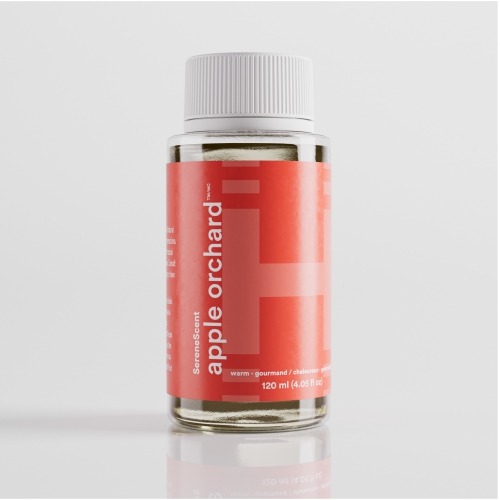 Your price for this item is $39.99
 -
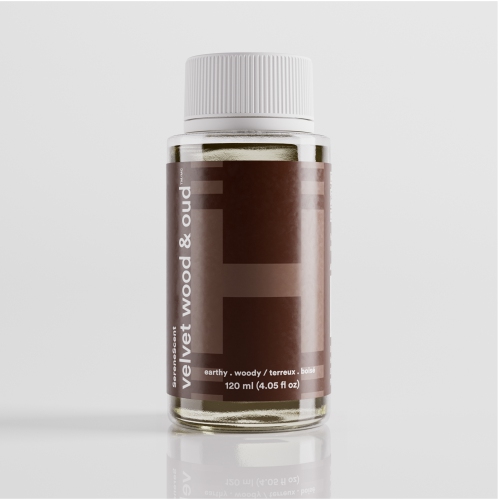 Your price for this item is $39.99
 -
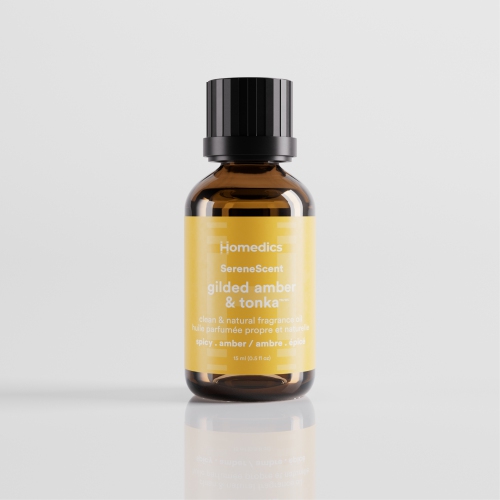 Your price for this item is $14.99
 -
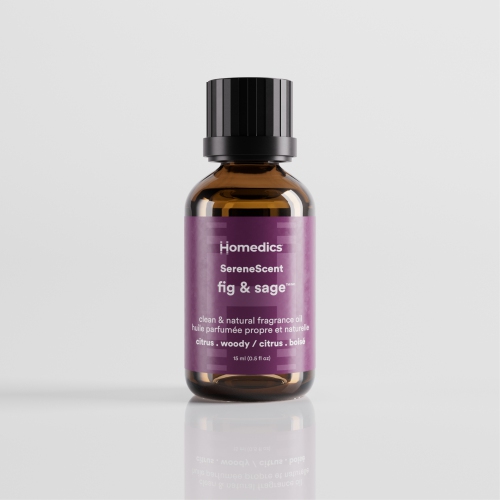 Your price for this item is $14.99
 -
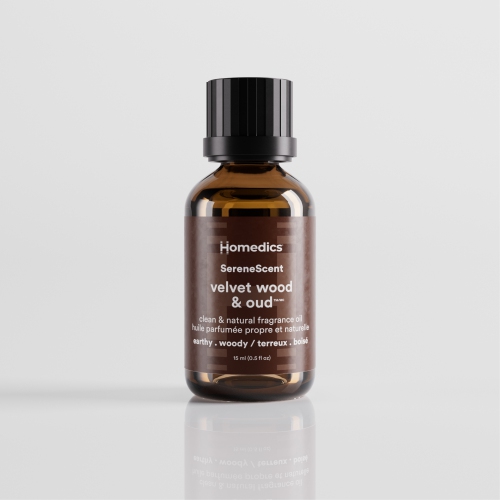 Your price for this item is $14.99
 -
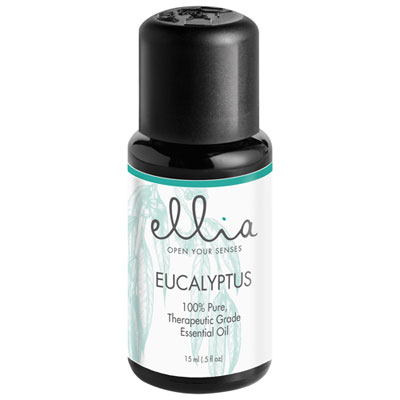 Your price for this item is $8.98
 -
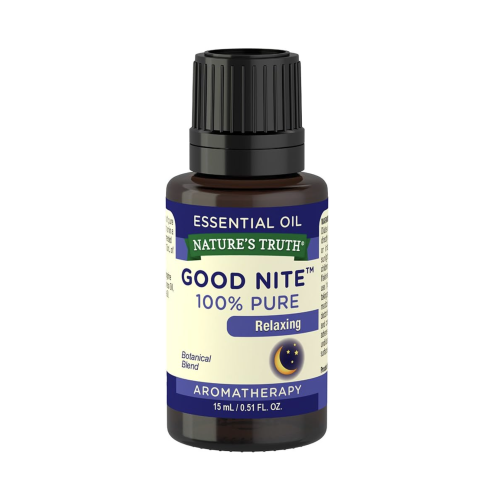 Your price for this item is $30.79
 -
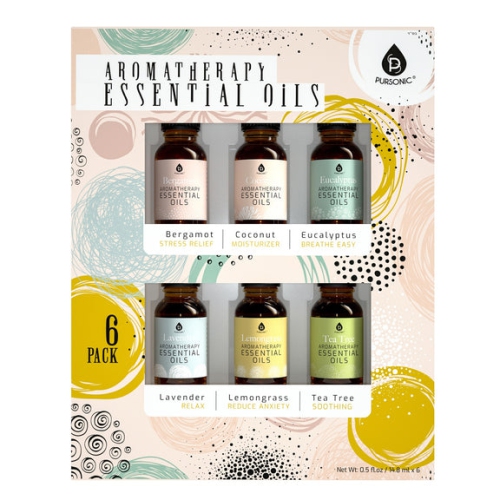 Your price for this item is $35.95
Discover more categories related to Hair Moisturizing Oils
Top Collections:
Pokemon Centers, Budget 4K TVs, Kindle Devices, Canon G7X Cameras, Apple iPhones 16, iPhone 15 Apple, Laptops for Business Work, Flip Phones, Xiaomi Phones, Refurbished Apple Laptops
Some products may be subject to Environmental Handling Fees
(EHF) depending on your province.
Learn more about EHFs.