Dry Hair Oils
Discover the ultimate solution for luscious, hydrated locks with our expertly curated selection of dry hair oils. Designed to nourish and rejuvenate even the most parched strands, these lightweight formulations penetrate deeply without leaving a greasy residue. Perfect for all hair types, they bring out natural shine, tame frizz, and protect against environmental damage. Elevate your hair care routine and achieve salon-quality results at home with these must-have essentials.
Sort
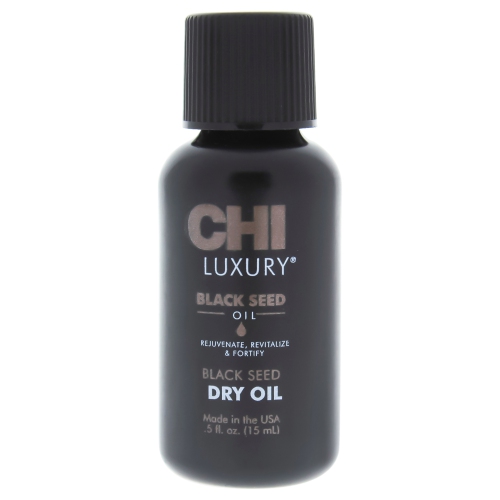
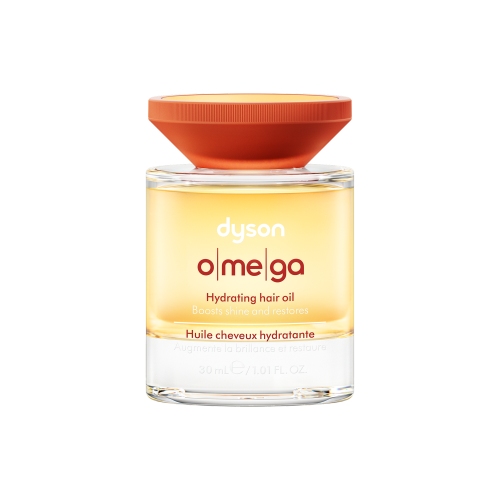
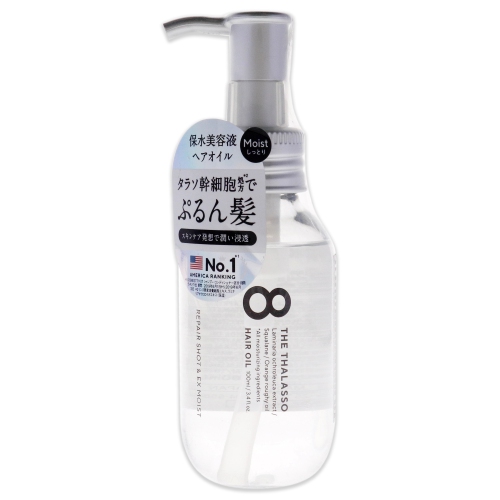
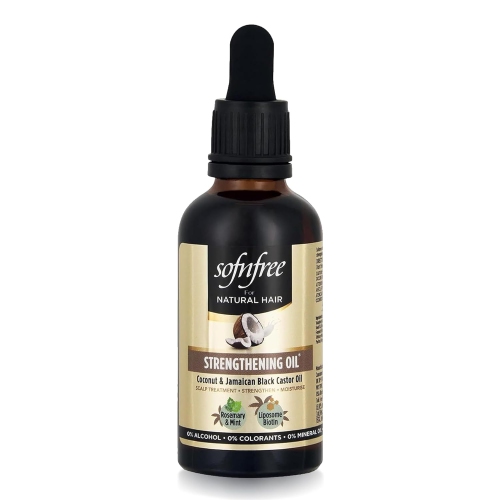
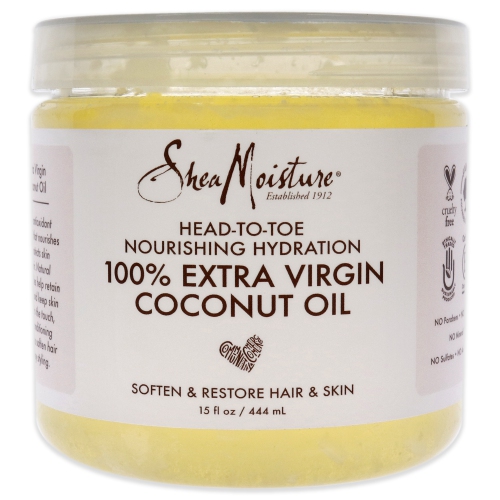
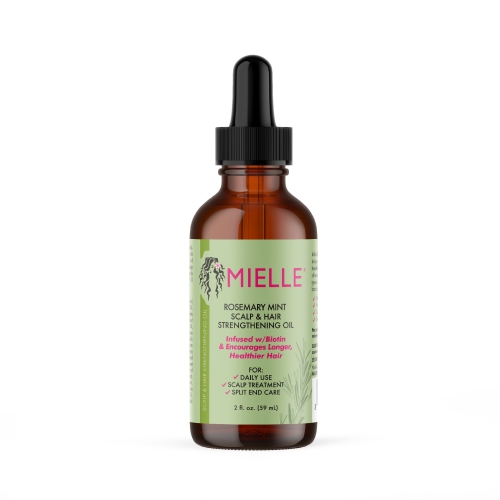
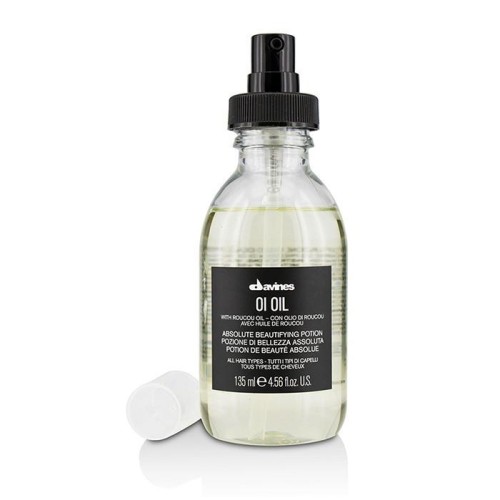
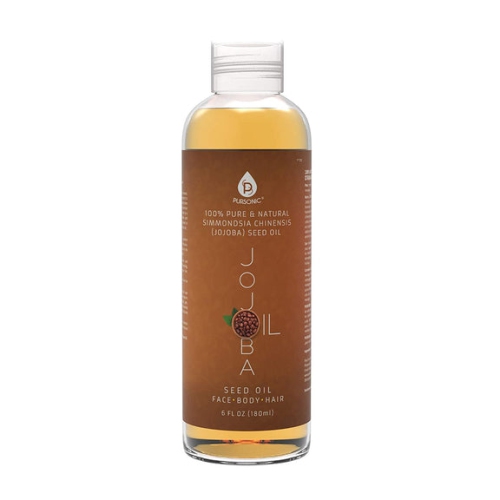
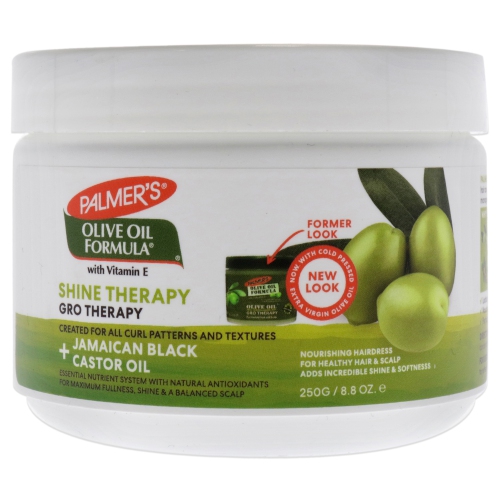
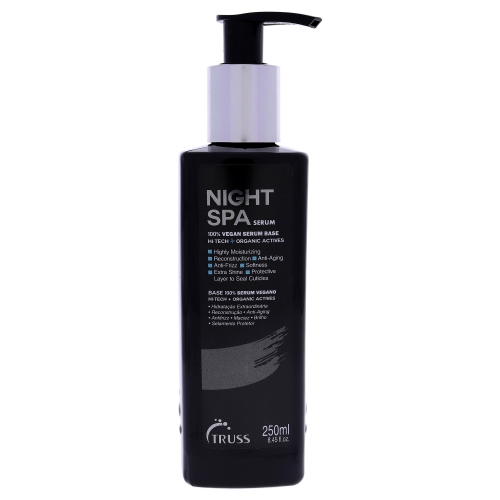
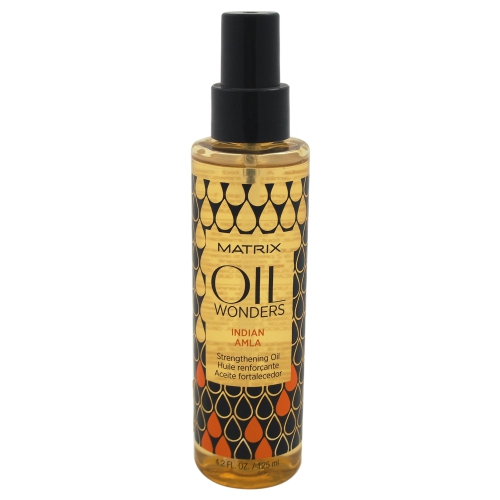
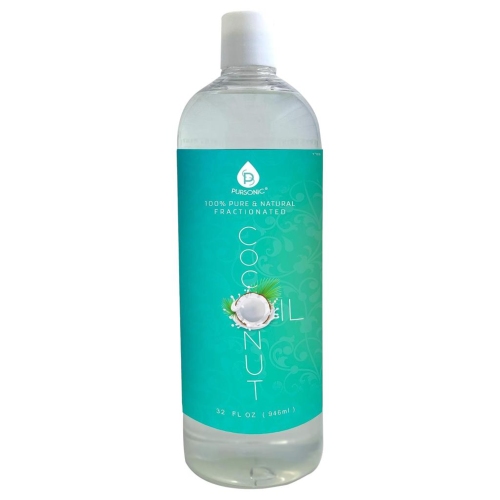
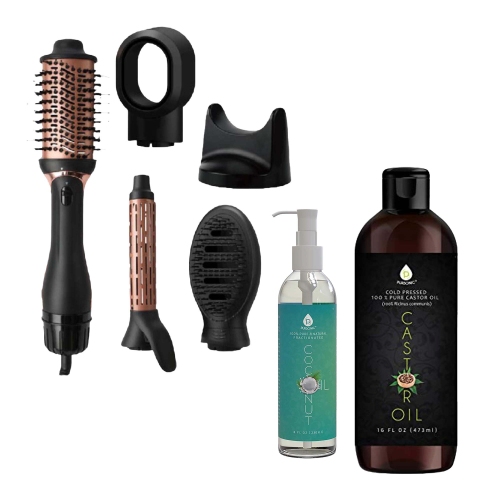
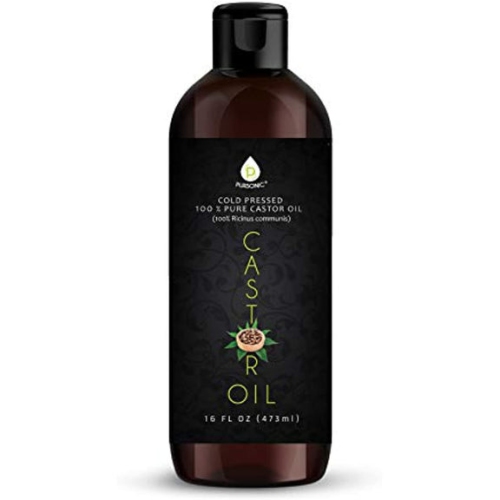
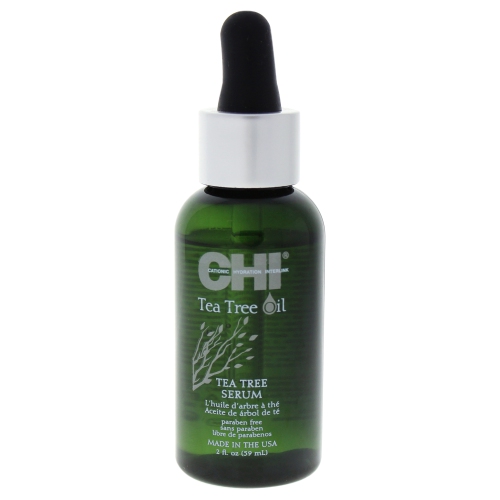
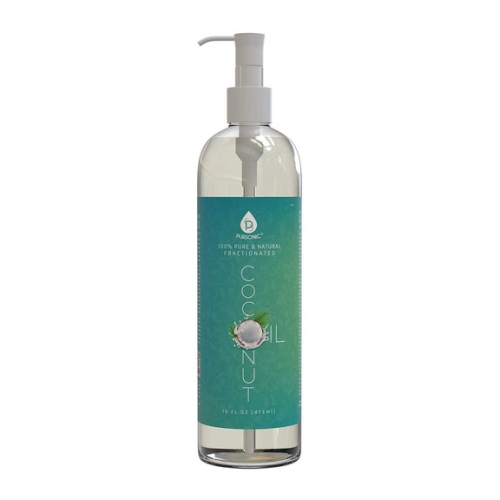
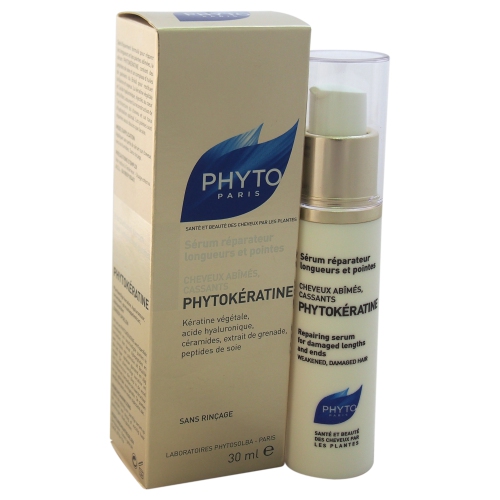
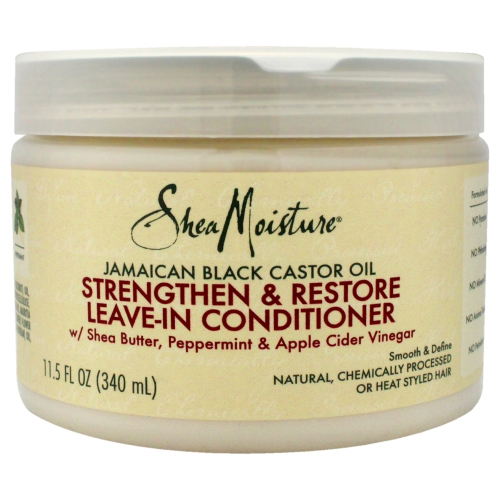
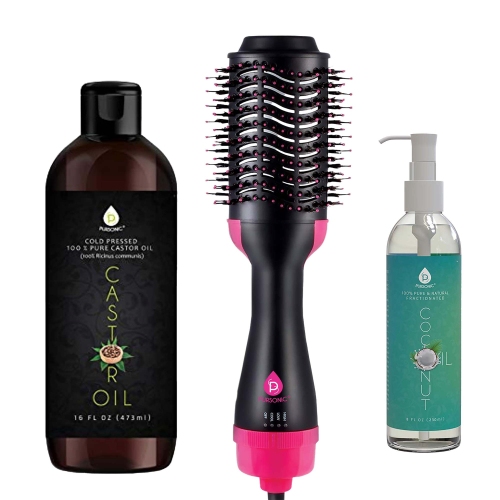
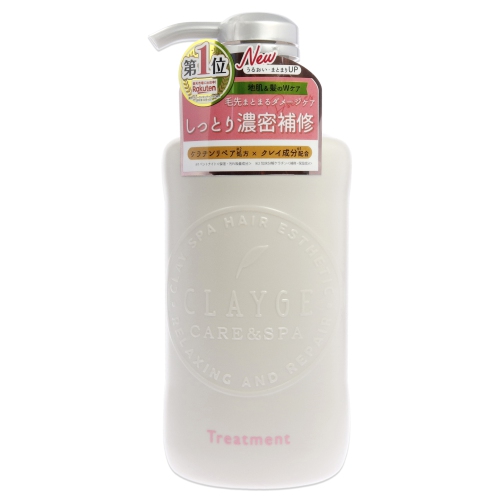
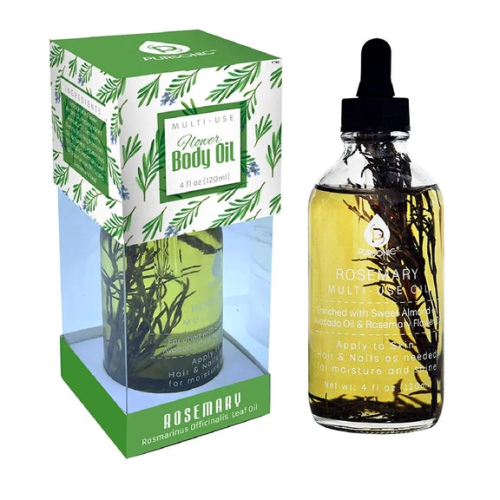
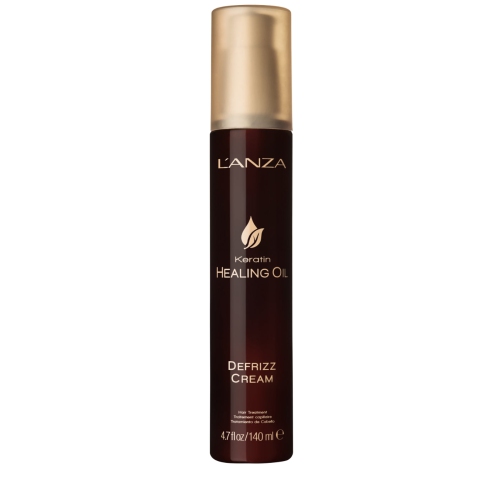
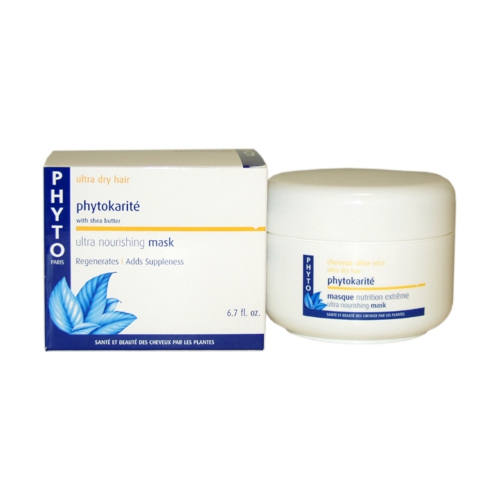
Softer strands and shine without a greasy finish
Dry hair oils are lightweight finishing formulas designed to soften strands, smooth frizz, and add shine with a dry-touch feel rather than a heavy, oily coating. The word “dry” usually describes how the formula feels after application, not a powder texture or a treatment used only on dry hair. Depending on the label, these oils may suit damp hair before styling, dry hair as a finishing touch, or both. They can also be useful for hair that feels dry, although a dry-finish oil and an intensive oil treatment are not necessarily the same thing. Their main cosmetic benefit is lubrication: a thin coating helps strands slide past one another, reduces roughness, and makes the lengths easier to handle. Oils do not add water to hair, but they can complement a conditioning routine by helping limit moisture loss and improving softness. Formulas may combine botanical oils such as argan, jojoba, sunflower, or grapeseed with other emollients that improve spread and reduce a greasy feel. Some contain silicones for added slip and shine; others rely on oil blends without silicones. Neither approach is automatically better, since the finished texture depends on the whole formula rather than one highlighted ingredient. Fine hair often benefits from a fluid texture that spreads in a very thin layer, while coarse strands may feel smoother with a richer blend. Straight, wavy, curly, and tightly coiled hair can all suit an oil, but curl pattern alone does not determine the right weight. Strand thickness, density, previous colouring, and how readily hair becomes coated also matter. Someone with fine curls may prefer a barely noticeable finish, while someone with thick, straight hair may welcome more cushioning through the ends. A dry hair oil fits especially well where the goal is polished movement: loose lengths that still swing freely, a ponytail with fewer flyaways, or curls that look defined without feeling rigid.
Texture and intended use make a meaningful difference when comparing dry hair oils. A mist can distribute a light layer over a broad section, while a pump or dropper offers more control over a concentrated liquid. Sprays are not necessarily lighter than liquids, so the formula description and application directions remain more useful than the dispenser alone. A small amount worked between the palms can be easier to spread evenly than oil applied directly to one spot, particularly on fine hair. Mid-lengths and ends generally need the most attention because they have experienced more washing, brushing, and styling than newer growth near the scalp. For hair that gets oily at the roots but feels rough at the tips, a finishing oil can be kept to those drier areas rather than treated as an all-over treatment. On damp hair, an appropriate formula may improve slip during gentle detangling; on dry hair, it can smooth the fuzzy outline around a braid or add a little gloss to a finished blowout. Curly hair may benefit from a light coating when separating fully dried curls, provided the amount does not flatten the shape. These are finishing and conditioning effects, not permanent repairs. An oil can temporarily soften the feel of damaged ends, but it cannot mend a split strand or reverse damage from bleaching. It also should not be assumed to provide heat protection unless that use is specifically stated on the label. A glossy finish and protection from a hot styling tool are different functions. For colour-treated hair, suitability for the existing care routine matters more than an appealing ingredient name, and label directions should take priority. The same applies to extensions, which may have care requirements set by their manufacturer or stylist. The most useful result is not necessarily the brightest shine; it is hair that feels comfortable, separates naturally, and retains the shape intended by the hairstyle without looking wet or heavily coated.
Formula preferences are also personal, especially for something that stays on the hair between washes. Fragrance can be noticeable as the lengths move, so a scented oil may appeal to someone who enjoys a finishing scent, while a fragrance-free option may be preferable for someone who avoids added perfume. Ingredient lists are helpful for identifying known sensitivities, and “natural” does not guarantee that a formula will suit every person. A finishing oil intended for the hair lengths should not automatically be treated as a scalp treatment, particularly when the scalp is already irritated. For shoppers who prioritize a subtle finish, Lightweight Hair Oils offers a closely related category to consider alongside dry-touch formulas. Packaging can influence everyday convenience just as much as texture: a controlled pump helps limit accidental overapplication, a dropper allows small amounts to be measured, and a securely closing cap is useful in a gym bag or travel pouch. Keeping the closure clean and following the storage instructions helps maintain the formula as intended. Oils should be kept away from direct light and stored according to their labels, with attention to any expiry date or period-after-opening symbol. A marked change in smell or texture is a reason to stop using the formula and check the manufacturer’s guidance. For ongoing use, hair that becomes limp, sticky, or dull may simply be receiving more oil than it needs, rather than needing another layer. Regular cleansing and conditioning still provide the foundation; a dry oil is an optional finishing step, not a replacement for either. As a gift, hair oil is most thoughtful when the recipient’s texture preferences, fragrance choices, and routine are already familiar. It can suit someone who enjoys styling curls, maintaining a sleek bob, or softening long lengths, with the best match being a formula that adds comfort and polish without making the routine more complicated.
Top selling and popular products
-
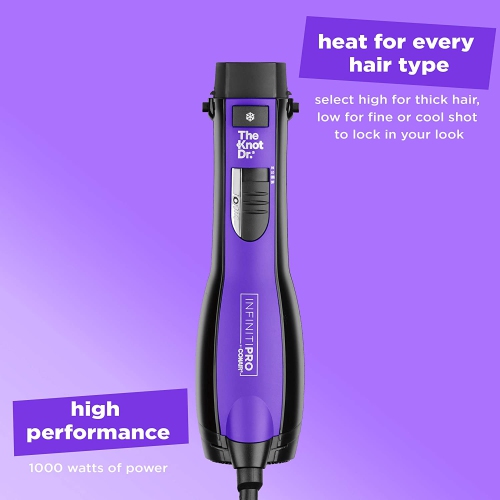 Your price for this item is $142.99
-
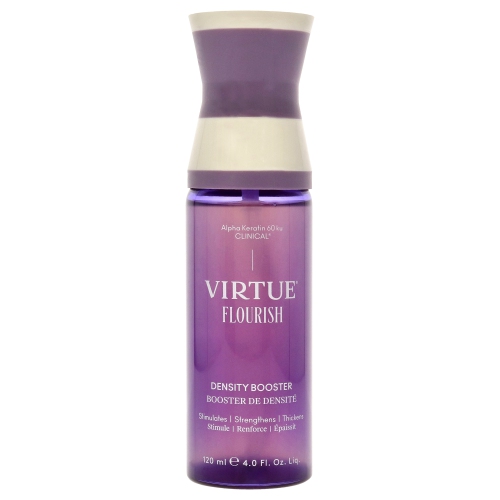 Your price for this item is $63.68
-
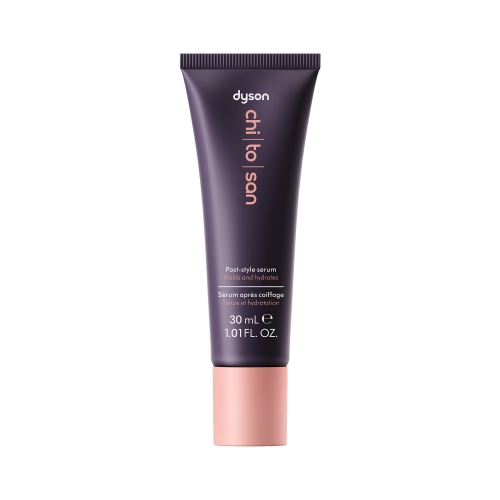 Your price for this item is $39.99
-
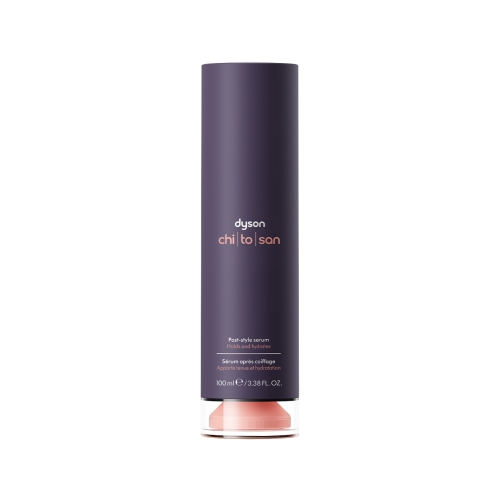 Your price for this item is $59.99
-
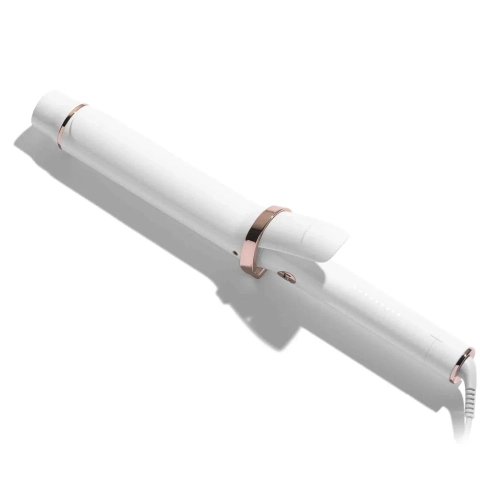 Your price for this item is $249.95
-
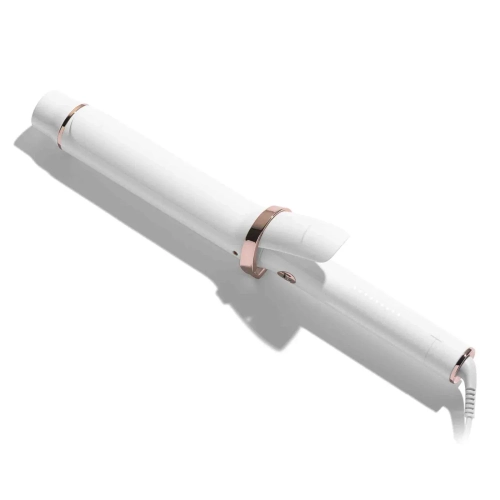 Your price for this item is $249.95
-
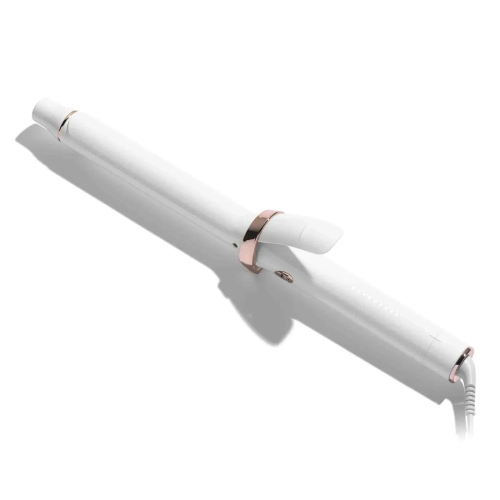 Your price for this item is $249.95
-
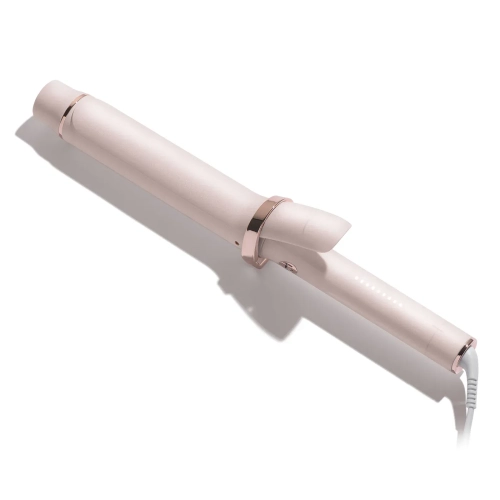 Your price for this item is $249.95
Discover more categories related to Dry Hair Oils
Top Collections:
Best Black Friday Deals This Year, Best Black Friday Deals On Electronics, Kindle Devices, Pokemon Centers, Best Black Friday Deals On Apple Products, Best Cameras for Sports Photography, Dyson Airwrap, Pokémon 30th Celebration Cards, Apple iPhone 17 Pro, Canon G7X Cameras
Some products may be subject to Environmental Handling Fees
(EHF) depending on your province.
Learn more about EHFs.