Lightweight Hair Oils
Discover the secret to luscious, manageable hair with lightweight hair oils that effortlessly nourish and enhance your locks. Perfect for all hair types, these oils offer a non-greasy formula that adds shine and smoothness without weighing down your style. Whether you're looking to tame frizz, protect against heat damage, or simply achieve a natural glow, lightweight hair oils provide the ultimate solution. Elevate your hair care routine with these versatile oils that are designed to hydrate and revitalize, leaving your hair feeling soft, silky, and full of life. Embrace the transformative power of lightweight hair oils and unlock the potential of your beautiful tresses today.
Sort
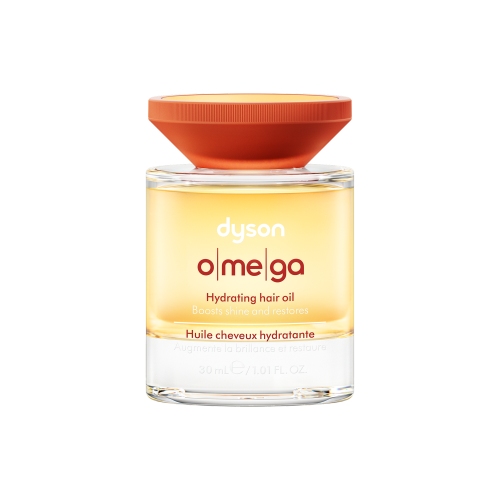
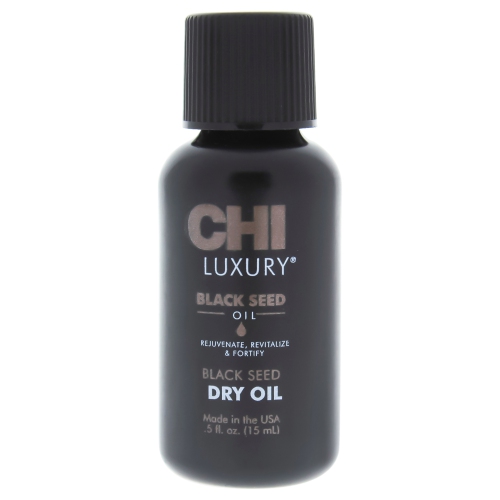
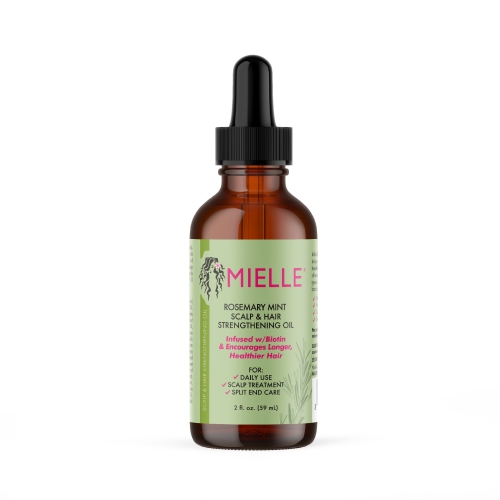
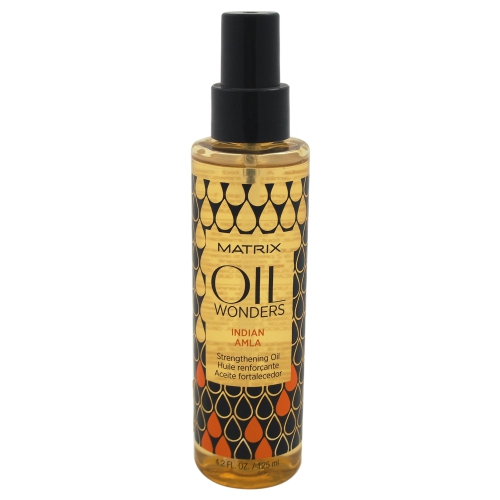
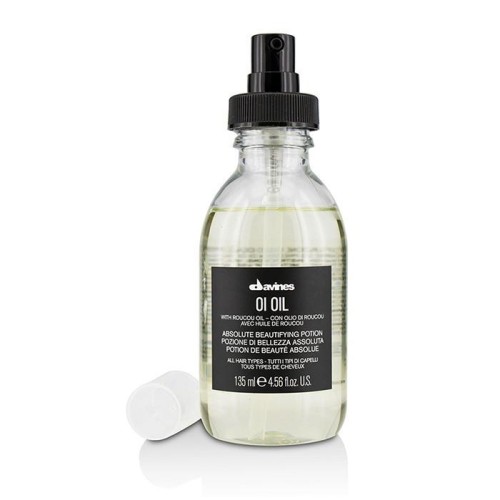
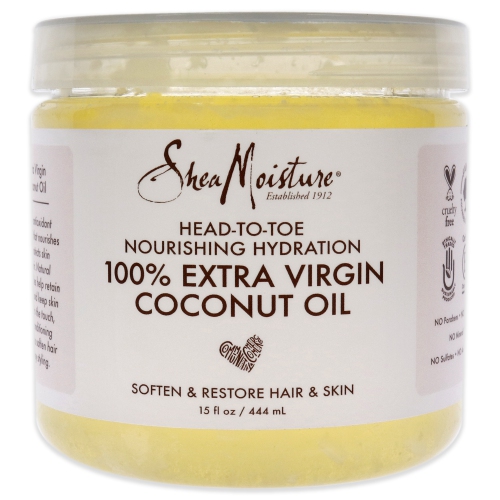
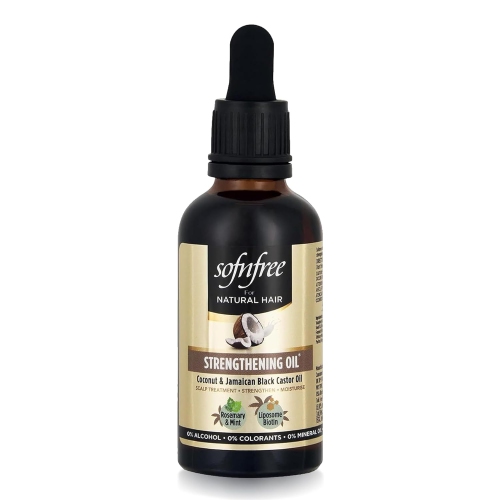
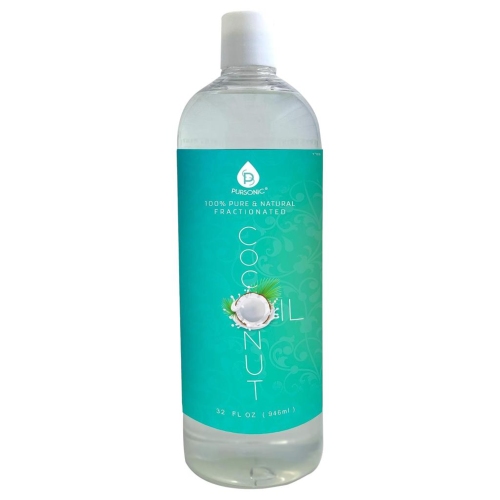
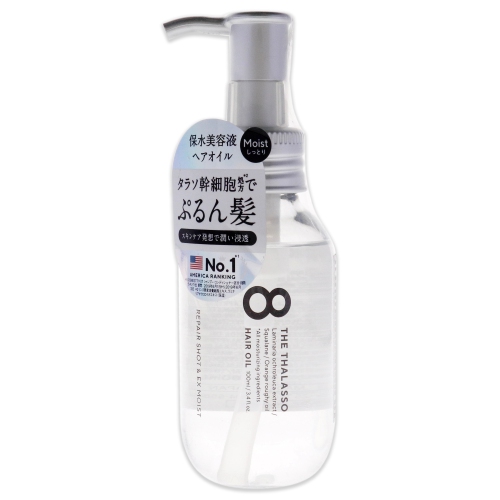
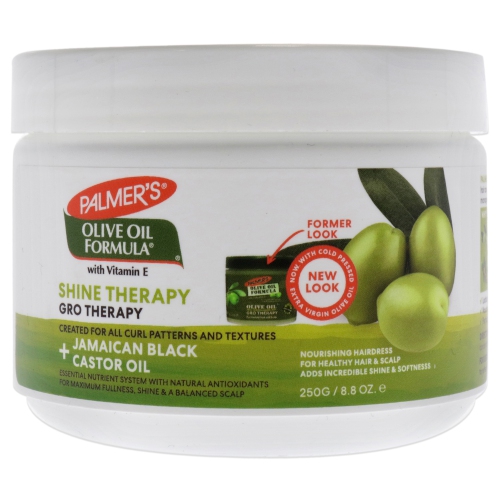
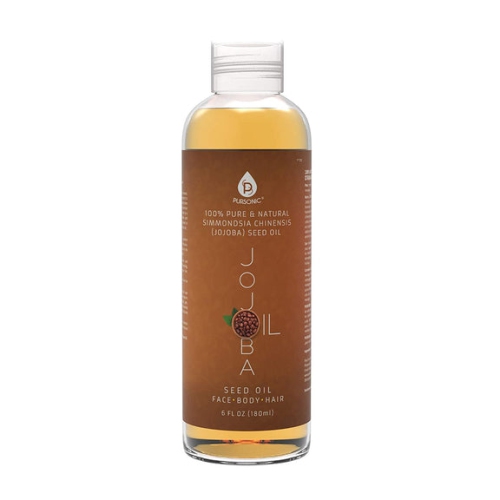
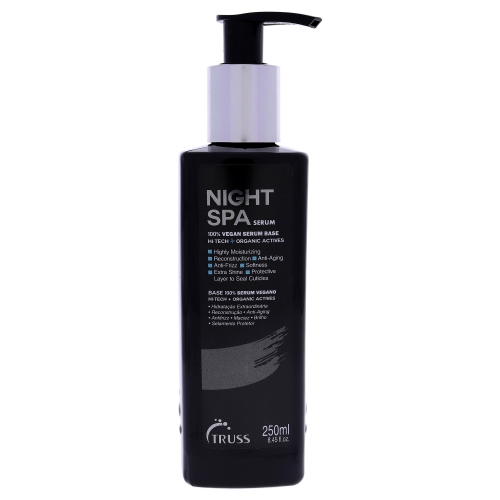
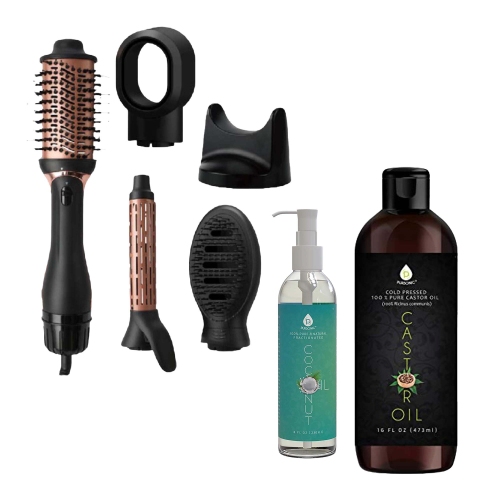
Smoother ends and shine without weighing hair down
Lightweight hair oils are conditioning and finishing products designed to add softness, smooth flyaways, and give hair a subtle sheen without a heavy, greasy feel. Their appeal is especially clear on fine strands: the ends may need a little polish, while the roots need to stay airy enough to hold their shape. A lightweight formula can help bring those needs together, making a bob look smoother at the tips or giving longer hair a more fluid appearance without flattening the crown. Fine hair and thin hair are not the same thing—fine describes the diameter of individual strands, while thin describes density—but either can benefit from a finish that does not leave hair looking separated or overloaded. These oils can also suit straight, wavy, curly, and coily textures when the amount and placement match the hair’s needs. For curls, a small amount may soften the appearance of frizz and add definition to the ends without replacing a leave-in conditioner or styling cream. Formulas may contain ingredients such as argan oil, jojoba oil, or grapeseed oil, sometimes blended with other emollients or silicones that improve slip and spreadability. An ingredient name alone does not determine how light an oil will feel; the complete blend, concentration, and amount applied matter more than any single component. A fluid texture that spreads easily can be useful when only a thin coating is wanted. Hair oils do not add water to the hair in the way a water-based conditioner does. Instead, they condition the surface and can help limit moisture loss, supporting a softer feel as part of a wider hair-care routine. The result is mainly cosmetic: smoother-looking lengths, easier movement through the ends, and shine that catches the light without making the hair appear wet. For hair that feels rough after colouring or frequent styling, this surface conditioning can make the lengths feel more manageable, although it does not permanently repair split ends or reverse structural damage.
The difference between a polished finish and an oily one often comes down to quantity and placement. For many lightweight formulas, one or two drops is a sensible starting amount, provided the directions allow it; very short or sparse hair may need less, while long or dense hair may need more. Spreading the oil between the palms before touching the hair helps distribute it rather than leaving a concentrated patch on one section. Mid-lengths and ends usually benefit most, particularly where hair catches on clothing, tangles easily, or looks less smooth than the roots. Keeping a finishing oil away from the scalp can help preserve volume and avoid a greasy-looking part, unless the formula is specifically intended for scalp use. On damp hair, a suitable oil can add slip before styling and help the lengths feel softer as they dry. On dry hair, a small amount can settle wispy ends around a ponytail, refine the outline of a sleek style, or soften the look of brushed-out waves. Those two uses can feel quite different, so a formula’s directions are useful when deciding where it belongs in a routine. Hair that becomes coated easily may respond better to a tiny amount on the ends than to a full application through every section. Conversely, thicker strands or very dry lengths may need a richer conditioner underneath, with a lightweight oil providing the final touch rather than all the conditioning. Oil should not be assumed to provide heat protection simply because it is used before a blow-dryer or styling tool; that benefit needs to be stated on the label. It also does not replace washing, rinsing, or regular conditioning. If the hair starts to feel limp, sticky, or difficult to refresh, reducing the amount or application frequency can be more useful than adding another layer. A well-matched oil should leave the hair looking like itself, just smoother and more finished, with enough movement for loose lengths, textured styles, and everyday updos.
Choosing a lightweight hair oil involves more than finding the thinnest-looking liquid. The finish, fragrance, dispensing method, and compatibility with other hair products all affect everyday use. A measured pump or dropper can make small amounts easier to control, while a secure cap matters when the bottle travels in a gym bag or toiletry pouch. For someone who dislikes lingering scent, a fragrance-free formula may be preferable to an oil whose perfume remains noticeable throughout the day. Sensitive skin also deserves consideration, especially when hair rests against the cheeks, neck, or shoulders. Botanical ingredients and essential oils are not automatically gentle, and a formula intended for the lengths should not be treated as a scalp treatment unless its directions say otherwise. Checking the ingredient list and following any patch-testing advice can help avoid an unsuitable match. Colour-treated hair may have different conditioning needs along its length, with newer growth feeling smooth and older ends feeling rougher; applying oil mainly where it is needed keeps the finish more balanced. For anyone who layers leave-in conditioner, mousse, or curl cream, a lightweight oil can be useful as a restrained finishing step rather than another generous coating. Within the broader category of Hair Moisturizing Oils, lighter textures suit routines where softness and shine are wanted without a rich, lingering feel. Care of the formula matters, too: closing the bottle after use, keeping it away from direct sunlight, and following the storage directions help maintain its quality. The expiry date or period-after-opening symbol provides a useful reference, and a noticeable change in smell, colour, or texture is a reason to stop using it. As a personal-care gift, hair oil is best suited to someone whose hair texture, scent preferences, and routine are already familiar. A thoughtfully matched lightweight formula can become a practical finishing touch for everyday grooming, whether the aim is softer ends, a neater ponytail, or loose hair that looks glossy while still feeling light.
Top selling and popular products
-
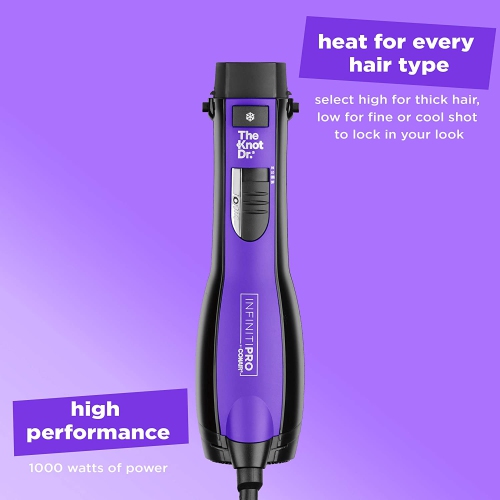 Your price for this item is $142.99
-
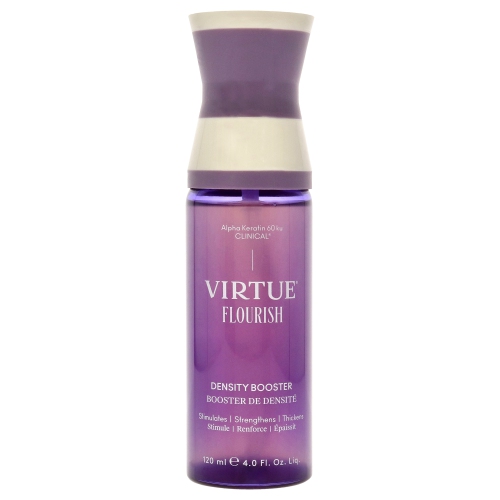 Your price for this item is $63.68
-
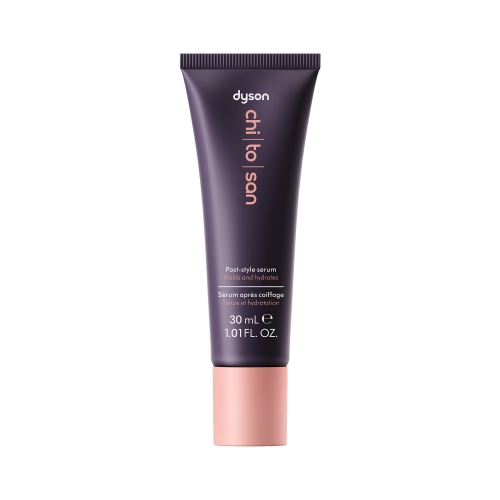 Your price for this item is $39.99
-
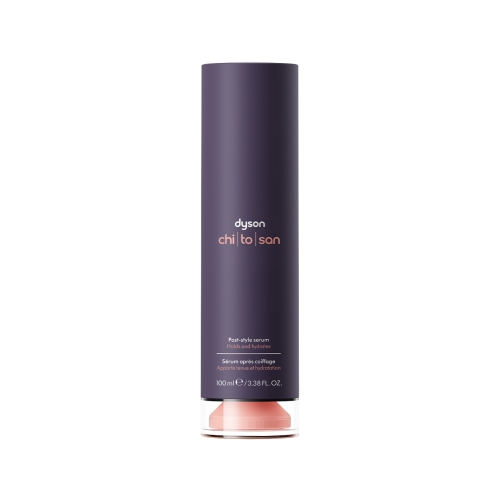 Your price for this item is $59.99
-
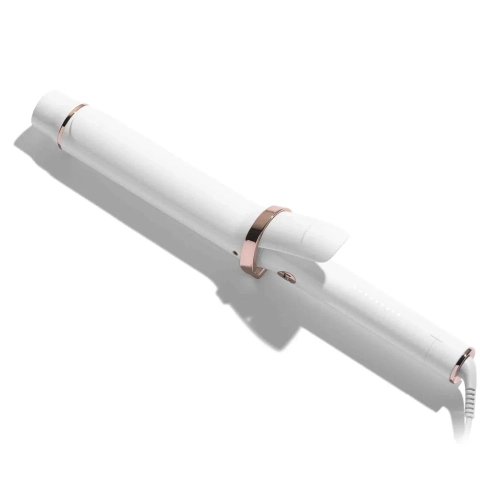 Your price for this item is $249.95
-
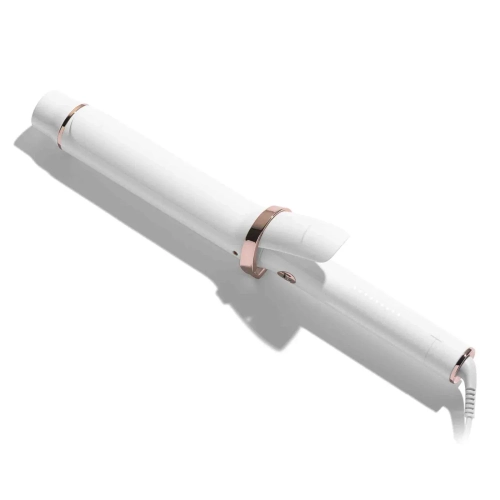 Your price for this item is $249.95
-
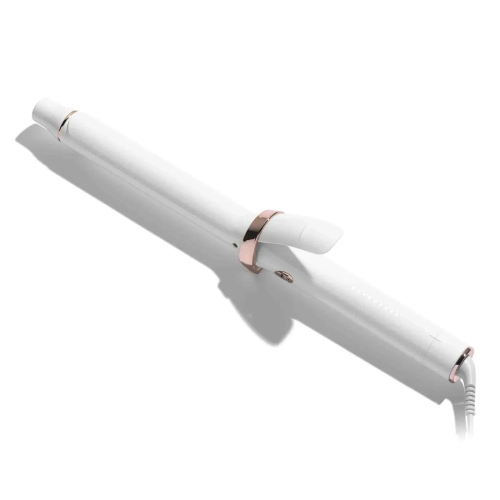 Your price for this item is $249.95
-
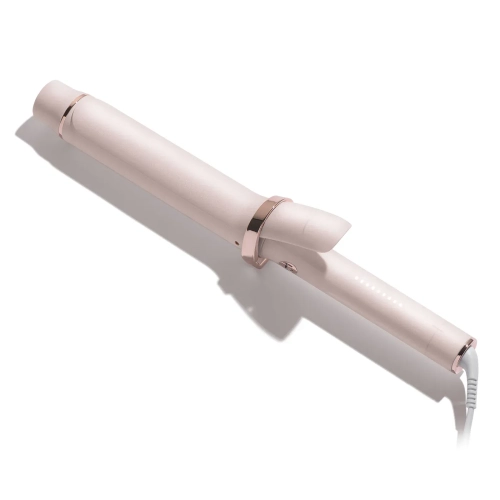 Your price for this item is $249.95
Discover more categories related to Lightweight Hair Oils

Top Collections:
Best Black Friday Deals This Year, Best Black Friday Deals On Electronics, Kindle Devices, Pokemon Centers, Best Black Friday Deals On Apple Products, Best Cameras for Sports Photography, Dyson Airwrap, Pokémon 30th Celebration Cards, Apple iPhone 17 Pro, Canon G7X Cameras
Some products may be subject to Environmental Handling Fees
(EHF) depending on your province.
Learn more about EHFs.