Natural Bristle Brushes
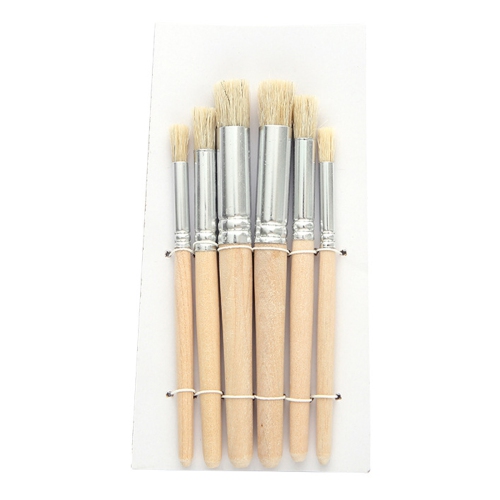
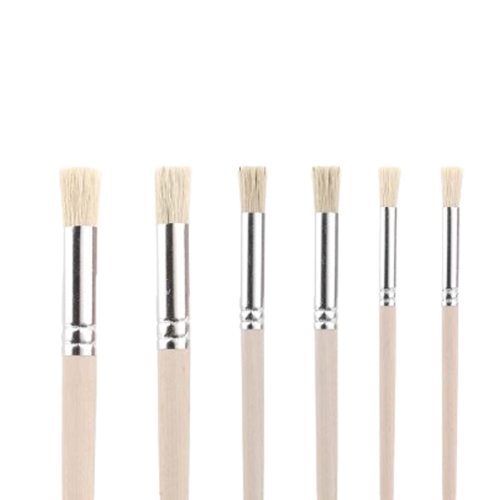
Achieve a flawless finish with our selection of natural bristle brushes, designed to elevate your painting and detailing projects to the next level. The fine bristles are crafted from high-quality materials to ensure smooth and even application of paints, varnishes, and finishes. Whether you're a professional painter or a DIY enthusiast, these brushes are versatile tools that offer precision and control for a variety of surfaces and applications. Upgrade your toolkit with our range of natural bristle brushes and unleash your creativity with confidence.
Sort

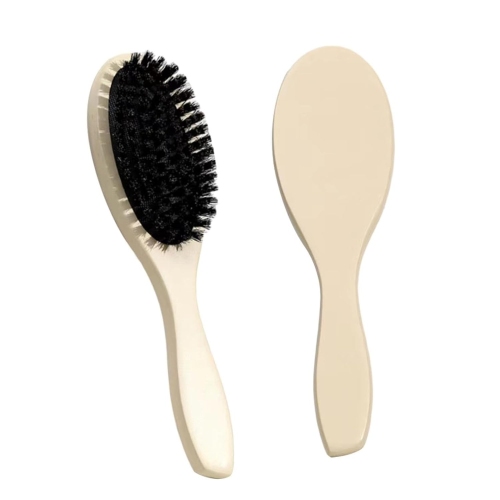
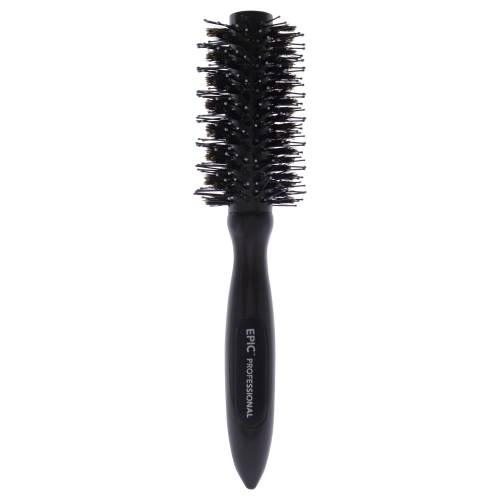
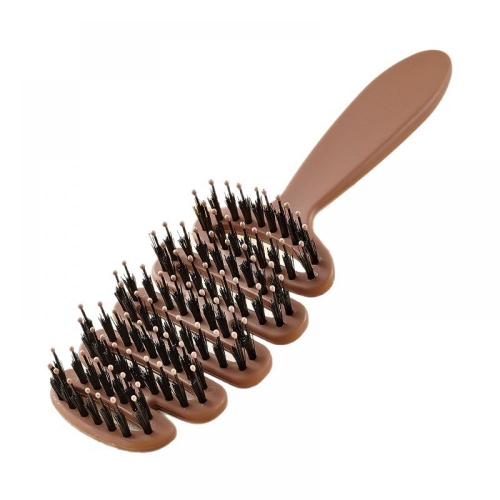
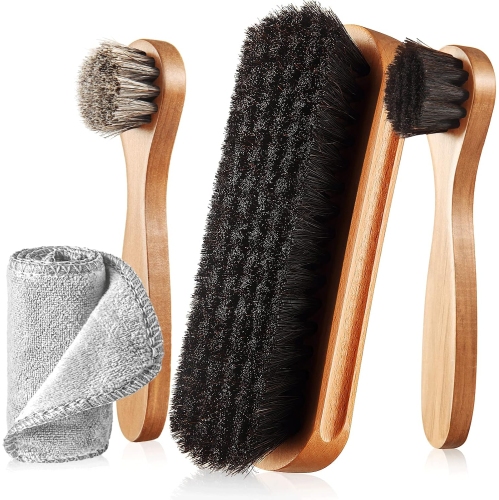

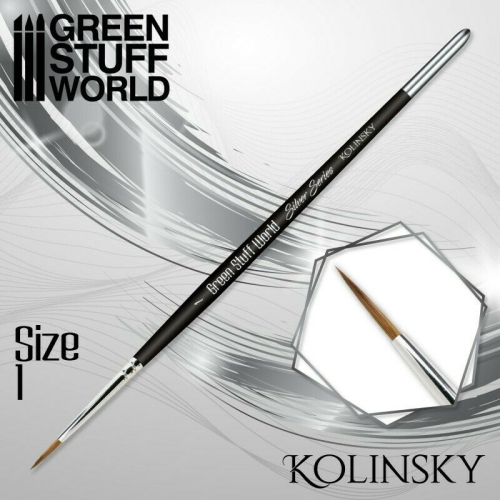
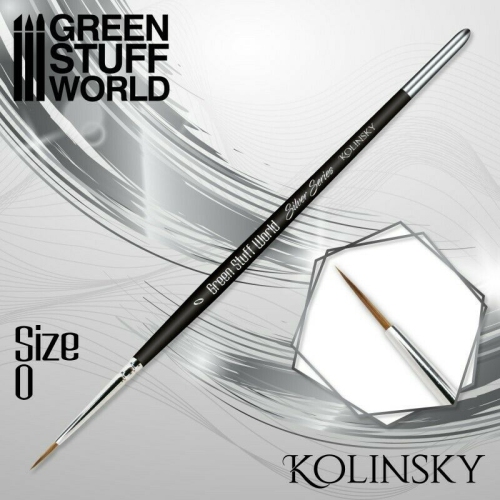
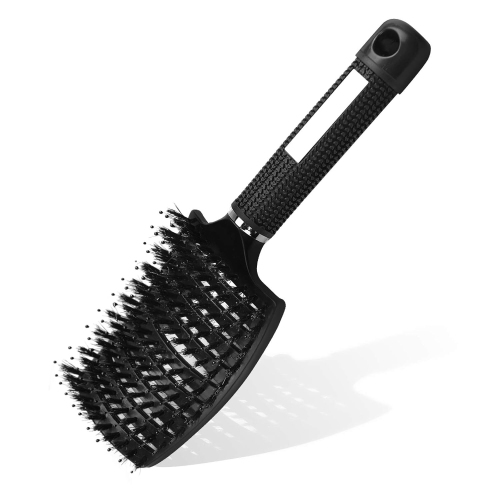
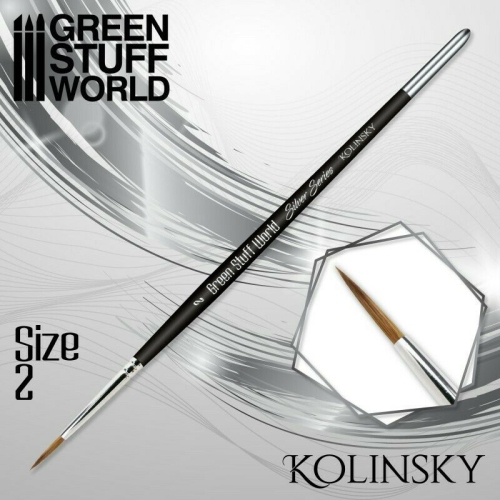
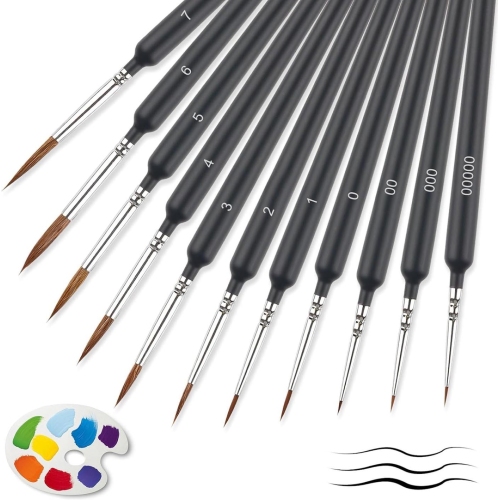
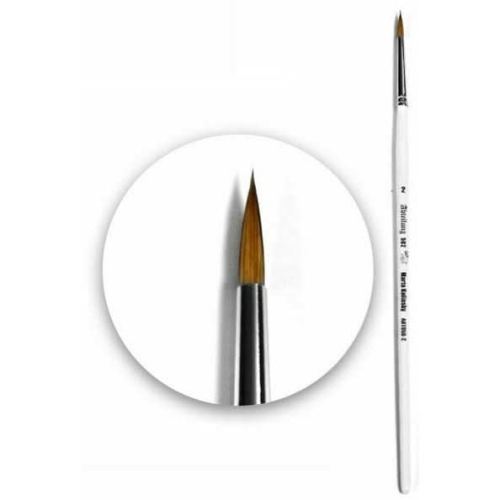
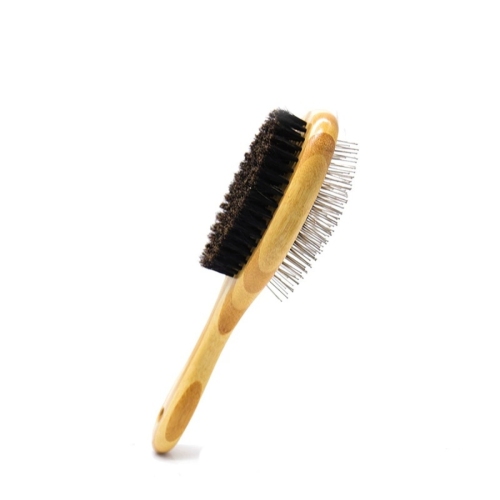
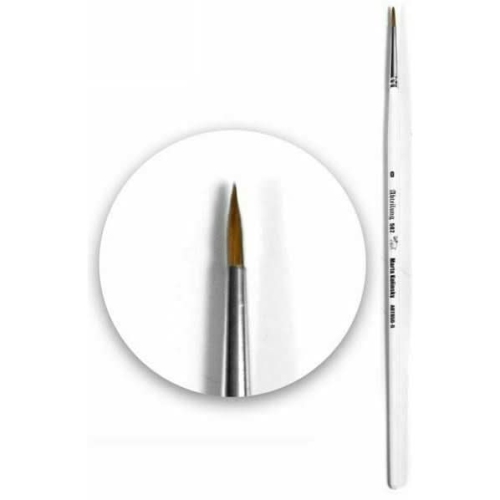
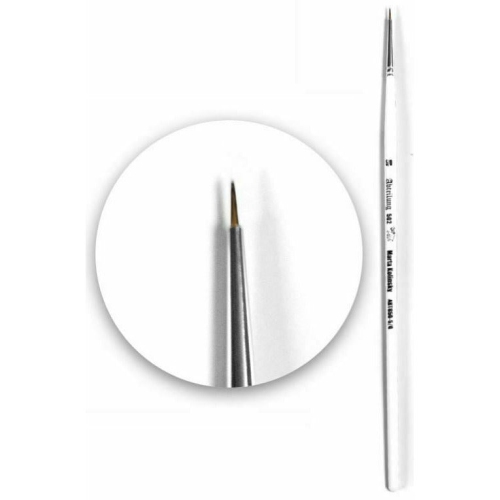
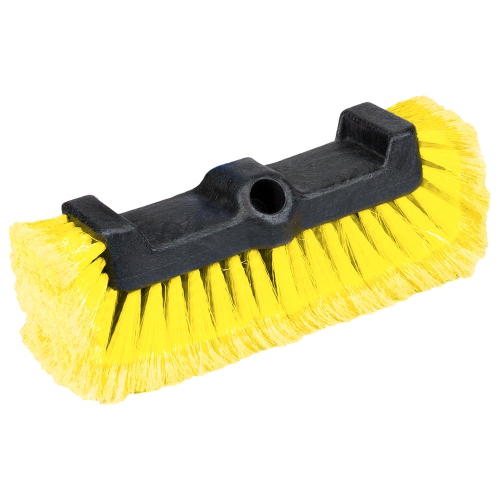
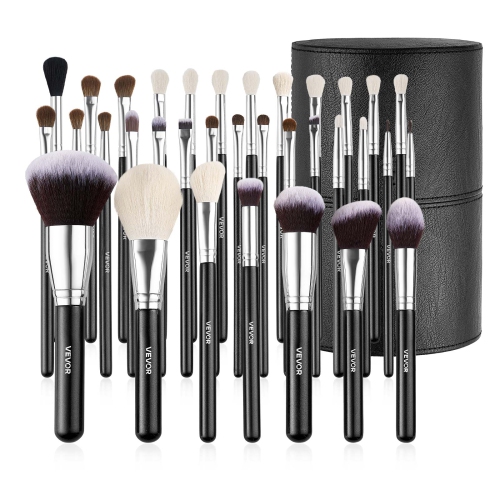
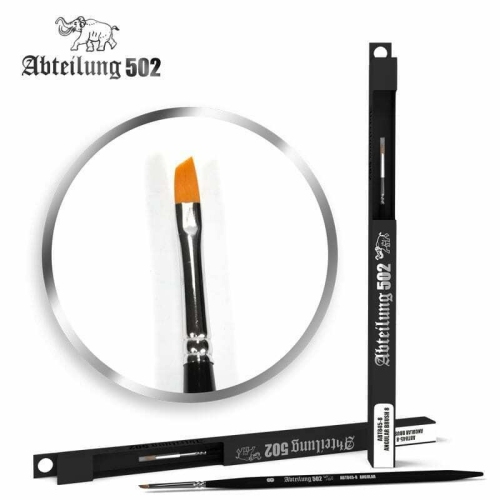
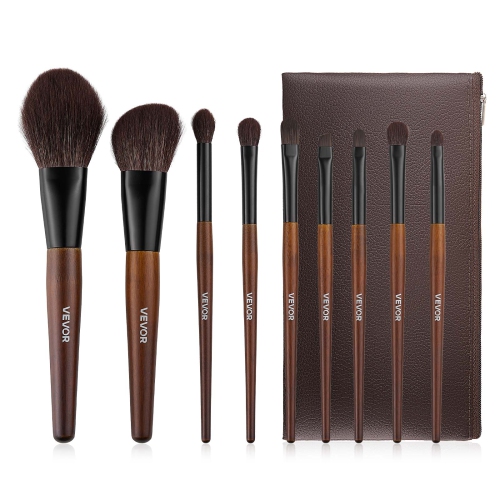
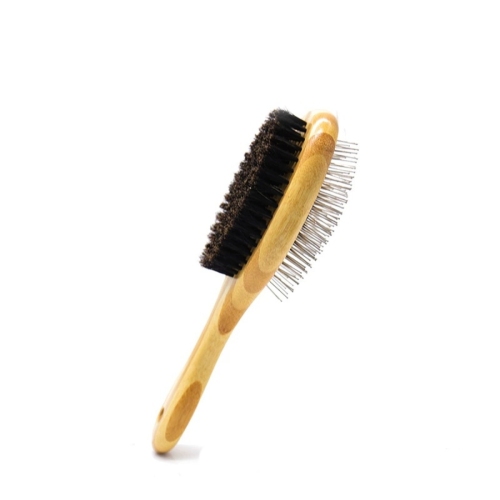
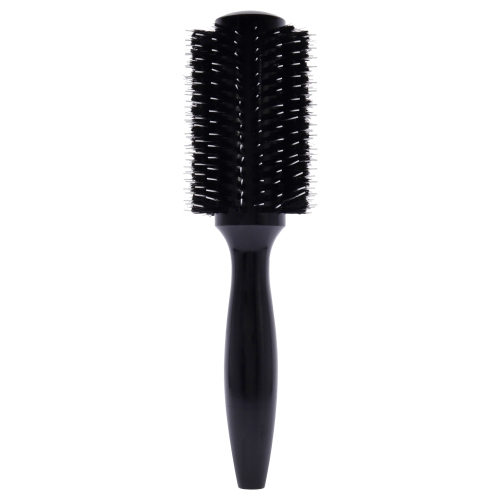

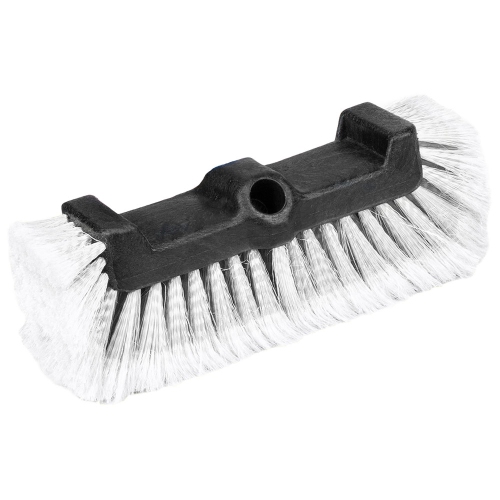
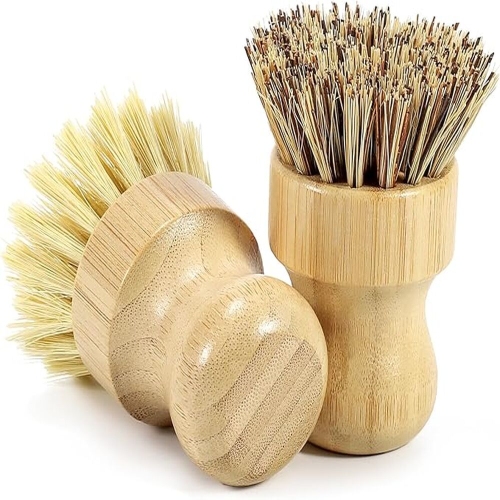
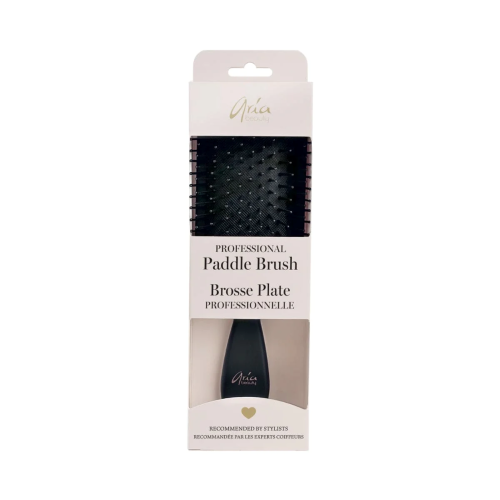
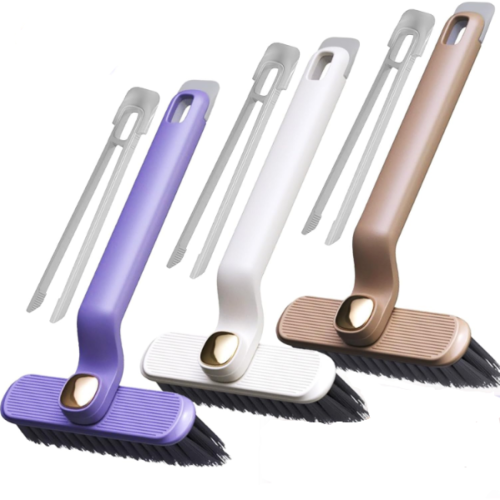
Why grooming and painting call for different bristles
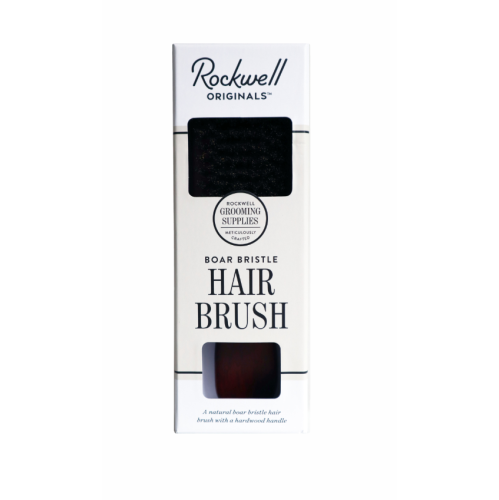
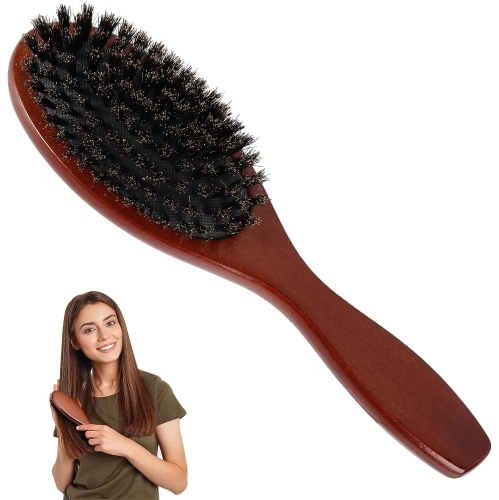
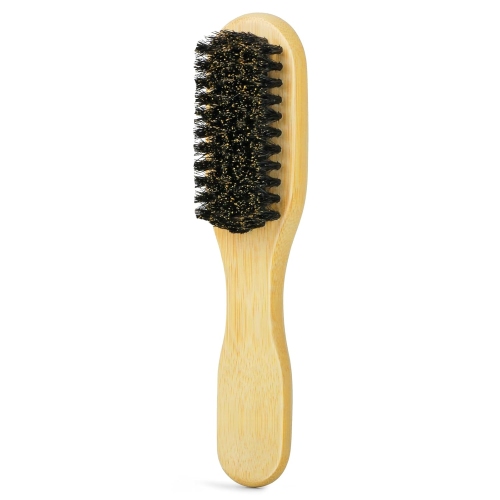
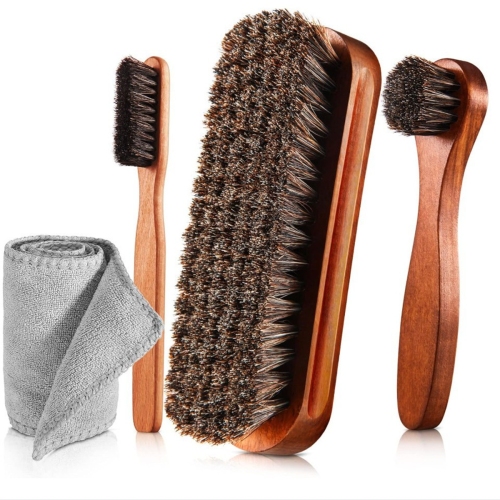
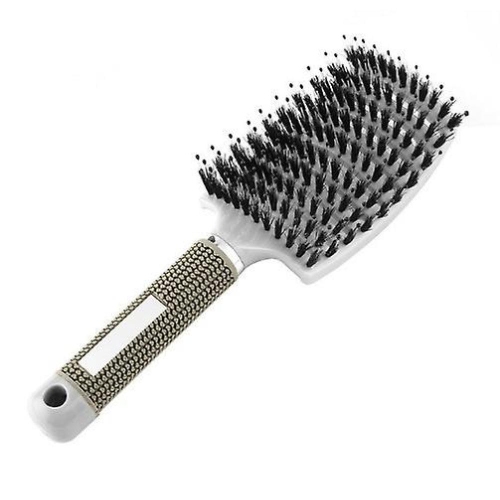
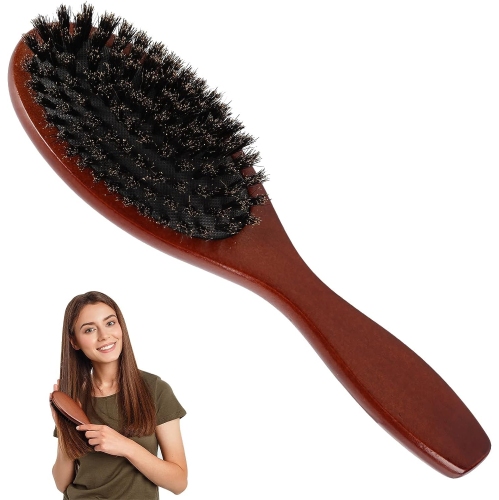
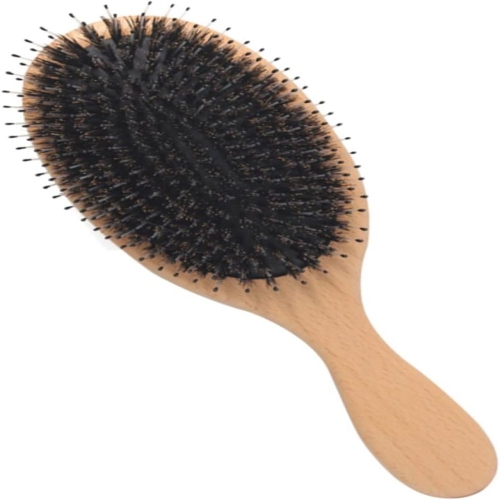
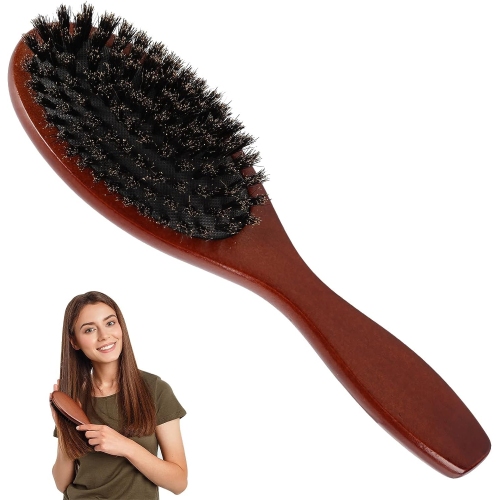
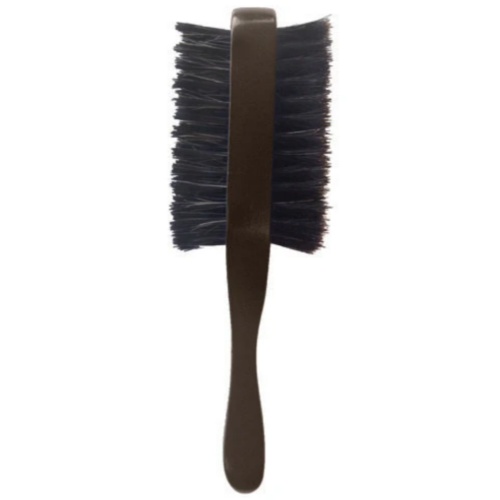
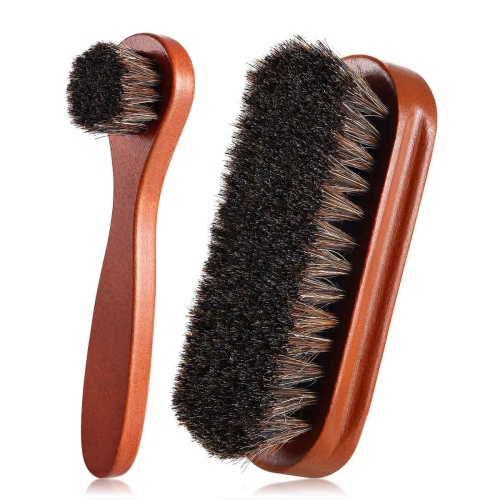
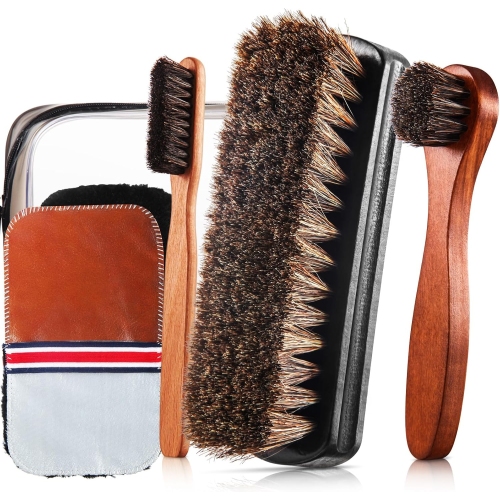
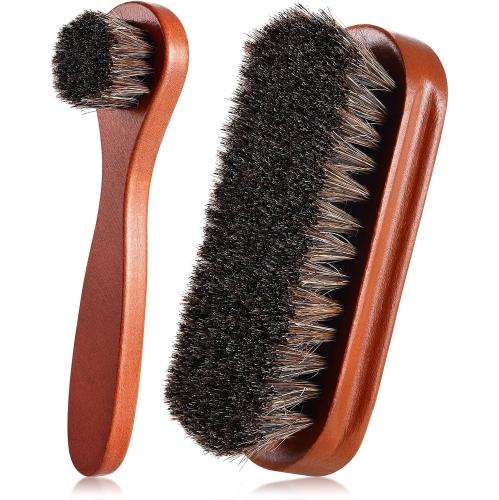
Natural bristle brushes use animal hair, such as boar, hog, goat, badger, sable, or squirrel hair, rather than entirely manufactured fibres. They are used for hair care, beard grooming, shaving, painting, and other tasks that call for a particular balance of softness, flexibility, and control. The animal hair, brush shape, and construction determine the intended use, so a natural bristle hairbrush is not interchangeable with an artist’s brush or a brush for applying wood finishes. For everyday hair care, boar bristles are a familiar choice because they can help move the scalp’s natural oils along the hair shaft, smooth loose strands, and give the surface of the hair a more polished appearance. This makes them useful for finishing a ponytail, tidying a short style, or brushing through dry hair that has already been gently detangled. A natural bristle brush is generally a smoothing tool rather than the first tool to reach for when working through stubborn knots. Fine or delicate hair may suit softer bristles and a light touch, while dense hair may need firmer bristles, a more open arrangement, or a blend of natural bristles and longer nylon pins to reach through the outer layers. Blended construction matters when comparing descriptions: a brush described as having natural bristles may also contain synthetic fibres, so the material details deserve a close look. Curly and tightly textured hair also calls for attention to styling goals. Brushing dry curls can separate their pattern and create fullness, which may be useful for some styles but unsuitable when preserving definition is the priority. Working in small sections and starting near the ends can reduce pulling, particularly on longer hair. The most comfortable match depends less on the word “natural” alone than on how the bristles feel against the scalp, how easily they pass through the hair, and whether the brush is being used to smooth, shape, or finish.
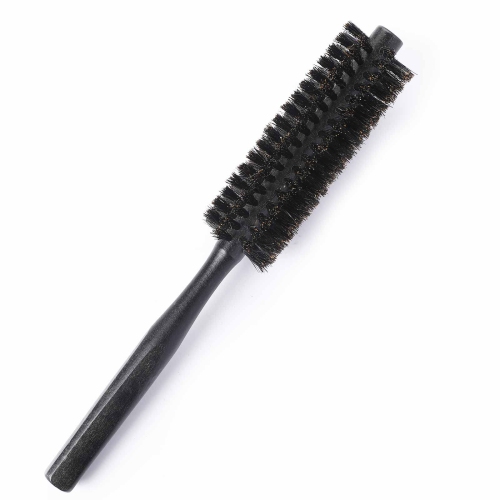
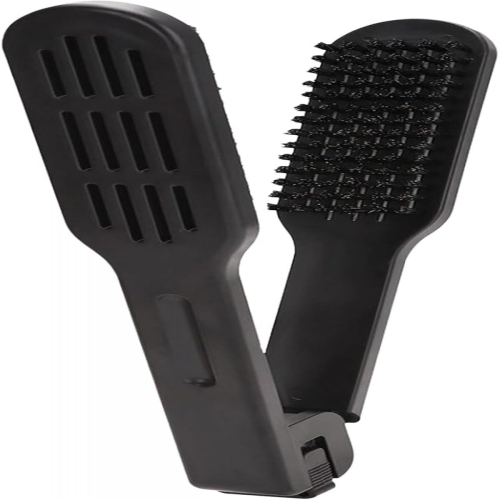
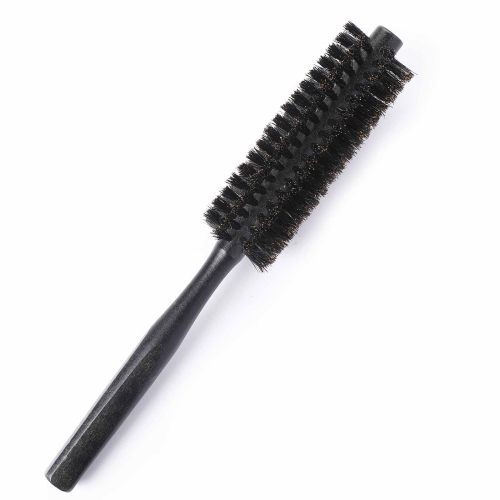
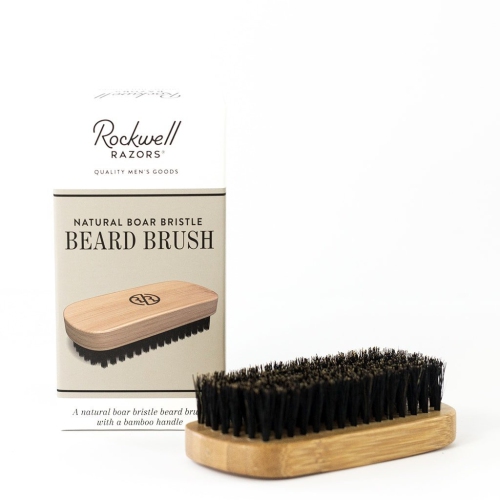
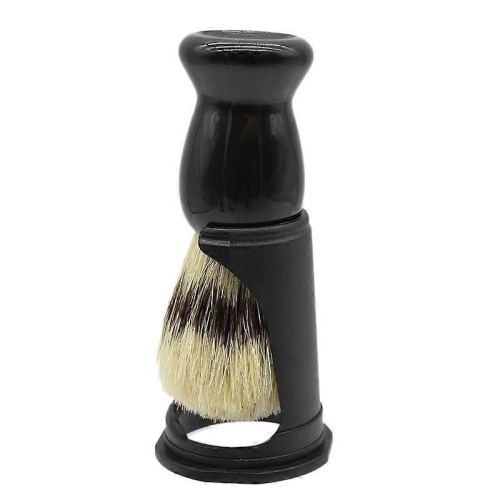
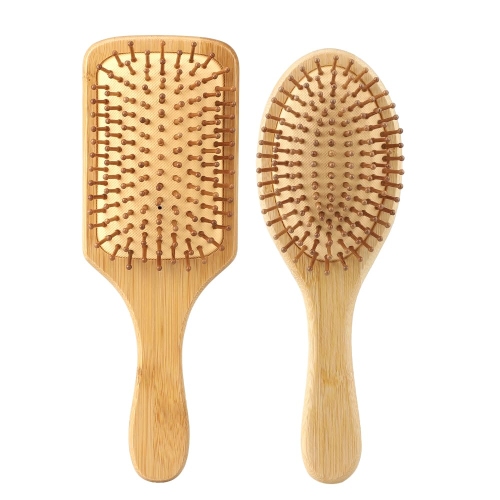
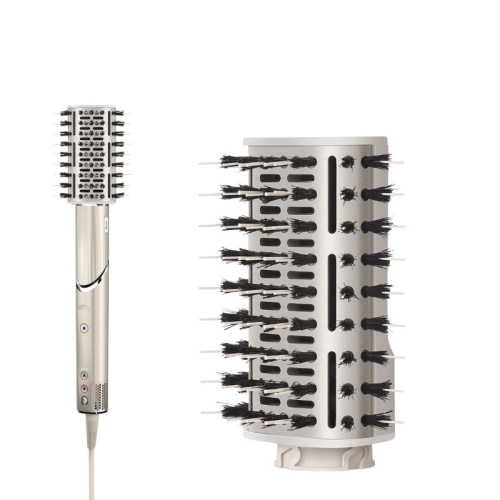
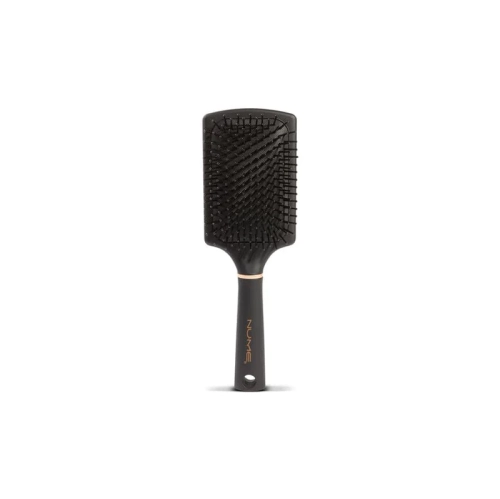
Brush size, handle shape, and bristle placement all affect how a natural bristle brush feels in daily use. A broad paddle can cover long sections efficiently, while a smaller oval head offers control around the hairline or through shorter lengths. A cushioned base allows some movement under pressure, whereas a firm-backed design gives a more direct feel. Rounded handles, a comfortable grip, and manageable weight can make a noticeable difference when brushing the back of the head or holding a brush for longer styling sessions. For blow-drying, the brush must be designed for heat styling; natural bristles alone do not establish that a handle, cushion, or barrel can tolerate a hair dryer. Round brushes can help shape the ends or create lift, but the barrel diameter should suit the hair length and desired finish. Short hair generally needs a smaller working surface than long hair, and an oversized barrel can be awkward where there is little length to wrap around it. Beyond hair styling, purpose-made boar bristle brushes can help arrange beard hair, while shaving brushes use different bristle characteristics to build and distribute lather. These grooming tools should be chosen for their stated purpose rather than shared between unrelated tasks. A well-matched brush can also make a practical gift for someone who enjoys a careful grooming routine, provided their preferences about animal-derived materials are known. Regular care helps preserve both feel and function. Remove trapped hair, wipe away residue, and follow the maker’s cleaning directions for the bristles and handle. Wooden backs and cushioned bases should not be left soaking, since prolonged moisture can affect the finish, adhesive, or padding. After any permitted washing, allow plenty of airflow and keep water from collecting at the bristle roots. Split handles, loose tufts, or sharply bent bristles are signs that a brush may no longer provide the control or comfort it once did.
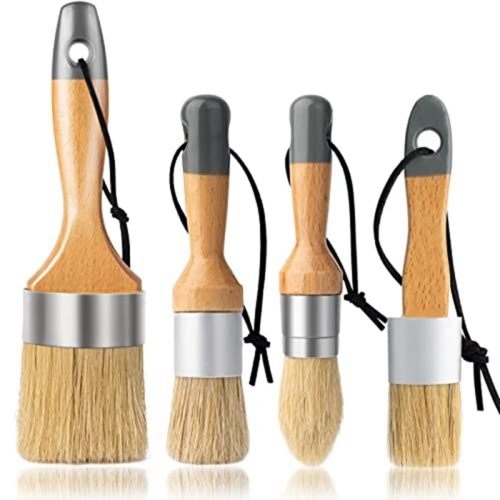
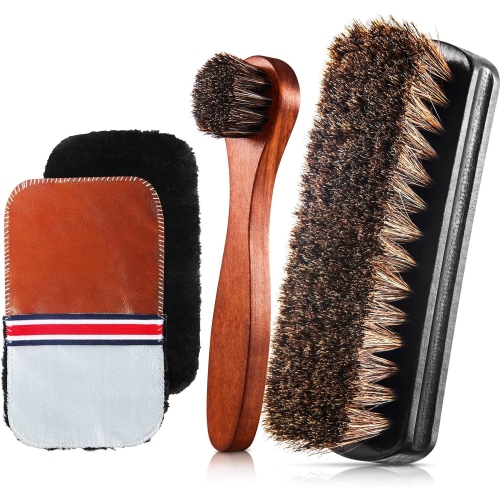
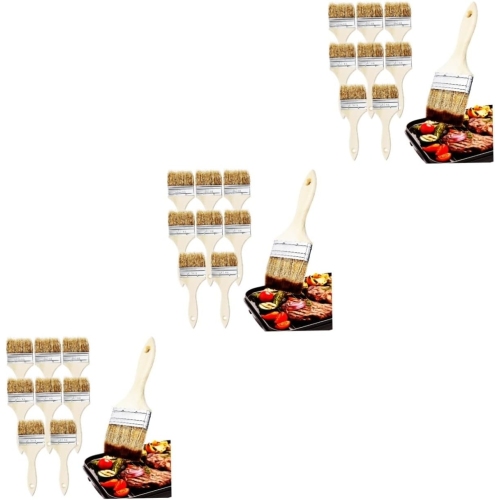
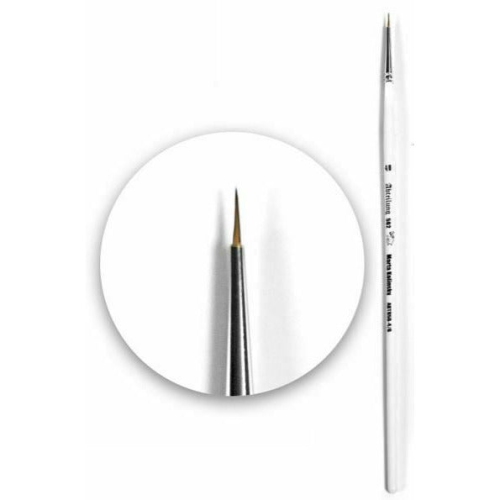
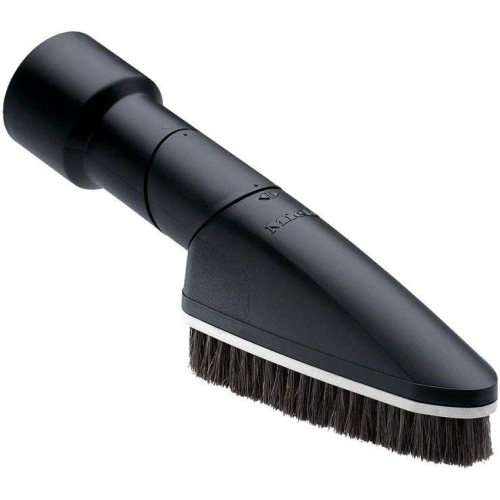
For painting and finishing, natural bristle brushes are selected for how they hold liquid, release it onto a surface, and respond to pressure. Hog bristles are comparatively firm and springy, making them useful for moving thicker oil paint and leaving visible marks on canvas. Softer hairs, including sable, squirrel, and goat, have different handling qualities suited to particular painting techniques; depending on the hair and construction, they may offer a fine point, generous liquid capacity, or a soft sweep across the surface. These differences matter more than a general claim of softness. A brush that spreads a broad wash comfortably will not necessarily hold the crisp edge needed for detailed lettering, and a stiff brush intended for textured oil painting may feel too forceful on delicate paper. Flat, round, angled, and fan shapes each change the contact between bristles and surface, while handle length affects working distance and balance. For home painting or staining, natural bristles are commonly associated with compatible oil-based coatings, varnishes, and stains. Water-based coatings can cause some natural bristles to absorb moisture and lose their intended shape, so the coating label and brush instructions should agree before work begins. Bristle length, density, and tip condition influence how evenly a finish is laid down and how readily the brush reaches corners or follows an edge. Cleaning also depends on the medium: use the cleaning method specified for the paint or finish, keep residue from hardening near the ferrule, and reshape the bristles gently before drying. Handles should not be immersed unnecessarily, and brushes should not be stored resting on their tips. Separate tools for grooming, artwork, and household coatings prevent unwanted residue from crossing between uses. For a broader comparison of bristle materials and brush formats, Bristle Brushes brings the wider category into view, with intended use remaining the clearest starting point for choosing a suitable design.
Top selling and popular products
-
 Your price for this item is $10.99
-
 Your price for this item is $649.99
-
 Your price for this item is $70
-
 Your price for this item is $65
-
 Your price for this item is $70
-
 Your price for this item is $90
-
 Your price for this item is $75
-
 Your price for this item is $43.99
Discover more categories related to Natural Bristle Brushes
Top Collections:
Best Black Friday Deals This Year, Best Black Friday Deals On Electronics, Kindle Devices, Pokemon Centers, Best Black Friday Deals On Apple Products, Best Cameras for Sports Photography, Dyson Airwrap, Pokémon 30th Celebration Cards, Apple iPhone 17 Pro, Canon G7X Cameras
Some products may be subject to Environmental Handling Fees
(EHF) depending on your province.
Learn more about EHFs.