Stiff Bristle Brushes
Discover the ultimate cleaning and scrubbing solution with our selection of stiff bristle brushes. Perfect for tackling tough grime and stubborn dirt, these durable brushes are designed to make your cleaning tasks more efficient and effective. Whether you're dealing with outdoor surfaces, kitchen messes, or workshop spills, this range of stiff bristle brushes offers the strength and resilience needed to get the job done right. Explore this collection and find the ideal brush to meet your specific cleaning needs, ensuring a spotless finish every time.
Sort
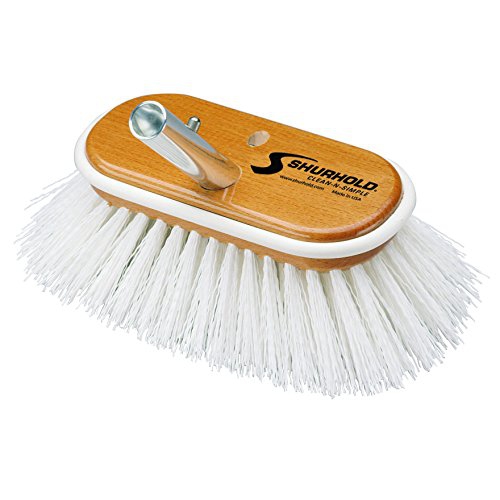
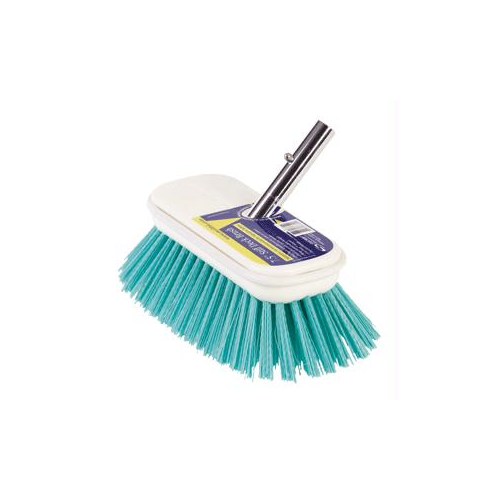
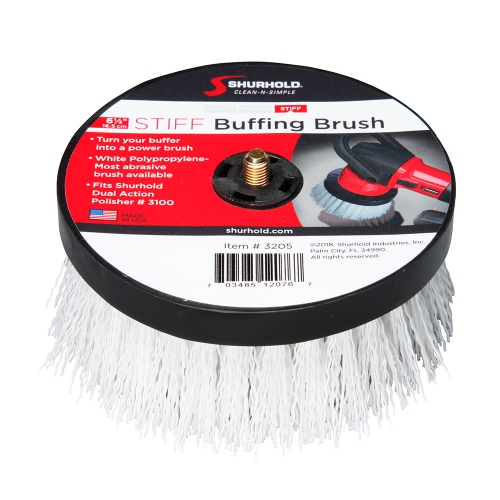
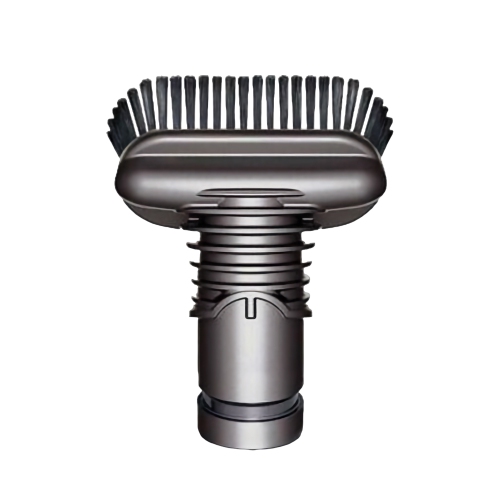
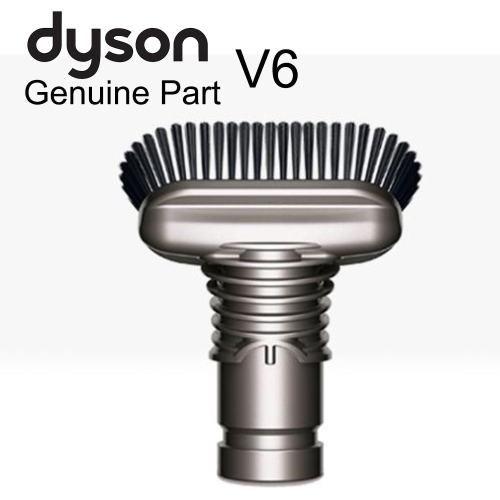
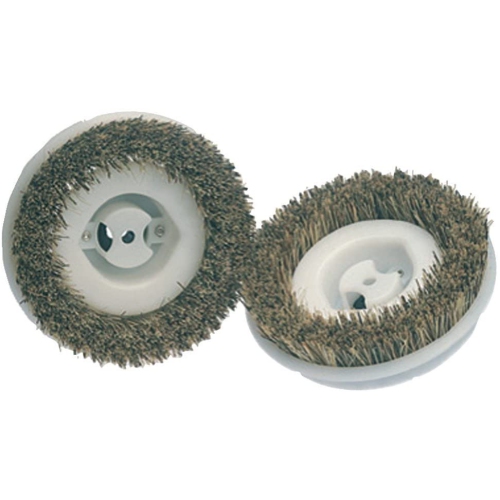
Extra scrubbing power for stubborn grime and outdoor messes
Stiff bristle brushes are practical, hardworking cleaning tools for jobs that call for more scrubbing power than a cloth, sponge, or soft-bristle brush can provide. Their rigid fibres are designed to loosen dried mud, tracked-in grit, soap residue, and stubborn grime from durable surfaces, making them useful around the home, garage, workshop, vehicle, and outdoor living areas. A handheld brush can be especially convenient for focused cleaning on grout lines, unpolished tile, concrete steps, brick, stone pathways, rubber floor mats, and the textured surfaces of outdoor furniture. Larger scrub brushes with wider heads can help cover deck boards, garage floors, patios, and other broad areas with fewer passes, while compact shapes are easier to control around corners, edges, handles, and tight spaces. When comparing options, consider the type of work you expect to do, the size of the surface, and how much pressure you can comfortably apply. Short handles provide close control for detailed jobs, whereas longer handles can reduce bending when cleaning floors, decks, or low outdoor walls. Look for a sturdy, comfortable grip if the brush will be used for extended periods, particularly when working with water or cleaning solutions. The bristle material, length, density, and arrangement also affect the feel of the brush: densely packed, rigid fibres are well suited to lifting embedded debris, while angled or contoured bristles may reach into seams and textured surfaces more effectively. A brush with a compact head may be preferable for cleaning tools, tires, mudflaps, and other irregular shapes, while a broad head can make short work of larger, flat areas. Browsing Bristle Brushes can help you compare different formats and find a style that matches the task at hand. It is also worth thinking about storage, especially if the brush will live in a utility room, shed, mudroom, or garage. A hanging hole, loop, or easy-to-rinse design can make the brush simpler to store and ready for the next cleaning session.
The best results come from matching a stiff bristle brush to a surface that can handle firm scrubbing. Concrete, brick, natural stone, unfinished or sealed wood decking, rubber mats, and unpolished tile are common choices, particularly where dirt has settled into grooves or a rough texture. They can be useful for removing dried soil from garden tools, loosening mud from boots, cleaning the ridges of tire treads, or freshening up a garage floor after wet weather brings in grit. In the kitchen or utility area, a stiff brush may help tackle heavily soiled floor grout, the base of a workbench, or the textured bottom of a storage bin. For outdoor cleaning, wet the surface first to soften stuck-on dirt, then apply an appropriate cleaner and work in small sections using steady strokes. Letting a cleaner sit for the recommended amount of time can reduce the amount of force needed and help prevent unnecessary wear on both the brush and the surface. Rinse away loosened debris as you go so it does not settle back into the grooves. During the cooler months, a stiff bristle brush can be handy for clearing dried leaves, road salt residue, and compacted dirt from entryways, porch steps, vehicle mats, and equipment that has been used outdoors. As the weather warms, the same brush can move easily from spring cleanup to patio, deck, and garden maintenance. A brush may also be a thoughtful gift for someone setting up a first home, organizing a workshop, maintaining a vehicle, or taking pride in a well-used garage. It is the sort of useful item that often earns a permanent place beside a pail, hose, or tool storage cabinet because it solves everyday messes without requiring complicated equipment. For shared households, consider whether a dedicated brush for outdoor surfaces would be more practical than one intended for indoor use, since separating brushes can help keep tracked-in dirt and outdoor residue away from living spaces.
Because stiff bristles are made for forceful cleaning, they should not be used indiscriminately. Rigid fibres can scratch acrylic tubs, vehicle paint, glass, polished stone, glossy finishes, delicate tile, and other surfaces that mark easily. They may also roughen finished wood or damage coatings if used with excessive pressure. Upholstery, leather, fine carpets, and other delicate fabrics generally call for a soft-bristle brush or a cleaning method recommended by the manufacturer. Before tackling a visible area, test the brush and cleaning solution on a small, hidden spot, then check for scratching, colour transfer, or changes in the finish. Avoid assuming that a surface is durable simply because the dirt is difficult to remove; a stubborn mark may be better handled with a gentler brush, a longer soaking period, or a cleaner specifically formulated for that material. Wear suitable gloves and eye protection when cleaning heavily soiled areas or working with chemical products, and follow the instructions on any cleaning solution carefully. Keep the brush secure while scrubbing, use controlled pressure rather than sharp, hurried movements, and rinse the bristles thoroughly after use. Removing trapped grit helps the brush stay effective and reduces the chance of transferring abrasive particles to another surface. Allow it to dry fully in a well-ventilated area before storing it, particularly if it has been used with soap, degreaser, or muddy water. With the right bristle stiffness, handle style, head shape, and cleaning approach, a stiff bristle brush can become a dependable part of a regular cleaning routine, ready for the jobs where ordinary wiping simply is not enough.
The best results come from matching a stiff bristle brush to a surface that can handle firm scrubbing. Concrete, brick, natural stone, unfinished or sealed wood decking, rubber mats, and unpolished tile are common choices, particularly where dirt has settled into grooves or a rough texture. They can be useful for removing dried soil from garden tools, loosening mud from boots, cleaning the ridges of tire treads, or freshening up a garage floor after wet weather brings in grit. In the kitchen or utility area, a stiff brush may help tackle heavily soiled floor grout, the base of a workbench, or the textured bottom of a storage bin. For outdoor cleaning, wet the surface first to soften stuck-on dirt, then apply an appropriate cleaner and work in small sections using steady strokes. Letting a cleaner sit for the recommended amount of time can reduce the amount of force needed and help prevent unnecessary wear on both the brush and the surface. Rinse away loosened debris as you go so it does not settle back into the grooves. During the cooler months, a stiff bristle brush can be handy for clearing dried leaves, road salt residue, and compacted dirt from entryways, porch steps, vehicle mats, and equipment that has been used outdoors. As the weather warms, the same brush can move easily from spring cleanup to patio, deck, and garden maintenance. A brush may also be a thoughtful gift for someone setting up a first home, organizing a workshop, maintaining a vehicle, or taking pride in a well-used garage. It is the sort of useful item that often earns a permanent place beside a pail, hose, or tool storage cabinet because it solves everyday messes without requiring complicated equipment. For shared households, consider whether a dedicated brush for outdoor surfaces would be more practical than one intended for indoor use, since separating brushes can help keep tracked-in dirt and outdoor residue away from living spaces.
Because stiff bristles are made for forceful cleaning, they should not be used indiscriminately. Rigid fibres can scratch acrylic tubs, vehicle paint, glass, polished stone, glossy finishes, delicate tile, and other surfaces that mark easily. They may also roughen finished wood or damage coatings if used with excessive pressure. Upholstery, leather, fine carpets, and other delicate fabrics generally call for a soft-bristle brush or a cleaning method recommended by the manufacturer. Before tackling a visible area, test the brush and cleaning solution on a small, hidden spot, then check for scratching, colour transfer, or changes in the finish. Avoid assuming that a surface is durable simply because the dirt is difficult to remove; a stubborn mark may be better handled with a gentler brush, a longer soaking period, or a cleaner specifically formulated for that material. Wear suitable gloves and eye protection when cleaning heavily soiled areas or working with chemical products, and follow the instructions on any cleaning solution carefully. Keep the brush secure while scrubbing, use controlled pressure rather than sharp, hurried movements, and rinse the bristles thoroughly after use. Removing trapped grit helps the brush stay effective and reduces the chance of transferring abrasive particles to another surface. Allow it to dry fully in a well-ventilated area before storing it, particularly if it has been used with soap, degreaser, or muddy water. With the right bristle stiffness, handle style, head shape, and cleaning approach, a stiff bristle brush can become a dependable part of a regular cleaning routine, ready for the jobs where ordinary wiping simply is not enough.
Top selling and popular products
-
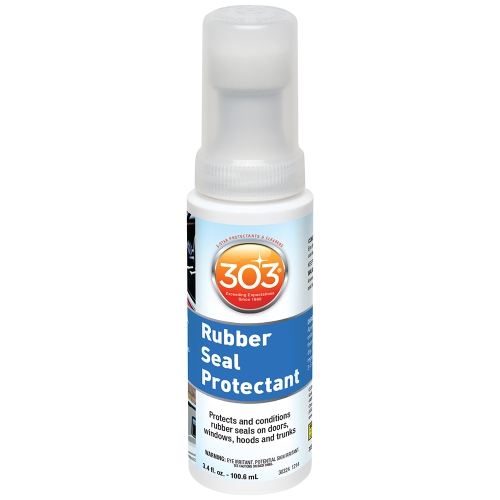 Your price for this item is $30.59
 -
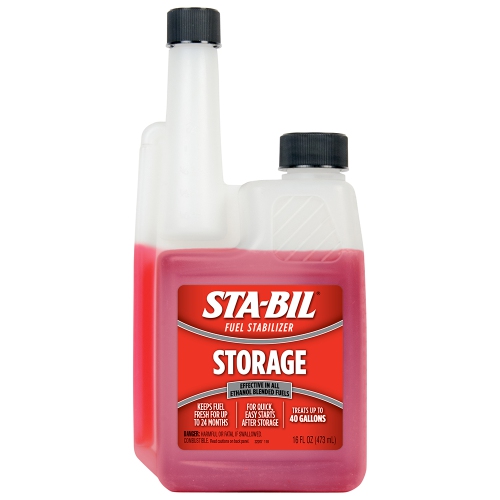 Your price for this item is $30.54
 -
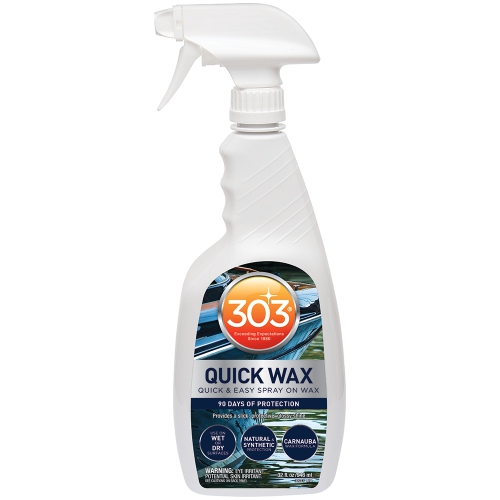 Your price for this item is $38.85
 -
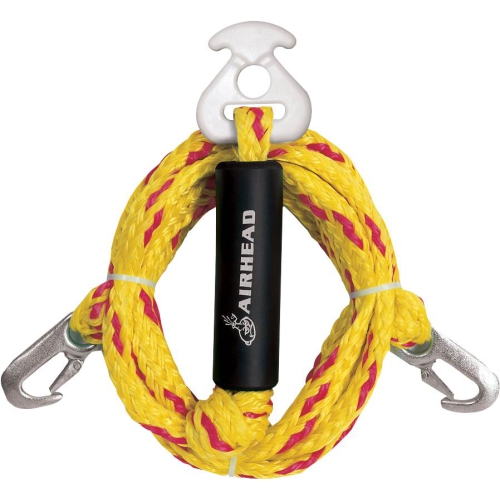 Your price for this item is $92.99
 -
 Your price for this item is $844.91
 -
 Your price for this item is $909.33
 -
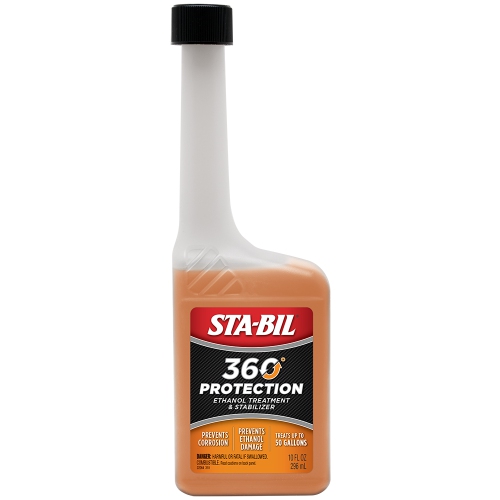 Your price for this item is $30.62
 -
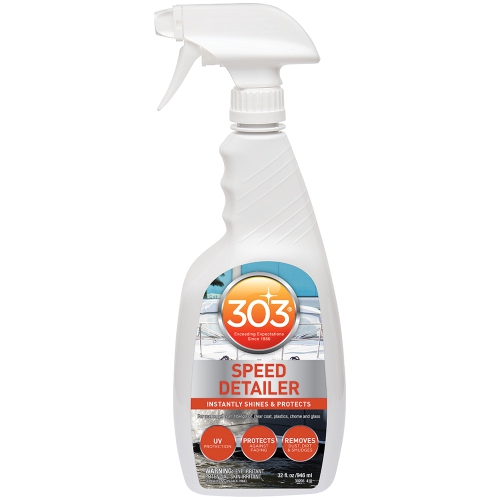 Your price for this item is $34.93
Discover more categories related to Stiff Bristle Brushes
Top Collections:
Pokemon Centers, Kindle Devices, Best Budget Office Chairs, Apple iPhones 16, Best Laptops for Writers, iPhone 15 Apple, Canon G7X Cameras, Refurbished Apple Laptops, Alarm Clock, Motorola Razr Phones
Some products may be subject to Environmental Handling Fees
(EHF) depending on your province.
Learn more about EHFs.