Oral B Braun
Discover a wide range of Oral B Braun products designed to help elevate your daily oral care routine. Whether you're searching for advanced electric toothbrushes, replacement brush heads, or convenient accessories, you'll find options to suit every need and preference. Explore the latest innovations from Oral B Braun and enjoy a cleaner, fresher feeling every day. Shop now to find the perfect addition to your bathroom essentials.
Sort


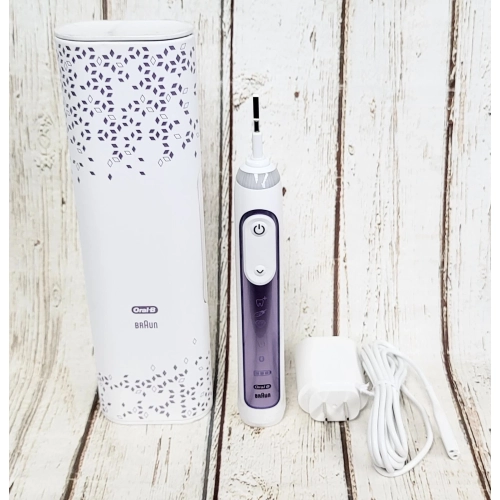
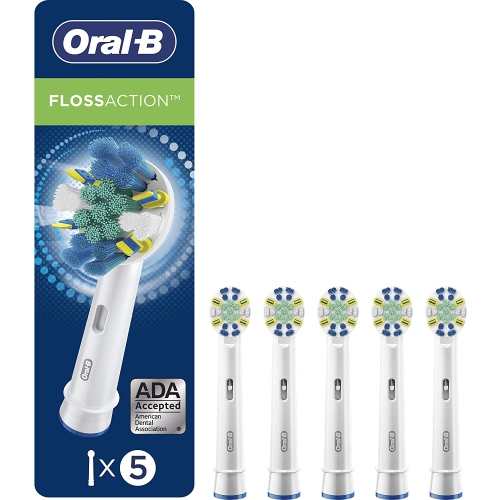
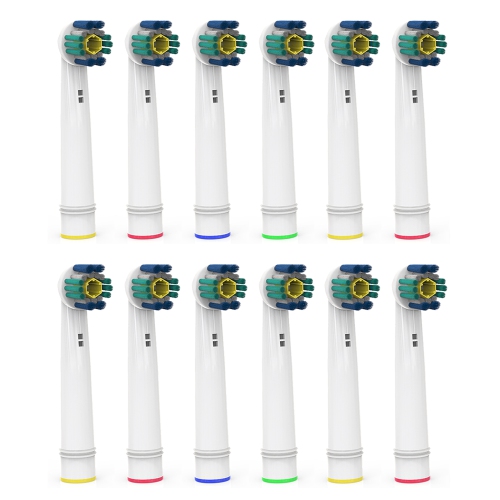
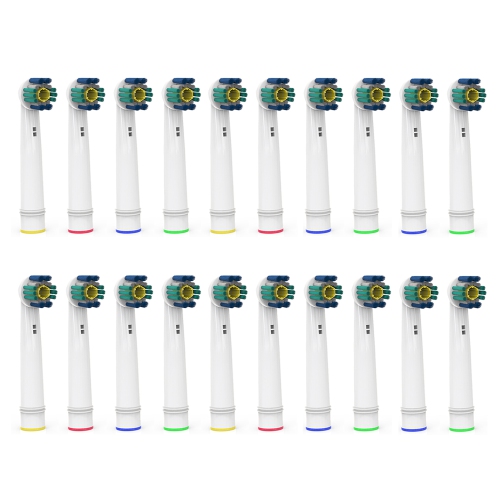


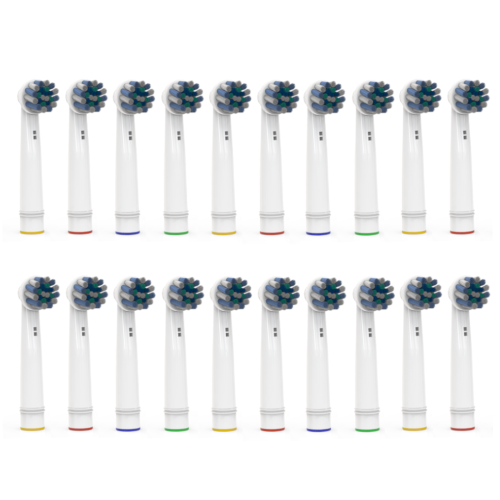
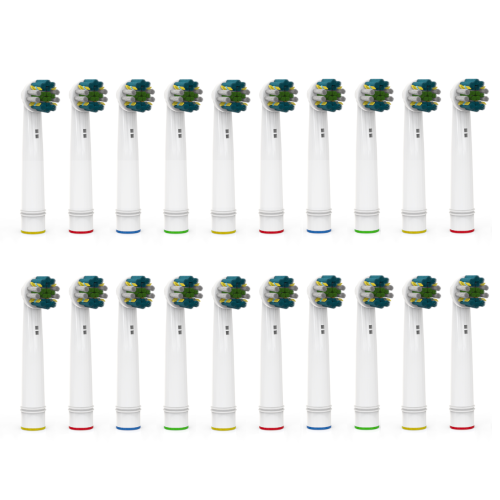


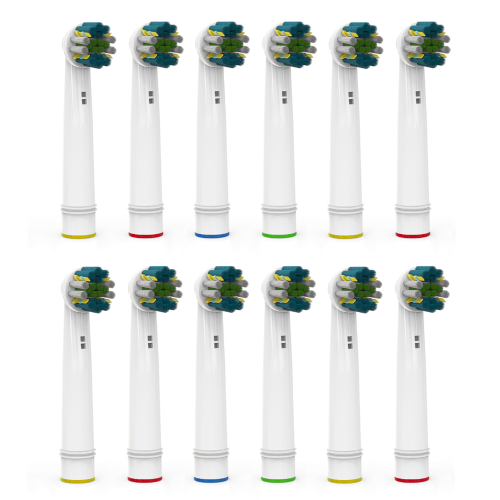

How rechargeable toothbrush features shape your daily brushing
Rechargeable electric toothbrushes combine a powered handle with a replaceable brush head to support everyday cleaning of teeth and the gumline. Their main differences are the movement of the bristles, the shape of the head, and the features that help make brushing more consistent. Some systems use a small round head that oscillates and rotates, with certain designs adding pulsations; others combine oscillating movement with fine vibrations. These mechanisms are designed to help remove plaque as the head is guided across the teeth, rather than relying on the scrubbing motion used with a manual toothbrush. For shoppers exploring Oral B Electric Toothbrushes, understanding these differences provides useful context for comparing powered handles and compatible replacement heads. A compact head can make it easier to work around individual teeth and reach the back of the mouth, although comfort depends on head size, bristle firmness, and individual preference. Soft bristles are generally suitable for everyday brushing, while specialized head shapes may be designed for particular cleaning needs. Bristles are commonly made from nylon or other synthetic filaments, with different lengths and arrangements intended to contact tooth surfaces and the gumline. The handle matters just as much as the head: its weight, diameter, grip texture, and button placement all affect how it feels during a two-minute brushing session. A broader grip may be easier for some people with reduced hand dexterity to hold, while a lighter handle may feel more comfortable for others. Powered movement can reduce the amount of manual brushing motion required, but careful positioning remains important. Electric brushing also complements, rather than replaces, cleaning between the teeth. For people with braces, implants, crowns, or sensitive gums, advice from a dental professional can help establish which head style and brushing technique suit their needs.
Everyday usability often comes down to feedback that is easy to understand while standing at the bathroom sink. A built-in timer can help pace a brushing session, and interval signals may prompt a move to another section of the mouth. Pressure feedback serves a different purpose: depending on the design, a light, vibration, or change in brushing action can signal that the handle is being pressed too firmly. That can be particularly useful for someone accustomed to vigorous manual scrubbing, since a powered head generally needs to be guided rather than forced against the teeth. Brushing modes may adjust speed or movement for a gentler sensation or a different cleaning experience, but the number of modes alone does not determine how well a toothbrush suits its user. A straightforward control layout can be more useful than a long list of settings when the priority is a familiar daily routine. Connected features, where included, may provide brushing feedback through a compatible phone, while other designs keep guidance on the handle itself. Some people appreciate the extra detail; others prefer to brush without a screen nearby. Battery performance and charging arrangements also influence convenience. The number of brushing sessions between charges varies with the handle, mode, battery condition, and frequency of use, so a stated battery-life figure needs to be understood alongside its testing conditions. Charging bases, cables, and travel cases are not interchangeable across all systems, and a travel case does not necessarily charge the handle. For a shared bathroom, a compact base and clearly distinguishable brush heads can make the counter easier to organize. When a handle is designed to be shared, each person still needs a separate brush head. Children need age-appropriate equipment and supervision suited to their abilities; an adult handle with a small head is not automatically a substitute for a toothbrush designed for children. These practical details often have more influence on daily comfort than decorative finishes or an elaborate display.
Replacement-head compatibility is an important part of choosing and maintaining a rechargeable toothbrush. Similar-looking heads may use different attachment systems, and a head that fits one handle family may not fit another. The handle’s model information and the replacement head’s compatibility details provide a more reliable match than appearance alone. Within a compatible range, differences in head size, bristle arrangement, and firmness can change the feel of brushing, so familiarity with a preferred head style can make replacements simpler. Brush heads commonly need replacing about every three months, or sooner if the bristles become frayed or splayed, subject to the manufacturer’s directions and advice from a dental professional. Colour-changing bristles can offer a reminder on some designs, but visible wear still matters. Care between uses is straightforward: toothpaste residue and moisture can collect around the connection point, making regular rinsing and cleaning important. The head and handle should be cleaned and dried according to their instructions, with charging equipment kept clear of pooled water. A handle intended for use around a sink is not necessarily suitable for prolonged immersion, and the charger may have different water-exposure limits from the toothbrush itself. Smooth housings and accessible surfaces can make routine cleaning easier, while careful handling helps protect the head connection, buttons, and charging components. For travel, a protective case can keep the brush from being knocked against other toiletries; allowing wet components to dry before closing them away helps keep the case clean. A rechargeable toothbrush can also be a practical gift for someone who has expressed interest in powered brushing, particularly when handle comfort, simple controls, and replacement-head compatibility are considered together. For a person already using an electric toothbrush, compatible heads or a suitable travel accessory may be more useful than changing to an unfamiliar system. The most suitable setup is ultimately one that feels comfortable, is easy to maintain, and supports thorough brushing as part of a regular oral-care routine.
Top selling and popular products
-
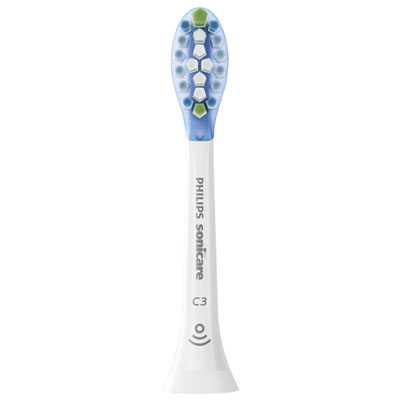 Your price for this item is $42.99
-
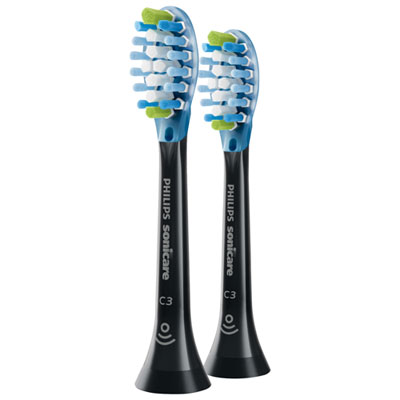 Your price for this item is $42.99
-
 Your price for this item is $25.99
-
 Your price for this item is $14.95
-
 Your price for this item is $16
-
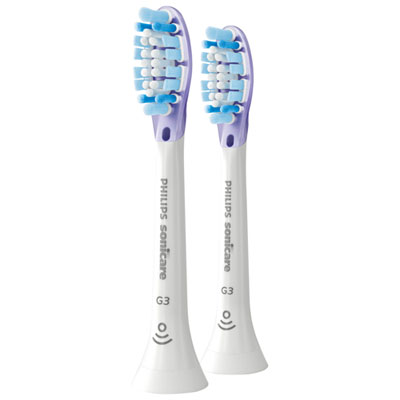 Your price for this item is $42.95
-
 Your price for this item is $39.95
-
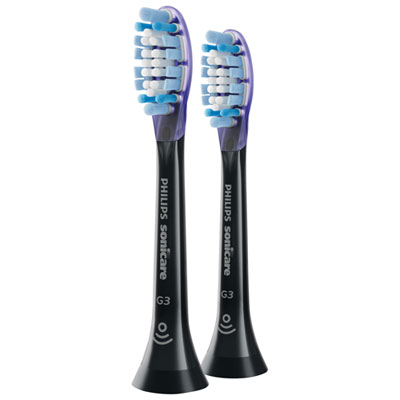 Your price for this item is $42.99
Discover more categories related to Oral B Braun

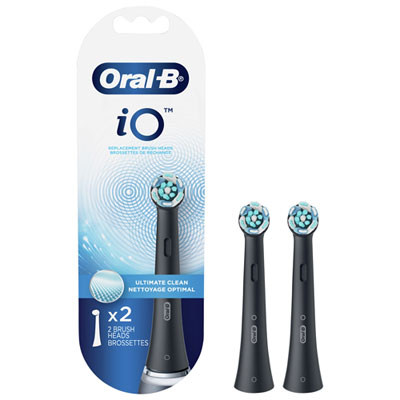
Top Collections:
Pokemon Centers, Pokémon 30th Celebration Cards, Best Budget Office Chairs, Kindle Devices, Best Cameras for Sports Photography, Canon G7X Cameras, Best Black Friday Deals On Electronics, Best Laptops for Writers, iPhone 15 Apple, Jackery Power Stations
Some products may be subject to Environmental Handling Fees
(EHF) depending on your province.
Learn more about EHFs.