Oral B IO 2
Discover a new level of oral care with the Oral B IO 2. Designed for those who value efficiency and comfort in their daily routine, the Oral B IO 2 offers an elevated brushing experience. Explore options that blend modern technology with ease of use, making it simple to maintain a bright, healthy smile every day. Find the perfect fit for your needs and enjoy a refreshed approach to dental hygiene with the Oral B IO 2.
Sort
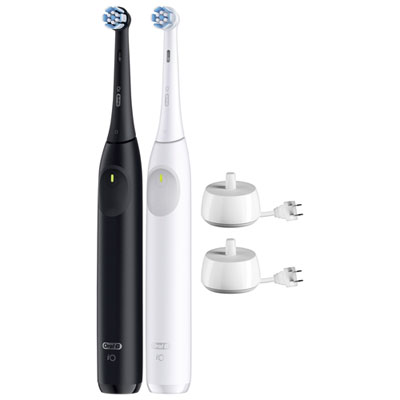
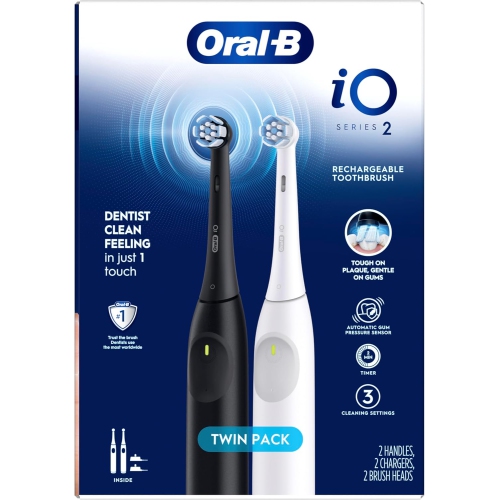
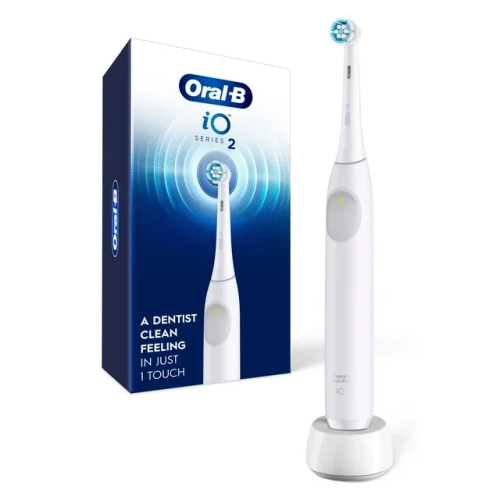


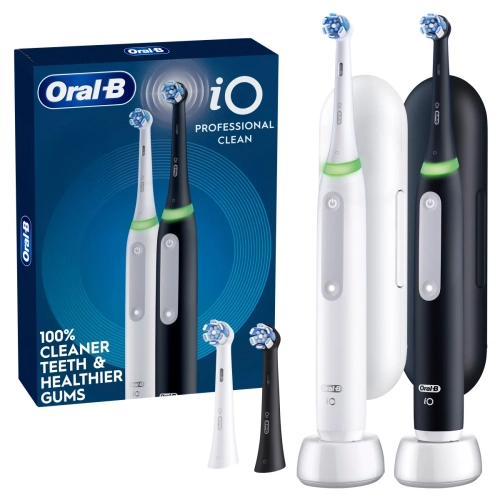


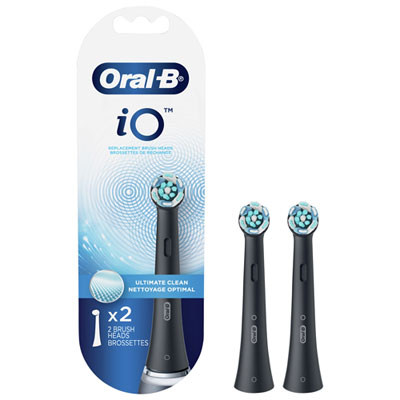
Powered brushing made simpler with timers and pressure feedback
Entry-level rechargeable electric toothbrushes offer powered daily cleaning without making a bathroom routine unnecessarily complicated. Their appeal is straightforward: a comfortable handle, a compact cleaning head, and useful feedback that helps make brushing more consistent. Round brush heads are designed to work around individual teeth, while powered movements do much of the brushing action that a manual toothbrush relies on the hand to produce. On designs that combine oscillating movements with gentle micro-vibrations, the sensation can feel quite different from a familiar manual brush. The head is moved slowly from tooth to tooth rather than scrubbed rapidly across several teeth at once. This approach can make it easier to pay attention to back molars, the inside surfaces of front teeth, and the area along the gumline. A built-in two-minute timer is a practical feature for everyday use, particularly when a hurried morning makes brushing time easy to underestimate. Some handles also provide interval signals to help divide attention between different sections of the mouth. Pressure feedback serves a separate purpose: it alerts the user when the brush is being pushed too firmly against teeth and gums. That distinction matters because a harder push is not a substitute for thorough coverage. Depending on the design, feedback may be visual, audible, or felt through a change in operation, so its usefulness depends partly on how easily it is noticed while brushing. A choice of cleaning intensities or modes may also help someone settle into powered brushing, especially when a gentler setting feels more comfortable at first. For shoppers who prefer an uncomplicated routine, accessible controls and clear signals can matter more than a screen or connected features. The most suitable everyday toothbrush is one that feels manageable twice a day, reaches comfortably throughout the mouth, and supports the brushing technique recommended by a dental professional. Powered brushing complements, rather than replaces, cleaning between teeth and regular dental care.
Comfort and fit depend on both the handle and the replaceable brush head. A handle with a smooth, moulded housing should feel secure when held with wet hands, while its shape and weight influence how easily it can be angled behind the last molars. Someone with reduced hand strength or limited dexterity may appreciate powered movement that reduces the need for repeated manual strokes, although button placement and grip still deserve attention. A compact head can feel less cumbersome in a smaller mouth, but comfort also depends on the bristle arrangement and how the head sits against the teeth. Soft synthetic bristles are a common choice for routine brushing, and rounded bristle tips are intended to provide comfortable contact when used with appropriate pressure. Bristle firmness, cleaning mode, and brushing pressure are separate considerations; selecting a gentle mode does not make forceful brushing advisable. Replacement-head compatibility is particularly important because similar-looking attachments do not necessarily fit the same handle. A familiar shape, matching colour, or shared manufacturer does not establish compatibility, and some rechargeable toothbrush families use a distinct attachment system. The stated handle compatibility is therefore more useful than appearance when choosing replacement heads. It is also worth considering the full footprint of the charging base, not just the dimensions of the toothbrush itself. A compact pedestal may fit neatly beside a sink, while a crowded vanity may call for a different arrangement with safe access to a power outlet. In a shared bathroom, individual head markings or separate storage positions can help prevent mix-ups. Each person needs a separate brush head, even where a handle is designed to accommodate household sharing. Replacement intervals are another part of ongoing ownership: a head is commonly changed about every three months, or sooner if the bristles become frayed or splayed, subject to the manufacturer’s instructions and dental advice. Bristles that spread noticeably well before that point may also be a reason to review brushing pressure. These small details shape day-to-day comfort as much as the number of available settings.
Care, charging, and storage all contribute to how well a rechargeable toothbrush holds up through repeated use. Toothpaste residue can collect around the head connection and handle, so regular rinsing of washable parts and drying as directed help keep those areas clean. The charging base needs its own care and should not be treated as though it has the same water resistance as the handle. Following the supplied cleaning instructions is especially important around electrical contacts, seams, and charging components. Between uses, a brush head benefits from being left where it can air-dry rather than being sealed away while wet. A travel case is useful for keeping the handle and head protected inside luggage, but it is not a replacement for cleaning and drying before packing. Battery endurance varies with the handle, selected mode, brushing frequency, and number of users, so a stated runtime is best understood alongside the conditions used to measure it. For travel, the charger’s supported voltage and plug requirements matter more than assumptions based on the toothbrush’s size. At home, a clear charging indicator can take the guesswork out of deciding when the handle needs power. Durability also involves the less conspicuous parts of ownership: whether compatible heads are straightforward to identify, whether the charging base suits the bathroom setup, and whether the controls remain comfortable to operate. Related options in the Oral B IO 5 collection provide another point of comparison for brushing modes, pressure feedback, and included accessories. A rechargeable toothbrush can be a practical gift for an adult who has expressed interest in updating a daily routine, particularly when ease of use matters more than extra technology. For younger users, age suitability, handle size, and any required supervision should follow the manufacturer’s guidance. Anyone with braces, recent dental treatment, or specific gum concerns can ask a dental professional about an appropriate head and technique. The lasting value lies in comfortable, repeatable use: a brush that is easy to hold, straightforward to maintain, and well suited to its user’s everyday oral care.
Top selling and popular products
-
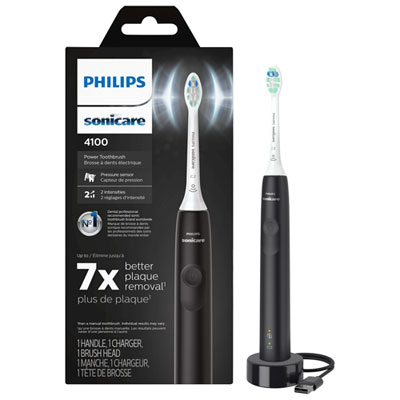 Your price for this item is $84.99
-
 Your price for this item is $49.95
-
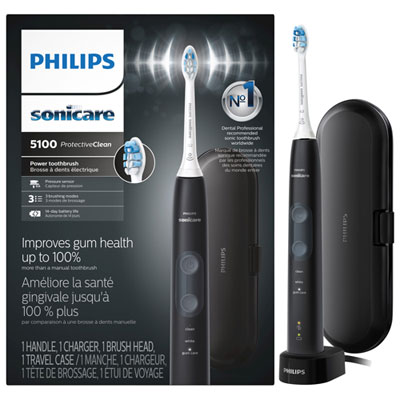 Your price for this item is $119.99
-
 Your price for this item is $29.99
-
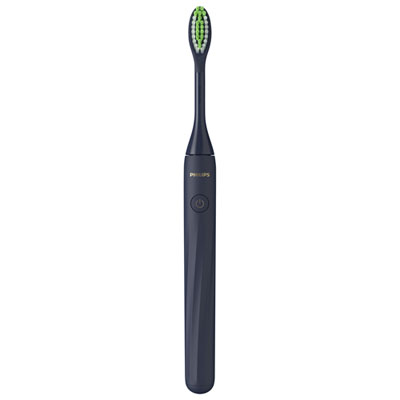 Your price for this item is $34.95
-
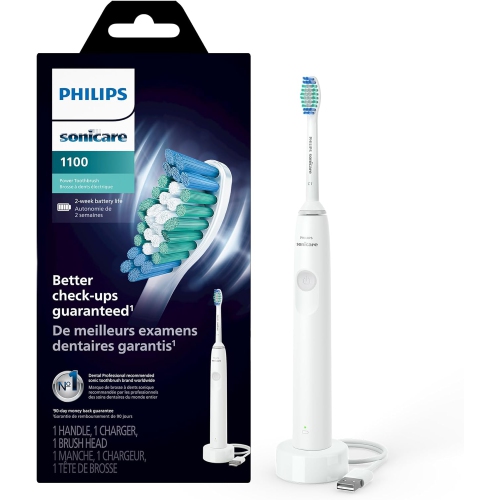 Your price for this item is $29.97
-
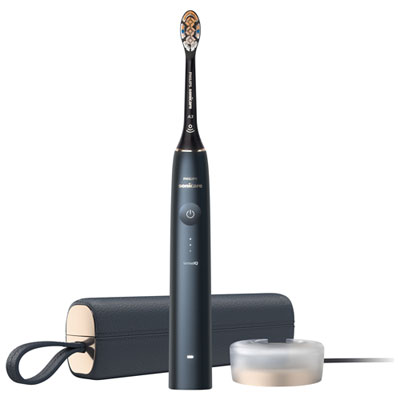 Your price for this item is $399.99
-
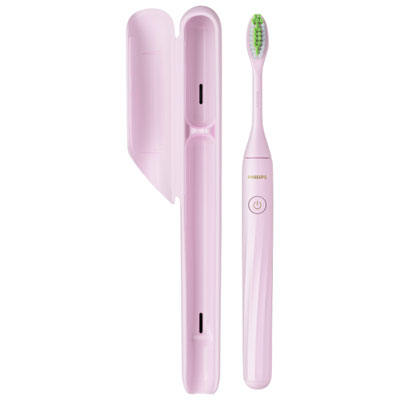 Your price for this item is $34.99
Discover more categories related to Oral B IO 2
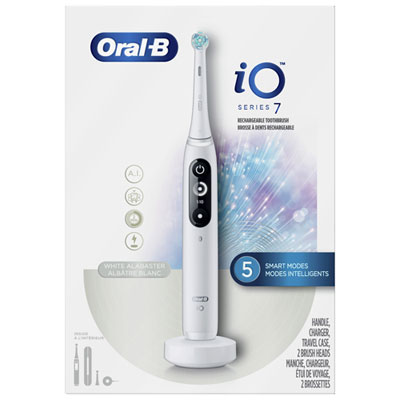

Top Collections:
Pokemon Centers, Pokémon 30th Celebration Cards, Best Budget Office Chairs, Kindle Devices, Best Cameras for Sports Photography, Canon G7X Cameras, Best Black Friday Deals On Electronics, Best Laptops for Writers, iPhone 15 Apple, Jackery Power Stations
Some products may be subject to Environmental Handling Fees
(EHF) depending on your province.
Learn more about EHFs.