Oral B IO 4
Discover a new level of oral care with the Oral B IO 4. Designed to elevate your daily routine, these innovative toothbrushes combine advanced technology and user-friendly design for an exceptional cleaning experience. Explore a range of options to find the perfect fit for your needs, and enjoy the confidence that comes with a brighter, healthier smile. The Oral B IO 4 is here to help you achieve your best oral hygiene every day.
Sort

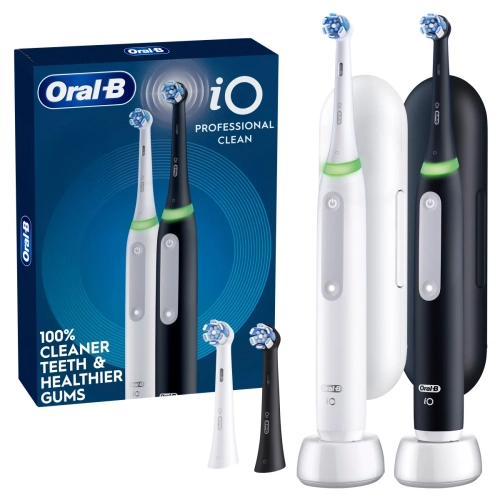


How pressure feedback supports a gentler brushing routine
Rechargeable electric toothbrushes with round brush heads bring controlled movement and useful feedback to an everyday oral care routine. Their compact heads are designed to work around individual teeth, including the back molars and the edges where teeth meet the gumline. Some designs combine an oscillating round head with fine micro-vibrations, allowing the powered movement to do much of the brushing work while the user guides the head slowly from tooth to tooth. This feels different from scrubbing with a manual toothbrush: a light touch and steady positioning matter more than vigorous back-and-forth strokes. For someone making that switch, a pressure sensor can be particularly helpful. Depending on the design, an illuminated indicator may signal excessive pressure, insufficient pressure, or an appropriate level of contact, and some toothbrushes reduce their movement when pressed too firmly. These cues can make it easier to develop a gentler technique without guessing how hard to push. A built-in two-minute timer supports a familiar brushing routine, while a pacer that signals every 30 seconds helps divide attention among four sections of the mouth. Neither feature replaces careful coverage of the inner, outer, and chewing surfaces, but both can make a rushed morning routine more consistent. Cleaning modes add another layer of adjustment. Everyday cleaning, sensitive, extra-gentle, and whitening-oriented settings may vary the intensity or pattern of movement rather than changing the physical brush head. A gentler setting can make powered brushing more comfortable for a new user, while a whitening-oriented mode is intended to help manage surface staining rather than change the natural colour of teeth. Persistent sensitivity, sore gums, or bleeding deserves advice from a dental professional rather than simply a stronger or longer brushing session. The most useful combination of features is one that encourages thorough, comfortable brushing twice a day and fits easily into an established routine.
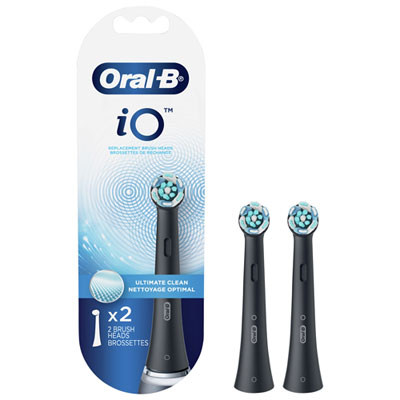
Comfort also depends on the parts that touch the hand and mouth. A smooth, moulded handle should feel secure when damp, with controls that are easy to find without repeatedly changing grip. Handle weight, thickness, and button placement can matter as much as the number of settings, especially for someone with limited hand dexterity. A compact brush head may be easier to position behind the last molars or inside a smaller mouth, while soft bristles and a suitable cleaning mode help keep contact gentle. Replacement-head compatibility deserves close attention because similar-looking round heads are not necessarily interchangeable. The attachment system, head family, and handle requirements need to match; appearance alone is not a reliable indication of fit. Different bristle arrangements may be intended for everyday cleaning or a softer brushing feel, but the appropriate choice also depends on personal comfort and dental advice. People with braces, bridges, implants, or other dental work may need particular head designs or techniques, along with separate cleaning between teeth. An electric toothbrush does not replace floss or other interdental tools recommended by a dental professional. For a shared bathroom, separate personal brush heads and clear identifying marks can help prevent mix-ups, and brush heads should never be shared. Connected features are another consideration for those who like feedback beyond a timer. Bluetooth-enabled handles may pair with a compatible phone app to record sessions, display brushing time, or support routine-building reminders. Connectivity does not automatically mean detailed tooth-by-tooth tracking, so basic session logging and advanced position tracking should be treated as different capabilities. Someone who prefers to leave a phone outside the bathroom may find on-handle pressure feedback and pacing more useful than an app. For another person, a visible record of completed sessions can provide a welcome nudge towards consistency. App requirements, phone compatibility, and the features that remain accessible without a connection all affect how naturally a connected toothbrush fits into daily use.
Care and charging are practical details that influence how pleasant a rechargeable toothbrush is to use over time. After brushing, rinsing the head thoroughly removes toothpaste and debris, while removing it from the handle as directed allows the connection area to be cleaned and dried. Keeping that join free of dried residue helps the head seat properly and prevents buildup around a frequently handled surface. The handle should be cleaned according to its care instructions, and the charging base should be kept clean and dry; a handle designed for wet bathroom use does not mean every accessory can be rinsed or immersed. Brush heads generally need replacement about every three months, or sooner if the bristles become frayed or worn. Pressing harder to compensate for an ageing head is not a substitute for replacing it. Daily convenience also depends on the charging arrangement. A stable base, a suitable place near an outlet, and enough clearance around the sink can make regular charging straightforward. Battery life varies with brushing frequency, session length, cleaning mode, and battery condition, so the charging schedule should suit the household rather than depend on an assumed number of days between charges. For travel, a case can protect the head and controls inside a toiletry bag, but the brush should be allowed to dry before being enclosed whenever practical. Charging equipment and travel accessories differ between packages and should be considered separately from the handle’s cleaning features. Rechargeable toothbrushes can suit adults refreshing a familiar routine, people moving from manual brushing, or recipients who have expressed an interest in upgrading a personal care essential. For children, age suitability and adult supervision remain important. The Oral B IO 2 collection offers a related point of comparison for rechargeable brushing options. Across this category, comfortable handling, compatible replacement heads, clear feedback, and manageable upkeep are lasting considerations that matter each time the brush is used.
Top selling and popular products
-
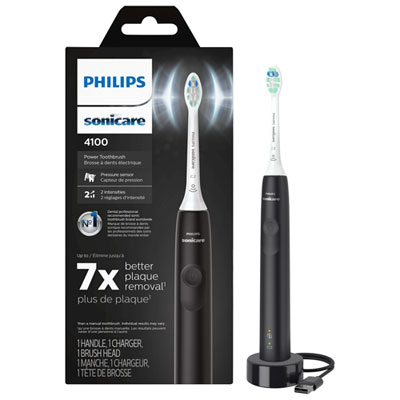 Your price for this item is $84.99
-
 Your price for this item is $49.95
-
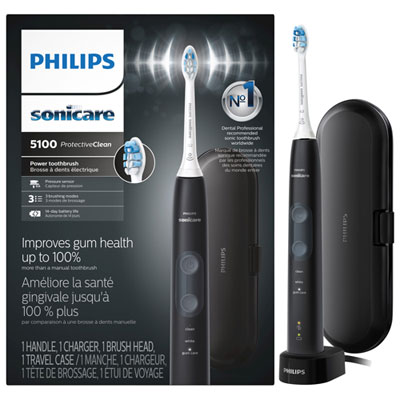 Your price for this item is $119.99
-
 Your price for this item is $29.99
-
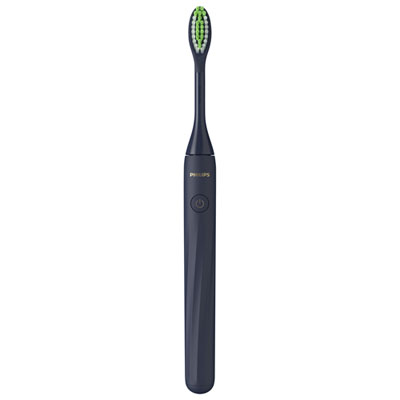 Your price for this item is $34.95
-
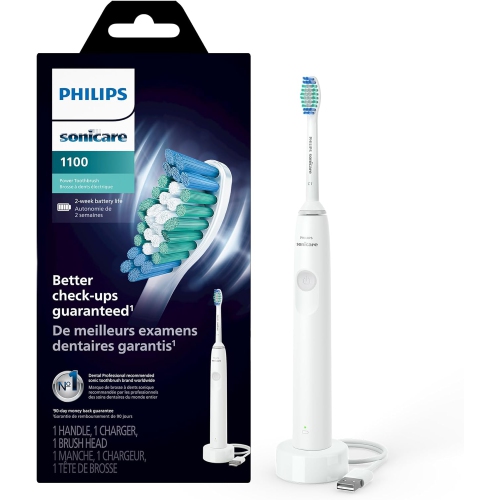 Your price for this item is $29.97
-
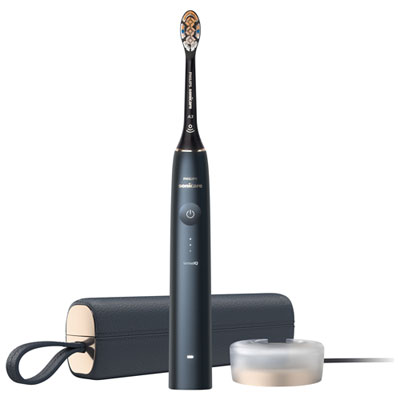 Your price for this item is $399.99
-
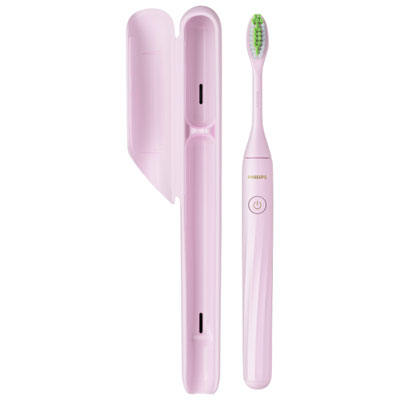 Your price for this item is $34.99
Discover more categories related to Oral B IO 4
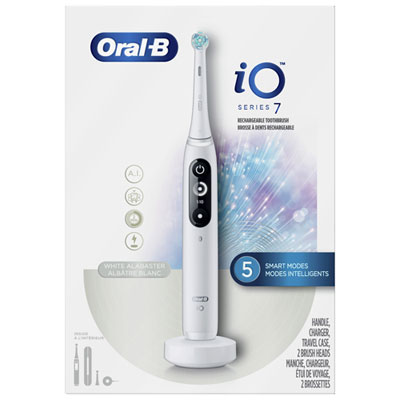
Top Collections:
Pokemon Centers, Pokémon 30th Celebration Cards, Best Budget Office Chairs, Kindle Devices, Best Cameras for Sports Photography, Canon G7X Cameras, Best Black Friday Deals On Electronics, Best Laptops for Writers, iPhone 15 Apple, Jackery Power Stations
Some products may be subject to Environmental Handling Fees
(EHF) depending on your province.
Learn more about EHFs.