Oral Hygiene Products
Maintaining good oral hygiene is essential for a healthy smile and overall well-being. From electric toothbrushes and water flossers to mouthwashes and whitening kits, our selection has everything you need to keep your teeth and gums in optimal condition. Whether you're looking to upgrade your current dental care routine or simply searching for the perfect product to enhance your smile, these oral hygiene products have got you covered.
Sort
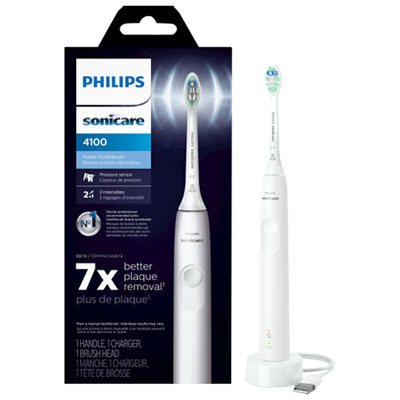
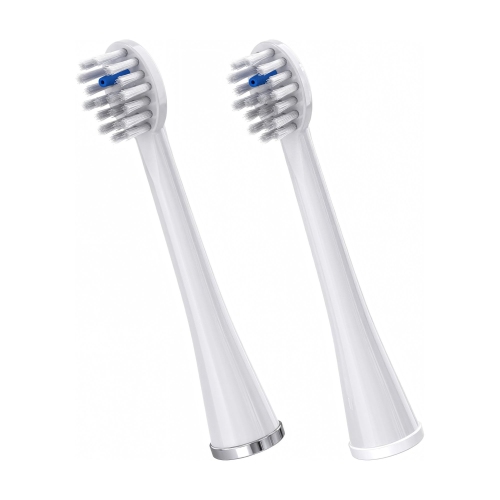
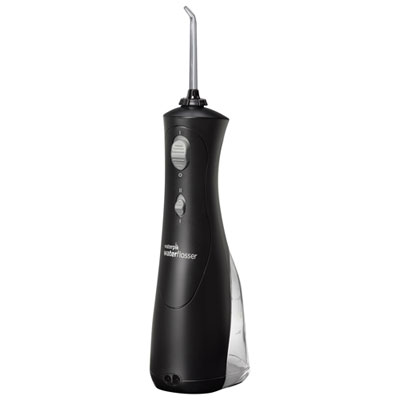
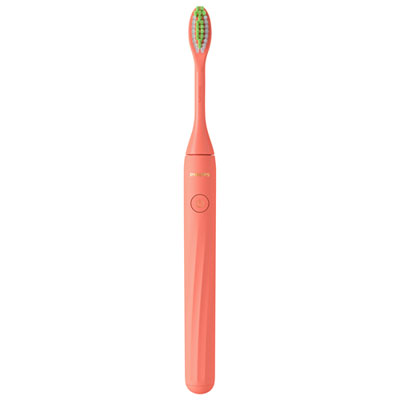


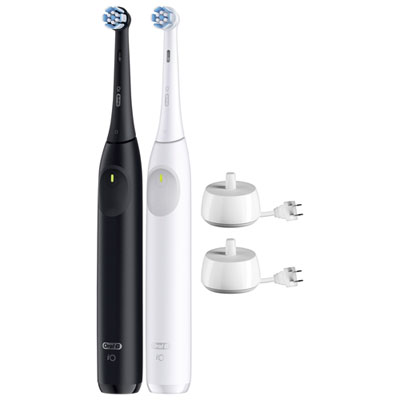
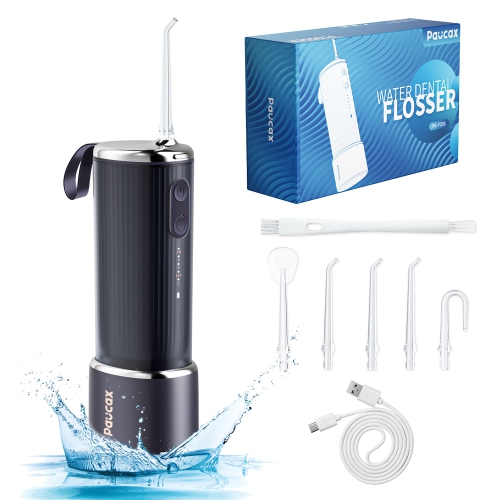
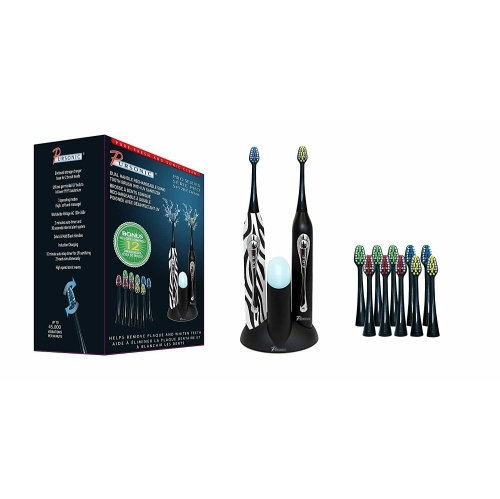
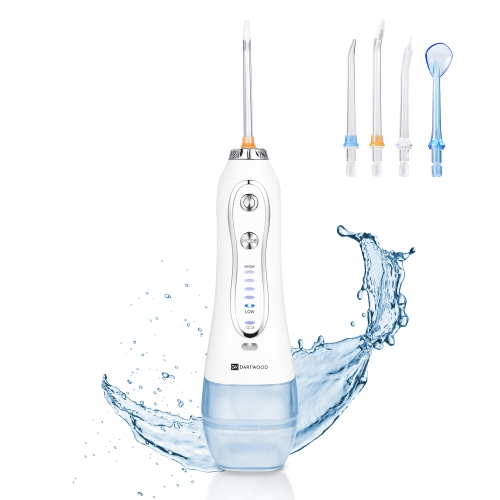
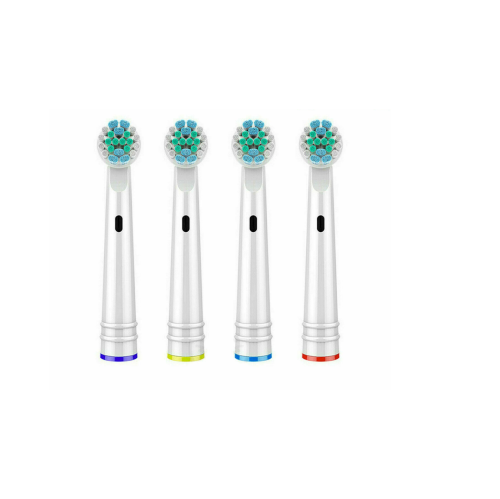
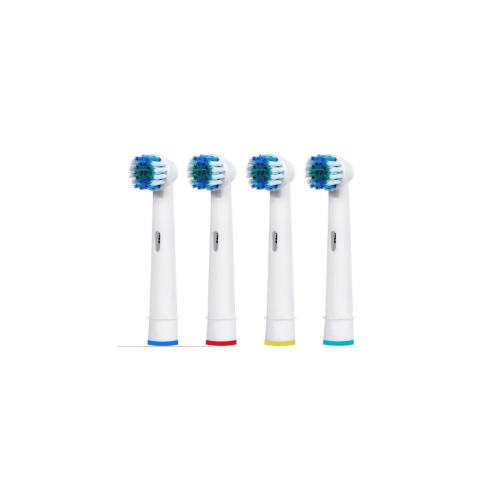
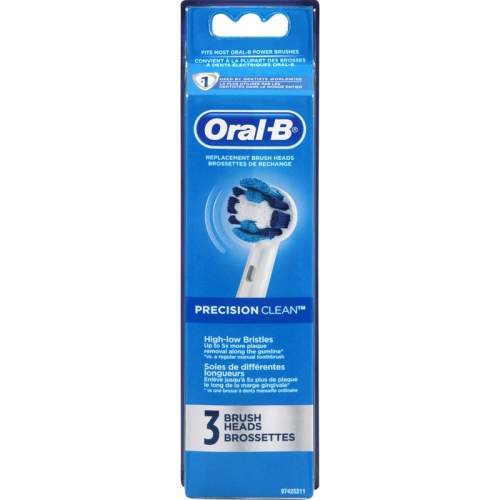
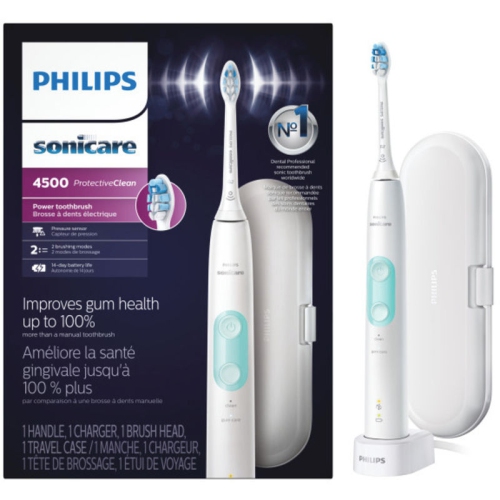
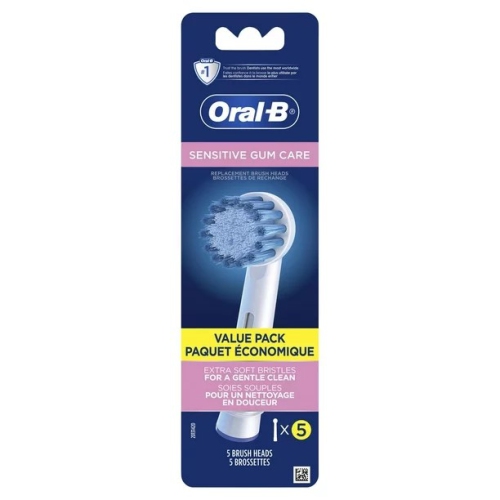
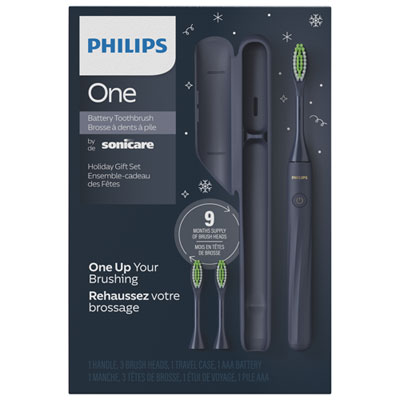
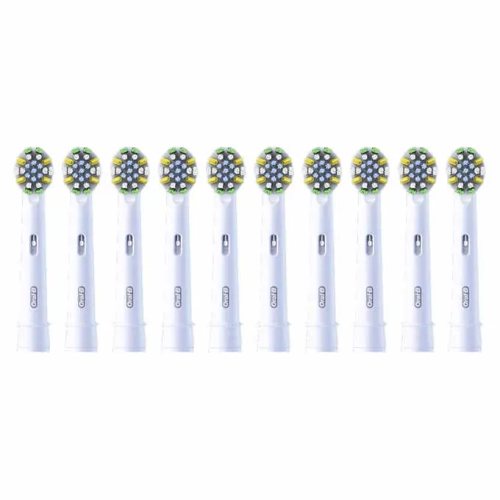
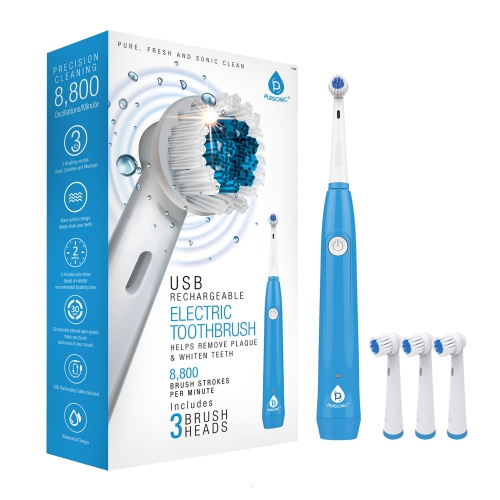

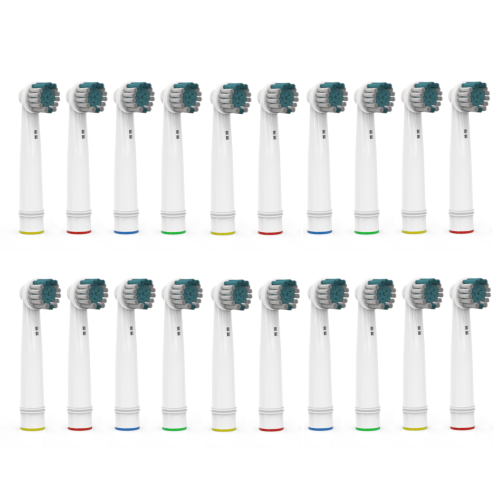
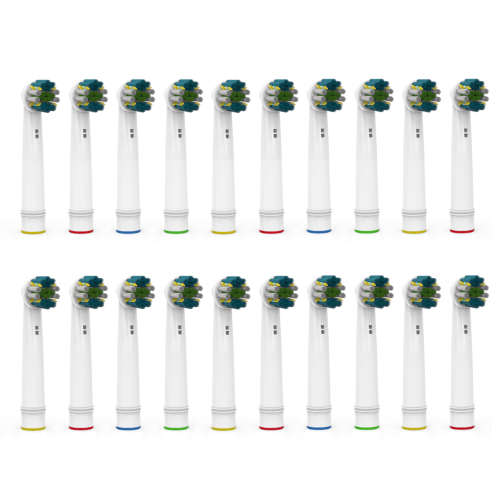
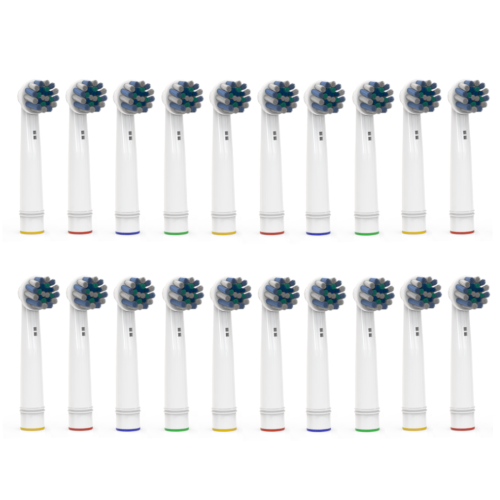
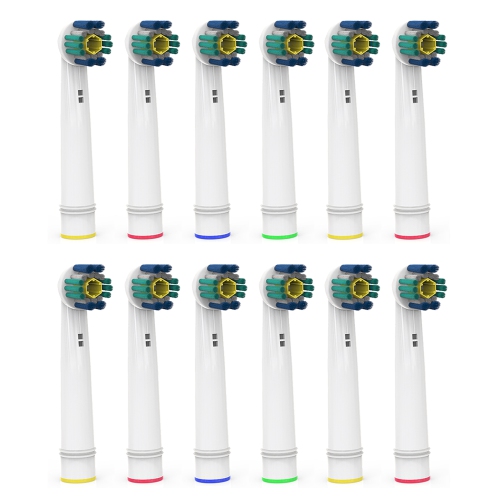

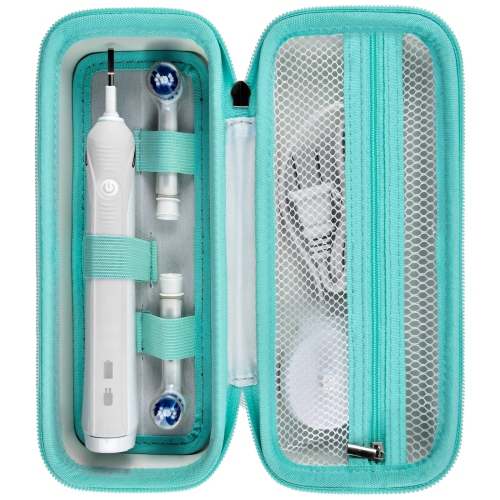
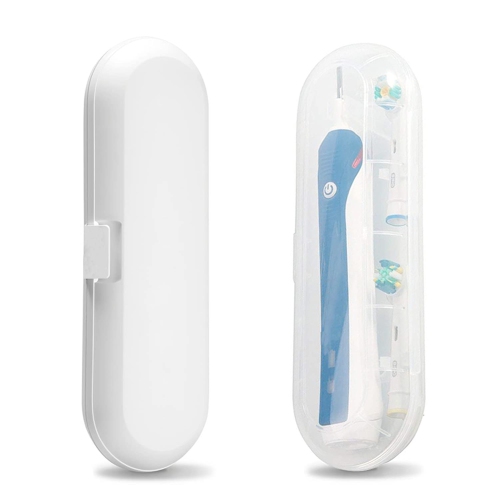
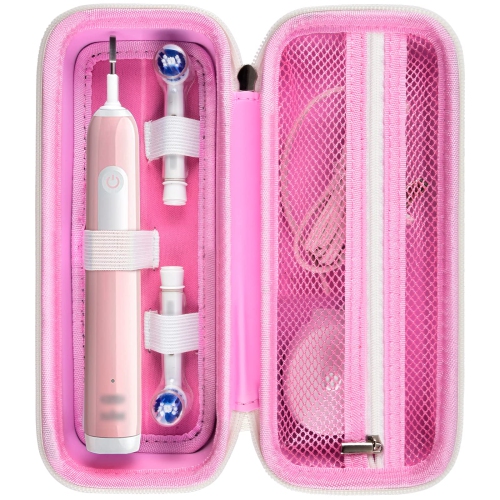
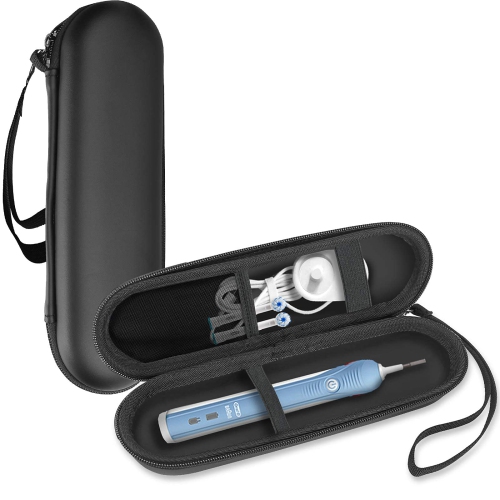
Why brushing and cleaning between teeth work together
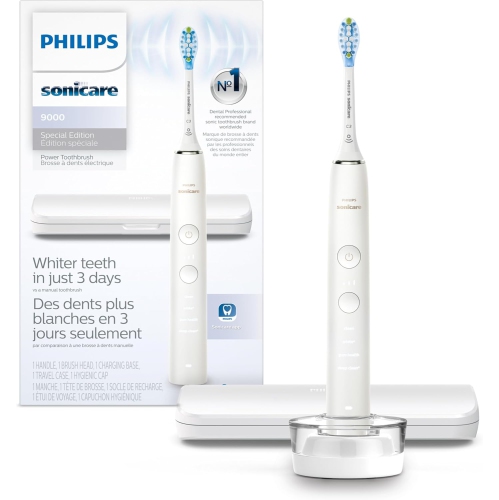
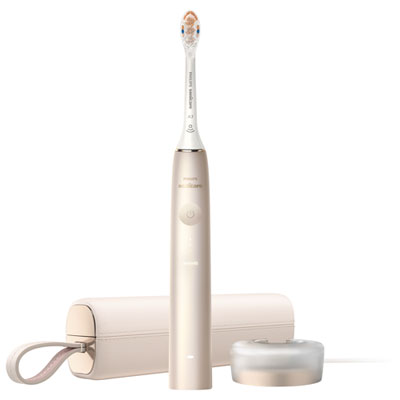
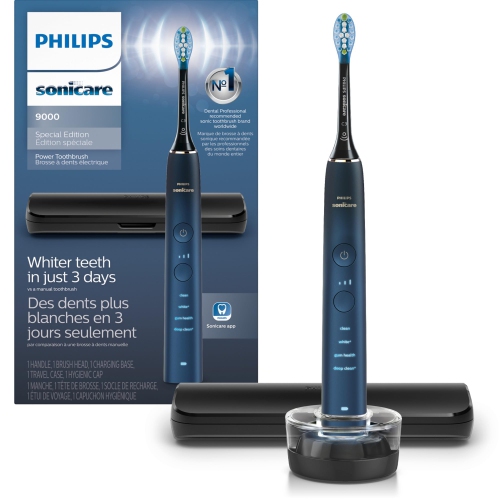
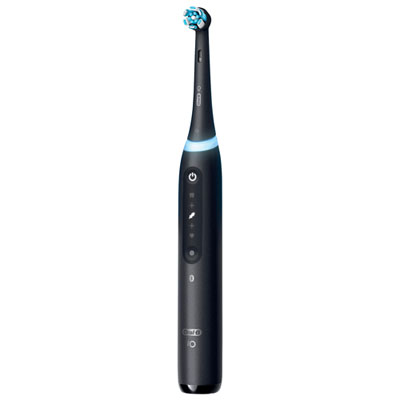
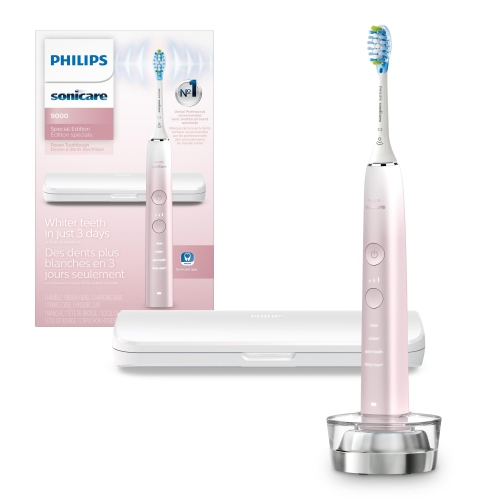
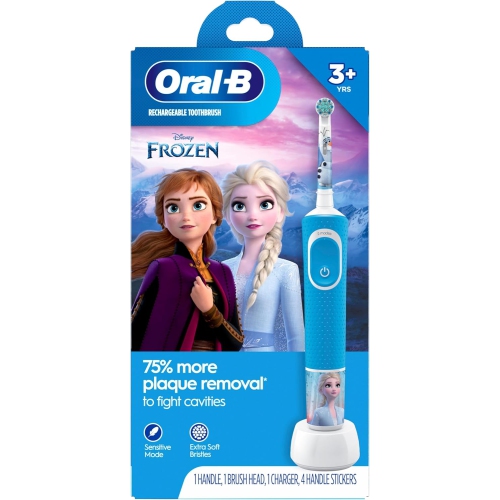
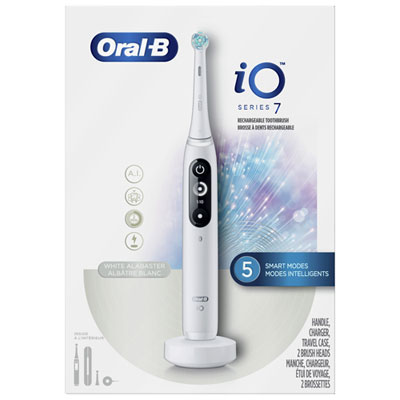
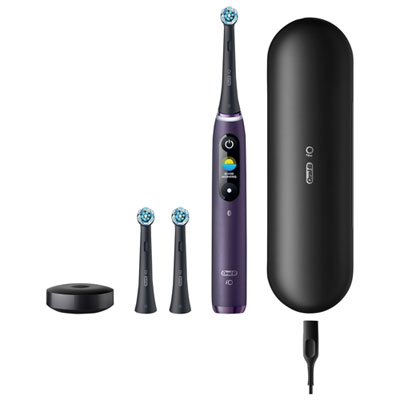
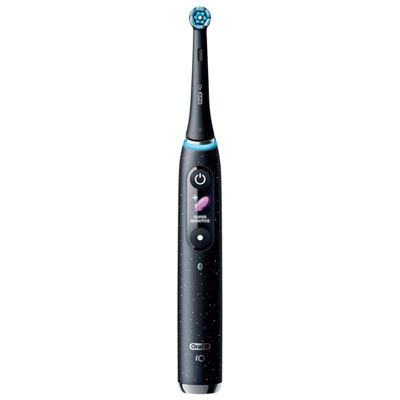
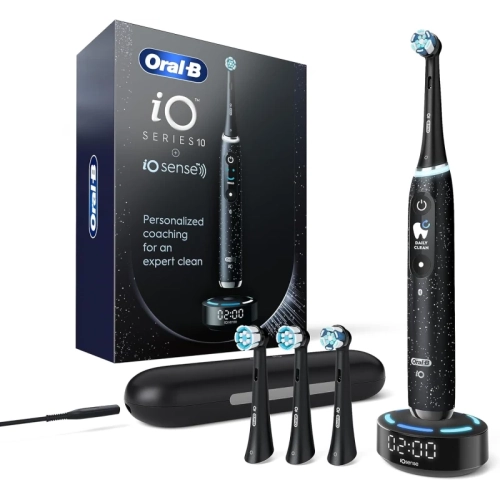
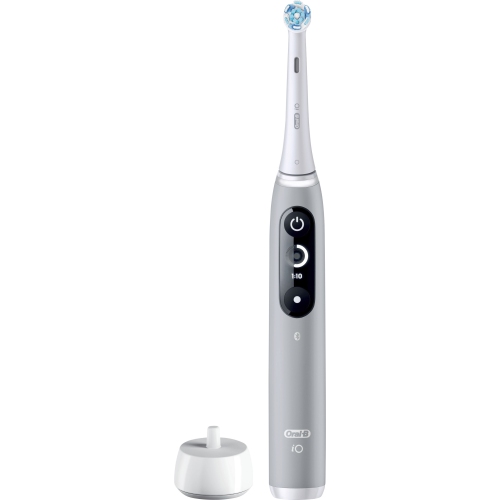
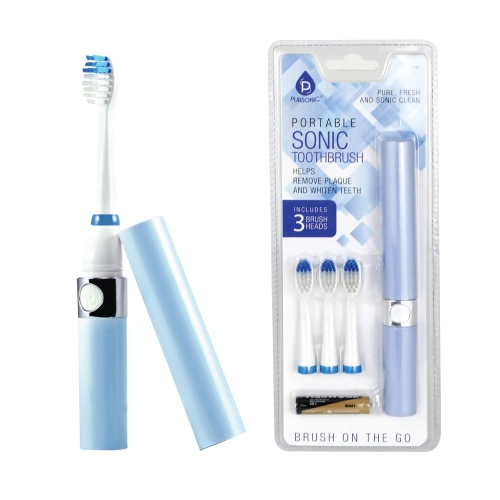
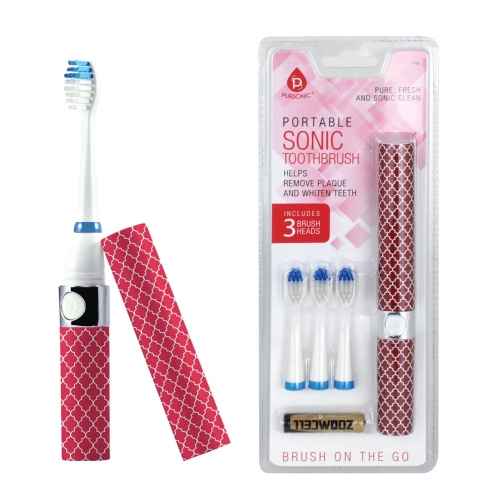
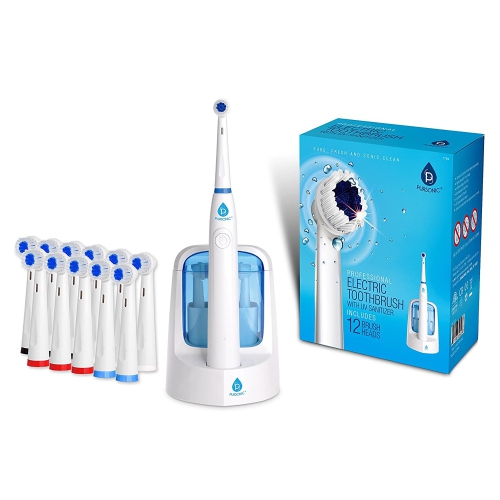
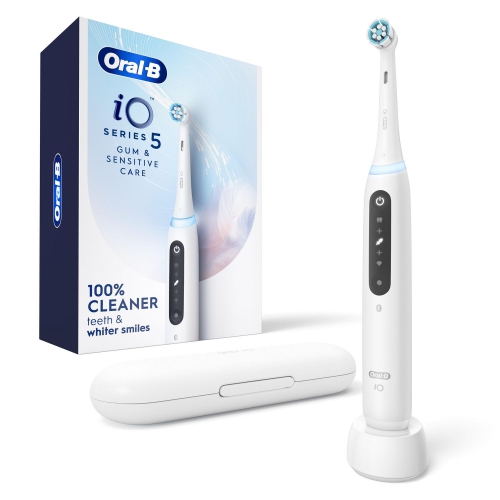
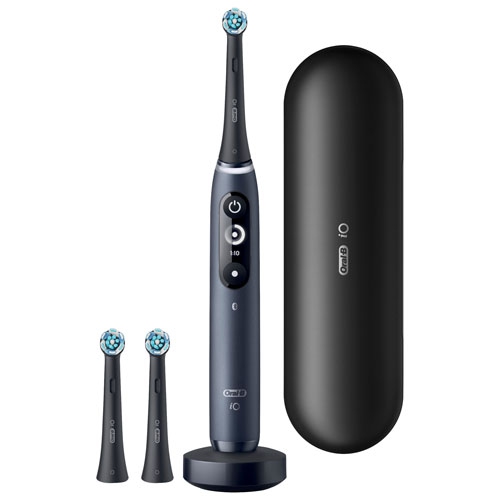
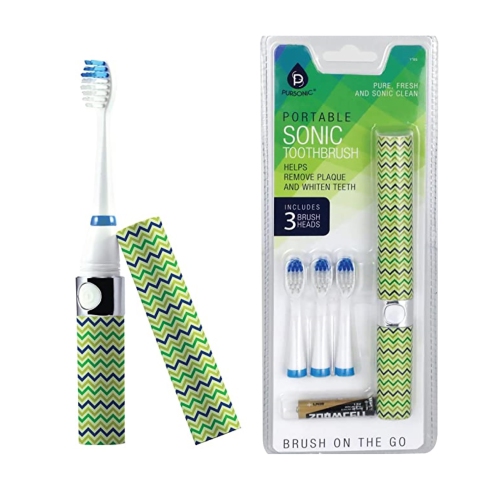
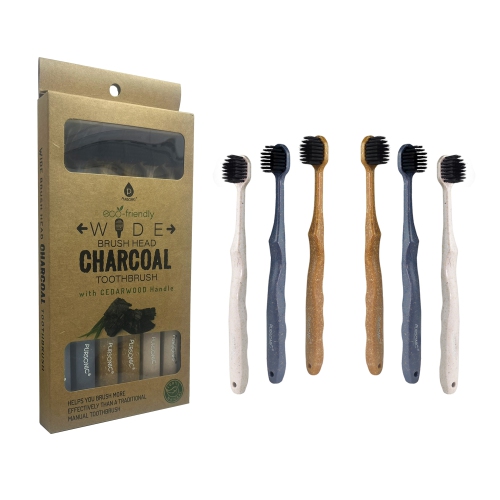
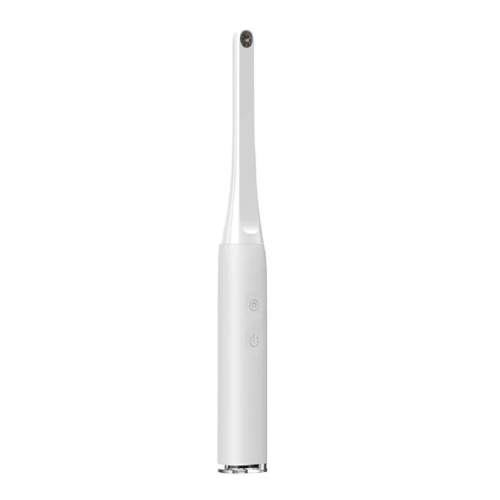
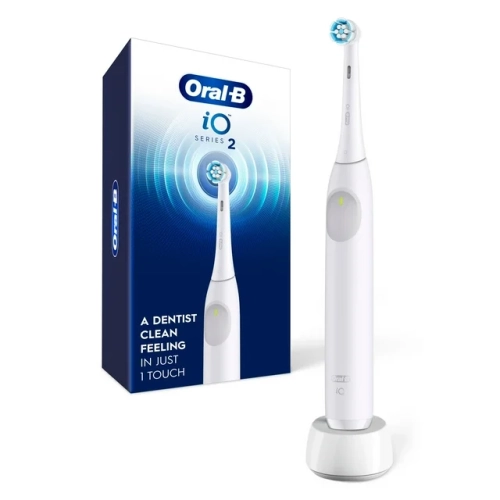
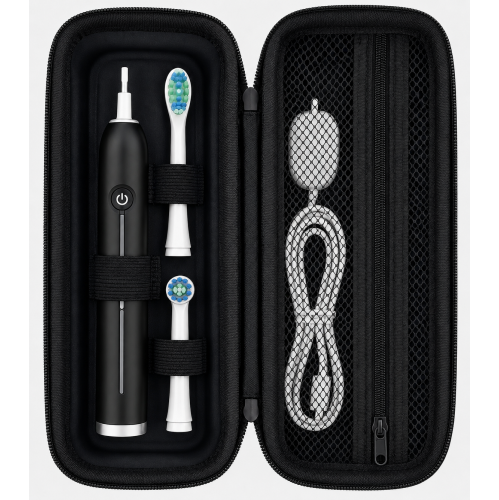
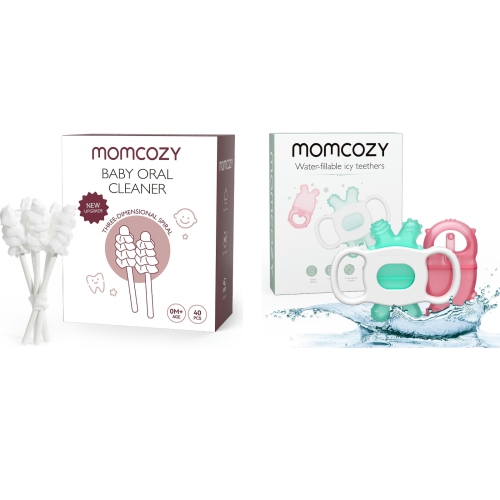
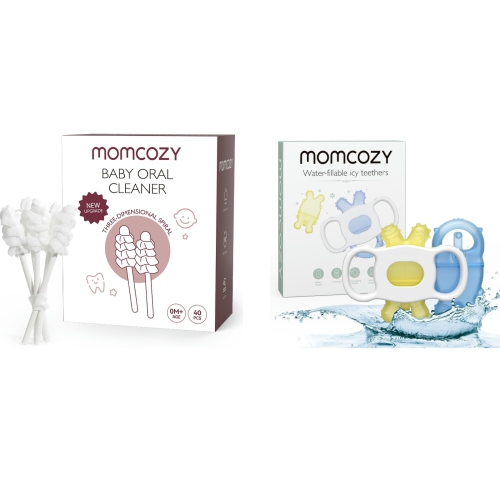
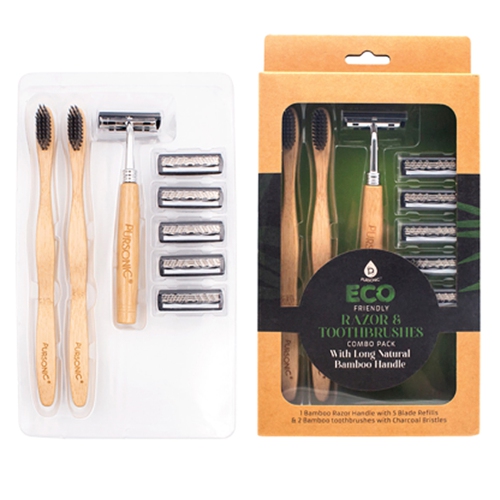
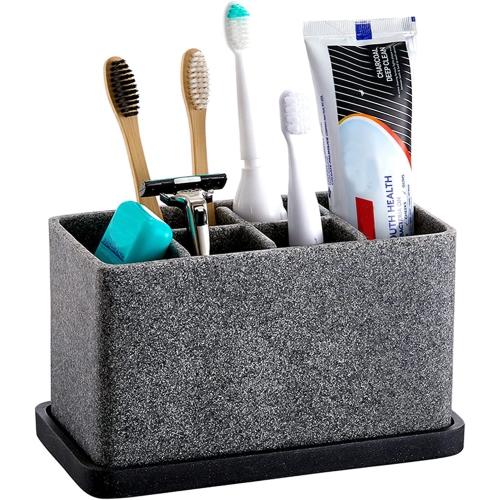
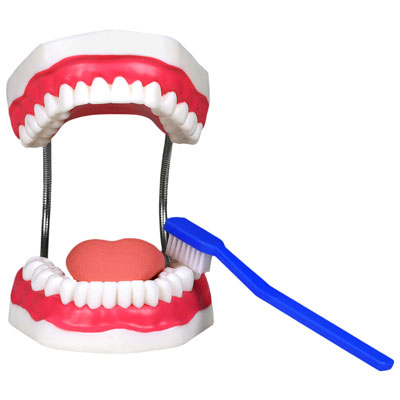
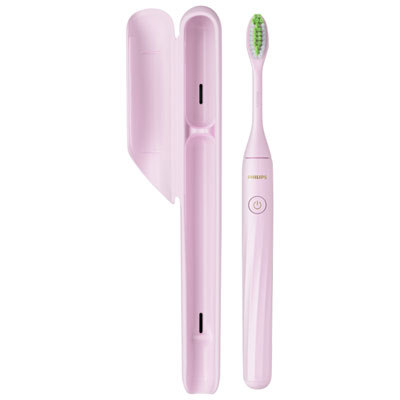
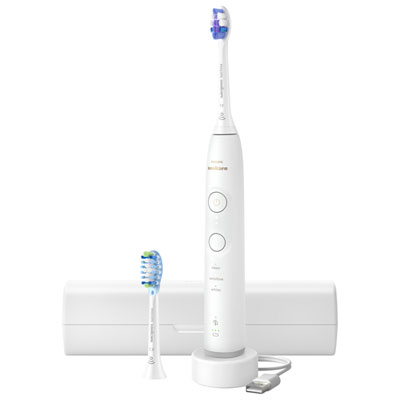
Oral hygiene products support the daily care of teeth, gums, and the spaces between teeth, with different formats suited to different parts of a routine. The essentials include a soft-bristled toothbrush, fluoride toothpaste, and floss or another suitable interdental cleaner. Mouthwash can complement these basics, but it does not replace brushing or cleaning between teeth. Fluoride toothpaste helps strengthen enamel and prevent cavities, while brushing removes plaque from accessible tooth surfaces. Floss reaches the narrow spaces a toothbrush cannot clean effectively. Together, these everyday products serve a practical purpose, whether they sit beside a family bathroom sink or travel in a small toiletry bag. Manual and electric toothbrushes can both clean effectively with proper technique and regular use. A manual brush offers straightforward control without charging, while an electric toothbrush may add a brushing timer, pressure sensor, or movement that reduces the amount of manual brushing motion required. These features can be useful for someone who tends to rush through brushing or presses harder than necessary. Head size also affects comfort: a smaller brush head may be easier to manoeuvre around back teeth or within a smaller mouth. Soft bristles and a comfortable grip make gentle, thorough brushing easier to maintain, especially when a handle becomes wet. Toothpaste texture and flavour matter, too, because a strong mint taste or heavy foam can make an otherwise simple routine unpleasant for some users. Sensitivity formulas are intended to help manage sensitive teeth when used as directed, although persistent or new discomfort deserves attention from a dental professional. Whitening toothpastes generally focus on removing surface stains rather than changing the natural colour of teeth or dental restorations. For most households, the most useful oral care essentials are those that suit each person’s mouth, feel comfortable in the hand, and make twice-daily brushing and daily cleaning between teeth manageable rather than complicated.
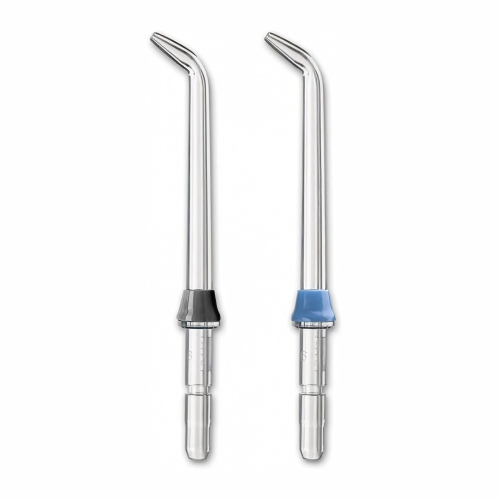
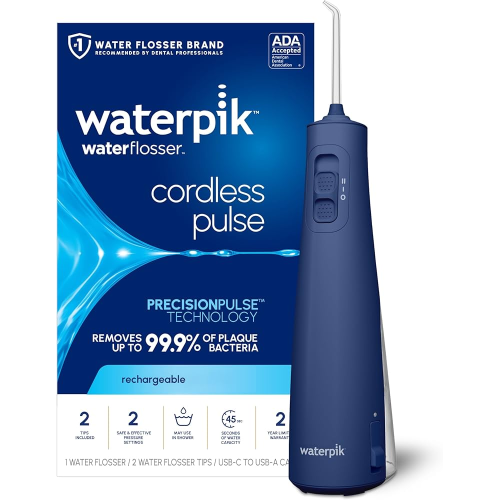
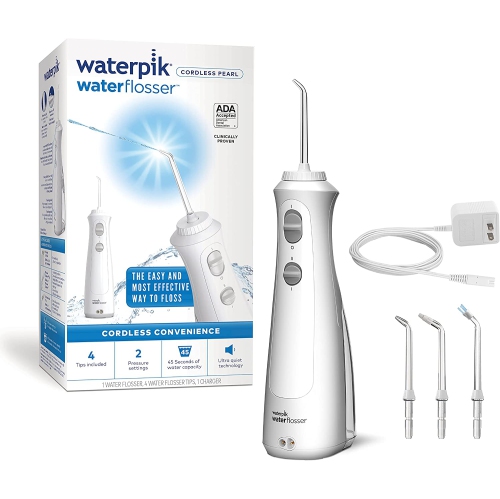
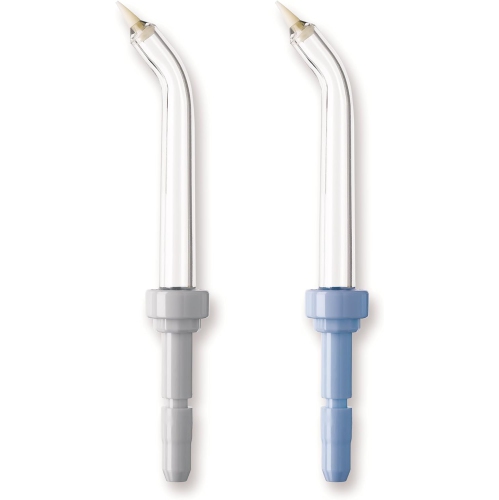
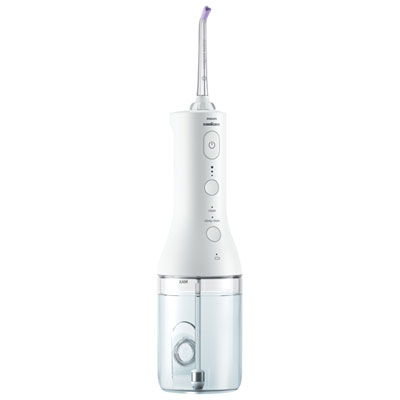
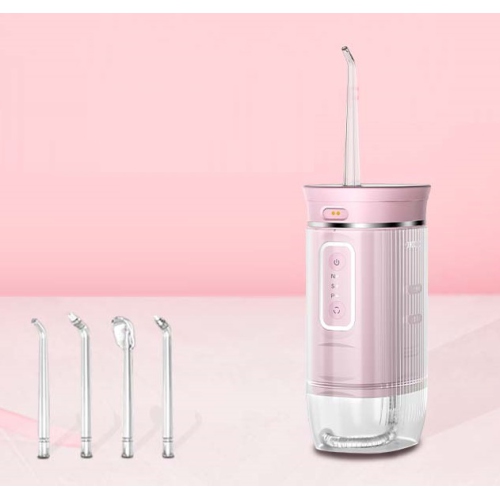
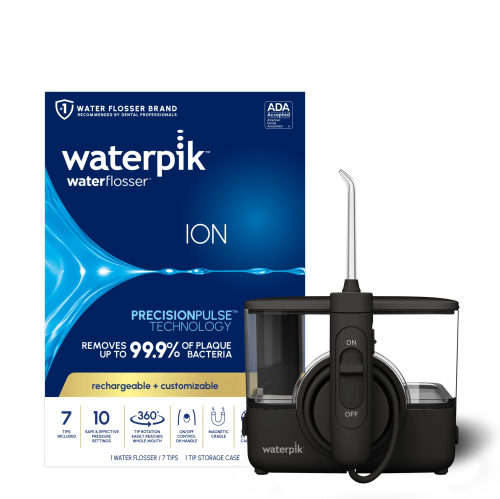
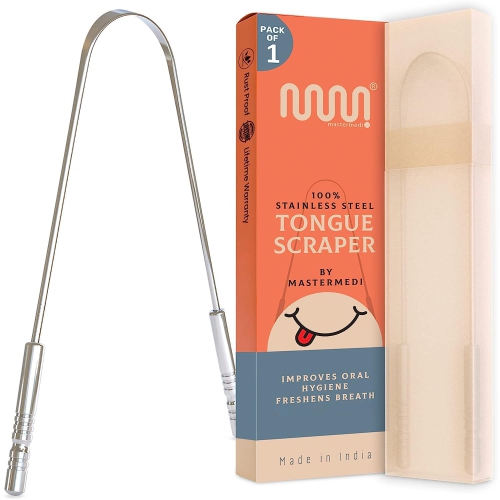
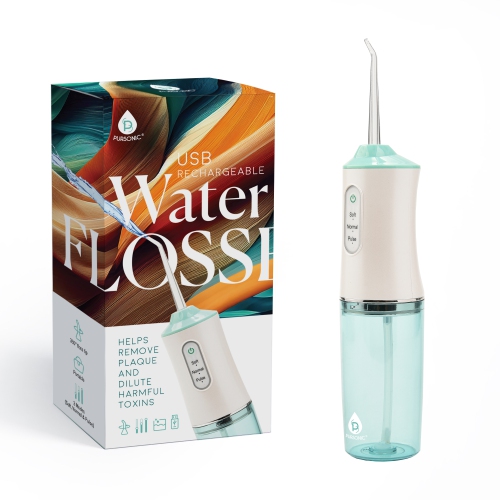
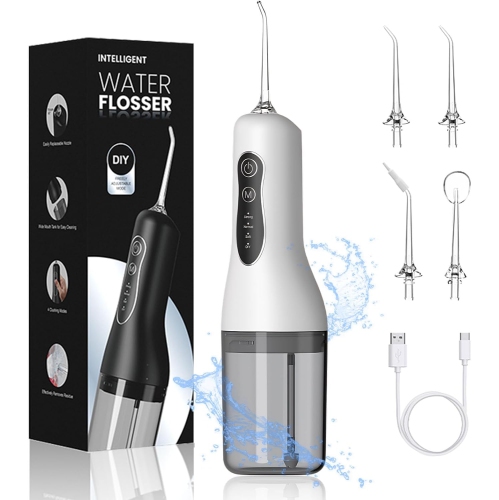
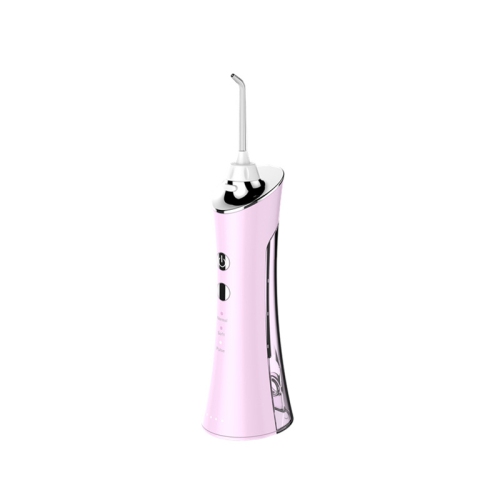
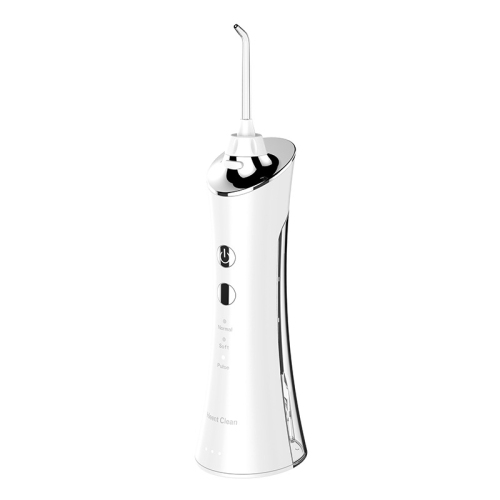
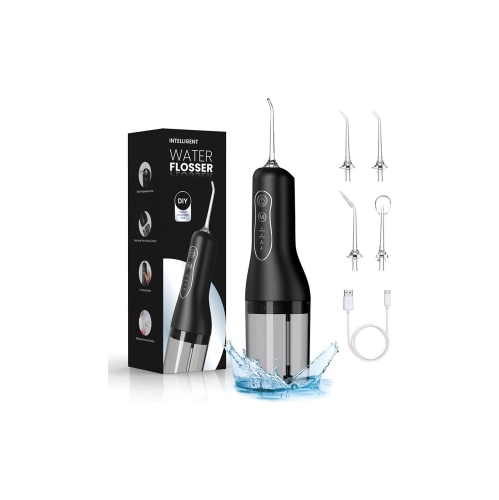
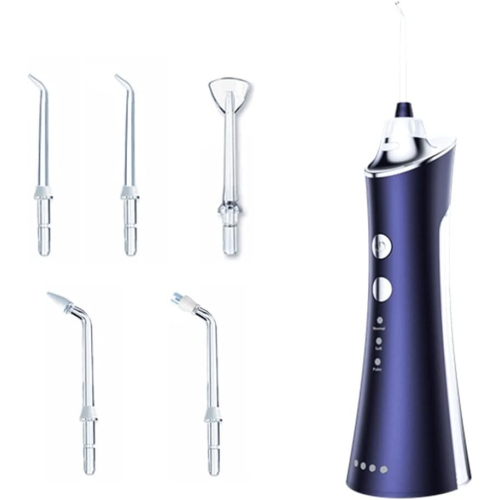
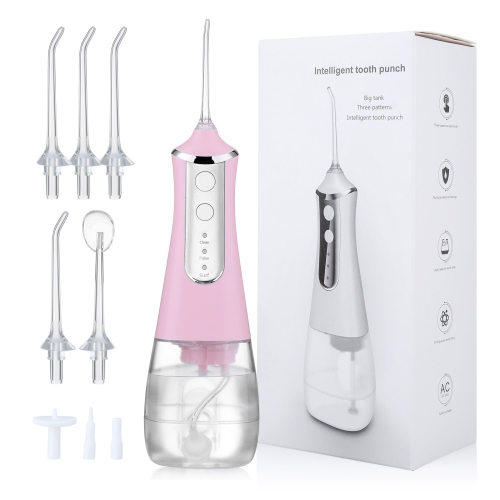
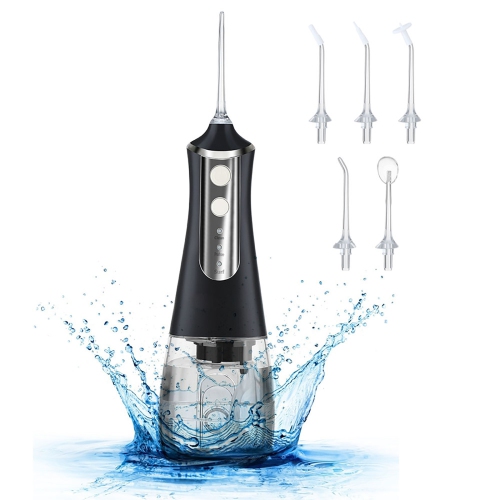
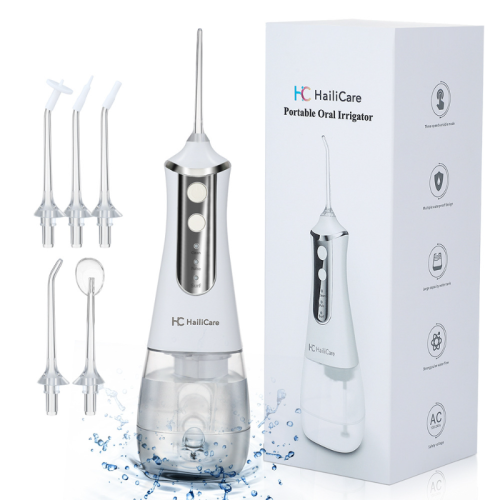
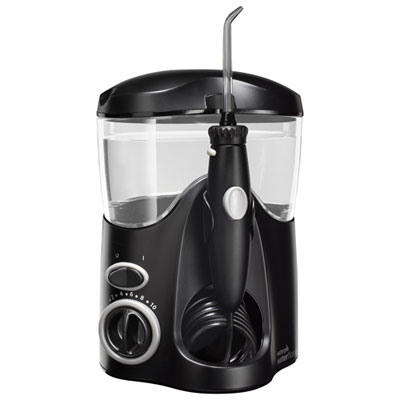
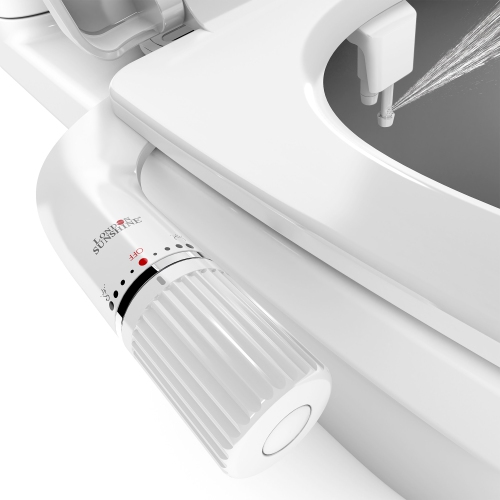
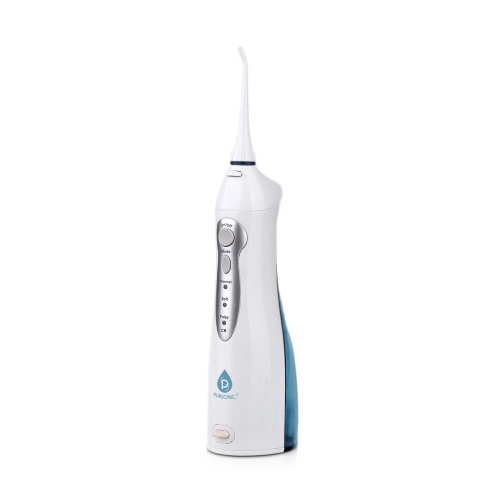
Cleaning between teeth calls for a closer match between the product’s shape and the spaces it needs to reach. String floss is suited to tight contacts, with waxed varieties often sliding more easily between closely spaced teeth. Dental tape has a broader, flatter profile that some people find more comfortable to handle. Floss picks provide a small handle for added control, while floss threaders help guide floss beneath certain dental appliances or fixed bridgework. Interdental brushes use small bristled heads to clean spaces that can accommodate them without force; the right size should fit comfortably rather than scrape or require pushing. Water flossers direct a stream of water along the gumline and between teeth and may be useful for people with braces, bridges, or difficulty handling string floss. Their suitability depends on individual dental needs, and a dental professional can help identify the right approach around implants or other restorations. Countertop designs typically offer a separate reservoir and handle, while cordless designs keep the water chamber within the handheld unit. Reservoir capacity, grip, adjustable pressure, and the ease of reaching back teeth all influence the experience of everyday use. A larger reservoir may reduce interruptions for refilling, whereas a compact unit takes up less room beside the sink. Mouthwash adds another set of choices, from fluoride rinses intended to help prevent cavities to formulas aimed at freshening breath. Alcohol-free formulations may feel more comfortable for people who find other rinses irritating, but the active ingredients and intended use matter more than flavour alone. Tongue cleaners can help remove coating from the tongue’s surface when used gently, without repeated scraping that causes soreness. These categories address different needs rather than acting as interchangeable shortcuts. A pleasant taste or freshly rinsed feeling does not indicate that plaque has been fully removed, and persistent bad breath, bleeding gums, or pain should not be covered up with increasingly strong oral care formulas.
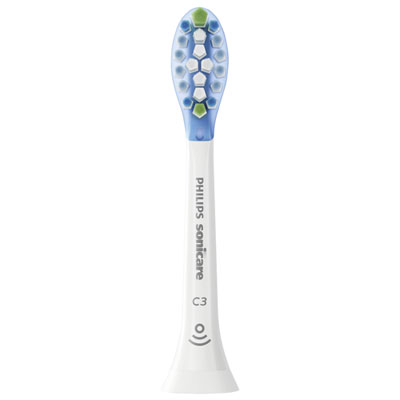
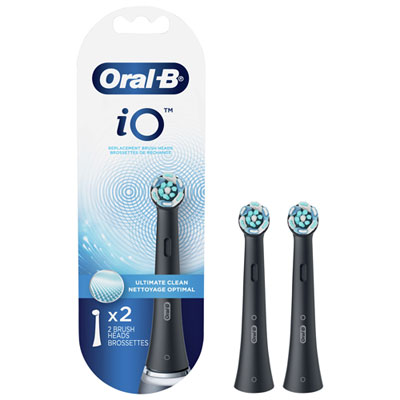
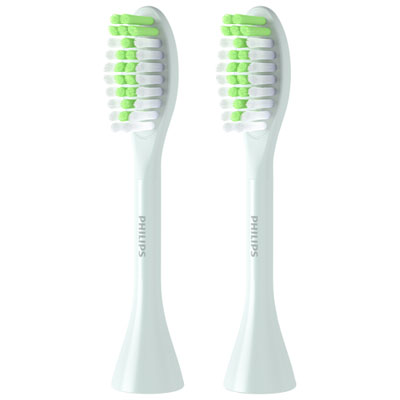
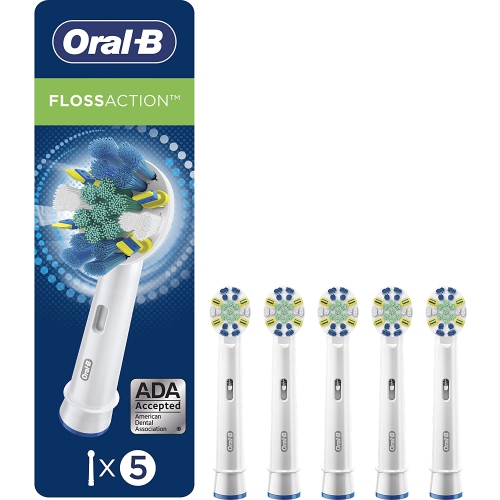
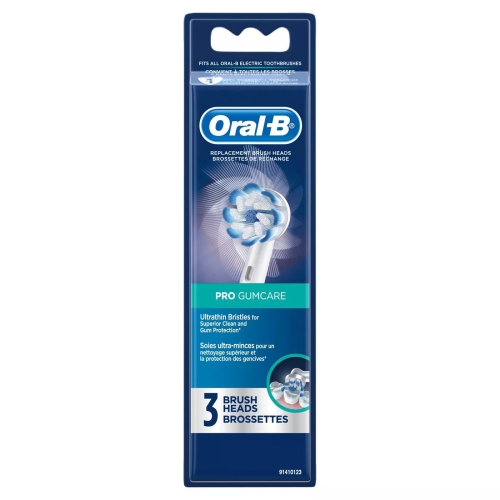
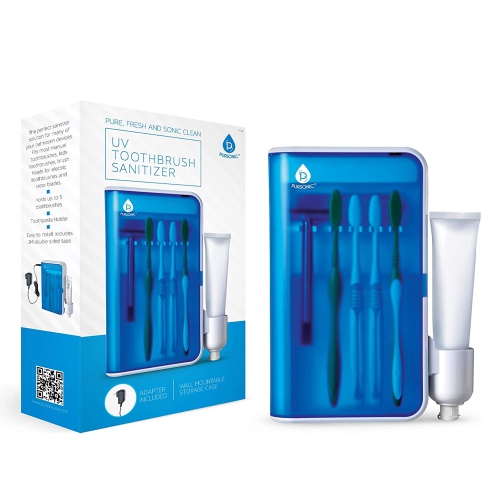
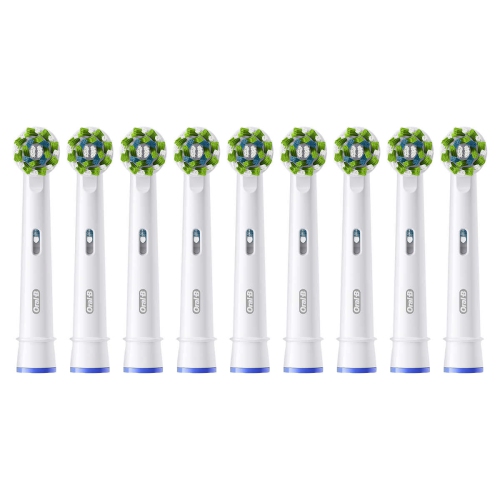
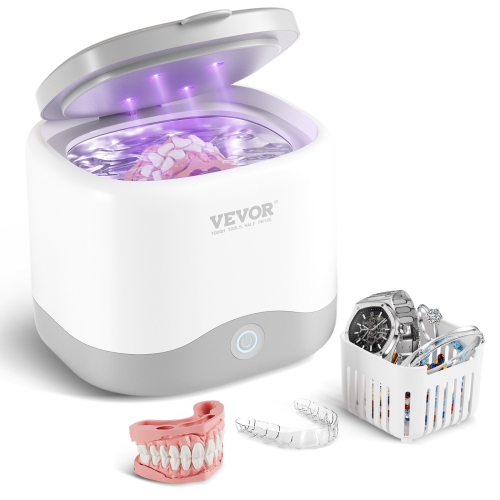
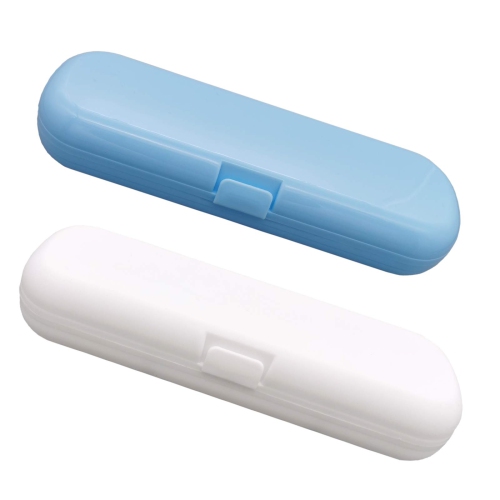
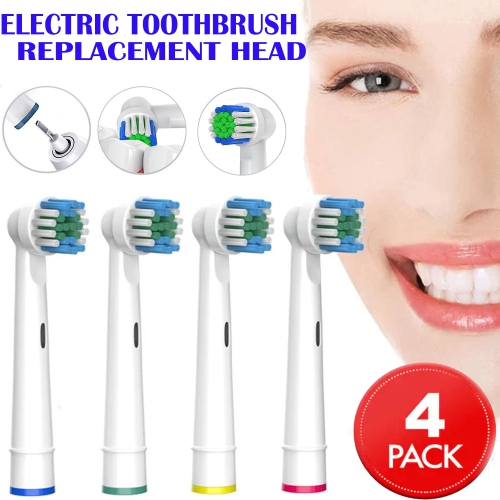
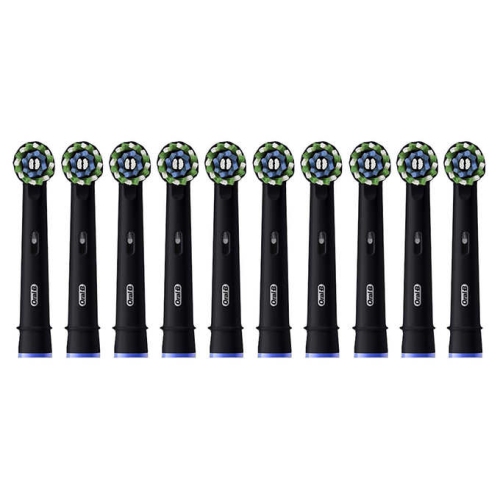
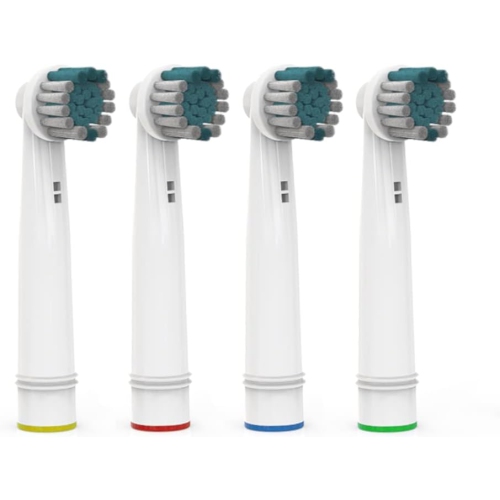
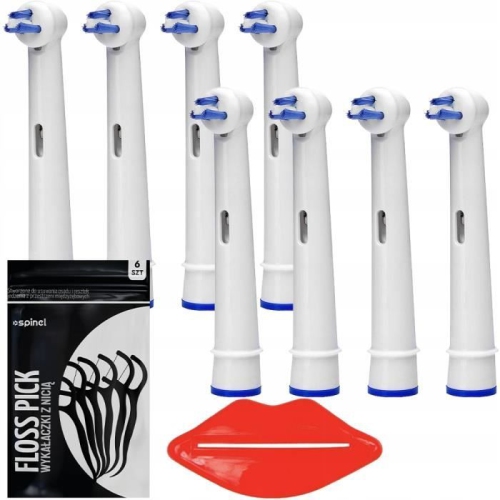
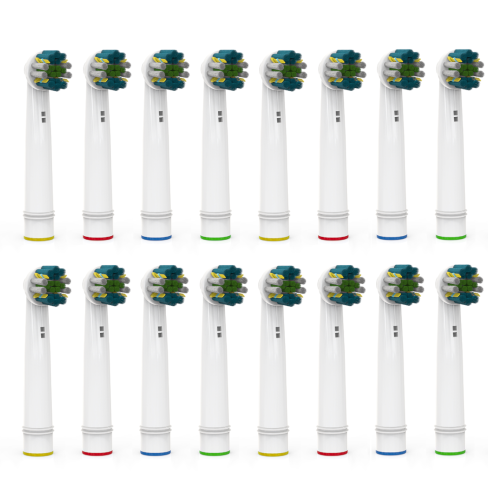
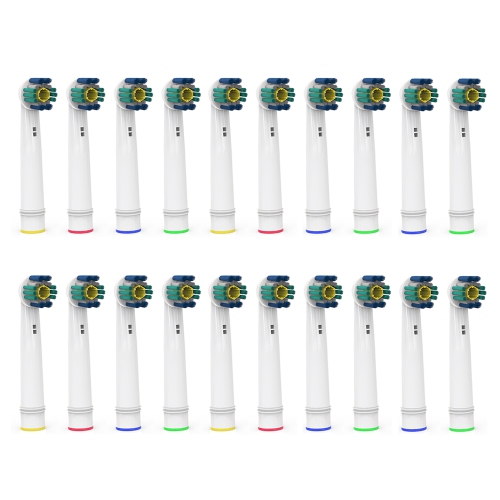
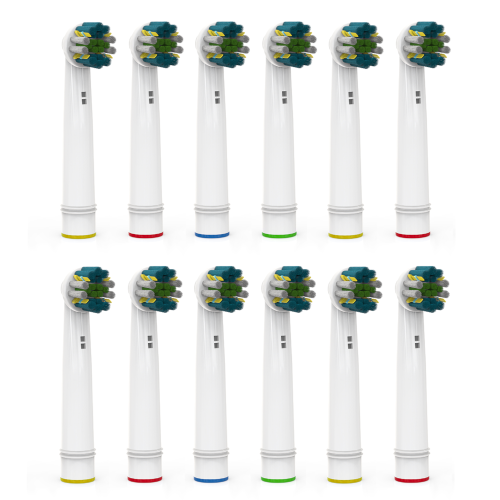
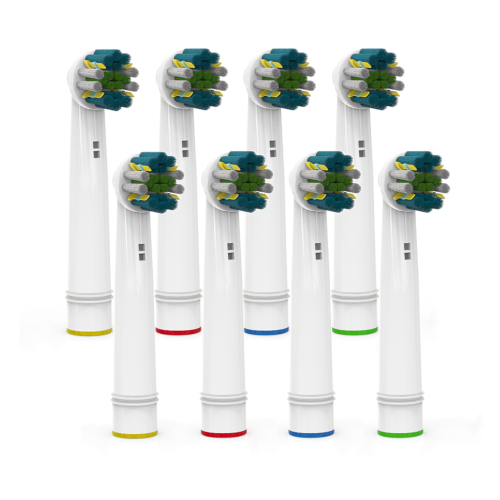
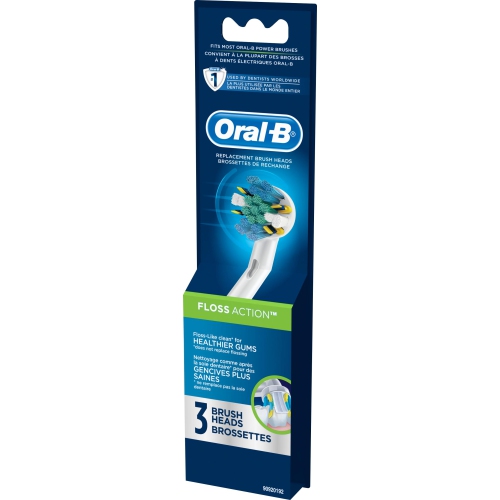
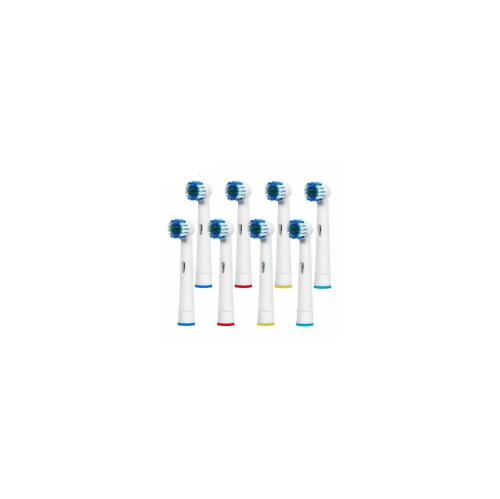
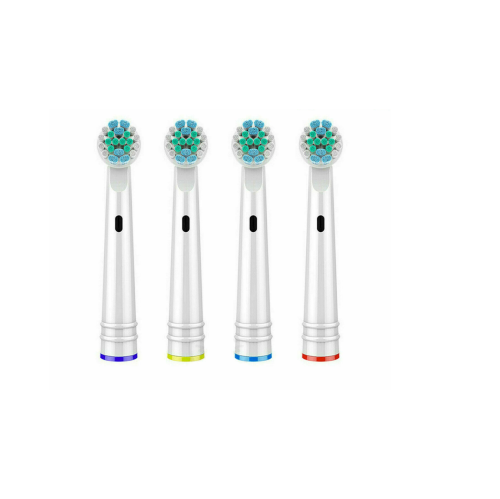
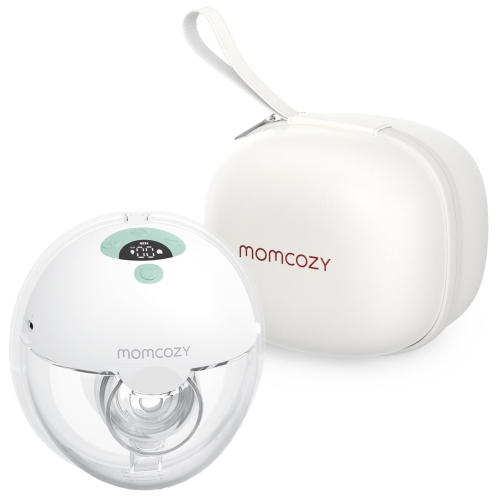
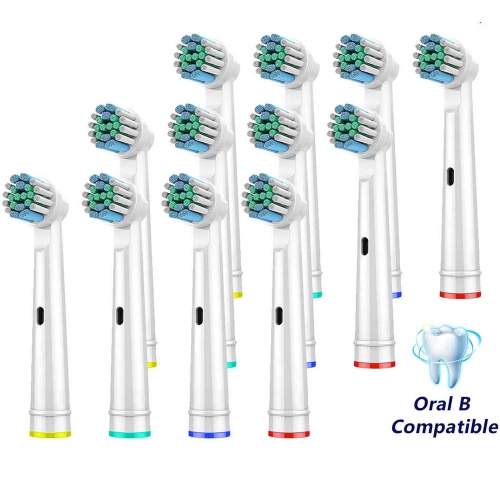
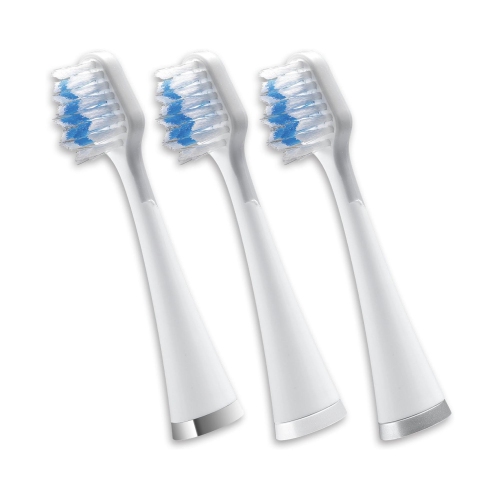
Materials, fit, and maintenance have a noticeable effect on how oral hygiene products hold up to daily handling. Toothbrushes commonly combine moulded plastic handles with synthetic bristles, sometimes adding textured grip areas for better control. A thicker handle may be easier to hold for someone with limited hand dexterity, while a lightweight design may feel less tiring during brushing. For electric toothbrushes, replacement heads must be compatible with the handle; a similar appearance does not guarantee a secure fit. Bristles that become splayed or worn no longer provide the same brushing experience, so toothbrushes and brush heads generally need replacing about every three to four months, or sooner when visibly worn. Rinsing after use and allowing brush heads to air-dry helps keep storage practical and hygienic. A travel cover protects bristles inside a bag, but enclosing a damp brush for long periods can trap moisture. Water flosser reservoirs, removable tips, and charging components have their own cleaning requirements, making clear care directions and accessible parts important considerations for long-term use. Water-resistance ratings also matter: a device designed to tolerate splashes is not necessarily intended for immersion. In shared bathrooms, separate brush heads and clearly distinguishable handles help keep personal care tools assigned to the right person. Children need age-appropriate brush sizes, toothpaste use, and adult supervision, with mouth rinses reserved for those who can reliably spit them out and meet the label’s age guidance. People with removable dentures, retainers, or aligners need cleaning products suited to the appliance material, since abrasive toothpaste and unsuitable cleaners can damage some surfaces. For someone who has expressed an interest in upgrading a daily routine, an oral care device can also be a practical gift, particularly when its grip, controls, and upkeep suit the recipient. Alongside other Hygiene Products, oral care essentials help keep personal routines organized, with comfort, compatibility, and consistent use at the centre of their value.
Cleaning between teeth calls for a closer match between the product’s shape and the spaces it needs to reach. String floss is suited to tight contacts, with waxed varieties often sliding more easily between closely spaced teeth. Dental tape has a broader, flatter profile that some people find more comfortable to handle. Floss picks provide a small handle for added control, while floss threaders help guide floss beneath certain dental appliances or fixed bridgework. Interdental brushes use small bristled heads to clean spaces that can accommodate them without force; the right size should fit comfortably rather than scrape or require pushing. Water flossers direct a stream of water along the gumline and between teeth and may be useful for people with braces, bridges, or difficulty handling string floss. Their suitability depends on individual dental needs, and a dental professional can help identify the right approach around implants or other restorations. Countertop designs typically offer a separate reservoir and handle, while cordless designs keep the water chamber within the handheld unit. Reservoir capacity, grip, adjustable pressure, and the ease of reaching back teeth all influence the experience of everyday use. A larger reservoir may reduce interruptions for refilling, whereas a compact unit takes up less room beside the sink. Mouthwash adds another set of choices, from fluoride rinses intended to help prevent cavities to formulas aimed at freshening breath. Alcohol-free formulations may feel more comfortable for people who find other rinses irritating, but the active ingredients and intended use matter more than flavour alone. Tongue cleaners can help remove coating from the tongue’s surface when used gently, without repeated scraping that causes soreness. These categories address different needs rather than acting as interchangeable shortcuts. A pleasant taste or freshly rinsed feeling does not indicate that plaque has been fully removed, and persistent bad breath, bleeding gums, or pain should not be covered up with increasingly strong oral care formulas.
Materials, fit, and maintenance have a noticeable effect on how oral hygiene products hold up to daily handling. Toothbrushes commonly combine moulded plastic handles with synthetic bristles, sometimes adding textured grip areas for better control. A thicker handle may be easier to hold for someone with limited hand dexterity, while a lightweight design may feel less tiring during brushing. For electric toothbrushes, replacement heads must be compatible with the handle; a similar appearance does not guarantee a secure fit. Bristles that become splayed or worn no longer provide the same brushing experience, so toothbrushes and brush heads generally need replacing about every three to four months, or sooner when visibly worn. Rinsing after use and allowing brush heads to air-dry helps keep storage practical and hygienic. A travel cover protects bristles inside a bag, but enclosing a damp brush for long periods can trap moisture. Water flosser reservoirs, removable tips, and charging components have their own cleaning requirements, making clear care directions and accessible parts important considerations for long-term use. Water-resistance ratings also matter: a device designed to tolerate splashes is not necessarily intended for immersion. In shared bathrooms, separate brush heads and clearly distinguishable handles help keep personal care tools assigned to the right person. Children need age-appropriate brush sizes, toothpaste use, and adult supervision, with mouth rinses reserved for those who can reliably spit them out and meet the label’s age guidance. People with removable dentures, retainers, or aligners need cleaning products suited to the appliance material, since abrasive toothpaste and unsuitable cleaners can damage some surfaces. For someone who has expressed an interest in upgrading a daily routine, an oral care device can also be a practical gift, particularly when its grip, controls, and upkeep suit the recipient. Alongside other Hygiene Products, oral care essentials help keep personal routines organized, with comfort, compatibility, and consistent use at the centre of their value.
Top selling and popular products
-
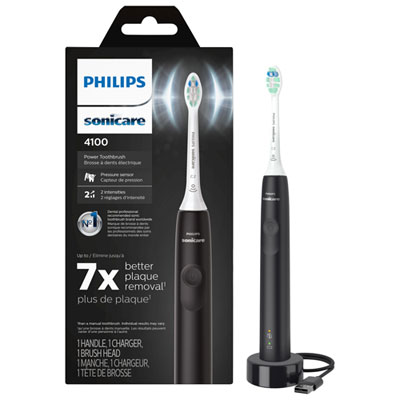 Your price for this item is $84.99
 -
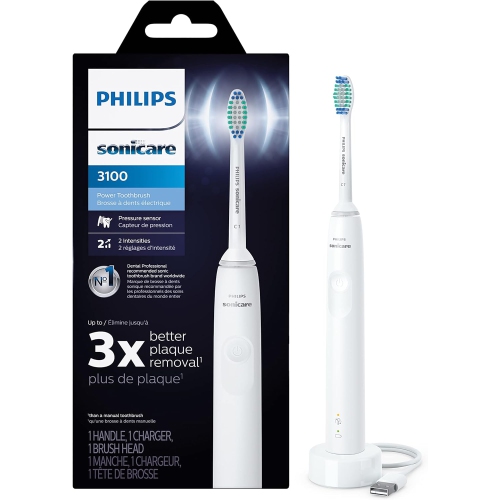 Your price for this item is $49.99
 -
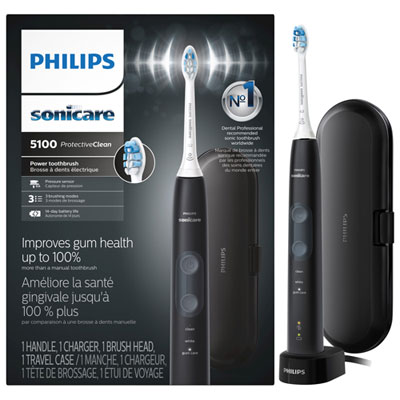 Your price for this item is $119.99
 -
 Your price for this item is $29.99
 -
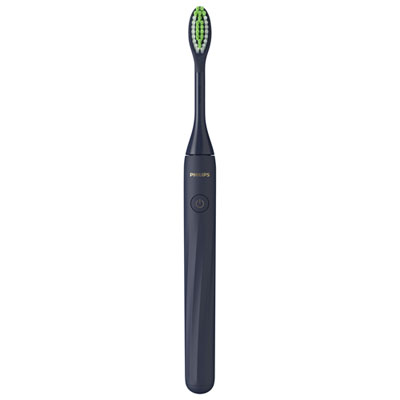 Your price for this item is $34.95
 -
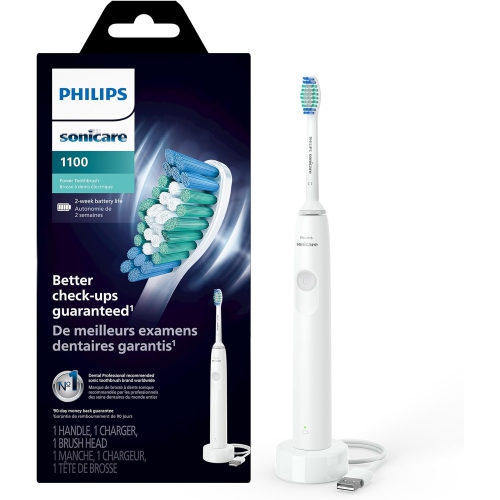 Your price for this item is $24.99
 -
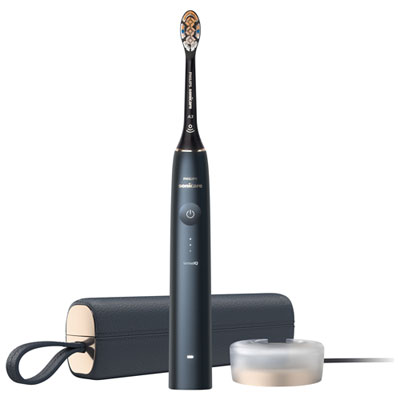 Your price for this item is $499.99
 -
 Your price for this item is $34.99
Discover more categories related to Oral Hygiene Products
Top Collections:
Pokemon Centers, Kindle Devices, Best Budget Office Chairs, Apple iPhones 16, Canon G7X Cameras, iPhone 15 Apple, Alarm Clock, Refurbished Apple Laptops, Flip Phones, Best Laptops for Writers
Some products may be subject to Environmental Handling Fees
(EHF) depending on your province.
Learn more about EHFs.