Shampoos for Hair Growth
Looking to boost your hair growth and achieve luscious locks? Look no further than our selection of shampoos designed specifically to promote healthy hair growth. Whether you're dealing with thinning hair, a receding hairline, or simply want to enhance your natural hair growth, these shampoos are packed with powerful ingredients that nourish and stimulate your scalp. Say goodbye to lackluster locks and hello to a head full of vibrant, voluminous hair. Explore our range of shampoos for hair growth and take the first step towards achieving the thick, healthy mane you've always dreamed of.
Sort
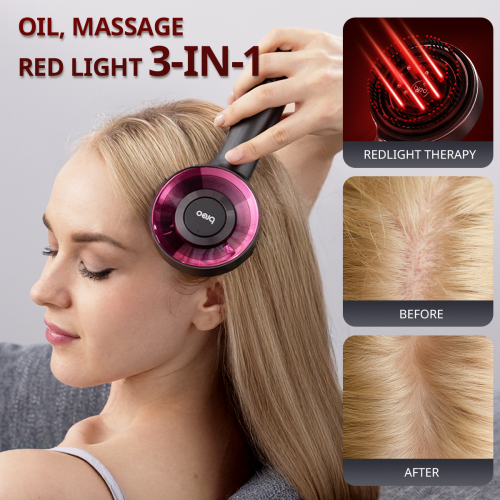
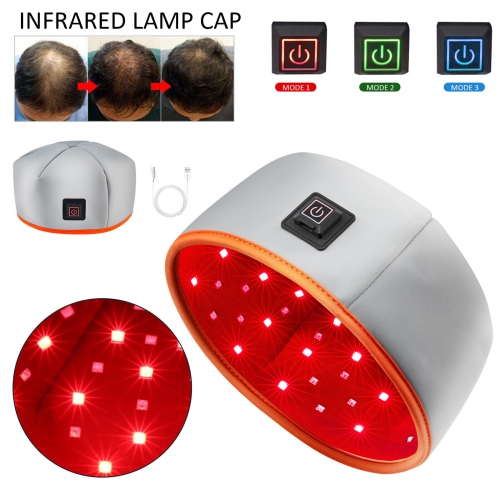
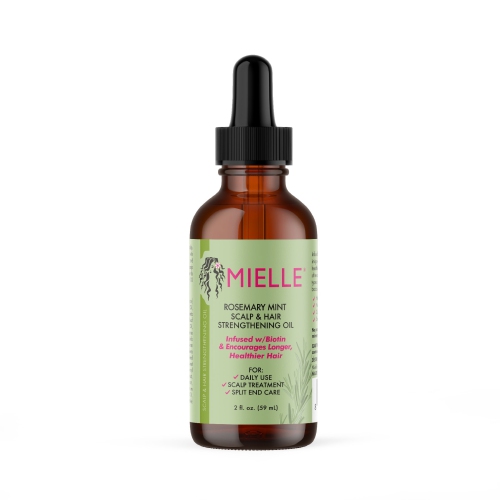
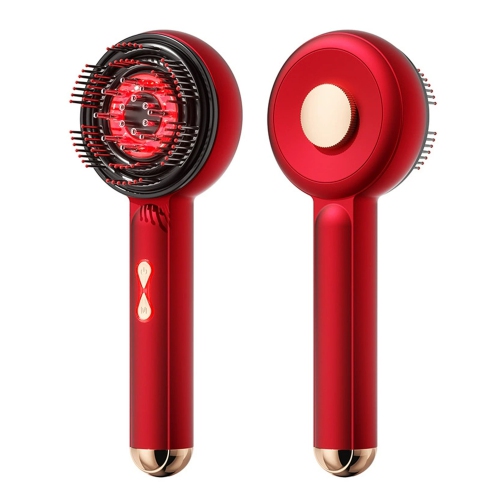

A gentler approach to scalp comfort and reduced breakage
Shampoos for hair growth are designed to support the conditions that help hair look fuller, stronger and healthier over time. They do not create new hair from inactive follicles, and results can vary depending on the cause of thinning, breakage or shedding, but the right formula can make an important difference to the scalp and hair shaft. Many people choose these shampoos to help reduce breakage, manage excess oil or buildup, soothe scalp discomfort and improve the appearance of hair around the part or hairline. Ingredients commonly found in hair-growth shampoos include caffeine, biotin, keratin, rosemary, ginseng, niacinamide and other botanical or conditioning agents. Caffeine is often included in formulas intended to invigorate the scalp, while biotin and keratin are associated with strengthening the hair fibre and helping fragile strands resist snapping. Niacinamide, also known as vitamin B3, may help support a balanced scalp, particularly when dryness or irritation makes regular hair care uncomfortable. Shampoos containing ketoconazole are generally selected for dandruff or fungal scalp concerns rather than as an everyday cosmetic cleanser, and they should be used according to the label or a health-care professional’s advice. A shampoo can remove oil, styling residue and flakes from the scalp, creating a cleaner base for other hair-care products, but it is not a replacement for medical assessment when hair loss is sudden, patchy, painful or accompanied by redness and persistent itching. For a broader routine focused on softness, shine, moisture and everyday scalp care, explore Shampoos for Healthy Hair as well.
When choosing a shampoo for hair growth, start with your scalp rather than the promise on the bottle. An oily scalp may feel fresher with a lightweight cleanser that removes sebum and styling buildup without leaving a heavy coating, while dry or sensitive scalps may be more comfortable with a gentler formula and soothing conditioners. If your hair is fine, look for products that cleanse without weighing down the roots; volumizing textures can help strands appear more lifted after washing. Thick, curly, coily, coloured or chemically treated hair may benefit from a more moisturising formula that reduces friction during washing and helps limit the breakage that can make hair appear thinner. Consider the ingredient list, fragrance level, lather and recommended frequency, especially if you wash often or have a scalp that reacts easily. A shampoo with invigorating ingredients can feel refreshing, but tingling is not proof that a product is working, and burning or persistent irritation is a sign to stop using it. Apply shampoo mainly to the scalp and roots, using the pads of your fingers rather than your nails, then allow the suds to pass through the lengths as you rinse. A second wash may be useful after heavy styling products or exercise, while overly vigorous scrubbing can leave the scalp uncomfortable and the ends rough. Follow with conditioner on the mid-lengths and ends, detangle gently and limit high heat when possible. Hair grows gradually, so a consistent routine is more useful than switching products every few washes. Visible improvement may first appear as less snapping, smoother ends or better manageability rather than a dramatic change in density. Taking occasional photographs in similar lighting can provide a more realistic way to notice changes than checking the mirror from day to day.
These shampoos can suit people who are trying to protect fragile strands, maintain a comfortable scalp or make thinning areas look more polished while they work with a health-care provider on a broader plan. They may also be a thoughtful practical gift for someone who enjoys personal-care routines, is rebuilding a hair-care collection or is looking for a cleanser that addresses specific concerns such as breakage, oiliness or flakes. For a gift, a versatile formula with a pleasant but not overpowering scent is usually easier to enjoy than a highly targeted treatment, particularly when you do not know the recipient’s scalp sensitivity or hair texture. If the shampoo is intended to address dandruff or a persistent scalp condition, checking the directions is especially important because medicated formulas may have different use instructions and may not be suitable for every person. Seasonal changes can also affect how hair feels: warmer weather, perspiration and frequent outdoor activity may increase the need for cleansing, while cooler, drier air can leave the scalp and ends feeling tight or brittle. Adjusting wash frequency, using lukewarm water and protecting the hair from rough towels, tight hairstyles and repeated heat styling can complement a growth-focused shampoo. Keep expectations realistic and give a routine time to settle, since the appearance of healthier hair often depends on reducing ongoing damage as much as cleansing the scalp. With the right match for your hair type, careful application and attention to scalp comfort, a shampoo for hair growth can become a simple, regular step in a more considered personal-care routine.
When choosing a shampoo for hair growth, start with your scalp rather than the promise on the bottle. An oily scalp may feel fresher with a lightweight cleanser that removes sebum and styling buildup without leaving a heavy coating, while dry or sensitive scalps may be more comfortable with a gentler formula and soothing conditioners. If your hair is fine, look for products that cleanse without weighing down the roots; volumizing textures can help strands appear more lifted after washing. Thick, curly, coily, coloured or chemically treated hair may benefit from a more moisturising formula that reduces friction during washing and helps limit the breakage that can make hair appear thinner. Consider the ingredient list, fragrance level, lather and recommended frequency, especially if you wash often or have a scalp that reacts easily. A shampoo with invigorating ingredients can feel refreshing, but tingling is not proof that a product is working, and burning or persistent irritation is a sign to stop using it. Apply shampoo mainly to the scalp and roots, using the pads of your fingers rather than your nails, then allow the suds to pass through the lengths as you rinse. A second wash may be useful after heavy styling products or exercise, while overly vigorous scrubbing can leave the scalp uncomfortable and the ends rough. Follow with conditioner on the mid-lengths and ends, detangle gently and limit high heat when possible. Hair grows gradually, so a consistent routine is more useful than switching products every few washes. Visible improvement may first appear as less snapping, smoother ends or better manageability rather than a dramatic change in density. Taking occasional photographs in similar lighting can provide a more realistic way to notice changes than checking the mirror from day to day.
These shampoos can suit people who are trying to protect fragile strands, maintain a comfortable scalp or make thinning areas look more polished while they work with a health-care provider on a broader plan. They may also be a thoughtful practical gift for someone who enjoys personal-care routines, is rebuilding a hair-care collection or is looking for a cleanser that addresses specific concerns such as breakage, oiliness or flakes. For a gift, a versatile formula with a pleasant but not overpowering scent is usually easier to enjoy than a highly targeted treatment, particularly when you do not know the recipient’s scalp sensitivity or hair texture. If the shampoo is intended to address dandruff or a persistent scalp condition, checking the directions is especially important because medicated formulas may have different use instructions and may not be suitable for every person. Seasonal changes can also affect how hair feels: warmer weather, perspiration and frequent outdoor activity may increase the need for cleansing, while cooler, drier air can leave the scalp and ends feeling tight or brittle. Adjusting wash frequency, using lukewarm water and protecting the hair from rough towels, tight hairstyles and repeated heat styling can complement a growth-focused shampoo. Keep expectations realistic and give a routine time to settle, since the appearance of healthier hair often depends on reducing ongoing damage as much as cleansing the scalp. With the right match for your hair type, careful application and attention to scalp comfort, a shampoo for hair growth can become a simple, regular step in a more considered personal-care routine.
Top selling and popular products
-
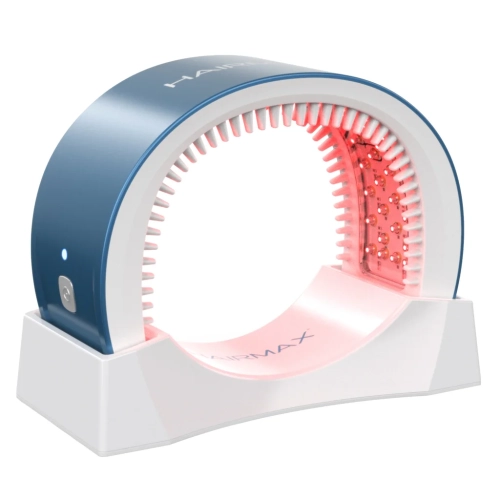 Your price for this item is $1499.99
 -
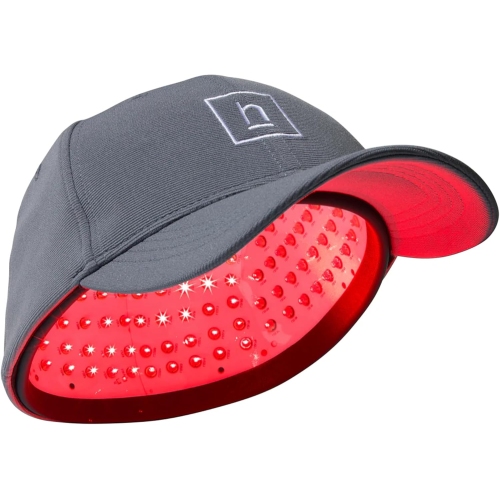 Your price for this item is $1199
 -
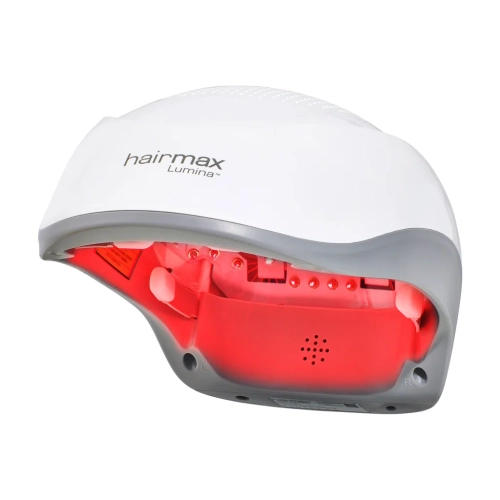 Your price for this item is $2749.97
 -
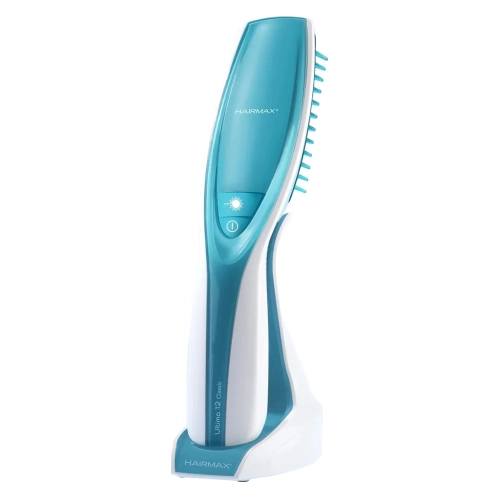 Your price for this item is $399.93
 -
 Your price for this item is $59.99
 -
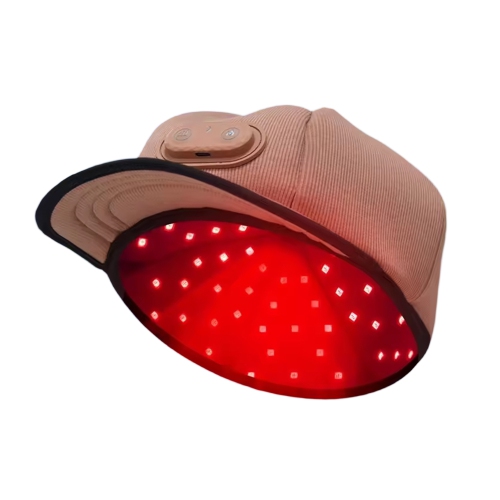 Your price for this item is $158.99
 -
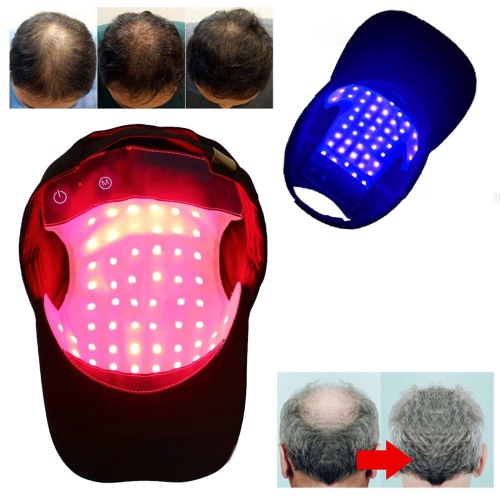 Your price for this item is $58.99
 -
 Your price for this item is $199.99
Discover more categories related to Shampoos for Hair Growth
Top Collections:
Pokemon Centers, Budget 4K TVs, Kindle Devices, Canon G7X Cameras, Apple iPhones 16, iPhone 15 Apple, Laptops for Business Work, Flip Phones, Xiaomi Phones, Refurbished Apple Laptops
Some products may be subject to Environmental Handling Fees
(EHF) depending on your province.
Learn more about EHFs.