Toothbrushes for Infants
Finding the perfect toothbrush for your infant is essential for establishing good oral hygiene habits from an early age. At Best Buy Canada, we offer a wide selection of toothbrushes for infants, designed with gentle care and safety in mind. Our collection features options that cater to the delicate needs of your little one, ensuring their first brushing experiences are both enjoyable and effective. Explore our range to discover the ideal toothbrush that will keep your baby's smile bright and healthy.
Sort

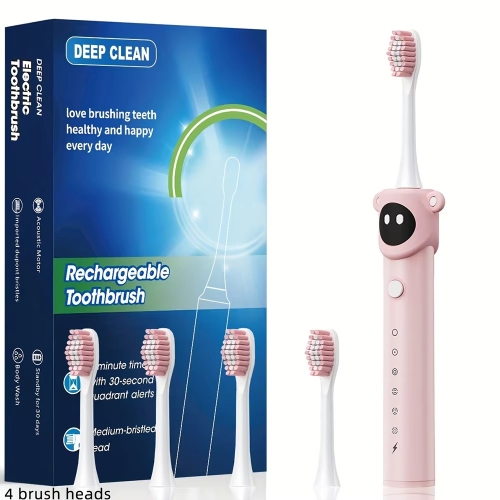
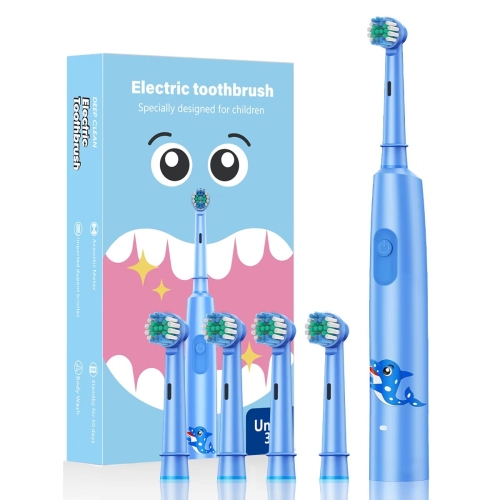

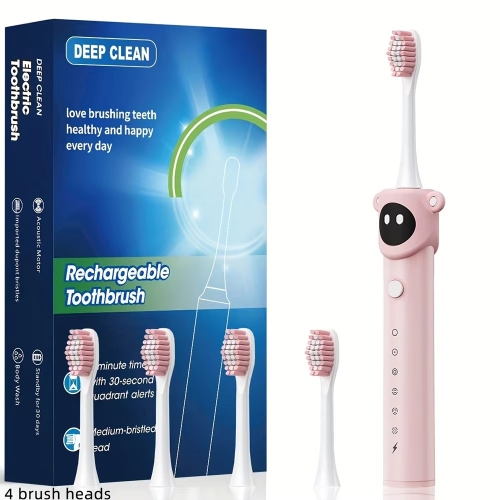
Gentle designs for first teeth, sore gums, and brushing practice
Choosing toothbrushes for infants is an important early step in establishing comfortable oral-care habits. The right brush should be sized for a baby’s mouth, with an extra-small head that can reach newly erupted teeth without pressing against the cheeks or making brushing feel overwhelming. Look for ultra-soft or extra-soft bristles designed to clean gently around tender gums and small teeth. A compact head and short neck can give a parent better control, while a broad, non-slip handle is easier for an adult to hold during those first brushing sessions. As a child becomes more interested in participating, a chunky ergonomic handle can also make it easier for small hands to practise holding the brush. Some infant toothbrushes use flexible silicone, rounded edges, or a wide base to make them comfortable for chewing and safer to handle. Teether-brush designs can be especially useful when gums feel sore before or during teething, as the soft material may provide soothing pressure while introducing the motion of bringing a toothbrush to the mouth. A finger toothbrush, usually made from soft silicone and worn over an adult’s finger, can be useful for gently massaging bare gums before teeth appear. Once teeth have erupted, however, a soft-bristled brush with a small head is generally better suited to cleaning the tooth surfaces. Every baby develops at a different pace, so the best choice may depend on whether the brush is intended for gum massage, the first tooth, several emerging teeth, or a toddler who is beginning to imitate an adult’s brushing routine. These brushes can also make thoughtful gifts for new parents, especially when paired with other practical baby-care essentials. A spare brush for a childcare bag, travel kit, or grandparent’s home can help keep the twice-daily routine consistent when the family is away from its usual bathroom.
Infant toothbrushes are typically used with active help from a parent or caregiver. Before teeth appear, a clean, damp cloth or a suitable gum brush can gently wipe the gums, helping a baby become familiar with the feeling of oral care. After the first tooth emerges, brush in the morning and again before bed, using gentle circular motions to clean the front, back, and chewing surfaces of each tooth. Keep the pressure light; the goal is to remove food residue and plaque without irritating delicate gum tissue. For young children, an adult should apply the toothpaste and perform most or all of the brushing, even if the child wants to hold a second brush and copy the movements. Canadian dental professionals commonly recommend a rice-sized smear of fluoride toothpaste from the first tooth onward, with the exact approach adjusted for the child’s age, local guidance, and advice from a dentist or other oral-health professional. If a dentist recommends water or a training toothpaste for a particular infant, follow that advice. Avoid filling the brush with toothpaste, and encourage the child to spit rather than swallow once they are developmentally ready. Replace the brush when the bristles look bent, spread, or worn, or after an illness if recommended by a healthcare professional. It is also wise to inspect the handle and head regularly for splits, loose pieces, or damage caused by chewing. Keep the brush clean by rinsing it thoroughly after use and storing it upright in a place where it can air-dry, rather than leaving it submerged or sealed while damp. Supervision matters at every stage: a baby should not be left alone with a toothbrush, and brushes with secure construction, rounded surfaces, and features that help prevent deep placement in the mouth are preferable. During the cooler months, when indoor routines often become more structured, a predictable morning-and-bedtime brushing ritual can help children connect oral care with familiar daily activities such as getting dressed, reading a story, or putting on pyjamas.
The most suitable infant toothbrush will balance gentle cleaning, easy handling, and a design that fits the child’s stage of development. Parents may prefer a wide handle that stays comfortable during a squirmy bedtime session, while caregivers who travel may value a lightweight brush that fits neatly in a toiletry case without taking up much space. A flexible teether-brush can appeal to a baby who wants to chew, whereas a traditional soft-bristle brush may be the better option once there are several teeth to clean. Some families keep one brush for the adult’s hand and offer a separate brush for the child to practise with, since learning to grip and move the brush is different from brushing thoroughly. Letting a baby explore the handle for a few moments can reduce resistance, but brushing should still be completed by an adult until the child has the coordination and understanding to do it effectively. Replace the brush as the child grows or if the head no longer seems comfortably small, and choose a new design when the handle becomes difficult for the child to control. Infant toothbrushes are intended for early oral care, not for forceful scrubbing, and a gentle routine is more valuable than a rushed or uncomfortable one. Families shopping for oral-care products for older children or adults may also browse Pressure Toothbrushes, while keeping in mind that infant brushing requires close supervision and a brush specifically designed for a small mouth. With a comfortable brush, a small amount of age-appropriate toothpaste, and patient guidance, those first few seconds at the sink can gradually become a familiar part of family life.
Top selling and popular products
-
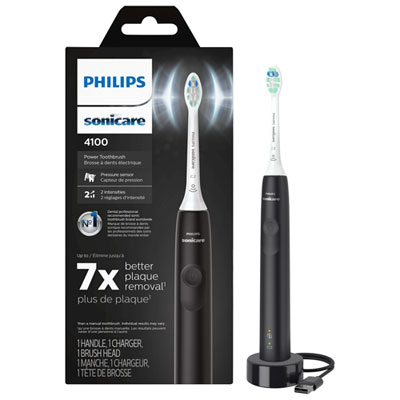 Your price for this item is $84.99
-
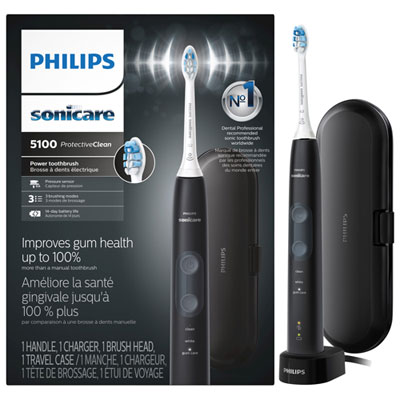 Your price for this item is $119.99
-
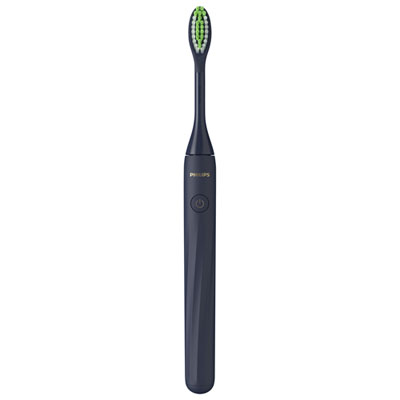 Your price for this item is $34.95
-
 Your price for this item is $29.99
-
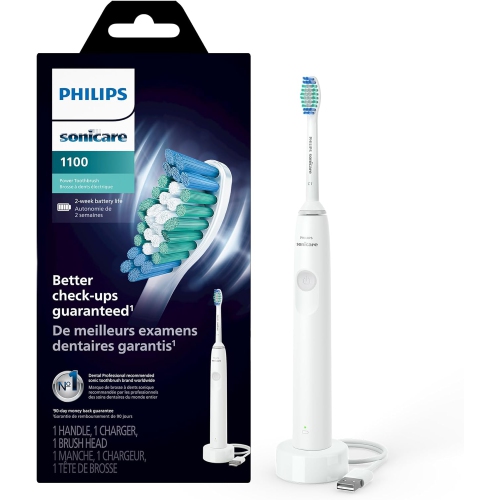 Your price for this item is $29.97
-
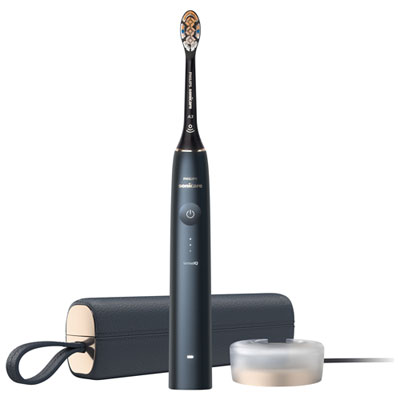 Your price for this item is $499.99
-
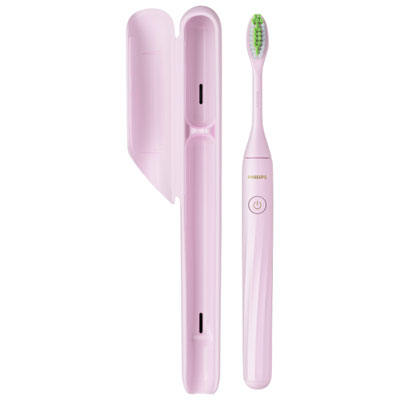 Your price for this item is $34.99
-
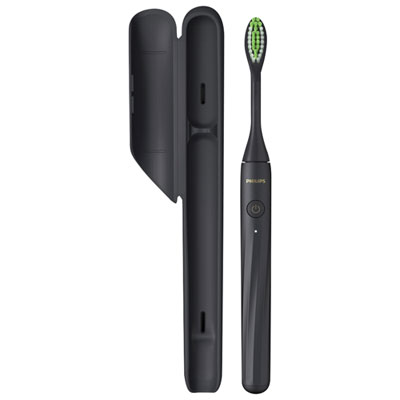 Your price for this item is $54.99
Discover more categories related to Toothbrushes for Infants
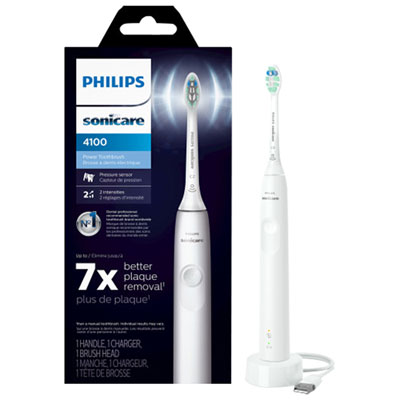

Top Collections:
Pokemon Centers, Best Budget Office Chairs, Kindle Devices, Best Cameras for Sports Photography, Pokémon 30th Celebration Cards, Best Laptops for Writers, Canon G7X Cameras, iPhone 15 Apple, Best Cell Phones Under $300, Apple iPhones 16
Some products may be subject to Environmental Handling Fees
(EHF) depending on your province.
Learn more about EHFs.