Toothbrushes Soft Bristles
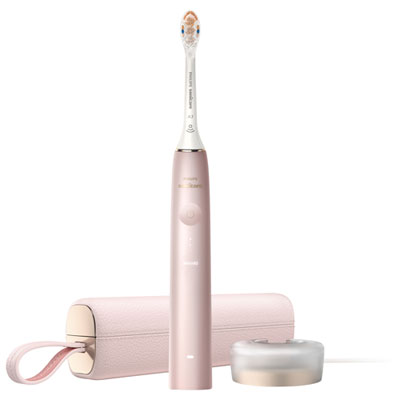
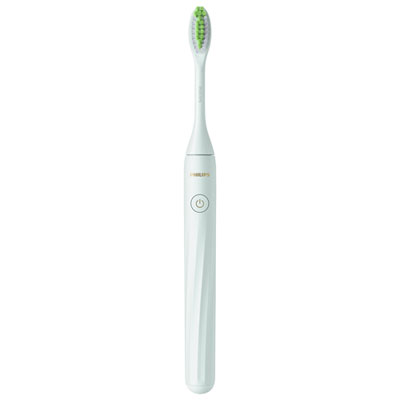
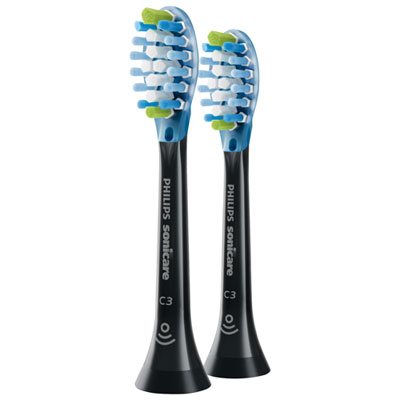
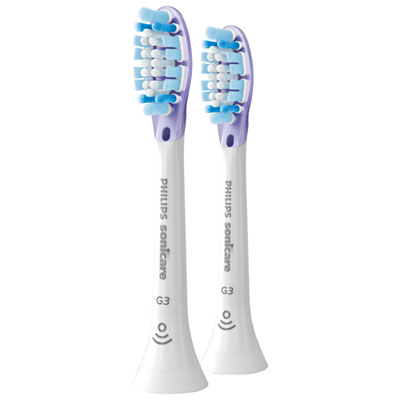
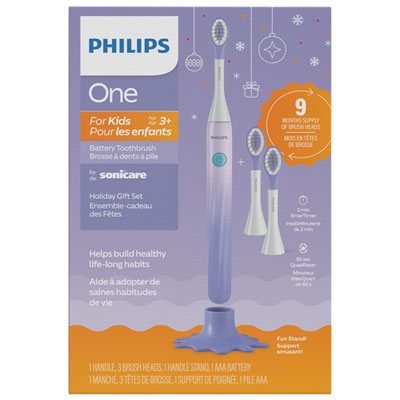
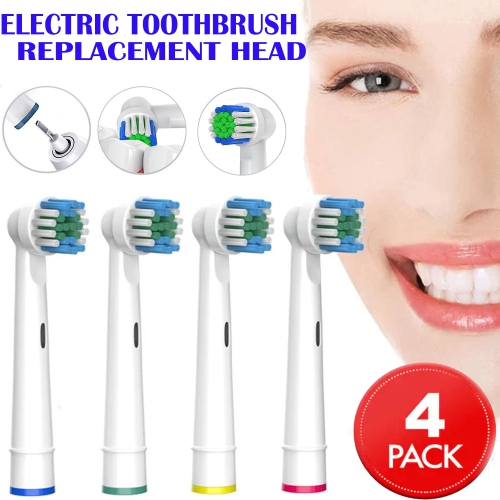
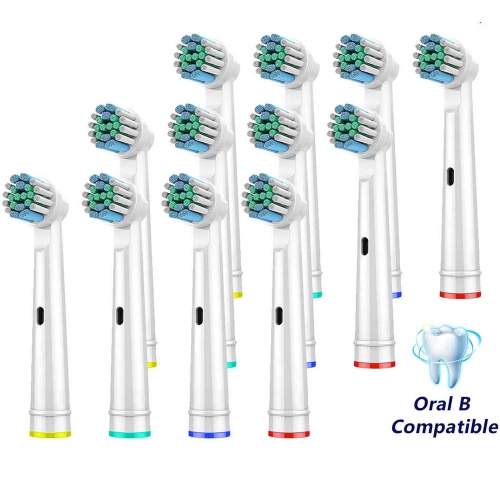
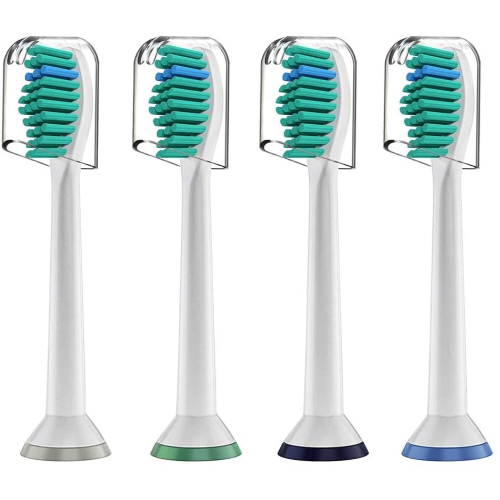
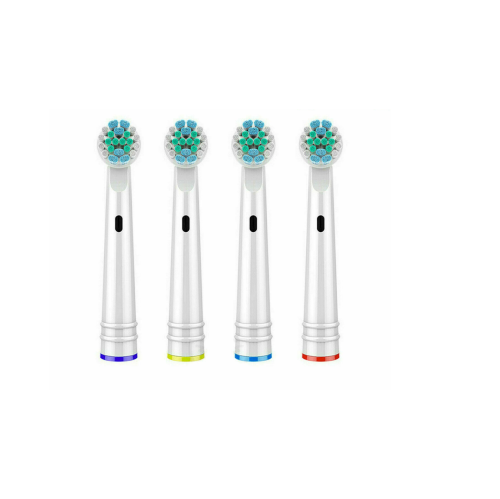
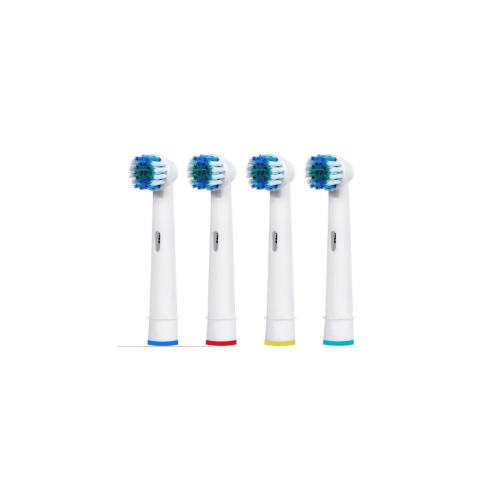
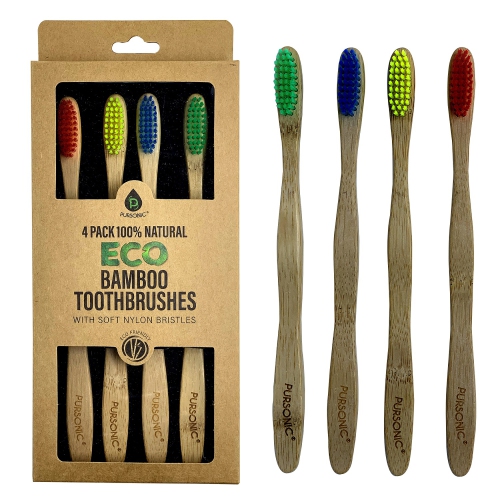
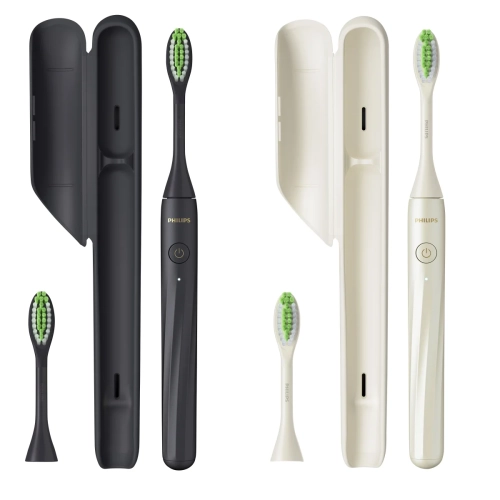
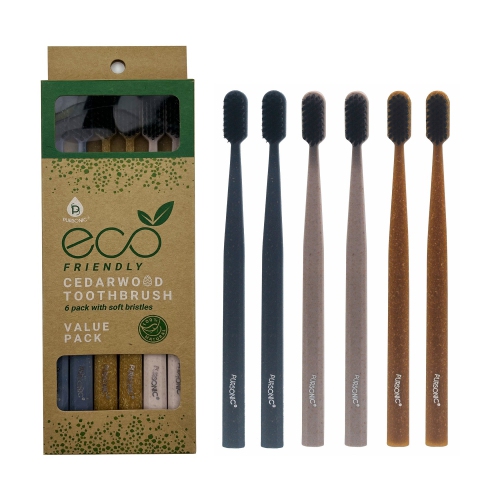
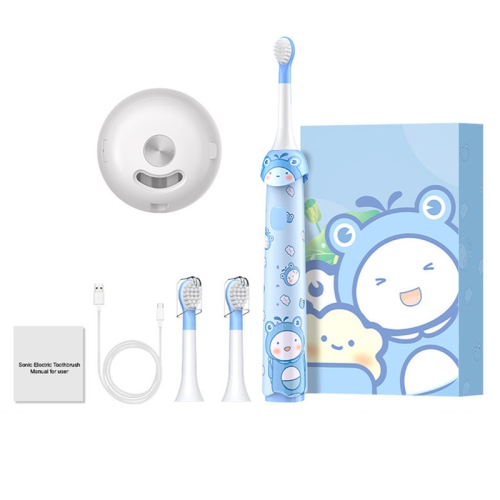
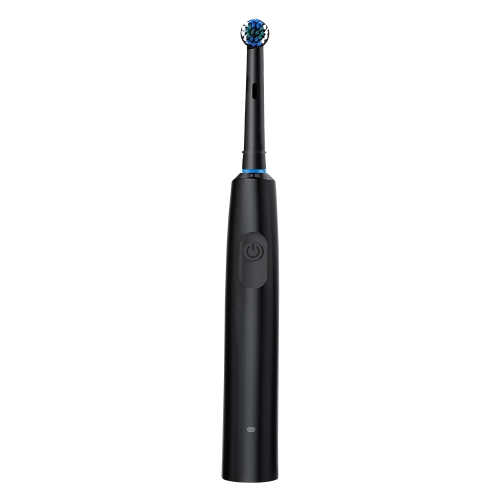
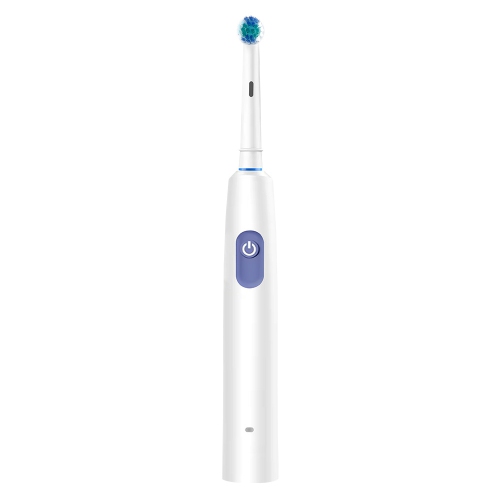
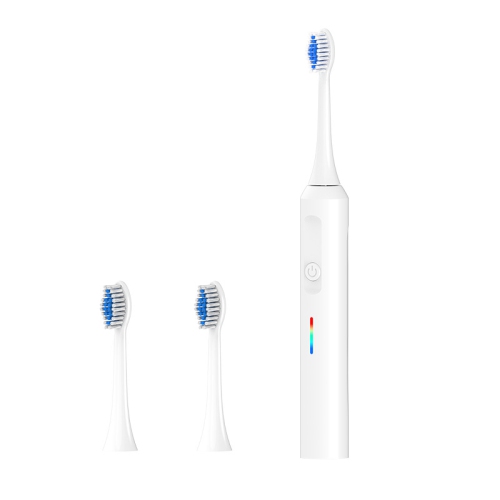
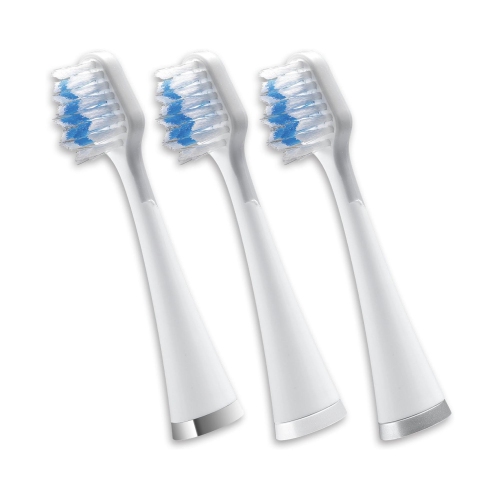
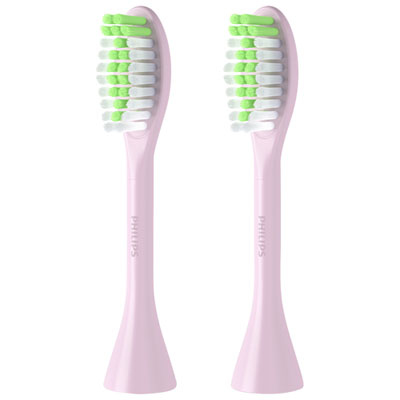
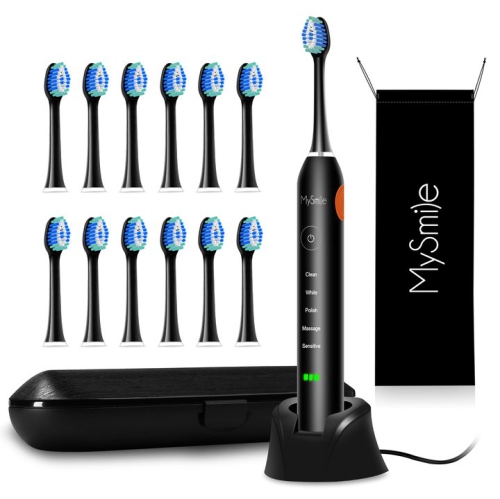
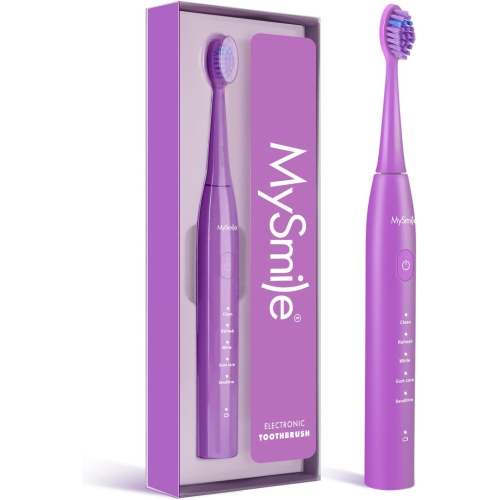
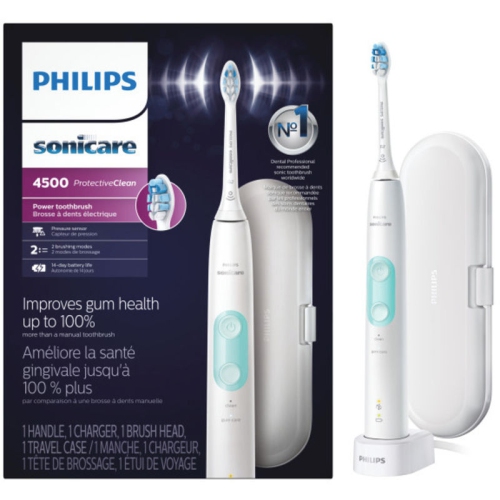
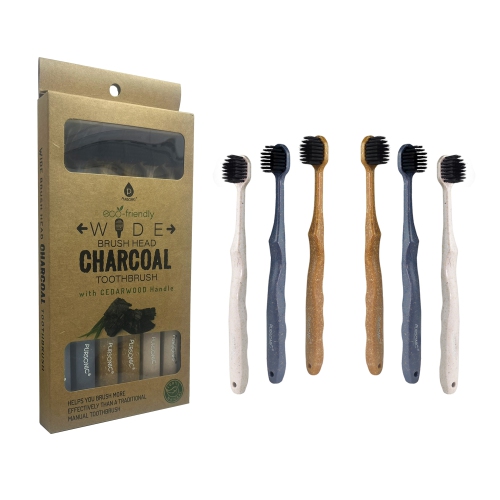
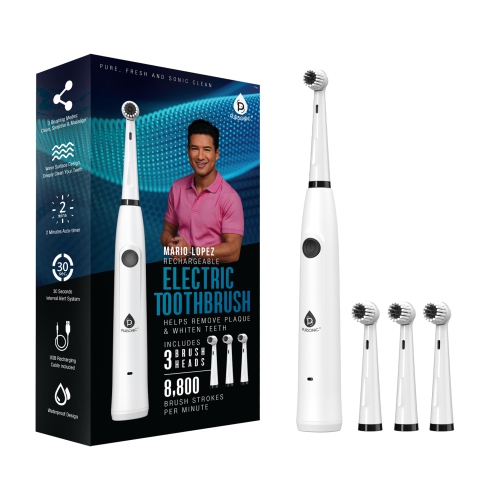
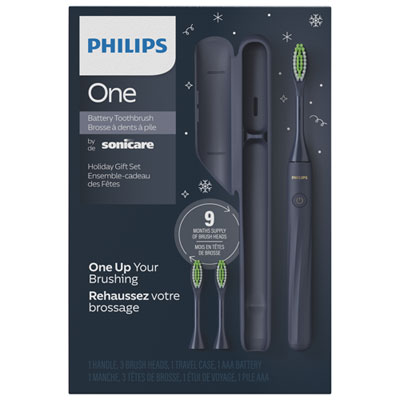
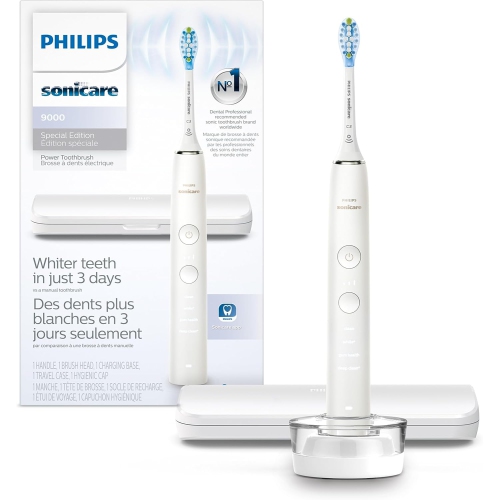
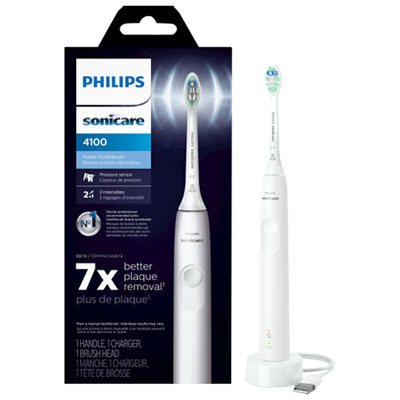
Toothbrushes are an essential part of oral health. They help to remove plaque and food particles from the teeth, and they can also help prevent cavities. Toothbrushes come in a variety of shapes and sizes, with soft bristles being one of the most popular options. Soft bristles are designed to be gentle on the gums, and they are also more comfortable for people who have sensitive teeth. Here are some great options for soft bristles toothbrushes.
Sort

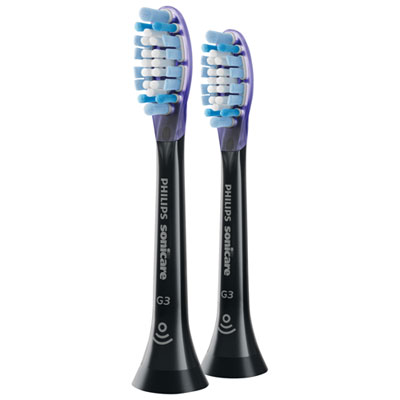
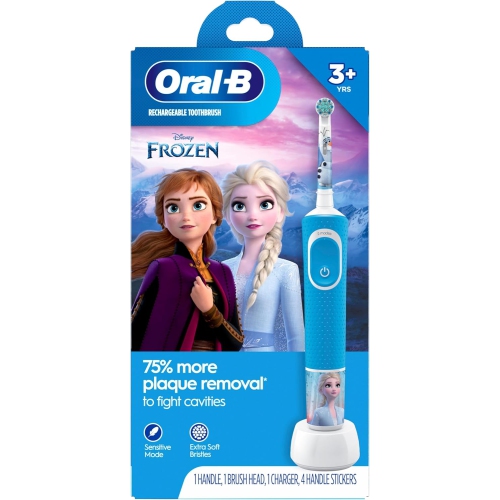
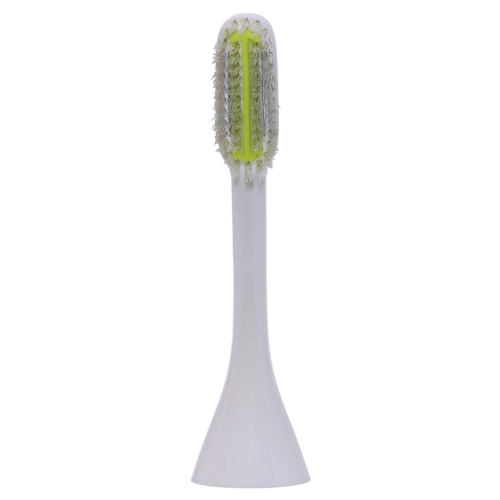
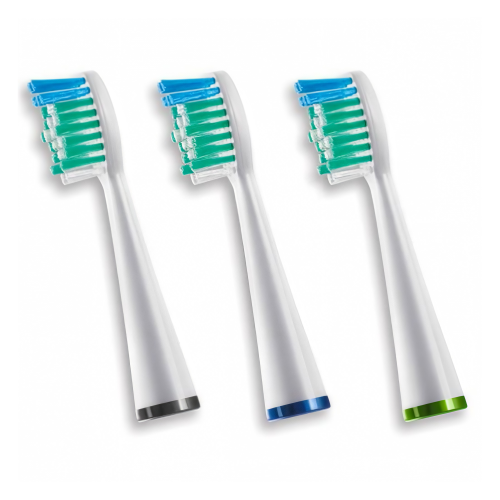
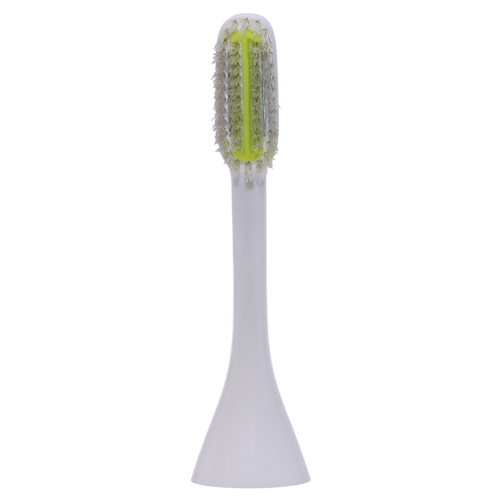
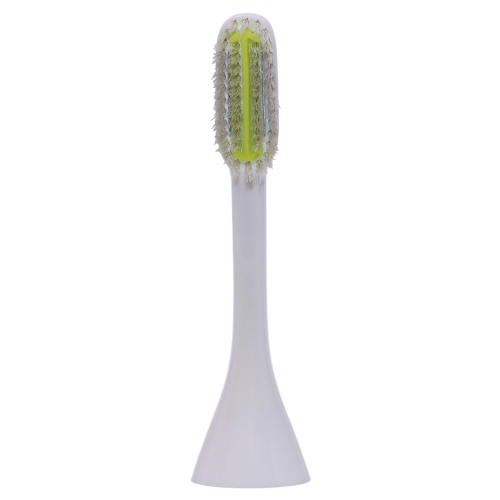
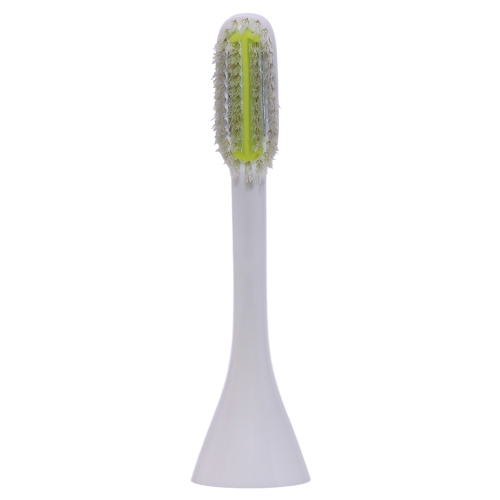
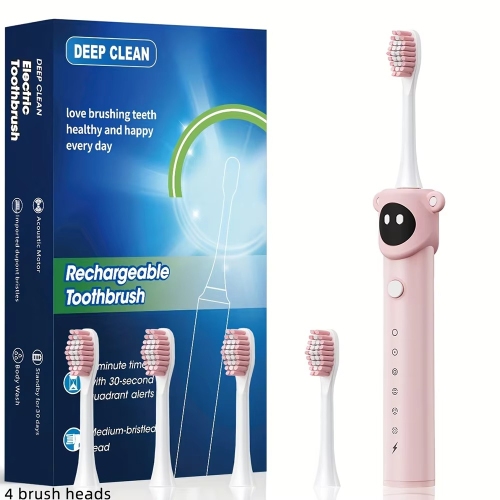
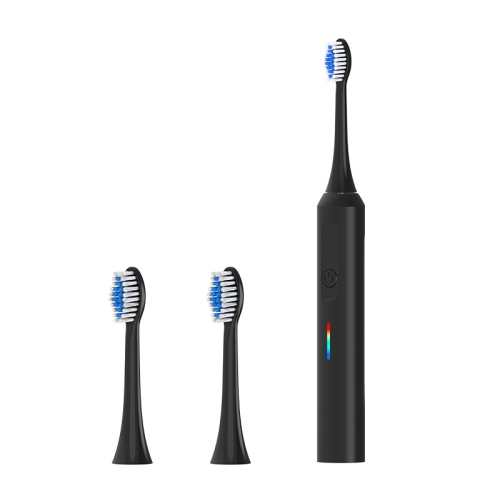
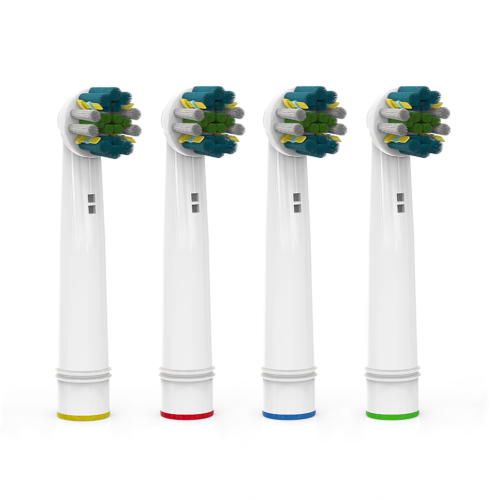
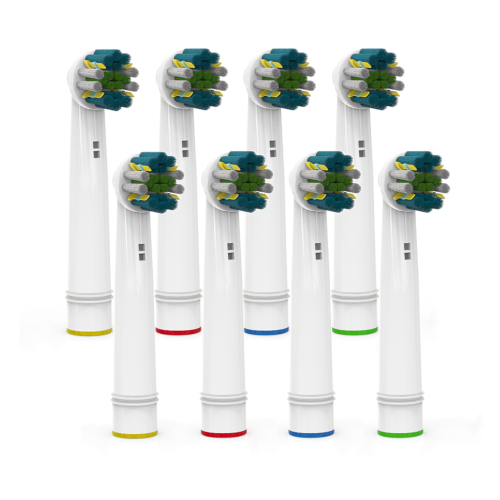
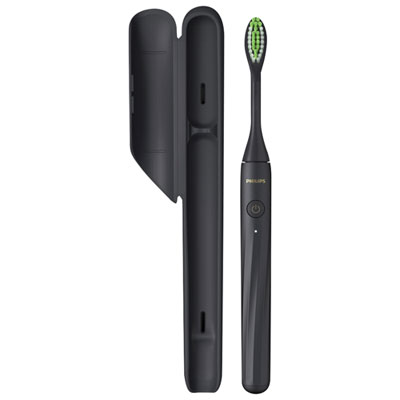
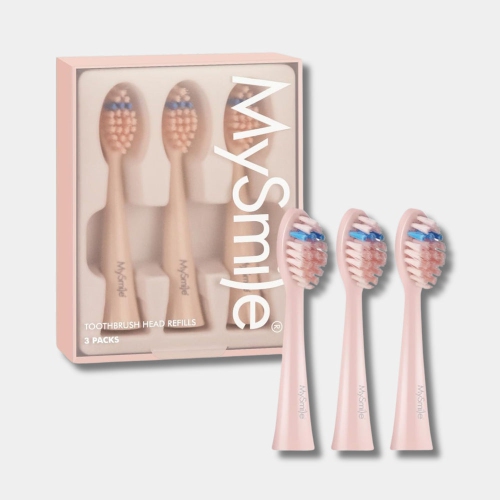
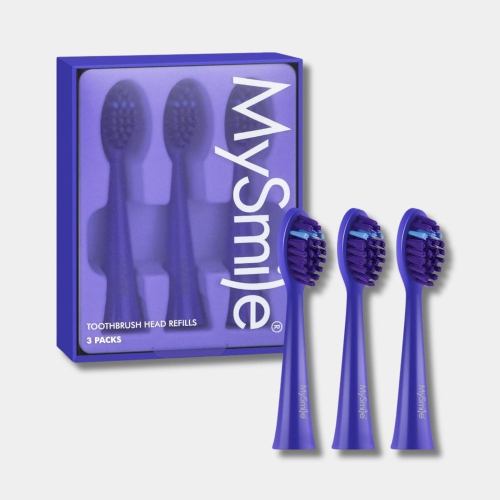
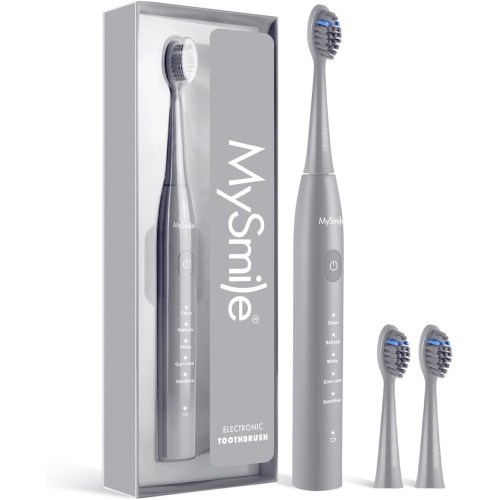
Why soft bristles support a gentler daily brushing routine
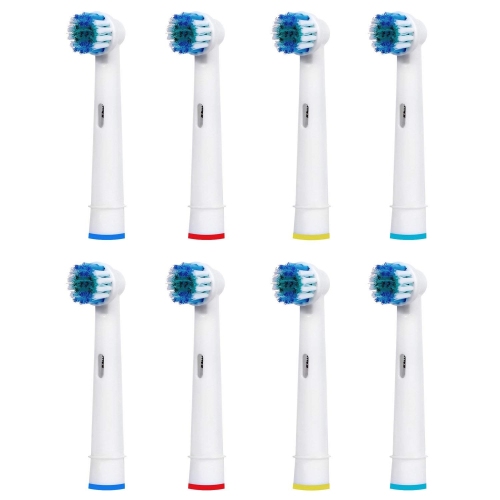
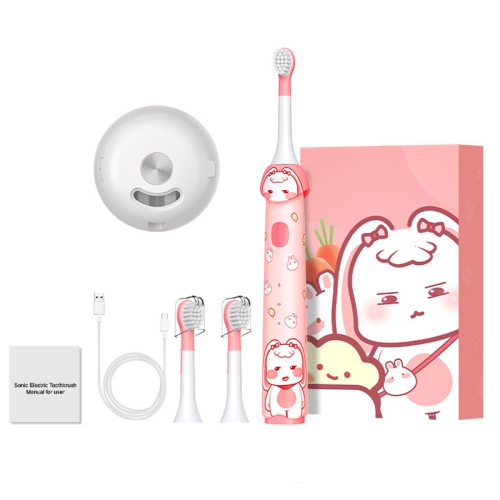
Soft-bristle toothbrushes are a comfortable choice for everyday oral care and are often recommended by dental professionals because they can clean away plaque without putting unnecessary pressure on tooth enamel or the gumline. The bristles are designed to flex as they move across each tooth, helping them reach the spaces between teeth and sweep along the edge of the gums while remaining gentle during brushing. This is especially helpful for people who experience sensitivity, occasional gum bleeding, tenderness, or discomfort when using a firmer brush. Harder bristles and forceful brushing can contribute to enamel wear and gum irritation over time, particularly when the brush is pressed heavily against the teeth. A soft toothbrush encourages a lighter touch while still supporting a thorough cleaning routine. Look for bristles with rounded tips, as they are intended to feel smoother against the gums, and consider a brush head that is compact enough to reach the back teeth without awkward twisting. A contoured handle can also make it easier to maintain a comfortable grip and guide the brush around the mouth. Some soft-bristle toothbrushes include a tapered or precision tip for reaching behind the last molars, around crowded teeth, or along areas that are difficult to access with a wider head. Others feature multiple levels of bristles to help clean different surfaces as you brush. Manual brushes offer a simple, portable option for home, work, school, or travel, while powered models with soft brush heads may be useful for people who prefer timed brushing, guided motion, or assistance maintaining an even pace. Whichever style you choose, effective brushing depends on technique as much as the brush itself: use gentle, short strokes, cover the outer, inner, and chewing surfaces of every tooth, and spend enough time on areas that tend to collect plaque. Pressing harder does not make teeth cleaner, and a soft brush works best when allowed to do the brushing rather than being forced against the enamel.
Soft-bristle toothbrushes can suit a wide range of routines, from first-time toothbrush users learning gentle habits to adults looking for a more comfortable daily clean. They may be a thoughtful addition to a care package, a travel kit, a family bathroom, or a back-to-school supply list, particularly when the recipient prefers products that feel mild against sensitive gums. Households can keep spare toothbrushes available for overnight guests, seasonal travel, or replacing a brush after an illness. People with braces, dental restorations, exposed tooth roots, or a history of gum sensitivity may appreciate a soft brush, although anyone with ongoing pain, swelling, or bleeding should speak with a dentist for personalised advice. If your gums need an especially delicate touch, explore Toothbrushes for Sensitive Gums to compare options suited to a gentler routine. When choosing among soft-bristle designs, consider the size of the brush head, the shape and texture of the handle, whether you prefer manual or powered brushing, and how easily replacement heads or new brushes can be kept on hand. A smaller head may make it easier to clean around back teeth, while a broader handle can be more comfortable for anyone with limited dexterity. Families may want clearly differentiated colours or multipacks, and travellers may prefer a lightweight brush that fits neatly into a case or toiletry bag. Replace a toothbrush when the bristles become bent, flattened, or splayed, since worn bristles may not clean as effectively; many dental professionals suggest replacing it about every three months, or sooner when the bristles show noticeable wear. Rinsing the brush thoroughly after use, storing it upright where it can air-dry, and avoiding shared toothbrushes help support good hygiene between brushing sessions. During cooler months, when indoor routines and busy schedules can make personal care habits feel more repetitive, a comfortable soft-bristle toothbrush can make twice-daily brushing easier to maintain. With the right fit and a light, methodical technique, it can provide a pleasant clean that supports fresh-feeling breath, smooth tooth surfaces, and healthier-feeling gums.
Soft-bristle toothbrushes can suit a wide range of routines, from first-time toothbrush users learning gentle habits to adults looking for a more comfortable daily clean. They may be a thoughtful addition to a care package, a travel kit, a family bathroom, or a back-to-school supply list, particularly when the recipient prefers products that feel mild against sensitive gums. Households can keep spare toothbrushes available for overnight guests, seasonal travel, or replacing a brush after an illness. People with braces, dental restorations, exposed tooth roots, or a history of gum sensitivity may appreciate a soft brush, although anyone with ongoing pain, swelling, or bleeding should speak with a dentist for personalised advice. If your gums need an especially delicate touch, explore Toothbrushes for Sensitive Gums to compare options suited to a gentler routine. When choosing among soft-bristle designs, consider the size of the brush head, the shape and texture of the handle, whether you prefer manual or powered brushing, and how easily replacement heads or new brushes can be kept on hand. A smaller head may make it easier to clean around back teeth, while a broader handle can be more comfortable for anyone with limited dexterity. Families may want clearly differentiated colours or multipacks, and travellers may prefer a lightweight brush that fits neatly into a case or toiletry bag. Replace a toothbrush when the bristles become bent, flattened, or splayed, since worn bristles may not clean as effectively; many dental professionals suggest replacing it about every three months, or sooner when the bristles show noticeable wear. Rinsing the brush thoroughly after use, storing it upright where it can air-dry, and avoiding shared toothbrushes help support good hygiene between brushing sessions. During cooler months, when indoor routines and busy schedules can make personal care habits feel more repetitive, a comfortable soft-bristle toothbrush can make twice-daily brushing easier to maintain. With the right fit and a light, methodical technique, it can provide a pleasant clean that supports fresh-feeling breath, smooth tooth surfaces, and healthier-feeling gums.
Top selling and popular products
-
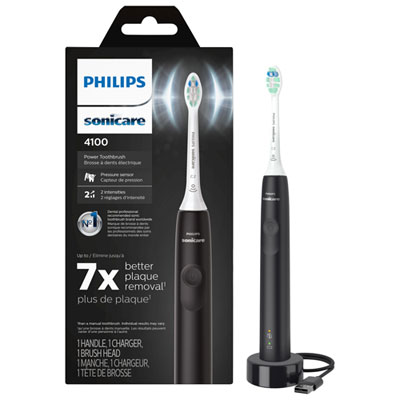 Your price for this item is $84.99
 -
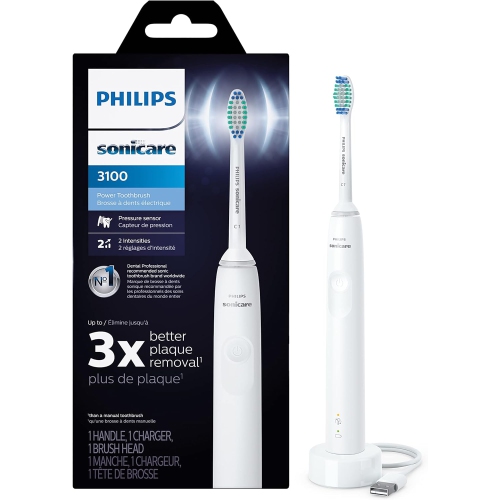 Your price for this item is $49.99
 -
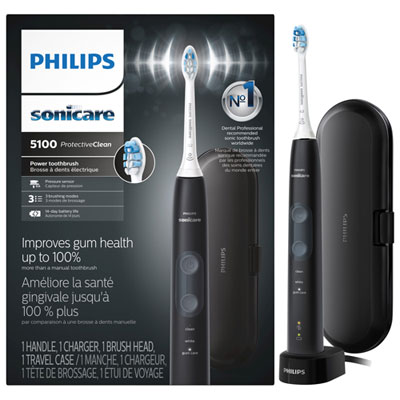 Your price for this item is $119.99
 -
 Your price for this item is $29.99
 -
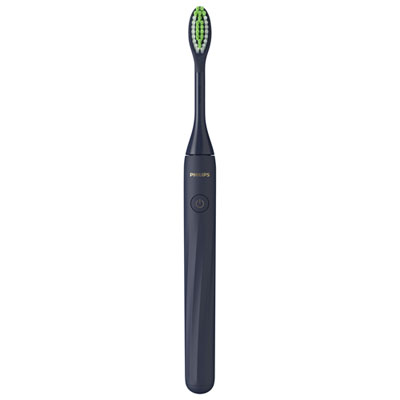 Your price for this item is $34.95
 -
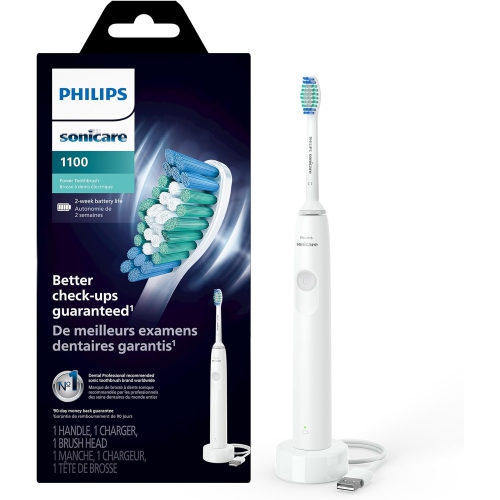 Your price for this item is $24.99
 -
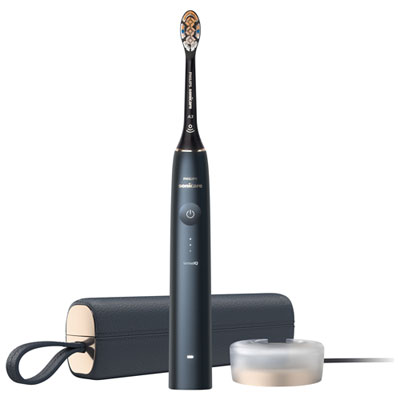 Your price for this item is $499.99
 -
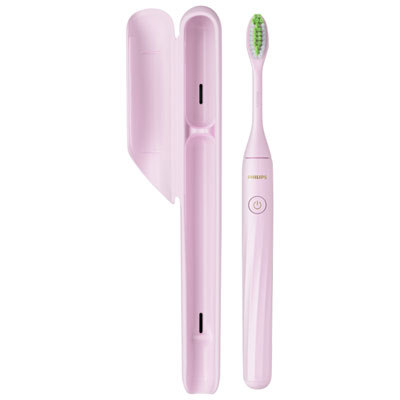 Your price for this item is $34.99
Discover more categories related to Toothbrushes Soft Bristles
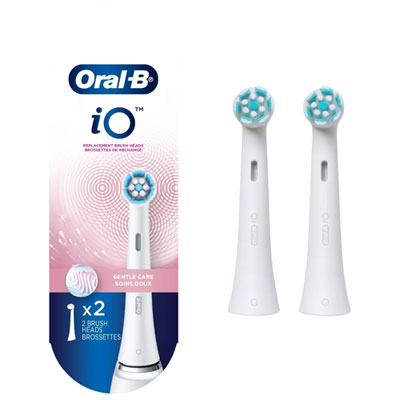
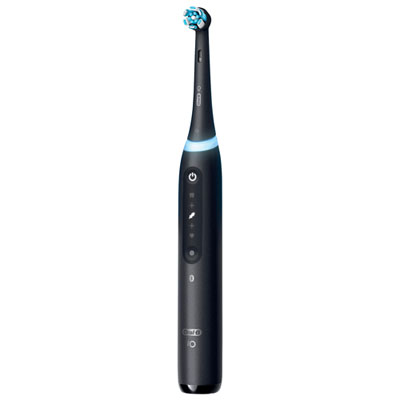
Top Collections:
Pokemon Centers, Kindle Devices, Best Budget Office Chairs, Apple iPhones 16, Best Laptops for Writers, iPhone 15 Apple, Canon G7X Cameras, Refurbished Apple Laptops, Alarm Clock, Motorola Razr Phones
Some products may be subject to Environmental Handling Fees
(EHF) depending on your province.
Learn more about EHFs.