Toothbrushes for Sensitive Gums
Finding the right toothbrush for sensitive gums can make a noticeable difference in your daily oral care routine. Gentle on delicate gums, these toothbrushes are designed to help you maintain a clean and healthy smile with added comfort. Whether you’re looking to upgrade your current toothbrush or searching for a solution that caters specifically to sensitive gums, explore a wide selection of options tailored to meet your needs. Discover the ideal toothbrush for sensitive gums and enjoy a soothing brushing experience every day.
Sort
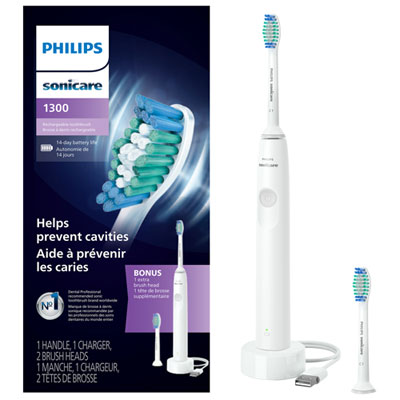




Gentle brushing starts with more than soft bristles
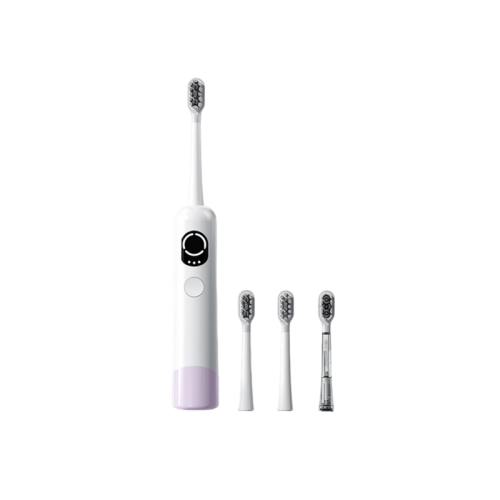
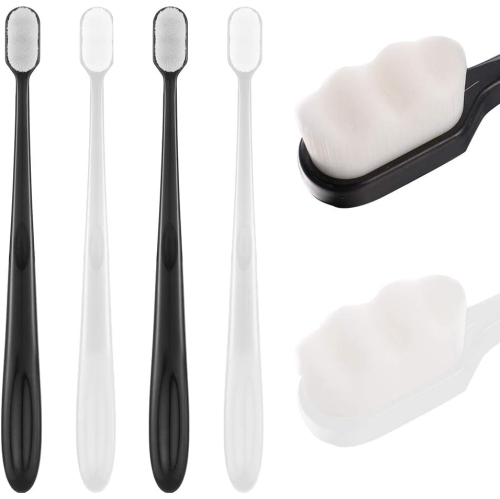
Toothbrushes for sensitive gums typically have soft, extra-soft, or ultra-soft bristles, a head that fits comfortably around the back teeth, and a design that makes light brushing pressure easier to maintain. These features help support everyday plaque removal without the harsh scrubbing that can irritate delicate gum tissue. Bristle softness is a useful starting point, but the feel of a toothbrush also depends on the thickness, length, arrangement, and finish of its filaments. Rounded bristle ends are intended to provide smooth contact, while tapered filaments have finer tips that may feel different along the gumline. Neither design makes firm pressure necessary: a brush should feel comfortable rather than scratchy when its bristles meet the gums. Most toothbrush bristles are made from synthetic materials such as nylon, with different constructions offering different degrees of flexibility. Softness labels can vary between manufacturers, so a familiar description does not always mean an identical feel. Head size matters just as much as the label on the package. A compact head can be easier to position beside the last molars or inside a smaller mouth, especially when a larger brush presses against the cheek. A low-profile head may also make brushing more comfortable for someone with a sensitive gag reflex. The right fit allows access to the outer, inner, and chewing surfaces without forcing the brush into tight spaces. Adults with tender gums, people who tend to brush too firmly, and those following a dental professional’s advice may all prefer a gentler bristle feel. Children need an age-appropriate head and handle rather than simply a smaller version of an adult’s brushing routine. The Toothbrushes Soft Bristles collection provides a related browsing option when bristle softness is the main consideration. Across these choices, comfortable contact and manageable dimensions are more useful than a head that looks especially large or densely packed.
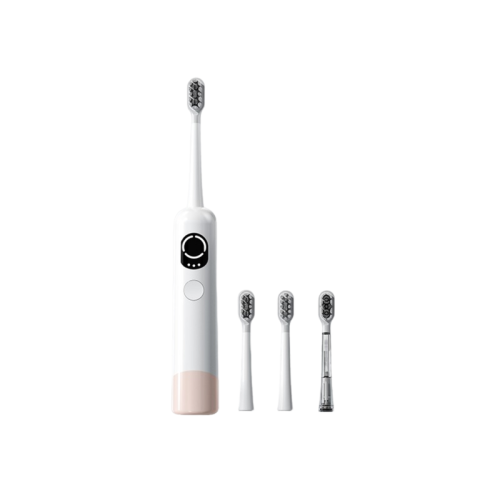
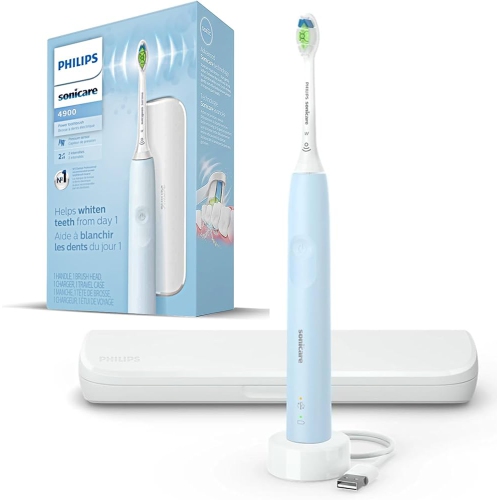
Manual and electric toothbrushes can both suit sensitive gums, provided the bristles are appropriate and the brush is used gently. A manual toothbrush offers direct control over movement and pressure, with no charging or powered settings to manage. Its handle shape can make a noticeable difference during an ordinary morning routine: a broad grip may be easier to hold than a narrow, smooth handle, particularly for someone with limited hand strength or dexterity. Textured or cushioned grip areas can help maintain control when hands are wet, although comfort depends on how the handle sits in the individual’s hand. An electric toothbrush adds powered movement, which may help someone maintain a more consistent brushing routine without making repeated scrubbing strokes. Depending on the design, useful features can include a lower-intensity setting, a sensitive mode, a brushing timer, or a pressure sensor that signals when too much force is being applied. These features serve different purposes. A timer supports brushing duration, while pressure feedback addresses how firmly the head is held against the teeth; neither replaces a suitable brush head or careful positioning. Powered brushes also differ in movement, vibration, handle weight, and sound. A gentle setting may be more comfortable for someone who finds a strong buzzing sensation unpleasant, but comfort is personal rather than guaranteed by a mode name. The brush head remains important even when the handle offers several settings, and not every replacement head has the same bristle feel. For someone with braces, a retainer attachment, or dental restorations, a manageable head can help with access around edges and contours, while separate cleaning tools may still be needed between teeth. A toothbrush for sensitive gums is best understood as an everyday cleaning tool designed around comfort and control, not a reason to press harder or spend longer repeatedly brushing one tender spot.
Care, replacement, and compatibility also influence how well a toothbrush fits into daily life. Bristles should retain their shape during normal use; a head that becomes flattened, curled, or widely splayed is less suited to controlled contact along the gumline. Toothbrushes and powered brush heads are generally replaced every three to four months, or sooner when wear is visible, with any individual advice from a dental professional taking priority. Rapid fraying can be a sign of excessive pressure, although brushing habits and bristle construction both affect wear. For electric designs, checking replacement-head compatibility helps avoid choosing a head that does not attach correctly or offers a different feel from the one intended. Rechargeable handles also have their own care requirements, including charging instructions and limits on water exposure. A water-resistant handle should not automatically be treated as suitable for prolonged soaking. For both manual brushes and removable heads, rinsing away toothpaste and debris after use and allowing the bristles to air-dry upright supports straightforward daily hygiene. Storage works best when heads are separated rather than touching other brushes. A travel cover can protect bristles inside a bag, but a wet head enclosed for long periods has less opportunity to dry. Smooth handle surfaces and accessible joins can make routine cleaning easier, particularly where toothpaste collects around a removable head. Each person should have a separate toothbrush or brush head, even when a powered handle is shared. Above all, gentle brushing should still be thorough: comfortable bristles are intended to support regular cleaning, not avoid the gumline entirely. Gum tenderness is also different from tooth sensitivity triggered by hot or cold foods, and a toothbrush alone does not address every cause of discomfort. Persistent bleeding, swelling, pain, or gum recession warrants assessment by a dentist or dental hygienist rather than repeated changes of brush. A well-fitting, soft-bristled toothbrush can support a comfortable routine while that underlying concern receives appropriate attention.
Top selling and popular products
-
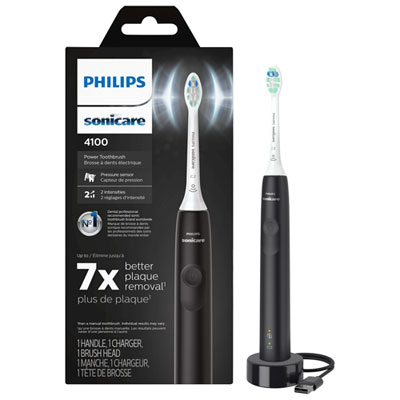 Your price for this item is $84.99
-
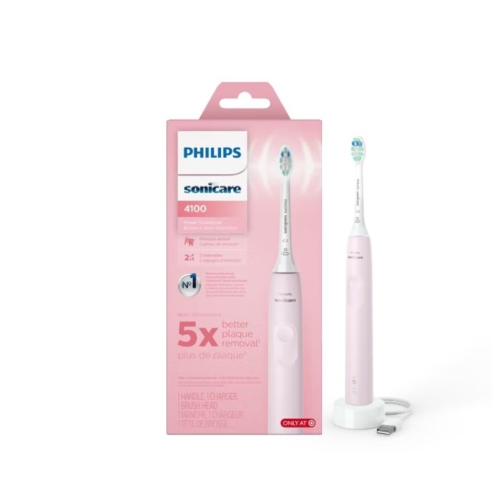 Your price for this item is $49.95
-
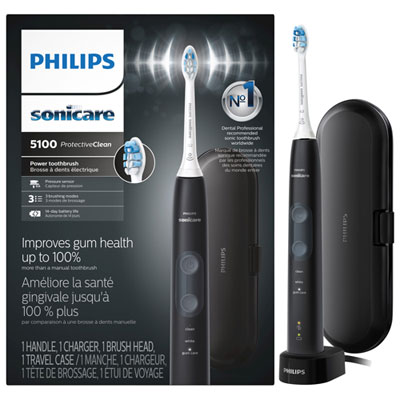 Your price for this item is $89.99
-
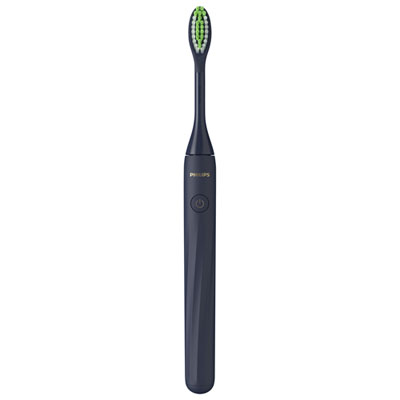 Your price for this item is $24.97
-
 Your price for this item is $29.99
-
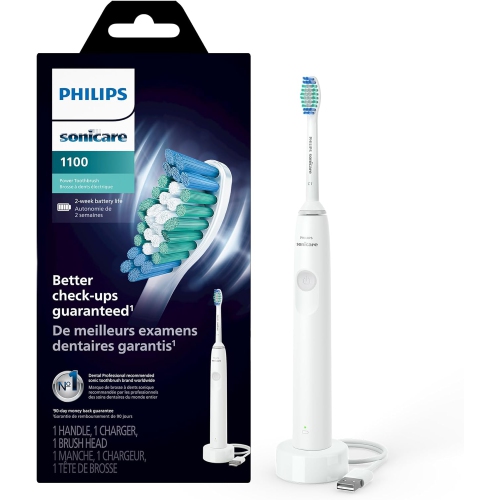 Your price for this item is $29.97
-
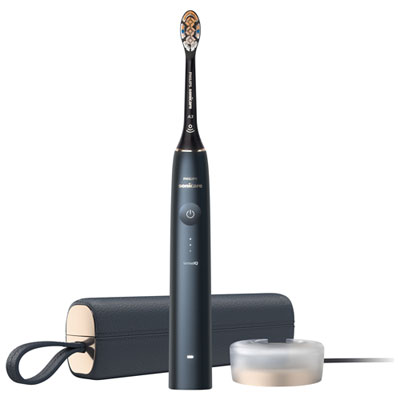 Your price for this item is $499.99
-
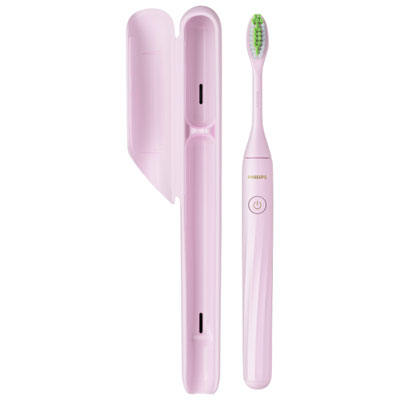 Your price for this item is $34.99
Discover more categories related to Toothbrushes for Sensitive Gums
Top Collections:
Best Black Friday Deals This Year, Best Black Friday Deals On Electronics, Kindle Devices, Pokemon Centers, Best Black Friday Deals On Apple Products, Best Cameras for Sports Photography, Dyson Airwrap, Pokémon 30th Celebration Cards, Apple iPhone 17 Pro, Canon G7X Cameras
Some products may be subject to Environmental Handling Fees
(EHF) depending on your province.
Learn more about EHFs.