Pioneer Turntables
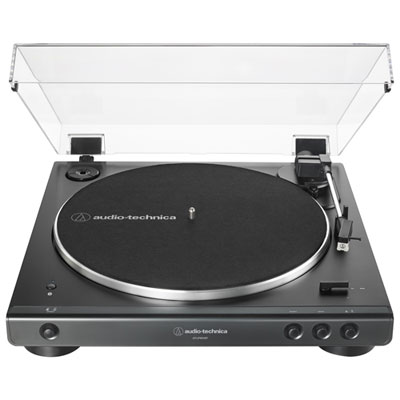
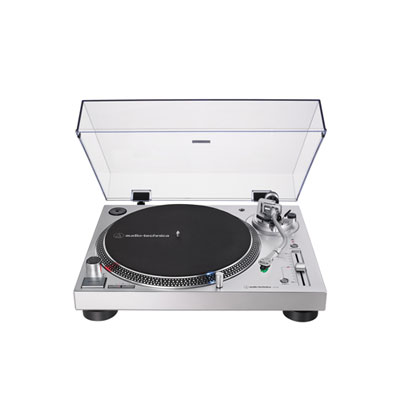
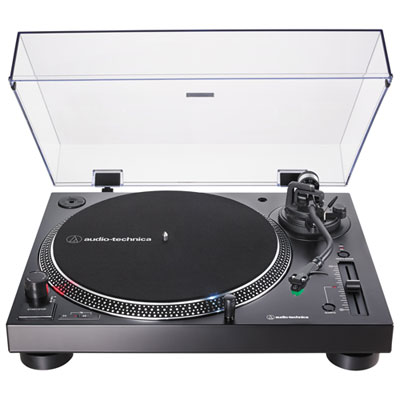
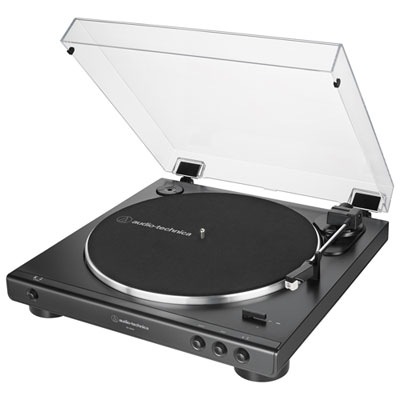
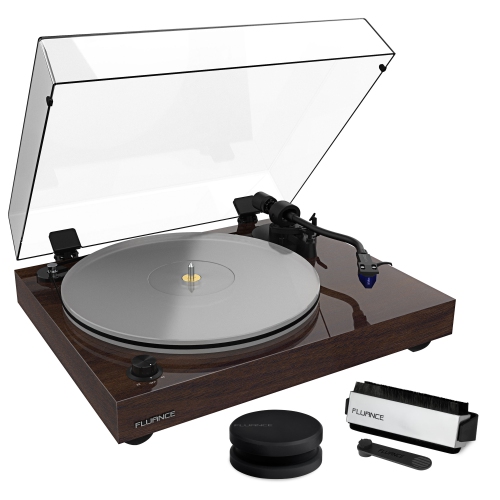
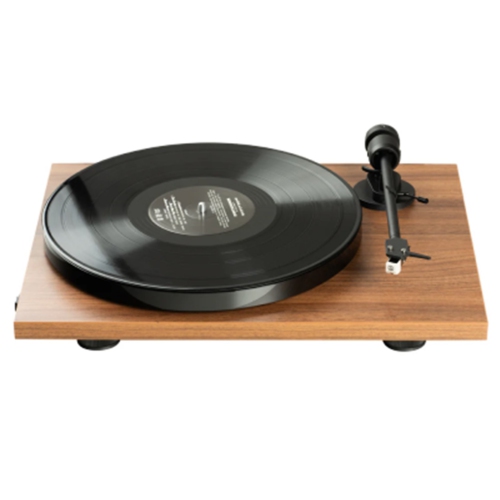
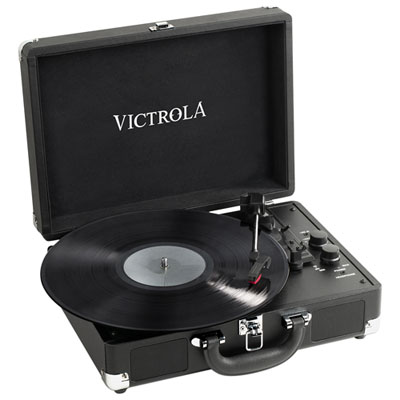
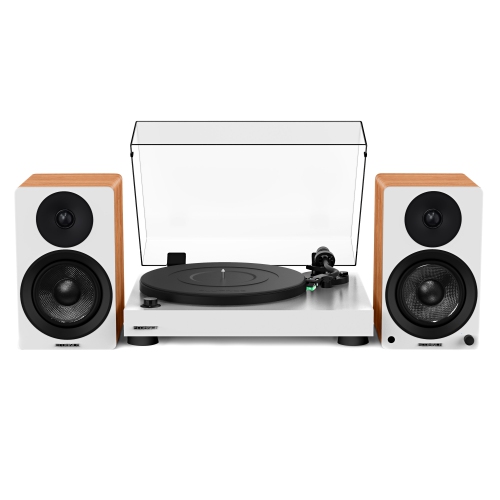
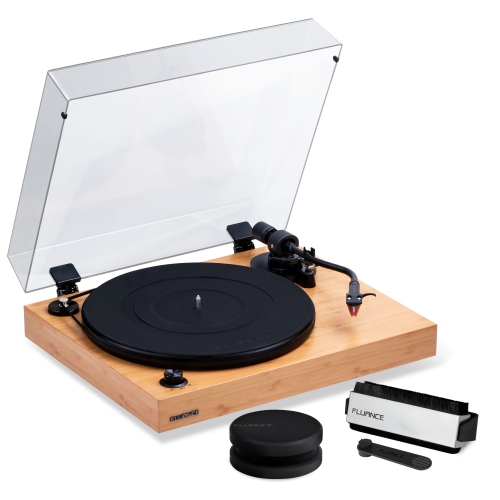
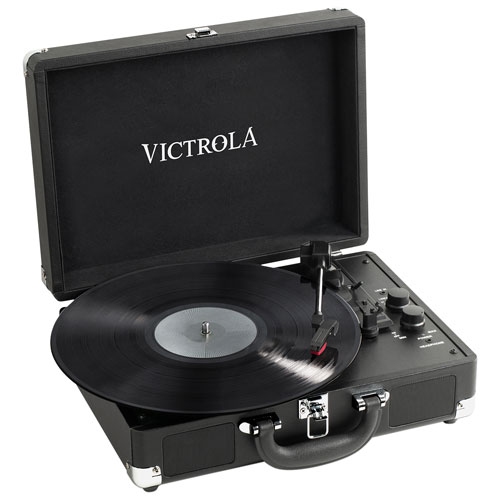
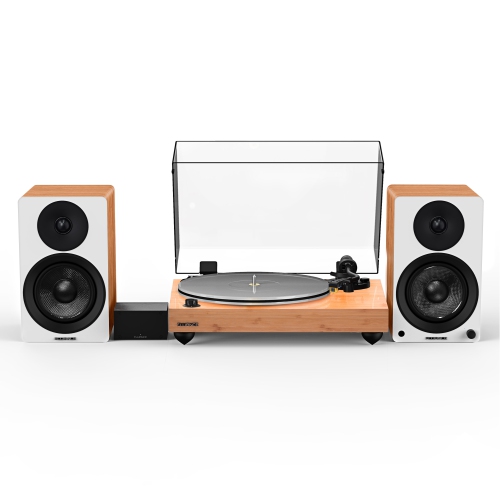
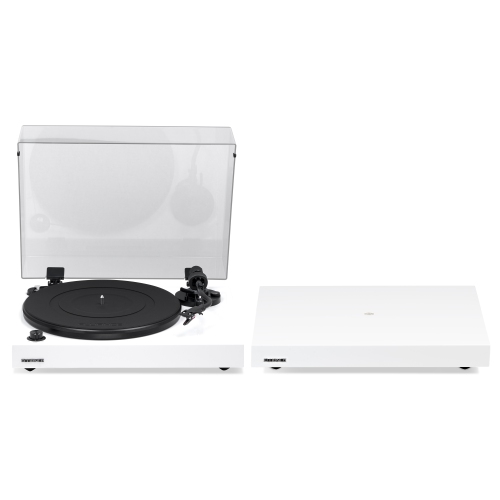
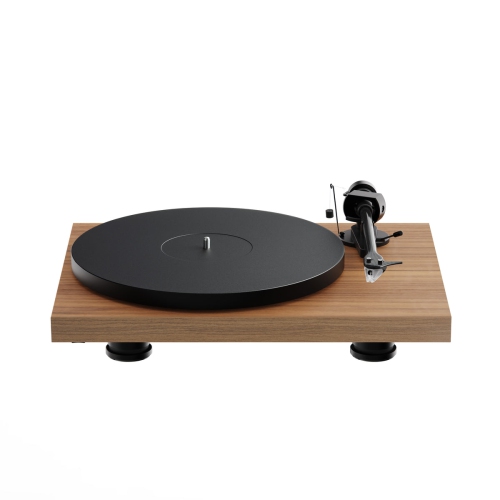
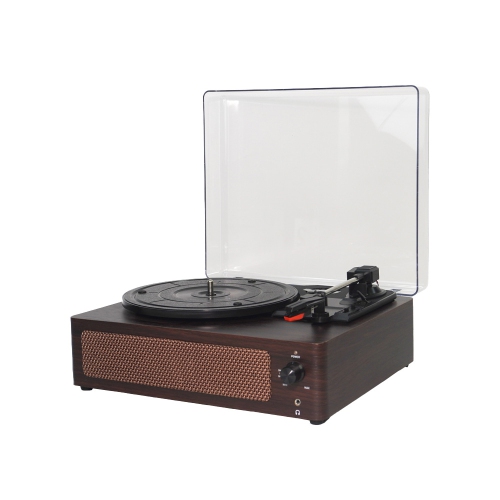
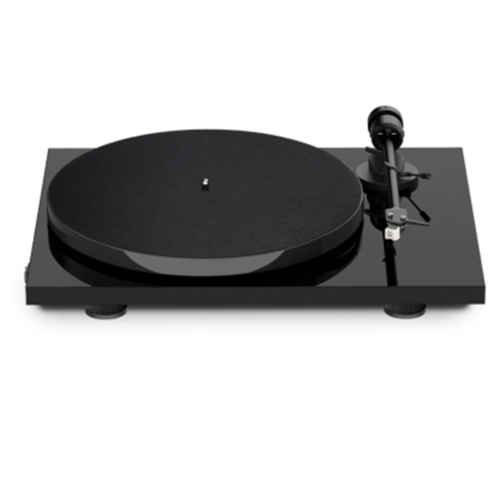
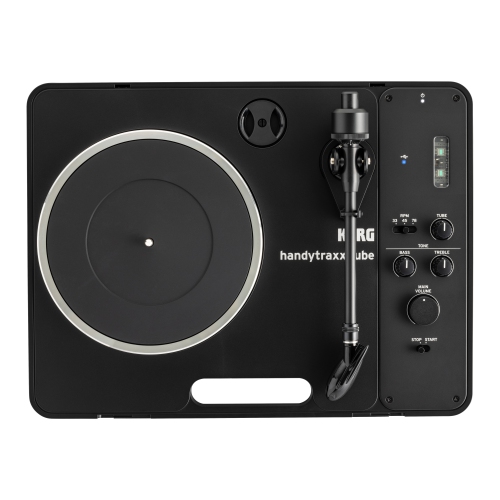
Browse Pioneer turntables for playing your vinyl collection or building a record player setup. Compare the available models by drive type, playback speeds, and connection options to find a turntable that suits your records and audio equipment.







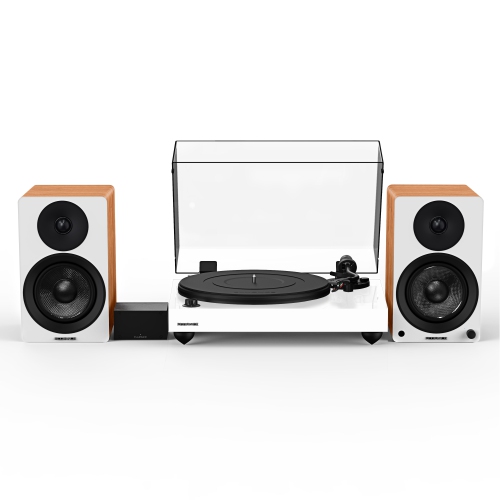
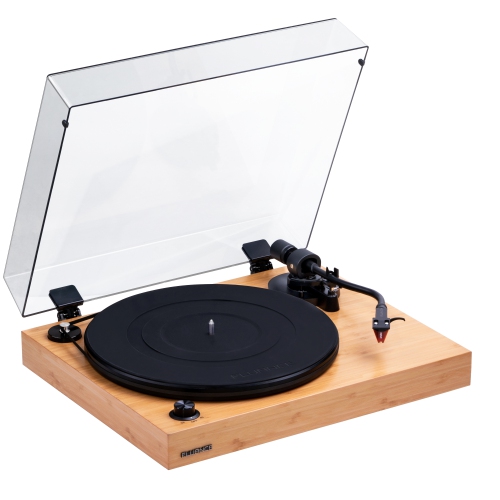
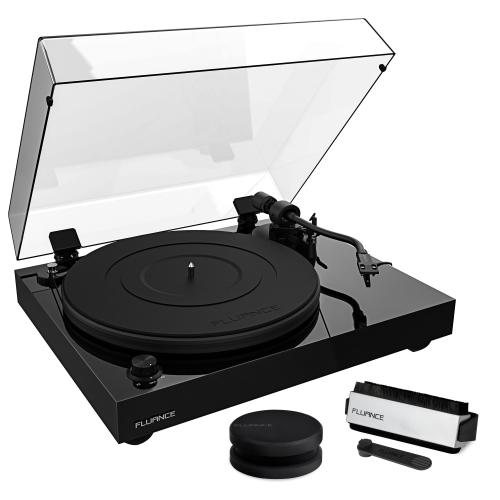
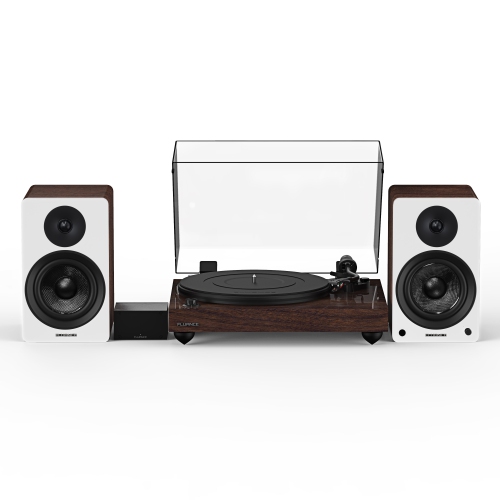
FAQ
Consider whether you want a turntable for home listening, DJ use, or both. Compare the drive type, playback speeds, cartridge compatibility, tonearm adjustments, and audio connections. Features such as pitch control and a built-in phono preamp vary by model, so check the specifications against your setup.
A direct-drive turntable uses a motor to drive the platter directly, while a belt-drive turntable uses a belt between the motor and platter. Direct-drive designs are commonly used for DJing because of their quick start-up and precise speed control. Belt-drive designs are often associated with home listening and help isolate the platter from motor vibration.
That depends on the turntable and the equipment connected to it. A model with a built-in phono preamp can connect to a compatible line-level input when its output is set accordingly. Without a built-in preamp, you will need either an external phono preamp or an amplifier or receiver with a compatible phono input.
Yes, provided the signal passes through a phono preamp before reaching the speakers' line-level input. The preamp may be built into the turntable, included in the speakers through a dedicated phono input, or supplied as a separate component. Check the connections and input settings on both devices before choosing your cables.
The stylus is the tip that follows the record groove, while the cartridge converts its movement into an electrical audio signal. Cartridge mounting, tracking force, and tonearm compatibility matter when choosing a replacement. Some cartridges allow you to replace the stylus separately, while others require replacement of the complete cartridge.
Top selling and popular products
Discover more categories related to Pioneer Turntables
Some products may be subject to Environmental Handling Fees (EHF) depending on your province. Learn more about EHFs.