RCA Turntable
Experience the classic charm of vinyl with an RCA Turntable, designed to bring your favorite records to life. Perfect for music enthusiasts and collectors alike, these turntables offer a stylish addition to any audio setup while delivering rich sound quality. Whether you're rediscovering old favorites or exploring new albums, an RCA Turntable provides a timeless way to enjoy your music collection. Find the ideal model to match your space and listening preferences for endless hours of enjoyment.
Sort



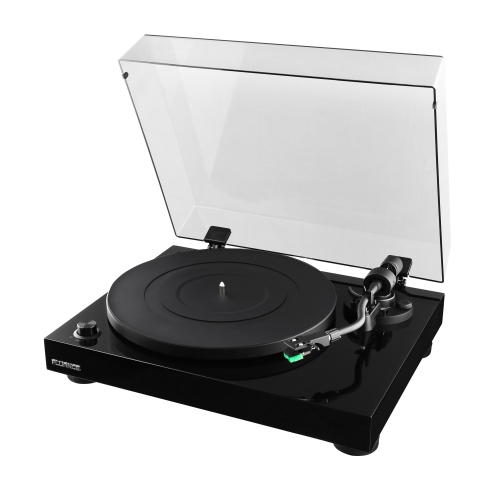
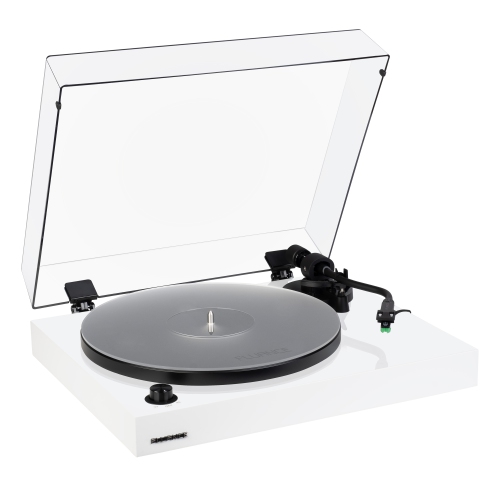
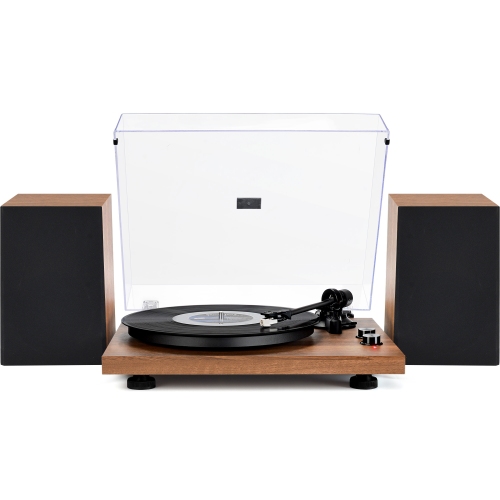

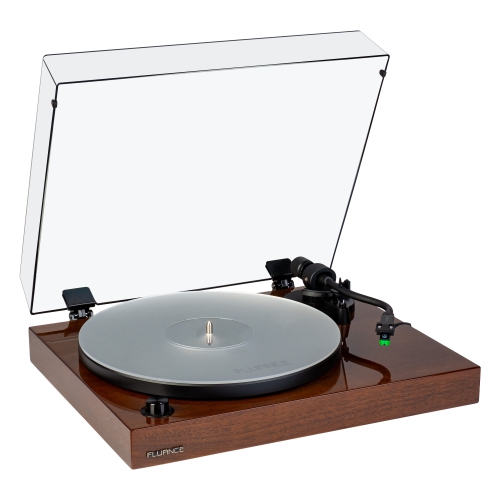
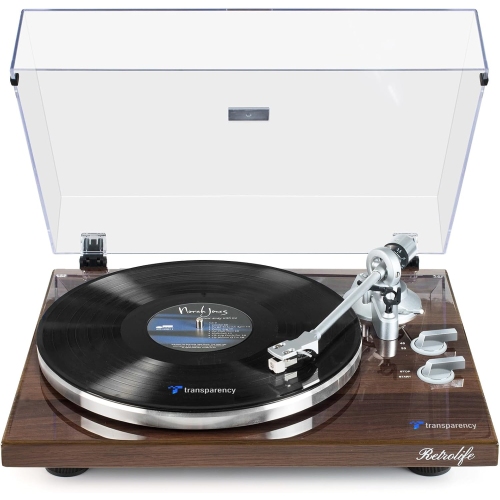
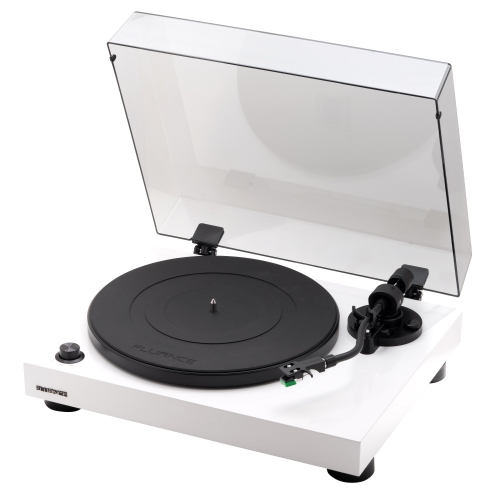

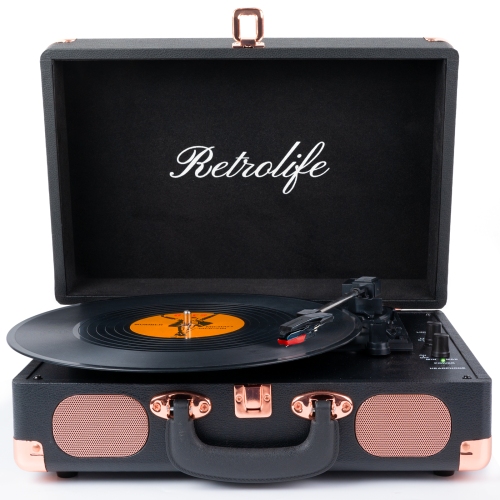
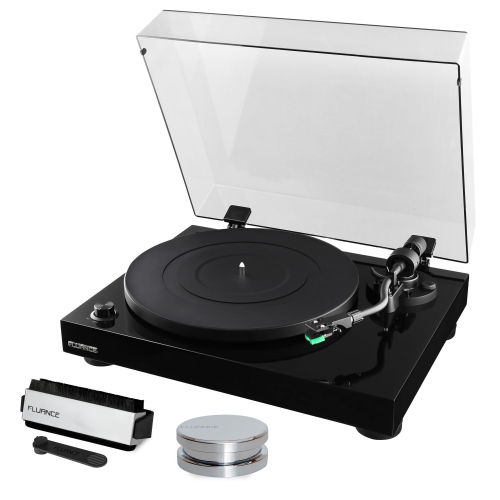
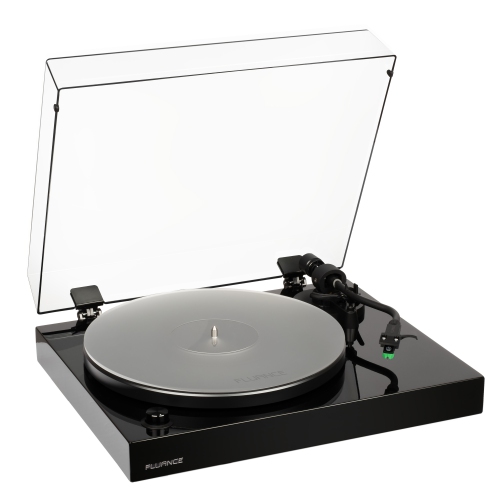
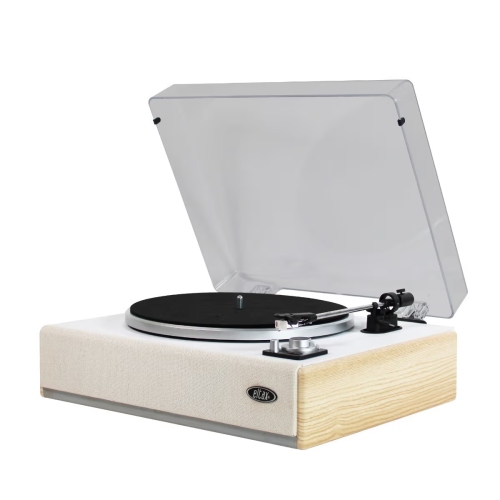

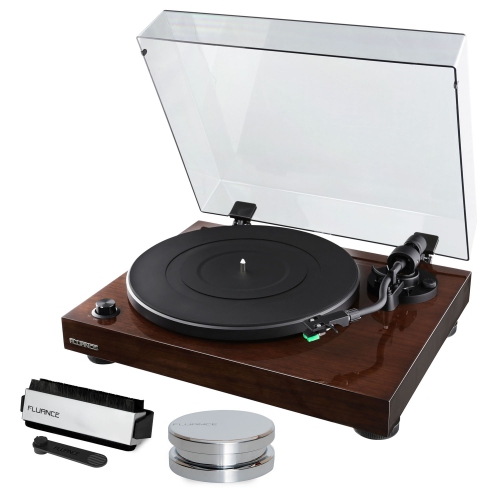
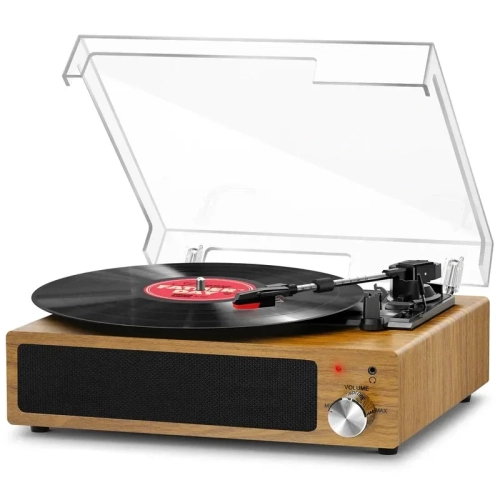
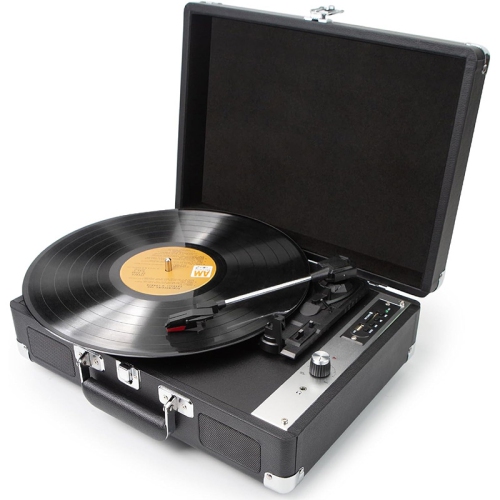
The practical details behind a relaxed vinyl listening setup
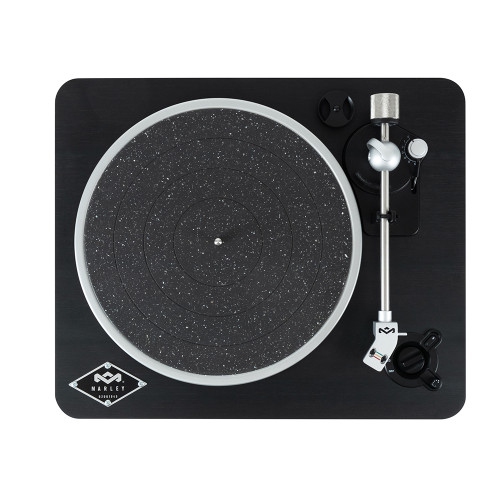
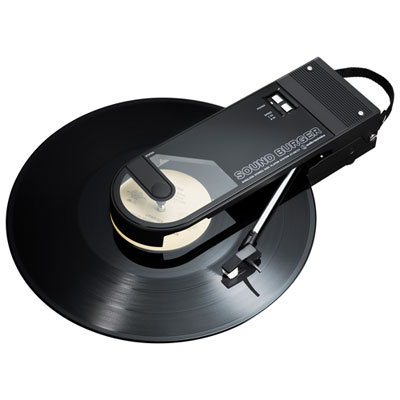
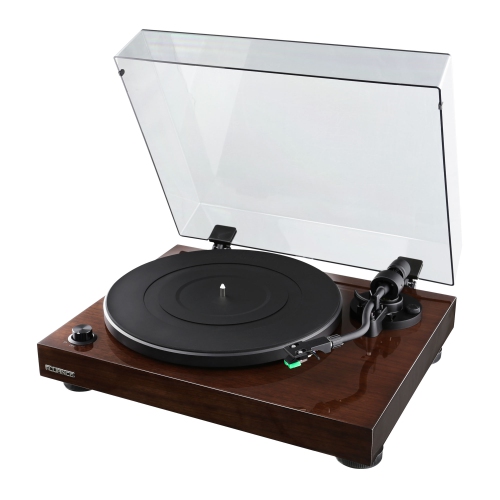
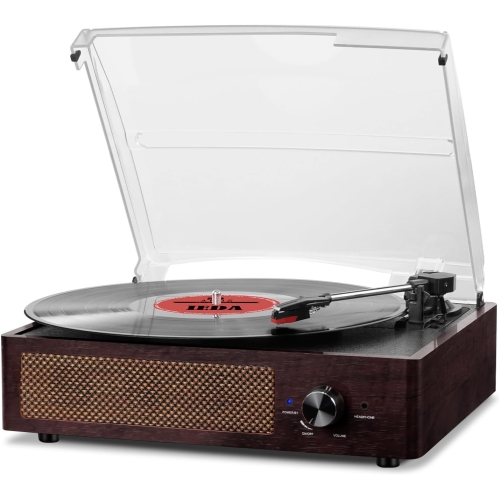
Turntables give vinyl listening a tangible rhythm: choosing an album, sliding the record from its sleeve, and settling in as the stylus follows the groove. They suit listeners building a first record collection, returning to albums kept for years, or making room for music away from a phone screen. A compact record player can become part of a bedroom listening corner, while a component turntable can anchor a dedicated stereo setup in a living room or den. The differences go beyond appearance. Cabinet construction, platter design, tonearm operation, and cartridge compatibility all influence how a turntable fits into daily use. Wood-look finishes can sit comfortably beside books and upholstered furniture, while metal details and understated cabinets complement other audio equipment. Actual materials vary, so a decorative finish should not be mistaken for solid wood construction. A stable plinth and platter help support consistent playback, though placement matters just as much as the cabinet itself. Belt-drive designs use a belt to transfer motion from the motor to the platter, while direct-drive designs connect the motor directly to the platter assembly. Either approach can suit home listening; speed stability and overall construction matter more than the drive type alone. Many albums play at 33⅓ rpm, while many singles use 45 rpm, and the record label identifies the intended speed. Playback of older 78 rpm records requires more than a matching speed setting, since an appropriate stylus and compatible cartridge arrangement are also important. Manual operation gives the listener control over positioning and lowering the tonearm. Automatic features can handle some of those movements, depending on the design, making everyday playback more convenient for someone who prefers fewer hands-on steps. A cueing lever offers a controlled way to lower the stylus without placing it directly by hand. For someone who enjoys listening to an album from beginning to end, these practical details can make the experience feel relaxed rather than fussy.
Connections determine how a turntable works with the equipment already in a home. A traditional phono signal needs suitable amplification and equalization before it reaches the main amplifier, so the distinction between phono and line output is worth understanding. A built-in phono preamp can allow a turntable to connect to an appropriate line-level input on powered speakers or an amplifier. Without that stage built in, a separate phono preamp or an amplifier with a compatible phono input may be needed. Passive speakers still require a suitable amplifier; connecting a turntable directly to them is generally not enough. Where a switchable preamp is included, its setting needs to match the chosen input rather than simply being left in either position. This becomes especially relevant when pairing a new turntable with an older stereo receiver or bringing separate components together for the first time. Integrated speakers offer a more self-contained arrangement for casual listening, while separate speakers allow greater flexibility in placement and system upgrades. Wireless features also deserve a close look because receiving audio and transmitting it are different functions. Bluetooth reception may let a record player act as a speaker for another device, but it does not necessarily mean vinyl playback can be sent to wireless headphones or speakers. That requires a compatible transmitting function. USB connections may support transferring record playback to a computer, with the required software and supported connections varying by design. Headphone listening likewise depends on the available output and whether a headphone amplifier is included or needed separately. Physical fit is another part of system compatibility. A turntable needs enough space for its footprint, cables, and an open dust cover, not just enough shelf width to hold the cabinet. A level, sturdy surface away from heavy foot traffic helps limit vibration. Keeping separate speakers off the same lightweight shelf can also reduce the chance of vibration travelling back through the turntable during playback. These details matter in a compact apartment just as much as in a larger listening room.
Regular care helps protect both the turntable and the records played on it. Dust on a record can create audible noise, while debris on the stylus can interfere with its contact with the groove. A record brush intended for vinyl, an appropriate stylus-cleaning tool, and clean inner sleeves are useful companions to a listening setup. Cleaning methods should follow the cartridge and record-care recommendations, since excessive pressure or unsuitable liquids can cause damage. Handling records by their edges and label areas helps keep fingerprints away from the playing surface, and returning them to their sleeves keeps loose dust from settling between listening sessions. Records are best stored upright with enough support to prevent leaning or bending. On the turntable itself, a dust cover helps protect the platter and tonearm when not in use, but it does not replace routine cleaning. Long-term ownership also depends on serviceable parts. A replaceable stylus, an accessible drive belt on belt-driven designs, and clear cartridge compatibility information can make future maintenance more straightforward. Adjustable tracking force and anti-skate settings offer flexibility on equipped tonearms, although they require correct setup rather than guesswork. Too little tracking force is not automatically gentler on a record; the cartridge maker’s specified range is the relevant reference. For a gift recipient, ease of operation and compatibility with their existing speakers may matter more than a long feature list. A first-time listener may appreciate a straightforward setup, while someone with an established stereo may value replaceable components and more adjustment options. The Pioneer Turntables collection provides a related selection for comparing designs and playback features. Whether the listening space is a shared living room or a quiet corner beside a favourite chair, the most useful turntable is one that fits the available space, connects properly to the rest of the system, and makes playing records a comfortable part of everyday life.
Top selling and popular products
-
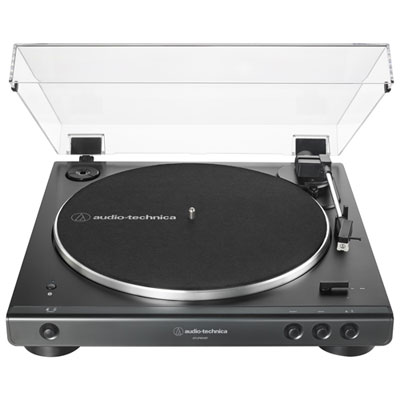 Your price for this item is $329.99
-
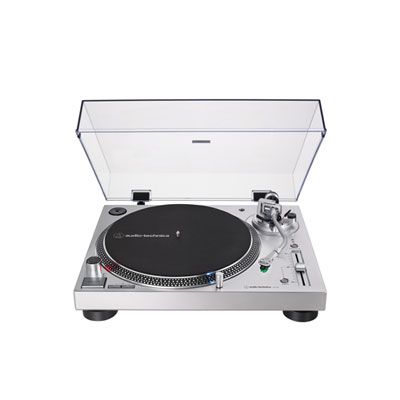 Your price for this item is $519.99
-
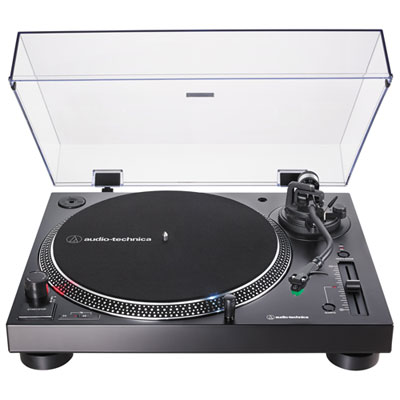 Your price for this item is $519.99
-
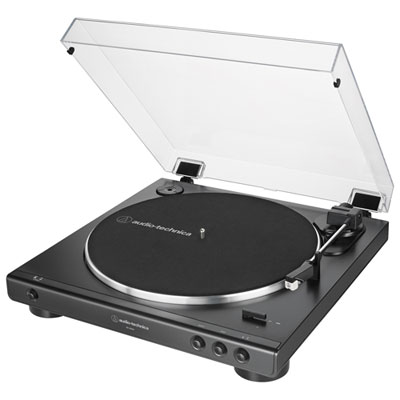 Your price for this item is $229.99
-
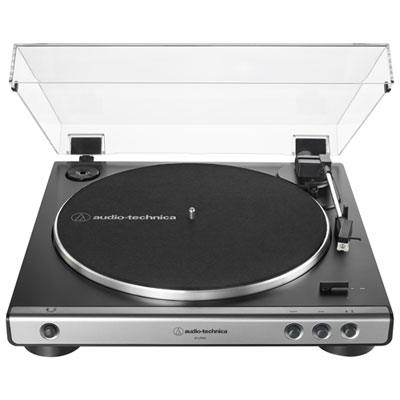 Your price for this item is $229.99
-
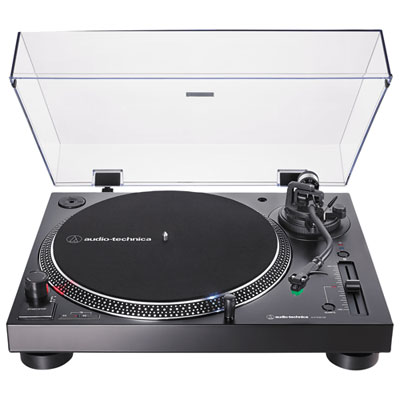 Your price for this item is $619.99
-
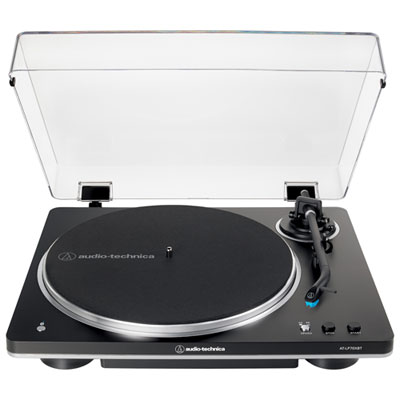 Your price for this item is $379.99
-
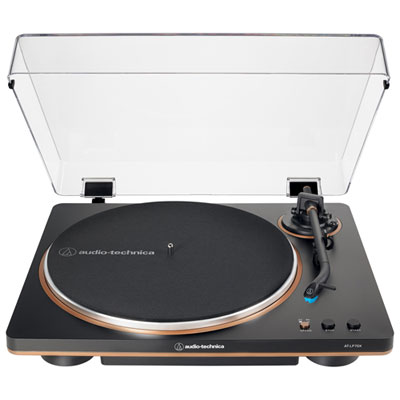 Your price for this item is $319.99
Discover more categories related to RCA Turntable
Top Collections:
Best Black Friday Deals This Year, Best Black Friday Deals On Electronics, Kindle Devices, Pokemon Centers, Best Black Friday Deals On Apple Products, Best Cameras for Sports Photography, Dyson Airwrap, Pokémon 30th Celebration Cards, Apple iPhone 17 Pro, Canon G7X Cameras
Some products may be subject to Environmental Handling Fees
(EHF) depending on your province.
Learn more about EHFs.