Powerful Home Theatre
Find powerful home theatre options that suit your room size and existing entertainment setup. Compare audio performance, connection types, and compatibility with your TV and other devices to help you choose equipment for movies, TV shows, music, and gaming.


















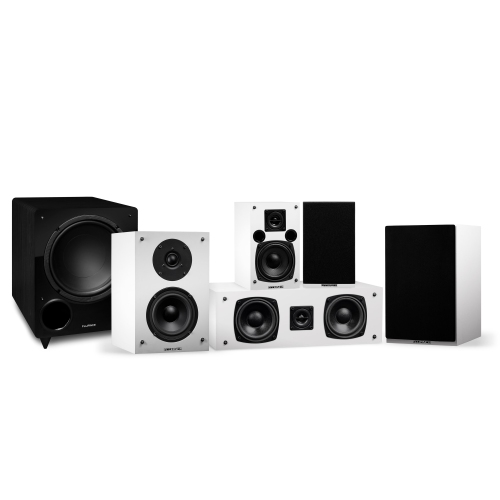
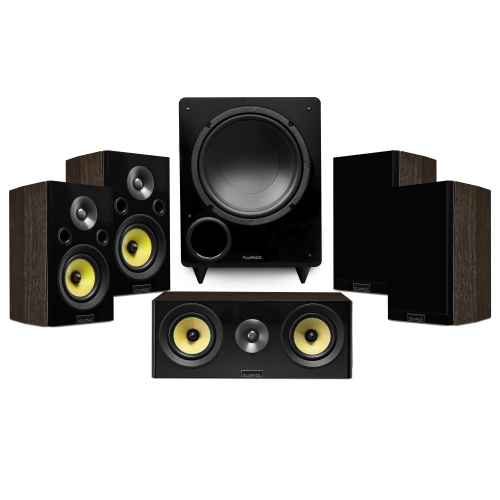
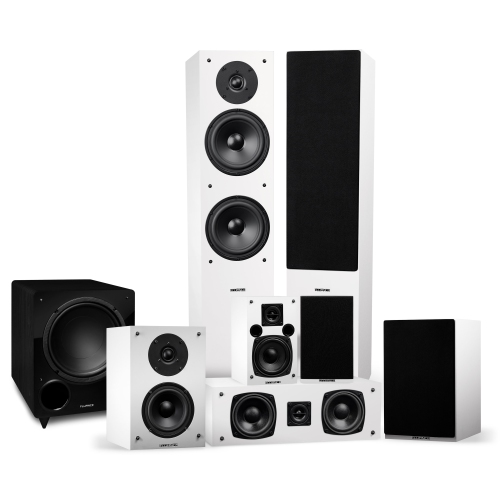

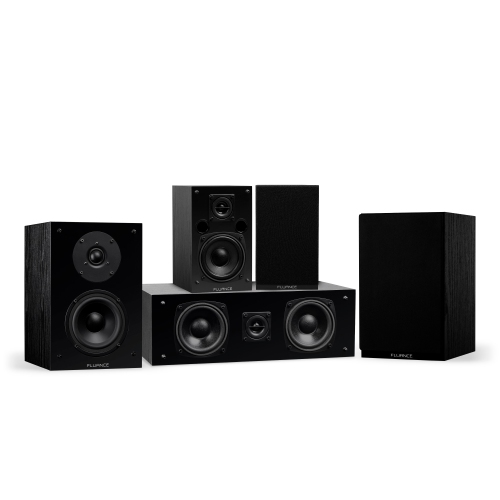





















































FAQ
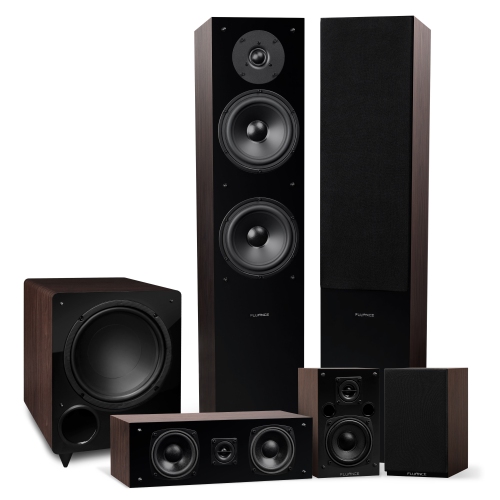
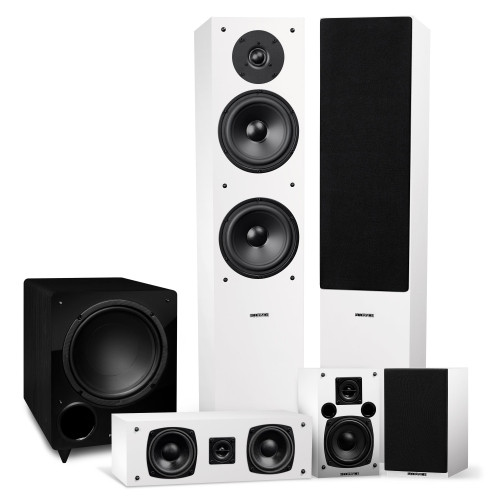
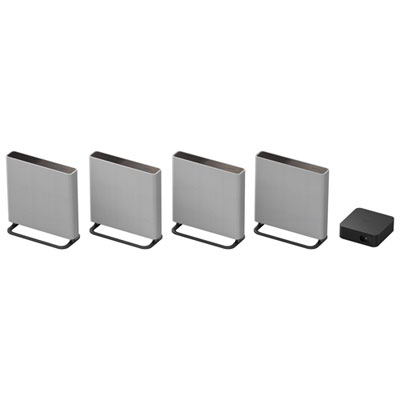
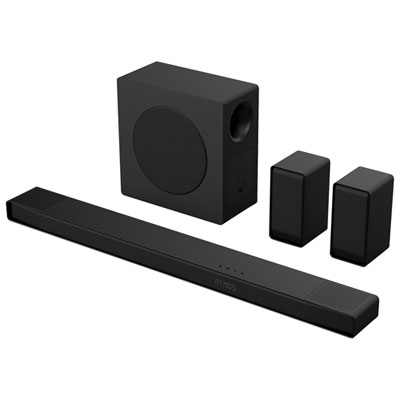
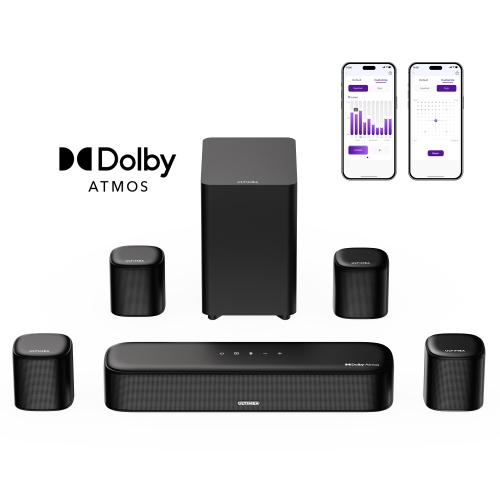
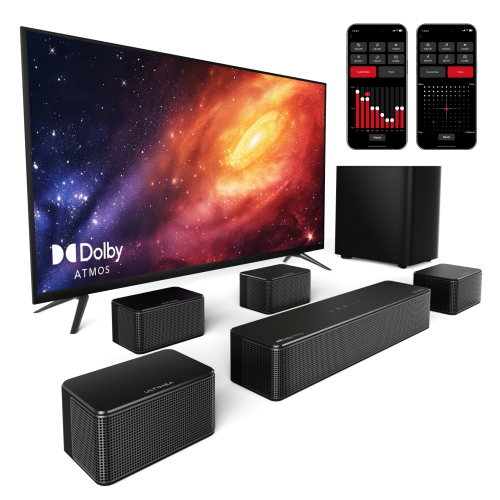
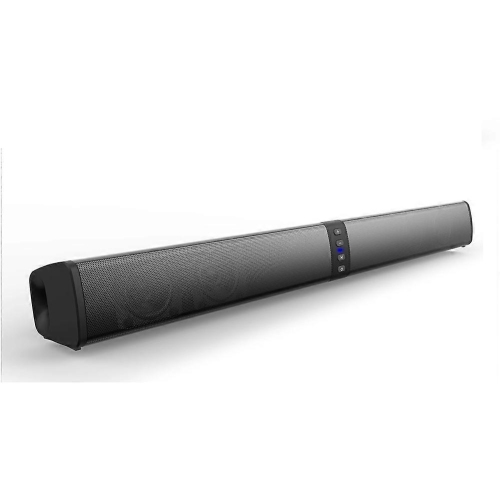
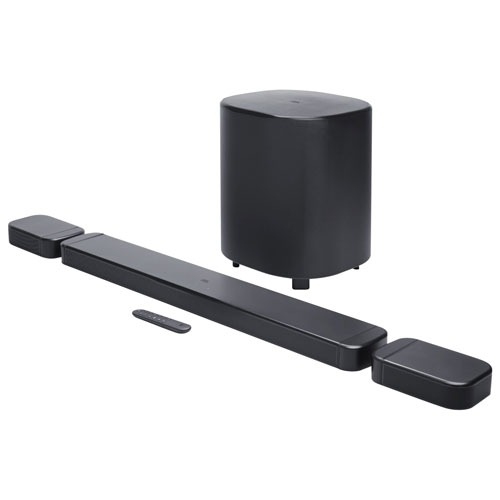
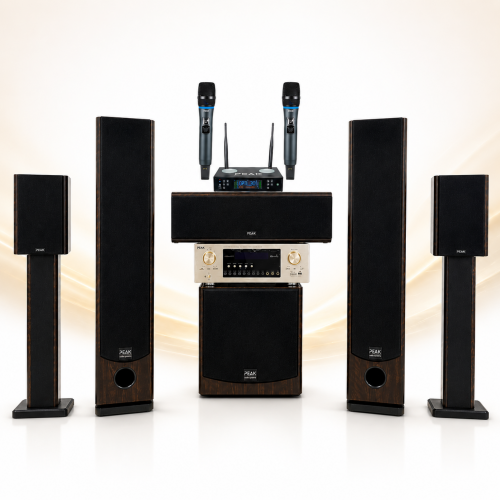
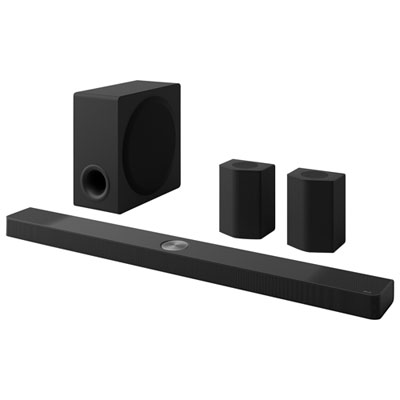
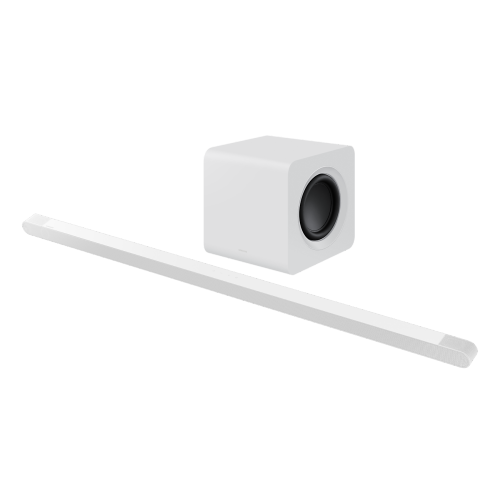
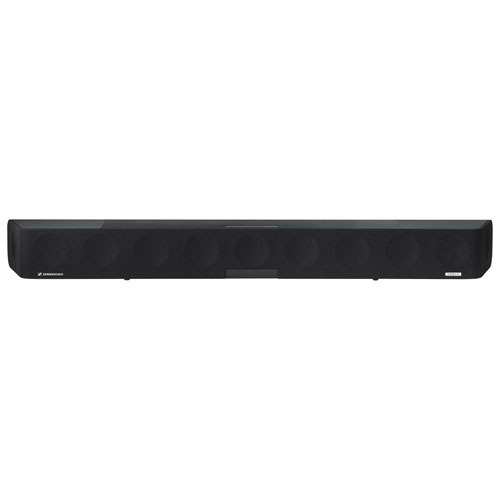
A home theatre system typically includes a TV or projector, an audio system, and a content source such as a streaming device or Blu-ray player. The audio setup may use an AV receiver with separate speakers and a subwoofer, or a soundbar with optional companion speakers.
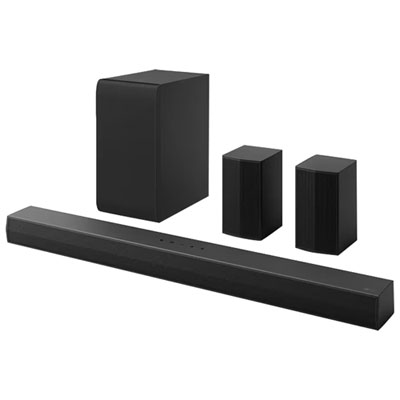
The first number identifies the main audio channels, while the second indicates subwoofer channels. A third number identifies height channels. For example, a 5.1.2 configuration has five main channels, one subwoofer channel, and two height channels. Speaker placement and connection requirements depend on the equipment.
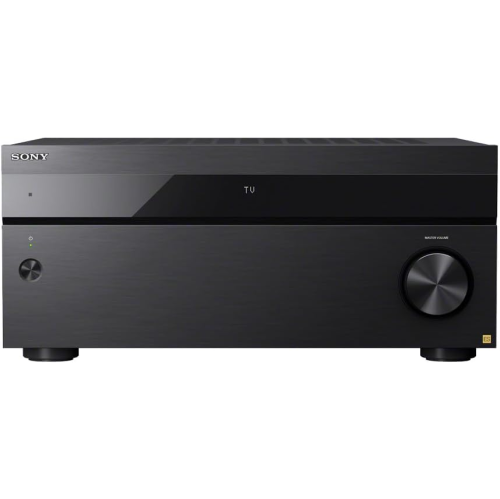
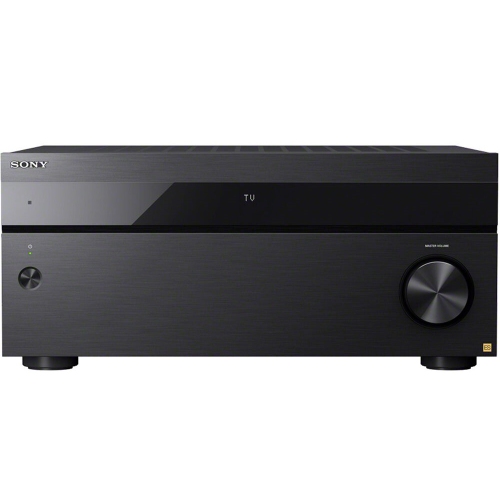
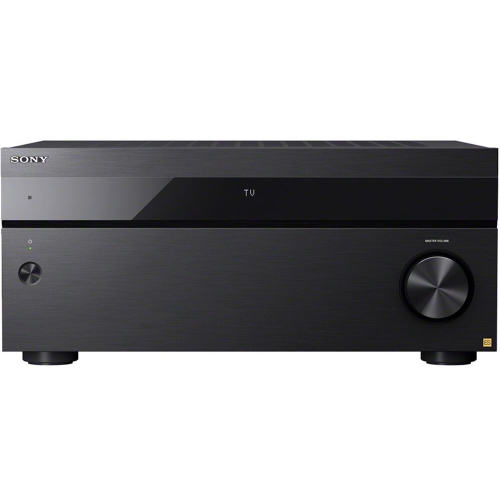
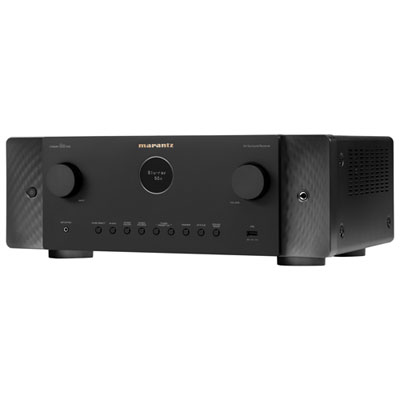
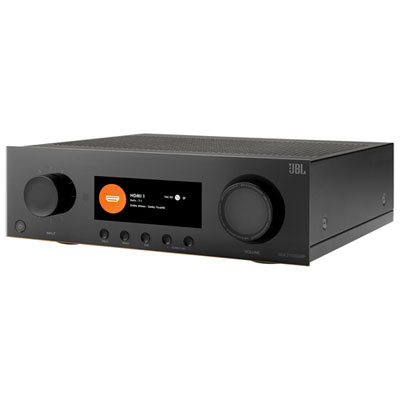
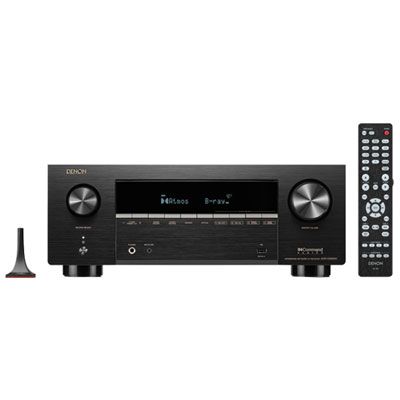
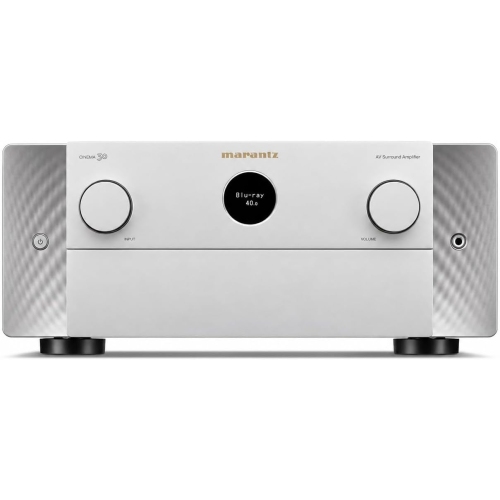
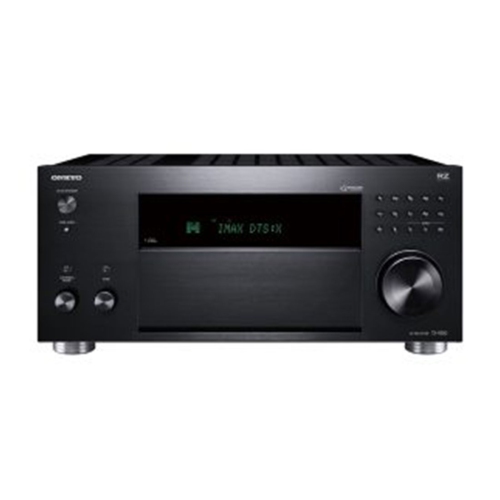
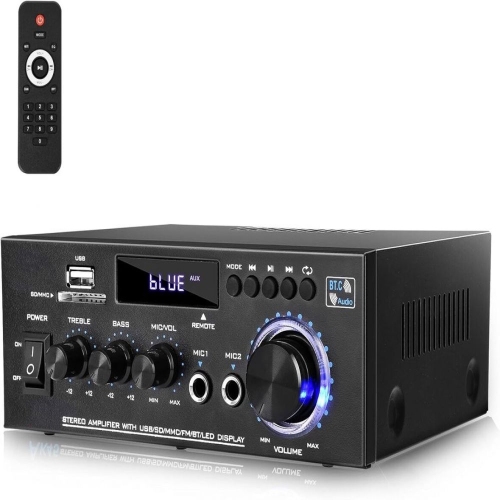
An AV receiver handles audio and video connections and typically supports multichannel surround sound. A stereo receiver focuses on two-channel audio for left and right speakers. For a home theatre setup, check the AV receiver’s supported audio formats, HDMI connections, and speaker connection requirements.
HDMI eARC stands for Enhanced Audio Return Channel. It carries audio from a compatible TV to a compatible AV receiver or soundbar through an HDMI connection, including audio from TV apps and connected sources. Both devices must support eARC, and the cable must meet their connection requirements.
Common sources include streaming devices, Blu-ray players, gaming consoles, and cable or satellite receivers. Depending on the setup, these can connect to the TV or an AV receiver. Built-in TV apps can also supply content, with audio sent to a compatible soundbar or receiver through a supported connection.
Top selling and popular products
Discover more categories related to Powerful Home Theatre


Some products may be subject to Environmental Handling Fees (EHF) depending on your province. Learn more about EHFs.