Puzzle Challenges
Get ready to put your problem-solving skills to the test with our exciting selection of puzzle challenges. Whether you're a seasoned puzzler or looking to embark on a new brain-teasing adventure, this collection offers a wide range of challenges to keep you entertained for hours on end. From jigsaw puzzles to mind-bending brainteasers, there's something here for every level of puzzling enthusiast. Explore our diverse assortment and get ready to sharpen your mind while having a blast tackling these engaging puzzles.
Sort
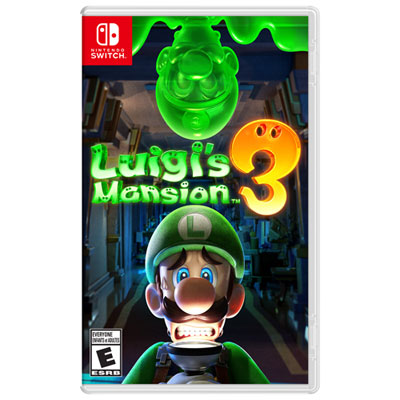
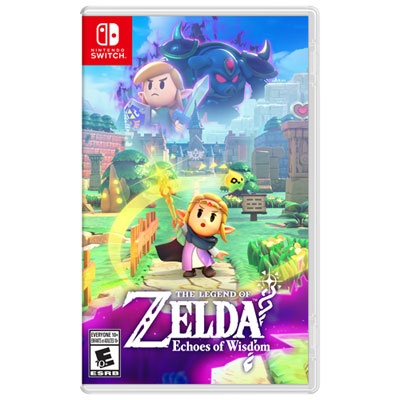
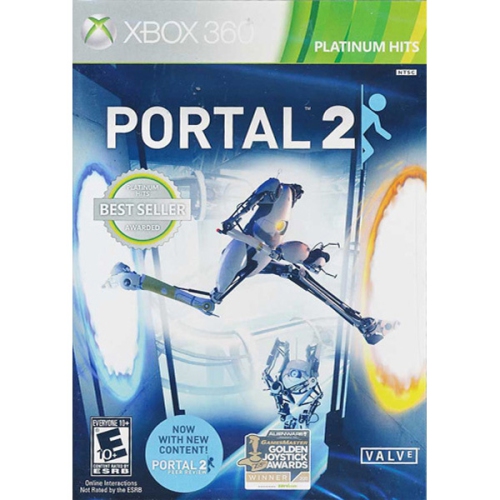
![IAM8BIT Gorogoa - Exclusive [Nintendo Switch] Great game! I love it! Very different! Doesn’t fit into any one category mold](https://multimedia.bbycastatic.ca/multimedia/products/500x500/165/16590/16590529.jpeg)
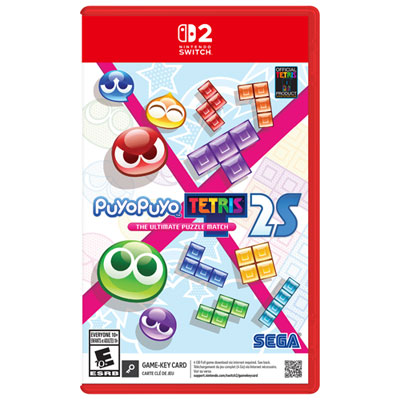
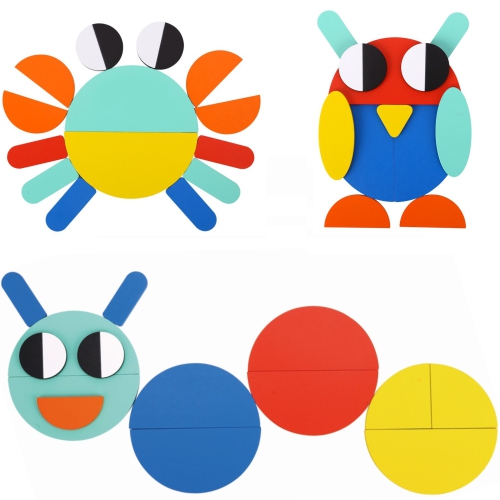
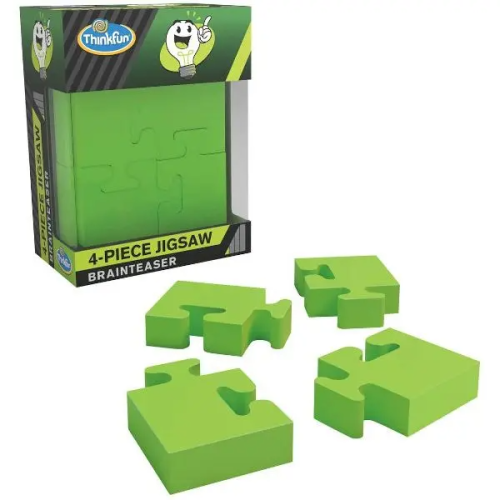
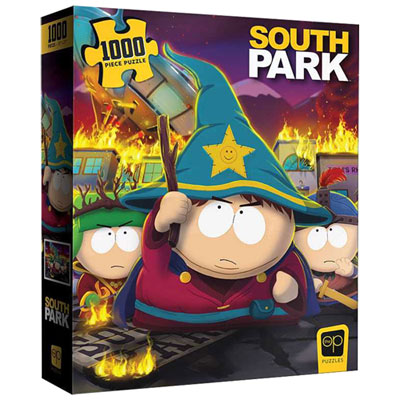
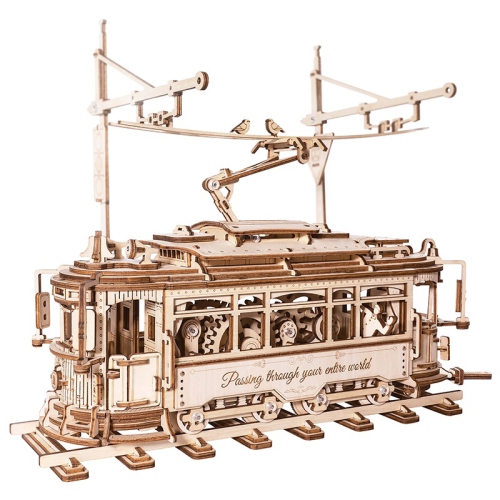
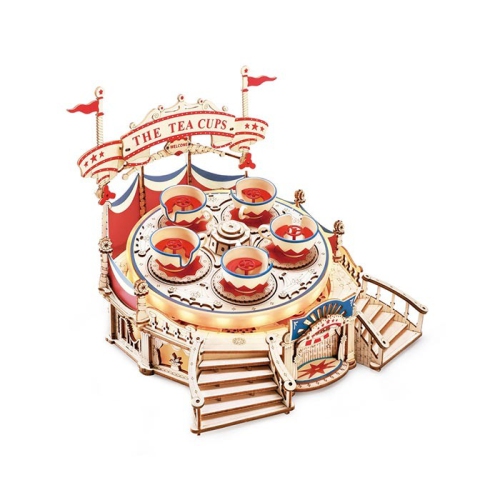

![OSMO - Genius Tangram Pieces [Electronics] In Multicolor](https://multimedia.bbycastatic.ca/multimedia/products/500x500/188/18884/18884528.jpeg)
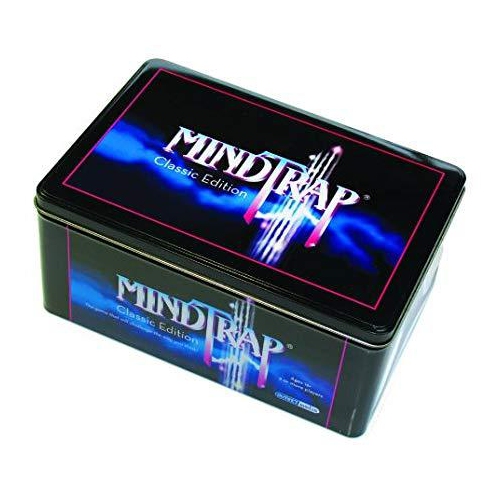
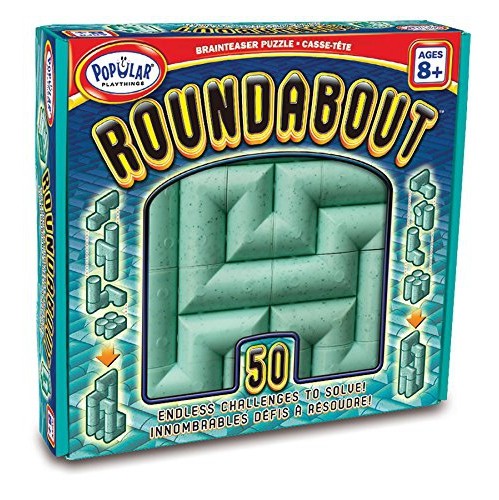
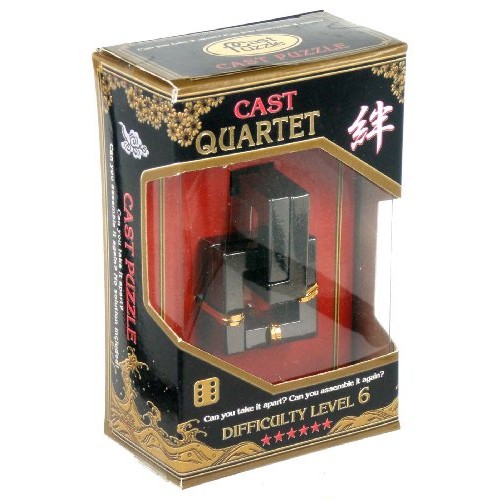
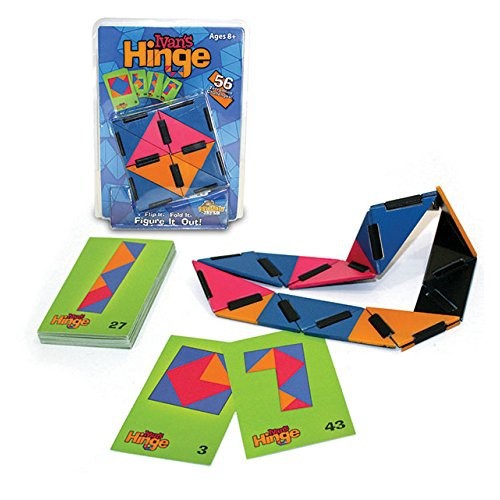
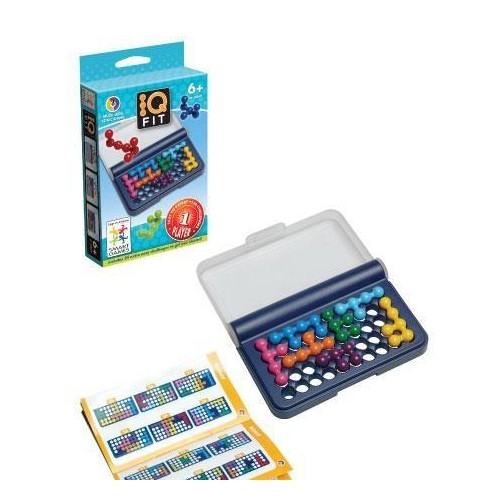
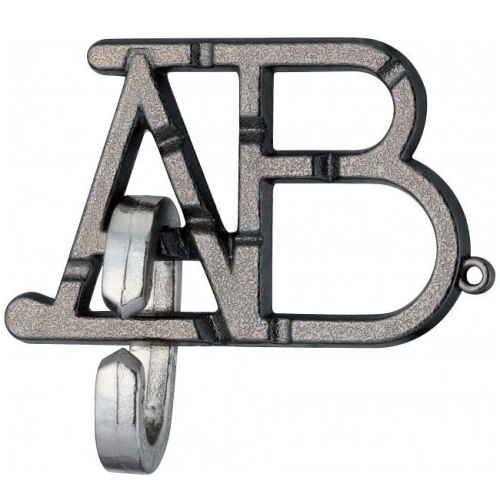
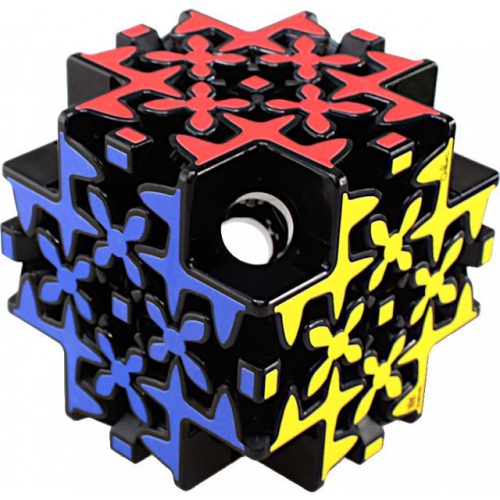
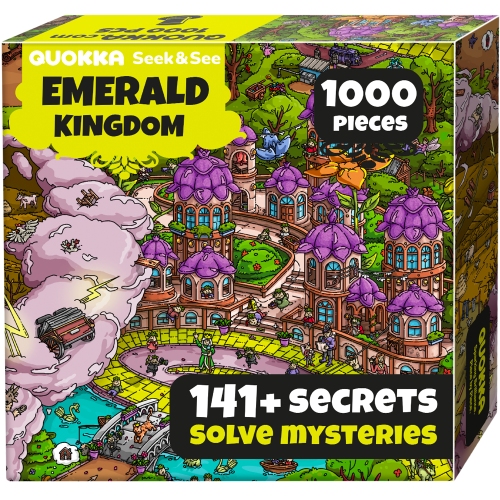
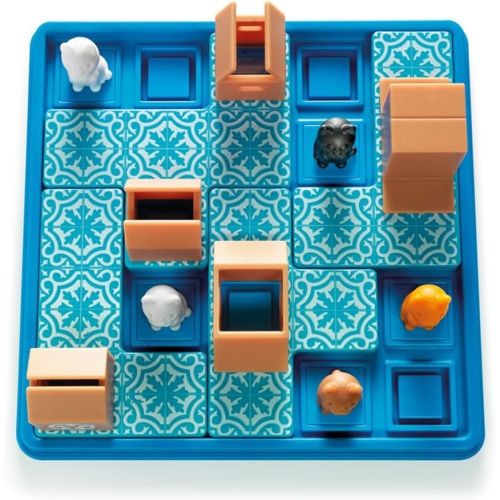
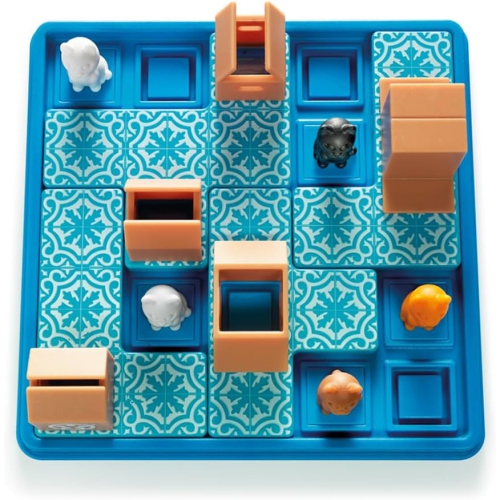
![GS2 GAMES Contraptions Collection [Playstation 5]](https://multimedia.bbycastatic.ca/multimedia/products/500x500/193/19382/19382773.jpeg)
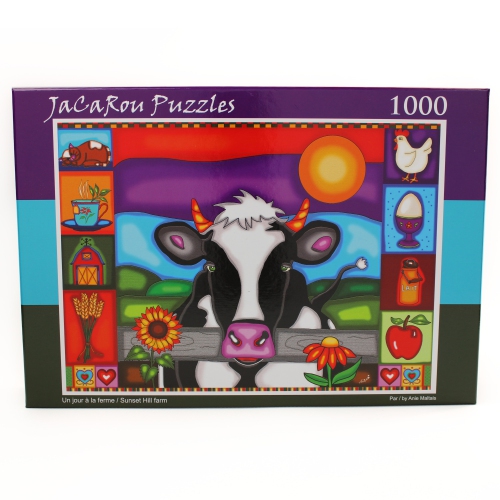
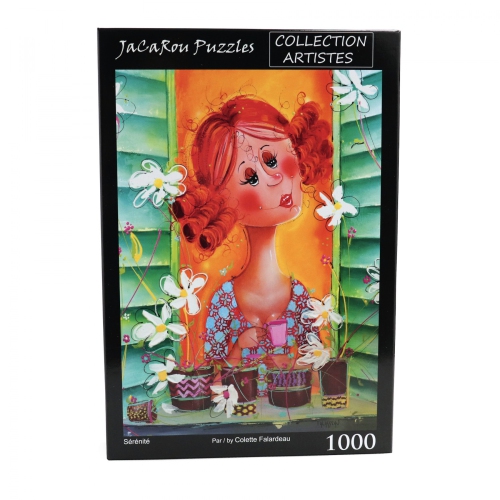
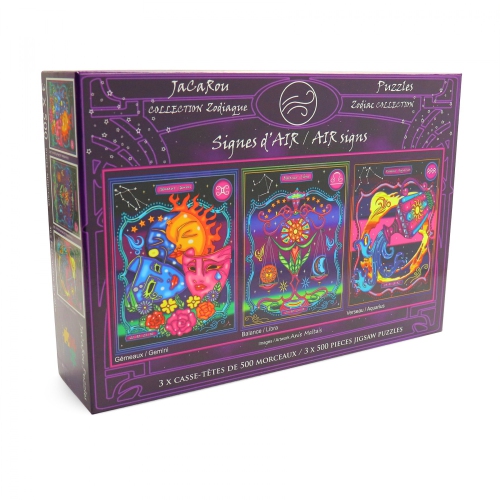
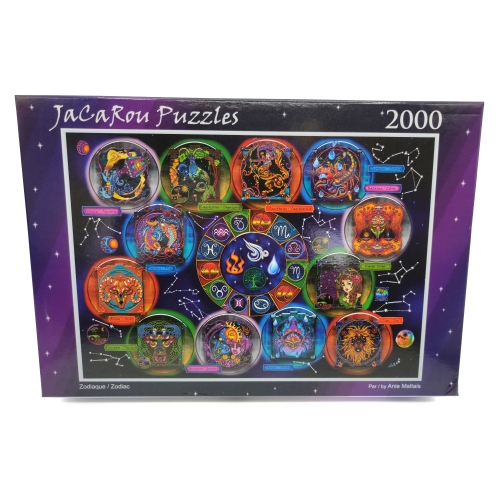
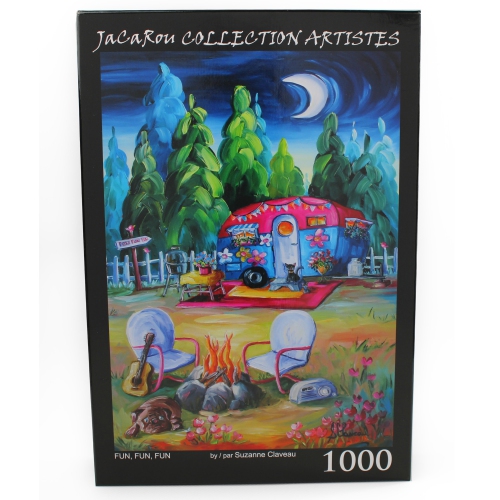

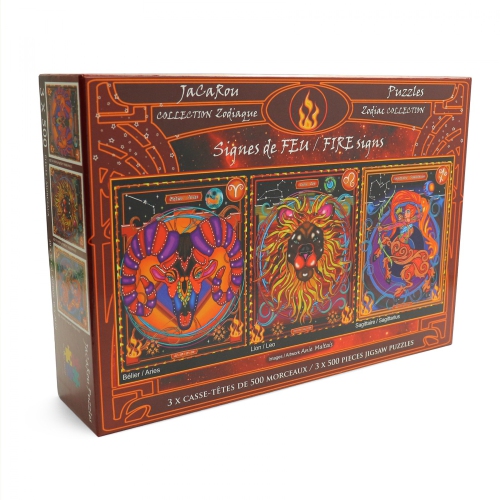

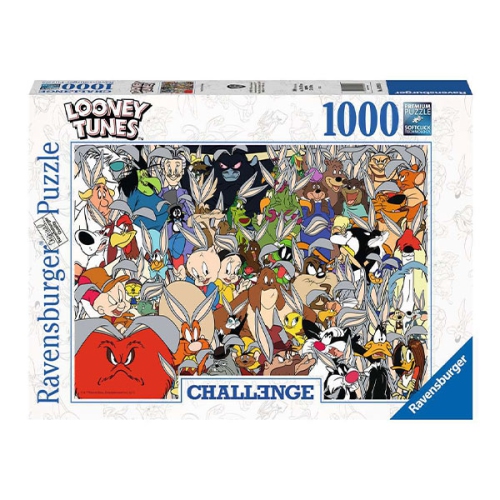
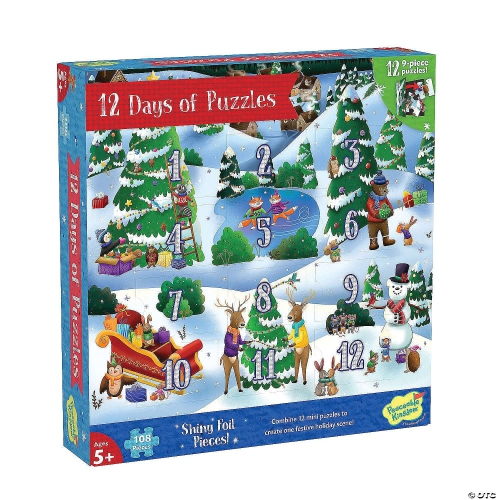
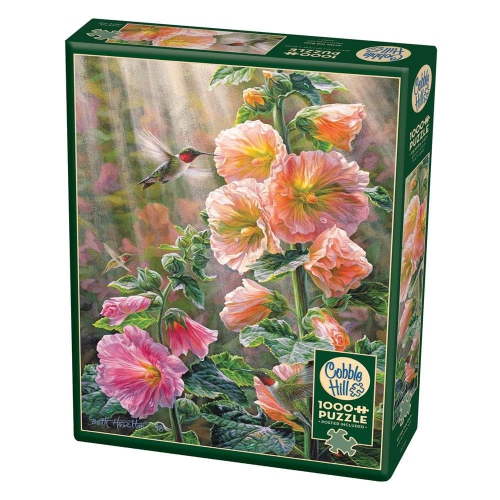
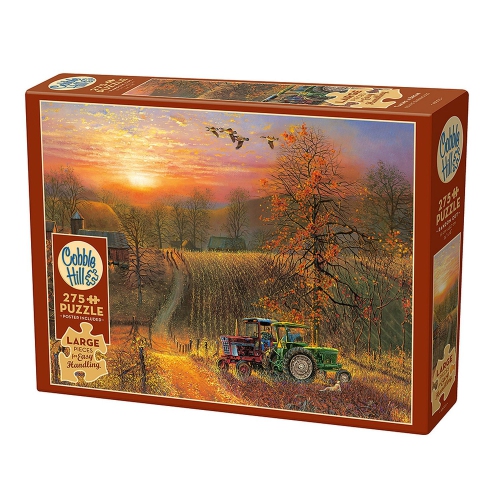

![NINTENDO Pikmin 3 [ Wii U] Great to play](https://multimedia.bbycastatic.ca/multimedia/products/500x500/147/14763/14763854.png)
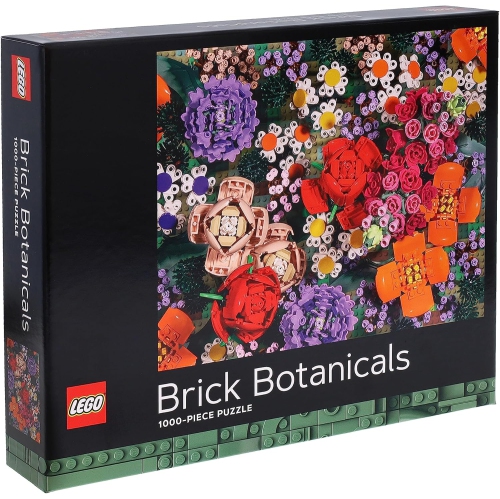
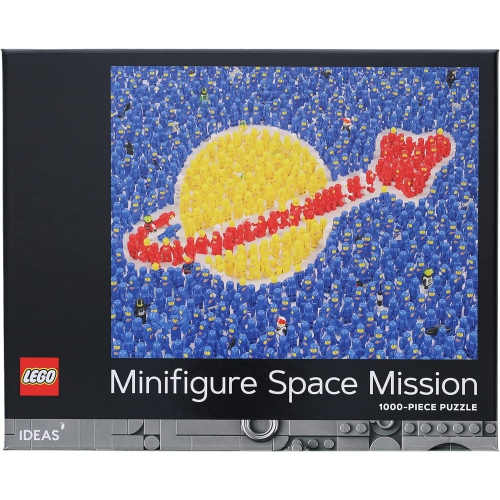
![NINTENDO Etherborn [Physical Standard Edition] - Switch At its best, it evokes hints of games like Mario galaxy; at it's worst it's a little janky in the physics](https://multimedia.bbycastatic.ca/multimedia/products/500x500/162/16241/16241410.jpeg)
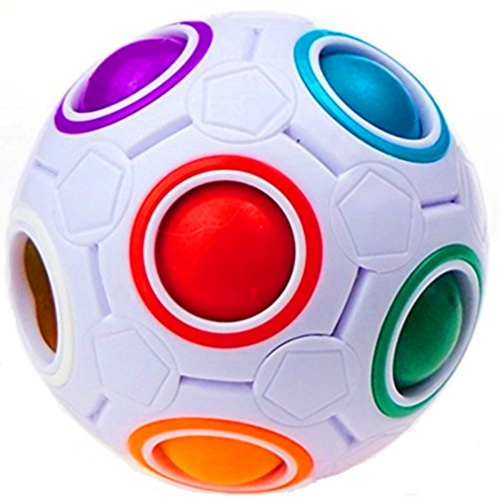
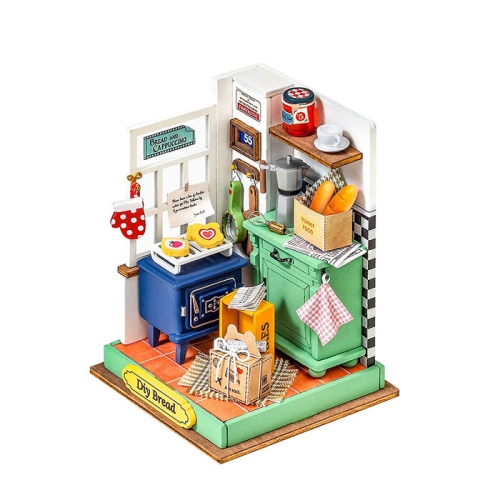

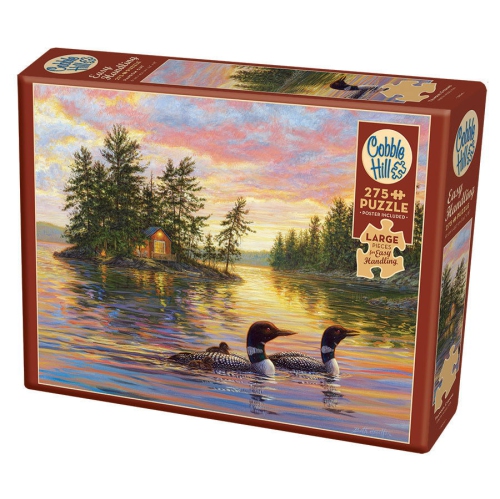
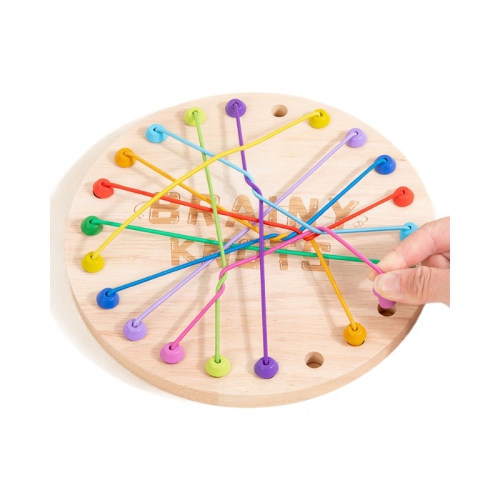
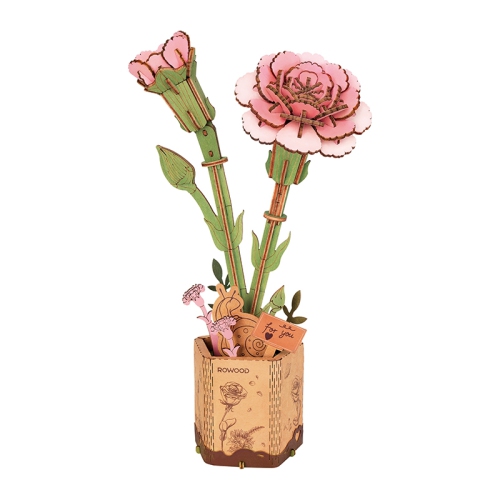
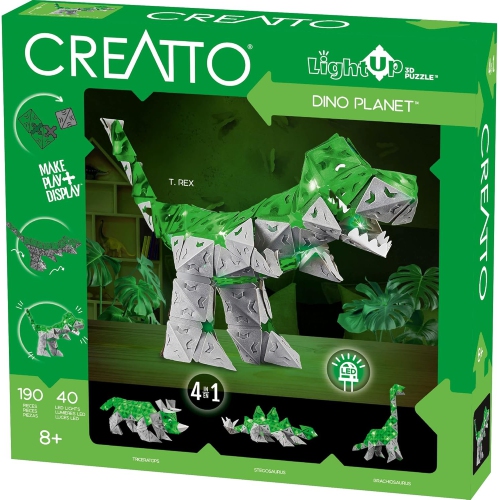


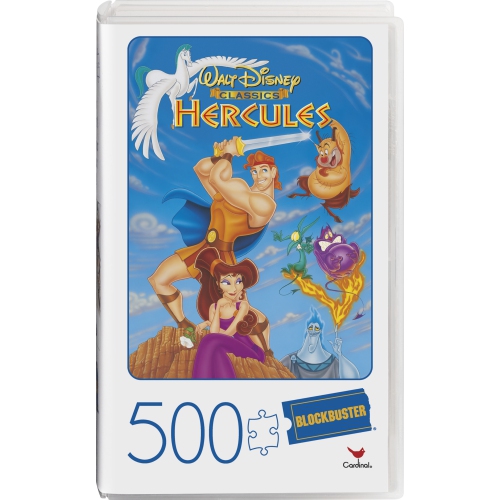
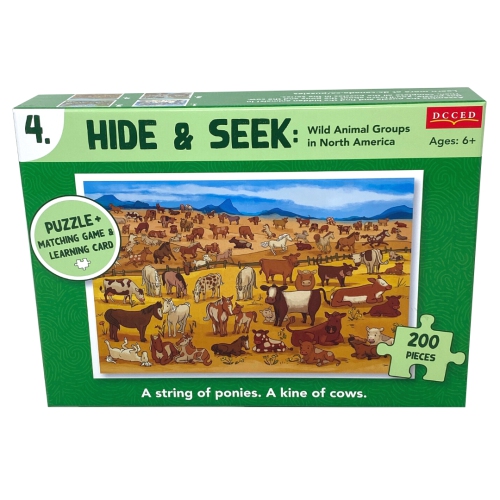
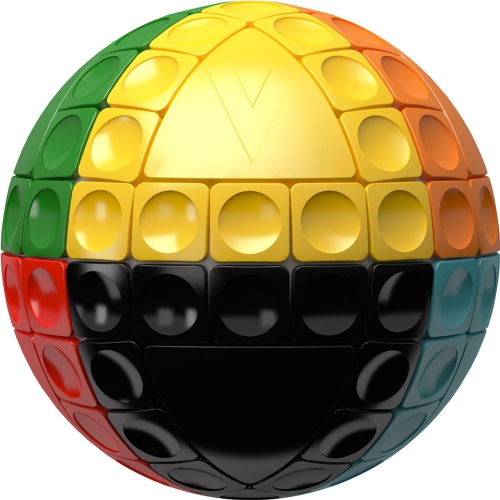
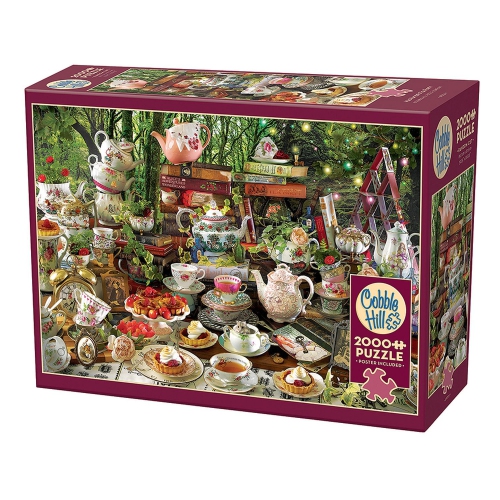

Why puzzle difficulty goes beyond the piece count
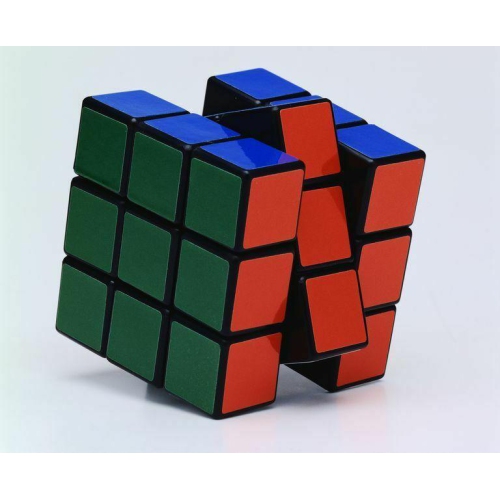
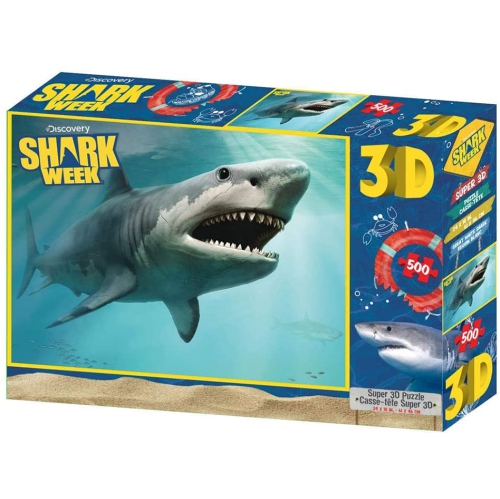
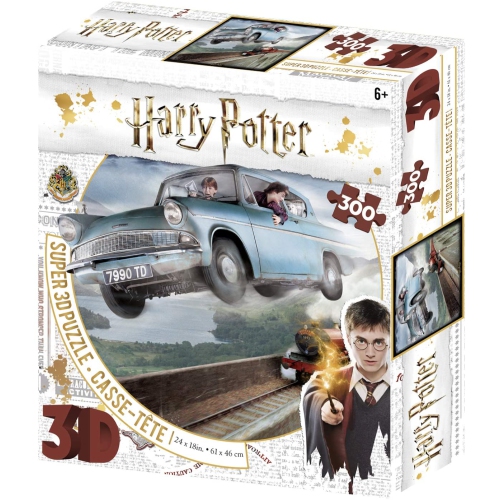
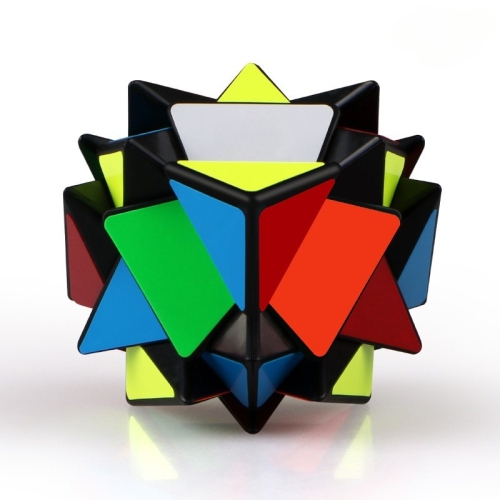
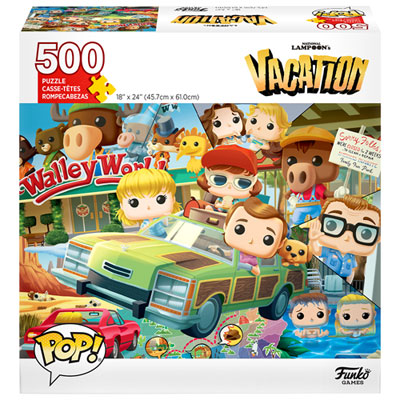
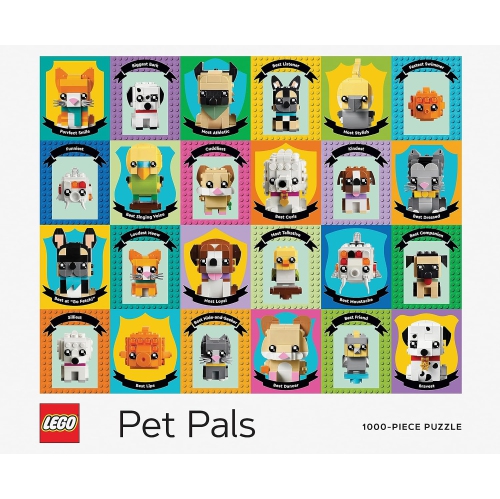
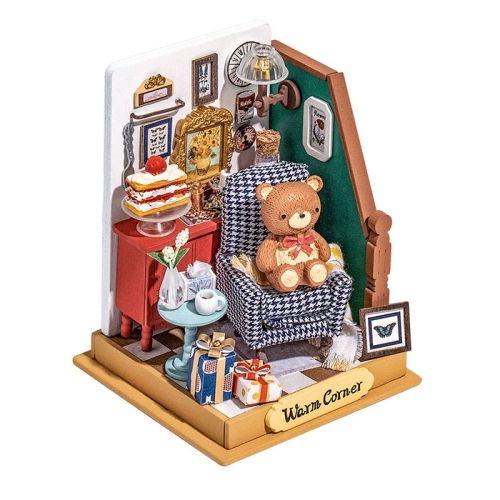
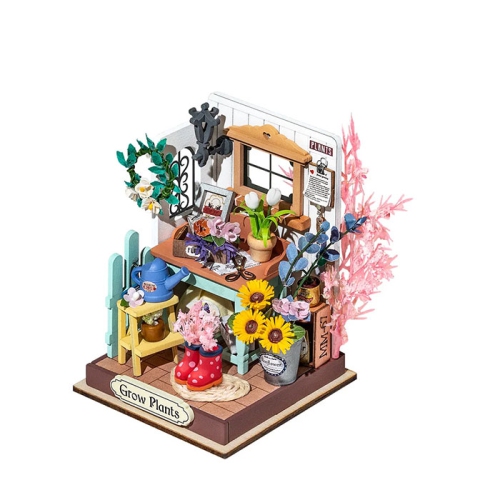
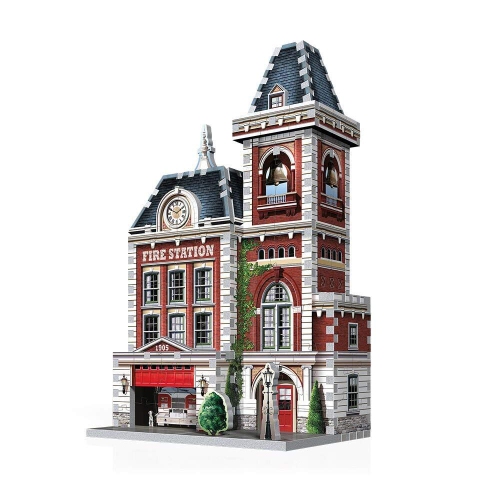
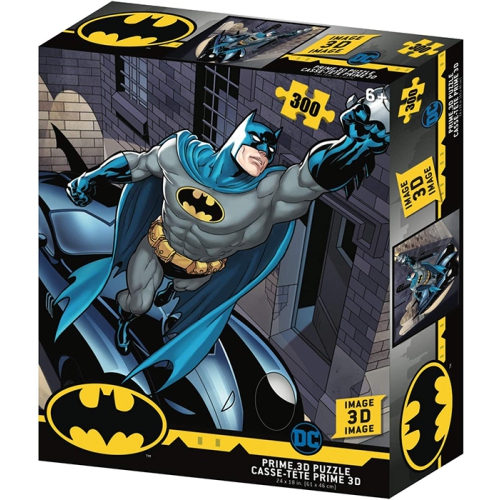
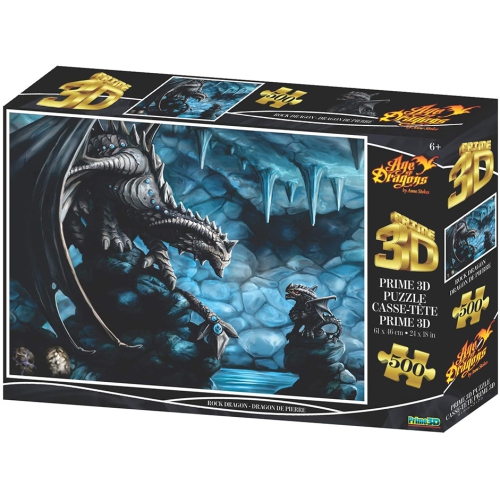
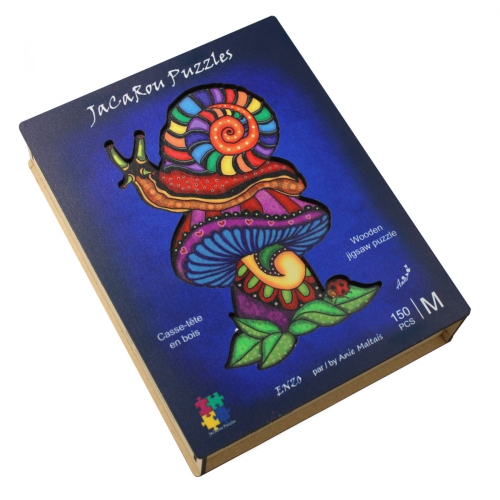
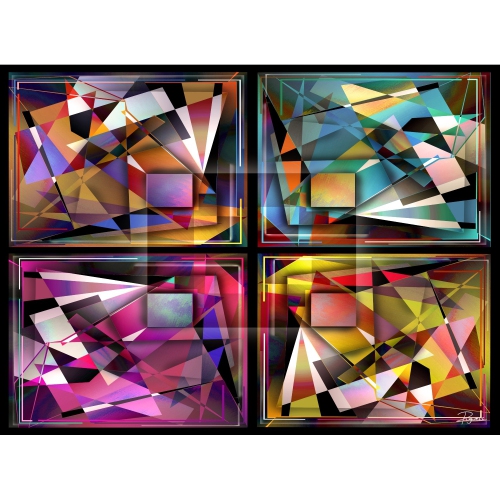
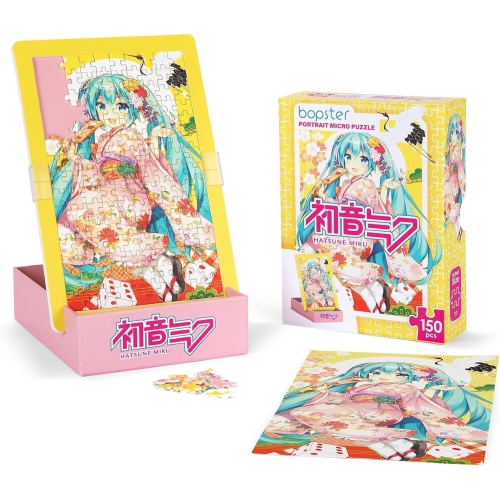
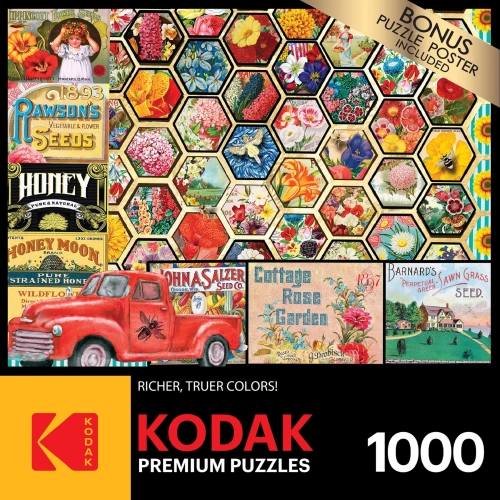
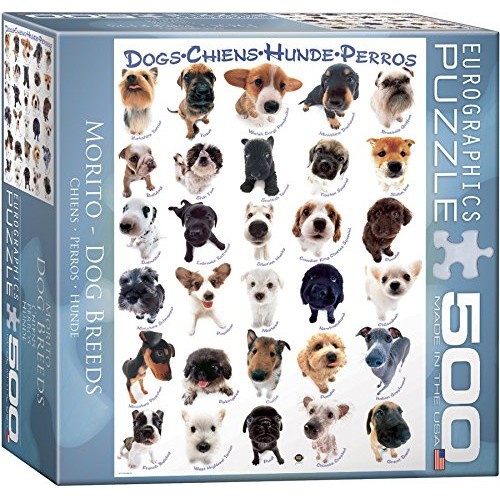
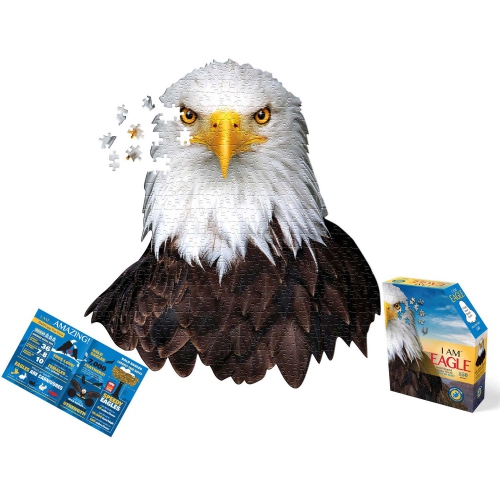
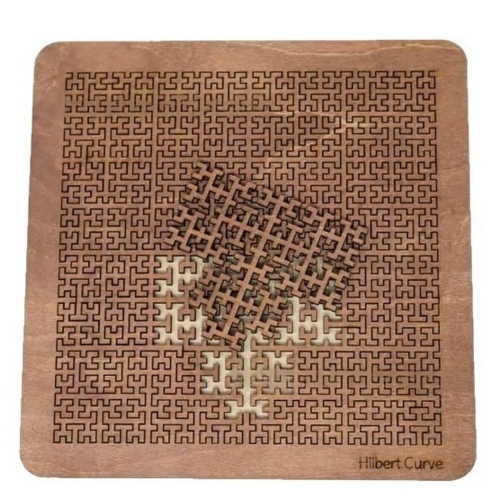
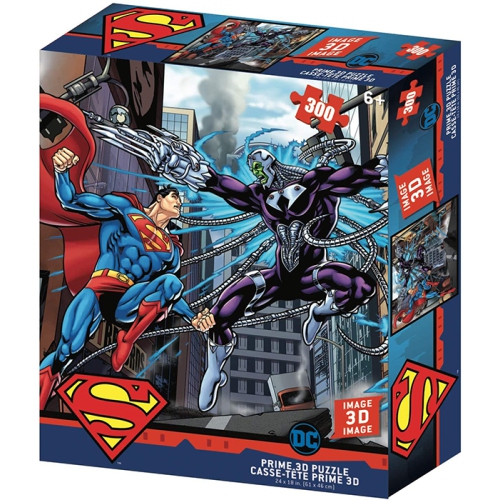
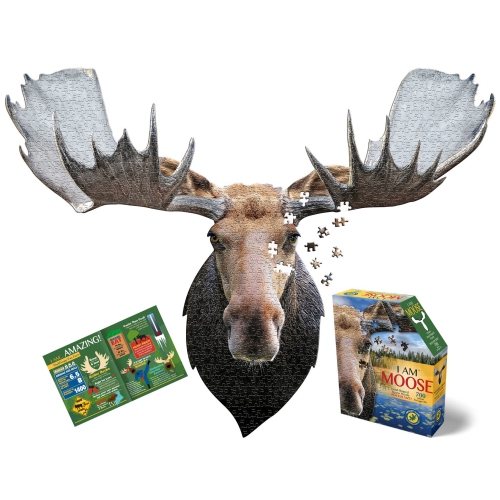
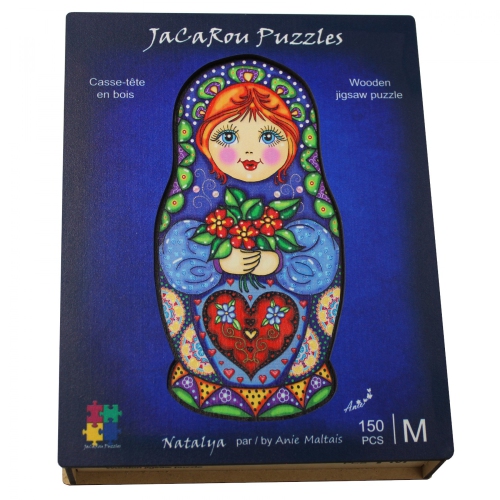
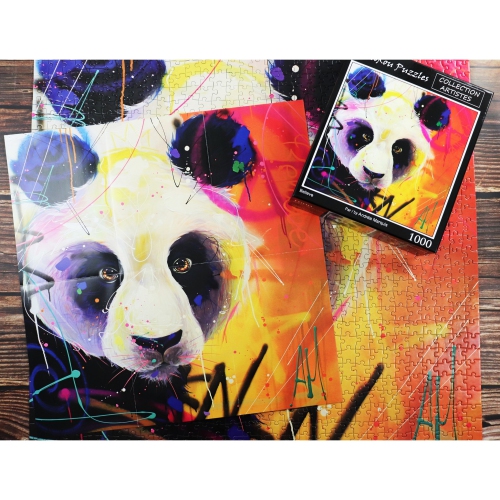
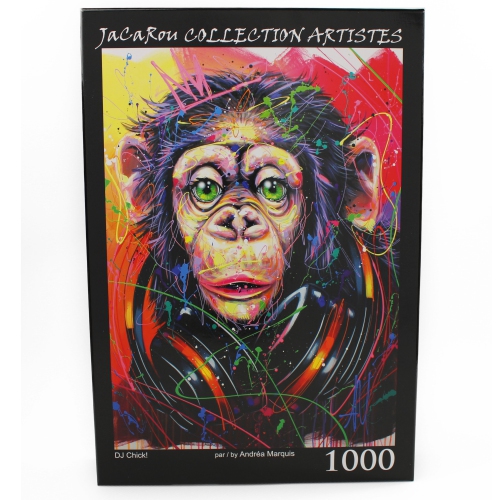
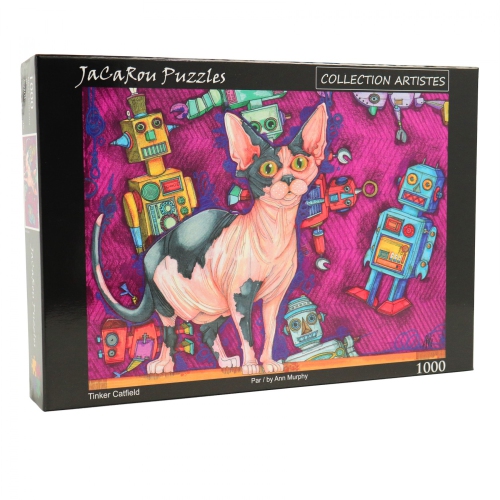
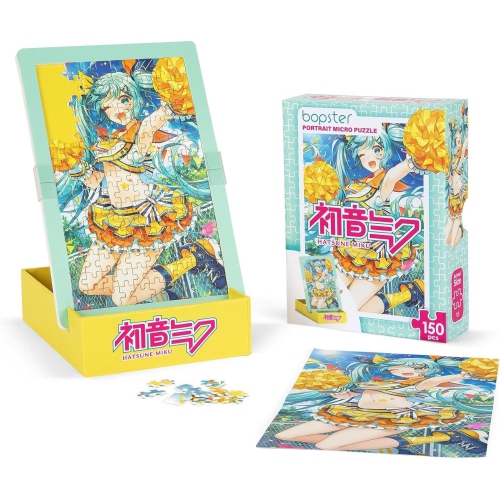
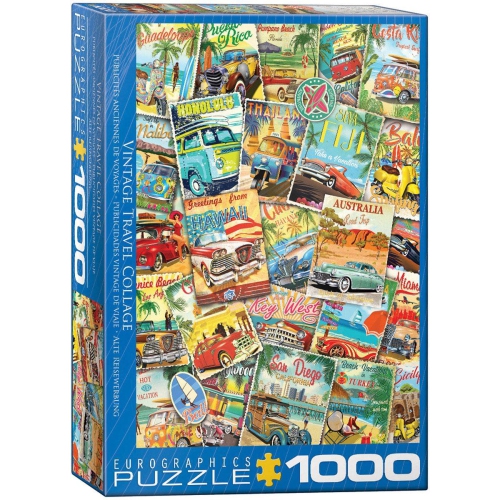
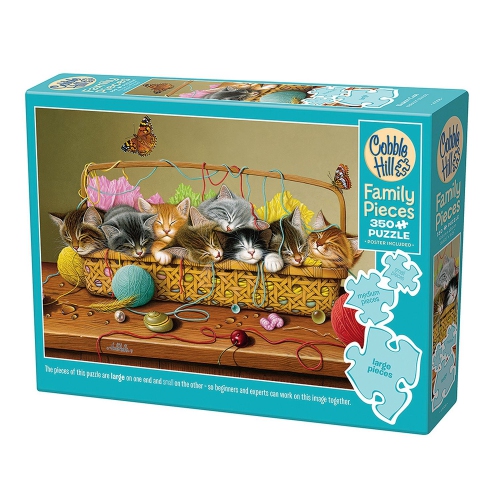
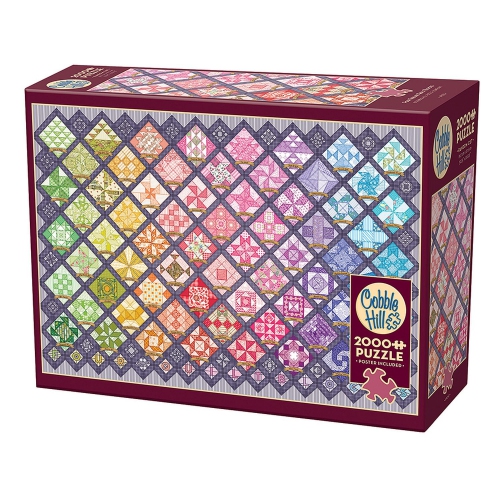
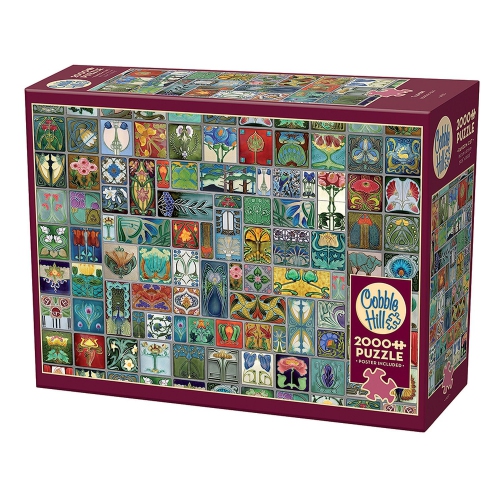
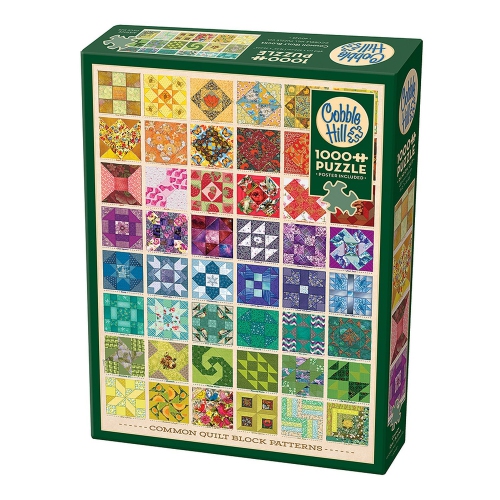
Puzzle challenges are puzzles that ask solvers to work through demanding patterns, limited visual clues, layered rules, or unfamiliar spatial relationships. The difficulty can come from an image that is hard to separate into sections, a sequence of deductions that must stay consistent, or a physical shape that only moves in a particular way. Challenging jigsaw puzzles, logic puzzle books, and three-dimensional brain teasers offer different kinds of satisfaction, from spotting a tiny change in colour to discovering how two interlocking parts slide apart. For jigsaws, piece count is only one measure of difficulty. A smaller puzzle filled with repeating windows or nearly identical leaves can take longer than a larger scene with distinct landmarks and clear colour boundaries. Solid-colour puzzles remove most picture clues, making piece shape and fit especially important, while gradient puzzles depend on subtle shifts between neighbouring shades. Repeated patterns can leave several pieces looking plausible in the same spot, so a convincing fit should also agree with the surrounding image and cut. Unusual borders and irregular pieces add another layer by making the familiar edge-first approach less straightforward. A detailed scene may suit someone who enjoys building small sections before joining them together; a nearly featureless image is better matched to someone who enjoys slow sorting and close observation. For a different visual or structural twist, Unique Puzzles offer another direction to explore. The most enjoyable challenge usually leaves enough clues to make progress without making each placement obvious. Experience matters, but so does the kind of effort a person enjoys: studying an illustration, testing a sequence, and turning a shape in the hands are distinct activities. Some solvers like a puzzle that occupies a table for several sessions, while others prefer a compact challenge with a clear stopping point. That distinction helps separate a satisfying stretch from a format that simply does not suit the person using it.
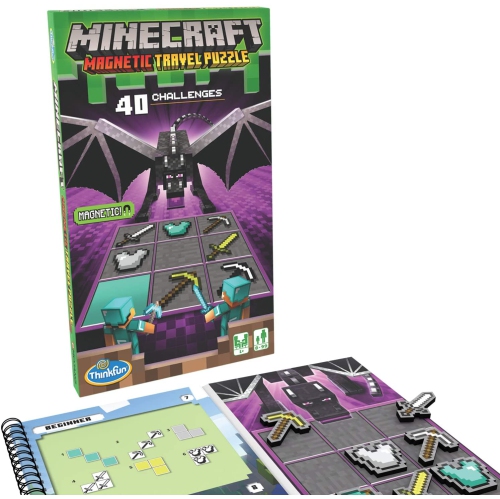
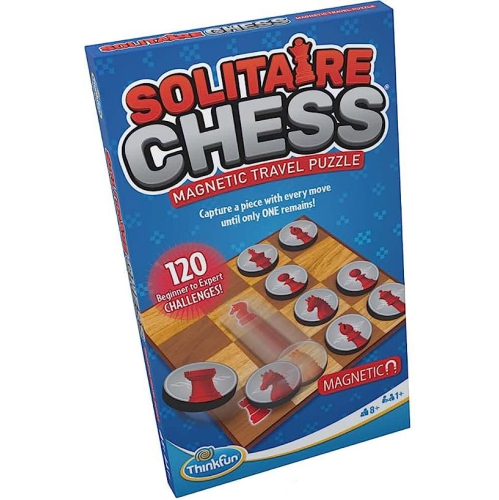
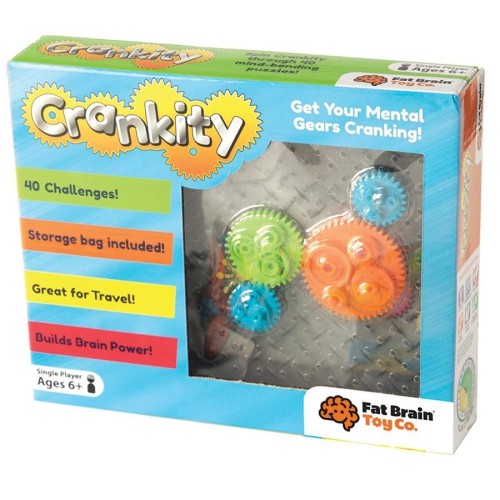
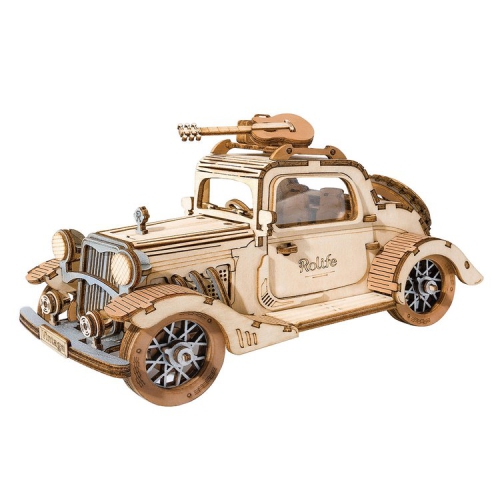
Logic and number puzzles move the challenge from matching pieces to keeping track of what must be true. Grid-based deduction puzzles involve comparing clues and eliminating possibilities until a consistent arrangement emerges. Nonograms use numerical clues to reveal a picture within a grid, while number-placement puzzles depend on relationships between positions rather than advanced arithmetic. Word puzzles draw on vocabulary, spelling, and associations, and geometric puzzles ask solvers to consider angles, areas, rotations, or how shapes fit together. These formats can appeal to people who like working quietly with a pencil, particularly when there is space to record possibilities and revisit an earlier assumption. Clear printing, readable symbols, and adequate room for notes matter as much as the number of challenges in a book. A binding that rests comfortably open can make longer sessions easier, and a gradual progression in difficulty gives newcomers room to learn the rules before tackling more involved problems. Solutions with explanations can help reveal the missing step when a final answer alone would not show where the reasoning went astray. Physical brain teasers offer a different experience. Interlocking wooden forms, linked metal shapes, and twist-based puzzles ask the hands and eyes to work together as the solver tests alignment, movement, and sequence. Taking a structure apart may be only half the task; restoring its original shape can require careful attention to the order of each move. Smooth movement is useful, but force is not a substitute for the intended solution. When a piece resists, changing its orientation or retracing a step is generally more sensible than pulling harder. Some mechanical puzzles are compact enough for short breaks at a desk, whereas a larger three-dimensional build needs a stable surface and more uninterrupted time. For shared use, a puzzle with visible clues gives everyone something to discuss, while a small handheld mechanism often works better when people take turns. Matching the format to the setting helps make the challenge engaging rather than awkward to use.
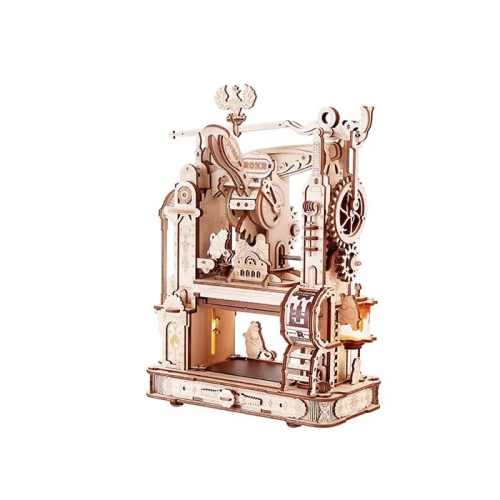
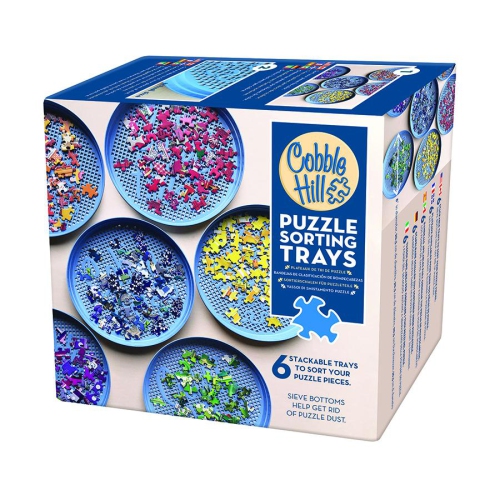
Materials, dimensions, and construction influence how puzzle challenges feel over repeated sessions. With cardboard jigsaws, sturdy pieces, clean cuts, and well-bonded image layers help pieces tolerate sorting and ordinary handling. A low-glare finish can make fine details easier to see under a lamp, particularly in dark scenes or areas with similar shades. Wooden puzzles may offer a firmer feel, although their weight, finish, and edge quality vary. Metal brain teasers benefit from smooth contact points, while moulded puzzles should feel comfortable to hold without rough seams. Finished dimensions deserve attention before a jigsaw is opened: the completed image needs room, but so do piles of sorted pieces and partially built sections. A board or mat can define the workspace, though its usable area must accommodate the puzzle and its storage method should suit the piece thickness. Shallow trays help separate colours, edges, or shapes without spreading everything across a dining table. Good lighting and a comfortable reach make it easier to inspect small details without repeatedly leaning across the layout. For care, follow the maker’s directions and keep cardboard pieces away from liquids and damp surfaces. Clean hands and gentle handling help protect printed finishes; assembled sections are best supported from underneath rather than lifted by a few connected pieces. Returning loose components to a secure container reduces the chance of losing an essential part between sessions. Age recommendations are important, especially for puzzles with small pieces that can pose a choking hazard, and intricate challenges should be kept away from younger children when unattended. As gifts, puzzles are most personal when their format and subject reflect the recipient’s habits. An illustration-rich jigsaw can suit someone who loves noticing details, a deduction book can appeal to a keen note-taker, and a tactile brain teaser may interest someone who enjoys understanding how things work. For a household or regular game-night group, a challenge that welcomes several approaches gives different people a useful role, whether that means sorting shades, reading clues aloud, or noticing the one connection everyone else has missed.
Logic and number puzzles move the challenge from matching pieces to keeping track of what must be true. Grid-based deduction puzzles involve comparing clues and eliminating possibilities until a consistent arrangement emerges. Nonograms use numerical clues to reveal a picture within a grid, while number-placement puzzles depend on relationships between positions rather than advanced arithmetic. Word puzzles draw on vocabulary, spelling, and associations, and geometric puzzles ask solvers to consider angles, areas, rotations, or how shapes fit together. These formats can appeal to people who like working quietly with a pencil, particularly when there is space to record possibilities and revisit an earlier assumption. Clear printing, readable symbols, and adequate room for notes matter as much as the number of challenges in a book. A binding that rests comfortably open can make longer sessions easier, and a gradual progression in difficulty gives newcomers room to learn the rules before tackling more involved problems. Solutions with explanations can help reveal the missing step when a final answer alone would not show where the reasoning went astray. Physical brain teasers offer a different experience. Interlocking wooden forms, linked metal shapes, and twist-based puzzles ask the hands and eyes to work together as the solver tests alignment, movement, and sequence. Taking a structure apart may be only half the task; restoring its original shape can require careful attention to the order of each move. Smooth movement is useful, but force is not a substitute for the intended solution. When a piece resists, changing its orientation or retracing a step is generally more sensible than pulling harder. Some mechanical puzzles are compact enough for short breaks at a desk, whereas a larger three-dimensional build needs a stable surface and more uninterrupted time. For shared use, a puzzle with visible clues gives everyone something to discuss, while a small handheld mechanism often works better when people take turns. Matching the format to the setting helps make the challenge engaging rather than awkward to use.
Materials, dimensions, and construction influence how puzzle challenges feel over repeated sessions. With cardboard jigsaws, sturdy pieces, clean cuts, and well-bonded image layers help pieces tolerate sorting and ordinary handling. A low-glare finish can make fine details easier to see under a lamp, particularly in dark scenes or areas with similar shades. Wooden puzzles may offer a firmer feel, although their weight, finish, and edge quality vary. Metal brain teasers benefit from smooth contact points, while moulded puzzles should feel comfortable to hold without rough seams. Finished dimensions deserve attention before a jigsaw is opened: the completed image needs room, but so do piles of sorted pieces and partially built sections. A board or mat can define the workspace, though its usable area must accommodate the puzzle and its storage method should suit the piece thickness. Shallow trays help separate colours, edges, or shapes without spreading everything across a dining table. Good lighting and a comfortable reach make it easier to inspect small details without repeatedly leaning across the layout. For care, follow the maker’s directions and keep cardboard pieces away from liquids and damp surfaces. Clean hands and gentle handling help protect printed finishes; assembled sections are best supported from underneath rather than lifted by a few connected pieces. Returning loose components to a secure container reduces the chance of losing an essential part between sessions. Age recommendations are important, especially for puzzles with small pieces that can pose a choking hazard, and intricate challenges should be kept away from younger children when unattended. As gifts, puzzles are most personal when their format and subject reflect the recipient’s habits. An illustration-rich jigsaw can suit someone who loves noticing details, a deduction book can appeal to a keen note-taker, and a tactile brain teaser may interest someone who enjoys understanding how things work. For a household or regular game-night group, a challenge that welcomes several approaches gives different people a useful role, whether that means sorting shades, reading clues aloud, or noticing the one connection everyone else has missed.
Top selling and popular products
-
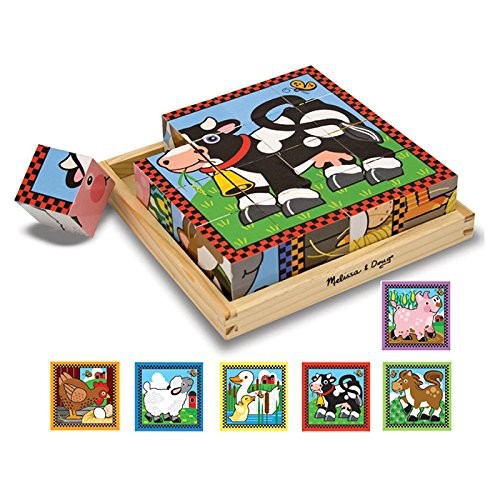 Your price for this item is $32.99
 -
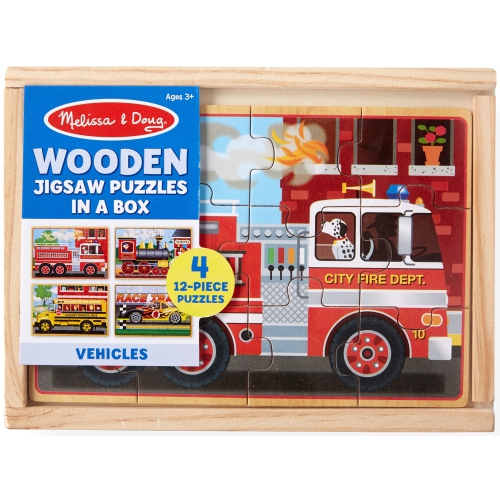 Your price for this item is $35.99
 -
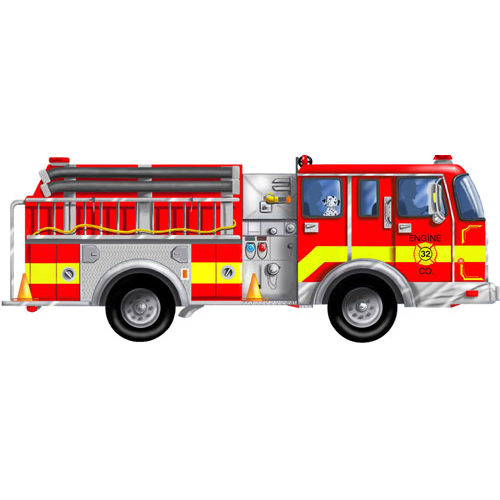 Your price for this item is $30.99
 -
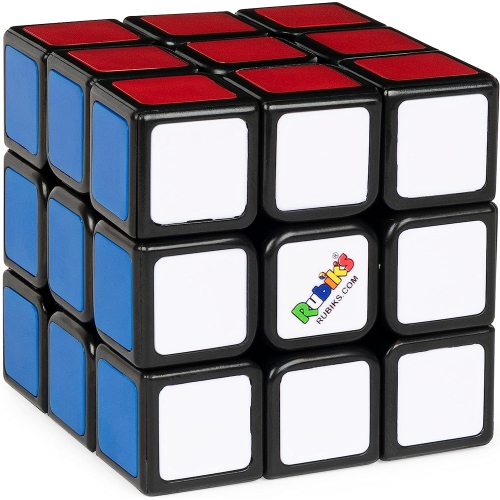 Your price for this item is $26.93
 -
 Your price for this item is $29.99
 -
 Your price for this item is $36.99
 -
 Your price for this item is $34.9
 -
 Your price for this item is $17.95
Discover more categories related to Puzzle Challenges
Top Collections:
Pokemon Centers, Kindle Devices, Best Budget Office Chairs, Apple iPhones 16, Best Laptops for Writers, iPhone 15 Apple, Canon G7X Cameras, Refurbished Apple Laptops, Alarm Clock, Motorola Razr Phones
Some products may be subject to Environmental Handling Fees
(EHF) depending on your province.
Learn more about EHFs.