Building Puzzles
Unlock a world of creativity and cognitive development with our selection of building puzzles. Perfect for all ages, these engaging puzzles provide endless hours of entertainment while enhancing problem-solving skills and spatial awareness. Whether you're looking to challenge yourself or enjoy a fun family activity, building puzzles offers the ideal blend of mental stimulation and hands-on fun. Explore a variety of designs and difficulty levels to find the perfect match for your interests and skill level. Embrace the joy of constructing intricate designs, piece by piece, and watch as your imagination comes to life.
Sort
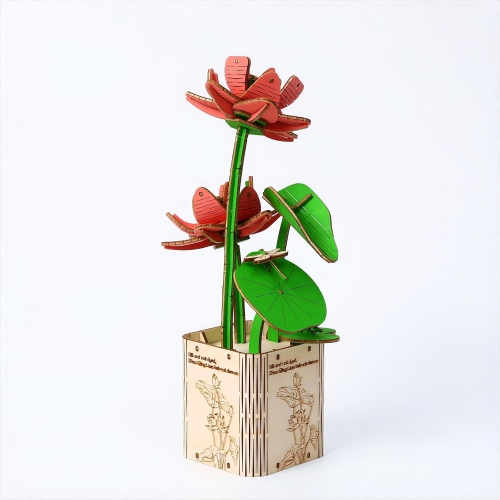
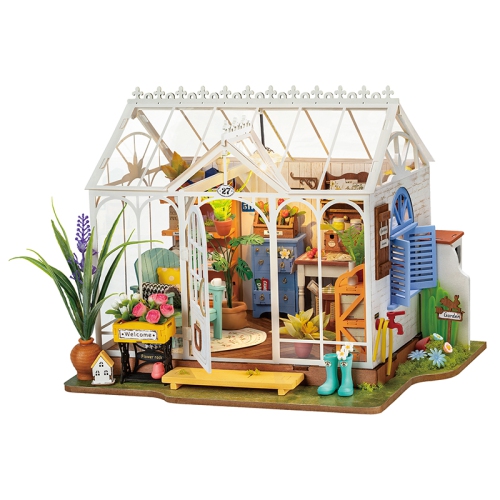
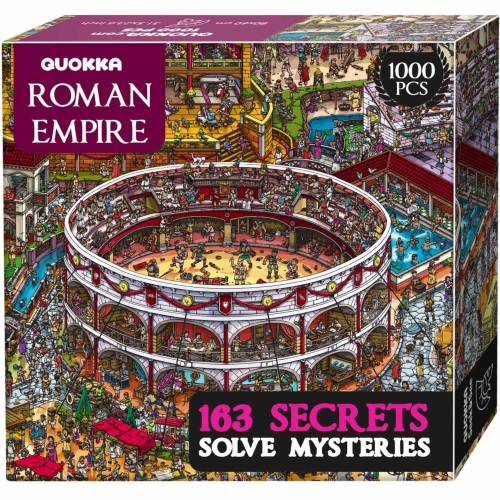


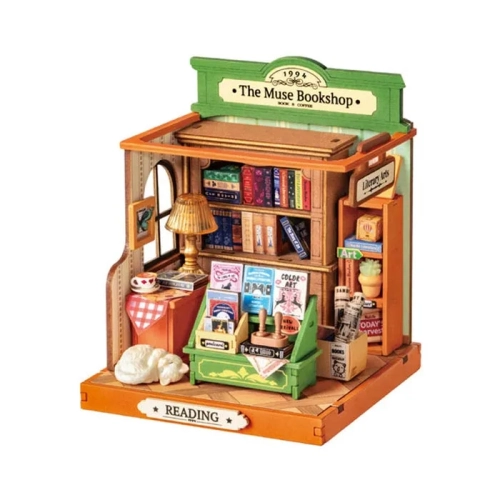
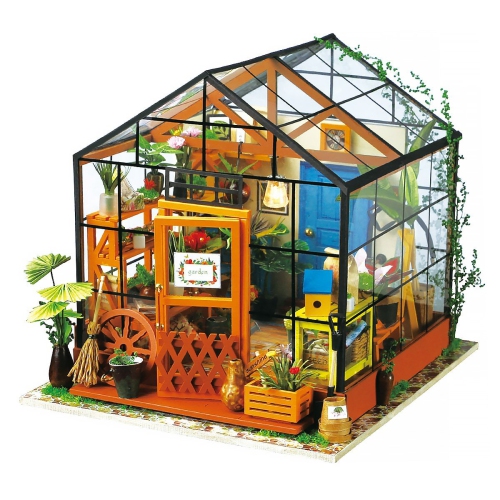
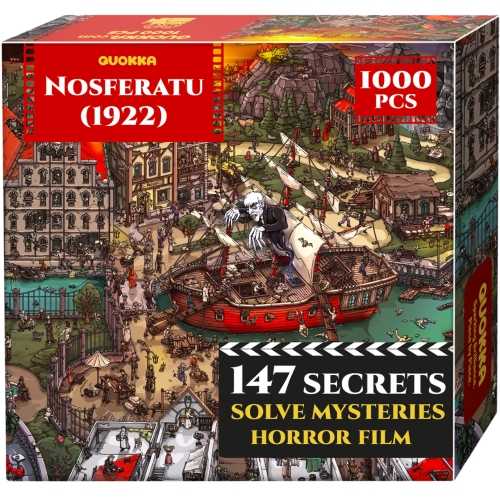

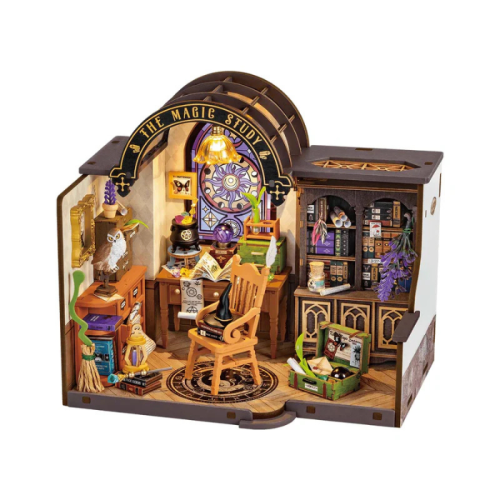
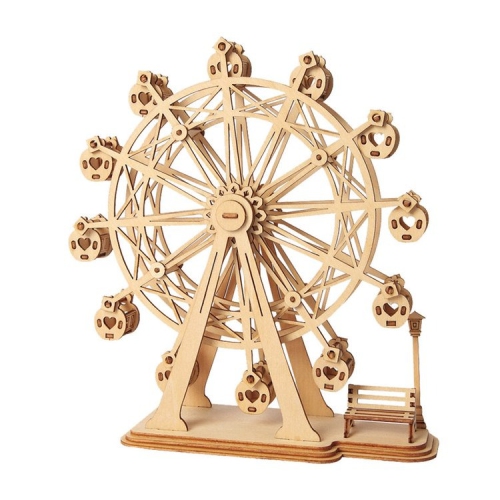

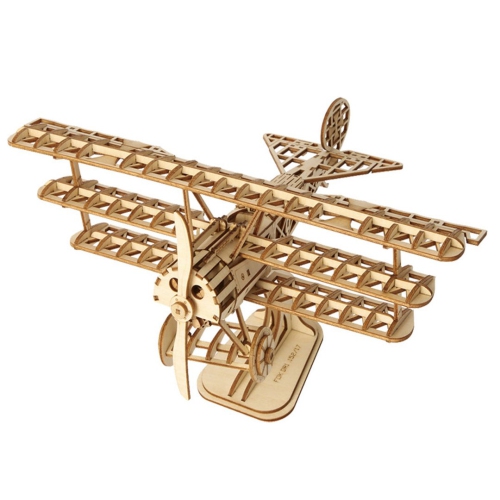

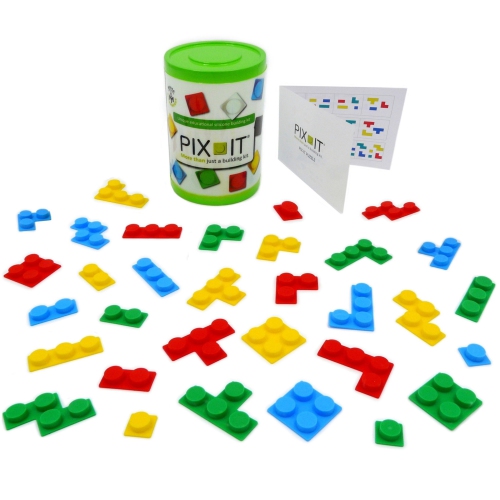
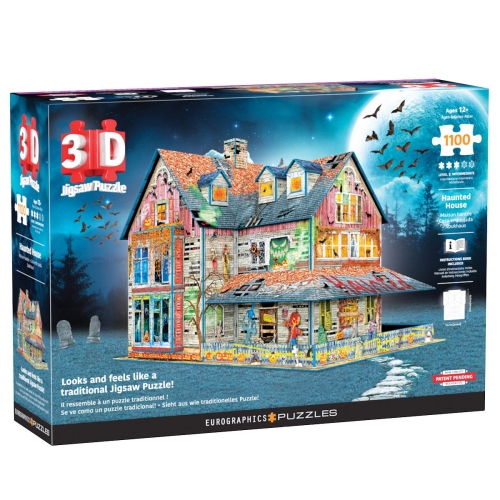

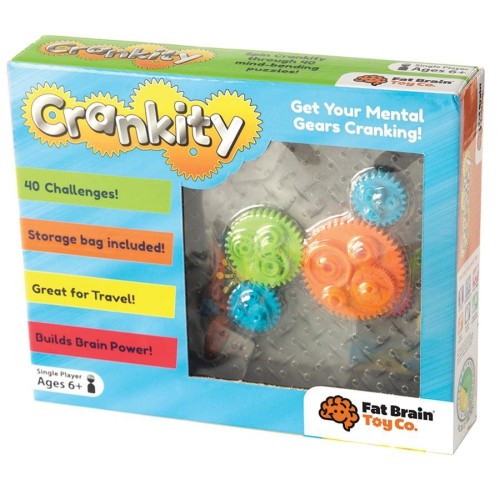
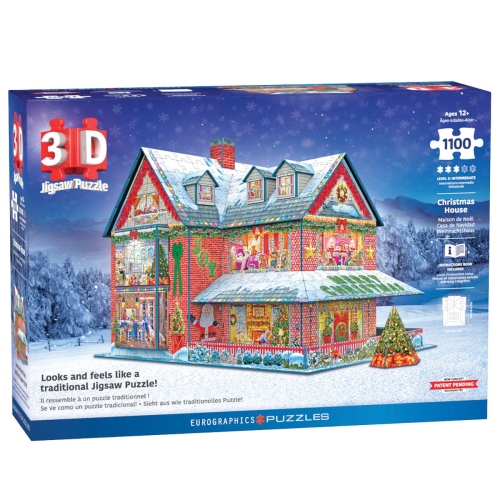
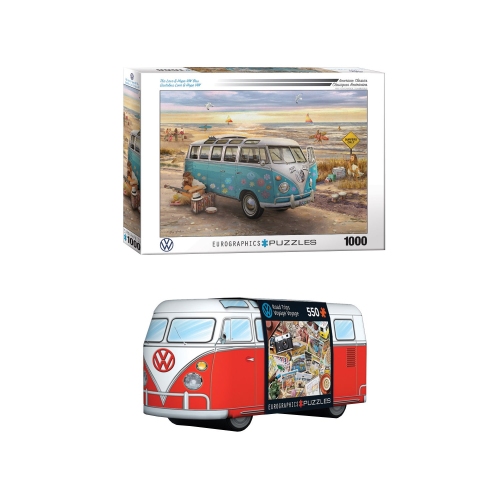
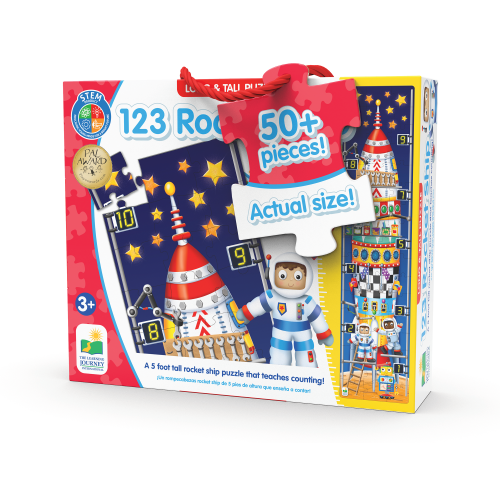

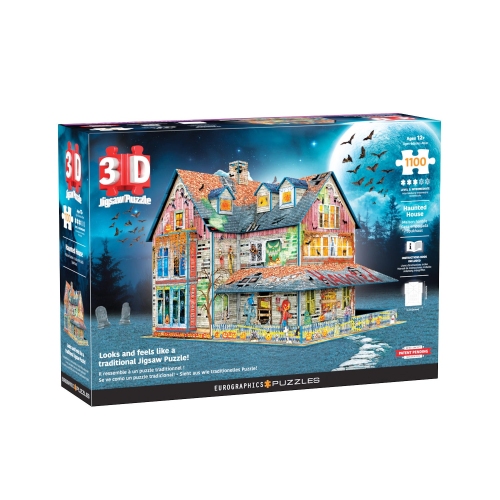
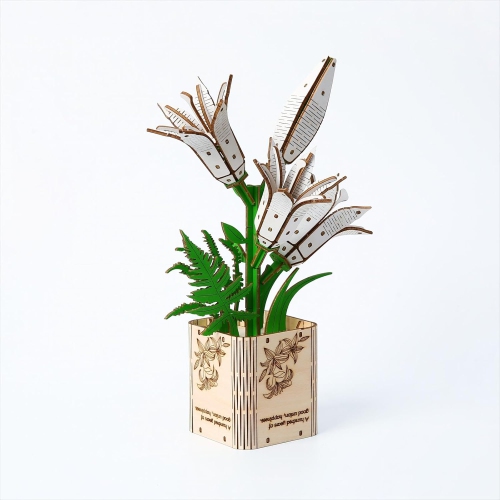

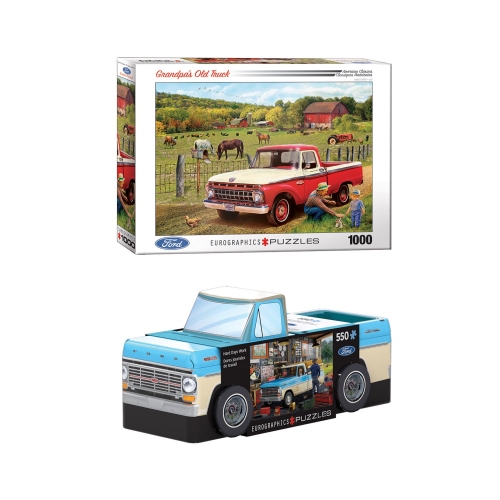
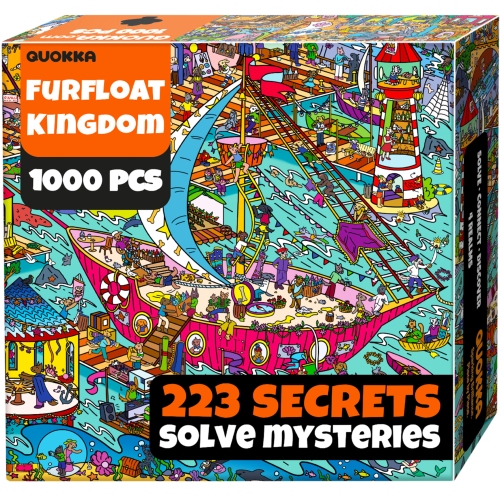
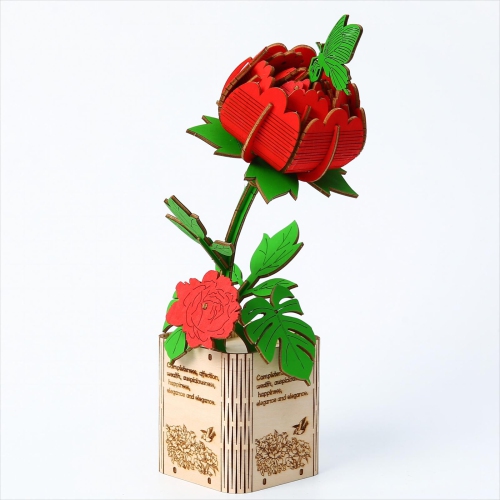
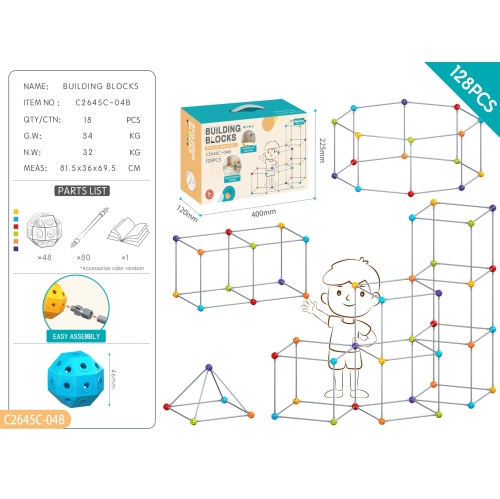
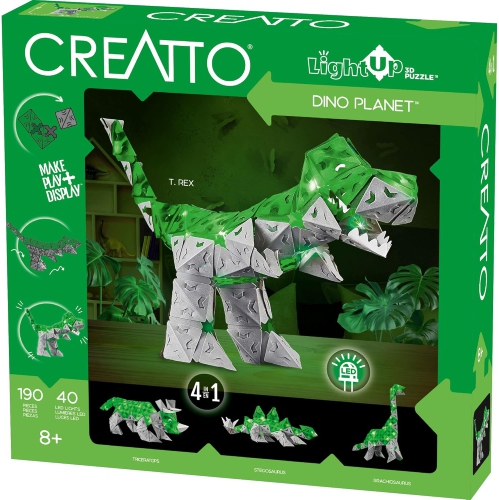
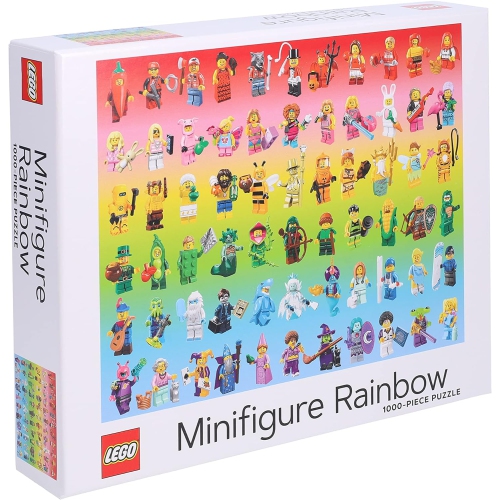
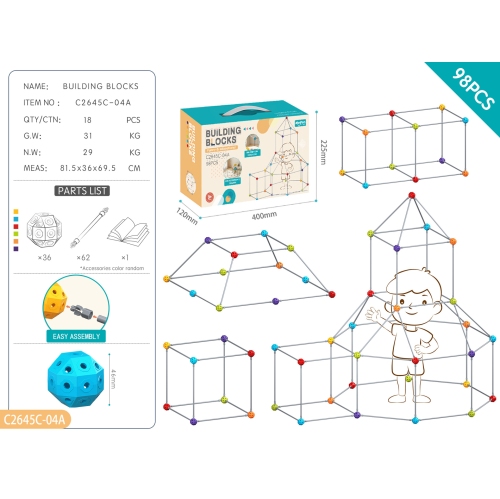


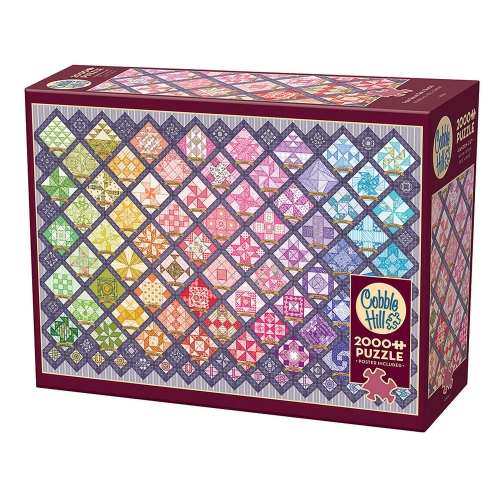
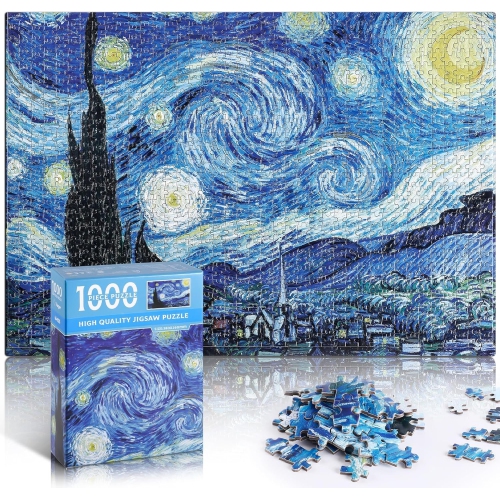
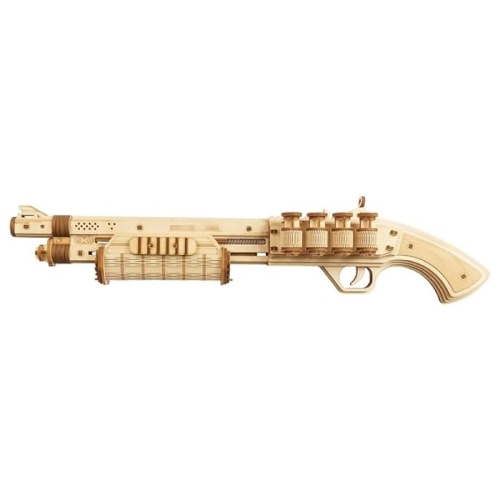
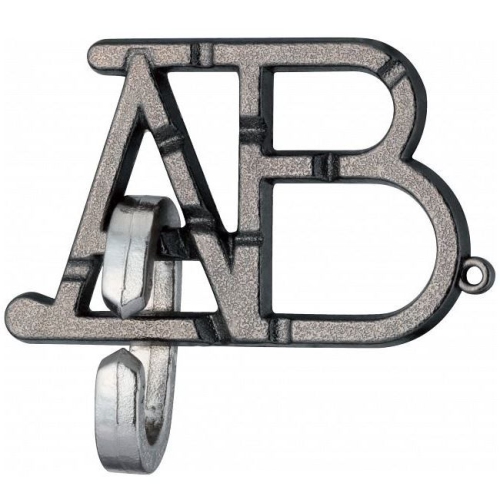








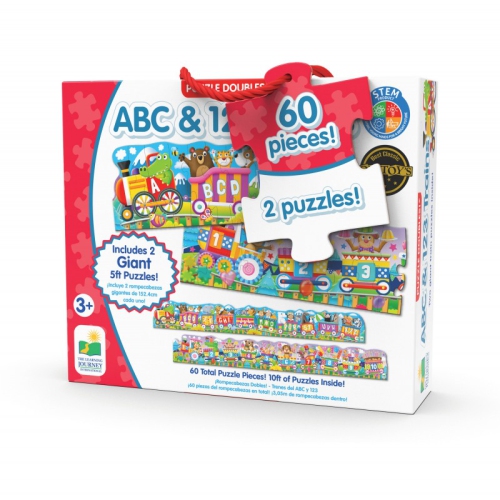
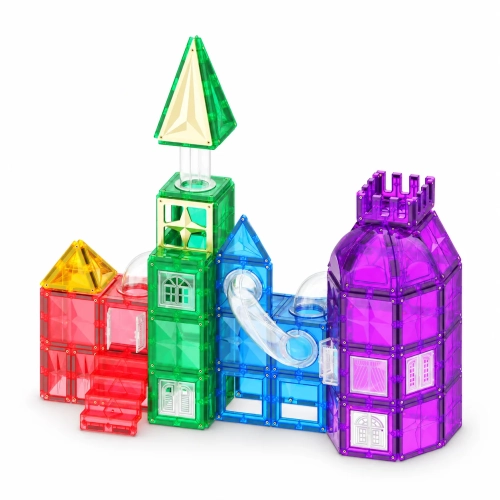
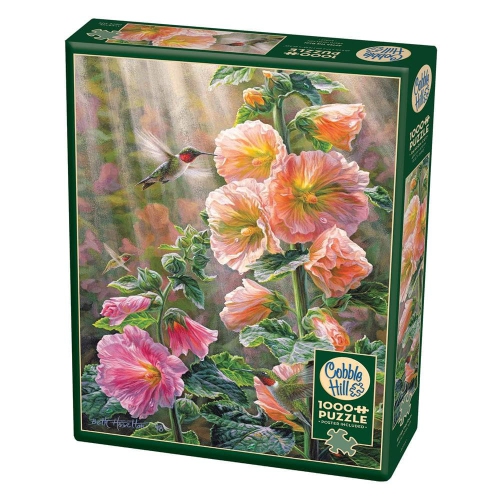
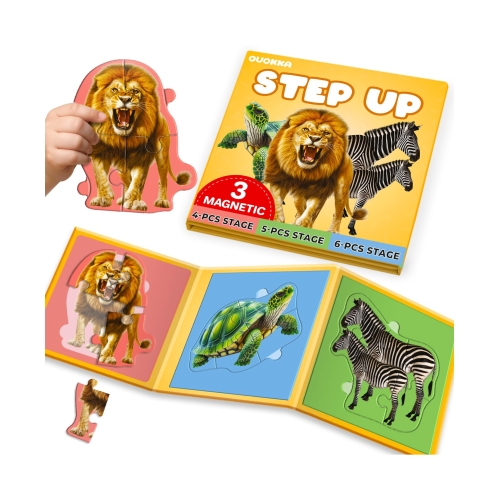





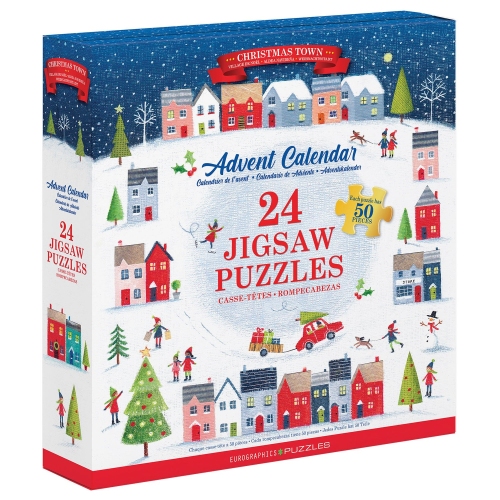


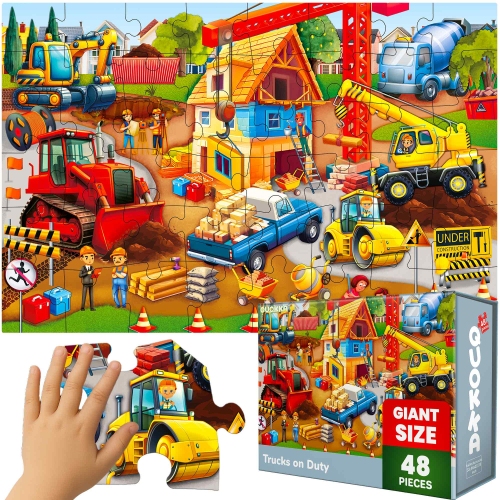

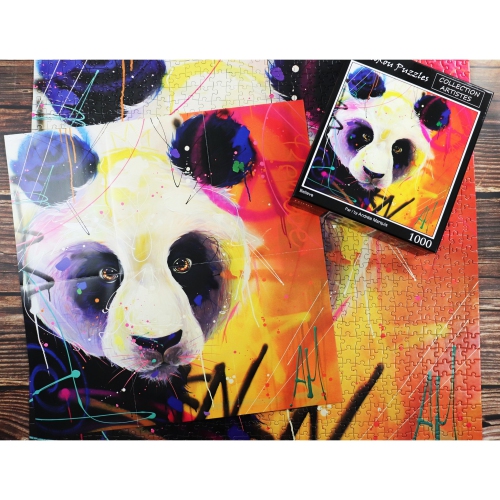

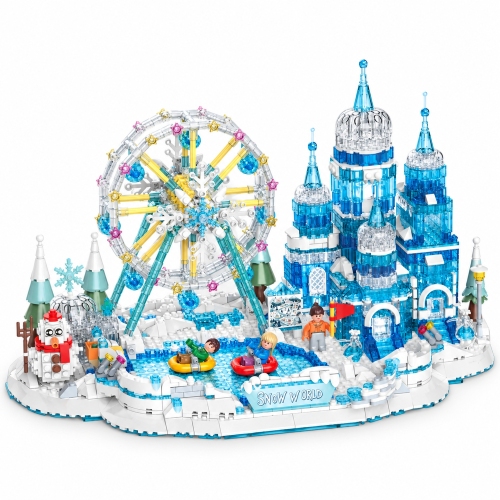



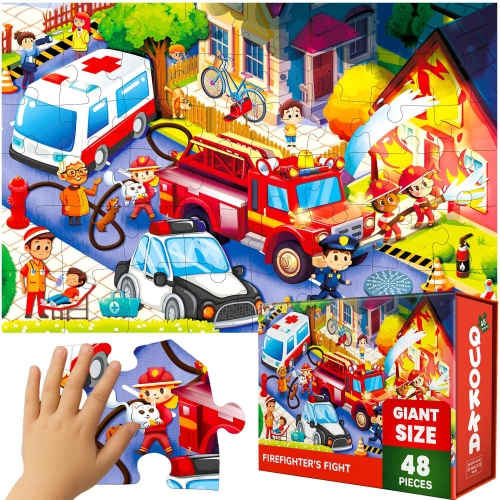
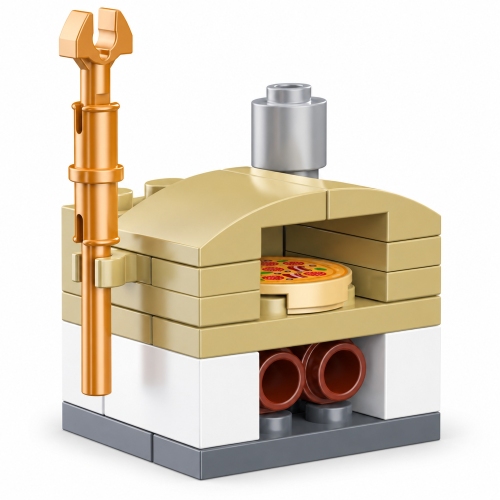
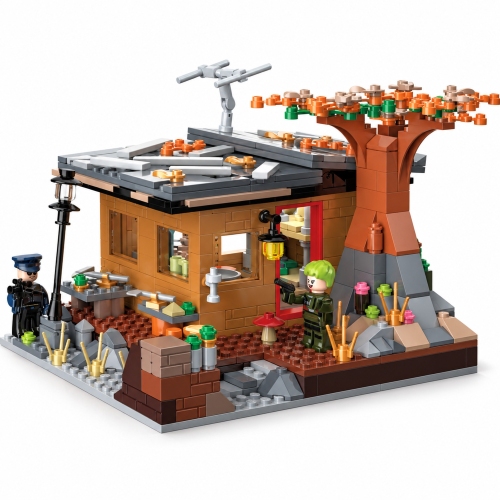
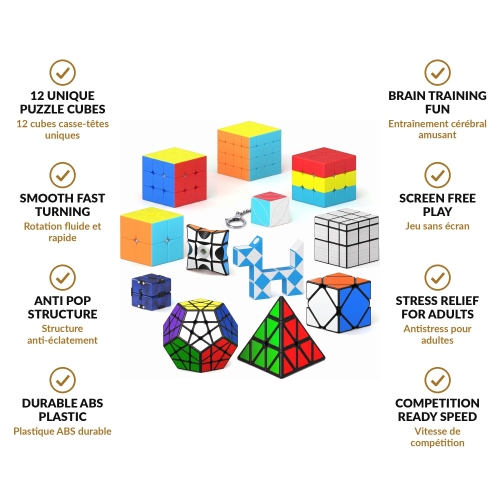
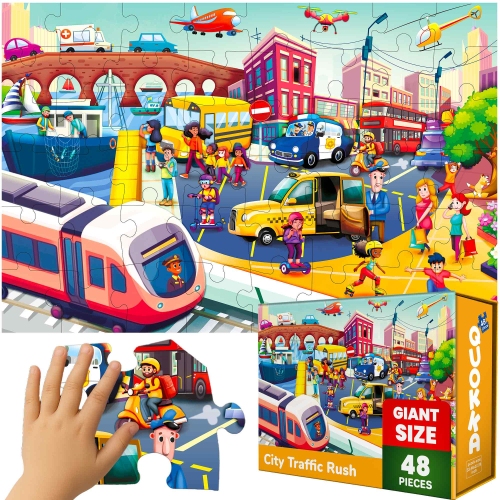

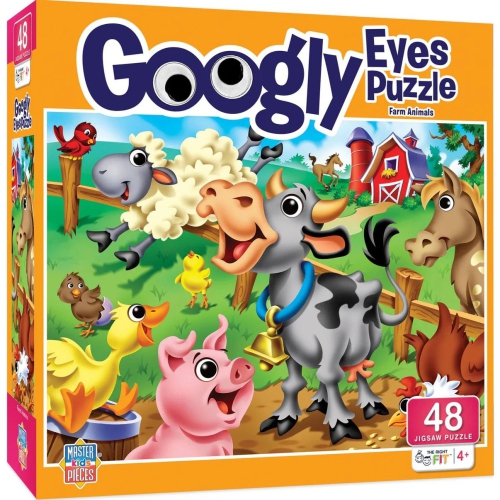
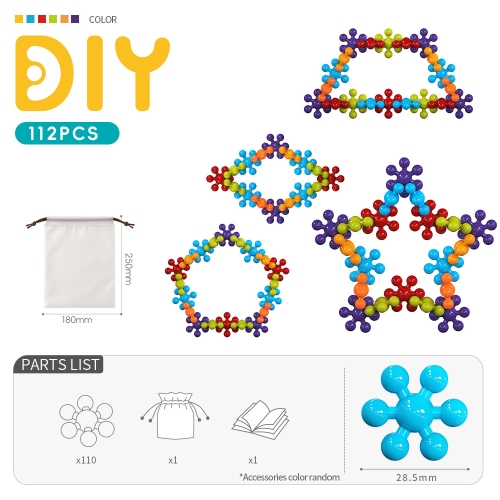

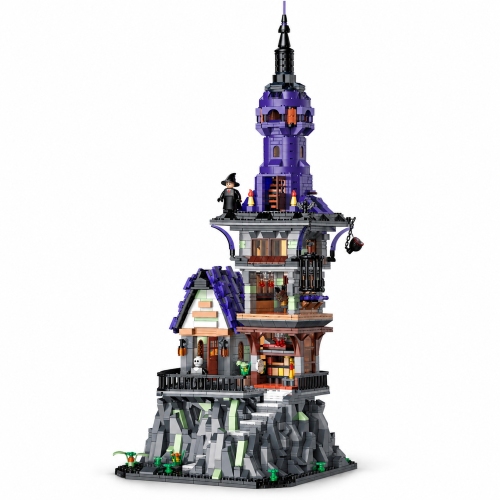
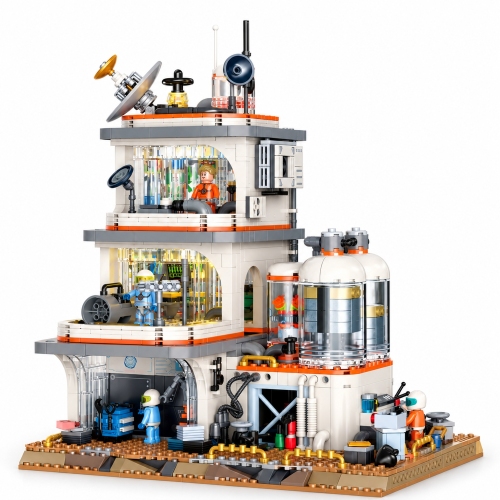
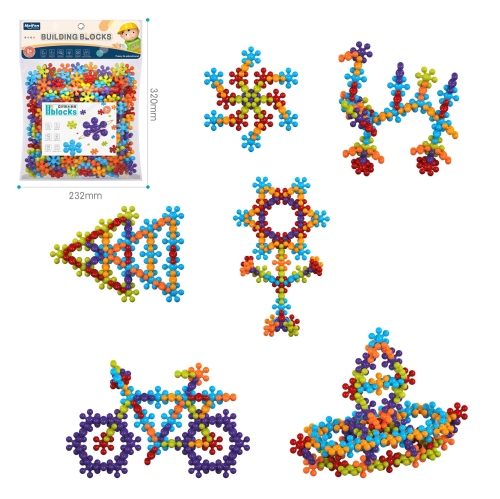
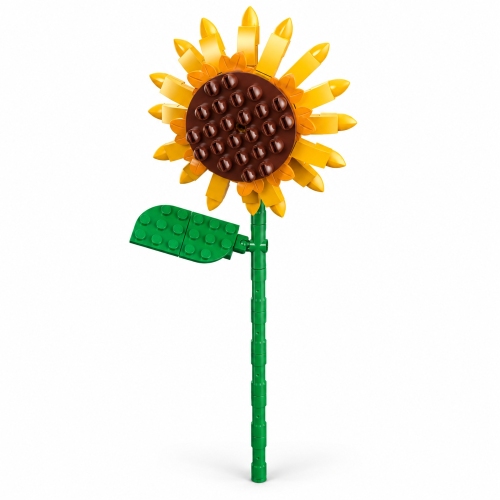
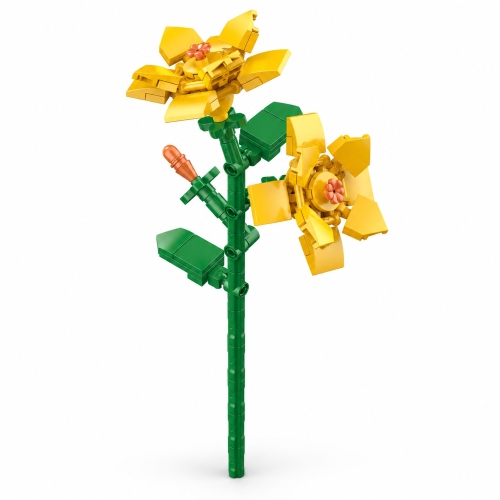

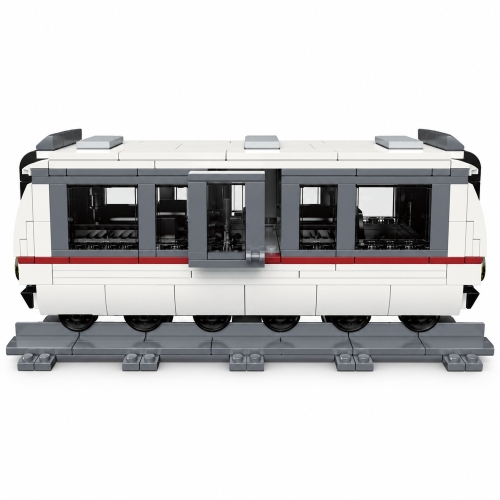
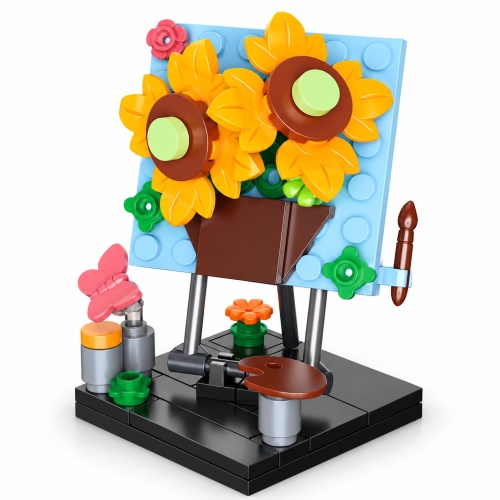
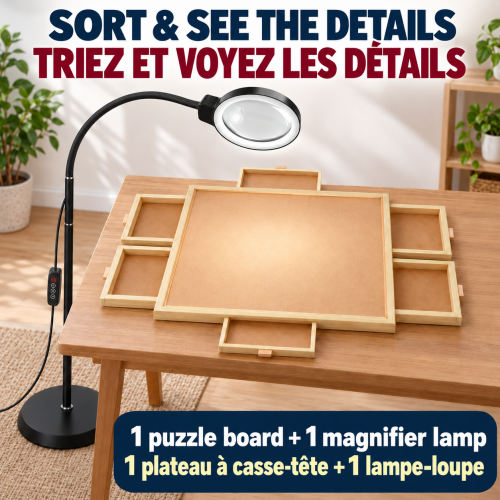
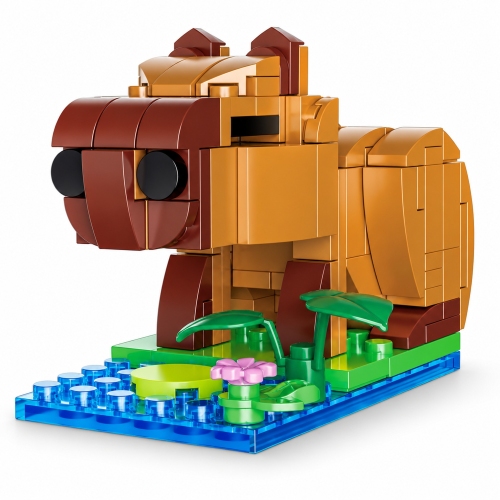
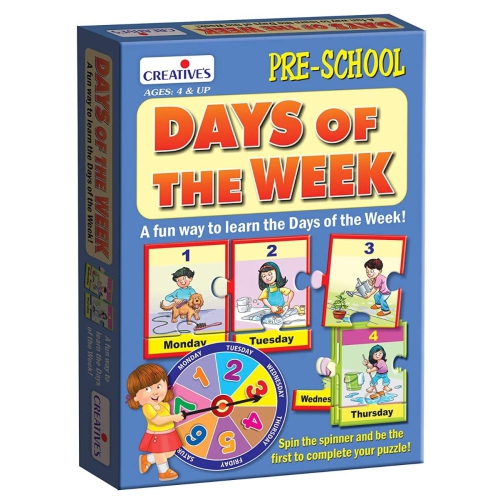
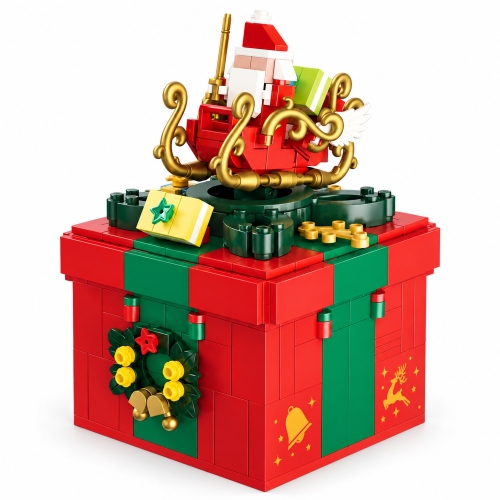
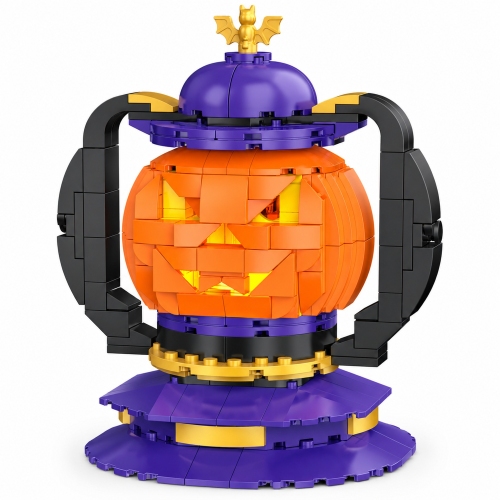
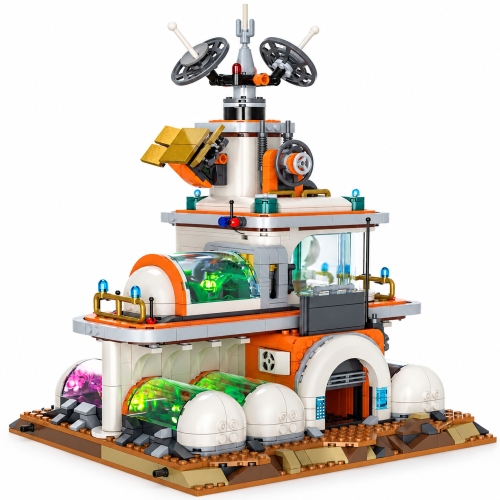

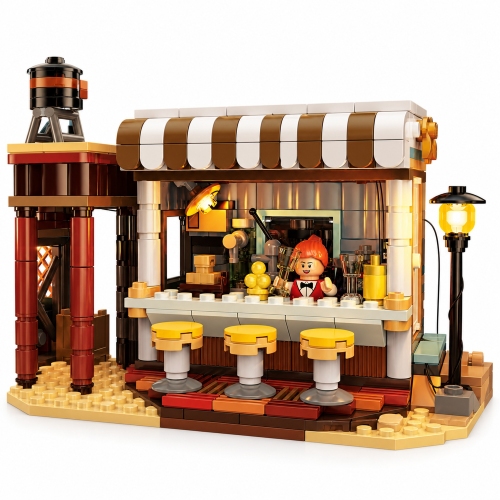
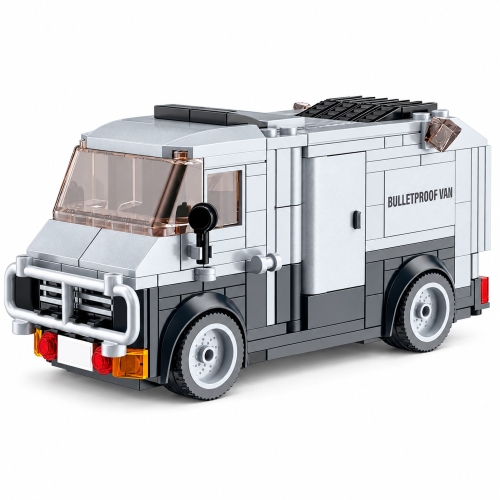
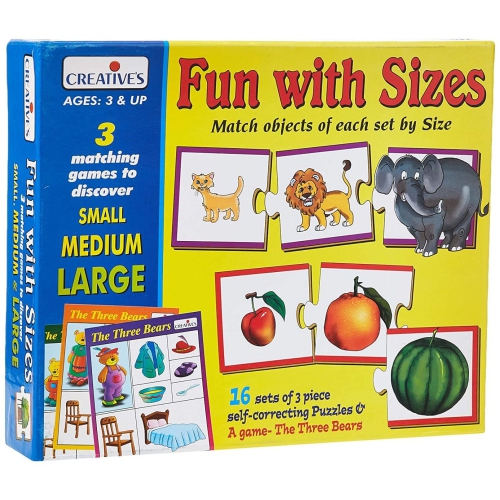
The difference between matching rooflines and raising walls
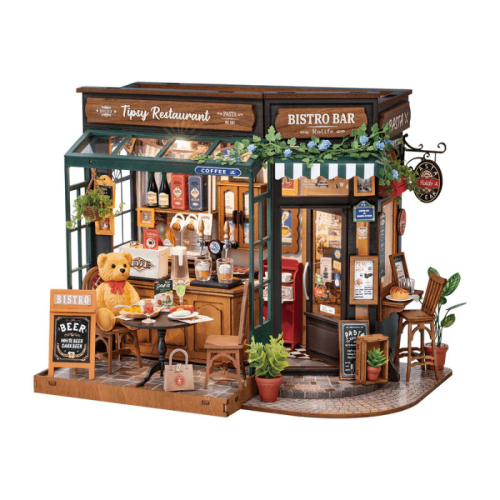
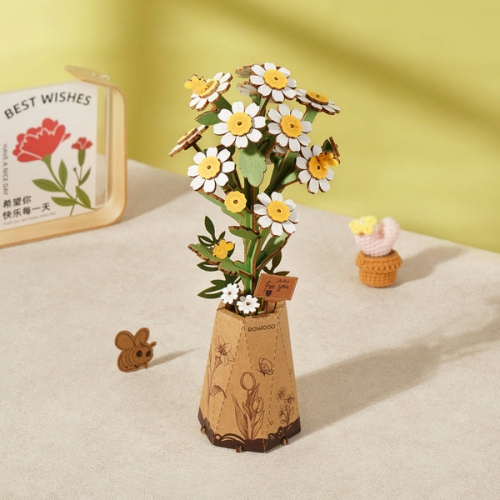
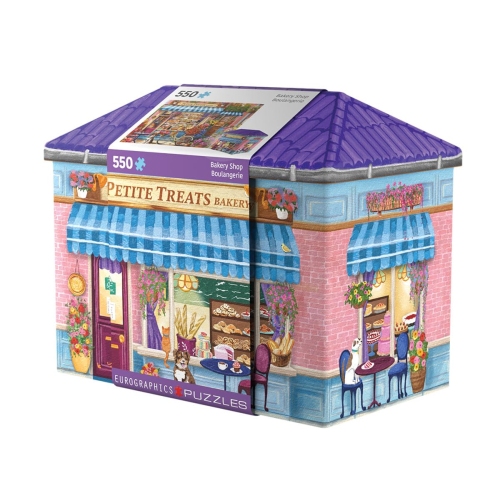
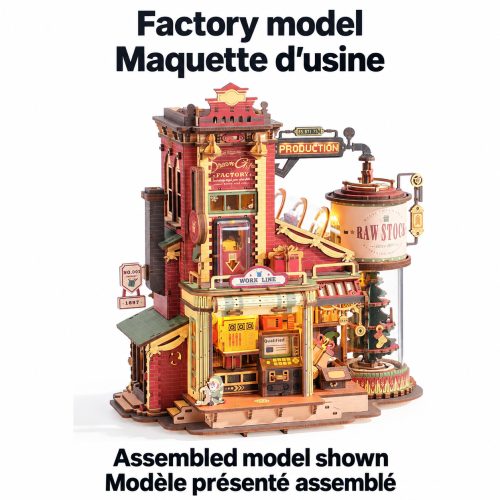
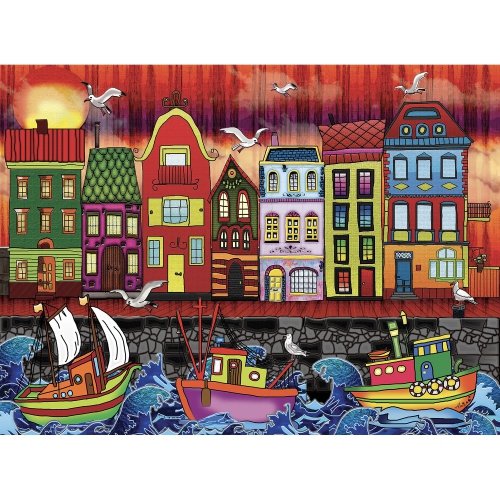
Building puzzles bring the process of construction to the puzzle table, from flat jigsaws featuring architecture to three-dimensional structures assembled from interlocking parts. A traditional two-dimensional puzzle creates a finished image, while a three-dimensional building puzzle adds height, depth, and the challenge of connecting walls, roofs, towers, or other structural sections. Both formats reward patience and careful observation, but they offer different experiences. An illustrated street scene might involve matching brickwork, tracing rooflines, and finding where a doorway meets the pavement. A dimensional model asks the builder to consider how individual panels fit together and support the finished shape. The right choice depends on the kind of activity someone enjoys, the space available, and whether the finished puzzle will be taken apart or kept on display. Piece count is useful, but it does not tell the whole story about difficulty. Repeated windows, similar colours, small connection points, and sections with little visual variation can make a modest-sized puzzle demanding. Distinctive shapes and clearly separated colours can make a larger design more approachable. Finished dimensions matter just as much as the size of the box: a flat puzzle needs room for its full image and loose pieces, while a tall model needs enough clearance above the work surface. For a dining table that serves several purposes, a movable puzzle board can help keep an unfinished jigsaw together between sessions. Three-dimensional builds may be better suited to a dedicated surface where partially assembled sections can remain undisturbed. Larger pieces and straightforward connections can suit younger builders when the manufacturer's age rating supports that use, while intricate architecture and more involved assembly can appeal to experienced puzzlers. Clear reference images, readable diagrams, and a manageable number of assembly stages also help determine whether a puzzle feels welcoming or demanding. These details make it easier to match the format to the person rather than choosing by appearance alone.
Materials influence how building puzzles feel in the hand, how their pieces connect, and how they hold up through assembly and storage. Cardboard jigsaws typically use a printed image over a firm backing, with the thickness and precision of the cut affecting how securely the pieces sit together. Paperboard and foam-backed panels can give dimensional puzzles broad, lightweight walls, while wooden components may use slots and tabs to form a more rigid structure. Plastic components can offer another style of connection, depending on the design. No material makes every puzzle equally sturdy: narrow tabs, projecting details, and slender roof sections still require careful handling. A well-matched connection should fit as intended without excessive pressure, and resistance may indicate an incorrect orientation rather than a need to push harder. Some building puzzles are designed for assembly without adhesive, whereas others require glue or additional supplies; the product description and included directions should clarify what is needed. That distinction matters when the goal is repeated assembly rather than a permanent display. The finished footprint, height, and base design also affect where a model can sit comfortably. A compact structure may fit on a bookshelf, but a wider layout needs a stable surface with room around its edges. Care is generally straightforward, although the manufacturer's guidance should take priority for particular finishes. Dry hands and a clean work area help protect printed surfaces, and a soft, dry cloth is often more suitable than a wet wipe for removing light dust. Moisture can distort paper-based pieces, while prolonged direct sunlight may fade printed colours. Storing loose components in labelled bags or compartments, together with the reference image and assembly booklet, makes future sessions less frustrating. Age labels and small-part warnings remain important even when a design looks simple, especially in households where younger children might reach the work area.
Building puzzles suit a range of routines, from a quiet solo project to a shared activity spread across several evenings. Someone who enjoys studying architectural details may appreciate recognizable building features, intricate façades, and the gradual appearance of a complete structure. Another person may be drawn more to the satisfying fit of each connection or the pleasure of bringing order to a table of loose pieces. For families, a building-themed jigsaw can offer several points of participation: one person might focus on the sky or background while another follows the outline of a roof. A dimensional puzzle can support a similar division of attention when its design allows separate sections to be assembled before they are joined. Projects with many dependent stages may work better with one primary builder and another person helping identify parts or interpret diagrams. These activities create opportunities to practise visual matching, spatial reasoning, organization, and persistence without needing to turn a leisure activity into a lesson. A child can see how a flat panel becomes a wall, while an older builder may enjoy anticipating how several angled sections will meet. Completion time varies considerably with experience, complexity, and the amount of uninterrupted attention available, so the number of pieces is not a reliable promise of a quick finish. As gifts, building puzzles can suit birthdays, housewarmings, and other personal occasions, particularly when the recipient enjoys architecture, model making, or hands-on hobbies. Matching the challenge to their interests is more thoughtful than simply selecting the largest design. It also helps to consider whether they have somewhere to build and display it, and whether they prefer an absorbing one-time project or something that can be packed away and revisited. For a broader range of hands-on problem-solving activities, explore Puzzle Challenges. The lasting appeal of building puzzles lies in that visible progression: scattered components gradually become connected shapes, and those shapes resolve into a scene or structure made complete through attention and care.
Top selling and popular products
-
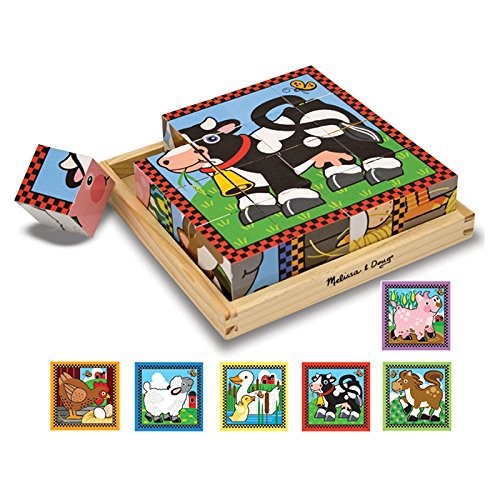 Your price for this item is $32.99
-
 Your price for this item is $46.99
-
 Your price for this item is $35.99
-
 Your price for this item is $30.99
-
 Your price for this item is $29.99
-
 Your price for this item is $36.99
-
 Your price for this item is $32.99
-
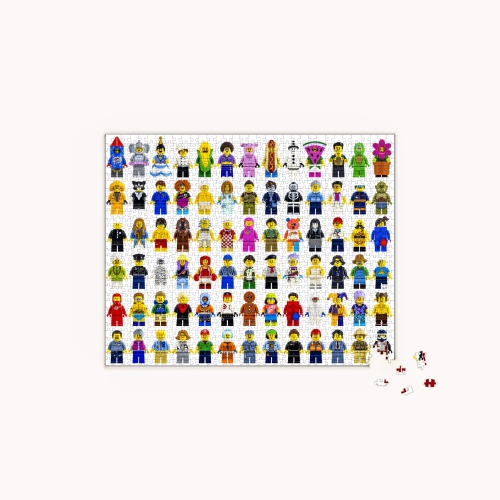 Your price for this item is $34.9
Discover more categories related to Building Puzzles
Top Collections:
Best Black Friday Deals This Year, Best Black Friday Deals On Electronics, Kindle Devices, Pokemon Centers, Best Black Friday Deals On Apple Products, Best Cameras for Sports Photography, Dyson Airwrap, Pokémon 30th Celebration Cards, Apple iPhone 17 Pro, Canon G7X Cameras
Some products may be subject to Environmental Handling Fees
(EHF) depending on your province.
Learn more about EHFs.