Travel Puzzles
Embarking on a journey doesn't mean leaving behind the joy of a good puzzle. Travel puzzles are the perfect companions for those who love to challenge their minds while on the move. Compact and convenient, these puzzles fit seamlessly into your travel plans, offering a delightful way to pass the time during long flights, train rides, or cozy evenings in a hotel room. Whether you're a seasoned traveler or planning your first adventure, adding travel puzzles to your packing list ensures you have endless entertainment at your fingertips. Discover how these portable brain teasers can transform any trip into an exciting and engaging experience.
Sort
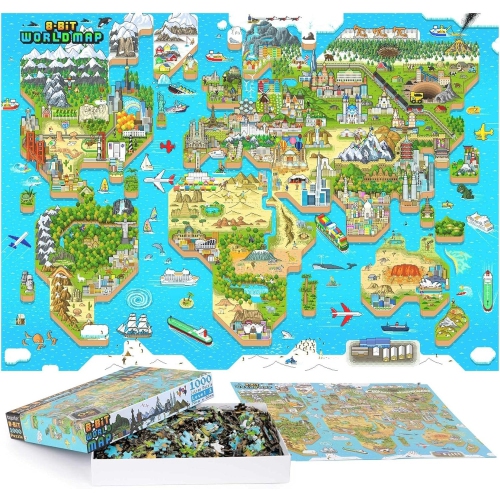

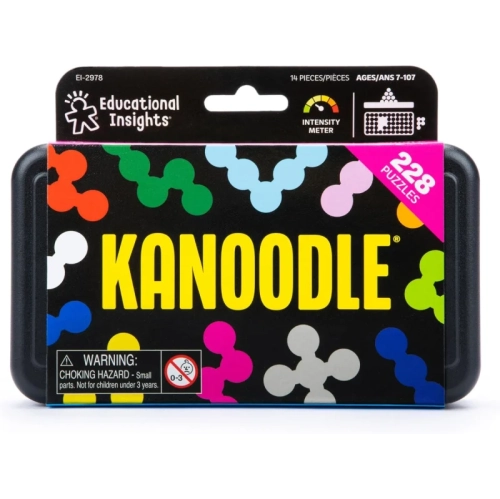
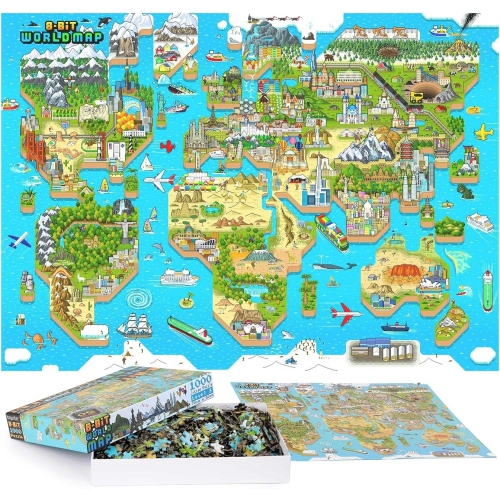

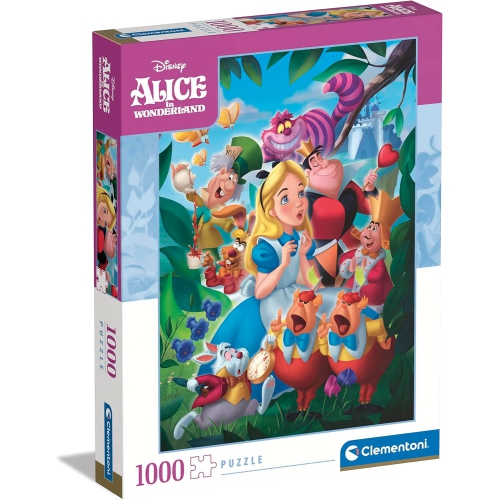
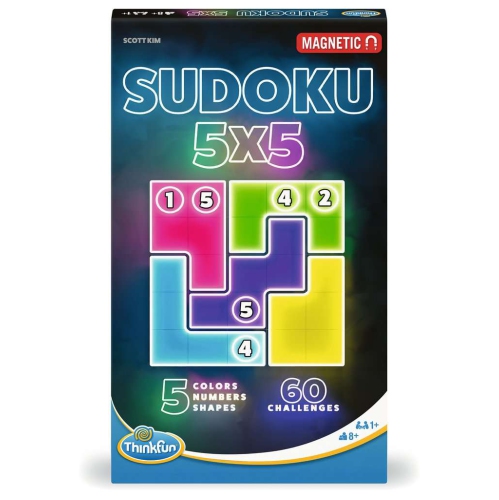
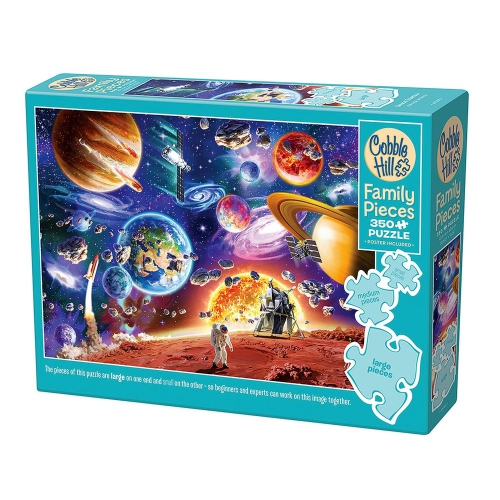
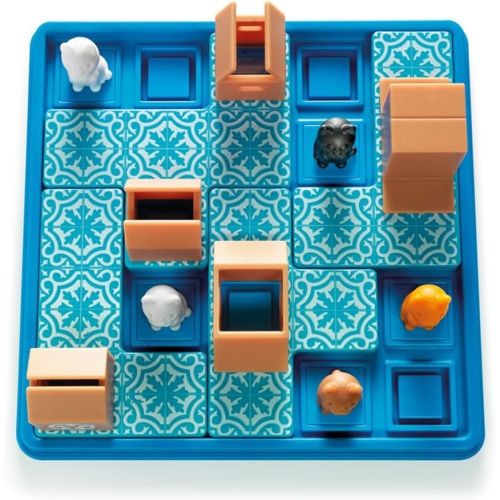
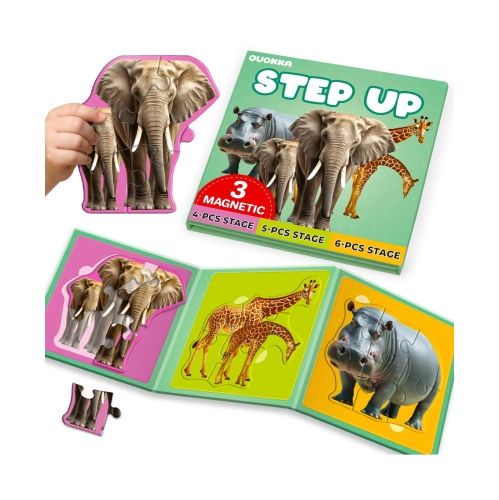
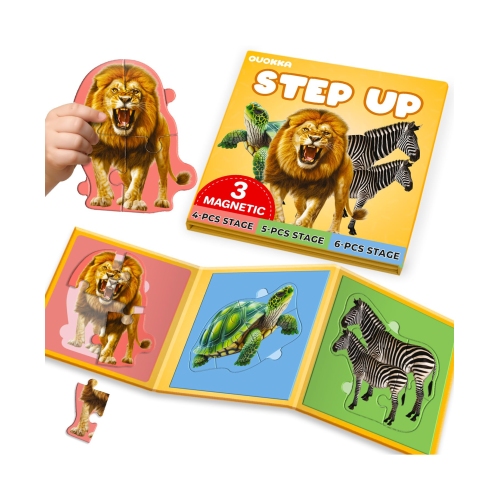
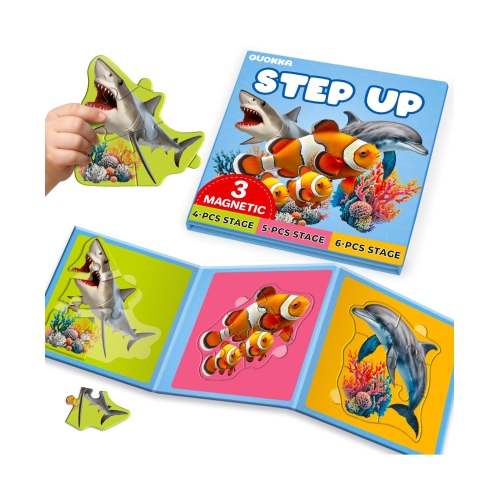
Pocket-sized challenges for downtime between destinations
Travel puzzles are compact puzzles designed for entertainment away from home, including pocket-sized activity books, portable jigsaw puzzles, and self-contained logic games. Their appeal lies in making a little downtime feel more absorbing, whether that means filling in a crossword at an airport gate, finding hidden pictures during a train journey, or assembling a small scenic jigsaw on a hotel desk. Unlike a full-sized puzzle spread across a dining table, a travel puzzle needs to suit the space, time, and storage available along the way. Pencil-and-paper formats, such as Sudoku, word searches, mazes, and number puzzles, keep most of the activity within a single book. Portable jigsaws offer a more tactile experience, with pieces to sort, turn, and fit together, while sliding puzzles and enclosed brain teasers can keep moving parts attached to a frame. These differences matter in everyday use: a book can rest on a lap, but a loose-piece jigsaw generally needs a stable, level surface. A tray table may suit a short written puzzle, while a cottage coffee table gives a small jigsaw more room to spread out. Travel can also describe the puzzle’s subject rather than its size. Illustrations of city landmarks, transit maps, mountain villages, and coastal destinations bring a sense of discovery to a quiet afternoon, although a travel-themed picture does not necessarily mean the finished puzzle is small enough to take along. Packed dimensions, assembled dimensions, and the number of separate components are more useful indicators of portability than the artwork alone. For travellers who enjoy switching between activities, a variety puzzle book can offer different kinds of challenges without requiring multiple cases. For someone who prefers settling into one task, a compact jigsaw or a sequence of logic puzzles may be a better match. The right format makes it easy to begin, pause, and return to an activity without spending much of a journey setting up or putting pieces away.
Size and construction make a noticeable difference when travel puzzles are carried in a daypack, tucked into a carry-on, or shared across a weekend away. A small outer box is useful, but it is worth considering how much space the activity needs once opened, including room for loose pieces, a reference picture, or a pencil. With jigsaws, lower piece counts can mean shorter sessions, though tiny pieces, similar colours, and broad areas of sky or water can still create a substantial challenge. Larger pieces may be easier to handle, but they can also increase the finished footprint. Cardboard pieces with sufficient thickness and a well-cut fit are generally easier to pick up and move than thin pieces that bend readily. Wooden puzzles offer a different weight and feel, while plastic sliding puzzles may suit repeated handling when their mechanisms move smoothly and their cases close securely. No material is automatically suited to every journey; a lightweight book may be preferable for a packed shoulder bag, while a sturdier enclosed puzzle can make sense for frequent family trips. For activity books, clear printing, comfortable text size, and enough space to write are particularly important in a compact format. Binding that opens comfortably can make working near the centre of a page less awkward, and paper thickness affects whether marks show through to the other side. A pencil with an eraser is practical for challenges that involve revising answers, provided the paper tolerates gentle erasing. Magnetic pieces, fitted trays, and zippered pouches can help contain an activity, but their usefulness depends on the design; a magnetic surface should not be assumed to hold every piece securely during movement. Keeping the original reference image with a jigsaw and checking that all pieces are packed before leaving a seat can prevent frustration later. Store paper and cardboard puzzles away from damp clothing and leaking drink bottles, protect corners from being crushed, and follow the maker’s cleaning directions for reusable surfaces. Careful packing helps keep both the puzzle and its storage case ready for another outing.
Age, interests, and comfort are just as important as portability when choosing travel puzzles for children, teens, or adults. Younger puzzlers may enjoy clear illustrations, straightforward mazes, matching activities, and hidden-picture scenes that invite conversation with a parent or caregiver. Older children may prefer word searches, map-themed puzzles, or logic challenges with enough variety to hold their attention between stops. Manufacturer age guidance and small-parts warnings deserve attention, especially when younger siblings share a bag of activities or play nearby. Compact does not always mean child-friendly: miniature jigsaw pieces can be difficult for small hands to manage, and dense instructions can turn an otherwise appealing puzzle into a task that needs constant adult help. For adults, familiar formats such as crosswords and Sudoku can offer a satisfying routine, while visual or mechanical puzzles provide an alternative for those who would rather avoid reading small print. Travellers with limited dexterity or reduced vision may find larger pieces, strong contrast, legible grids, and easily opened cases more comfortable than the smallest possible format. Difficulty is best matched to the occasion as well as the person. A short wait calls for something that can be interrupted without losing a complicated train of thought; a relaxed evening during the cooler months leaves more room for a detailed picture or a demanding logic problem. A collection of Puzzle Challenges offers another direction for puzzlers interested in testing their problem-solving skills. Travel puzzles can also make thoughtful gifts for frequent travellers, students heading away to study, grandparents visiting family, or hosts who enjoy leaving a quiet activity on a guest-room table. Artwork connected to a favourite destination adds a personal touch, while a familiar puzzle format shows attention to how the recipient likes to unwind. Whether used solo or shared over a small table, a well-matched travel puzzle offers a screen-free activity that fits naturally into the pauses between destinations.
Size and construction make a noticeable difference when travel puzzles are carried in a daypack, tucked into a carry-on, or shared across a weekend away. A small outer box is useful, but it is worth considering how much space the activity needs once opened, including room for loose pieces, a reference picture, or a pencil. With jigsaws, lower piece counts can mean shorter sessions, though tiny pieces, similar colours, and broad areas of sky or water can still create a substantial challenge. Larger pieces may be easier to handle, but they can also increase the finished footprint. Cardboard pieces with sufficient thickness and a well-cut fit are generally easier to pick up and move than thin pieces that bend readily. Wooden puzzles offer a different weight and feel, while plastic sliding puzzles may suit repeated handling when their mechanisms move smoothly and their cases close securely. No material is automatically suited to every journey; a lightweight book may be preferable for a packed shoulder bag, while a sturdier enclosed puzzle can make sense for frequent family trips. For activity books, clear printing, comfortable text size, and enough space to write are particularly important in a compact format. Binding that opens comfortably can make working near the centre of a page less awkward, and paper thickness affects whether marks show through to the other side. A pencil with an eraser is practical for challenges that involve revising answers, provided the paper tolerates gentle erasing. Magnetic pieces, fitted trays, and zippered pouches can help contain an activity, but their usefulness depends on the design; a magnetic surface should not be assumed to hold every piece securely during movement. Keeping the original reference image with a jigsaw and checking that all pieces are packed before leaving a seat can prevent frustration later. Store paper and cardboard puzzles away from damp clothing and leaking drink bottles, protect corners from being crushed, and follow the maker’s cleaning directions for reusable surfaces. Careful packing helps keep both the puzzle and its storage case ready for another outing.
Age, interests, and comfort are just as important as portability when choosing travel puzzles for children, teens, or adults. Younger puzzlers may enjoy clear illustrations, straightforward mazes, matching activities, and hidden-picture scenes that invite conversation with a parent or caregiver. Older children may prefer word searches, map-themed puzzles, or logic challenges with enough variety to hold their attention between stops. Manufacturer age guidance and small-parts warnings deserve attention, especially when younger siblings share a bag of activities or play nearby. Compact does not always mean child-friendly: miniature jigsaw pieces can be difficult for small hands to manage, and dense instructions can turn an otherwise appealing puzzle into a task that needs constant adult help. For adults, familiar formats such as crosswords and Sudoku can offer a satisfying routine, while visual or mechanical puzzles provide an alternative for those who would rather avoid reading small print. Travellers with limited dexterity or reduced vision may find larger pieces, strong contrast, legible grids, and easily opened cases more comfortable than the smallest possible format. Difficulty is best matched to the occasion as well as the person. A short wait calls for something that can be interrupted without losing a complicated train of thought; a relaxed evening during the cooler months leaves more room for a detailed picture or a demanding logic problem. A collection of Puzzle Challenges offers another direction for puzzlers interested in testing their problem-solving skills. Travel puzzles can also make thoughtful gifts for frequent travellers, students heading away to study, grandparents visiting family, or hosts who enjoy leaving a quiet activity on a guest-room table. Artwork connected to a favourite destination adds a personal touch, while a familiar puzzle format shows attention to how the recipient likes to unwind. Whether used solo or shared over a small table, a well-matched travel puzzle offers a screen-free activity that fits naturally into the pauses between destinations.
Top selling and popular products
-
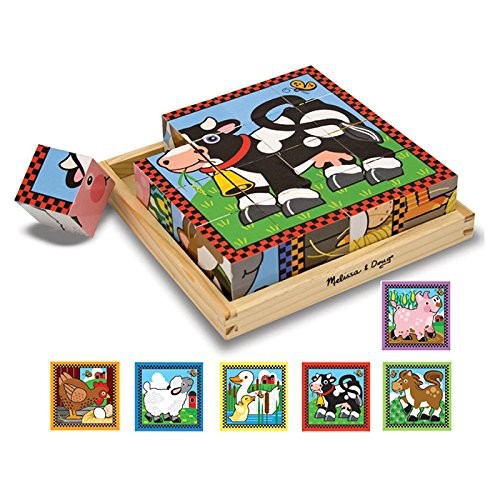 Your price for this item is $32.99
 -
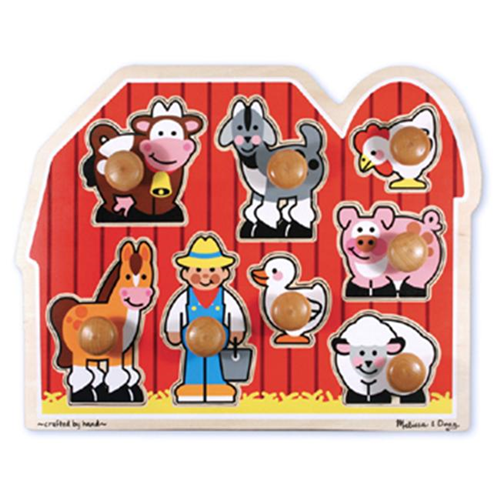 Your price for this item is $46.99
 -
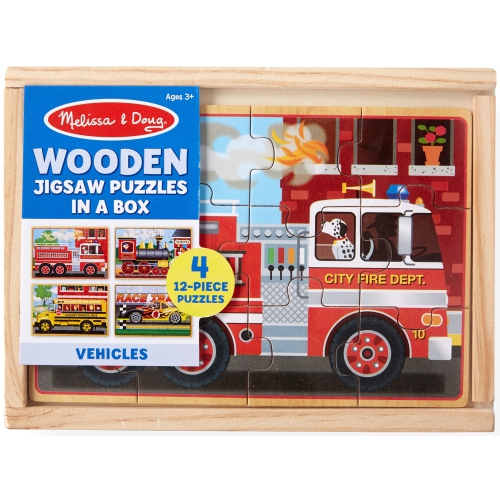 Your price for this item is $35.99
 -
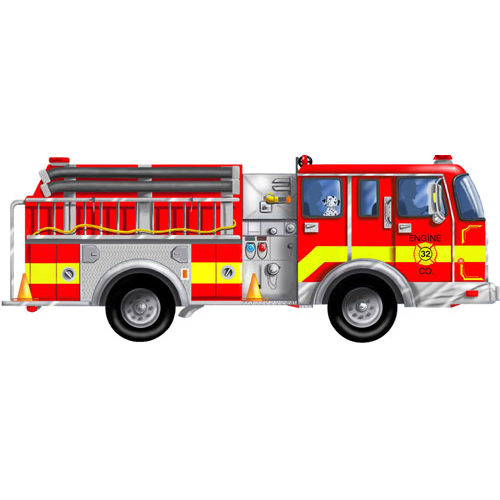 Your price for this item is $30.99
 -
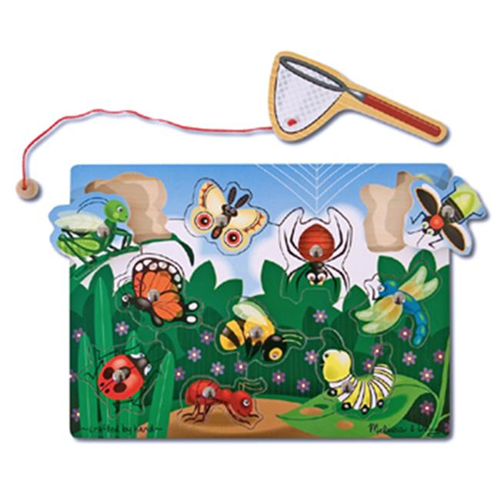 Your price for this item is $29.99
 -
 Your price for this item is $36.99
 -
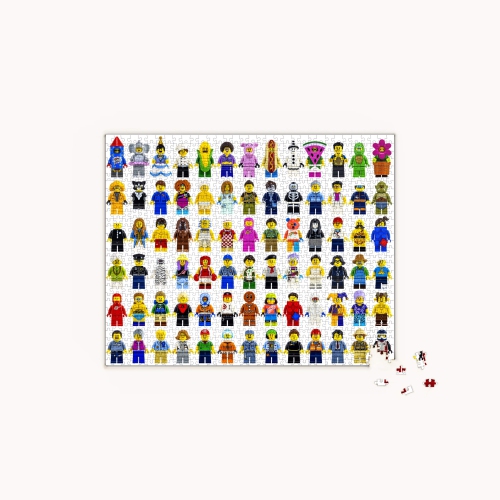 Your price for this item is $34.9
 -
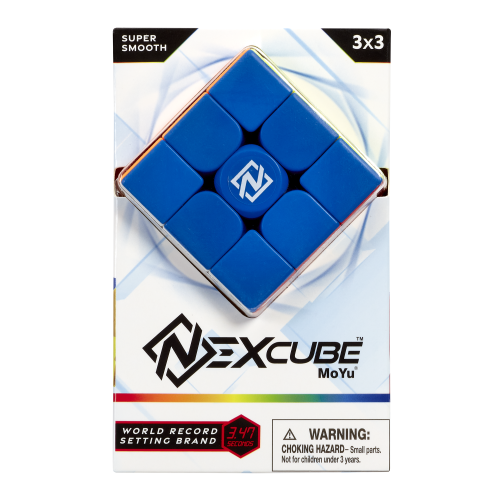 Your price for this item is $17.95
Discover more categories related to Travel Puzzles

Top Collections:
Pokemon Centers, Budget 4K TVs, Best Budget Office Chairs, Kindle Devices, Canon G7X Cameras, Apple iPhones 16, iPhone 15 Apple, Laptops for Business Work, Xiaomi Phones, Flip Phones
Some products may be subject to Environmental Handling Fees
(EHF) depending on your province.
Learn more about EHFs.