Samsung Bespoke Fridge Freezers

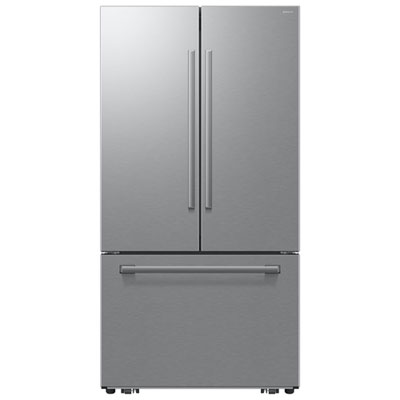
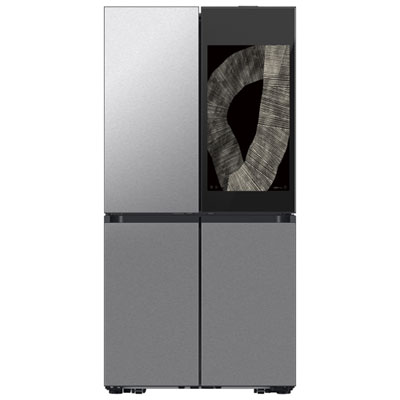
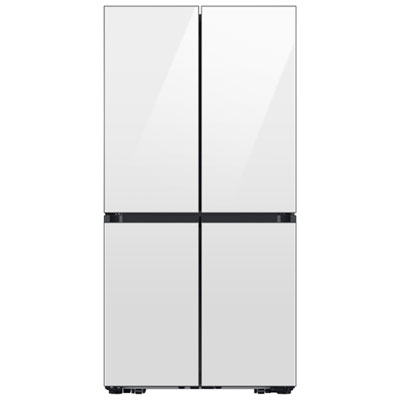
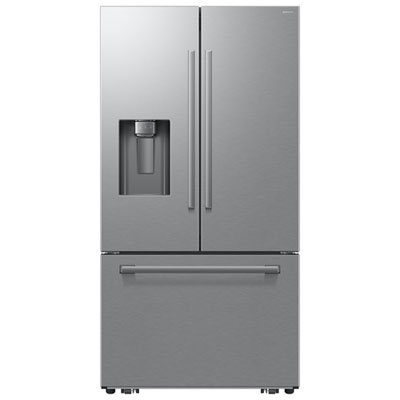
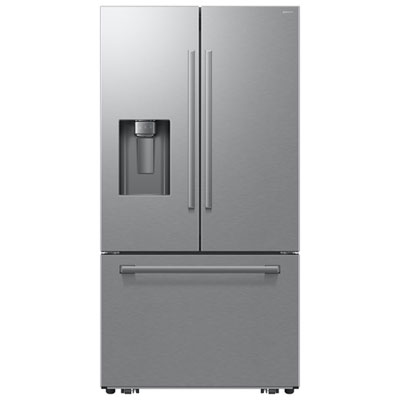
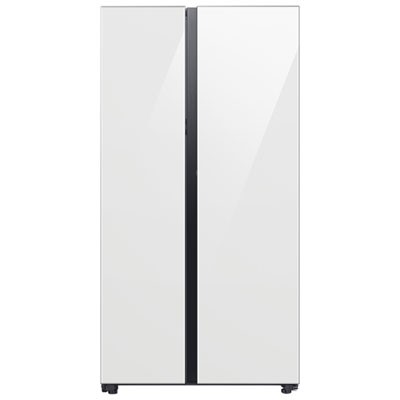
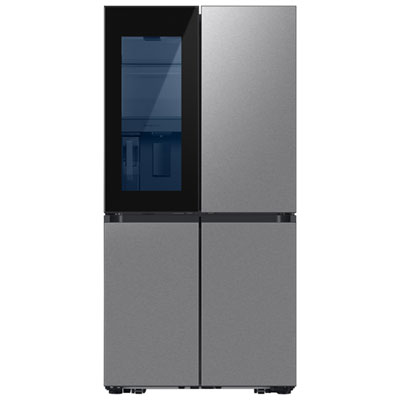
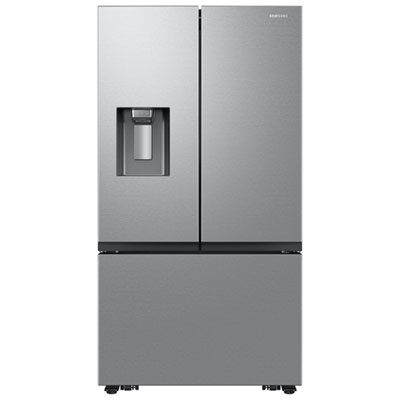
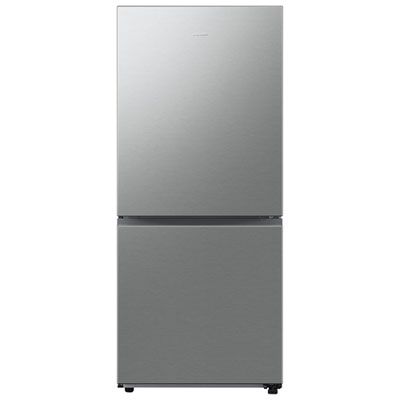
Shop Samsung Bespoke fridge freezers to keep fresh and frozen food organized in one appliance. Compare overall dimensions, fridge and freezer capacity, and listed features to find a refrigerator that fits your kitchen layout and everyday storage needs.
Sort

Customizable fridge panels meet storage that suits your household

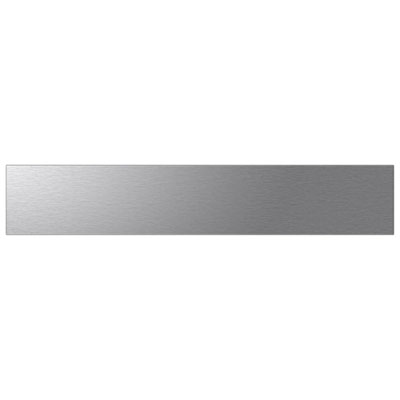
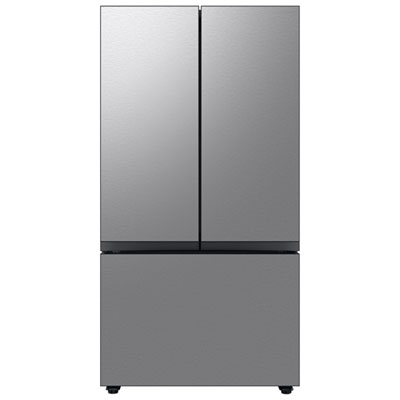
Fridge freezers with customizable door panels combine fresh-food refrigeration, frozen-food storage, and a coordinated kitchen finish in one appliance. Depending on the model, interchangeable panels and adjustable interior storage allow the exterior and the storage layout to suit different households. The appeal goes beyond choosing a colour: a refrigerator occupies a large part of the kitchen’s sightline, so its finish can help connect cabinetry, counters, flooring, and nearby appliances. Glass panels can create a smooth, reflective surface, while metal finishes offer a different texture and appearance. A single colour gives the doors a unified look; contrasting panels can define separate compartments or introduce a more distinctive accent. For compatible refrigerators, Samsung Bespoke Panels offer a way to explore finishes suited to the appliance and the surrounding kitchen. Panel compatibility depends on the refrigerator’s model, door configuration, and panel dimensions, rather than colour alone. Some designs require panels to be selected separately, so the included components matter when considering the complete appliance. A panel-ready exterior also does not necessarily mean the refrigerator accepts custom cabinet fronts; decorative appliance panels and integrated cabinetry systems are different formats. In an open-plan home, these details can make the refrigerator feel more closely connected to the living and dining areas. In a compact kitchen, a consistent finish can create a less visually interrupted run of cabinetry. Households planning a kitchen refresh may appreciate the option to change compatible panels without replacing the entire refrigerator, while others may prefer a finish intended to stay unchanged for years. Appearance still needs to work alongside practical details such as handles, door edges, dispenser placement, and the way each surface feels during daily use. A pale glass front, a darker accent door, and a metallic finish can each create a different effect, particularly under overhead lighting or beside a bright window. The most suitable combination brings together personal taste, compatible components, and a surface that fits comfortably into the household’s cleaning routine.

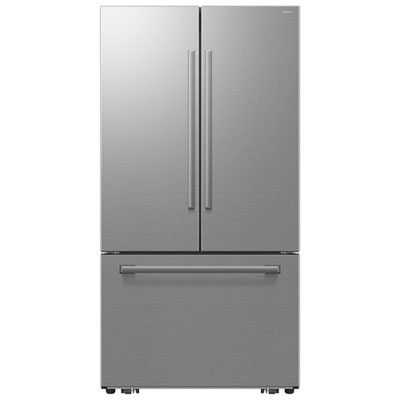
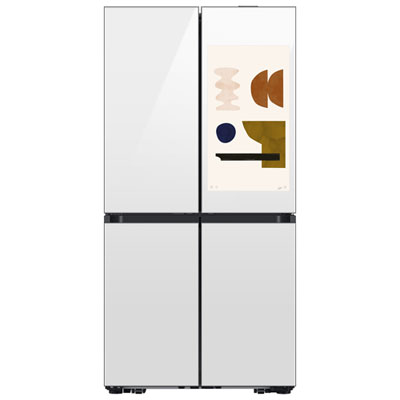
Inside, the layout determines how comfortably a fridge freezer handles everything from a small weekday shop to a kitchen full of meal-preparation containers. French-door configurations offer side-by-side refrigerator doors above lower frozen-food storage, while some multi-door designs divide the appliance into additional compartments. Wide refrigerator shelves can accommodate serving platters and larger containers, although usable space also depends on shelf supports, door bins, and any built-in ice or water equipment. Adjustable shelves are useful when a tall pitcher needs room beside stacked leftovers, and deep door bins can keep frequently used bottles within easy reach. The stated capacity provides a useful comparison, but the arrangement of that space often matters just as much. A household that freezes batch-cooked meals may value accessible freezer drawers more than extra door storage, while someone who prepares fresh meals daily may prioritize produce drawers and flexible refrigerator shelving. Sliding drawers, clear bins, and well-placed lighting make it easier to see a bag of frozen berries or a container tucked behind the milk. Certain models include compartments with selectable settings that can be adapted to particular storage needs; their permitted uses and settings depend on the appliance. Separate cooling controls or airflow systems may also help manage different sections, though features vary across the range. Ice makers, chilled-water dispensers, and internal beverage areas can add convenience for households that regularly fill reusable bottles or serve drinks with meals. Their placement affects both access and the space left for groceries. Models with connected features may offer remote settings, status information, or alerts through a compatible app, with functions depending on the appliance and its connection requirements. These conveniences are most useful when they support an established routine rather than adding steps to it. A busy family might appreciate quick access to drinks, while a shared household may benefit more from clearly divided shelves and separate drawers. The strongest match is a configuration that makes ordinary tasks feel straightforward: unpacking groceries, finding breakfast ingredients, putting away leftovers, and reaching frozen food without rearranging everything above it.

Physical fit is just as important as the interior arrangement, especially when replacing an older refrigerator in an existing opening. Width, height, and depth need to account for the appliance’s specified installation clearances, nearby cabinets, and the space required for doors and drawers to open properly. Counter-depth models generally project less into the room than standard-depth designs, but the doors and handles may still extend beyond the counter edge. A wall beside the refrigerator can restrict a door’s swing, and a nearby island can limit access to a fully extended freezer drawer. Clearance also affects whether interior bins can be removed for cleaning. The delivery route matters too, including entrance doors, stairways, hallway corners, and any lift restrictions. For models with plumbed water or ice features, the water connection and shut-off valve need to suit the installation requirements; electrical connections must also meet the appliance’s specifications. Once installed, everyday care helps keep the refrigerator pleasant to use and protects its finish. Glass, coated metal, and decorative panels can have different cleaning requirements, so the manufacturer’s directions are the best reference for suitable cloths and cleaners. Soft cloths and approved cleaning methods help avoid scratches, while abrasive pads and unsuitable chemicals can damage some surfaces. Spills are easier to manage before they dry beneath a drawer or along a shelf edge. Door seals also benefit from gentle cleaning so crumbs and residue do not interfere with their contact surfaces. Removable shelves and bins should be handled according to their care instructions, particularly when moving them between different temperatures. Water filters, where fitted, require the correct replacement type and an appropriate replacement schedule. For long-term ownership, sturdy shelving, smoothly operating drawers, accessible filters, and clear maintenance information are practical considerations alongside the exterior design. A fridge freezer becomes part of daily kitchen life, opened repeatedly for snacks, ingredients, and prepared meals. A well-matched combination of dimensions, storage, finish, and manageable care supports that routine without making the kitchen work around the appliance.

FAQ

Some products may be subject to Environmental Handling Fees (EHF) depending on your province. Learn more about EHFs.