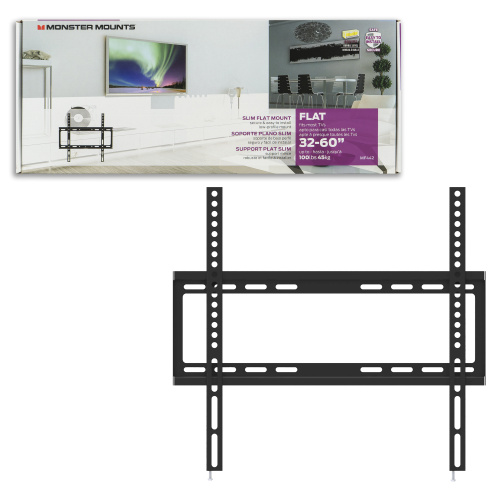
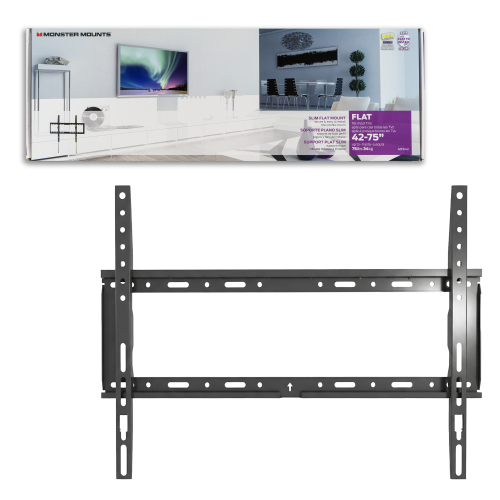
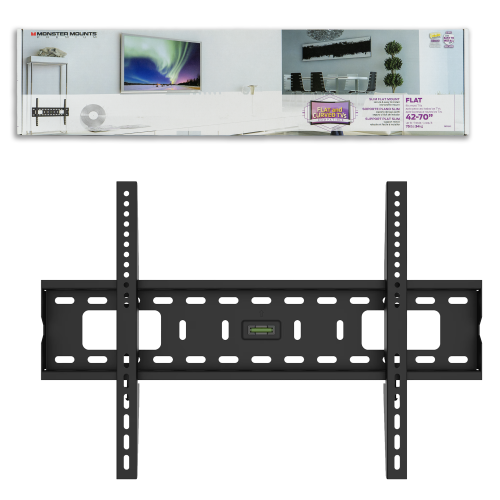
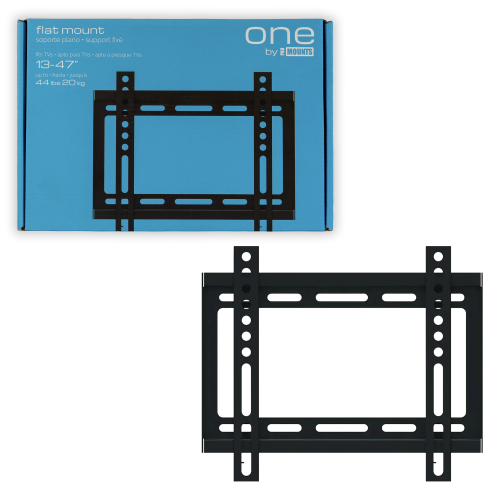
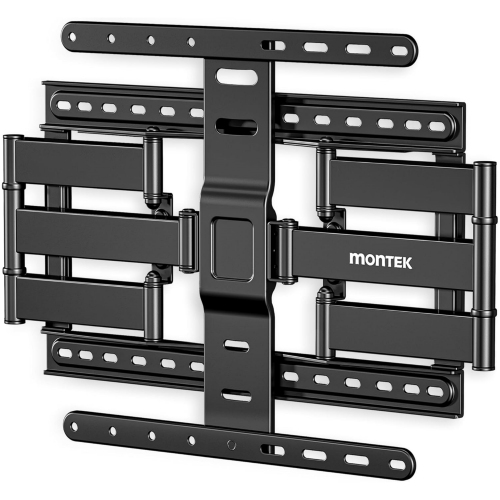
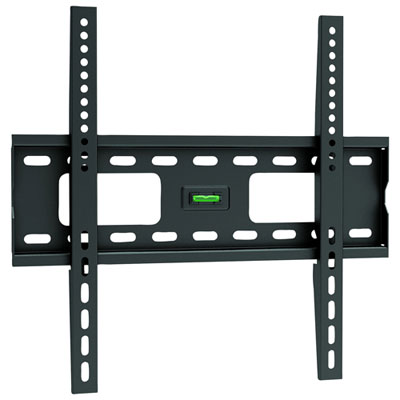
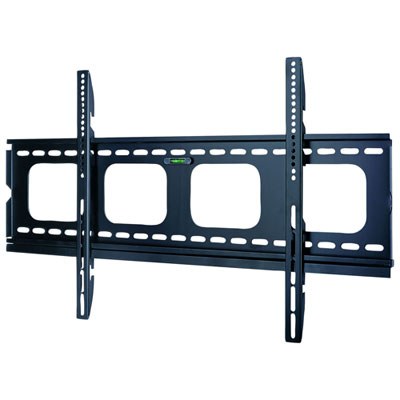
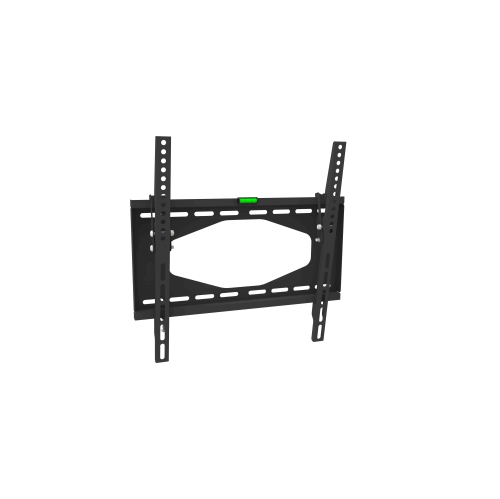
Shallow TV Wall Mounts

Shallow TV wall mounts keep your screen close to the wall for a low-profile setup. Compare mounting options by compatible TV size, weight capacity, and VESA mounting pattern, and check that there’s enough clearance behind your TV for ports and cables.
Sort

A close-to-wall look takes more than a slim bracket

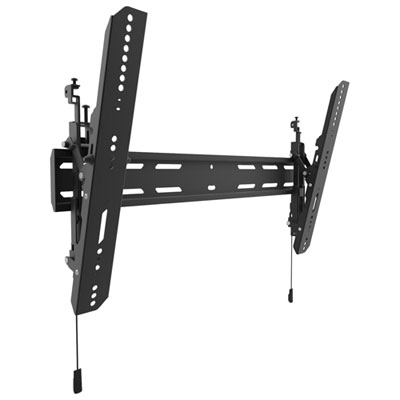
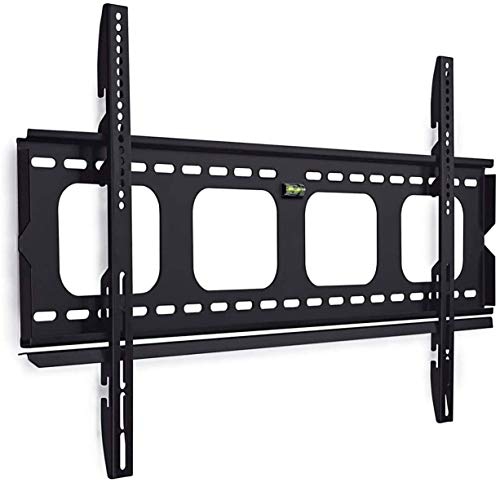
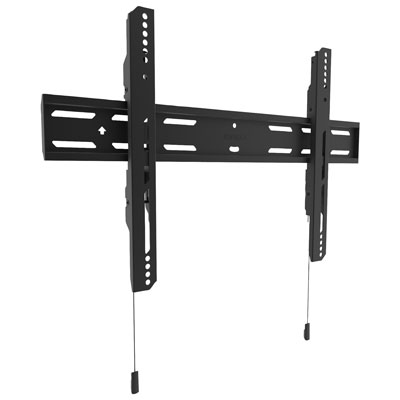
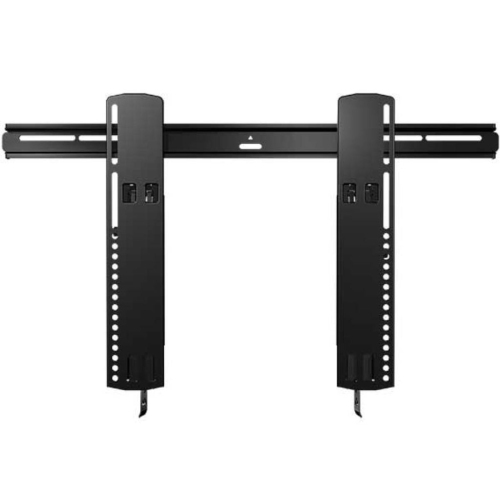
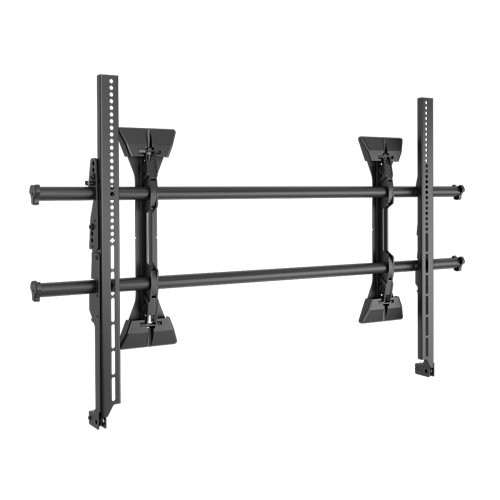
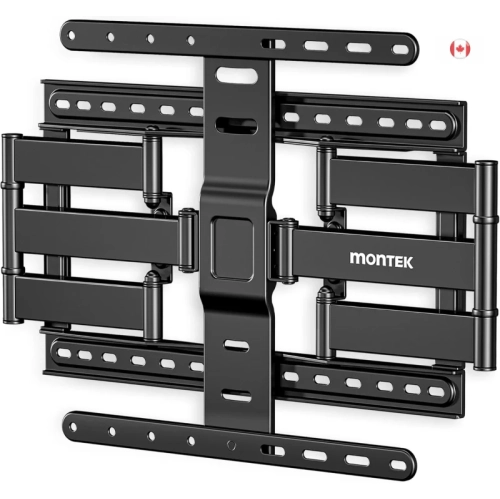
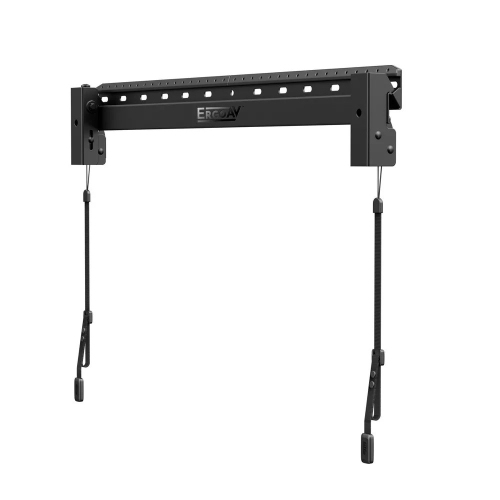
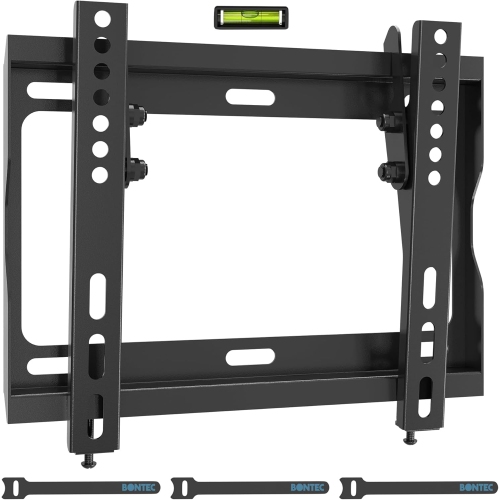
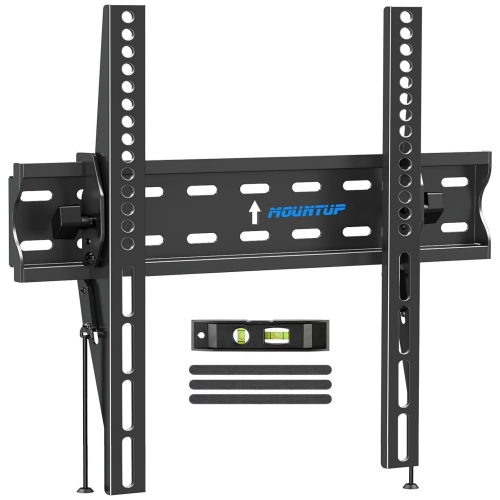
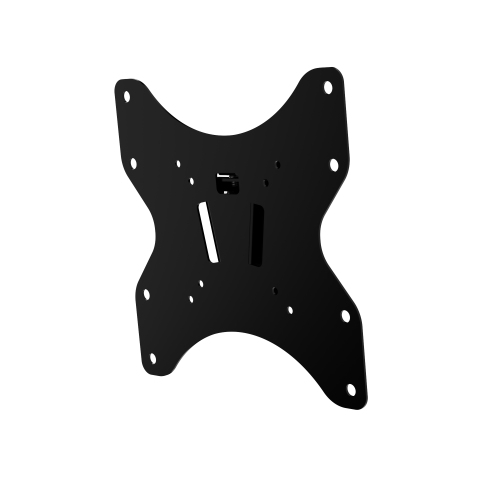
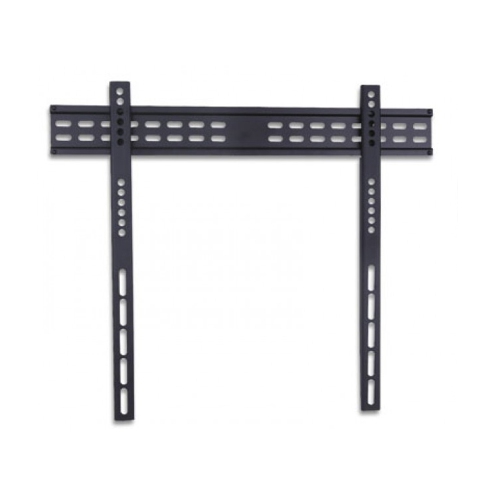
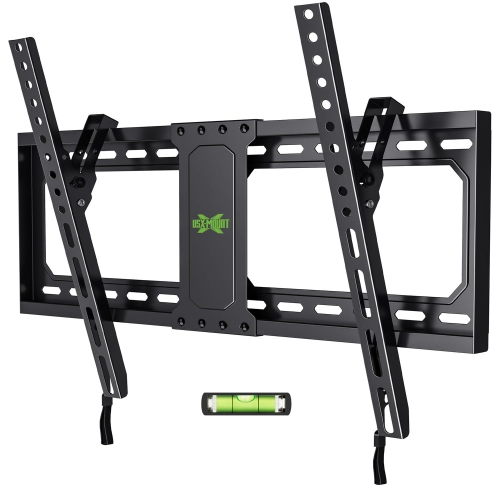
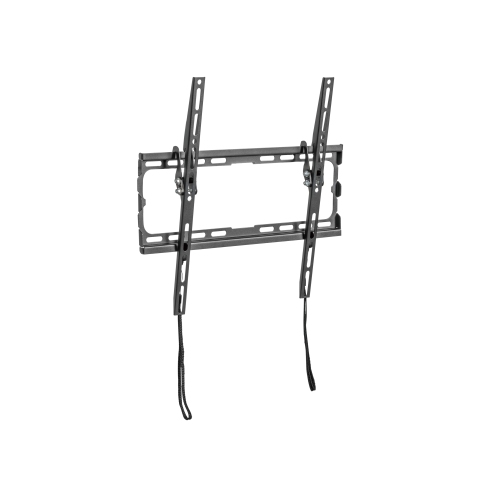
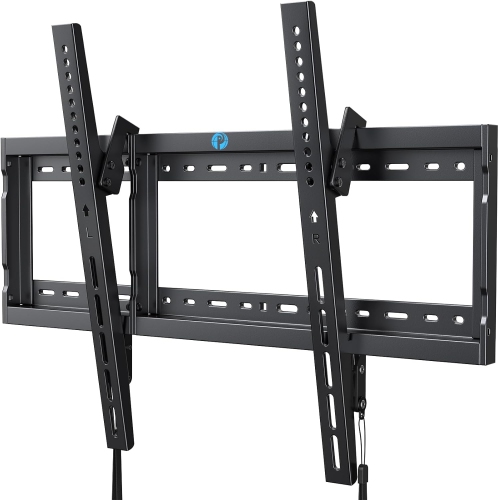
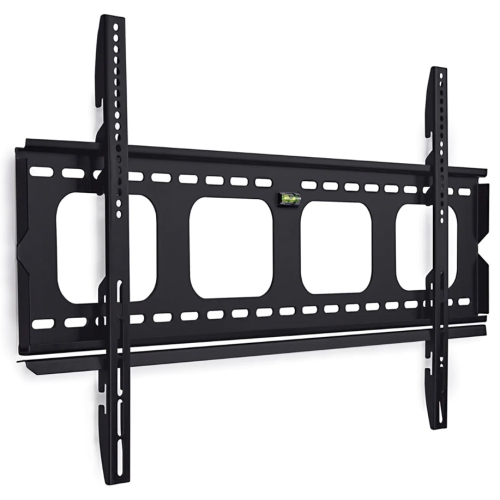
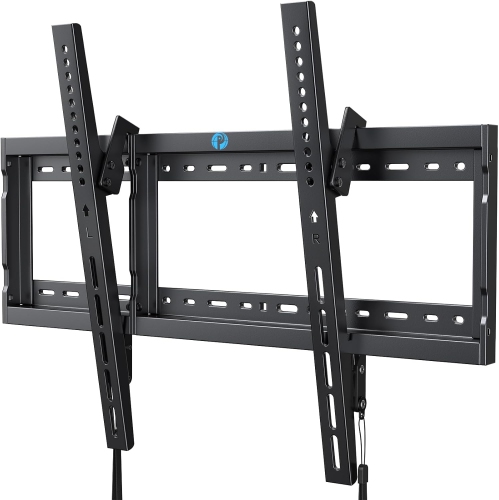
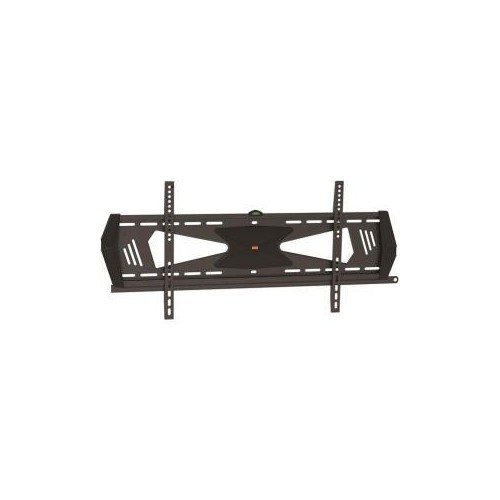
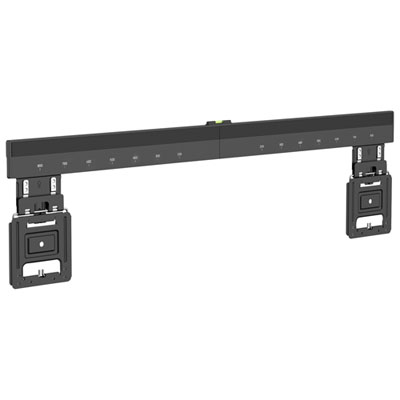
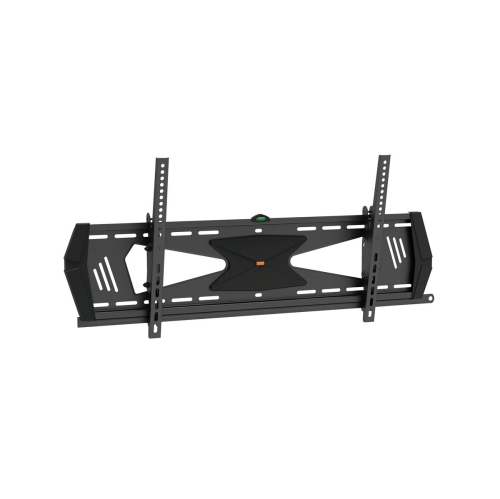
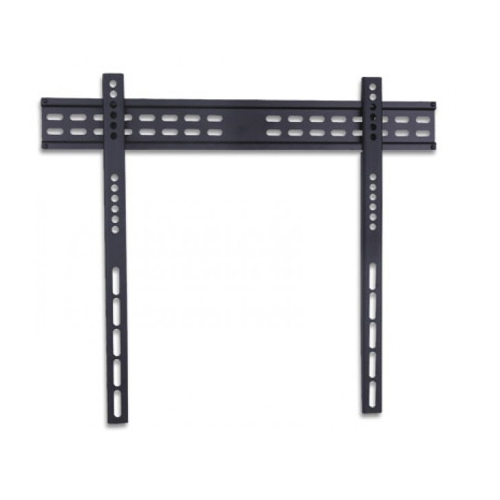
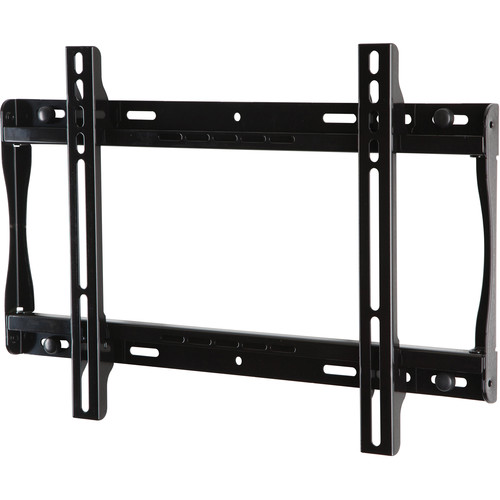
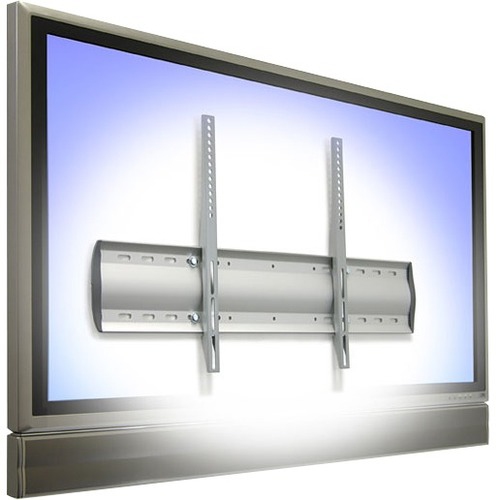
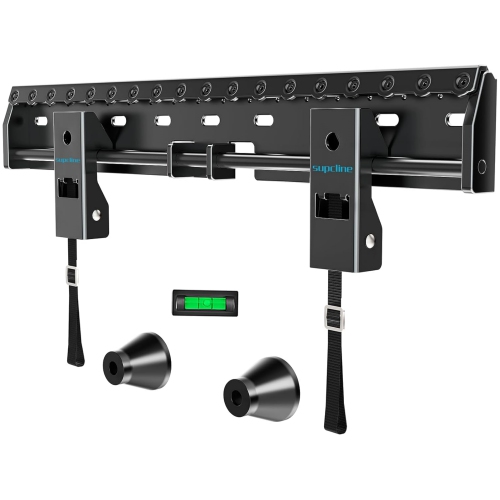
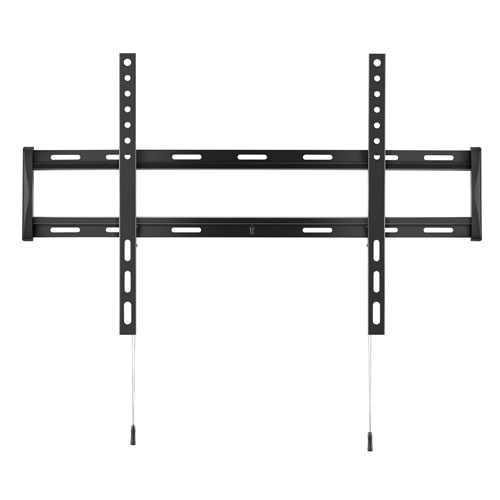
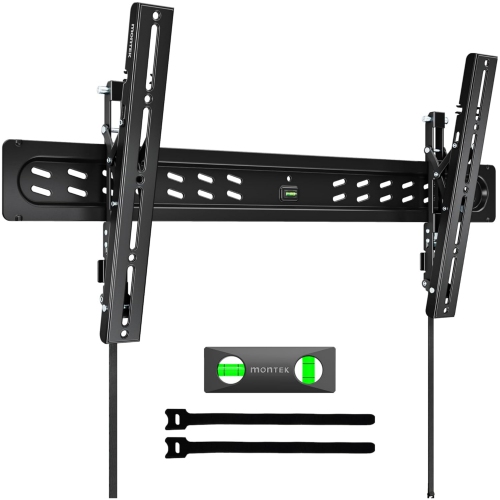
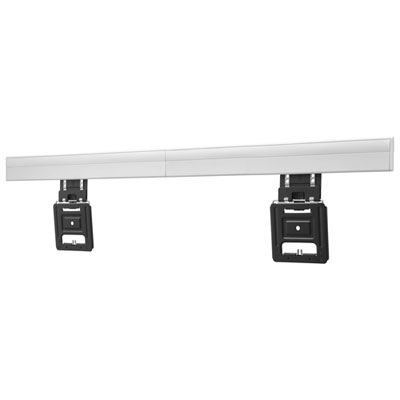
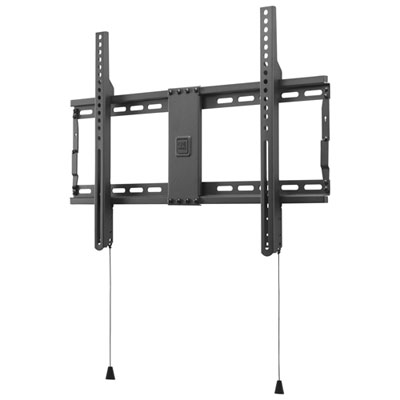
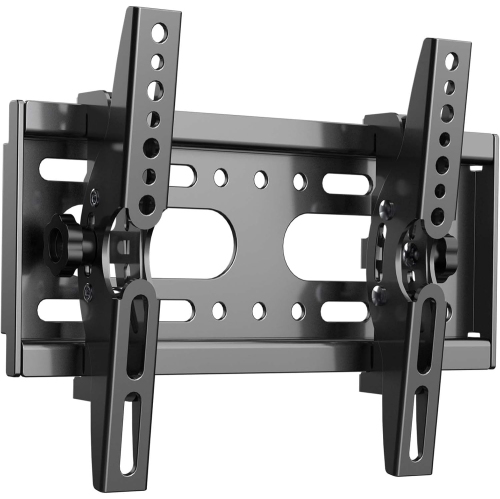
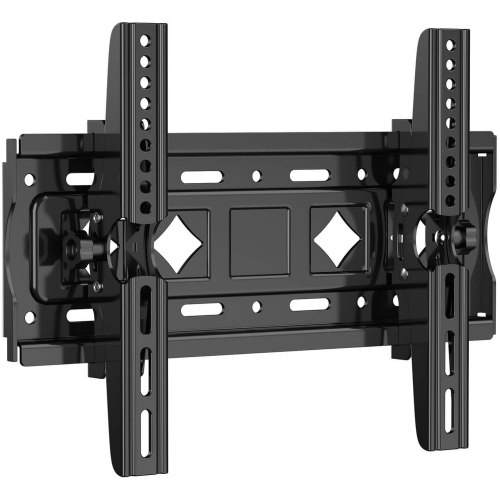
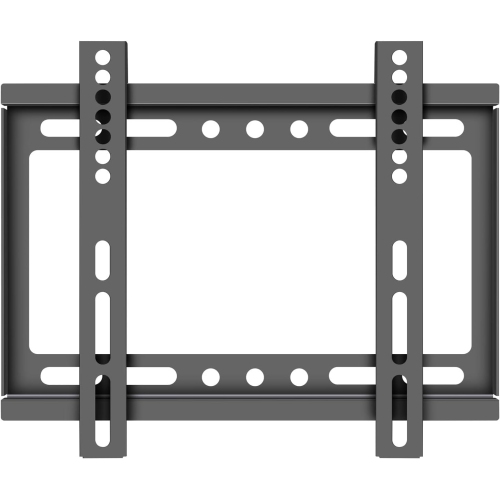
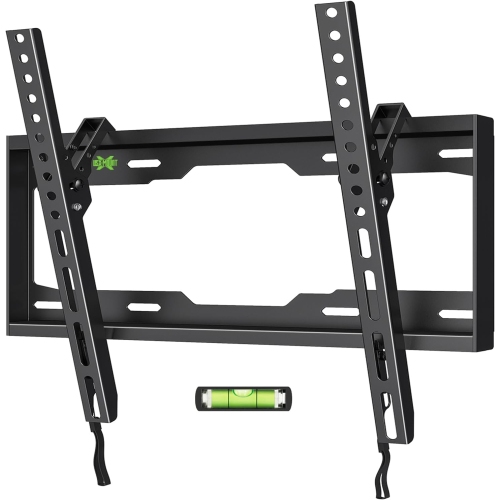
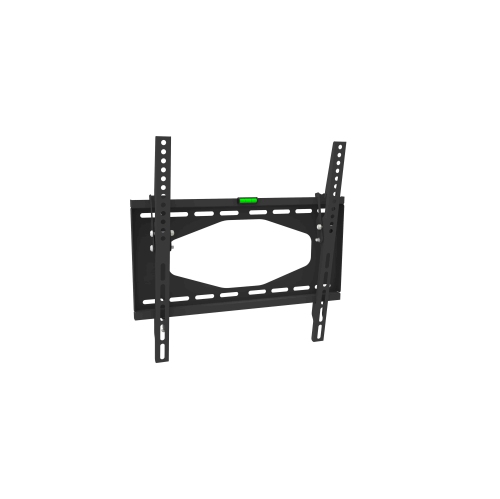
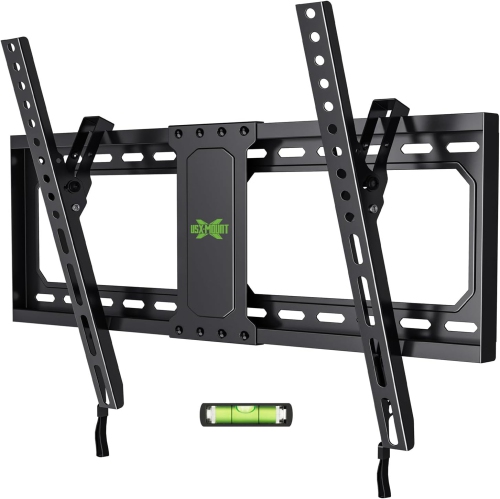
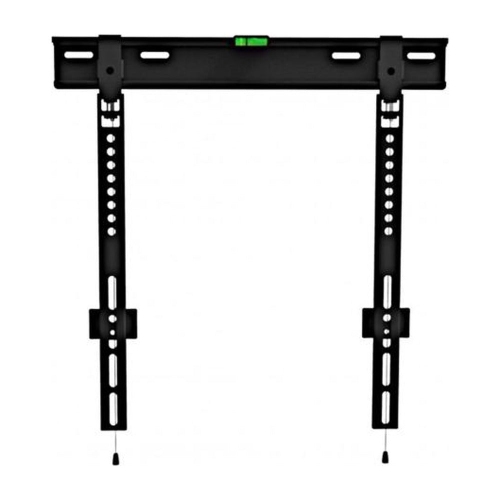
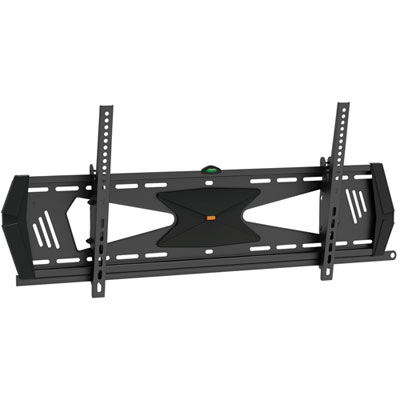
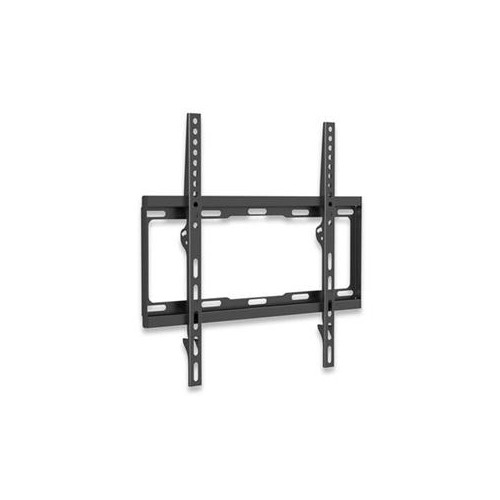
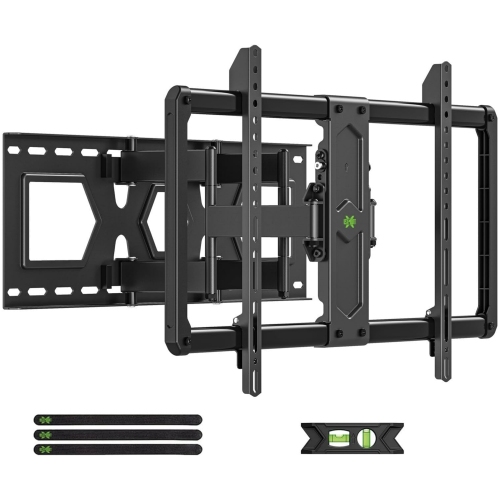
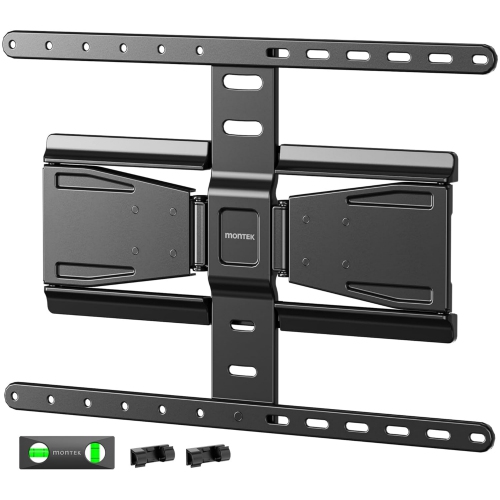
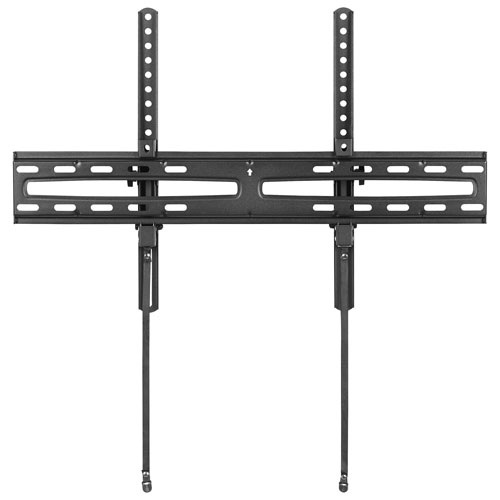
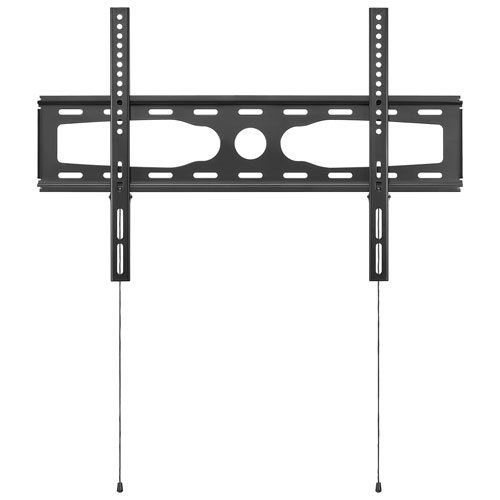
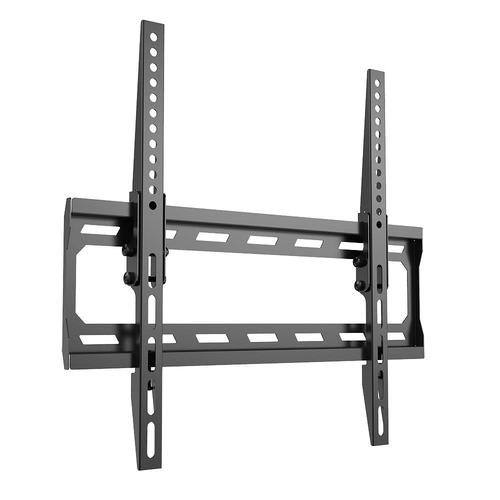
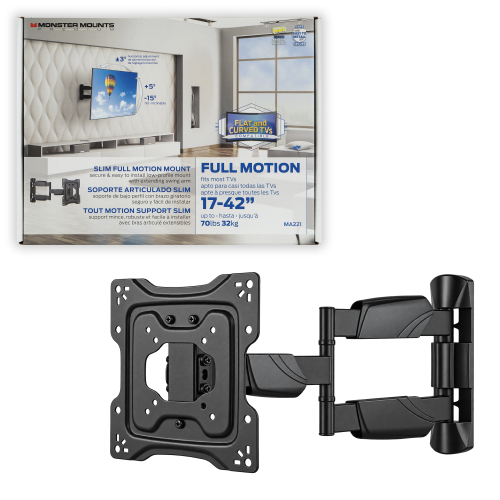
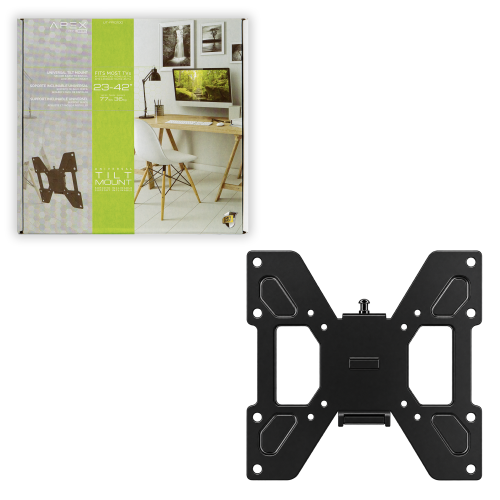
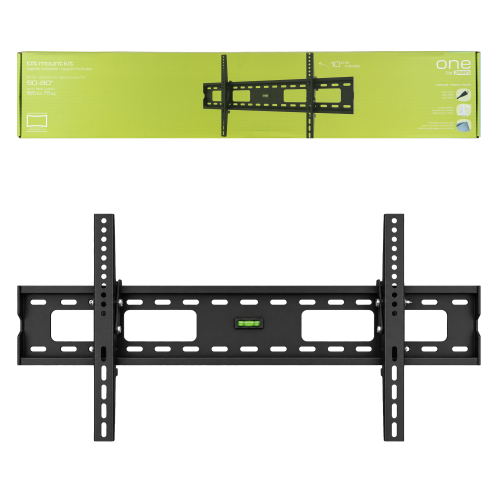
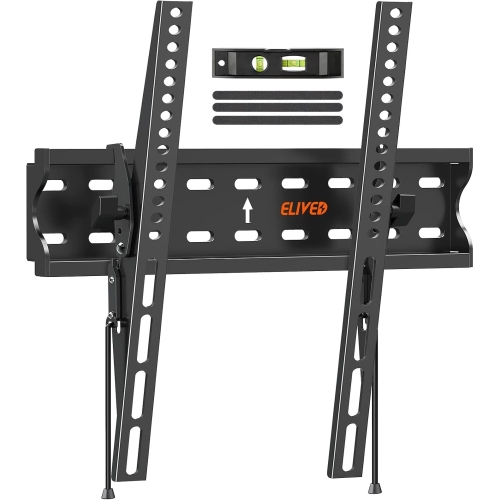
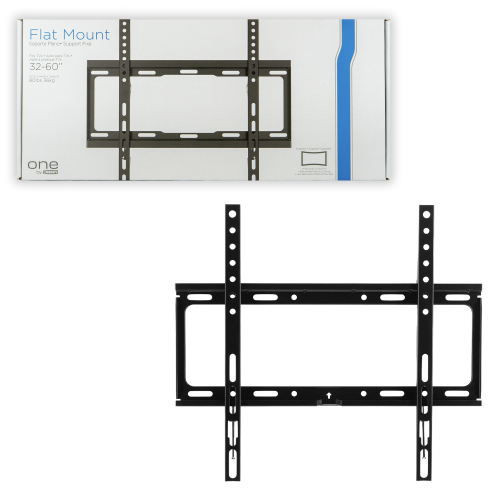
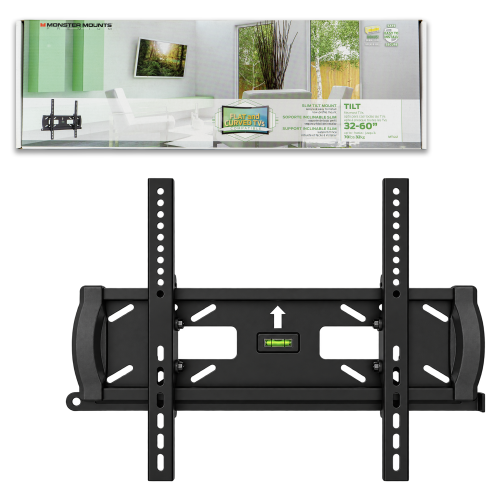
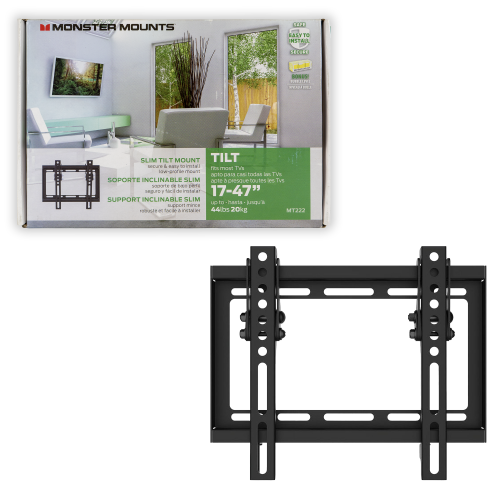
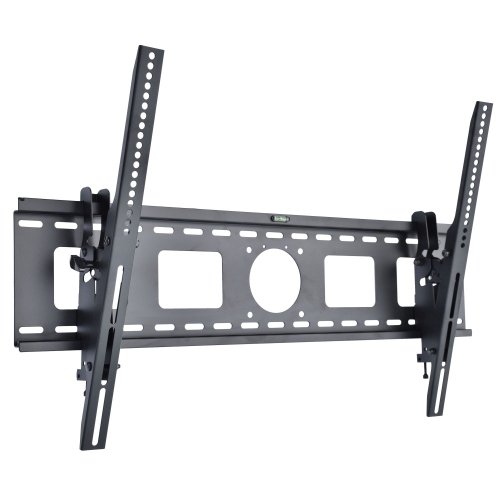
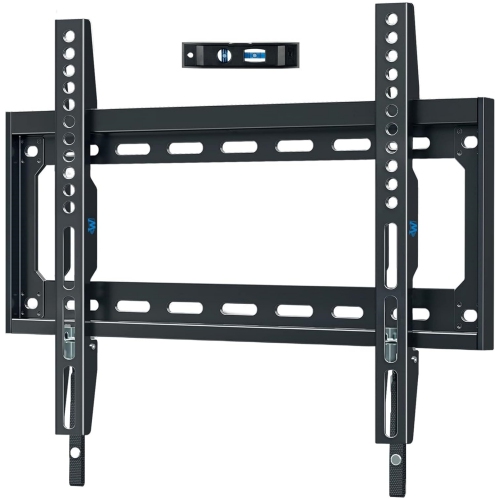
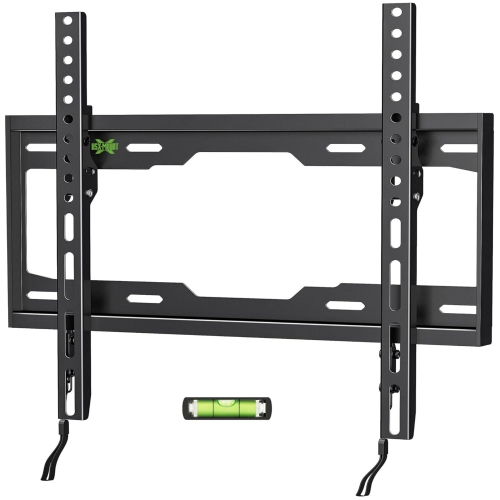
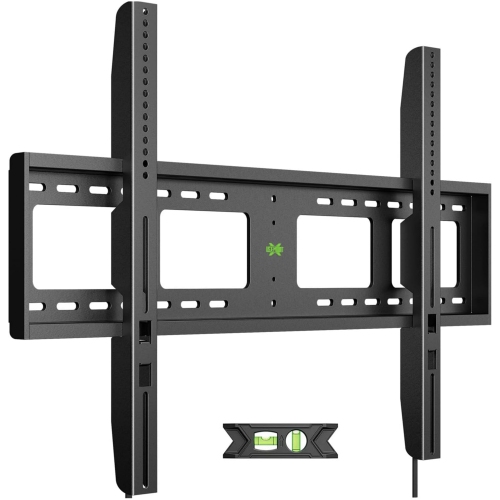
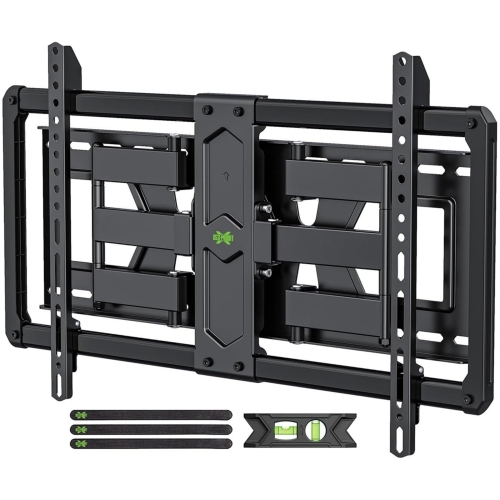
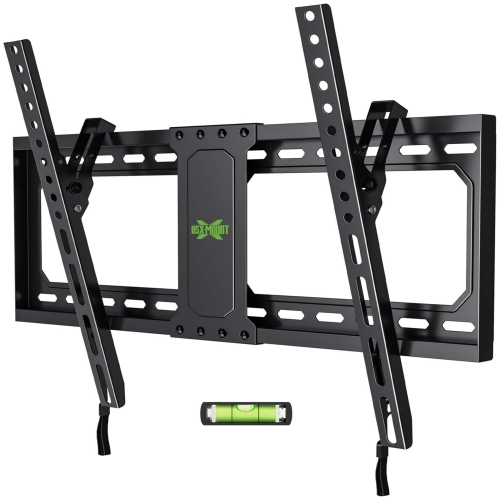
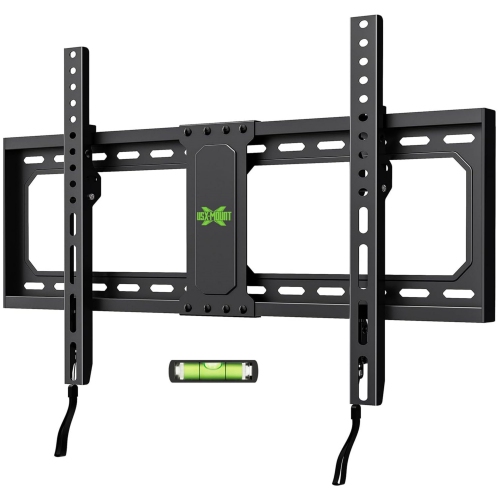
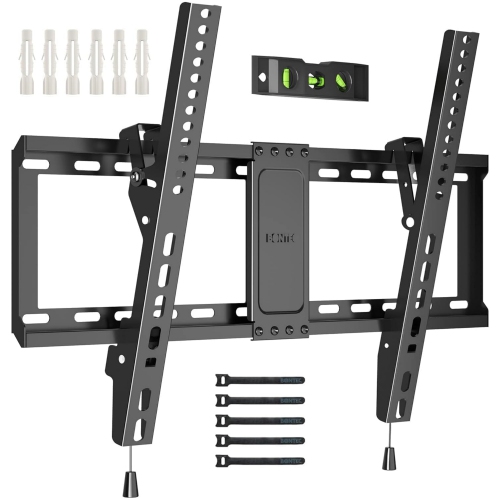
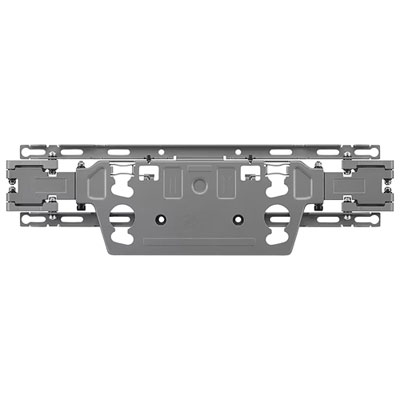
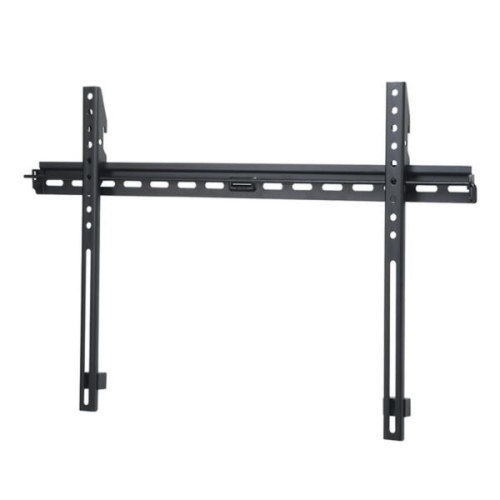
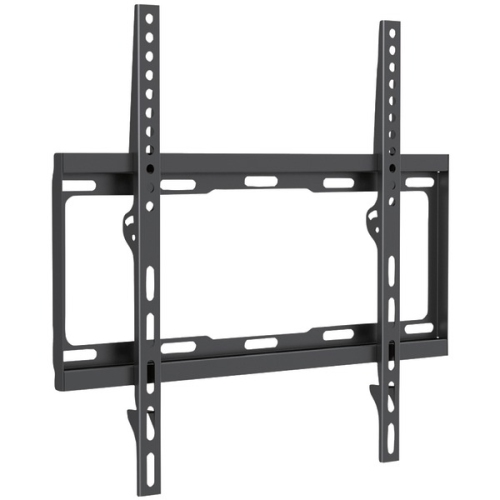
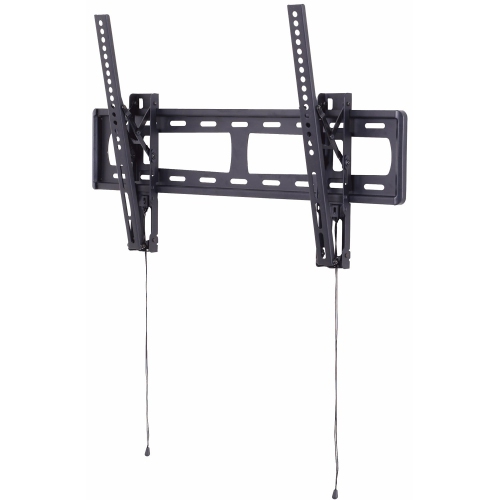
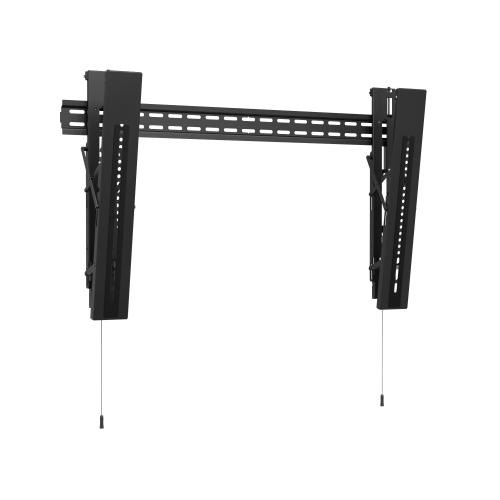
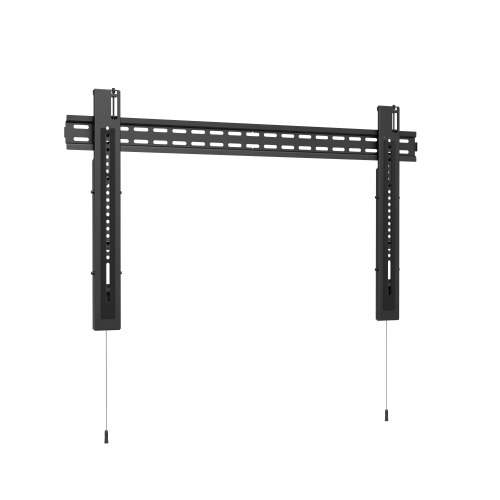
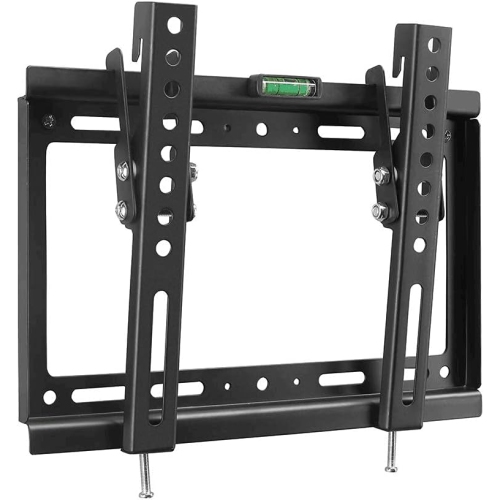
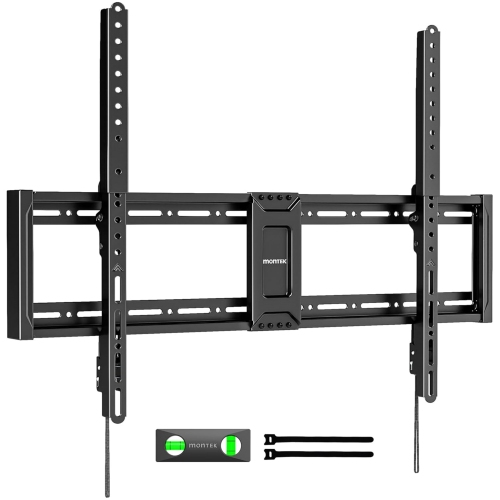
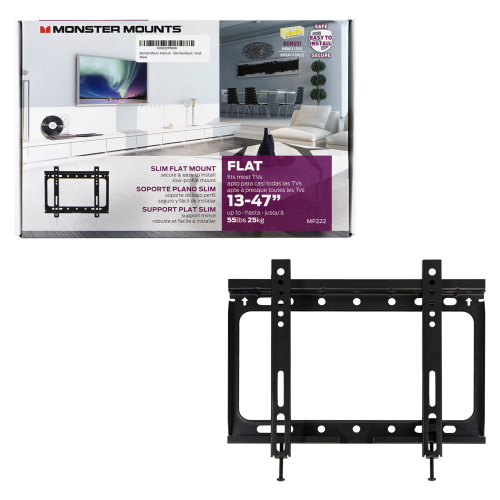
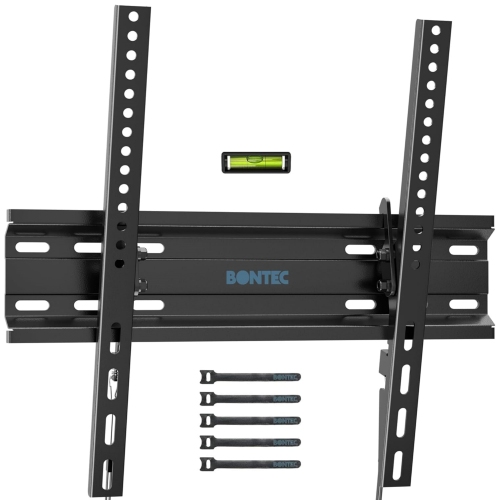
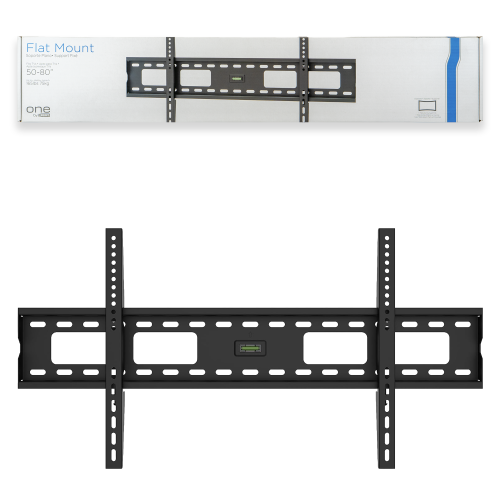
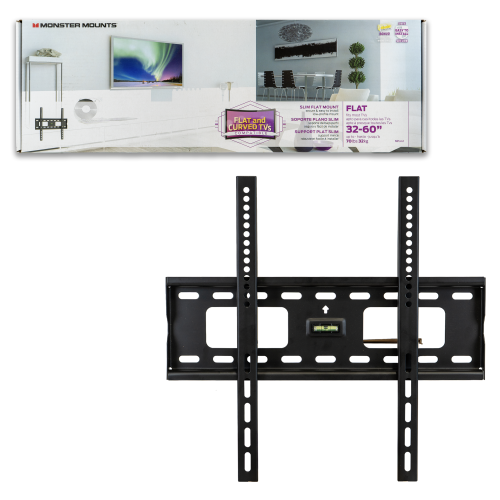
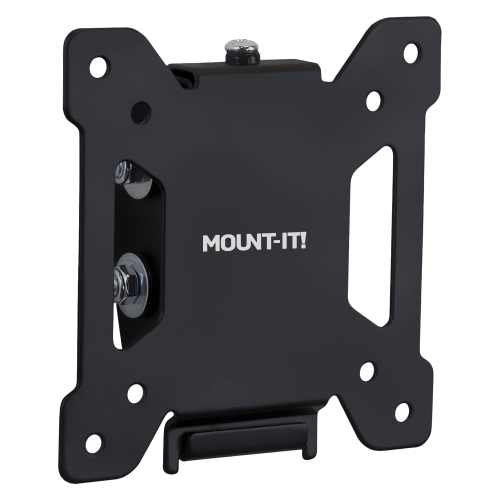
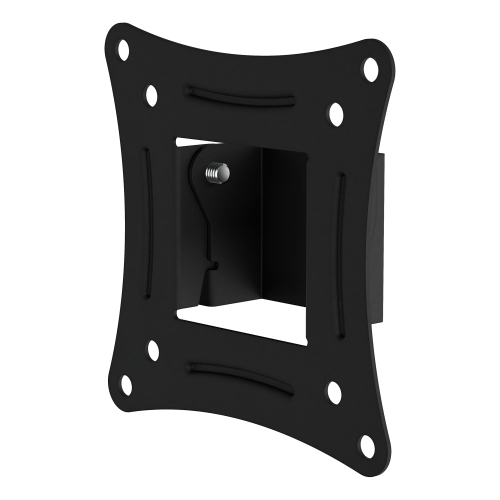
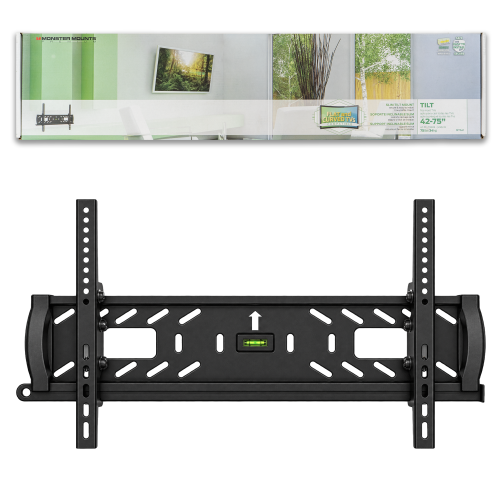
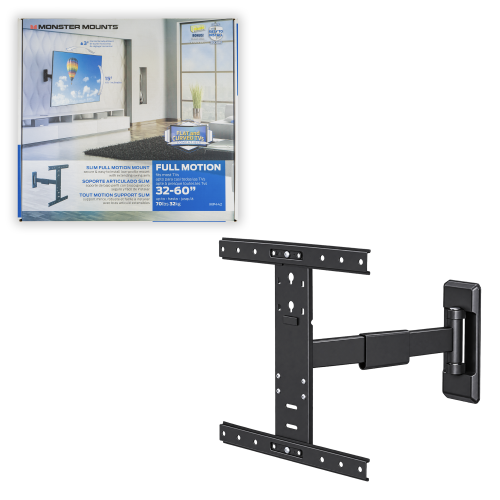
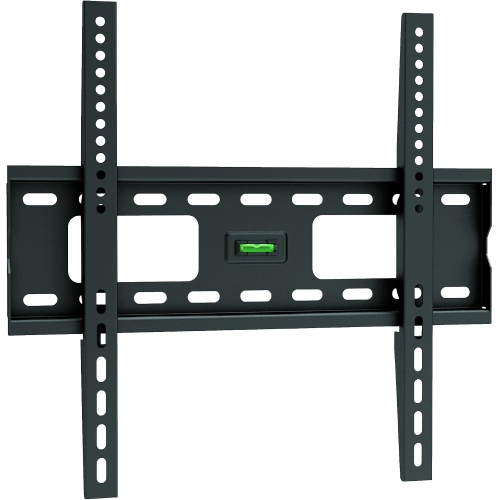
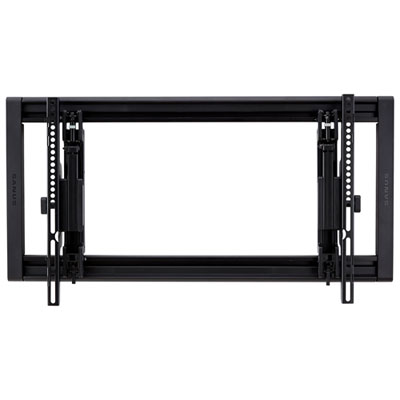
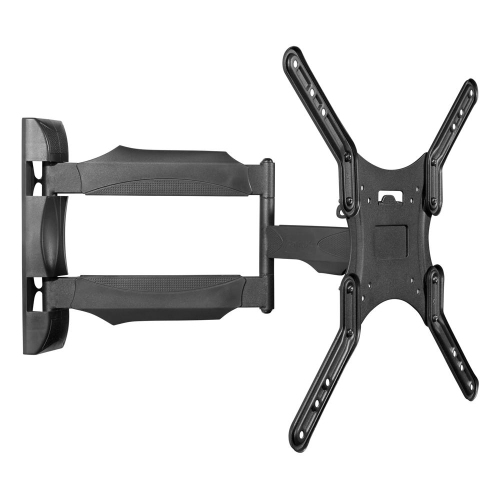
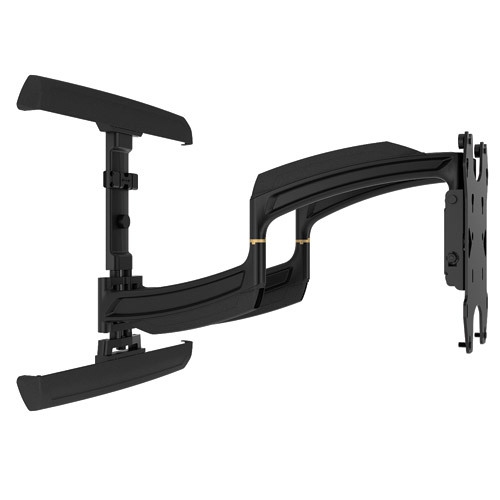
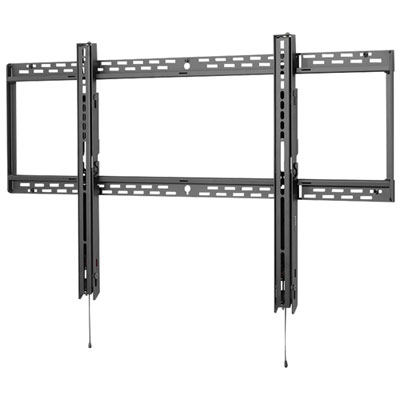
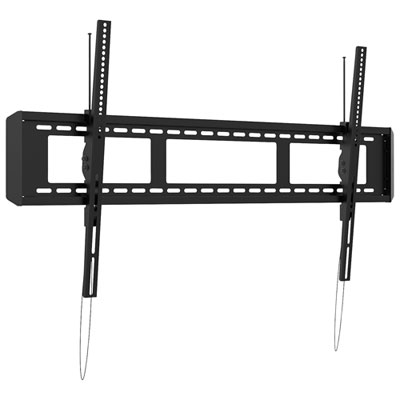
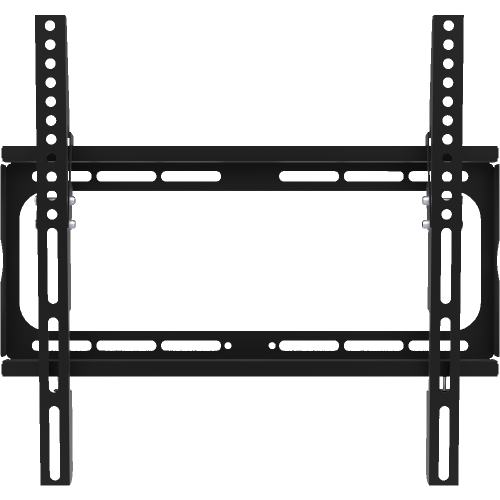
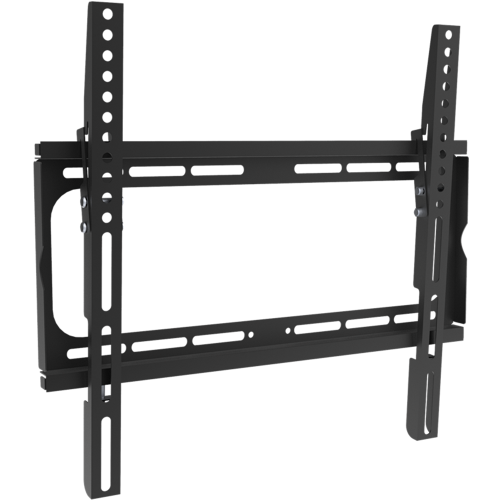
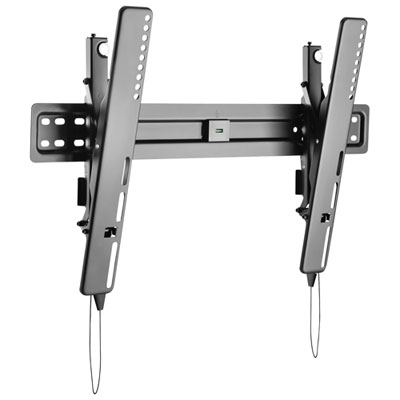
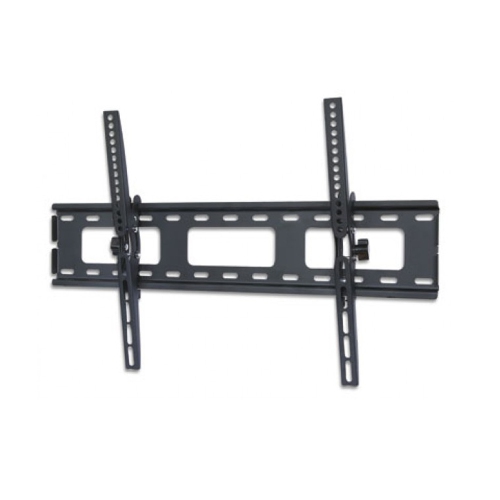
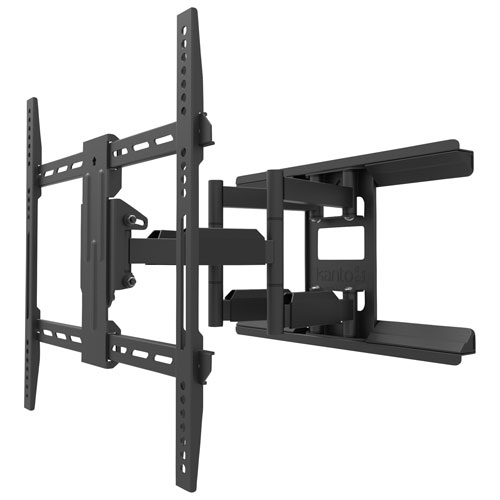
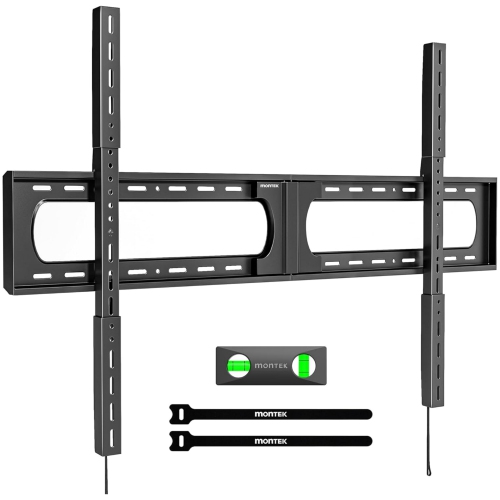
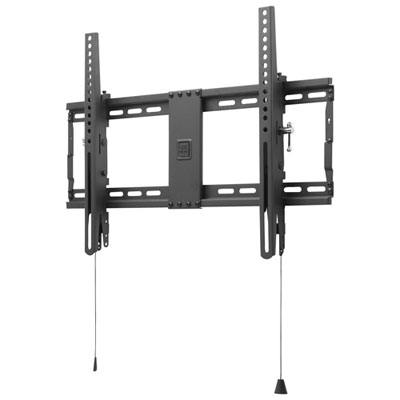
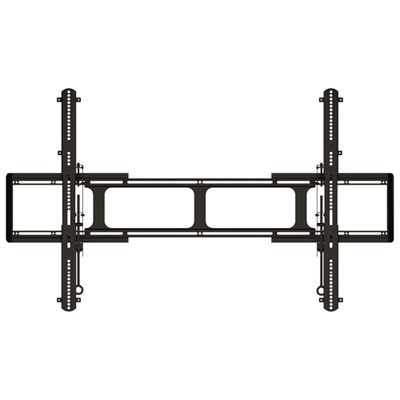
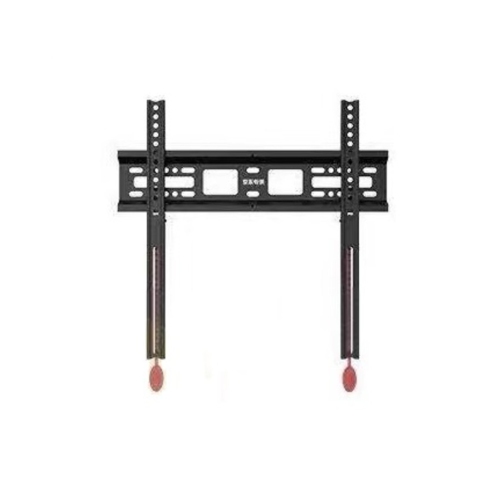
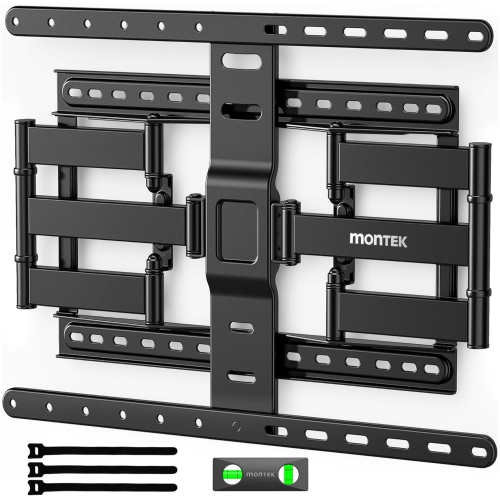
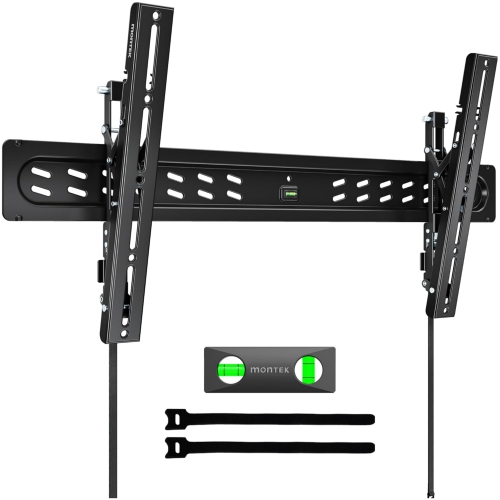
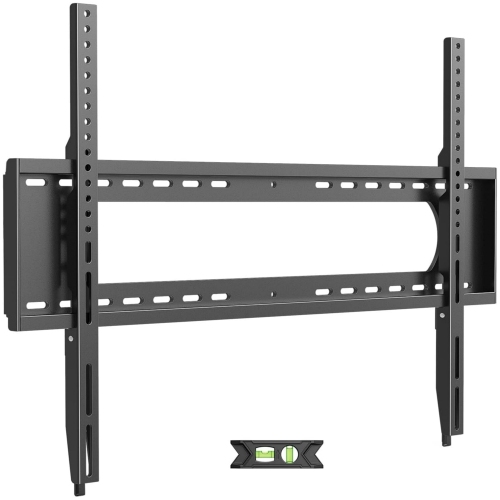
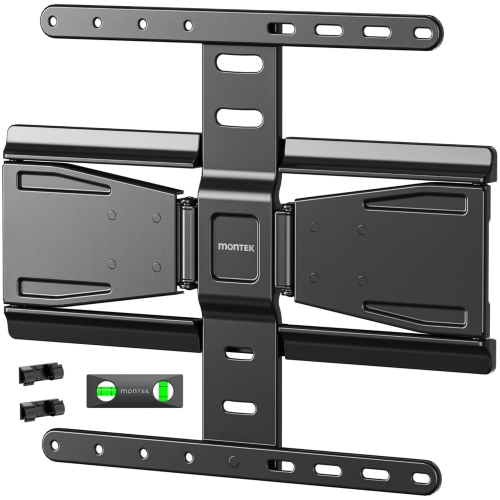
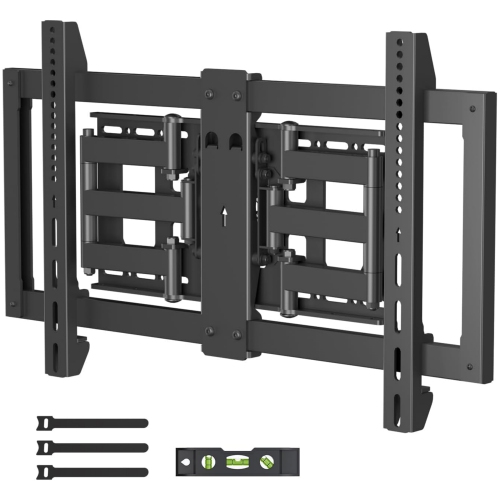
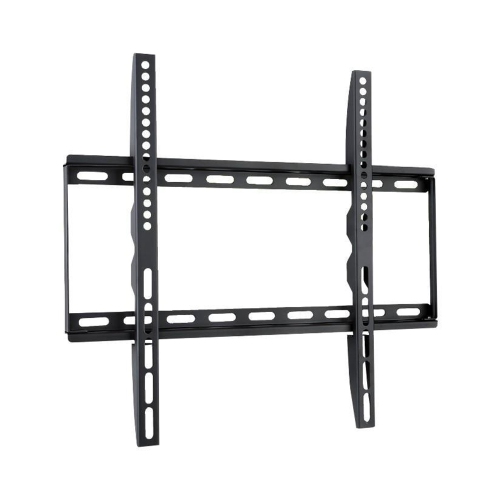
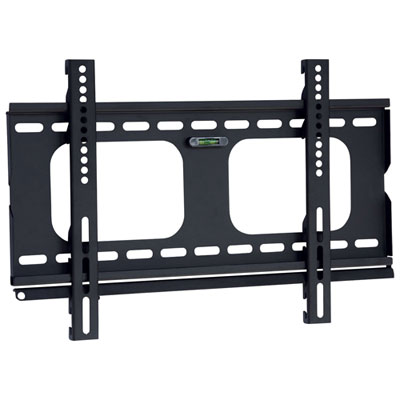
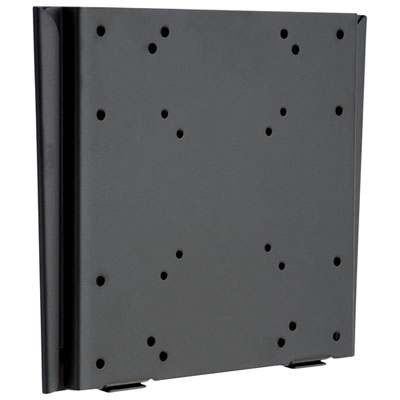
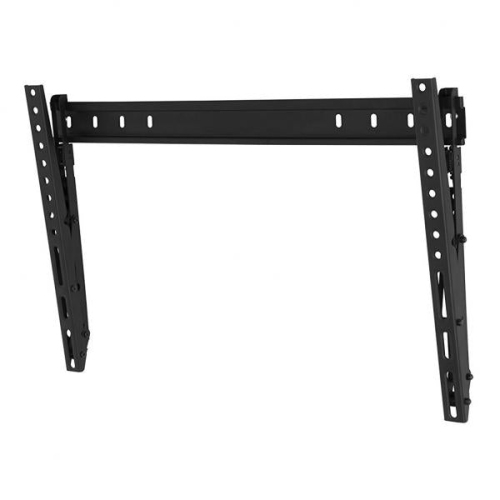
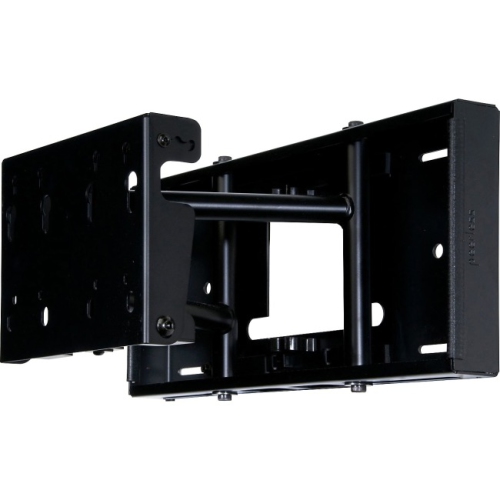
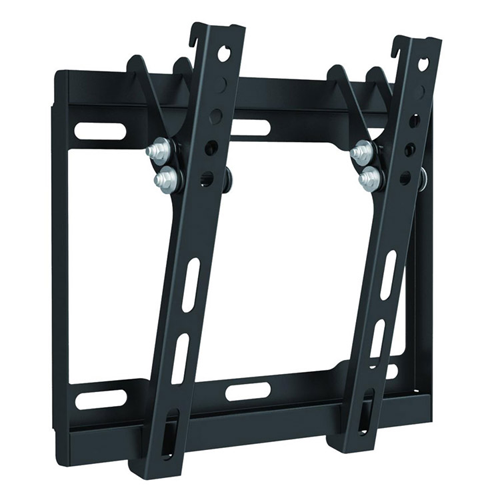
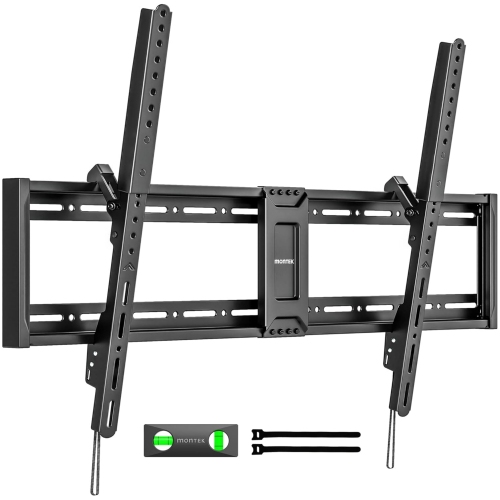
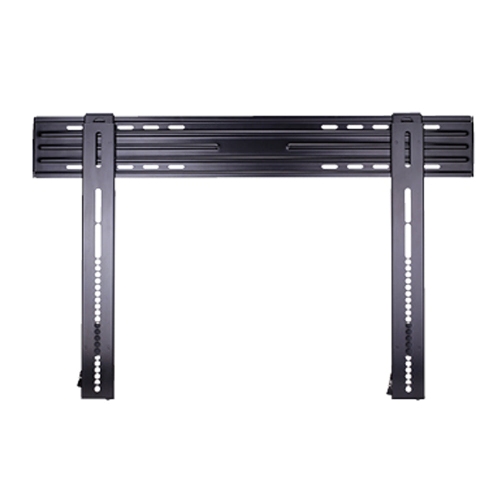
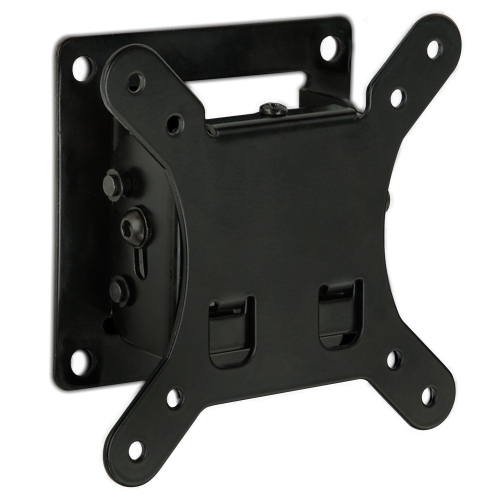
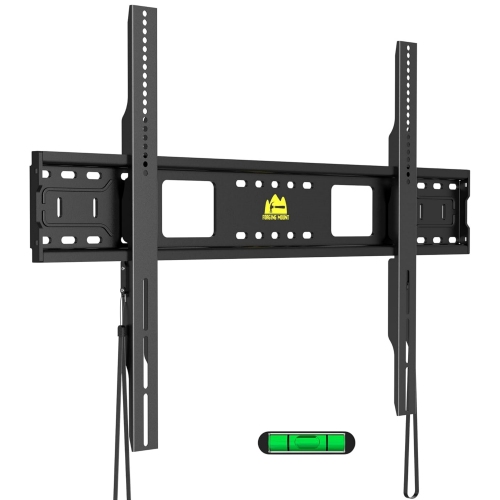
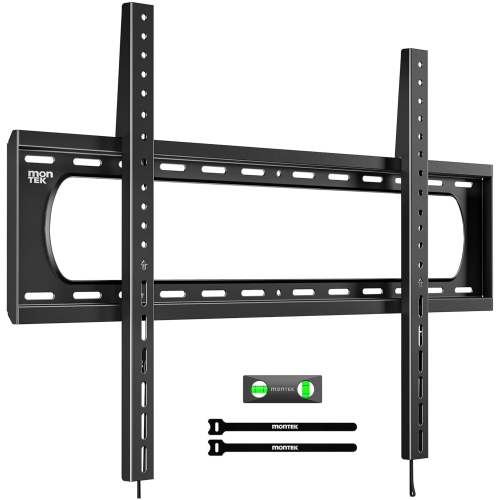
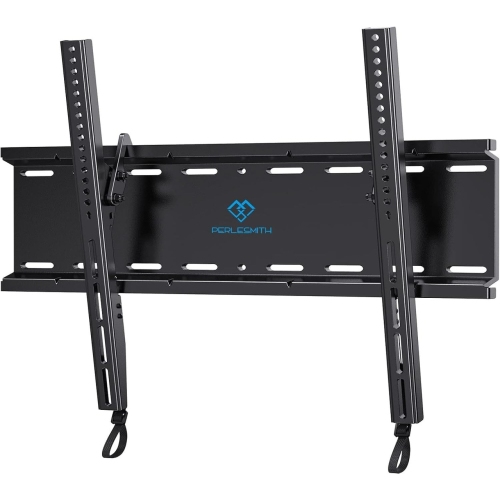
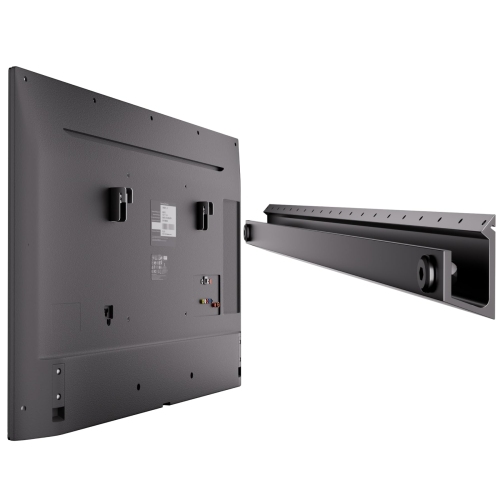
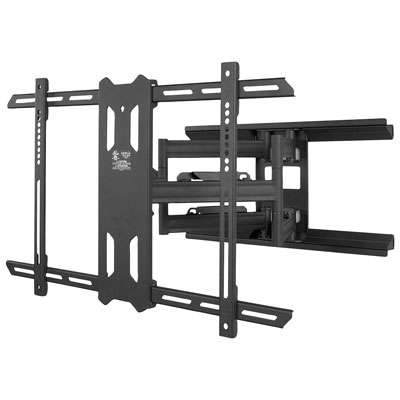
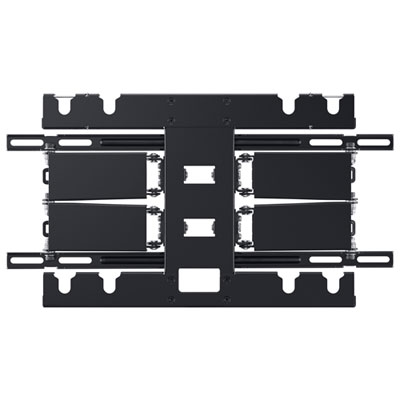
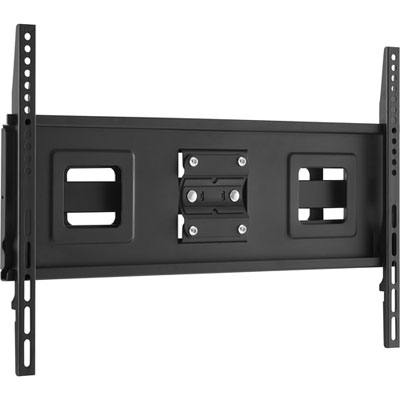
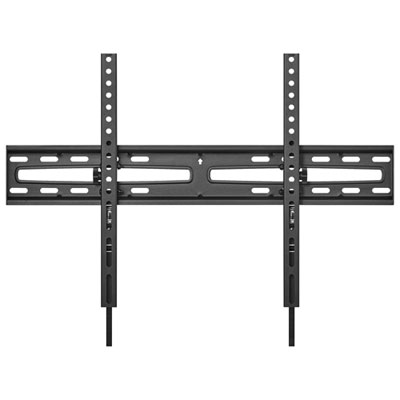
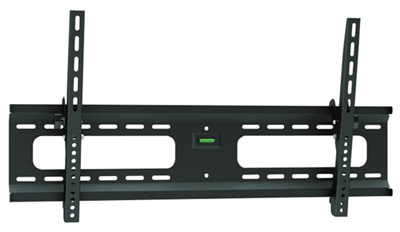
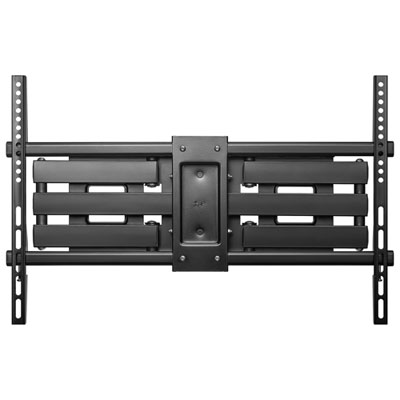
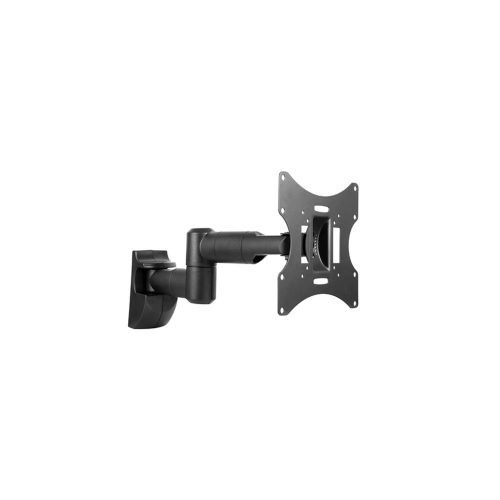
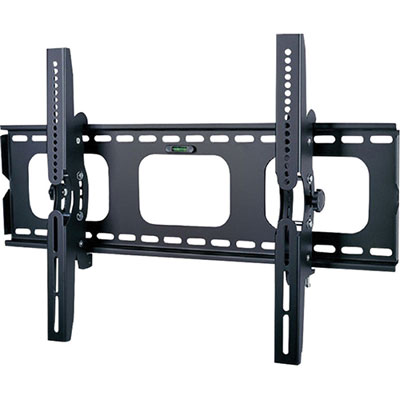
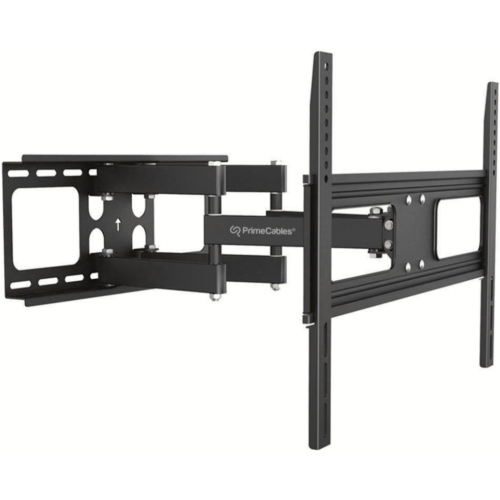
Shallow TV wall mounts, also called low-profile TV wall mounts, hold a television close to the wall for a streamlined, picture-frame appearance. They suit spaces where the screen is meant to stay in one position rather than swing out into the room. In a living room with a sofa directly opposite the television, a shallow mount can keep the installation visually tidy without adding the depth of an extending arm. The same approach works in bedrooms, compact condos and multipurpose rooms where a projecting screen could feel intrusive beside a doorway or along a walking route. Fixed mounts generally offer a particularly close fit, while low-profile tilting mounts add limited angle adjustment with some additional space behind the television. That distinction matters when the screen sits above eye level or faces a window: a modest downward tilt may improve the viewing angle or help manage reflections, but a shallow mount is not a substitute for a swivel mount when seating spreads across the room. The finished appearance also depends on the television itself. A slim display with a flat rear panel may sit differently from one with a thicker lower housing, rear-facing connections or an attached connection box. The mount’s stated profile should therefore be considered alongside the screen’s shape, rather than treated as the total distance between the wall and the front of the display. Against a painted feature wall or above a low media console, this close placement can make the television feel more integrated with the room. It can also leave the console’s countertop or other usable surface free for a soundbar, remotes and everyday essentials. For households that mainly watch from a consistent seating position, shallow TV wall mounts offer a practical balance of unobtrusive support and a clean finish.

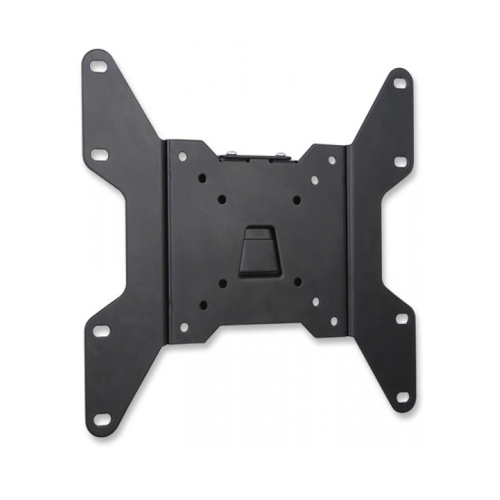
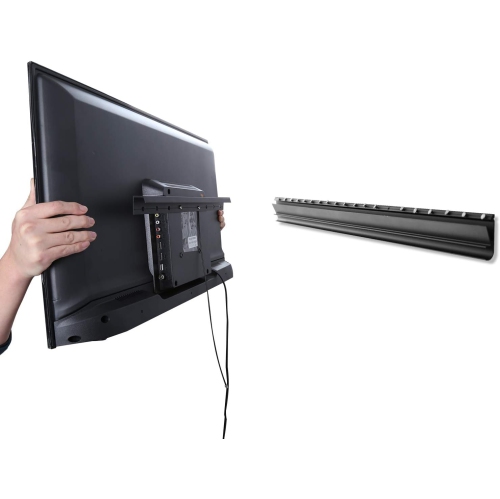
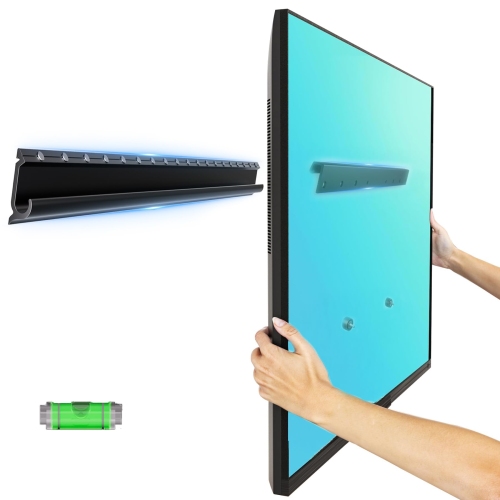
Compatibility involves more than matching a mount to a television’s advertised screen size. The mount’s weight capacity, supported mounting-hole patterns and attachment requirements all need to suit the display. VESA measurements describe the horizontal and vertical spacing between mounting holes on the back of a television, usually in millimetres. Two televisions with the same diagonal screen measurement can have different VESA patterns, different weights and different rear-panel layouts, so screen size alone does not confirm a fit. The position of the mounting holes can also affect how high the television sits relative to the wall plate, which is useful to know when aligning a screen with a console or leaving room for a soundbar underneath. Compatible screw diameter and length are equally important: fasteners need sufficient engagement without extending too far into the television, and some rear panels require spacers specified by the television or mount manufacturer. With a shallow installation, connection access deserves particular attention. Rear-facing HDMI sockets, power connections and antenna inputs need room for their plugs and cable bends. Side-facing or downward-facing ports can be easier to reach, although their accessibility still depends on the television’s design and the mount’s bracket placement. A cable pressed sharply between the screen and wall can make an otherwise suitable mount impractical. Ventilation clearances specified for the television also remain important, even when a close-to-wall appearance is the goal. For someone who frequently connects a game console, changes streaming devices or moves between several inputs, accessible ports or a mount with a supported service position may be more useful than the smallest possible gap. Release cords, locking tabs and the space needed to lift the display off its brackets are worth considering too, especially inside an alcove. A shallow TV mount should leave enough room for the television to function as intended and for connections to be maintained, not simply bring the screen as close to the wall as possible.

Materials, wall construction and everyday care all contribute to how well a shallow mount serves the room over time. Steel is common in wall plates and support brackets because it can provide rigid support in a relatively compact form; some designs also incorporate aluminum components. Metal type alone does not establish strength, however, so the manufacturer’s load rating and stated compatibility remain more meaningful than appearance or bracket thickness. A painted or powder-coated finish can help resist routine scuffs, while smooth edges and well-fitted hardware make handling and cable routing easier. The wall behind the television is just as important as the mount. Wood studs, metal studs, concrete and masonry can require different fastening methods, and hardware supplied with a mount is not necessarily suitable for every wall. Drywall thickness, wall condition and the position of structural supports can influence placement, particularly when the preferred screen position falls between studs. A wide wall plate may provide some lateral positioning flexibility, but only within the installation limits of that design. Professional installation can be helpful where the wall structure is uncertain or concealed wiring is part of the project. Once installed, occasional checks for loose components, damaged cables or changes in alignment can help identify issues; any adjustment or removal should follow the manufacturer’s directions. A soft, dry cloth is generally suitable for dusting accessible bracket surfaces, without spraying cleaning liquid behind the display. Households choosing a mount for a compact screen can also explore Small TV Wall Mounts, while keeping in mind that small screen compatibility and shallow wall clearance describe different features. Whether supporting a bedroom television or a larger living room display, the most suitable low-profile arrangement combines secure attachment, proper clearance and a viewing position that remains comfortable through everyday use.
FAQ

Some products may be subject to Environmental Handling Fees (EHF) depending on your province. Learn more about EHFs.