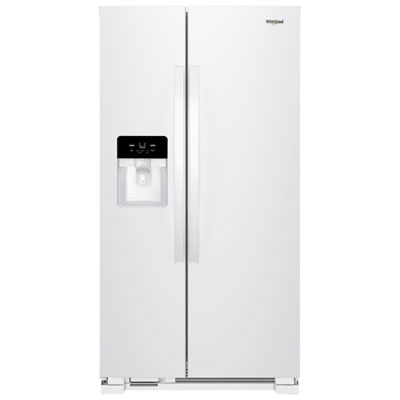
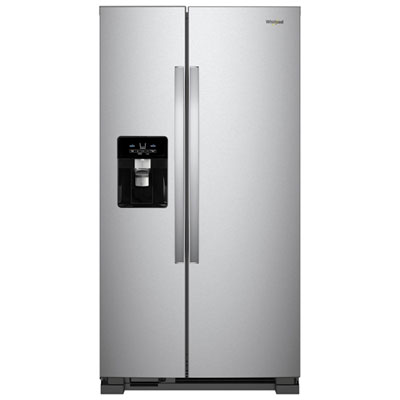
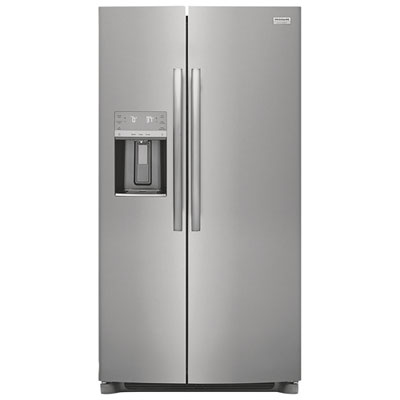
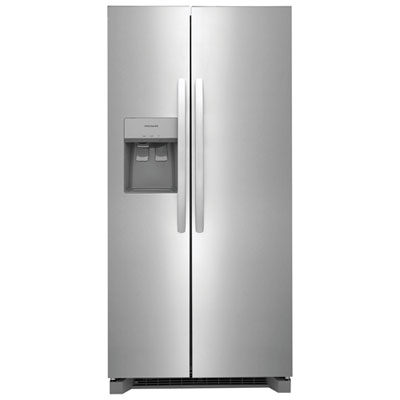
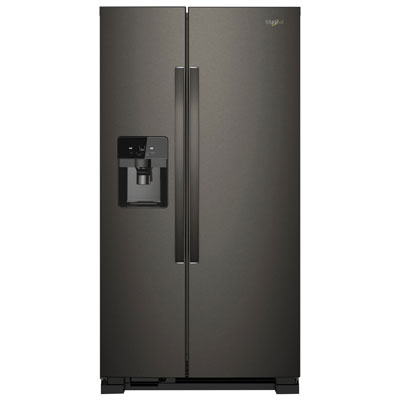
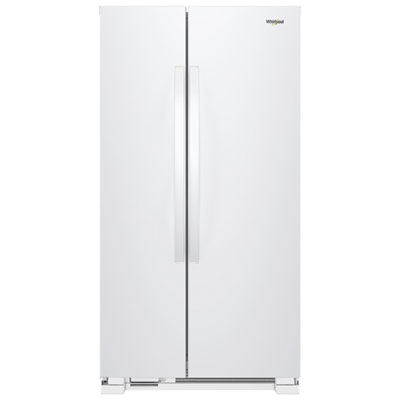
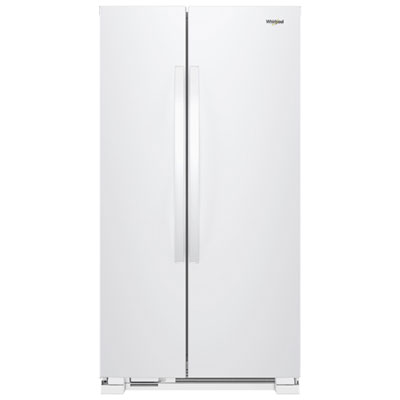
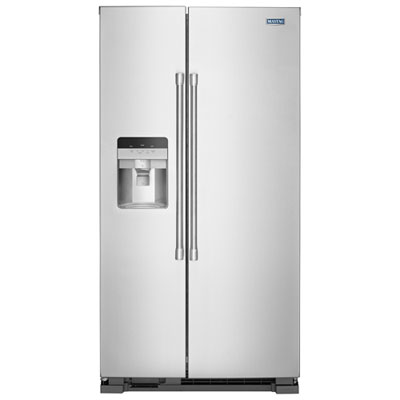
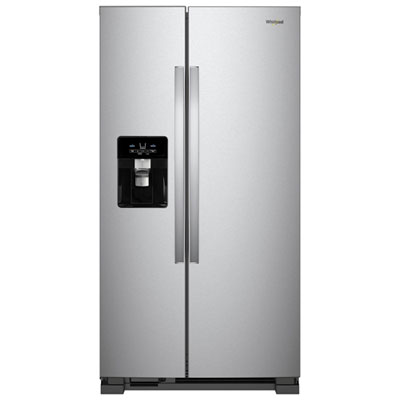
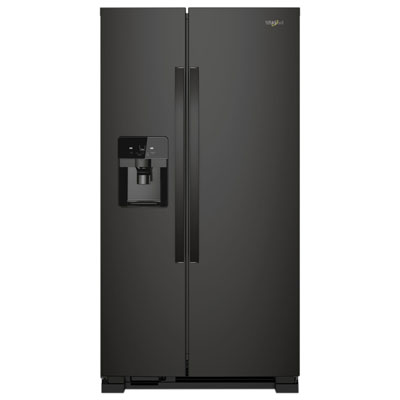
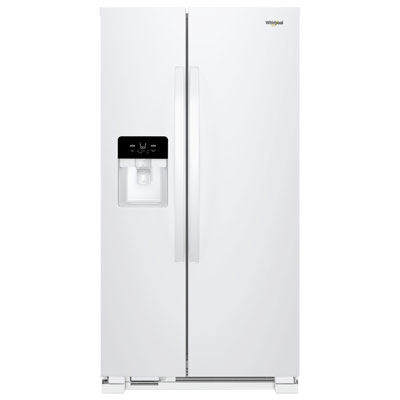
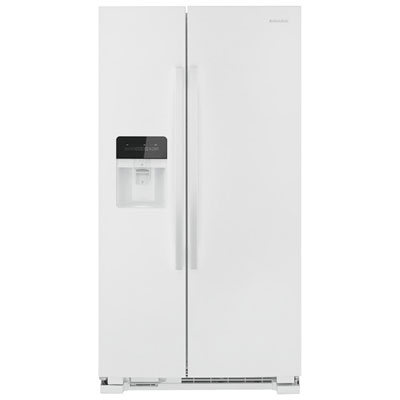
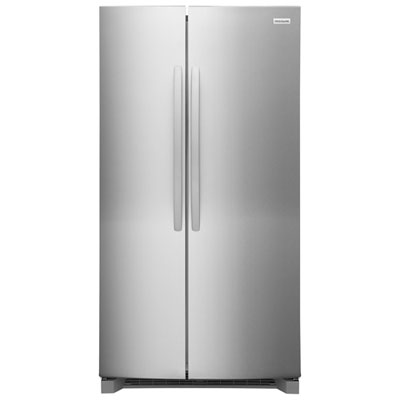
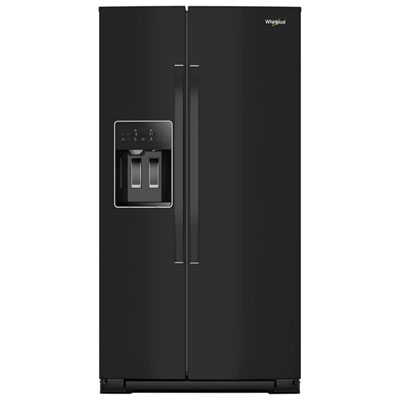
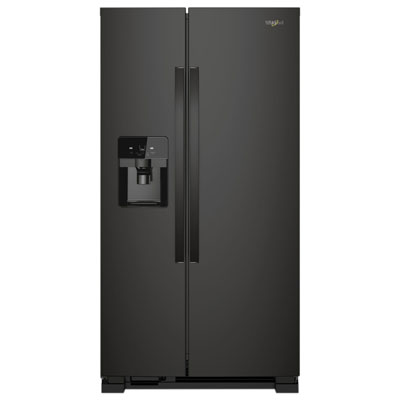
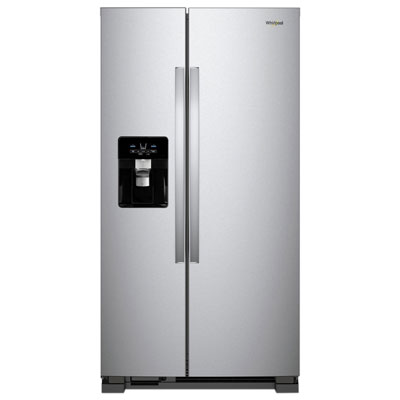
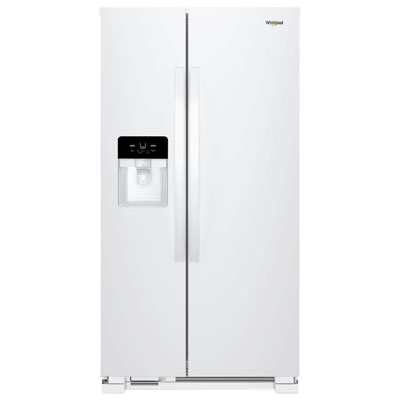
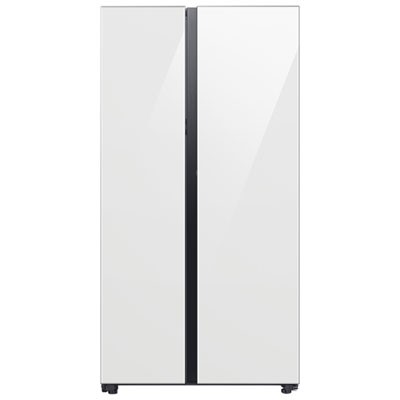
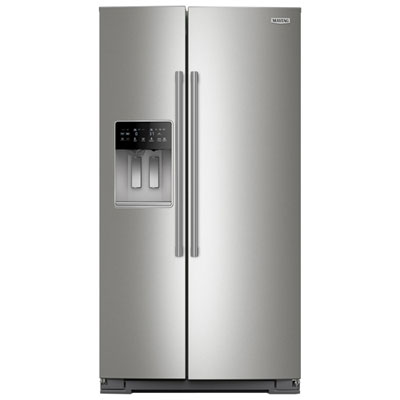
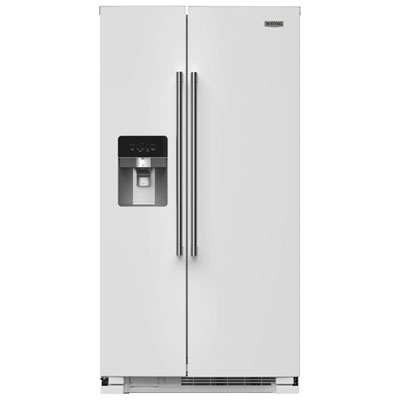
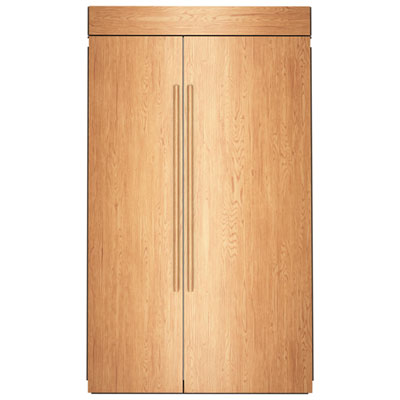
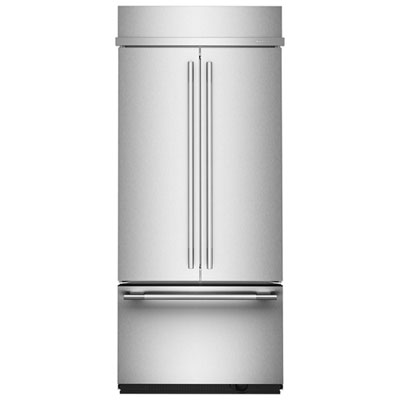
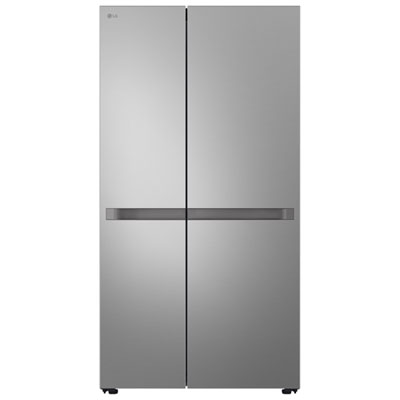
Side-by-Side Double-Door Refrigerators

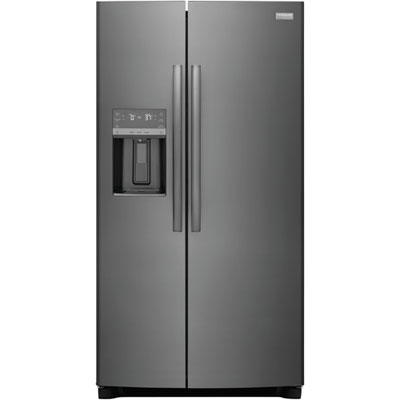
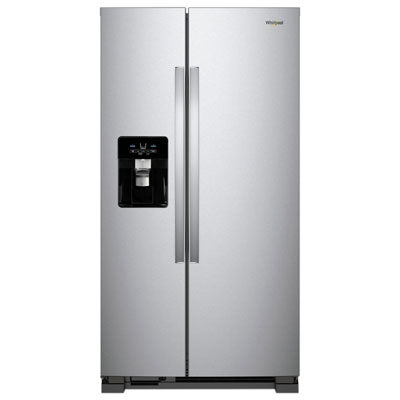
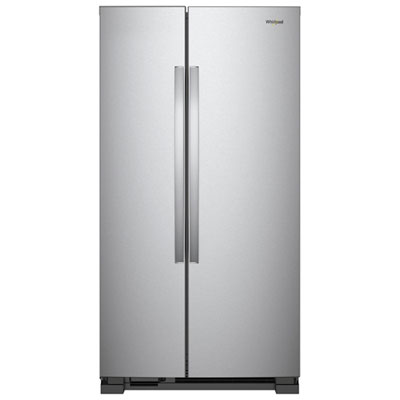
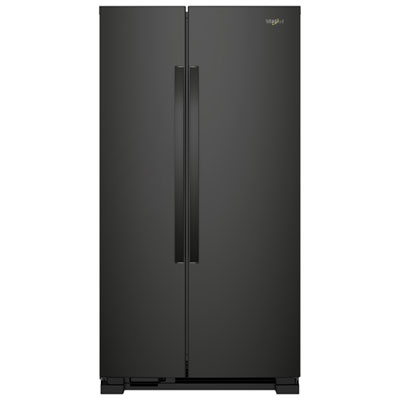
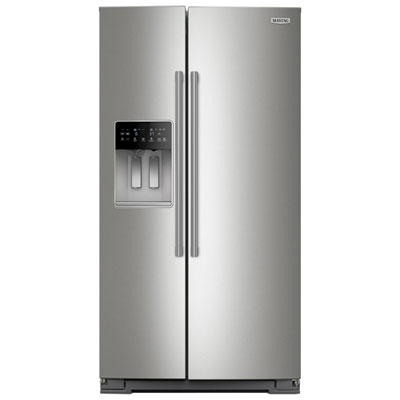
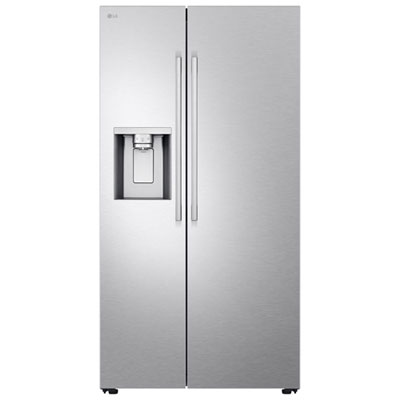
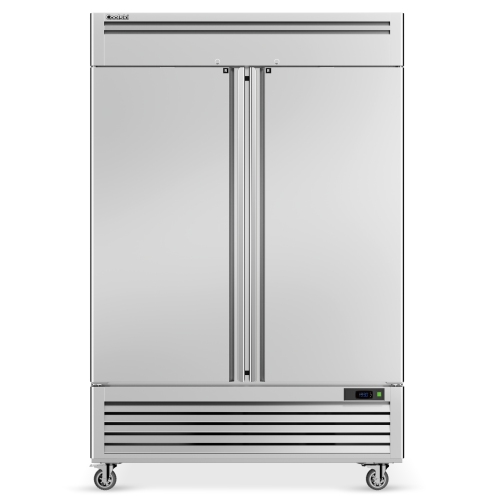
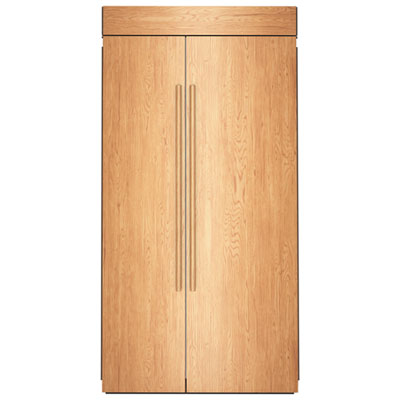
Side-by-side double-door refrigerators place fresh-food and freezer compartments next to each other for easy access to both. Compare dimensions, storage capacity and interior layouts to find a fridge that suits your household, and check that your kitchen has enough clearance for both doors to open.

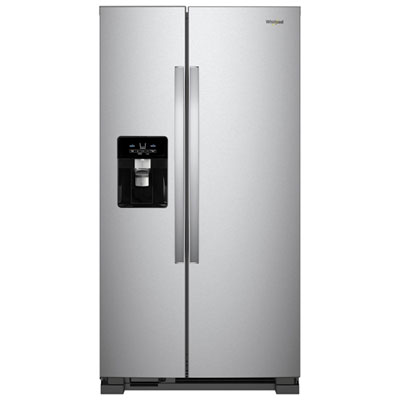
Read More

Sort

Why fridge layout matters as much as capacity

Side-by-side double-door refrigerators place fresh food and frozen food in separate, full-height compartments, giving each section its own door. This layout makes it possible to organize frequently used items at convenient heights on both sides, rather than keeping all frozen food above or below the refrigerator compartment. It can suit households that regularly use both fresh and frozen ingredients, as well as shoppers who prefer shelves and door bins to a large pull-out freezer drawer. The narrower doors generally require less forward swing space than a single wide refrigerator door, which can be helpful in kitchens with an island or a nearby walkway. The trade-off is compartment width: wide platters, large pizza boxes, and oversized baking dishes may be harder to accommodate. Overall capacity matters, but the shape and arrangement of the usable space are just as important when choosing a refrigerator that fits your grocery habits.

Kitchen fit is an important consideration when comparing side-by-side double-door refrigerators. Check the appliance’s width, height, and depth against the intended opening, allowing for the installation clearances specified for the model. Door hinges, handles, nearby walls, and surrounding cabinetry can all affect how comfortably the doors open and whether interior drawers can extend fully. Counter-depth designs can provide a more streamlined appearance alongside cabinets, while standard-depth designs may offer more storage space within a similar width. Neither description replaces a careful comparison of actual dimensions, particularly if a refrigerator sits beside a wall or across from an island. The delivery route also matters, including exterior doorways, hallways, and tight turns leading to the kitchen. For household capacity, compare total storage in litres alongside the division between fresh-food and freezer space, especially if you buy frozen groceries in bulk or need more room for produce and weekly meal preparation.
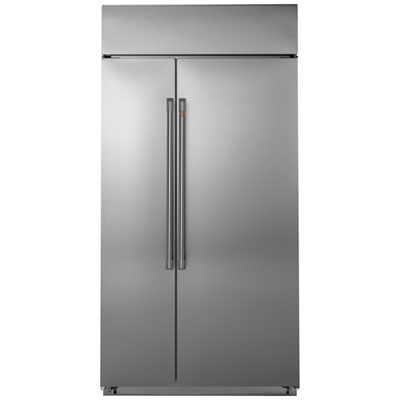
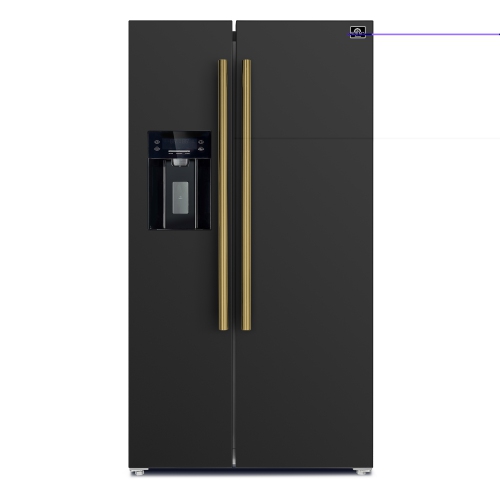
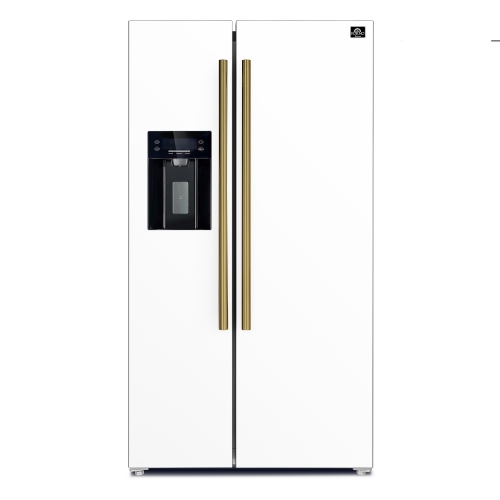
Interior organization and everyday convenience help distinguish one side-by-side layout from another. Adjustable shelves can make room for taller containers, while door-bin dimensions affect where milk, juice, condiments, and other frequently used items can fit. Crisper drawers, interior lighting, and accessible controls are worth comparing for the way you store and retrieve food. Shoppers who freeze many smaller packages may appreciate a shelf-based freezer arrangement that keeps categories separated and visible. Ice makers and water dispensers, where included, add convenience but can also occupy storage space; plumbed features require a suitable water connection, and filtration systems may need replacement filters over time. Finish and handle style can help the appliance coordinate with surrounding cabinetry and other kitchen appliances, while easy-to-reach surfaces can make routine cleaning more manageable. A well-matched refrigerator balances kitchen dimensions, compartment layout, and useful features without sacrificing the space needed for the foods your household buys most often.
Read More

FAQ

Some products may be subject to Environmental Handling Fees (EHF) depending on your province. Learn more about EHFs.