Hair Growth Oils
Unlock the secrets to luscious locks with our curated selection of hair growth oils. Whether you're looking to boost volume, enhance shine, or simply nourish your strands, these oils are designed to support a healthier head of hair. Infused with natural ingredients known for their restorative properties, our range offers something for every hair type and concern. Embrace the journey to vibrant tresses and discover how these oils can become an essential part of your hair care routine. Explore the possibilities and let your hair flourish like never before.
Sort
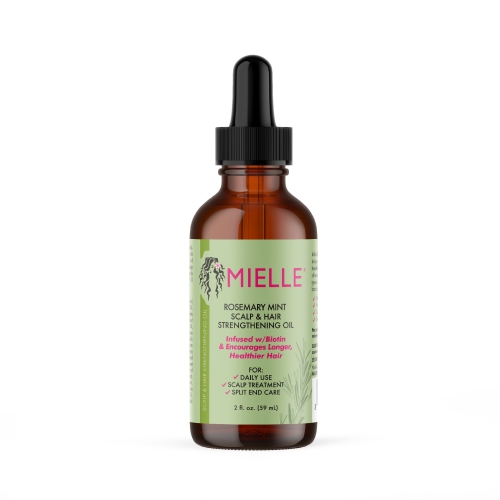

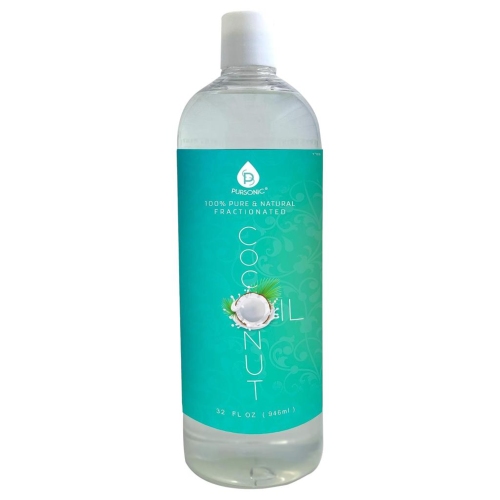

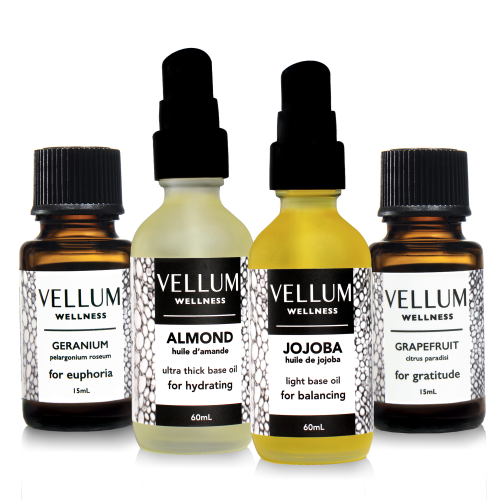

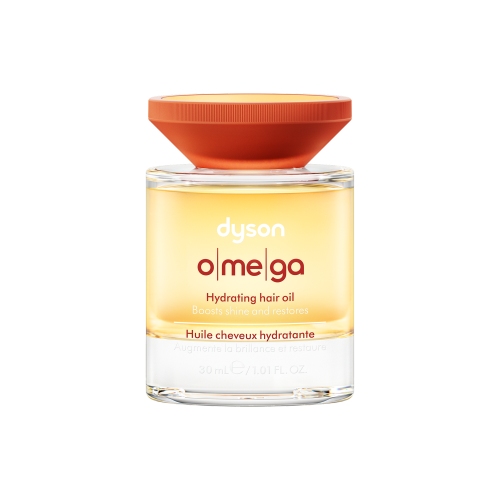



How conditioning oils can help hair retain length
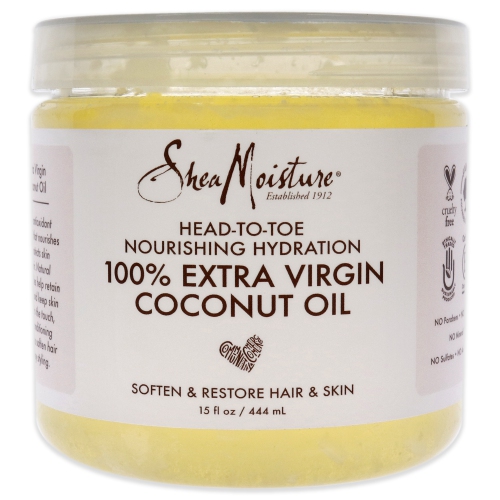
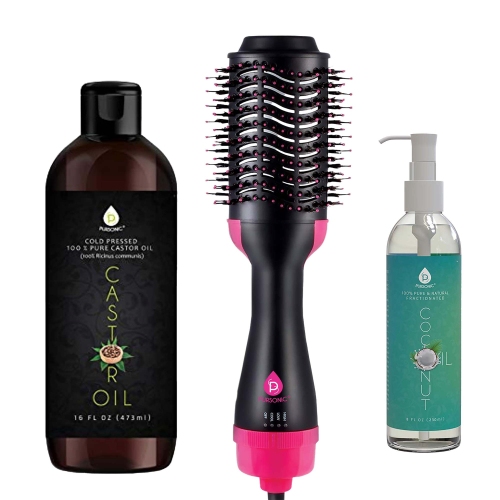
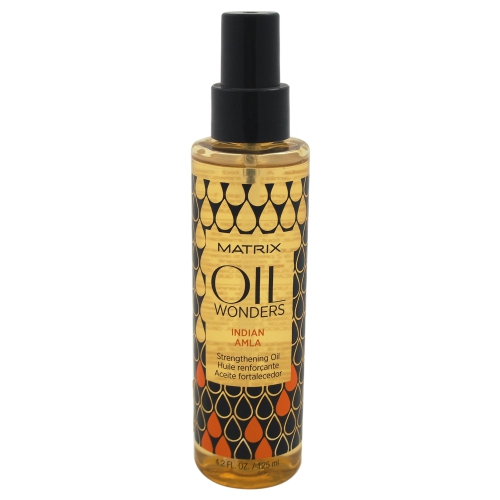
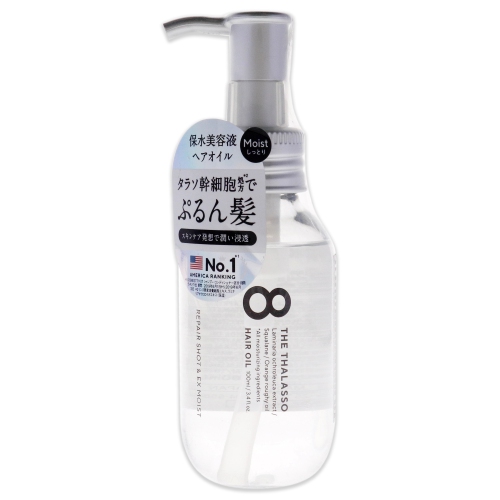
Hair growth oils are hair and scalp care products used to condition strands, soften dry-feeling lengths, and help reduce the friction that contributes to breakage. For someone trying to retain length, less snapping during detangling can make a meaningful difference: hair that breaks less has a better chance of keeping the length it gains through normal growth. That is different from making follicles produce hair faster, and cosmetic oils should not be expected to reverse hair loss or guarantee thicker growth. Formulas in this category range from lightweight blends for fine hair to richer oils suited to coarse strands, curls, and coils. The right texture depends on strand thickness, scalp comfort, styling habits, and whether the oil will stay in the hair or be washed out. Fine, straight hair may feel coated with a heavy application, while dense curls may benefit from a richer formula worked sparingly through the lengths. Argan, jojoba, coconut, and castor oils are common ingredients, each with a different feel and spreadability. Castor oil is notably thick, so a blend containing it may be easier to distribute than the oil alone. An argan-based blend can add slip and shine without necessarily having the same weight, although the complete formula matters more than a single ingredient highlighted on the label. Hair porosity, previous lightening, and frequent heat styling can also affect how an oil feels after application. Ends that catch on a comb may benefit from lubrication, but oil cannot permanently repair a split strand. For colour-treated hair, suitability should be checked on the label rather than assumed from the ingredient list. Rosemary and peppermint may appear in scalp-focused blends, but their presence does not establish that a formula will regrow hair. Rosemary essential oil is also different from a mild carrier oil: its concentration and the finished formulation matter. A comfortable texture, clear directions, and an ingredient list that suits personal sensitivities are more useful selection points than dramatic growth promises.
The distinction between a scalp oil, a finishing oil, and a pre-shampoo treatment helps explain how these products fit into everyday hair care. A scalp formula is intended for application near the roots, while a finishing oil is generally used on the lengths and ends to improve softness, manage flyaways, or add shine. A pre-shampoo oil is designed to be washed out, making it an option for someone who likes the conditioning feel of oil but does not want a noticeable coating after styling. These uses are not automatically interchangeable; a product labelled for rinse-out use should not be treated as an overnight leave-in. Applicator design can make a practical difference, too. A narrow nozzle can help reach the scalp between sections, while a controlled dropper can dispense a small amount without soaking the roots. For fine hair that loses volume easily, a few carefully measured drops may be more manageable than a generous pour. For curls and coils, distributing oil through small sections can help avoid heavily coated patches beside untouched lengths. The appropriate amount and frequency depend on the formula and its directions, not a universal schedule. Daily use is not necessary for every routine, and excess oil can leave hair limp or make cleansing more difficult. Oil also does not replace water-based conditioning: on its own, it does not add water to the hair, though it can help lubricate strands and limit moisture loss. A leave-in conditioner and a compatible oil may therefore serve different purposes. Scalp comfort remains important throughout use. Gentle fingertip contact avoids the scratching that fingernails can cause, and vigorous rubbing is unnecessary. Concentrated essential oils should not be applied directly to the scalp unless they are part of a finished product formulated and labelled for that use. A cooling or tingling sensation is not proof of growth, and burning, redness, or persistent itching are reasons to stop using a product.
Hair growth oils can appeal to people growing out a short cut, managing fragile ends, caring for textured hair, or trying to make detangling less of a struggle. The most useful expectations are often practical ones: a comb moving more easily through the ends, less roughness after styling, or a small amount of shine without a greasy finish. Someone wearing braids or another protective style may prefer a precise applicator, but oil cannot offset excessive tension at the hairline. Likewise, an oil that improves softness cannot replace gentle detangling, suitable conditioning, or sensible heat settings. Fragrance is another consideration, especially for a product that stays close to the face or remains in the hair overnight. A botanical scent can be pleasant, but plant-derived ingredients can still cause irritation, and fragrance-free does not mean that every person will tolerate a formula. Following any label directions for a patch test is worthwhile before broader use. Packaging and storage also affect the experience over time. A secure cap helps prevent leaks, while a dispenser that stays clean makes repeated application tidier. Oils are best kept according to their storage instructions, away from direct light and excessive heat, with attention to the expiry date or period-after-opening symbol. A noticeable change in smell, colour, or texture can signal that a product should no longer be used. For a broader view of options beyond conditioning oils, Hair Growth Products provides a related category to explore, with each formula assessed according to its own intended use and directions. Persistent thinning, sudden shedding, bald patches, or a painful scalp deserve advice from a qualified health professional rather than repeated changes of oil. For routine cosmetic care, a formula that fits the hair’s texture, washes out as expected, and remains comfortable on the scalp is a more useful addition than one chosen solely for an ambitious claim.
Top selling and popular products
-
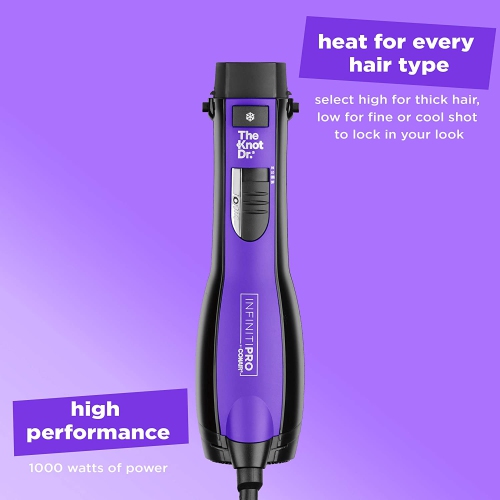 Your price for this item is $155.86
-
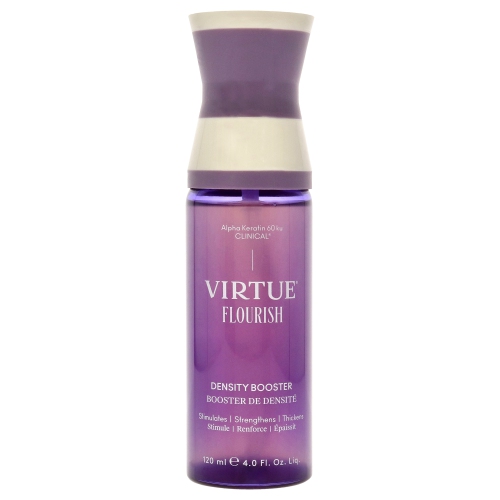 Your price for this item is $63.68
-
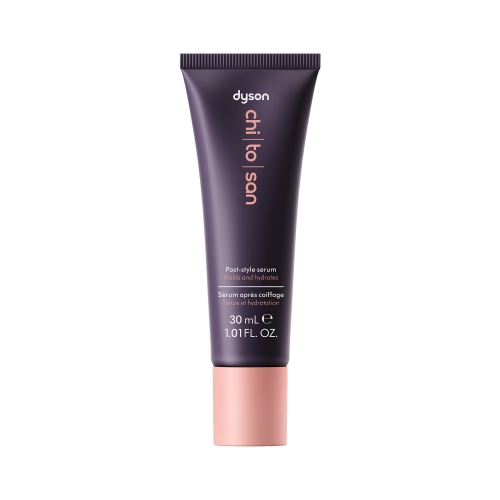 Your price for this item is $39.99
-
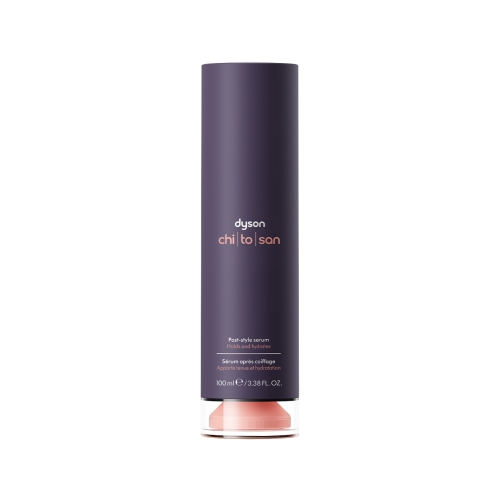 Your price for this item is $59.99
-
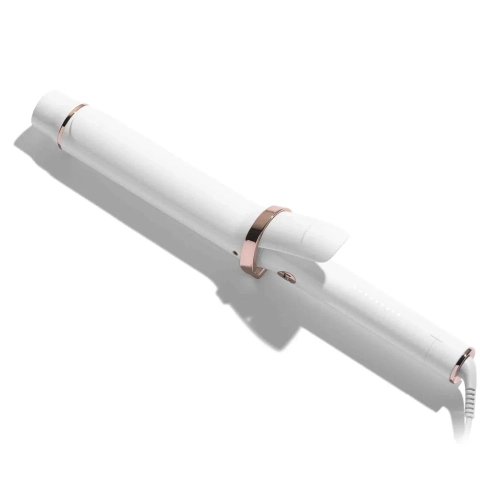 Your price for this item is $229.99
-
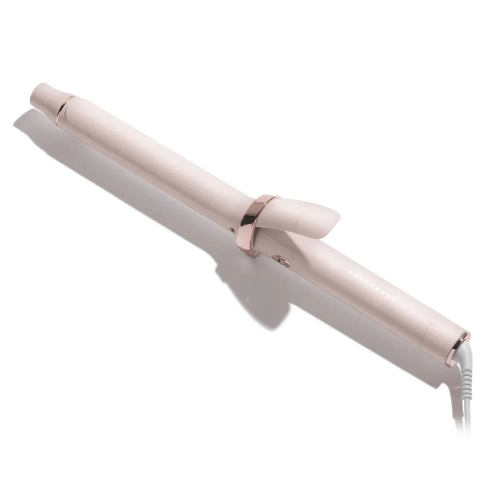 Your price for this item is $229.99
-
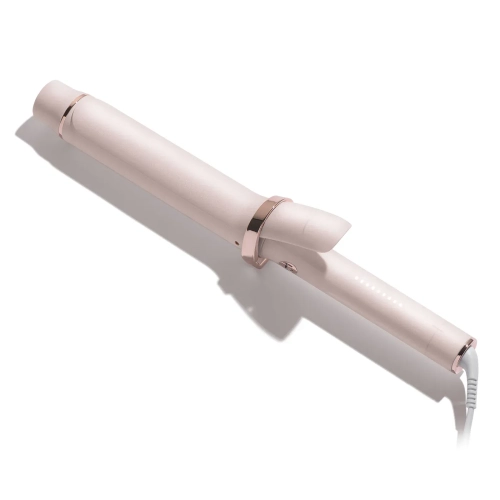 Your price for this item is $229.99
-
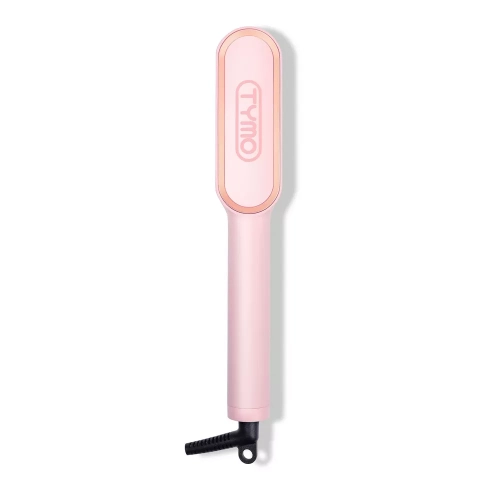 Your price for this item is $155.86
Discover more categories related to Hair Growth Oils
Top Collections:
Pokemon Centers, Best Cameras for Sports Photography, Kindle Devices, Samsung Galaxy Phones, Canon G7X Cameras, Pokémon 30th Celebration Cards, Refurbished Apple Laptops, iPhone 15 Apple, Laptops for Students, Budget Smartphones
Some products may be subject to Environmental Handling Fees
(EHF) depending on your province.
Learn more about EHFs.