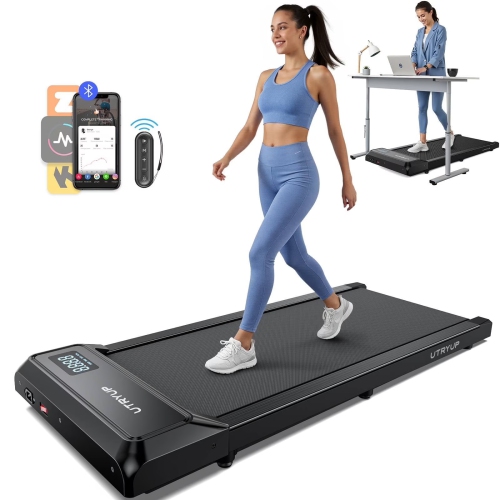
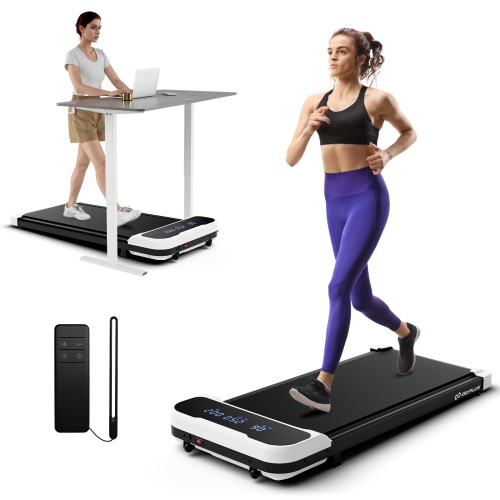
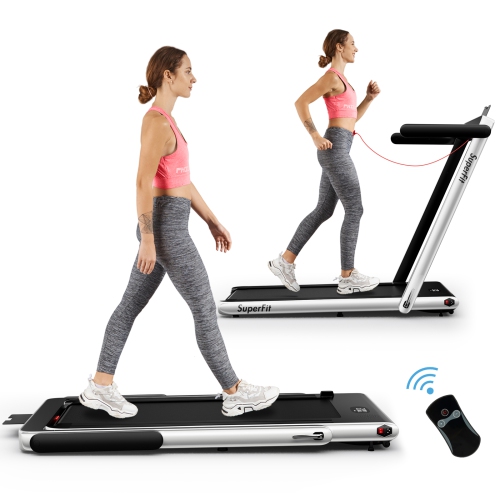
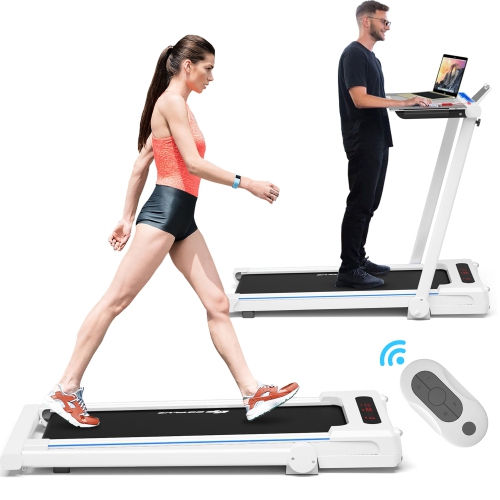
Slimline Running Machines

Explore slimline running machines for home workouts where space is limited. Compare treadmill dimensions, belt size, speed range, and maximum user weight to find an option that fits your space and routine. Check whether each model is designed for walking, running, or both.
Sort

A compact treadmill still needs to fit your stride

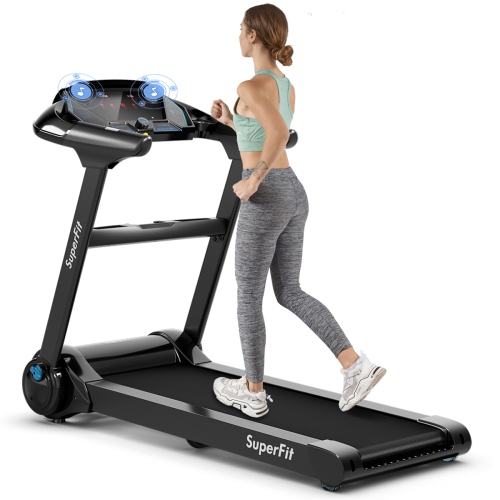
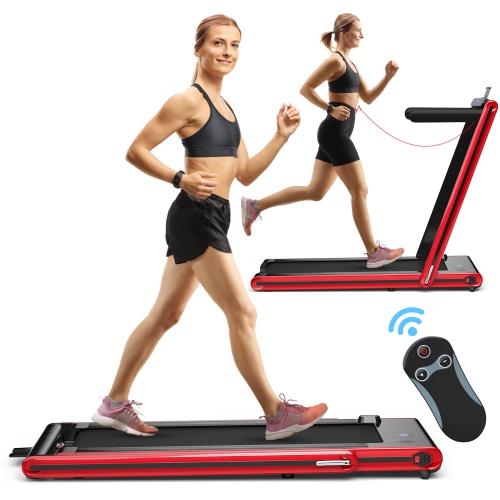
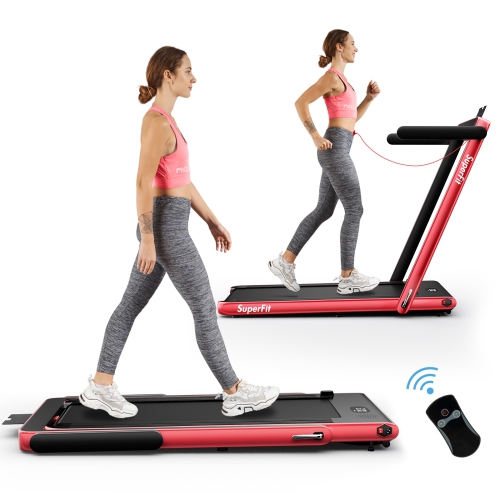
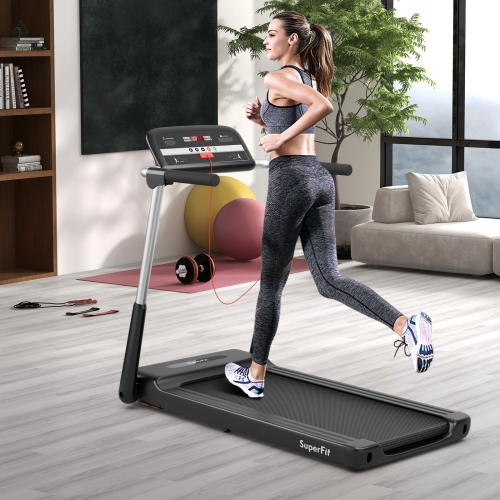
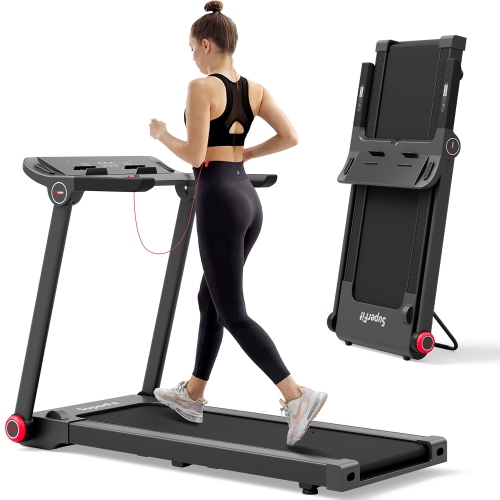
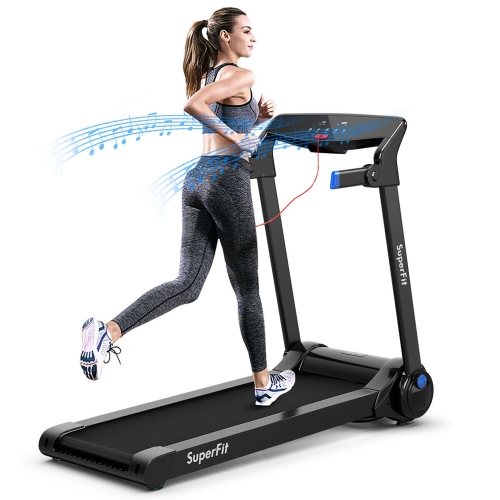
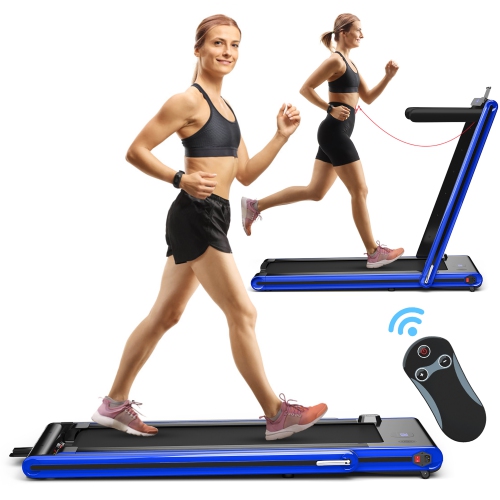
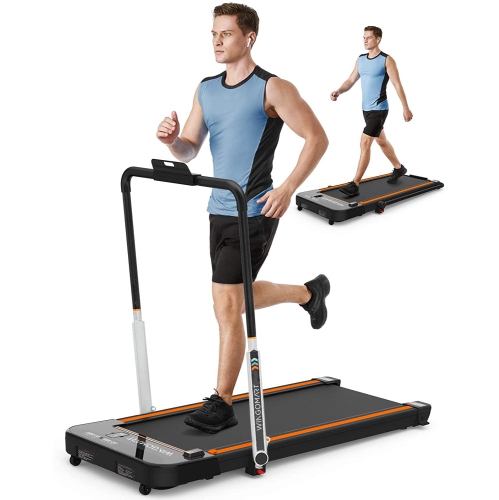
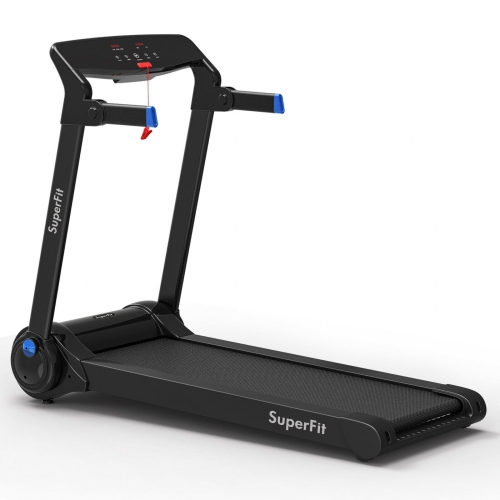
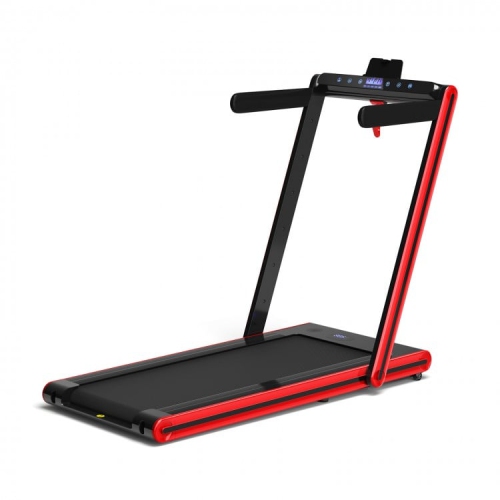
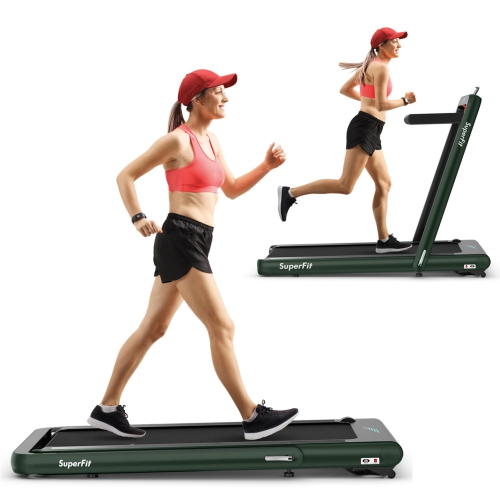
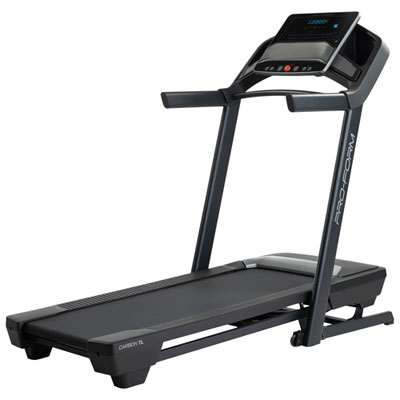
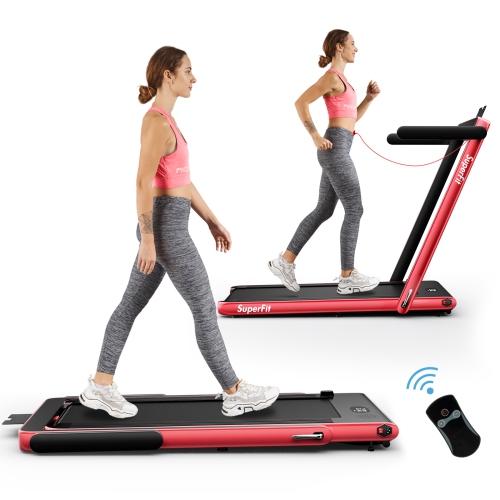
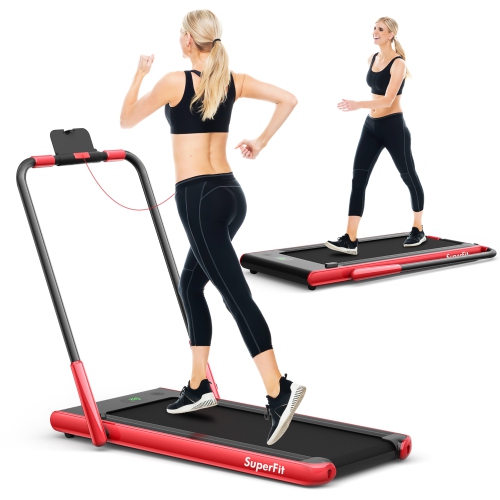
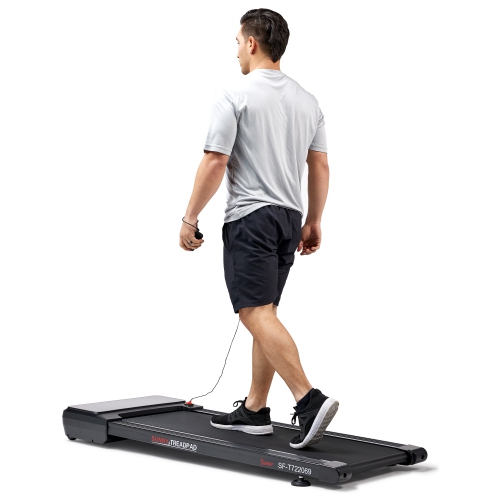
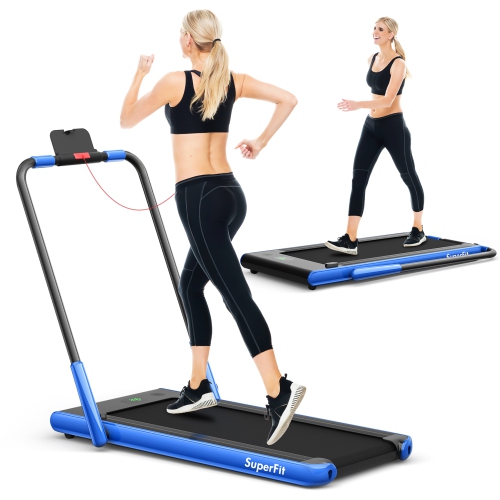
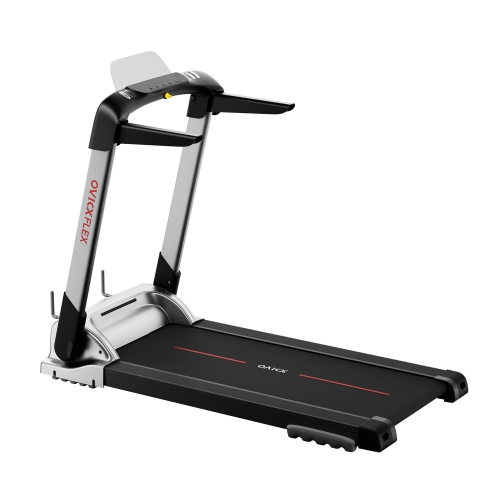
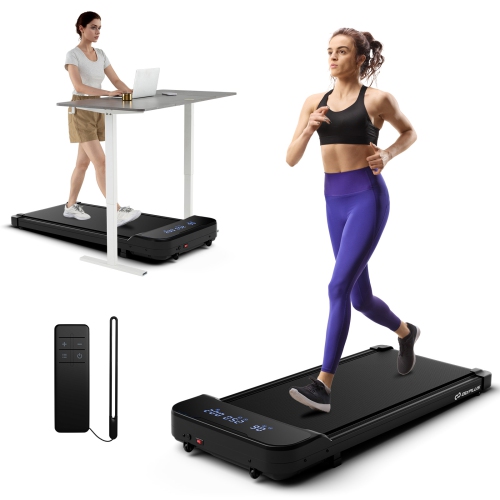
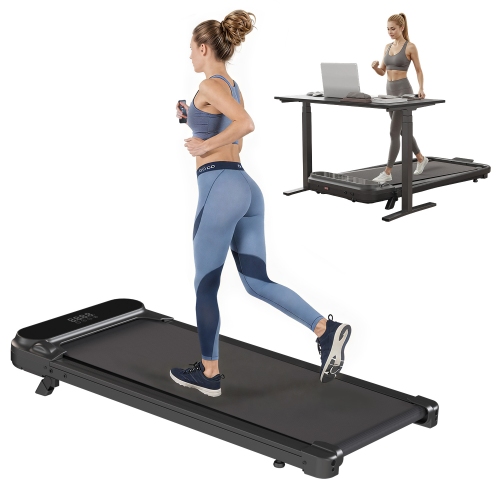
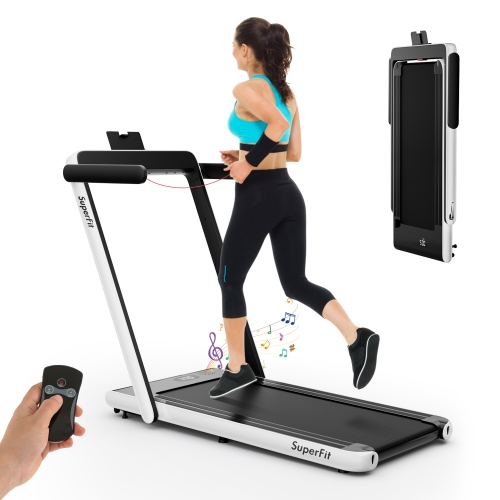
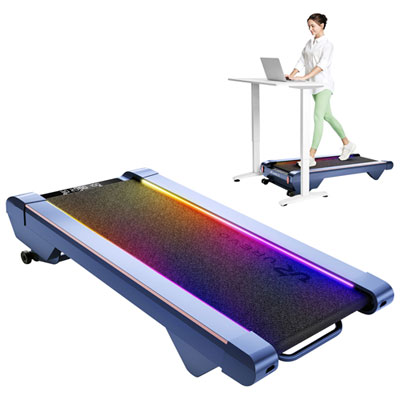
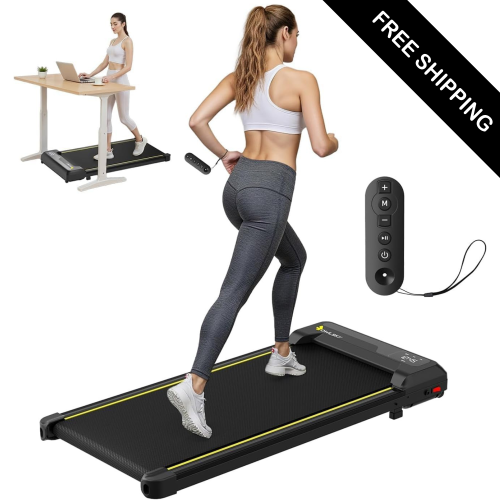
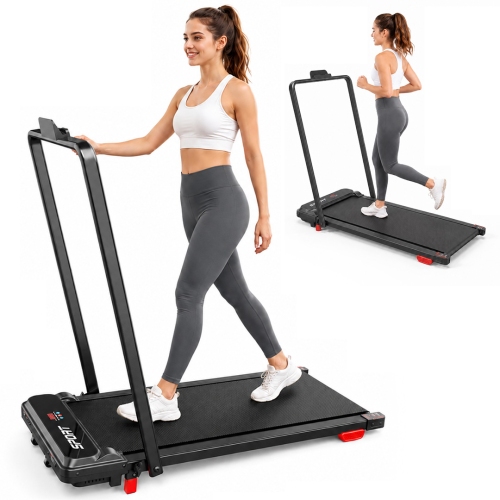
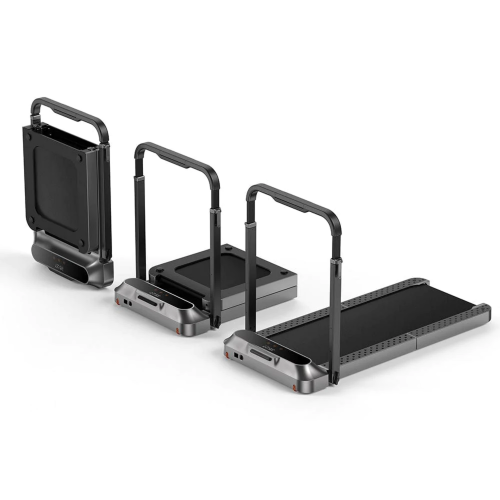
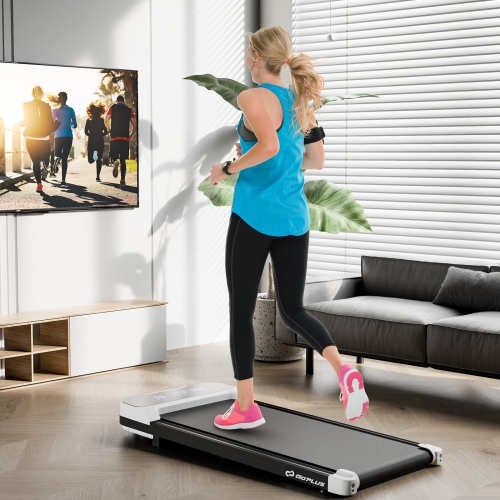
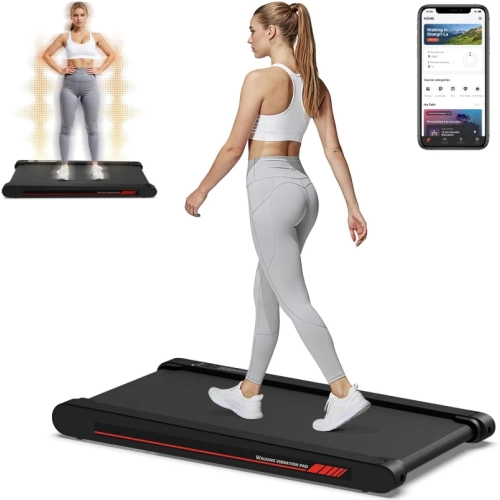
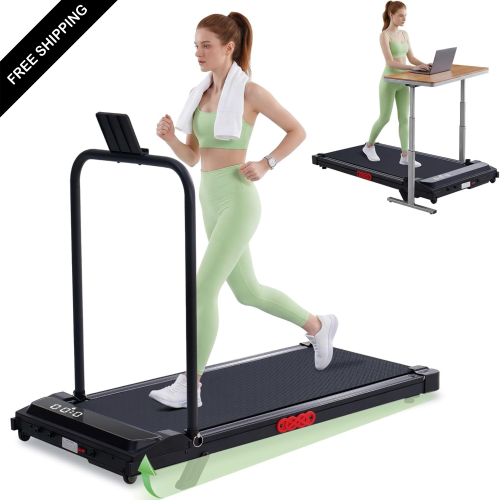
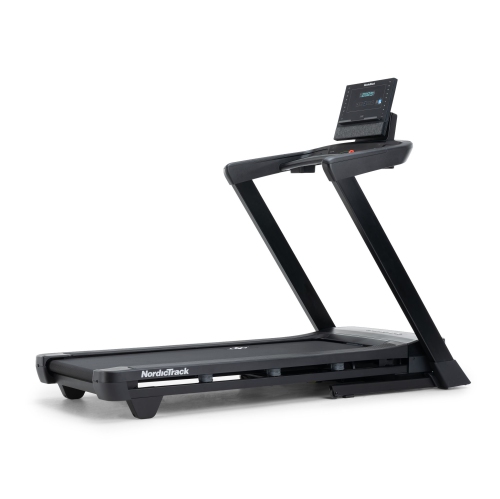
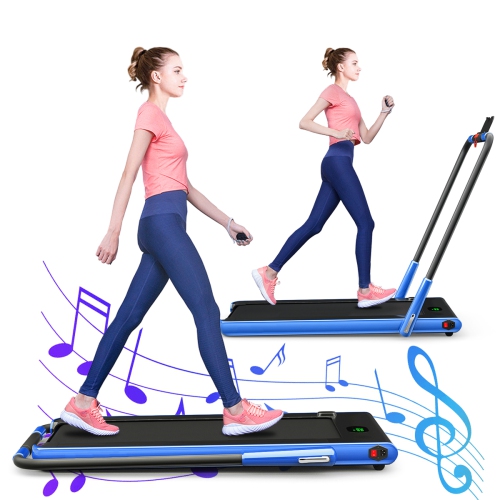
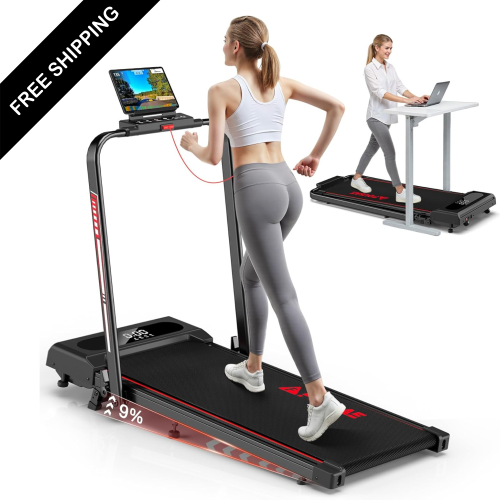
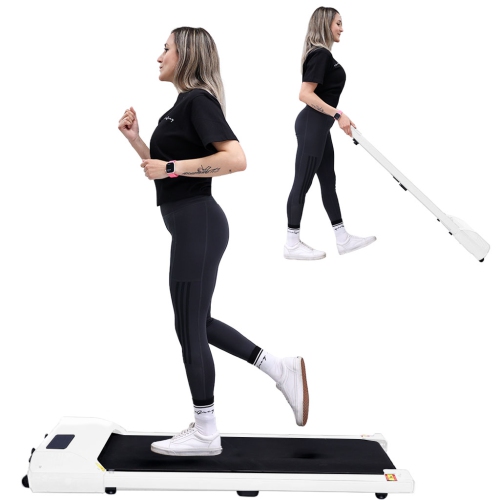
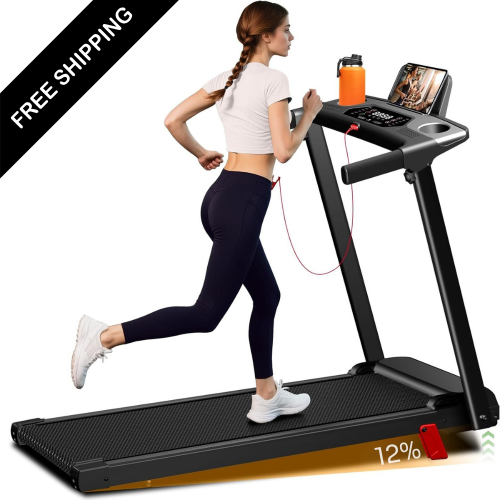
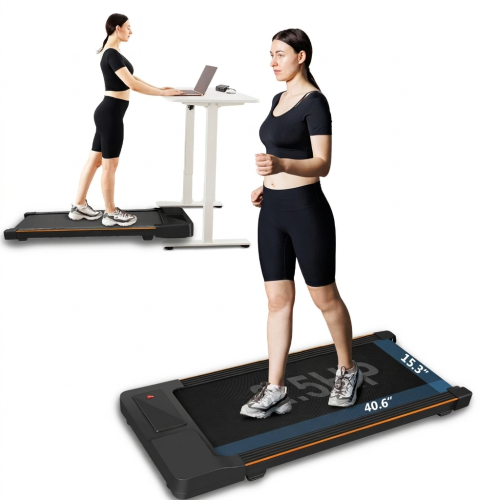
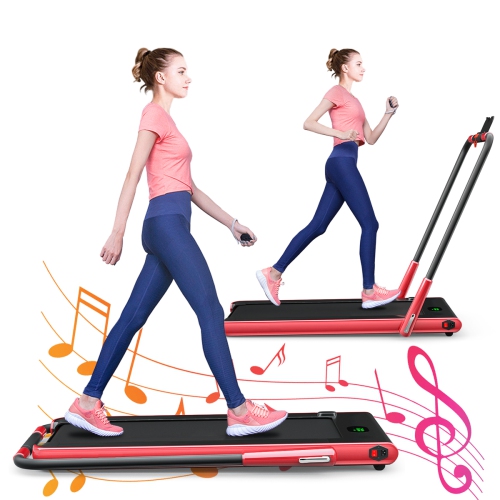
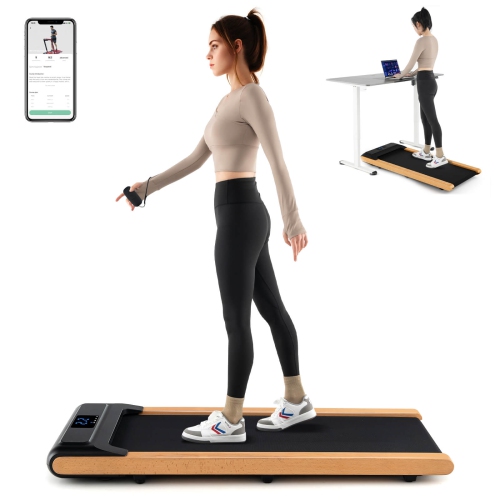
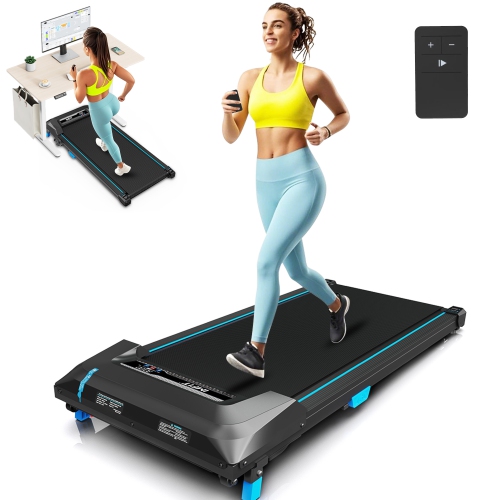
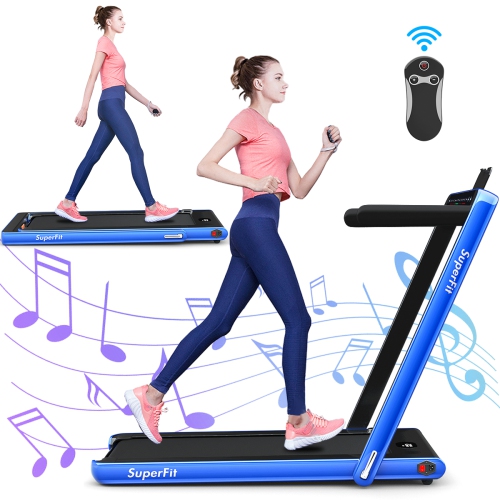
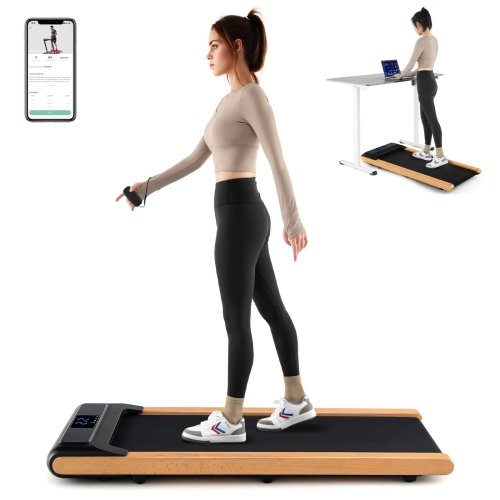
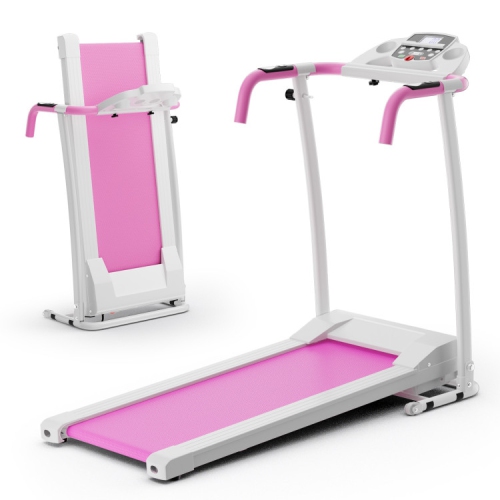
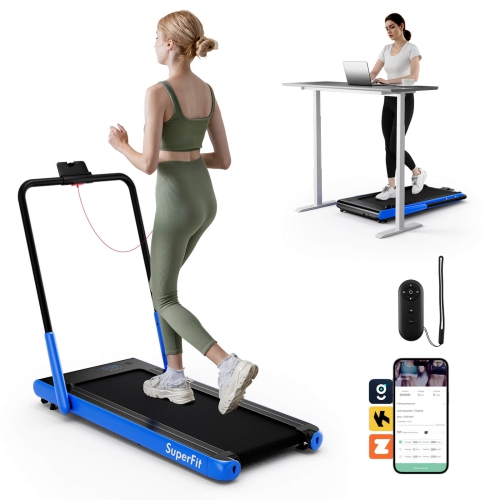
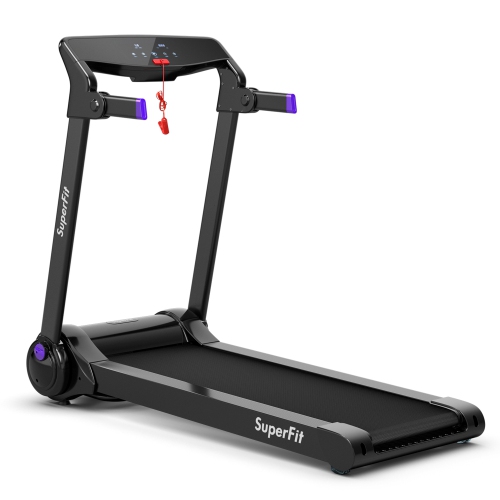
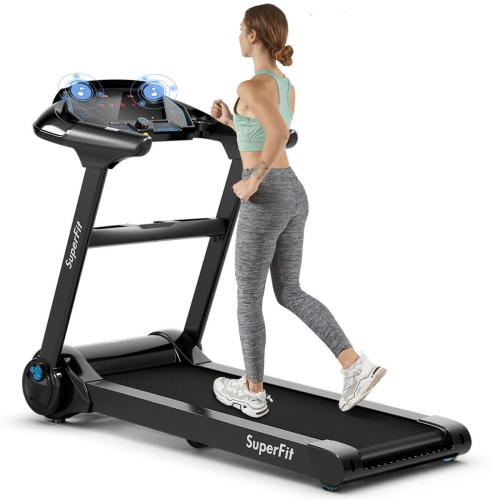
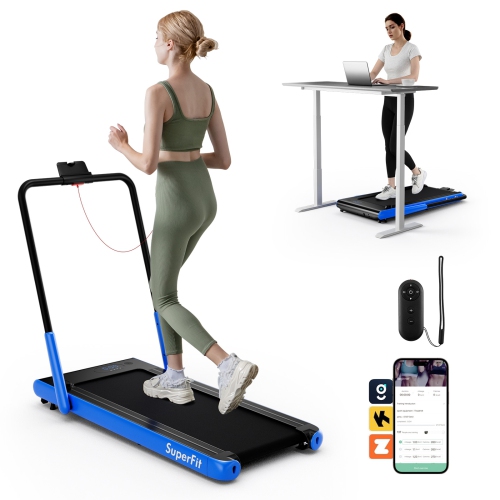
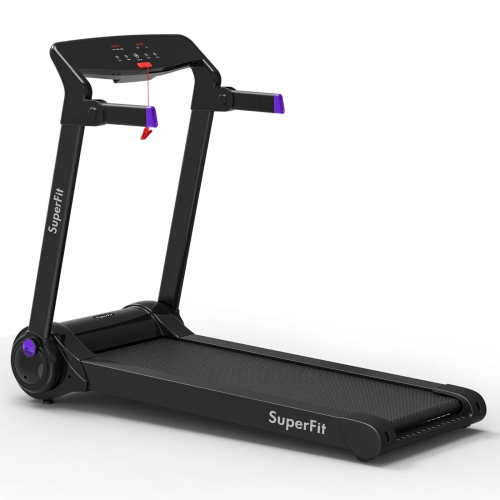
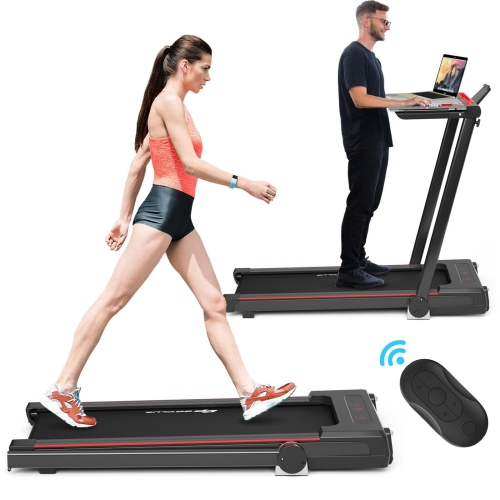
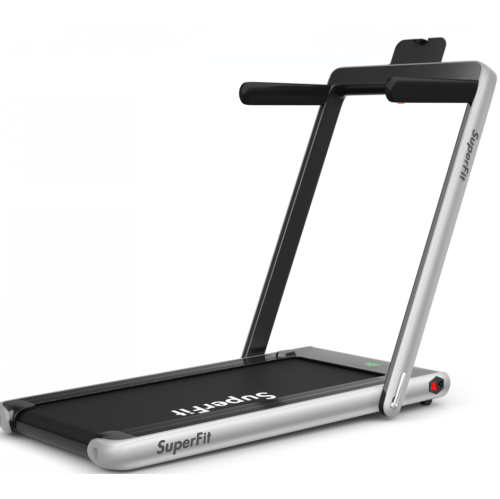
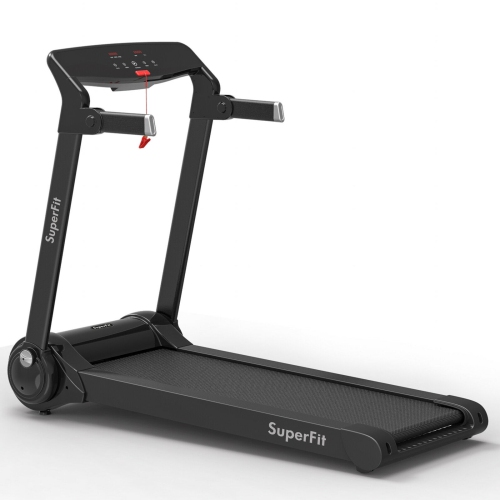
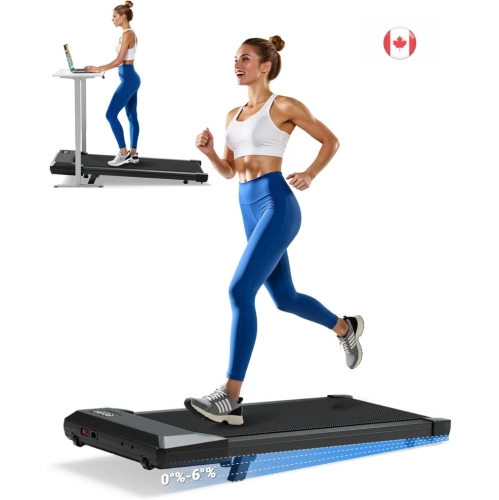
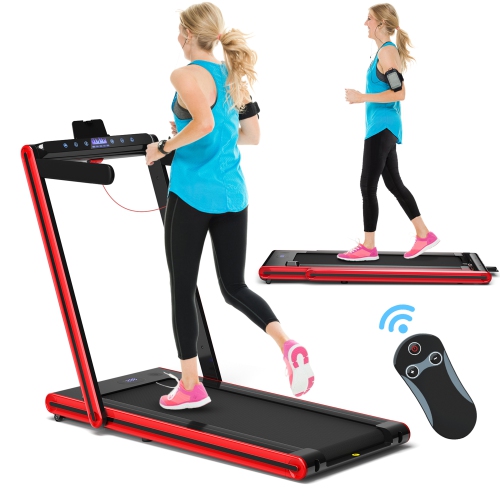
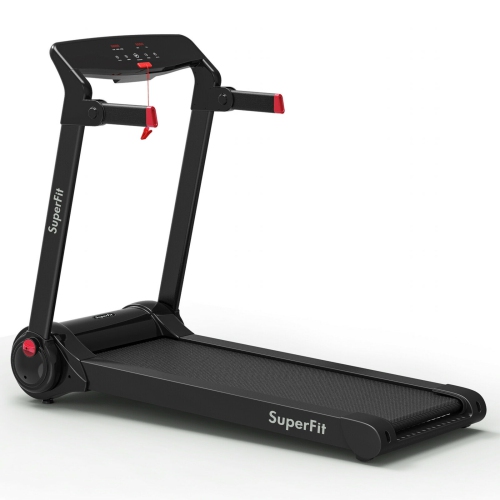
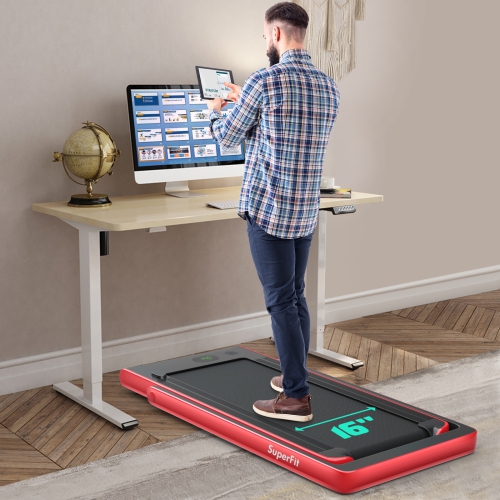
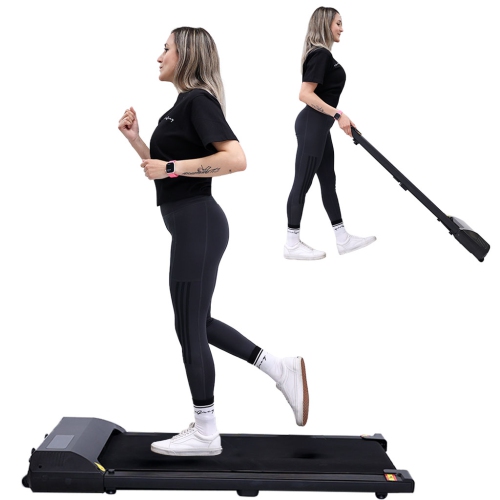
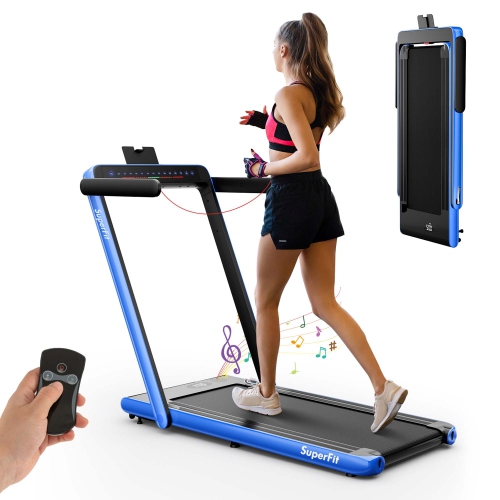
Slimline running machines are compact treadmills designed to reduce the space needed for indoor walking, jogging, or running, depending on their speed range and construction. Their appeal is straightforward: a workout surface that fits more comfortably into a home without dedicating an entire room to exercise. A narrow frame, low-profile deck, folding upright, or combination of these features can make a machine easier to accommodate beside a desk or in a multipurpose room. These designs are not interchangeable, however. A treadmill described as slim may have a smaller footprint while in use, whereas another may mainly save space when folded. The running surface still needs to suit the person using it. Someone with a long stride may need more belt length, and a runner who moves from side to side may appreciate extra width rather than the smallest possible deck. Walking pads can serve a different purpose, particularly those designed for low-speed use beneath a compatible standing desk; a compact profile alone does not make a machine suitable for running. For regular jogging or faster sessions, the stated intended use, supported speeds, handrail configuration, and belt dimensions matter more than the slimline description. Measuring the proposed workout area means allowing room for the machine itself, the manufacturer’s required safety clearances, and enough headroom above the deck. Doorways, furniture placement, and the route between the storage spot and workout area also affect how practical the setup will feel. A treadmill that slides neatly beneath a bed still needs sufficient clearance underneath, while an upright-folding design needs a secure storage position permitted by its instructions. In a shared home, these details can make the difference between equipment that becomes part of a routine and equipment that is awkward to bring out. Slimline running machines can suit beginners building consistency, experienced runners adding convenient home sessions, and households that want exercise equipment to share space with everyday activities, provided the machine’s capabilities match each user’s needs.

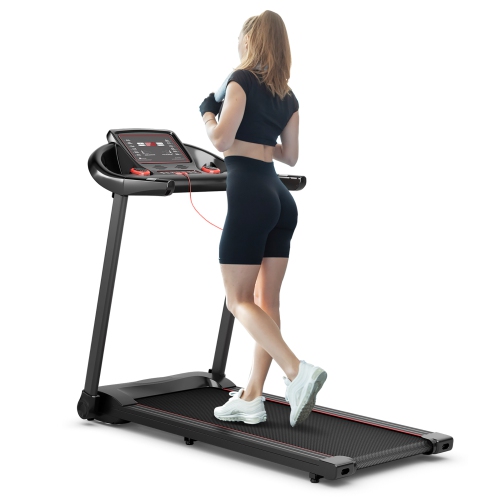
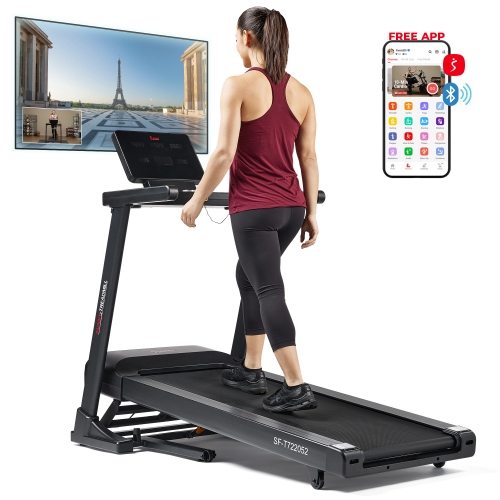
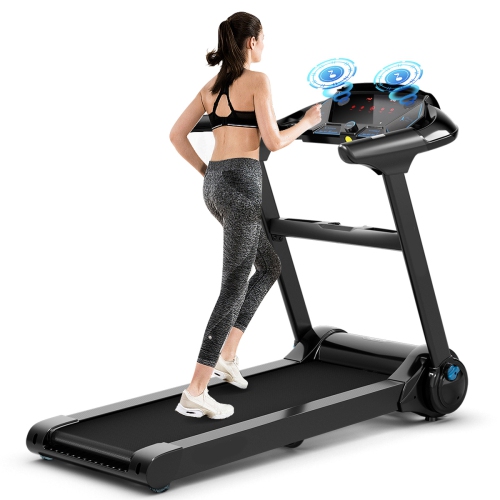
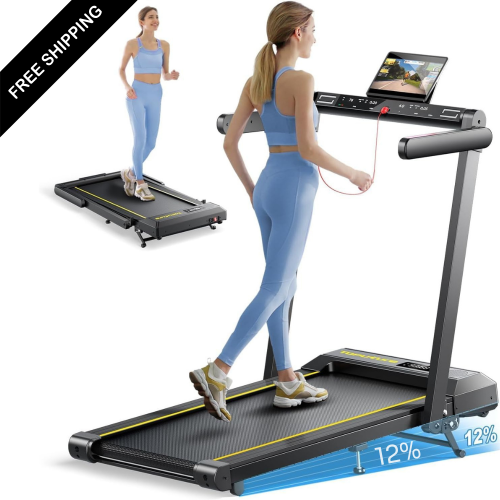
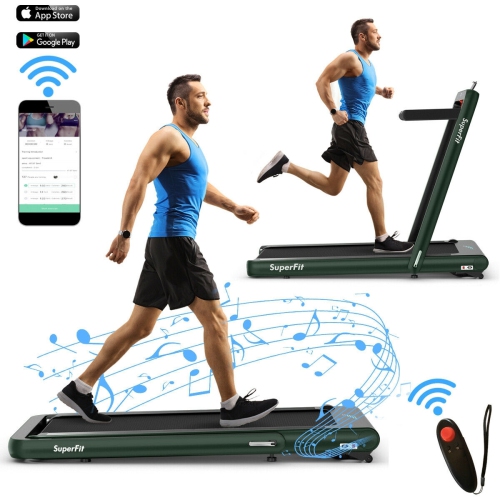
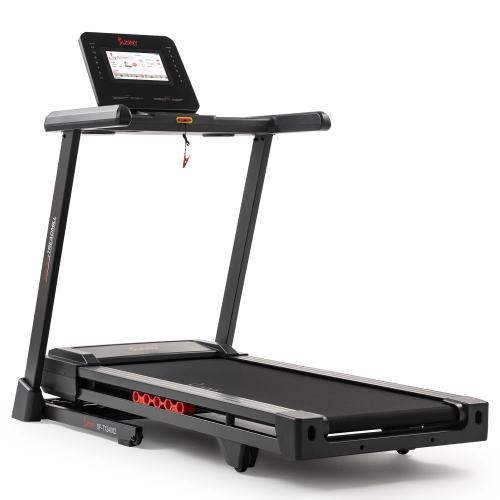
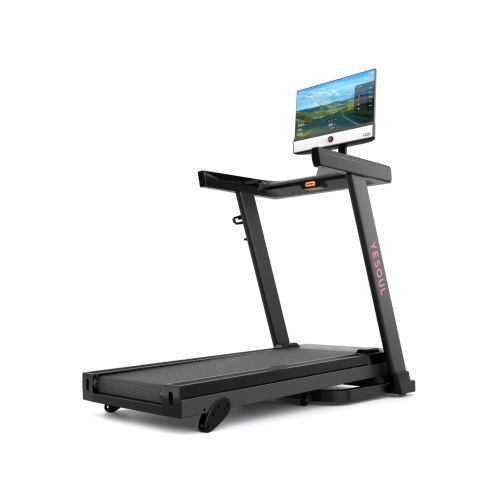
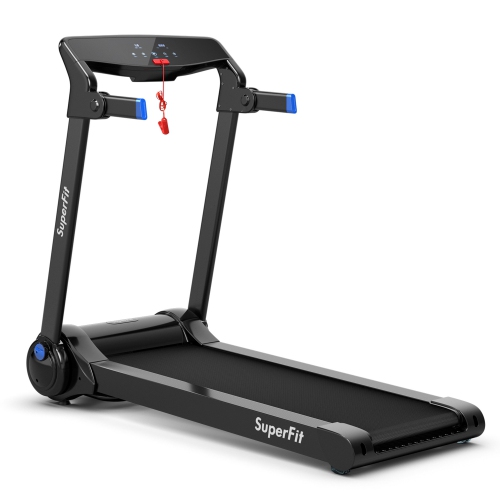
The quality of a compact treadmill depends on more than its dimensions. Steel or aluminum frame components, deck construction, belt quality, and the design of folding joints all contribute to how solid the machine feels underfoot. Plastic covers can provide a tidy finish, but the supporting structure and secure connections are more relevant to stability. A lower overall weight may make repositioning easier, although portability should not come at the expense of a frame suited to the intended activity and user weight. The stated maximum user capacity is an important specification, especially when several people will share the equipment. Motor information also deserves attention: continuous-duty and peak power ratings describe different things, so the figures are not directly interchangeable. Intended workout duration, permitted operating periods, and any rest requirements help clarify whether a treadmill fits short walking breaks or longer running sessions. Belt speed should accommodate a comfortable warm-up as well as the fastest planned pace, with controls that are easy to reach without disrupting a stride. Incline, where included, changes the feel of a workout, but some compact designs provide no incline or require manual adjustment while stopped. Deck cushioning may make footfalls feel less abrupt, though the sensation varies and should not be treated as a guarantee of comfort for every user. Slimline treadmills sit within the broader category of Running Machines for Exercise, with compactness adding another consideration alongside performance, stability, and comfort. Display readability, straightforward speed adjustments, and a clearly accessible emergency stop can matter more in daily use than a long list of programs. Where app connections, Bluetooth, or Wi-Fi features are included, device compatibility and any account or subscription requirements are worth checking separately. A phone shelf can be handy for an easy walk, but it should not obscure essential controls or encourage looking down during a run. For shared walls or floors, motor noise and the impact of footfalls both deserve consideration; a slim housing does not necessarily mean quiet operation.

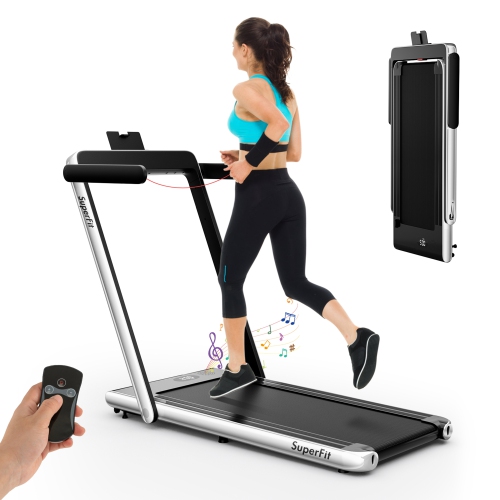
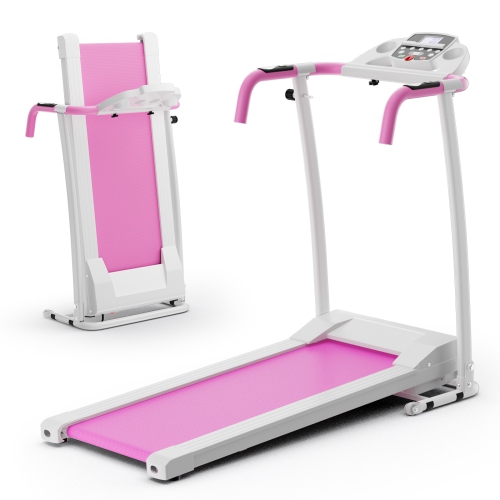
Everyday practicality also comes from the details that are easy to overlook in a photograph. Transport wheels help only when the machine can be tilted and moved safely along the actual route through the home. Carpet edges, doorway thresholds, and tight turns can make a seemingly simple move more demanding. Folding mechanisms should lock securely as directed, and the effort needed to raise or lower the deck should be manageable for the person doing it. Some machines are intended to remain flat, so standing one on its end is not a substitute for an approved storage position. During use, a firm, level surface helps support stable operation, and a compatible equipment mat may protect flooring and reduce some transmitted vibration without eliminating impact noise. Electrical setup should follow the manufacturer’s requirements, with the power cord positioned away from the belt and walking routes. Children and pets need to stay clear of moving parts, both during a workout and while the deck is being folded or lowered. Care is generally straightforward but model-specific: wiping perspiration from permitted surfaces, keeping debris away from the belt, checking accessible fasteners, and following the stated belt alignment, tension, and lubrication schedule can help maintain dependable operation. Some decks require particular lubricants or no user-applied lubrication, making the manual more useful than a one-size-fits-all routine. Comfortable exercise shoes with secure fastening and clothing that stays clear of moving parts support a less distracting session. For a household member who has asked for home fitness equipment, a slimline running machine can be a thoughtful gift when storage dimensions, preferred activities, and setup responsibilities have been agreed in advance. The most useful fit is not necessarily the smallest design, but one that balances a comfortable stride, suitable performance, manageable storage, and care requirements that work with daily life. That balance makes it easier to move from an occasional session to a repeatable routine without letting the equipment take over the room.
FAQ

Some products may be subject to Environmental Handling Fees (EHF) depending on your province. Learn more about EHFs.