Running Machines for Exercise
Looking to take your fitness routine to the next level? Look no further than our wide selection of running machines for exercise. Whether you're a seasoned runner or just starting out, these machines are designed to help you improve endurance, burn calories, and achieve your fitness goals from the comfort of your own home. With a variety of features and options available, finding the perfect running machine to suit your needs has never been easier. Get ready to elevate your workouts and reach new heights with our top-notch selection of running machines.
Sort


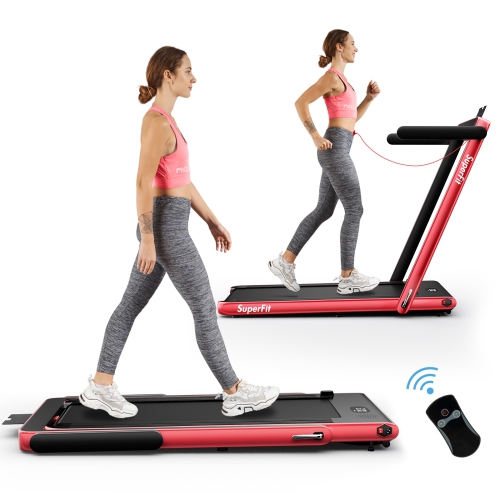

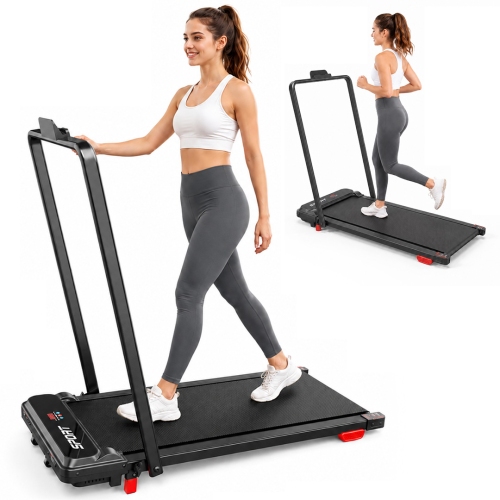
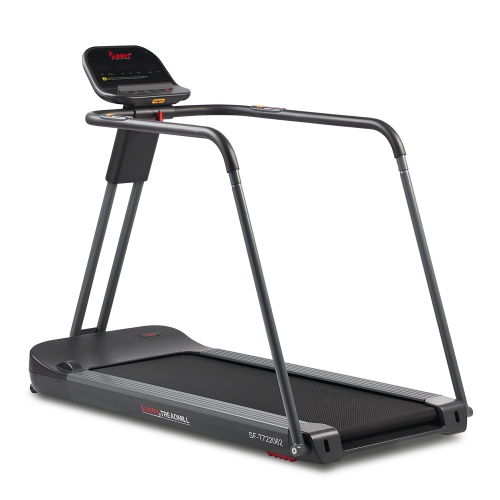
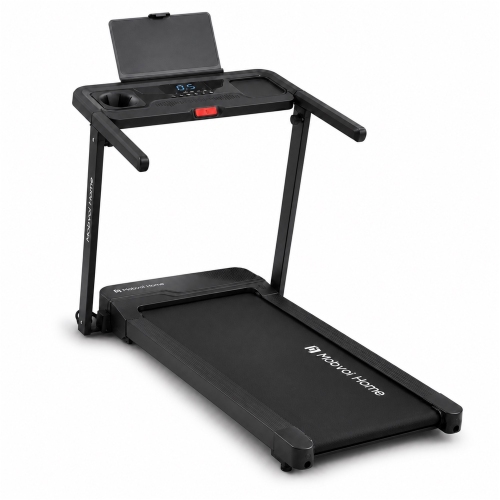
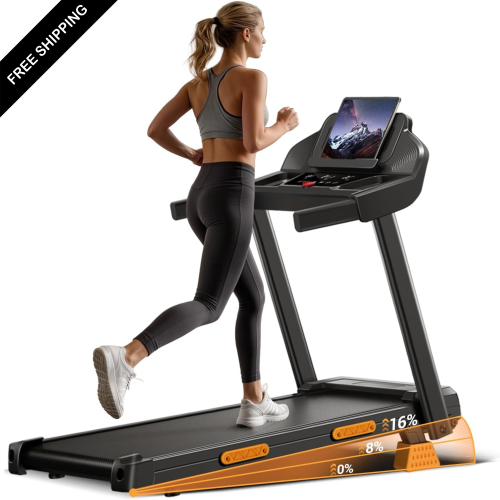
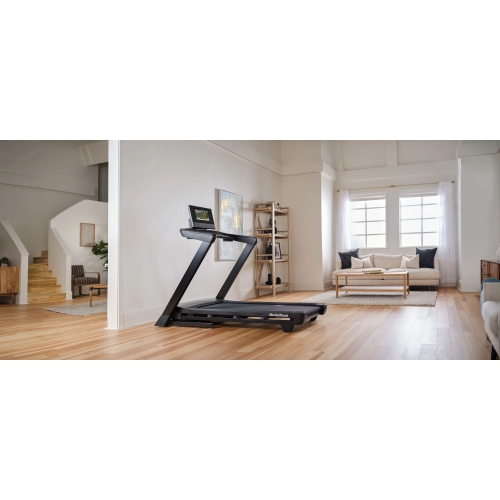
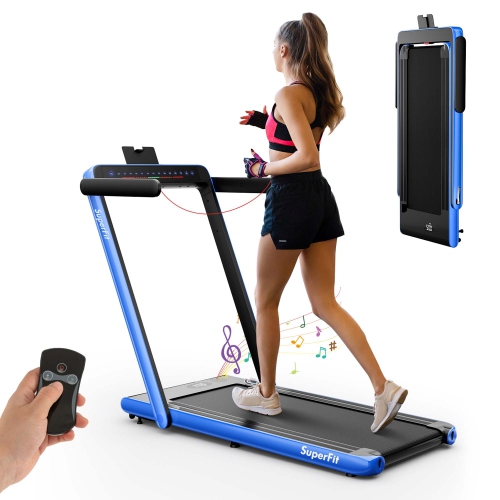
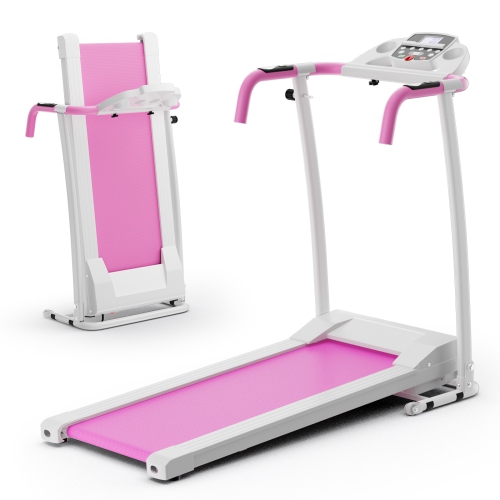
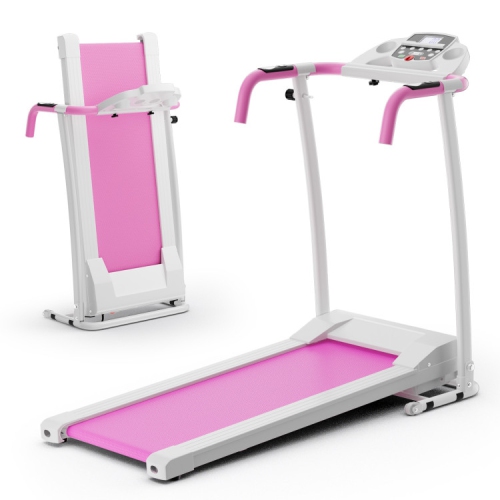
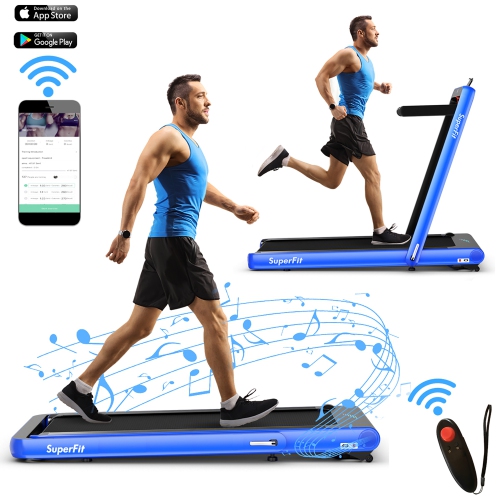
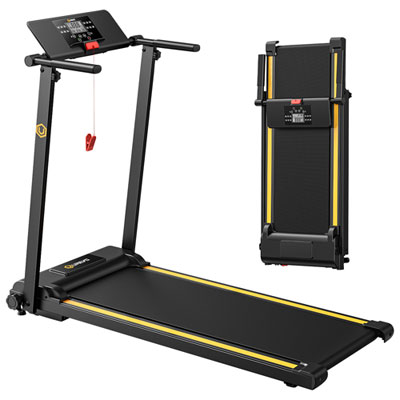
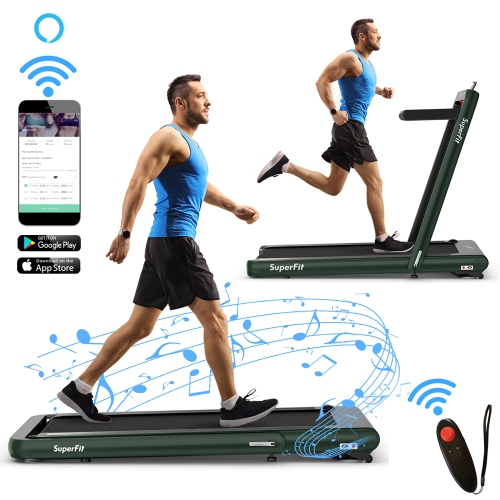
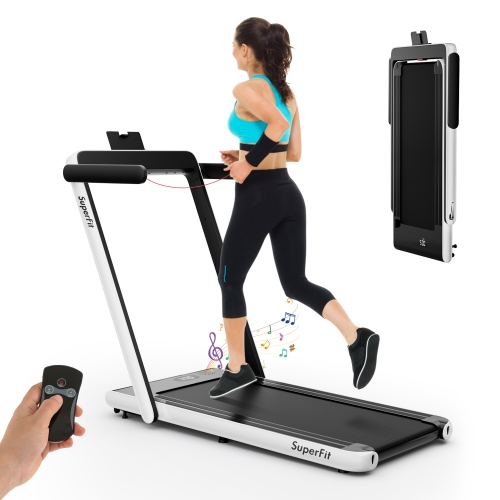
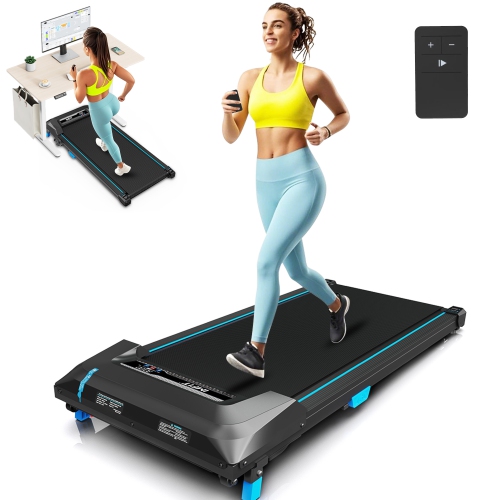
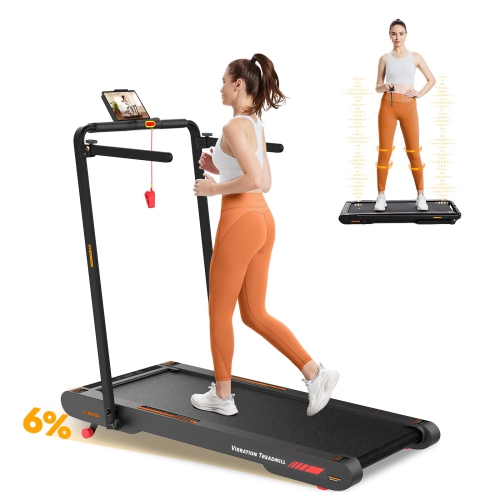
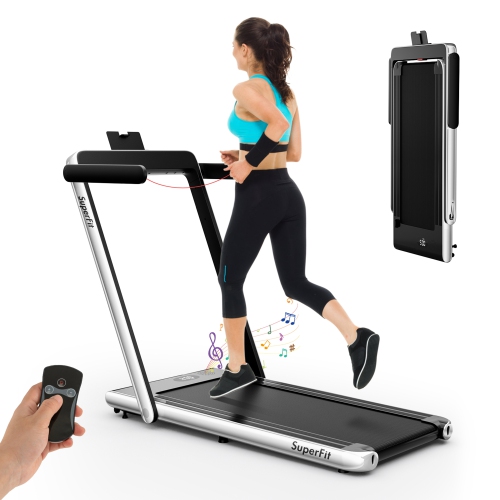


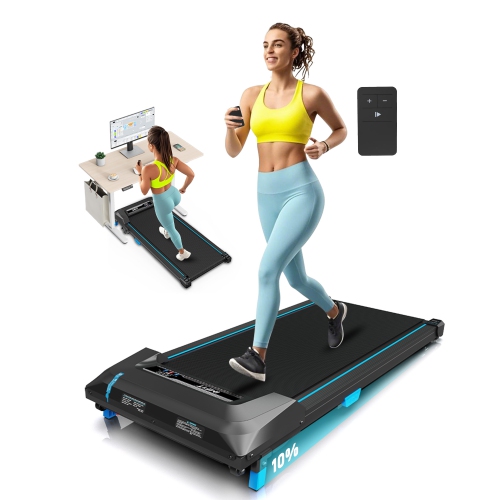


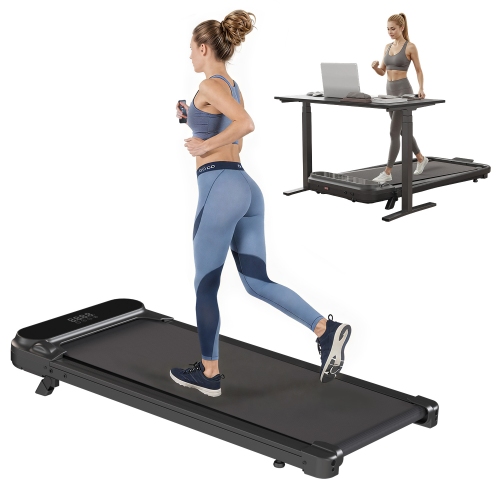
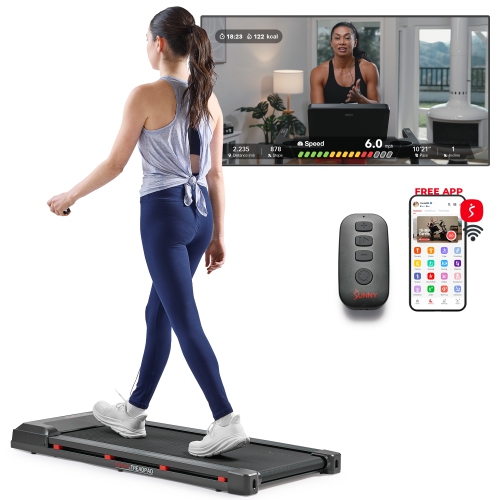
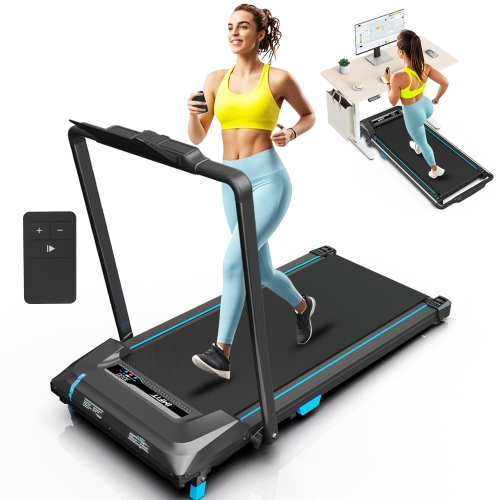
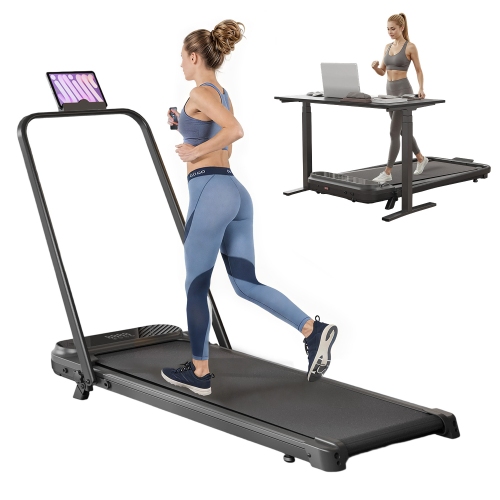
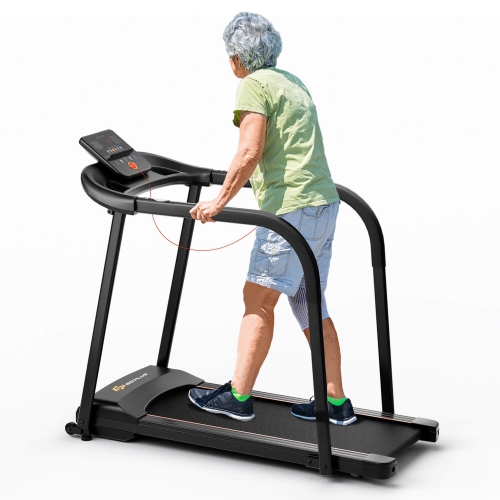


Why treadmill design matters for your pace and space
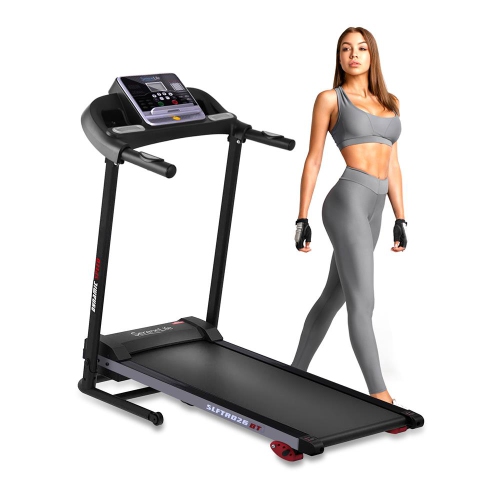
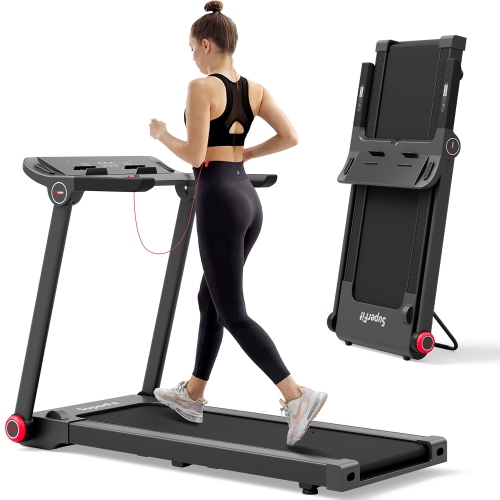
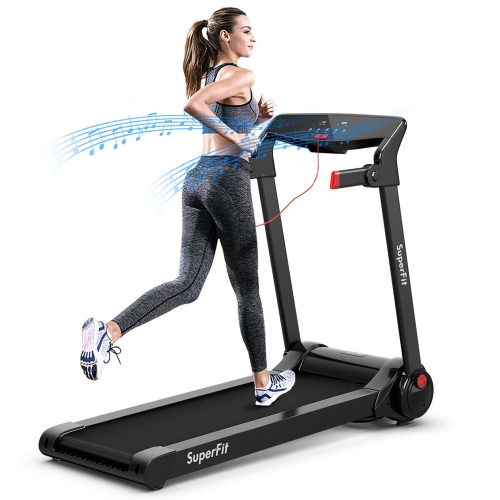
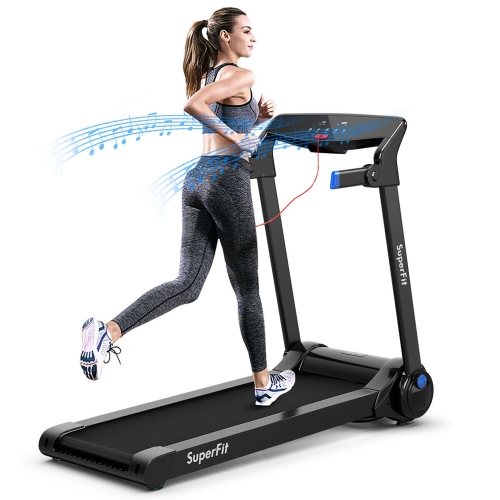
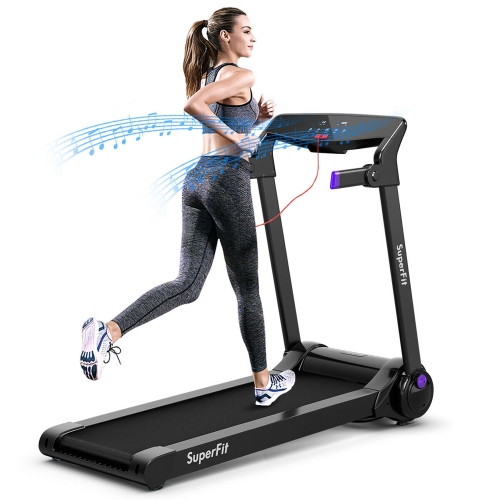
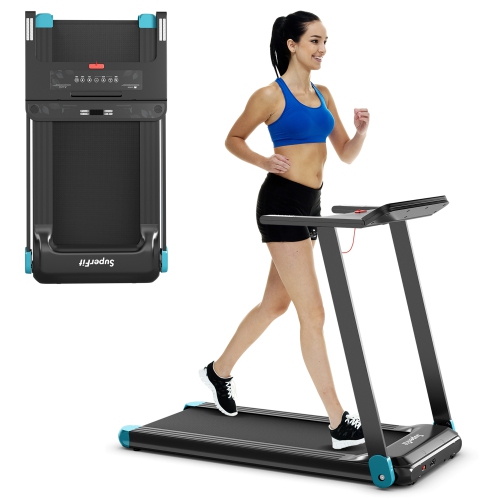
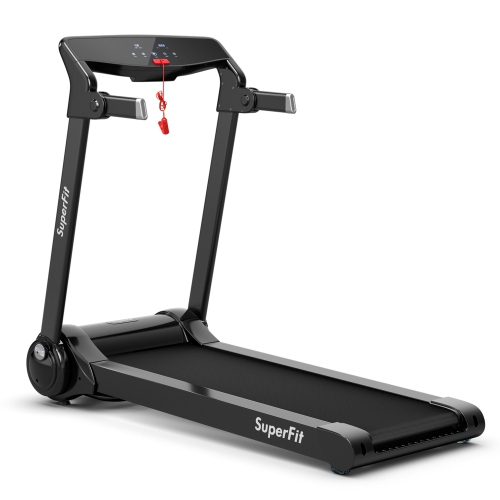
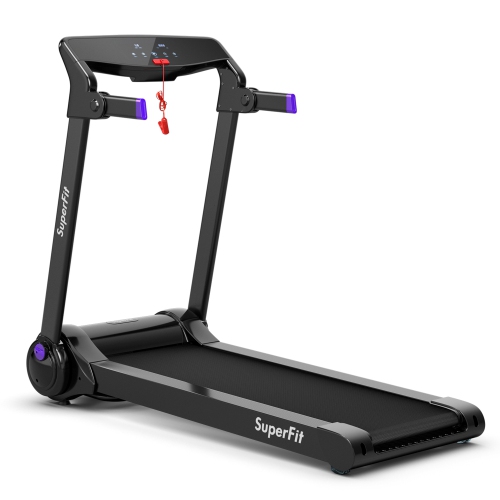
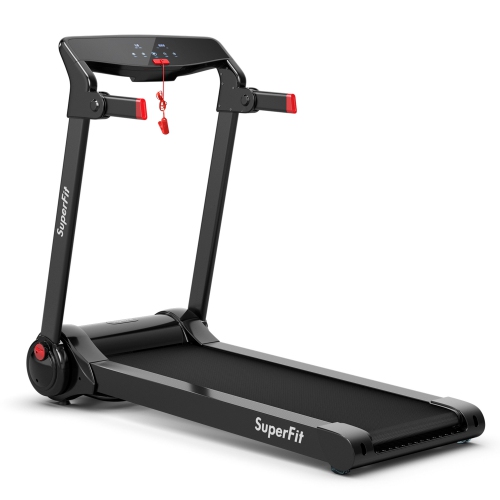
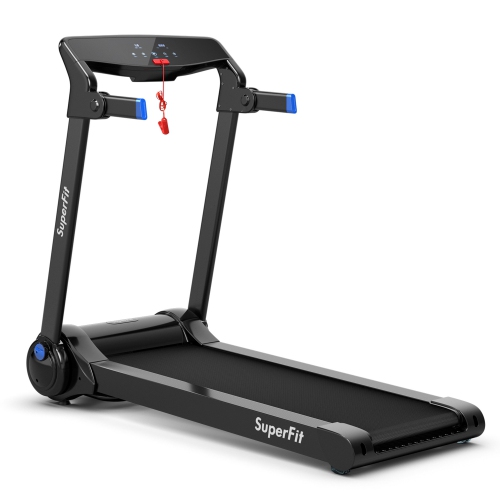
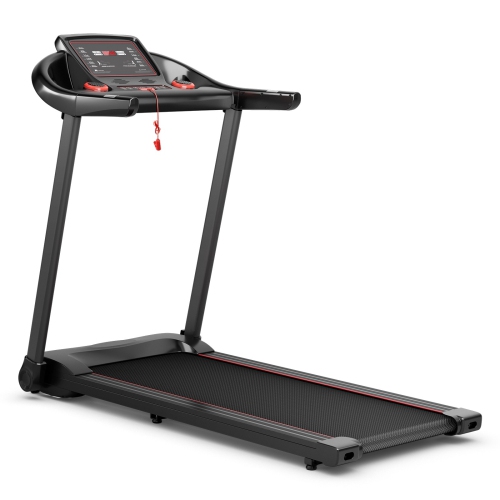
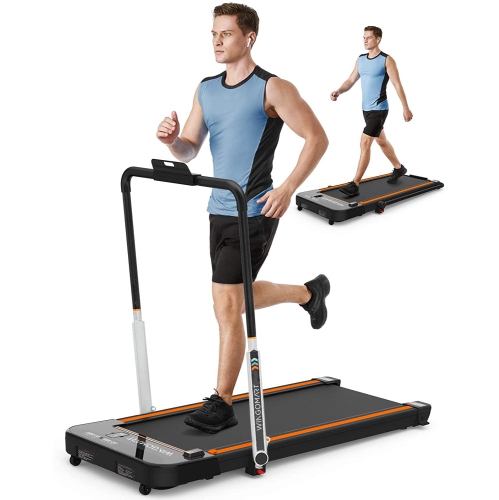
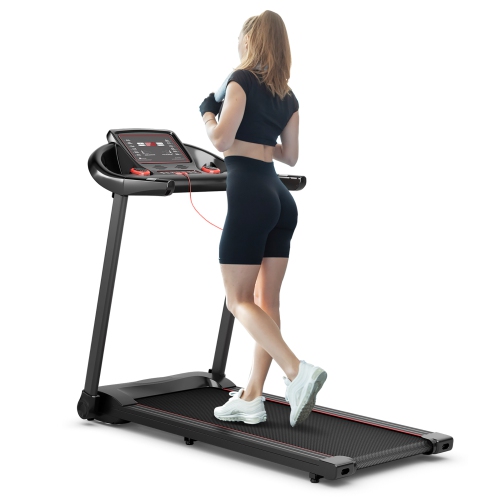
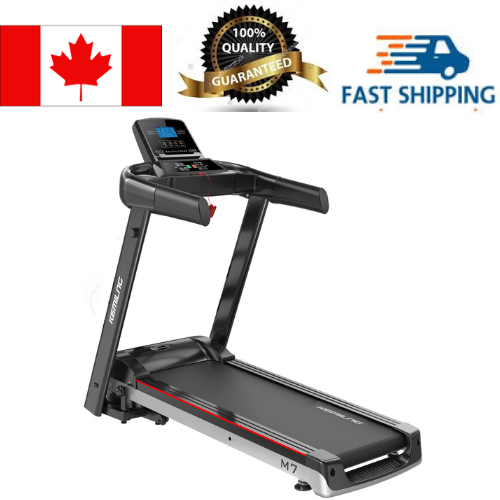
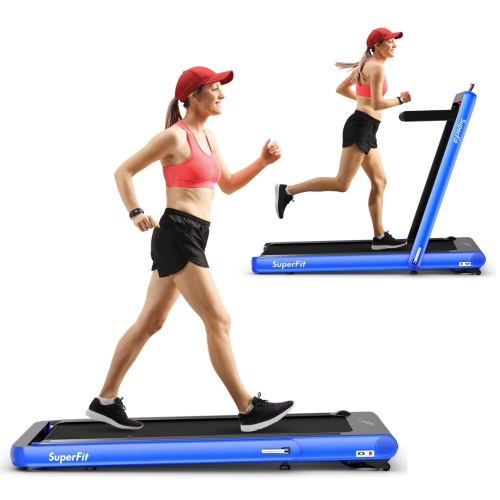
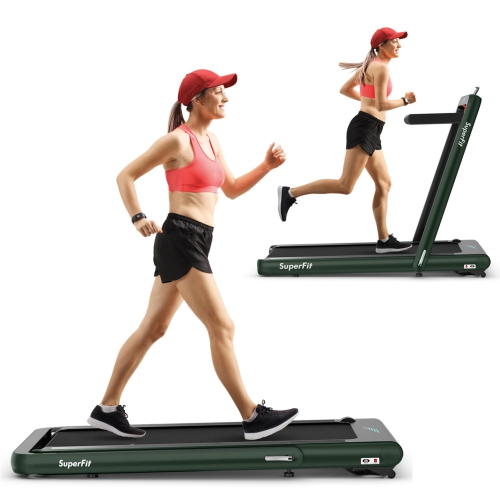
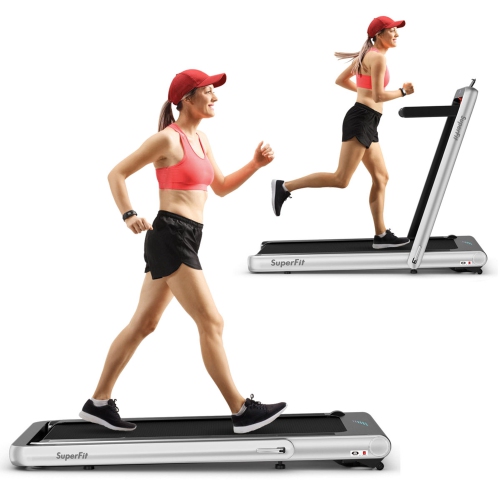
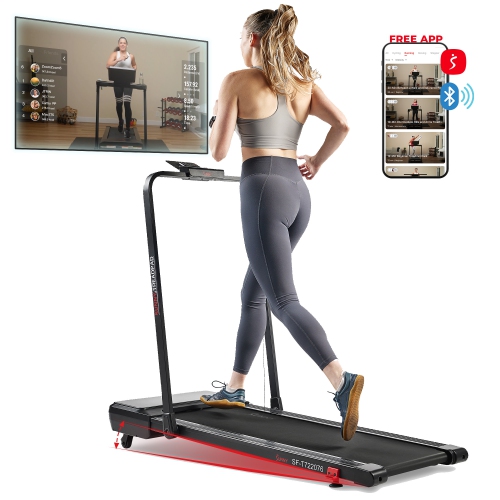
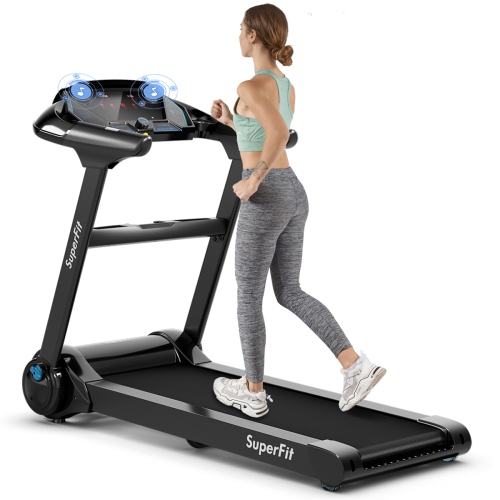
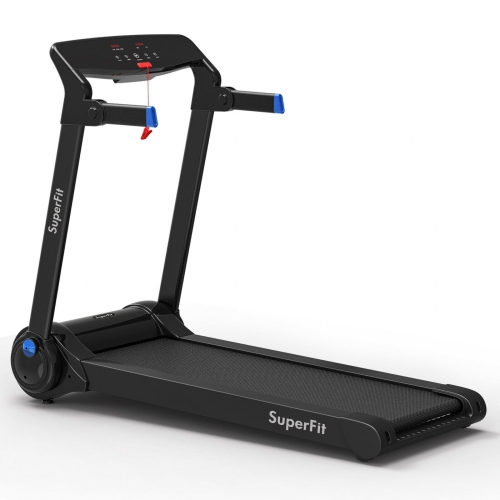
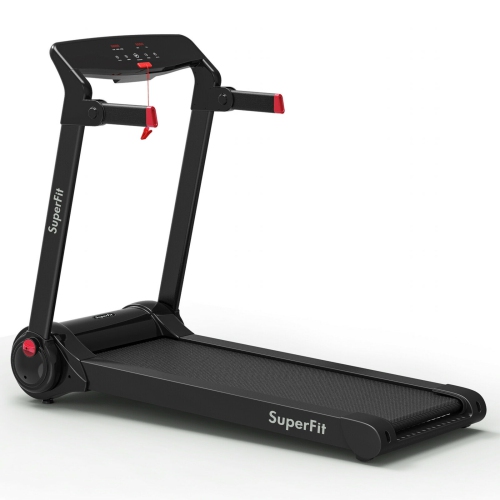
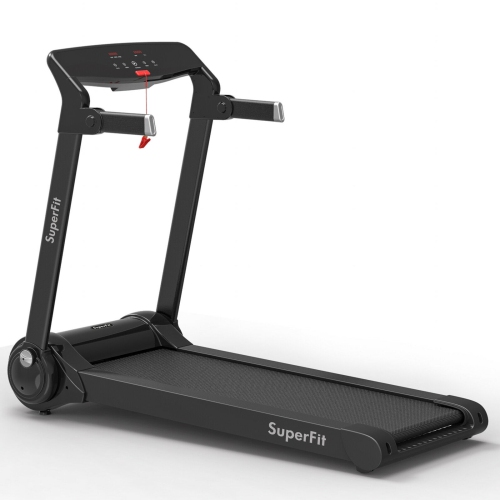
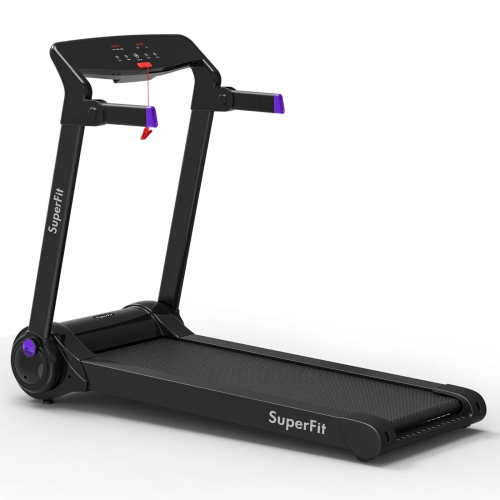
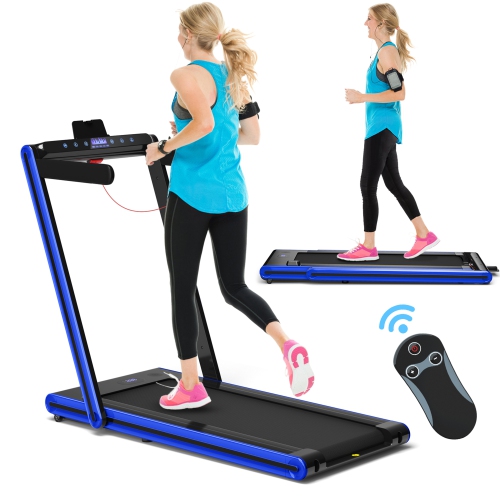
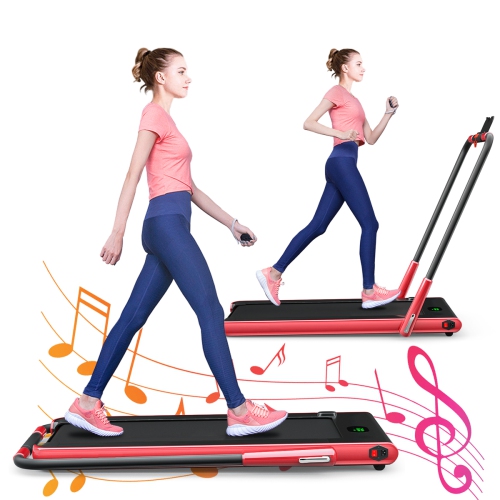
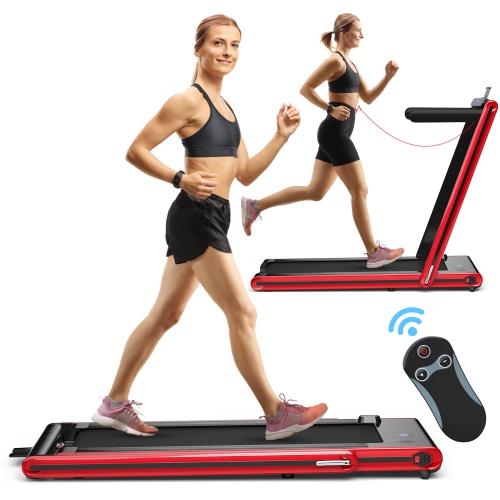
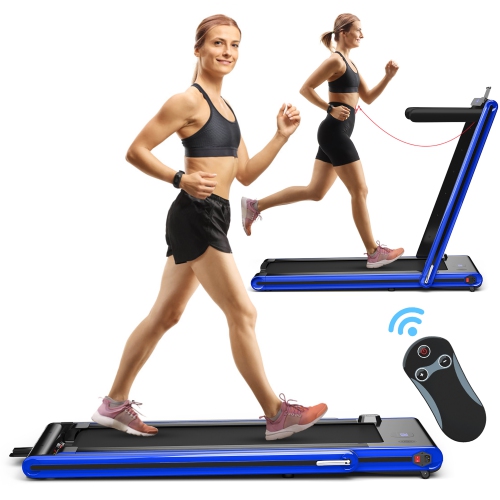
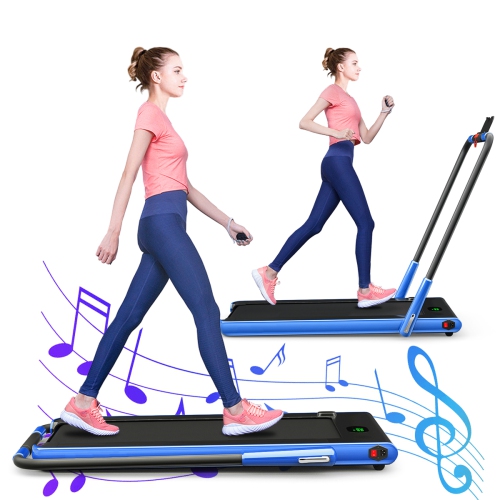
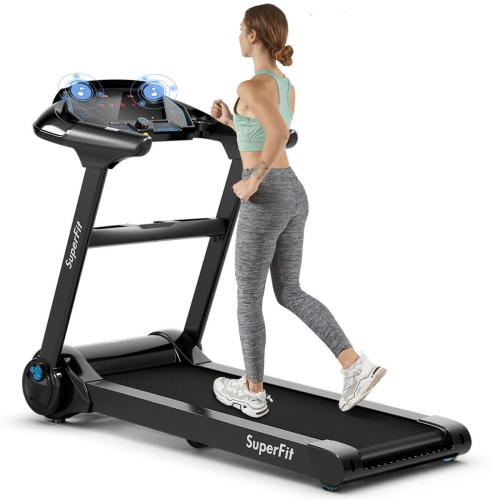
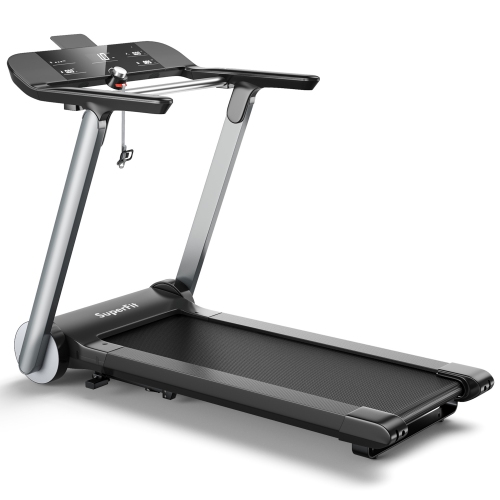
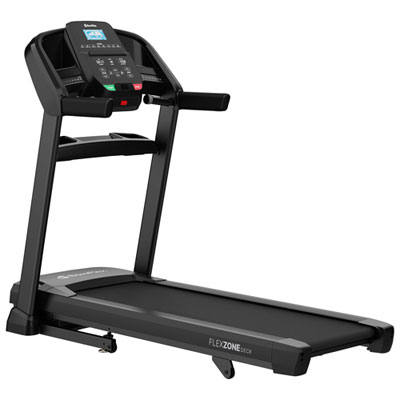
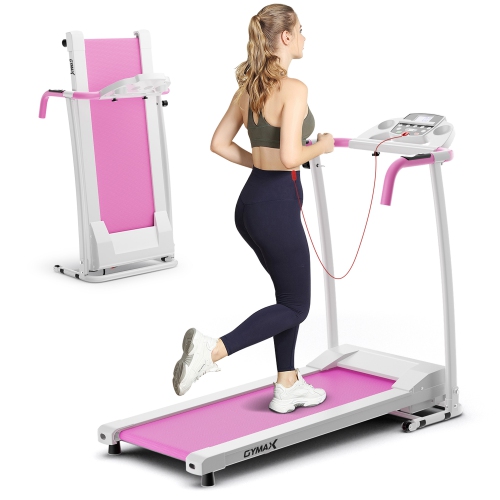
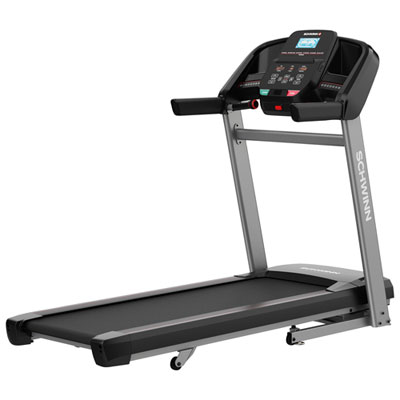
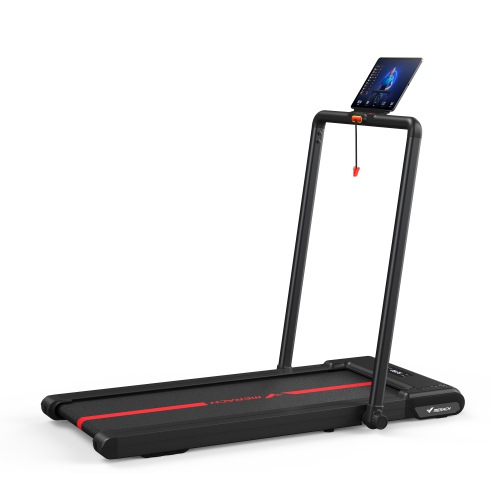
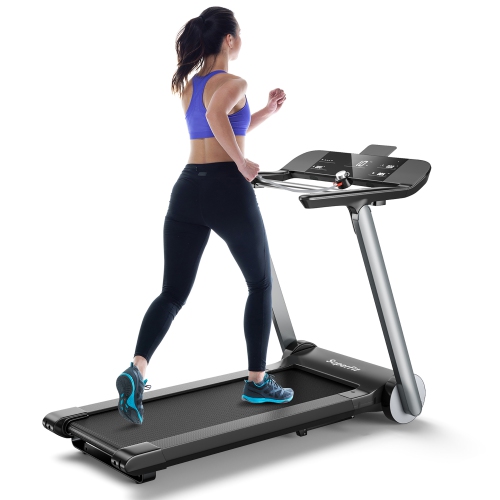
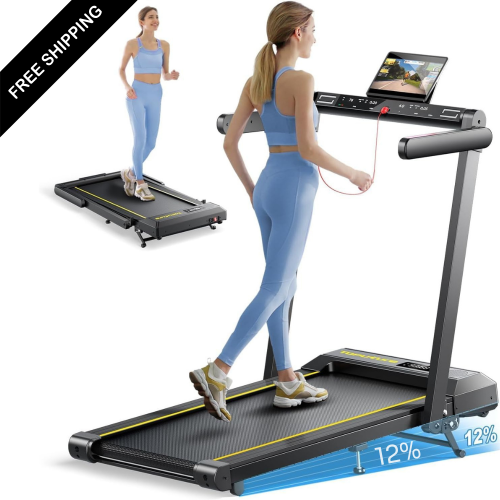
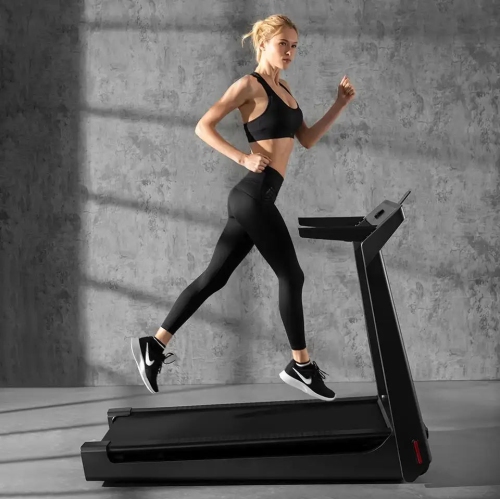
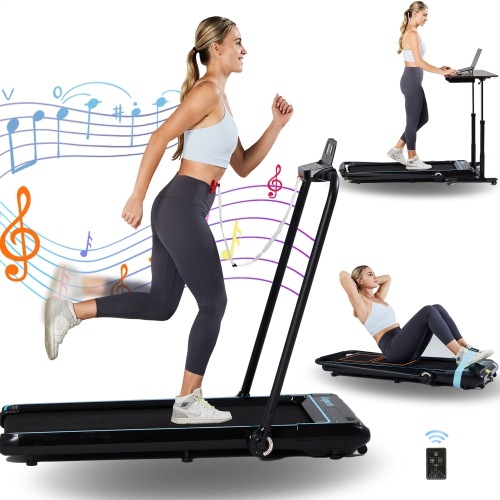
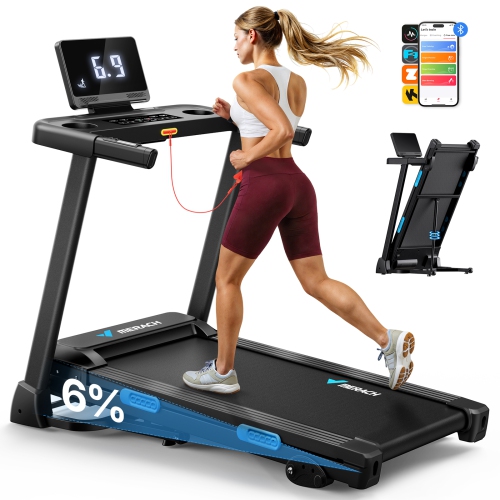
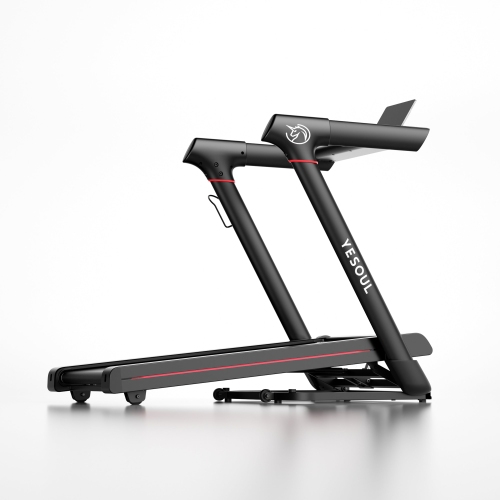
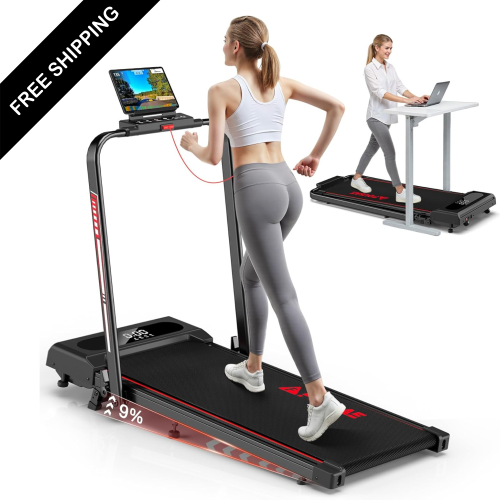
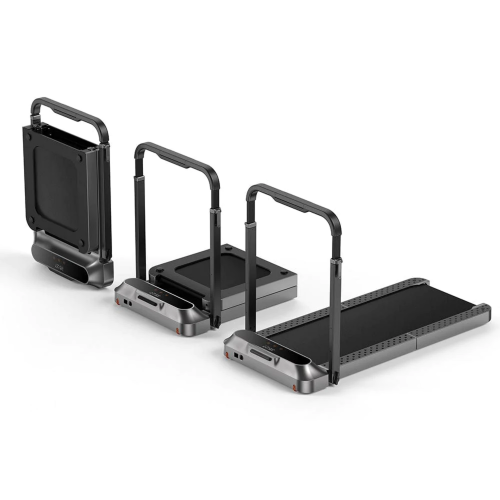
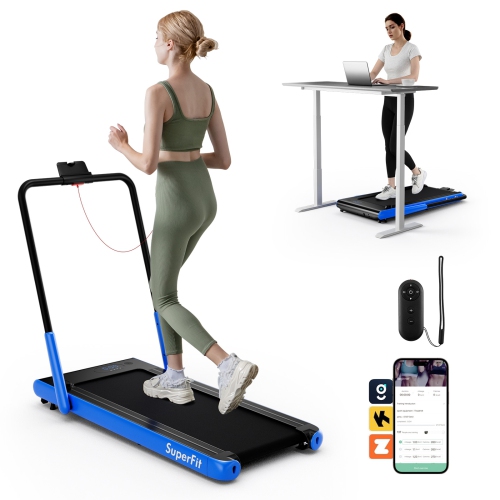
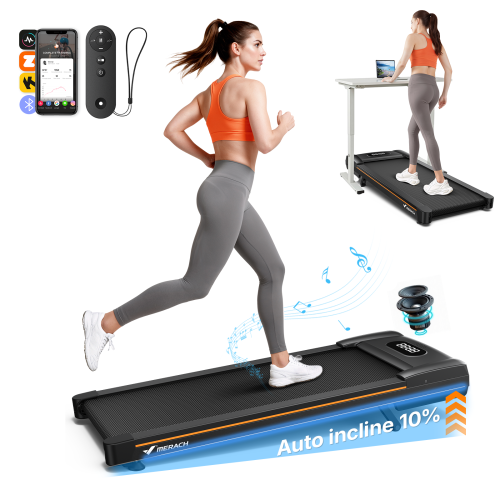
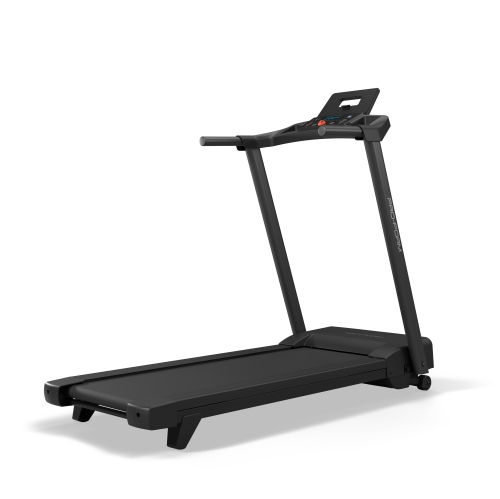
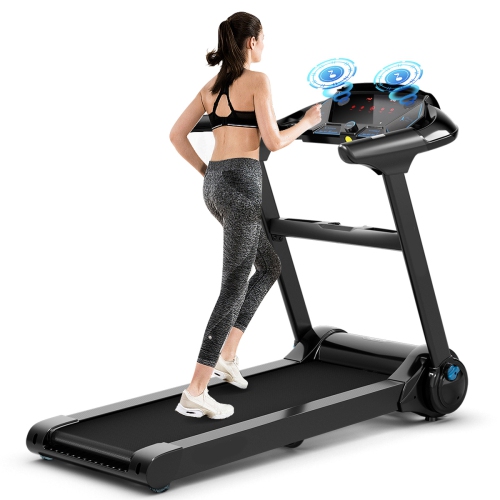
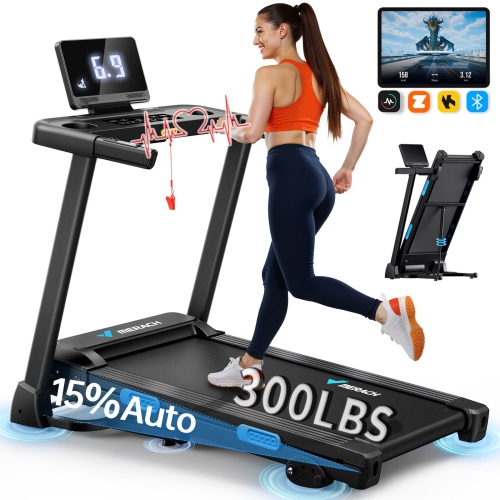
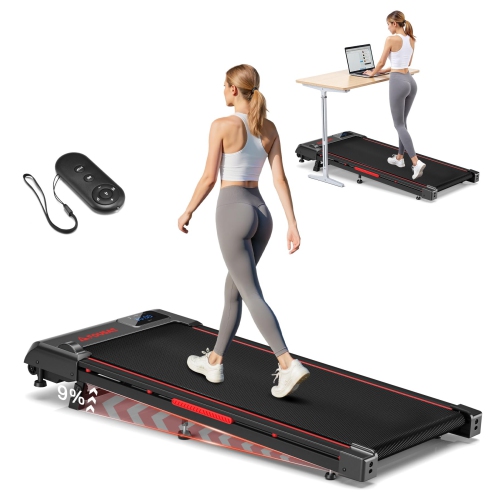
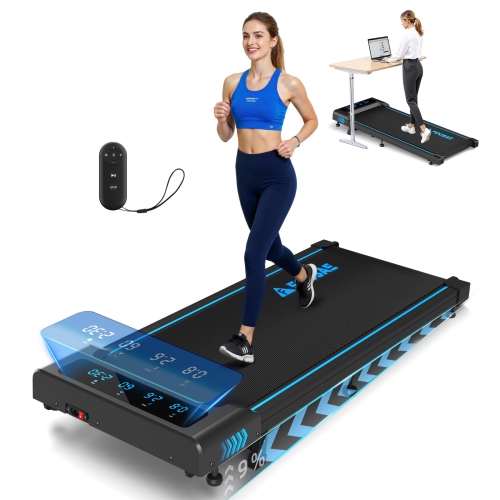
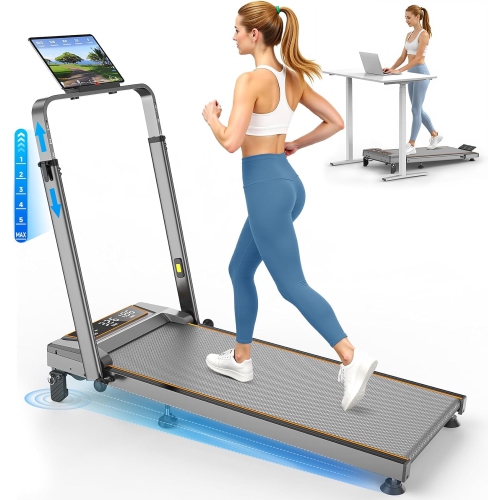
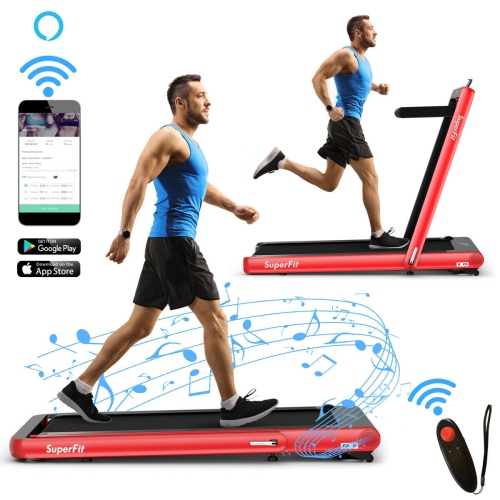
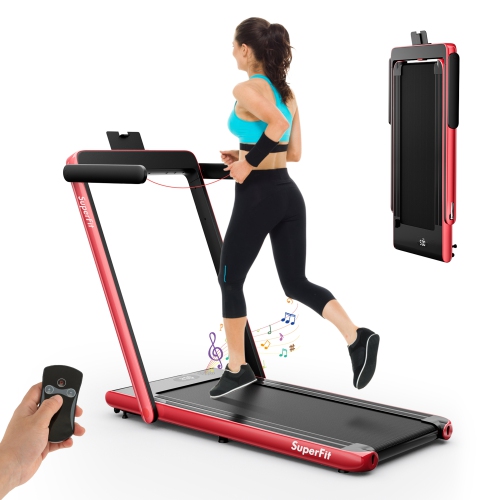
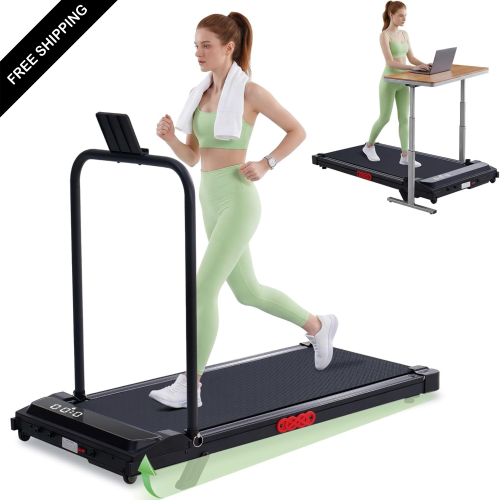
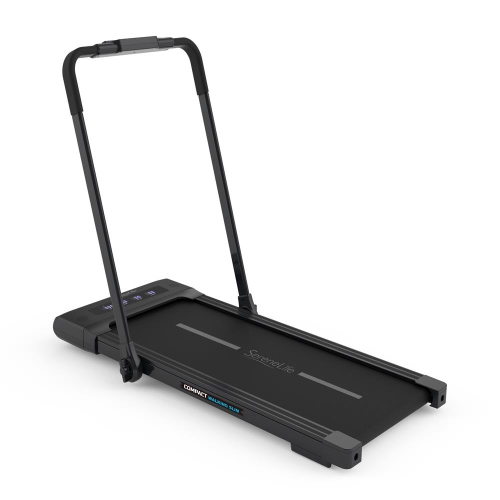
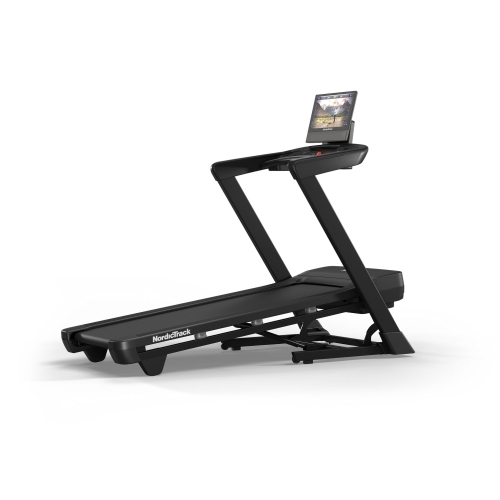
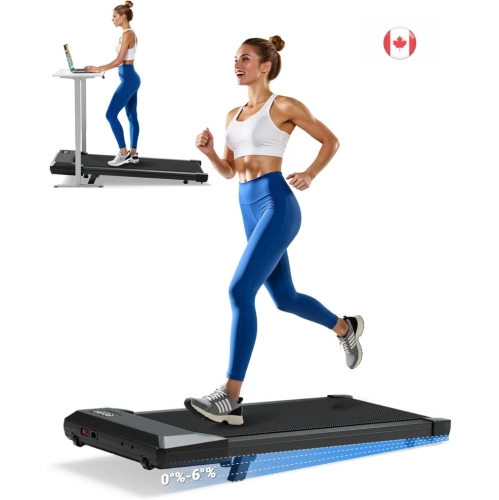
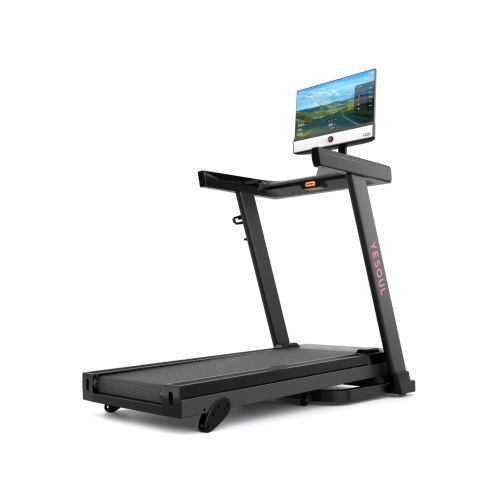
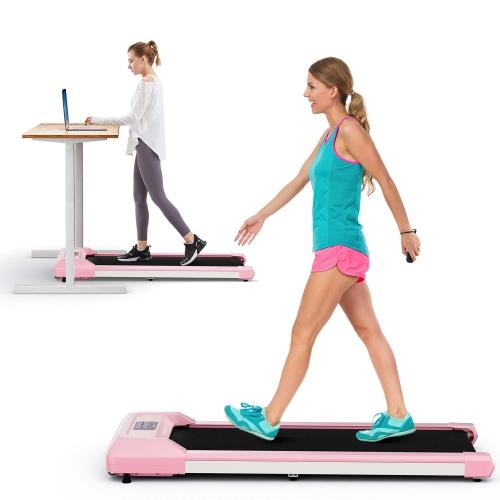
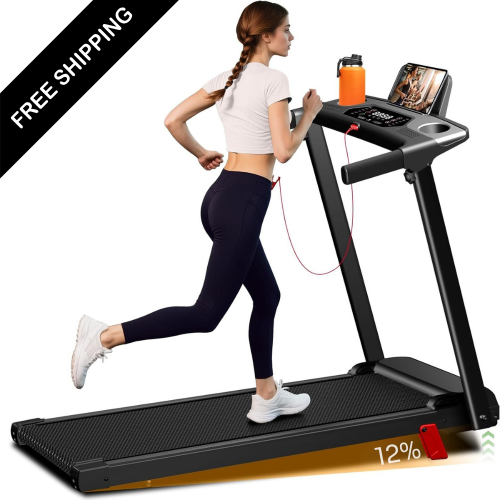
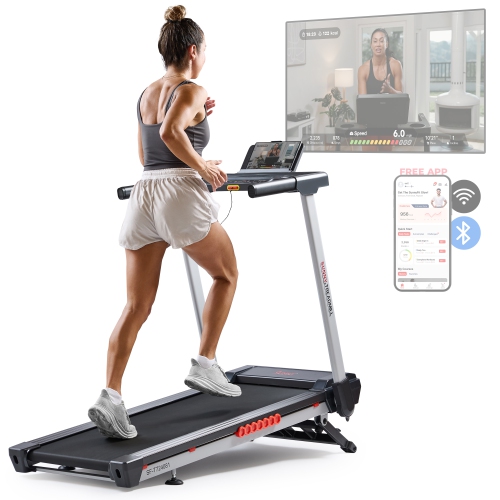
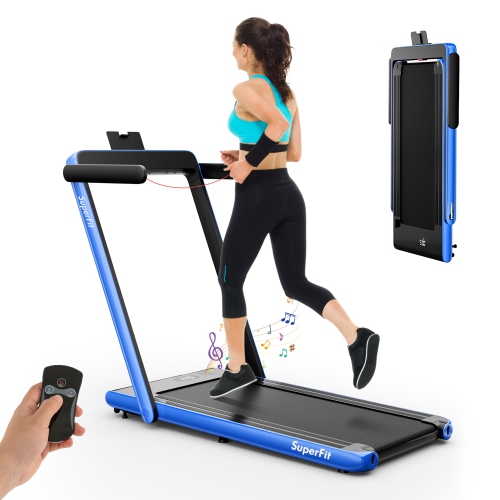
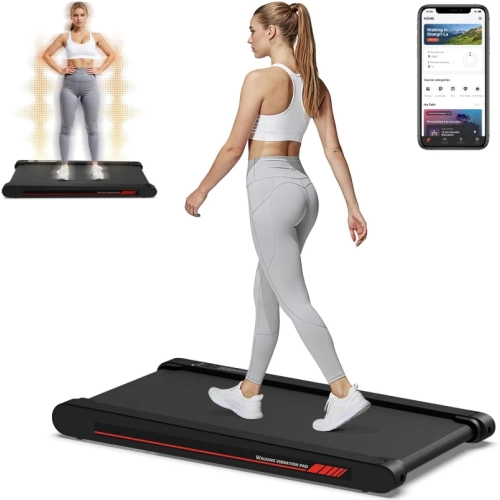
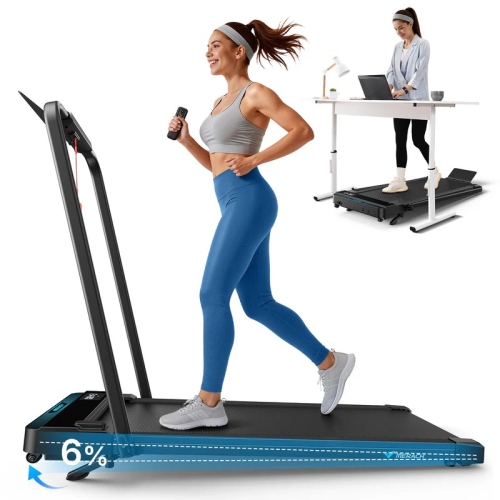
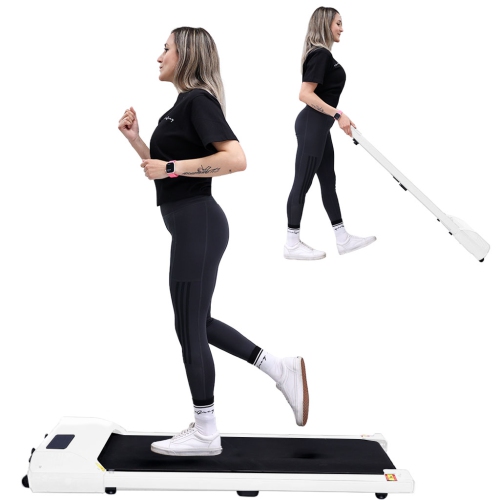
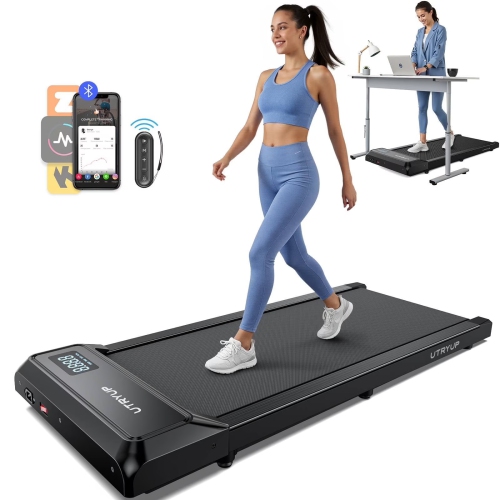
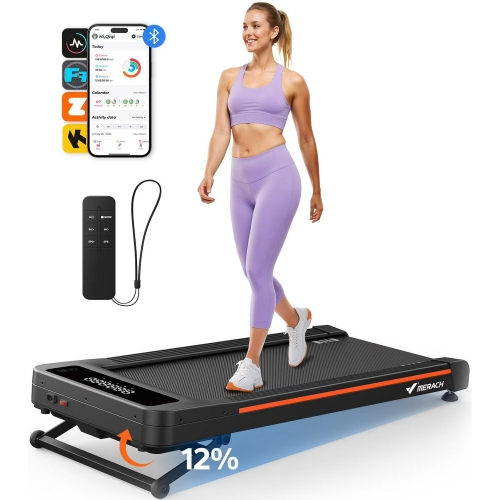
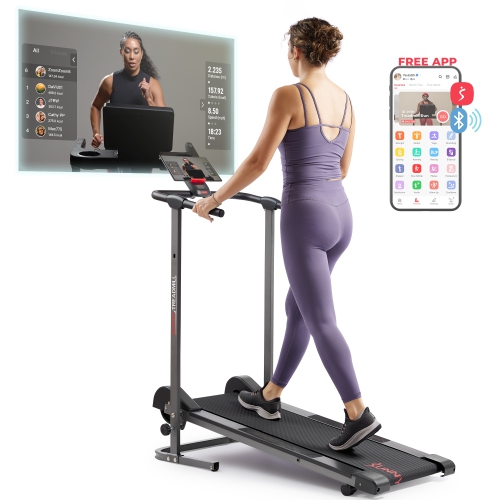
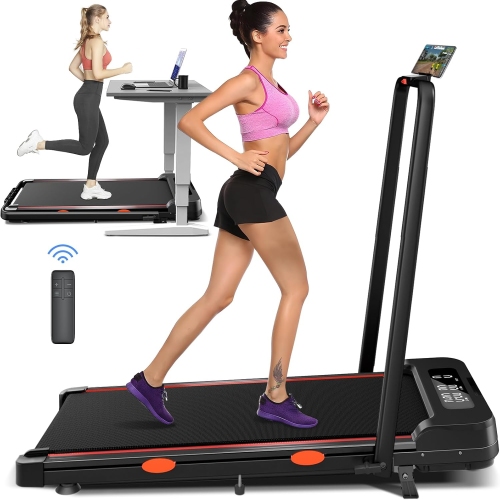
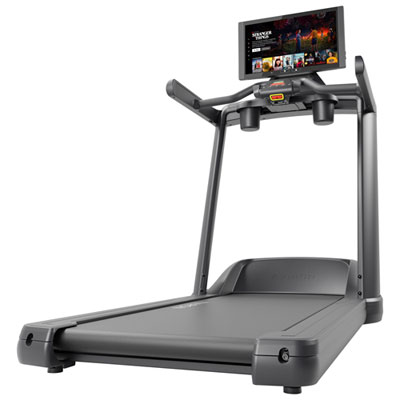
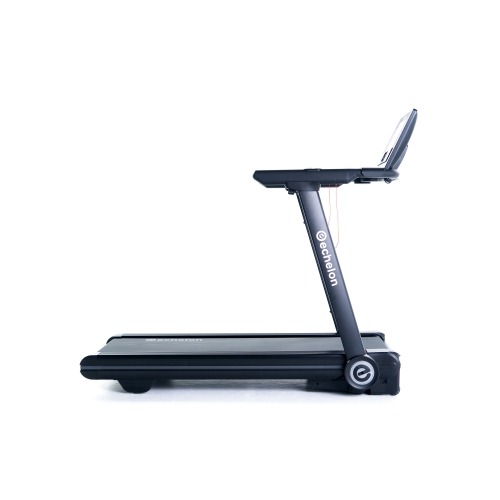
Running machines for exercise, commonly called treadmills, provide a moving belt for walking, jogging, and running in a dedicated workout space. They support everything from a short movement break to a steady endurance session, with the pace and intensity shaped by the machine’s design and the person using it. Motorized treadmills use an electric motor to drive the belt at a selected speed, making them suited to maintaining a consistent pace or alternating between timed intervals. Many also offer powered incline adjustment, which raises the front of the deck to add an uphill challenge without requiring a faster belt speed. Manual treadmills rely on the user’s movement rather than a motor to move the belt. Within that category, curved running machines allow users to change pace through their own effort and position on the running surface, although the feel takes some practice. Flat manual treadmills may be intended mainly for walking, so a non-motorized design does not automatically mean a machine is suitable for running. The same distinction applies to compact walking pads and under-desk treadmills: their speed limits, deck dimensions, and support features can differ considerably from equipment built for a full running stride. For shoppers focused on jogging, distance training, or faster intervals, Treadmills for Running brings that intended use into focus. A running-capable machine can serve a beginner building a regular routine, an experienced runner adding controlled workouts, or a household where several people exercise at different paces. Displays commonly show elapsed time, speed, distance, and incline, helping users repeat familiar sessions and notice changes in their training. Calorie figures are estimates rather than precise measurements, while heart-rate features vary in how they collect and display readings. Preset workouts can add structure, but straightforward controls remain valuable for anyone who simply wants to step on, start slowly, and settle into a comfortable rhythm.
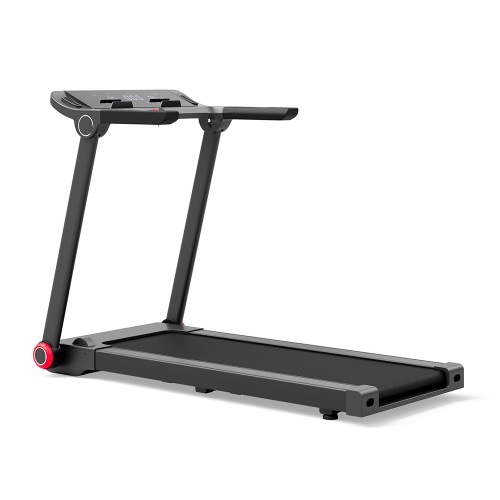
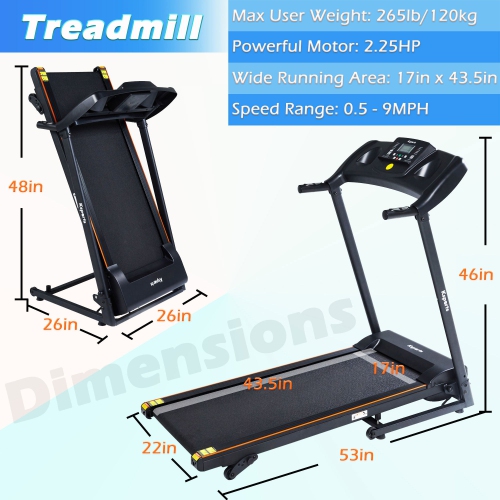
The fit of a treadmill involves both the runner and the room. A longer belt gives a taller user or someone with an extended stride more room from front to back, while belt width affects how much lateral space is available during movement. These dimensions become especially important as the pace increases: a surface that feels adequate for an easy walk may feel restrictive during a run. Published user weight limits, supported speeds, and the manufacturer’s intended-use description help establish whether a machine suits its users. Motor performance also matters, but a horsepower figure alone does not tell the whole story. Continuous-duty ratings describe sustained output, whereas peak ratings describe a brief maximum; comparing unlike ratings can give a misleading impression. The combination of motor, belt, deck, frame, and permitted operating time is more useful when considering frequent or longer sessions. Sturdy steel frames are common, with deck supports, rollers, and belt construction all contributing to stability and wear resistance. Cushioning systems can soften the feel of foot strikes compared with a rigid running surface, though the amount of cushioning varies and does not guarantee freedom from discomfort or injury. A secure feel underfoot, accessible speed controls, and enough stride space matter more than an impressive-looking console. In a shared room, the machine’s footprint includes more than its listed length and width: the manufacturer’s required clearance around and behind the belt must remain open. Ceiling height needs to account for the user standing on the deck, including at the highest incline. Folding designs can free floor space between sessions, but some only raise the deck rather than fold flat, and storage dimensions deserve separate attention. Transport wheels help with repositioning, although a heavy treadmill may still be difficult to move across carpet or through doorways. For an upstairs workout area or a room beside a home office, both motor sound and the repeated thud of footfalls are practical considerations. A suitable equipment mat may help protect flooring and reduce some vibration, but it will not make running silent.
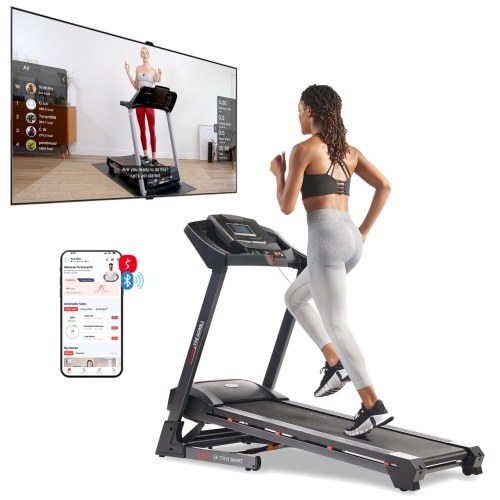
Day-to-day usability often determines how comfortably a running machine fits into a routine. Large, readable controls make small pace changes easier, and direct-access speed or incline buttons can be helpful when alternating an easy jog with a more demanding effort. A tablet shelf, bottle holder, or built-in fan may add convenience during longer sessions, provided accessories do not obstruct controls or encourage an awkward running posture. Connected features can include workout tracking, app compatibility, Bluetooth connections, or Wi-Fi, but supported devices and account requirements vary. Basic operation without a connected app can be an important distinction for a household that prefers uncomplicated workouts. For shared use, separate profiles may make it easier to keep training records apart, while quick adjustments help accommodate different preferences. Safety features deserve equal attention: handrails provide support when needed, and an emergency stop key or clip should be used as directed. Children and pets need to stay away from the equipment during use and storage, particularly around the moving belt and folding mechanism. Supportive athletic footwear, secure laces, and clothing kept clear of moving parts contribute to a more comfortable session. Routine care helps preserve the belt, deck, and moving components. Sweat can be wiped from accessible surfaces after use, and the area around the machine should be kept free of dust and debris. Cleaning products, belt lubrication, alignment checks, and tension adjustments must follow the manufacturer’s instructions; some running surfaces need periodic lubrication, while others use different maintenance arrangements. Power should be disconnected before cleaning or maintenance where instructed, and electrical connections should meet the requirements in the owner’s manual. Durability is also reflected in serviceable components, clear maintenance information, and warranty terms that distinguish coverage for the frame, motor, parts, and labour. For someone using a treadmill several times a week, these less visible details can matter as much as workout programmes. A machine matched to the user’s stride, training habits, available space, and willingness to maintain it is better suited to becoming a dependable part of everyday exercise.
Top selling and popular products
-
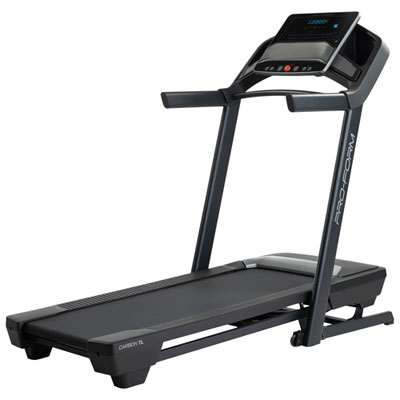 Your price for this item is $1099.98
-
 Your price for this item is $2901.98
-
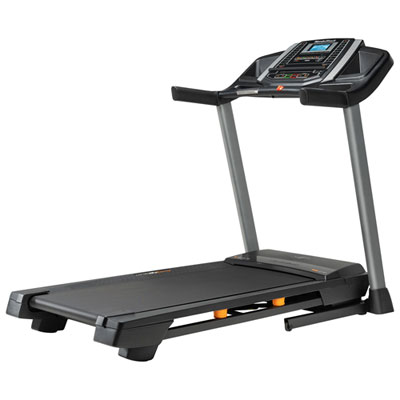 Your price for this item is $995.98
-
 Your price for this item is $1278.98
-
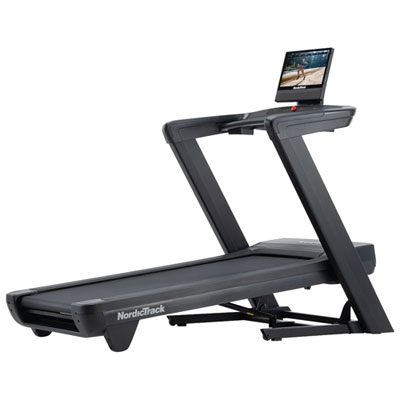 Your price for this item is $2501.98
-
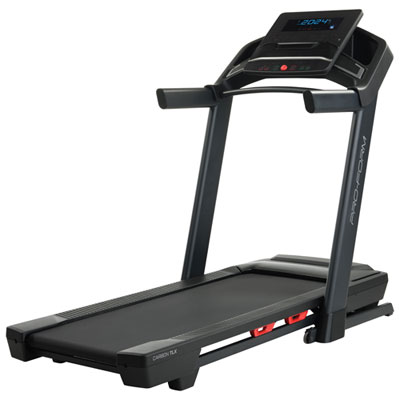 Your price for this item is $1399.99
-
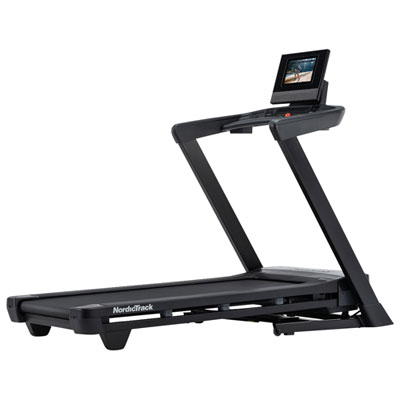 Your price for this item is $1799.99
-
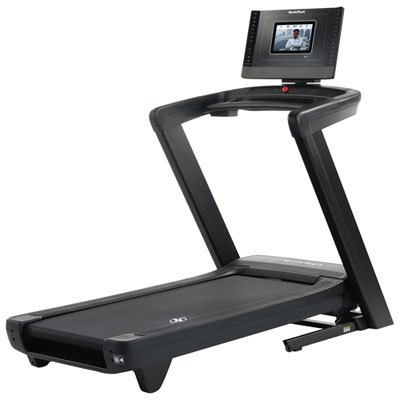 Your price for this item is $2698.98
Discover more categories related to Running Machines for Exercise
Top Collections:
Pokemon Centers, Best Cameras for Sports Photography, Kindle Devices, Samsung Galaxy Phones, Canon G7X Cameras, Pokémon 30th Celebration Cards, Refurbished Apple Laptops, iPhone 15 Apple, Laptops for Students, Budget Smartphones
Some products may be subject to Environmental Handling Fees
(EHF) depending on your province.
Learn more about EHFs.