Digital Hygrometers
Digital hygrometers are essential tools for monitoring and maintaining optimal humidity levels in your home, office, or any indoor space. These devices provide accurate readings to help you create a comfortable and healthy environment, preventing issues such as mold growth, dry skin, and damage to wooden furniture or musical instruments. Whether you're a plant enthusiast, a cigar aficionado, or simply looking to improve air quality, a digital hygrometer is a versatile gadget that can benefit everyone. Explore our selection of digital hygrometers to find the perfect solution for your needs.
Sort
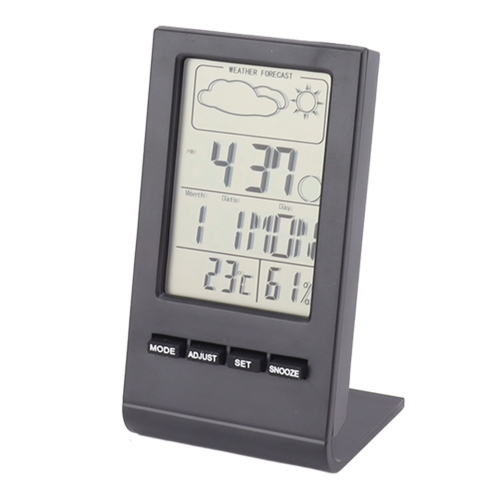
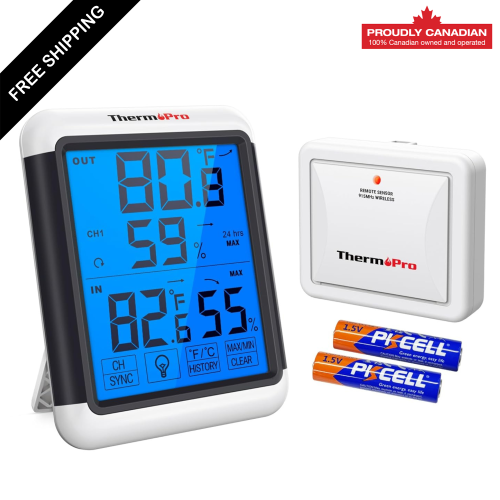
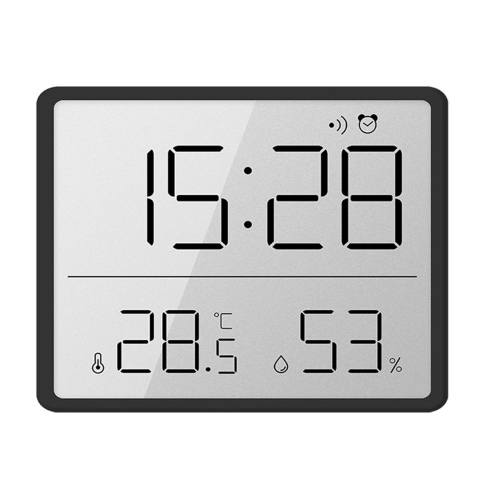
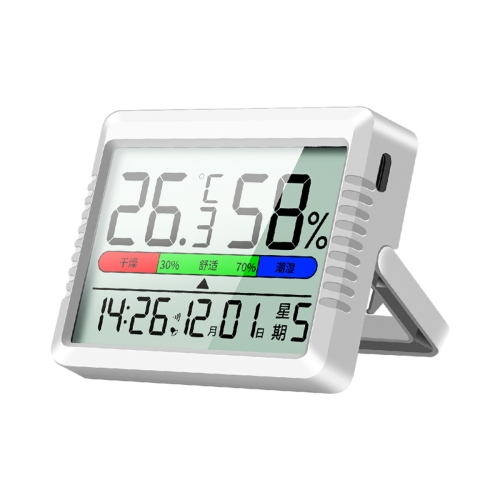
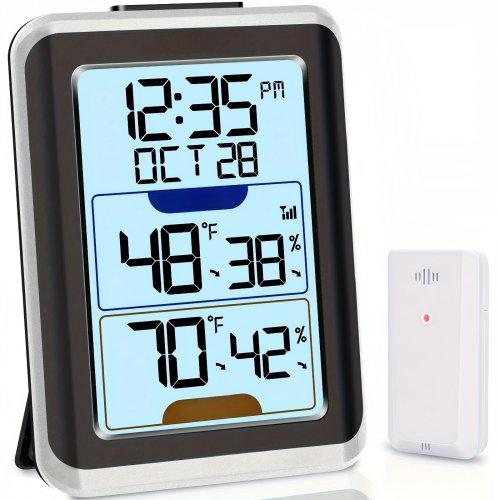
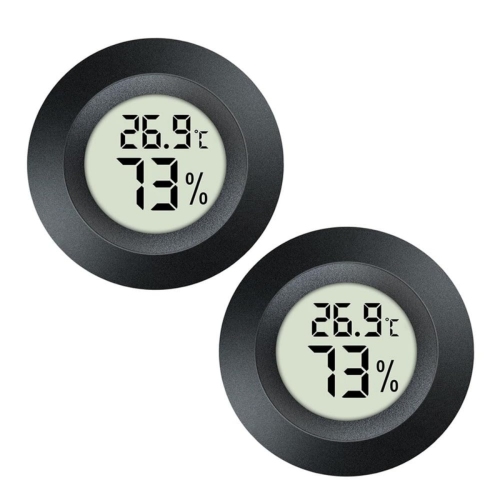
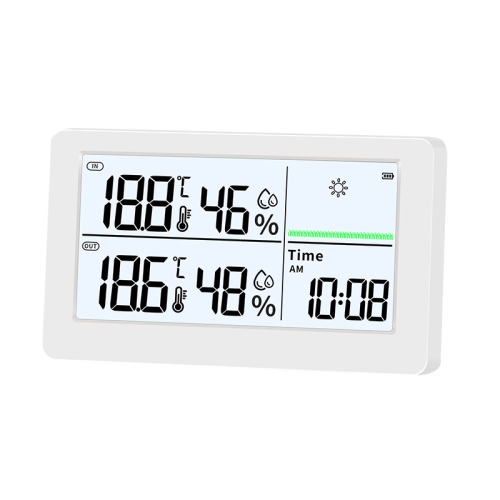
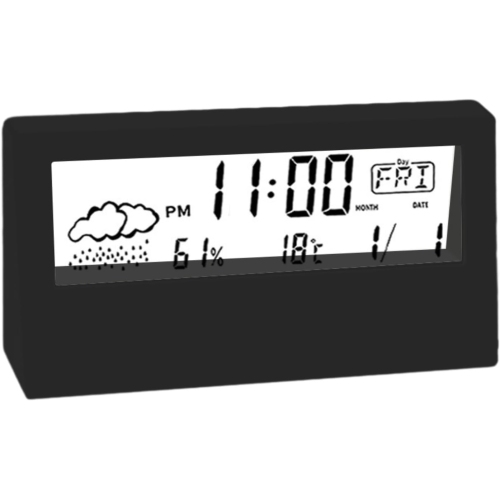
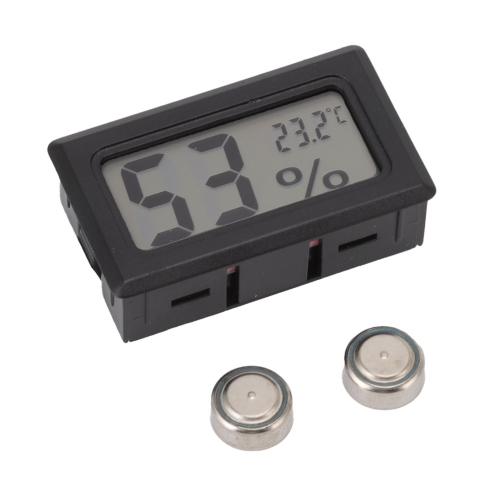
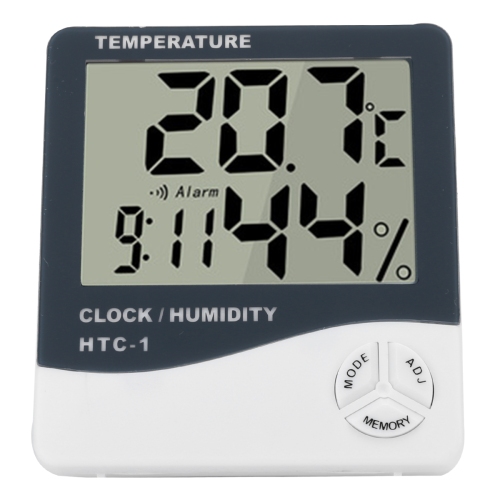
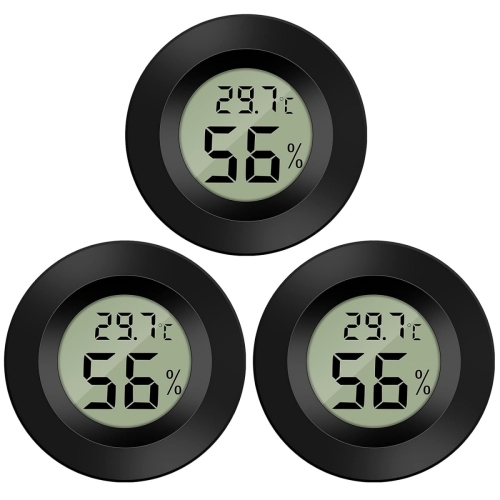
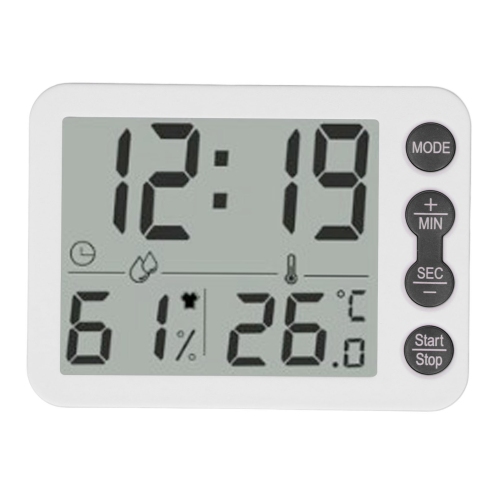
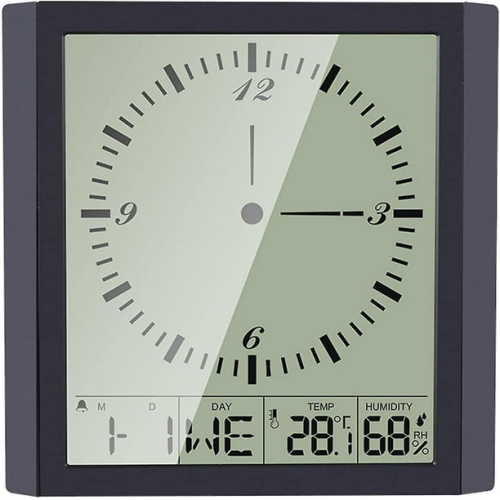
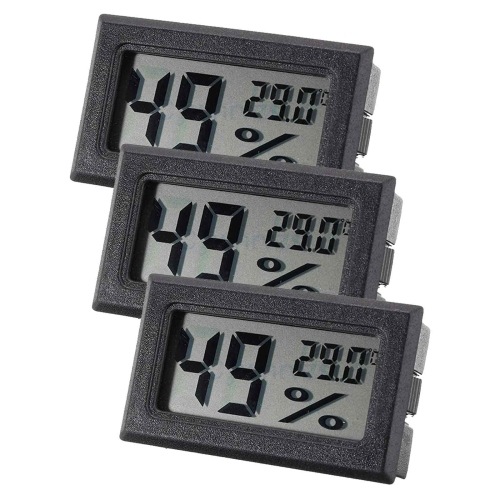
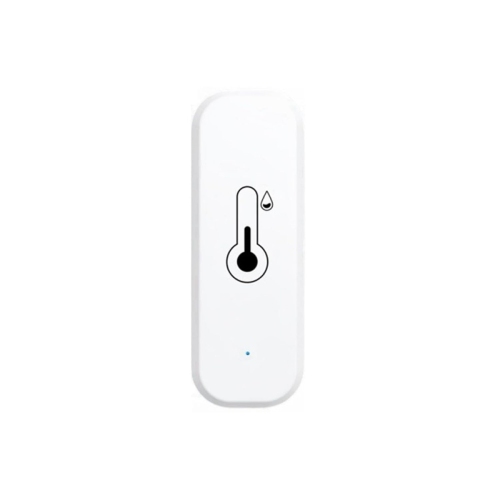
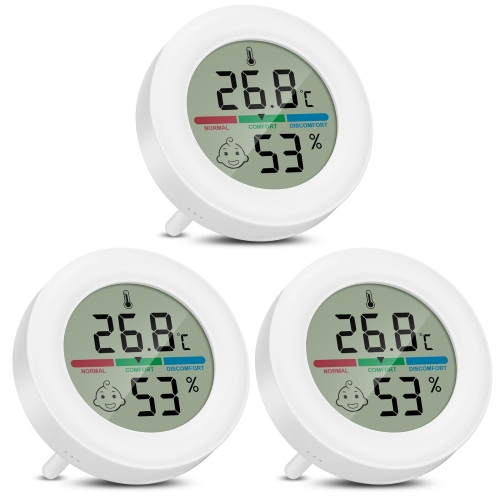
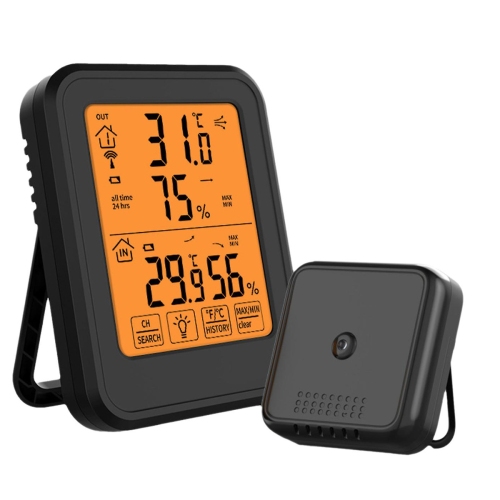
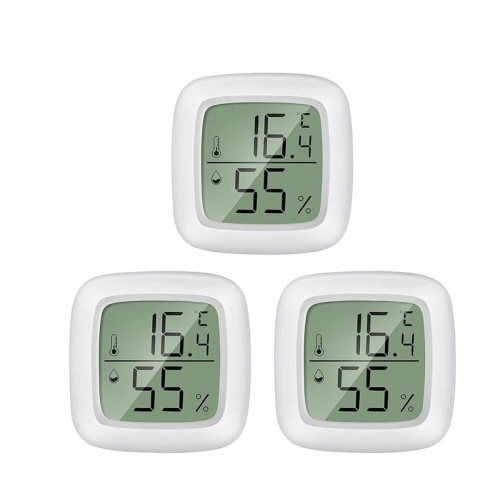
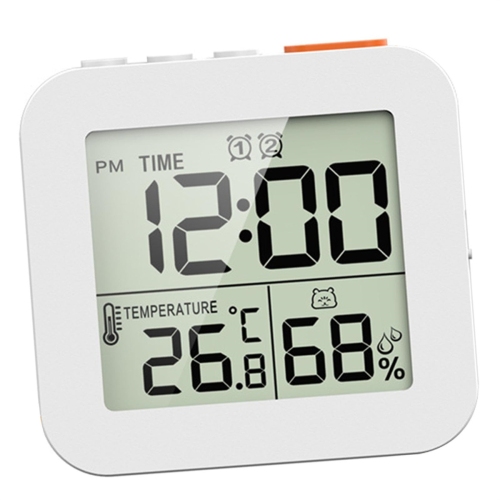
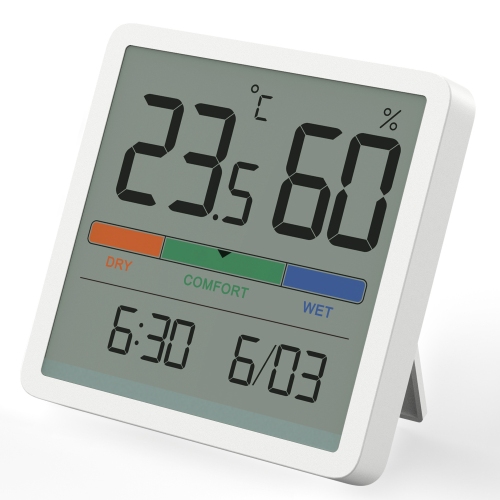
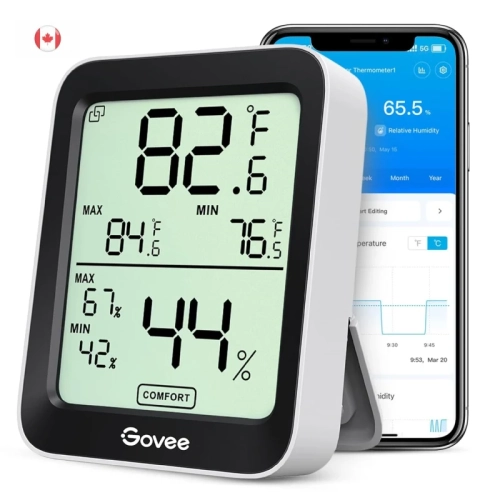
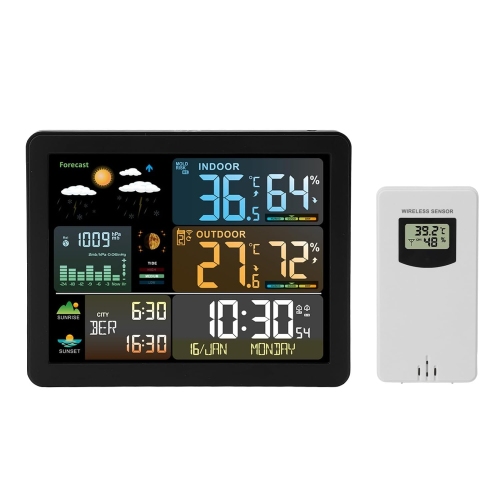
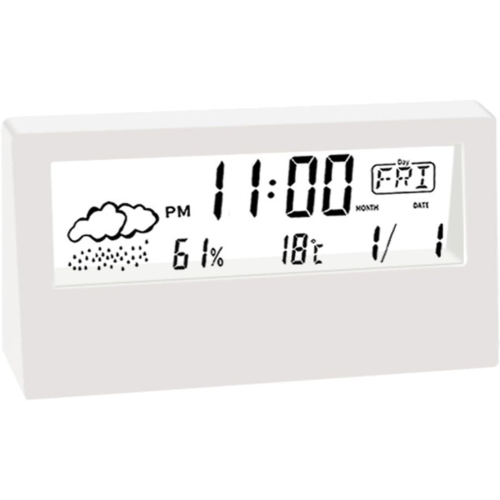
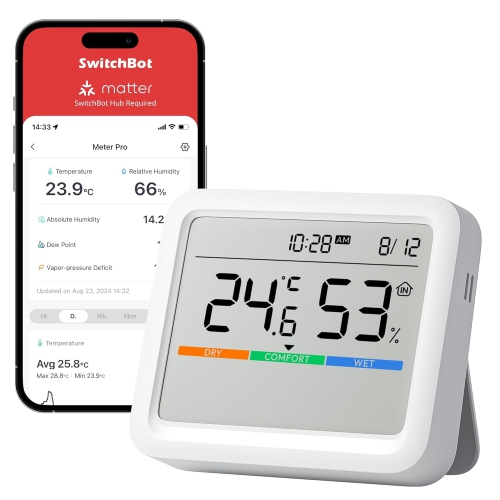

What humidity readings can tell you about your home
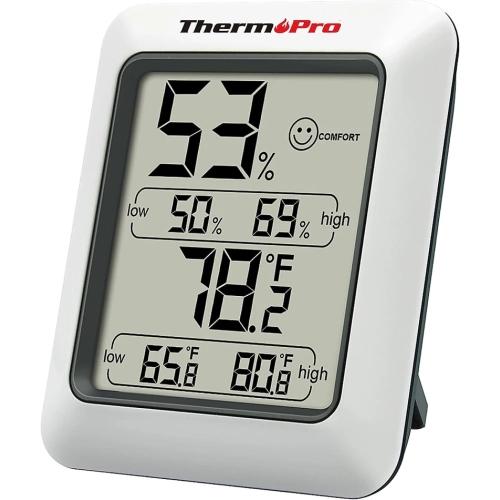
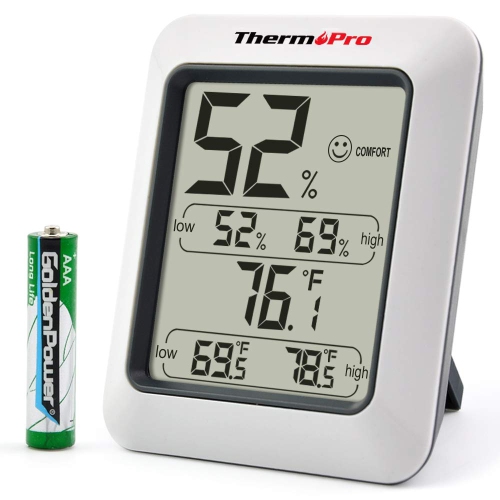
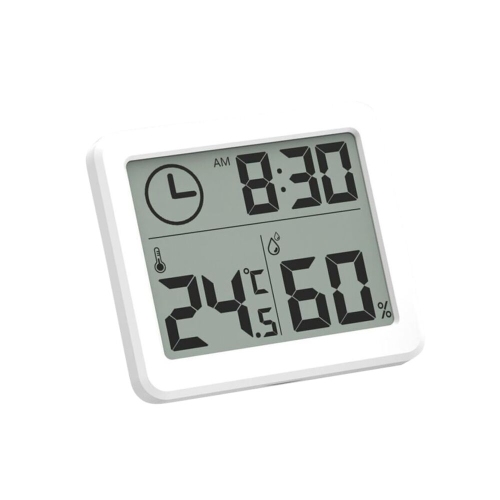
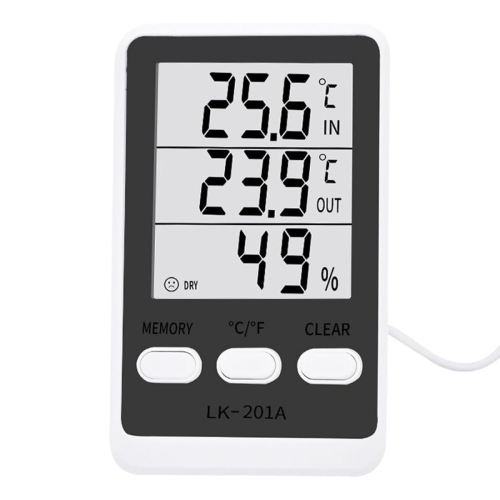
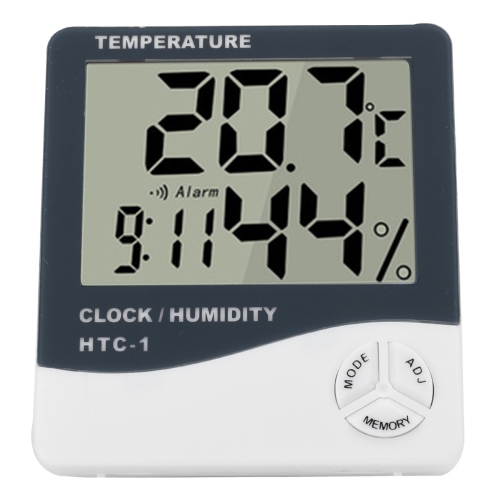
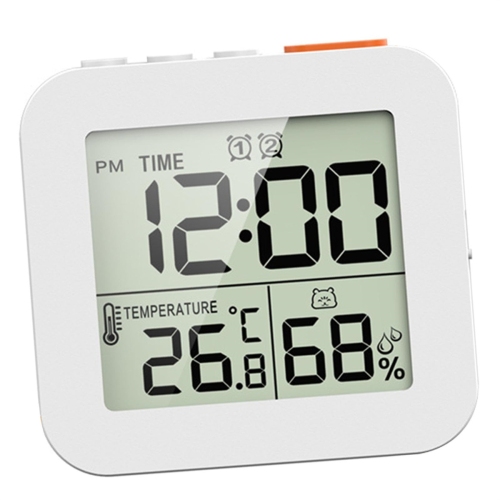
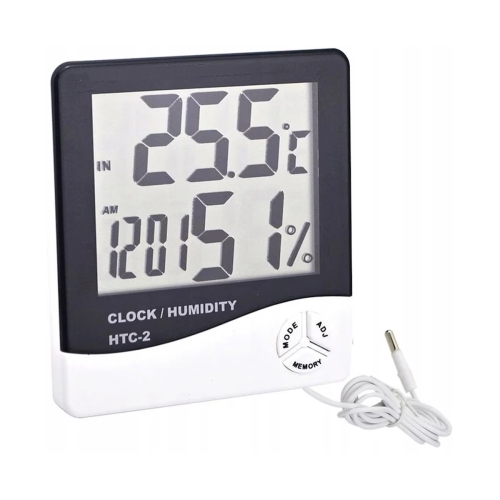
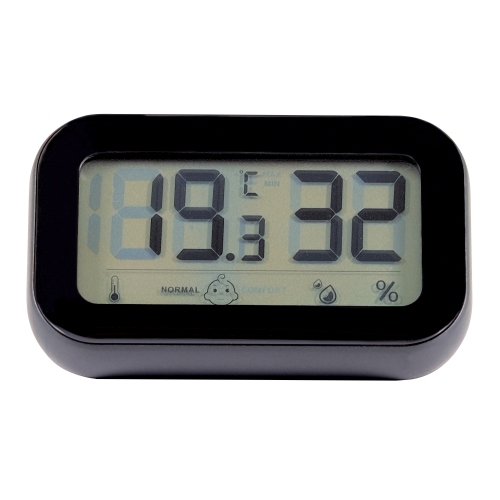
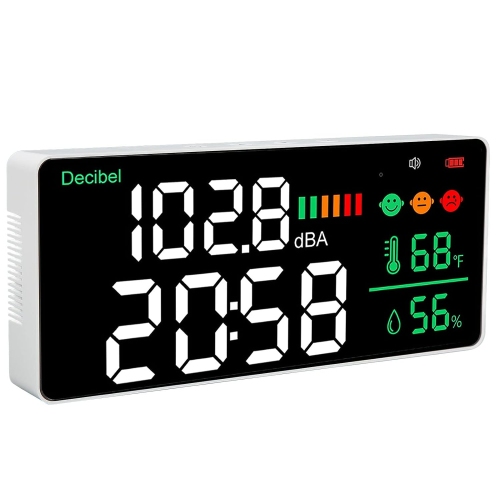
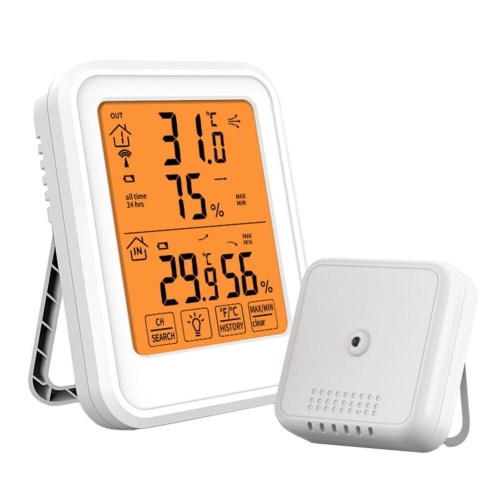
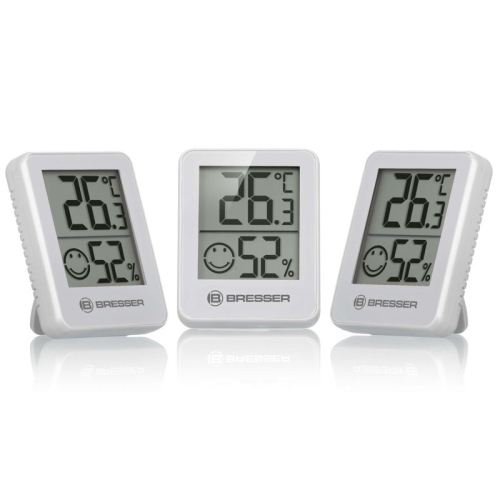
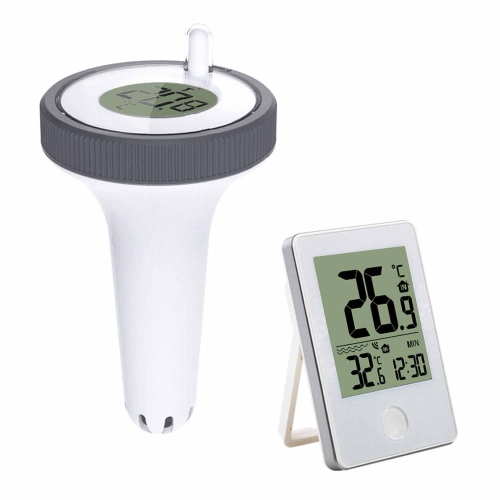
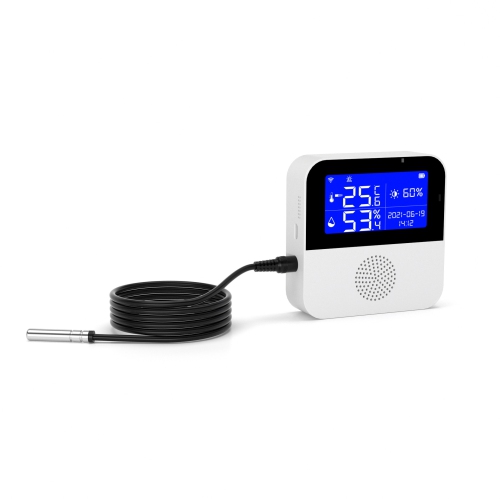
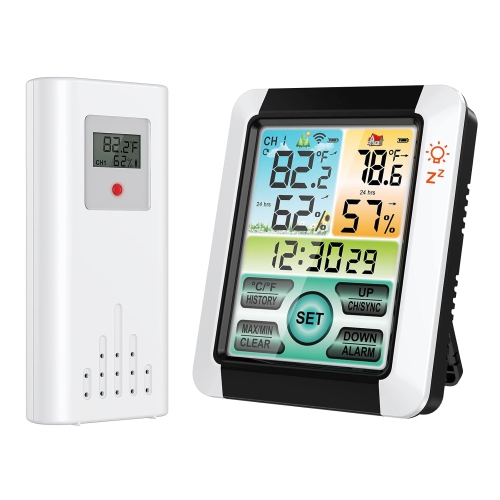
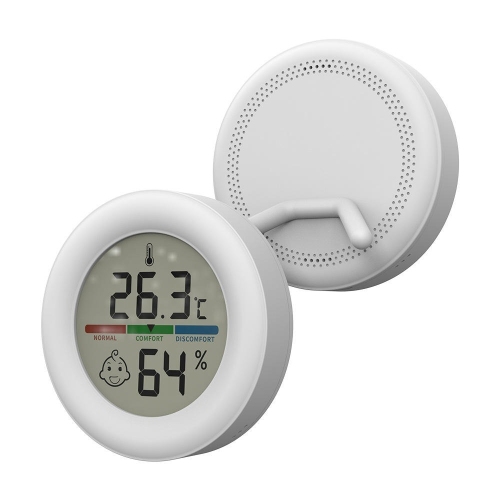
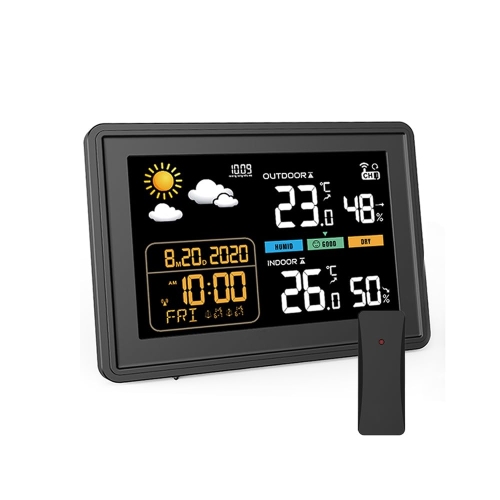
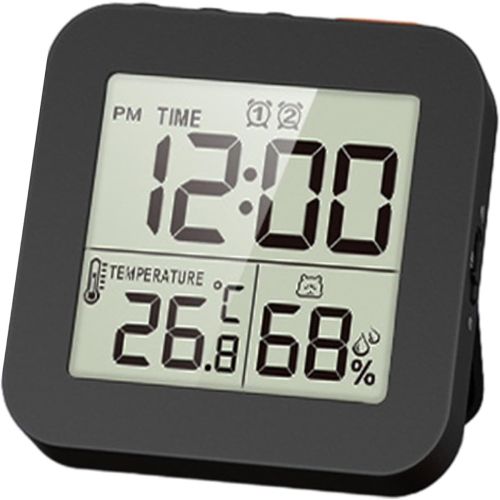
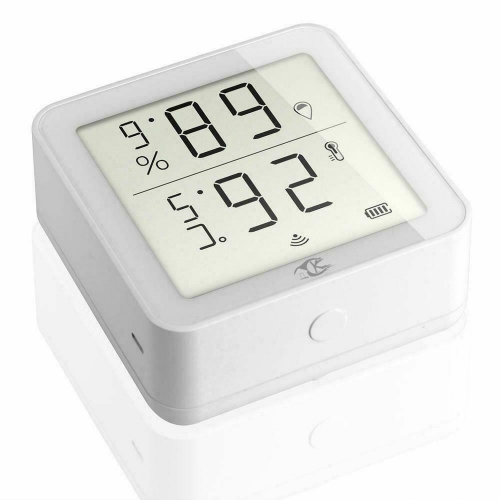
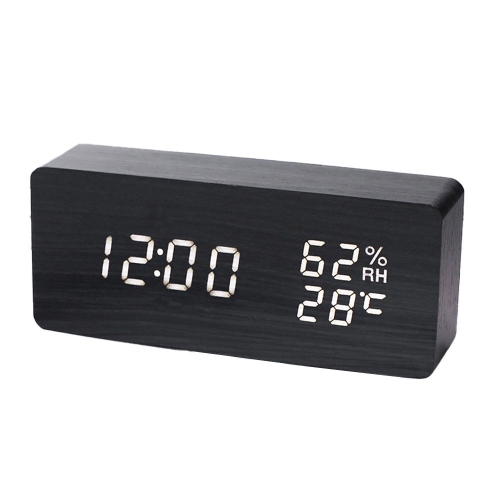
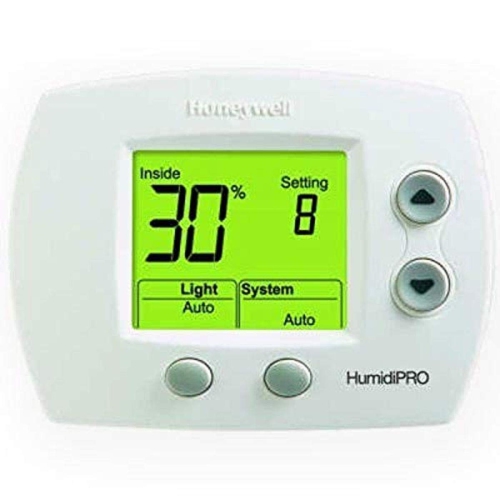
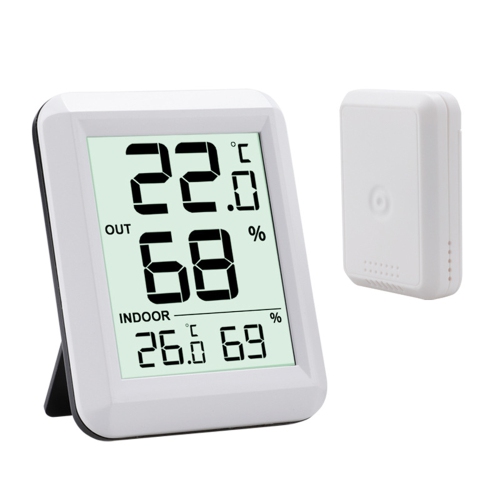
Digital hygrometers are electronic instruments that measure relative humidity and show the result as a percentage on a screen. Many also display temperature, bringing two closely related measurements together in one compact device. Relative humidity describes how much water vapour is in the air compared with the maximum amount the air can hold at that temperature. That distinction matters because a change in temperature can change the relative humidity reading even when the amount of moisture stays the same. Around the home, digital hygrometers help make sense of a room that feels unusually dry, a basement with a persistent damp smell, or a storage cupboard where moisture could affect its contents. They provide a useful reference when assessing the effect of a humidifier, dehumidifier, ventilation system, or everyday activities such as cooking and showering. A relative humidity range of roughly 30% to 50% is a common household reference, although appropriate levels depend on the space, building conditions, and any materials being stored. Many household models specify humidity accuracy of approximately ±2% to ±5% RH, with temperature accuracy often around ±1°C; actual performance depends on the device and its stated operating range. Display resolution and accuracy are different: a screen that changes in increments of 1% RH does not necessarily measure humidity to within ±1% RH. Accuracy specifications are most useful when they identify the humidity and temperature ranges over which they apply. Minimum and maximum memory can reveal fluctuations that a single glance would miss, such as a rise in moisture after a shower or a drop while a dehumidifier runs. Some devices retain these extremes until reset, while others use a rolling period. Response time also varies, so a sensor moved between rooms needs time to settle before its reading meaningfully represents the new location.
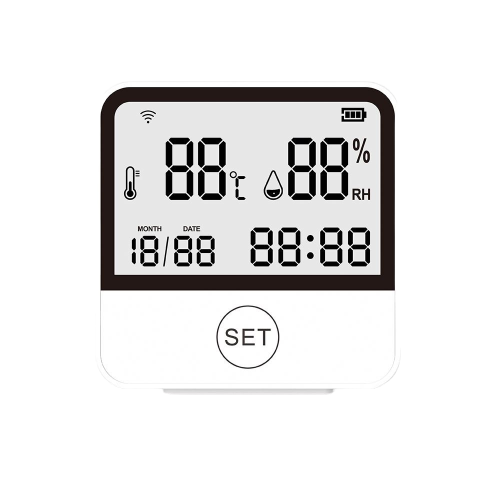
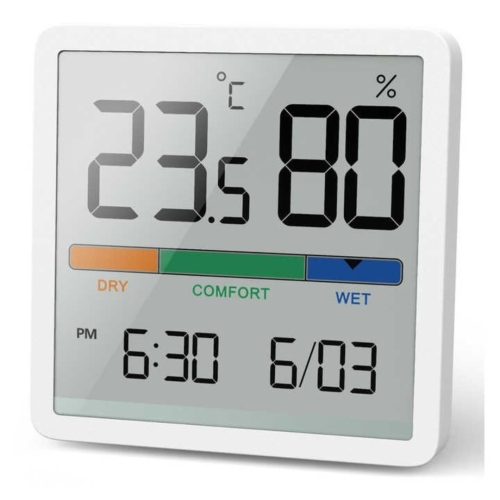
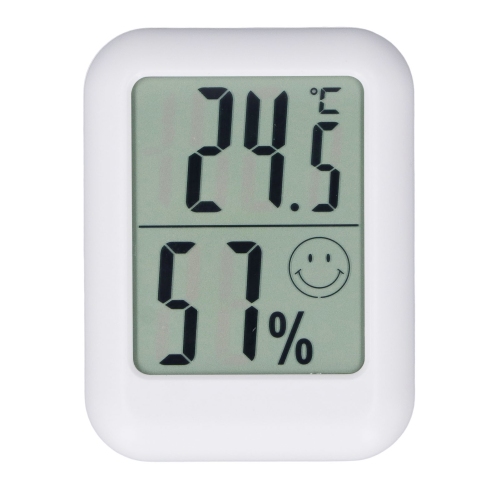
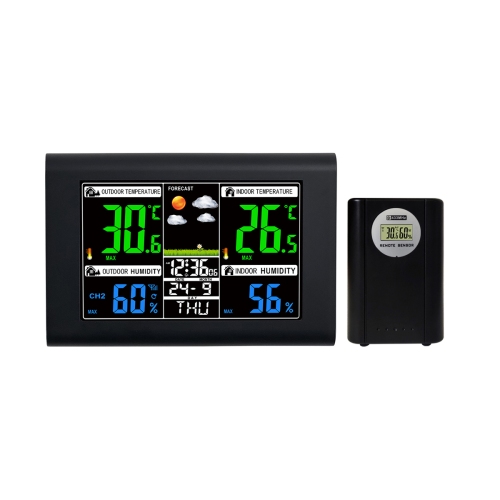
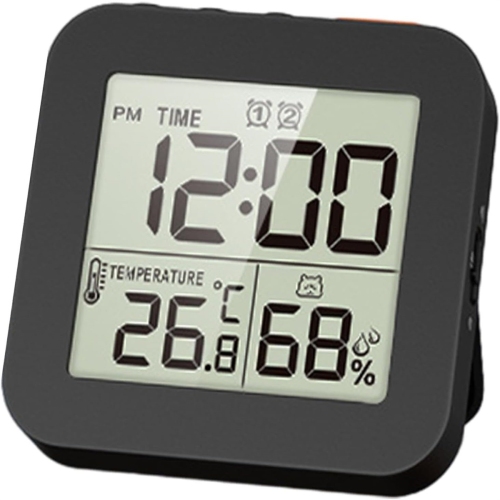
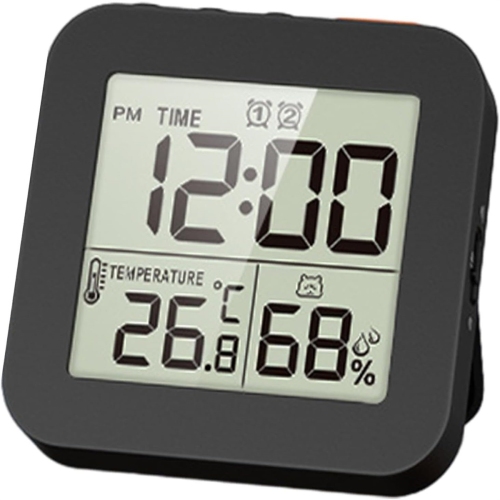
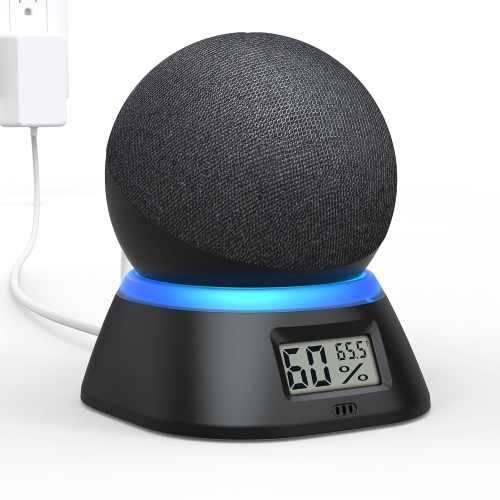
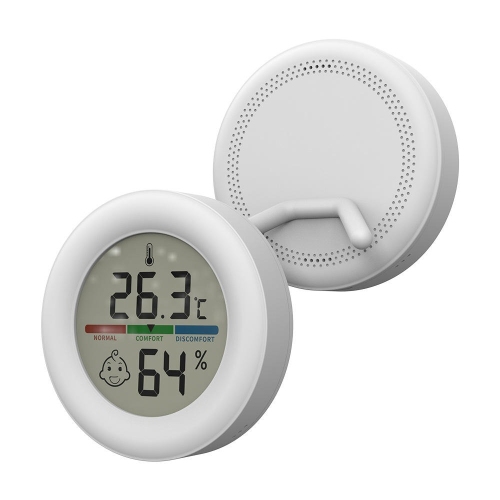
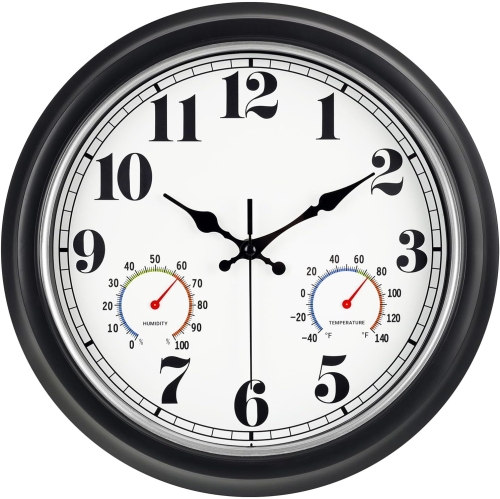
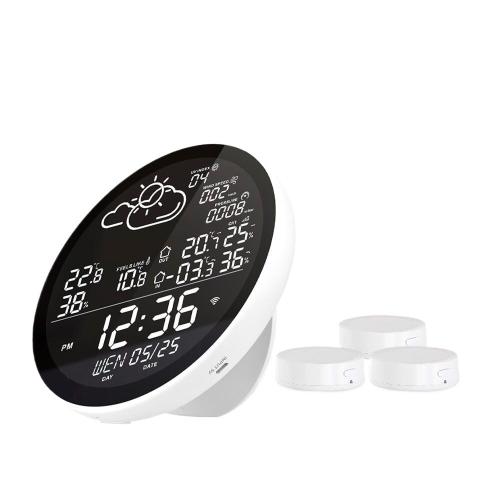
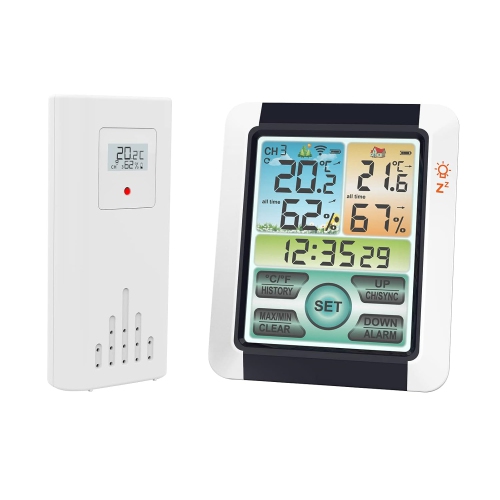
The physical design of a digital hygrometer affects how comfortably it fits into daily routines. A freestanding unit can sit on a bedside table or bookshelf, while a wall-mounted display keeps a reading visible without taking up surface space. Magnetic backs suit compatible metal surfaces, and compact sensors can fit inside instrument cases or storage cabinets when their dimensions and operating requirements are suitable. Large numerals, strong contrast, and a clear separation between humidity and temperature make a screen easier to read across a room. A backlight can help in a dim cupboard, although some lights activate only briefly rather than remaining on continuously. Viewing angle matters too, particularly when a display sits above eye level or low on a shelf. Lightweight plastic housings are common for indoor use and are easy to move, but resistance to splashes, dust, or impact should never be assumed. A device intended for a dry living area may not suit a greenhouse or a spot beside a sink. Placement has just as much influence as the housing: direct sunlight, a nearby heating vent, steam, or contact with a cold exterior wall can make a reading less representative of the wider room. Clear space around sensor openings allows air to circulate, while placement beyond the reach of children and pets helps prevent accidental damage. Power arrangements vary between replaceable batteries, rechargeable designs, and USB-powered units. Battery access, a low-battery indicator, and whether stored readings survive a power interruption are practical details, especially for sensors tucked into hard-to-reach spaces. Care is generally straightforward: a soft, dry cloth can remove dust from the exterior without pushing debris into the vents. Sprays, immersion, and contact with the sensing element can damage the device unless its care instructions explicitly permit them. Where calibration adjustment is supported, following the specified method helps maintain useful readings over time.
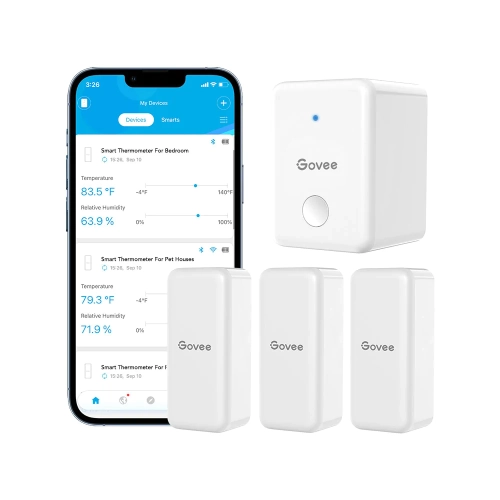
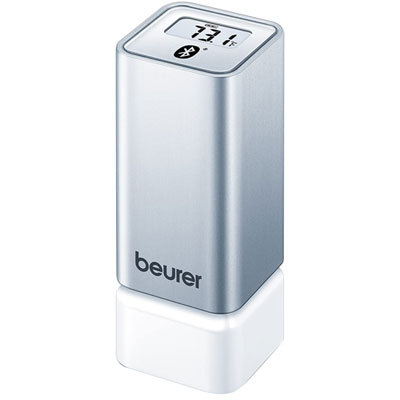
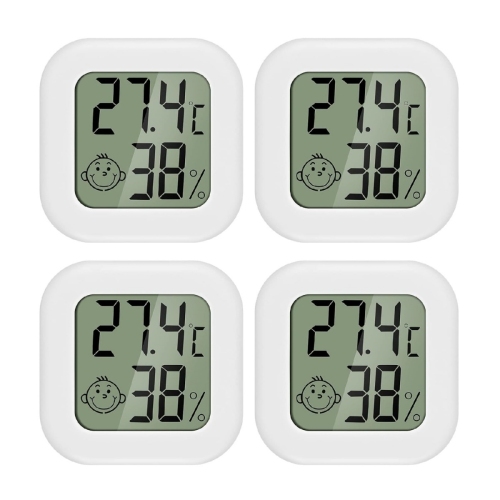
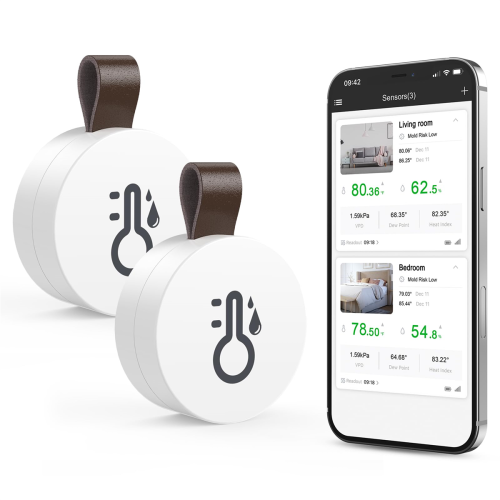
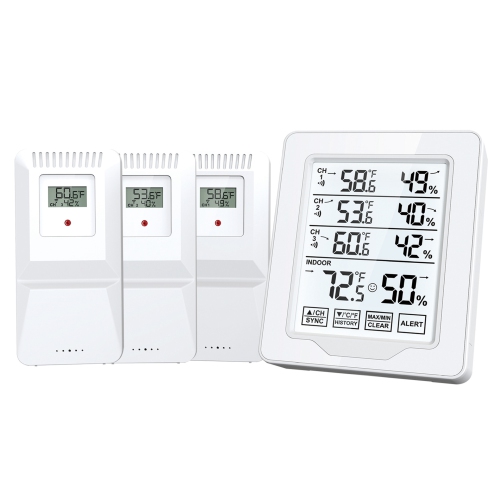
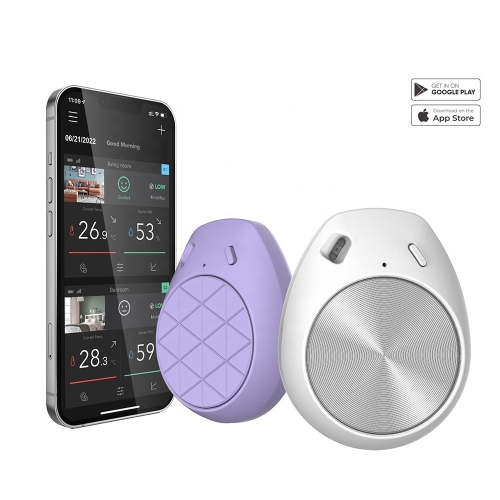
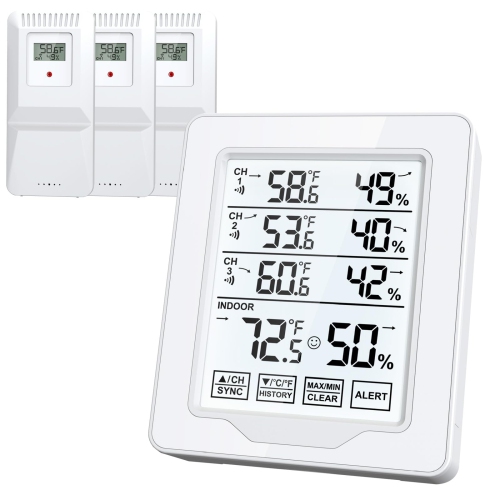
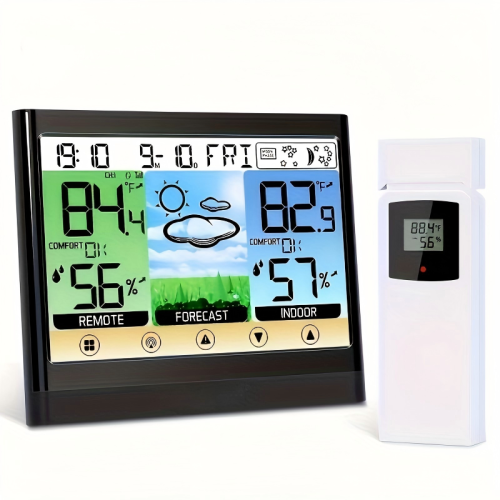
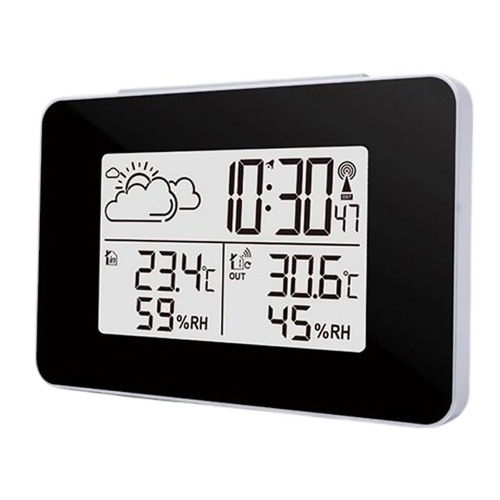
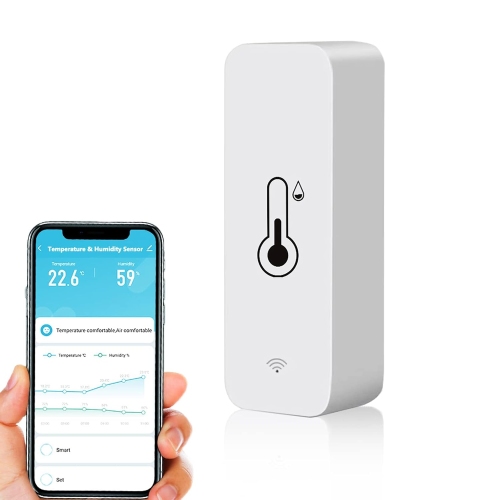
Different uses call for different levels of detail. A simple local display can be enough for checking a bedroom or home office, while several separate sensors make it easier to compare a basement, living area, and upstairs room without repeatedly moving one device. Musicians may use digital hygrometers to monitor conditions around wooden instruments, where excessive dryness or moisture can affect materials and playability. Plant enthusiasts can use readings to understand the air around humidity-sensitive plants, while collectors and hobbyists may monitor cabinets containing paper, photographs, or other moisture-sensitive belongings. Any target range for these uses should reflect the care requirements of the contents rather than a general household comfort label. A compact monitor can also be a thoughtful housewarming gift or a useful addition to an instrument-care kit, particularly when the display and controls are easy to understand. Connected designs add another layer of convenience through app access, measurement history, and alerts when humidity moves beyond a selected threshold. Bluetooth typically supports nearby communication, whereas Wi-Fi models or systems with a compatible hub may support checking readings away from home. Connectivity requirements differ, including whether a separate gateway is needed and whether measurements remain visible if the internet connection is interrupted. Data history can help distinguish a brief spike from a recurring pattern, but the logging interval, storage period, and export options determine how much detail is retained. Broader options within Humidity Monitors may combine local readings with these connected functions. Monitoring and control are not the same, however: a hygrometer does not operate a humidifier or dehumidifier unless a compatible control arrangement supports that function. Nor does a humidity reading alone detect mould, identify a leak, or measure overall indoor air quality. Its value lies in making moisture levels visible, helping households observe patterns and understand whether changes to ventilation or moisture management are having the intended effect.
Top selling and popular products
-
 Your price for this item is $89.99
-
 Your price for this item is $77.49
-
 Your price for this item is $67.99
-
 Your price for this item is $159.49
-
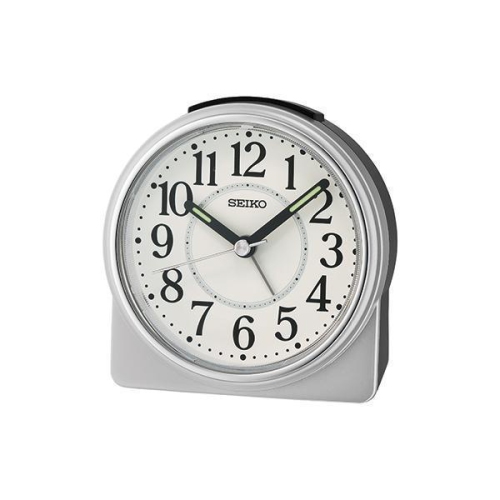 Your price for this item is $46.2
-
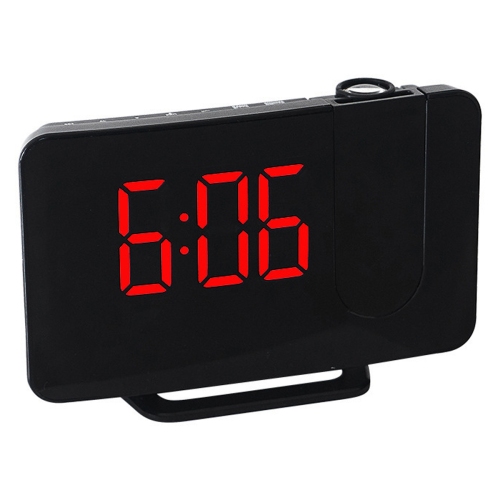 Your price for this item is $40.04
-
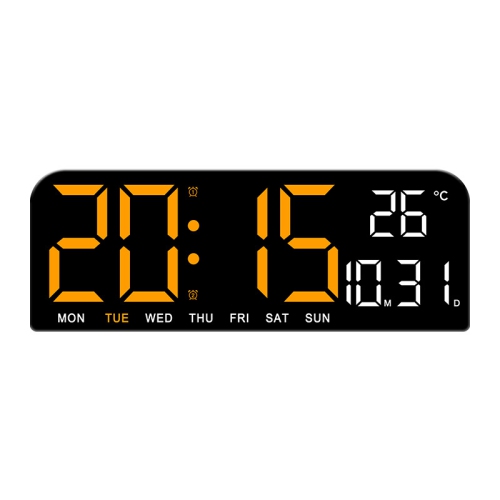 Your price for this item is $40.99
-
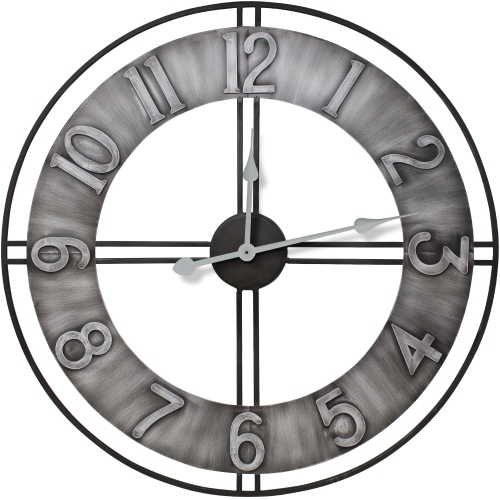 Your price for this item is $91.99
Discover more categories related to Digital Hygrometers

Top Collections:
Best Black Friday Deals This Year, Best Black Friday Deals On Electronics, Kindle Devices, Pokemon Centers, Best Black Friday Deals On Apple Products, Best Cameras for Sports Photography, Dyson Airwrap, Pokémon 30th Celebration Cards, Apple iPhone 17 Pro, Canon G7X Cameras
Some products may be subject to Environmental Handling Fees
(EHF) depending on your province.
Learn more about EHFs.