Humidity Monitors
Humidity monitors are essential tools for maintaining a comfortable and healthy indoor environment. Whether you're concerned about excessive moisture or dryness, these monitors provide accurate readings to help you take control of your surroundings. With a wide range of features and functionalities, humidity monitors allow you to monitor humidity levels in real-time, making it easier to adjust settings and ensure optimal conditions for your home or office. From preventing mold and mildew growth to protecting valuable possessions, these devices are a must-have for anyone looking to create a more comfortable living space.
Sort
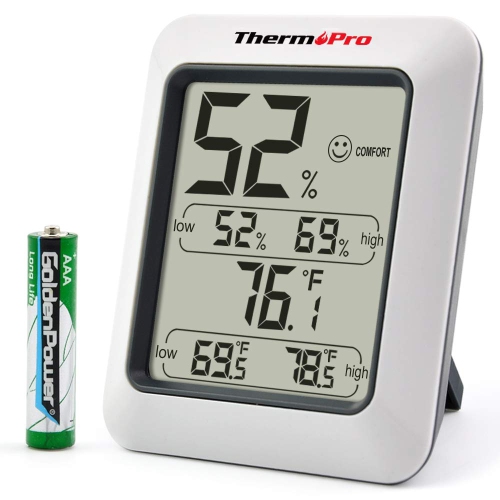
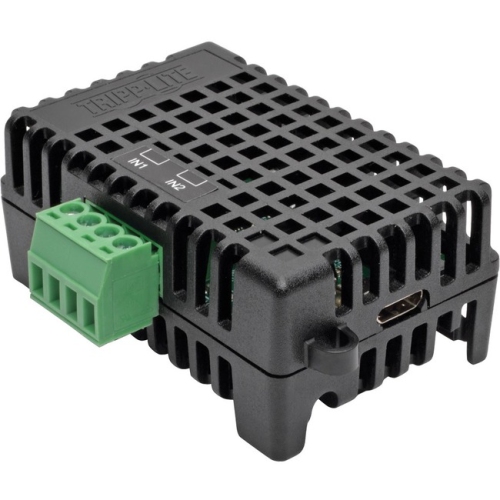
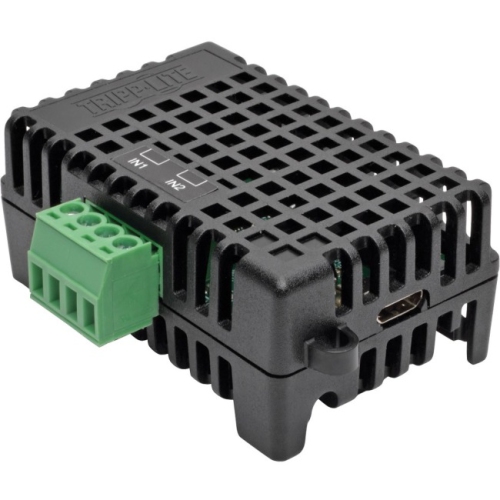
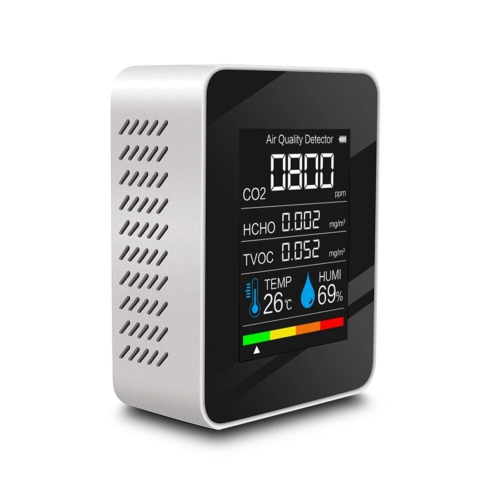
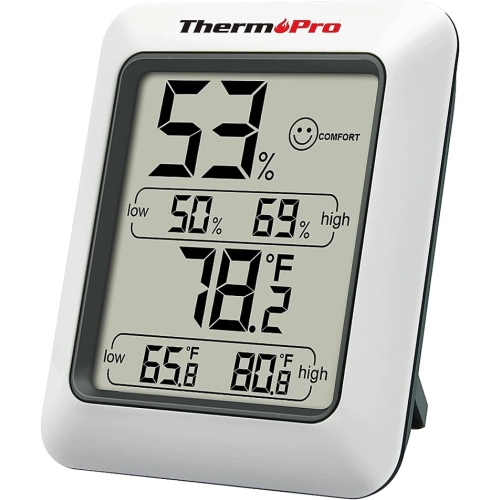
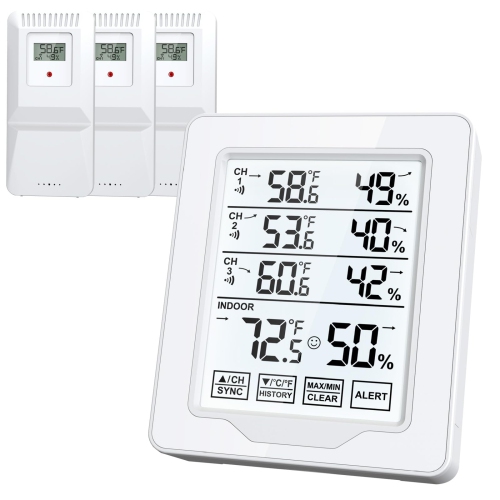
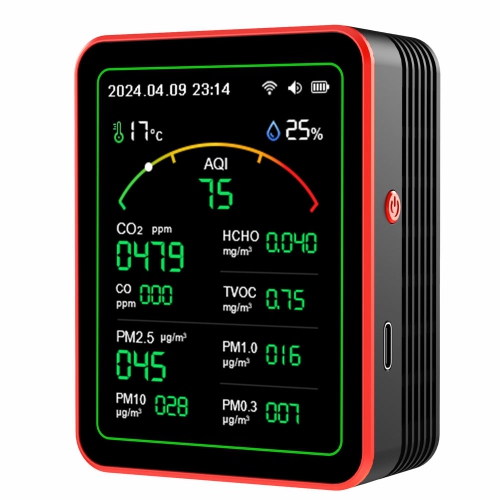
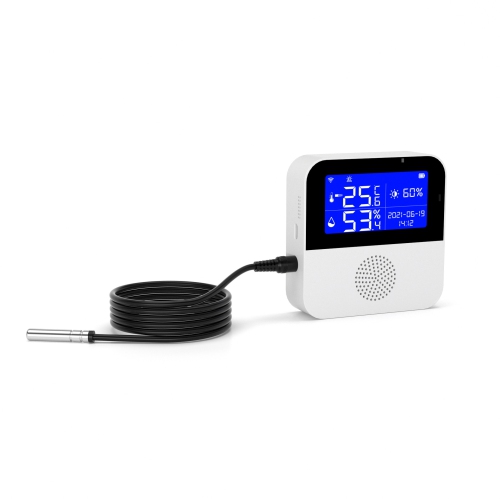
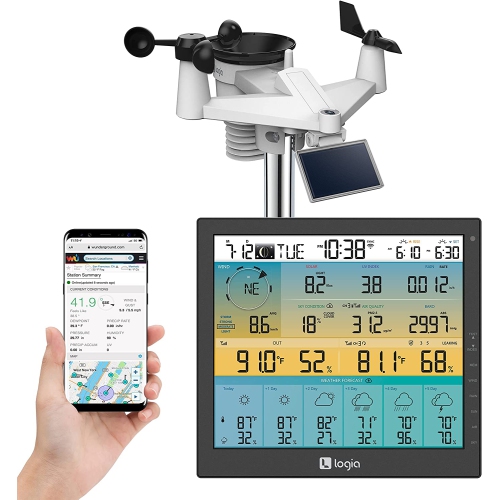
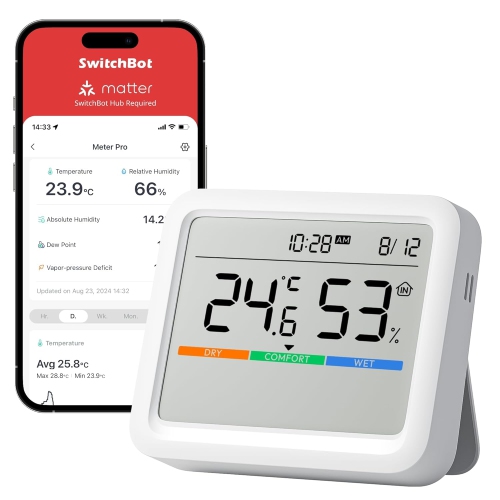
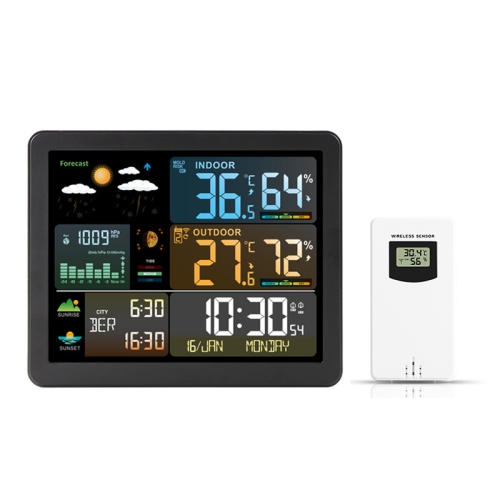
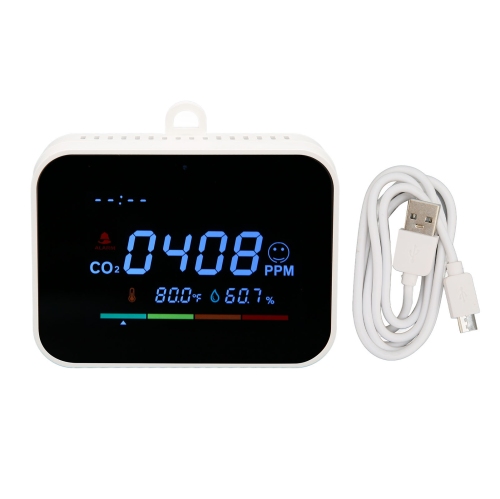
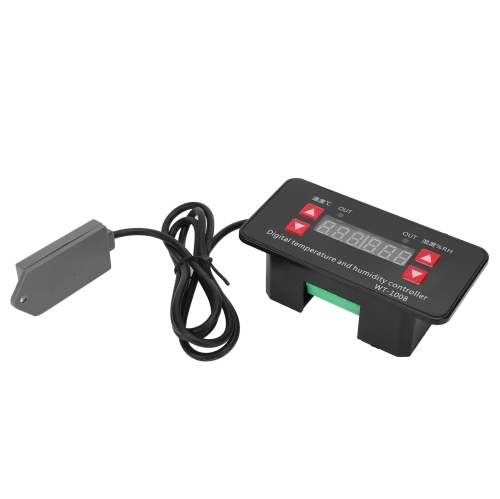
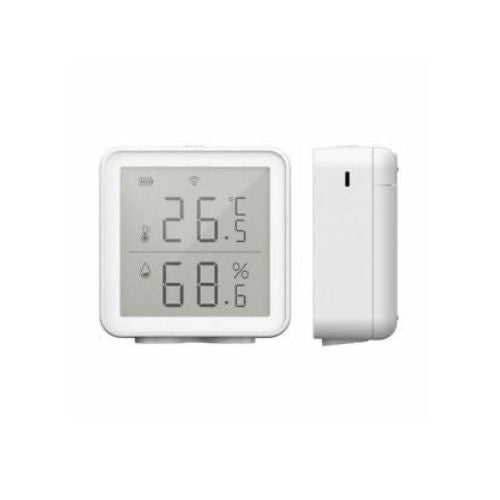
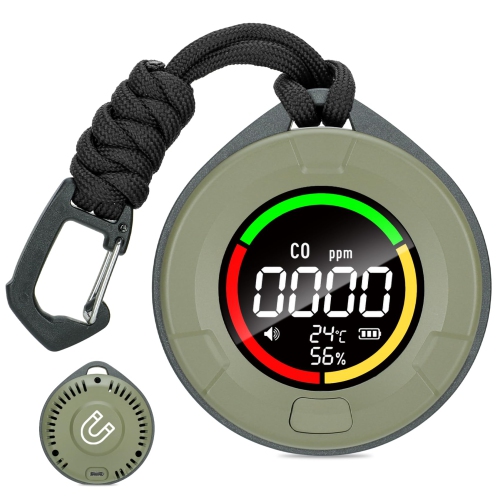
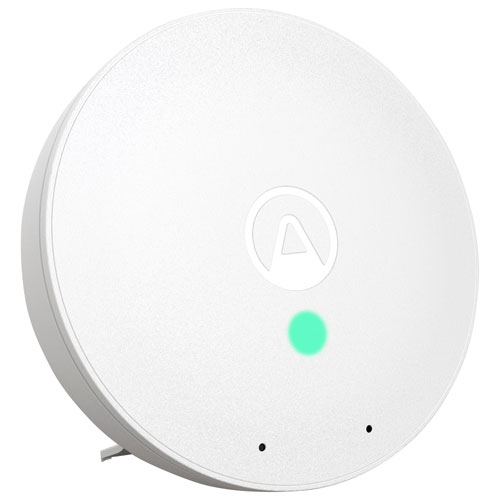
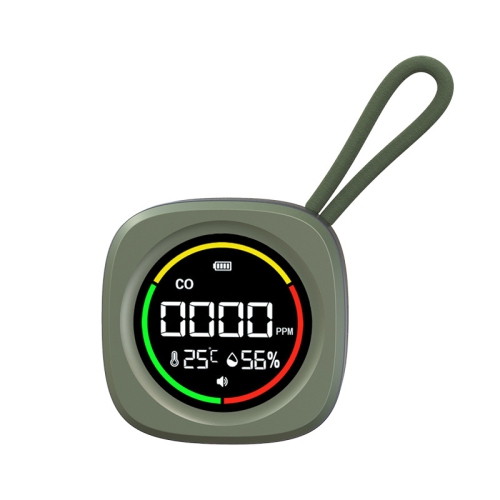
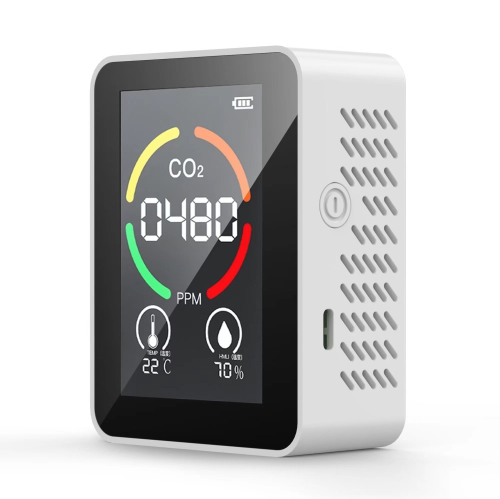
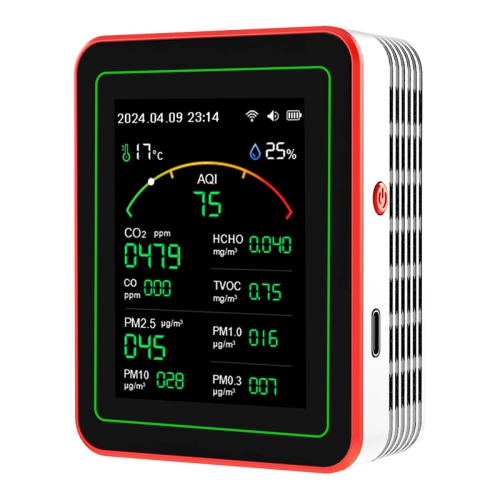
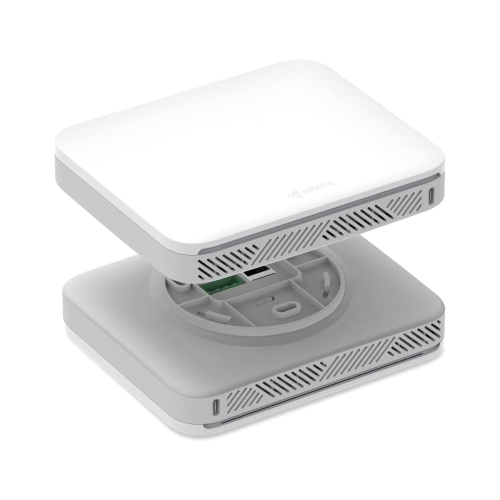

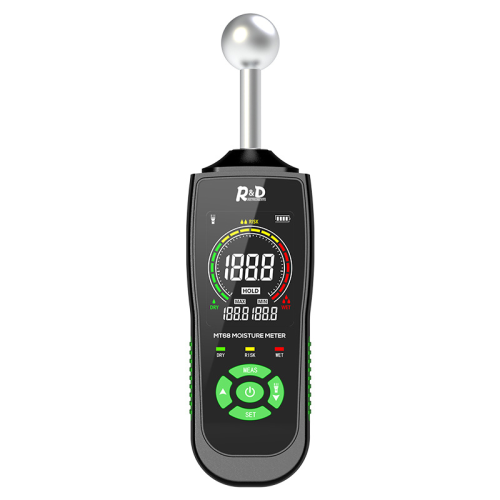
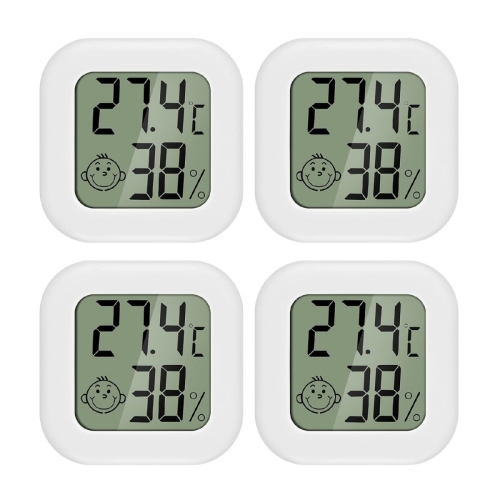
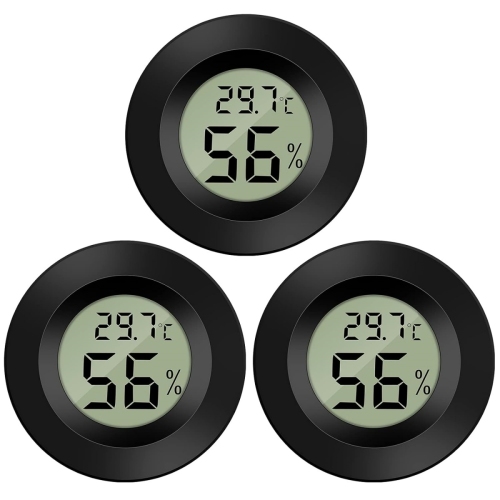
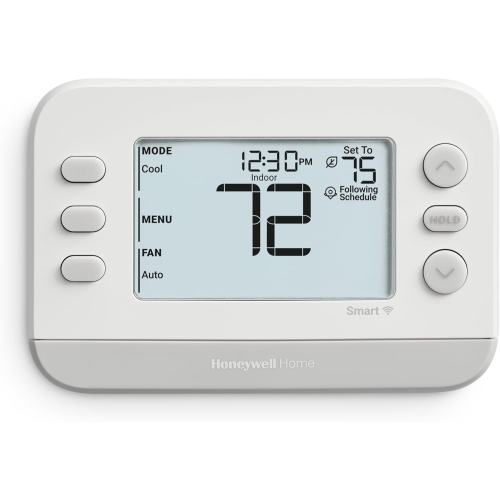
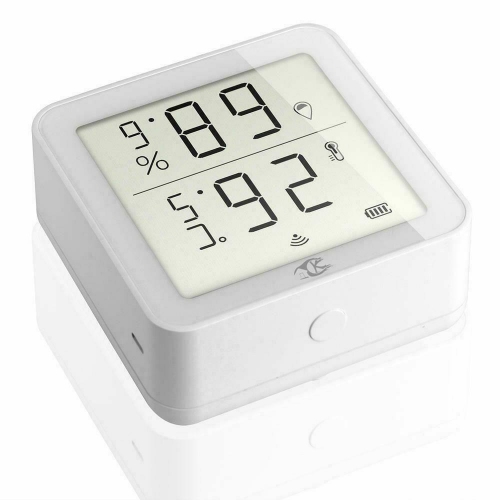
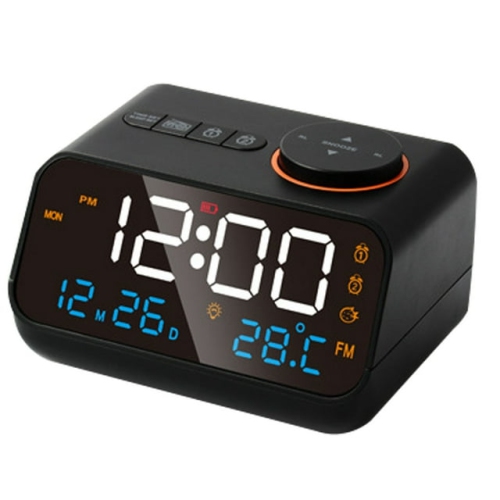
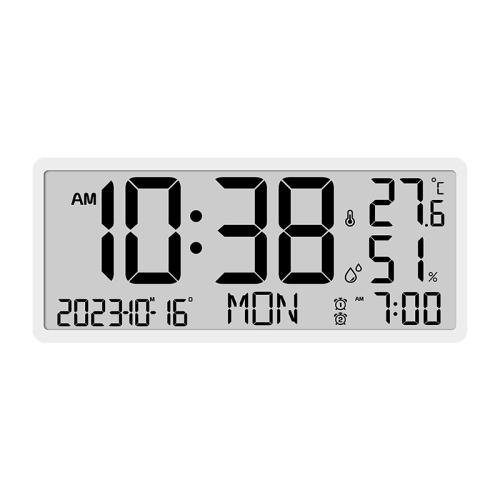
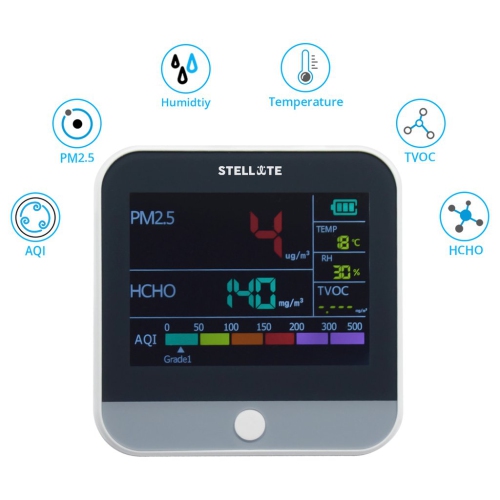
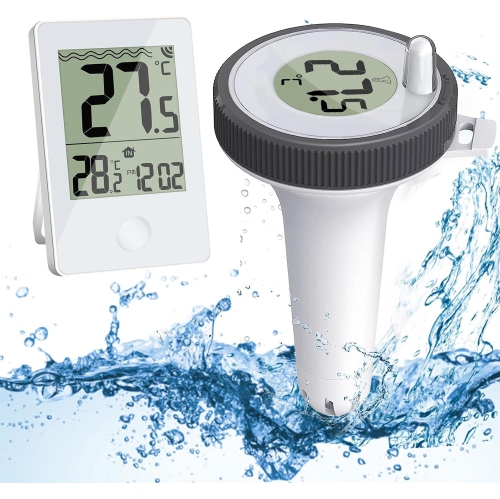
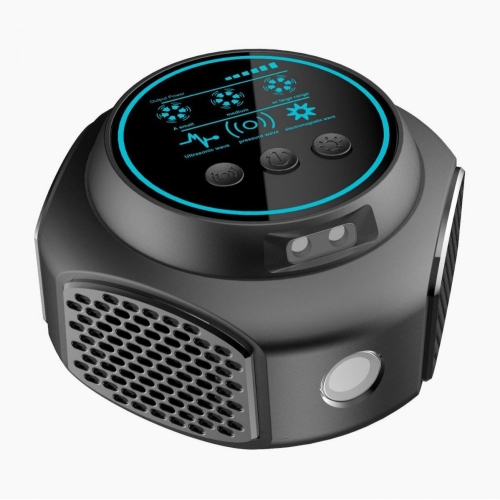
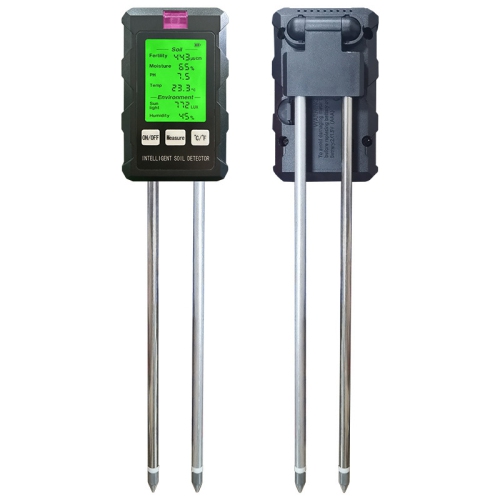
Moisture readings reveal comfort and changing room conditions
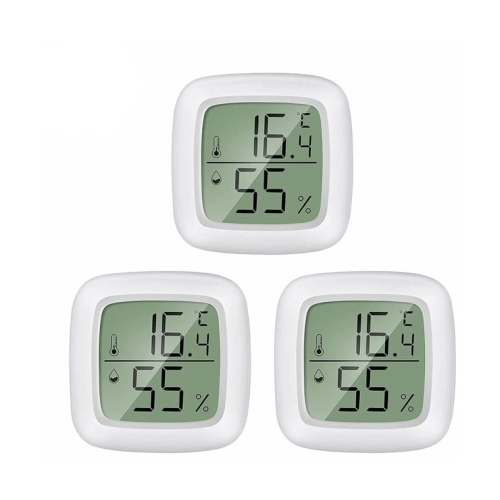
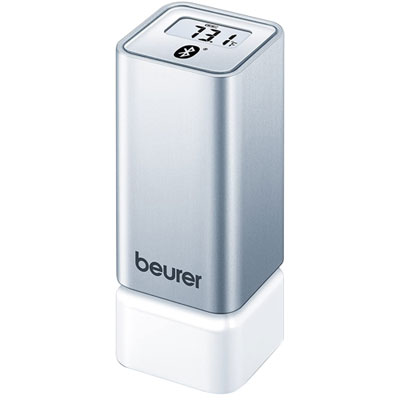
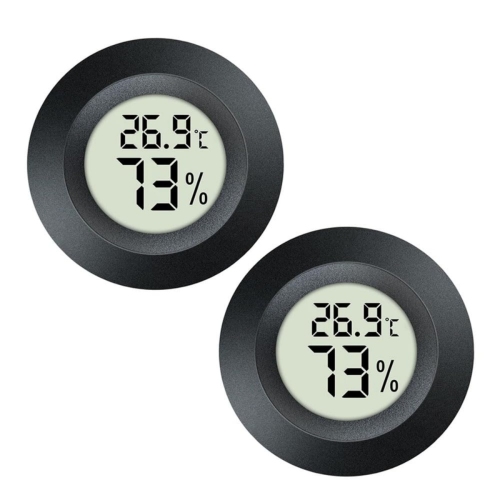
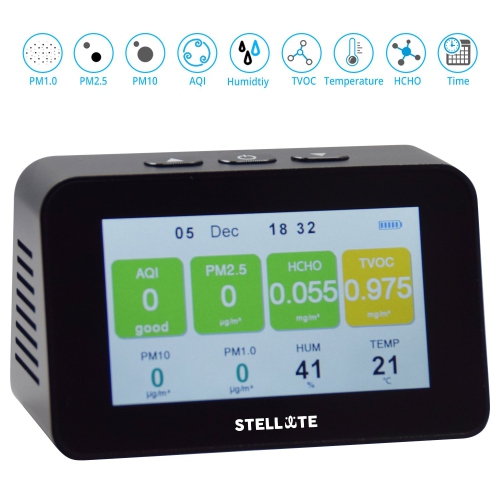
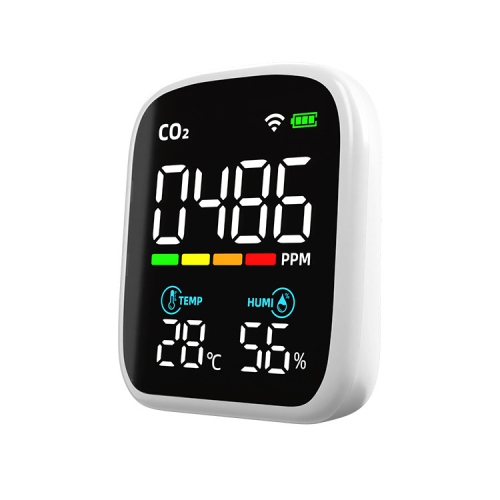
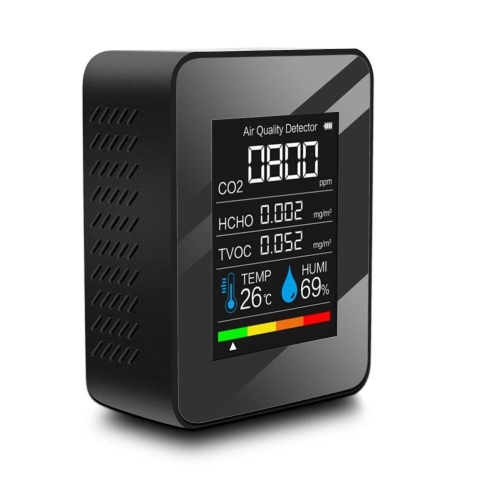
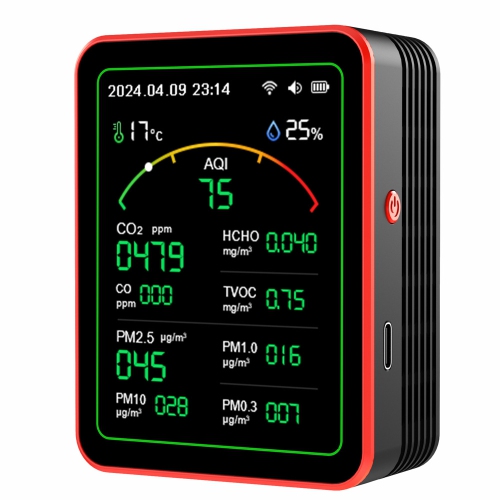
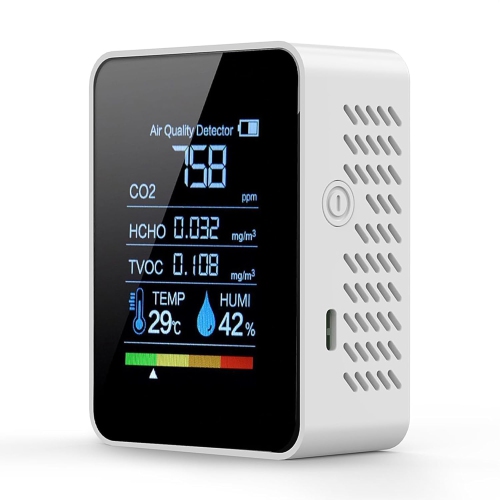
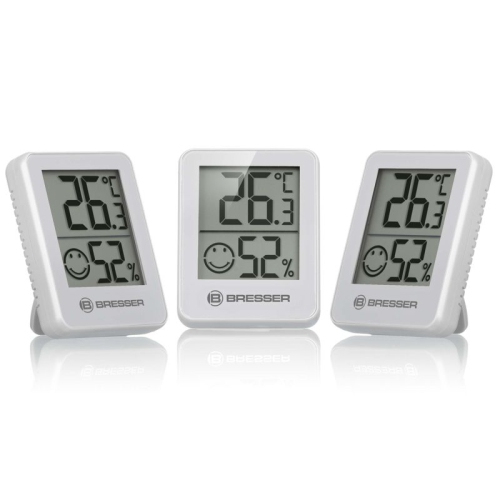
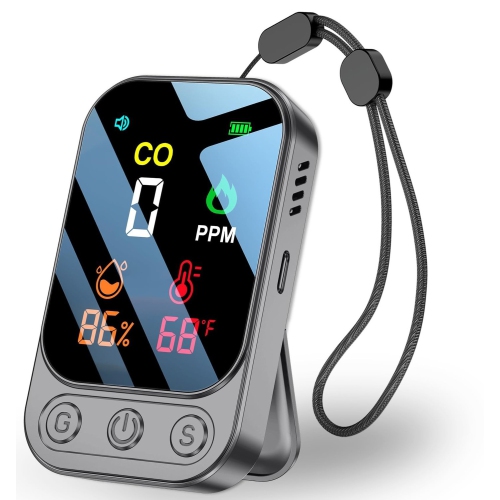
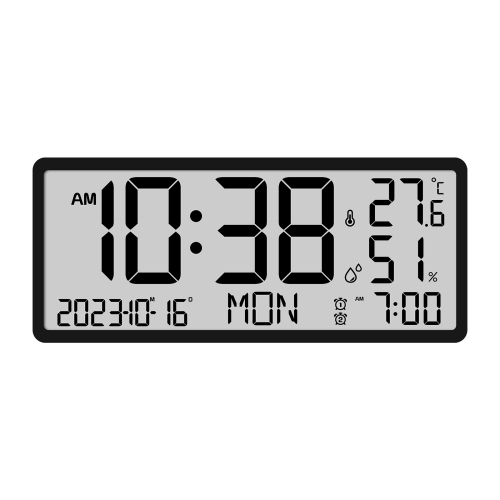
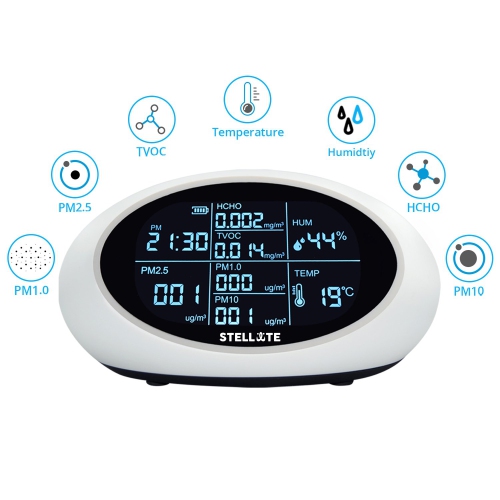
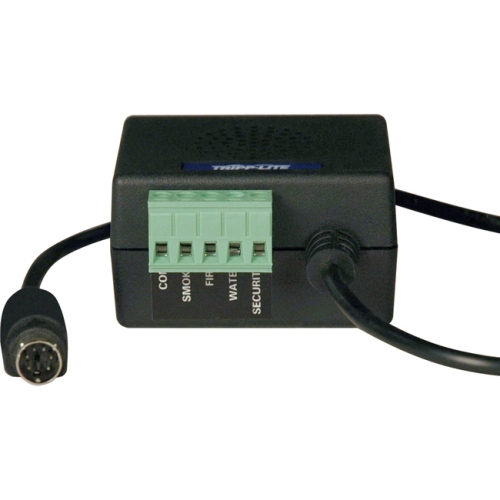
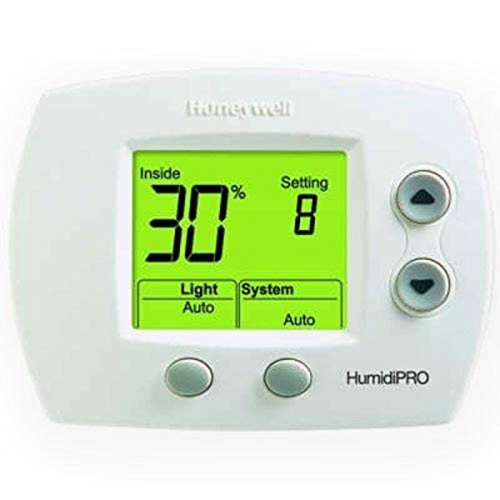
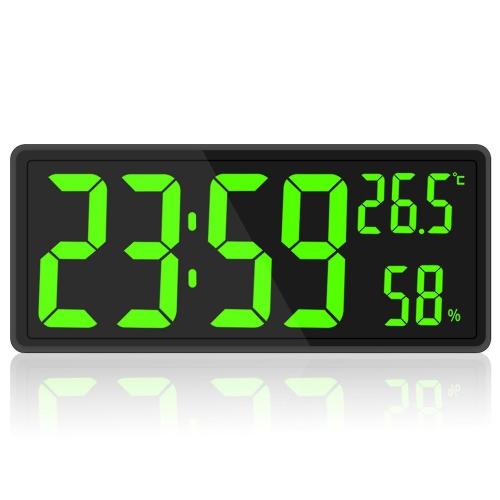
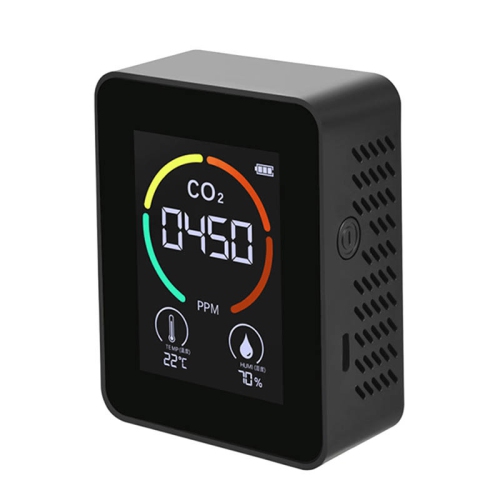
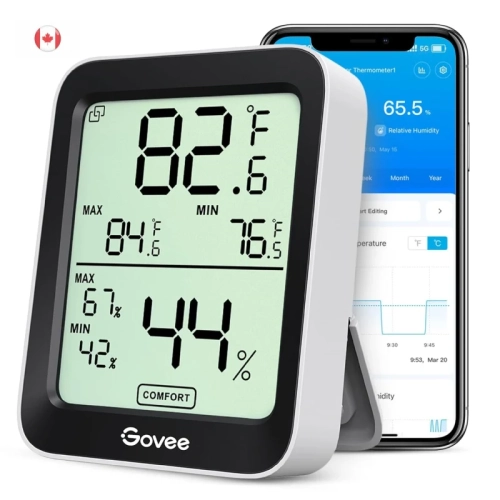
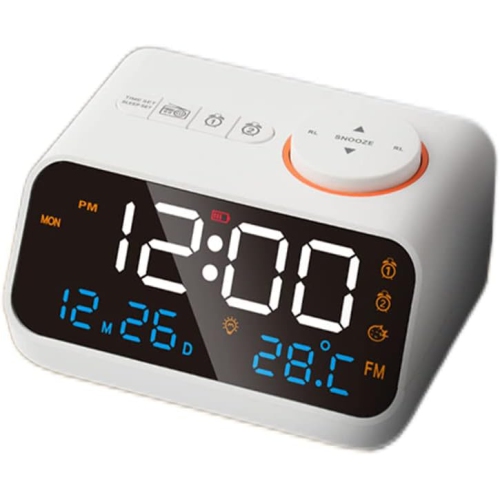
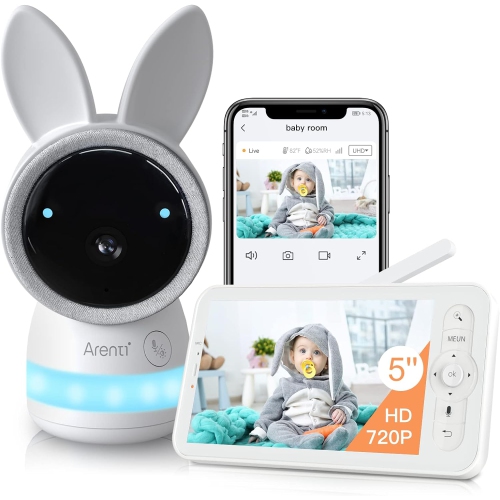
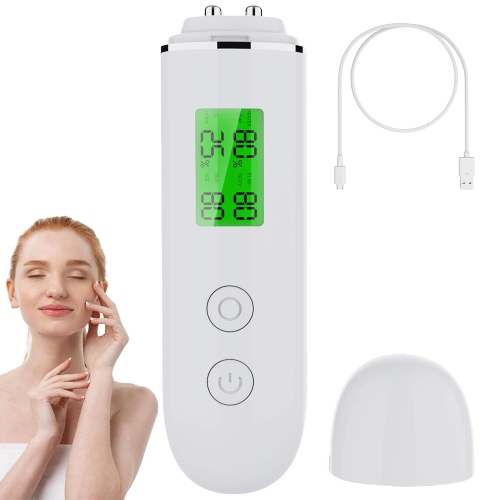
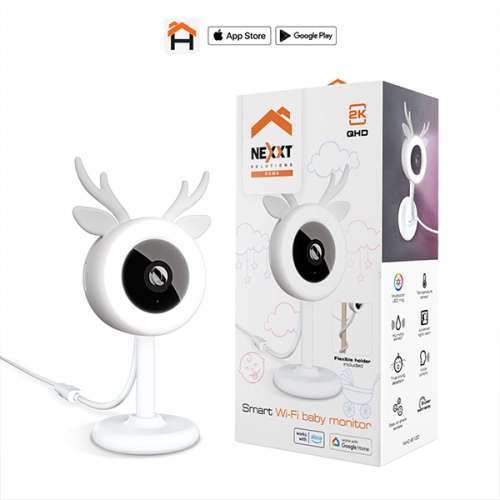
Humidity monitors, also called hygrometers, measure the amount of moisture in the air and often display the room temperature alongside it. This simple information can make a noticeable difference in how a home feels, particularly as outdoor conditions shift from warm, humid days to cooler, drier weather. A monitor placed in a bedroom, nursery, living room, basement, home office, greenhouse, storage area, or music room can show whether the air is becoming uncomfortably damp or excessively dry. Many people use one to support everyday comfort, while others rely on readings to help identify patterns that may affect condensation, musty odours, static electricity, wood furniture, musical instruments, books, or stored belongings. A clear digital screen is useful when you want an exact percentage that can be read at a glance, while a model with a temperature display gives additional context about how the room may feel. Some monitors are designed to record high and low readings, making it easier to see how moisture levels change overnight or while you are away. Smart options can send information to a phone and may provide notifications when conditions move outside a chosen range, which is helpful for rooms that are difficult to check regularly. For a straightforward setup, look for a compact unit with large numerals, a readable screen, and controls that are easy to understand. A smaller monitor can sit neatly on a bedside table or shelf, while a wall-mountable design may be better for a busy family room or workspace. If the monitor will be moved between rooms, a lightweight shape and a stable stand are practical details worth considering. Battery life, screen visibility, data logging, and the frequency of updates can also influence which type suits your routine. For shoppers comparing screen-based options, Digital Hygrometers offer a convenient way to browse monitors that present humidity readings in a clear, easy-to-use format.
Choosing the right humidity monitor starts with considering where it will be used and how much information you want to see. For general household comfort, an affordable monitor that provides humidity and temperature readings may be all that is needed. If you are checking a basement, cottage, laundry area, or other space where moisture can fluctuate, a model with a memory function or alerts can provide a fuller picture than a single glance. Wireless connectivity is useful for people who prefer to review readings from a phone, especially when monitoring a nursery, pet area, wine storage space, instrument collection, or room with limited access. A basic display may be preferable for a child’s room, guest room, or office because it offers information without requiring an app or account. When accuracy matters, place the monitor away from direct sunlight, heaters, vents, exterior doors, humidifiers, and windows, since these can create readings that do not represent the room as a whole. Avoid setting it immediately beside a kettle, shower, cooking area, or air conditioner. Allow a new monitor time to adjust to its surroundings before judging the reading, and compare its results over several hours rather than moving it repeatedly from one location to another. It is also sensible to treat consumer readings as a practical guide for everyday decisions rather than as laboratory measurements. If two monitors show slightly different percentages, that does not necessarily mean one is faulty; placement, calibration, sensor tolerances, and changing air currents can all play a part. Keeping the device clean, replacing batteries when needed, and following the manufacturer’s instructions can help it remain dependable. During warmer weather, a monitor can reveal when indoor air feels heavy or when a basement is holding more moisture than expected. During cooler months, it can help highlight dry conditions caused by heating, which may be noticeable as irritated skin, static, or a scratchy feeling in the air.
Humidity monitors can be useful gifts for new homeowners, renters settling into an older building, parents preparing a nursery, students moving into a residence, or anyone creating a more comfortable home office. They are also thoughtful for people who enjoy caring for houseplants, storing books and collectibles, maintaining wooden instruments, or keeping a workshop and hobby room in good order. A monitor does not control humidity by itself, but it gives you information that can guide the use of a humidifier, dehumidifier, ventilation, or a simple change in where items are stored. For example, a reading that rises after showers may encourage better bathroom ventilation, while a consistently dry bedroom may suggest adjusting a humidifier’s setting or relocating it. In a basement, repeated high readings can prompt a closer look at airflow, laundry habits, or areas where condensation collects. The most useful setup is one that fits naturally into daily life: a display visible from a doorway, a small unit beside a bed, or an app notification that arrives before conditions become a concern. Whether you prefer a no-fuss monitor with a dial, a precise digital display, or connected tracking with alerts, the goal is the same—understanding the air in the spaces where you live, work, rest, and store the things that matter.
Choosing the right humidity monitor starts with considering where it will be used and how much information you want to see. For general household comfort, an affordable monitor that provides humidity and temperature readings may be all that is needed. If you are checking a basement, cottage, laundry area, or other space where moisture can fluctuate, a model with a memory function or alerts can provide a fuller picture than a single glance. Wireless connectivity is useful for people who prefer to review readings from a phone, especially when monitoring a nursery, pet area, wine storage space, instrument collection, or room with limited access. A basic display may be preferable for a child’s room, guest room, or office because it offers information without requiring an app or account. When accuracy matters, place the monitor away from direct sunlight, heaters, vents, exterior doors, humidifiers, and windows, since these can create readings that do not represent the room as a whole. Avoid setting it immediately beside a kettle, shower, cooking area, or air conditioner. Allow a new monitor time to adjust to its surroundings before judging the reading, and compare its results over several hours rather than moving it repeatedly from one location to another. It is also sensible to treat consumer readings as a practical guide for everyday decisions rather than as laboratory measurements. If two monitors show slightly different percentages, that does not necessarily mean one is faulty; placement, calibration, sensor tolerances, and changing air currents can all play a part. Keeping the device clean, replacing batteries when needed, and following the manufacturer’s instructions can help it remain dependable. During warmer weather, a monitor can reveal when indoor air feels heavy or when a basement is holding more moisture than expected. During cooler months, it can help highlight dry conditions caused by heating, which may be noticeable as irritated skin, static, or a scratchy feeling in the air.
Humidity monitors can be useful gifts for new homeowners, renters settling into an older building, parents preparing a nursery, students moving into a residence, or anyone creating a more comfortable home office. They are also thoughtful for people who enjoy caring for houseplants, storing books and collectibles, maintaining wooden instruments, or keeping a workshop and hobby room in good order. A monitor does not control humidity by itself, but it gives you information that can guide the use of a humidifier, dehumidifier, ventilation, or a simple change in where items are stored. For example, a reading that rises after showers may encourage better bathroom ventilation, while a consistently dry bedroom may suggest adjusting a humidifier’s setting or relocating it. In a basement, repeated high readings can prompt a closer look at airflow, laundry habits, or areas where condensation collects. The most useful setup is one that fits naturally into daily life: a display visible from a doorway, a small unit beside a bed, or an app notification that arrives before conditions become a concern. Whether you prefer a no-fuss monitor with a dial, a precise digital display, or connected tracking with alerts, the goal is the same—understanding the air in the spaces where you live, work, rest, and store the things that matter.
Top selling and popular products
-
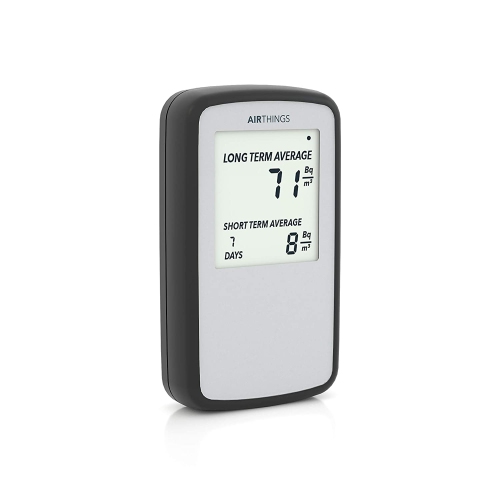 Your price for this item is $301.99
 -
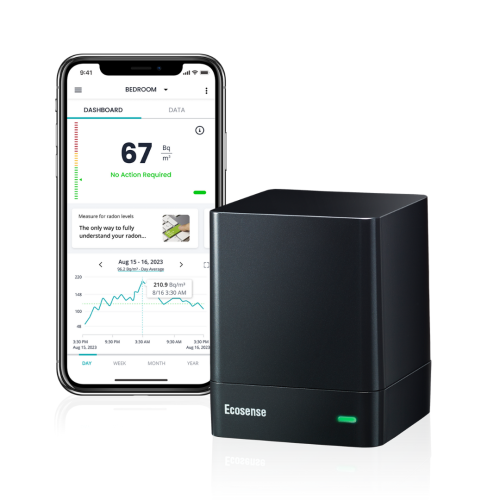 Your price for this item is $197
 -
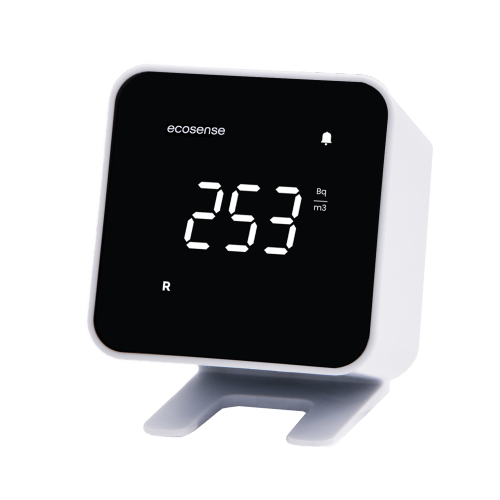 Your price for this item is $165
 -
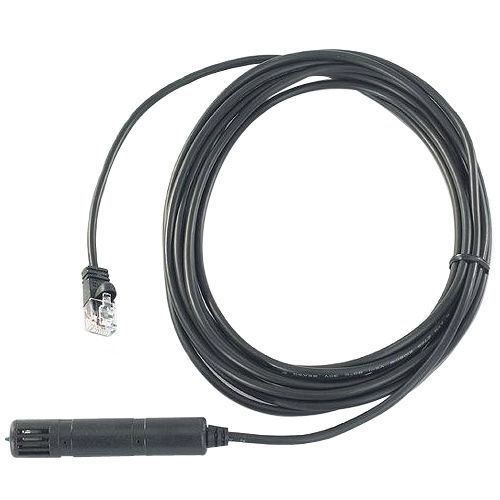 Your price for this item is $255.89
 -
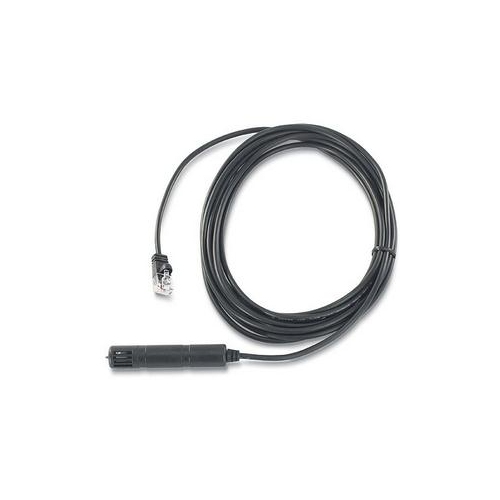 Your price for this item is $207.68
 -
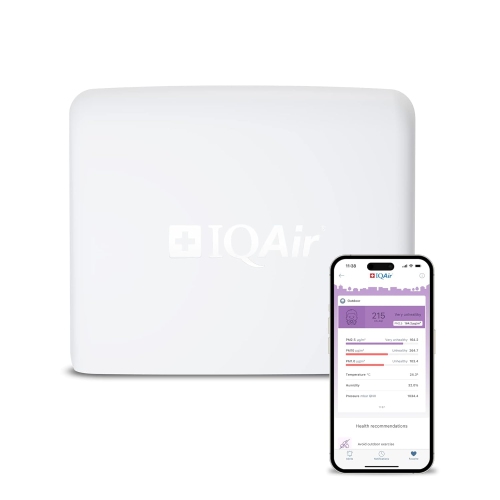 Your price for this item is $429.99
 -
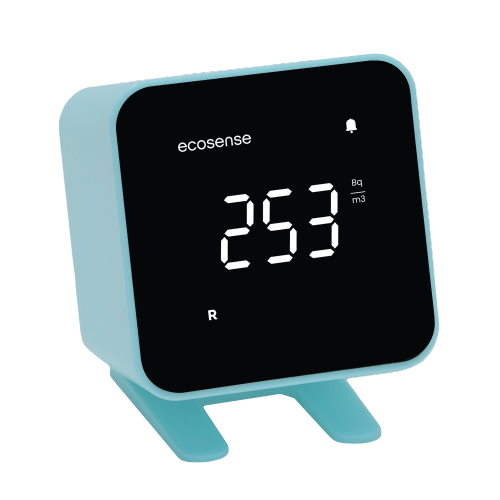 Your price for this item is $165
 -
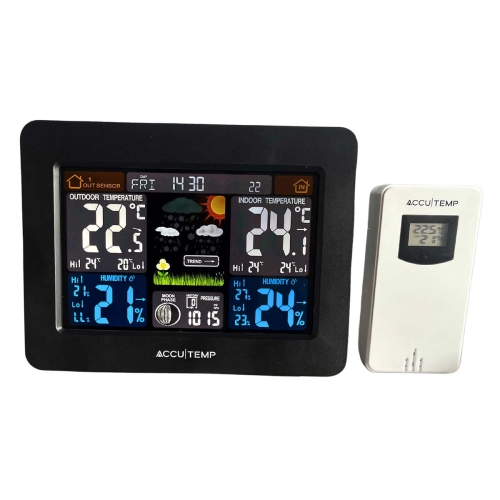 Your price for this item is $66.46
Discover more categories related to Humidity Monitors
Top Collections:
Pokemon Centers, Kindle Devices, Best Budget Office Chairs, Apple iPhones 16, Best Laptops for Writers, iPhone 15 Apple, Canon G7X Cameras, Refurbished Apple Laptops, Alarm Clock, Motorola Razr Phones
Some products may be subject to Environmental Handling Fees
(EHF) depending on your province.
Learn more about EHFs.