Temperature And Humidity Sensors
Whether you're a tech enthusiast, a homeowner looking to optimize your living space, or a business owner needing to monitor environmental conditions, temperature and humidity sensors are essential devices that can help you achieve your goals. These innovative sensors provide accurate real-time measurements of temperature and humidity levels, allowing you to make informed decisions and take necessary actions. From smart home integration to industrial applications, these sensors offer a range of functionalities that cater to various needs.
Sort
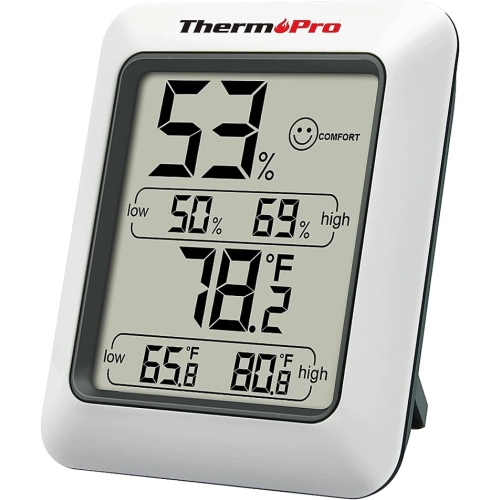

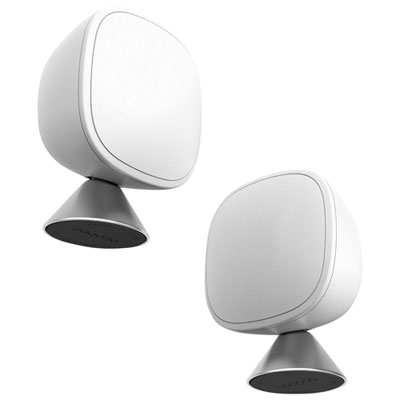

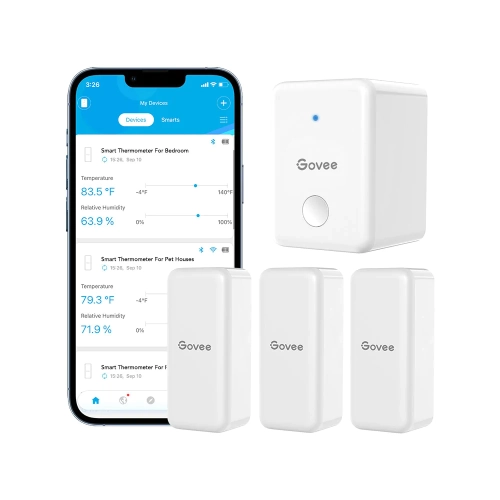
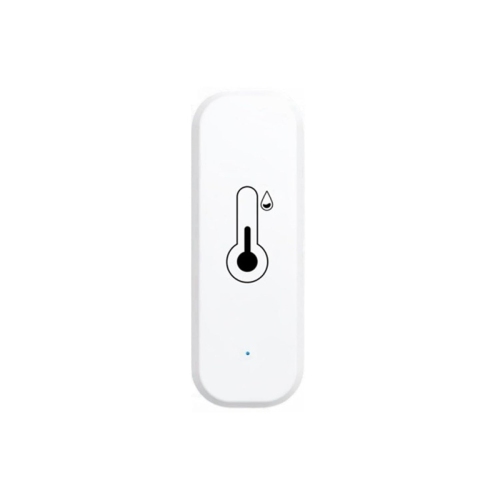
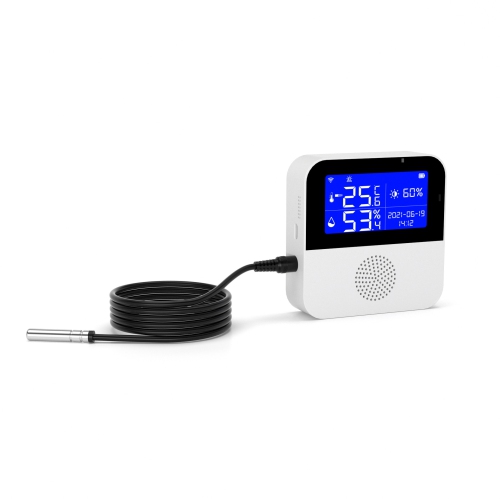
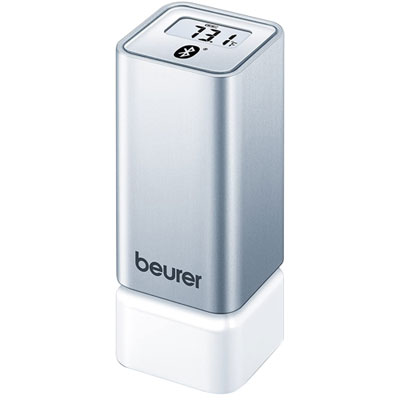
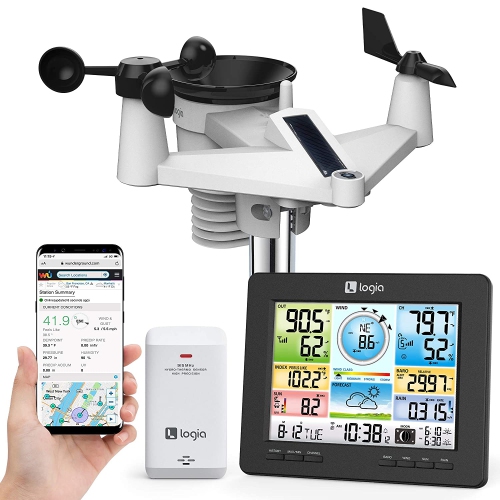
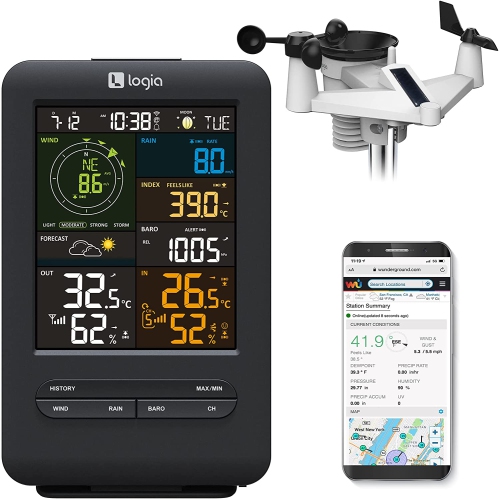
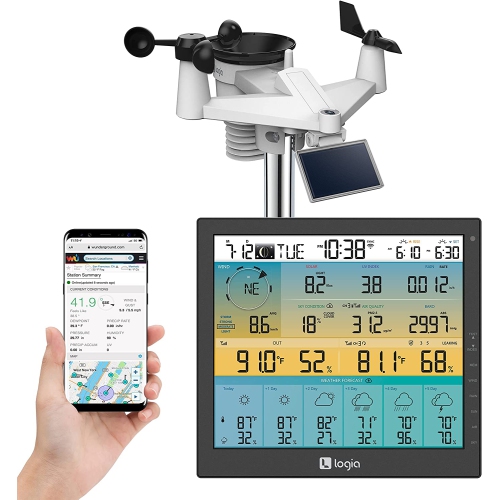
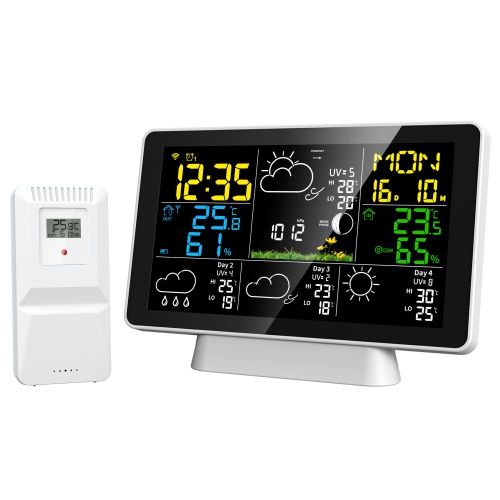
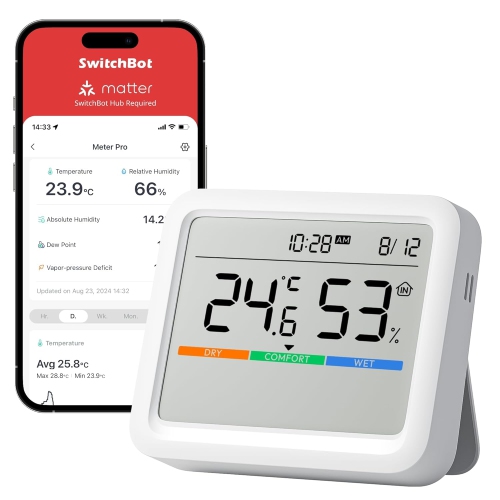
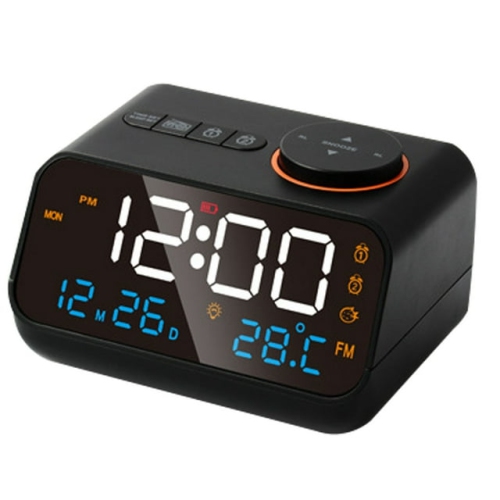
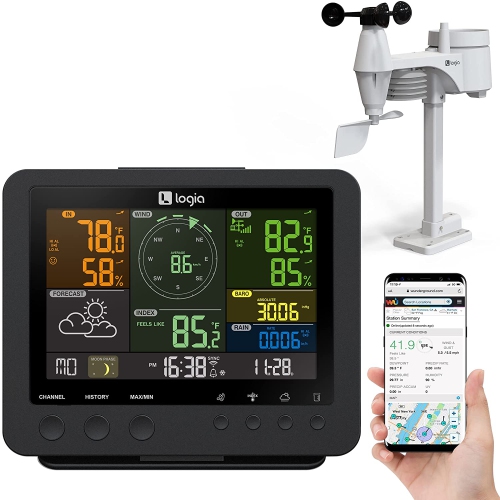
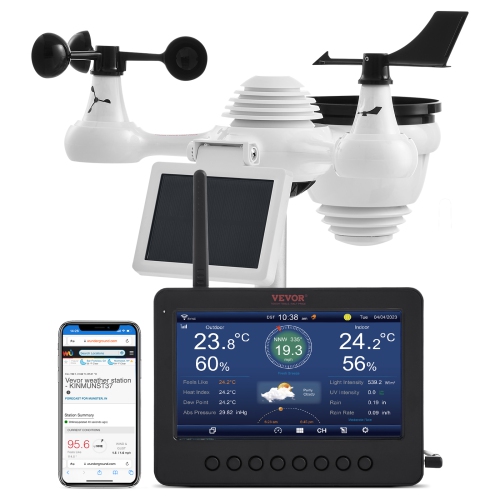
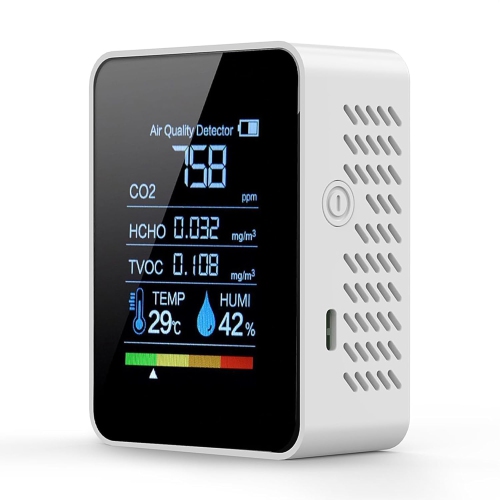
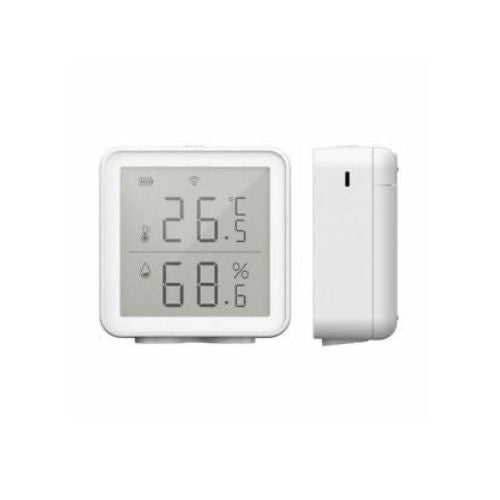

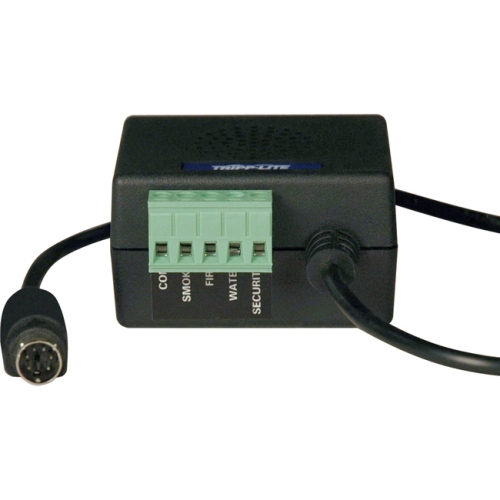
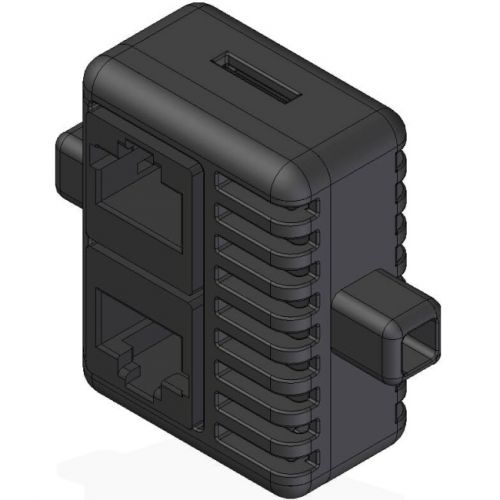
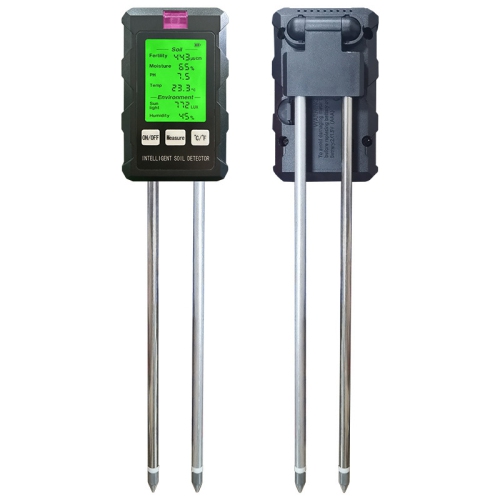
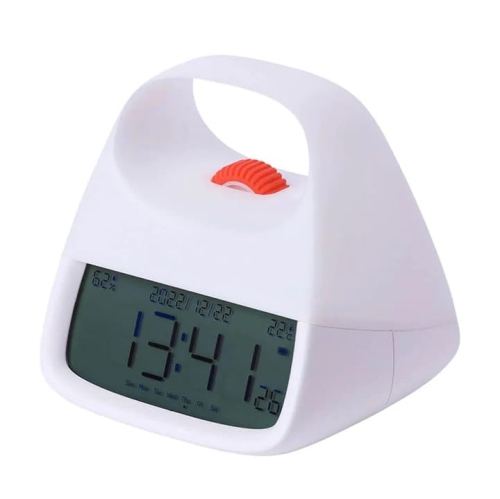
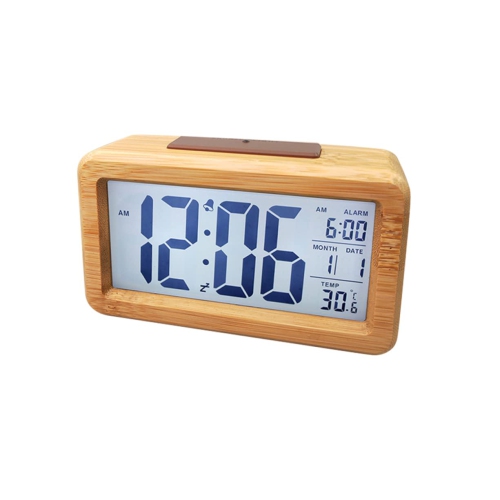
What sensor readings reveal about comfort in each room
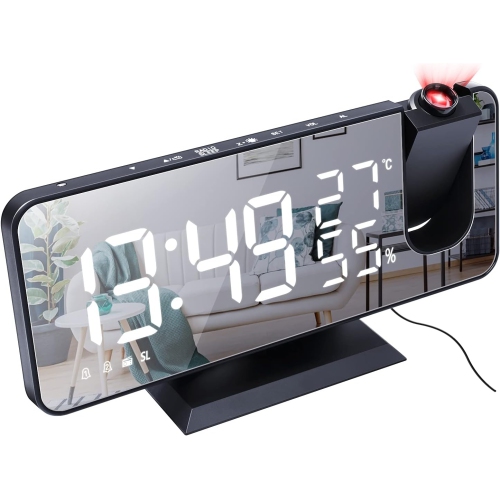
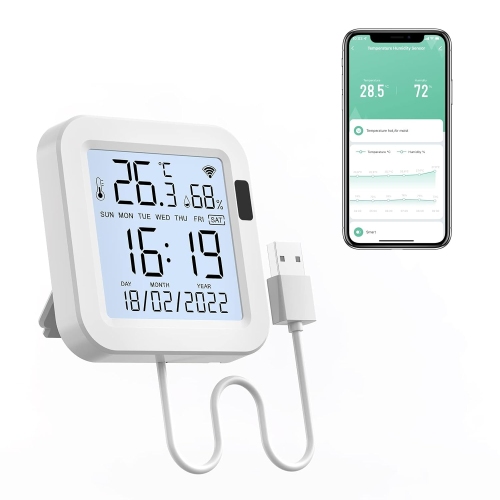
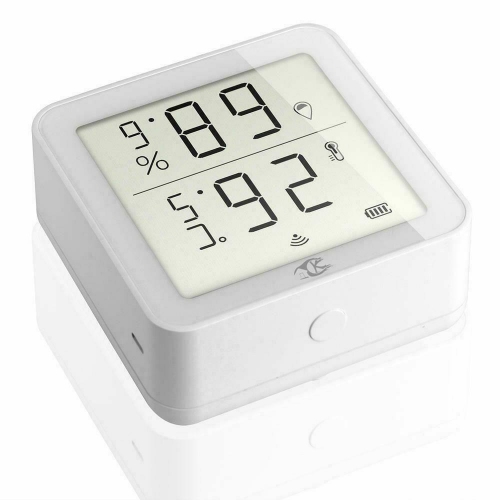
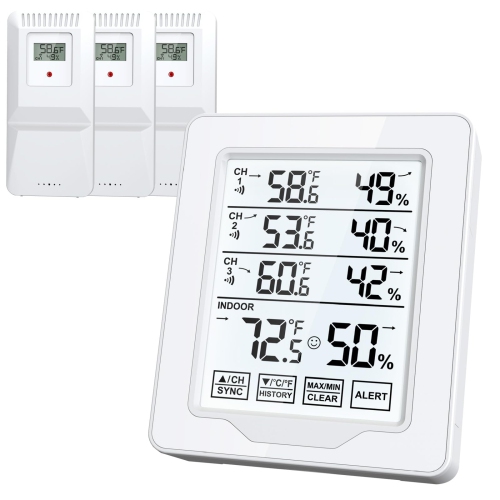
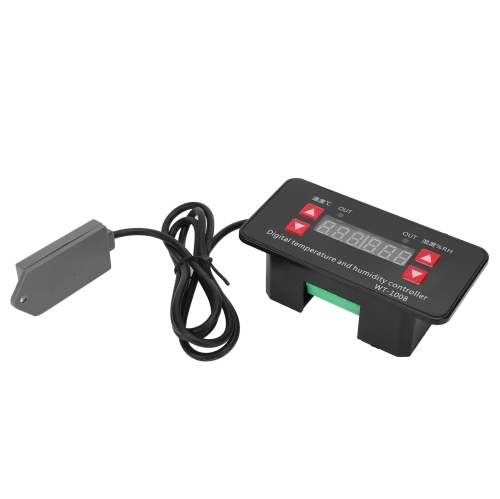
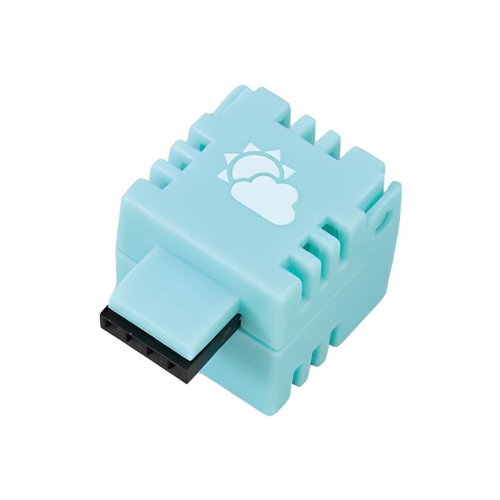
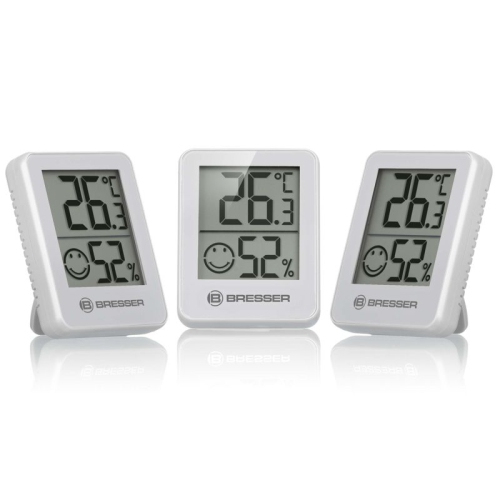
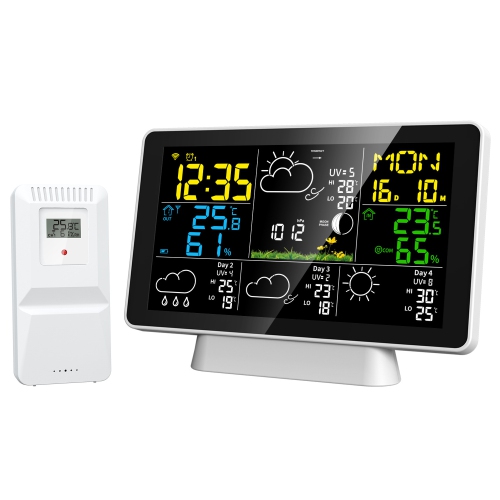
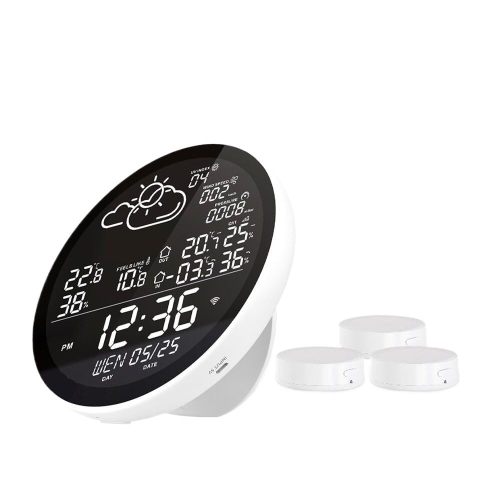
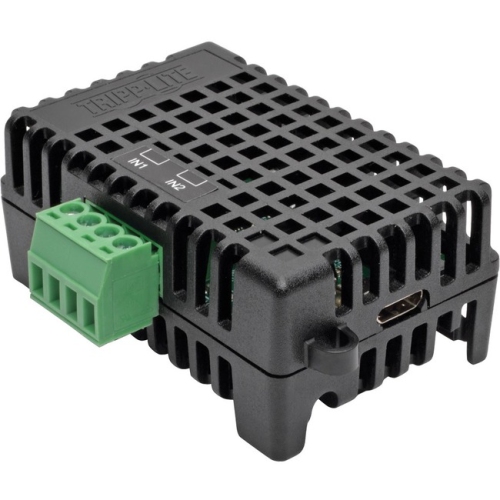
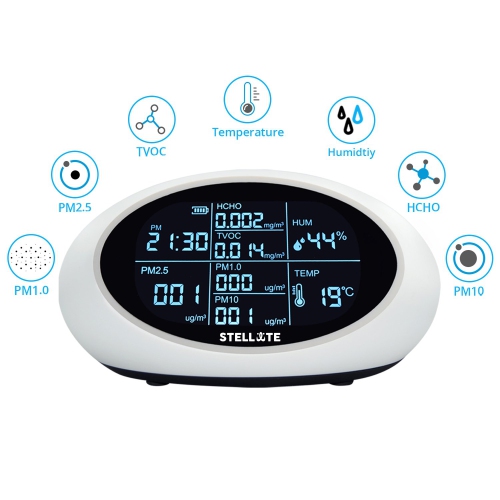
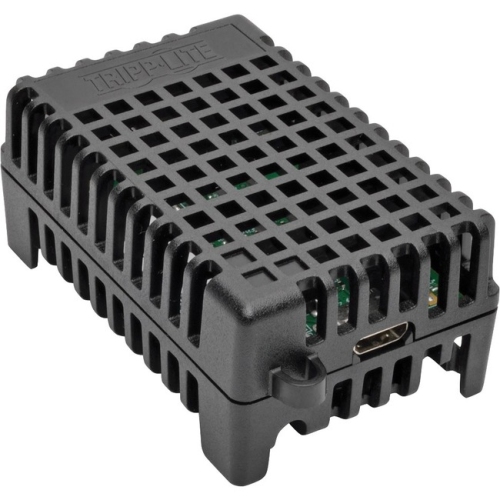
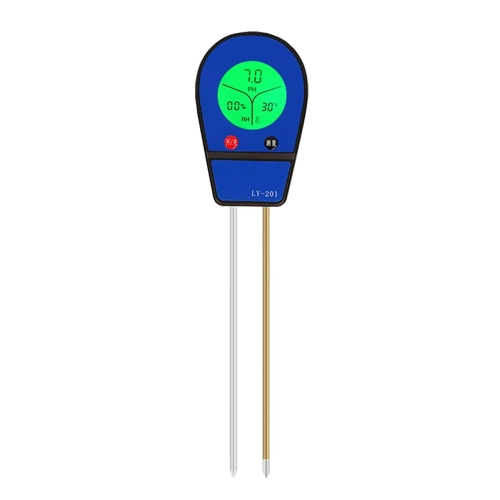
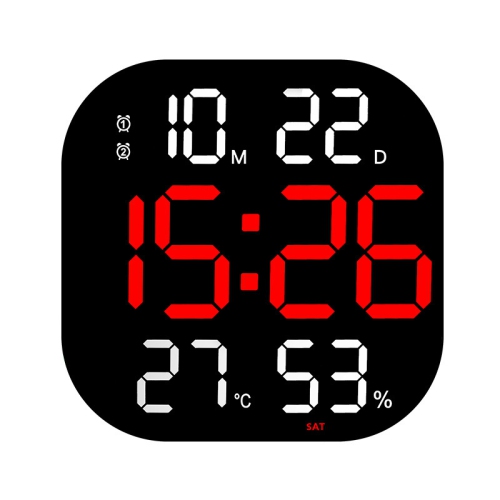
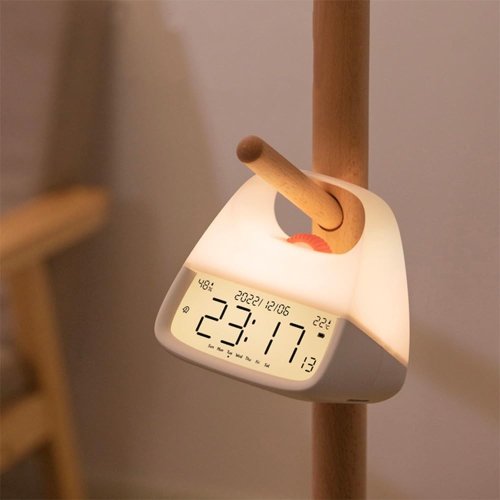
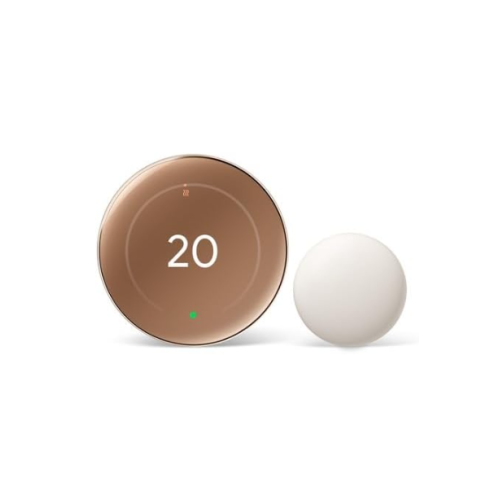
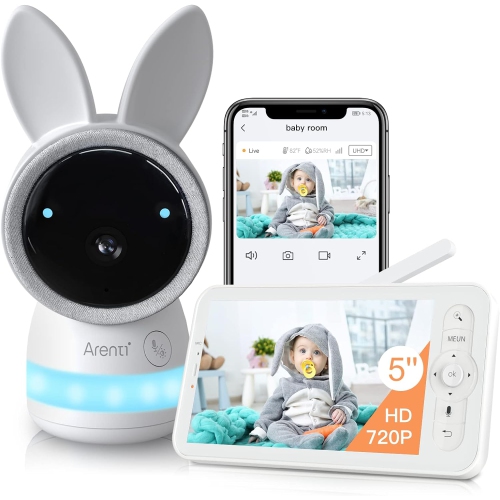
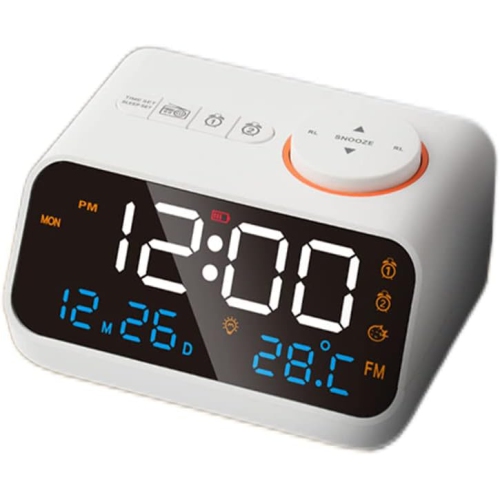
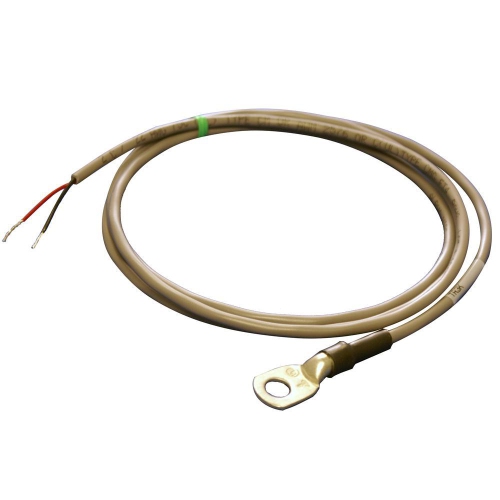
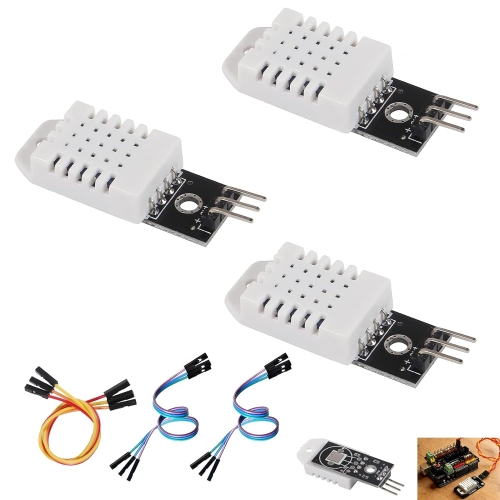
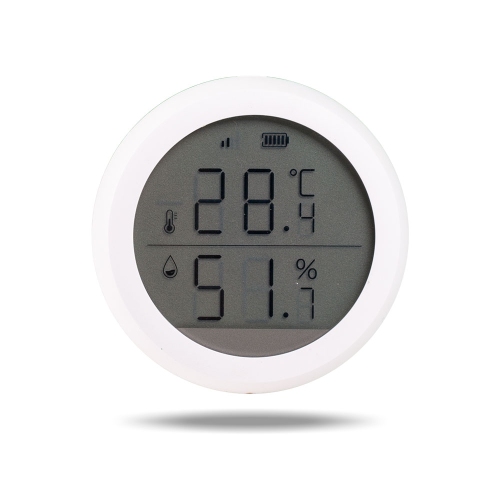
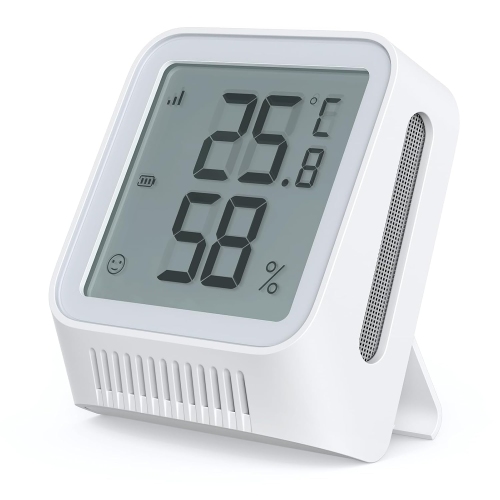
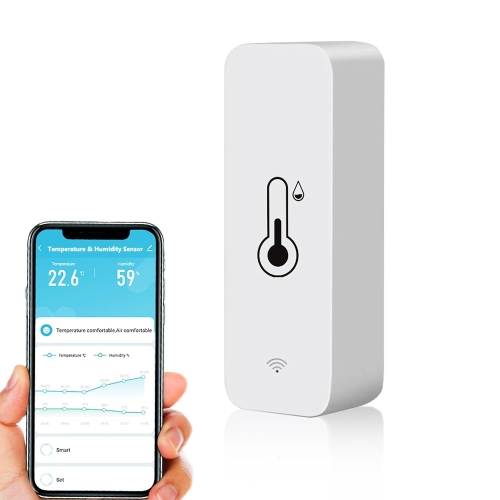
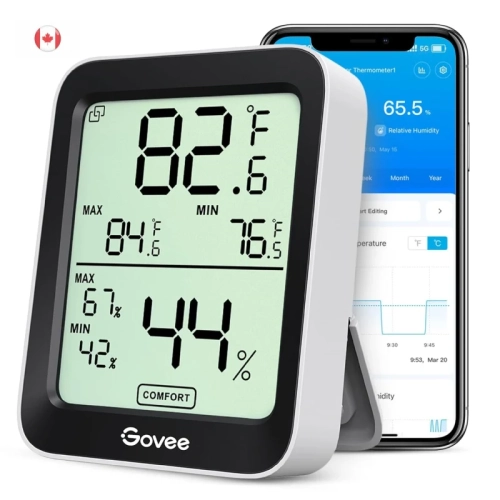
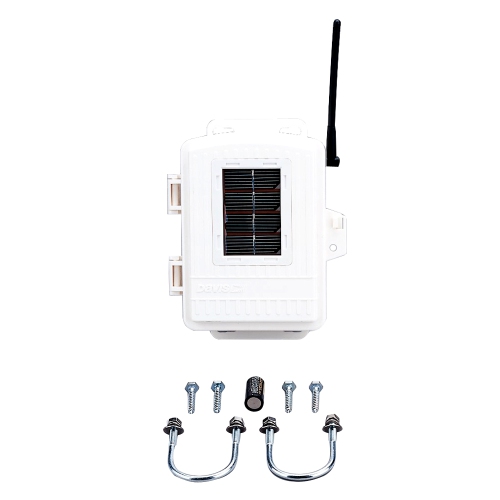
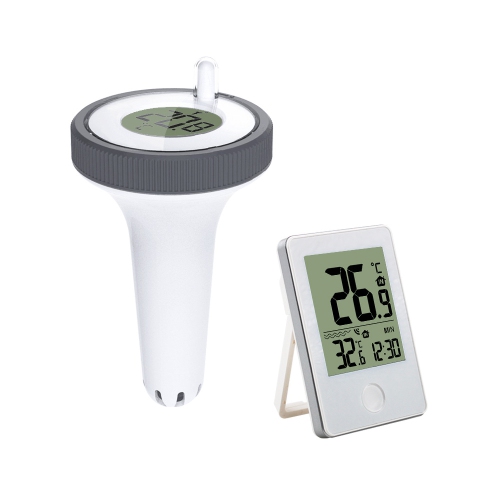
Temperature and humidity sensors measure air temperature and the amount of water vapour in the air, making conditions easier to understand at a glance or track over time. Temperature is typically shown in degrees Celsius or Fahrenheit, while relative humidity appears as a percentage. That percentage describes how much water vapour the air contains compared with the maximum it can hold at the same temperature, so humidity readings need to be considered alongside temperature readings. Many electronic sensors measure temperature using a thermistor, a component whose electrical resistance changes with temperature. Humidity measurement often relies on a capacitive sensing element that responds to moisture in the surrounding air. Together, these measurements help explain why a bedroom feels stuffy, a basement smells damp, or a home office feels different from the hallway where the thermostat sits. A combined sensor brings both readings into one device, with designs ranging from simple digital displays to connected units that send information to a phone or compatible smart home system. Standalone displays suit anyone who wants a quick reading without opening an app, while connected sensors can make it easier to follow conditions in several rooms. These devices can also serve practical roles near musical instruments, books, craft supplies, or other belongings that benefit from consistent storage conditions. A reading from a shelf beside a guitar case, for example, provides more useful local information than a thermostat on another floor. For plant owners, a sensor can show the air conditions around a group of houseplants, although it does not replace a soil moisture meter. Parents and caregivers may appreciate an easy-to-read display in a nursery or bedroom, but household sensors are comfort-monitoring tools rather than medical devices or substitutes for supervision. The most useful choice depends on what needs monitoring, where the sensor will sit, and whether readings are needed only in the room or from farther away.
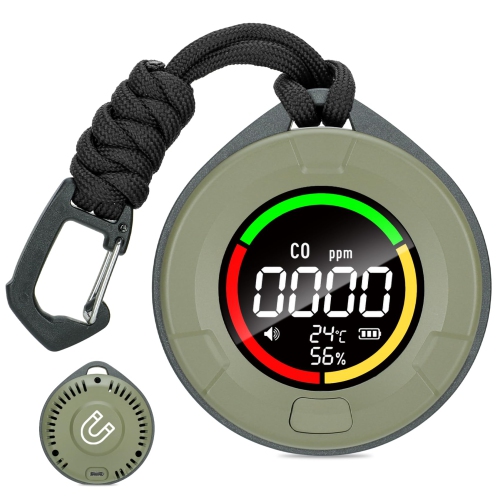
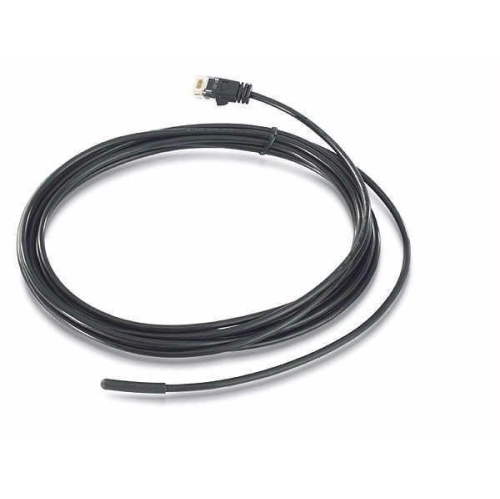
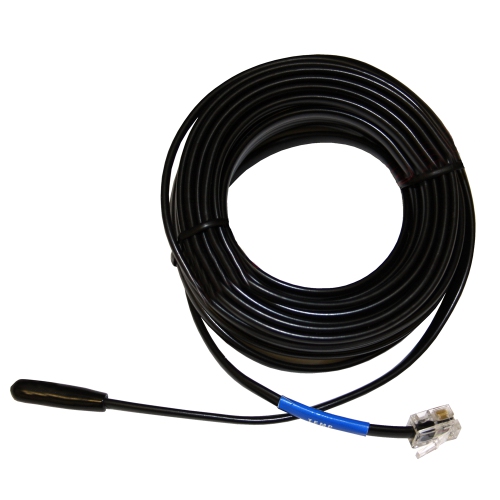
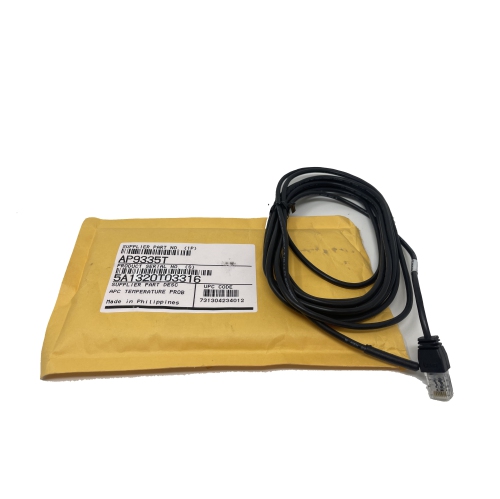
Display quality, measurement specifications, and physical design all affect how convenient a temperature and humidity sensor is to use. Large digits, clear labels, and a viewing angle that works from across a desk can matter more for everyday checks than a long list of extra functions. A backlight helps in dim spaces, though its effect on battery life depends on how it operates. Minimum and maximum readings reveal changes that happen between checks, while stored history can show whether a spike was brief or lasted several hours. Accuracy and resolution are different specifications: a display that shows decimal places is not necessarily more accurate than one that uses whole numbers. Measurement range, stated accuracy, update interval, and any calibration or offset options deserve attention, especially for storage areas with particular requirements. A sensor also needs time to settle after being moved, and handling it can briefly affect its reading. Placement away from direct sunlight, heating vents, open windows, and moisture sources helps it represent the room rather than one unusually warm or damp spot. Leaving the sensing openings uncovered is important; a unit tucked behind books or pressed against fabric may respond more slowly to changes. Lightweight plastic housings are common for indoor use, with tabletop stands, hanging slots, magnetic backs, or adhesive mounts providing different placement options. Dimensions and mounting style should fit the intended location without blocking airflow or making battery replacement awkward. Outdoor installations, bathrooms, refrigerators, and other demanding locations require explicit suitability for the expected temperature range and moisture exposure. A housing rated for splashes should not be assumed safe for immersion, and a remote probe may measure temperature without measuring humidity. Routine care generally means following the cleaning instructions, keeping vents free of dust, and avoiding sprays or liquid contact with exposed sensing elements. Secure mounting and appropriate placement help protect the housing from knocks, while accessible batteries or a suitable power connection support regular use.
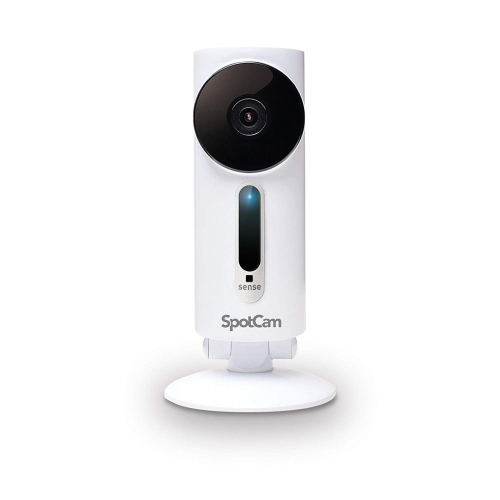
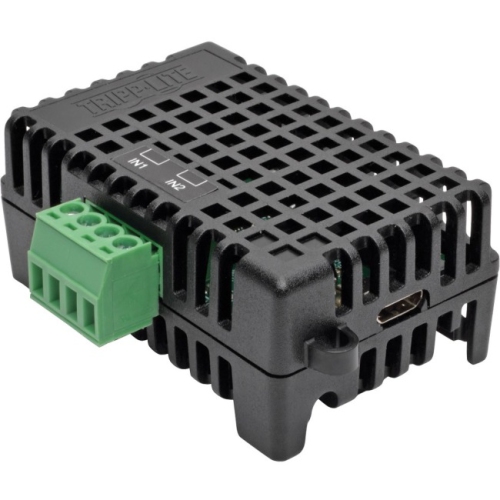
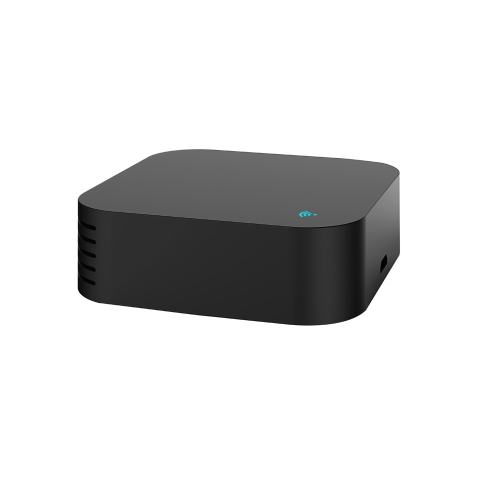
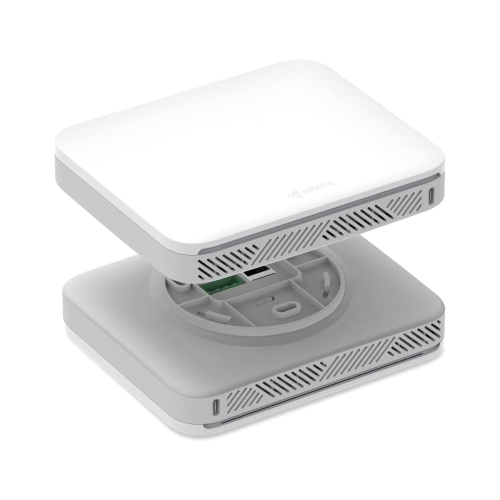
Connected temperature and humidity sensors add ways to check readings, receive notifications, and respond through compatible devices. Bluetooth connections commonly suit nearby checks, but viewing readings from outside the home may require a compatible gateway or another supported connection. Wi-Fi sensors can communicate through a home network, while other wireless designs use a separate hub. Compatibility involves more than the wireless label: the sensor, hub, app, and intended automation system need to support the functions that matter. Where Matter support is specified, the required controller and any additional network hardware still need checking. For shoppers comparing connected monitoring options, Smart Temperature Sensors offer a related category to explore, with humidity measurement worth confirming whenever both readings are needed. Adjustable alerts can notify someone when a room passes a chosen threshold, while supported automations may trigger a compatible fan, humidifier, or dehumidifier. The sensor itself does not change room conditions, and an automation should respect the connected appliance’s operating instructions and electrical requirements. A basement sensor, for instance, might reveal that humidity stays elevated after laundry dries indoors; a notification provides a prompt to investigate rather than proof of the cause. In a hobby room, historical readings can help identify repeated fluctuations near stored paper, fabric, or instruments. Homes with several monitoring points benefit from clear room names in the app, reliable signal coverage, and battery status indicators that make maintenance easier. Concrete walls, metal cabinets, and distance can affect wireless performance, so advertised range does not guarantee coverage in every layout. Data storage is another useful distinction: some devices retain readings locally, while others depend on an app or online service, and logging frequency affects how much detail a graph shows. Remote alerts also depend on the necessary power and connections remaining active. For a practical housewarming gift or an addition to a home workspace, a readable display and straightforward setup may be the best fit; for someone managing several spaces, dependable notifications and accessible history can make daily monitoring less hands-on.
Display quality, measurement specifications, and physical design all affect how convenient a temperature and humidity sensor is to use. Large digits, clear labels, and a viewing angle that works from across a desk can matter more for everyday checks than a long list of extra functions. A backlight helps in dim spaces, though its effect on battery life depends on how it operates. Minimum and maximum readings reveal changes that happen between checks, while stored history can show whether a spike was brief or lasted several hours. Accuracy and resolution are different specifications: a display that shows decimal places is not necessarily more accurate than one that uses whole numbers. Measurement range, stated accuracy, update interval, and any calibration or offset options deserve attention, especially for storage areas with particular requirements. A sensor also needs time to settle after being moved, and handling it can briefly affect its reading. Placement away from direct sunlight, heating vents, open windows, and moisture sources helps it represent the room rather than one unusually warm or damp spot. Leaving the sensing openings uncovered is important; a unit tucked behind books or pressed against fabric may respond more slowly to changes. Lightweight plastic housings are common for indoor use, with tabletop stands, hanging slots, magnetic backs, or adhesive mounts providing different placement options. Dimensions and mounting style should fit the intended location without blocking airflow or making battery replacement awkward. Outdoor installations, bathrooms, refrigerators, and other demanding locations require explicit suitability for the expected temperature range and moisture exposure. A housing rated for splashes should not be assumed safe for immersion, and a remote probe may measure temperature without measuring humidity. Routine care generally means following the cleaning instructions, keeping vents free of dust, and avoiding sprays or liquid contact with exposed sensing elements. Secure mounting and appropriate placement help protect the housing from knocks, while accessible batteries or a suitable power connection support regular use.
Connected temperature and humidity sensors add ways to check readings, receive notifications, and respond through compatible devices. Bluetooth connections commonly suit nearby checks, but viewing readings from outside the home may require a compatible gateway or another supported connection. Wi-Fi sensors can communicate through a home network, while other wireless designs use a separate hub. Compatibility involves more than the wireless label: the sensor, hub, app, and intended automation system need to support the functions that matter. Where Matter support is specified, the required controller and any additional network hardware still need checking. For shoppers comparing connected monitoring options, Smart Temperature Sensors offer a related category to explore, with humidity measurement worth confirming whenever both readings are needed. Adjustable alerts can notify someone when a room passes a chosen threshold, while supported automations may trigger a compatible fan, humidifier, or dehumidifier. The sensor itself does not change room conditions, and an automation should respect the connected appliance’s operating instructions and electrical requirements. A basement sensor, for instance, might reveal that humidity stays elevated after laundry dries indoors; a notification provides a prompt to investigate rather than proof of the cause. In a hobby room, historical readings can help identify repeated fluctuations near stored paper, fabric, or instruments. Homes with several monitoring points benefit from clear room names in the app, reliable signal coverage, and battery status indicators that make maintenance easier. Concrete walls, metal cabinets, and distance can affect wireless performance, so advertised range does not guarantee coverage in every layout. Data storage is another useful distinction: some devices retain readings locally, while others depend on an app or online service, and logging frequency affects how much detail a graph shows. Remote alerts also depend on the necessary power and connections remaining active. For a practical housewarming gift or an addition to a home workspace, a readable display and straightforward setup may be the best fit; for someone managing several spaces, dependable notifications and accessible history can make daily monitoring less hands-on.
Top selling and popular products
-
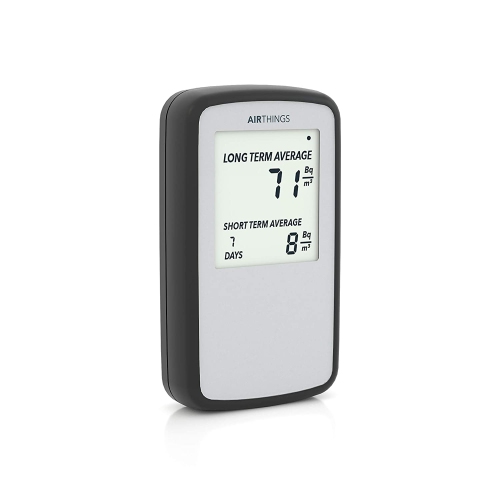 Your price for this item is $301.99
 -
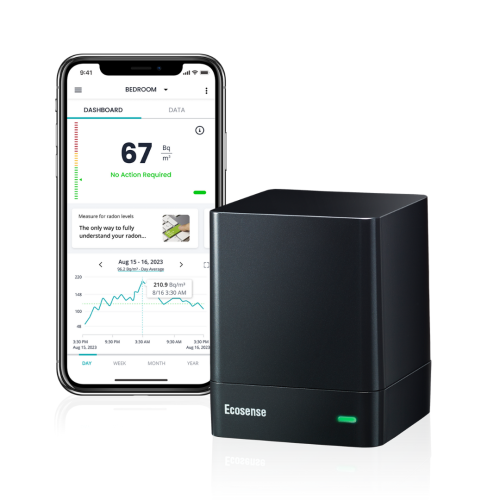 Your price for this item is $197
 -
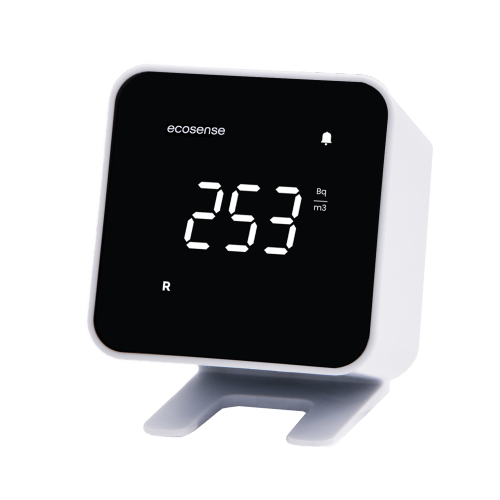 Your price for this item is $165
 -
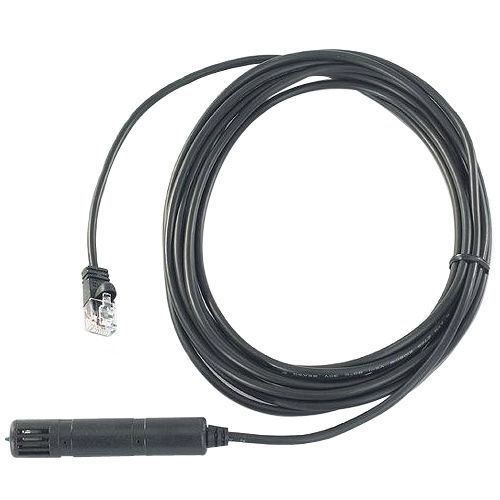 Your price for this item is $255.89
 -
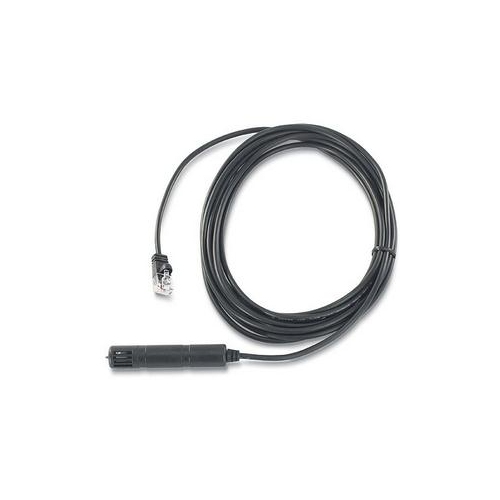 Your price for this item is $207.68
 -
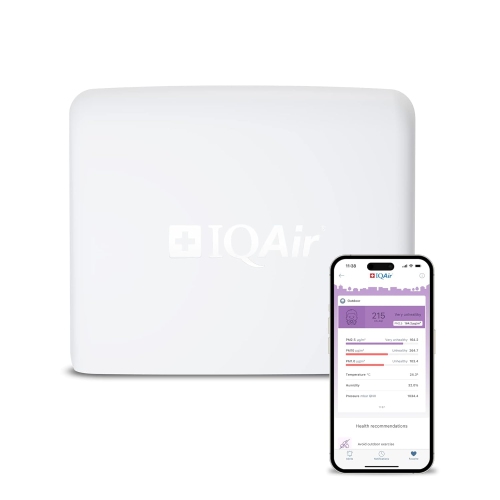 Your price for this item is $429.99
 -
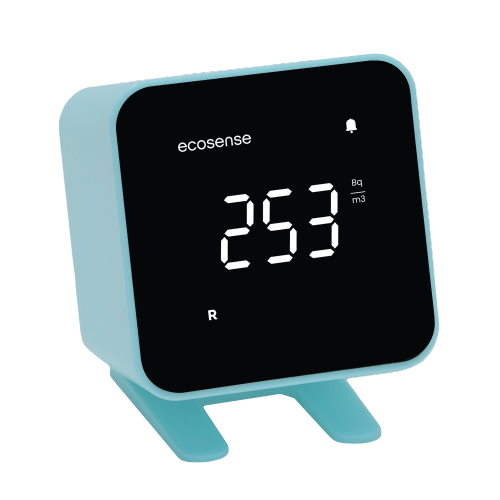 Your price for this item is $165
 -
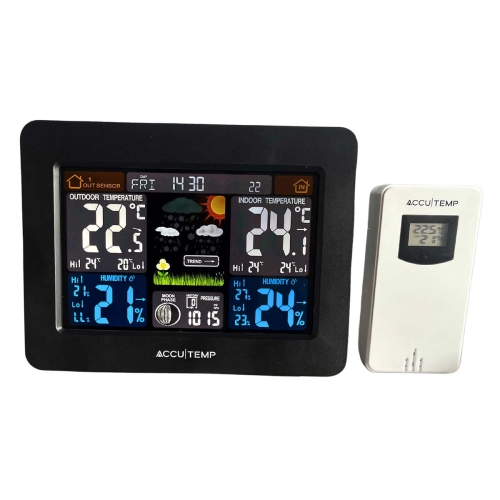 Your price for this item is $66.46
Discover more categories related to Temperature And Humidity Sensors
Top Collections:
Pokemon Centers, Kindle Devices, Best Budget Office Chairs, Apple iPhones 16, Best Laptops for Writers, iPhone 15 Apple, Canon G7X Cameras, Refurbished Apple Laptops, Alarm Clock, Motorola Razr Phones
Some products may be subject to Environmental Handling Fees
(EHF) depending on your province.
Learn more about EHFs.