Electronic Door Locks
Upgrade your home security with our selection of electronic door locks. Whether you're looking for keyless entry, remote access control, or advanced security features, our range of electronic door locks offers a variety of options to suit your needs. Explore cutting-edge technology that brings peace of mind and modern functionality to your home today. Whether you're looking to enhance security for your family, make it easier for guests to access your home, or simply want the convenience of keyless entry, electronic door locks offer a range of benefits.
Sort
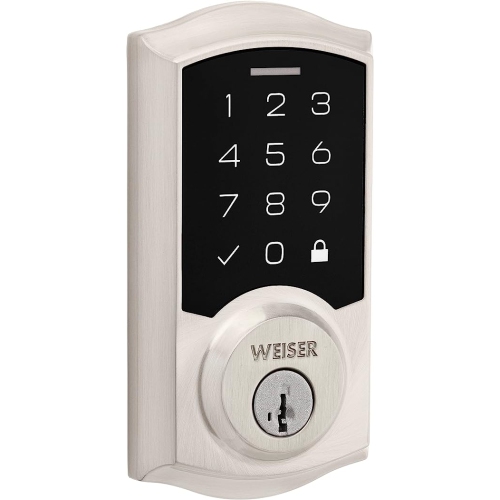
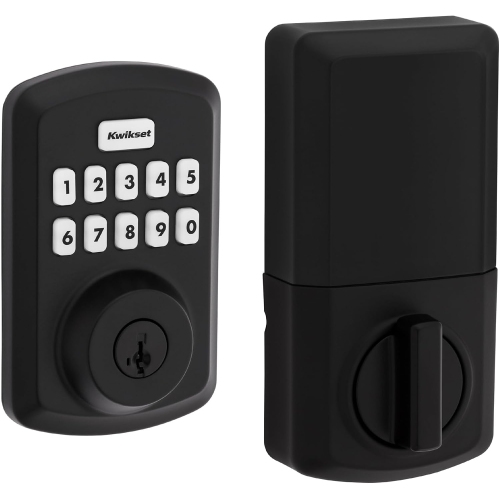
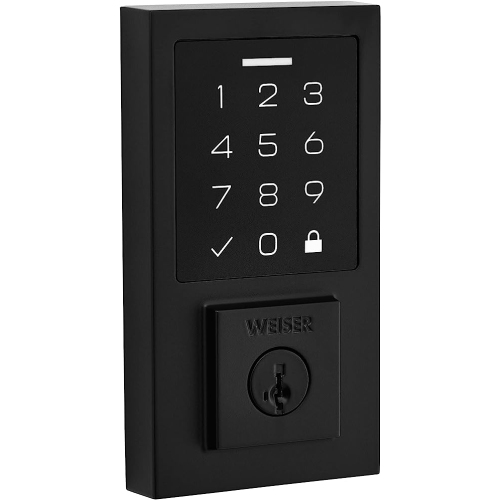
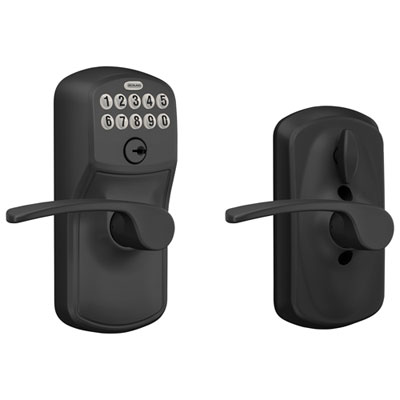

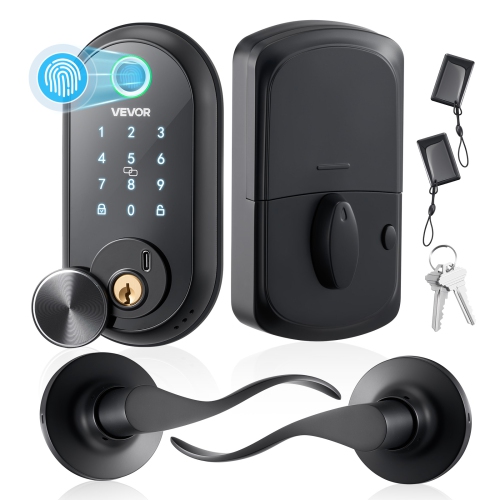
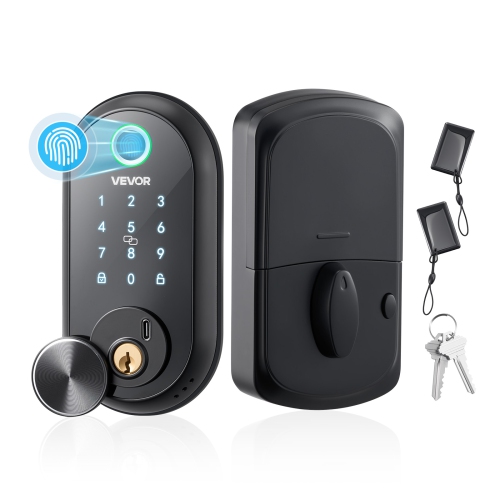
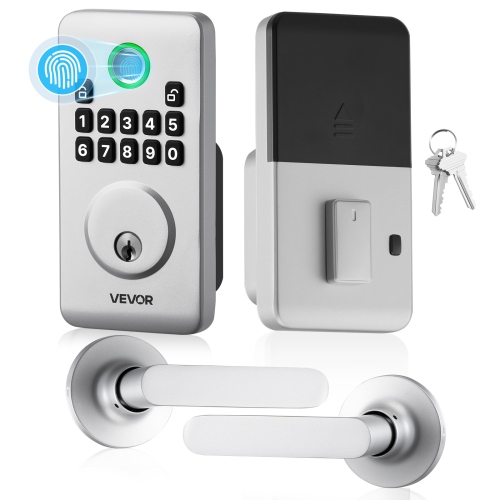
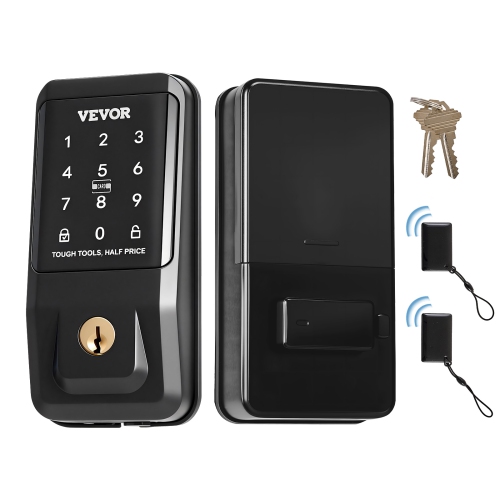


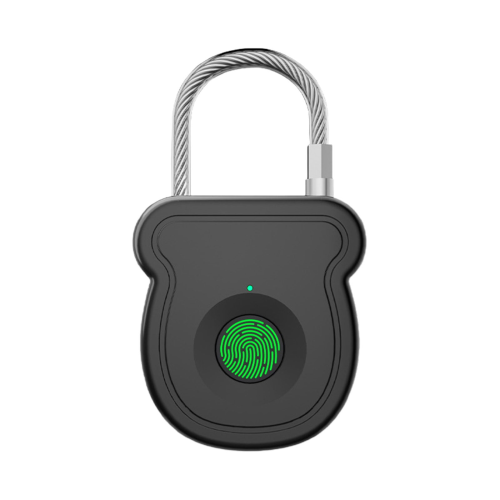
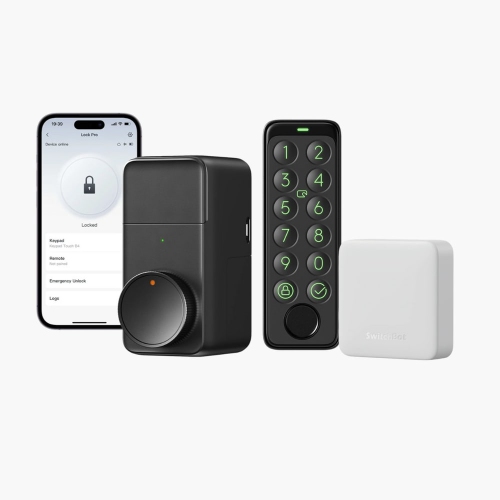

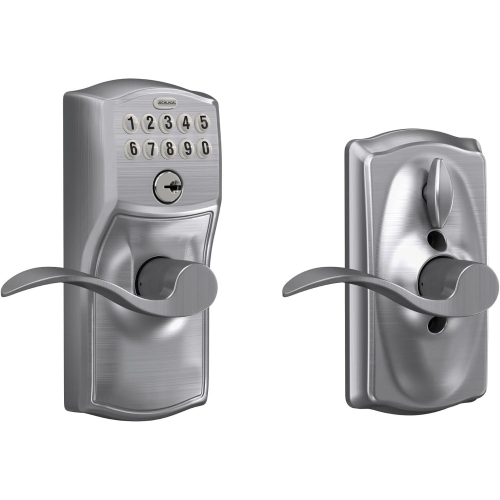
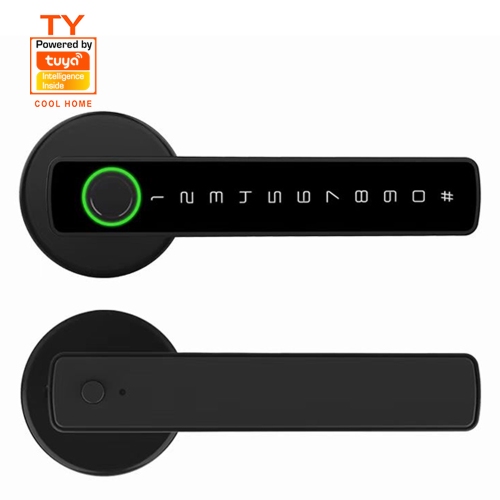
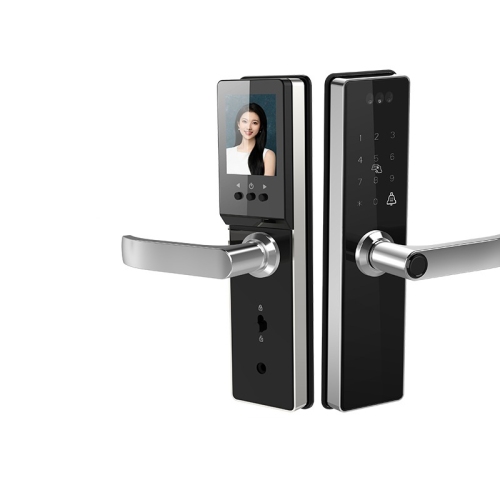
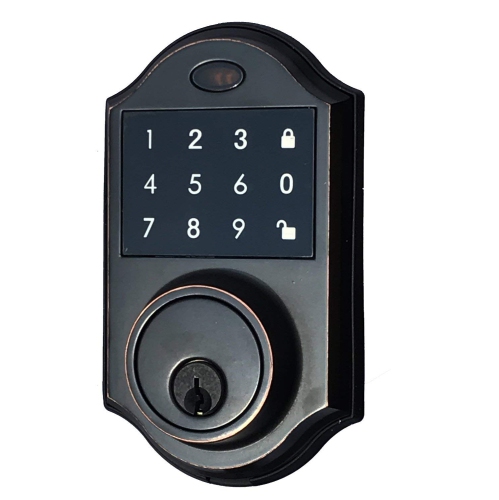
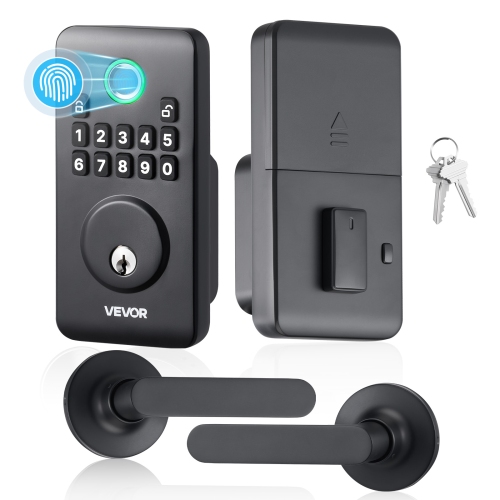
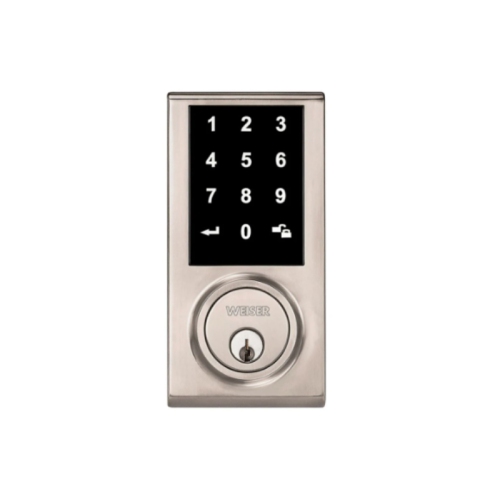
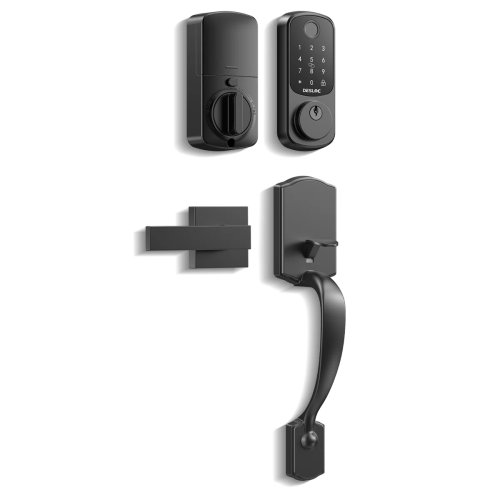
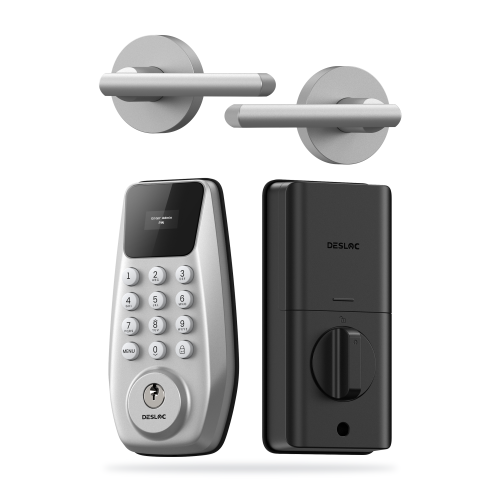
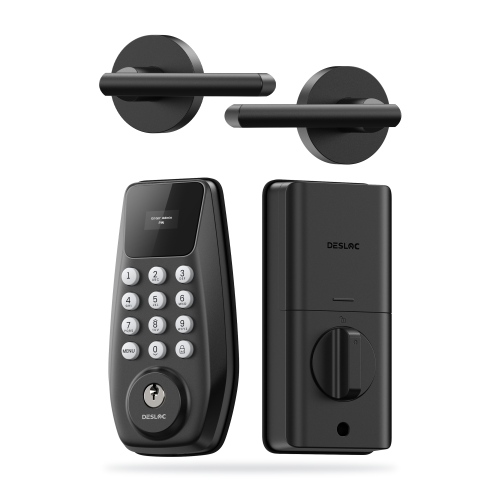

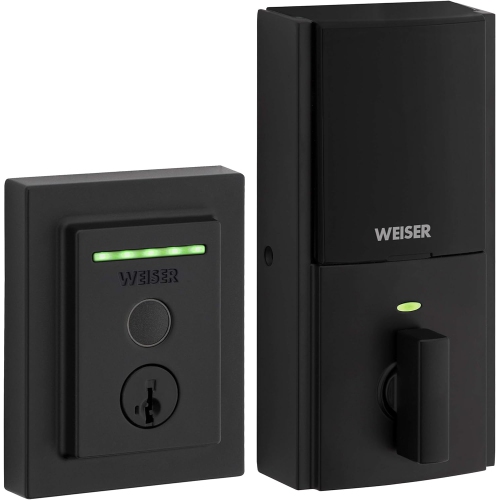
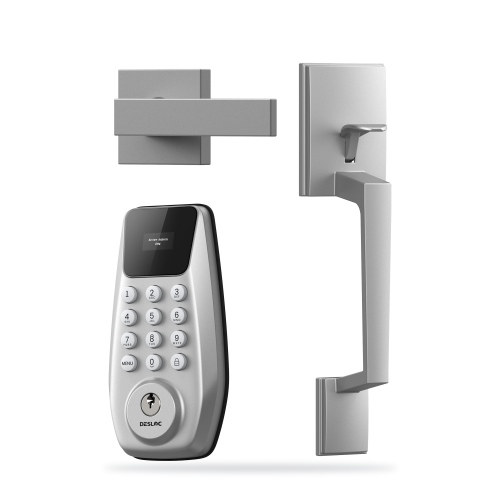
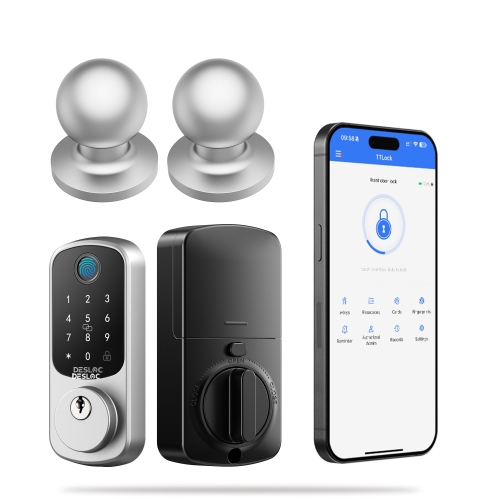
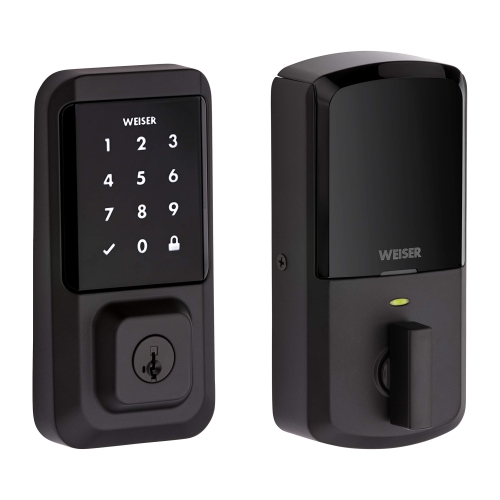
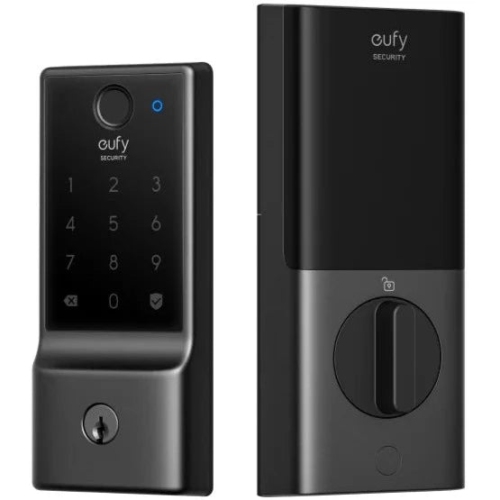

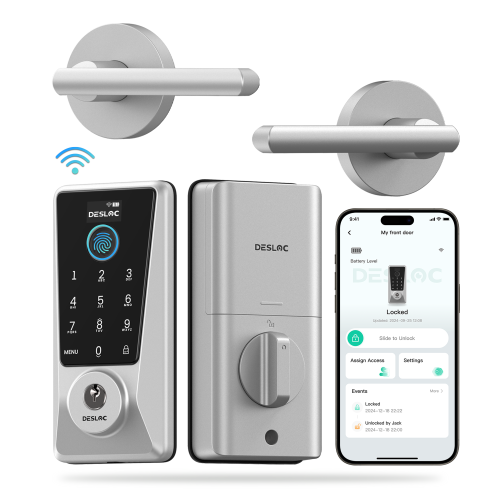
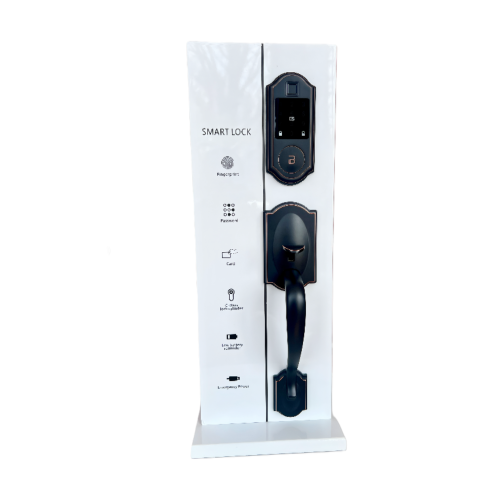
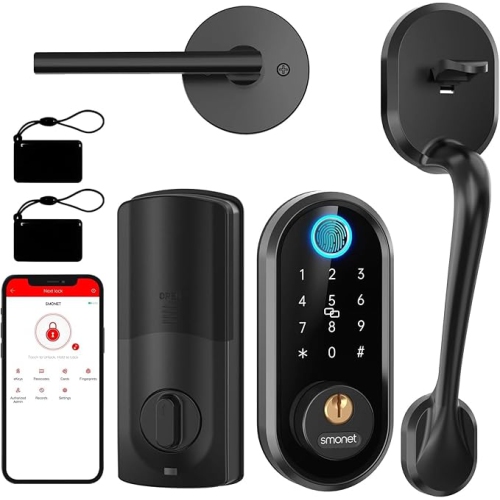
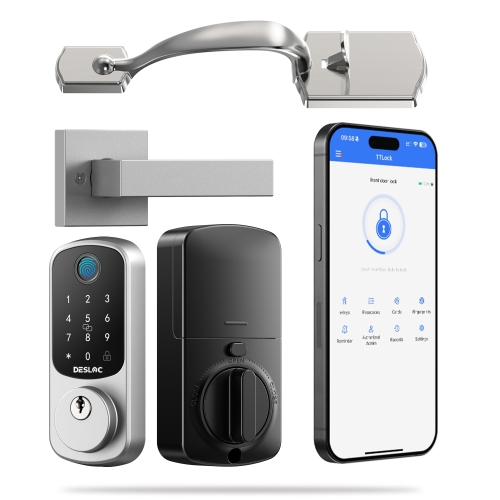

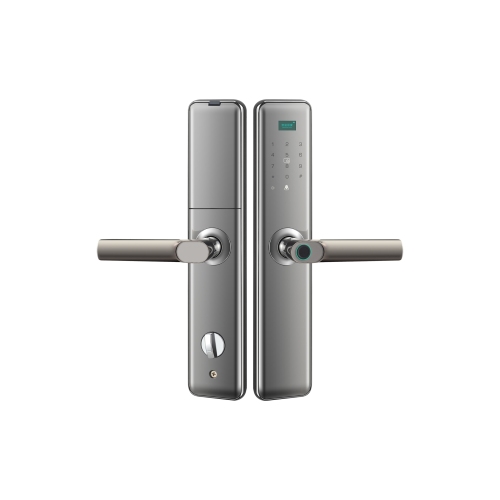
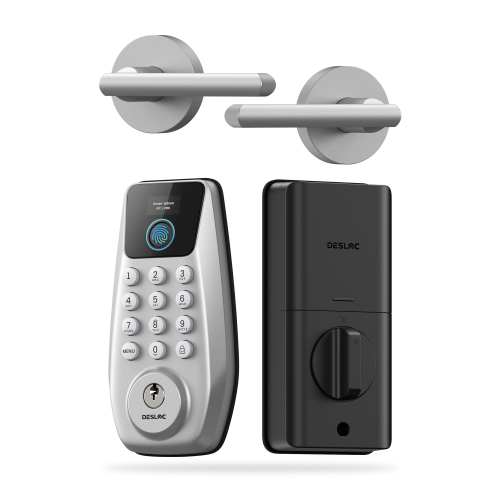
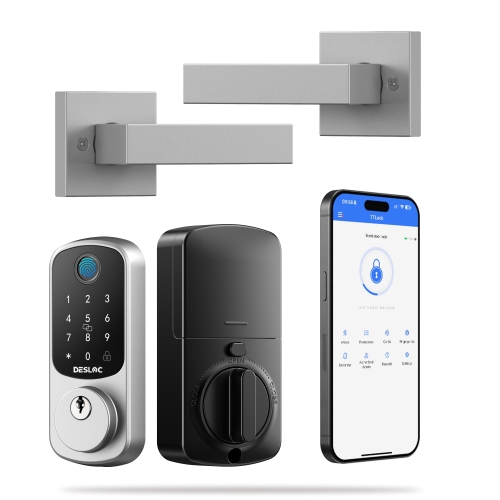
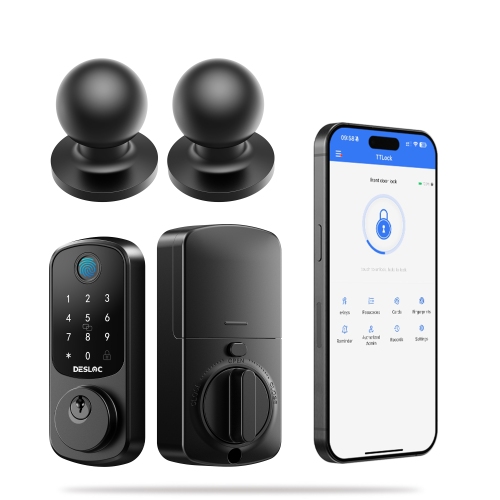
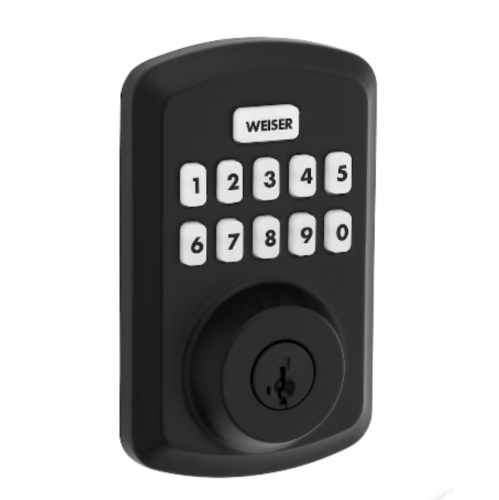
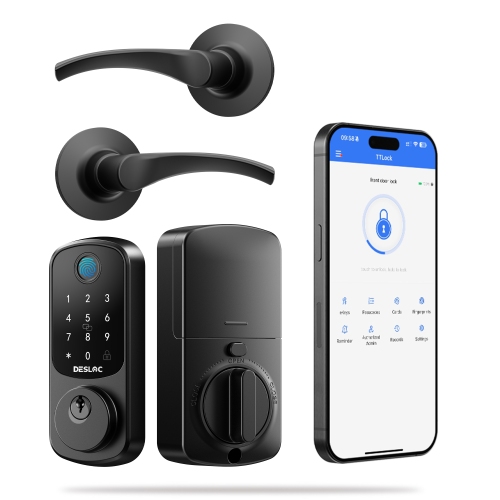
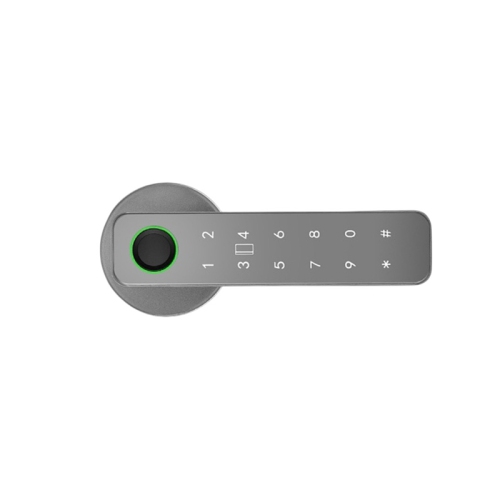
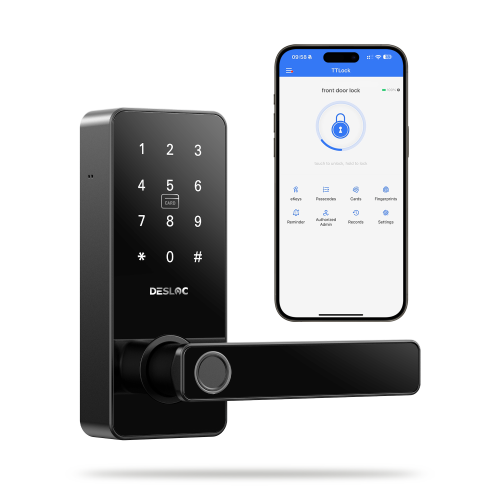



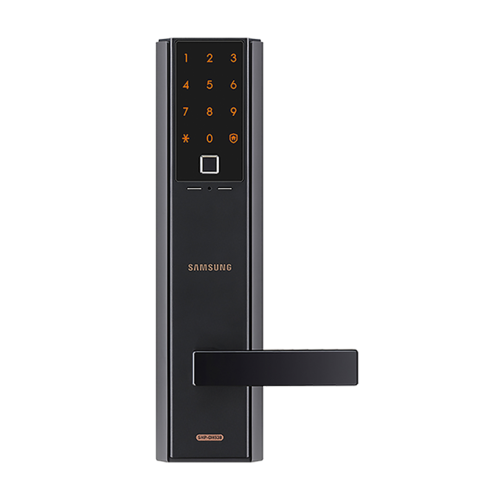

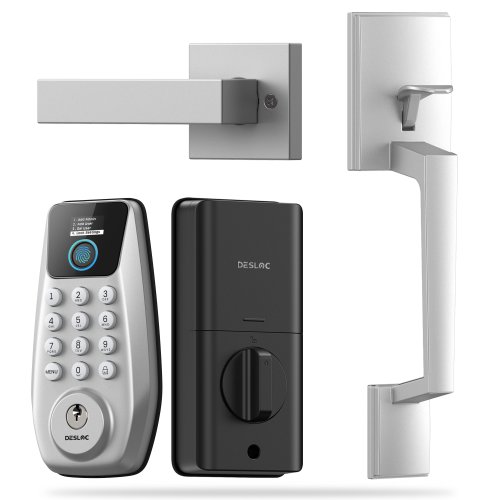
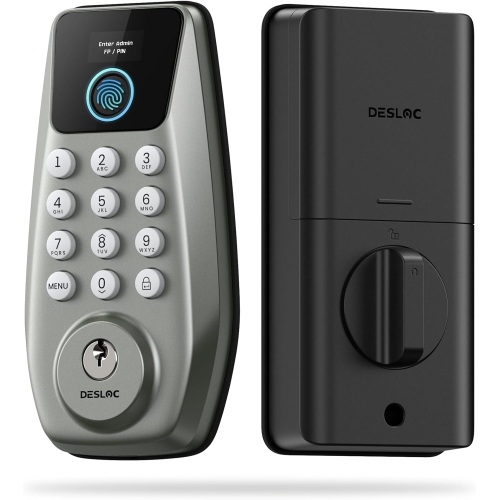
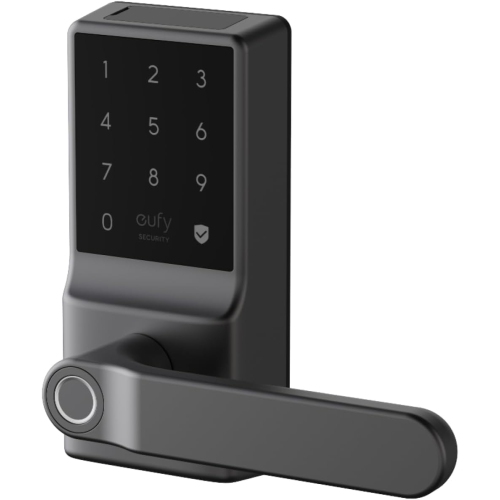
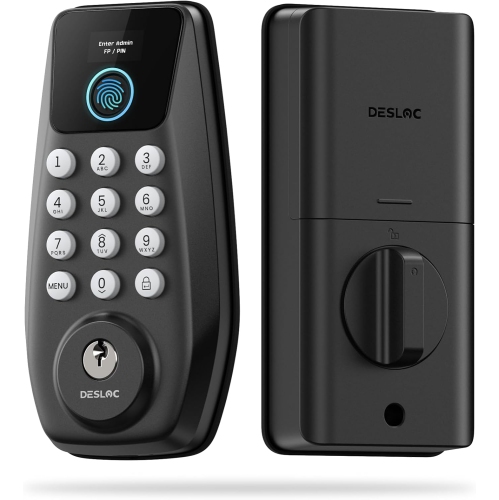
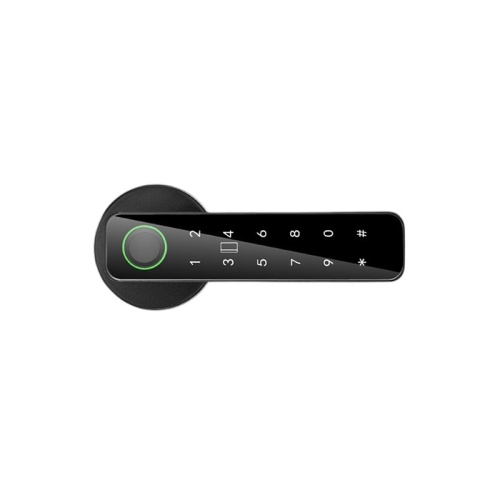
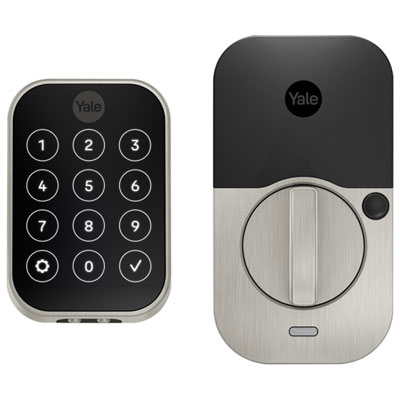
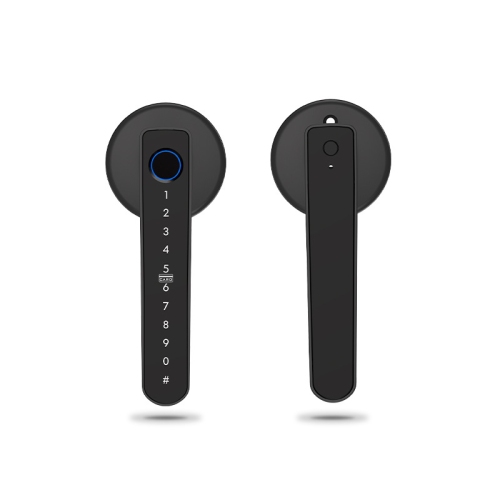
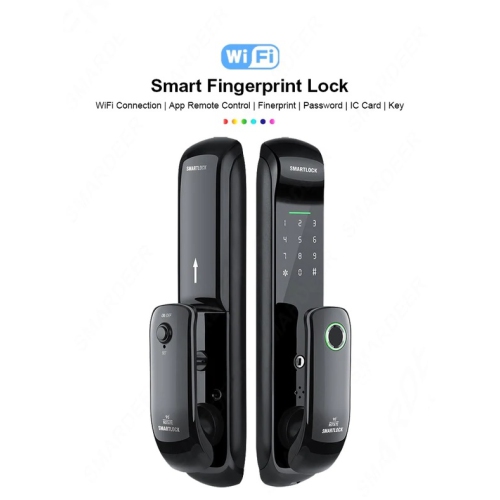
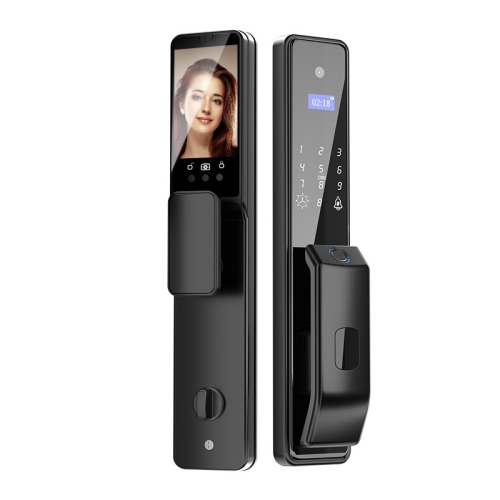
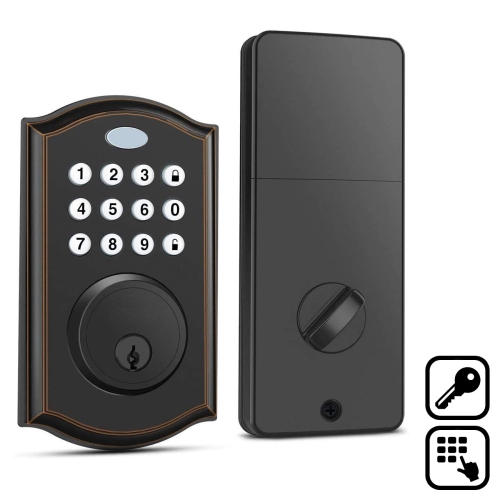
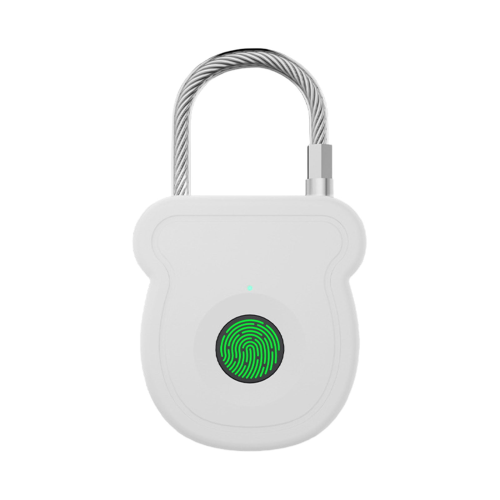
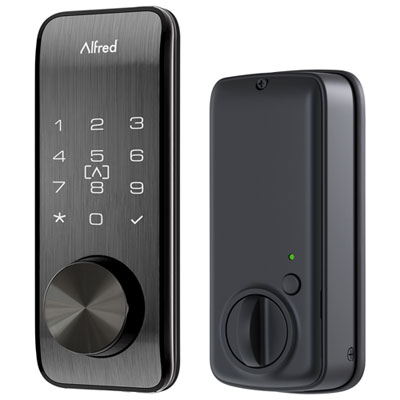

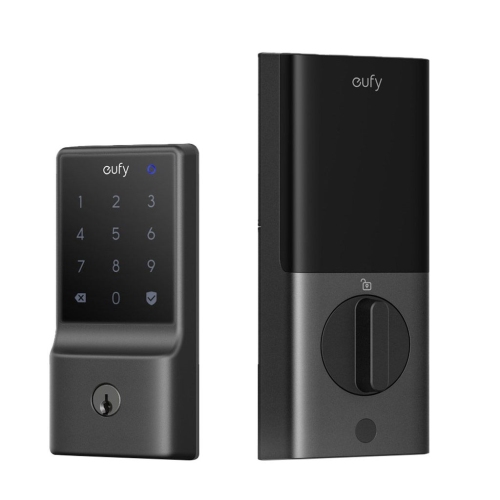
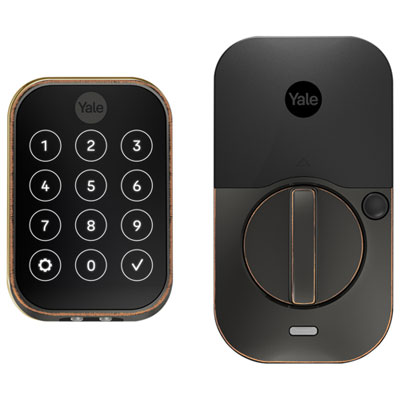
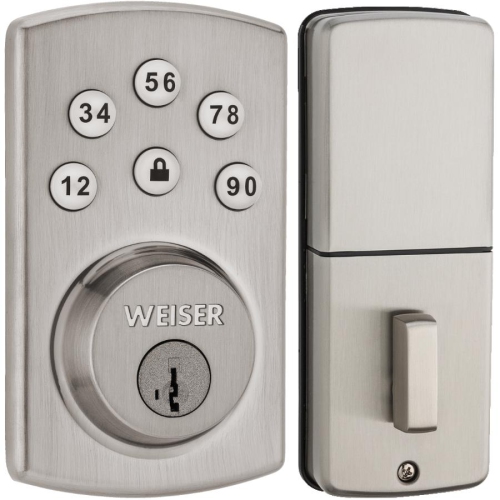






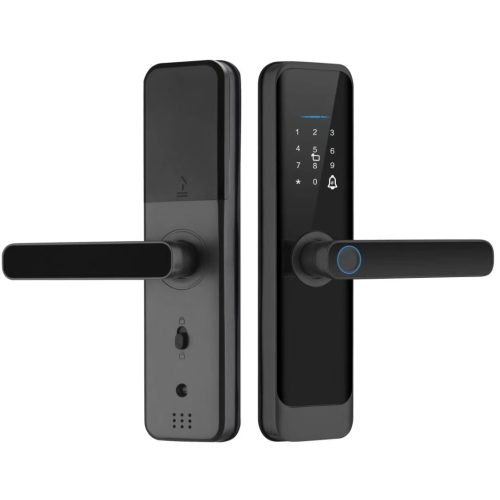
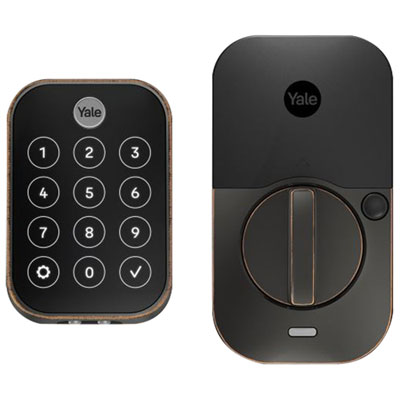
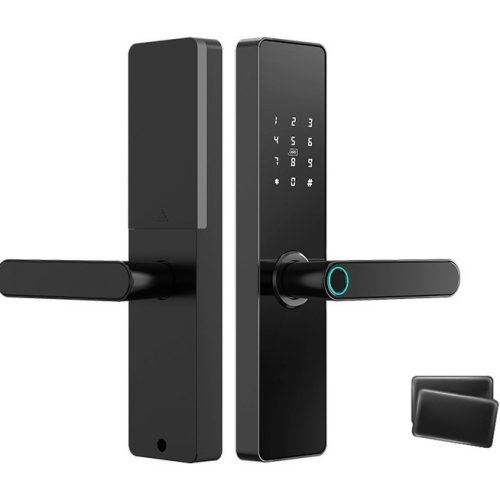
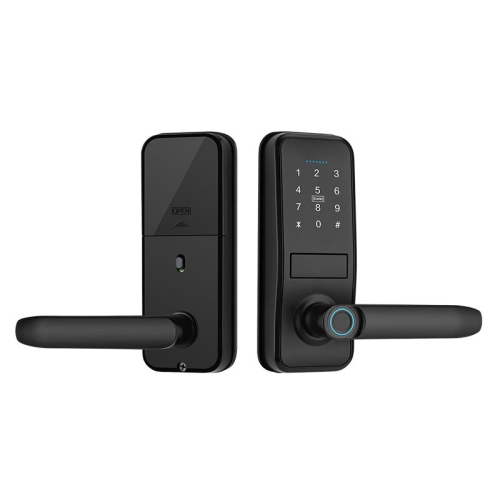
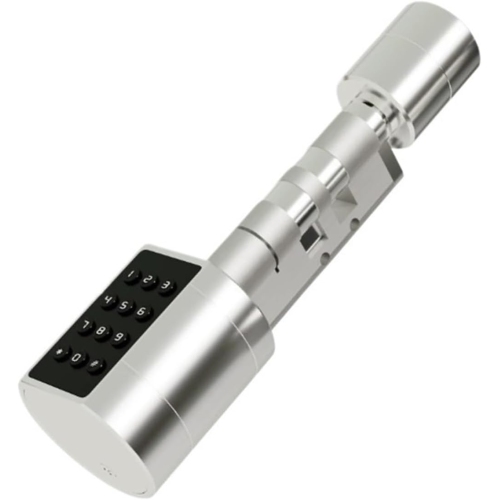


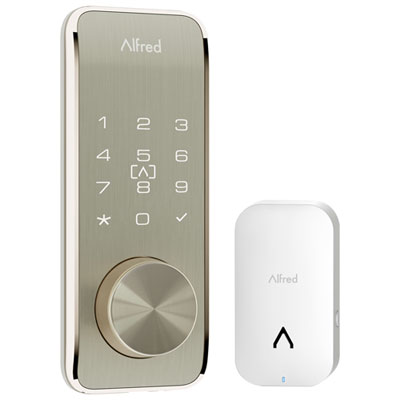
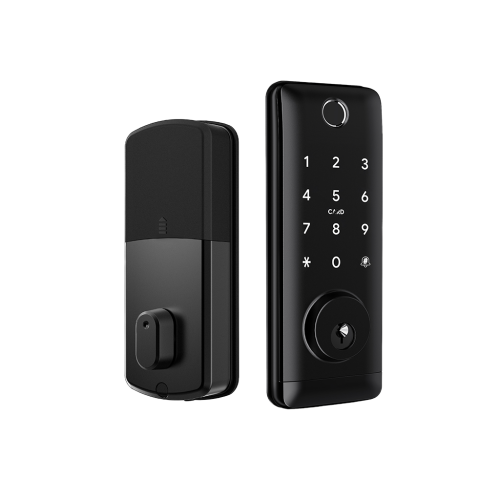
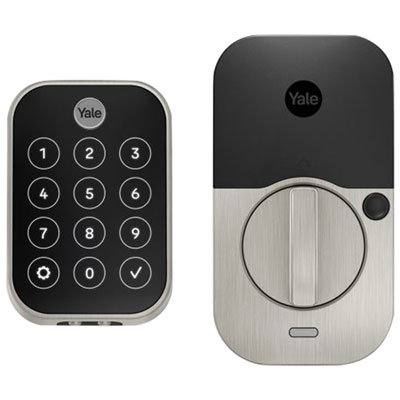
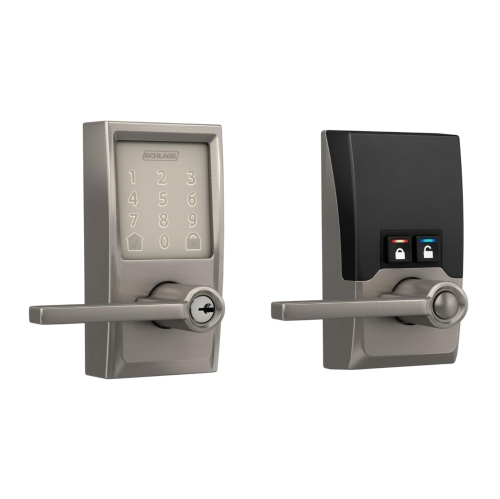
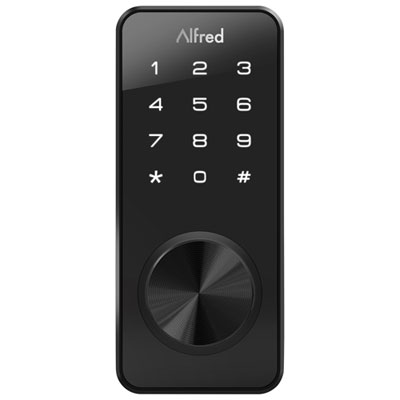
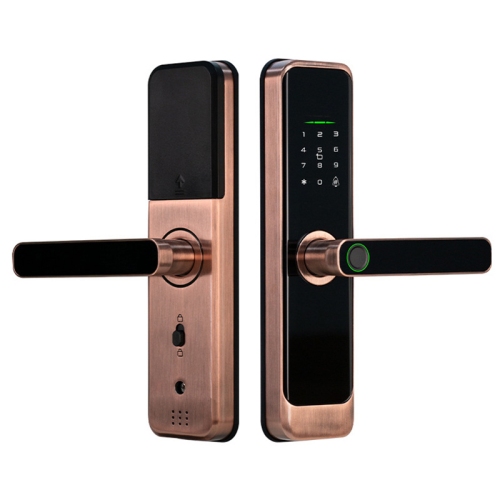
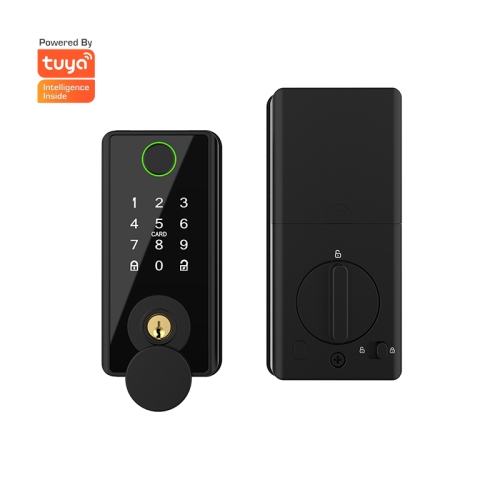





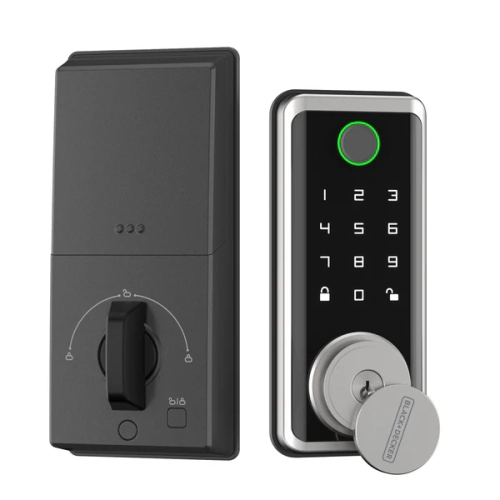
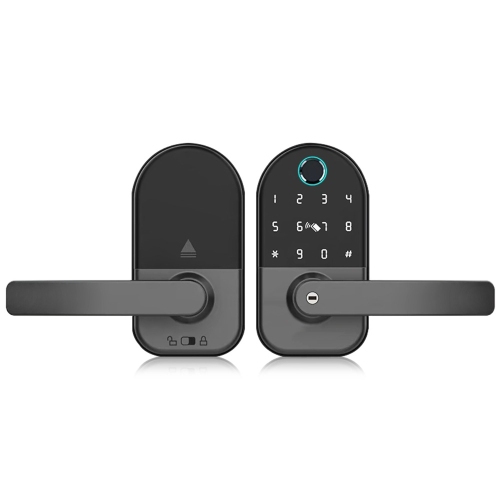

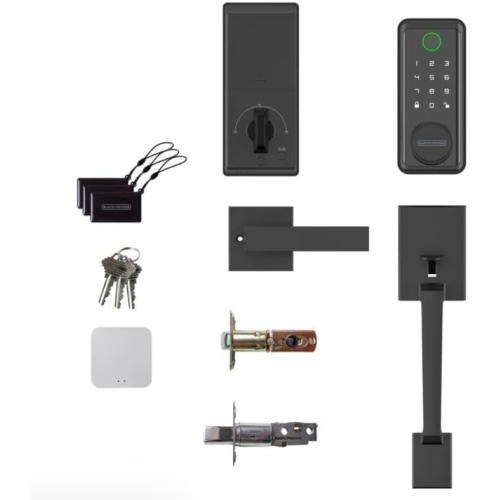
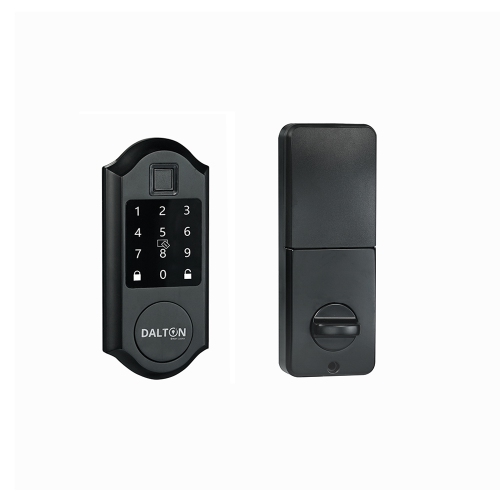


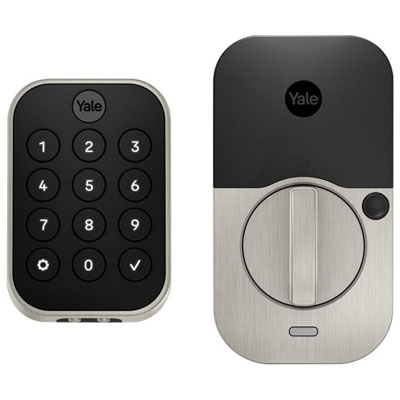


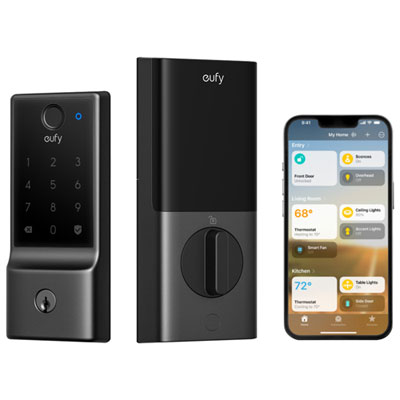
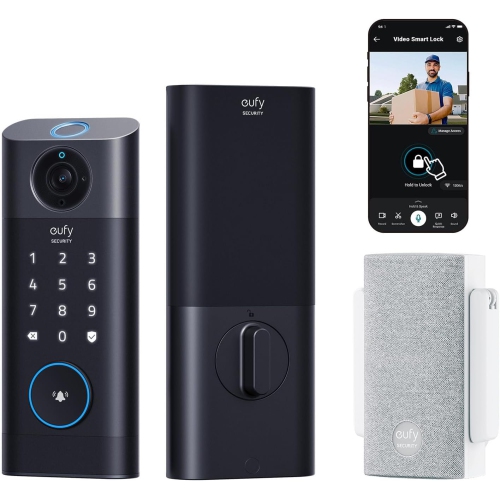
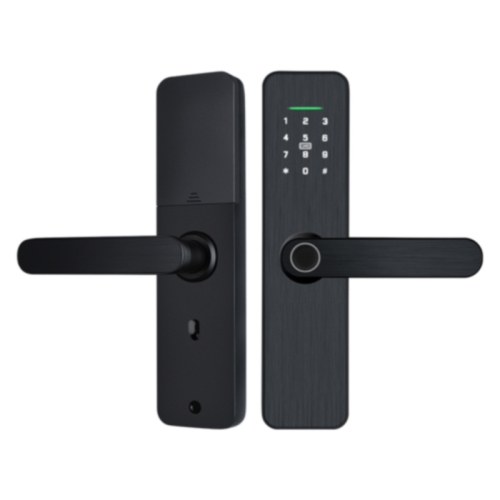
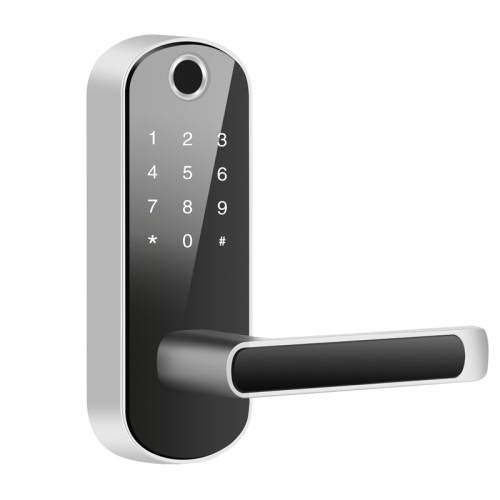

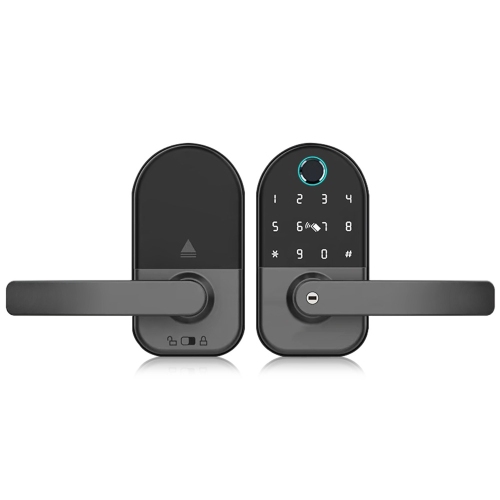
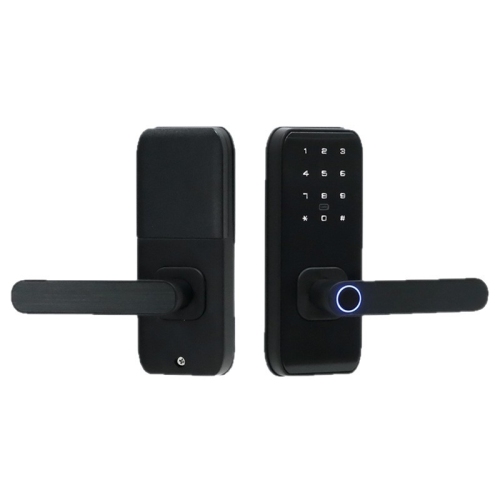
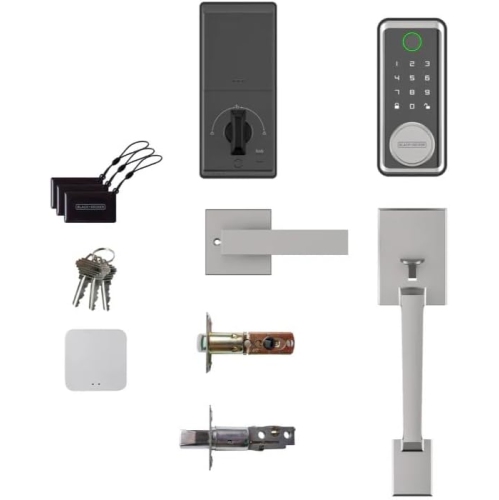
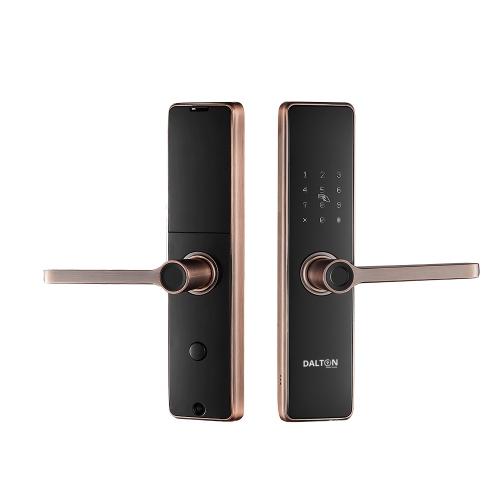
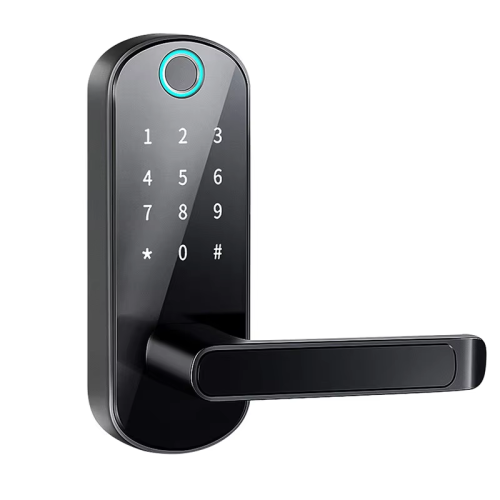

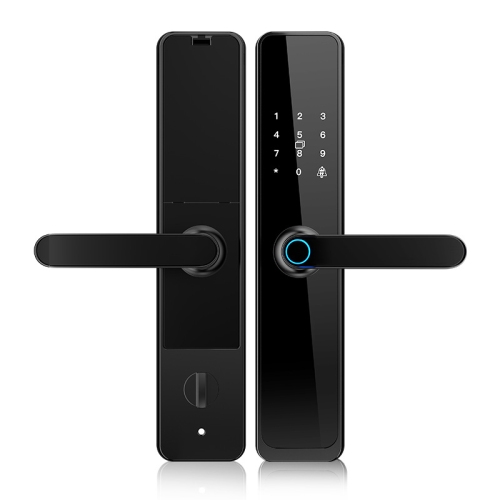

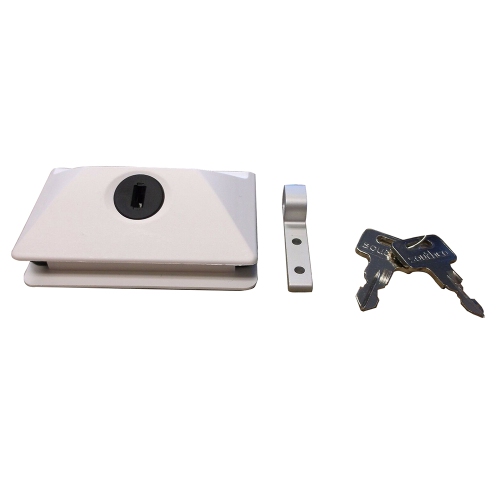







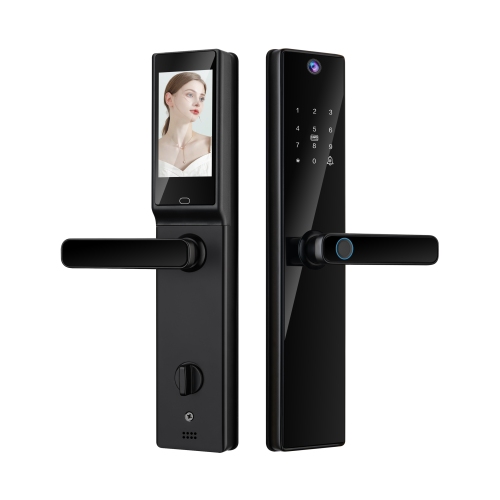


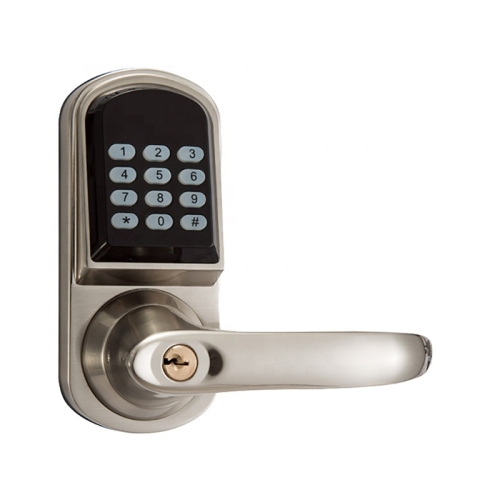
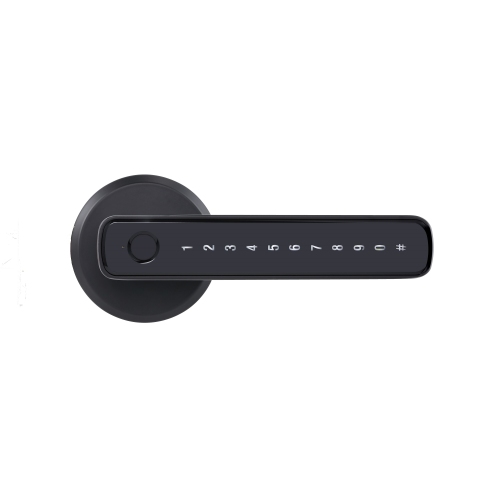
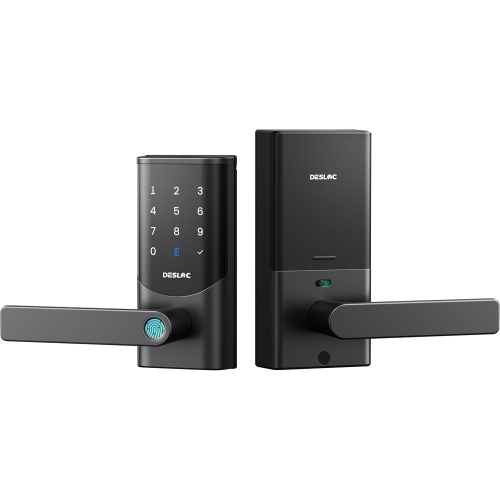
What matters for dependable keyless access
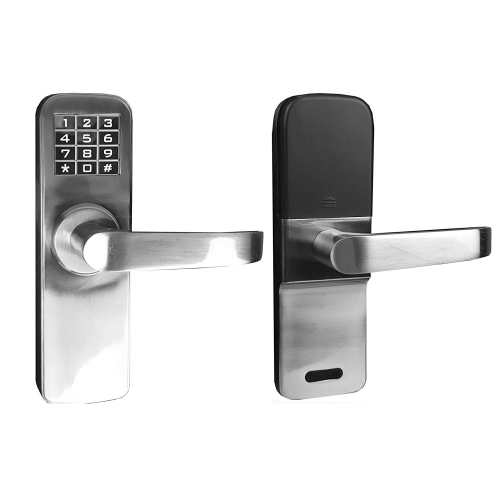
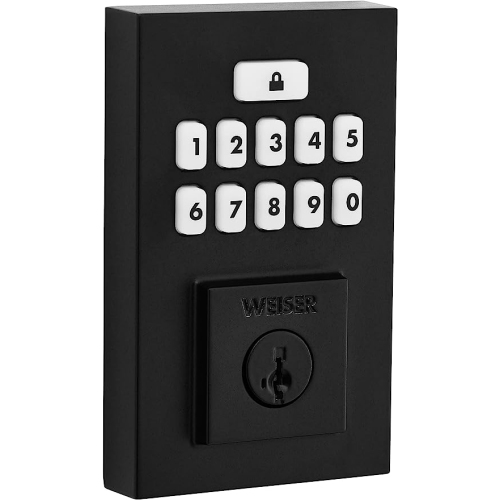
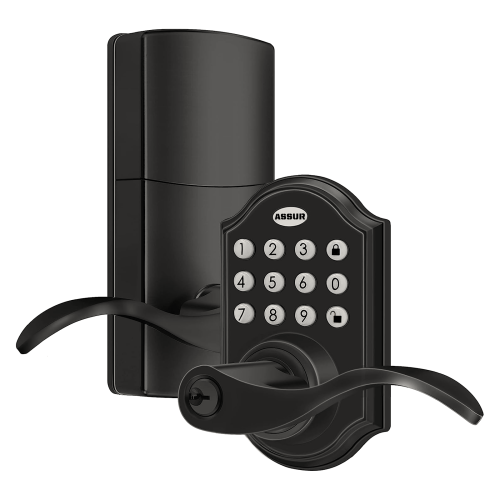
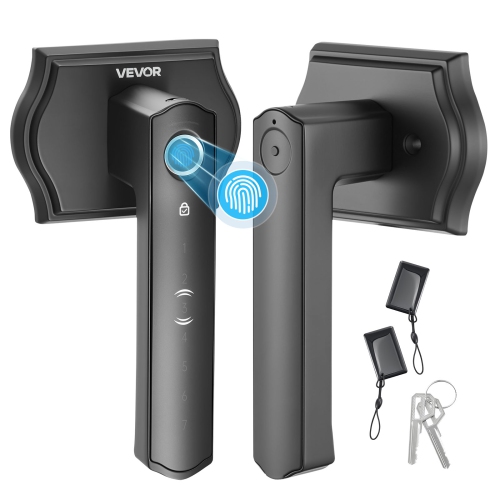
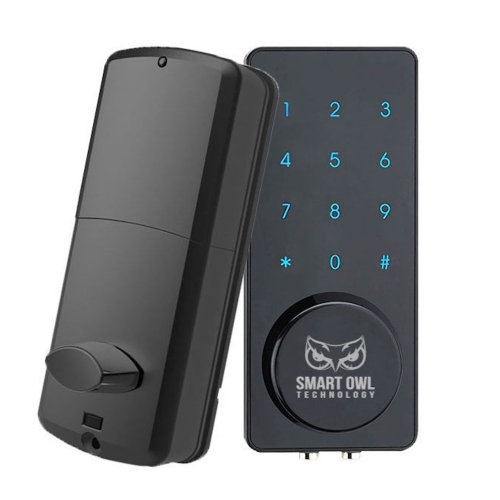
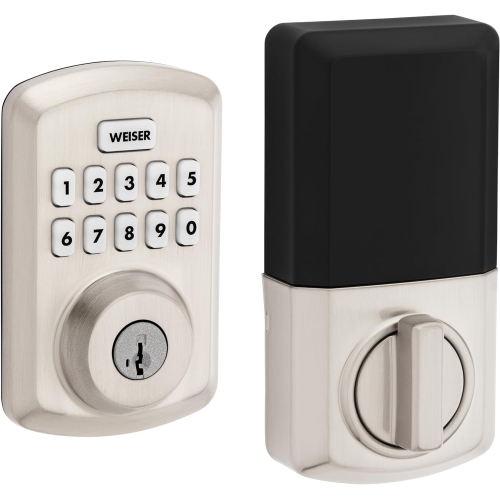
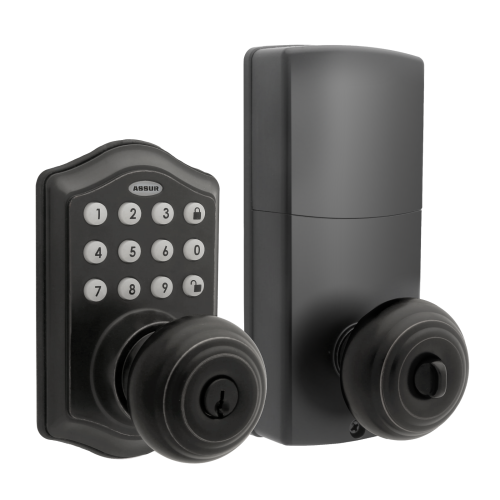
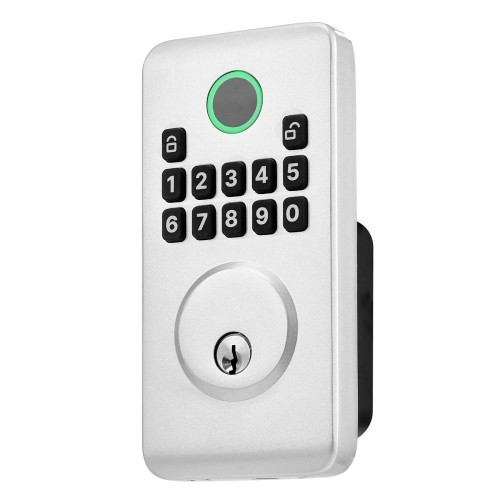
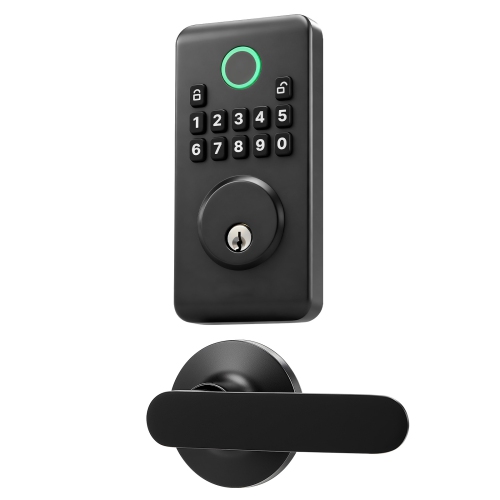
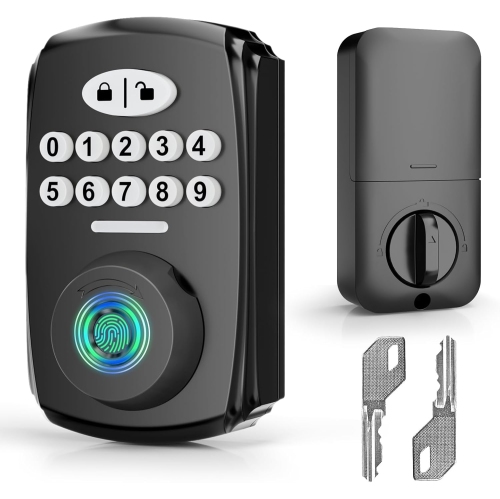
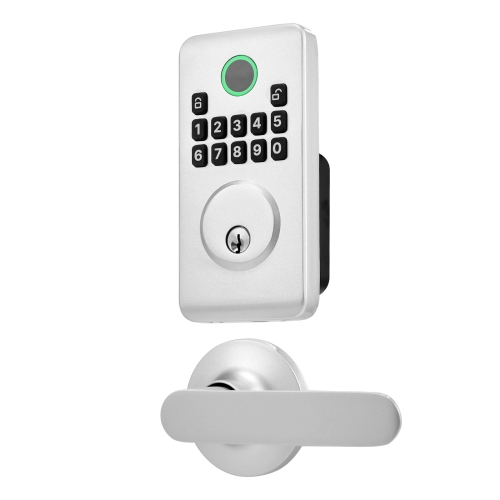
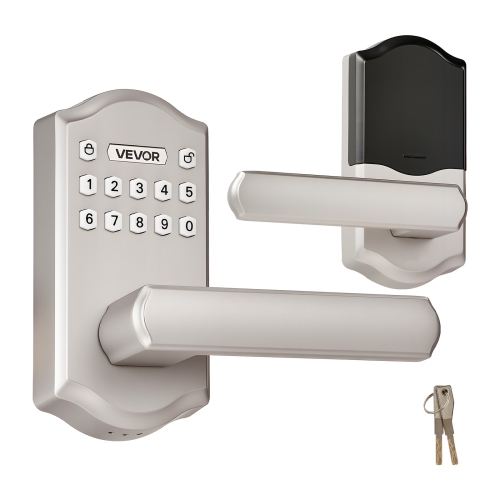
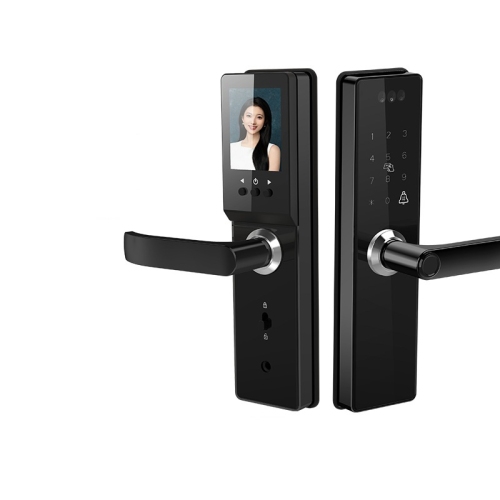
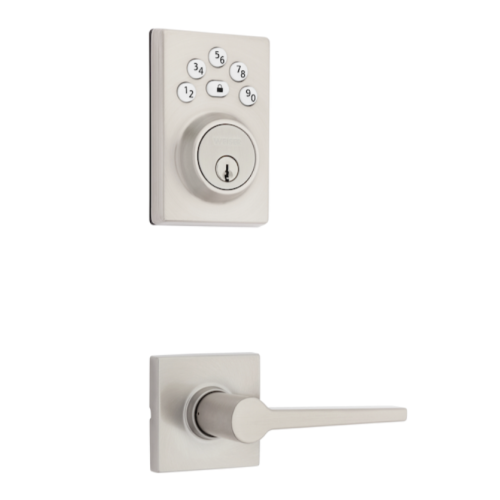
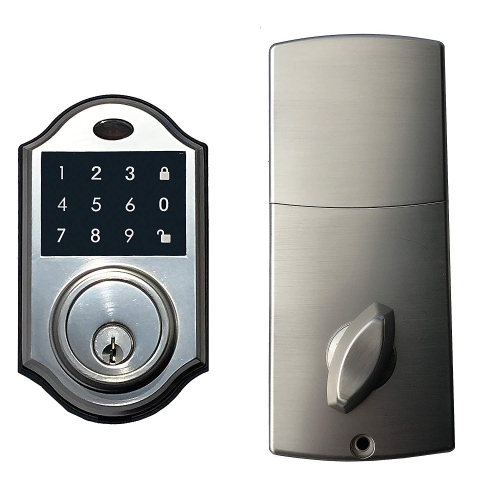
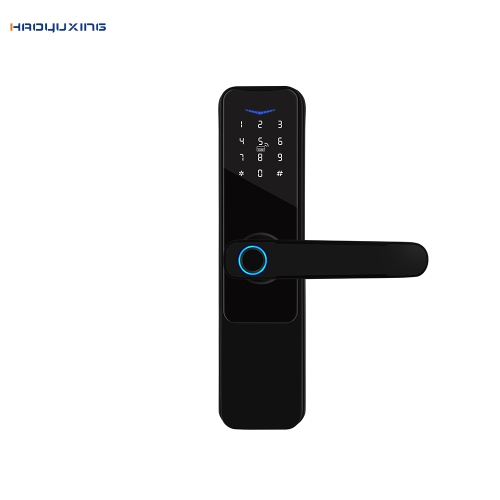
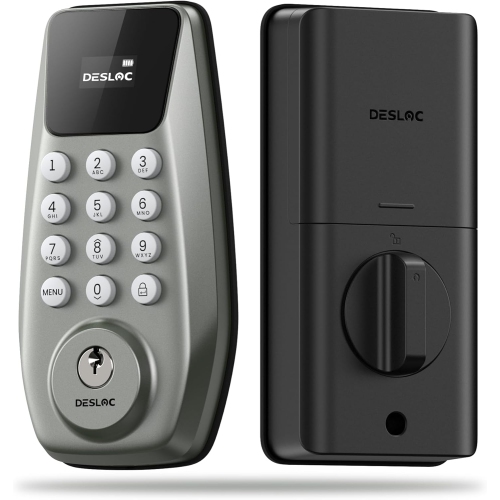
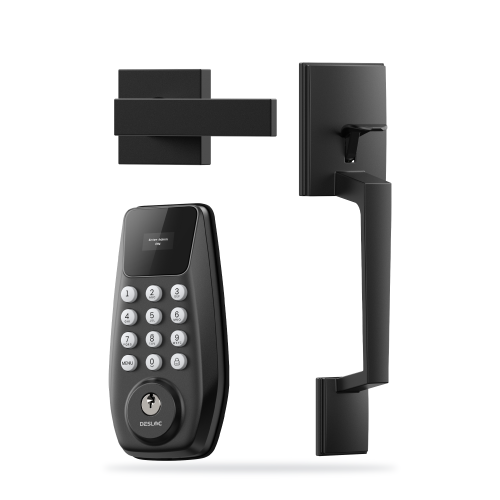
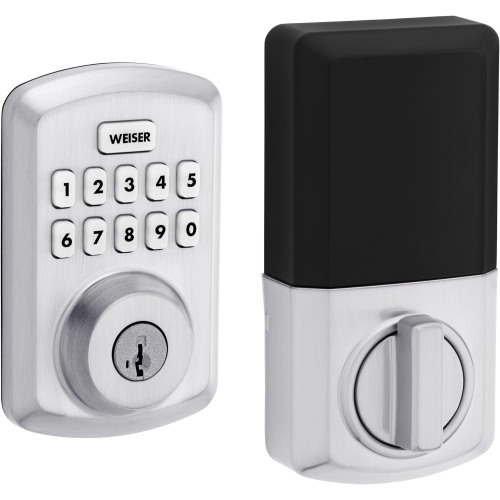
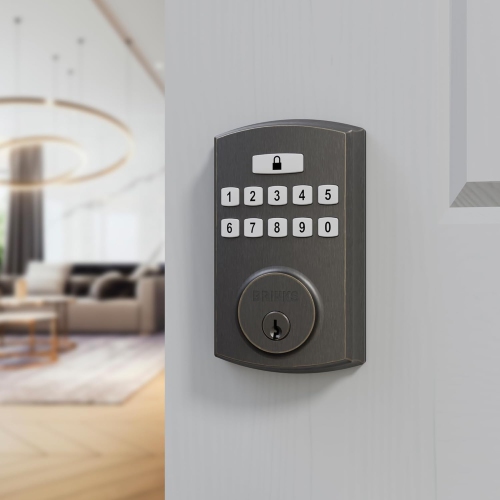
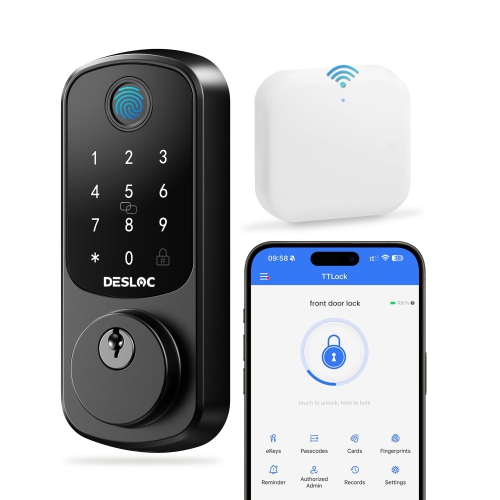
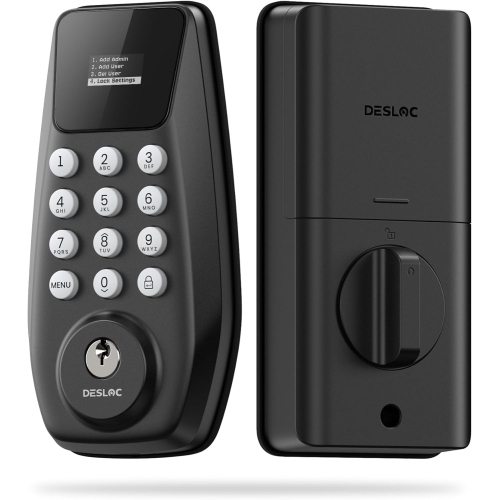
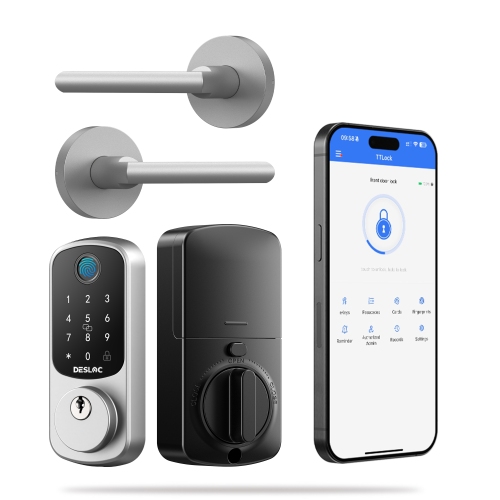
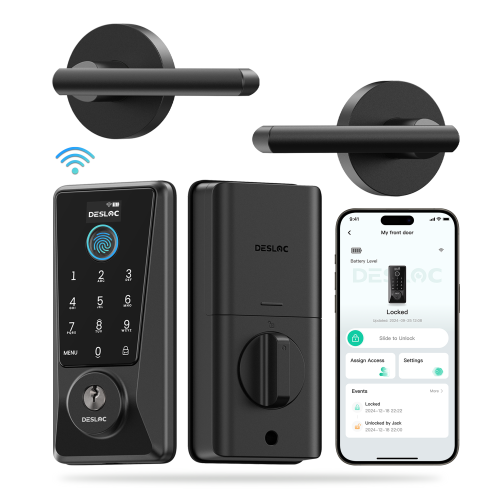
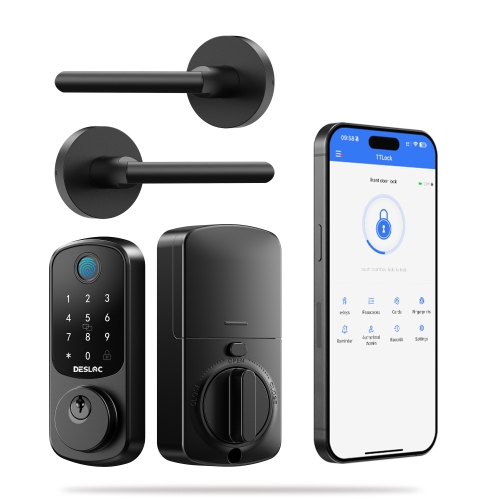
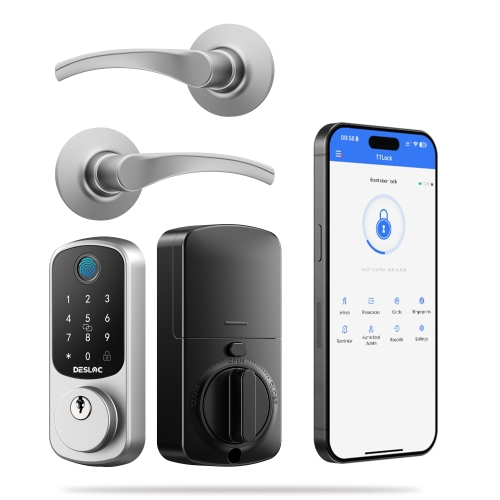
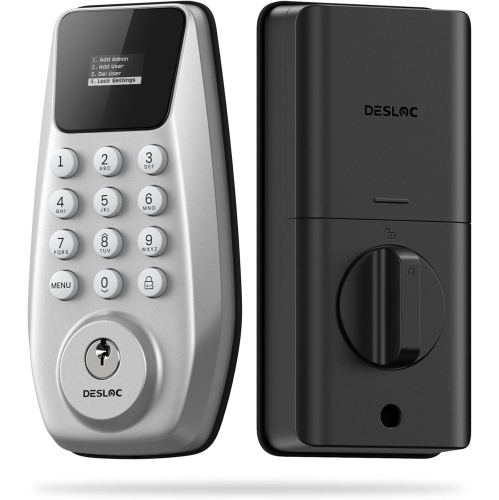
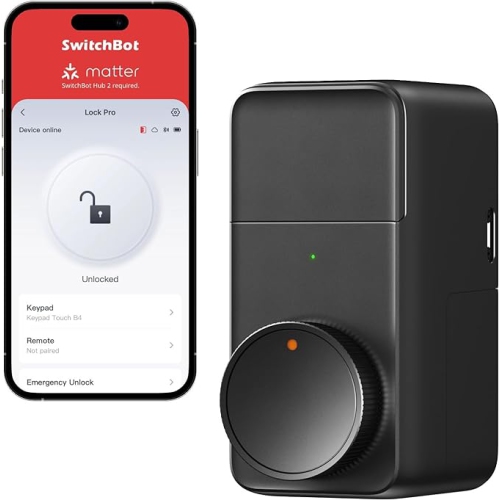
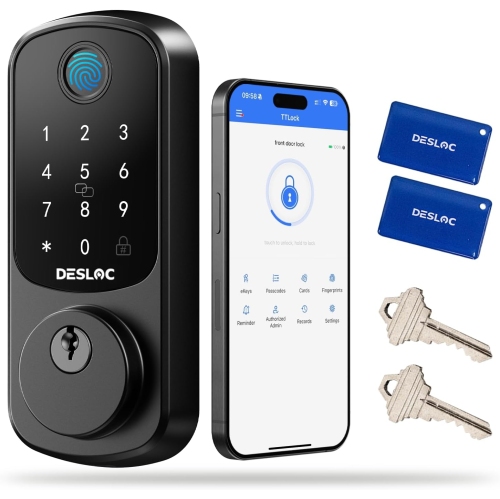
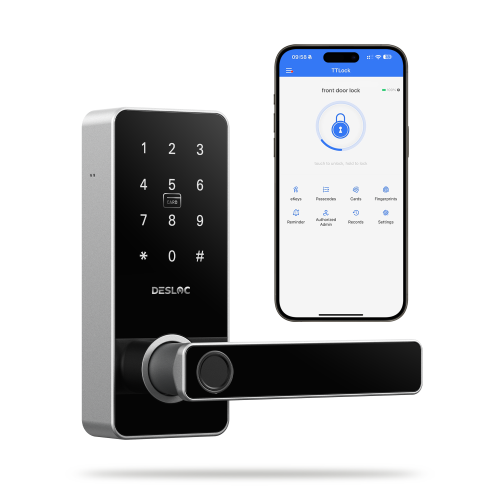
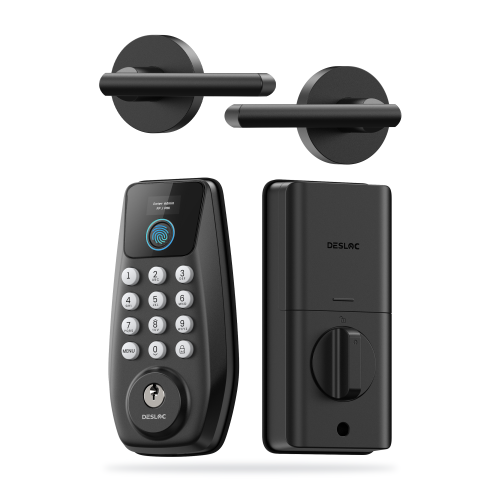
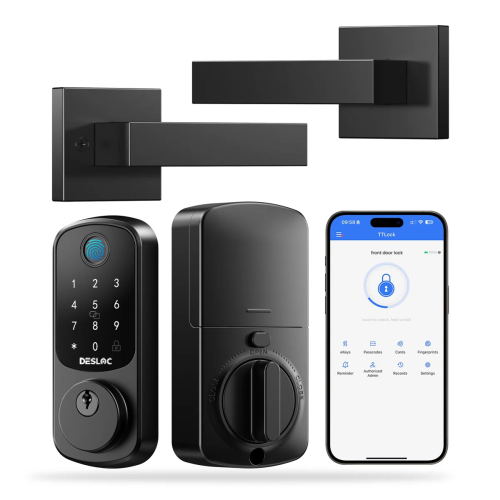
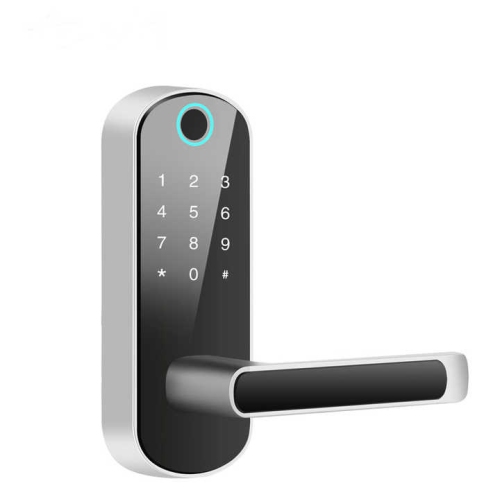
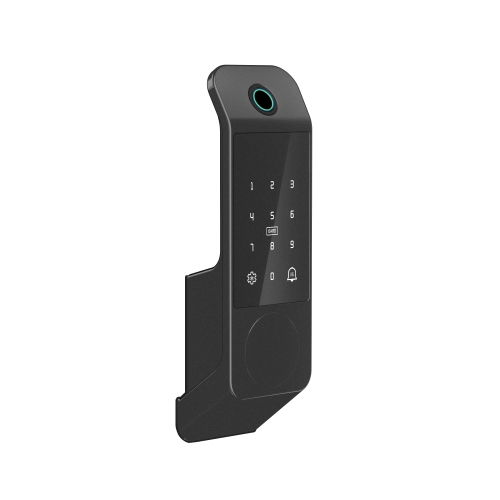
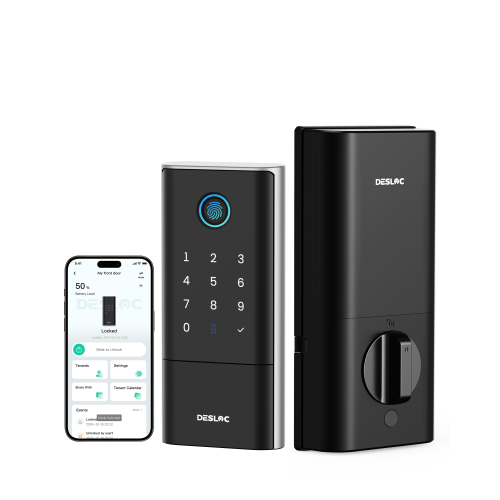
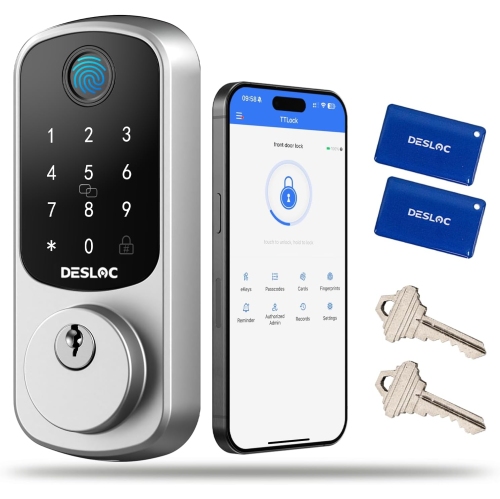
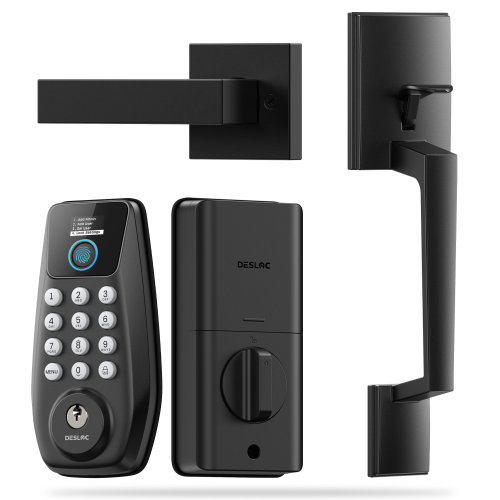
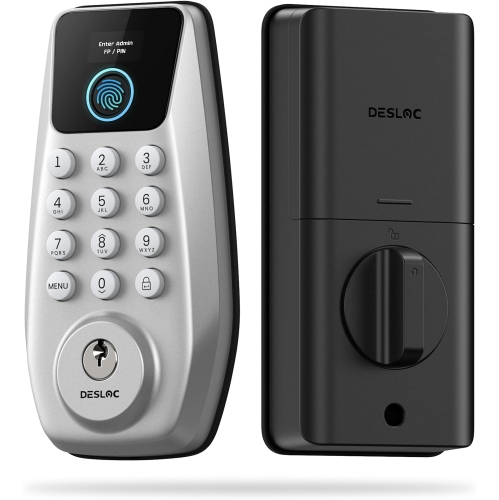
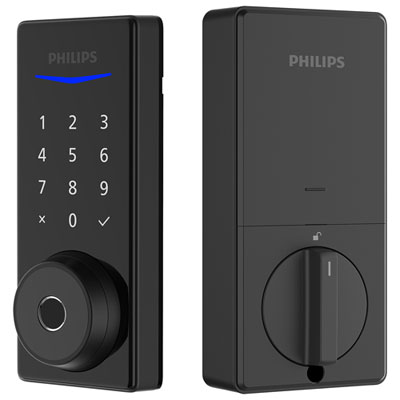
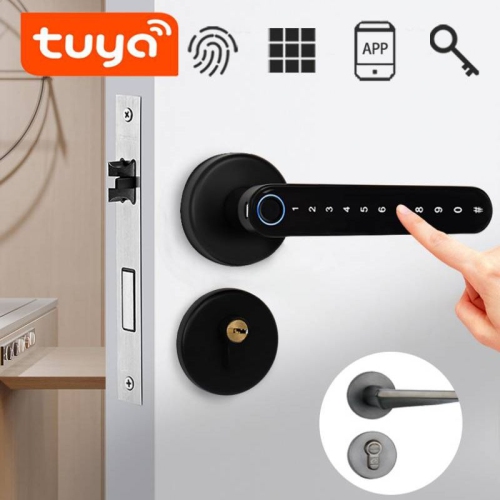
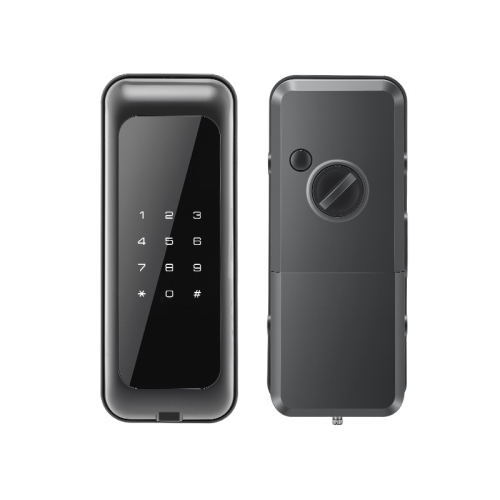
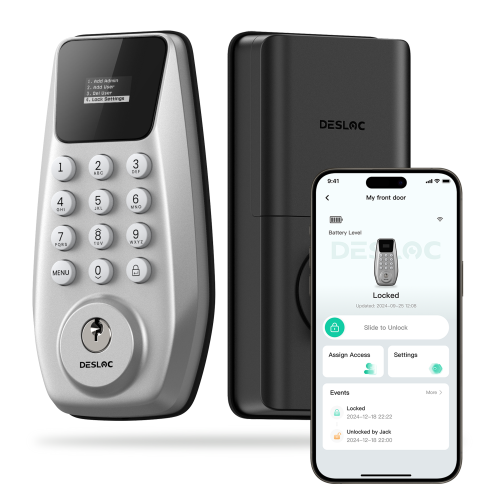
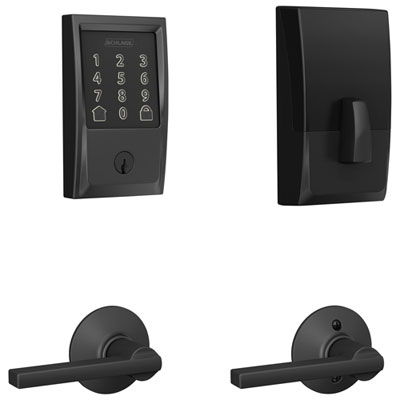
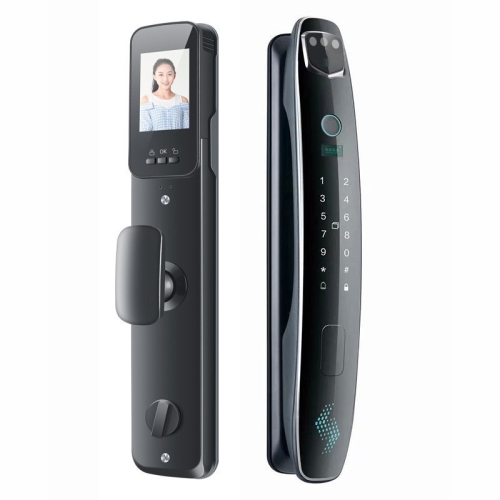
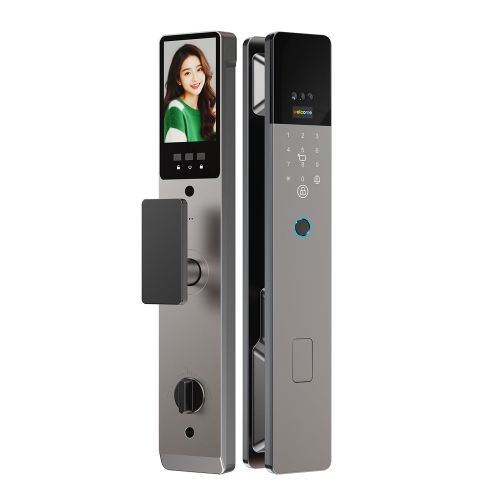
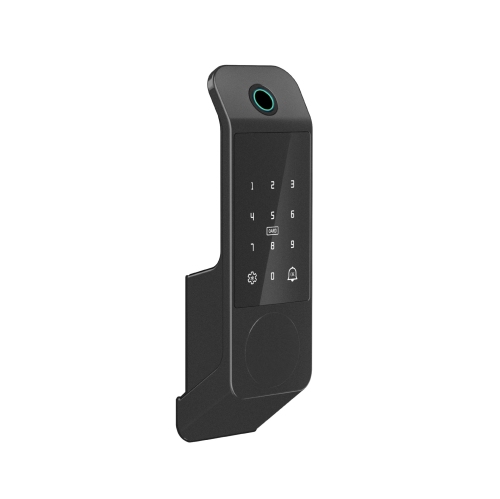
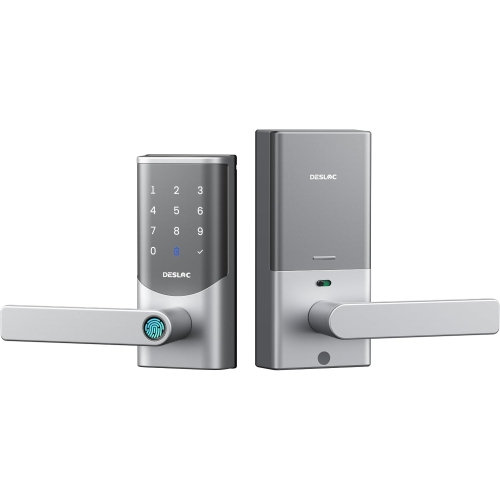
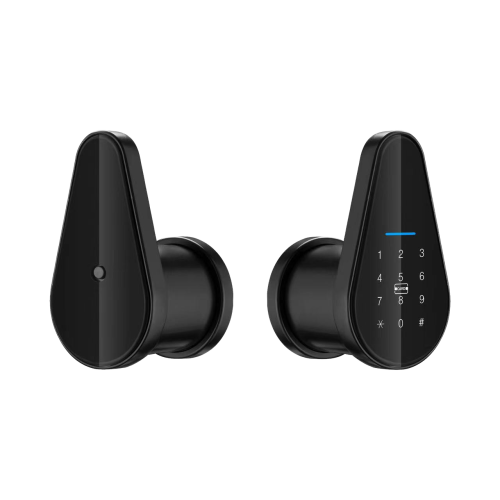
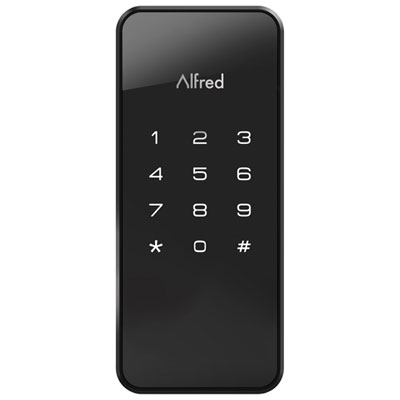
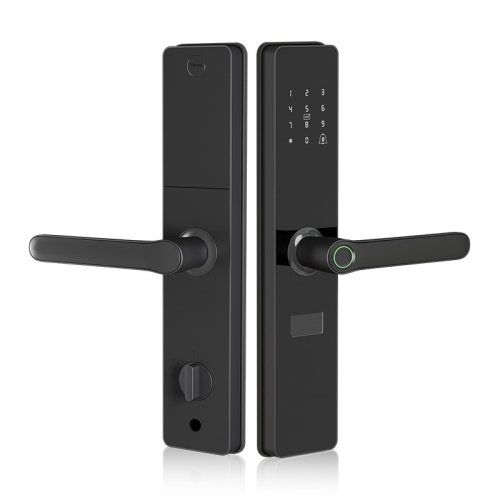
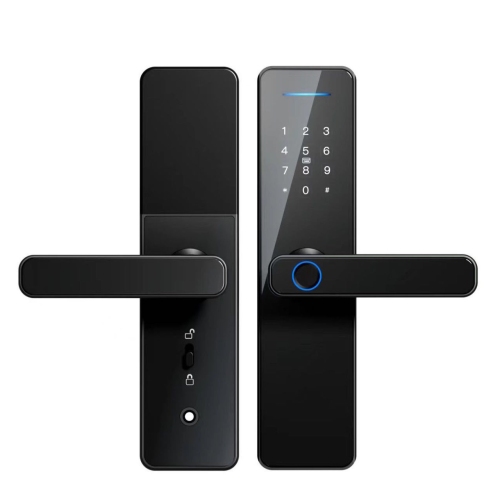
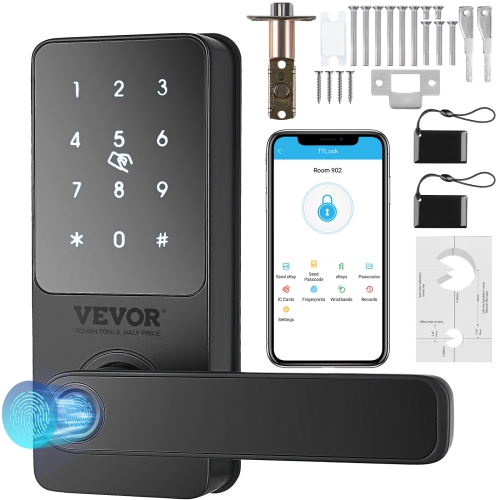
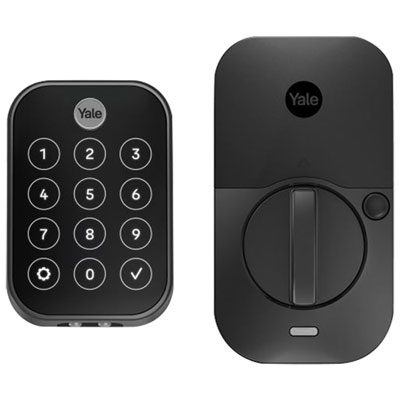
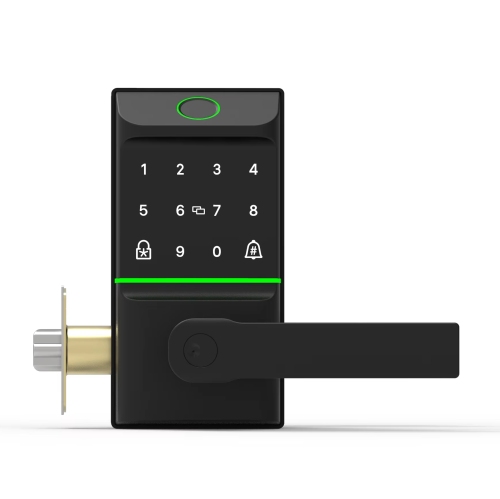
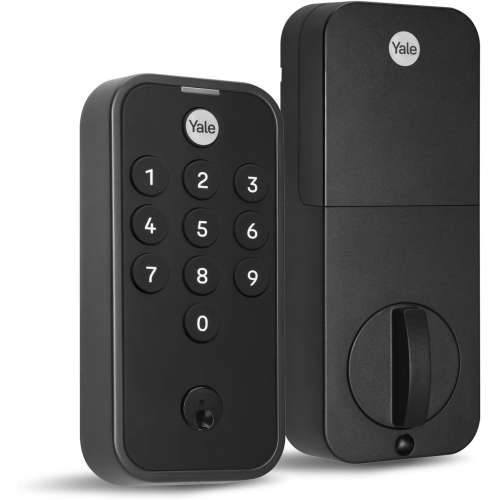
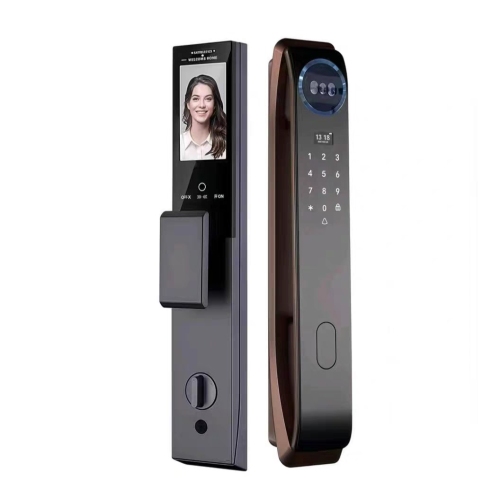
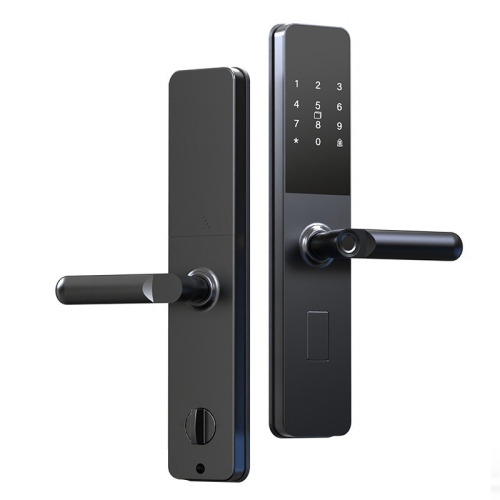
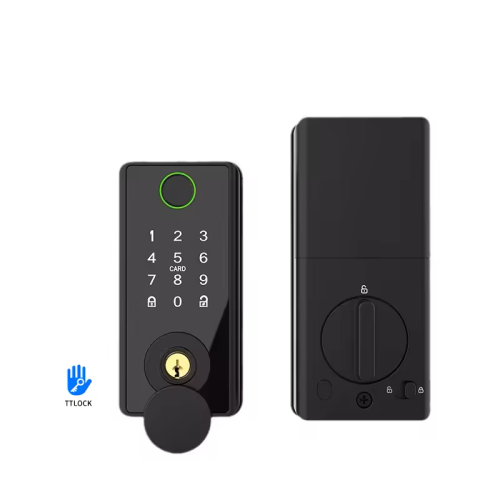
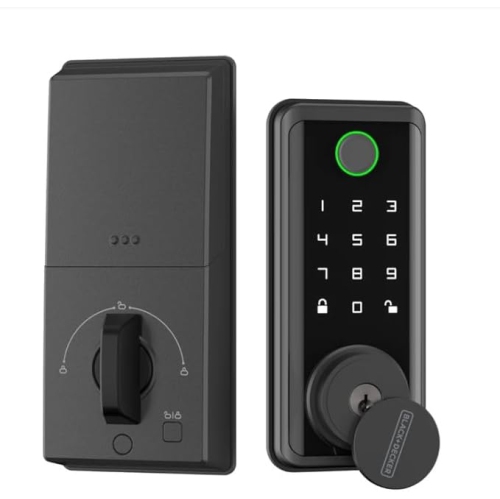
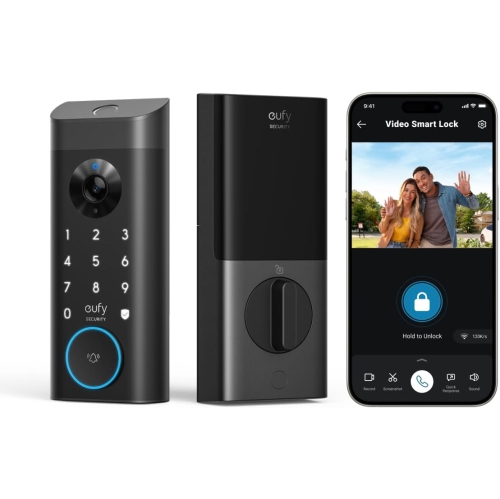
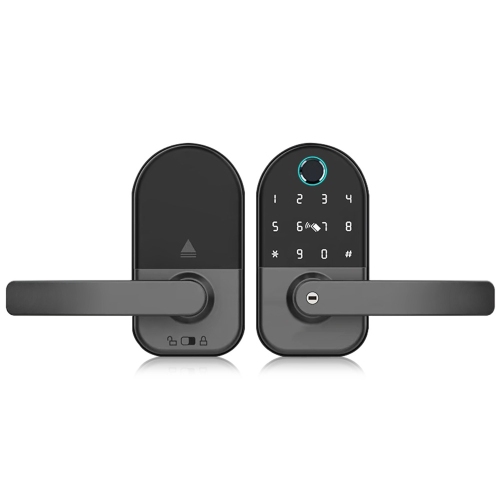
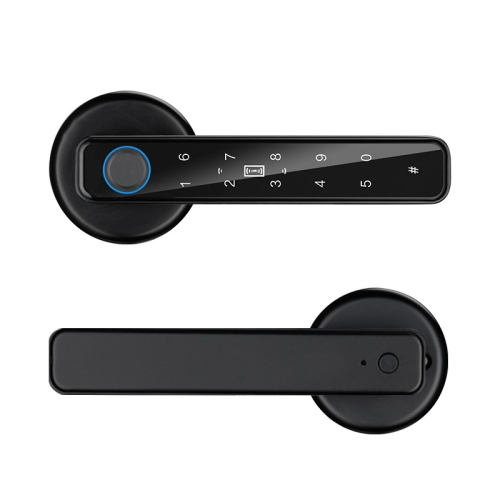
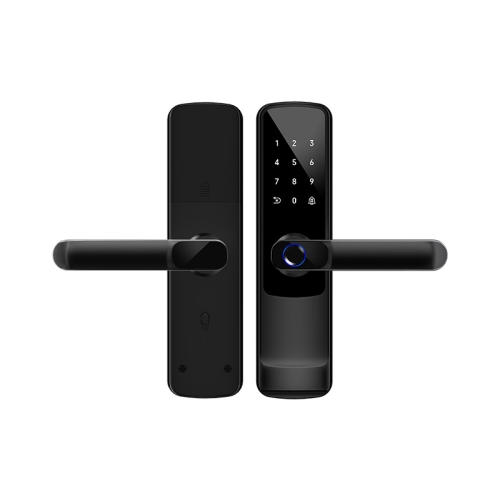
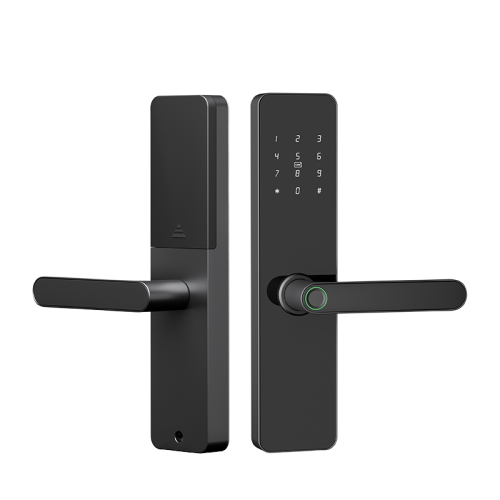
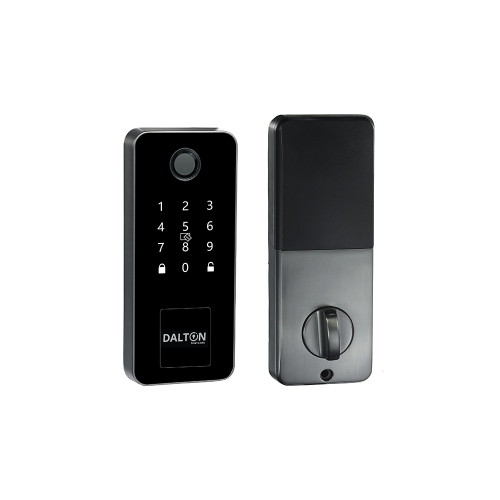
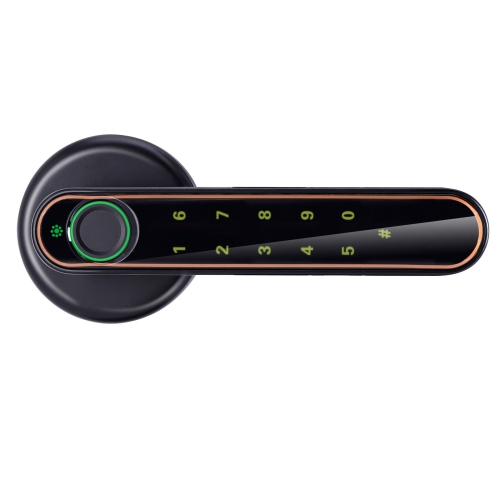
Electronic door locks offer a convenient way to secure an entrance without relying solely on a traditional metal key. Depending on the model, access may be managed with a PIN code, fingerprint, smartphone app, key fob, or a combination of electronic and manual methods. Many electronic deadbolts are designed to replace a standard single-cylinder deadbolt, making them a practical upgrade for a front door, side entrance, garage entry, rental suite, or home office. Keypad models are especially useful for households where several people need access, since each person can use a shared code or, on some models, a unique code that can be changed or deleted when circumstances change. Fingerprint locks can provide quick entry for registered users, while app-enabled models may allow remote locking, activity notifications, and temporary access for family members, guests, cleaners, contractors, or pet sitters. For a broader look at connected entry options, browse Smart Locks for Keyless Entry. Whether replacing a worn-out lock or adding convenience to a busy household, electronic door locks can help streamline the small moments that happen every day: opening the door with full hands after bringing in groceries, letting children enter safely after school, or securing the home while standing a few steps away in the driveway. They can also be a thoughtful gift for new homeowners, people moving into their first apartment, or relatives who would appreciate easier access without searching for keys in a coat pocket or handbag.
Before choosing an electronic door lock, check that the model is compatible with the door and existing hardware. Measure the door thickness, backset, and spacing around the deadbolt, and confirm whether the lock is intended for an exterior entrance or an interior door. Exterior installations need construction and weather resistance suitable for exposure to rain, snow, changing temperatures, and the cooler months, while interior keypad locks may be better suited to bedrooms, offices, storage areas, or a basement entry. Consider the preferred access method and who will use it most often. A backlit keypad is helpful when arriving home in the evening or entering through a dim porch, and larger buttons may be easier for children or guests to operate. Fingerprint access can be fast for regular users, although registration and recognition performance may vary depending on moisture, dirt, gloves, or how a finger is placed on the sensor. App-connected locks can offer helpful controls from a phone, but they may require a compatible wireless network, Bluetooth connection, a separate hub, or an account. It is also worth checking whether the lock supports multiple user codes, one-time codes, scheduled access, auto-locking, tamper alerts, or a manual passage mode. These details can make a noticeable difference in daily use. A lock that automatically secures the door after a chosen period may suit someone who often leaves in a hurry, while a temporary code can be useful for a tradesperson who needs access during a defined window. If the door is shared by several household members, look for an interface that makes code management clear rather than difficult to maintain.
Power and backup access deserve careful attention because electronic door locks depend on batteries or another power source. Many models use standard batteries and provide a low-battery warning through a light, tone, or mobile notification, but battery life can vary with usage, connectivity, temperature, and the type of functions enabled. Make a habit of checking the battery compartment periodically, especially before extended travel or during colder weather, when battery performance can be affected. A dependable electronic lock should also include a backup entry option, such as a concealed or visible keyway, emergency power contacts, or another manufacturer-approved method for restoring power from outside. Keep any physical backup key in a secure, accessible place rather than directly beside the door, and make sure everyone who may need to enter understands the backup procedure. Installation is often designed to be straightforward with basic tools, but the door should close smoothly and the deadbolt should extend fully into the strike plate without force. If the bolt rubs, catches, or stops partway, adjust the alignment before relying on the lock. After installation, test every access method with the door open, then repeat the test with the door closed. This simple check can reveal alignment, code-entry, connectivity, or auto-lock issues before they become inconvenient. With the right fit, clear access settings, reliable backup options, and regular battery checks, electronic door locks can bring practical keyless convenience to everyday entrances throughout the year.
Top selling and popular products
-
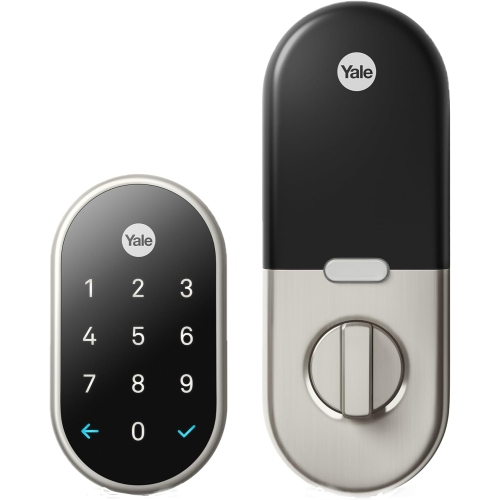 Your price for this item is $369.55
-
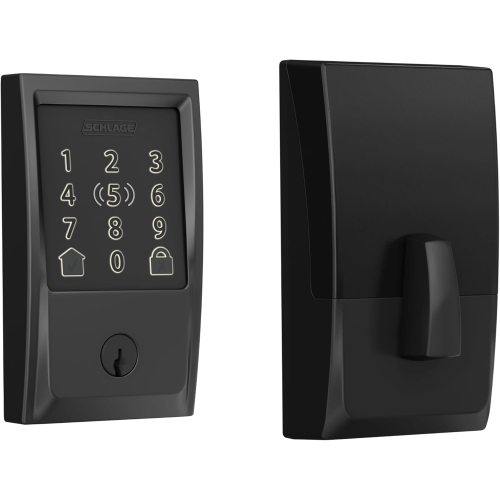 Your price for this item is $359.99
-
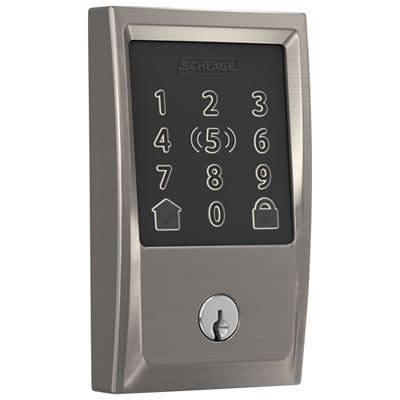 Your price for this item is $319.98
-
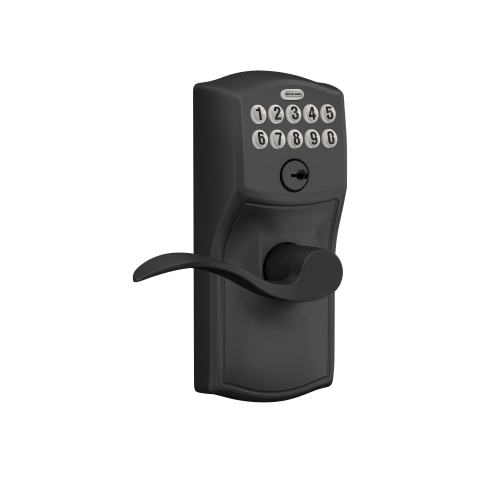 Your price for this item is $155
-
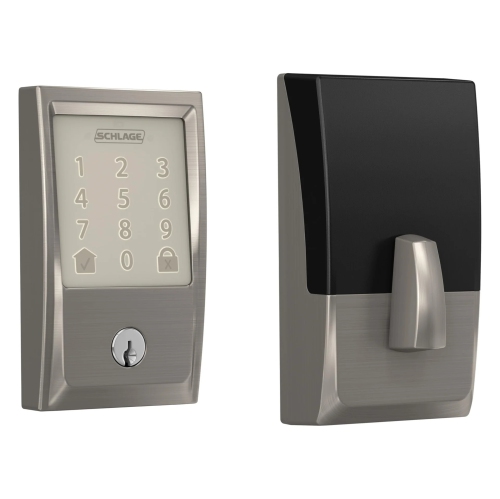 Your price for this item is $289.99
-
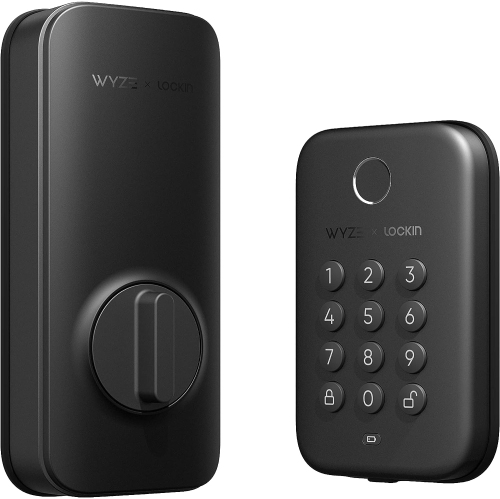 Your price for this item is $149
-
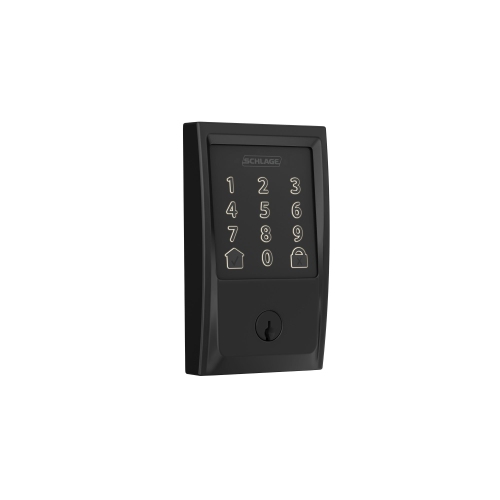 Your price for this item is $289.99
-
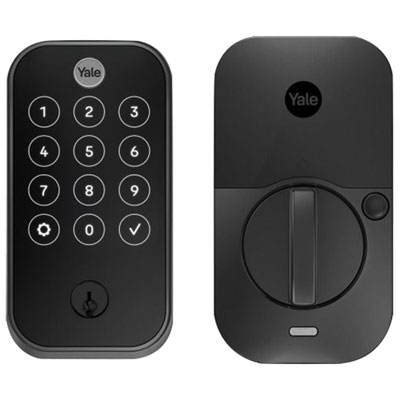 Your price for this item is $349.99
Discover more categories related to Electronic Door Locks
Top Collections:
Pokemon Centers, Kindle Devices, Best Budget Office Chairs, Canon G7X Cameras, Apple iPhones 16, Samsung Galaxy Phones, Refurbished Apple Laptops, Laptops for Students, iPhone 15 Apple, Budget Smartphones
Some products may be subject to Environmental Handling Fees
(EHF) depending on your province.
Learn more about EHFs.