Home Locks
Upgrade your home security with this selection of high-quality home locks. From traditional deadbolts to smart lock systems, we offer a range of options to keep your home safe and secure. Whether you're looking for added peace of mind or convenient keyless entry, this diverse collection of home locks has something to suit every style and need. Explore this assortment today and find the perfect solution to safeguard your home.
Sort
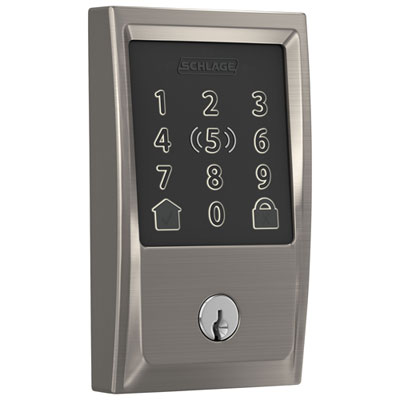
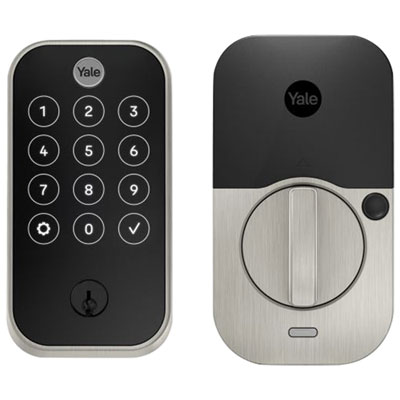
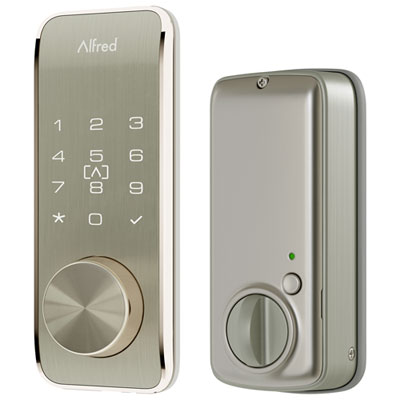
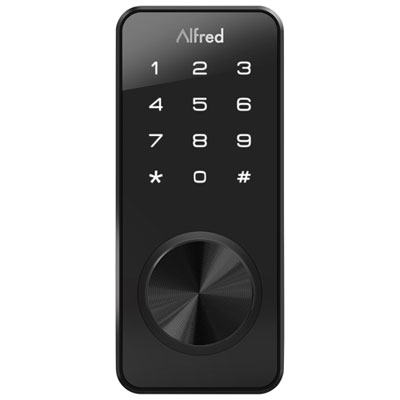
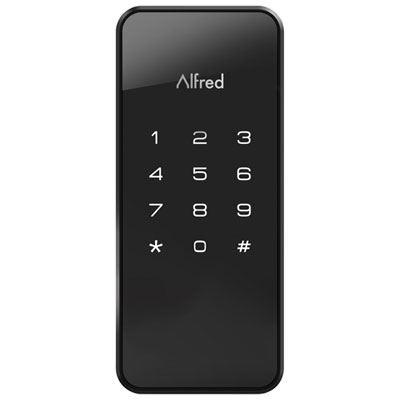
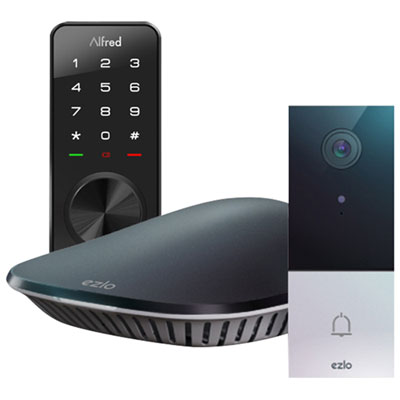
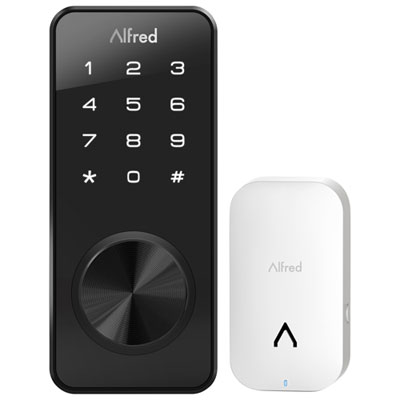
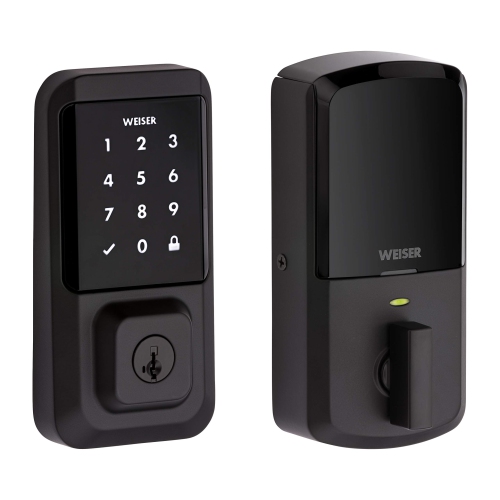

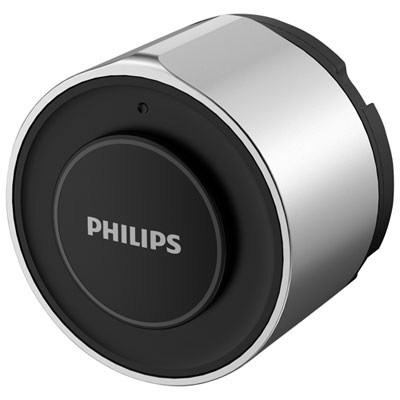
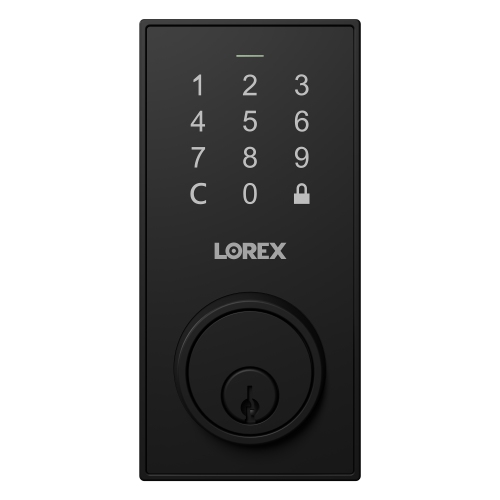
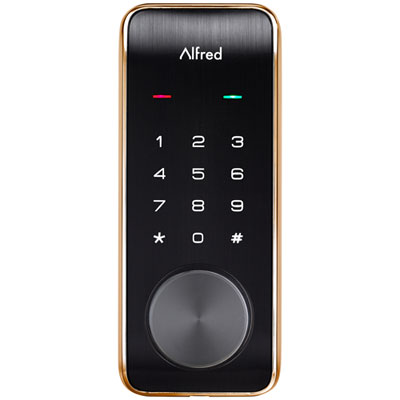
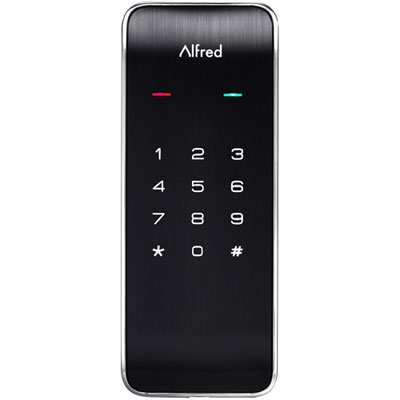
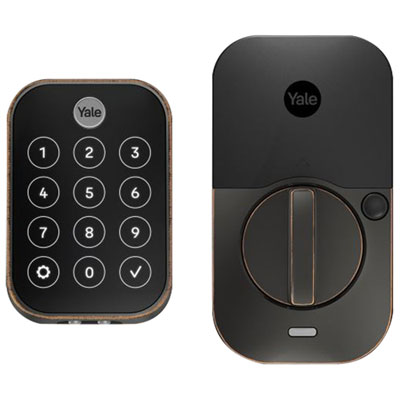
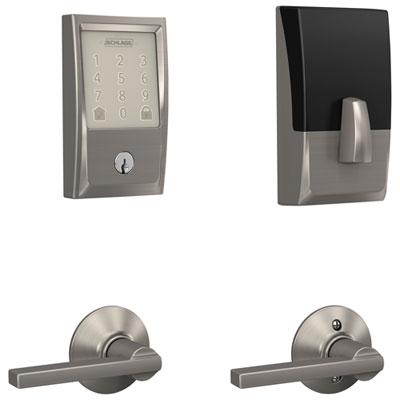
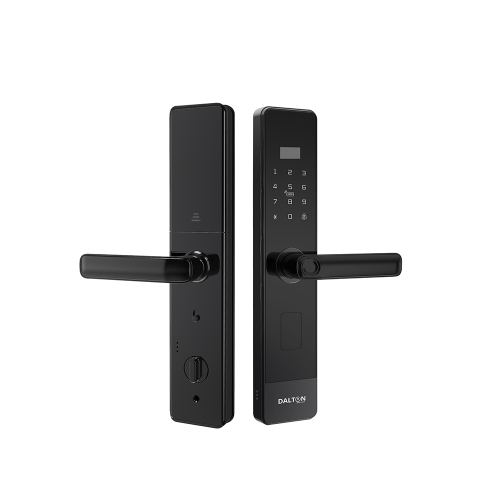
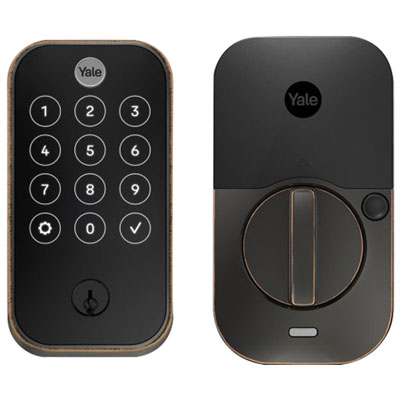
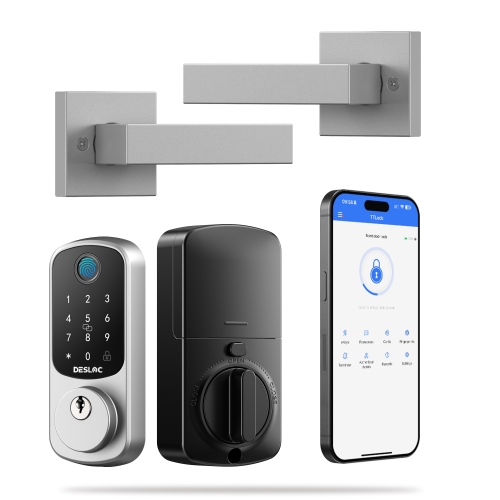
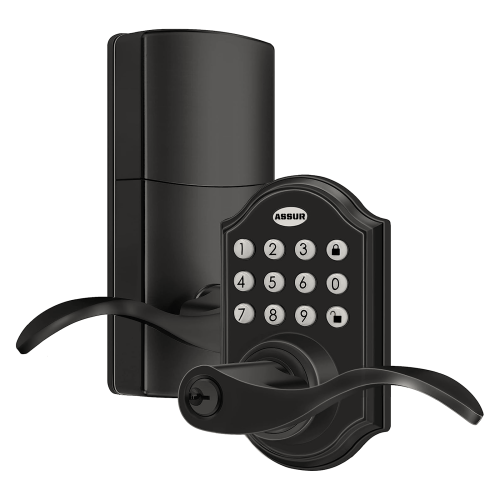

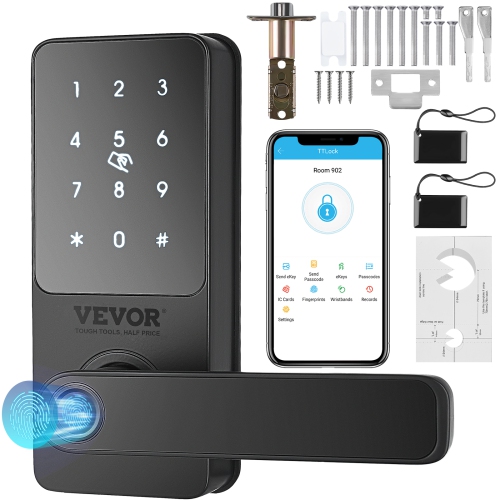
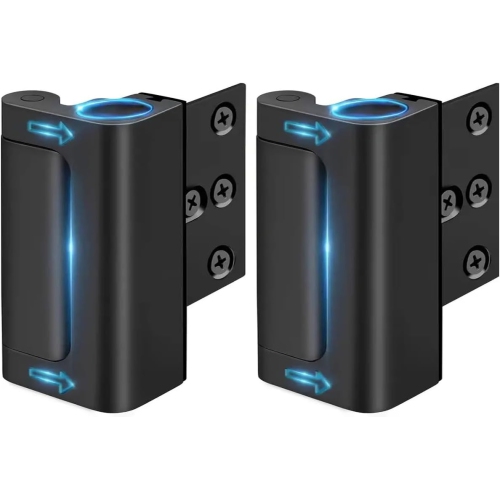

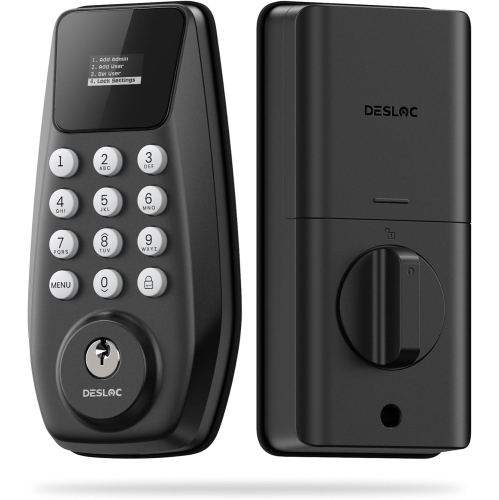
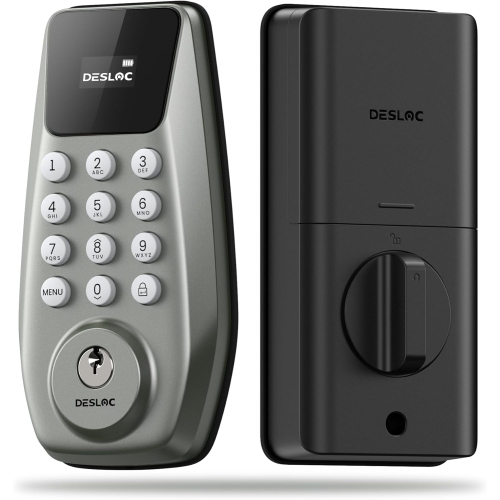
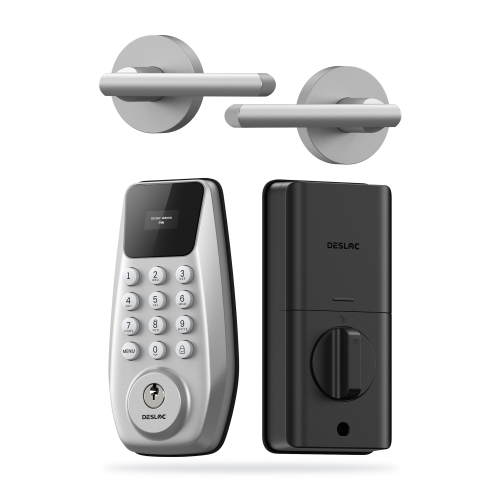
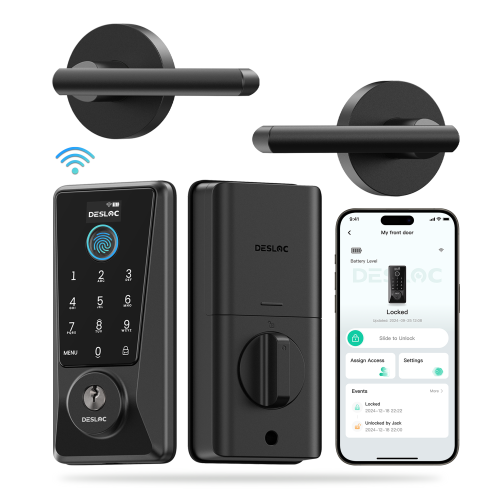
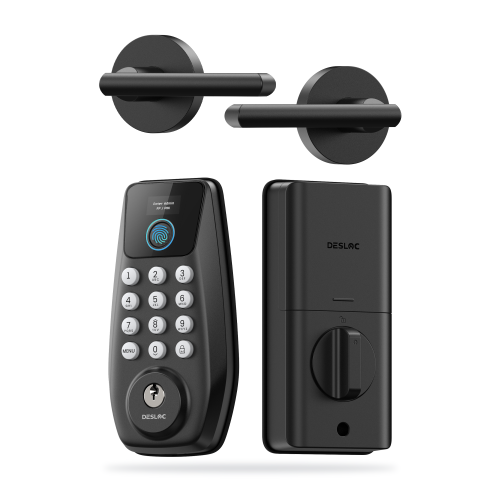
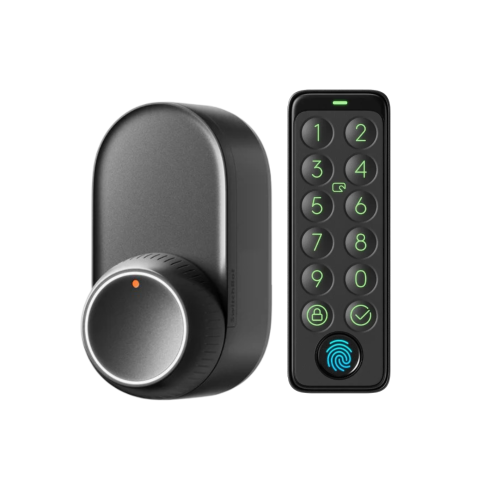
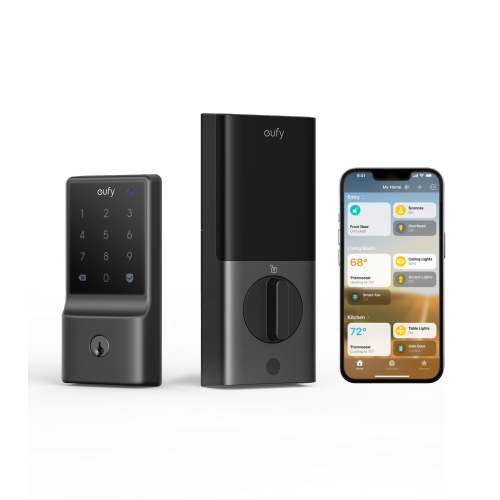

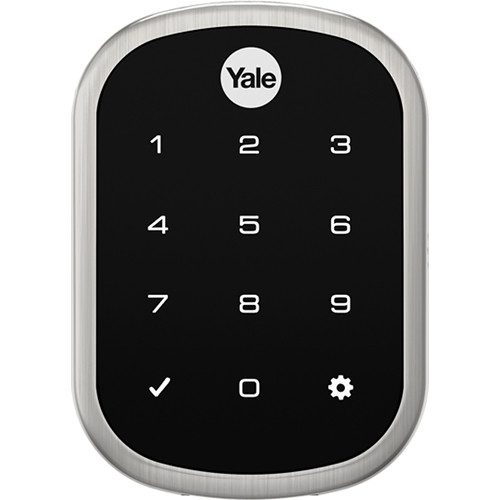
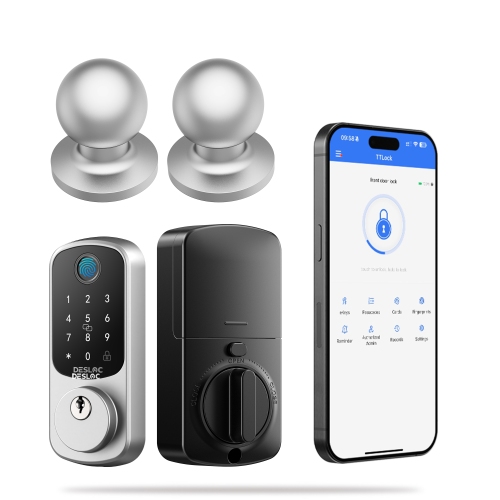
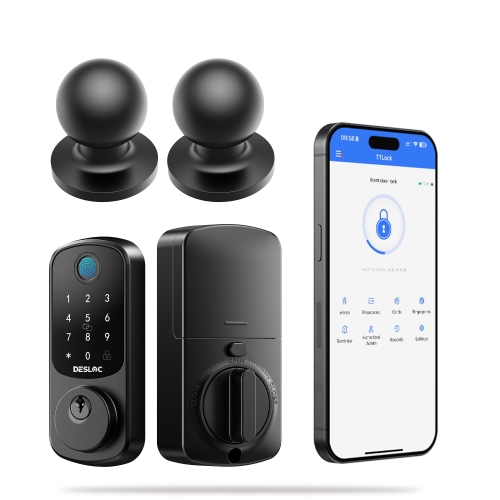
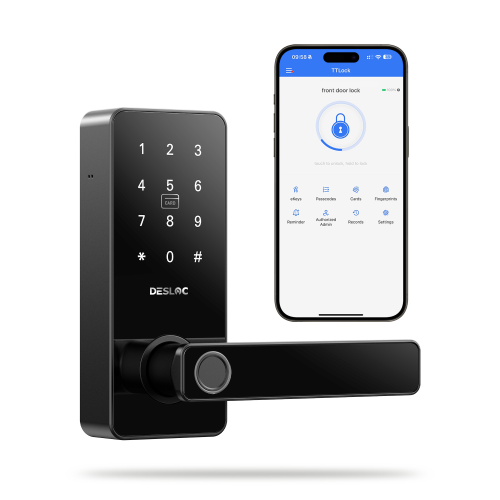
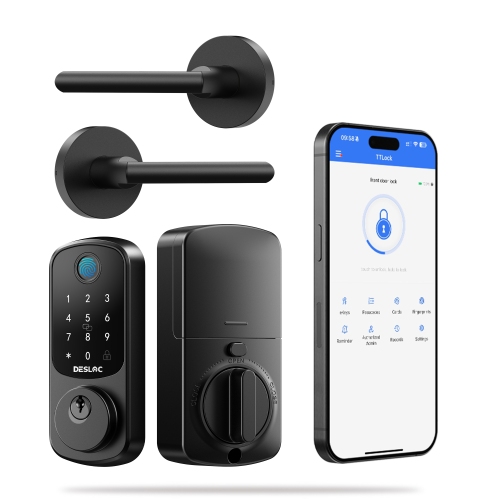
Lock types, smart access and installation details for safer entry
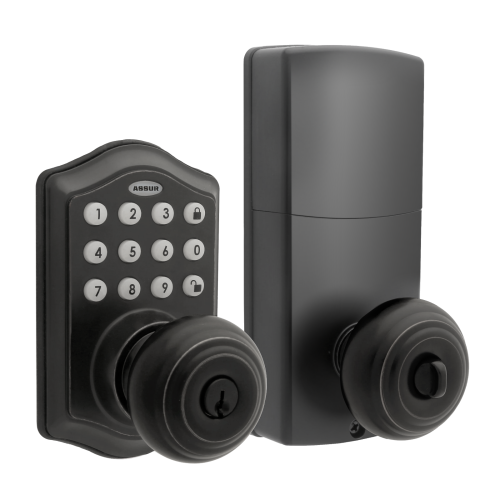
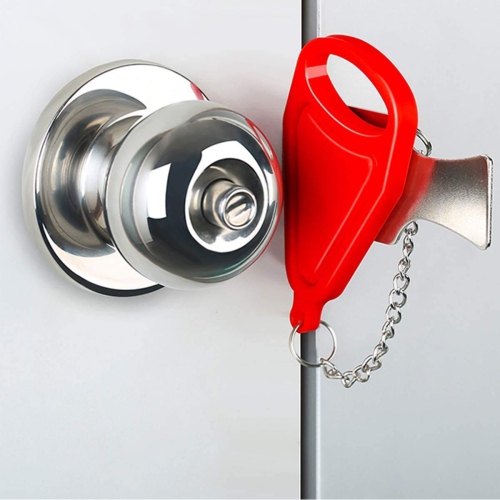
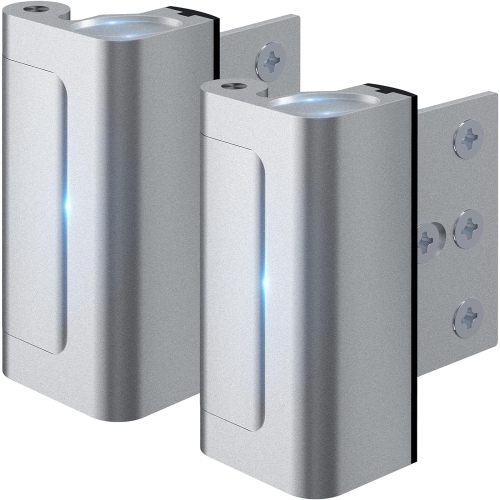
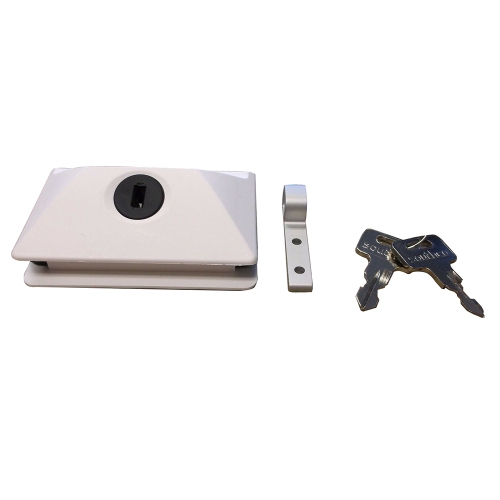
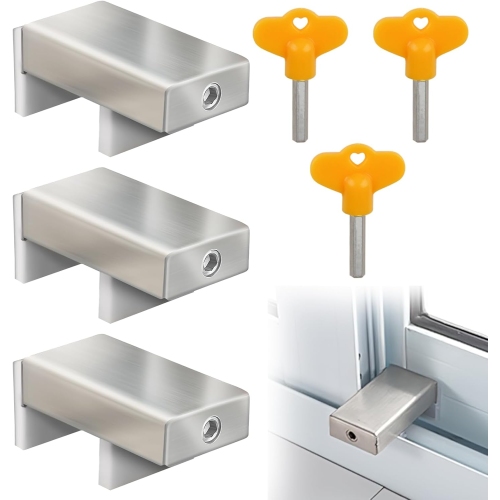
Home locks help protect the places where everyday life unfolds, from the front entrance and garage door to a side entry, basement door or home office. The right choice depends on the door itself, the level of security you want and the way people move in and out of your home. Deadbolt locks remain a popular option for exterior doors because their solid bolt extends deep into the door frame when engaged, creating a dependable layer of protection beyond a standard latch. Single-cylinder designs typically use a key on the outside and a thumb turn on the inside, while double-cylinder designs require a key on both sides and may be suited to certain doors with nearby glass, subject to local safety requirements. Mortise locks fit into a pocket cut into the door and often combine the handle, latch and locking mechanism in one sturdy assembly. Rim locks and night latches are mounted on the surface of the door and can be useful for selected interior applications or as an additional locking point, depending on the door construction. For a simpler, more familiar setup, browse Simple Locks and compare the available styles for your space. High-security locks may include reinforced cylinders and features designed to resist picking, drilling, bumping or other forms of tampering. Look for clear information about the lock’s construction and tested security performance rather than assuming that a particular appearance guarantees stronger protection.
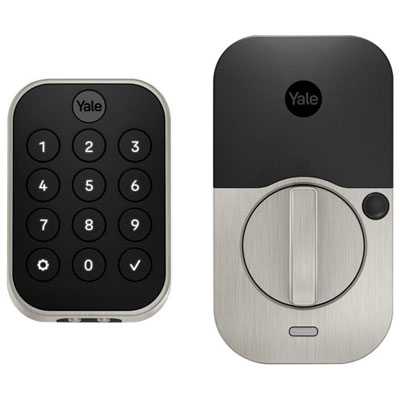
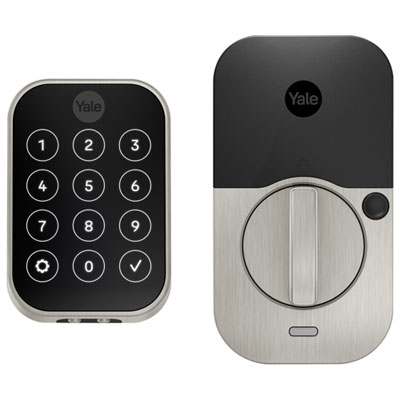
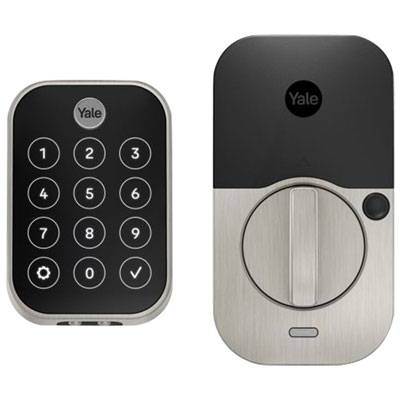
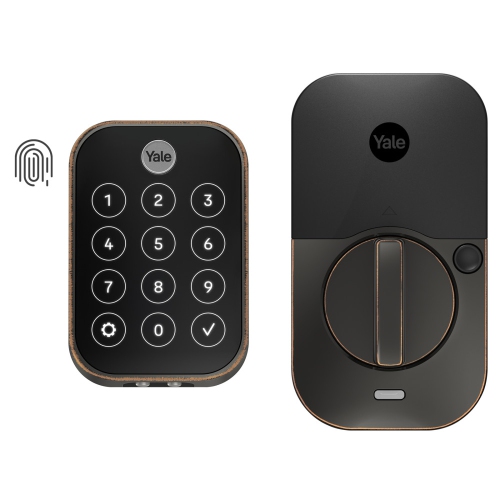
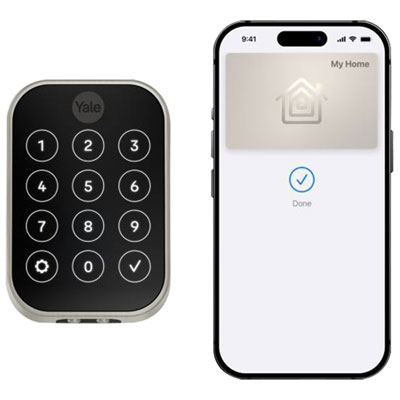
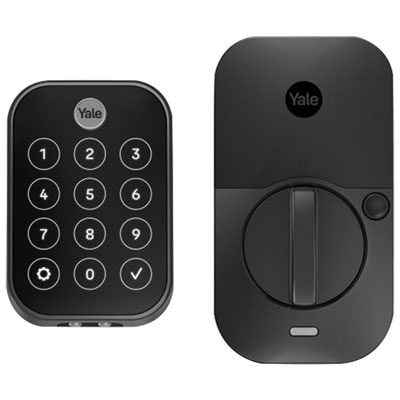
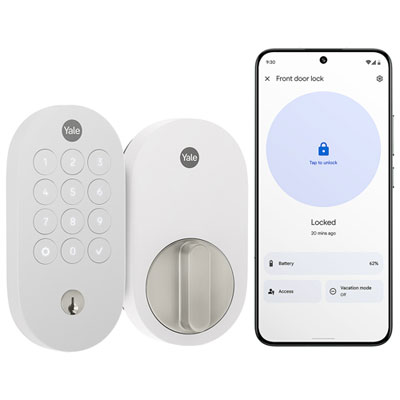
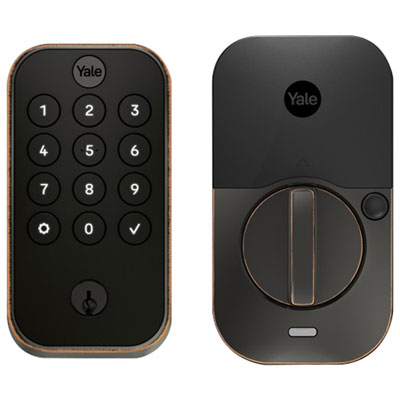
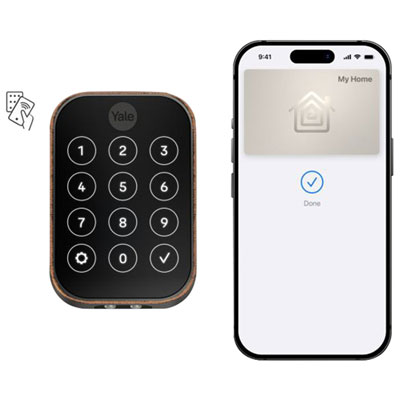
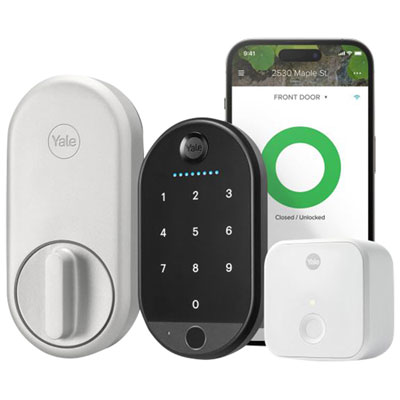
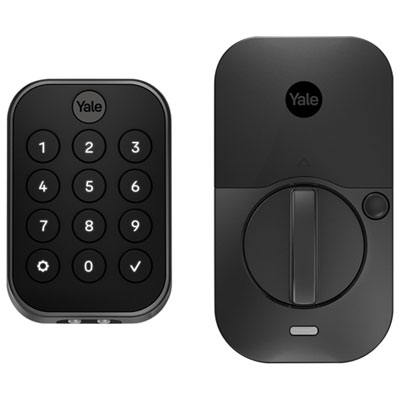
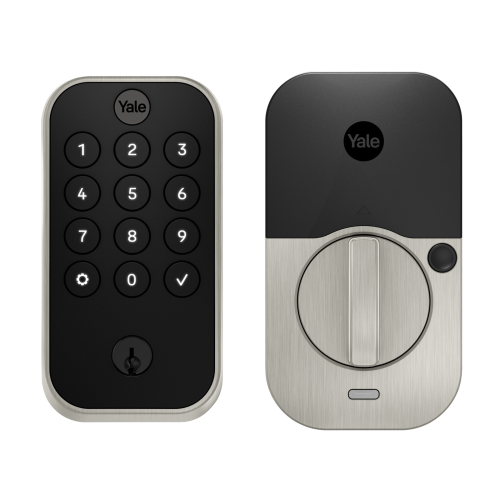
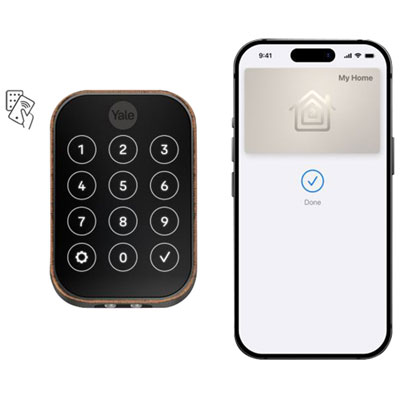
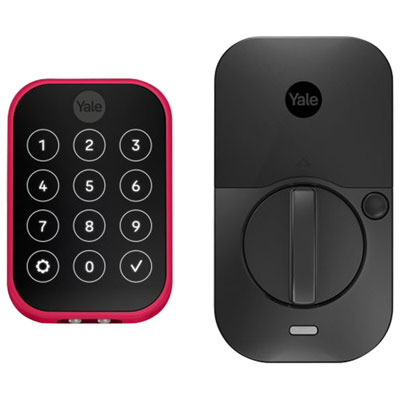
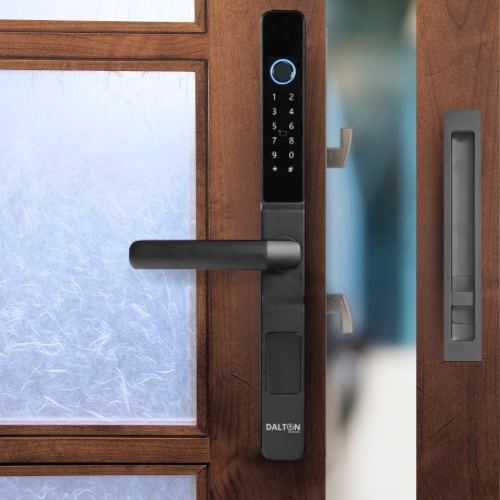
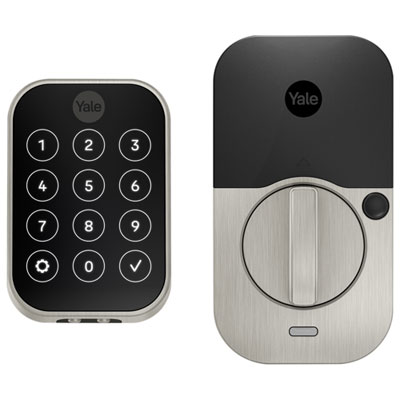
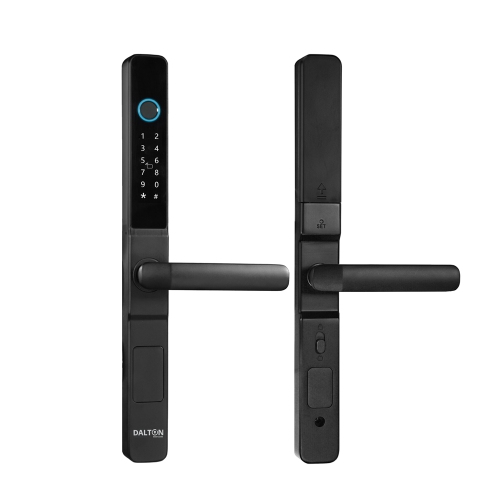
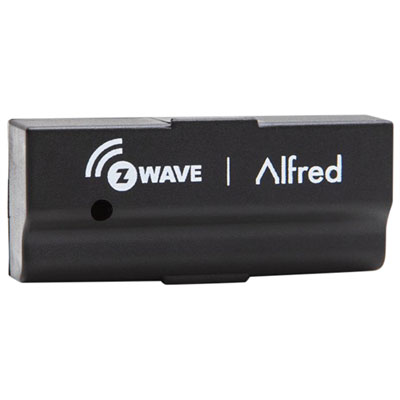
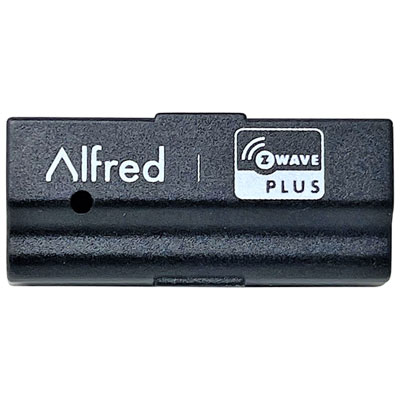
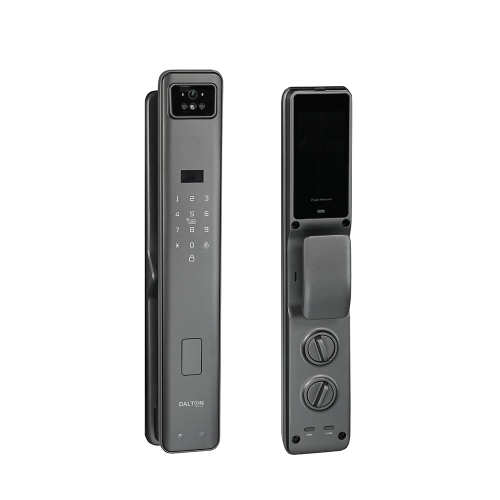
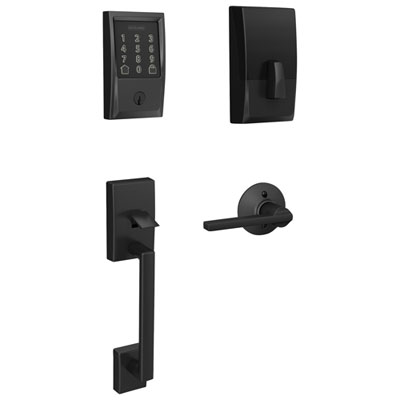
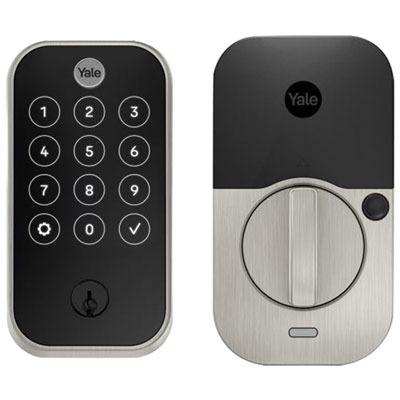
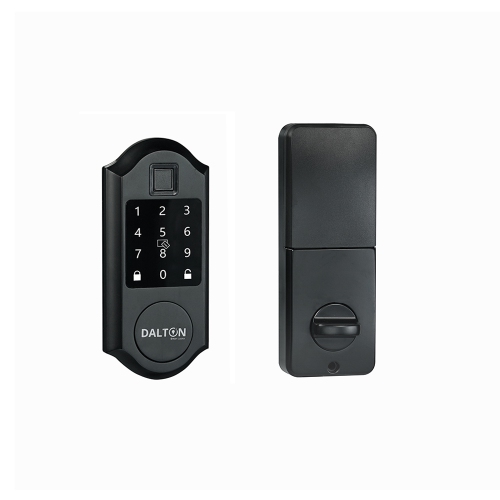
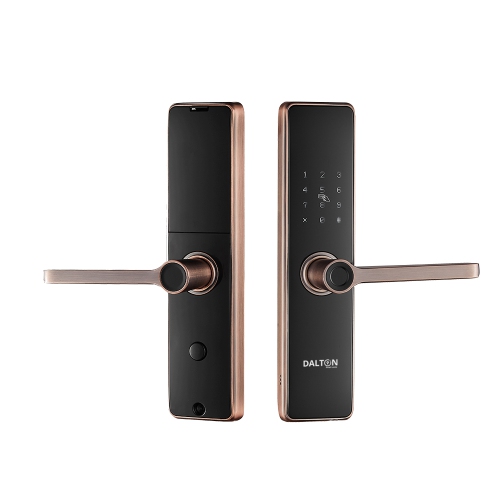
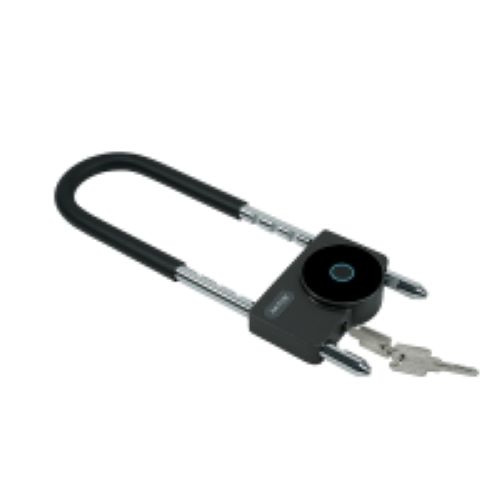
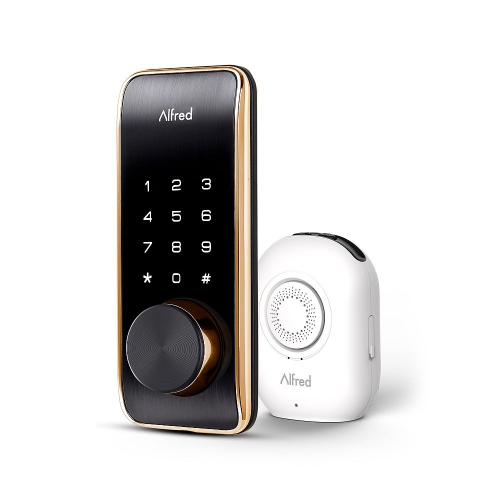
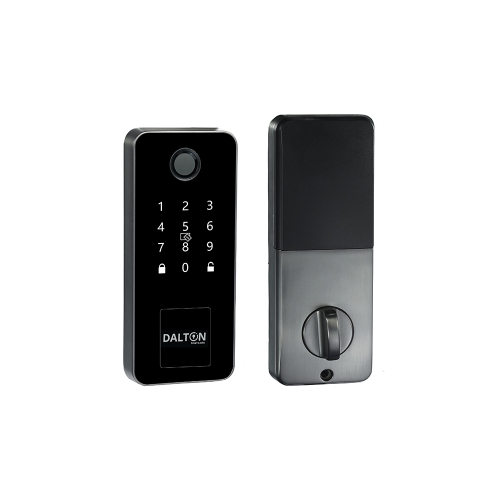
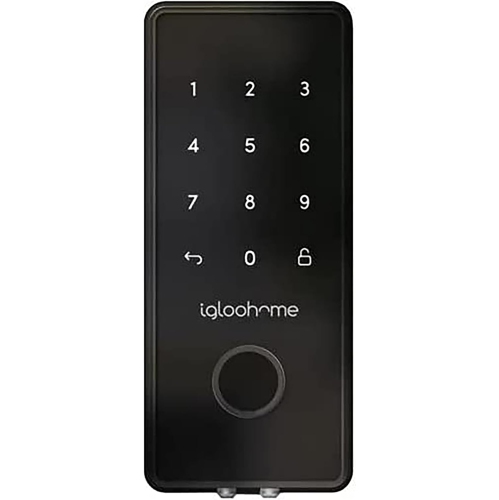
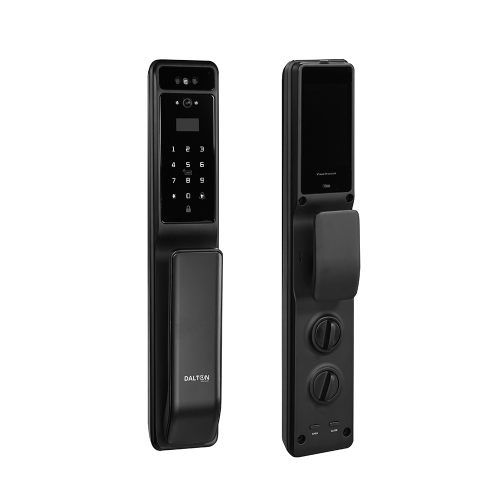
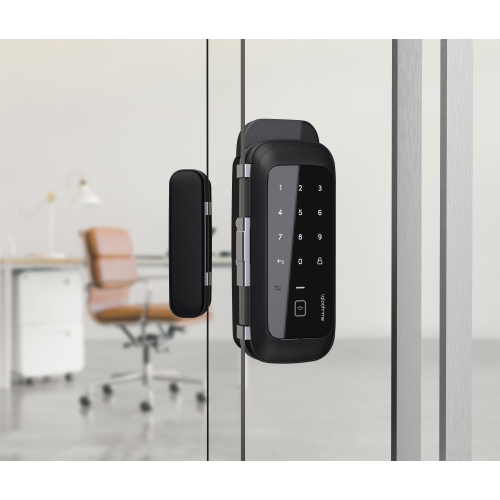
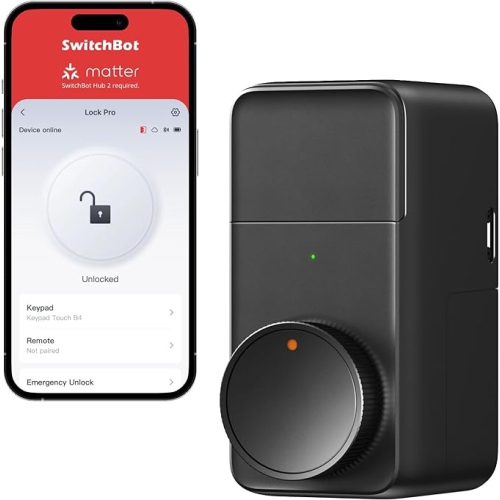
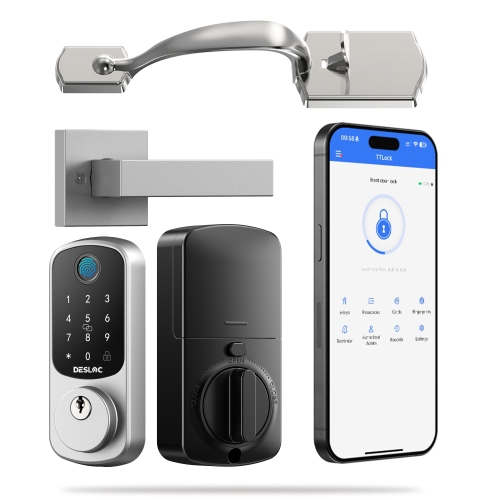
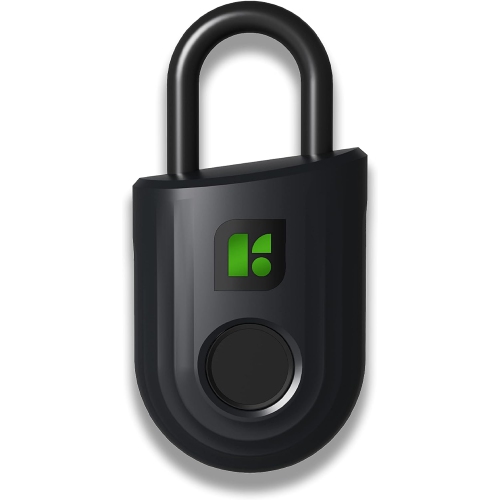
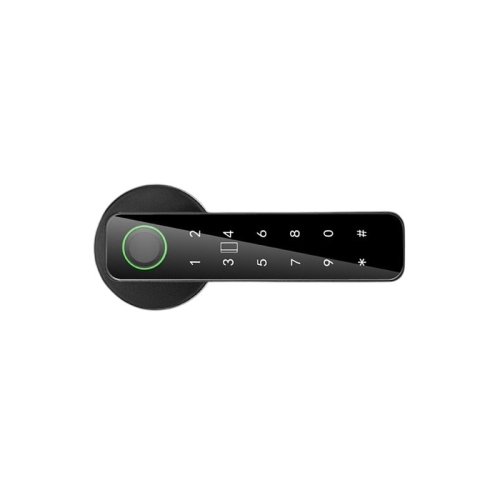
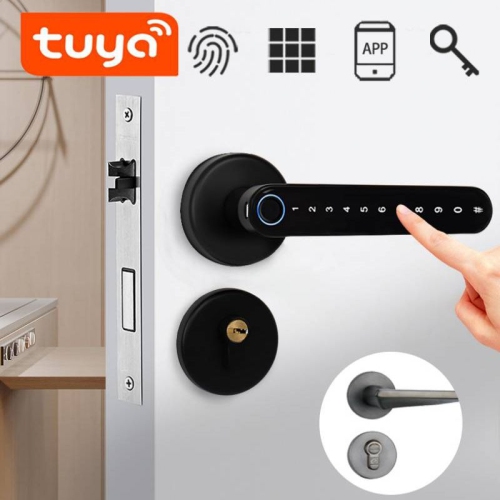
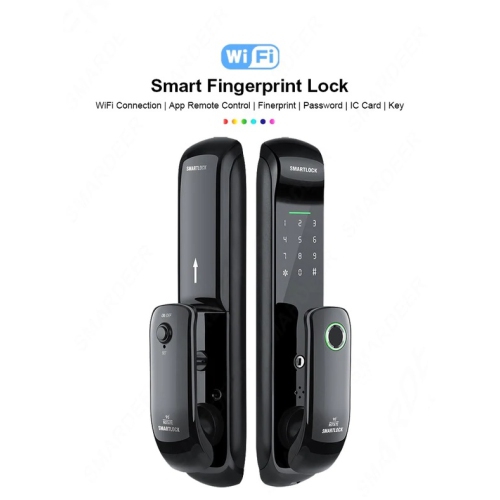
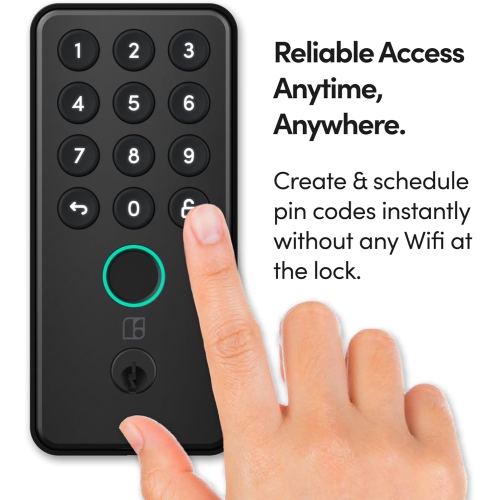
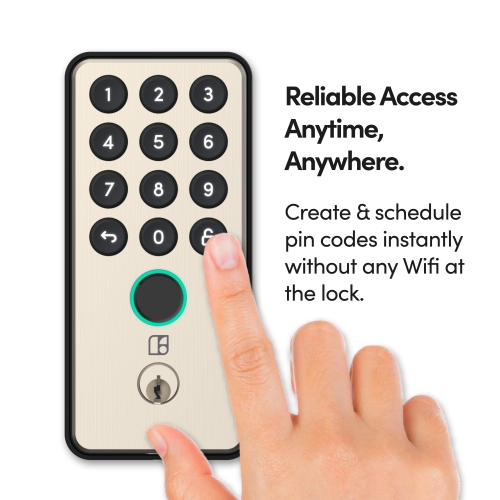
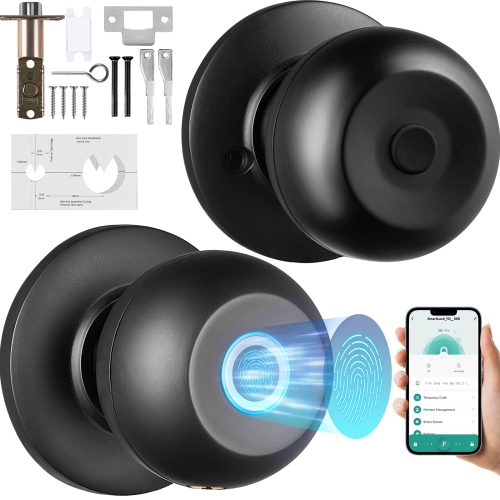
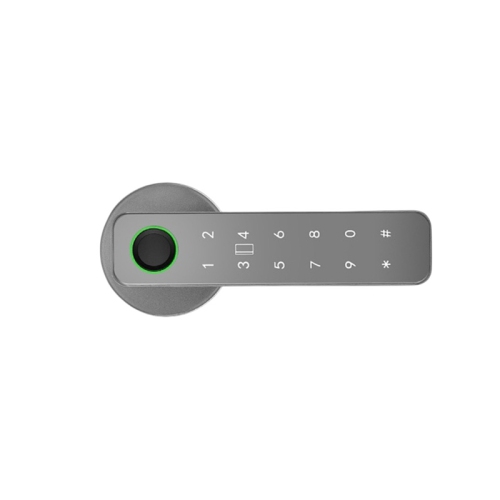
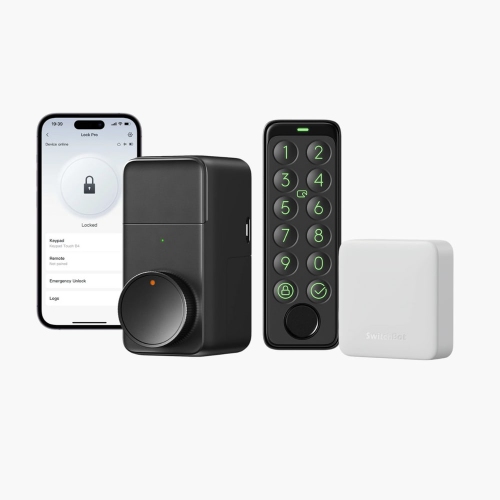
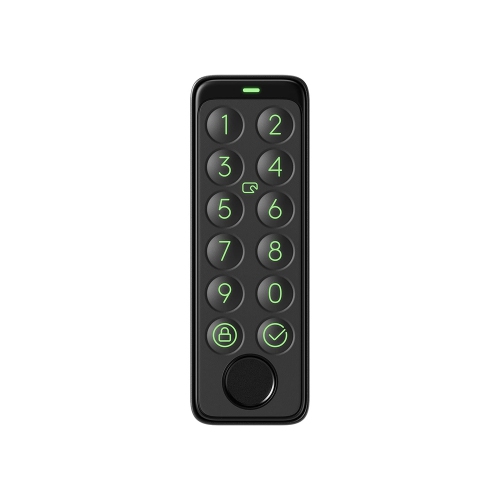
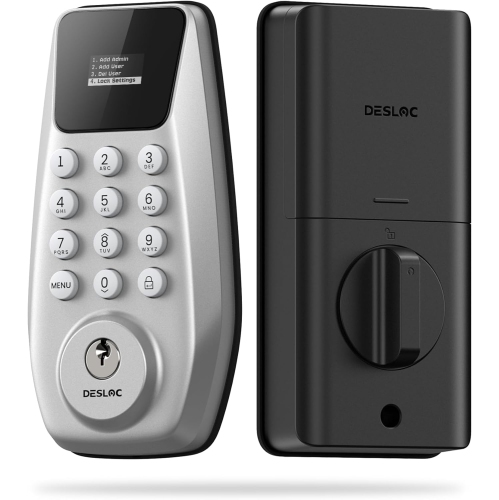
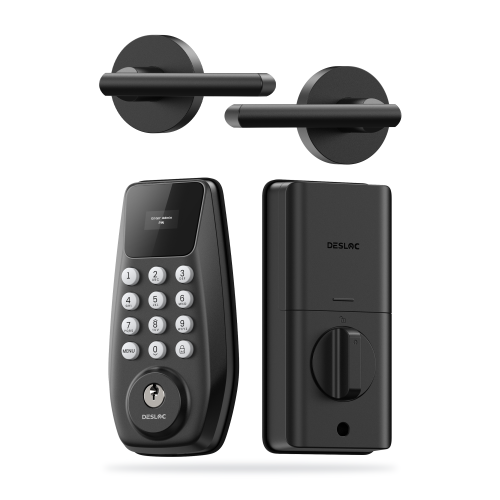
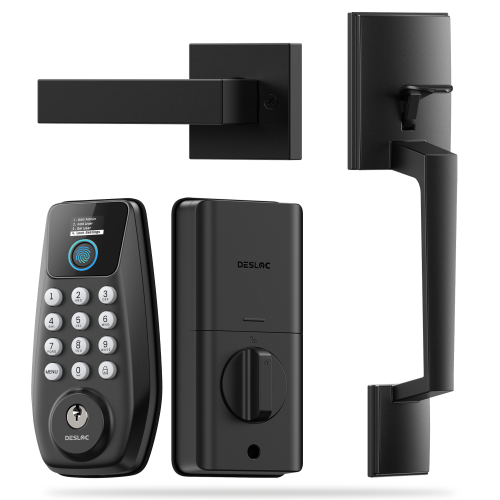
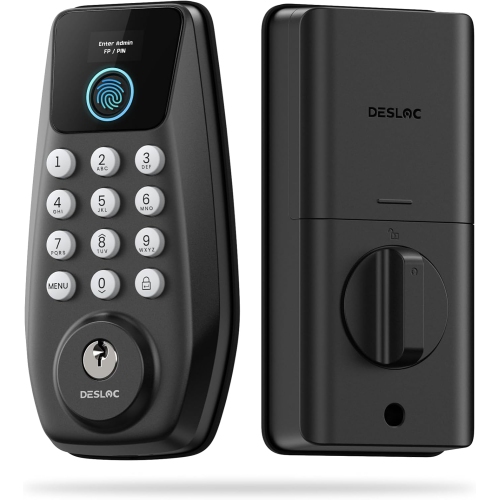
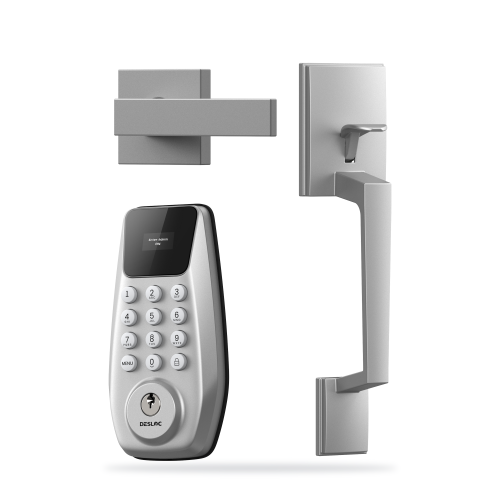
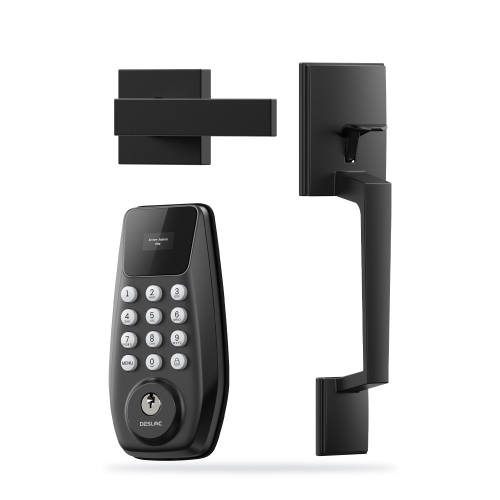
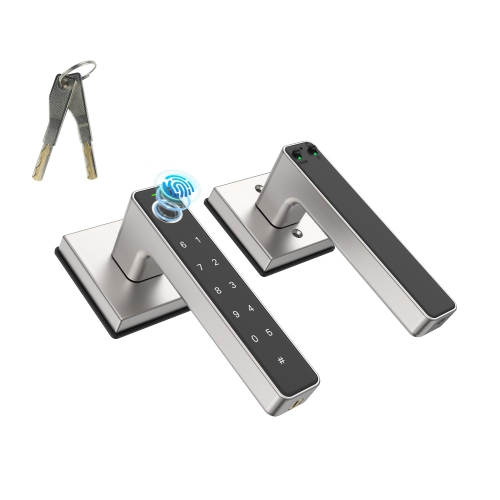
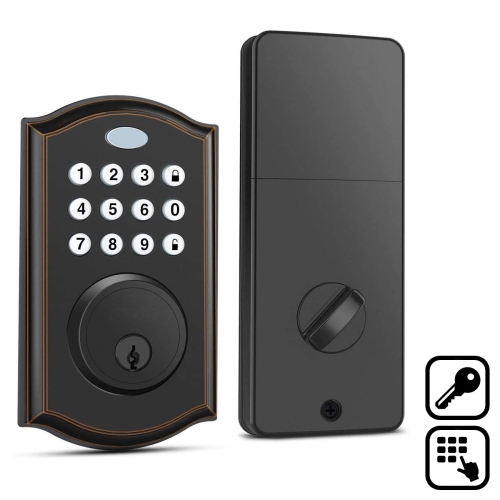
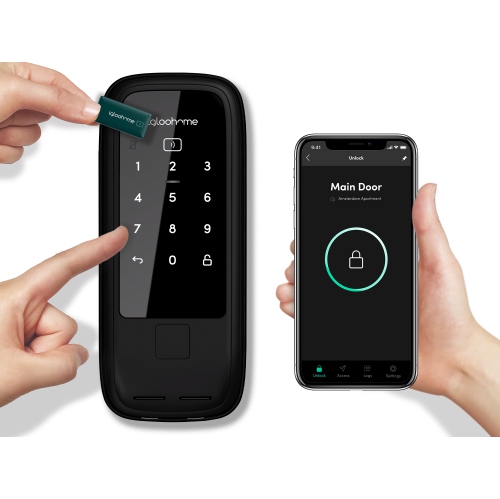
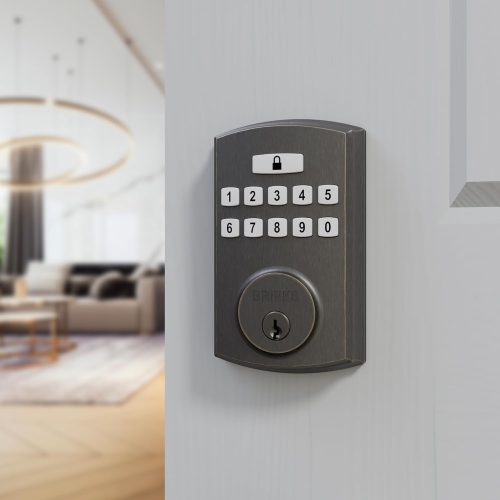
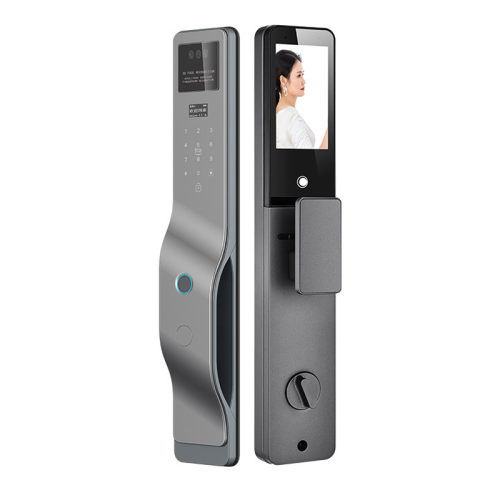
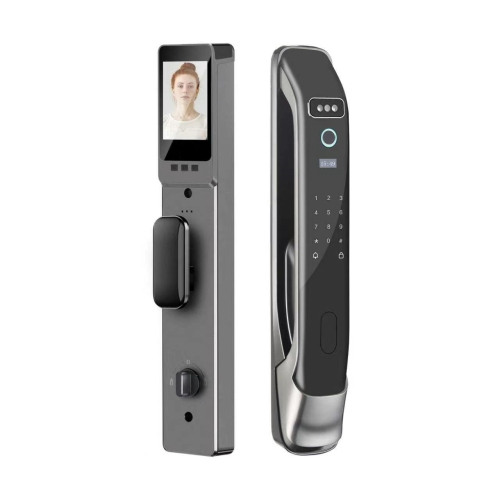
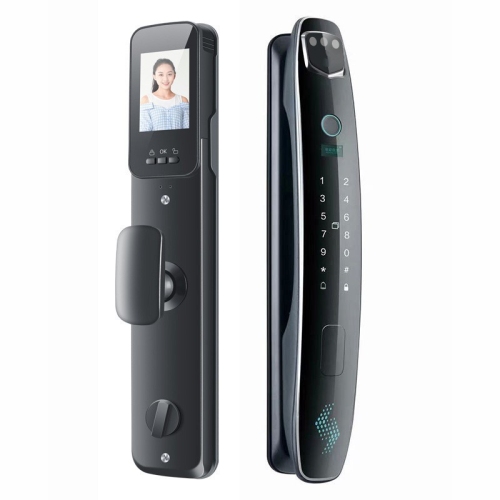
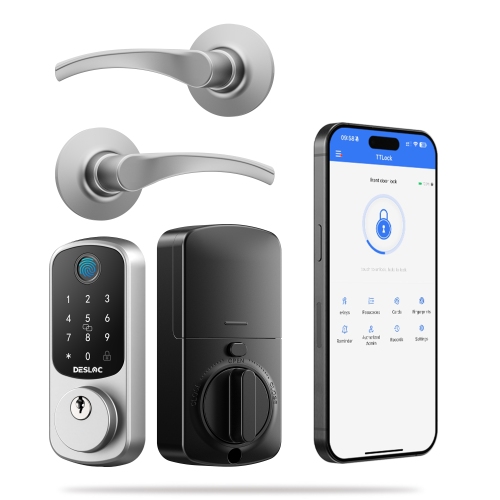
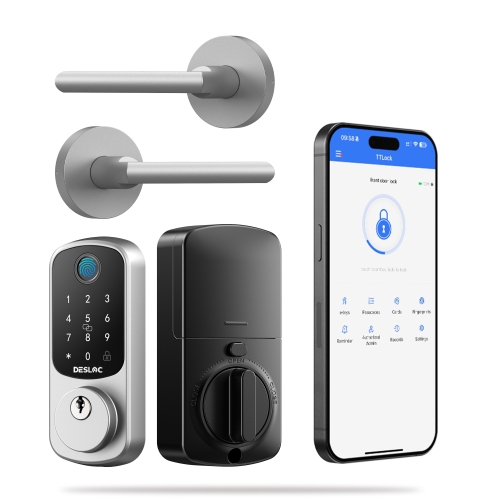
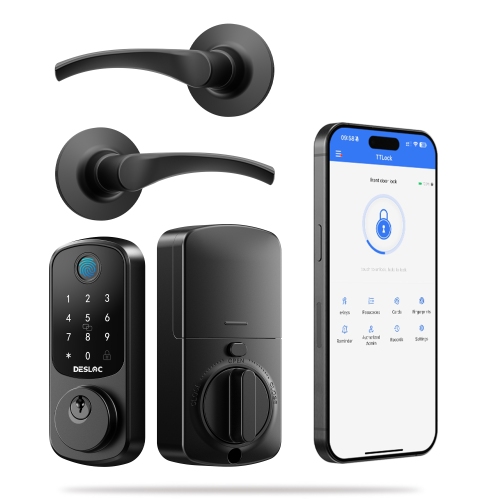
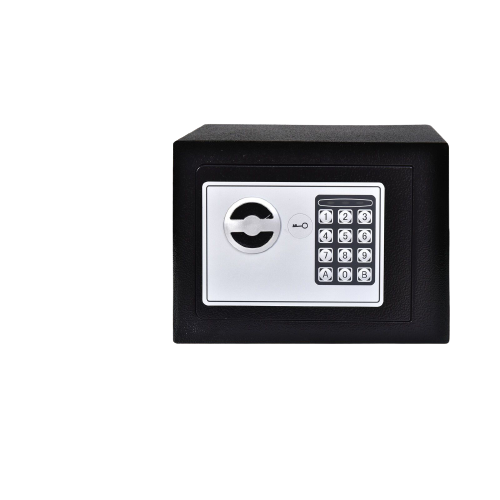
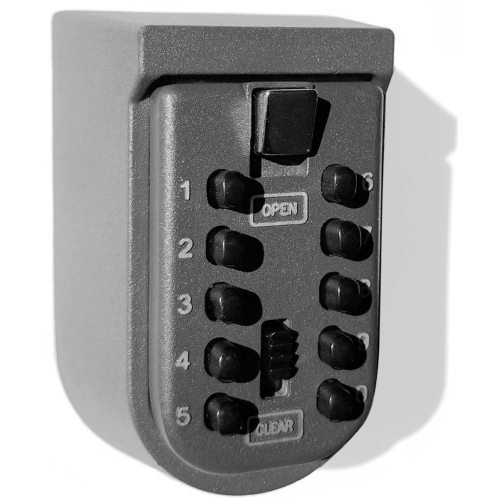
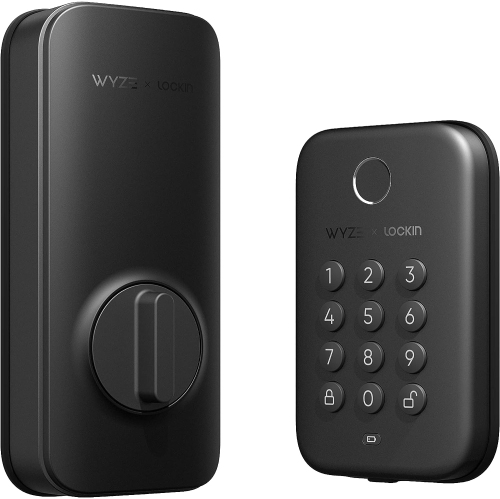
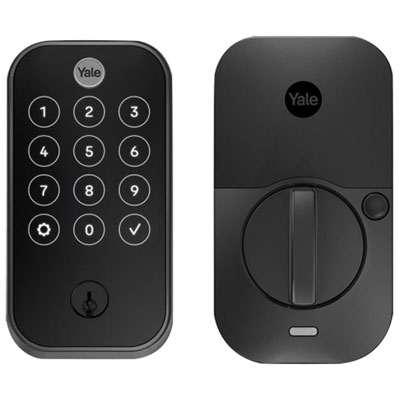
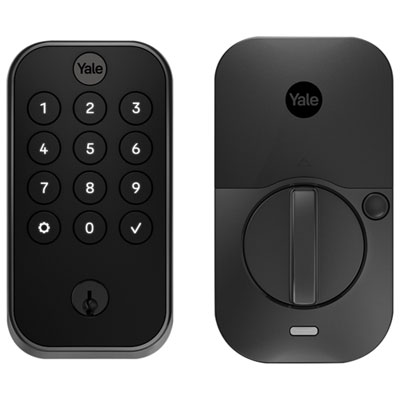
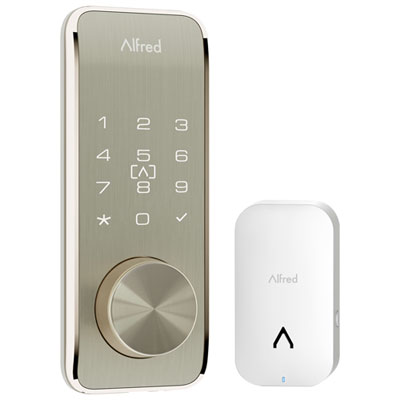
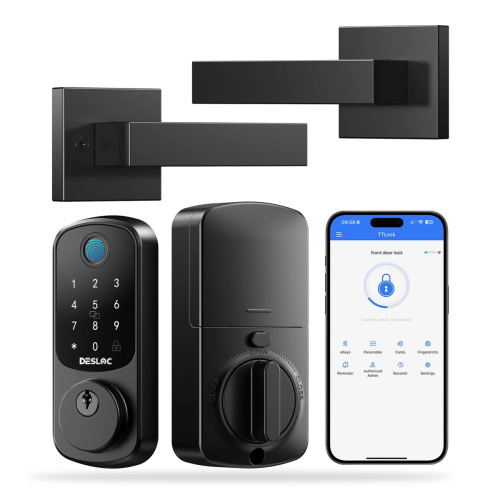
Smart locks and digital locks add keyless entry to the familiar role of a home lock. Depending on the design, access may be managed with a numerical keypad, a smartphone app, a fingerprint reader, a physical key or a combination of these methods. A keypad can be especially helpful for families, renters with permission to modify their hardware, home service providers and anyone who dislikes carrying keys while bringing in groceries or walking the dog. Temporary or scheduled access codes can let a guest, cleaner or caregiver enter without handing over a permanent key, and some connected locks can send activity notifications or show whether the door is locked. Before choosing a smart model, check whether it fits the door’s existing borehole, backset, thickness and handle configuration. Confirm whether it replaces the complete lock or works with the interior portion already installed, and consider how it connects through Bluetooth, Wi-Fi or another compatible hub. Battery life is another practical detail: a low-battery warning, exterior backup power option and traditional key override can provide reassurance when temperatures drop or a forgotten battery warning goes unnoticed. A digital lock without app connectivity may be a good fit for a rental, workshop or household that prefers straightforward code entry, while a connected lock may suit homeowners who value remote control and access history. Always review privacy settings, create unique access codes and avoid sharing a master code more widely than necessary. Smart features should support good locking habits, not replace them; the door still needs to close fully, the strike plate must be secured properly and the frame should be in sound condition.
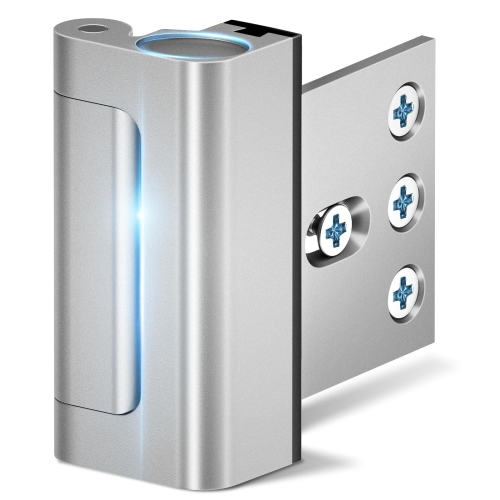
Installation details can have as much impact as the lock’s specifications. Measure the door thickness, edge bore, cross bore and backset before ordering, and check whether the door opens inward or outward and whether it is left- or right-handed where applicable. An exterior lock should be rated for the location and exposed conditions, with hardware that can handle changing temperatures and moisture during warm weather, rain and the cooler months. A strong deadbolt installed in a loose frame will not perform as intended, so inspect the screws, strike plate and surrounding wood or composite material as part of the upgrade. If you have recently moved, rekeying or replacing the locks can provide confidence that former occupants, contractors or unknown key holders no longer have access. Rekeying changes the internal pin arrangement so the existing lock works with a new key, which can be a practical alternative when the hardware is in good condition; changing the lock may be preferable when the mechanism is worn, the style no longer suits the door or you want keyless features. Interior locks can also help organize access within a busy home, although bedrooms, washrooms and rooms used by children may require privacy functions rather than high-security hardware. Home locks can be a thoughtful housewarming gift for someone settling into a new address, a useful upgrade for relatives who want easier entry, or a practical addition to a home office, rental property or workshop. Take time to match the lock to the door, measure carefully and consider how every household member will use it, so the finished installation feels natural each time the key turns, a code is entered or the door closes securely behind you.
Smart locks and digital locks add keyless entry to the familiar role of a home lock. Depending on the design, access may be managed with a numerical keypad, a smartphone app, a fingerprint reader, a physical key or a combination of these methods. A keypad can be especially helpful for families, renters with permission to modify their hardware, home service providers and anyone who dislikes carrying keys while bringing in groceries or walking the dog. Temporary or scheduled access codes can let a guest, cleaner or caregiver enter without handing over a permanent key, and some connected locks can send activity notifications or show whether the door is locked. Before choosing a smart model, check whether it fits the door’s existing borehole, backset, thickness and handle configuration. Confirm whether it replaces the complete lock or works with the interior portion already installed, and consider how it connects through Bluetooth, Wi-Fi or another compatible hub. Battery life is another practical detail: a low-battery warning, exterior backup power option and traditional key override can provide reassurance when temperatures drop or a forgotten battery warning goes unnoticed. A digital lock without app connectivity may be a good fit for a rental, workshop or household that prefers straightforward code entry, while a connected lock may suit homeowners who value remote control and access history. Always review privacy settings, create unique access codes and avoid sharing a master code more widely than necessary. Smart features should support good locking habits, not replace them; the door still needs to close fully, the strike plate must be secured properly and the frame should be in sound condition.
Installation details can have as much impact as the lock’s specifications. Measure the door thickness, edge bore, cross bore and backset before ordering, and check whether the door opens inward or outward and whether it is left- or right-handed where applicable. An exterior lock should be rated for the location and exposed conditions, with hardware that can handle changing temperatures and moisture during warm weather, rain and the cooler months. A strong deadbolt installed in a loose frame will not perform as intended, so inspect the screws, strike plate and surrounding wood or composite material as part of the upgrade. If you have recently moved, rekeying or replacing the locks can provide confidence that former occupants, contractors or unknown key holders no longer have access. Rekeying changes the internal pin arrangement so the existing lock works with a new key, which can be a practical alternative when the hardware is in good condition; changing the lock may be preferable when the mechanism is worn, the style no longer suits the door or you want keyless features. Interior locks can also help organize access within a busy home, although bedrooms, washrooms and rooms used by children may require privacy functions rather than high-security hardware. Home locks can be a thoughtful housewarming gift for someone settling into a new address, a useful upgrade for relatives who want easier entry, or a practical addition to a home office, rental property or workshop. Take time to match the lock to the door, measure carefully and consider how every household member will use it, so the finished installation feels natural each time the key turns, a code is entered or the door closes securely behind you.
Top selling and popular products
-
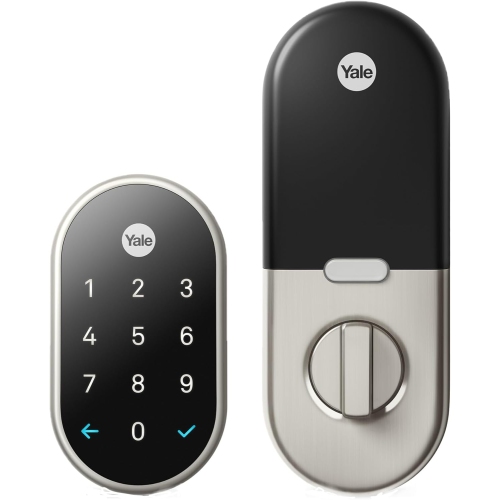 Your price for this item is $369.55
 -
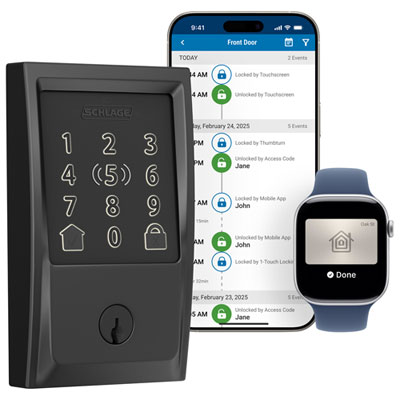 Your price for this item is $399.99
 -
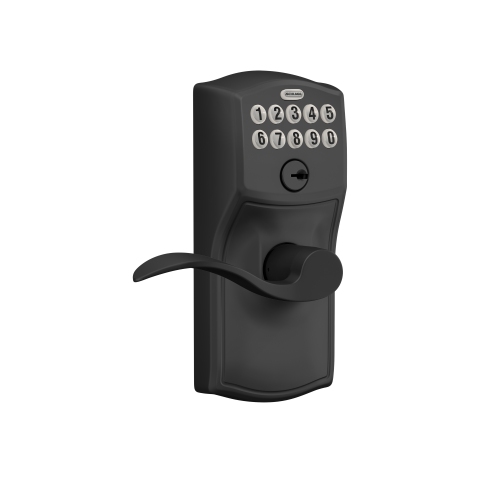 Your price for this item is $155
 -
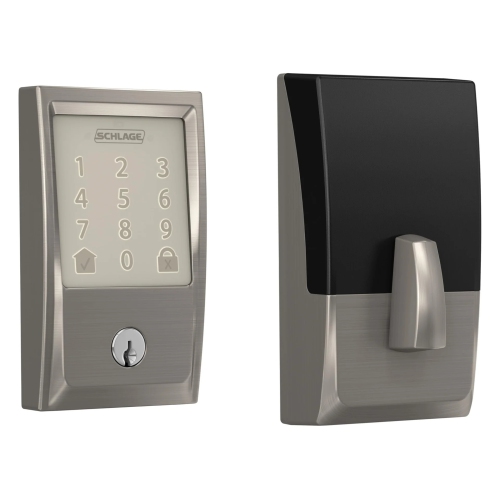 Your price for this item is $249.99
 -
 Your price for this item is $149
 -
 Your price for this item is $349.99
 -
 Your price for this item is $318.99
 -
 Your price for this item is $299.97
Discover more categories related to Home Locks
Top Collections:
Pokemon Centers, Kindle Devices, Best Budget Office Chairs, Apple iPhones 16, Best Laptops for Writers, iPhone 15 Apple, Canon G7X Cameras, Refurbished Apple Laptops, Alarm Clock, Motorola Razr Phones
Some products may be subject to Environmental Handling Fees
(EHF) depending on your province.
Learn more about EHFs.