Home Radon Detectors
Looking for a reliable way to keep your home safe and healthy? Look no further than our selection of homeradon detectors. With our range of radon detectors, you can easily monitor the radon levels in your living space and take the necessary precautions to ensure the well-being of your loved ones. Whether you're a homeowner or a renter, these detectors are essential for maintaining a safe indoor environment.
Sort


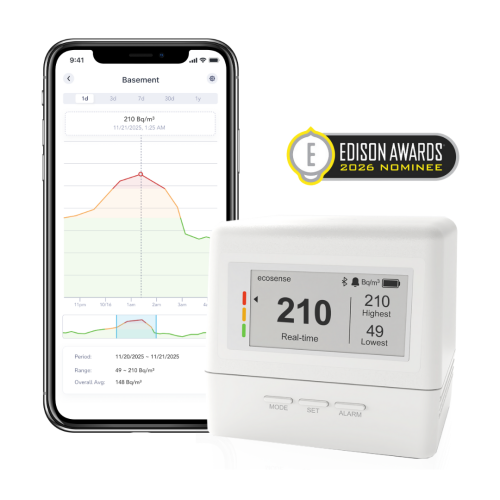
What to know about testing and monitoring radon levels
Home radon detectors provide a practical way to check for radon gas in the place where you and your family spend time. Radon is an invisible, odourless radioactive gas produced when naturally occurring uranium in the ground breaks down. It can enter a home through small openings around foundation walls, floor drains, sump pits, service pipes and other points where the building meets the ground. Once inside, radon may collect in enclosed areas, particularly when doors and windows stay closed during the cooler months. Testing is the only reliable way to find out whether levels are elevated, since radon cannot be detected by sight, smell or taste. A detector can be especially useful in a home with a basement, crawlspace or slab-on-grade foundation, and it may also be a thoughtful housewarming gift for someone who has recently moved, renovated a lower level or started using a basement as a bedroom, office, playroom or family room. It is also worth considering for older homes and newly built properties alike; a home’s age does not predict its radon level. Every property has different soil, foundation and ventilation conditions, so readings from a neighbouring house cannot confirm what is happening in yours. For a broader selection of one-time screening options, explore Radon Test Kits, while digital monitors are suited to people who want an ongoing view of changes over time.
When choosing a home radon detector, consider whether you want a passive long-term test or a continuous digital monitor. A passive test kit is placed in the home for a specified period and then processed according to its instructions, making it a straightforward option for a first assessment. A continuous monitor uses electronic sensors to record readings at regular intervals and may display current levels, averages and changes throughout the day. This can be helpful when you want to see how readings respond to closed windows, heating patterns, weather shifts or changes in how a room is used. Whichever type you select, check the measurement units, testing duration, power requirements, display format and instructions before purchase. Health Canada recommends long-term testing for at least three months, ideally during the cooler winter period when homes are more tightly closed. A brief reading can provide useful information, but it may not represent the average level over a season. Place the detector on the lowest level where people spend time regularly, such as a finished basement or main-floor bedroom. Position it about 2 to 7 feet above the floor, with clear air circulation around it. Keep it away from direct drafts, exterior walls, windows, doors, vents, heat sources and areas with high humidity, such as kitchens, bathrooms and laundry rooms. Do not put it in a closet, behind furniture or in a corner where air movement is restricted. If the home has more than one regularly occupied level, testing the lowest lived-in level first is a sensible starting point; additional monitors can help compare rooms or floors when needed. Follow the manufacturer’s placement and operating directions closely, keep the device powered as recommended, and avoid moving it during a test unless the instructions permit it.
Results should be considered over time rather than judged from one isolated number. The Canadian guideline for radon is 200 becquerels per cubic metre, written as 200 Bq/m³. If long-term results remain above this level, Health Canada recommends taking steps to reduce exposure by contacting a certified radon professional for advice and mitigation options. A qualified professional can assess how gas is entering the home and recommend an appropriate system, which may involve drawing radon from beneath the foundation and venting it safely outdoors. Do not rely on opening a window for a few minutes or moving a monitor to another room as a permanent solution; readings can change with airflow and weather, but lasting improvements require a proper assessment. Continue testing after mitigation work to confirm that levels have been reduced, and retest periodically as recommended by the installer or public health guidance. Digital detectors can also support regular household habits by making it easier to notice unusual changes, check a newly finished basement or monitor a property after renovations. They are useful for homeowners, renters who can place devices with the landlord’s permission, parents concerned about a lower-level sleeping area and anyone who wants clear information before making decisions about a home. During the cooler months, when windows remain closed and family members may spend more time indoors, a detector can quietly gather valuable information in the background. Select a model that suits the room, testing period and level of detail you prefer, then allow the device enough time in the correct location to produce a meaningful picture of radon levels in your home.
Top selling and popular products
-
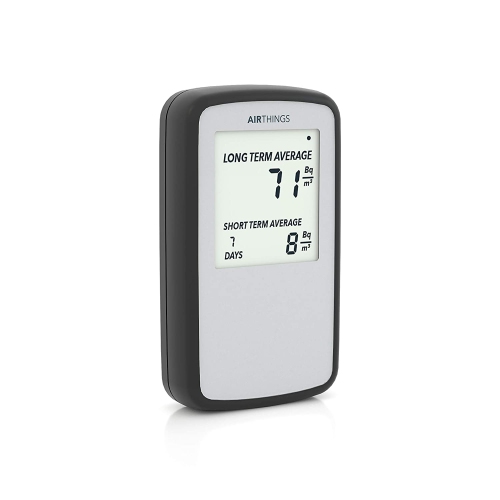 Your price for this item is $301.99
-
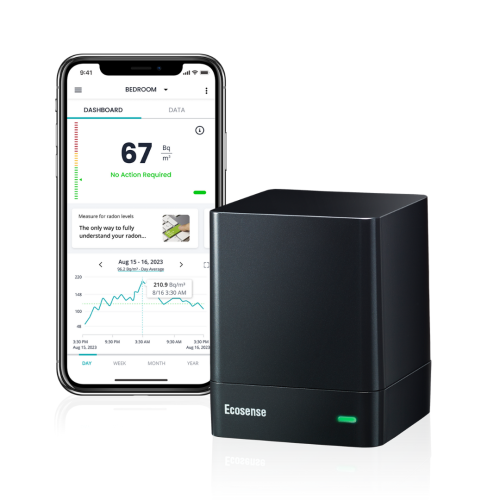 Your price for this item is $197
-
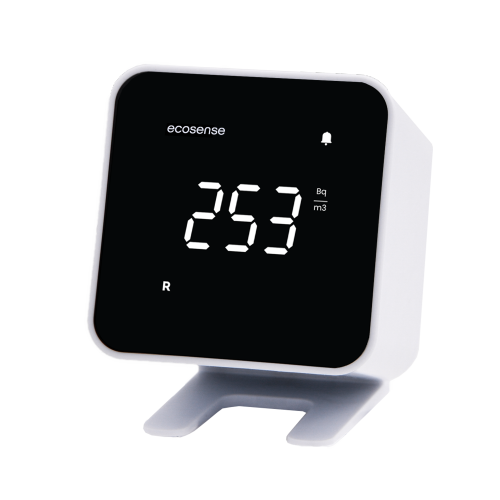 Your price for this item is $165
-
 Your price for this item is $226.37
-
 Your price for this item is $237.36
-
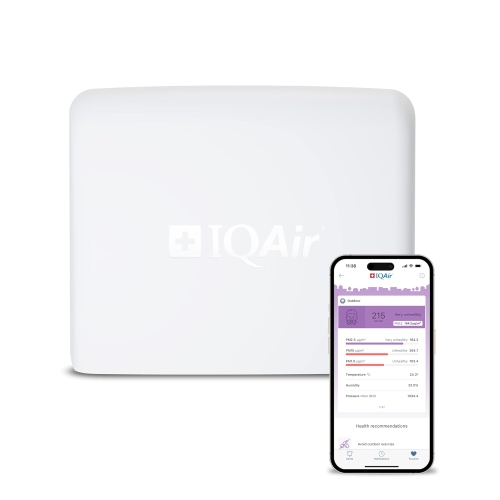 Your price for this item is $429.99
-
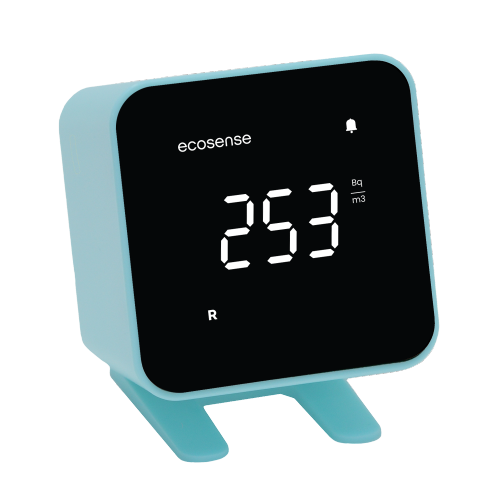 Your price for this item is $165
-
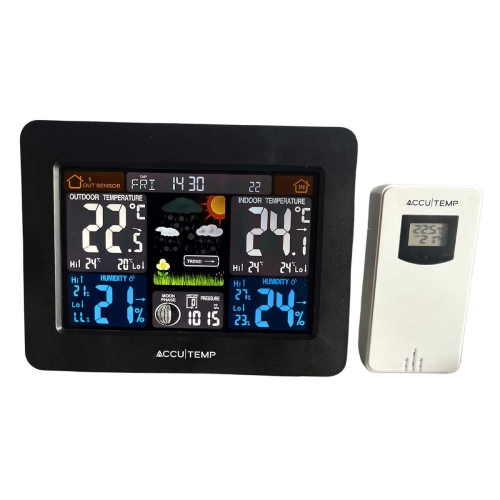 Your price for this item is $68.83
Discover more categories related to Home Radon Detectors
Top Collections:
Pokemon Centers, Kindle Devices, Best Cameras for Sports Photography, Pokémon 30th Celebration Cards, Canon G7X Cameras, Samsung Galaxy Phones, iPhone 15 Apple, Best Black Friday Deals On Electronics, Jackery Power Stations, Solar Generators for Home
Some products may be subject to Environmental Handling Fees
(EHF) depending on your province.
Learn more about EHFs.