Radiation Detectors
Explore a range of radiation detectors designed to meet various safety needs, whether for personal use, professional applications, or educational purposes. These essential devices help monitor and measure radiation levels in your environment, offering peace of mind and enhancing safety protocols. With advancements in technology, modern radiation detectors are more accessible and user-friendly than ever. Discover options that cater to different requirements and preferences, ensuring you find the right tool to accurately assess radiation exposure and maintain a safe environment.
Sort








Why sensor technology matters when measuring invisible radiation
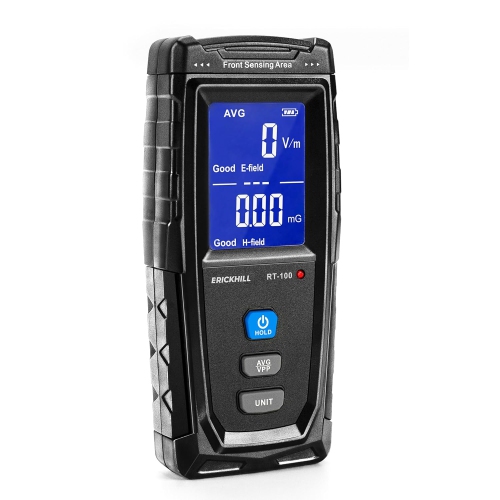
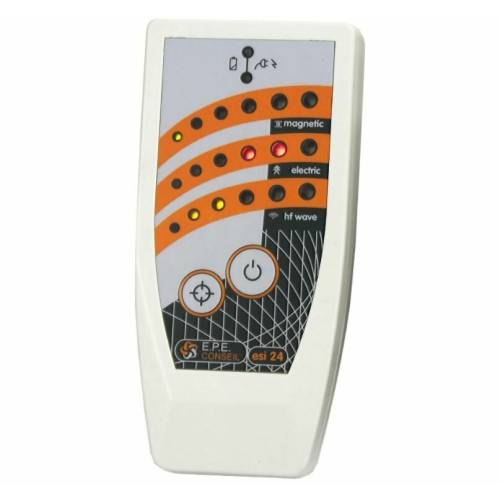
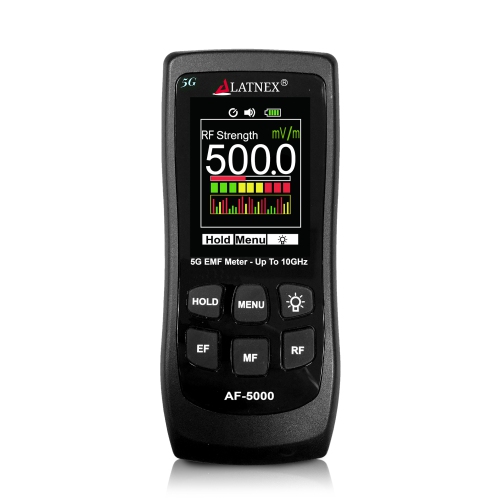
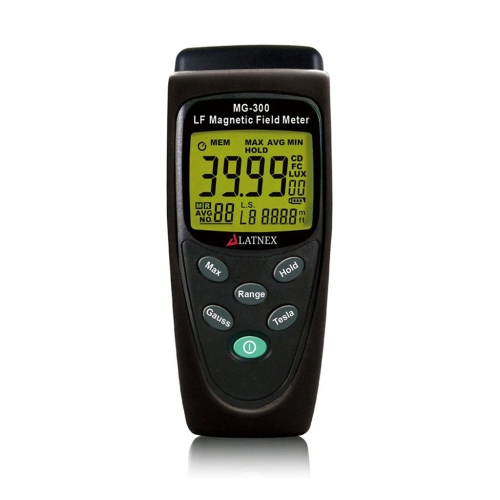
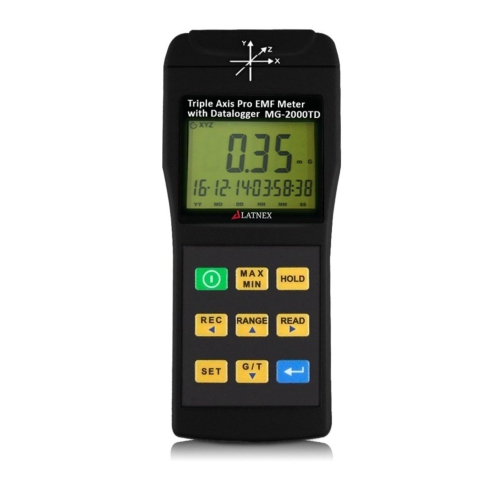
Radiation detectors are electronic instruments that detect and measure ionizing radiation, including alpha particles, beta particles, gamma rays, and X-rays, depending on their sensing technology and design. They make radiation that cannot be seen, heard, or felt measurable through numerical readings, audible pulses, visual indicators, or recorded data. Although “radiation detector” and “Geiger counter” are sometimes used interchangeably, a Geiger counter is one type of detector, typically built around a Geiger–Müller tube. Other instruments use scintillation materials or semiconductor sensors, with different strengths in sensitivity, measurement range, and the information they provide. The distinction matters because no single detector necessarily measures every type of radiation. Alpha particles, for example, require a suitable sensor window and a very short distance between the source and sensor; a detector designed mainly for gamma radiation may not register them. Beta detection also depends on the sensor construction, while neutron detection requires specialized technology. Radiation detectors are relevant to science education, laboratory work, trained occupational users, and people interested in measuring ordinary background radiation. That background comes from sources such as naturally occurring materials in rock and soil, certain building materials, and cosmic radiation. A reading above zero is therefore expected and does not, on its own, establish a hazard. For someone comparing measurements around a room or observing how readings vary between locations, repeatability and clear measurement units are more useful than a dramatic alarm sound. Instruments intended to count radiation events serve a different purpose from personal dosimeters, which track accumulated dose over time, although some devices combine functions. Electromagnetic field meters are another separate category: measuring fields associated with electrical wiring or wireless equipment is not the same as detecting ionizing radiation. The most relevant product characteristics are the radiation types supported, the detector’s stated measurement range, its response time, and whether its readings suit the intended task.
Practical design has a substantial effect on how a radiation detector feels and performs in everyday use. A compact handheld housing can be convenient for carrying between measurement locations, while a stable tabletop design may suit repeated observations in the same place. Durable plastic housings, reinforced corners, secure battery compartments, and well-positioned controls can help withstand routine handling, but a tough outer case does not make a sensitive detector window resistant to punctures or pressure. Sensor openings need to remain unobstructed, and protective covers should be used only as directed because some materials can block the radiation being measured. A readable display is especially valuable when comparing several readings, with clearly identified units and enough contrast to distinguish the main measurement from battery status or alarm settings. Counts per minute describe detected events, whereas microsieverts per hour describe an estimated dose rate; these figures are not interchangeable, and converting between them depends on the instrument’s calibration and the radiation involved. Accumulated dose is a separate measurement again, rather than simply another name for the live reading. For repeated observations, a stable averaging function can make results easier to interpret than rapidly changing numbers. Data logging, time-stamped records, and export functions can also support comparisons without relying on handwritten notes, provided the recorded information includes the units and measurement conditions. Battery life, charging arrangements, audible-alert controls, and straightforward menus all contribute to usability. A student handling an instrument during a supervised lesson may value simple controls, while a trained technician may need documented accuracy, calibration support, and a traceable record of measurements. Care generally centres on keeping the instrument clean, dry, and protected from drops, with cleaning methods matched to the manufacturer’s directions. Harsh solvents, immersion, or improvised repairs can damage housings, electronics, or sensor components. Storage cases and straps can help prevent accidental knocks, while access to instructions, replacement batteries, and appropriate servicing supports dependable use over time.
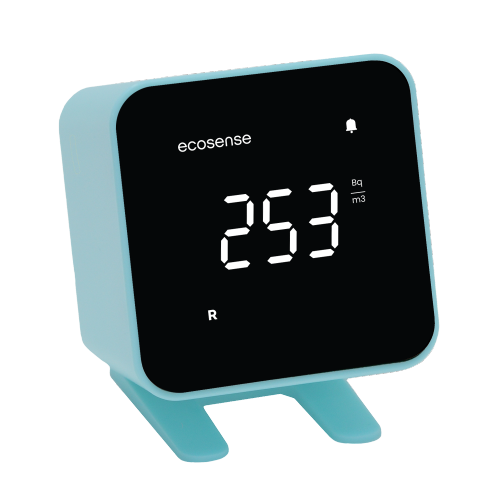
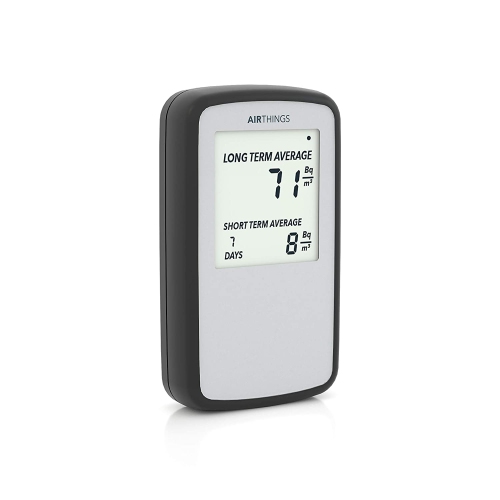
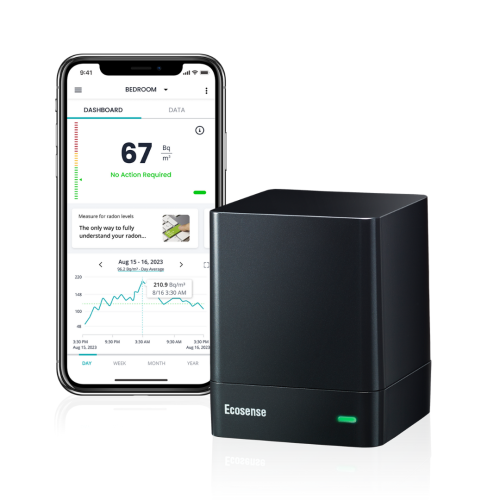
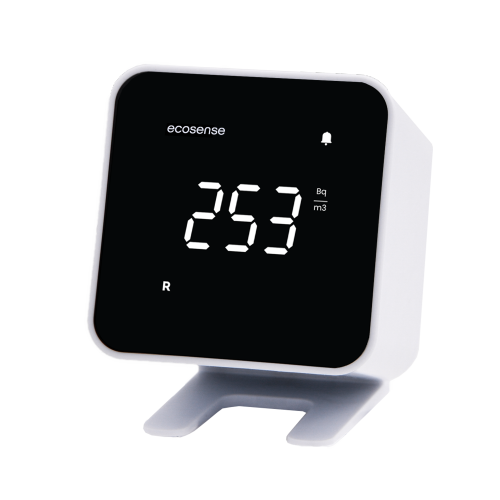
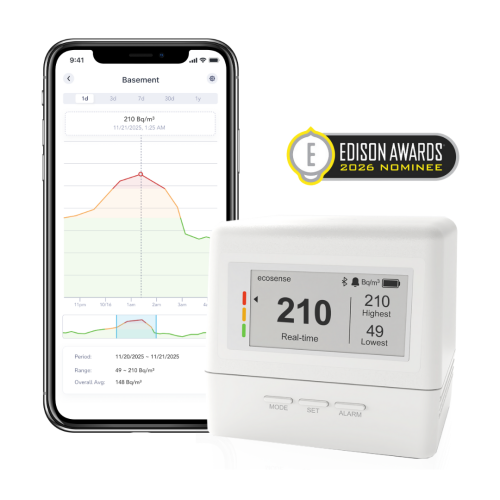
Indoor radon measurement is a related but distinct purpose, and a general-purpose handheld radiation detector is not a substitute for a dedicated radon test or monitor. Radon is a radioactive gas that can enter buildings from the ground and accumulate indoors. Dedicated devices measure its concentration in air, commonly expressed in becquerels per cubic metre in Canada, rather than presenting the same kind of reading as a handheld gamma detector. For households assessing a basement living area, a ground-level bedroom, or another regularly occupied space, Home Radon Detectors are the relevant category. Radon levels fluctuate, so a brief reading does not reliably represent long-term exposure. Health Canada recommends a long-term test lasting at least three months and identifies 200 becquerels per cubic metre as the Canadian guideline for taking corrective action. Placement, testing duration, and interpretation should follow the device instructions and applicable public-health guidance. Beyond radon testing, radiation detectors can make thoughtful gifts for adult science enthusiasts or students with suitable supervision, particularly when the interest is in understanding measurement, natural background radiation, and the limits of a sensor. A clear manual and an understandable display often add more value to that experience than a long list of poorly explained functions. Educational use does not require seeking out or handling radioactive materials. For professional applications, suitability depends on the task: checking for surface contamination, estimating an external dose rate, and monitoring personal exposure can require different instruments and procedures. Calibration status and stated limitations are especially important where readings inform workplace decisions. A detector provides information; it does not shield its user from radiation, identify every radioactive substance, or certify that an object, room, food, or water supply is safe. Unexpected readings require appropriate interpretation rather than assumptions based on a single number. Matching the sensing technology, measurement units, physical design, and support documentation to the intended use makes radiation detection more useful, whether the goal is an educational observation, a documented workplace measurement, or a dedicated assessment of indoor radon.
Top selling and popular products
-
 Your price for this item is $249.99
-
 Your price for this item is $929.99
-
 Your price for this item is $1299.99
-
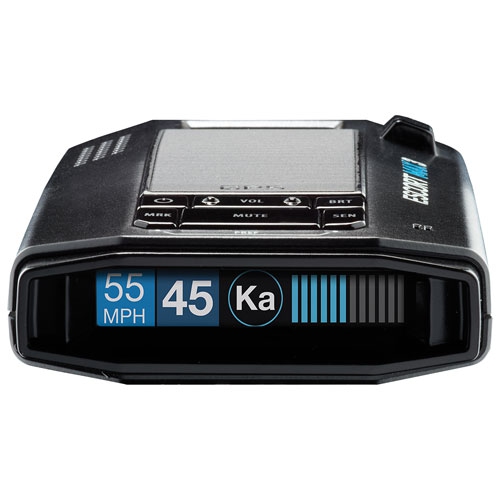 Your price for this item is $549.95
-
 Your price for this item is $699.99
-
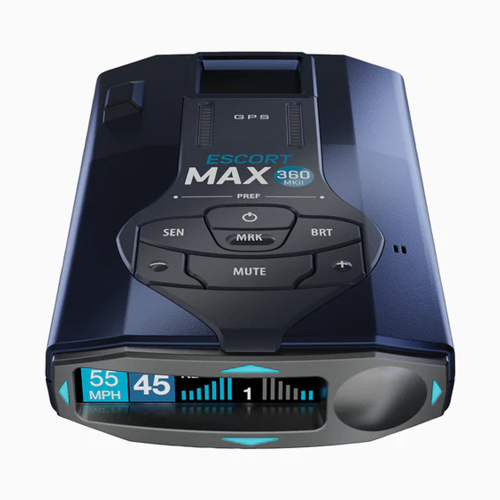 Your price for this item is $949.95
-
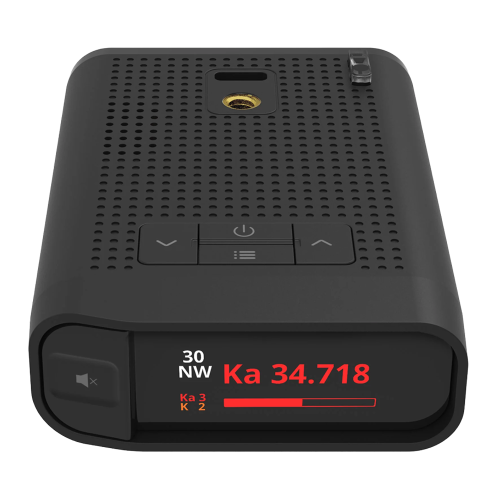 Your price for this item is $649.99
-
 Your price for this item is $649.99
Discover more categories related to Radiation Detectors
Top Collections:
Pokemon Centers, Kindle Devices, Best Cameras for Sports Photography, Pokémon 30th Celebration Cards, Canon G7X Cameras, Samsung Galaxy Phones, iPhone 15 Apple, Best Black Friday Deals On Electronics, Jackery Power Stations, Solar Generators for Home
Some products may be subject to Environmental Handling Fees
(EHF) depending on your province.
Learn more about EHFs.