Infrared Night Vision Cameras
Capture clear and detailed footage even in the darkest of nights with our range of infrared night vision cameras. Designed to enhance your surveillance capabilities, these cutting-edge devices utilize advanced infrared technology to provide unparalleled visibility in low-light environments. Whether you need to monitor your home, office, or any other space, our infrared night vision cameras offer exceptional performance and reliability. With their ability to capture high-resolution images and videos in complete darkness, you can rest assured knowing that every detail will be captured with precision. Explore our selection of infrared night vision cameras and take your surveillance game to the next level. Also check out our selection of Security Camera Monitors for even more great options!
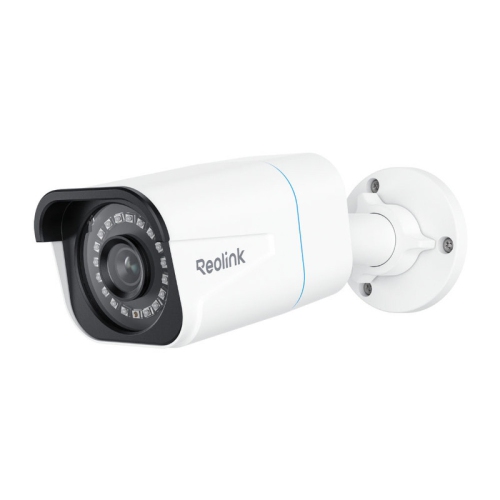

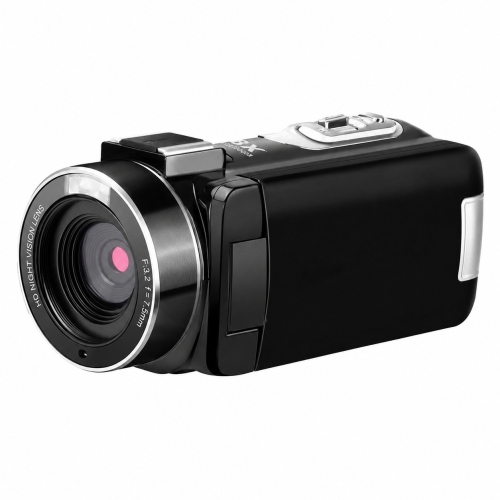

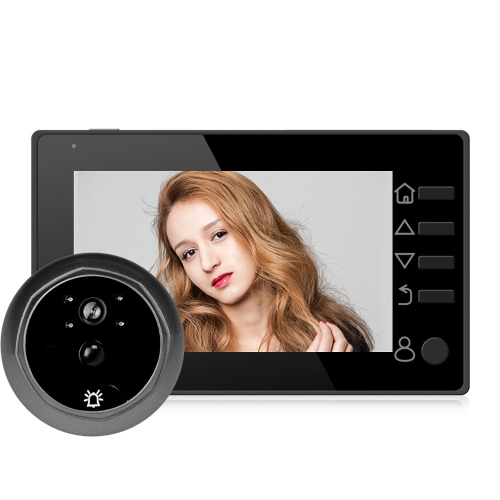

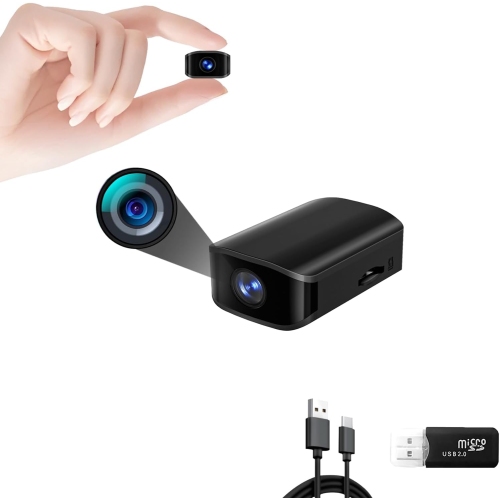




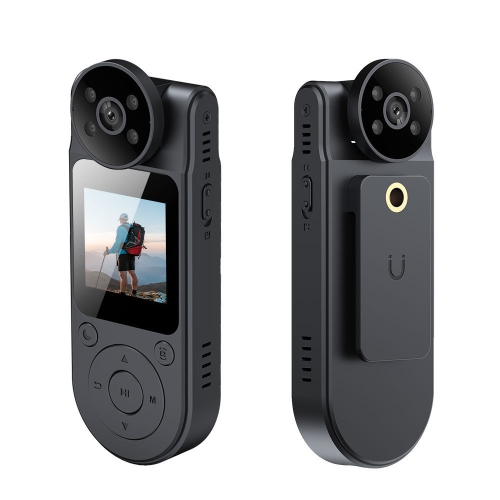

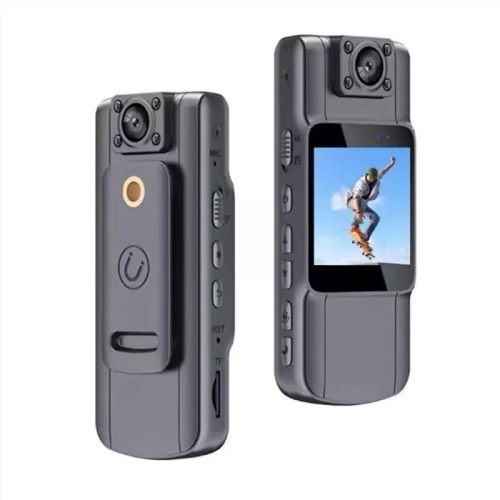

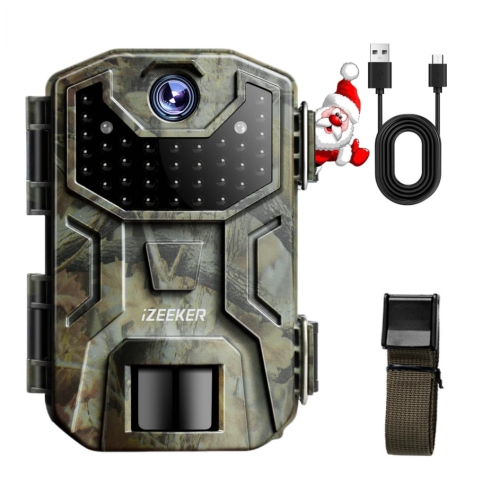
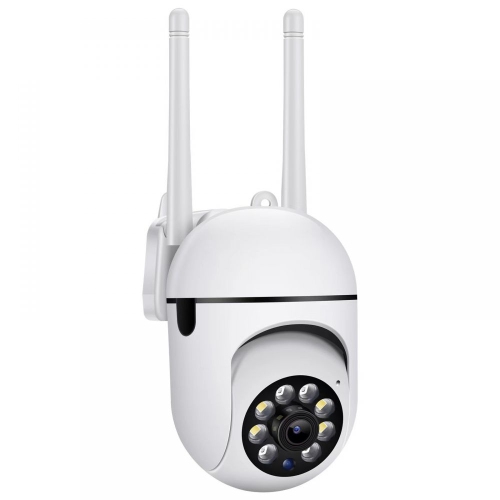
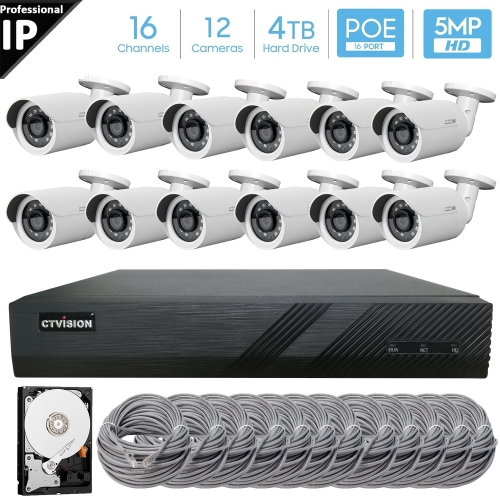

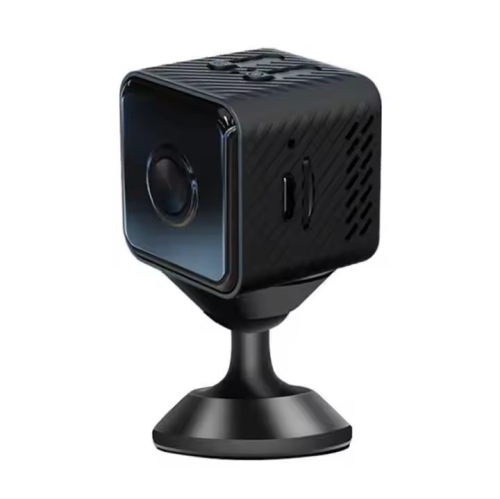
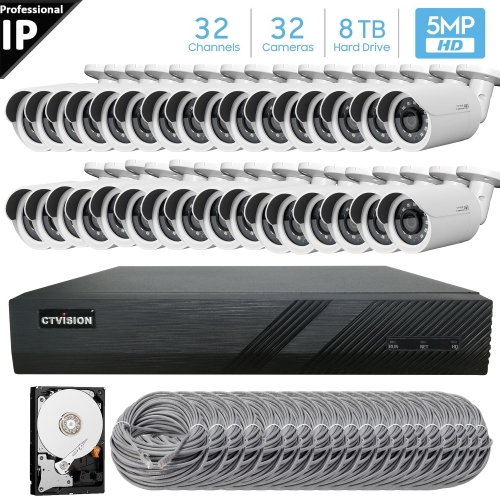
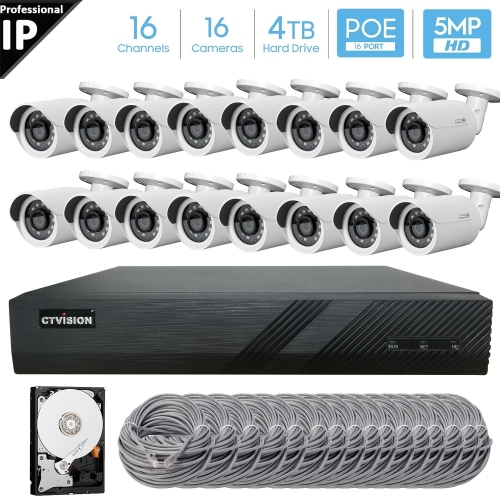




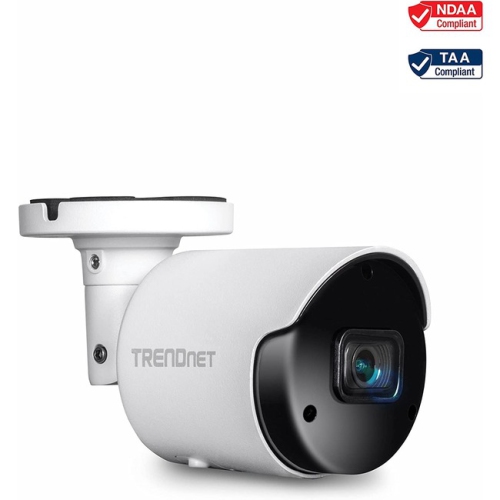
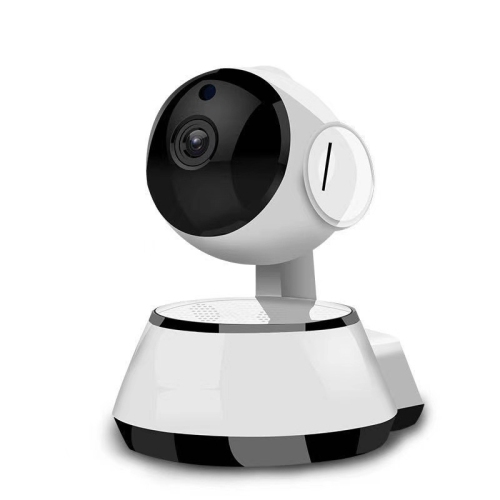
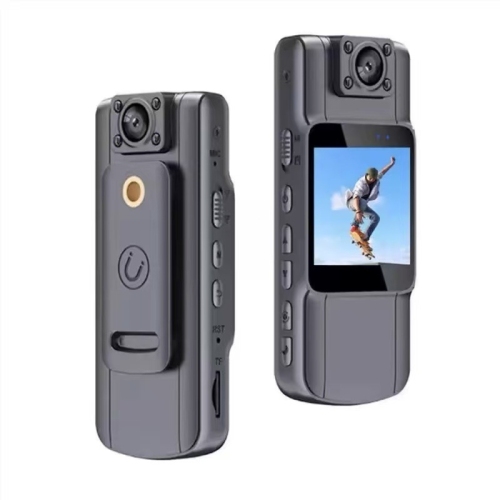
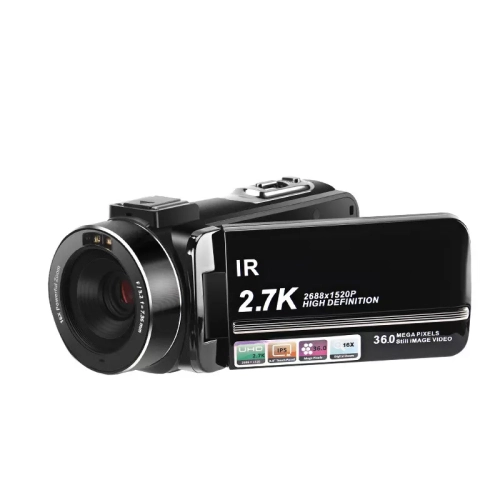








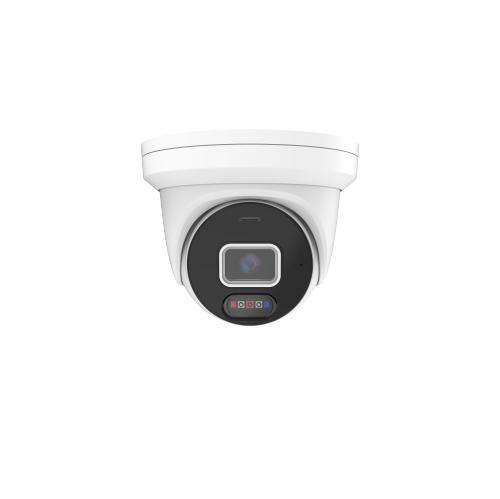
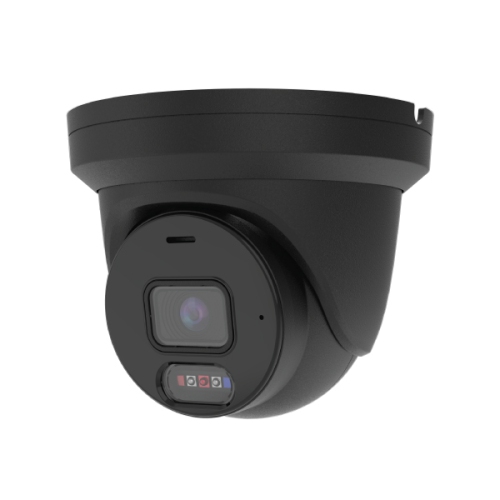


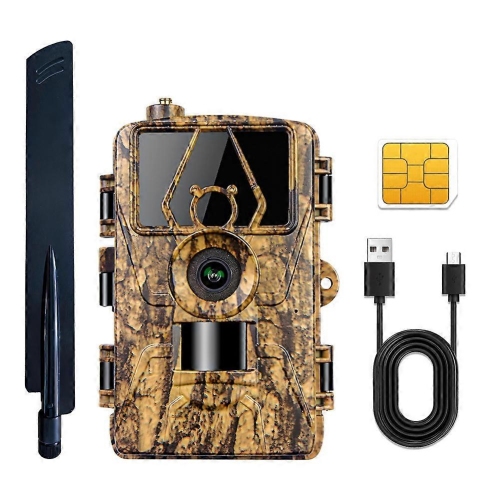
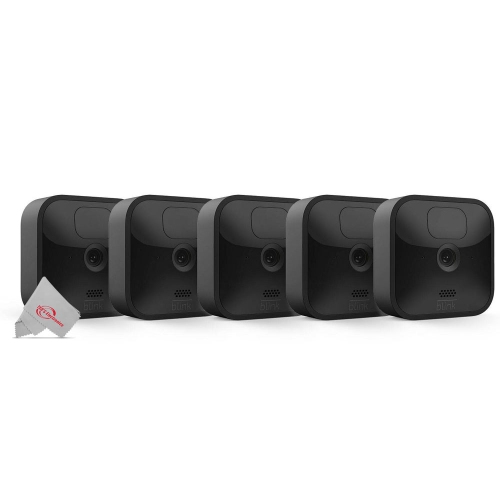










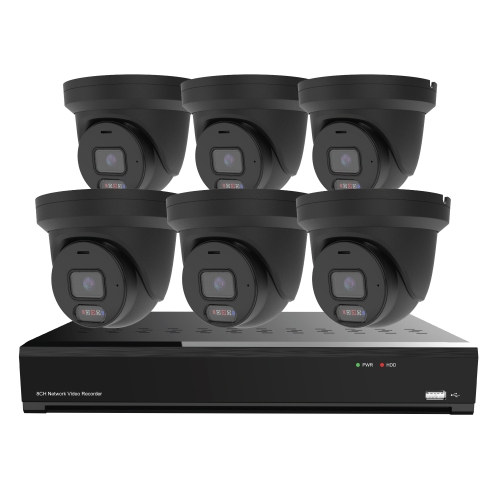

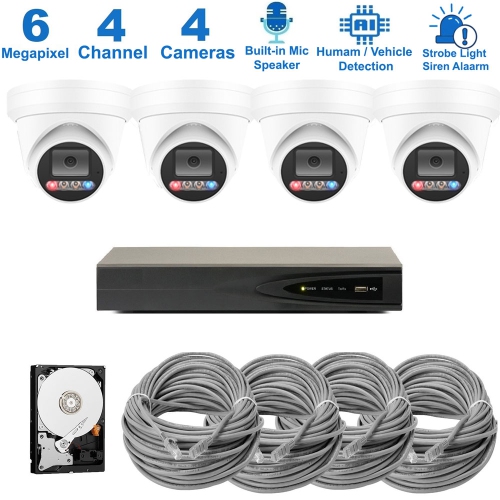
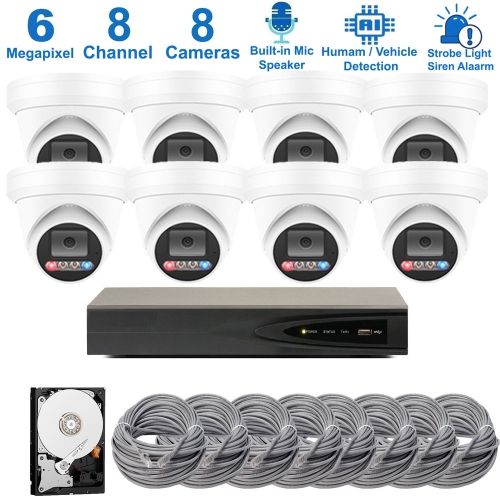
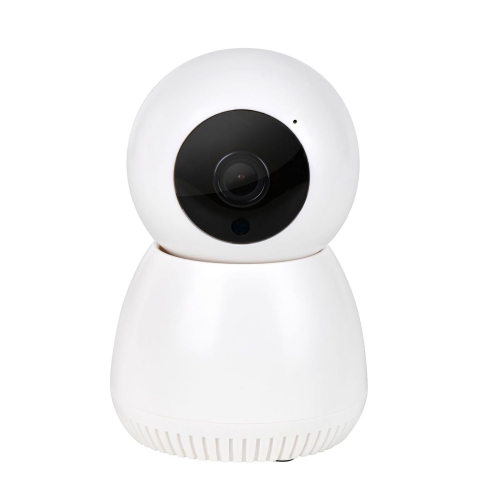
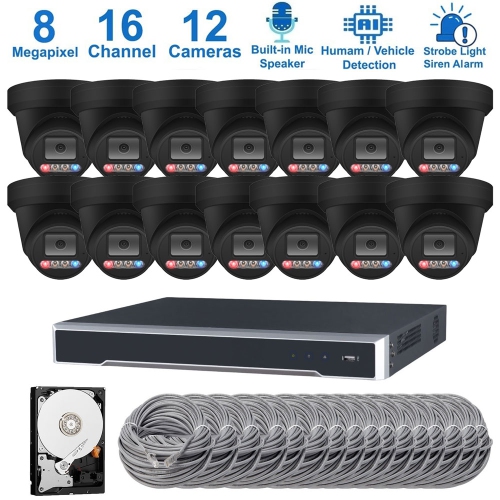
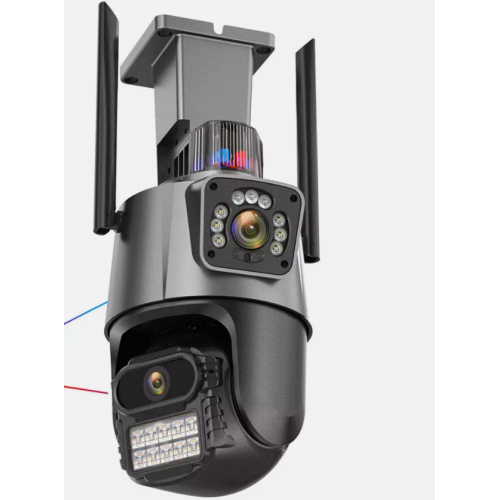
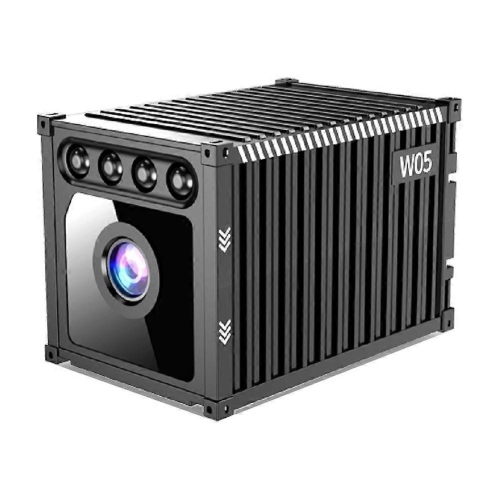
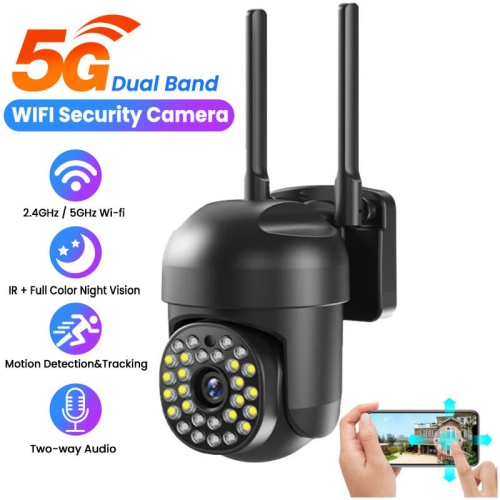










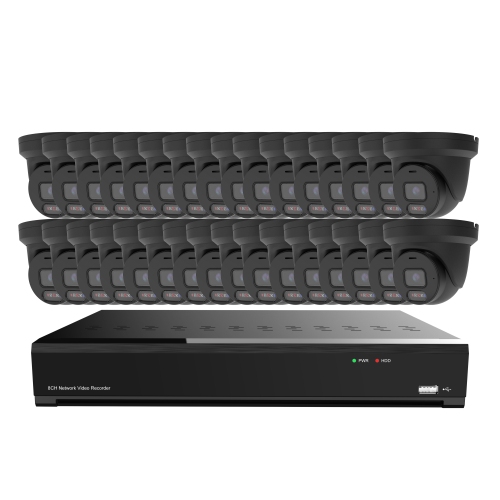
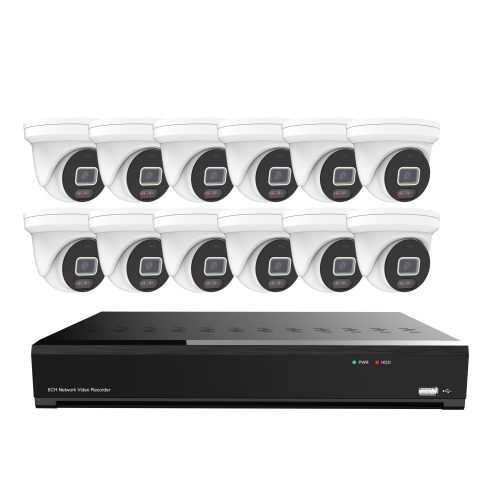

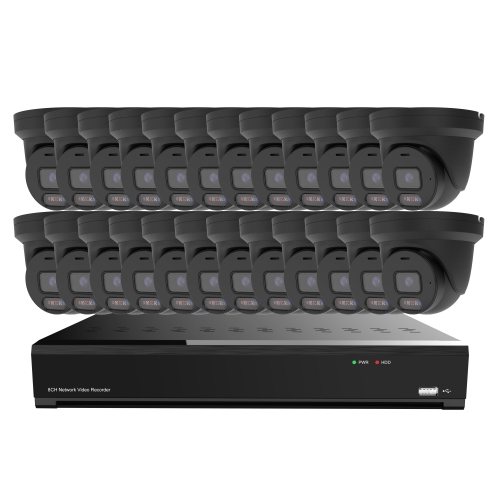
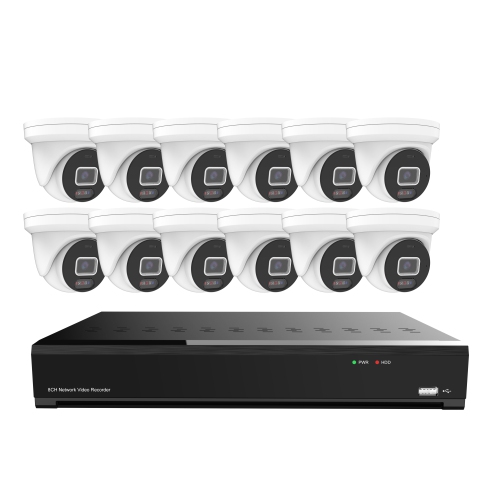
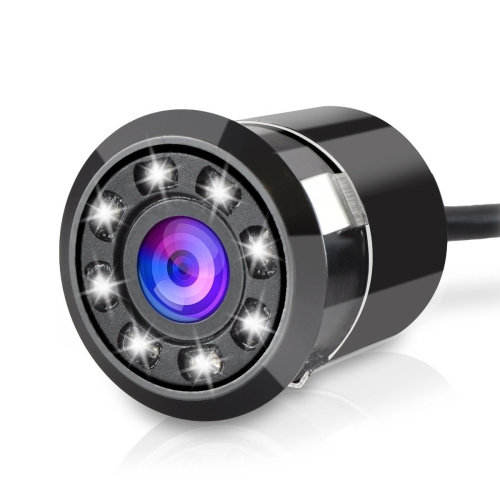

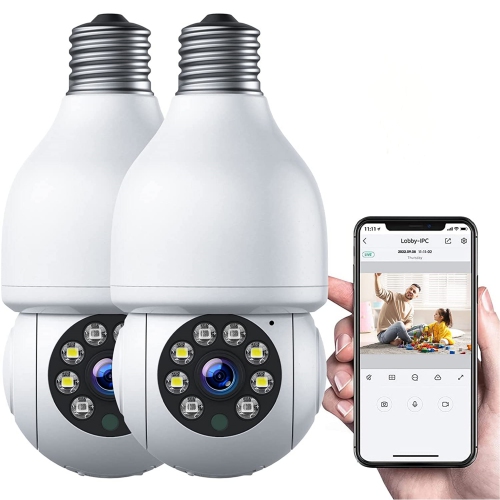

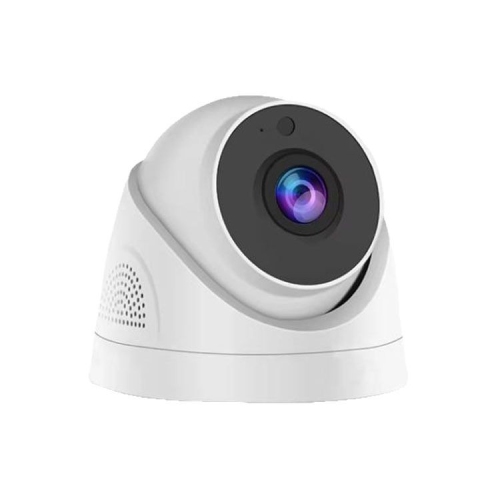
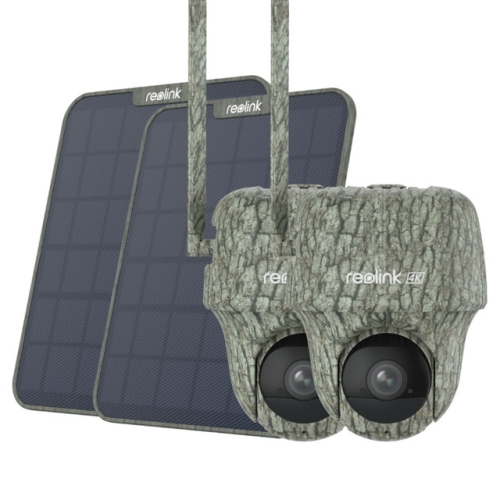
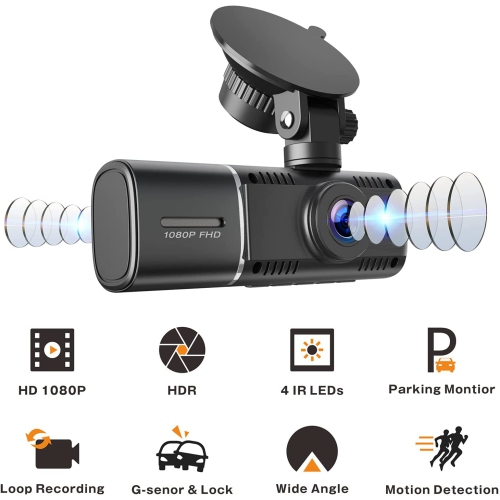

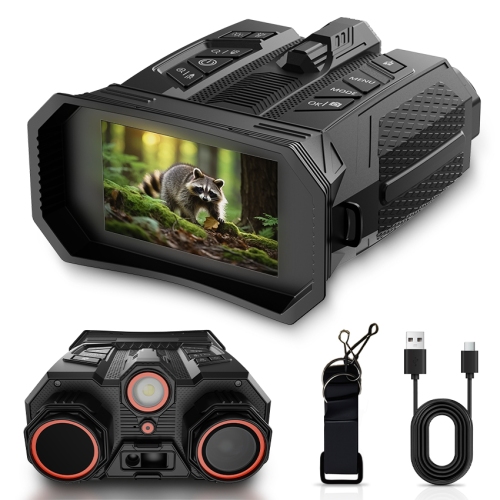
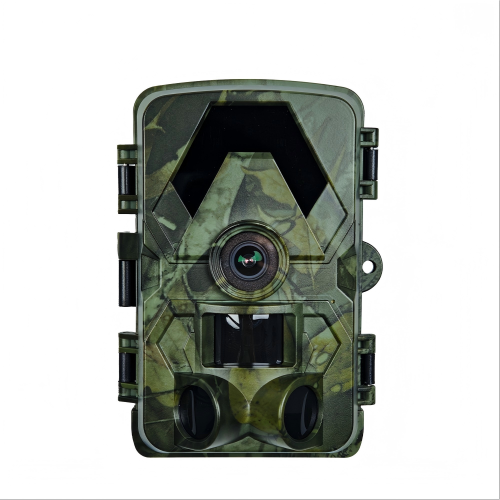
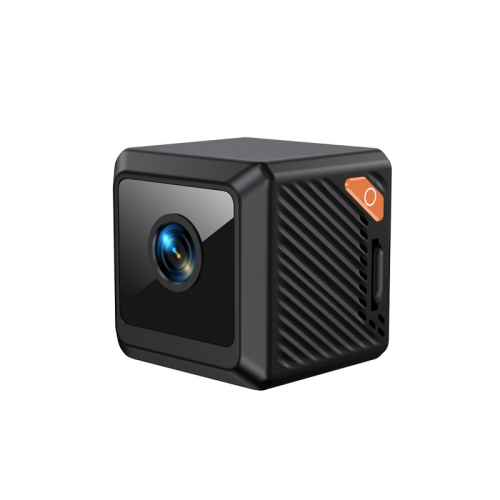












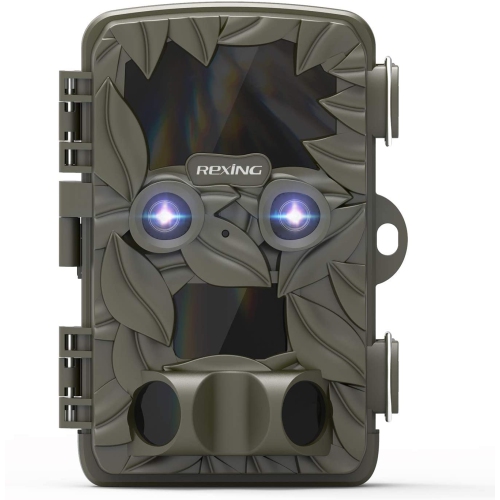

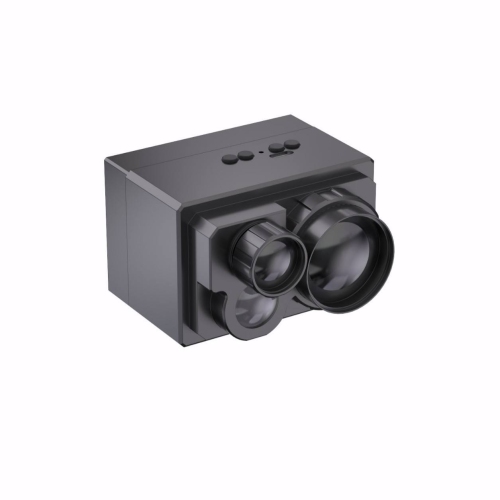


How infrared light reveals detail in complete darkness
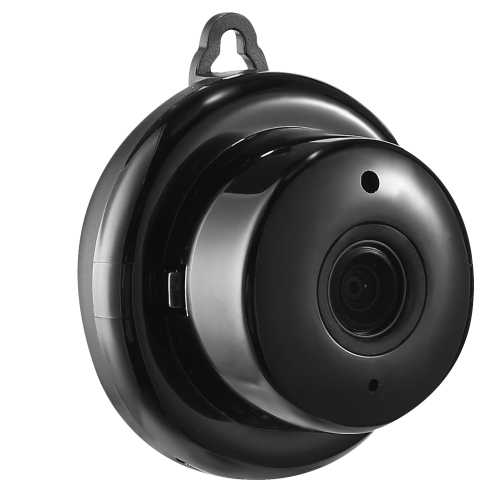
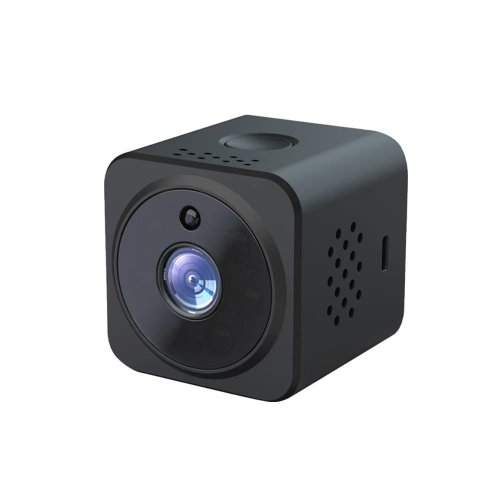
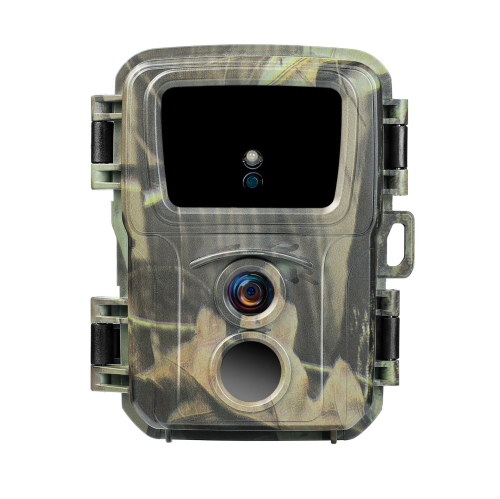
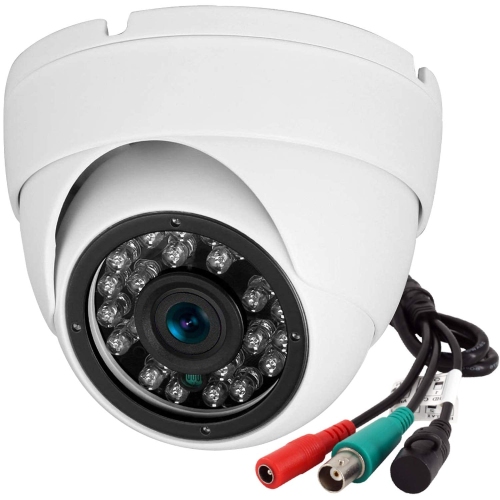
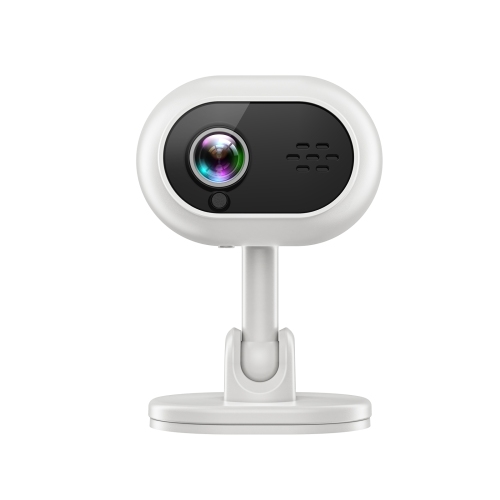
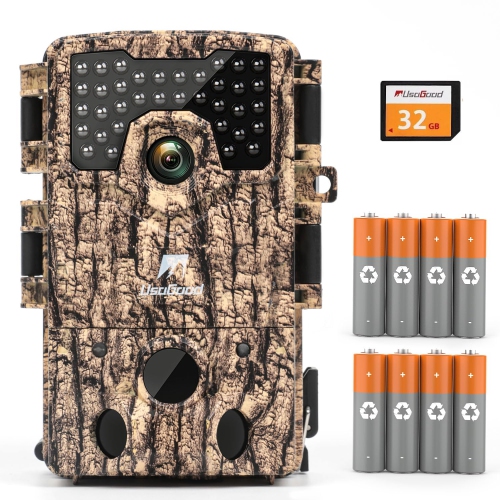
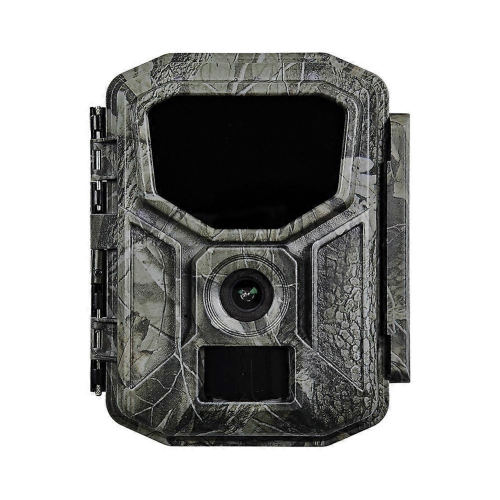
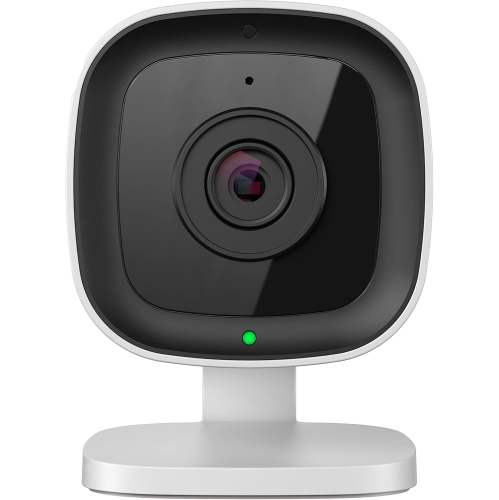
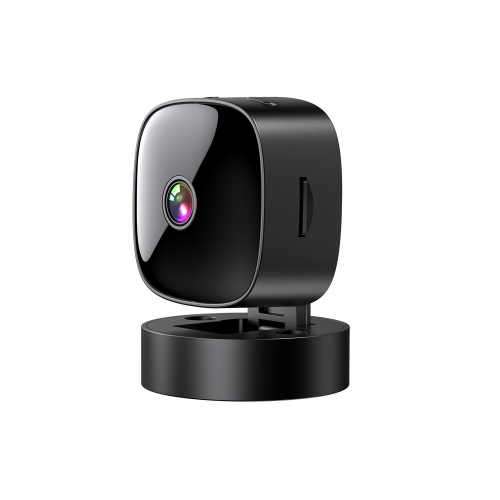
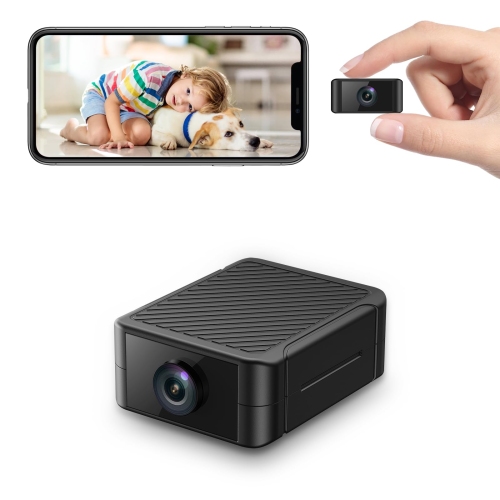
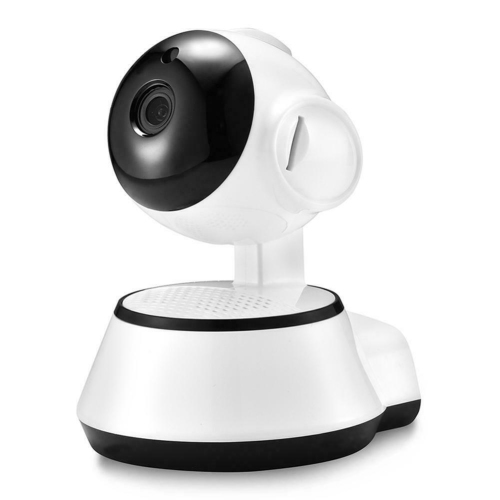
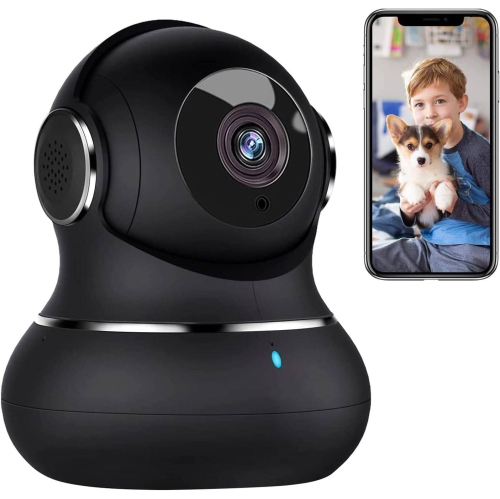
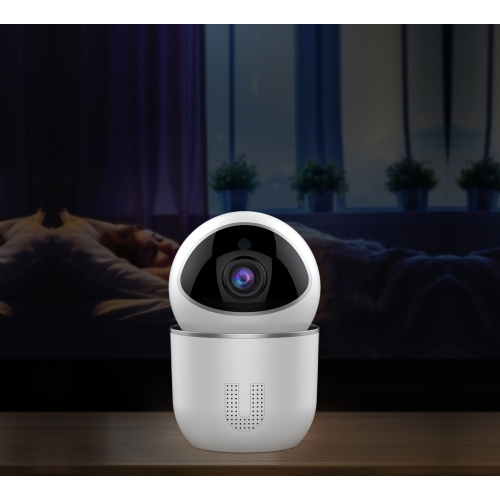
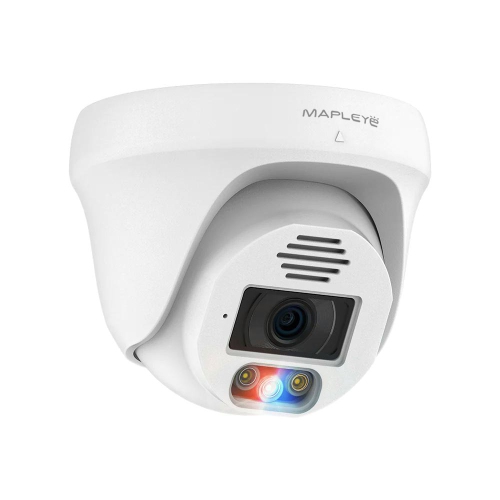
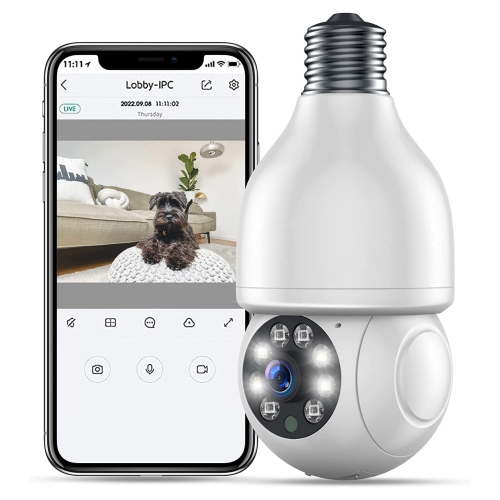
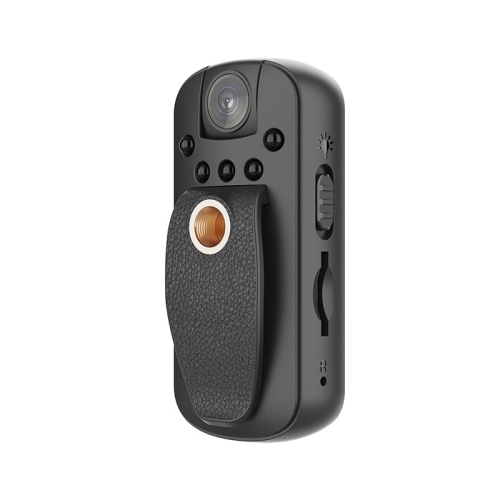
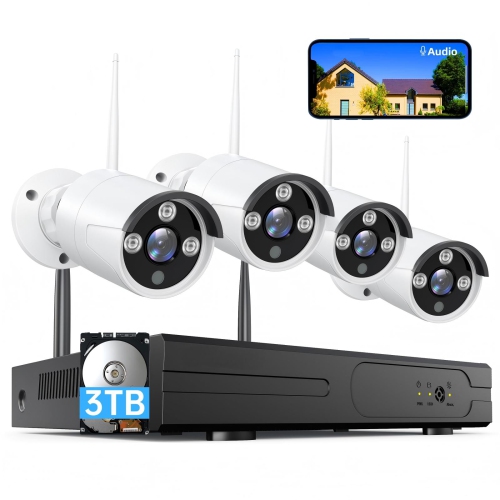
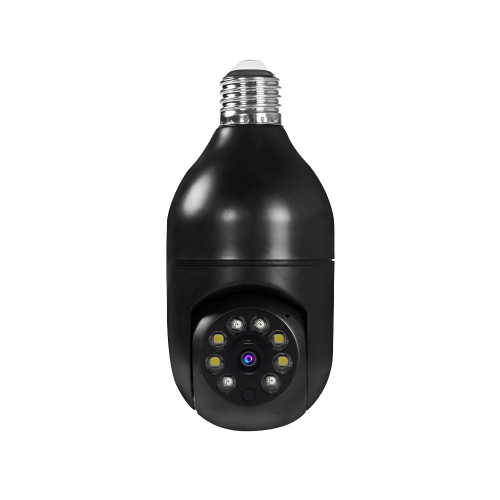
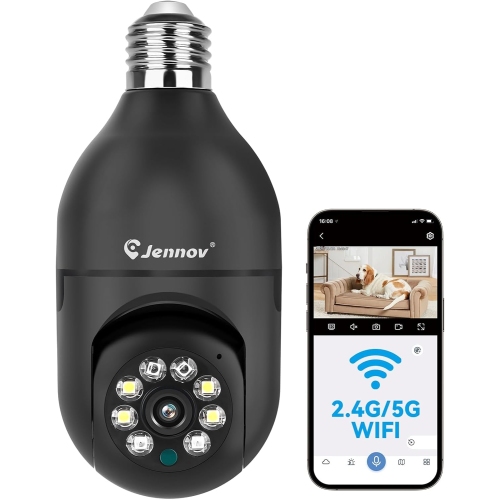
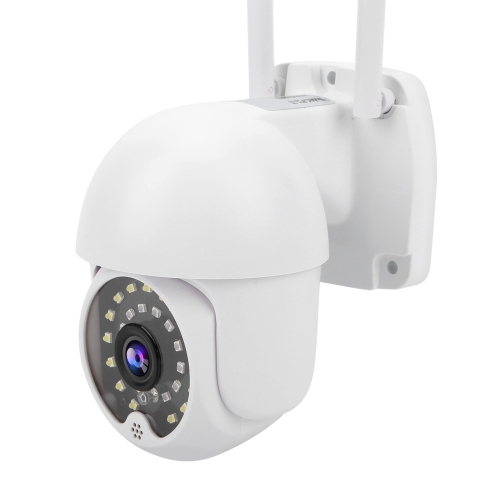
Camera design and placement shape how useful that night-time view will be. A wide-angle lens can cover much of a room or entrance, while a narrower view concentrates more of the image on a smaller area, such as a gate or doorway. Digital zoom enlarges recorded pixels rather than creating missing detail; optical zoom, where supported, changes the lens magnification. Fixed cameras keep a consistent view, while pan-and-tilt designs can change direction, although they do not necessarily record every direction at once. For a household checking on pets, a compact indoor camera may sit on a stable shelf with its power cable safely out of reach. An exterior installation calls for a housing, mounting hardware, and cable connections rated for that location. Plastic housings can be lightweight and easy to position, while metal housings may offer greater resistance to physical knocks; overall durability also depends on construction, seals, and secure mounting. Adjustable brackets help align the lens with the intended area rather than a nearby wall or ceiling. This matters because close surfaces can reflect infrared light into the lens, creating a bright patch that leaves the rest of the scene difficult to see. Glass can cause a similar problem: an indoor camera aimed through a window may capture the reflection of its own IR LEDs instead of the space beyond. Dust, fingerprints, and spiderwebs near the lens can also scatter infrared light and produce haze or bright streaks. Care generally involves a soft, non-abrasive cloth and cleaning methods permitted by the manufacturer, without disturbing seals or scratching protective covers. For entrances and shared access points, a useful view balances coverage with privacy, keeping neighbouring windows and unrelated spaces outside the frame wherever practical. Mounting height deserves attention, too: a high vantage point may show the overall scene clearly while providing less useful facial detail directly below the camera.
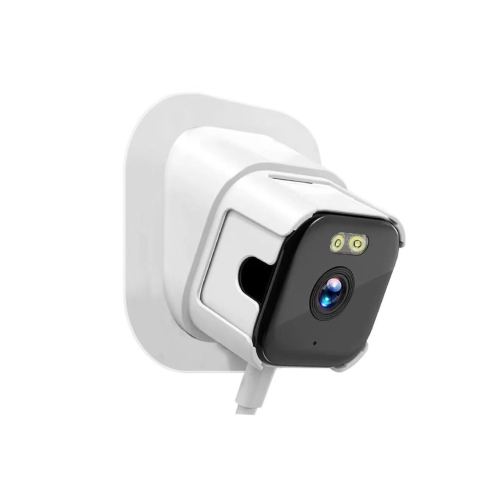
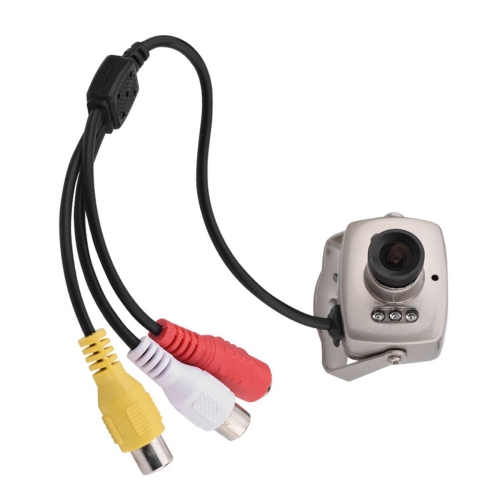
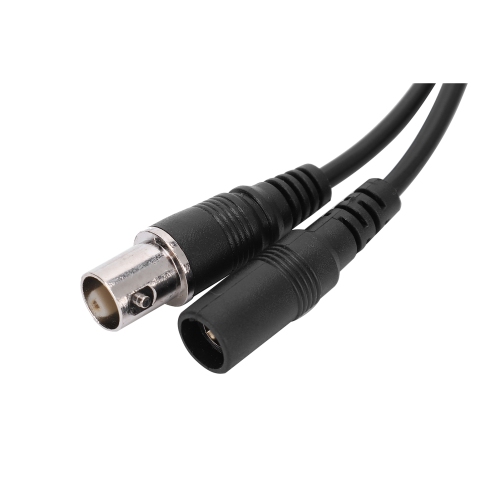
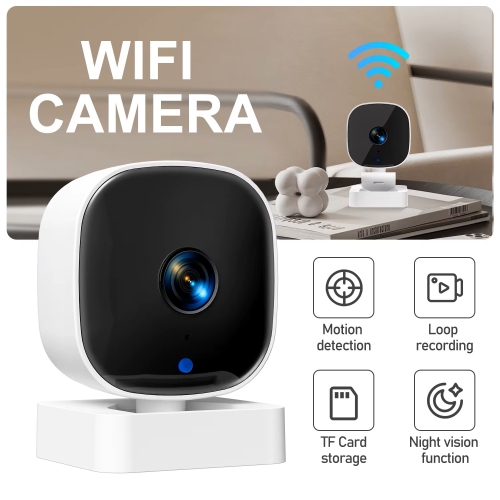
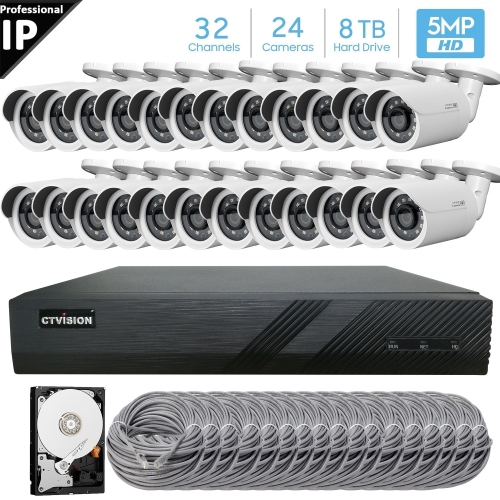
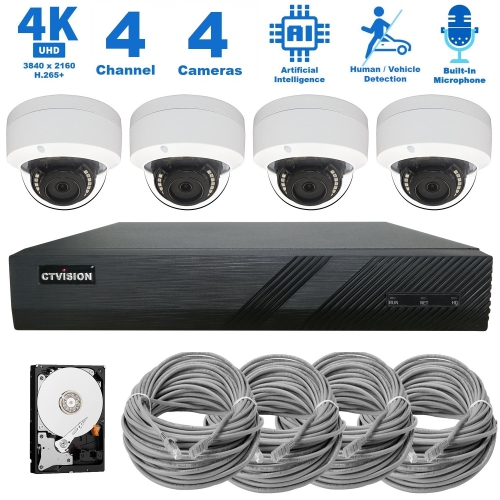
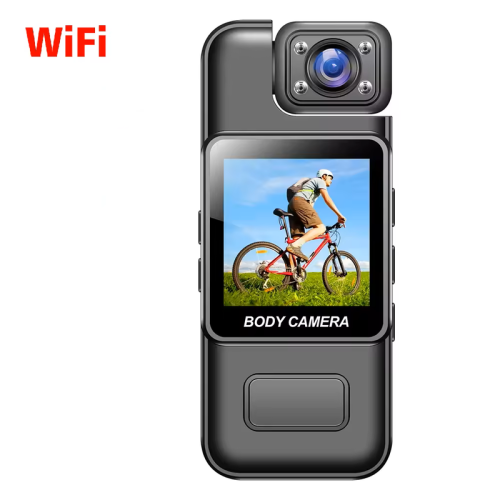
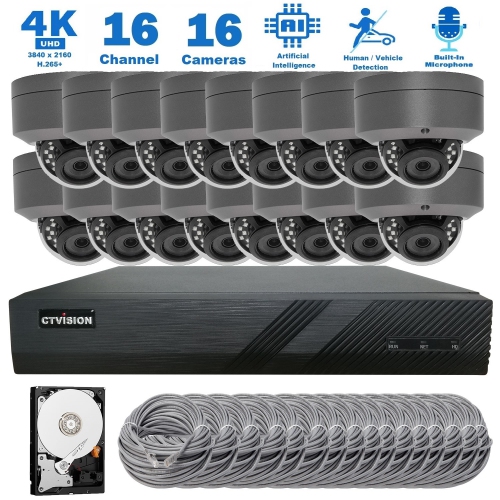
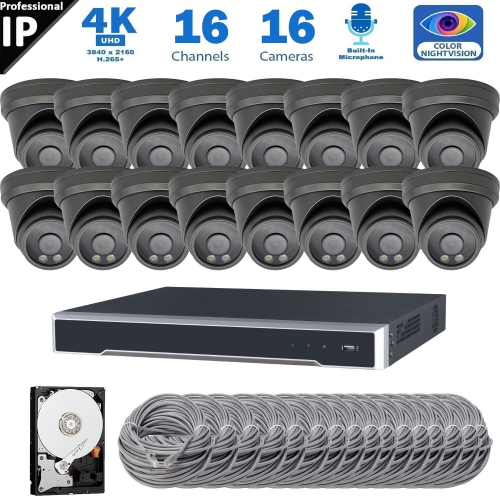
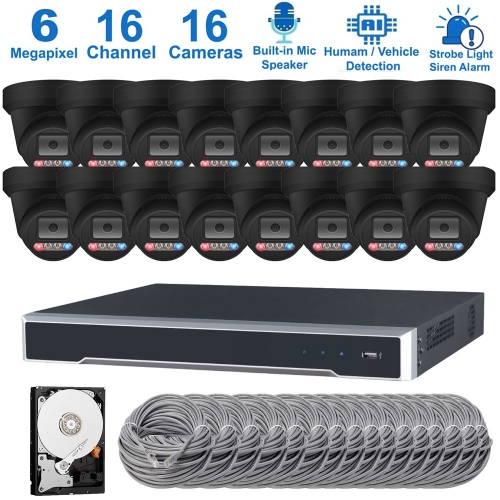
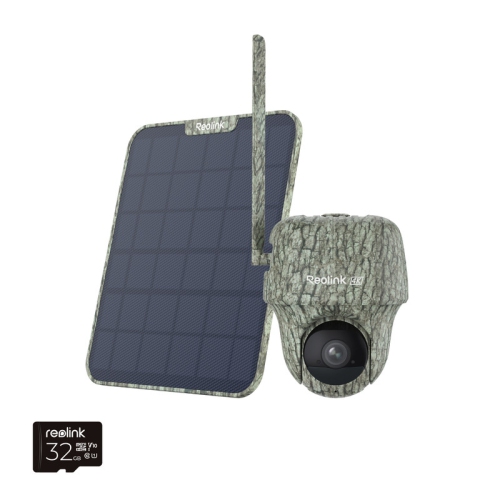
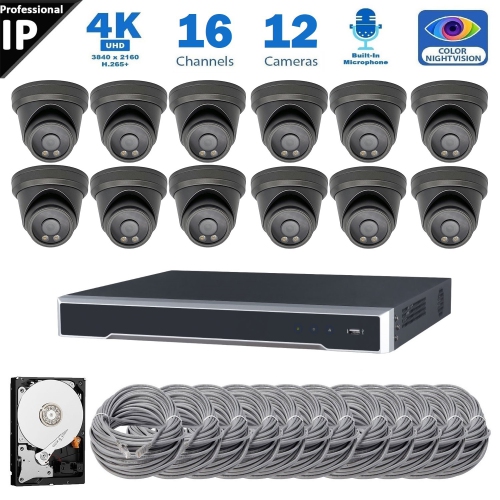
Recording, connectivity, and everyday access are just as important as the view after dark. Infrared night vision is an imaging feature, not a connection type, so it can appear in wired systems, Wi-Fi cameras, and battery-powered designs. A Wi-Fi camera still needs a power source unless it uses a battery, and a wired camera may carry video, power, or both through its cabling, depending on the system. Power over Ethernet can combine network data and power through a compatible Ethernet connection, while other setups use separate power and video connections. Battery-powered designs offer more flexibility in placement, but many prioritize motion-triggered clips rather than continuous recording, and frequent activity can shorten the interval between charges. Local storage may use a compatible memory card or recorder, while cloud storage relies on an internet connection and the service’s recording and retention settings. Card capacity, overwrite behaviour, and clip length influence how much history remains accessible. Internet interruptions can affect remote viewing and cloud uploads; whether recording continues locally depends on the camera and its configuration. For households and small businesses comparing Infrared Security Cameras, compatibility with existing recorders, supported storage, and access permissions can matter as much as night vision range. Motion alerts are most useful when they correspond to the area that actually needs attention, such as a side entrance rather than every movement along a public path. Detection zones, notification schedules, and person or animal detection, where supported, can help reduce irrelevant alerts without promising perfect accuracy. Two-way audio may allow a conversation with a visitor, but sound recording also brings privacy considerations, especially in shared spaces. Strong account passwords, multi-factor authentication where offered, and supported software updates help protect access to footage. A camera’s practical value ultimately comes from a clear view of the right area, dependable recording, and controls that suit the people using it, whether the purpose is checking a doorway, watching a pet’s usual resting spot, or reviewing activity around a workspace.
Top selling and popular products
-
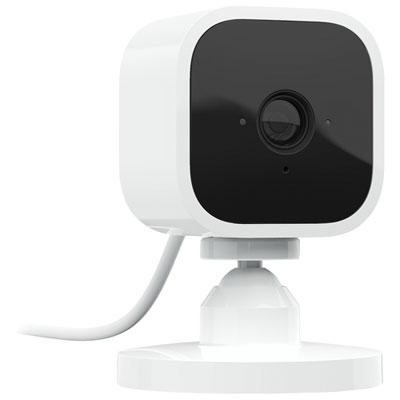 Your price for this item is $14.97
-
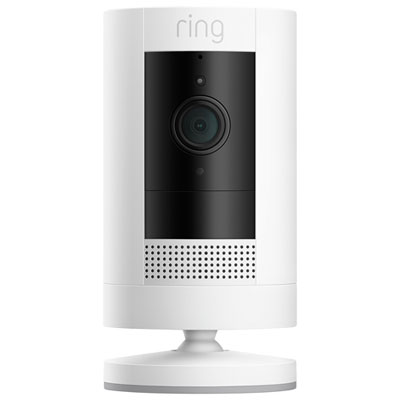 Your price for this item is $109.99
-
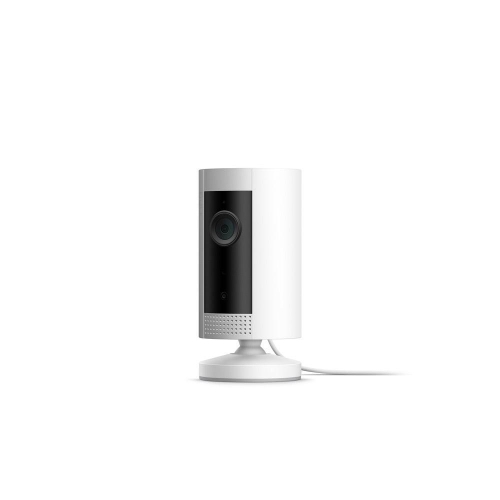 Your price for this item is $79.25
-
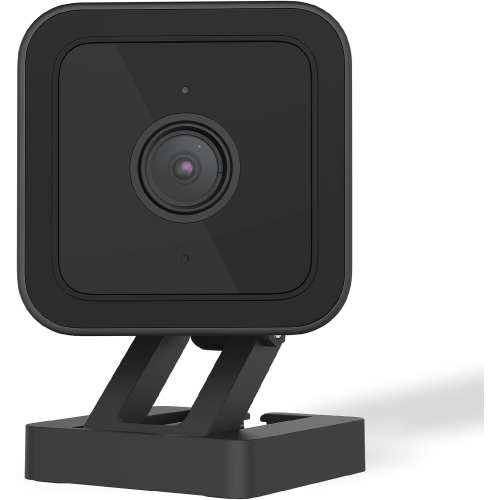 Your price for this item is $95.99
-
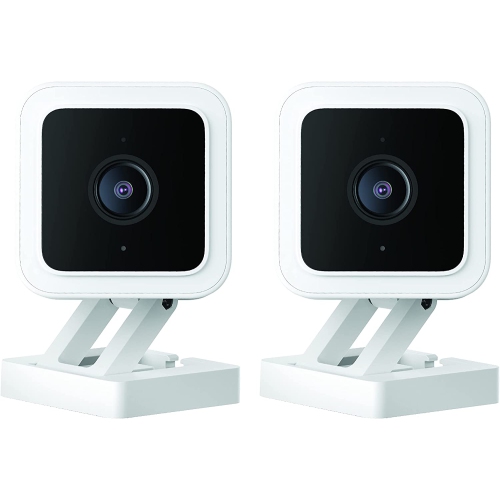 Your price for this item is $110.48
-
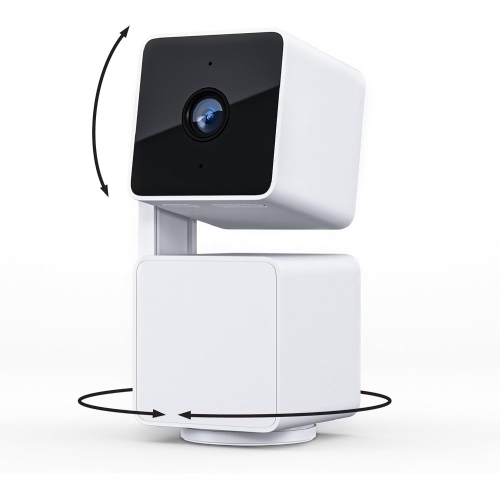 Your price for this item is $110.99
-
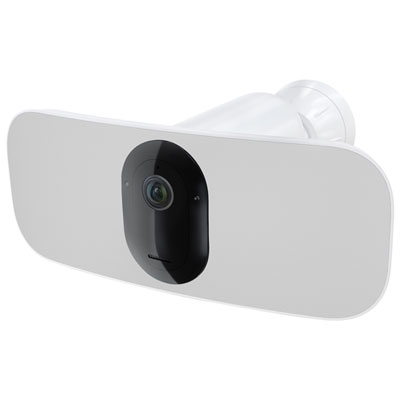 Your price for this item is $329.95
-
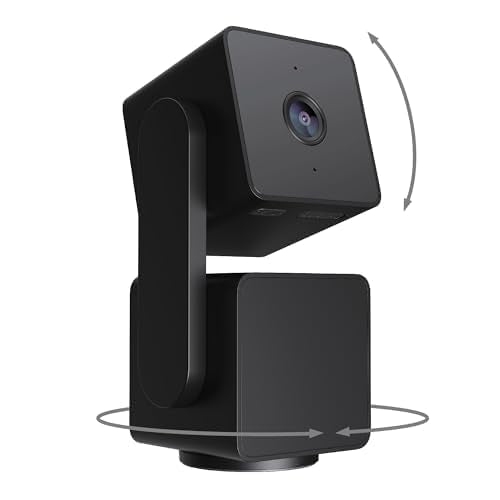 Your price for this item is $105.99