Infrared Security Cameras
Enhance the security of your home or business with this range of infrared security cameras. Designed to provide exceptional surveillance day and night, these cutting-edge cameras utilize infrared technology to capture clear and detailed footage even in low-light conditions. With their advanced features and high-resolution imaging, these infrared security cameras offer peace of mind by keeping a watchful eye on your property.
Sort
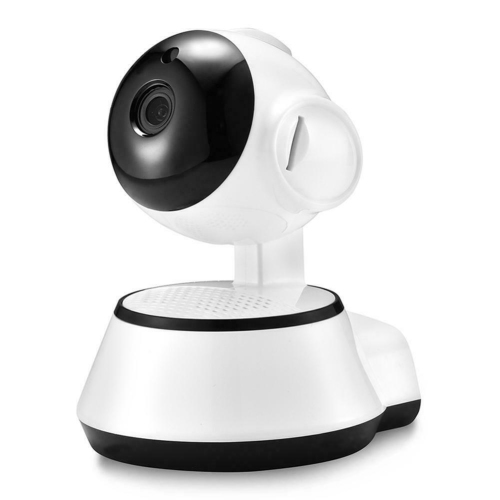

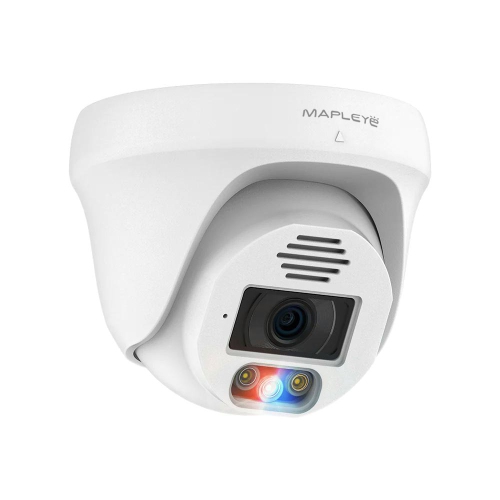
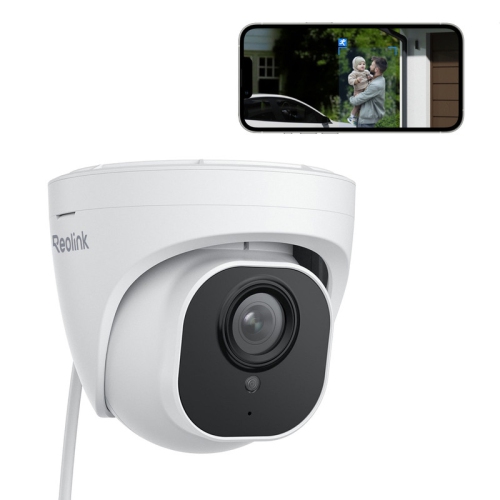
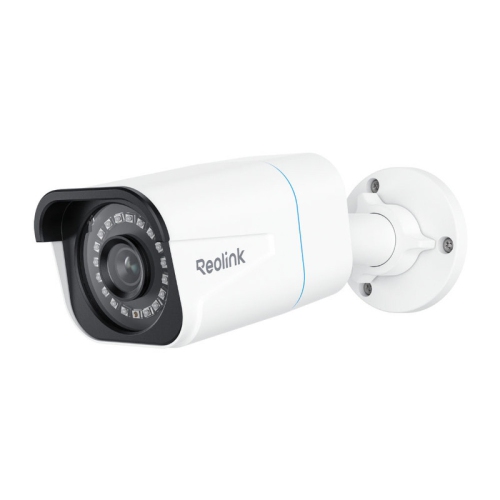
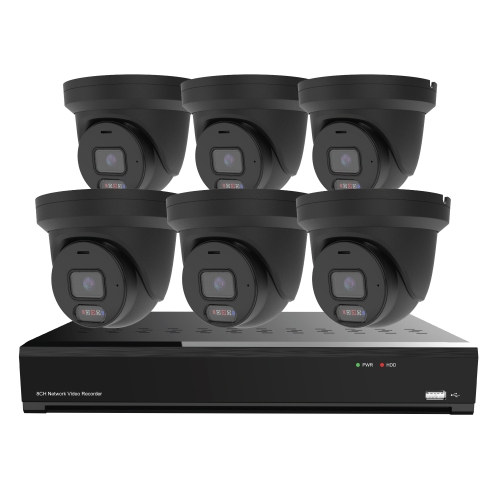

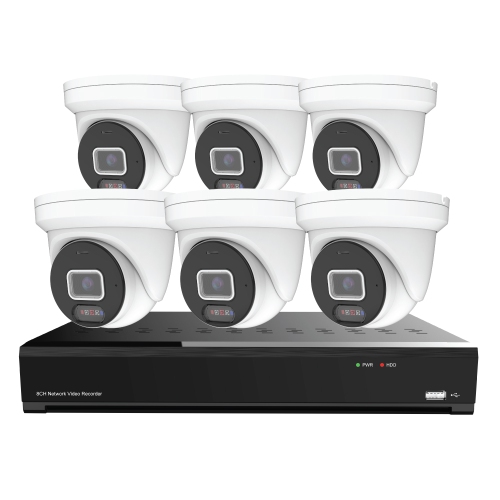

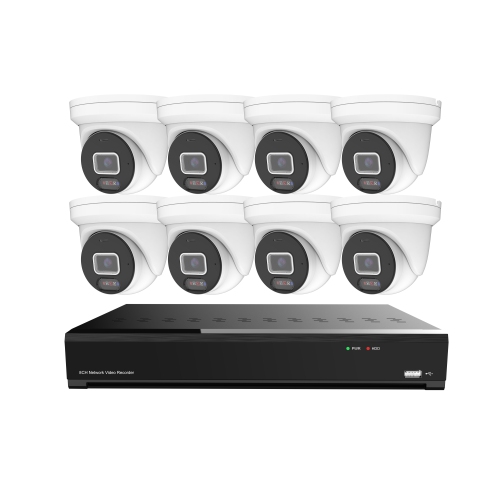

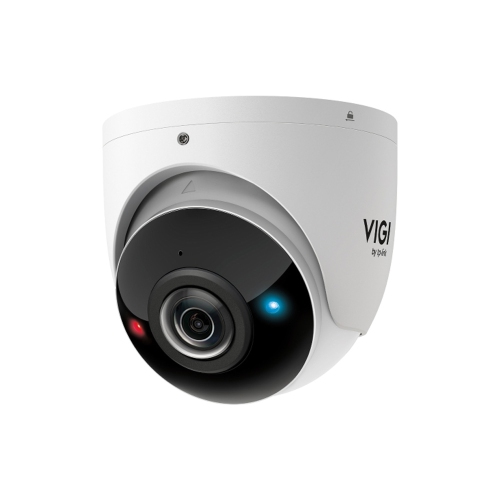
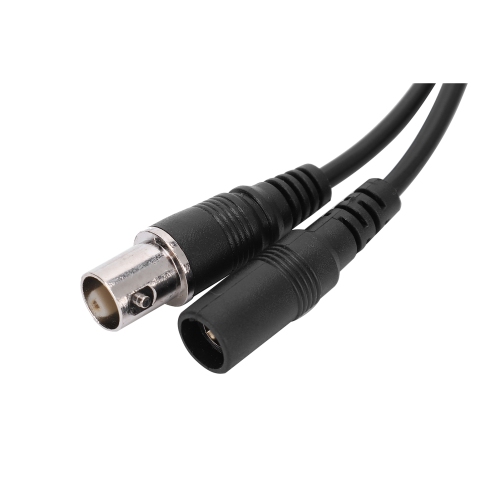
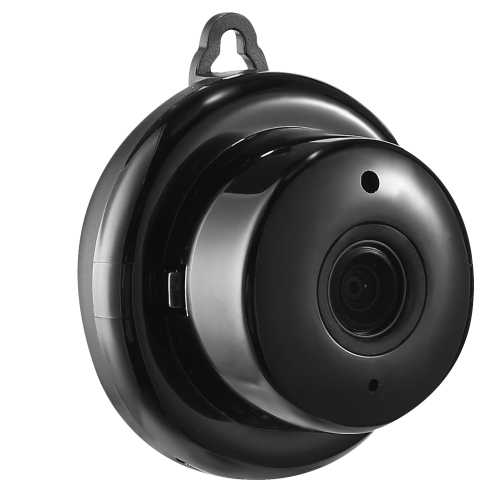
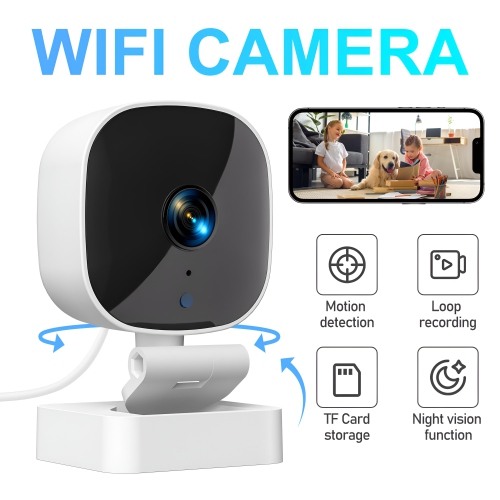
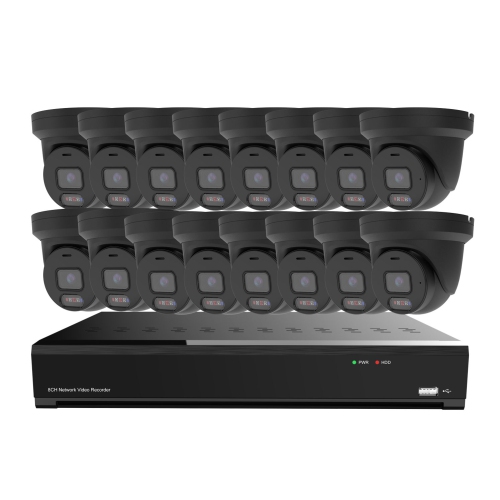
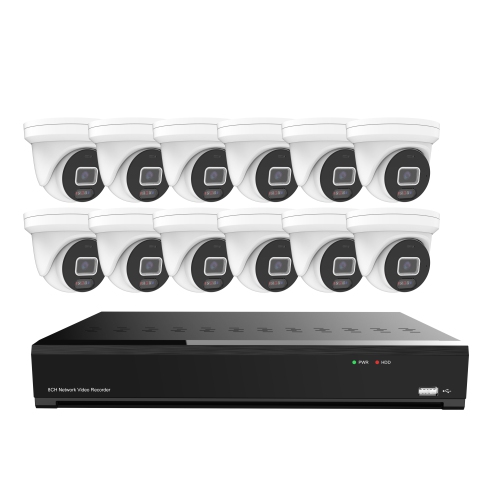
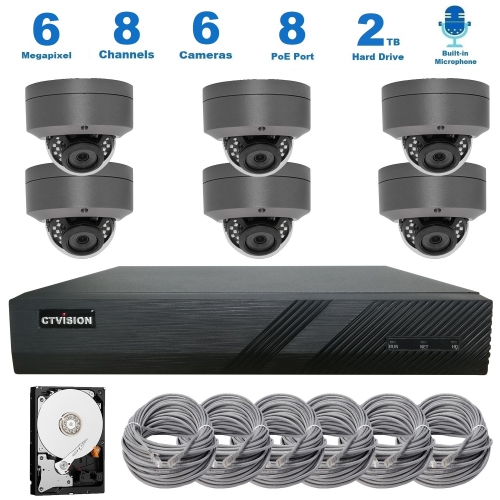
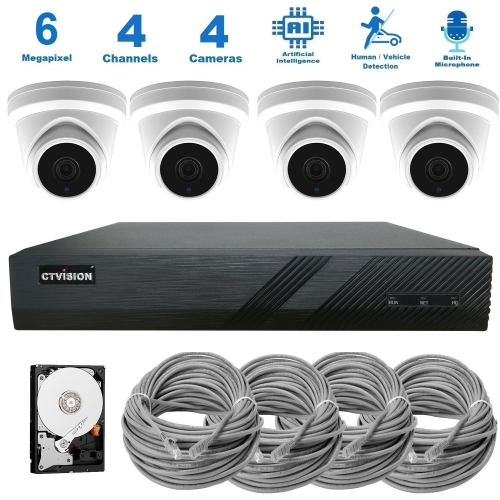


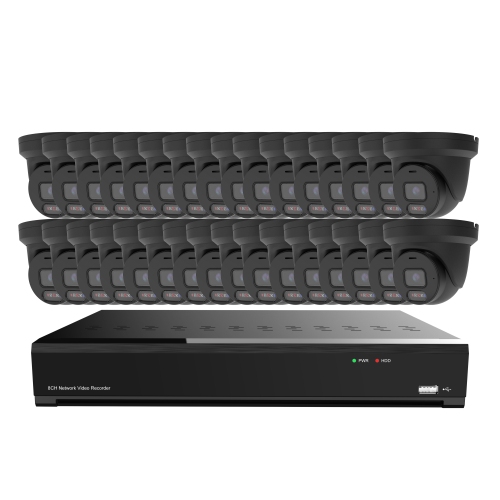



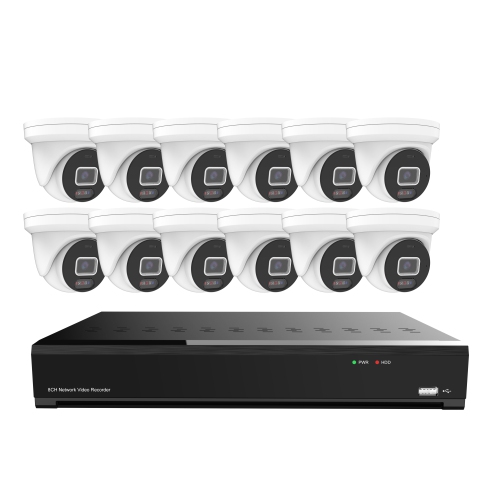
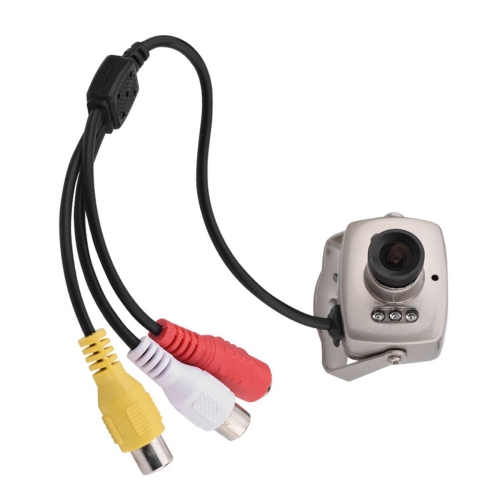

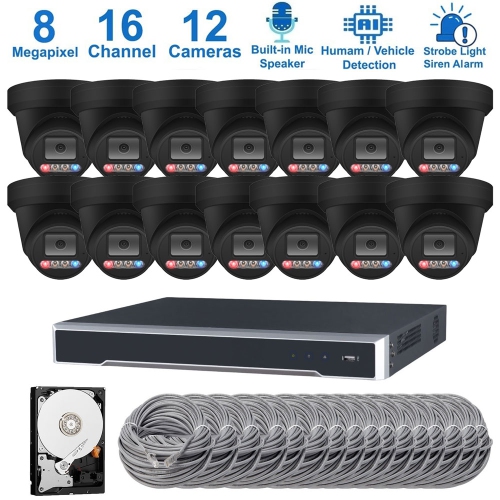
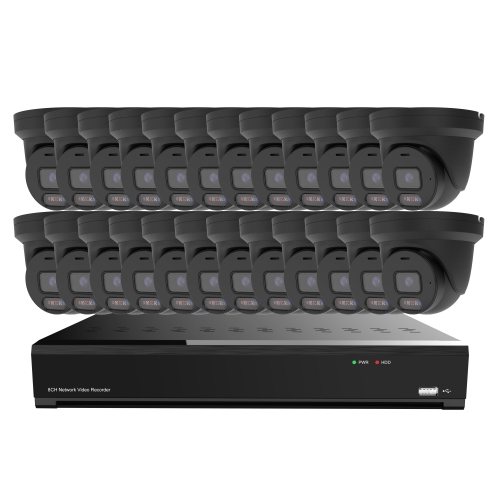
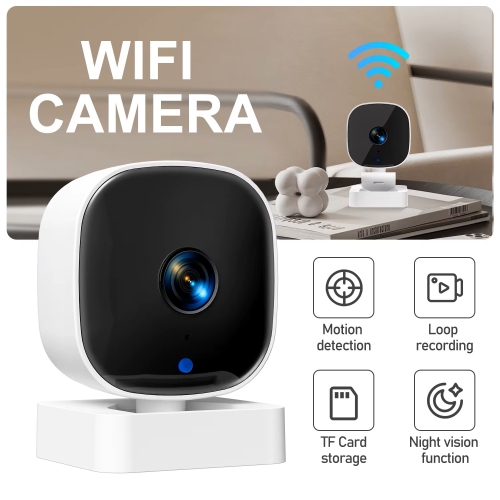
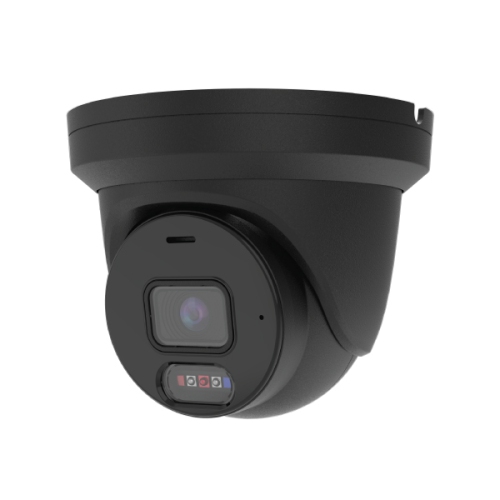
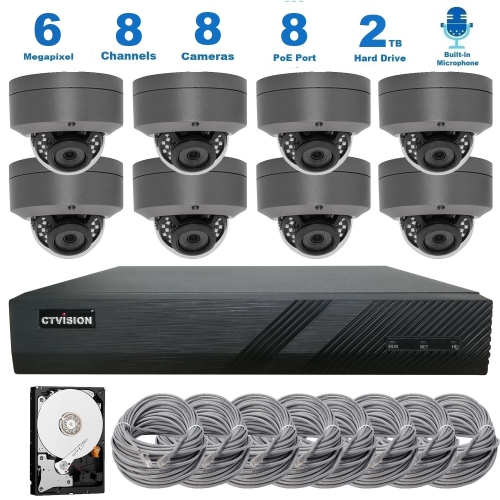
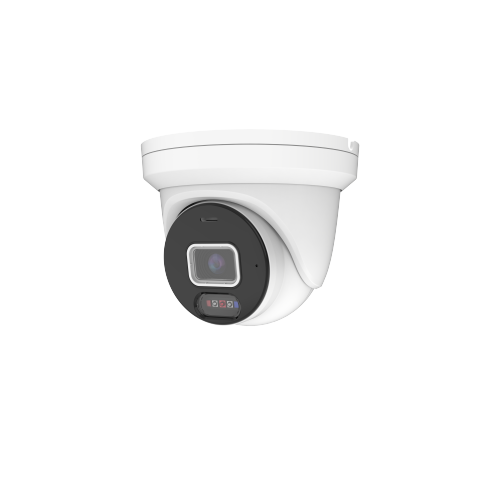
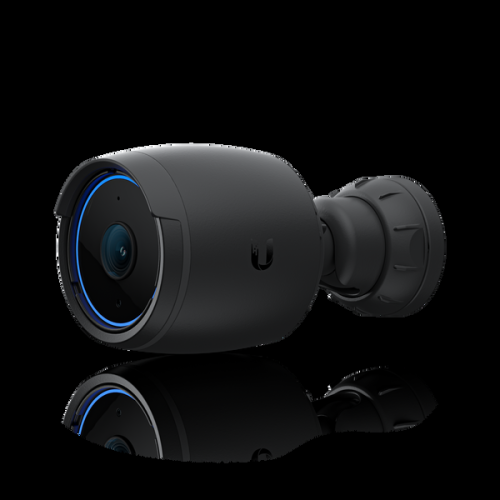
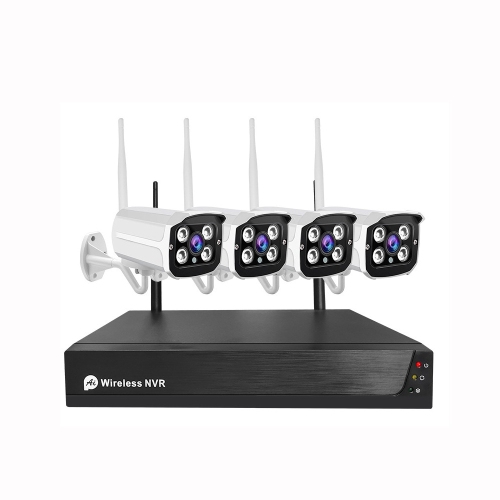
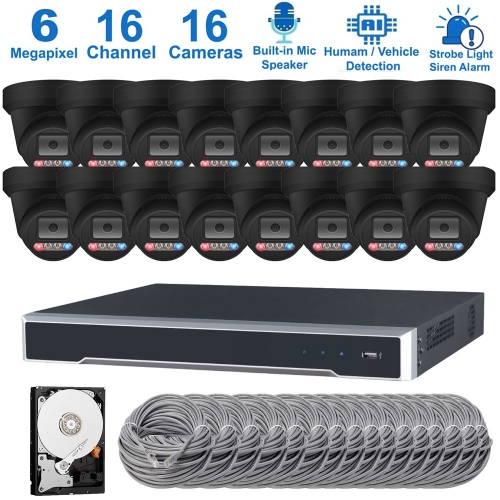
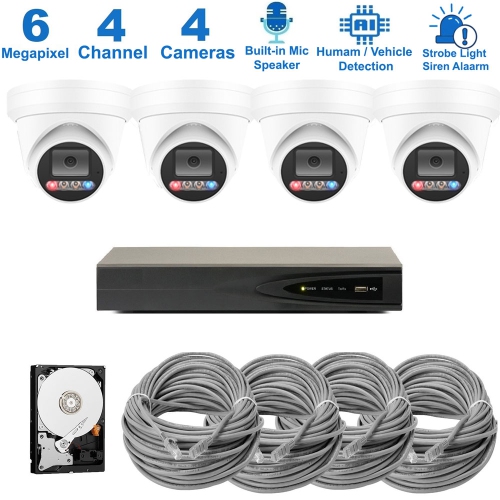
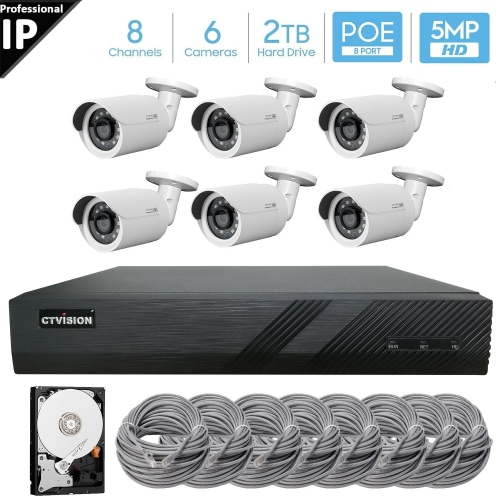
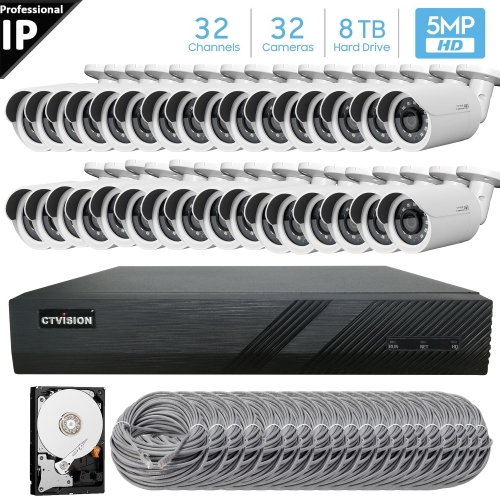
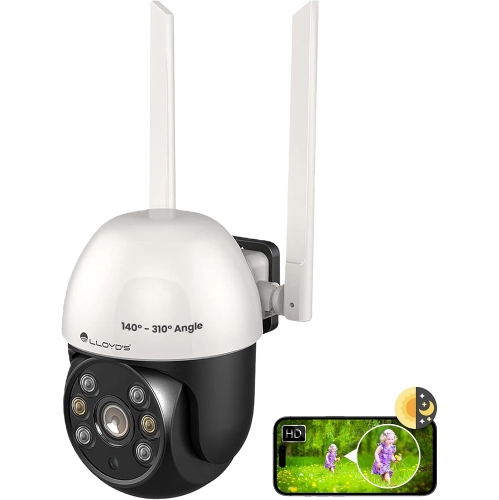

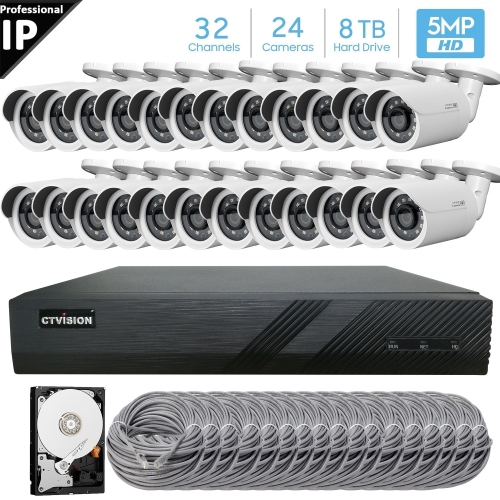
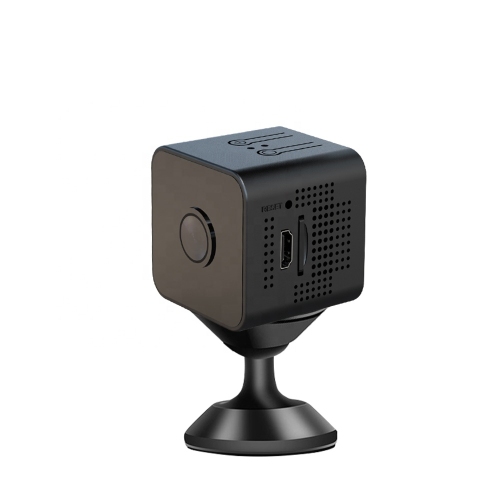
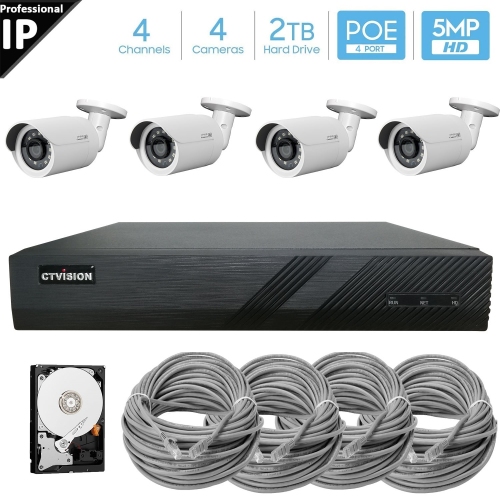

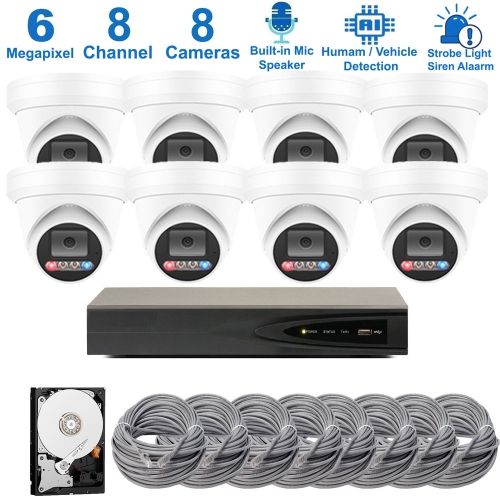
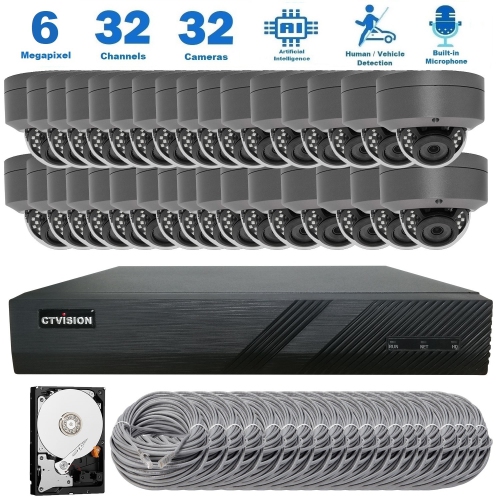
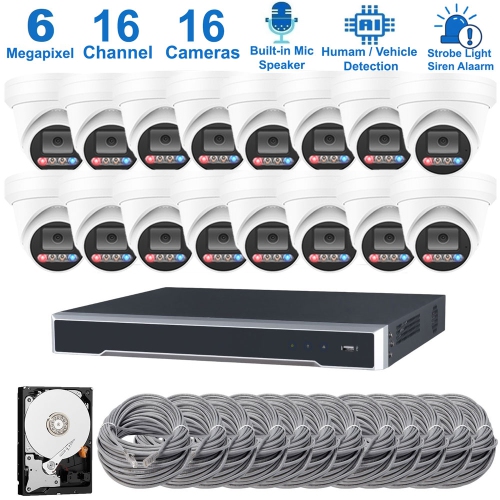
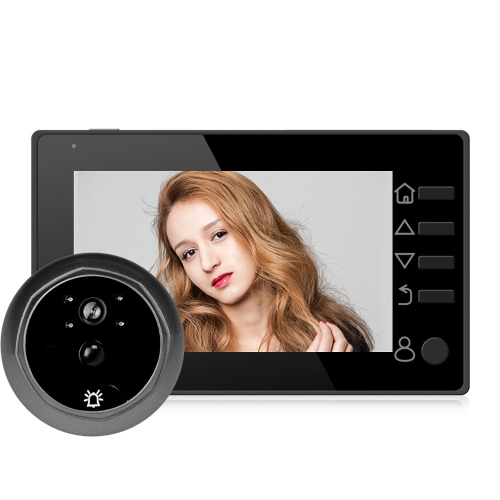
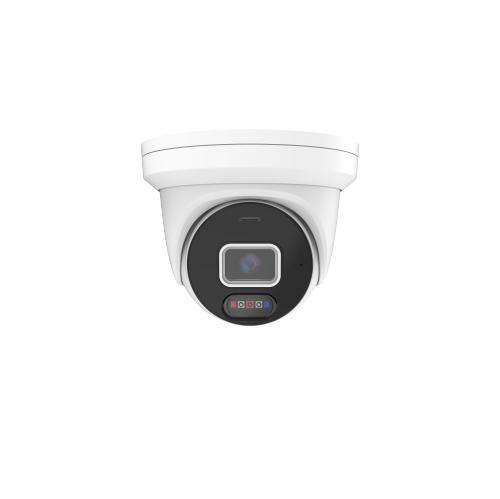
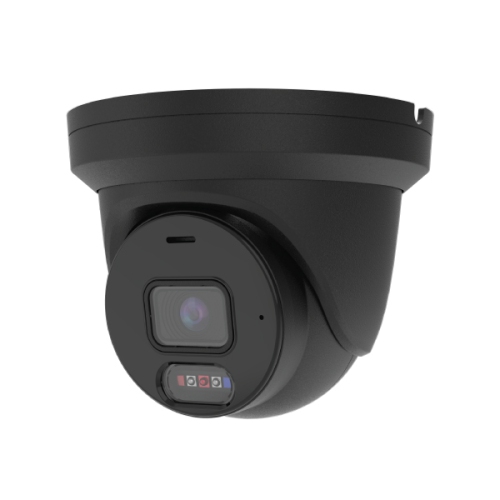

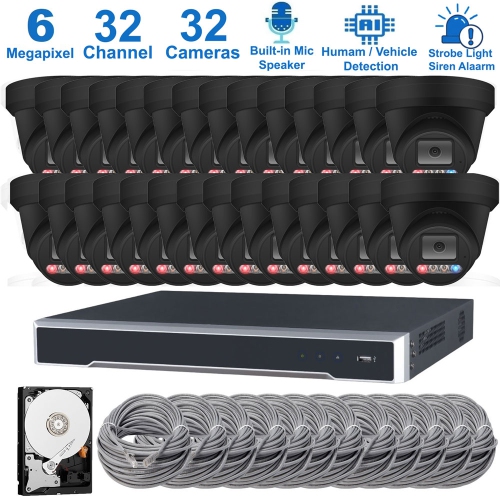

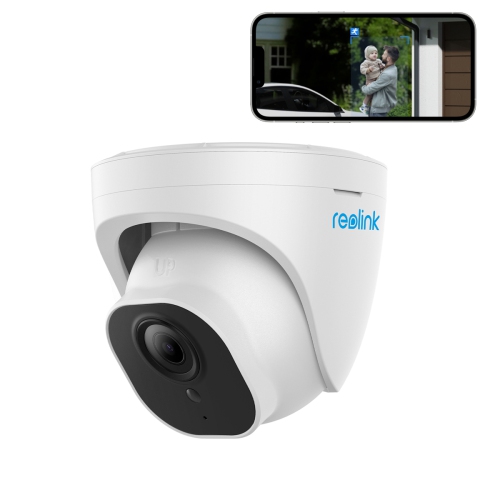
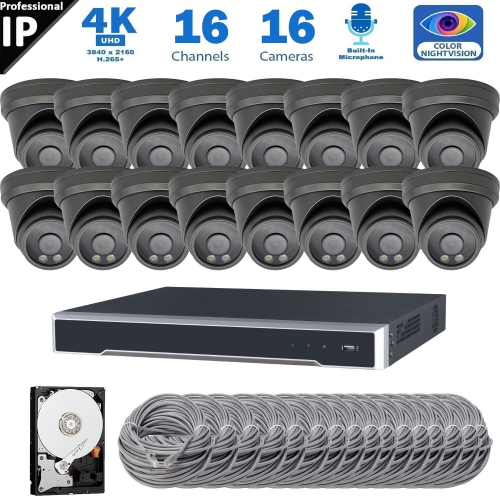

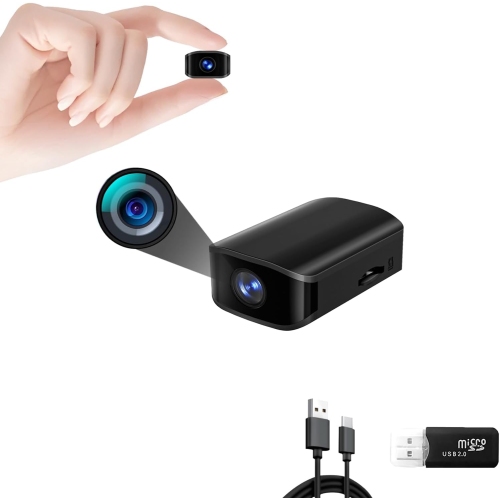


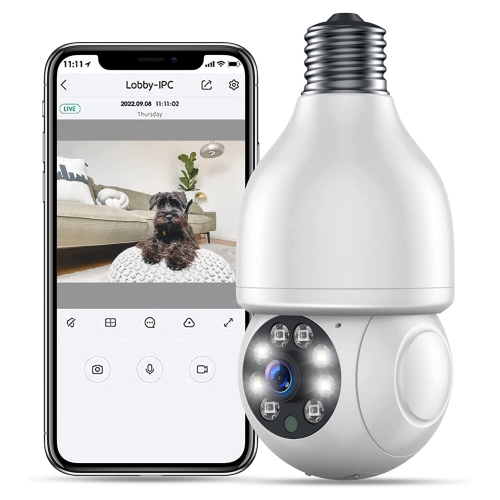
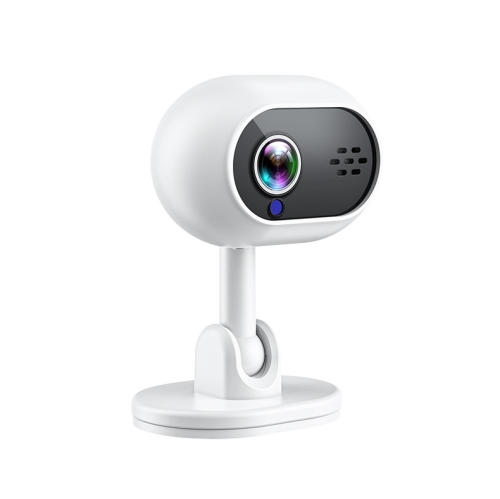
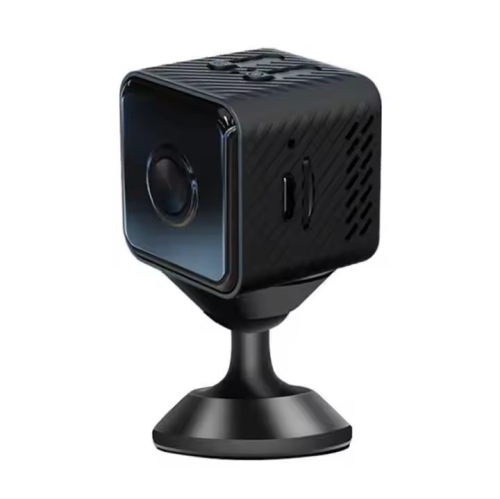
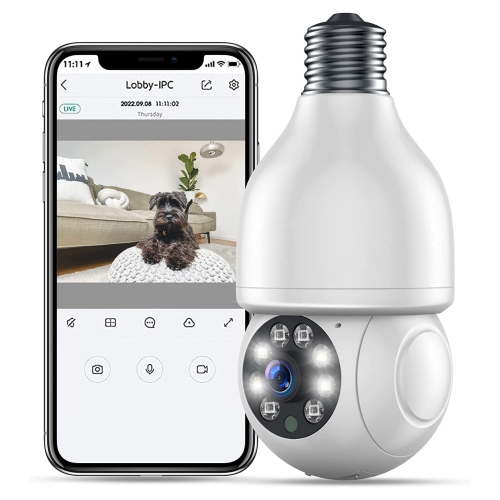
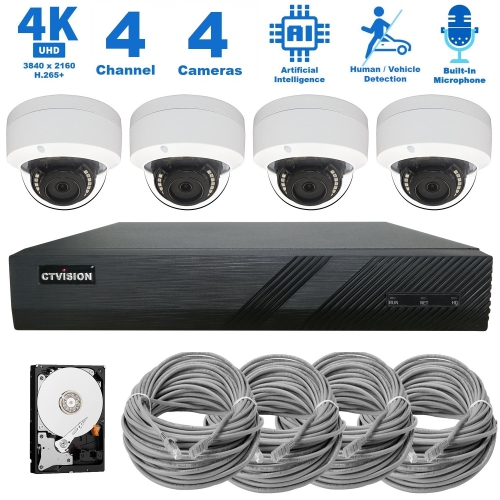
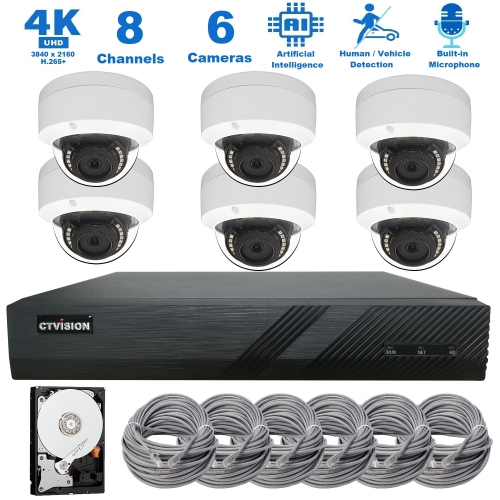
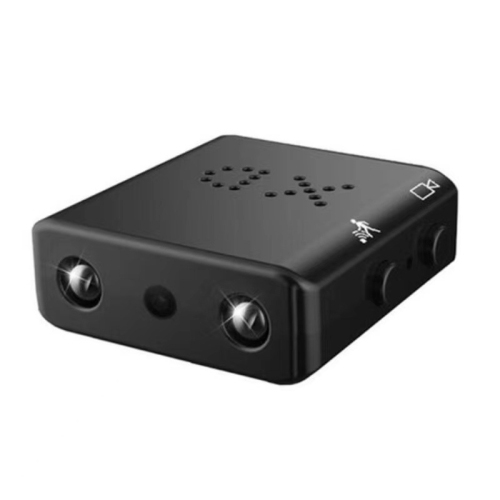
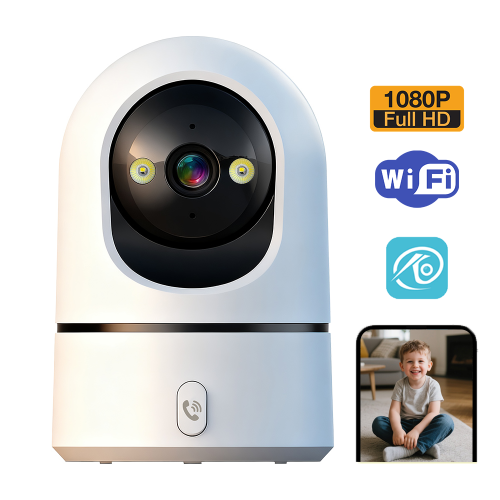
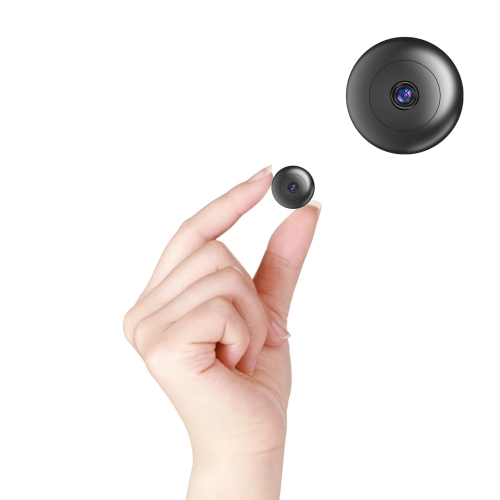
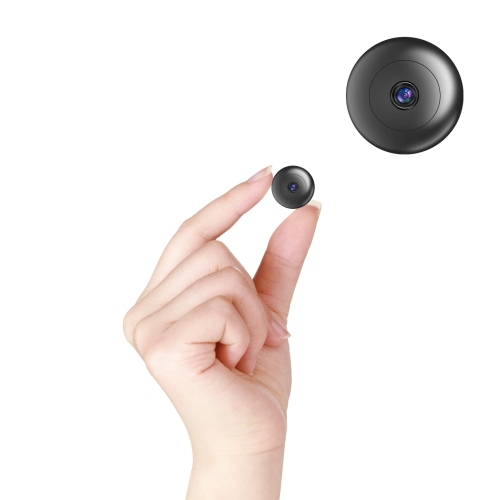
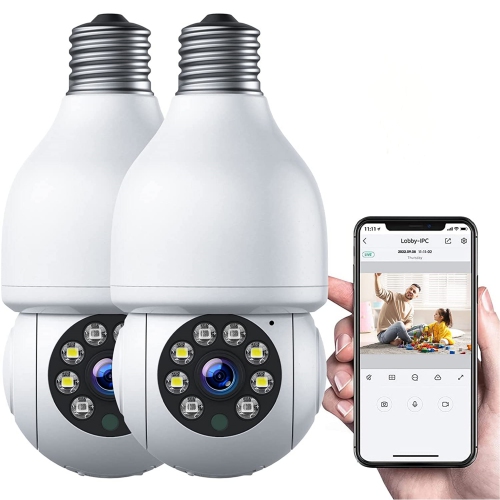

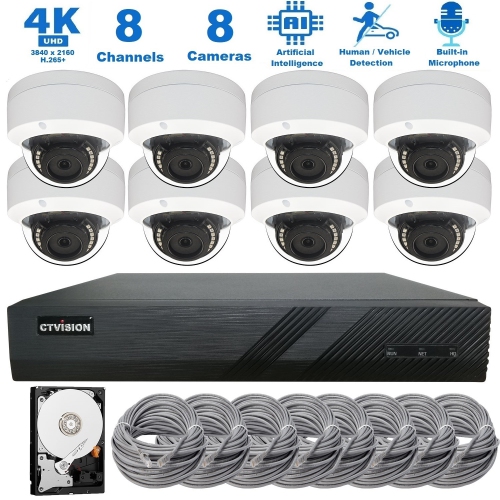

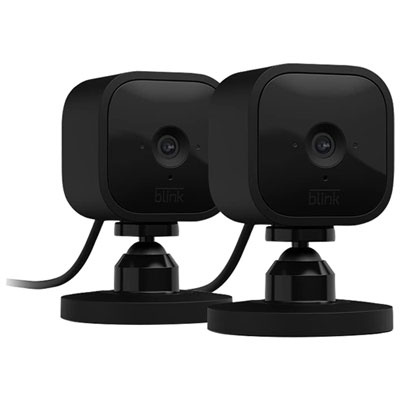
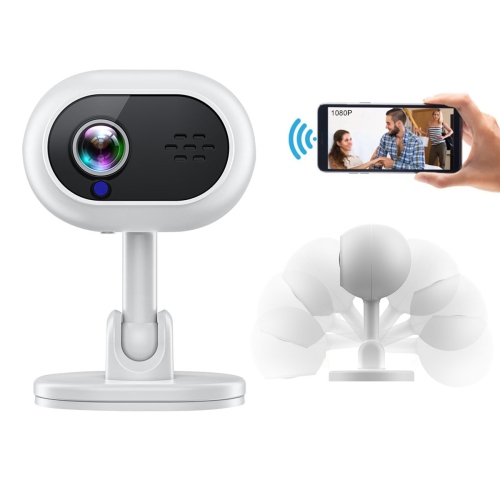
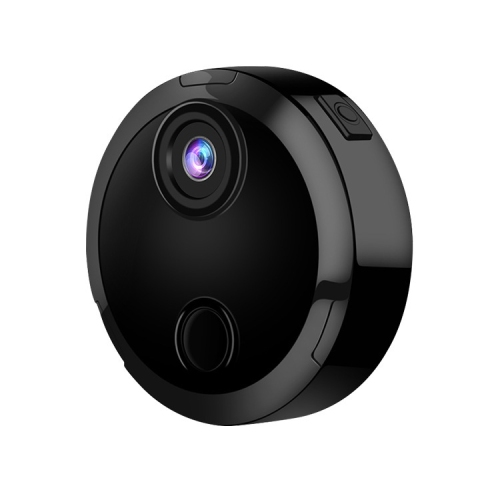
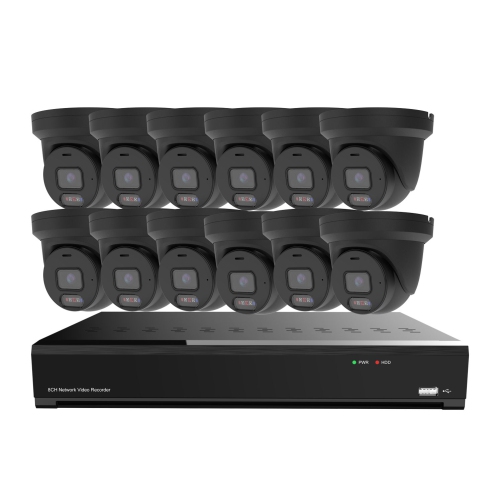
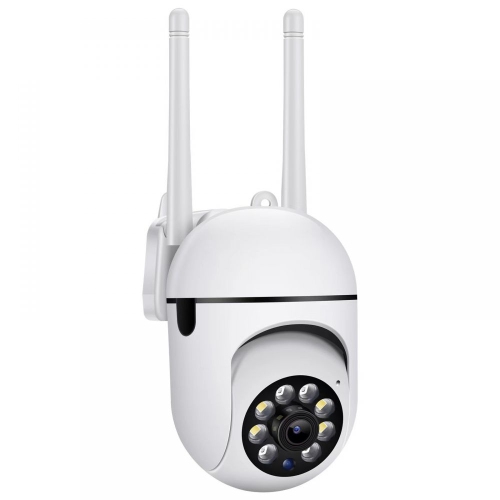

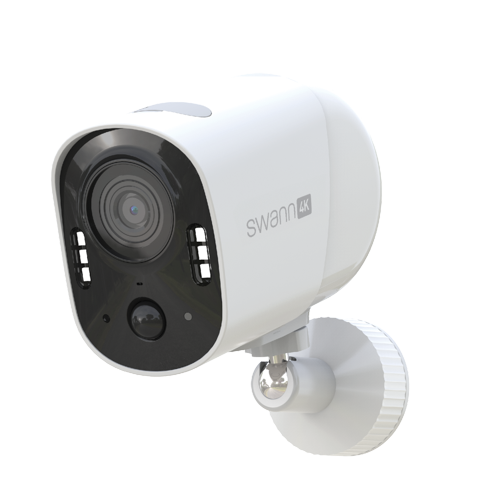
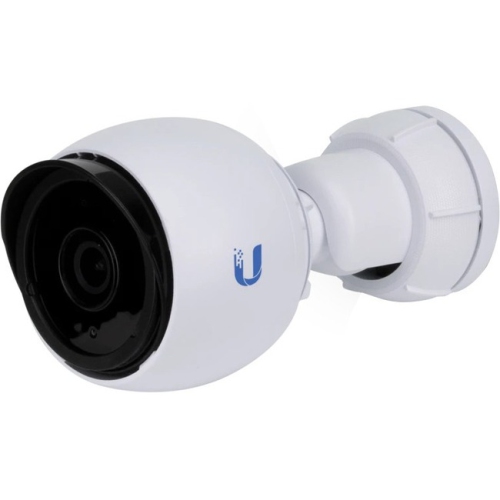



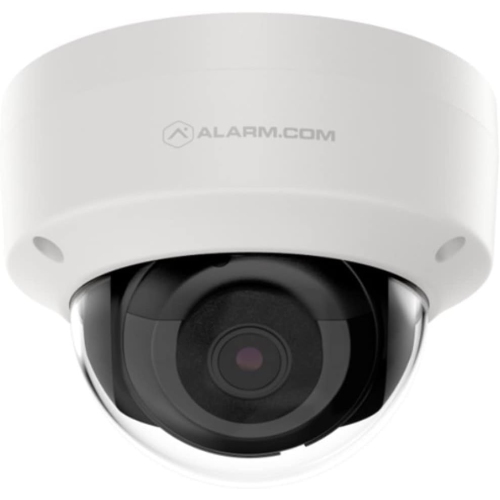


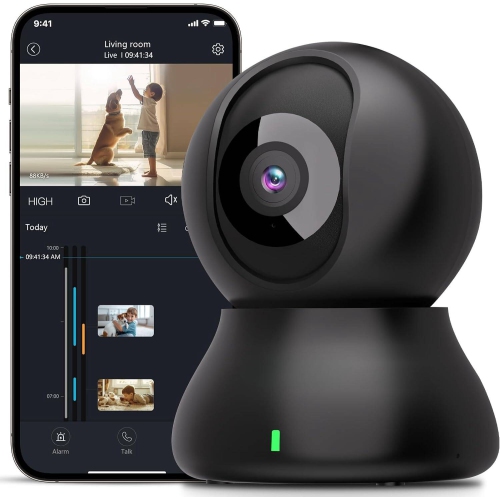
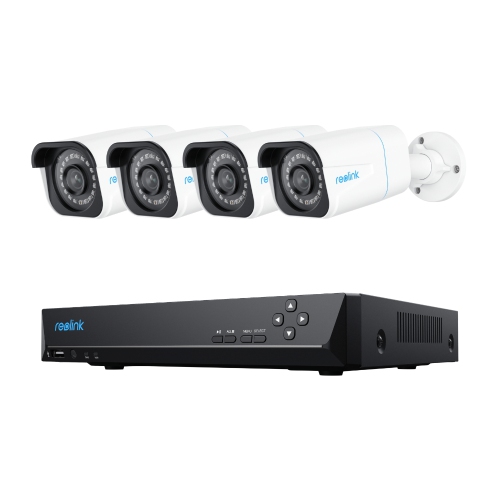
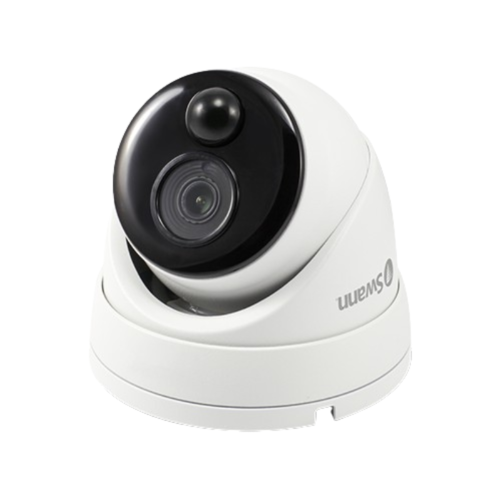
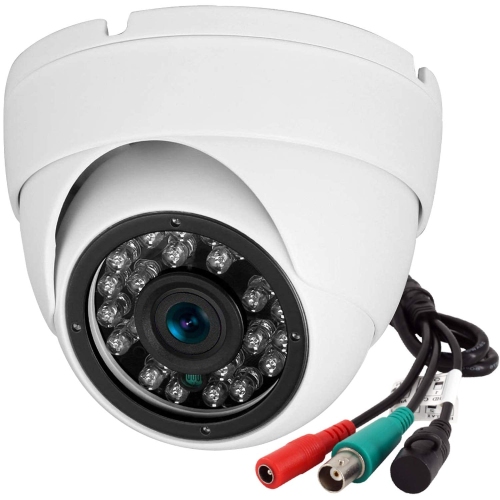


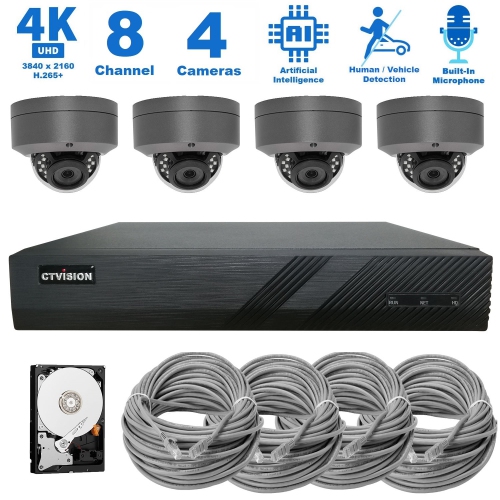
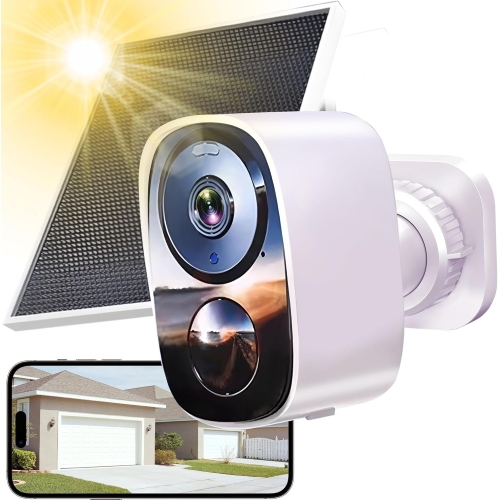
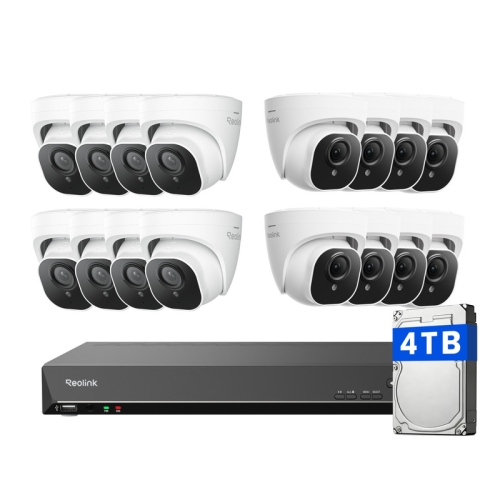
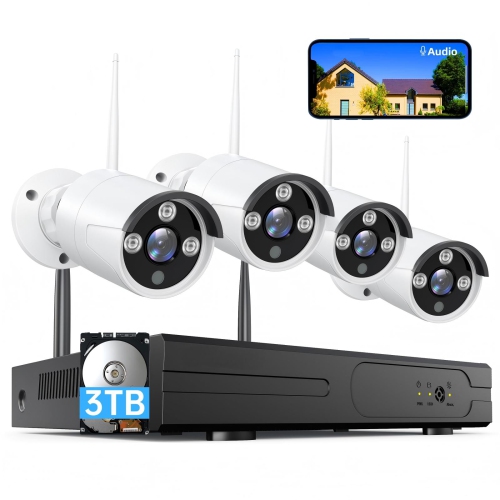
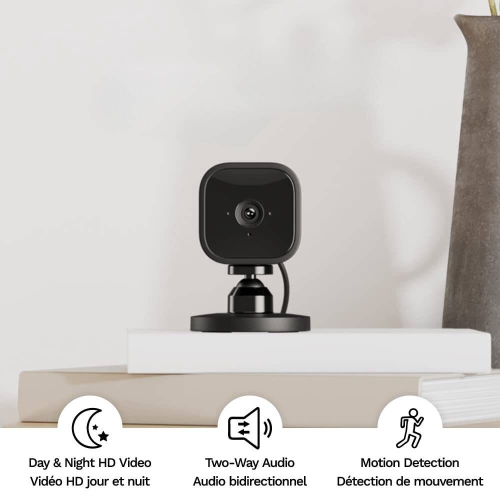
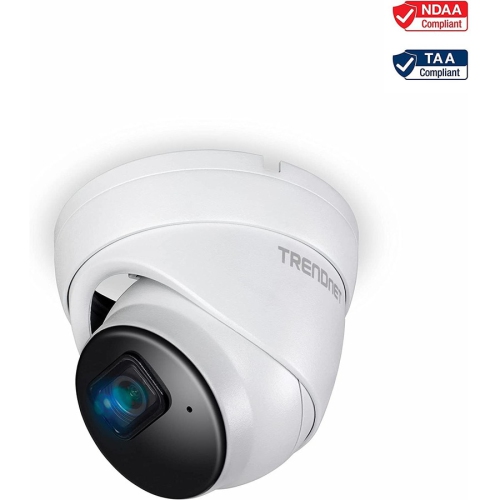
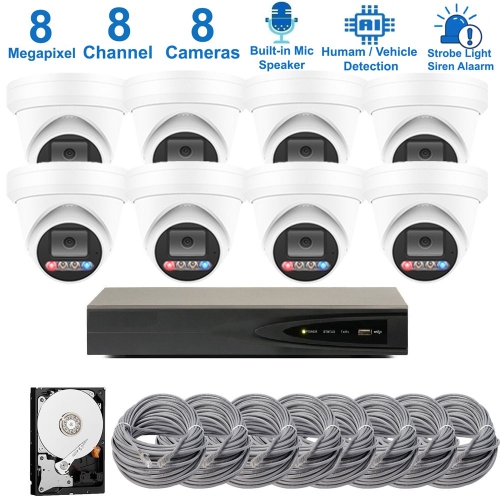

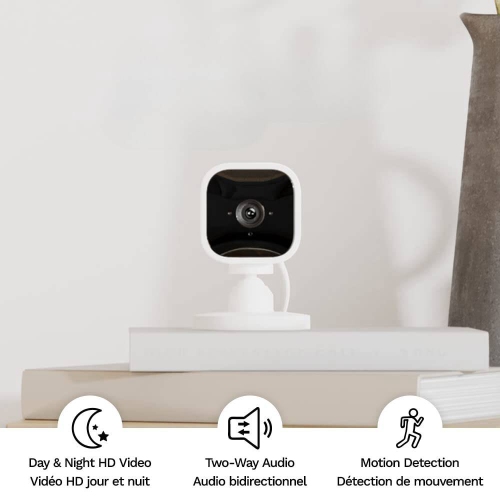
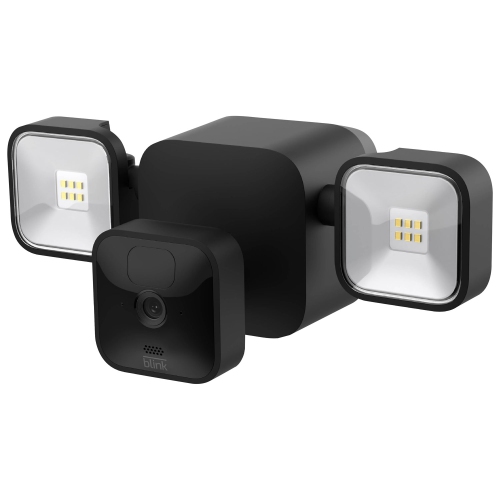
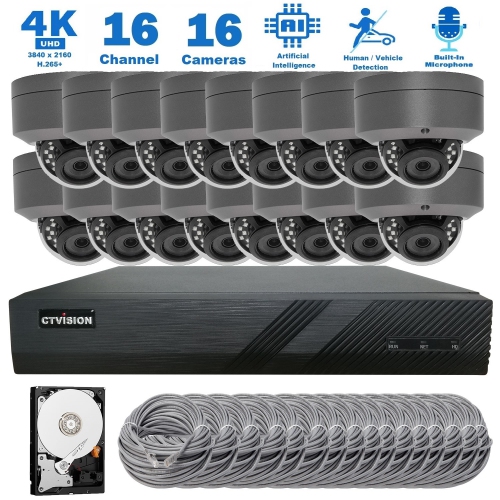
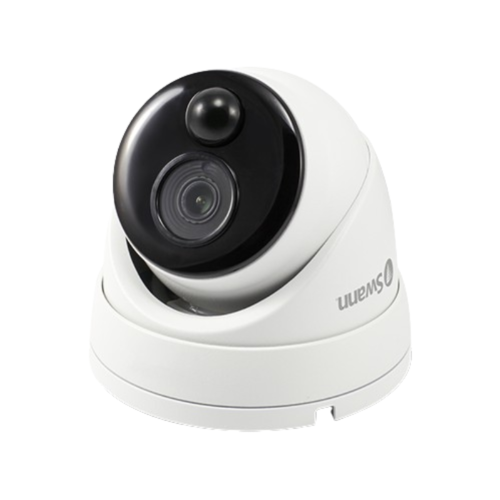

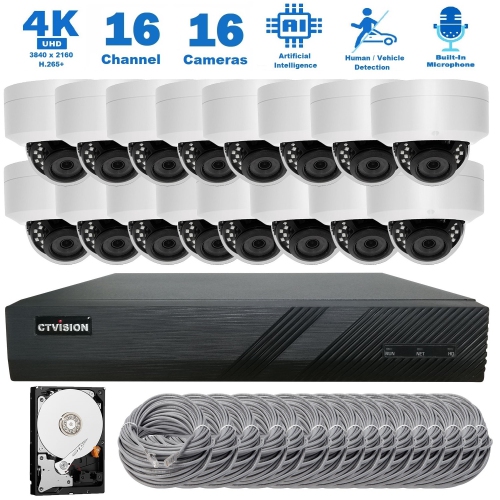
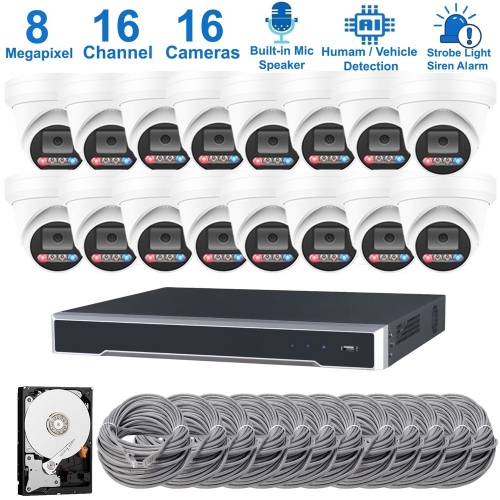
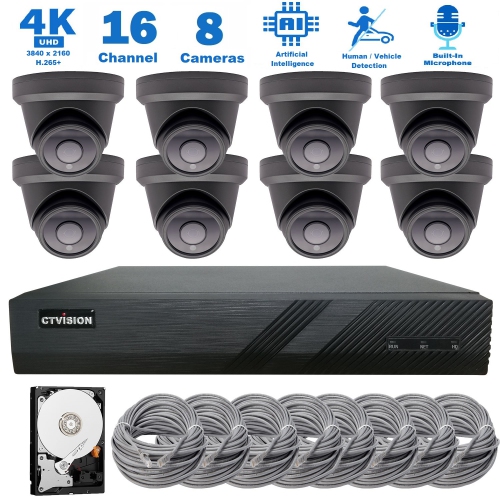
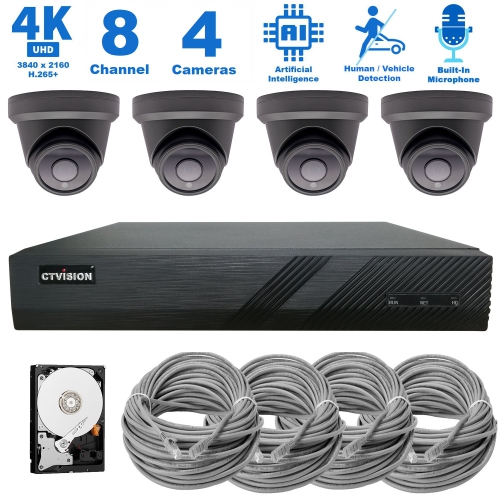

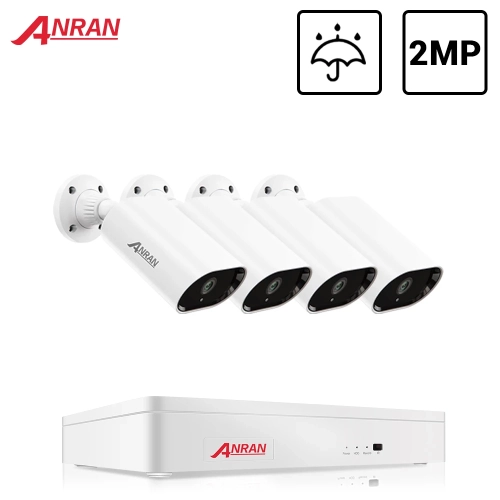
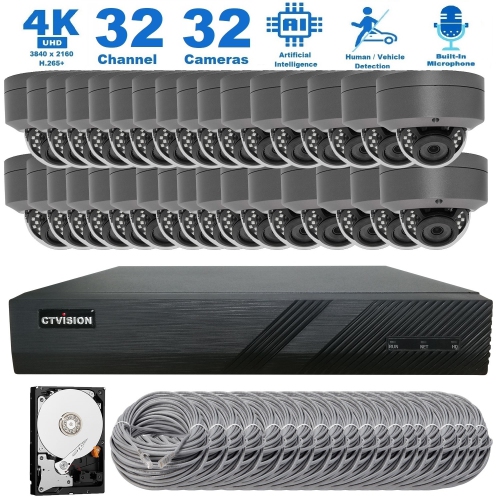
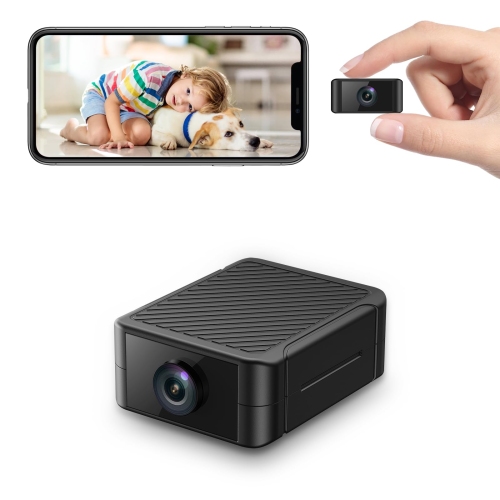
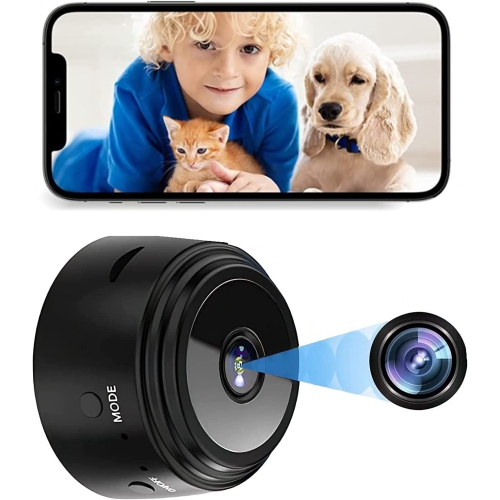
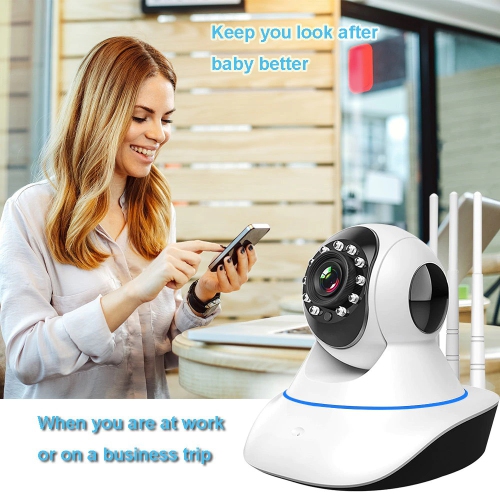
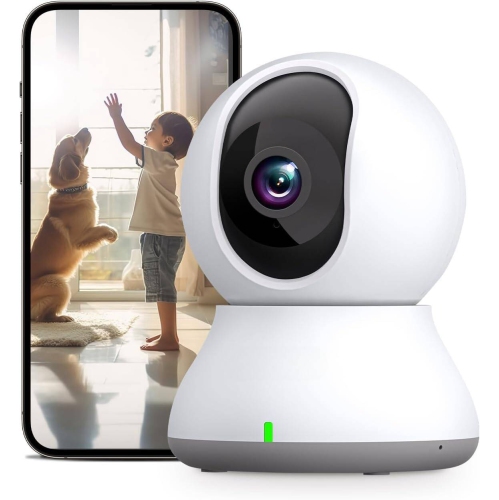
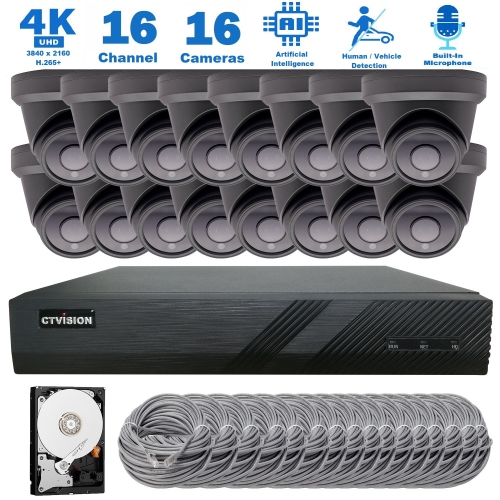
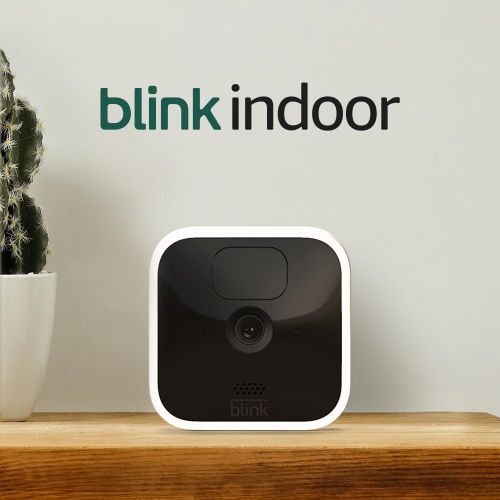

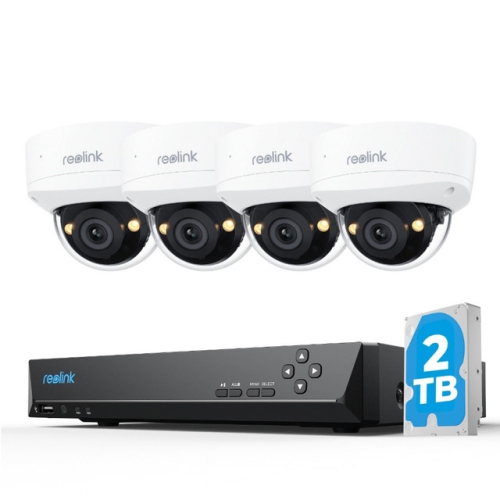
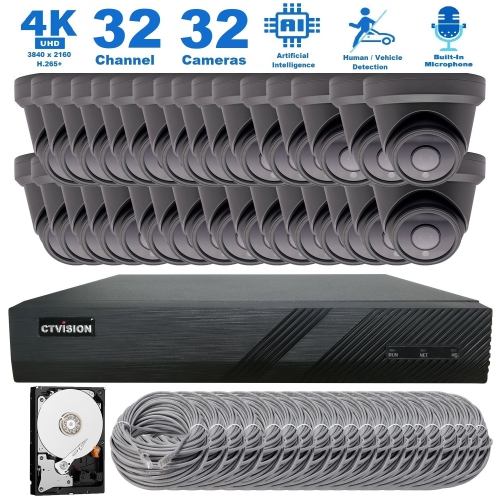
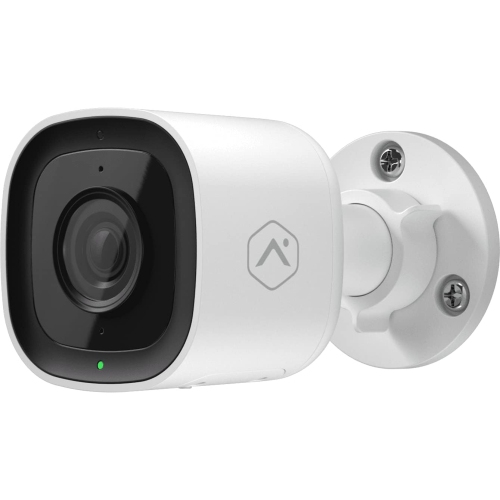
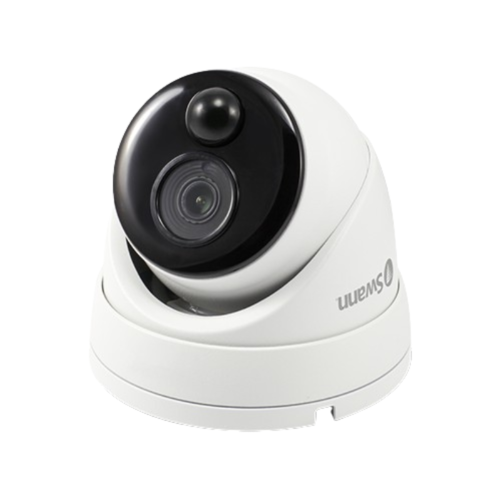

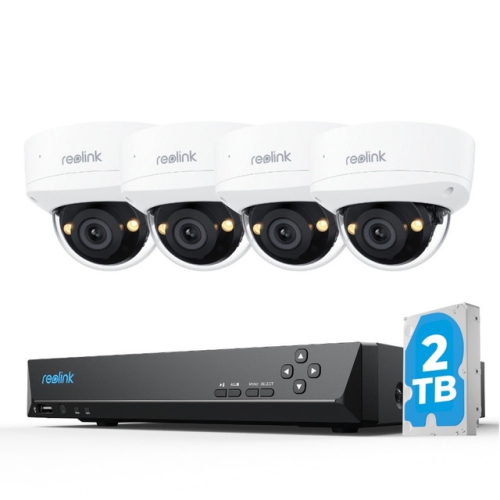

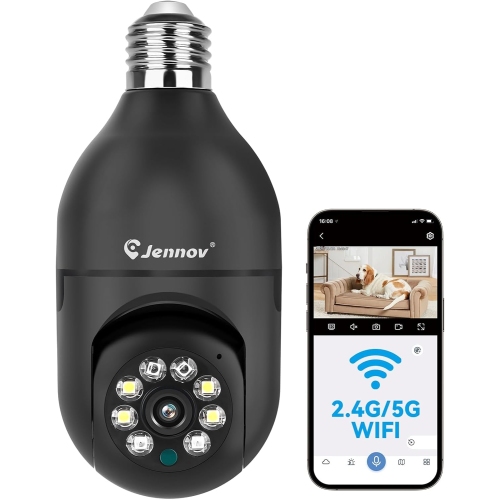
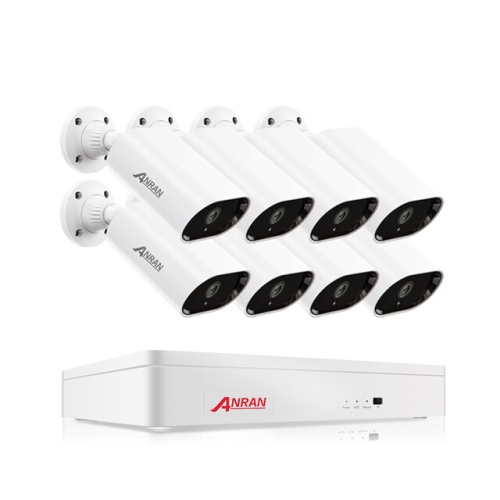
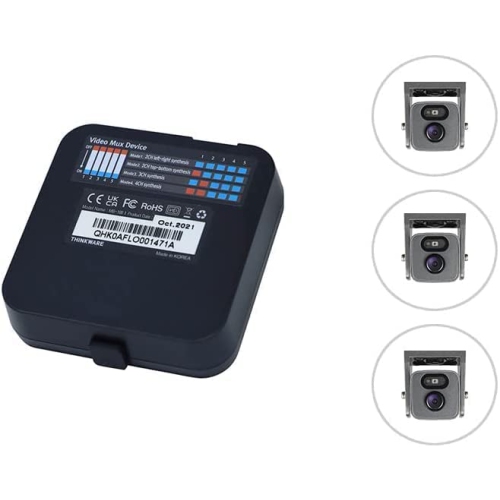

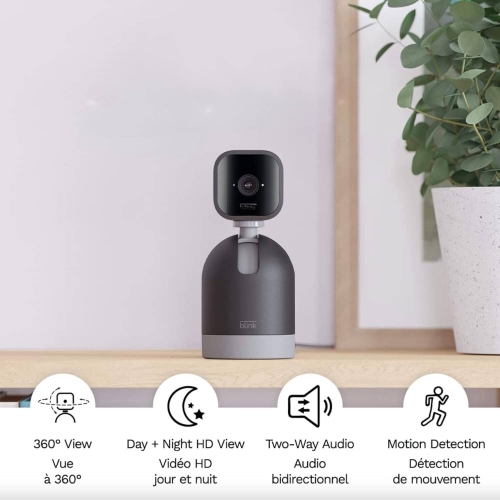
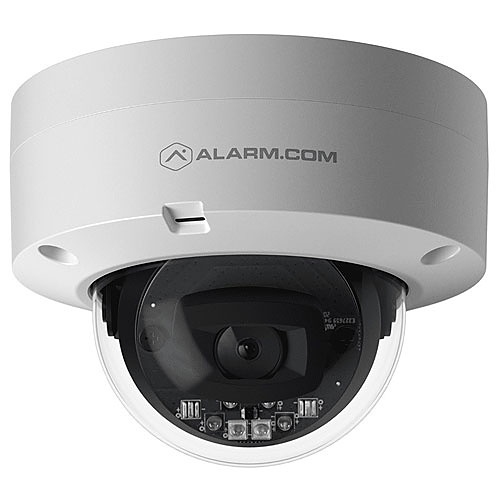
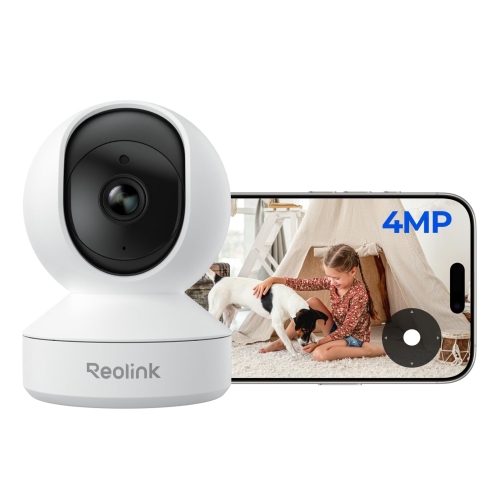
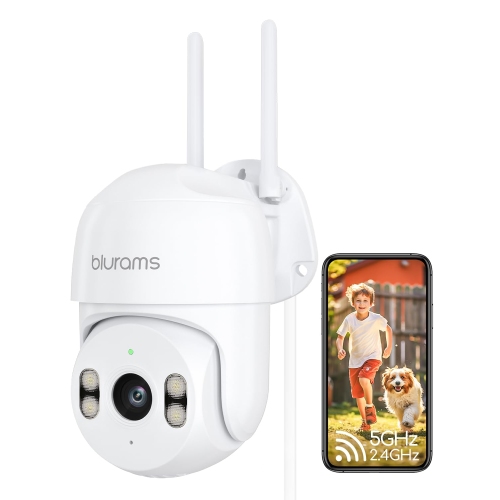
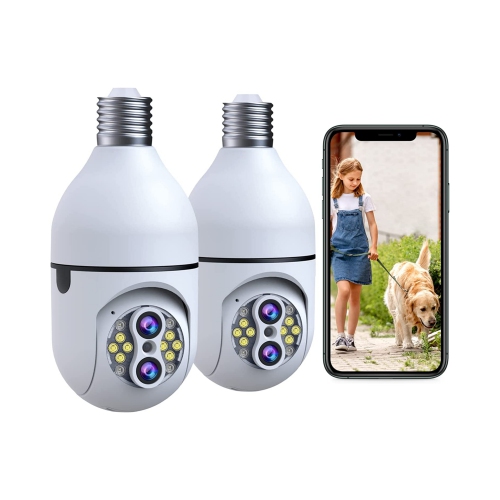
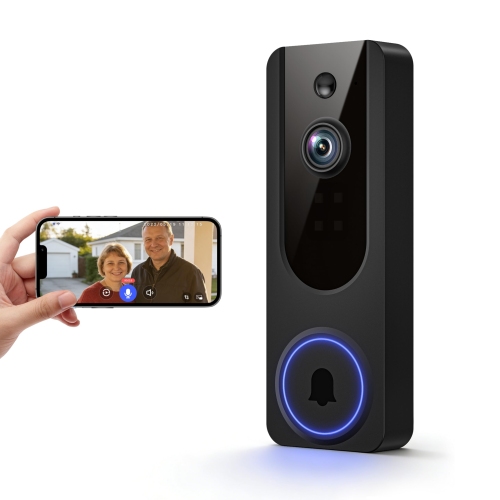
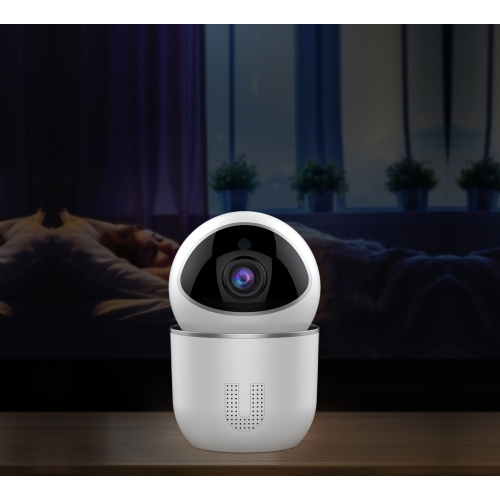

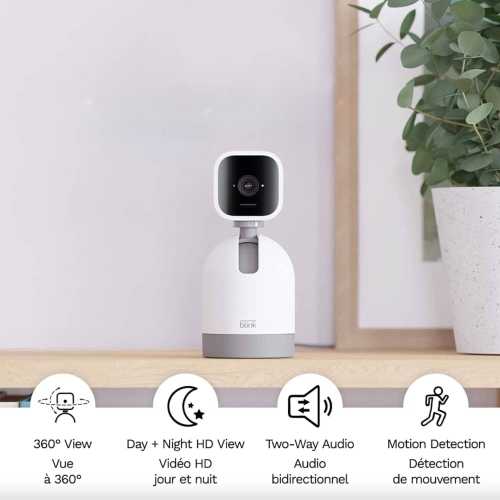





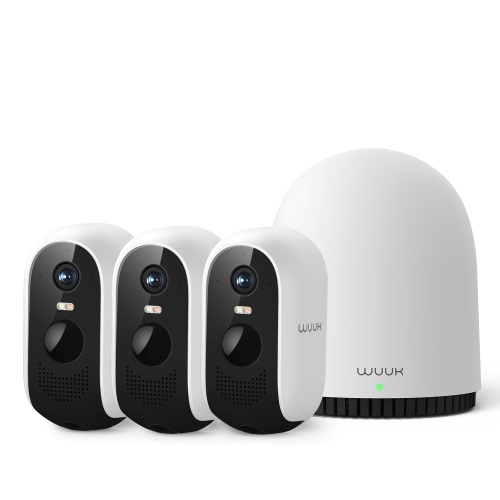
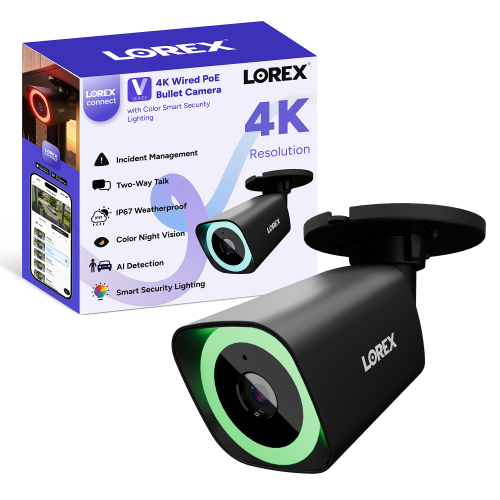
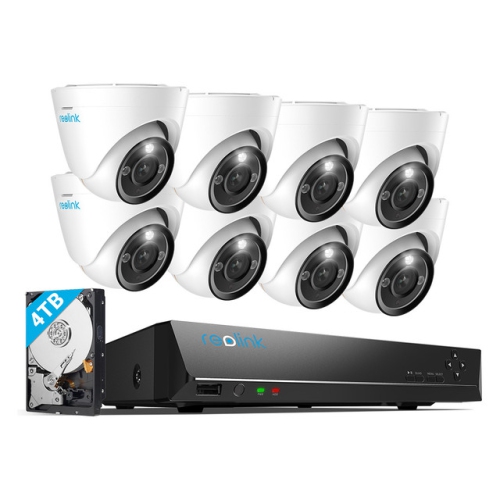
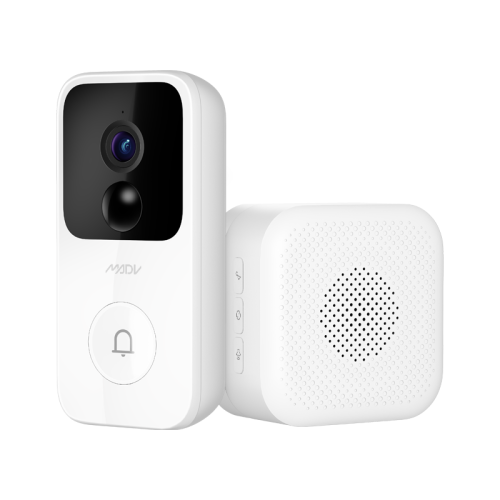
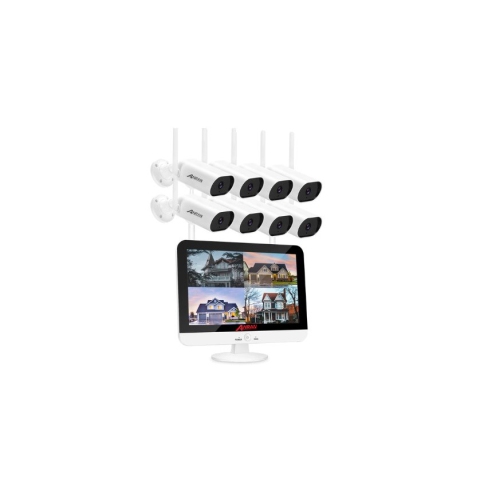
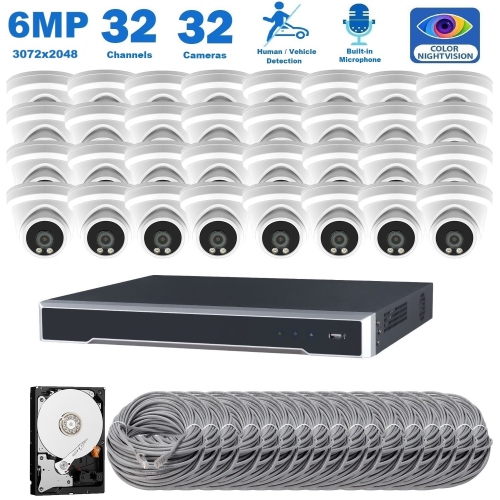
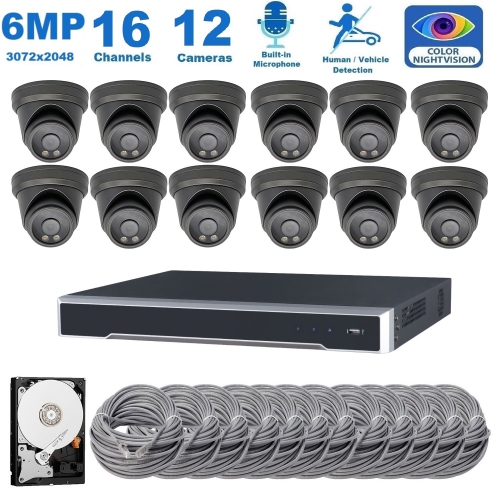
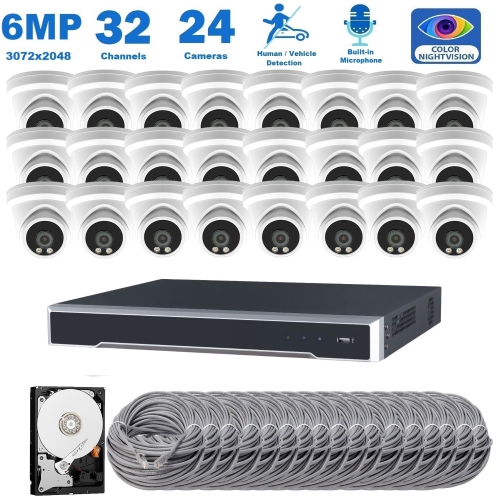
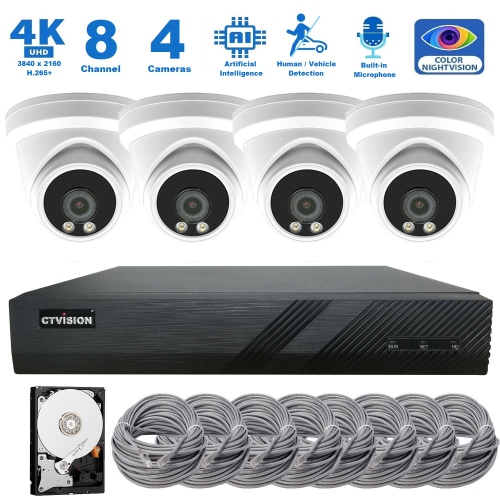
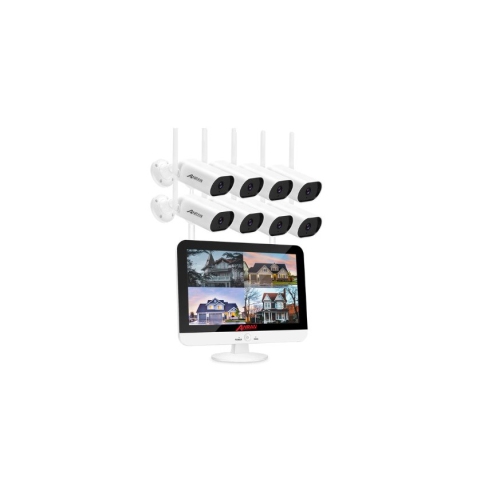
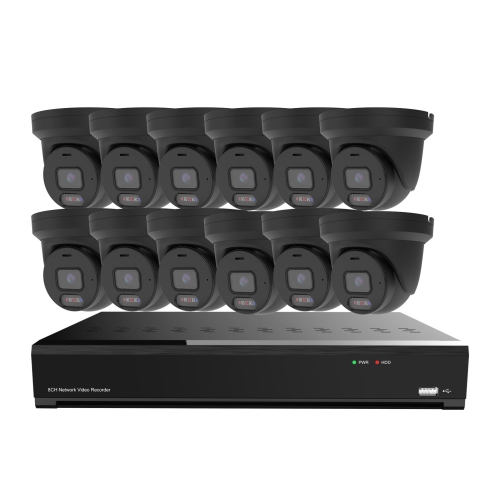
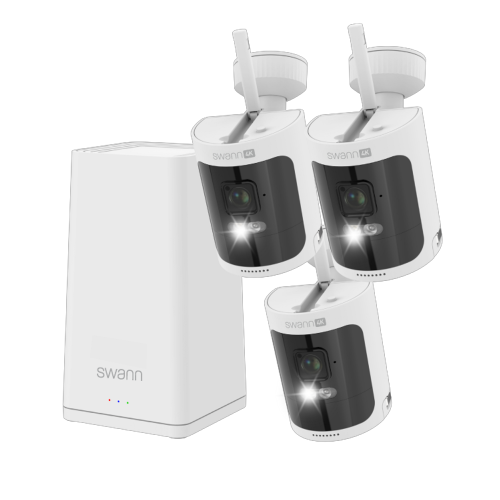
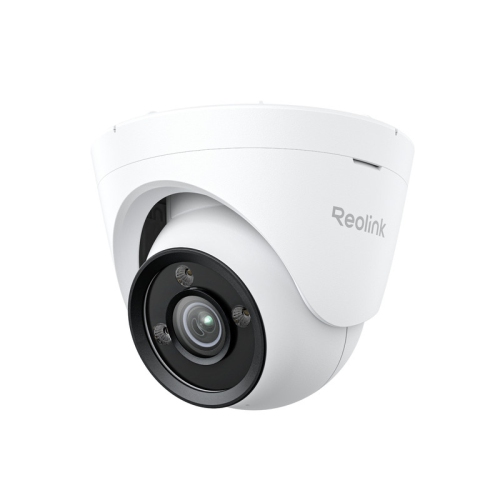
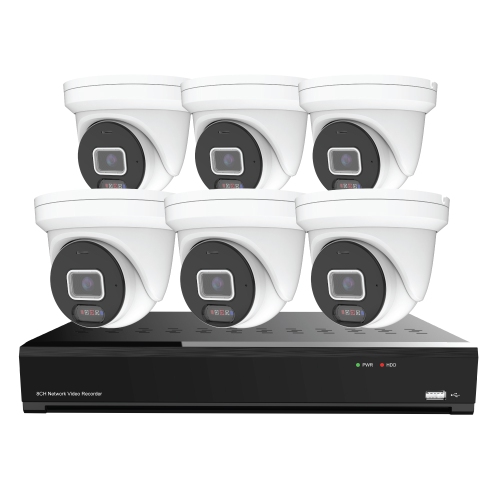
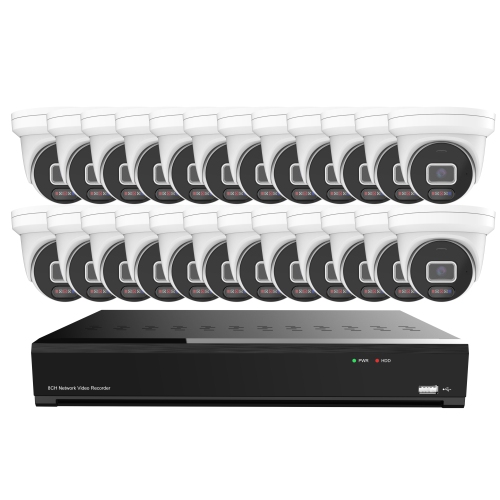
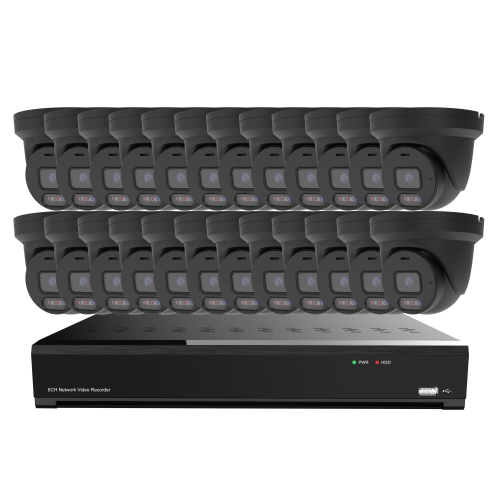
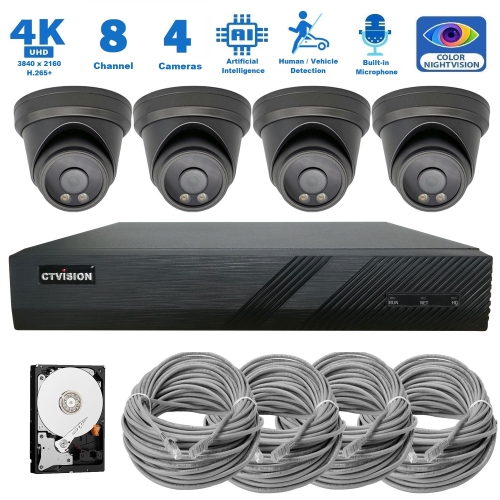
How infrared light reveals activity after dark
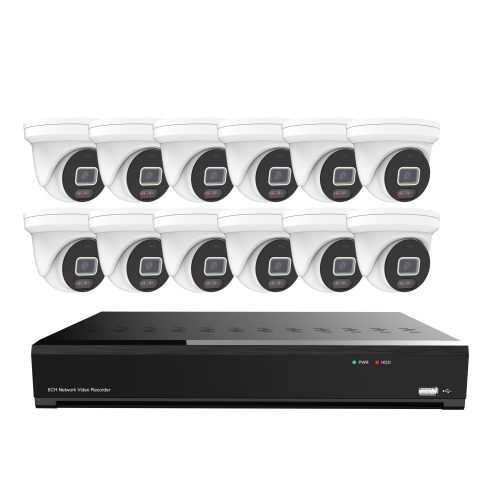
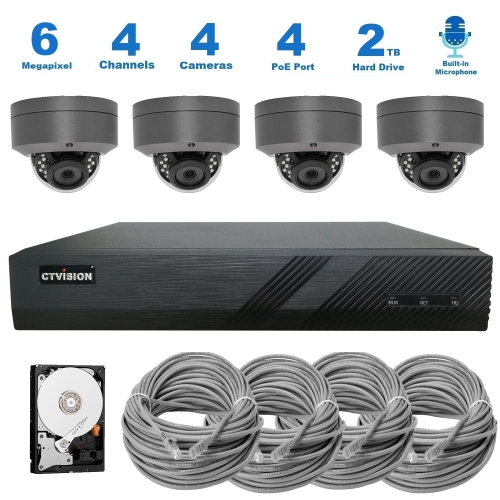
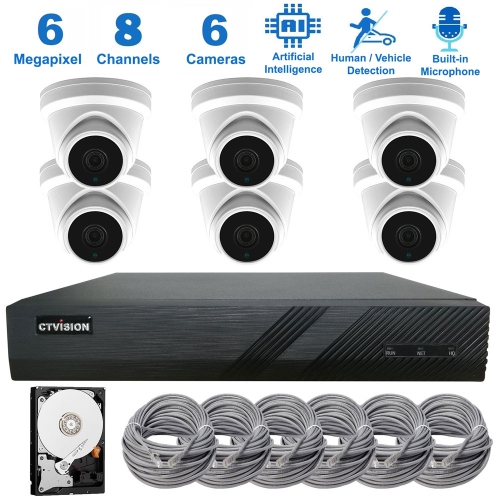
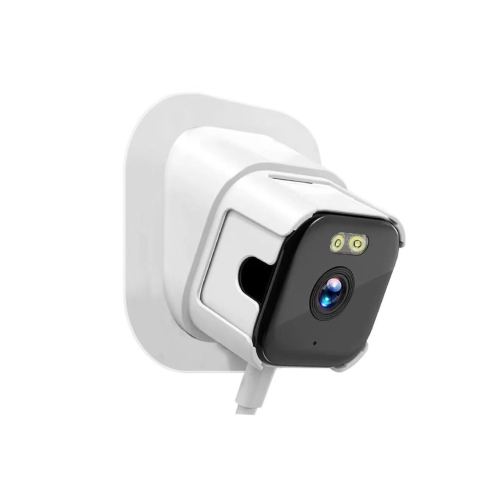
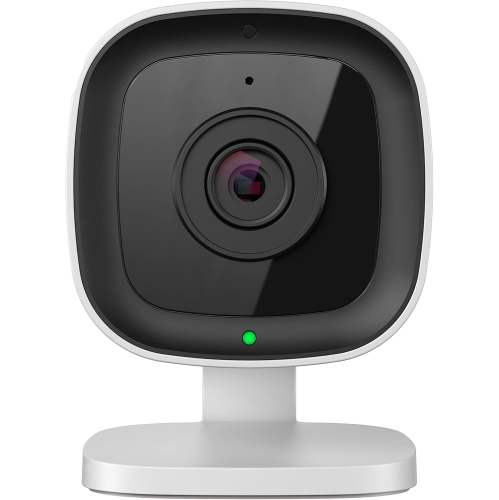
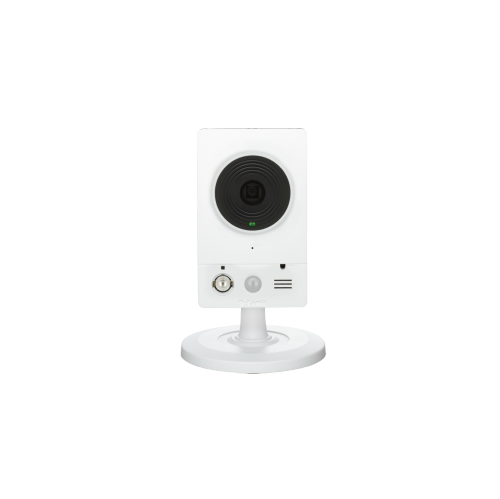
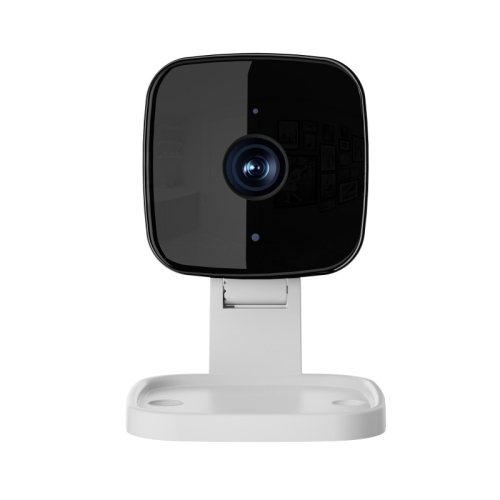
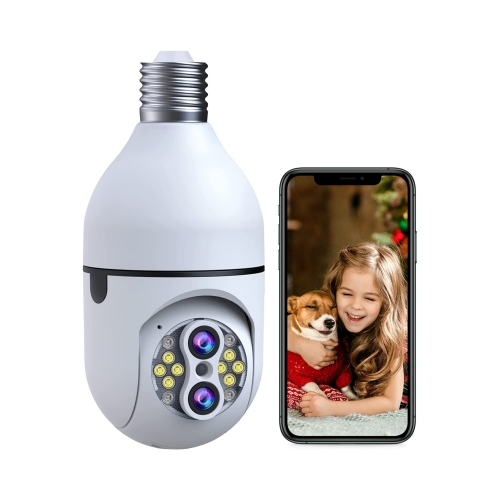
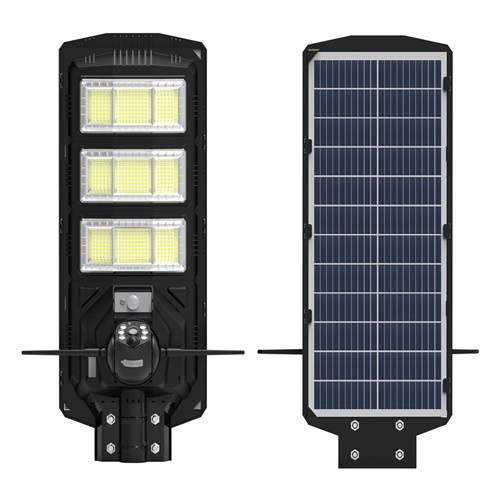
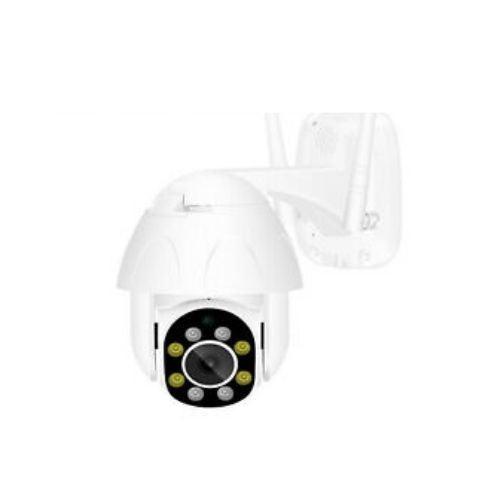
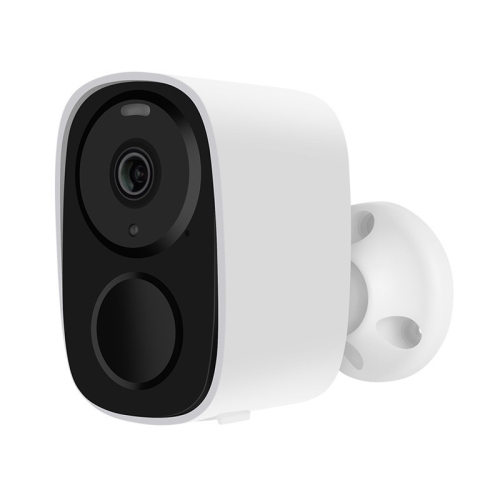
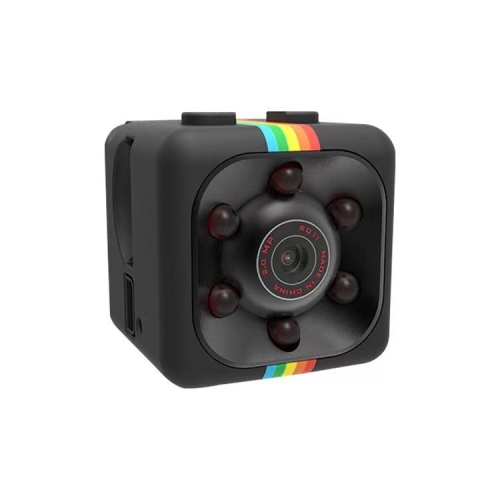
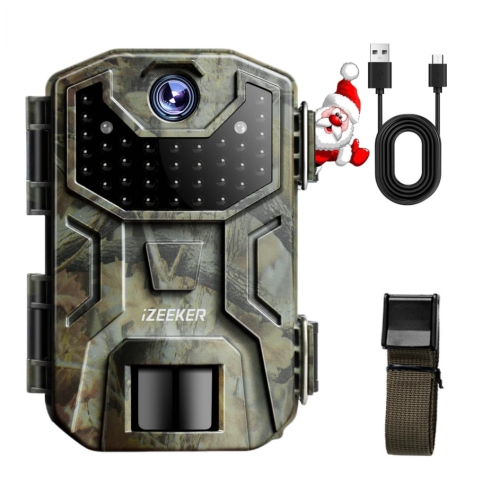
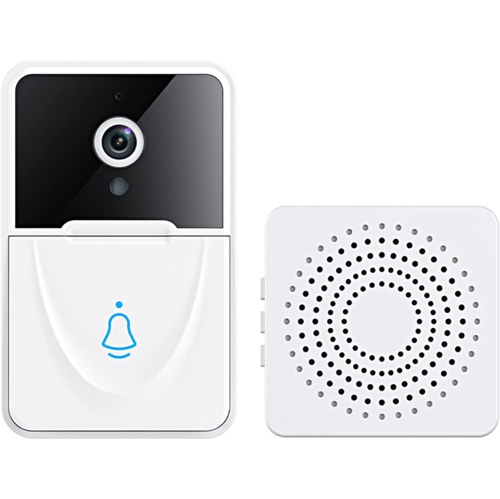
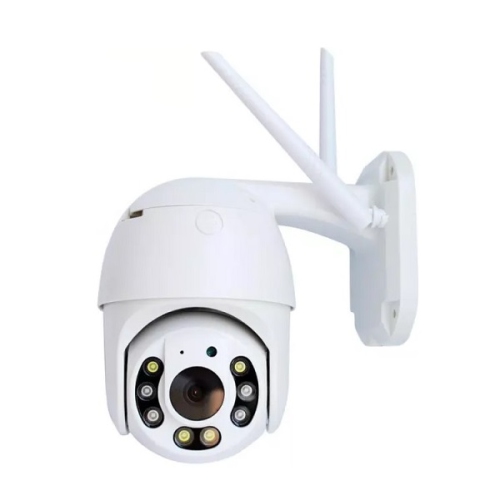
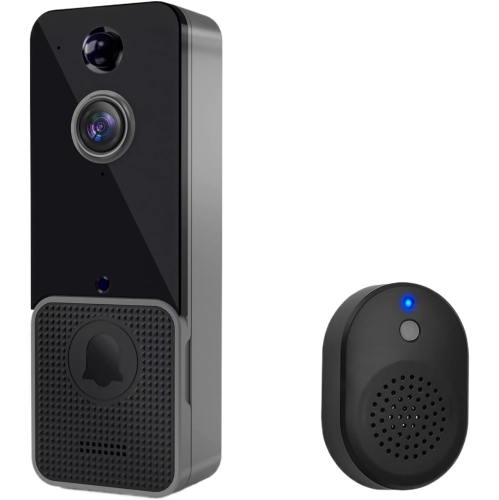
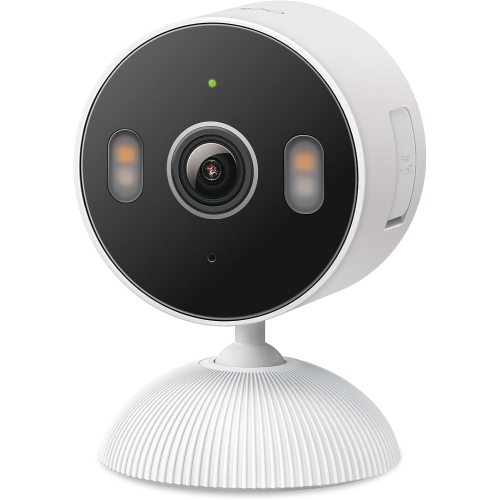
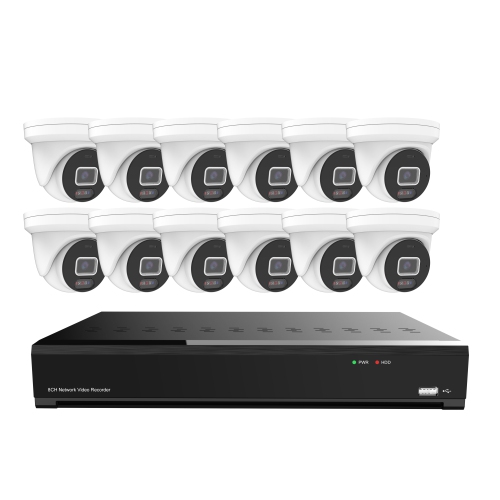
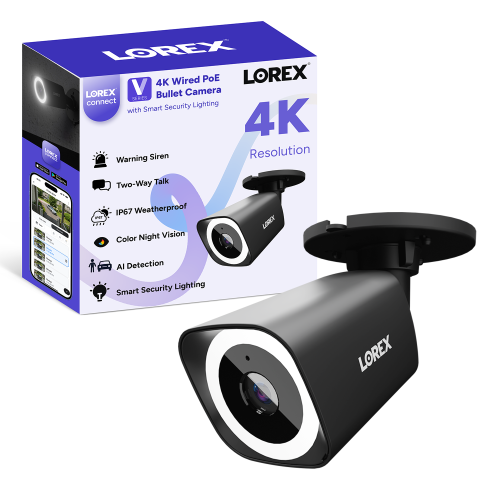
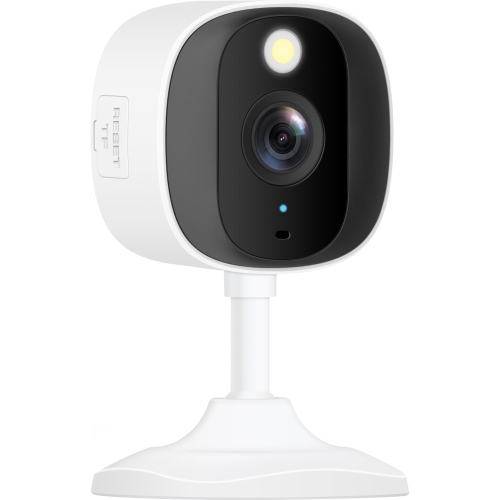
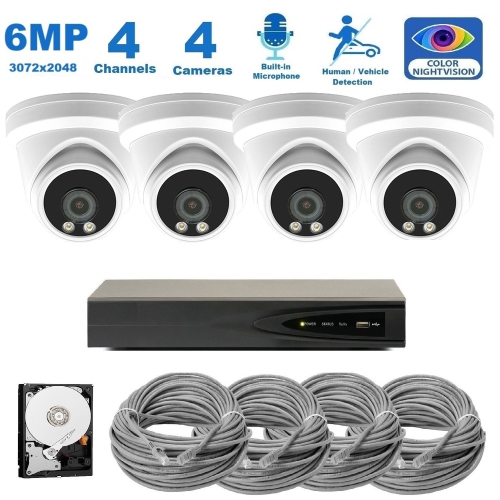
Infrared security cameras use infrared light to capture video when visible light is limited or absent. Built-in infrared LEDs illuminate the area in front of the lens, and a compatible image sensor captures the light reflected by people, objects, and nearby surfaces. In infrared night mode, footage is typically black and white rather than colour. Many cameras automatically switch between daytime colour video and infrared night vision, using a movable infrared-cut filter to maintain natural daytime colours while allowing infrared light to reach the sensor after dark. This makes them useful for monitoring a front entrance, checking activity beside a garage, or keeping an eye on a storage room without leaving a visible light switched on. Infrared cameras are different from thermal cameras: they capture reflected infrared illumination rather than producing an image based on heat emitted by objects. They also differ from colour night vision cameras that need some visible light or use a built-in spotlight to show colour details. For a broader look at these approaches, Night Vision Security Cameras includes cameras with different low-light capabilities. Infrared illumination is not necessarily completely discreet; some LEDs show a faint red glow, while other designs use wavelengths that are less noticeable to people. The useful viewing distance depends on the strength and spread of the illumination, the sensor, the lens, and the scene itself. A stated night vision range describes illumination reach under particular test conditions, not a promise that a face will be identifiable at that distance. A camera watching a narrow doorway has a different job from one covering an entire driveway. Wide-angle lenses show more of a scene, but distant people occupy less of the image. Higher resolution can help reveal detail, although focus, motion blur, video compression, and lighting all affect what is actually visible. For meaningful coverage, the camera’s field of view and night vision reach need to suit the area being watched.
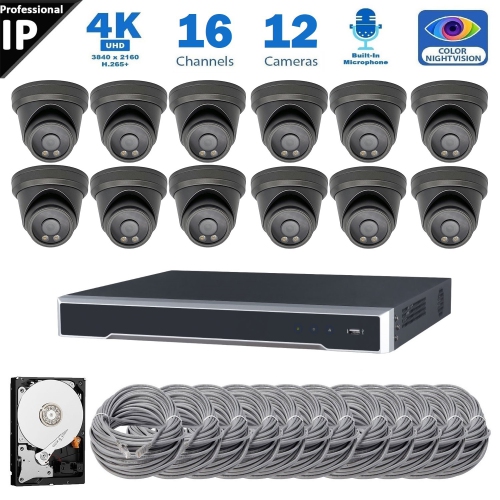
The physical design of an infrared security camera matters just as much as its imaging features. Compact indoor housings fit comfortably on shelves or discreet wall mounts, while cameras intended for outdoor installation need suitable protection against dust and water ingress. Metal and durable plastic housings are both common; construction quality, sealed connections, and a secure mounting system matter more than material alone. An ingress protection rating describes resistance to specified types of exposure, but it does not automatically apply to a separate power adapter, cable joint, or network connector. Mounting hardware should suit the surface, and the camera needs enough adjustment to frame the entrance, walkway, or room without pointing unnecessarily into neighbouring properties. A camera mounted too high may capture the top of someone’s head rather than a useful view of their face. Positioning it close to a wall, soffit, or railing can also cause infrared light to bounce back into the lens, leaving part of the image bright and the rest difficult to see. Shooting through a window is particularly troublesome when built-in infrared lights are active because the glass can reflect illumination back towards the camera. Power and connectivity shape installation choices as well. A Wi-Fi camera still needs a power source unless it uses a battery, and a battery-powered camera may capture motion-triggered clips rather than continuous video. Some models support continuous recording only with a suitable wired power connection. Power over Ethernet cameras can carry power and data through one compatible network cable, while other wired systems use separate connections or connect to a dedicated recorder. Checking cable routes, network coverage, and access for charging before mounting helps prevent awkward maintenance later. Clear night footage also depends on a clean lens cover: fingerprints, dust, and spiderwebs can scatter infrared light and create haze or bright streaks. Gentle cleaning with a soft cloth, following the manufacturer’s care instructions, helps protect coatings and seals without scratching the viewing surface.
Infrared security cameras can serve homeowners, renters with permission to install them, and business operators who need visibility around entrances, stockrooms, or other appropriate areas. A fixed camera suits a defined space, such as a side gate or reception doorway, while a pan-and-tilt design can provide different views of a larger room. Movement does not mean every direction is captured at once, so the camera’s resting position and any tracking settings still matter. Motion alerts can draw attention to activity, but their usefulness depends on how detection works. Basic motion detection may respond to shifting shadows, insects near the lens, or movement outside the intended area. Person and vehicle detection, where supported, can help make notifications more relevant, while activity zones allow attention to be concentrated on a path or entrance. Detection features, recording schedules, and alert settings vary, and some require a compatible service or recording system. Storage is another important distinction. Memory cards, network video recorders, and cloud storage each offer different ways to retain and retrieve footage. Storage capacity, video quality, and continuous versus event-based recording affect how much history is kept before older footage is overwritten. A camera that stores video locally may continue recording during an internet interruption if its power and local connections remain intact, though remote access and notifications may stop. For checking a delivery or reviewing an unexpected visitor, a clear timeline and straightforward clip export can be as valuable as the live view. Two-way audio adds a way to speak with someone near the camera, provided the connection and surrounding sound levels allow a clear conversation. Account security and privacy deserve equal attention: unique passwords, supported security updates, and multifactor authentication help protect access. Thoughtful framing and privacy masks can limit views of neighbouring windows or shared spaces, and audio recording should comply with applicable requirements. The most useful setup combines suitable infrared coverage with dependable power, practical storage, and controls that make everyday monitoring manageable.
Top selling and popular products
-
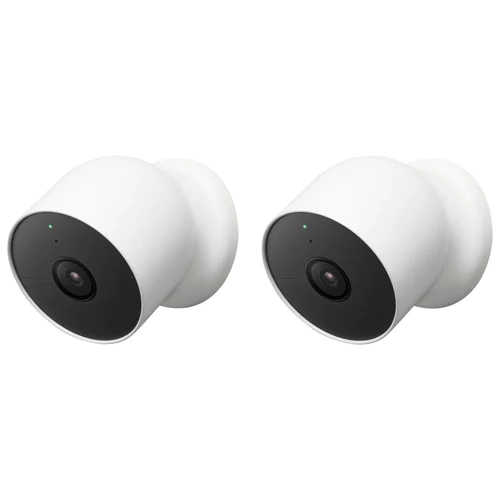 Your price for this item is $369.99
-
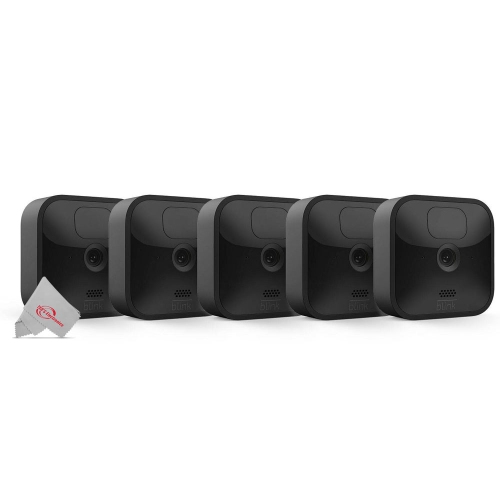 Your price for this item is $659.99
-
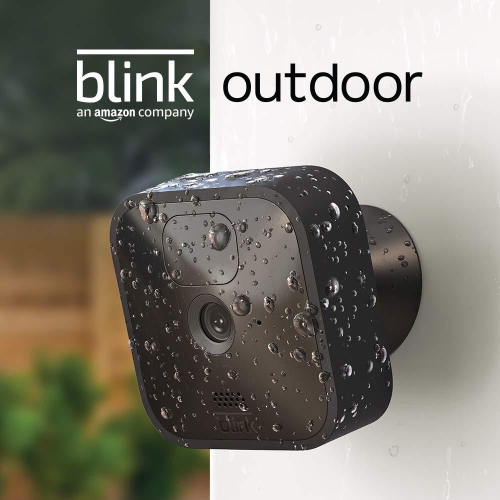 Your price for this item is $439.99
-
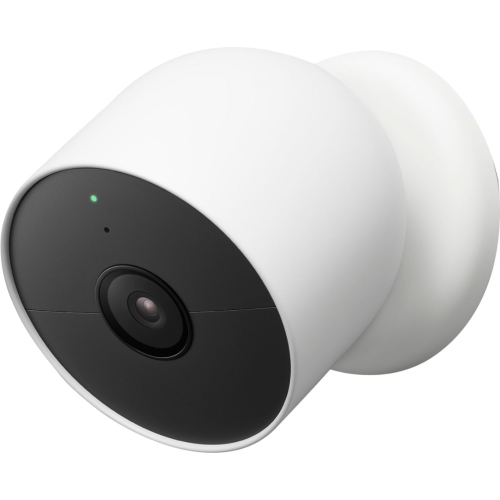 Your price for this item is $229.99
-
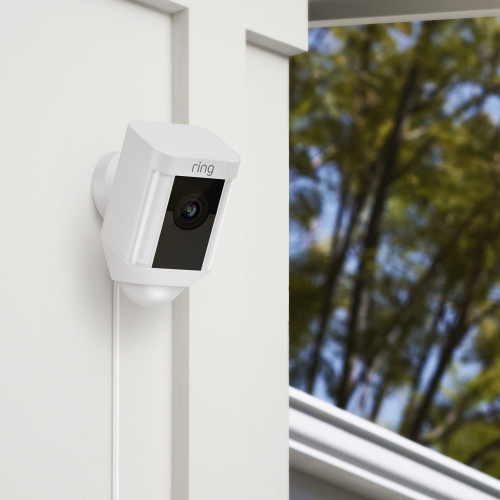 Your price for this item is $399.99
-
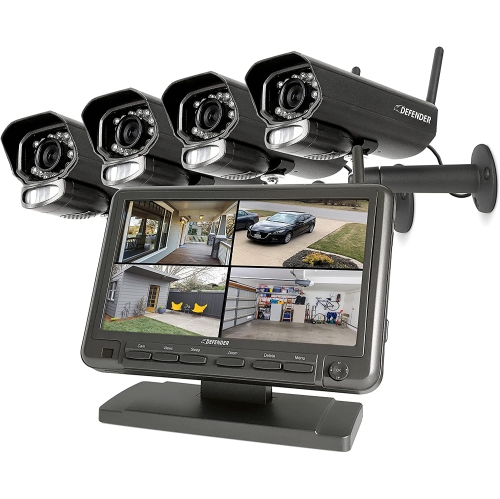 Your price for this item is $449.99
-
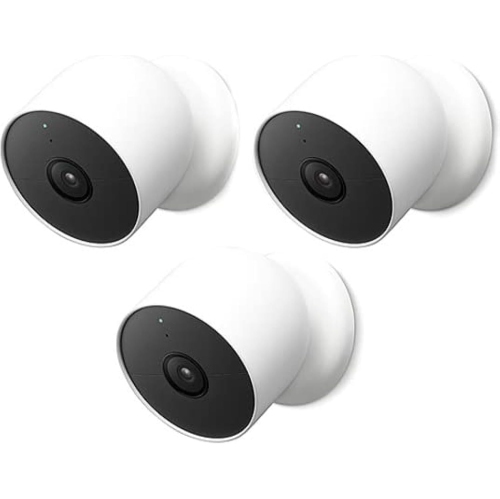 Your price for this item is $579.99
-
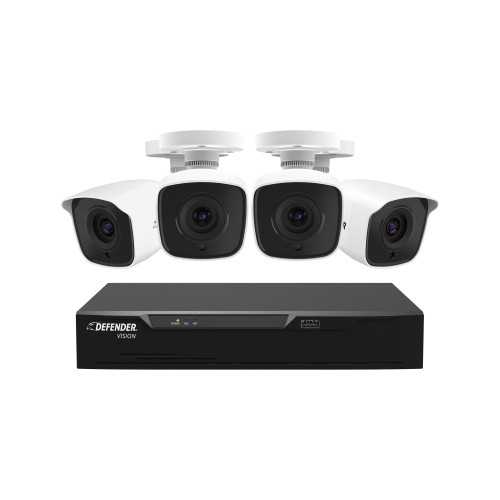 Your price for this item is $790.99
Discover more categories related to Infrared Security Cameras
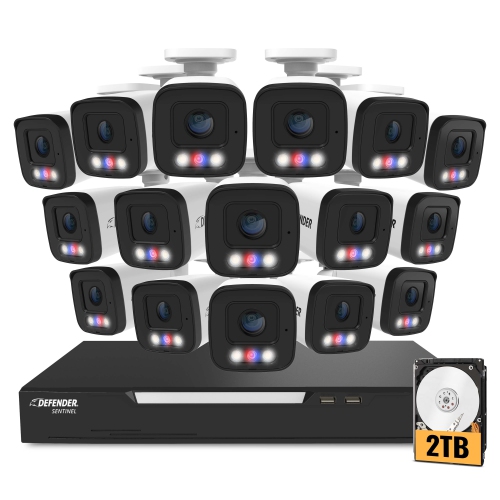
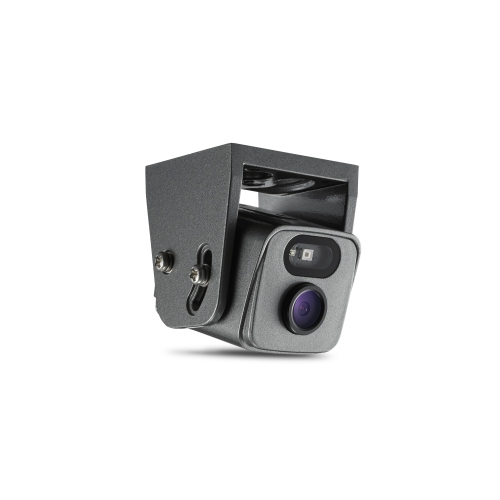
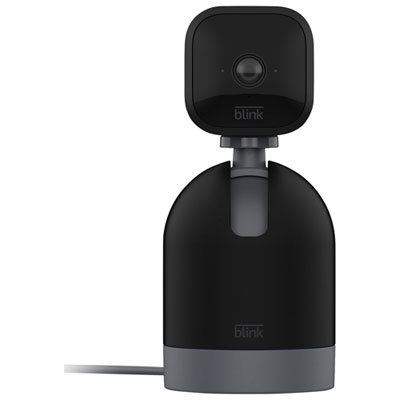
Top Collections:
Pokemon Centers, Kindle Devices, Best Cameras for Sports Photography, Pokémon 30th Celebration Cards, Apple iPhones 16, Canon G7X Cameras, iPhone 15 Apple, Flip Phones, Samsung Galaxy Phones, Alarm Clock
Some products may be subject to Environmental Handling Fees
(EHF) depending on your province.
Learn more about EHFs.